
424 Results for "

Activity control

" in MedChemExpress (MCE) Product Catalog:
Products (424)

424 Results for "Activity control" in MCE Product Catalog:

2
2 Cited Publications
Cat. No.: HY-P99100
CAS No.: 2556646-63-8
Synonyms: CTL-002

Research Areas:  

Cancer

Visugromab (CTL-002) is a GDF-15 neutralizing IgG4 mAb. Visugromab has synergistic anticancer activity with the anti-PD1 antibody Nivolumab (HY-P9903) and can effectively act on PD-1/PD-L1 relapsed/refractory metastatic solid tumors. Recommend Isotype Controls: Human IgG4 (S228P) kappa, Isotype Control (HY-P99003) .
loading...
    loading...
2
2 Cited Publications
Cat. No.: HY-B1869
CAS No.: 74223-64-6
Research Areas:  

Others

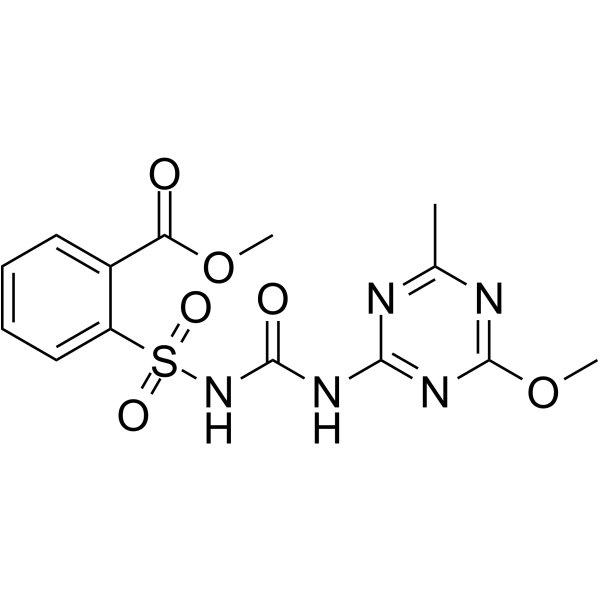
Metsulfuron-methyl is a systemic sulfonylurea herbicide that has been widely used to control broadleaf weeds and annual grasses in rice, corn, wheat, and barley. Metsulfuron-methyl exhibits high herbicidal activity and low mammalian toxicity, with an LD50 for rats exceeding 5000 mg/kg .
loading...
    loading...
2
2 Cited Publications
Cat. No.: HY-N4170
CAS No.: 23725-05-5
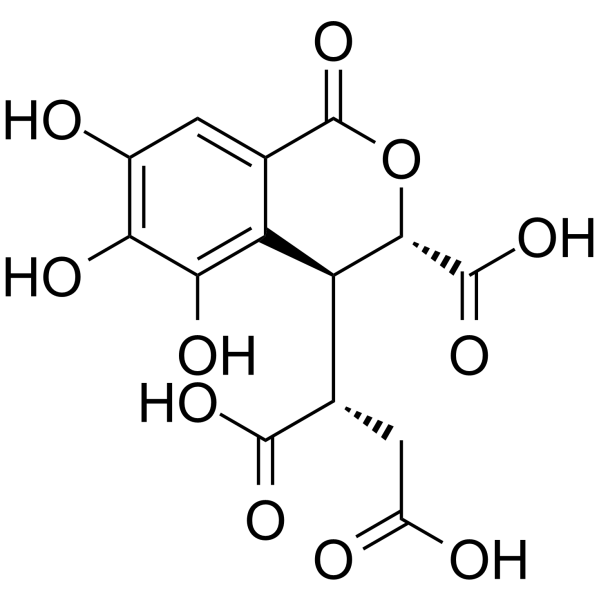
Chebulic acid is a phenolic acid compound isolated from Terminalia chebula with strong antioxidant activity, which breaks protein cross-links induced by advanced glycation end products (AGEs) and inhibits the formation of AGEs. Chebulic acid is effective in controlling elevated metabolic parameters, oxidative stress, and liver damage, supporting its beneficial role in asthma, diabetes, and liver protection .
loading...
    loading...
2
2 Cited Publications
Cat. No.: HY-P1075
CAS No.: 261969-05-5
Target:  

Calcium Channel

Research Areas:  

Neurological Disease Cancer

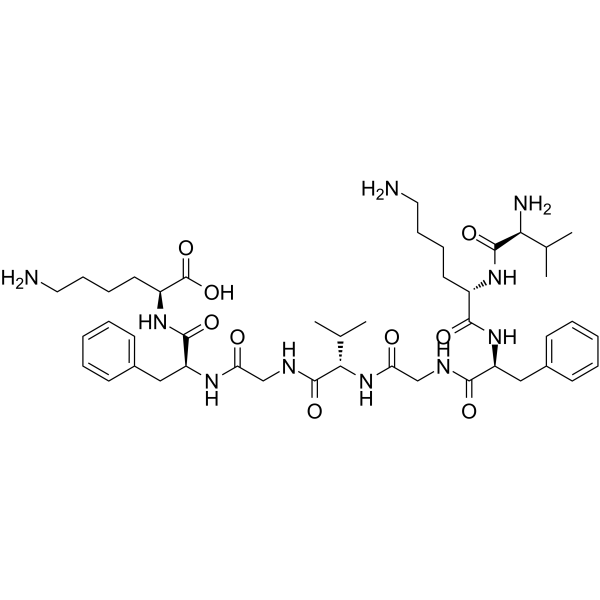
CALP3, a Ca 2+-like peptide, is a potent Ca 2+ channel blocker that activates EF hand motifs of Ca 2+-binding proteins. CALP3 can functionally mimic increased [Ca 2+]i by modulating the activity of Calmodulin (CaM), Ca 2+ channels and pumps. CALP3 has the potential in controlling apoptosis in diseases such as AIDS or neuronal loss due to ischemia .
loading...
    loading...
2
2 Cited Publications
Cat. No.: HY-131031
CAS No.: 315702-75-1
Purity:  99.95%
Research Areas:  

Neurological Disease Cancer

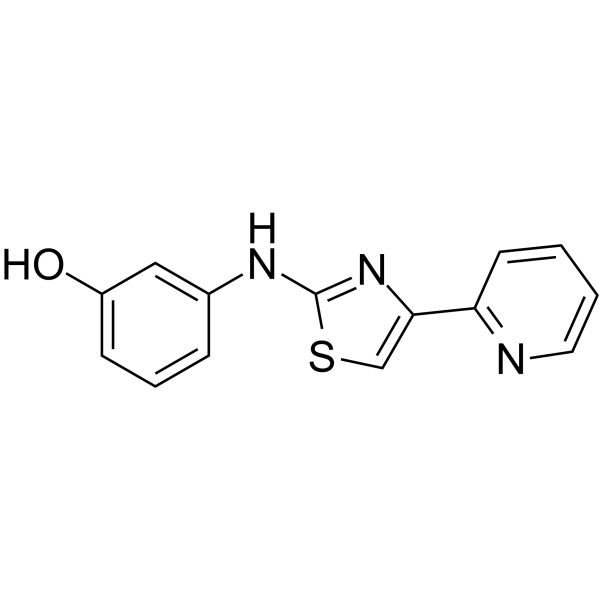
KCC-07 is a potent and brain-penetrant MBD2 (methyl-CpG-binding domain protein 2) inhibitor. KCC-07 prevents binding of MBD2 to methylated DNA and activates brain specific angiogenesis inhibitor 1 (BAI1) inducing anti-proliferative BAI1/p53/p21 signaling . KCC-07 is a TRACER (transcriptional regulation via active control of epigenetic reprogramming) that can stimulate ER transcriptional activity . KCC-07 can be used for the stduy of breast cancer .
loading...
    loading...
1
1 Cited Publications
Cat. No.: HY-135761
CAS No.: 66246-88-6
Purity:  98.91%
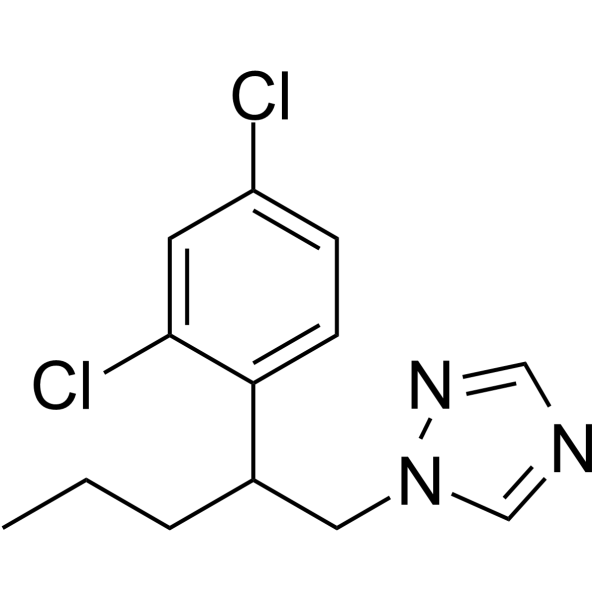
Penconazole is a typical triazole fungicide, and mainly applied on apples, grapes, and vegetables to control powdery mildew. Penconazole inhibits sterol biosynthesis in fungi. Penconazole decrease AChE activity in the cerebrum and cerebellum of rats .
loading...
    loading...
1
1 Cited Publications
Cat. No.: HY-B1851
CAS No.: 78587-05-0
Research Areas:  

Infection

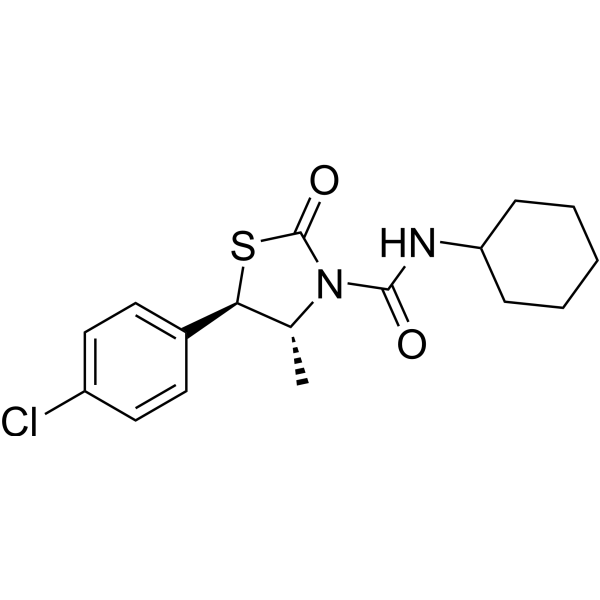
Hexythiazox is a selective acaricide with ovicidal, larvicidal and nymphicidal activities. Hexythiazox is widely used for chemical control of mites on cotton, fruits and vegetables. Hexythiazox is harmless to mammals and has no effect on beneficial insects and predators of mites .
loading...
    loading...
1
1 Cited Publications
Cat. No.: HY-112367
CAS No.: 172747-50-1
Target:  

p38 MAPK

Research Areas:  

Cancer

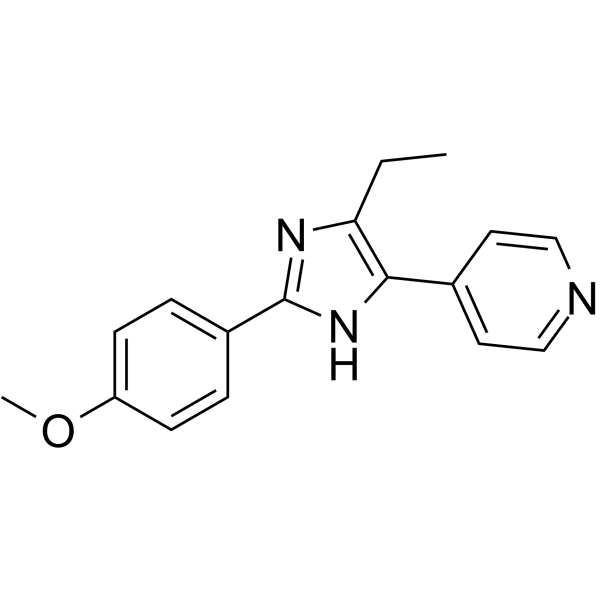
SB 202474, a negative analog of SB203580. SB 202474, which has no ability to inhibit p38 MAPK activity and is widely used as a negative control compound in p38 MAPK studies, also suppressed melanin synthesis induction .
loading...
    loading...
1
1 Cited Publications
Cat. No.: HY-B1838
CAS No.: 3337-71-1
Target:  

Herbicide

Research Areas:  

Others

Asulam is a herbicide with control activity against wild oats. Asulam can be used for bulb production in spinach, tulips, daffodils and lilies. Maximum residue limits (MRLs) for Asulam were evaluated in spinach. The review of Asulam took into account its endocrine disrupting properties .
loading...
    loading...
1
1 Cited Publications
Cat. No.: HY-77111
CAS No.: 1285539-85-6
Target:  

CCR Drug Isomer

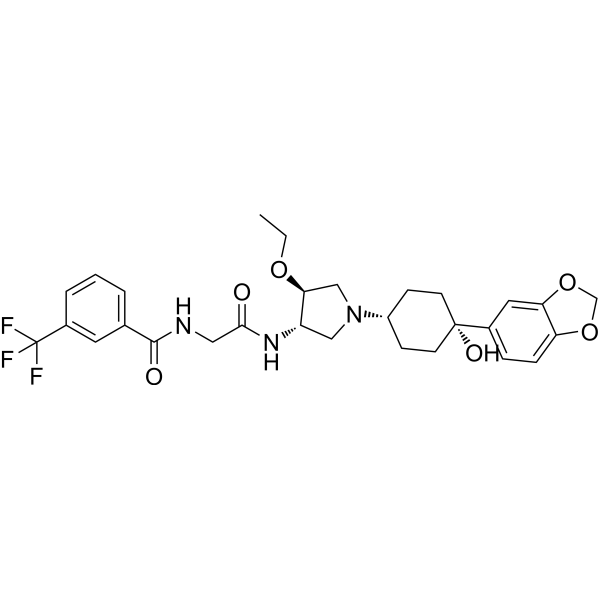
cis-INCB3344 is the isomer of INCB3344 (HY-50674), and can be used as an experimental control. INCB3344 is a potent, selective and orally bioavailable CCR2 antagonist with IC50 values of 5.1 nM (hCCR2) and 9.5 nM (mCCR2) in binding antagonism and 3.8 nM (hCCR2) and 7.8 nM (mCCR2) in antagonism of chemotaxis activity.
loading...
    loading...
1
1 Cited Publications
Cat. No.: HY-B0859
CAS No.: 94-74-6
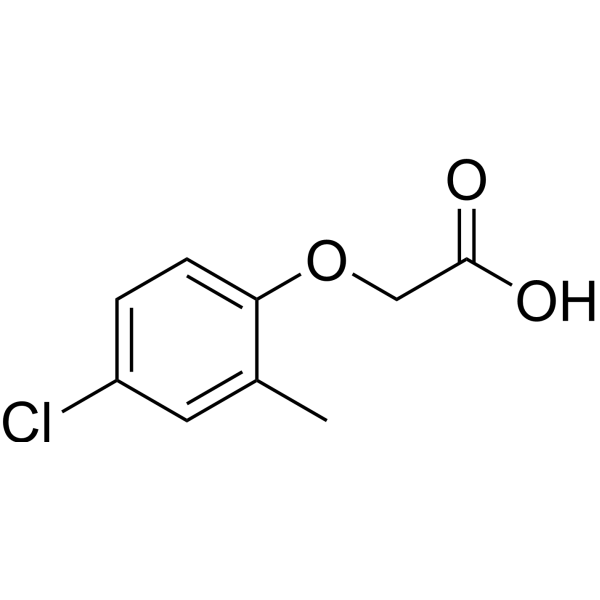
MCPA is an orally active phenoxyacetic acid herbicide. MCPA interferes with membrane integrity, energy metabolism (decreases ATP levels), and redox balance in plant cells. MCPA increases hepatic cytochrome P-450 levels and increases aniline hydroxylase and 7-ethoxycoumarin O-deethylase activities. MCPA can be used to control broadleaf weeds .
loading...
    loading...
1
1 Cited Publications
Cat. No.: HY-B0859A
CAS No.: 3653-48-3
Research Areas:  

Metabolic Disease

MCPA sodium is an orally active phenoxyacetic acid herbicide. MCPA sodium interferes with membrane integrity, energy metabolism (decreases ATP levels), and redox balance in plant cells. MCPA sodium increases hepatic cytochrome P-450 levels and increases aniline hydroxylase and 7-ethoxycoumarin O-deethylase activities. MCPA sodium can be used to control broadleaf weeds .
loading...
    loading...
1
1 Cited Publications
Cat. No.: HY-114899
CAS No.: 35575-96-3
Purity:  96.46%
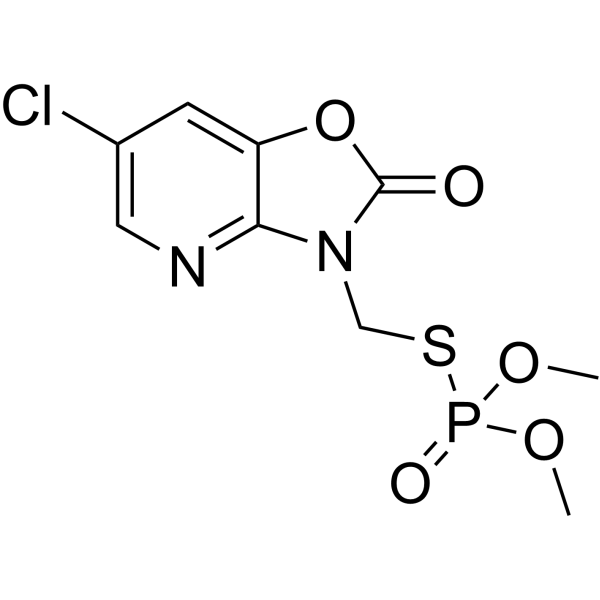
Azamethiphos is an acetylcholinesterase inhibitor and insecticide. Azamethiphos covalently binds to acetylcholinesterase via phosphorylation, inhibits its activity, causes acetylcholine to accumulate in cholinergic synapses, triggers uncontrolled excitation of cholinergic sites, induces paralysis and leads to death. Azamethiphos can be used as a bath insecticide in salmonid aquaculture to control sea lice infestations, and it exerts acute toxicity to European lobster larvae, including mortality and movement disorders .
loading...
    loading...
1
1 Cited Publications
Cat. No.: HY-126833A
CAS No.: 187100-75-0
Purity:  95.50%
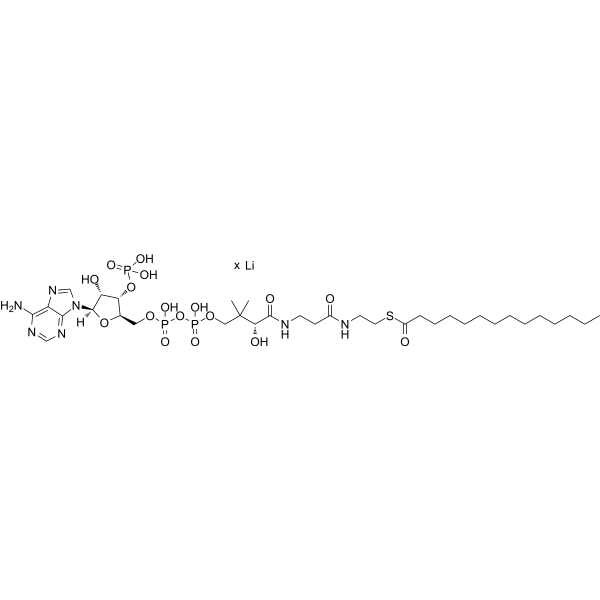
Myristoyl coenzyme A lithium is lithium-labeled myristoylated coenzyme A (CoA). Myristoylation is an essential process in viruses and is generally controlled by N-myristoyltransferase (NMT). And NMT is more active in colon epithelial tumors than in normal cells. Reduced Ccoenzyme A (CoA) is known to be a key regulator of NMT activity, whereas oxidized CoA does not allow NMT to promote myristoylation. Myristoyl coenzyme A blocks the demyristoylation process and has potential anticancer and antiviral mechanisms .
loading...
    loading...
1
1 Cited Publications
Cat. No.: HY-B2029
CAS No.: 2310-17-0
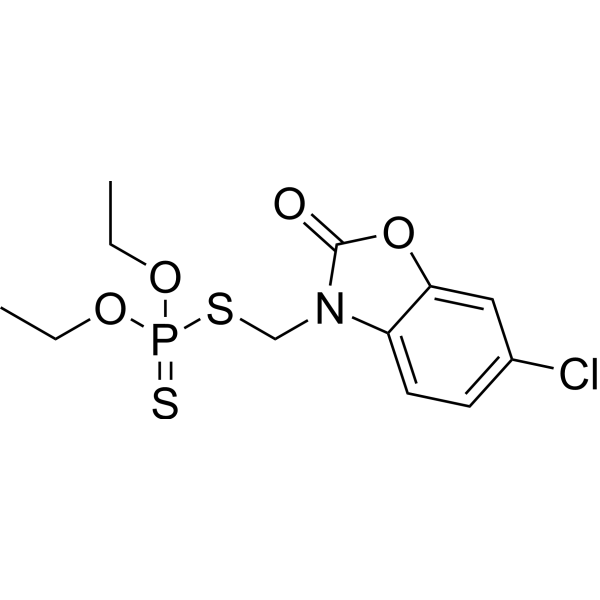
Phosalone is an orally active, blood-brain barrier penetrant Insecticide and acaricide. Phosalone inhibits the activity of Acetylcholinesterase. Phosalone acts as a substrate for detoxifying esterases. Phosalone induces symptoms of cholinergic hyperactivity, toxic reactions, mortality, oxidative stress, and changes in pro-inflammatory protein levels, and exerts toxic effects on colonic tissues and cells. Phosalone controls pistachio psyllids. Phosalone can be used in studies related to colitis .
loading...
    loading...
1
1 Cited Publications
Cat. No.: HY-119976
CAS No.: 188425-85-6
Purity:  99.29%
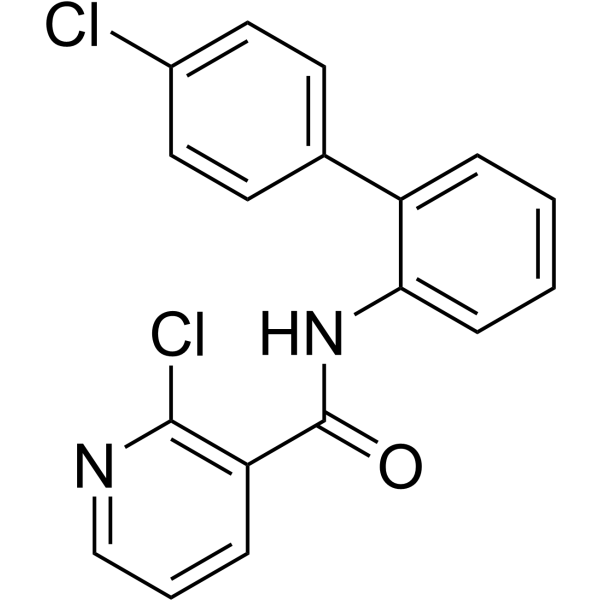
Boscalid is a succinate dehydrogenase (SDHI) inhibitor with antifungal activity. Boscalid binds to the ubiquinone-binding site of fungal mitochondrial complex II, blocks ATP production and aerobic respiration, exhibits good control efficacy against a variety of plant fungal diseases including gray mold, sclerotinia rot and powdery mildew, and is widely used for disease control in agriculture. Boscalid induces apoptosis, altered lipid metabolism, mitochondrial dysfunction, respiratory impairment, oxidative stress, ROS accumulation and neurodevelopmental disorders in zebrafish. Boscalid reduces foraging ability, shortens median death time and causes chronic toxicity in exposed honeybees. Boscalid also possesses genotoxicity, cytotoxicity, elevated mitochondrial superoxide levels and early-stage apoptosis .
loading...
    loading...
1
1 Cited Publications
Cat. No.: HY-126833B
CAS No.: 799812-85-4
Synonyms: 14:0 Coenzyme A triammonium; S-Tetradecanoate-CoA triammonium; S-Tetradecanoate-coenzyme A triammonium
Target:  

Endogenous Metabolite

Research Areas:  

Infection Cancer

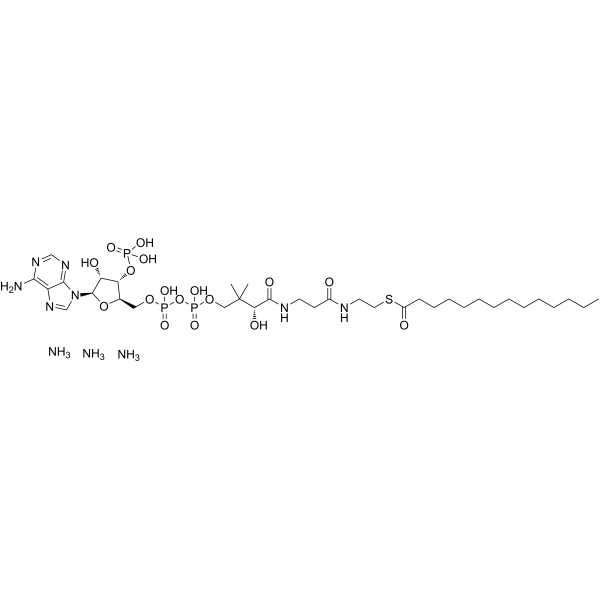
Myristoyl coenzyme A triammonium (14:0 Coenzyme A) is a myristoylated coenzyme A (CoA). Myristoylation is an essential process in viruses and is generally controlled by N-myristoyltransferase (NMT). And NMT is more active in colon epithelial tumors than in normal cells. Reduced Ccoenzyme A (CoA) is known to be a key regulator of NMT activity, whereas oxidized CoA does not allow NMT to promote myristoylation. Myristoyl coenzyme A blocks the demyristoylation process and has potential anticancer and antiviral mechanisms .
loading...
    loading...
1
1 Cited Publications
Cat. No.: HY-17509
CAS No.: 169590-41-4
Synonyms: SC 046; SC 46; SC 59046
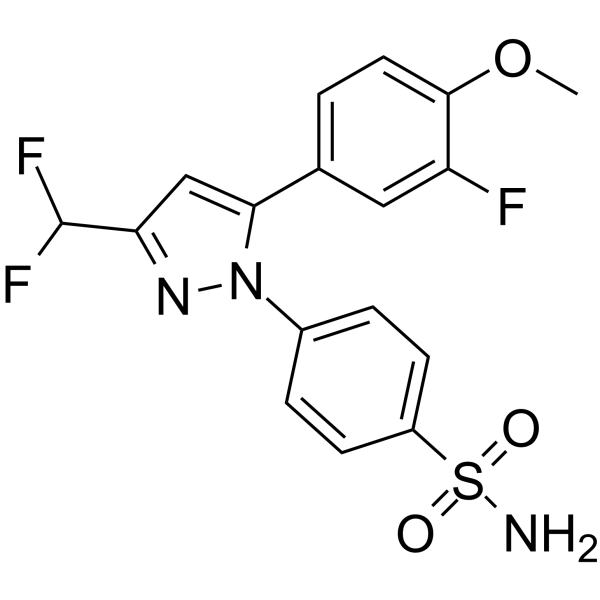
Deracoxib (SC 046; SC 59046), an orally active COX-2 inhibitor, is a veterinary nonsteroidal anti-inflammatory agent used exclusively in dogs. Deracoxib inhibits the COX-2 enzyme to reduce the production of prostaglandins, effectively controlling pain and inflammation after canine soft tissue surgery. Deracoxib reduces the inhibition of COX-1 and lowers the risk of gastrointestinal side effects. Deracoxib induces tumor cell cycle arrest and apoptosis, and shows anti-tumor activity in canine osteosarcoma, breast tumors and bladder transitional cell carcinomas .
loading...
    loading...
1
1 Cited Publications
Cat. No.: HY-117146
CAS No.: 173584-44-6
Synonyms: (S)-DPX-JW062
Target:  

Parasite

Research Areas:  

Infection

Indoxacarb ((S)-DPX-JW062) is an oxathiazole insecticide with activity against a wide range of insect pests. Indoxacarb is used in forest pest management to control insect pests, and its toxicity has significant effects on adult individuals of the predatory stink bug Podisus distinctus. Indoxacarb showed high toxicity to P. distinctus at a lethal concentration (LC50 = 2.62 g L-1). Indoxacarb treatment significantly reduced the survival rate of P. distinctus, with the survival rate of individuals exposed to 2.62 g L-1 decreasing to 40.7%. Indoxacarb also reduced the respiration rate of P. distinctus from 18.45 to 14.41 μL CO2 h-1, and inhibited its food intake. P. distinctus showed hyperexcitatory responses after Indoxacarb treatment .
loading...
    loading...
1
1 Cited Publications
Cat. No.: HY-N7435
CAS No.: 54814-64-1
Synonyms: (±)-Massoia lactone
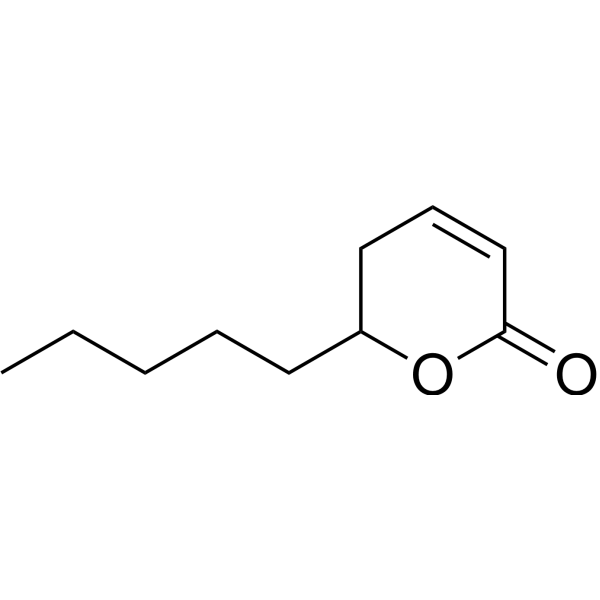
Massoia lactone ((±)-Massoia lactone) is a natural lactone-based biosurfactant with antifungal (fungal), antibiofilm, and cytotoxic activities. Massoia lactone inhibits fungal hyphal growth and spore germination, and induces fungal cell necrosis by forming membrane pores, reducing ergosterol, elevating ROS, and causing leakage of intracellular components. Massoia lactone inhibits the viability and proliferation of tumor cells. Massoia lactone degrades the extracellular polymeric substances of polymicrobial biofilms, penetrates the biofilm matrix, inhibits the growth of planktonic oral bacteria (bacterial), and reduces surface tension through its amphiphilic properties. Massoia lactone is a low-toxicity, biodegradable food additive with a coconut cream aroma, which can be used for flavor improvement and also serves as a quality control marker for Cs-4 mycelium. Massoia lactone can be used for research on Fusarium head blight, malignant tumors, and oral polymicrobial biofilm-associated dental diseases .
loading...
    loading...

