



119 Results for "

Competitive interactions

" in MedChemExpress (MCE) Product Catalog:
Products (119)

119 Results for "Competitive interactions" in MCE Product Catalog:

2
2 Cited Publications
Cat. No.: HY-124828
CAS No.: 958843-91-9
Purity:  98.66%
Target:  

HuR

Research Areas:  

Cancer

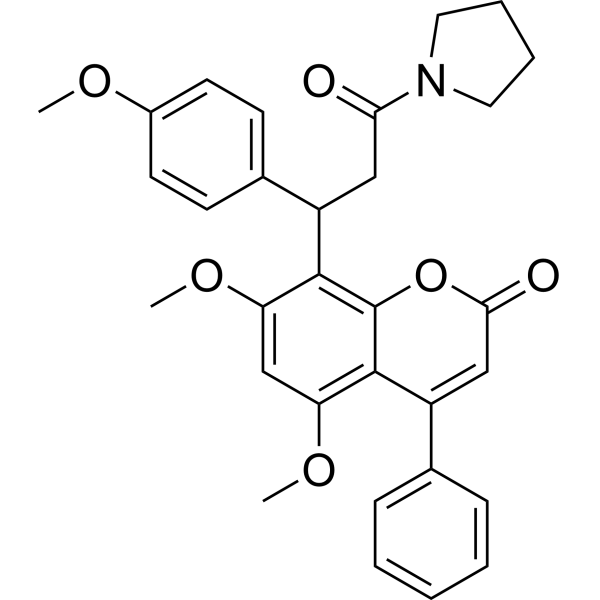
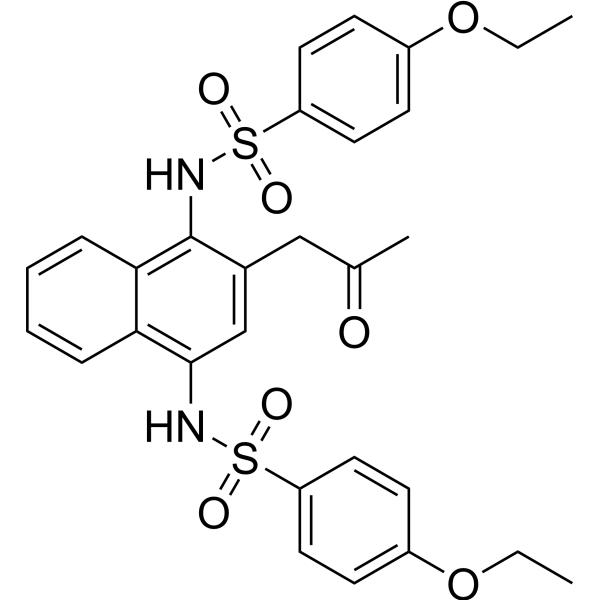
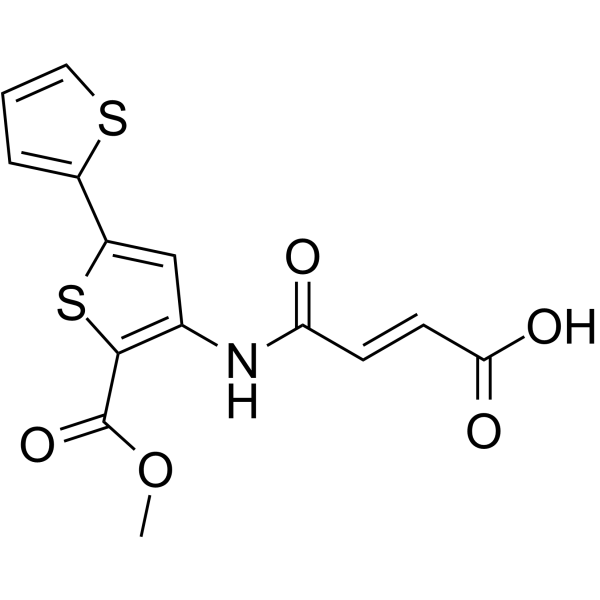
CMLD-2, an inhibitor of HuR-ARE interaction, competitively binds HuR protein disrupting its interaction with adenine-uridine rich elements (ARE)-containing mRNAs (Ki=350 nM). CMLD-2 induces apoptosis exhibits antitumor activity in different cancer cells as colon, pancreatic, thyroid and lung cancer cell lines. Hu antigen R (HuR) is an RNA binding protein, can regulate target mRNAs stability and translation .
loading...
    loading...
2
2 Cited Publications
Cat. No.: HY-122866
CAS No.: 2328073-61-4
Purity:  98.06%
Target:  

Ras

Research Areas:  

Cancer

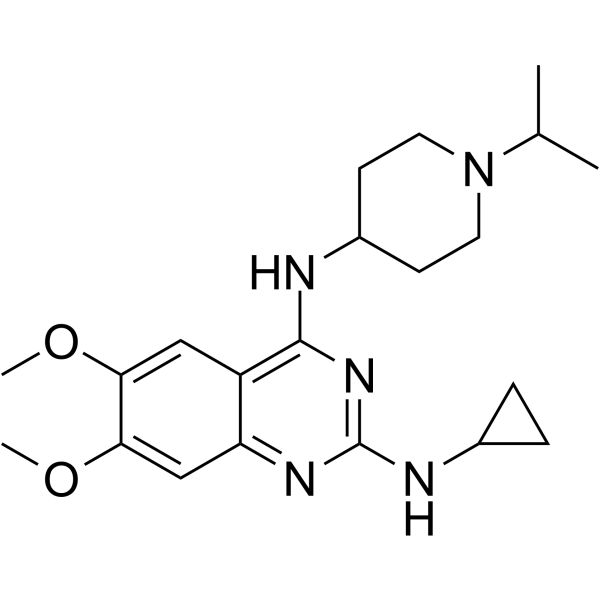
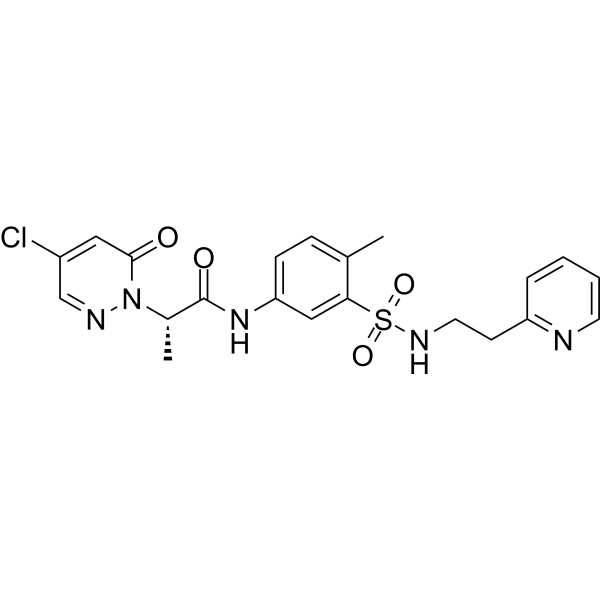
ZT-12-037-01 is a STK19-targeted inhibitor, has a high-affinity interaction with STK19 protein and inhibits oncogenic NRAS-driven melanocyte malignant transformation. ZT-12-037-01 is an ATP-competitive inhibitor, inhibiting phosphorylation of NRAS (major isoform of Ras family) with an IC50 of 24 nM .
loading...
    loading...
2
2 Cited Publications
Cat. No.: HY-P2244
CAS No.: 1659305-78-8
Target:  

YAP

Research Areas:  

Cancer

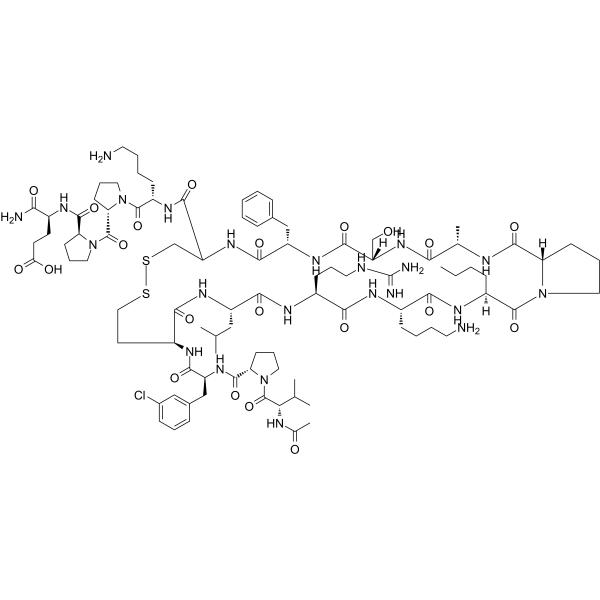
YAP-TEAD-IN-1 is a potent and competitive inhibitor of?YAP–TEAD interaction (IC50=25 nM). YAP-TEAD-IN-1 is a 17mer peptide and shows a higher the binding affinity to TEAD1 (Kd=15 nM) than YAP (50-171) (Kd=40 nM) .
loading...
    loading...
2
2 Cited Publications
Cat. No.: HY-P2244A
CAS No.: 1659305-79-9
Target:  

YAP

Research Areas:  

Cancer

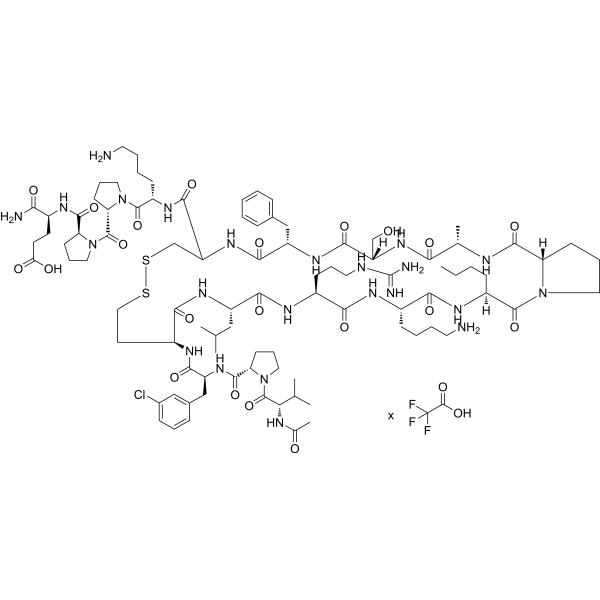
YAP-TEAD-IN-1 TFA is a potent and competitive peptide inhibitor of YAP-TEAD interaction (IC50=25 nM). YAP-TEAD-IN-1 TFA is a 17mer peptide and shows a higher the binding affinity to TEAD1 (Kd=15 nM) than YAP (50-171) (Kd= 40 nM) .
loading...
    loading...
2
2 Cited Publications
Cat. No.: HY-P99463
CAS No.: 2268717-61-7
Synonyms: AVB-500; AVB-S6-500

Research Areas:  

Cancer

Batiraxcept (AVB-500; AVB-S6-500) is a selective, soluble AXL receptor and GAS6 inhibitor that targets the GAS6-AXL signaling axis. Batiraxcept is orally inactive and does not cross the blood-brain barrier. Batiraxcept competitively binds to GAS6 ((KD <1 nM), preventing its interaction with the AXL receptor tyrosine kinase, thereby inhibiting downstream PI3K/AKT and MAPK signaling pathways, reducing tumor cell glycolysis, angiogenesis, and metastatic potential. Batiraxcept has demonstrated antitumor activity in preclinical models of endometrial, cholangiocarcinoma, and ovarian cancer by inhibiting tumor growth, invasion, and metastasis .
loading...
    loading...
1
1 Cited Publications
Cat. No.: HY-P99675
CAS No.: 2428381-53-5
Synonyms: AK112

Target:  

PD-1/PD-L1 VEGFR

Research Areas:  

Cancer

Ivonescimab (AK112) is a PD-1/VEGF bispecific antibody. Ivonescimab competitively inhibiting PD-1/PD-L1 interaction, reversing the immunosuppression mediated by it, and blocks the binding of VEGF-A to VEGFR2, inhibiting tumour angiogenesis in the tumour microenvironment. Ivonescimab also has significantly anticancer activity against EGFR-mutated locally advanced or metastatic non-squamous non-small cell lung cancer (NSCL) .
loading...
    loading...
1
1 Cited Publications
Cat. No.: HY-111126
CAS No.: 2046250-48-8
Purity:  98.26%
Target:  

p62 Keap1-Nrf2

Research Areas:  

Cancer

K67 is a selective the interaction between Keap1 and S349 phosphorylated p62 inhibitor, with an IC50 of 1.5 μM. K67 has a weaker inhibitory effect on the interaction between Keap1 and Nrf2 (IC50 is 6.2 μM). K67 competitively binds to the binding site of Keap1 with p-p62, blocking the abnormal activation of the p62-dependent Nrf2 pathway. K67 inhibits tumor cell proliferation and enhances the sensitivity of hepatocellular carcinoma (HCC) to chemotherapeutic drugs by restoring Keap1-mediated ubiquitination and degradation of Nrf2 .
loading...
    loading...
1
1 Cited Publications
Cat. No.: HY-100834
CAS No.: 131123-76-7
Purity:  99.98%
Synonyms: 5,7-DCKA
Target:  

iGluR

Research Areas:  

Neurological Disease

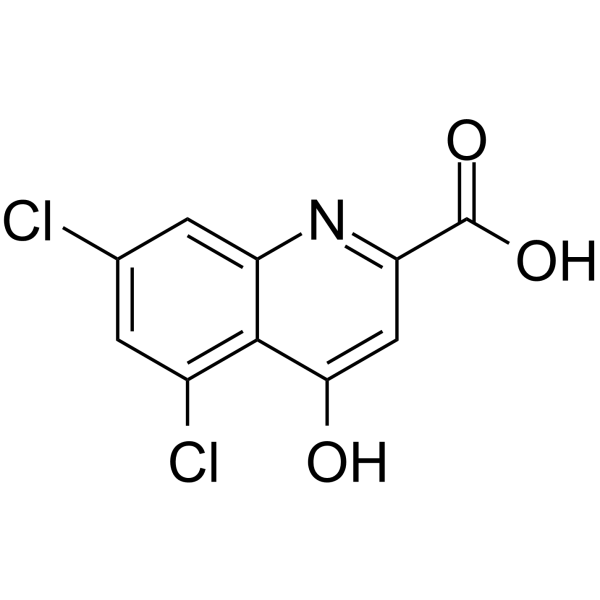
5,7-Dichlorokynurenic acid (5,7-DCKA) is a selective and competitive antagonist of the glycine site on NMDA receptor with a KB of 65 nM. 5,7-Dichlorokynurenic acid reduces NMDA-induced neuron injury. 5,7-Dichlorokynurenic acid increases social interaction time, increases open arm exploration time, disinhibits suppressed conflict responding in rodent models. 5,7-Dichlorokynurenic acid exhibits anxiolytic-like activity in rodent models and supports exploration of glycine’s role in NMDA receptor-mediated synaptic transmission .
loading...
    loading...
1
1 Cited Publications
Cat. No.: HY-131592
CAS No.: 520-31-0
Purity:  97.73%
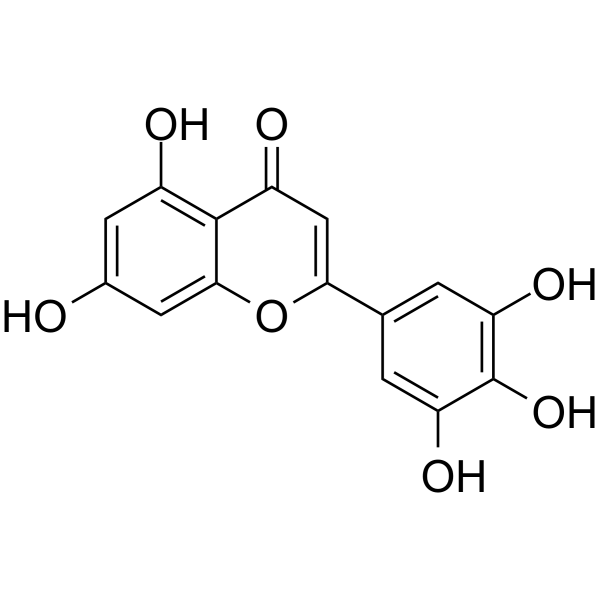
Tricetin is a potent competitive inhibitor of the Keap1-Nrf2 Protein Protein Interaction (PPI). Tricetin protects against 6-OHDA-induced neurotoxicity in Parkinson's disease model by activating Nrf2/HO-1 signaling pathway and preventing mitochondria-dependent apoptosis pathway .
loading...
    loading...
1
1 Cited Publications
Cat. No.: HY-136265
CAS No.: 695207-56-8
Purity:  99.20%
Research Areas:  

Cancer

BC-LI-0186 is a potent and selective inhibitor of Leucyl-tRNA synthetase (LRS; LeuRS) and Ras-related GTP-binding protein D (RagD) interaction (IC50=46.11 nM). BC-LI-0186 competitively binds to the RagD interacting site of LRS (Kd=42.1 nM) and has on effects on LRS-Vps34, LRS-EPRS, RagB-RagD association, mTORC1 complex formation or the activities of 12 kinases. BC-LI-0186 can effectively suppress the activity of cancer-associated?MTOR?mutants and the growth of rapamycin-resistant cancer cells.?BC-LI-0186 is a promising agent for lung cancer research .
loading...
    loading...
1
1 Cited Publications
Cat. No.: HY-101503
CAS No.: 682741-29-3
Purity:  98.24%
Target:  

FABP

Research Areas:  

Metabolic Disease

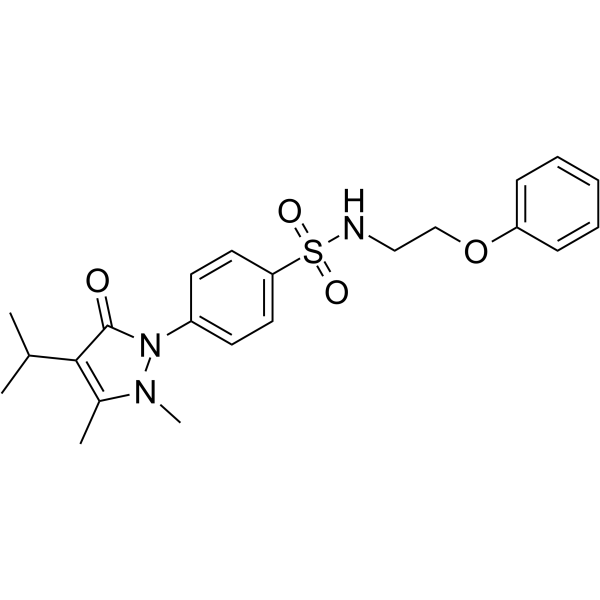
HTS01037 is an inhibitor of fatty acid binding; and a competitive antagonist of protein-protein interactions mediated by AFABP/aP2 with a Ki of 0.67 μM.
loading...
    loading...
1
1 Cited Publications
Cat. No.: HY-132309
CAS No.: 2760881-74-9
Purity:  98.04%
Research Areas:  

Cancer

BRD0639 is a first-in-class inhibitor of the PRMT5-substrate adaptor interaction. BRD0639 is a PRMT5 binding motif (PBM)-competitive agent that can support studies of PBM dependent PRMT5 activities .
loading...
    loading...
1
1 Cited Publications
Cat. No.: HY-17504BS
CAS No.: 1279031-70-7
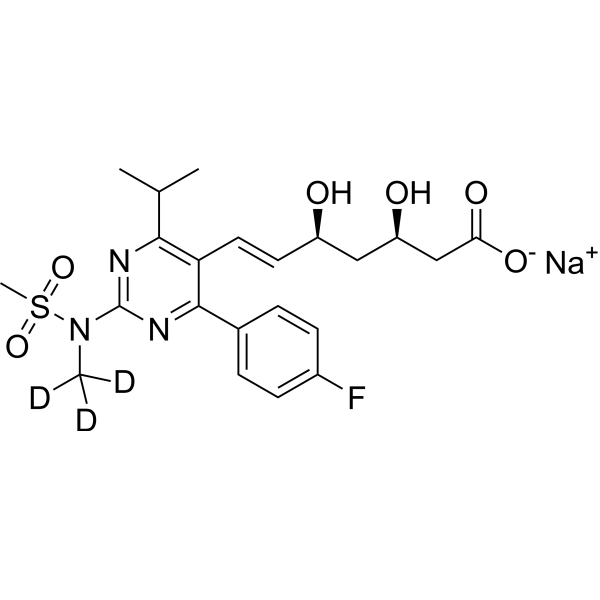
Rosuvastatin-d3 sodium is the deuterated-labeled Rosuvastatin Sodium (HY-17504B). Rosuvastatin Sodium is a competitive HMG-CoA reductase (HMGCR) inhibitor, with an IC50 of 11 nM. Rosuvastatin Sodium potently blocks hERG current with an IC50 of 195 nM . Rosuvastatin Sodium reduces the expression of the mature hERG and the interaction of heat shock protein 70 (Hsp70) with the hERG protein. Rosuvastatin Sodium effectively lowers low-density lipoprotein (LDL) cholesterol, triglycerides, and C-reactive protein levels .
loading...
    loading...
1
1 Cited Publications
Cat. No.: HY-P99014
CAS No.: 1864871-20-4
Synonyms: ARGX-110

Research Areas:  

Inflammation/Immunology Cancer

Cusatuzumab (ARGX-110) is a selective competitive blocker targeting CD70 (with an equilibrium dissociation constant of 17 pM for binding to human CD70). Cusatuzumab also possesses enhanced antibody-dependent cell-mediated cytotoxicity (ADCC) activity. It is a humanized IgG1 monoclonal antibody, artificially synthesized through humanization and genetic engineering modifications (CH2 region mutation to enhance effector function). Cusatuzumab has a dual mechanism of action: firstly, it competitively blocks the interaction between CD70 and CD27, inhibiting the CD27-NF-κB signaling pathway, reducing regulatory T cell (Treg) activation and tumor cell proliferation; secondly, by enhancing binding to FcγRIIIa, it mediates ADCC and antibody-dependent cellular phagocytosis (ADCP), directly lysing CD70-positive tumor cells. Cusatuzumab can efficiently eliminate leukemia stem cells (LSCs), induce tumor cell differentiation and apoptosis, restore immune surveillance, and target CD70-positive tumors. Cusatuzumab is used in the study of acute myeloid leukemia (AML) .
loading...
    loading...
1
1 Cited Publications
Cat. No.: HY-N0481
CAS No.: 6812-81-3
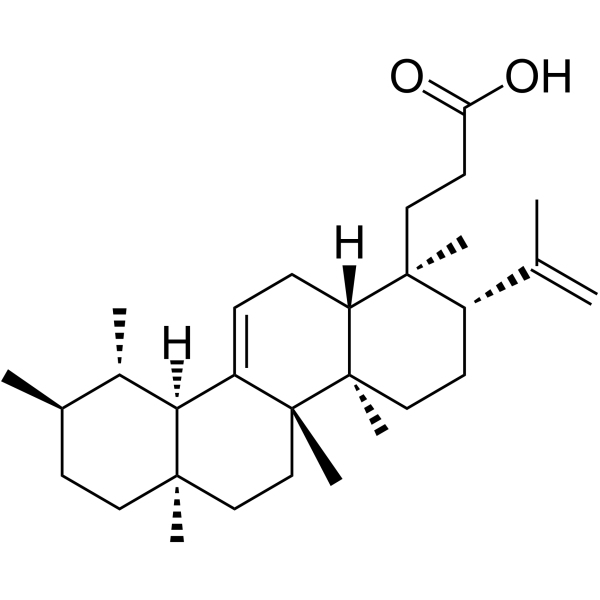
Roburic acid acts as an anti-inflammatory, anti-tumor and osteoclastogenesis inhibitor, with a Ki of 7.066 μM against human TNF, an IC50 of 9 μM against human COX-2, and an IC50 of 5 μM against ovine COX-1. Roburic acid reduces the production of inflammatory mediators such as NO and IL-6 in macrophages by inhibiting the NF-κB and MAPK (p38/JNK) pathways. By competitively inhibiting the TNF-TNF-R1 interaction, Roburic acid blocks the downstream NF-κB signaling pathway, thereby inducing cell cycle arrest and apoptosis in cancer cells. Roburic acid specifically inhibits osteoclastogenesis and bone resorption by suppressing the RANKL/TRAF6/NF-κB/NFATc1 axis. Roburic acid can be used in research related to osteolytic diseases such as osteoporosis, colorectal cancer and inflammatory diseases .
loading...
    loading...
Cat. No.: HY-P99345
CAS No.: 2022215-59-2
Synonyms: TSR-042; ANB-011; WBP-285

Target:  

PD-1/PD-L1

Research Areas:  

Cancer

Dostarlimab (TSR-042) is a humanized anti-PD-1 monoclonal antibody. Dostarlimab binds with high affinity to human PD-1 and competitively inhibits its interaction with its ligands, PD-L1 and PD-L2, with IC50s of 1.8 and 1.5 nM, respectively .
loading...
    loading...
Cat. No.: HY-113352
CAS No.: 578-76-7
Purity:  99.97%
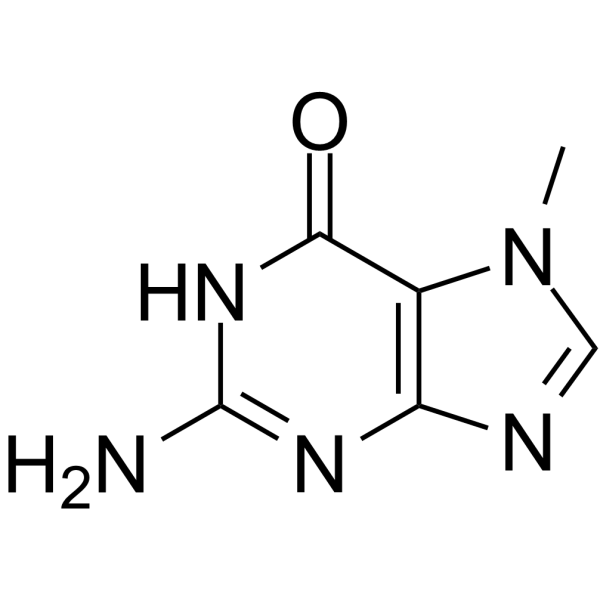
7-Methylguanine is an orally active and competitive PARP-1 inhibitor with a Ki value of 61 μM. 7-Methylguanine is a metabolite of nucleic acids. 7-Methylguanine has anticancer activity against uterine sarcoma and colon adenocarcinoma. 7-Methylguanine is used as a probe for protein-DNA interactions .
loading...
    loading...
Cat. No.: HY-W012817
CAS No.: 95-71-6
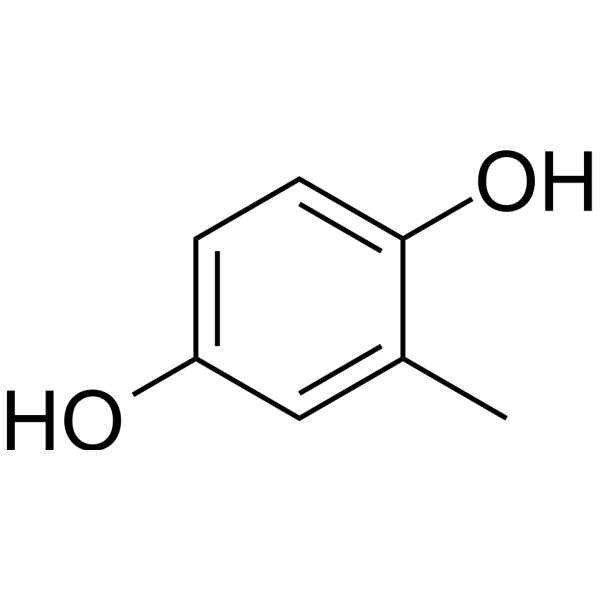
Methylhydroquinone is an orally active COX inhibitor with IC50s of 480.7 μM and 52.2 μM for ovine COX-1 and human recombinant COX-2, respectively. Methylhydroquinone has potential DNA damaging effects: 1) inhibiting COX-1 to reduce prostaglandin synthesis and exert anti-inflammatory activity; 2) inducing DNA single-strand breaks. Methylhydroquinone exerts its effects by competitively binding to the active sites of COX-1 (such as Tyr385, Met522) and non-covalent interactions .
loading...
    loading...
Cat. No.: HY-138068
CAS No.: 7360-09-0
Purity:  99.93%
Target:  

Endogenous Metabolite

Research Areas:  

Metabolic Disease

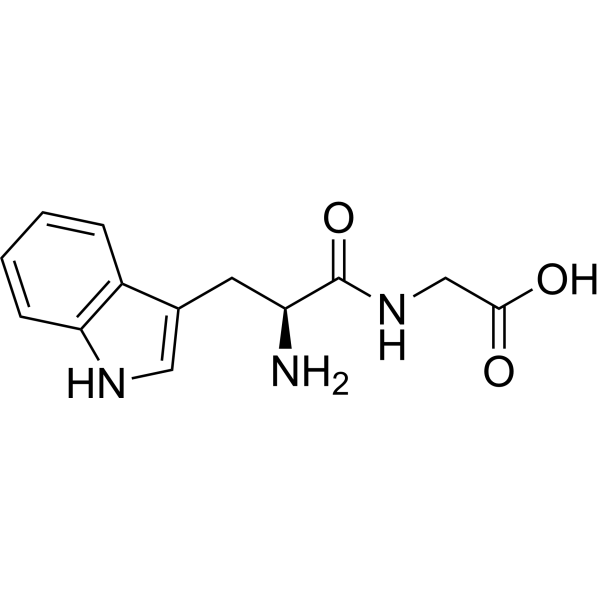
L-Tryptophanylglycine is a dipeptide. L-Tryptophanylglycine exerts its function through competitive substrate interaction with intestinal dipeptide transporters .
loading...
    loading...
Cat. No.: HY-P3245A
Target:  

Apoptosis

Research Areas:  

Cancer

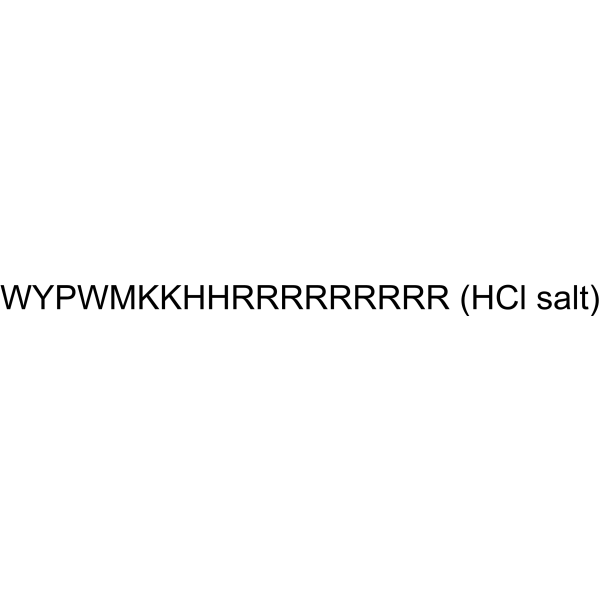
HXR9 hydrochloride is a cell-permeable peptide and a competitive antagonist of HOX/PBX interaction. HXR9 hydrochloride antagonizes the interaction between HOX and a second transcrip-tion factor (PBX), which binds to HOX proteins in paralogue groups1 to 8. HXR9 hydrochloride selectively decreases cell proliferation and promotes apoptosis in cells with a high level of expression of the HOXA/PBX3 genes, such as MLL-rearranged leukemic cells .
loading...
    loading...

