6737 Results for "

Pathways

" in MedChemExpress (MCE) Product Catalog:
Products (6737)

6737 Results for "Pathways" in MCE Product Catalog:

65
65 Cited Publications
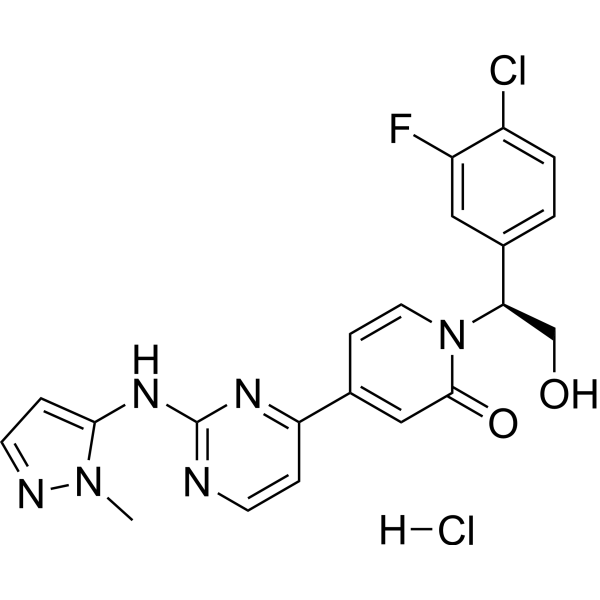
Cat. No.: HY-112654
CAS No.: 2183470-12-2
Purity:  99.83%
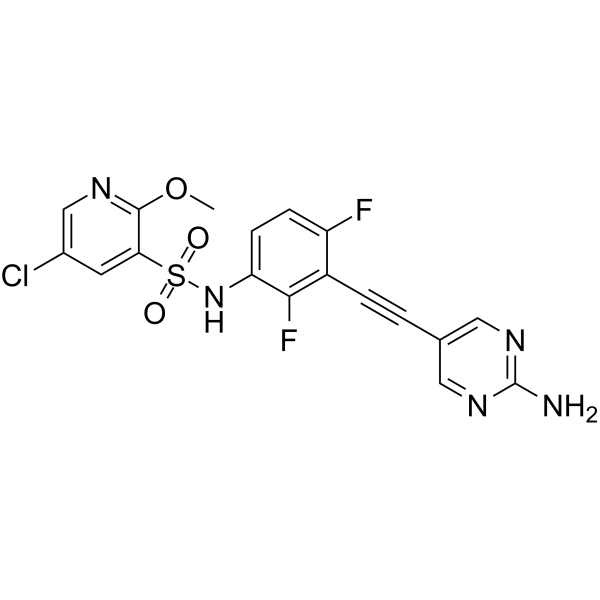
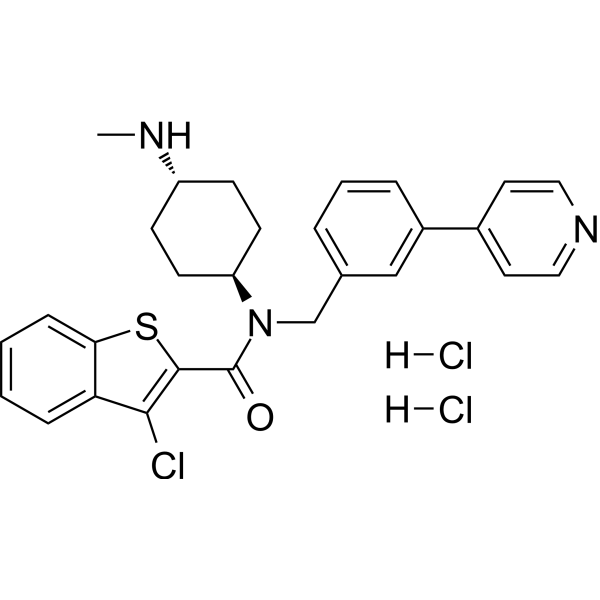
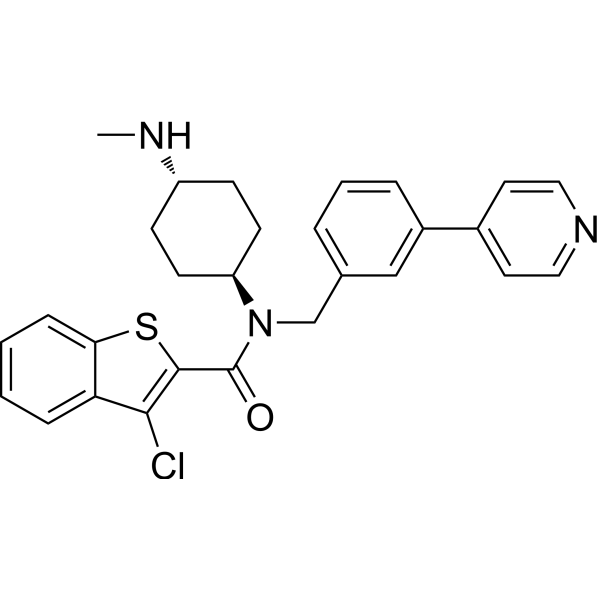
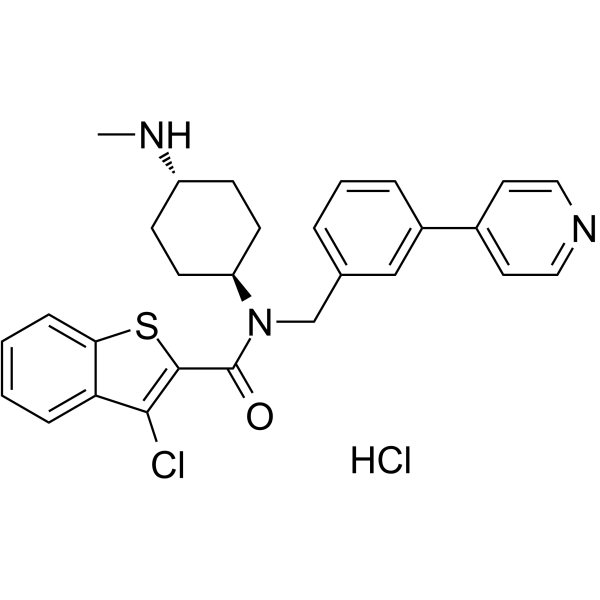
GCN2iB is an ATP-competitive, selective GCN2 inhibitor with an IC50 of 2.4 nM. GCN2iB inhibits the activation of the GCN2 pathway and upregulates GPX4. GCN2iB enhances the anticancer effect of ASNase against acute lymphoblastic leukemia. GCN2iB increases left ventricular ejection fraction, while reducing fasting blood glucose and myocardial fibrosis. GCN2iB can be used in research related to acute lymphoblastic leukemia, acute myeloid leukemia and diabetic cardiomyopathy .
loading...
    loading...
61
61 Cited Publications
Cat. No.: HY-14650
CAS No.: 53-43-0
Purity:  99.93%
Synonyms: Prasterone; Dehydroisoandrosterone; Dehydroepiandrosterone
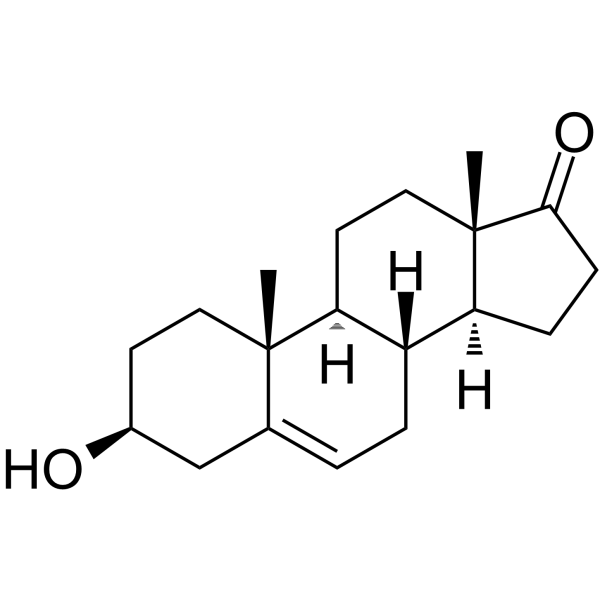
DHEA (Prasterone) is one of the most abundant steroid hormones. DHEA (Prasterone) mediates its action via multiple signaling pathways involving specific membrane receptors and via transformation into androgen and estrogen derivatives (e.g., androgens, estrogens, 7α and 7β DHEA, and 7α and 7β epiandrosterone derivatives) acting through their specific receptors.
loading...
    loading...
60
60 Cited Publications
Cat. No.: HY-B0356B
CAS No.: 86393-32-0
Synonyms: Bay-09867 hydrochloride monohydrate
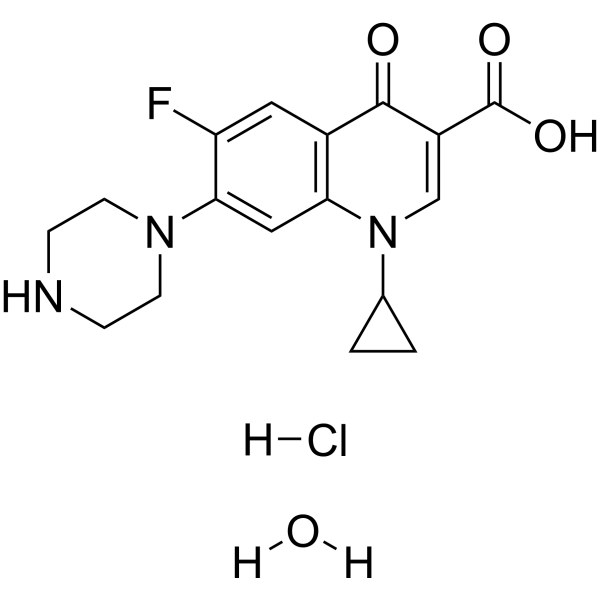
Ciprofloxacin (Bay-09867) hydrochloride monohydrate is an orally active, blood-brain barrier permeable fluoroquinolone antibacterial agent. Ciprofloxacin hydrochloride monohydrate exerts bactericidal effects primarily by inhibiting topoisomerase II and IV. Ciprofloxacin hydrochloride monohydrate inhibits the proliferation of human dental pulp stem cells and chondrocytes from young rats, and also activates the Akt signaling pathway and upregulates markers such as β-catenin and Nanog to maintain the morphological characteristics of stem cells. Ciprofloxacin hydrochloride monohydrate induces significant neurotoxicity and tissue damage, including reducing serotonin and glutathione levels in the brain, inducing oxidative stress and depression-like behaviors, and causing articular cartilage damage. Ciprofloxacin hydrochloride monohydrate can be applied to research related to infections of necrotic young permanent teeth and neurotoxicity .
loading...
    loading...
60
60 Cited Publications
Cat. No.: HY-B0356A
CAS No.: 93107-08-5
Synonyms: Bay-09867 monohydrochloride
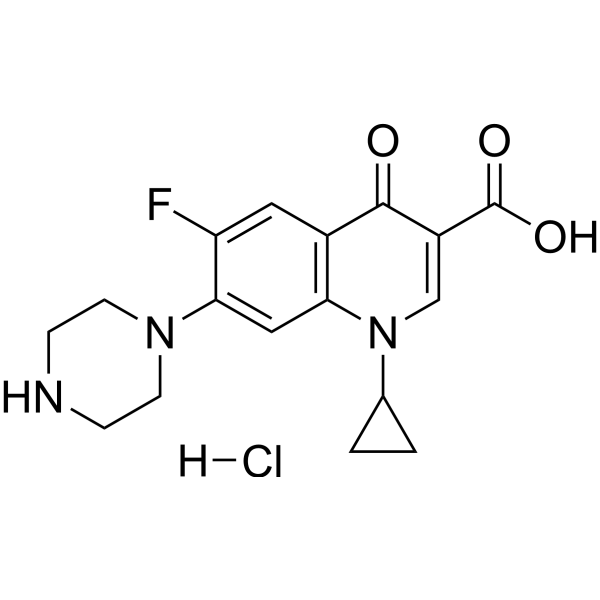
Ciprofloxacin (Bay-09867) monohydrochloride is an orally active, blood-brain barrier permeable fluoroquinolone antibacterial agent. Ciprofloxacin monohydrochloride exerts bactericidal effects primarily by inhibiting topoisomerase II and IV. Ciprofloxacin monohydrochloride inhibits the proliferation of human dental pulp stem cells and chondrocytes from young rats, and also activates the Akt signaling pathway and upregulates markers such as β-catenin and Nanog to maintain the morphological characteristics of stem cells. Ciprofloxacin monohydrochloride induces significant neurotoxicity and tissue damage, including reducing serotonin and glutathione levels in the brain, inducing oxidative stress and depression-like behaviors, and causing articular cartilage damage. Ciprofloxacin monohydrochloride can be applied to research related to infections of necrotic young permanent teeth and neurotoxicity .
loading...
    loading...
56
56 Cited Publications
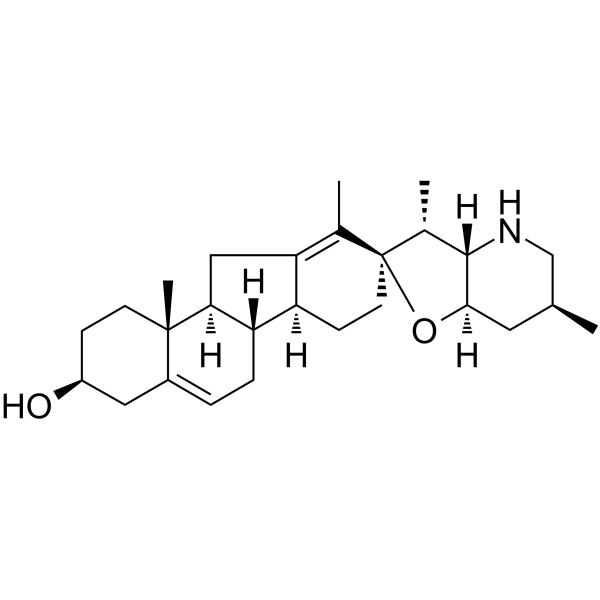
Cat. No.: HY-17024
CAS No.: 4449-51-8
Synonyms: 11-Deoxojervine
Cyclopamine is a Hedgehog (Hh) pathway antagonist with an IC50 of 46 nM in the Hh cell assay. Cyclopamine is also a selective Smo inhibitor.
loading...
    loading...
53
53 Cited Publications
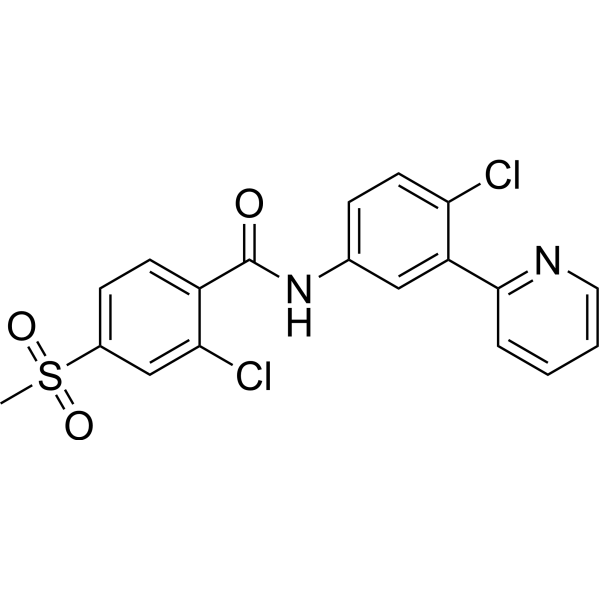
Cat. No.: HY-10440
CAS No.: 879085-55-9
Purity:  99.83%
Synonyms: GDC-0449
Vismodegib (GDC-0449) is a BBB-permeable and orally active hedgehog pathway inhibitor with an IC50 of 3 nM. Vismodegib also inhibits P-gp, ABCG2 with IC50 values of 3.0 μM and 1.4 μM, respectively .
loading...
    loading...
52
52 Cited Publications
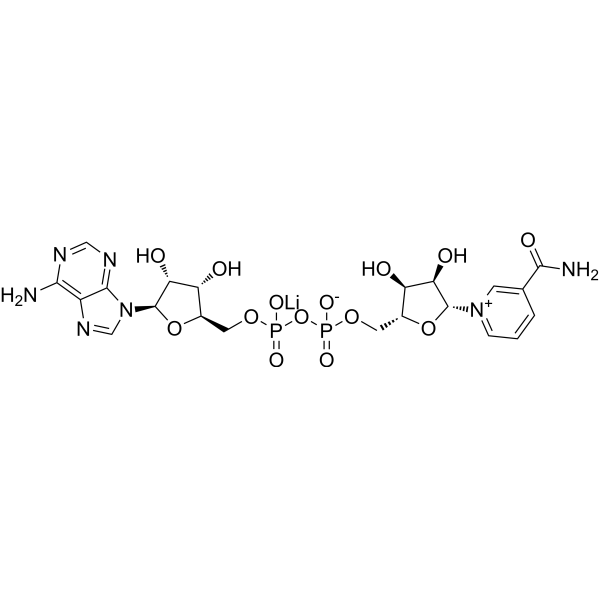
Cat. No.: HY-W250163
CAS No.: 64417-72-7
Synonyms: β-DPN lithium; β-NAD lithium; β-Nicotinamide Adenine Dinucleotide lithium
NAD+ lithium (β-DPN lithium) is a lithium salt of nicotinamide adenine dinucleotide. NAD+ is a coenzyme in the REDOX reaction. NAD+ can directly or indirectly affect several key cellular functions, including metabolic pathways, DNA repair, chromatin remodeling, cell aging, and immune cell function .
loading...
    loading...
52
52 Cited Publications
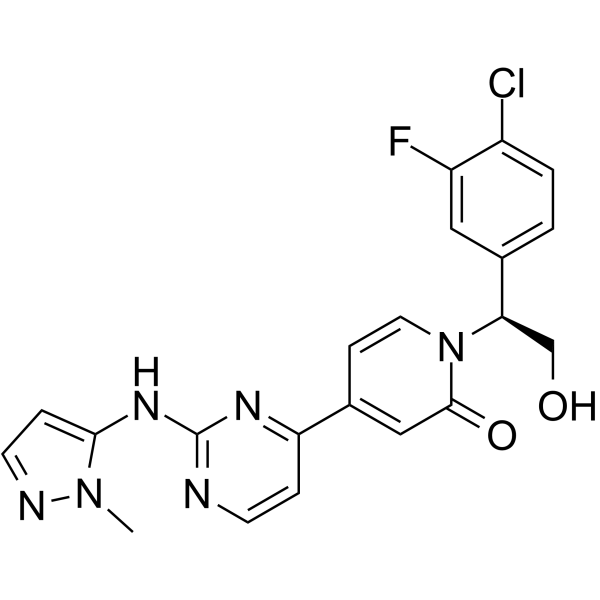
Cat. No.: HY-15947
CAS No.: 1453848-26-4
Synonyms: GDC-0994
Research Areas:  

Cancer

Ravoxertinib (GDC-0994) is an orally active ERK1/2 inhibitor. Ravoxertinib inhibits the ERK1/2 MAPK signaling pathway and reduces the expression levels of c-Myc, HK2 and LDHA. Ravoxertinib decreases mammosphere formation, and exerts additive and/or superadditive cytotoxicity when combined with Ipatasertib (HY-15186) in 3D tumor sphere models. Ravoxertinib can be used in research related to various cancers including breast cancer, melanoma, head and neck cancer, non-small cell lung cancer, ovarian cancer and Merkel cell carcinoma .
loading...
    loading...
52
52 Cited Publications
Cat. No.: HY-15947A
CAS No.: 2070009-58-2
Synonyms: GDC-0994 hydrochloride
Research Areas:  

Cancer

Ravoxertinib hydrochloride (GDC-0994 hydrochloride) is an orally active ERK1/2 inhibitor. Ravoxertinib hydrochloride inhibits the ERK1/2 MAPK signaling pathway and reduces the expression levels of c-Myc, HK2 and LDHA. Ravoxertinib hydrochloride decreases mammosphere formation, and exerts additive and/or superadditive cytotoxicity when combined with Ipatasertib (HY-15186) in 3D tumor sphere models. Ravoxertinib hydrochloride can be used in research related to various cancers including breast cancer, melanoma, head and neck cancer, non-small cell lung cancer, ovarian cancer and Merkel cell carcinoma .
loading...
    loading...
50
50 Cited Publications
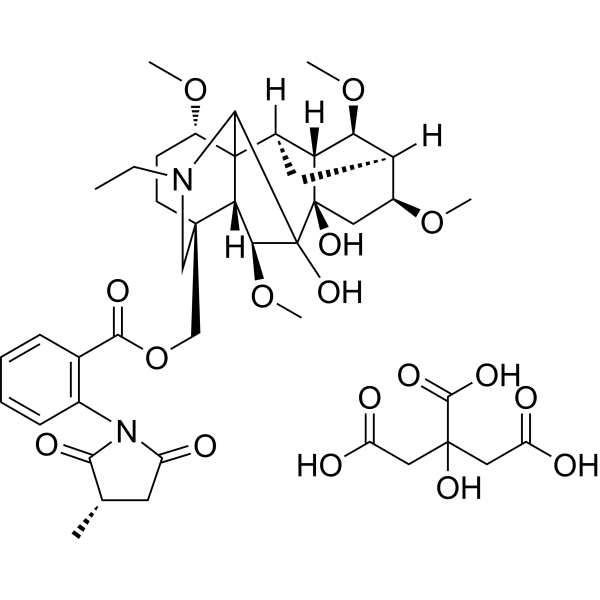
Cat. No.: HY-N2332A
CAS No.: 351344-10-0
Synonyms: MLA citrate
Methyllycaconitine (MLA) citrate is a blood-brain barrier-permeable antagonist of α7 nicotinic acetylcholine receptor (α7nAChR) with an IC50 of 2 nM. Methyllycaconitine citrate inhibits Aβ25-35-induced autophagy by restoring the mTOR pathway, and prevents reactive oxygen species (ROS) production, microglial activation, reduced dopamine uptake, loss of dopaminergic terminals and catecholamine secretion. Methyllycaconitine citrate induces hippocampal glutamate efflux, enhances long-term potentiation, and improves memory acquisition. Methyllycaconitine citrate can be used in research related to Alzheimer's disease, cerebral palsy, Parkinson's disease and schizophrenia .
loading...
    loading...
50
50 Cited Publications
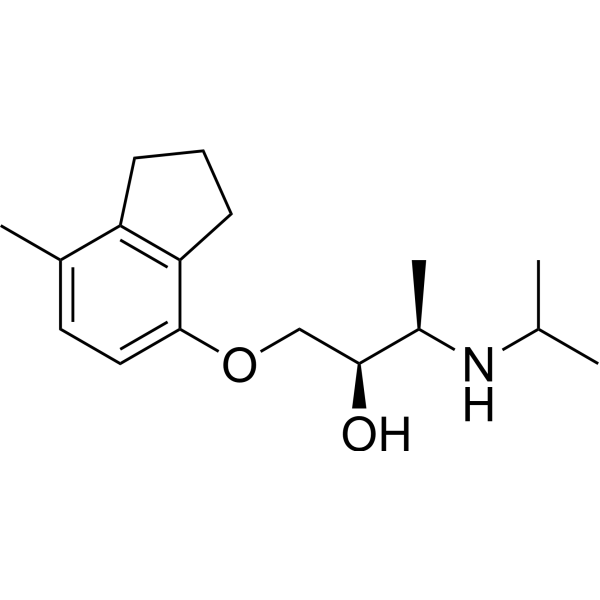
Cat. No.: HY-100543
CAS No.: 72795-26-7
Purity:  99.60%
Synonyms: ICI-118551
Zenidolol (ICI-118551) is a selective β2-adrenergic receptor antagonist with Ki values of Zenidolol for β2, β1 and β3 adrenergic receptors of 0.7, 49.5 and 611 nM, respectively. Zenidolol exerts antitumor effects via inducing apoptosis, inhibiting tumor sphere formation, and downregulating the HIF pathway by blocking β2-AR on tumor cells. Zenidolol exhibits a unique pulmonary vessel-specific vasodilatory effect in mouse models. Zenidolol can be used as an intraocular pressure-lowering agent in ophthalmic disease research .
loading...
    loading...
48
48 Cited Publications
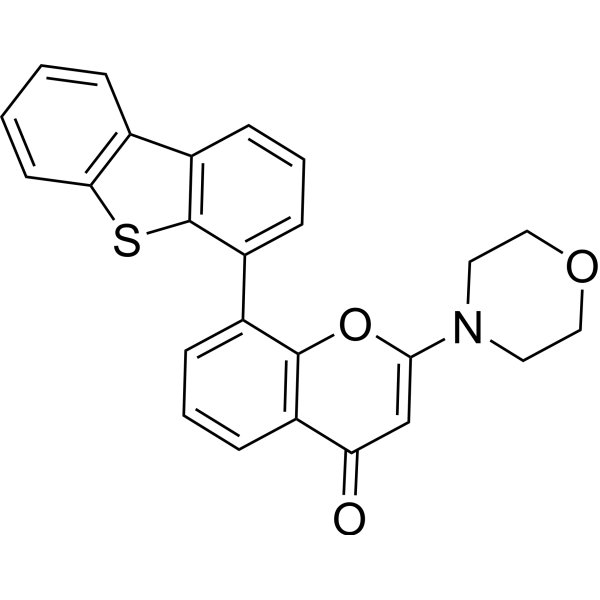
Cat. No.: HY-11006
CAS No.: 503468-95-9
Purity:  99.95%
Synonyms: NU7441
Target:  

DNA-PK

Research Areas:  

Cancer

KU-57788 (NU7441) is a highly potent and selective DNA-PK inhibitor with an IC50 of 14 nM. KU-57788 is an NHEJ pathway inhibitor. KU-57788 also inhibits PI3K and mTOR with IC50s of 5.0 and 1.7 μM, respectively .
loading...
    loading...
46
46 Cited Publications
Cat. No.: HY-12848C
CAS No.: 2702366-44-5
Purity:  99.31%
Target:  

Smo

Research Areas:  

Cancer

SAG dihydrochloride is a potent Smoothened (Smo) receptor agonist (EC50=3 nM; Kd=59 nM). SAG dihydrochloride activates the Hedgehog signaling pathway and counteracts Cyclopamine (HY-17024) inhibition of Smo .
loading...
    loading...
46
46 Cited Publications
Cat. No.: HY-12848
CAS No.: 912545-86-9
Purity:  99.60%
Target:  

Smo

Research Areas:  

Cancer

SAG is a potent Smoothened (Smo) receptor agonist (EC50=3 nM; Kd=59 nM). SAG activates the Hedgehog signaling pathway and counteracts Cyclopamine (HY-17024) inhibition of Smo .
loading...
    loading...
46
46 Cited Publications
Cat. No.: HY-12848B
CAS No.: 2095432-58-7
Purity:  99.91%
Target:  

Smo

Research Areas:  

Cancer

SAG hydrochloride is a potent Smoothened (Smo) receptor agonist (EC50=3 nM; Kd=59 nM). SAG hydrochloride activates the Hedgehog signaling pathway and counteracts Cyclopamine (HY-17024) inhibition of Smo .
loading...
    loading...
45
45 Cited Publications
Cat. No.: HY-19543
CAS No.: 14907-98-3
Synonyms: NSC 172924
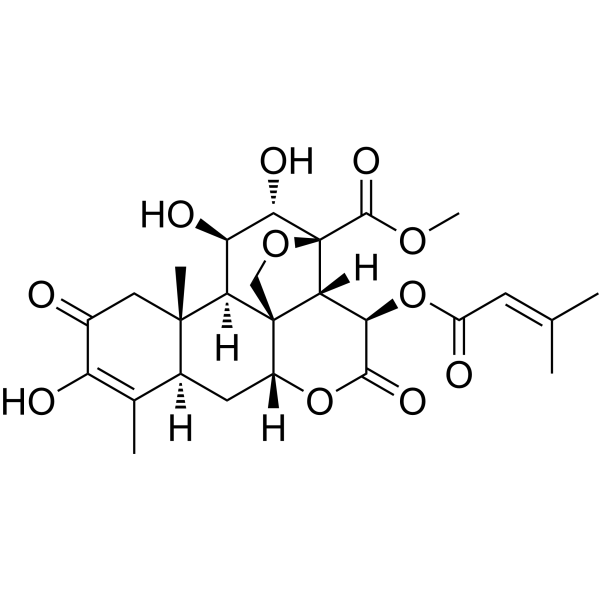
Brusatol (NSC 172924) is a unique inhibitor of the Nrf2 pathway that sensitizes a broad spectrum of cancer cells to Cisplatin and other chemotherapeutic agents. Brusatol enhances the efficacy of chemotherapy by inhibiting the Nrf2-mediated defense mechanism. Brusatol can be developed into an adjuvant chemotherapeutic agent . Brusatol increases cellular apoptosis .
loading...
    loading...
44
44 Cited Publications
Cat. No.: HY-13324
CAS No.: 218600-53-4
Purity:  98.92%
Synonyms: RTA 402; NSC 713200; CDDO Methyl ester
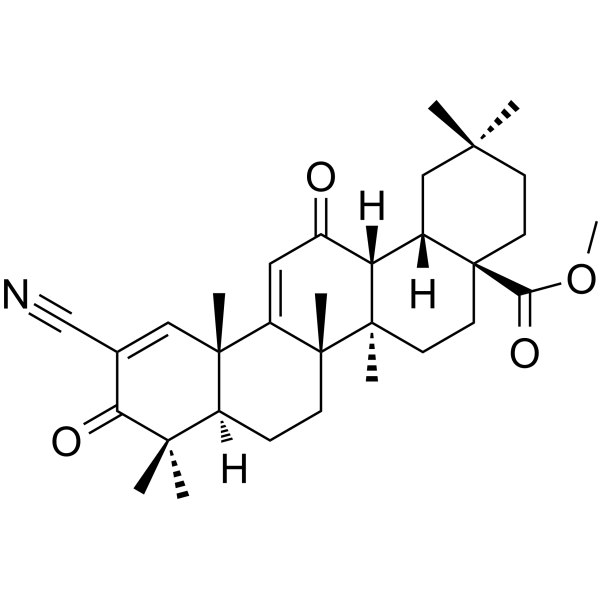
Bardoxolone methyl (RTA 402) is an orally active and blood-brain-barrier-penetrant activator of Nrf2 and an inhibitor of SARS-CoV-2 3CL protease. Bardoxolone methyl inhibits SARS-CoV-2 replication in Vero cells with an EC50 value of 0.29 μM. Bardoxolone methyl increases levels of pNrf2 and HO-1, inhibits inflammatory mediators like pNFκB and MCP-1. Bardoxolone methyl activates the Nrf2 pathway to enhance antioxidant and anti-inflammatory responses, inhibits viral replication, and improves mitochondrial function. Bardoxolone methyl can be used in research on chemotherapy-induced neuropathic pain (CINP), COVID-19, and chronic kidney disease (CKD) .
loading...
    loading...
37
37 Cited Publications
Cat. No.: HY-16954
CAS No.: 1818885-28-7
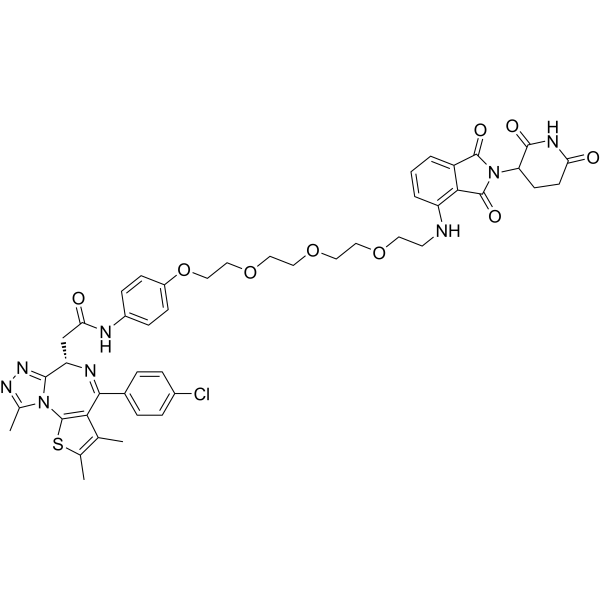
ARV-825 is a BET protein PROTAC degrader that recruits cereblon, and it targets BRD2, BRD3, and BRD4 for degradation via the ubiquitin-proteasome pathway. ARV-825 downregulates c-MYC, PLK1, MYCN, CDK4/6, JAK2, pSTAT3/5, PIM1, and Bcl-xL, upregulates p21 and p27, and modulates H3K27Ac-mediated transcription, the G2/M checkpoint, the Wnt/β-catenin pathway, and amino acid transport pathways. ARV-825 induces G1 phase cell cycle arrest, caspase 3/PARP-mediated apoptosis, DNA damage, and reactive oxygen species (ROS) production, reduces mitochondrial respiration, and simultaneously inhibits cell proliferation, clonogenic growth, and cell migration. ARV-825 is used in research on gastric cancer, leukemia, neuroblastoma, and cholangiocarcinoma .
loading...
    loading...
37
37 Cited Publications
Cat. No.: HY-101494
CAS No.: 1951483-29-6
Purity:  99.94%
Synonyms: LY3214996
Target:  

ERK

Research Areas:  

Cancer

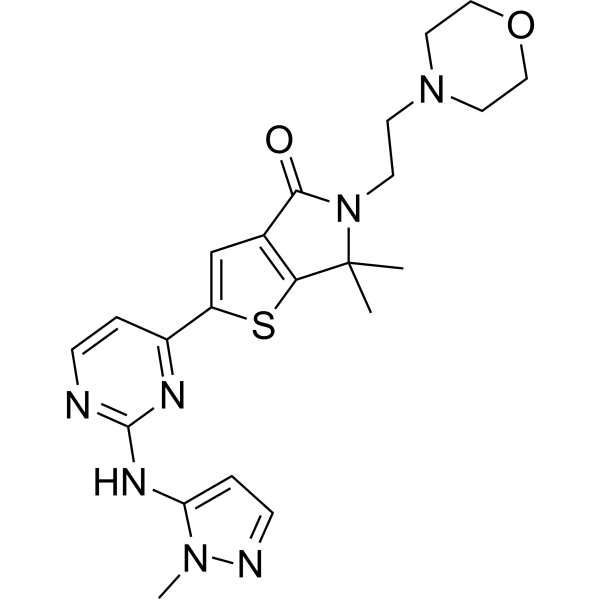
Temuterkib (LY3214996) is a highly selective inhibitor of ERK1 and ERK2, with IC50 of 5 nM for both enzymes in biochemical assays. Temuterkib potently inhibits cellular p-RSK1 in BRAF and RAS mutant cancer cell lines. Temuterkib shows potent antitumor activities in cancer models with MAPK pathway alterations.
loading...
    loading...
35
35 Cited Publications
Cat. No.: HY-10590
CAS No.: 601514-19-6
Purity:  99.20%
Target:  

Wnt GSK-3 Autophagy

Research Areas:  

Neurological Disease Cancer

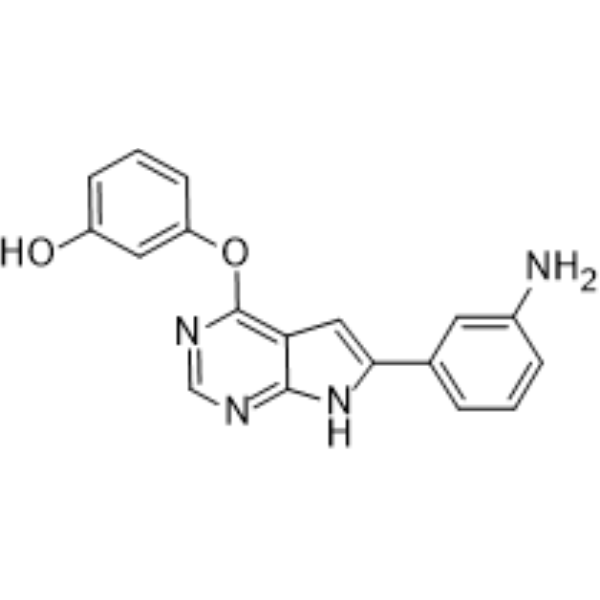
TWS119 is an inhibitor of GSK-3β, with an IC50 of 30 nM, and activates the wnt/β-catenin pathway.
loading...
    loading...

