264 Results for "

mitochondrial dysfunction

" in MedChemExpress (MCE) Product Catalog:
Products (264)

264 Results for "mitochondrial dysfunction" in MCE Product Catalog:

Cat. No.: HY-W023144
CAS No.: 13674-84-5
Synonyms: Tris(1-chloropropan-2-yl) phosphate
Tris (1-chloro-2-propyl) phosphate (Tris (1-chloropropan-2-yl) phosphate) is a chlorinated organophosphate flame retardant. Tris (1-chloro-2-propyl) phosphate induces DNA damage, elevates intracellular ROS levels, and triggers oxidative stress. Tris (1-chloro-2-propyl) phosphate disrupts mitochondrial membrane potential, leading to mitochondrial dysfunction. Tris (1-chloro-2-propyl) phosphate can trigger cell Apoptosis. Tris (1-chloro-2-propyl) phosphate reduces the survival rate of umbilical vein endothelial cells at relatively high concentrations .
loading...
    loading...
Cat. No.: HY-111217
CAS No.: 878983-38-1
Purity:  99.23%
Research Areas:  

Neurological Disease Cancer

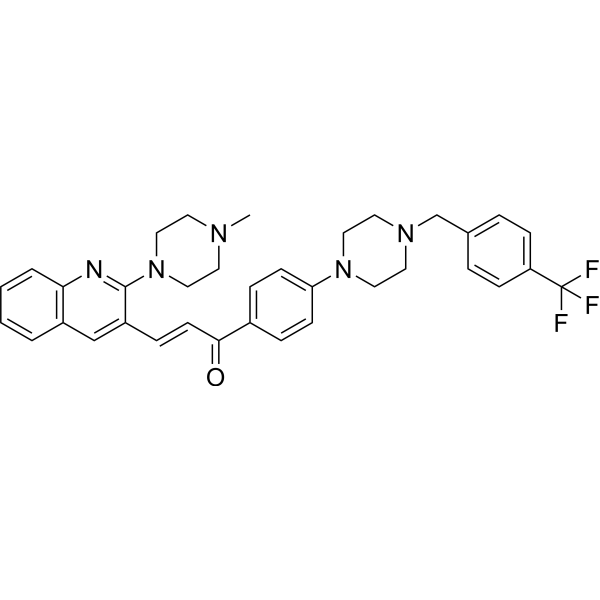
AKOS-22 is a potent mitochondrial protein VDAC1 (voltage-dependent anion channel 1) inhibitor (Kd=15.4 μM). AKOS-22 interacts with VDAC1 and inhibiting both VDAC1 oligomerization and apoptosis. AKOS-22 protects against mitochondrial dysfunction .
loading...
    loading...
Cat. No.: HY-B0356BR
CAS No.: 86393-32-0
Synonyms: Bay-09867 hydrochloride monohydrate (Standard)
Ciprofloxacin (hydrochloride monohydrate) (Standard) is the analytical standard of Ciprofloxacin (hydrochloride monohydrate). This product is intended for research and analytical applications. Ciprofloxacin (Bay-09867) hydrochloride monohydrate is a potent, orally active topoisomerase IV inhibitor. Ciprofloxacin hydrochloride monohydrate induces mitochondrial DNA and nuclear DNA damage and lead to mitochondrial dysfunction, ROS production. Ciprofloxacin hydrochloride monohydrate has anti-proliferative activity and induces apoptosis. Ciprofloxacin hydrochloride monohydrate is a fluoroquinolone antibiotic, exhibiting potent antibacterial activity .
loading...
    loading...
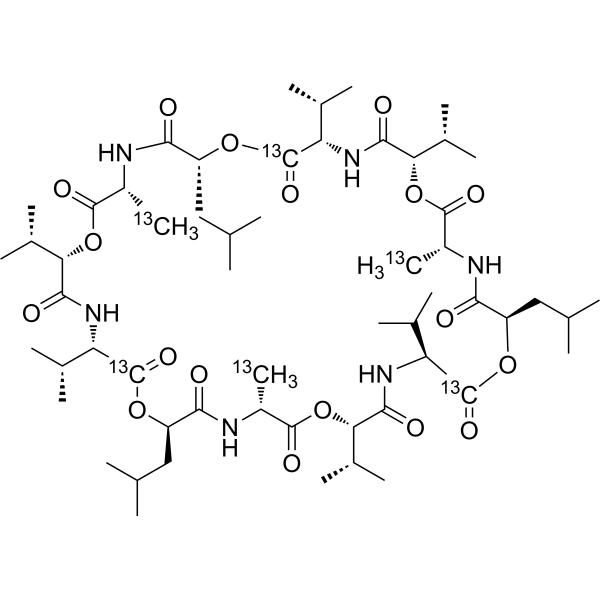
Cat. No.: HY-P3003S
CAS No.: 1487375-69-8
Cereulide- 13C6 is a deuterated form of Cereulide. Cereulide is an orally active, blood-brain barrier-permeable emetic toxin. Cereulide acts as a potassium ionophore that inserts into membranes, forms complexes with K +, and transports K + from the cytoplasm into the mitochondrial matrix. Cereulide disrupts the electrochemical gradient of the inner mitochondrial membrane, leading to mitochondrial swelling and dysfunction, uncoupling of oxidative phosphorylation, inhibition of ATP synthesis, ROS accumulation, and ultimately triggering apoptosis and autophagy. Cereulide exhibits multi-organ toxicity and can be used for research on emetic food poisoning.
loading...
    loading...
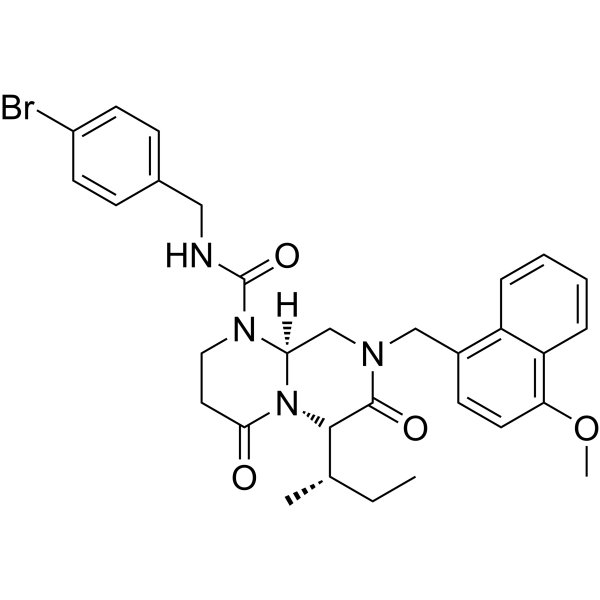
Cat. No.: HY-173048
CAS No.: 3104462-62-3
Research Areas:  

Cancer

CLPP-2068 is the orally active activator for human caseinolytic protease P (HsClpP) with an EC50 of 50.4 nM. CLPP-2068 exhibits anti-proliferative efficacy in OCI-LY10 cancer cell with an IC50 of 5.2 nM. CLPP-2068 decreases mitochondrial membrane potential, increases mitochondrial ROS levels, and induces mitochondrial dysfunction. CLPP-2068 arrests the cell cycle at G1 phase, and induces apoptosis in cell OCI-LY10. CLPP-2068 exhibits antitumor activity in mouse xenograft models .
loading...
    loading...
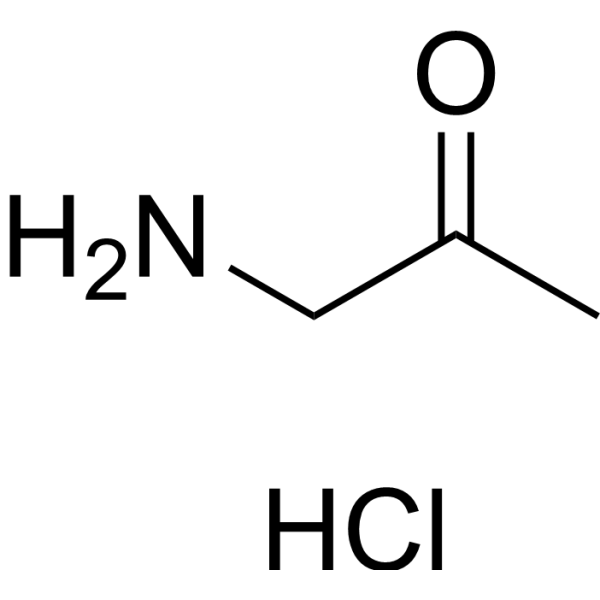
Cat. No.: HY-W004850
CAS No.: 7737-17-9
Aminoacetone hydrochloride is an α-aminoketone and also a catabolite of threonine and glycine. When accumulated under pathological conditions, Aminoacetone hydrochloride participates in oxidative damage and protein dysfunction via the production of reactive oxygen species (ROS) and methylglyoxal, and it is associated with phenotypes such as diabetes, mitochondrial damage and sleep disorders .
loading...
    loading...
Cat. No.: HY-B1914
CAS No.: 119168-77-3
Tebufenpyrad can induce mitochondrial dysfunction and oxidative damage. Tebufenpyrad induces dose-dependent cell death on N27 cells, with an EC50 value of 3.98 μM .
loading...
    loading...
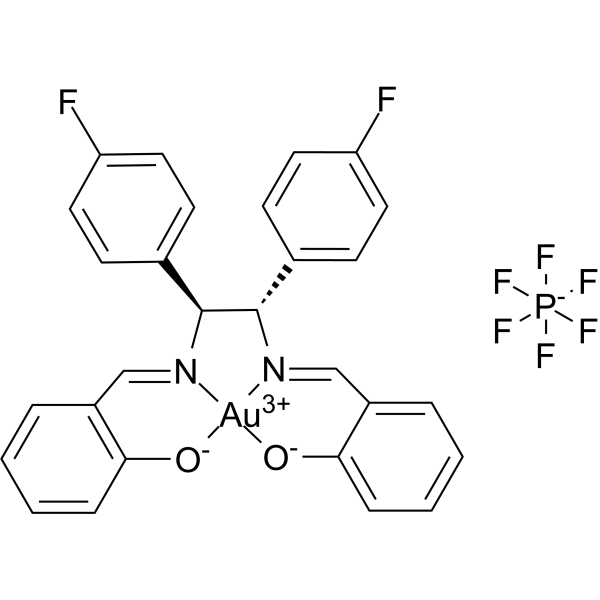
Cat. No.: HY-146350
CAS No.: 2414906-32-2
Research Areas:  

Cancer

TrxR-IN-4 is a thioredoxin reductase (TrxR) inhibitor with a rat IC50 of 0.37 μM. TrxR-IN-4 inhibits TrxR activity, elevates reactive oxygen species (ROS) and induces apoptosis. TrxR-IN-4 mediates endoplasmic reticulum stress and induces mitochondrial dysfunction. TrxR-IN-4 can be used for the research of hepatocellular carcinoma .
loading...
    loading...
Cat. No.: HY-155556
CAS No.: 2999673-34-4
Target:  

ClpP

Research Areas:  

Cancer

ZG36 is a human Caseinolytic protease P (ClpP) agonist. ZG36 non-selectively degrades respiratory chain complexes and reduces mitochondrial DNA, ultimately leading to mitochondrial dysfunction and leukemic cell death. ZG36 also inhibits the development of acute myeloid leukemia in a xenograft mouse model .
loading...
    loading...
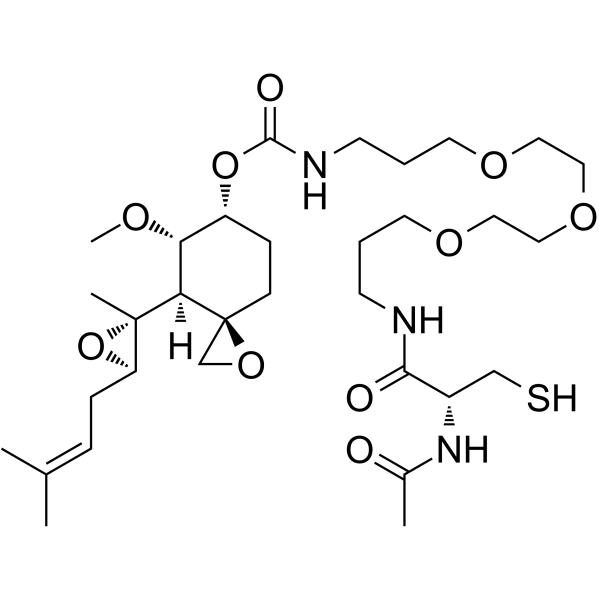
Cat. No.: HY-147225
TSPO Ligand-Linker Conjugates 1 contains a ligand for translocator protein (TSPO) and a linker, which is used for the synthesis of mitochondria-targeting autophagy-targeting chimera (AUTAC). AUTAC can bind the TSPO on the outer mitochondrial membrane (OMM) of mitochondria and degrades impaired mitochondria and proteins via mitophagy, and improves mitochondrial activity. TSPO Ligand-Linker Conjugates 1 can be used in mitochondrial dysfunction related research, including neurodegenerative diseases, cancer, and diabetes .
loading...
    loading...
Cat. No.: HY-W718423
CAS No.: 29761-21-5
Synonyms: IDPP
Research Areas:  

Cancer

Isodecyl diphenyl phosphate (IDPP) is a flame retardant. Isodecyl diphenyl phosphate induces cytotoxicity, DNA damage, mitochondrial dysfunction and oxidative stress in cancer cells, and mediates DNA damage and cell cycle arrest via a p53-dependent pathway .
loading...
    loading...
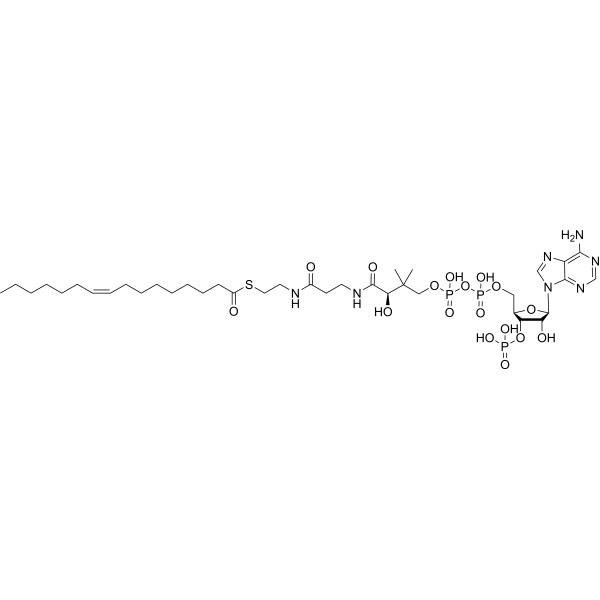
Cat. No.: HY-137782
CAS No.: 18198-76-0
Palmitoleoyl-CoA can be activated and transported into the mitochondria for metabolism, specifically for β-oxidation. Palmitoleoyl-CoA induces the cardiac mitochondrial membrane permeability transition, which causes mitochondrial dysfunction. Palmitoleoyl-CoA regulates metabolism via allosteric control of AMPK β1-isoforms .
loading...
    loading...
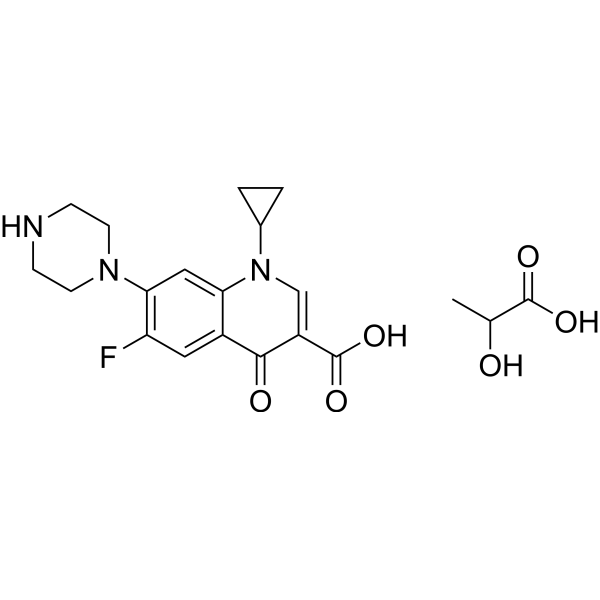
Cat. No.: HY-W040298
CAS No.: 97867-33-9
Synonyms: Bay-09867 lactate
Ciprofloxacin (Bay-09867) lactate is a potent, orally active topoisomerase IV inhibitor. Ciprofloxacin lactate induces mitochondrial DNA and nuclear DNA damage and lead to mitochondrial dysfunction, ROS production. Ciprofloxacin lactate has anti-proliferative activity and induces apoptosis. Ciprofloxacin lactate is a fluoroquinolone antibiotic, exhibiting potent antibacterial activity .
loading...
    loading...
Cat. No.: HY-174306
Research Areas:  

Metabolic Disease

MARY1 is a selective 5-HT2BR antagonist with an IC50 of 380 nM and a Ki of 764 nM (human 5-HT2BR). MARY1 induces renal mitochondrial biogenesis (MB) and enhances renal mitochondrial function by increasing mitochondrial respiratory capacity, mitochondrial protein levels, and mitochondrial number in renal proximal tubular cells (RPTCs). MARY1 induces MB through 5-HT2BR and dual PI3K/AKT and RAS/MEK/ERK cell signaling pathways in RPTCs. MARY1 can be used to study renal diseases associated with metabolic and mitochondrial dysfunction .
loading...
    loading...
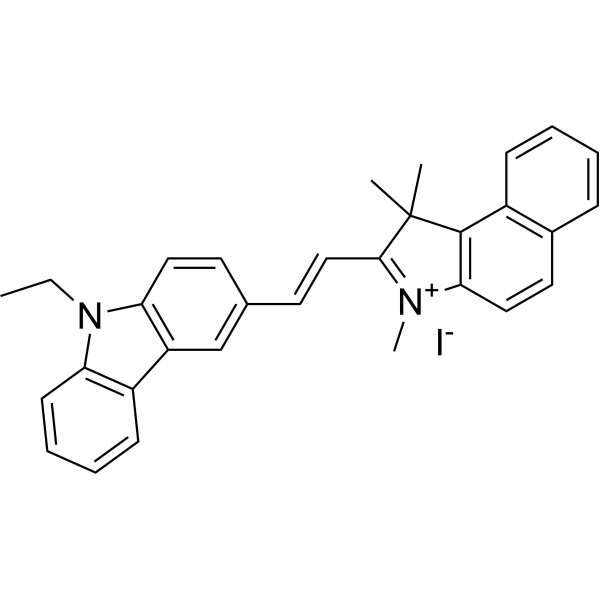
Cat. No.: HY-162084
CAS No.: 1607831-82-2
Target:  

Autophagy Apoptosis

Research Areas:  

Cancer

BKN-1 is a bifunctional ligand that can not only track the formation of mtG4s (G-quadruplexes, four-stranded DNA structures containing Hoogsteen bonds) through far-red emission, but can also induce mitochondrial dysfunction. BKN-1 has anti-tumor activity and may cause mtDNA loss, damage mitochondrial integrity, reduce ATP levels, and trigger ROS imbalance, leading to apoptosis and autophagy .
loading...
    loading...
Cat. No.: HY-N7063R
CAS No.: 106-25-2
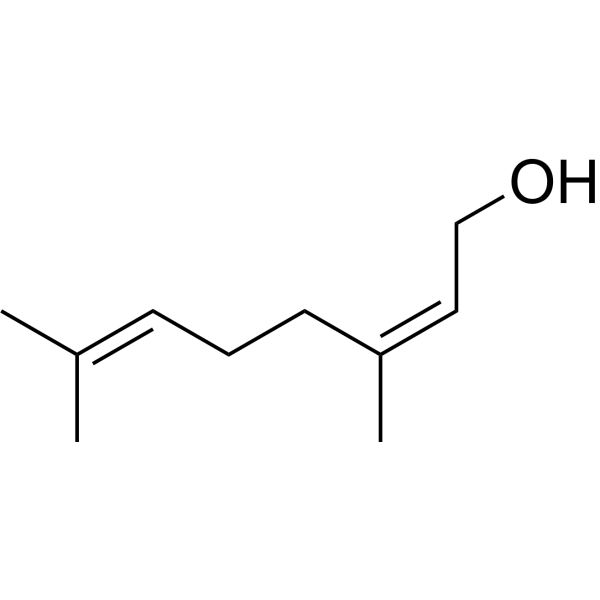
Nerol (Standard) is the analytical standard of Nerol. This product is intended for research and analytical applications. Nerol is a constituent of neroli oil. Nerol Nerol triggers mitochondrial dysfunction and induces apoptosis via elevation of Ca 2+ and ROS. Antifungal activity .
loading...
    loading...
Cat. No.: HY-B0863B
CAS No.: 38641-94-0
Research Areas:  

Neurological Disease

Glyphosate isopropylammonium, a non-selective systemic biocide with broad-spectrum activity, is an herbicidal derivative of the amino acid glycine. Glyphosate isopropylammonium inhibits the enzymatic activity of the 5-endopyruvylshikimate 3-phosphate synthase (EPSPS) in the shikimic acid pathway, preventing the synthesis of the aromatic amino acids tyrosine, phenylalanine, and tryptophan. Glyphosate isopropylammonium induces oxidative stress, neuroinflammation, and mitochondrial dysfunction, processes that lead to neuronal death by autophagia, necrosis, or apoptosis, as well as the appearance of behavioral and motor disorders .
loading...
    loading...
Cat. No.: HY-169072
CAS No.: 3103327-20-1
PROTAC MLKL Degrader-2 is an orally active and highly selective mixed lineage kinase domain-like pseudokinase (MLKL) PROTAC degrader with a DC50 of 0.012 μM. PROTAC MLKL Degrader-2 recruits the CRBN E3 ubiquitin ligase to form a ternary complex, leading to ubiquitination of MLKL and its degradation via a proteasome-dependent pathway. PROTAC MLKL Degrader-2 inhibits necroptosis, reduces ROS production, restores mitochondrial function, and ameliorates lysosomal dysfunction induced by necroptotic stimuli. PROTAC MLKL Degrader-2 degrades MLKL in xenograft mouse models. PROTAC MLKL Degrader-2 can be used in cancer-related research .
loading...
    loading...
Cat. No.: HY-170369
CAS No.: 3066237-61-1
Research Areas:  

Metabolic Disease

SHO1122147 (Compound 7m) affects the mitochondrial electron transport chain, exhibits mitochondrial uncoupling activity (EC50=3.6 μM), and increases the oxygen consumption rate (OCR=69%) and promotes cellular respiration. SHO1122147 is orally active, and can be used in reaearch of obesity and metabolic dysfunction-associated steatohepatitis (MASH) .
loading...
    loading...
Cat. No.: HY-156090
CAS No.: 3074451-41-2
Research Areas:  

Infection

PK-10 is a synergistic antibacterial agent of Fluconazole (HY-B0101) and has strong antifungal activity against a variety of Fluconazole-resistant Candida albicans strains. PK-10 combined with Fluconazole can inhibit hyphae formation and induce the accumulation of reactive oxygen species. It further causes damage to mitochondrial membrane potential, reduces intracellular ATP content, and leads to mitochondrial dysfunction .
loading...
    loading...

