266 Results for "

mitochondrial dysfunction

" in MedChemExpress (MCE) Product Catalog:
Products (266)

266 Results for "mitochondrial dysfunction" in MCE Product Catalog:

2
2 Cited Publications
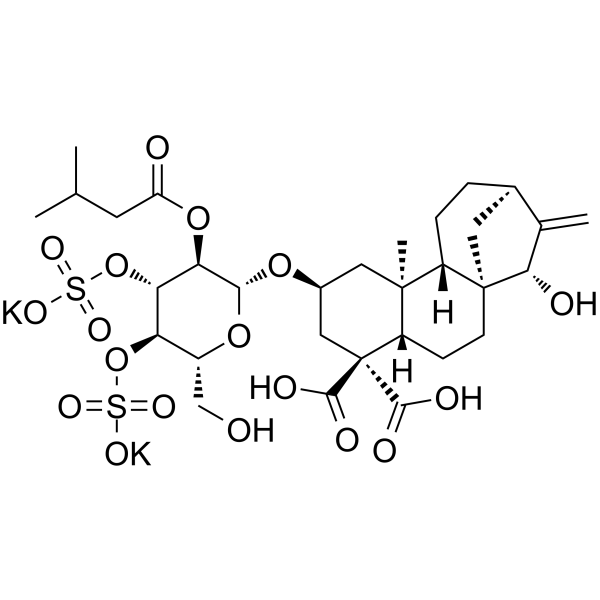
Cat. No.: HY-N2522
CAS No.: 33286-30-5
Synonyms: Gummiferin dipotassium
Carboxyatractyloside dipotassium is a diterpenoid. Carboxyatractyloside dipotassium can be isolated from plants of the genus Xanthium. Carboxyatractyloside dipotassium is an ADP/ATP carrier inhibitor, inhibiting mitochondrial ADP/ATP transport. Carboxyatractyloside dipotassium promotes ROS production, induces Ca 2+ release, and leads to mitochondrial dysfunction. Carboxyatractyloside dipotassium induces lethargy, weakness, and epileptic seizures in rats .
loading...
    loading...
2
2 Cited Publications
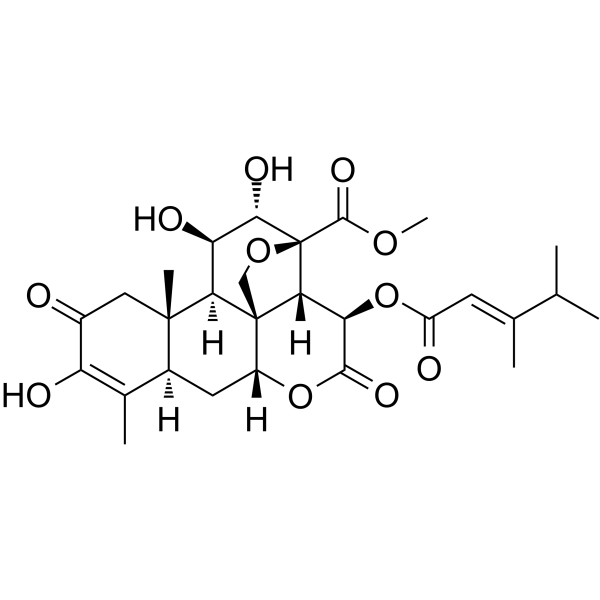
Cat. No.: HY-N0840
CAS No.: 41451-75-6
Synonyms: (-)-Bruceantin; NCI165563; NSC165563
Bruceantin ((-)-Bruceantin) is a quassinoid found in B. javanica. Bruceantin activates caspase signaling pathway, causes the mitochondrial dysfunction, inhibits cell proliferation, induces cell differentiation and apoptosis. Bruceantin exhibits anti-leukemia and antiprotozoal activities .
loading...
    loading...
2
2 Cited Publications
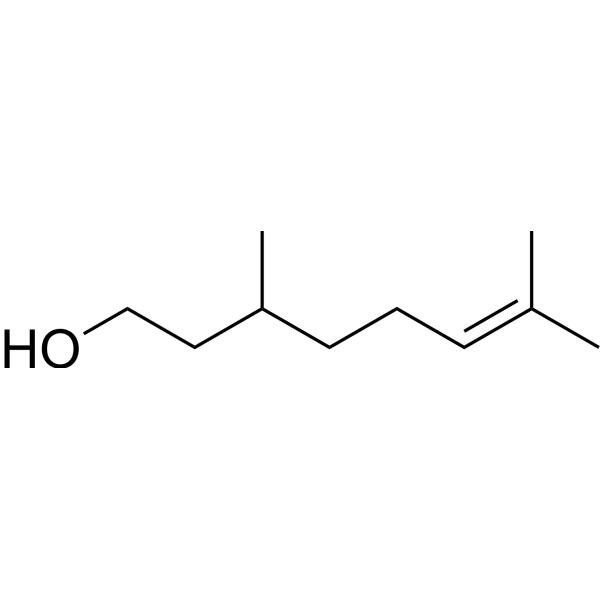
Cat. No.: HY-W010201
CAS No.: 106-22-9
Synonyms: (±)-Citronellol; (±)-β-Citronellol
Citronellol ((±)-Citronellol) is an orally active inducer of apoptosis. Citronellol can prevent oxidative stress, mitochondrial dysfunction, and apoptosis in the SH-SY5Y cell Parkinson's disease model induced by 6-OHDA by regulating the ROS-NO, MAPK/ERK, and PI3K/Akt signaling pathways. Citronellol can induce necroptosis in human lung cancer cells through the TNF-α pathway and accumulation of ROS. Citronellol can reduce the levels of LC-3 and p62 to regulate the autophagy pathway, inhibit oxidative stress and neuroinflammation, and thus have neuroprotective effects on Parkinson's rats. Citronellol exhibits anti-fungal activity against Trichophyton rubrum by inhibiting ergosterol synthesis .
loading...
    loading...
1
1 Cited Publications
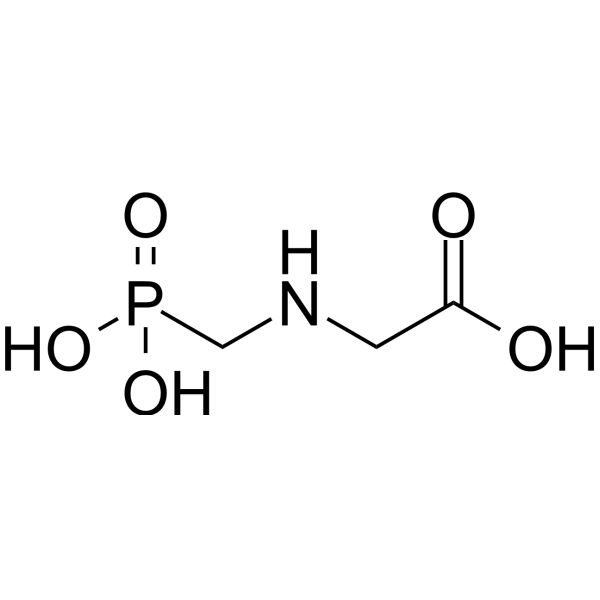
Cat. No.: HY-B0863
CAS No.: 1071-83-6
Glyphosate, a non-selective systemic biocide with broad-spectrum activity, is an herbicidal derivative of the amino acid glycine. Glyphosate inhibits the enzymatic activity of the 5-endopyruvylshikimate 3-phosphate synthase (EPSPS) in the shikimic acid pathway, preventing the synthesis of the aromatic amino acids tyrosine, phenylalanine, and tryptophan. Glyphosate induces oxidative stress, neuroinflammation, and mitochondrial dysfunction, processes that lead to neuronal death by autophagia, necrosis, or apoptosis, as well as the appearance of behavioral and motor disorders .
loading...
    loading...
1
1 Cited Publications
Cat. No.: HY-N7063
CAS No.: 106-25-2
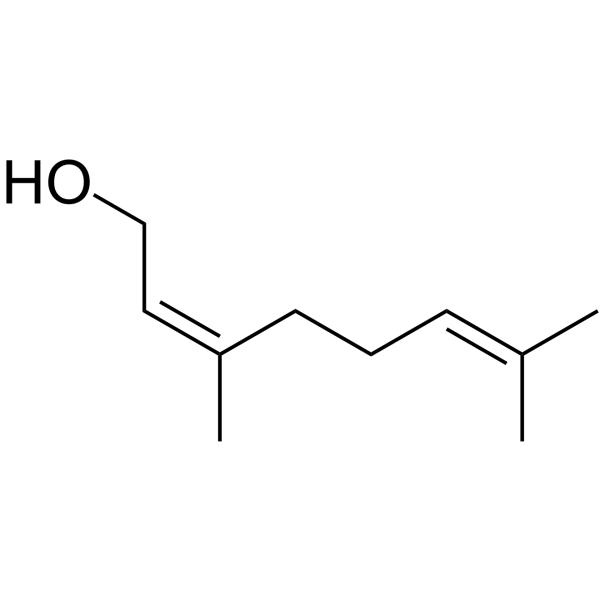
Nerol is a constituent of neroli oil. Nerol Nerol triggers mitochondrial dysfunction and induces apoptosis via elevation of Ca 2+ and ROS. Antifungal activity .
loading...
    loading...
1
1 Cited Publications
Cat. No.: HY-N6906
CAS No.: 116383-31-4
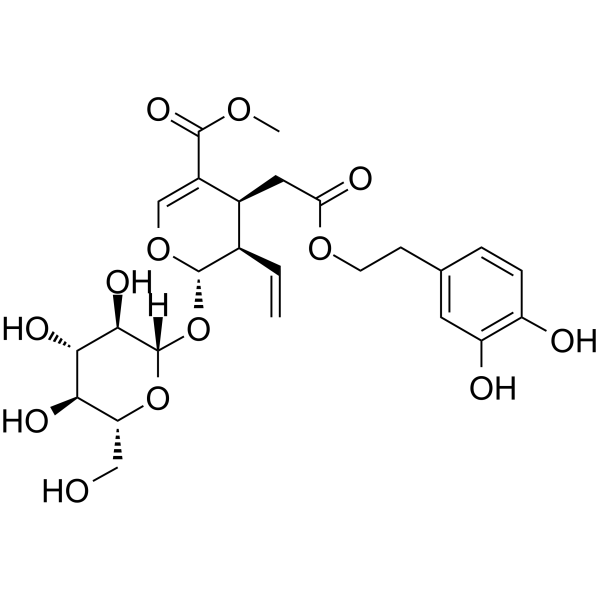
Oleuroside is a phenolic secoiridoid in olive. Oleuroside can protect against mitochondrial dysfunction in models of early Alzheimer's disease and brain ageing .
loading...
    loading...
1
1 Cited Publications
Cat. No.: HY-158162
Target:  

Sirtuin

Research Areas:  

Cardiovascular Disease

SIRT3 activator 1 (Compound 5v) is a SIRT3 activator. SIRT3 activator 1 selectively elevates SIRT3 expression, leading to the upregulation of SOD2 and OPA1 expression, effectively preventing mitochondrial dysfunction, mitigating oxidative stress, and preserving cardiomyocyte viability. SIRT3 activator 1 can be used for research of cardiovascular diseases .
loading...
    loading...
1
1 Cited Publications
Cat. No.: HY-B1093
CAS No.: 299-84-3
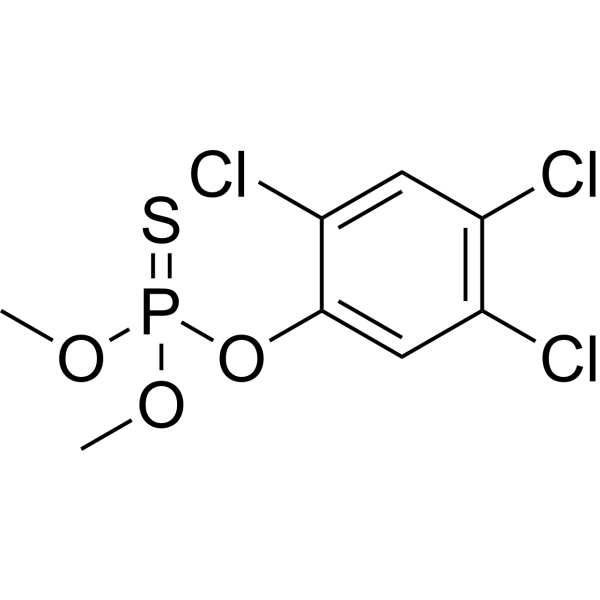
Fenchlorphos, an organophosphate, is an insecticide. Fenchlorphos is an inhibitor of the enzyme acetylcholinesterase (AChE). Fenchlorphos is able to cause mitochondrial dysfunction .
loading...
    loading...
1
1 Cited Publications
Cat. No.: HY-155656
CAS No.: 851471-44-8
Purity:  98.26%
Target:  

Dynamin

Research Areas:  

Inflammation/Immunology

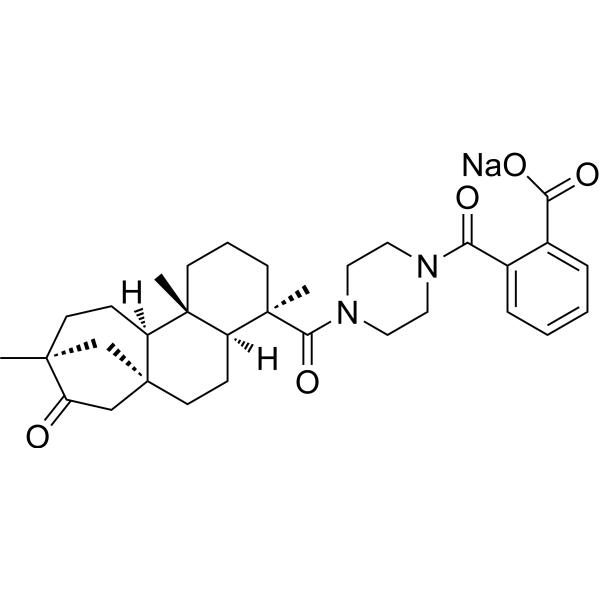
nti-inflammatory agent 49 (compound SC9) is a quite potent and selective inhibitor of Drp1-Fis1 interaction and can reduce FIS1-mediated mitochondrial dysfunction. The IC50 of SC9 inhibiting GTPase in vitro is 270 nM .
loading...
    loading...
1
1 Cited Publications
Cat. No.: HY-100438
CAS No.: 851518-71-3
Purity:  99.92%
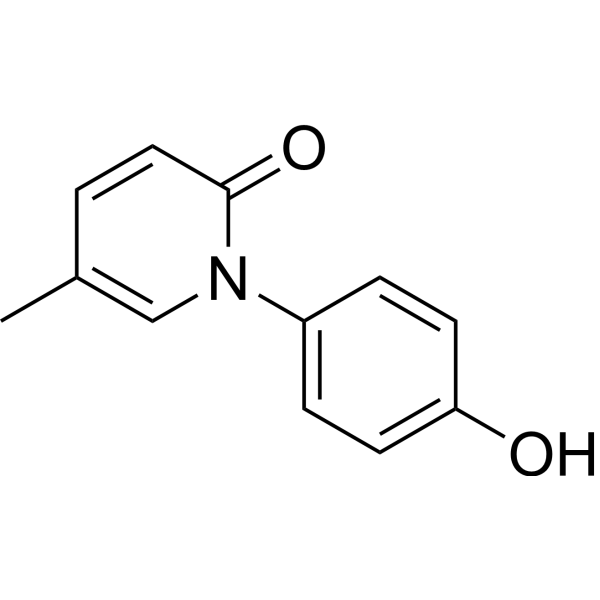
Hydronidone is an orally active pyridine derivative. Hydronidone is an inhibitor of phosphodiesterase-4 (PDE4) and cyclo-oxygenase (COX) as well as TGF-β. Hydronidone induces mitochondrial dysfunction and triggers apoptosis. Hydronidone can be used for liver fibrosis, anti-inflammation and anti-cancer study .
loading...
    loading...
1
1 Cited Publications
Cat. No.: HY-W614507
CAS No.: 19132-12-8
Research Areas:  

Metabolic Disease Cancer

Dihydronicotinamide riboside is a potent NAD + concentration enhancer. Dihydronicotinamide riboside modulates targets BAX, PUMA, NQO2, and IκB kinase. Dihydronicotinamide riboside mediates apoptosis, induces pro-oxidant activity, mitochondrial dysfunction, metabolic dysregulation, redox modulation, and pro-inflammatory M1 phenotype induction. Dihydronicotinamide riboside increases intracellular and mitochondrial NAD + levels, maintains cell survival against NAD +-depleting genotoxins. Dihydronicotinamide riboside can be used for the research of hepatocellular carcinoma .
loading...
    loading...
1
1 Cited Publications
Cat. No.: HY-14569
CAS No.: 781652-57-1
Purity:  99.32%
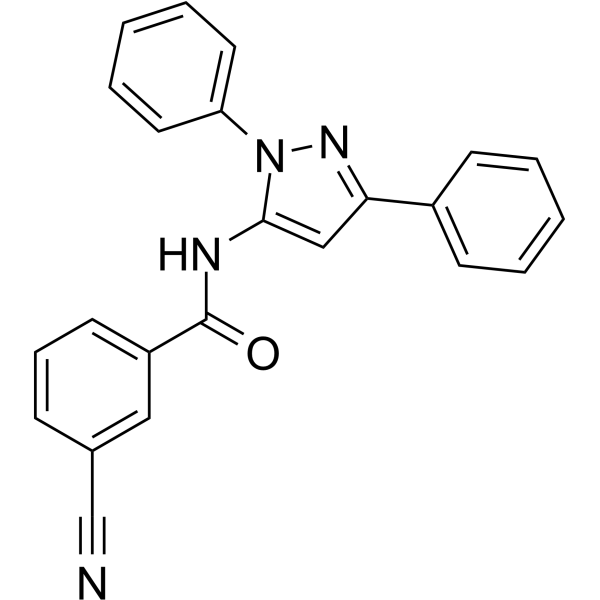
CDPPB is a selective, orally active and brain-penetrant mGluR5 allosteric modulator. CDPPB increases AKT and ERK1/2 activation and augments the BDNF mRNA. CDPPB inhibits caspase-3 activation and mitochondrial dysfunction. CDPPB improves cognitive impairment, depression, and Huntington's disease .
loading...
    loading...
1
1 Cited Publications
Cat. No.: HY-119976
CAS No.: 188425-85-6
Purity:  99.29%
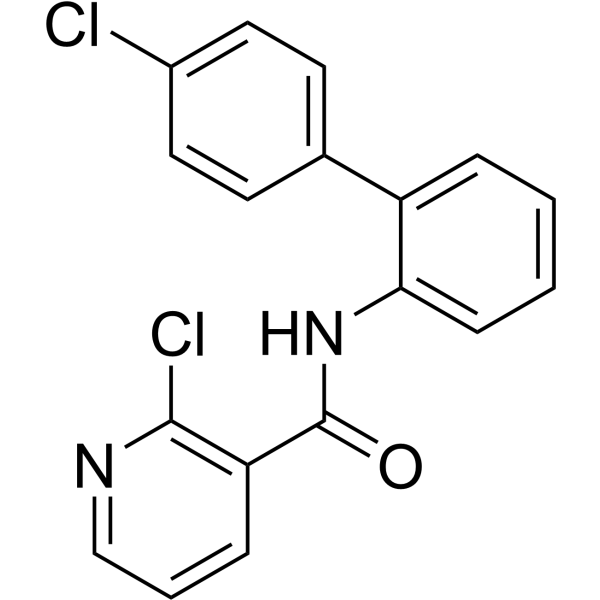
Boscalid is a succinate dehydrogenase (SDHI) inhibitor with antifungal activity. Boscalid binds to the ubiquinone-binding site of fungal mitochondrial complex II, blocks ATP production and aerobic respiration, exhibits good control efficacy against a variety of plant fungal diseases including gray mold, sclerotinia rot and powdery mildew, and is widely used for disease control in agriculture. Boscalid induces apoptosis, altered lipid metabolism, mitochondrial dysfunction, respiratory impairment, oxidative stress, ROS accumulation and neurodevelopmental disorders in zebrafish. Boscalid reduces foraging ability, shortens median death time and causes chronic toxicity in exposed honeybees. Boscalid also possesses genotoxicity, cytotoxicity, elevated mitochondrial superoxide levels and early-stage apoptosis .
loading...
    loading...
1
1 Cited Publications
Cat. No.: HY-128895
CAS No.: 1800405-30-4
Purity:  99.94%
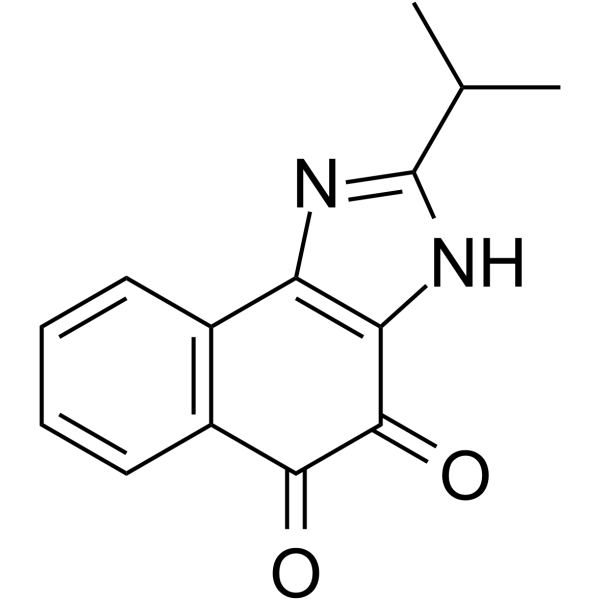
KL1333, a derivative of β-lapachone, is an orally available NAD+ modulator. KL1333 reacts with NAD(P)H:quinone oxidoreductase 1 (NQO1) as a substrate, resulting in increases in intracellular NAD+ levels via NADH oxidation. KL1333 improves energy metabolism and mitochondrial dysfunction in MELAS fibroblasts. KL1333 protects against Cisplatin-induced ototoxicity in mouse cochlear cultures .
loading...
    loading...
1
1 Cited Publications
Cat. No.: HY-137899
CAS No.: 3633-59-8
Purity:  96.00%
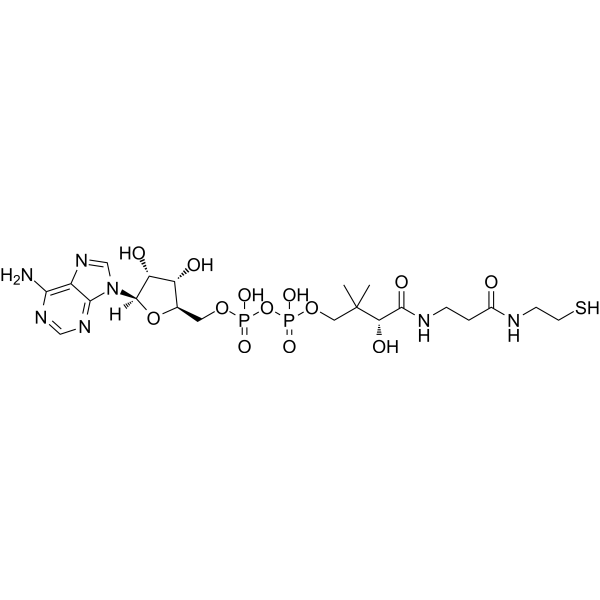
Dephospho-CoA is a key intermediate in the biosynthesis of coenzyme A (CoA), which is catalyzed to form CoA by GTP-dependent Dephospho-CoA kinase (DPCK). Dephospho-CoA completes the final synthetic step of CoA via phosphorylation and participates in energy metabolism and cellular signal transduction. Dephospho-CoA can be used in studies involving cancer (e.g., regulation of cell proliferation) and metabolic diseases (e.g., mitochondrial dysfunction) .
loading...
    loading...
1
1 Cited Publications
Cat. No.: HY-N0429
CAS No.: 20086-06-0
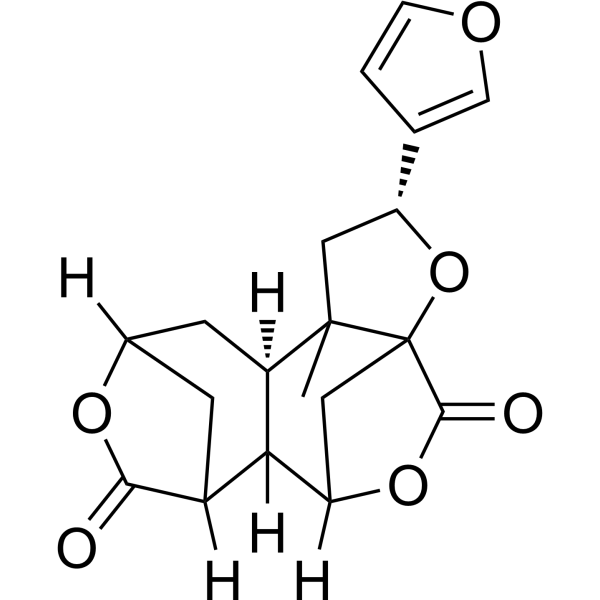
Diosbulbin B, a diterpene lactone, is an anticancer agent. Diosbulbin B is an orally active component of Dioscorea. bulbifera L. Diosbulbin B can inhibit cell proliferation, induce G0/G1 phase arrest and apoptosis. Diosbulbin B can induce autophagy and mitochondrial dysfunction. Diosbulbin B can induce liver injury. Diosbulbin B can be used for the research of cancer, such as non-small cell lung cancer (NSCLC) .
loading...
    loading...
1
1 Cited Publications
Cat. No.: HY-N0148R
CAS No.: 153-18-4
Synonyms: Rutoside (Standard); Quercetin 3-O-rutinoside (Standard)
Rutin (Standard) is the analytical standard of Rutin. This product is intended for research and analytical applications. Rutin (Rutoside) is a flavonoid found in many plants and shows a wide range of biological activities including anti-inflammatory, antidiabetic, antioxidant, neuroprotective, nephroprotective, hepatoprotective and reducing Aβ oligomer activities. Rutin is also a CBR1 inhibitor, which can cross the blood brain barrier. Rutin attenuates vancomycin-induced renal tubular cell apoptosis via suppression of apoptosis, mitochondrial dysfunction, and oxidative stress .
loading...
    loading...
1
1 Cited Publications
Cat. No.: HY-W250122
CAS No.: 32221-81-1
Synonyms: Monosodium glutamate
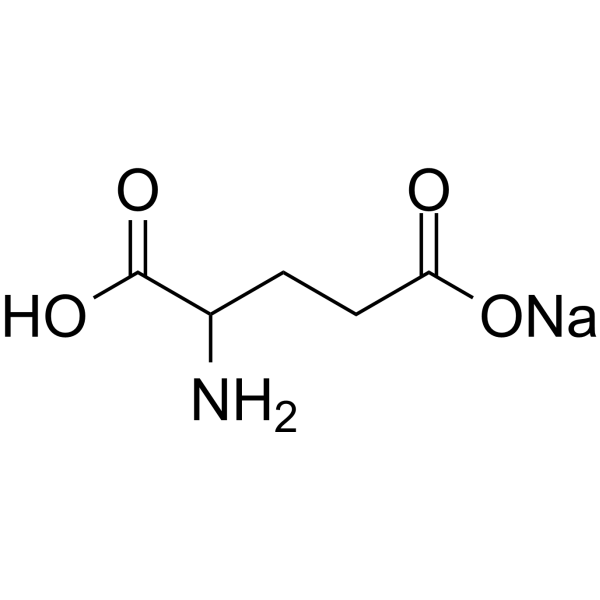
Glutamic acid sodium salt (Monosodium glutamate) is an orally active food flavor enhancer. Glutamic acid sodium salt causes ROS generation, mitochondrial dysfunction, and Apoptosis. Glutamic acid sodium salt upregulates CHOP, Grp78, and Bcl-2. Glutamic acid sodium salt impairs cognition, induces depressive-like behavior, induces hyperalgesia, and induces obesity and insulin resistance. Glutamic acid sodium salt can be used to study neurotoxicity (e.g., brain damage, cognitive impairment), metabolic disorders (e.g., obesity, insulin resistance), hepatotoxicity, and renal toxicity, as well as pain-related disorders .
loading...
    loading...
1
1 Cited Publications
Cat. No.: HY-155659
CAS No.: 3137918-83-0
Purity:  99.86%
Research Areas:  

Neurological Disease

4A7C-301 is a blood-brain barrier-permeable Nurr1 agonist, with IC50 values of 48.22 nM and 107.71 nM for binding to Nurr1-LBD in the [ 3H]-CQ competition assay and TR-FRET assay, respectively. The EC50 of 4A7C-301 for activating Nurr1 transcriptional activity is 6.53 μM, and its EC50 in N27-A dopaminergic cells is approximately 0.2 μM. 4A7C-301 binds directly to Nurr1-LBD, enhances the transcriptional function of Nurr1, and restores the reduction of Nurr1 protein induced by MPP + or αSyn. 4A7C-301 alleviates oxidative stress and mitochondrial dysfunction, protects midbrain dopaminergic neurons, inhibits microglial activation, and restores impaired autophagic flux. 4A7C-301 can be used in studies related to neuroprotection and Parkinson's disease .
loading...
    loading...
1
1 Cited Publications
Cat. No.: HY-N0909
CAS No.: 80418-25-3
Synonyms: 20(S)-Notoginsenoside R2; Ginsenoside Ng-R2
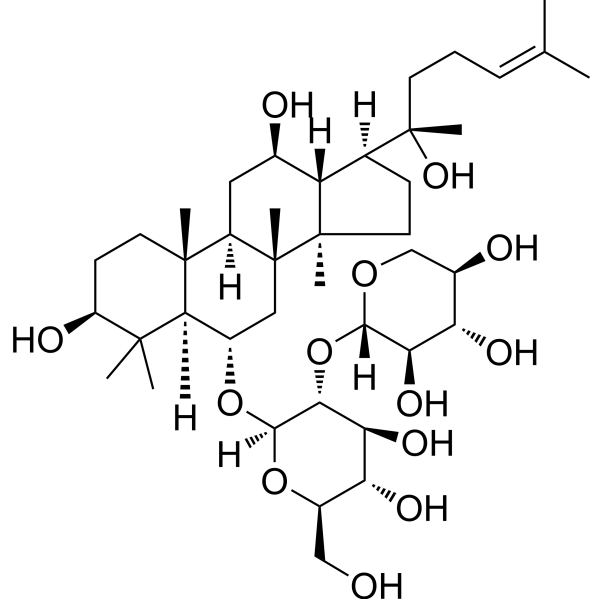
Notoginsenoside R2 (20(S)-Notoginsenoside R2; Ginsenoside Ng-R2) is an orally active notoginsenoside . Notoginsenoside R2 activates P90RSK and Nrf2 via the MEK1/2-ERK1/2 pathway to inhibit 6-OHDA-induced apoptotic damage in nerve cells. Notoginsenoside R2 upregulates SOX8/β-catenin by reducing miR-27a, thereby suppressing Aβ25-35-induced neuronal apoptosis and inflammatory responses . Notoginsenoside R2 alleviates lipid accumulation and mitochondrial dysfunction in diabetic nephropathy by inhibiting c-Src. Notoginsenoside R2 alleviates hepatic fibrosis by inducing hepatic stellate cell senescence and inhibiting the inflammatory microenvironment via JAK/STAT3 suppression . Notoginsenoside R2 can be used in research related to Parkinson's disease, Alzheimer's disease, diabetic nephropathy and hepatic fibrosis .
loading...
    loading...

