264 Results for "

mitochondrial dysfunction

" in MedChemExpress (MCE) Product Catalog:
Products (264)

264 Results for "mitochondrial dysfunction" in MCE Product Catalog:

Cat. No.: HY-124758
CAS No.: 1841409-92-4
Purity:  99.34%
Research Areas:  

Metabolic Disease Cancer

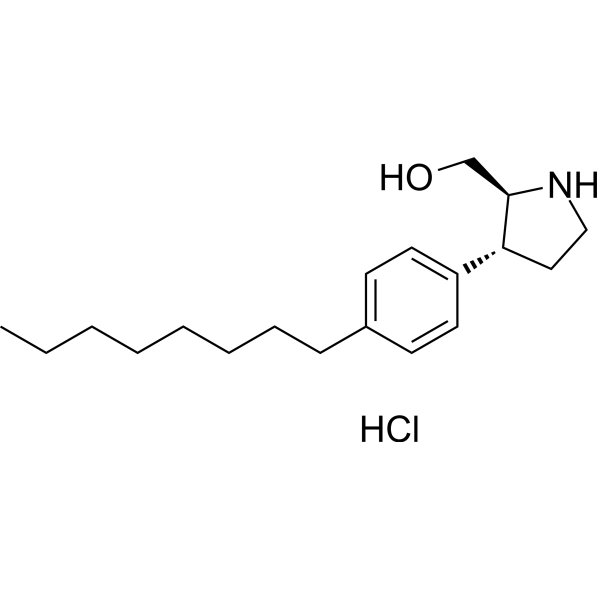
SH-BC-893 is an orally active anti-neoplastic sphingolipid analog. SH-BC-893 also protects from ceramide-induced mitochondrial dysfunction and corrects diet-induced obesity. SH-BC-893 can be used for the research of cancer and obesity .
loading...
    loading...
Cat. No.: HY-113884B
CAS No.: 29623-28-7
Purity:  ≥99.0%
Synonyms: 13(S)-HODE
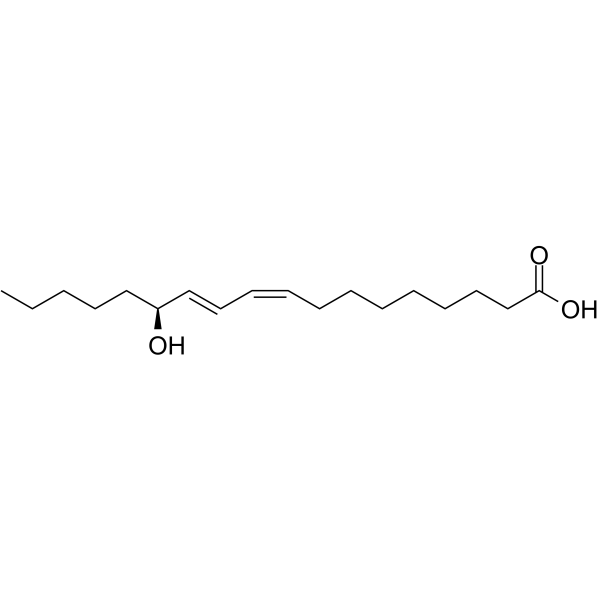
(S)-Coriolic acid (13(S)-HODE), the product of 15-lipoxygenase (15-LOX) metabolism of linoleic acid, functions as the endogenous ligand to activate PPARγ. (S)-Coriolic acid is an important intracellular signal agent and is involved in cell proliferation and differentiation in various biological systems. (S)-Coriolic acid induces mitochondrial dysfunction and airway epithelial injury .
loading...
    loading...
Cat. No.: HY-B0862
CAS No.: 40487-42-1
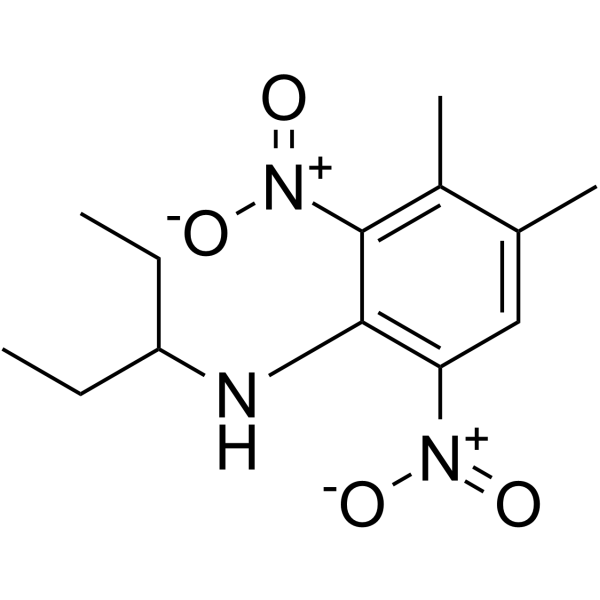
Pendimethalin is an orally active herbicide that controls annual grasses and certain broadleaf weeds. Pendimethalin induces Apoptotic cell death through activating ER stress-mediated mitochondrial dysfunction in human umbilical vein endothelial cells .
loading...
    loading...
Cat. No.: HY-125222
CAS No.: 2247733-08-8
Purity:  98.02%
Target:  

Dynamin

Research Areas:  

Others

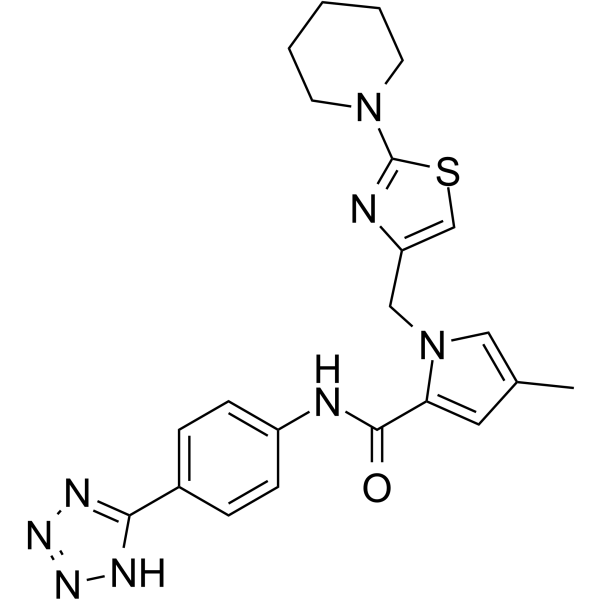
Drp1-IN-1 is a dynamin-1-like protein (Drp1) inhibitor with an IC50 of 0.91 μM. Drp1 mediates the fission of the outer mitochondrial membrane. Drp1-IN-1 can be used to study diseases associated with mitochondrial dysfunction .
loading...
    loading...
Cat. No.: HY-145337
Purity:  99.93%
Synonyms: FT385
Research Areas:  

Neurological Disease Cancer

FT3967385 (FT385) is a selective covalent inhibitor that targets the outer mitochondrial membrane deubiquitinase (Deubiquitinase) USP30 (IC50 = 1.5 nM, Ki = 0.014 μM). By inhibiting the enzymatic activity of USP30, FT3967385 relieves its negative regulation of the PINK1-Parkin mediated mitochondrial ubiquitination cascade, thereby enhancing mitophagy. FT3967385 can be used for mechanistic studies of neurodegenerative diseases associated with mitochondrial dysfunction, such as Parkinson's disease .
loading...
    loading...
Cat. No.: HY-P3003
CAS No.: 157232-64-9
Cereulide is an orally active, blood-brain barrier-permeable emetic toxin. Cereulide acts as a potassium ionophore that inserts into membranes, forms complexes with K +, and transports K + from the cytoplasm into the mitochondrial matrix. Cereulide disrupts the electrochemical gradient of the inner mitochondrial membrane, leading to mitochondrial swelling and dysfunction, uncoupling of oxidative phosphorylation, inhibition of ATP synthesis, ROS accumulation, and ultimately triggering apoptosis and autophagy. Cereulide exhibits multi-organ toxicity and can be used for research on emetic food poisoning .
loading...
    loading...
Cat. No.: HY-Y0262B
CAS No.: 62-76-0
Synonyms: Ethanedioic acid sodium,ACS, 99.5%
Sodium oxalate is an orally active dispersant and coordination agent. Sodium oxalate causes mitochondrial dysfunction. Sodium oxalate has catalytic enhancing activity. Sodium oxalate induces stable chronic kidney disease. Sodium oxalate induces highly malignant and undifferentiated breast tumors .
loading...
    loading...
Cat. No.: HY-P10409
CAS No.: 1191923-93-9
Synonyms: Small humanin-like peptide 2
SHLP2 (Small humanin-like peptide 2) is a small molecule peptide encoded by mitochondrial DNA, belonging to mitochondria derived peptide. SHLP2 has the activity of regulating apoptosis and inhibits cell death. SHLP2 binds to mitochondrial complex 1. SHLP2 improves mitochondrial metabolism by increasing respiration and biogenesis, reducing ROS, and decreasing mtDNA oxidation. SHLP2 also regulated energy homeostasis through the activation of hypothalamic neurons. SHLP2 can be used in the study of diseases related to mitochondrial dysfunction and anti-aging diseases, such as age-related macular degeneration and Parkinson’s disease .
loading...
    loading...
Cat. No.: HY-170404
CAS No.: 3104612-74-7
Target:  

Phosphatase

Research Areas:  

Metabolic Disease

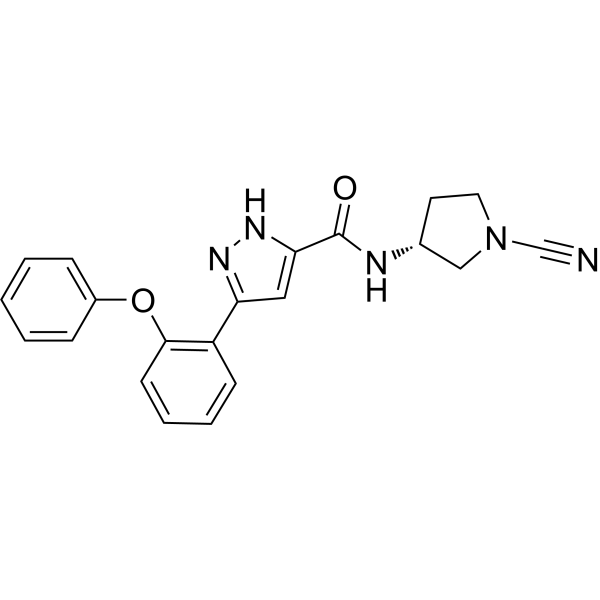
KF-52 is a phosphofructokinase-1 (PFK1) inhibitor with an IC50 value of 2.1 μM. KF-52 significantly increases the ratio of oxygen consumption rate (OCR) to extracellular acidification rate (ECAR). KF-52 is applicable to research related to mitochondrial dysfunction .
loading...
    loading...
Cat. No.: HY-N10587
CAS No.: 65597-47-9
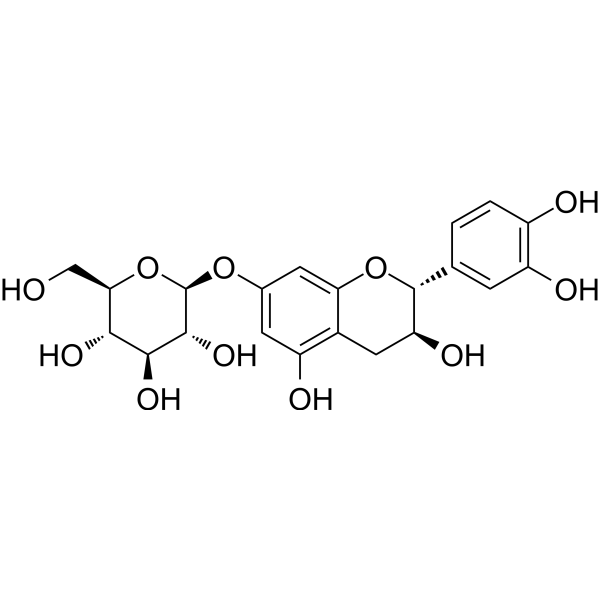
Catechin 7-O-beta-D-glucopyranoside is an orally active natural product found in Ulmus davidiana and Paeonia obovata. Catechin 7-O-β-D-glucopyranoside shows antioxidant and anti-inflammatory activities, and attenuates mitochondrial dysfunction. Catechin 7-O-beta-D-glucopyranoside can be used in intestinal inflammatory disease research .
loading...
    loading...
Cat. No.: HY-134377
CAS No.: 2095128-20-2
Purity:  98.08%
Synonyms: ASP0367; MA-0211
Target:  

PPAR

Research Areas:  

Metabolic Disease

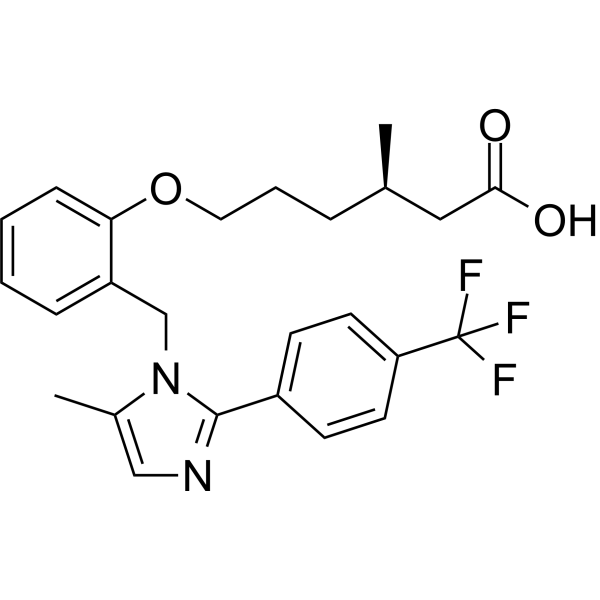
Bocidelpar (ASP0367; MA-0211) is a selective, orally active PPARδ modulator. Bocidelpar activates the PPARδ downstream signaling pathway, upregulates the expression of target genes such as ABCA1 and ACAA2. Bocidelpar then promotes fatty acid oxidation (FAO) and mitochondrial biogenesis, and improves mitochondrial dysfunction. Bocidelpar can improve mitochondrial biogenesis and function in muscle cells. Bocidelpar is mainly used in the study of mitochondrial dysfunction diseases such as primary mitochondrial myopathy (PMM) and Duchenne muscular dystrophy (DMD) .
loading...
    loading...
Cat. No.: HY-N0046
CAS No.: 88105-29-7
Synonyms: Notoginseng triterpenes; Ginsenoside Mb
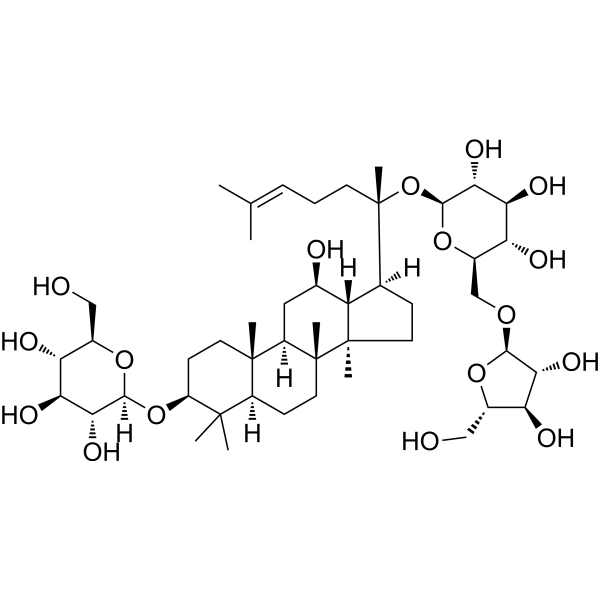
Notoginsenoside Fe (Notoginseng triterpenes; Ginsenoside Mb) is a saponin with anti-obesity and anti-neuroblastoma activities. Notoginsenoside Fe can be isolated from leaves of Panax notoginseng. Notoginsenoside Fe specifically activates paraventricular nucleus neurons in the hypothalamus, effectively reducing body weight, improving fasting blood glucose and protecting liver function by decreasing food intake, increasing resting metabolic rate and enhancing energy expenditure. Notoginsenoside Fe also inhibits the c-Src signaling pathway, blocks the proliferation and viability of human neuroblastoma cells, while improving mitochondrial dysfunction and alleviating apoptosis. Notoginsenoside Fe can be used in studies related to diet-induced obesity and neuroblastoma .
loading...
    loading...
Cat. No.: HY-161119
CAS No.: 73326-98-4
Drpitor1a is a potent Drp1 inhibitor. Drpitor1a inhibits mitochondrial ROS production, preventes mitochondrial fission, and improves right ventricular diastolic dysfunction during IR (ischemia reperfusion) injury. Drpitor1a has the potential for the research of lung cancer [1]
loading...
    loading...
Cat. No.: HY-111623
CAS No.: 2067332-64-1
Purity:  99.81%
Target:  

Deubiquitinase

Research Areas:  

Cancer

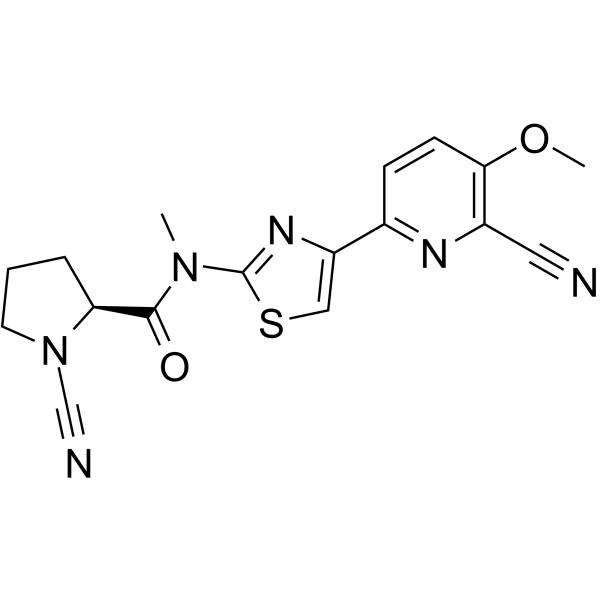
USP30 inhibitor 11 is a selective and potent ubiquitin specific peptidase 30 (USP30) inhibitor with an IC50 of 0.01 μΜ, the example 83 extracted from patent WO2017009650A1. USP30 inhibitor 11 is used for the study of cancer and conditions involving mitochondrial dysfunction .
loading...
    loading...
Cat. No.: HY-N7363
CAS No.: 1135-66-6
Synonyms: (-)-Isolongifolene
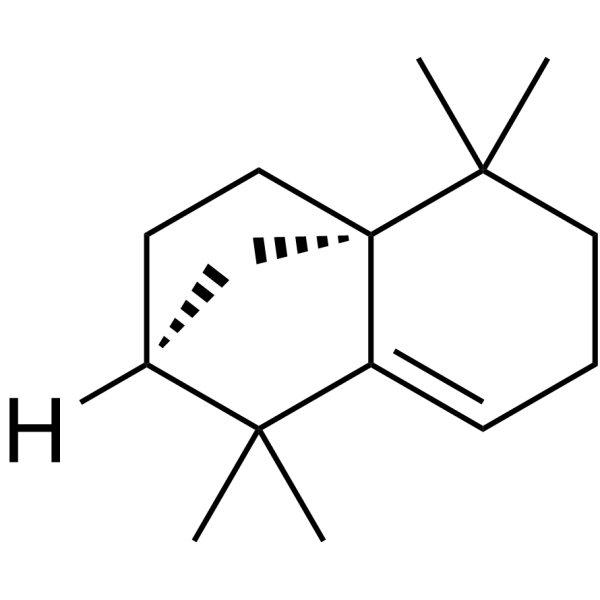
Isolongifolene ((-)-Isolongifolene) is a tricyclic sesquiterpene isolated from Murraya koenigii. Isolongifolene attenuates Rotenone-induced oxidative stress, mitochondrial dysfunction and apoptosis through the regulation of PI3K/AKT/GSK-3β signaling pathways. Isolongifolene has antioxidant, anti-inflammatory, anticancer and neuroprotective properties .
loading...
    loading...
Cat. No.: HY-114520
CAS No.: 1022367-69-6
Purity:  99.38%
TT01001 is a selective and orally active mitoNEET agonist and a monoamine oxidase B (MAO-B) inhibitor (IC50 = 8.84 μM). TT01001 does not activate PPARγ but interacts with MitoNEET. TT01001 attenuates oxidative stress and neuronal apoptosis by preventing mitoNEET-mediated mitochondrial dysfunction. TT01001 improves type II diabetes and ameliorates mitochondrial function of mice. TT01001 can used for the studies of type II diabetes and neurological disorders .
loading...
    loading...
Cat. No.: HY-116568
CAS No.: 178928-70-6
Purity:  99.52%
Synonyms: JAU-6476
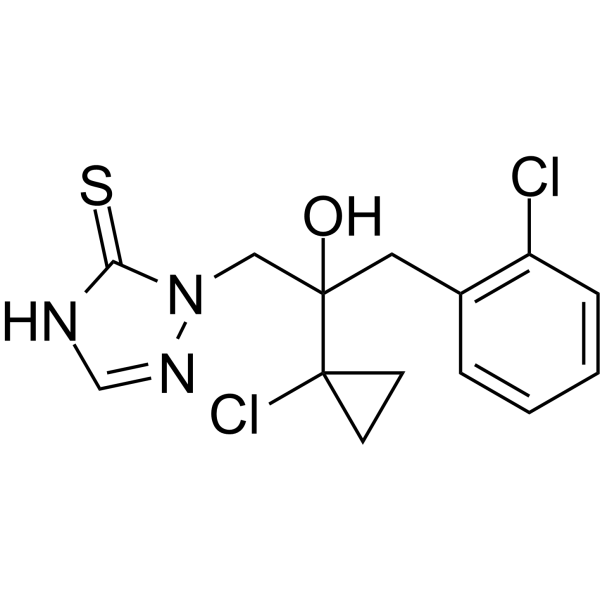
Prothioconazole is an orally active broad-spectrum fungicide. Prothioconazole weakly inhibits CaCYP51 activity in Candida albicans, with an apparent IC50 of approximately 120 μM. Prothioconazole disrupts Microtubule stability by reducing the acetylation level of α-tubulin. Prothioconazole induces Mitochondrial dysfunction, oxidative stress, DNA damage, and Apoptosis. Prothioconazole accumulates 14-methylated sterols and depletes ergosterol in cells, culture media, plants, and animals. Prothioconazole interferes with pyruvate metabolism and glycolysis/gluconeogenesis processes in mouse liver, downregulates Fasn mRNA expression, and induces hepatotoxicity and renal metabolic disorders. Prothioconazole reduces the fertility of female mice. Prothioconazole inhibits body weight gain and increases liver/kidney indices in mice. Prothioconazole can be used in studies related to candidiasis .
loading...
    loading...
Cat. No.: HY-P6374
Target:  

Dynamin

Research Areas:  

Neurological Disease

IIQLPEIVVV TFA is a specific inhibitor of Drp1-Mff interaction. IIQLPEIVVV TFA can distinguish physiological from pathological fission and block physiological fission, thus leading to mitochondrial dysfunction. IIQLPEIVVV TFA can be used in the study of Huntington's disease .
loading...
    loading...
Cat. No.: HY-129605
CAS No.: 6805-34-1
Purity:  ≥99.0%
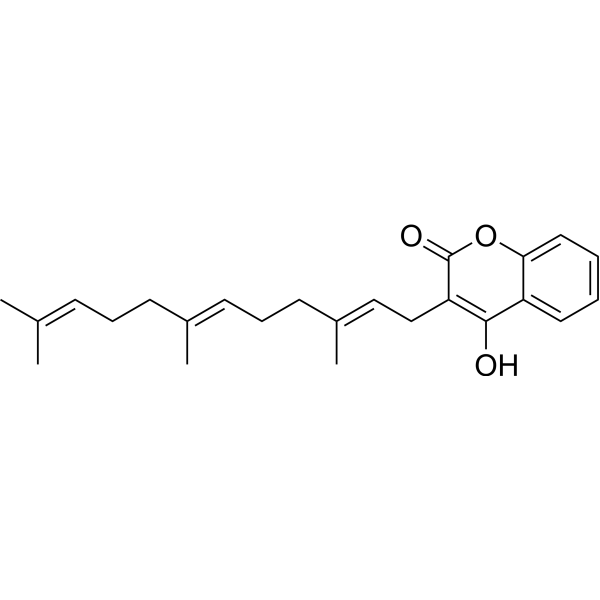
Ferulenol, a sesquiterpene prenylated coumarin derivative, specifically inhibits succinate ubiquinone reductase at the level of the ubiquinonecycle. Ferulenol shows good antimycobacterial activity and haemorrhagic action .
loading...
    loading...
Cat. No.: HY-163319
CAS No.: 3032667-94-7
Target:  

ClpP Apoptosis

Research Areas:  

Cancer

NCA029 is a potent and selective homo sapiens caseinolytic protease P (HsClpP) activator with an EC50 of 0.15 μM. NCA029 acts on HsClpP to activate an ATF3-dependent integrative stress response, leading to colon cancer cell death .
loading...
    loading...

