101 Results for "

morphological changes

" in MedChemExpress (MCE) Product Catalog:
Products (101)

101 Results for "morphological changes" in MCE Product Catalog:

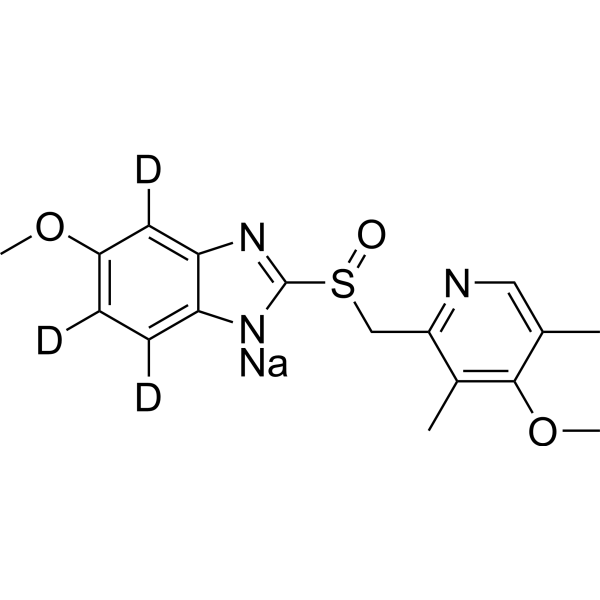
Cat. No.: HY-B0113S4
Synonyms: H 16868-d3 sodium
Omeprazole-d3 sodium is deuterated labeled Omeprazole (HY-B0113). Omeprazole sodium (H 16868) is an orally active H +,K +-ATPase inhibitor and a proton pump inhibitor. Omeprazole sodium competitively inhibits CYP2C19, CYP3A4, and CYP2C9 activity. Omeprazole sodium inhibits gastric acid secretion and can be used for acid-related gastrointestinal disorders. Omeprazole sodium inhibits pancreatic cancer cell proliferation, induces apoptosis, autophagosome accumulation (elevated LC3-I and LC3-II levels), oxidative stress, and cytogenetic imbalance, modulates lysosomal transport, reduces inflammatory cytokines. Omeprazole sodium alters small intestinal morphology and magnesium absorption, and induces gastric mucosa morphologic changes. Omeprazole sodium aslo has neuroprotective and antibacterial effects .
loading...
    loading...
Cat. No.: HY-114322A
CAS No.: 2306193-98-4
Target:  

PROTACs

Research Areas:  

Cancer

cis-VZ185 serves as a non-degradative control and inactive analog of VZ185 (HY-114322), a dual-target BRD7/BRD9 degrader PROTAC. cis-VZ185 exerts antiproliferative activity against epithelioid sarcoma cells only at high concentrations. cis-VZ185 induces morphological changes in osteosarcoma cells. cis-VZ185 can be used in studies related to epithelioid sarcoma .
loading...
    loading...
Cat. No.: HY-P11343
CAS No.: 1619237-95-4
Target:  

Fungal

Verlamelin B (Compound 147) is effective against plant pathogenic fungal and is a derivative of Verlamelin (HY-N14856).Verlamelin B exhibits potent plant protective activity in vivo, particularly against rice blast and barley powdery mildew. Verlamelin B causes morphological changes in fungal cells, such as swelling or expansion. Verlamelin B exhibits weaker antifungal activity in vitro against plant pathogens such as rice blast, Dipolaris zeae, and Botrytis cinerea. Verlamelin B is useful for research on antifungal activities against plant pathogens .
loading...
    loading...
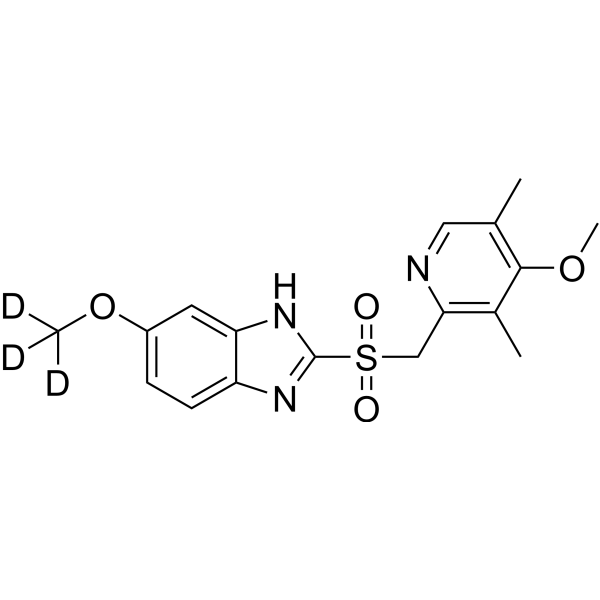
Cat. No.: HY-B0113S2
CAS No.: 1189891-71-1
Synonyms: Omeprazole sulphone (methoxy-d3)
Omeprazole sulfone (methoxy-d3) is the deuterium labeled Omeprazole sulfone. Omeprazole sulfone (H 16868) is an orally active H +,K +-ATPase inhibitor and a proton pump inhibitor. Omeprazole sulfone competitively inhibits CYP2C19, CYP3A4, and CYP2C9 activity. Omeprazole sulfone inhibits gastric acid secretion and can be used for acid-related gastrointestinal disorders. Omeprazole sulfone inhibits pancreatic cancer cell proliferation, induces apoptosis, autophagosome accumulation (elevated LC3-I and LC3-II levels), oxidative stress, and cytogenetic imbalance, modulates lysosomal transport, reduces inflammatory cytokines. Omeprazole sulfone alters small intestinal morphology and magnesium absorption, and induces gastric mucosa morphologic changes. Omeprazole sulfone aslo has neuroprotective and antibacterial effects .
loading...
    loading...
Cat. No.: HY-B0113S5
CAS No.: 922731-02-0
Synonyms: H 16868-d6
Omeprazole-d6 (H 16868-d6) is deuterium labeled Omeprazole. Omeprazole (H 16868) is an orally active H +,K +-ATPase inhibitor and a proton pump inhibitor. Omeprazole competitively inhibits CYP2C19, CYP3A4, and CYP2C9 activity. Omeprazole inhibits gastric acid secretion and can be used for acid-related gastrointestinal disorders. Omeprazole inhibits pancreatic cancer cell proliferation, induces apoptosis, autophagosome accumulation (elevated LC3-I and LC3-II levels), oxidative stress, and cytogenetic imbalance, modulates lysosomal transport, reduces inflammatory cytokines. Omeprazole alters small intestinal morphology and magnesium absorption, and induces gastric mucosa morphologic changes. Omeprazole aslo has neuroprotective and antibacterial effects .
loading...
    loading...
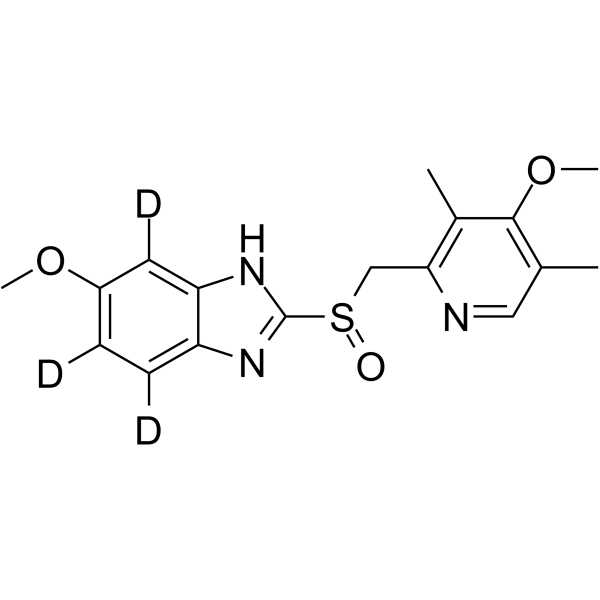
Cat. No.: HY-B0113S1
CAS No.: 934293-92-2
Synonyms: H 16868-d3-1
Omeprazole-d3-1 is the deuterium labeled Omeprazole. Omeprazole-1 (H 16868) is an orally active H +,K +-ATPase inhibitor and a proton pump inhibitor. Omeprazole-1 competitively inhibits CYP2C19, CYP3A4, and CYP2C9 activity. Omeprazole-1 inhibits gastric acid secretion and can be used for acid-related gastrointestinal disorders. Omeprazole-1 inhibits pancreatic cancer cell proliferation, induces apoptosis, autophagosome accumulation (elevated LC3-I and LC3-II levels), oxidative stress, and cytogenetic imbalance, modulates lysosomal transport, reduces inflammatory cytokines. Omeprazole-1 alters small intestinal morphology and magnesium absorption, and induces gastric mucosa morphologic changes. Omeprazole-1 aslo has neuroprotective and antibacterial effects .
loading...
    loading...
Cat. No.: HY-178911
TS-IN-8 is a potent thymidylate synthase (TS) inhibitor. TS-IN-8 can induce apoptosis and cause cell cycle arrest at the G2/M in MCF-7 cells. TS-IN-8 can induce nuclear morphological changes. TS-IN-8 can increase intracellular reactive oxygen species (ROS) levels. TS-IN-8 can activate intrinsic apoptosis pathways by regulating apoptosis-related proteins such as the bax/bcl-2 ratio and caspase activation. TS-IN-8 can be used for the study of breast cancer .
loading...
    loading...
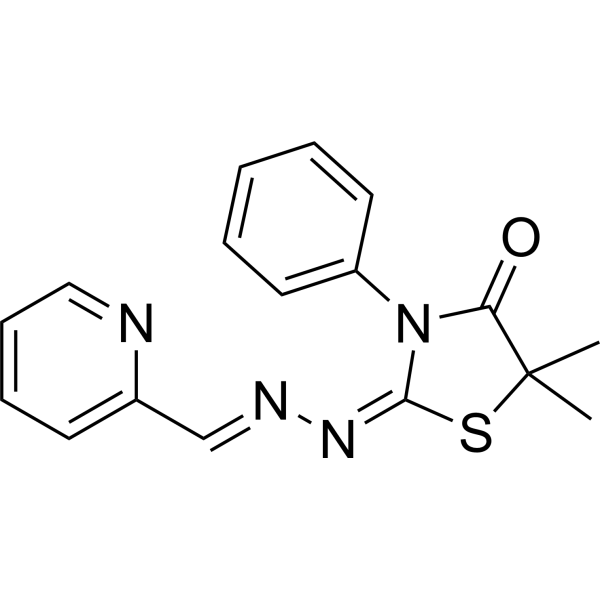
Cat. No.: HY-149079
CAS No.: 3046451-91-3
Target:  

Parasite Necroptosis

Research Areas:  

Infection

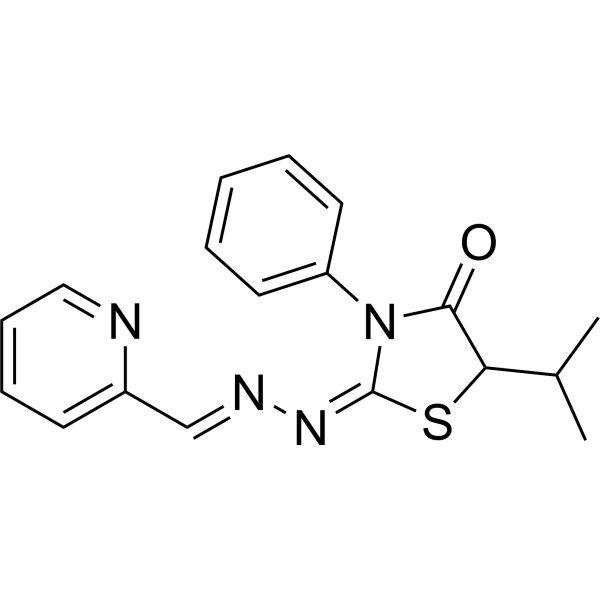
Antiparasitic agent-15, a pyridine-thiazolidinone, has anti-Trypanosoma cruzi and leishmanicidal activities. Antiparasitic agent-15 has IC50s of 0.9 μM and 0.64 μM against trypomastigote and amastigote forms of T. cruzi. Antiparasitic agent-15 has IC50s of 42.2 μM and 9.58 μM against trypomastigote and amastigote forms of L. amazonensis. Antiparasitic agent-15 induces parasite cell death through necrosis induction. Antiparasitic agent-15 induces morphological changes such as shortening, retraction and curvature of the parasite body and leakage of internal content with T. cruzi trypomastigotes .
loading...
    loading...
Cat. No.: HY-149080
CAS No.: 3046451-89-9
Target:  

Parasite Necroptosis

Research Areas:  

Infection

Antiparasitic agent-16, a pyridine-thiazolidinone, has anti-Trypanosoma cruzi and leishmanicidal activities. Antiparasitic agent-16 has IC50s of 1.0 μM and 0.6 μM against trypomastigote and amastigote forms of T. cruzi. Antiparasitic agent-16 has IC50s of 150.2 μM and 16.75 μM against trypomastigote and amastigote forms of L. amazonensis. Antiparasitic agent-16 induces parasite cell death through necrosis induction. Antiparasitic agent-16 induces morphological changes such as shortening, retraction and curvature of the parasite body and leakage of internal content with T. cruzi trypomastigotes .
loading...
    loading...
Cat. No.: HY-126356S
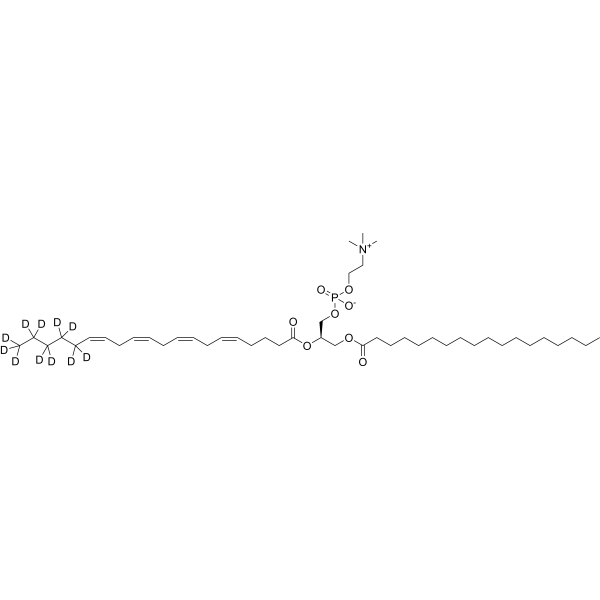
1-Stearoyl-2-arachidonoyl-sn-glycero-3-phosphocholine-d11 is the deuterium labeled 1-Stearoyl-2-arachidonoyl-sn-glycero-3-phosphocholine (HY-126356). 1-Stearoyl-2-arachidonoyl-sn-glycero-3-phosphocholine is a major phospholipid in low-density lipoprotein and belongs to the group of 1-acyl phosphatidylcholines. 1-Stearoyl-2-arachidonoyl-sn-glycero-3-phosphocholine does not induce morphological changes in washed human platelets. 1-Stearoyl-2-arachidonoyl-sn-glycero-3-phosphocholine can be used for the research of atherosclerosis and thrombotic diseases .
loading...
    loading...
Cat. No.: HY-157706
CAS No.: 799268-54-5
Target:  

PI3K

PI(3,4)P2 (18:1) ammonium salt is a phosphatidylinositol 3 kinase (PI3K) activator. PI(3,4)P2 (18:1) ammonium salt is a polyphosphorylated phosphatidylinositol that promotes the activation of AKT (protein kinase B) by activating PI3K, which affects cell metabolism, growth and survival. PI(3,4)P2 (18:1) ammonium salt is also involved in regulating dynamic changes in the cytoskeleton, affecting cell morphology and movement. PI(3,4)P2 (18:1) ammonium salt can be used in research on the development of cancer, diabetes and cardiovascular disease .
loading...
    loading...
Cat. No.: HY-113420S
CAS No.: 1240398-15-5
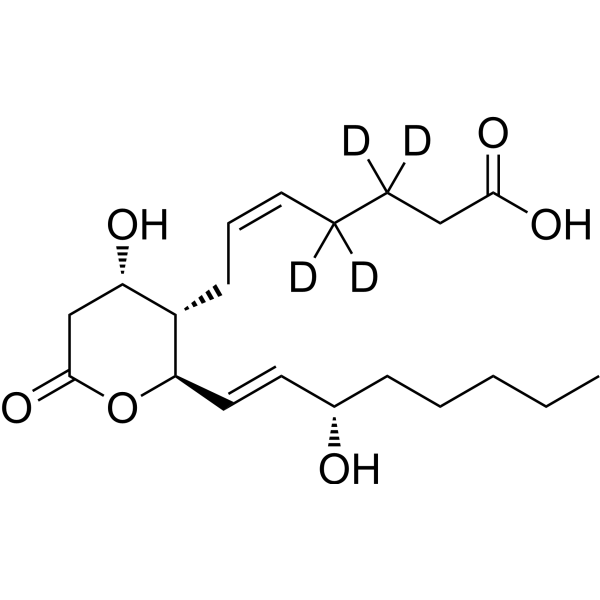
11-Dehydro-thromboxane B2-d4 is the d4-labeled 11-Dehydro-thromboxane B2 (HY-113420). 11-Dehydro-thromboxane B2 is a stable terminal metabolite of thromboxane A2 and an agonist of the CRTH2 receptor. 11-Dehydro-TXB2 activates human eosinophils, basophils, and CRTH2-transfected BaF/3 cells through a pertussis toxin-insensitive G protein-PLC pathway, inducing intracellular calcium mobilization, morphological changes, and chemotaxis, but does not affect platelet aggregation. 11-Dehydro-thromboxane B2 is involved in thrombosis and promotes eosinophil recruitment to the lungs in allergic inflammation, and its urinary levels are used to assess the inhibitory effect of Aspirin (HY-14654) on thromboxane production. 11-Dehydro-TXB2 serves as a biomarker for research related to asthma, atopic rhinitis, nephropathy, and coronary artery disease .
loading...
    loading...
Cat. No.: HY-113420S2
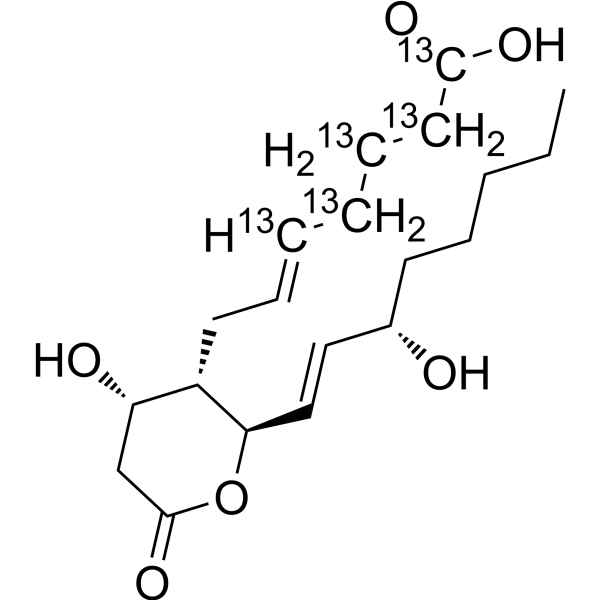
11-Dehydro-thromboxane B2- 13C5 is the 13C-labeled 11-Dehydro-thromboxane B2 (HY-113420). 11-Dehydro-thromboxane B2 is a stable terminal metabolite of thromboxane A2 and an agonist of the CRTH2 receptor. 11-Dehydro-TXB2 activates human eosinophils, basophils, and CRTH2-transfected BaF/3 cells through a pertussis toxin-insensitive G protein-PLC pathway, inducing intracellular calcium mobilization, morphological changes, and chemotaxis, but does not affect platelet aggregation. 11-Dehydro-thromboxane B2 is involved in thrombosis and promotes eosinophil recruitment to the lungs in allergic inflammation, and its urinary levels are used to assess the inhibitory effect of Aspirin (HY-14654) on thromboxane production. 11-Dehydro-TXB2 serves as a biomarker for research related to asthma, atopic rhinitis, nephropathy, and coronary artery disease .
loading...
    loading...
Cat. No.: HY-B0110R
CAS No.: 60282-87-3
Synonyms: SHB 331 (Standard); WL 70 (Standard)
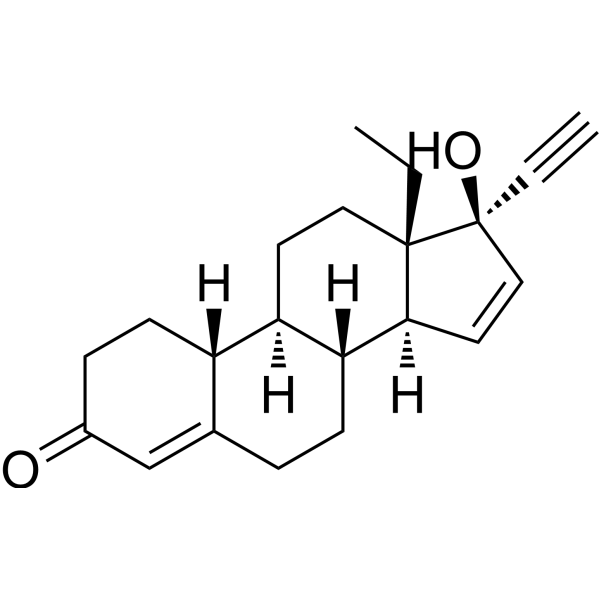
Gestodene (Standard) (SHB 331 (Standard); WL 70 (Standard)) is the analytical standard of Gestodene (HY-B0110). This product is intended for research and analytical applications. Gestodene is an orally active synthetic progestogen compound of the 19-nortestosterone class. Gestodene binds with high affinity to the progesterone receptor, inhibits 5α-reductase, binds to androgen and aldosterone receptors, and inactivates CYP3A. Gestodene acts as a positive allosteric modulator of PAR1, enhances PAR1-mediated signaling pathways, and is capable of increasing the activation potency of PAR1-AP toward PAR1, thereby promoting ERK1/2 phosphorylation, receptor internalization, cell morphological changes, and human platelet aggregation. Gestodene and its A-ring reduced metabolites promote the proliferation, differentiation, and mineralization of neonatal rat osteoblasts. Gestodene itself has no binding capacity for estrogen receptors, and this osteogenic activity depends on intracellular metabolism to generate A-ring reduced products with estrogen-like agonistic activity. Gestodene is useful for research on diseases related to progesterone secretion and diseases related to thrombosis .
loading...
    loading...
Cat. No.: HY-116028
CAS No.: 85235-11-6
Purity:  ≥98.0%
Synonyms: 15-Deoxy-Δ12,14-PGD2
15-deoxy-Δ12,14-Prostaglandin D2 (15-Deoxy-Δ12,14-PGD2) is a metabolite of prostaglandin D₂ (PGD₂) (HY-101988), which can undergo further dehydration metabolism to 15-deoxy-Δ12,14-PGJ₂. 15-deoxy-Δ12,14-Prostaglandin D2 is a highly selective agonist for DP2 receptor and PPARγ. 15-deoxy-Δ12,14-Prostaglandin D2 causes morphological changes in eosinophils and migration of type II innate lymphoid cells (ILC2). 15-deoxy-Δ12,14-Prostaglandin D2 has a growth inhibitory effect on prostate cancer cells expressing PPARγ, induces cell cycle arrest and promotes apoptosis. 15-deoxy-Δ12,14-Prostaglandin D2 can be used in related research on asthma and prostate cancer .
loading...
    loading...
Cat. No.: HY-B0110S
CAS No.: 1542211-40-4
Synonyms: SHB 331-d6; WL 70-d6
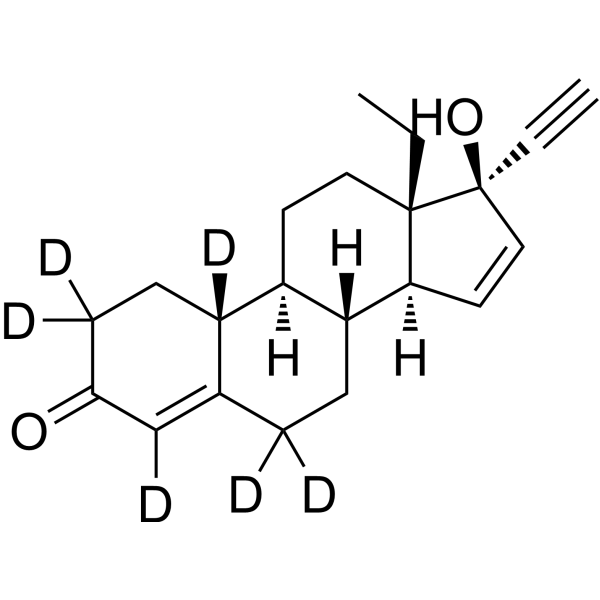
Gestodene-d6 (SHB 331-d6; WL 70-d6) is the deuterated-labeled Gestodene (HY-B0110). Gestodene is an orally active synthetic progestogen compound of the 19-nortestosterone class. Gestodene binds with high affinity to the progesterone receptor, inhibits 5α-reductase, binds to androgen and aldosterone receptors, and inactivates CYP3A. Gestodene acts as a positive allosteric modulator of PAR1, enhances PAR1-mediated signaling pathways, and is capable of increasing the activation potency of PAR1-AP toward PAR1, thereby promoting ERK1/2 phosphorylation, receptor internalization, cell morphological changes, and human platelet aggregation. Gestodene and its A-ring reduced metabolites promote the proliferation, differentiation, and mineralization of neonatal rat osteoblasts. Gestodene itself has no binding capacity for estrogen receptors, and this osteogenic activity depends on intracellular metabolism to generate A-ring reduced products with estrogen-like agonistic activity. Gestodene is useful for research on diseases related to progesterone secretion and diseases related to thrombosis .
loading...
    loading...
Cat. No.: HY-W753897
Synonyms: SHB 331-d7; WL 70-d7
Gestodene-d7 (SHB 331-d7; WL 70-d7) is the deuterated-labeled Gestodene (HY-B0110). Gestodene is an orally active synthetic progestogen compound of the 19-nortestosterone class. Gestodene binds with high affinity to the progesterone receptor, inhibits 5α-reductase, binds to androgen and aldosterone receptors, and inactivates CYP3A. Gestodene acts as a positive allosteric modulator of PAR1, enhances PAR1-mediated signaling pathways, and is capable of increasing the activation potency of PAR1-AP toward PAR1, thereby promoting ERK1/2 phosphorylation, receptor internalization, cell morphological changes, and human platelet aggregation. Gestodene and its A-ring reduced metabolites promote the proliferation, differentiation, and mineralization of neonatal rat osteoblasts. Gestodene itself has no binding capacity for estrogen receptors, and this osteogenic activity depends on intracellular metabolism to generate A-ring reduced products with estrogen-like agonistic activity. Gestodene is useful for research on diseases related to progesterone secretion and diseases related to thrombosis .
loading...
    loading...
Cat. No.: HY-N18199
CAS No.: 41755-67-3
rel-Bornyl cinnamate is an anti-schistosomal agent. rel-Bornyl cinnamate induces round, dark morphological changes, followed by degeneration in Schistosoma mansoni schistosomula. rel-Bornyl cinnamate can be used for the research of schistosomiasis .
loading...
    loading...
Cat. No.: HY-182347
Target:  

Parasite

Research Areas:  

Infection

LSPN954 is an indole-based peptidomimetic antiplasmodial agent. LSPN954 shows slow-acting inhibitory activity, allowing the initial development of Plasmodium followed by morphological changes. LSPN954 can be used in malaria research .
loading...
    loading...
Cat. No.: HY-119511
CAS No.: 529-73-7
Target:  

Parasite

Research Areas:  

Cardiovascular Disease Infection

Isopentaquine is an orally active antimalarial agent. Isopentaquine induces mild morphological changes in the exoerythrocytic stage of Plasmodium fallax, with a ED50 of 6.7 mg/L. Isopentaquine causes degenerative changes in the development of Plasmodium oocysts in infected mosquitoes. Isopentaquine reduces the infectivity of Plasmodium falciparum gametocytes. Isopentaquine impairs sympathetic cardiovascular reflexes. Isopentaquine decreases the recurrence rate and total disease duration of Plasmodium vivax infection. Isopentaquine can be used in malaria-related research .
loading...
    loading...

