
1. Search Result
Search Result
Results for "

Acute myelogenous leukemia

" in MedChemExpress (MCE) Product Catalog:

44

Inhibitors & Agonists

1

Peptides

1

Inhibitory Antibodies

1

Isotope-Labeled Compounds

2

Oligonucleotides

Targets Recommended:
Cat. No. Product Name Target Research Areas Chemical Structure
  • HY-15255
    Zosuquidar
    15+ Cited Publications

    RS 33295-198; LY-335979

    P-glycoprotein Cancer
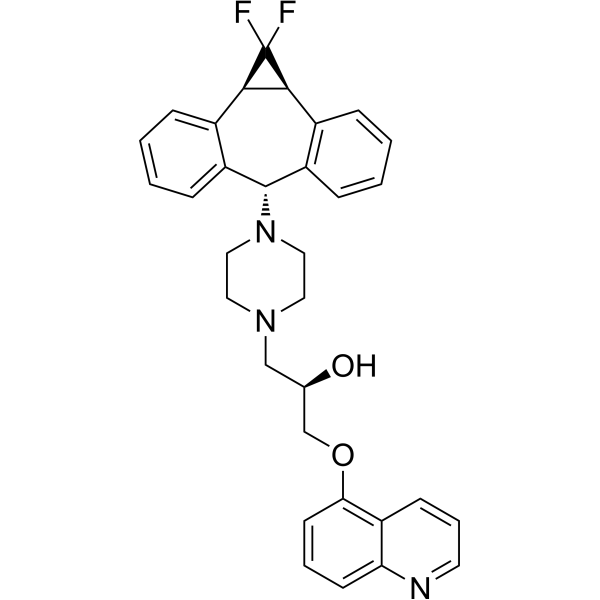
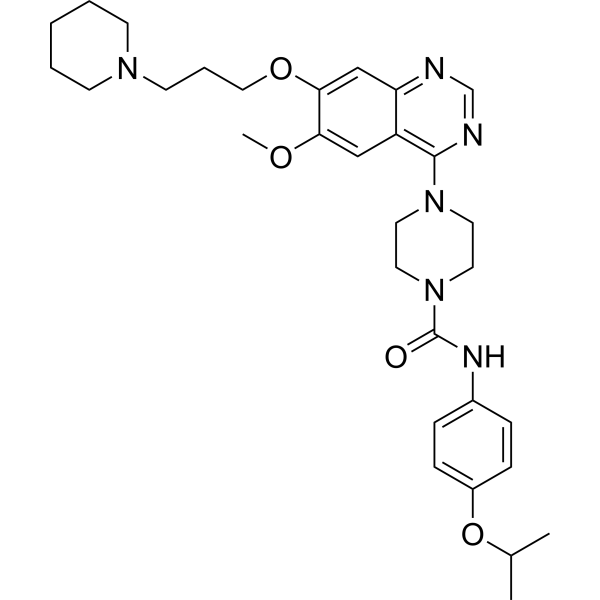
    Zosuquidar (LY335979) is a P-glycoprotein (P-gp) inhibitor (Ki=59 nM). Zosuquidar shows anti-tumor activities, and can be used in acute myelogenous leukemia (AML) research .
    Zosuquidar
  • HY-112654
    GCN2iB
    Maximum Cited Publications
    60 Publications Verification

    Eukaryotic Initiation Factor (eIF) Glutathione Peroxidase Cardiovascular Disease Metabolic Disease Cancer
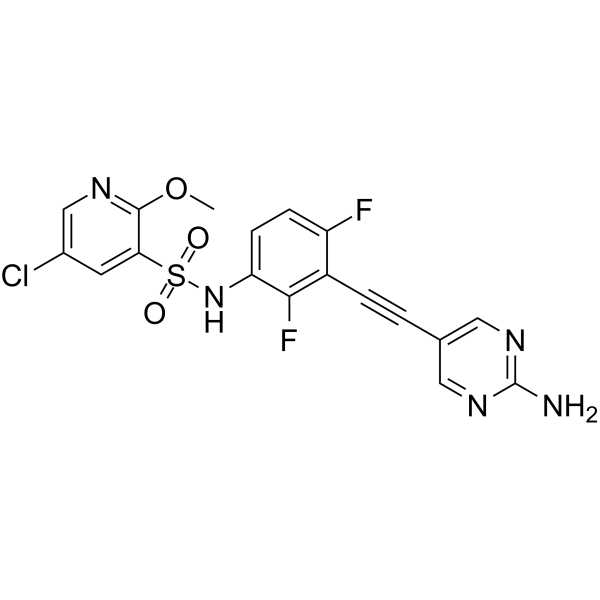
    GCN2iB is an ATP-competitive, selective GCN2 inhibitor with an IC50 of 2.4 nM. GCN2iB inhibits the activation of the GCN2 pathway and upregulates GPX4. GCN2iB enhances the anticancer effect of ASNase against acute lymphoblastic leukemia. GCN2iB increases left ventricular ejection fraction, while reducing fasting blood glucose and myocardial fibrosis. GCN2iB can be used in research related to acute lymphoblastic leukemia, acute myeloid leukemia and diabetic cardiomyopathy .
    GCN2iB
  • HY-50671
    Zosuquidar trihydrochloride
    15+ Cited Publications

    RS 33295-198 trihydrochloride; LY-335979 trihydrochloride

    P-glycoprotein Cancer
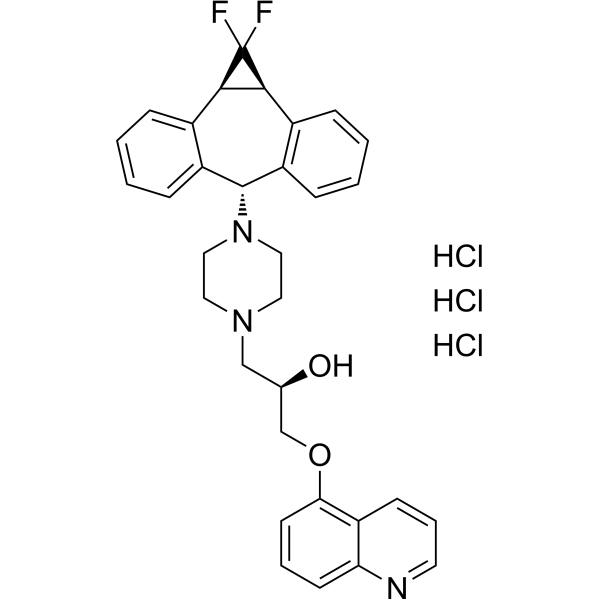
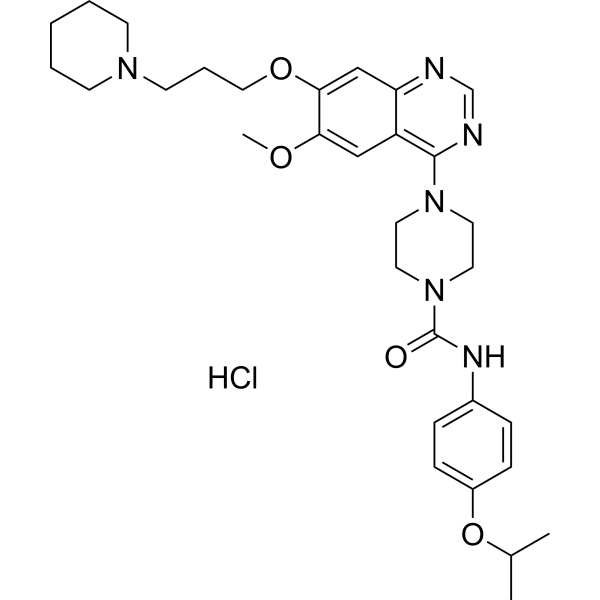
    Zosuquidar (LY335979) trihydrochloride is a P-glycoprotein (P-gp) inhibitor (Ki=59 nM). Zosuquidar trihydrochloride shows anti-tumor activities, and can be used in acute myelogenous leukemia (AML) research .
    Zosuquidar trihydrochloride
  • HY-112852
    TL02-59
    5+ Cited Publications

    Src Apoptosis Cancer
    TL02-59 is an orally active, selective Src-family kinase Fgr inhibitor with an IC50 of 0.03 nM. TL02-59 inhibits Lyn and Hck with IC50s of 0.1 nM and 160 nM, respectively. TL02-59 potently suppresses acute myelogenous leukemia (AML) cell growth .
    TL02-59
  • HY-150725

    IFNAR TNF Receptor Infection Inflammation/Immunology Cancer
    ODN 1585 is a potent inducer of IFN and TNFα production. ODN 1585 is a potent stimulator of NK (natural killer) function. ODN 1585 increases CD8+ T-cell function, including the CD8+ T cell-mediated production of IFN-γ. ODN 1585 induces regression of established melanomas in mice. ODN 1585 can confer complete protection against malaria in mice. ODN 1585 can be used for acute myelogenous leukemia (AML) and malaria research. ODN 1585 can be used as a vaccine adjuvant .
    ODN 1585
  • HY-10202
    Tandutinib
    5 Publications Verification

    MLN518; CT53518

    FLT3 c-Kit PDGFR Apoptosis Cancer
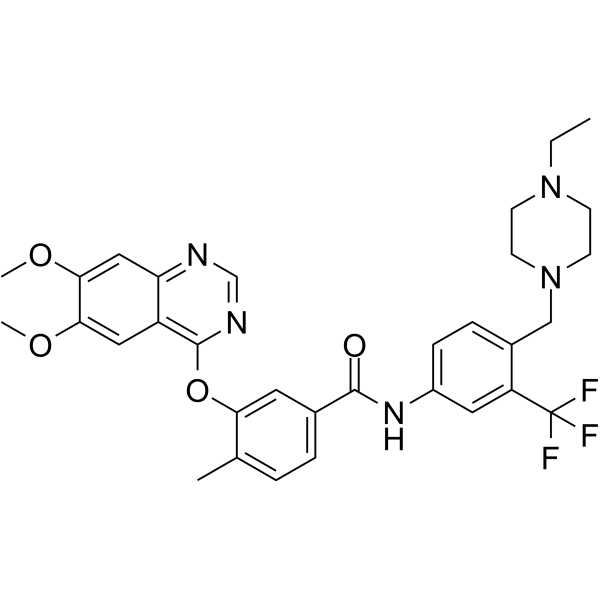
    Tandutinib (MLN518) is a potent and selective inhibitor of the FLT3 with an IC50 of 0.22 μM, and also inhibits c-Kit and PDGFR with IC50s of 0.17 μM and 0.20 μM, respectively. Tandutinib can be used for acute myelogenous leukemia (AML) . Tandutinib has the ability to cross the blood-brain barrier .
    Tandutinib
  • HY-13660
    Mocravimod hydrochloride
    2 Publications Verification

    KRP-203

    LPL Receptor Reactive Oxygen Species (ROS) Akt GSK-3 JAK STAT Metabolic Disease Inflammation/Immunology Cancer
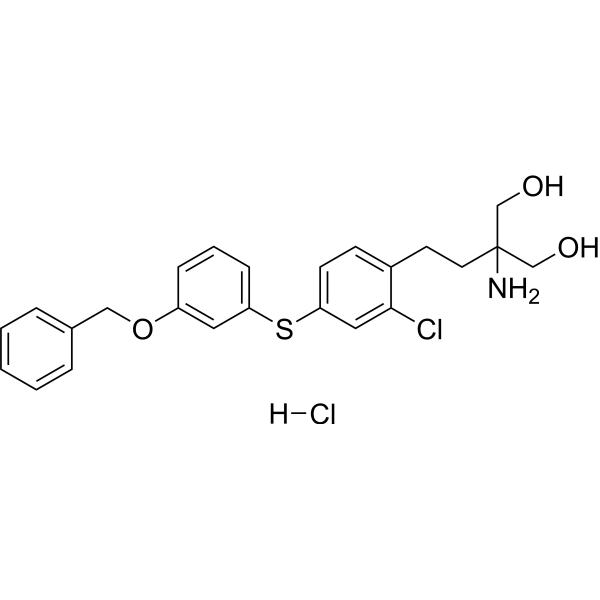
    Mocravimod (hydrochloride) is an orally active sphingosine-1-phosphate receptor (S1PR) modulator that blocks the signal required by T cells to egress from lymph nodes and other lymphoid organs. Mocravimod (hydrochloride) preferentially binds to S1PR1 over S1PR2 and S1PR3 in cardiomyocytes. Mocravimod (hydrochloride) significantly lowered the concentration of reactive oxygen species (ROS), prevented mitochondrial permeability transition pore opening, boosted mitochondrial membrane potential (MMP), and increased phosphorylation of AKT, EKR, GSK-3β, JAK2, and STAT3. Mocravimod (hydrochloride) retains T cell effector function. Mocravimod (hydrochloride) can be used for the study of acute myelogenous leukemia, diabetes and Myocardial Ischemia-Reperfusion Injury (MIRI) .
    Mocravimod hydrochloride
  • HY-109038
    Mocravimod
    2 Publications Verification

    KRP-203 free base

    LPL Receptor Reactive Oxygen Species (ROS) Mitochondrial Metabolism Akt GSK-3 JAK STAT Cardiovascular Disease Metabolic Disease Inflammation/Immunology Cancer
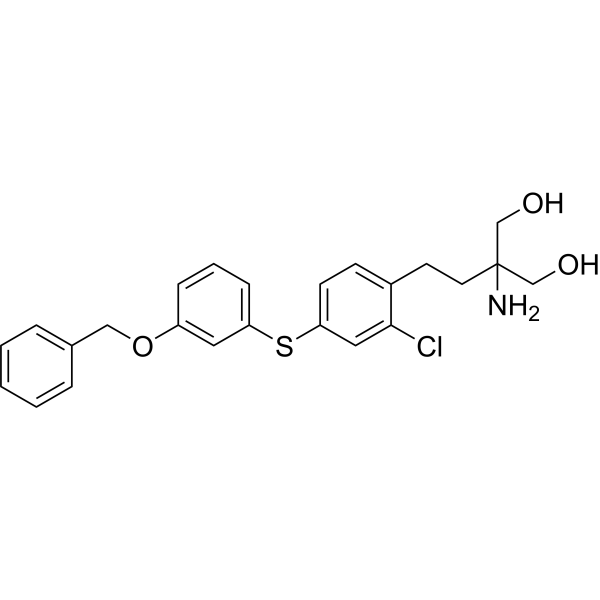
    Mocravimod (KRP-203 free base) is a sphingosine-1-phosphate receptor (S1PR) modulator that blocks the signal required by T cells to egress from lymph nodes and other lymphoid organs. Mocravimod preferentially binds to S1PR1 over S1PR2 and S1PR3 in cardiomyocytes. Mocravimod significantly lowered the concentration of reactive oxygen species (ROS), prevented mitochondrial permeability transition pore opening, boosted mitochondrial membrane potential (MMP), and increased phosphorylation of AKT, EKR, GSK-3β, JAK2, and STAT3. Mocravimod retains T cell effector function. Mocravimod can be used for the study of acute myelogenous leukemia, diabetes and Myocardial Ischemia-Reperfusion Injury (MIRI) .
    Mocravimod
  • HY-12475
    Mutant IDH1-IN-1
    2 Publications Verification

    Agios 135

    Isocitrate Dehydrogenase (IDH) Cancer
    Mutant IDH1-IN-1 (Agios 135) is a selective mutant IDH1 inhibitor with activity against both IDH1 R132H and IDH1 R132C. Mutant IDH1-IN-1 reduces the level of 2-hydroxyglutarate (2-HG), stabilizes mutant IDH1 protein, and restores blocked monocyte differentiation. Mutant IDH1-IN-1 can be used in tumor-related research .
    Mutant IDH1-IN-1
  • HY-145723
    MAX-40279
    1 Publications Verification

    FLT3 FGFR Inflammation/Immunology Cancer
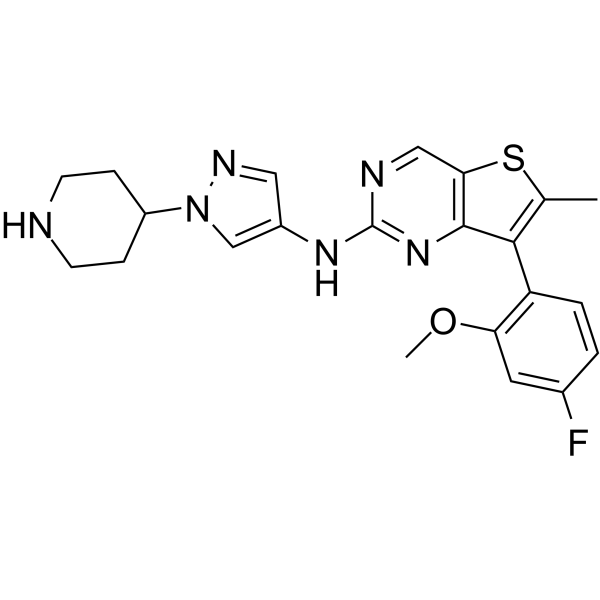
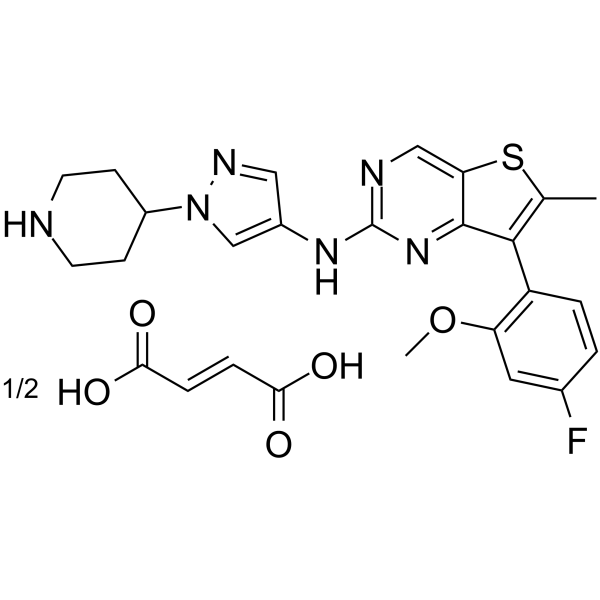
    MAX-40279 is a dual and orally active inhibitor of FLT3 kinase and FGFR kinase. MAX-40279 is also effective against the FLT3 mutants such as FLT3 D835Y, suggesting that it can overcome resistance to Quizartinib (HY-13001) and Sorafenib (HY-10201). MAX-40279 inhibits NDRG1 phosphorylation at Ser330 and suppresses endothelial-to-mesenchymal transition (EndMT). MAX-40279 can be used for the research of acute myelogenous leukemia (AML) .
    MAX-40279
  • HY-16445B

    Nucleoside Antimetabolite/Analog Drug Metabolite Apoptosis DNA/RNA Synthesis Cancer
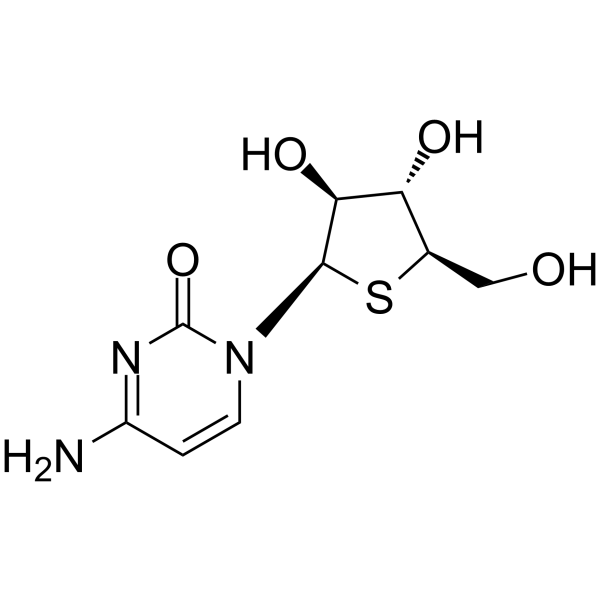
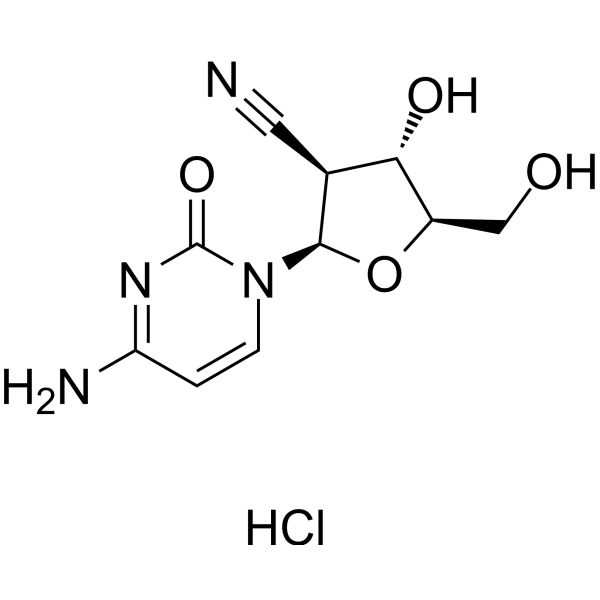
    CNDAC hydrochloride is a metabolite of the orally active agent Sapacitabine (HY-16445), and a nucleoside analog. CNDAC hydrochloride induces DNA damage and apoptosis .
    CNDAC hydrochloride
  • HY-150725C

    TNF Receptor IFNAR Infection Inflammation/Immunology Cancer
    ODN 1585 sodium is a potent inducer of IFN and TNFα production. ODN 1585 sodium is a potent stimulator of NK (natural killer) function. ODN 1585 sodium increases CD8+ T-cell function, including the CD8+ T cell-mediated production of IFN-γ. ODN 1585 sodium induces regression of established melanomas in mice. ODN 1585 sodium can confer complete protection against malaria in mice. ODN 1585 sodium can be used for acute myelogenous leukemia (AML) and malaria research. ODN 1585 sodium can be used as a vaccine adjuvant .
    ODN 1585 sodium
  • HY-P990786

    FLT3 ADC Antibody Cancer
    Anti-FLT3 Antibody (AGS62P) is an ADC antibody targeting FLT3, and can be used for acute myelogenous leukemia .
    Anti-FLT3 Antibody (AGS62P)
  • HY-162608

    PROTACs JAK STAT Cancer
    PROTAC JAK1 degrader 1 is a JAK1 PROTAC degrader with a DC50 of 214 nM and an IC50 of 5.2 nM. PROTAC JAK1 degrader 1 inhibits the downstream JAK-STAT signaling pathway by degrading JAK1. PROTAC JAK1 degrader 1 exhibits antiproliferative activity in cells. PROTAC JAK1 degrader 1 can be used for research on leukemia .
    PROTAC JAK1 degrader 1
  • HY-P4122

    HIV Others
    TAT (47-57), FAM-labeled is a 5(6)-Carboxyfluorescein (HY-15940)-labeled TAT (HY-P0281). TAT (YGRKKRRQRRR) is derived from the transactivator of transcription (TAT) of human immunodeficiency virus-1 (HIV-1) and is a cell-penetrating peptide .
    TAT (47-57), FAM-labeled
  • HY-10202A
    Tandutinib hydrochloride
    5 Publications Verification

    MLN518 hydrochloride; CT53518 hydrochloride

    FLT3 c-Kit PDGFR Apoptosis Cancer
    Tandutinib hydrochloride (MLN518 hydrochloride) is a potent and selective inhibitor of the FLT3 with an IC50 of 0.22 μM, and also inhibits c-Kit and PDGFR with IC50s of 0.17 μM and 0.20 μM, respectively. Tandutinib hydrochloride can be used for acute myelogenous leukemia (AML) . Tandutinib hydrochloride has the ability to cross the blood-brain barrier .
    Tandutinib hydrochloride
  • HY-148602
    KH-4-43
    1 Publications Verification

    E1/E2/E3 Enzyme Cancer
    KH-4-43 is an inhibitor of E3 CRL4. KH-4-43 inhibits E3 CRL4's core ligase complex and exhibits anticancer activity. KH-4-43 has a binding Kd to E3 ROC1-CUL4A CTD or the highly related ROC1-CUL1 CTD at 83 nM or 9.4 μM, respectively .
    KH-4-43
  • HY-159884

    Tim3 TNF Receptor IFNAR Cancer
    MG-T-19 is an effective TIM-3 inhibitor that can suppress the interaction of TIM-3 with PtdSer, CEACAM1, and Gal-9. MG-T-19 can increase the production of tumor necrosis factor-α (TNF-α) and interferon-γ (IFN-γ) in peripheral blood mononuclear cells (PBMCs) from healthy donors, and enhance the ability of PBMCs to inhibit the proliferation of Kasumi-1 cells (an acute myelogenous leukemia cell line) .
    MG-T-19
  • HY-123141

    Pim Cancer
    K00135 is a potent and selective inhibitor of PIM kinases. K00135 inhibits survival and clonogenic growth of acute leukemia cells. K00135 inhibits the phosphorylation of PIM downstream targets .
    K00135
  • HY-13743

    Linomide; FCF89; ABR212616

    TNF Receptor Interleukin Related IFNAR Neurological Disease Inflammation/Immunology Cancer
    Roquinimex (Linomide) is an orally active immunomodulator with antineoplastic, anti-inflammatory, and antiangiogenic activity. Roquinimex suppresses TH1 lymphocyte cytokines (IL-2, IFN-γ), promotes TH2 lymphocyte cytokines (IL-4, IL-10), increases NK cell, activated monocyte, and T cell activity. Roquinimex blocks macrophage TNF-α production and suppresses IL-1/IL-6 secretion. Roquinimex exhibits in vivo antitumour activity, suppresses rodent autoimmune disease signs, and ameliorates murine colitis and psoriasis. Roquinimex can be used for the research of leukemia, inflammatory bowel disease, multiple sclerosis, and psoriasis .
    Roquinimex
  • HY-120508

    AN-9; Pivalyloxymethyl butyrate

    HDAC Bcr-Abl Apoptosis Inflammation/Immunology Cancer
    Pivanex (AN-9), a derivative of Butyric acid, is an orally active HDAC inhibitor. Pivanex down-regulates bcr-abl protein and enhances apoptosis. Pivanex has antimetastic and antiangiogenic properties .
    Pivanex
  • HY-128571

    FLT3 Cancer
    FLT3-IN-4 is a potent and orally effective Fms-like tyrosine receptor kinase 3 (FLT3; IC50=7 nM) inhibitor for treating acute myelogenous leukemia .
    FLT3-IN-4
  • HY-178007

    CDK Cancer
    CDK2 degrader 8 (Compound1) is a CDK2 degrader. CDK2 degrader 8 shows potential anti-tumor activity by targeting CDK2. CDK2 degrader 8 can be used for the study of solid tumors (breast cancer, triple negative breast cancer, ovarian serous cystadenocarcinoma) and liquid tumors (diffuse large B-cell lymphoma, acute myelogenous leukemia) associated with abnormal CDK2 function .
    CDK2 degrader 8
  • HY-16445A

    Nucleoside Antimetabolite/Analog Drug Metabolite Apoptosis DNA/RNA Synthesis Cancer
    CNDAC is a metabolite of the orally active agent Sapacitabine (HY-16445), and a nucleoside analog. CNDAC induces DNA damage and apoptosis .
    CNDAC
  • HY-112852A

    Src Apoptosis Cancer
    TL02-59 dihydrochloride is an orally active, selective Src-family kinase Fgr inhibitor with an IC50 of 0.03 nM. TL02-59 dihydrochloride inhibits Lyn and Hck with IC50s of 0.1 nM and 160 nM, respectively. TL02-59 dihydrochloride potently suppresses acute myelogenous leukemia (AML) cell growth .
    TL02-59 dihydrochloride
  • HY-10202B

    FLT3 c-Kit PDGFR Apoptosis Cancer
    Tandutinib (MLN518) sulfate is a potent and selective inhibitor of the FLT3 with an IC50 of 0.22 μM, and also inhibits c-Kit and PDGFR with IC50s of 0.17 μM and 0.20 μM, respectively. Tandutinib sulfate can be used for acute myelogenous leukemia (AML) . Tandutinib sulfate has the ability to cross the blood-brain barrier .
    Tandutinib sulfate
  • HY-145723C
    MAX-40279 hemiadipate
    1 Publications Verification

    FLT3 FGFR Inflammation/Immunology Cancer
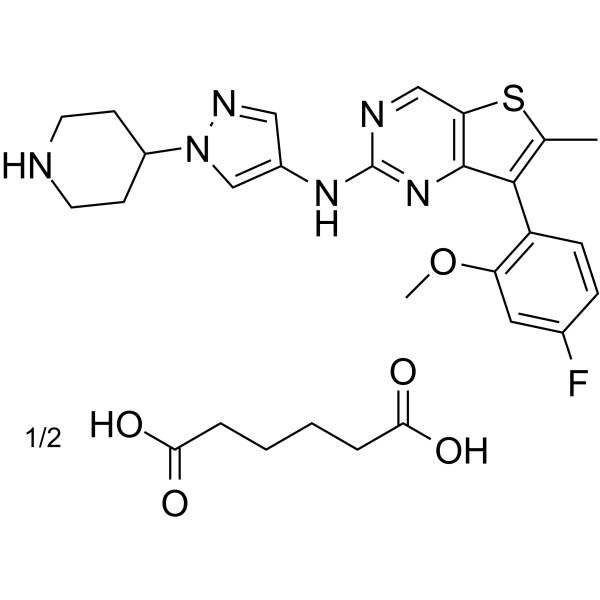
    MAX-40279 hemiadipate is a dual and orally active inhibitor of FLT3 kinase and FGFR kinase. MAX-40279 hemiadipate is also effective against the FLT3 mutants such as FLT3 D835Y, suggesting that it can overcome resistance to Quizartinib (HY-13001) and Sorafenib (HY-10201). MAX-40279 hemiadipate inhibits NDRG1 phosphorylation at Ser330 and suppresses endothelial-to-mesenchymal transition (EndMT). MAX-40279 hemiadipate can be used for the research of acute myelogenous leukemia (AML) .
    MAX-40279 hemiadipate
  • HY-10202R

    MLN518 (Standard); CT53518 (Standard)

    Reference Standards FLT3 c-Kit PDGFR Apoptosis Cancer
    Tandutinib (Standard) is the analytical standard of Tandutinib. This product is intended for research and analytical applications. Tandutinib (MLN518) is a potent and selective inhibitor of the FLT3 with an IC50 of 0.22 μM, and also inhibits c-Kit and PDGFR with IC50s of 0.17 μM and 0.20 μM, respectively. Tandutinib can be used for acute myelogenous leukemia (AML) . Tandutinib has the ability to cross the blood-brain barrier .
    Tandutinib (Standard)
  • HY-10202AR

    MLN518 hydrochloride (Standard); CT53518 hydrochloride (Standard)

    Reference Standards FLT3 c-Kit PDGFR Apoptosis Cancer
    Tandutinib (hydrochloride) (Standard) is the analytical standard of Tandutinib (hydrochloride). This product is intended for research and analytical applications. Tandutinib hydrochloride (MLN518 hydrochloride) is a potent and selective inhibitor of the FLT3 with an IC50 of 0.22 μM, and also inhibits c-Kit and PDGFR with IC50s of 0.17 μM and 0.20 μM, respectively. Tandutinib hydrochloride can be used for acute myelogenous leukemia (AML) . Tandutinib hydrochloride has the ability to cross the blood-brain barrier .
    Tandutinib hydrochloride (Standard)
  • HY-163406

    Phosphatase Apoptosis Cancer
    PDE1-IN-6 (compound 6c) is a selectivity PDE1 inhibitor with the IC50 of 7.5 nM. PDE1-IN-6 significantly inhibits the proliferation and induced cell apoptosis in Acute myelogenous leukemia cells .
    PDE1-IN-6
  • HY-149031

    Dihydroorotate Dehydrogenase Cancer
    DHODH-IN-22 is a potent, selective and orally active dihydroorotate dehydrogenase (DHODH) inhibitor with an IC50 value of 0.3 nM. DHODH-IN-22 can be used for researching acute myelogenous leukemia (AML) .
    DHODH-IN-22
  • HY-144371

    Dihydroorotate Dehydrogenase DNA/RNA Synthesis Inflammation/Immunology Cancer
    DHODH-IN-20 (Compound 133) is a potent inhibitor of DHODH. DHODH is present in the inner membrane of human mitochondria and is an iron-containing flavin-dependent enzyme. DHODH-IN-20 inhibits tumor growth. DHODH-IN-20 has the potential for the research of acute myelogenous leukemia .
    DHODH-IN-20
  • HY-145723A

    FLT3 FGFR Inflammation/Immunology Cancer
    MAX-40279 hydrochloride is a dual and orally active inhibitor of FLT3 kinase and FGFR kinase. MAX-40279 hydrochloride is also effective against the FLT3 mutants such as FLT3 D835Y, suggesting that it can overcome resistance to Quizartinib (HY-13001) and Sorafenib (HY-10201). MAX-40279 hydrochloride inhibits NDRG1 phosphorylation at Ser330 and suppresses endothelial-to-mesenchymal transition (EndMT). MAX-40279 hydrochloride can be used for the research of acute myelogenous leukemia (AML) .
    MAX-40279 hydrochloride
  • HY-145723B
    MAX-40279 hemifumarate
    1 Publications Verification

    FLT3 FGFR Inflammation/Immunology Cancer
    MAX-40279 hemifumarate is a dual and orally active inhibitor of FLT3 kinase and FGFR kinase. MAX-40279 hemifumarate is also effective against the FLT3 mutants such as FLT3 D835Y, suggesting that it can overcome resistance to Quizartinib (HY-13001) and Sorafenib (HY-10201). MAX-40279 hemifumarate inhibits NDRG1 phosphorylation at Ser330 and suppresses endothelial-to-mesenchymal transition (EndMT). MAX-40279 hemifumarate can be used for the research of acute myelogenous leukemia (AML) .
    MAX-40279 hemifumarate
  • HY-50671R

    RS 33295-198 trihydrochloride (Standard); LY-335979 trihydrochloride (Standard)

    Reference Standards P-glycoprotein Cancer
    Zosuquidar (trihydrochloride) (Standard) is the analytical standard of Zosuquidar (trihydrochloride). This product is intended for research and analytical applications. Zosuquidar (LY335979) trihydrochloride is a P-glycoprotein (P-gp) inhibitor (Ki=59 nM). Zosuquidar trihydrochloride shows anti-tumor activities, and can be used in acute myelogenous leukemia (AML) research .
    Zosuquidar trihydrochloride (Standard)
  • HY-161711

    Ligands for Target Protein for PROTAC Cancer
    CBP/p300 ligand 5 is the target protein ligand of XYD129 (HY-161710). CBP/p300 ligand 5 can be used to study the acute myelogenous leukemia .
    CBP/p300 ligand 5
  • HY-149735

    Epigenetic Reader Domain Apoptosis Cancer
    BET-IN-20 (compound 10) is an inhibitor of BRD4 BD1 (IC50=1.9 nM) with anticancer activity. BET-IN-20 can promote acute myeloid leukemia (AML) cell apoptosis and arrest the cell cycle in the G0/G1 phase. BET-IN-20 also inhibits c-Myc and CDK6 and enhances PARP cleavage .
    BET-IN-20
  • HY-16445BR

    Reference Standards Nucleoside Antimetabolite/Analog Drug Metabolite Apoptosis DNA/RNA Synthesis Cancer
    Dioscin (Standard) is the analytical standard of Dioscin. This product is intended for research and analytical applications. Dioscin (CCRIS 4123; Collettiside III) is a natural plant-derived steroidal saponin that has good anti-cancer activity against a variety of cancer cells. Dioscin causes DNA damage and induces apoptosis in HeLa and SiHa cells. Dioscin regulates ROS-mediated DNA damage and mitochondrial signaling pathways, exerting anticancer activity .
    CNDAC hydrochloride (Standard)
  • HY-112654A

    Eukaryotic Initiation Factor (eIF) Glutathione Peroxidase Cardiovascular Disease Metabolic Disease Cancer
    GCN2iB acetate is an ATP-competitive, selective GCN2 inhibitor with an IC50 of 2.4 nM. GCN2iB acetate inhibits the activation of the GCN2 pathway and upregulates GPX4. GCN2iB acetate enhances the anticancer effect of ASNase against acute lymphoblastic leukemia. GCN2iB acetate increases left ventricular ejection fraction, while reducing fasting blood glucose and myocardial fibrosis. GCN2iB acetate can be used in research related to acute lymphoblastic leukemia, acute myeloid leukemia and diabetic cardiomyopathy .
    GCN2iB acetate
  • HY-181710

    mTOR PI3K Cancer
    LASSBio-2337 is a dual pan-PI3K/mTOR inhibitor with an mTOR IC50 of 5.8 μM.LASSBio-2337 functionally modulates mTOR and all PI3K isoforms.LASSBio-2337 acts as a cytotoxic agent in leukemia cells, including multidrug-resistant populations.LASSBio-2337 spares nontumor human peripheral blood mononuclear cells.LASSBio-2337 displays moderate PAMPA-GIT permeability.LASSBio-2337 shows low metabolic stability in rat liver microsomes.LASSBio-2337 is aqueous insoluble.LASSBio-2337 can be used for the research of acute lymphoblastic leukemia, chronic myelogenous leukemia, breast cancer .
    LASSBio-2337
  • HY-112852S

    Isotope-Labeled Compounds Src Apoptosis Cancer
    TL02-59-d5 is the deuterium labeled TL02-59 (HY-112852). TL02-59 is an orally active, selective Src-family kinase Fgr inhibitor with an ICC50 of 0.03 nM. TL02-59 inhibits Lyn and Hck with ICC50s of 0.1 nM and 160 nM, respectively. TL02-59 potently suppresses acute myelogenous leukemia (AML) cell growth.
    TL02-59-d5
  • HY-180836

    Molecular Glues IKZF Family Apoptosis Cancer
    DIX-01 is a molecular gel degrader that can simultaneously induce the degradation of IKZF1/3 and GSPT1 mediated by CRBN. Its DC50 values are: IKZF1 (19.80 nM), IKZF3 (45.31 nM), and GSPT1 (120.1 nM). DIX-01 exhibits nanomolar-level potent anti-proliferative activity in various cancer cell lines. DIX-01 induces apoptosis in MV4-11 cells and significantly inhibits the growth of leukemia cells in zebrafish. DIX-01 can be used for the study of malignant hematological tumors .
    DIX-01
  • HY-13743R

    Linomide (Standard); FCF89 (Standard); ABR212616 (Standard)

    Reference Standards TNF Receptor Interleukin Related IFNAR Inflammation/Immunology
    Roquinimex (Standard) is the analytical standard of Roquinimex (HY-13743). Roquinimex (Linomide) is an orally active immunomodulator with antineoplastic, anti-inflammatory, and antiangiogenic activity. Roquinimex suppresses TH1 lymphocyte cytokines (IL-2, IFN-γ), promotes TH2 lymphocyte cytokines (IL-4, IL-10), increases NK cell, activated monocyte, and T cell activity. Roquinimex blocks macrophage TNF-α production and suppresses IL-1/IL-6 secretion. Roquinimex exhibits in vivo antitumour activity, suppresses rodent autoimmune disease signs, and ameliorates murine colitis and psoriasis. Roquinimex can be used for the research of leukemia, inflammatory bowel disease, multiple sclerosis, and psoriasis .
    Roquinimex (Standard)
  • HY-182349

    Bcl-2 Family Cancer
    Bax activator-2 (compound 27c) is a pro-apoptotic agent targeting BAX, with an IC50 of 0.30 μmol/L against human BAX. Bax activator-2 binds to the trigger site of BAX and induces its conformational change. Bax activator-2 induces mitochondrial depolarization, cytochrome c release, caspase-3/9 cleavage and PARP cleavage, thereby initiating apoptosis. Bax activator-2 exhibits cytotoxicity against various cancer cell lines, shows reduced cytotoxicity in BAX-knockout A549 cells, and has low cytotoxicity against non-cancerous cell lines. Bax activator-2 can be used in studies related to acute myeloid leukemia and solid tumors .
    Bax activator-2

Inquiry Online

Your information is safe with us. * Required Fields.

Salutation


Country or Region *

Applicant Name *


Organization Name *

Department *


Email Address *


Product Name *

Cat. No.


Requested quantity *

Phone Number *


Remarks

Inquiry Online

Inquiry Information

Product Name:
Cat. No.:
Quantity:
MCE Japan Authorized Agent:

