

1. Search Result
Search Result
Results for "

Autophagy-IN-1

" in MedChemExpress (MCE) Product Catalog:

30

Inhibitors & Agonists

1

Fluorescent Dyes

3

Peptides

1

Natural
Products

Cat. No. Product Name Target Research Areas Chemical Structure
  • HY-70002
    Enzalutamide
    Maximum Cited Publications
    214 Publications Verification

    MDV3100

    Androgen Receptor Autophagy Cancer
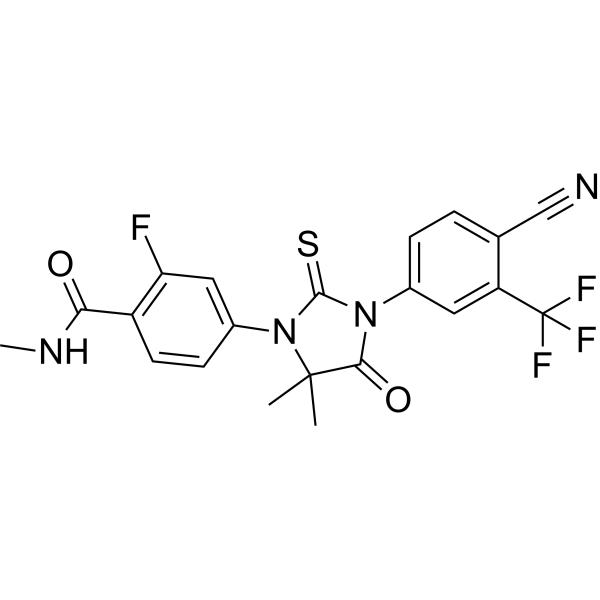
    Enzalutamide (MDV3100) is an androgen receptor (AR) antagonist with an IC50 of 36 nM in LNCaP prostate cells. Enzalutamide is an autophagy activator .
    Enzalutamide
  • HY-108462
    ML-SA1
    5+ Cited Publications

    Dengue Virus TRP Channel Flavivirus Infection
    ML-SA1, as a selective TRPML agonist, inhibits Dengue virus 2 (DENV2) and Zika virus (ZIKV) by promoting lysosomal acidification and protease activity. The IC50 value of ML-SA1 against DENV2 RNA and ZIKV RNA is 8.3 μM and 52.99 μM, respectively. ML-SA1 induces autophagy. ML-SA1 can be used for the research of broad-spectrum antiviral [1].
    ML-SA1
  • HY-P2260
    Tat-beclin 1
    5+ Cited Publications

    CHIKV Autophagy HIV Infection
    Tat-beclin 1, a peptide derived from a region of the autophagy protein (beclin 1), is a potent inducer of autophagy and interacts with negative regulator of autophagy, GAPR-1 (GLIPR2). Tat-beclin 1 decreases the accumulation of polyglutamine expansion protein aggregates and the replication of several pathogens (including HIV-1) in vitro, and reduces mortality in mice infected with chikungunya (CHIKV) or West Nile virus (WNV) [1].
    Tat-beclin 1
  • HY-70002R

    MDV3100 (Standard)

    Reference Standards Androgen Receptor Autophagy Cancer
    Enzalutamide (Standard) is the analytical standard of Enzalutamide. This product is intended for research and analytical applications. Enzalutamide (MDV3100) is an androgen receptor (AR) antagonist with an IC50 of 36 nM in LNCaP prostate cells. Enzalutamide is an autophagy activator .
    Enzalutamide (Standard)
  • HY-135318
    NBDHEX
    2 Publications Verification

    Apoptosis Autophagy Glutathione S-transferase Cancer
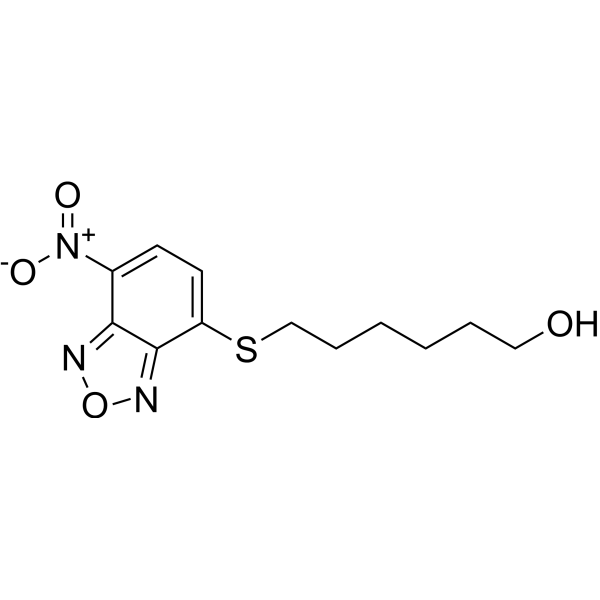
    NBDHEX is a potent glutathione S-transferase P1-1 (GSTP1-1) inhibitor. NBDHEX induces apoptosis of tumor cells. NBDHEX acts as an anticancer agent by inhibiting GSTs catalytic activity, avoiding inconvenience of the inhibitor extrusion from the cell by specific pumps and disrupting the interaction between the GSTP1-1 and key signaling effectors. NBDHEX can also act as late-phase autophagy inhibitor .
    NBDHEX
  • HY-B1324
    Oxiconazole nitrate
    2 Publications Verification

    Ro 13-8996

    Fungal Cytochrome P450 Antibiotic Infection Cancer
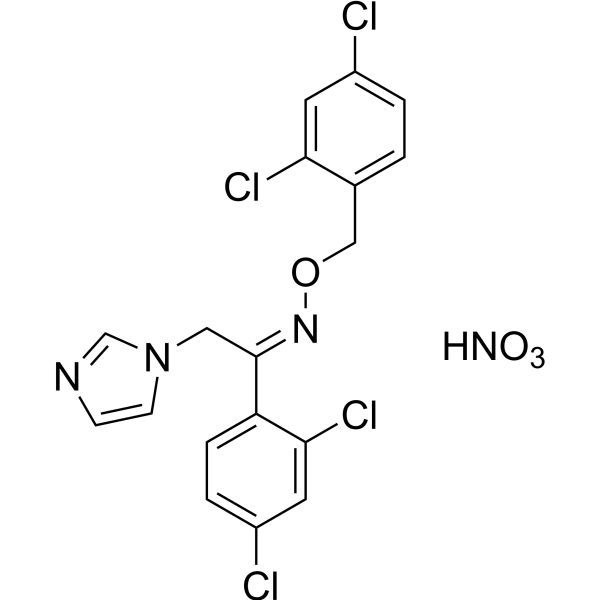
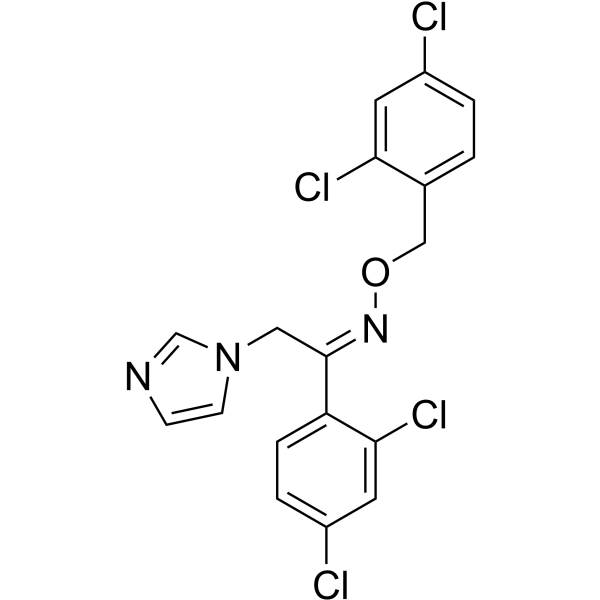
    Oxiconazole (Ro 13-8996) nitrate is a broad spectrum anti-fungal agent which can inhibit the growth of Candida, Aspergillus and Trichophyton. Oxiconazole nitrate is also a highly efficacious activator of CYP3A4 transactivation, which could be antagonized by Rifampicin (HY-B0272) in a competitive manner. Oxiconazole nitrate exhibits inhibitory effect against colorectal cancer (CRC) via peroxiredoxin-2 (PRDX2)-mediated autophagy arrest .
    Oxiconazole nitrate
  • HY-129652

    AUTACs Cancer
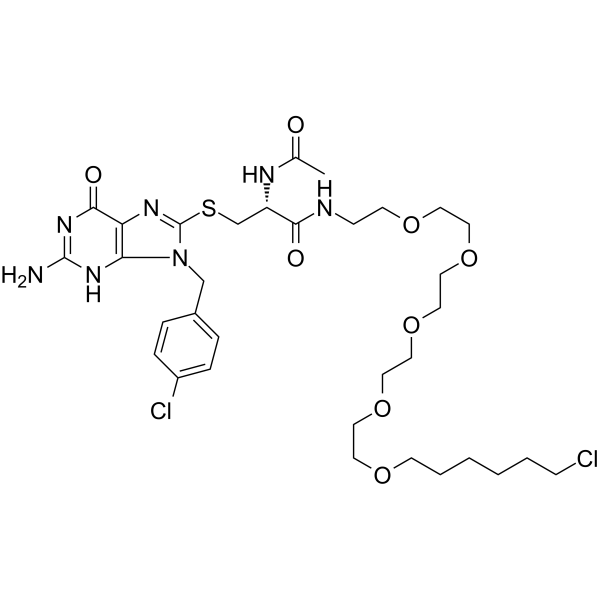
    HaloAUTAC tt15 is an autophagy-targeting chimera (AUTAC), that targets the Halo Tag carrying proteins, and degrades via the autophagy mechanism .
    HaloAUTAC tt15
  • HY-150636

    Autophagy Apoptosis Cancer
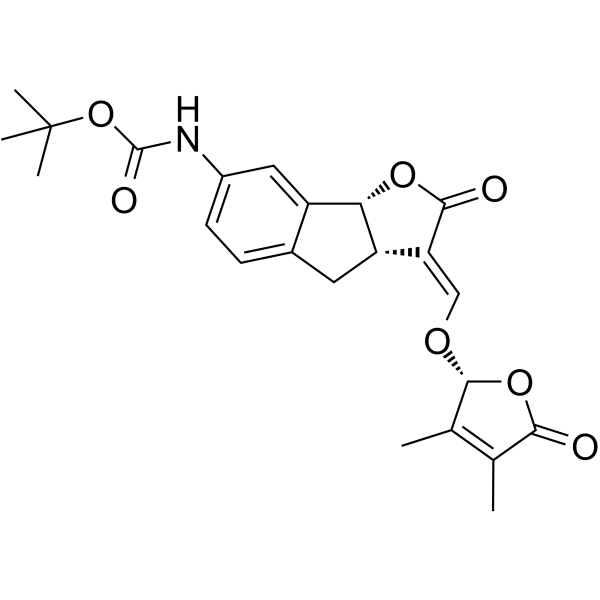
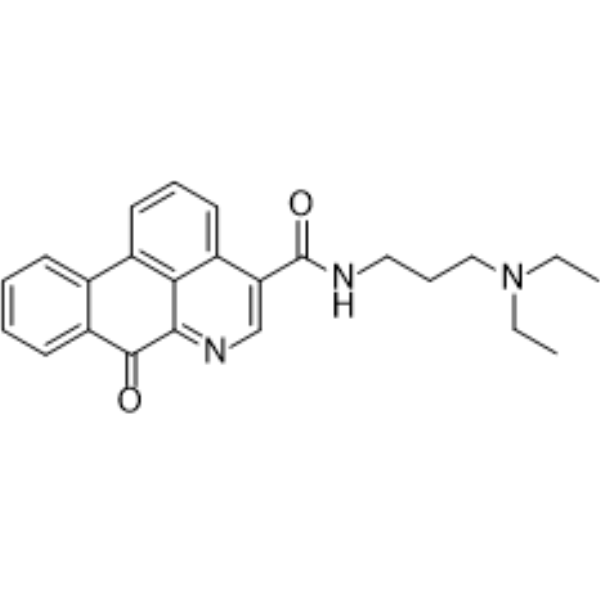
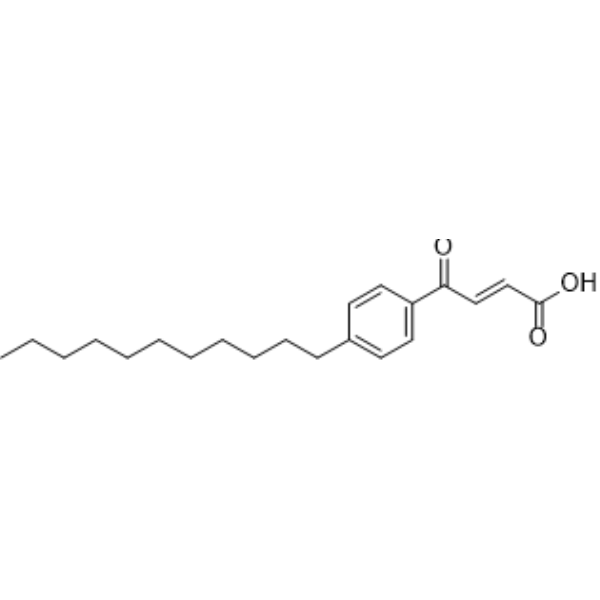
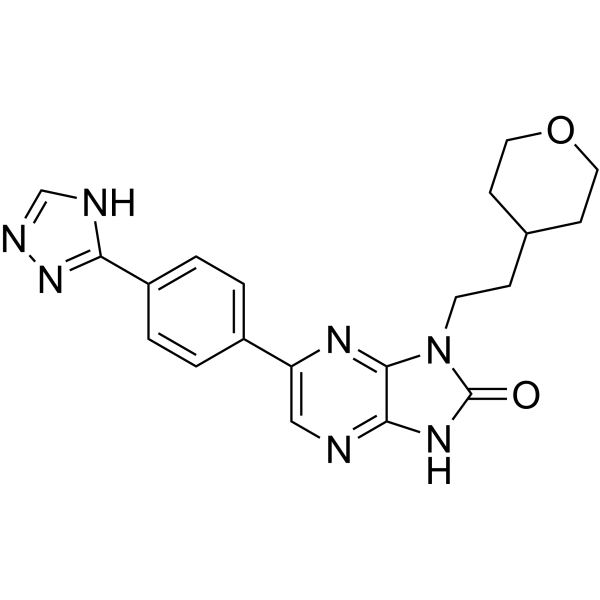
    Autophagy-IN-1 is a potent autophagy/mitophagy inhibitor, acts by selectively increasing the autophagic flux while blocking the autophagosome-lysosome fusion in cancer cells. Autophagy-IN-1 can induce apoptosis and cell cycle arrest. Autophagy-IN-1 significantly inhibits tumor growth in an HCT116 xenograft mouse model and with low toxicity. Autophagy-IN-1 can be used for researching colorectal cancer [1].
    Autophagy-IN-1
  • HY-N8678

    Autophagy Neurological Disease
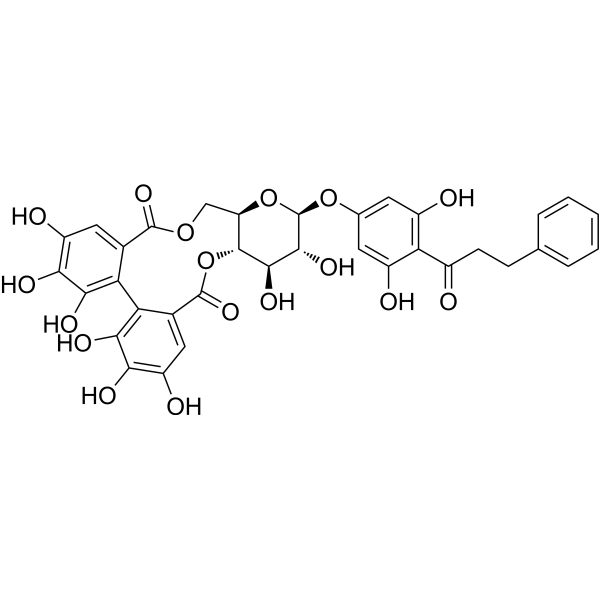
    Thonningianin B is an antioxidant and an autophagy enhancer .
    Thonningianin B
  • HY-112818

    Atg4 Cathepsin Autophagy Apoptosis Cancer
    S130 is a high affinity, selective inhibitor of ATG4B (a major cysteine protease) with an IC50 of 3.24 µM. S130 suppresses autophagy flux .
    S130
  • HY-144636

    Atg4 Cathepsin Phospholipase Autophagy Cancer
    Atg4B-IN-2 is a potent competitive Atg4B inhibitor with Ki value of 3.1 μM, also possesses declining PLA2 inhibitory potency, IC50s of 11 μM and 3.5 μM for Atg4B and PLA2, respectively. Atg4B-IN-2 enhances the anticancer activity of anti-castration-resistant prostate cancer agents via autophagy inhibition .
    Atg4B-IN-2
  • HY-162006

    Pim Apoptosis Autophagy Metabolic Disease Inflammation/Immunology Cancer
    Pim-1 kinase inhibitor 8 is a potent PIM-1 inhibitor with an IC50 value of 14.3 nM. Pim-1 kinase inhibitor 8 impedes cell proliferation and migration through PIM-1 inhibition and the induction of both apoptosis and autophagy. Pim-1 kinase inhibitor 8 inhibits solid tumor growth in Solid Ehrlich Carcinoma (SEC)-bearing mice. Pim-1 kinase inhibitor 8 can be used for breast and liver cancer research [1].
    Pim-1 kinase inhibitor 8
  • HY-170992

    Autophagy CDK Atg8/LC3 PINK1/Parkin Cancer
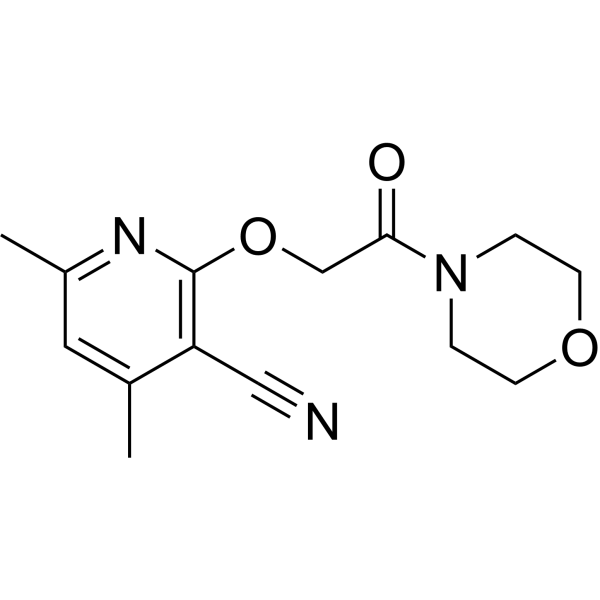
    Autophagy agonist-1 (compound 22) is an Autophagy agonist. Autophagy agonist-1 exhibits significant anticancer activity against HepG2 cells and normal cells with IC50s of 8.8 μM and > 50 μM. Autophagy agonist-1 induces G1/S phase cell cycle arrest and inhibits CDK4 and CyclinD1 expression while upregulating P21. Autophagy agonist-1 promotes the accumulation of autophagosomes and the proteins LC3 and PINK1, enhancing autophagy and mitophagy in HepG2 cells [1].
    Autophagy agonist-1
  • HY-147039

    NKP-1339 free base; IT-139 free base; KP-1339 free base

    HSP Autophagy Cancer
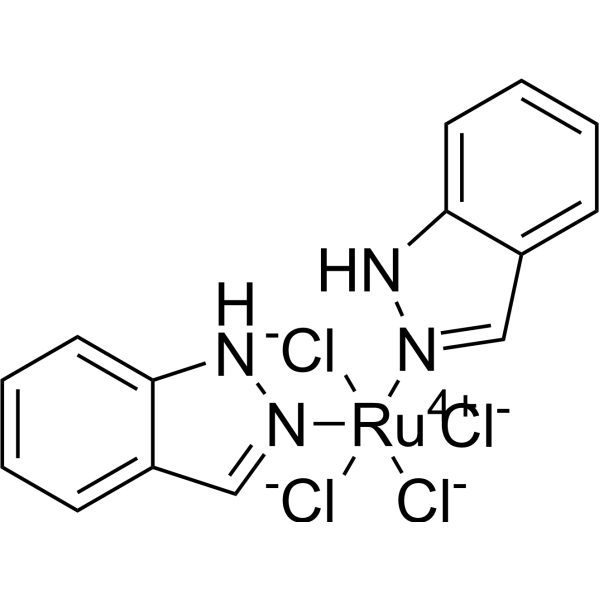
    BOLD-100 (NKP-1339; IT-139) free base is a ruthenium-based anticancer agent. BOLD-100 free base also is an inhibitor of stress-induced GRP78 upregulation, disrupting endoplasmic reticulum (ER) homeostasis and inducing ER stress and unfolded protein response (UPR). BOLD-100 free base interferes with the complex interplay between ER-stress response, lysosome dynamics, and autophagy execution .
    BOLD-100 free base
  • HY-178192

    mTOR Autophagy Neurological Disease Metabolic Disease Inflammation/Immunology Cancer
    mTORC1-IN-3 is a potent and selective mTORC1 inhibitor with an IC50 of 26.38 μM . mTORC1-IN-3 selectively inhibits the phosphorylation of mTORC1 substrates and does not without affect the phosphorylation of mTORC2 substrate. mTORC1-IN-3 can reduce cellular lipid accumulation and induce autophagy. mTORC1-IN-3 can be used for the researches of cancer, immunology, metabolic and neurological disease, such as diabetes and Alzheimer’s disease [1].
    mTORC1-IN-3
  • HY-170667

    Autophagy HSP Cancer
    Autophagy activator-1 (Compound B2) is an autophagy activator Autophagy. Activator-1 ultimately leads to the activation of autophagy by downregulating key members of the HSP70 family and activating the unfolded protein response [1].
    Autophagy activator-1
  • HY-174157

    Autophagy AMPK Neurological Disease Metabolic Disease
    AR493 is an autophagy activator acting on AMPK (adenosine monophosphate-activated protein kinase). AR493 regulates pathways related to cellular energy sensing and increases autophagy levels. AR493 is promising for research of aging-associated diseases (such as diabetes, neurodegenerative diseases) and autophagy regulation .
    AR493
  • HY-P2260A

    Autophagy HIV Infection
    Tat-beclin 1 TFA, a peptide derived from a region of the autophagy protein (beclin 1), is a potent inducer of autophagy and interacts with negative regulator of autophagy, GAPR-1 (GLIPR2). Tat-beclin 1 TFA decreases the accumulation of polyglutamine expansion protein aggregates and the replication of several pathogens (including HIV-1) in vitro, and reduces mortality in mice infected with chikungunya (CHIKV) or West Nile virus (WNV) [1].
    Tat-beclin 1 TFA
  • HY-B1324A

    Ro 13-8996 free base

    Fungal Cytochrome P450 Antibiotic Infection Cancer
    Oxiconazole (Ro 13-8996) is a broad spectrum anti-fungal agent which can inhibit the growth of Candida, Aspergillus and Trichophyton. Oxiconazole is also a highly efficacious activator of CYP3A4 transactivation, which could be antagonized by Rifampicin (HY-B0272) in a competitive manner. Oxiconazole exhibits inhibitory effect against colorectal cancer (CRC) via peroxiredoxin-2 (PRDX2)-mediated autophagy arrest .
    Oxiconazole
  • HY-154910

    mTOR Cancer
    CC214-1 is a potentially efficacious mTOR inhibitor that induces autophagy ,with an IC50 is 0.002 μM. CC214-1 proved to be useful as an in vitro tool compound for the exploration of mTOR kinase biology. CC214-1 can be used for Glioblastoma study .
    CC214-1
  • HY-P10711

    Autophagy Cancer
    ALA-A2 is an anticancer peptide discovered in alpha-lactalbumin that selectively kills cancer cells by inducing Autophagy. ALA-A2 has cell-penetrating capabilities, allowing it to effectively enter cells without relying on membranolytic effects. In A549 lung cancer cells, ALA-A2 demonstrates significant dose-dependent anticancer activity. ALA-A2 holds promise for research in cancer therapy and autophagy regulation .
    ALA-A2 peptide
  • HY-168477

    HDAC Autophagy Cancer
    HDAC1-IN-8 (compound 5c) is a potent and selective HDAC1 inhibitor with IC50 values of 11.94, 22.95, >500 µM for HDAC1, HDAC6, HDAC8, respectively. HDAC1-IN-8 shows antiproliferative activity. HDAC1-IN-8 induces cell cycle arrest at G1 and G2/M. HDAC1-IN-8 induces autophagy. HDAC1-IN-8 shows anticancer activity and has the potential for the research of lung cancer [1].
    HDAC1-IN-8
  • HY-B1324R

    Ro 13-8996 (Standard)

    Reference Standards Fungal Cytochrome P450 Antibiotic Infection Cancer
    Oxiconazole nitrate (Standard) is the analytical standard of Oxiconazole nitrate. This product is intended for research and analytical applications. Oxiconazole (Ro 13-8996) nitrate is a broad spectrum anti-fungal agent which can inhibit the growth of Candida, Aspergillus and Trichophyton. Oxiconazole nitrate is also a highly efficacious activator of CYP3A4 transactivation, which could be antagonized by Rifampicin (HY-B0272) in a competitive manner. Oxiconazole nitrate exhibits inhibitory effect against colorectal cancer (CRC) via peroxiredoxin-2 (PRDX2)-mediated autophagy arrest .
    Oxiconazole nitrate (Standard)
  • HY-183732

    Autophagy Others
    ATG5 PPI-IN-2 (Compound 12f) is a selective inhibitor of ATG5-TECAIR protein-protein interaction, with a IC50 of 19.16 μM. ATG5 PPI-IN-2 also acts as an Autophagy inhibitor .
    ATG5 PPI-IN-2
  • HY-D2977

    Fluorescent Dye Autophagy Fungal Infection
    AF-1 is a azole-based near-infrared fluorescence diagnostic probe with an emission wavelength of 632 nm. AF-1 selectively accumulates in fungal cell membranes at physiological pH. AF-1 targets and induces Autophagy. AF-1 exhibits antifungal activity and sensitivity to autophagy-related pH [1].
    AF-1
  • HY-181742

    ULK PI3K Autophagy Cancer
    ULK1/2-IN-1 is a tissue-targeted ULK1/2 inhibitor conjugated to the RGR (CRGRRST) tumor neovasculature-homing peptide. ULK1/2-IN-1 mediates autophagy inhibition and induces cytotoxicity in endothelial cells. ULK1/2-IN-1 can be used for the research of tumor-targeted autophagy inhibitors .
    ULK1/2-IN-1
  • HY-183807

    Autophagy Cancer
    T1742 is an autophagy inhibitor targeting ATG5. T1742 blocks and disrupts protein-protein interactions between ATG5 and ATG16L1, and between ATG5 and TECAIR.T 1742 inhibits autophagy in living cells via reduced autophagosome formation and downregulated ATG8-PE conjugation. T1742 can be used to study autophagy mechanisms .
    T1742
  • HY-183730

    Autophagy Drug Derivative Others
    4E1RCat 17d (Compound 17d) is a derivative of the ATG5 inhibitor lead compound T1742. 4E1RCat 17d shows no activity against the interactions of ATG5-ATG16L1 and ATG5-TECAIR. 4E1RCat 17d induces Autophagy inhibition .
    4E1RCat 17d
  • HY-108462R

    Dengue Virus Reference Standards TRP Channel Flavivirus Infection
    ML-SA1 (Standard) is the analytical standard of ML-SA1 (HY-108462). This product is intended for research and analytical applications. ML-SA1, as a selective TRPML agonist, inhibits Dengue virus 2 (DENV2) and Zika virus (ZIKV) by promoting lysosomal acidification and protease activity. The IC50 value of ML-SA1 against DENV2 RNA and ZIKV RNA is 8.3 μM and 52.99 μM, respectively. ML-SA1 induces autophagy. ML-SA1 can be used for the research of broad-spectrum antiviral [1].
    ML-SA1 (Standard)
  • HY-183772

    Autophagy Apoptosis Caspase Bcl-2 Family Cancer
    TBC1D2-IN-1 is a potent orally active and selective TBC1D2 inhibitor with a Kd of 1.1 μM. TBC1D2-IN-1 selectively inhibits TBC1D2-mediated GTP hydrolysis on RAB7A-GTP, promotes RAB7A accumulation on lysosomal membranes, and induces apoptosis and autophagy. TBC1D2-IN-1 exerts selective antiproliferative activity cancer cells. TBC1D2-IN-1 can be used for the research of cervical carcinoma [1].
    TBC1D2-IN-1

Inquiry Online

Your information is safe with us. * Required Fields.

Salutation


Country or Region *

Applicant Name *


Organization Name *

Department *


Email Address *


Product Name *

Cat. No.


Requested quantity *

Phone Number *


Remarks

Inquiry Online

Inquiry Information

Product Name:
Cat. No.:
Quantity:
MCE Japan Authorized Agent:

