1. Search Result
Search Result
Pathways Recommended: Stem Cell/Wnt Cell Cycle/DNA Damage
Results for "

BV2 cell

" in MedChemExpress (MCE) Product Catalog:

107

Inhibitors & Agonists

2

Peptides

52

Natural
Products

Cat. No. Product Name Target Research Areas Chemical Structure
  • HY-B1715
    Oxiracetam
    1 Publications Verification

    ISF2522

    GABA Receptor NO Synthase Neurological Disease Inflammation/Immunology
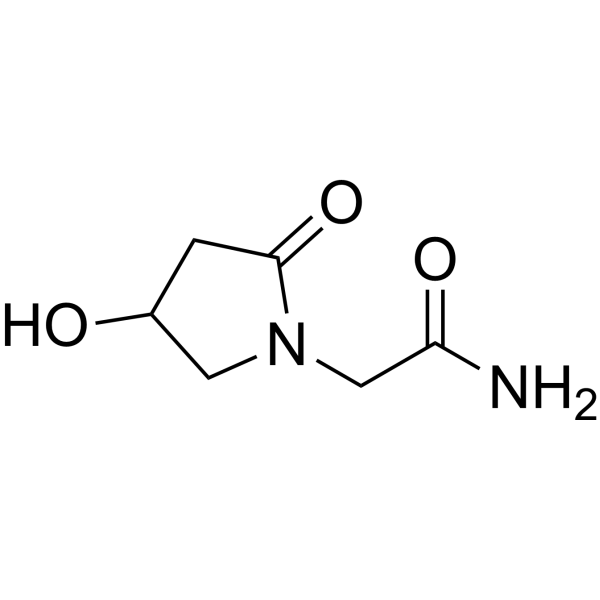
    Oxiracetam (ISF2522) is an orally active and a BBB-penetrable cyclic derivative of γ-aminobutyric acid (GABA). Oxiracetam reaches the hippocampus and cerebral cortex in high concentrations. Oxiracetam can promote cognitive function and regulate inflammatory response, with powerful neuroprotective effects. Oxiracetam can be used in the study of central nervous system diseases .
    Oxiracetam
  • HY-B1114
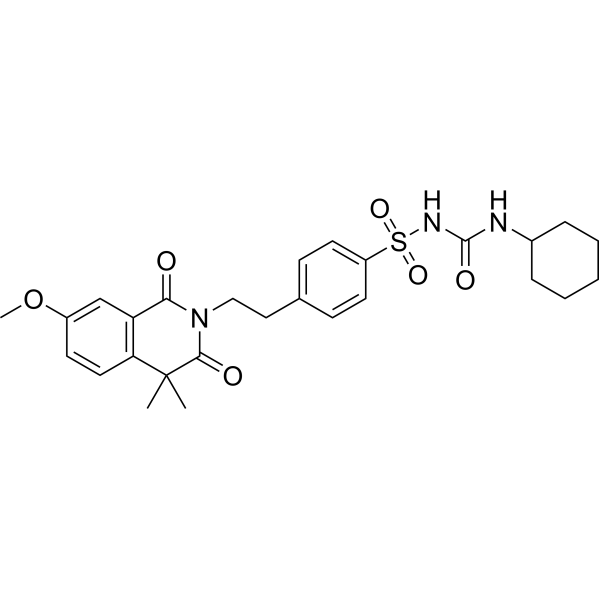
    Gliquidone
    2 Publications Verification

    AR-DF 26

    Potassium Channel ERK STAT NF-κB COX Interleukin Related Reactive Oxygen Species (ROS) Metabolic Disease
    Gliquidone can bind to the pancreatic β-cells and increases insulin release to regulate blood glucose levels. Gliquidone significantly decreases LPS (HY-D1056)-induced proinflammatory responses and inhibits ERK/STAT3/NF-κB phosphorylation in BV2 microglial cells. Gliquidone can suppress microgliosis, microglial hypertrophy mediated by LPS, and proinflammatory cytokine COX-2 and IL-6 levels in murine model. Gliquidone also exhibits good anticancer activity in lung carcinoma cells. Gliquidone has antioxidant property. Gliquidone can be studied in research for type 2 diabetes and cancers .
    Gliquidone
  • HY-N2259
    Curcumenol
    4 Publications Verification

    (+)-Curcumenol

    Cytochrome P450 Neurological Disease Inflammation/Immunology Cancer
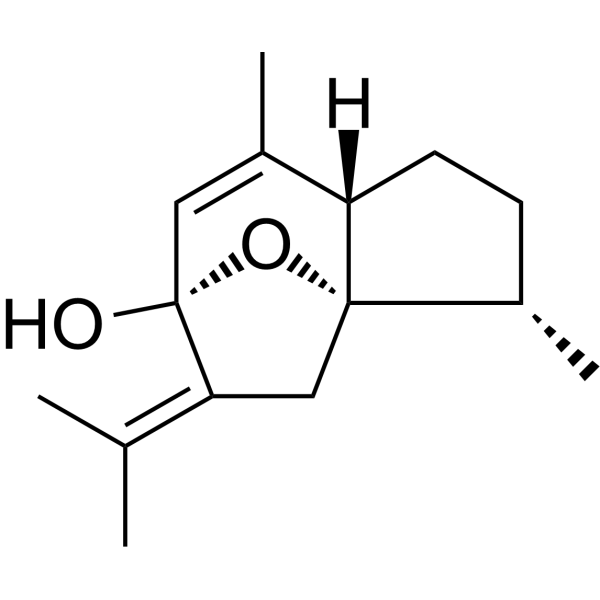
    Curcumenol ((+)-Curcumenol) is a potent CYP3A4 inhibitor with an IC50 of 12.6 μM, which is one of constituents in the plants of medicinally important genus of Curcuma zedoaria, with neuroprotection, anti-inflammatory, anti-tumor and hepatoprotective activities. Curcumenol ((+)-Curcumenol) suppresses Akt-mediated NF-κB activation and p38 MAPK signaling pathway in LPS-stimulated BV-2 microglial cells .
    Curcumenol
  • HY-101364
    CHPG
    4 Publications Verification

    mGluR NF-κB ERK Akt Cardiovascular Disease Inflammation/Immunology
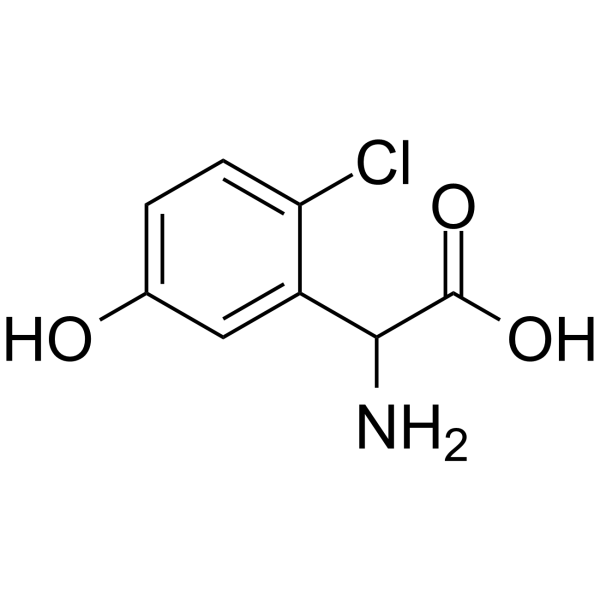
    CHPG is a selective mGluR5 agonist, and attenuates SO2-induced oxidative stress and inflammation through TSG-6/NF-κB pathway in BV2 microglial cells . CHPG protects against traumatic brain injury (TBI) in vitro and in vivo by activation of the ERK and Akt signaling pathways .
    CHPG
  • HY-129440

    NF-κB Toll-like Receptor (TLR) p38 MAPK NO Synthase COX ERK Caspase PDGFR MyD88 Reactive Oxygen Species (ROS) Apoptosis Neurological Disease Metabolic Disease Inflammation/Immunology Cancer
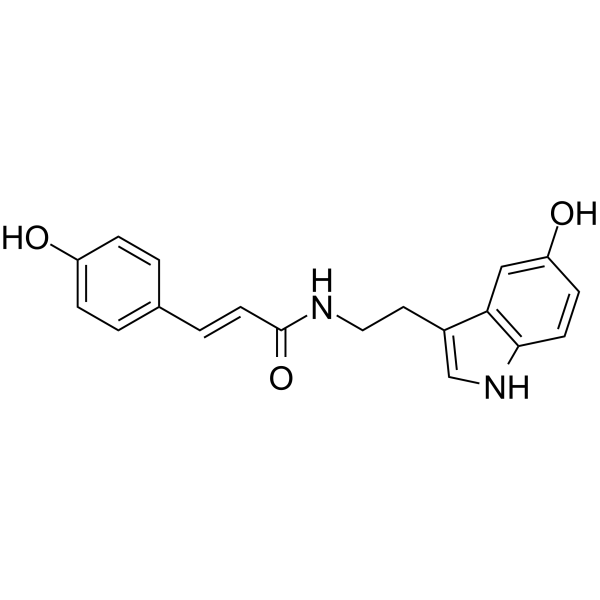
    N-(p-Coumaroyl) Serotonin is an orally active polyphenol found in safflower seeds with potent anti-inflammatory, antioxidant, and antitumor activities. N-(p-Coumaroyl) Serotonin suppresses NF‑κB, TLR4/MyD88 and MAPK signaling, activates NQO1/HO‑1 pathways, and inhibits pro‑inflammatory cytokines, iNOS and COX‑2 and ROS production. N-(p-Coumaroyl) Serotonin induces S‑phase arrest and apoptosis in glioblastoma cells, reduces atherosclerotic lesions, and alleviates renal and vascular injuries. N-(p-Coumaroyl) Serotonin acts as a vasodilator, regulates calcium dynamics. N-(p-Coumaroyl) Serotonin can be used for the research of neurodegenerative diseases, atherosclerosis, glioblastoma, and acute renal failure .
    N-(p-Coumaroyl) Serotonin
  • HY-101364A
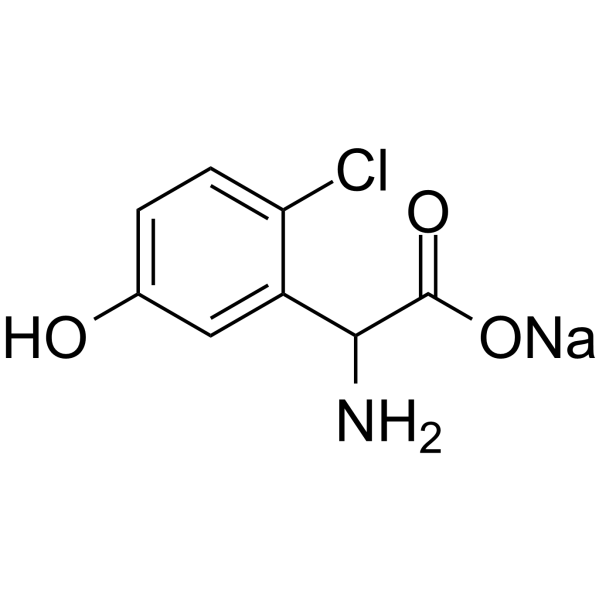
    CHPG sodium salt
    4 Publications Verification

    mGluR NF-κB ERK Akt Neurological Disease Inflammation/Immunology
    CHPG sodium salt is a selective mGluR5 agonist, and attenuates SO2-induced oxidative stress and inflammation through TSG-6/NF-κB pathway in BV2 microglial cells . CHPG sodium salt protects against traumatic brain injury (TBI) in vitro and in vivo by activation of the ERK and Akt signaling pathways. .
    CHPG sodium salt
  • HY-N0506

    Interleukin Related Neurological Disease
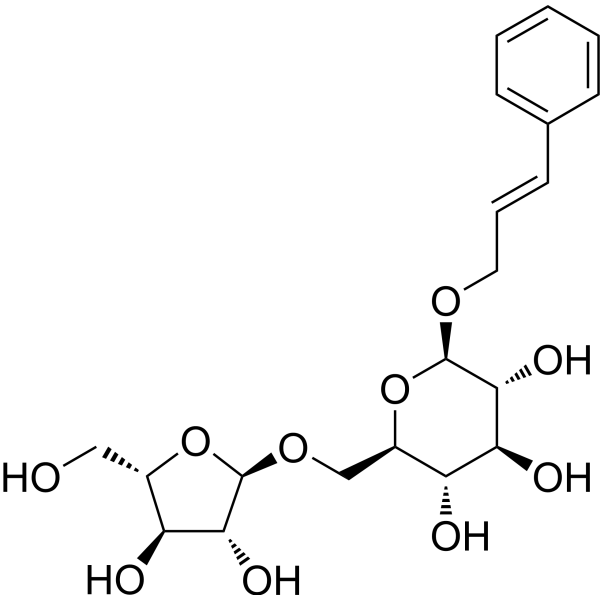
    Rosarin is a cinnamyl alcohol?glycoside isolated from?Rhodiola rosea. Rosarin has anti-inflammatory and neuroprotective effects. Rosarin supresses the expression of the proinflammatory factors iNOS, IL-1?β, and TNF- α in the kidney and prefrontal cortex of brain in mice? .
    Rosarin
  • HY-N0911
    Rehmannioside A
    1 Publications Verification

    NF-κB Apoptosis p38 MAPK Ferroptosis Cytochrome P450 Reactive Oxygen Species (ROS) SOD Lactate Dehydrogenase PERK MEK Bcl-2 Family NO Synthase COX PARP Neurological Disease Inflammation/Immunology
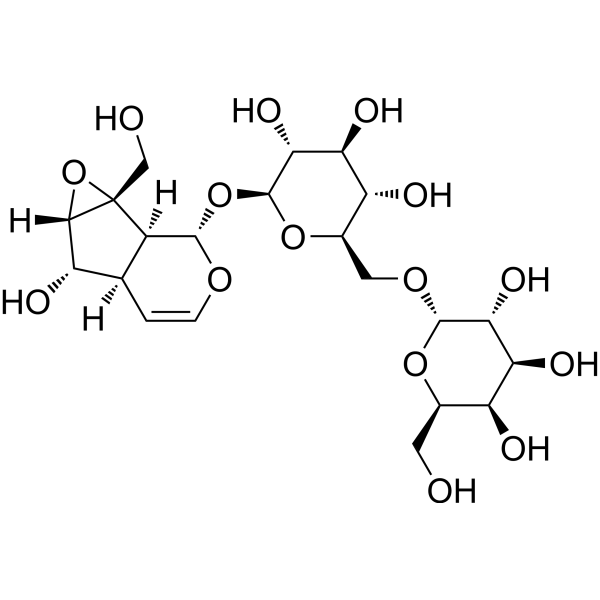
    Rehmannioside A is a compound that can be isolated from Rehmanniae radix. Rehmannioside A is an inhibitor of CYP3A4, 2C9 and 2D6, with IC50 values of 10.08, 12.62 and 16.43 μM, respectively. Rehmannioside A has anti-inflammatory, antioxidant, anti-apoptosis, anti-ferroptosis, cognitive improvement and neuroprotective activities. Rehmannioside A can be used for the research of nervous system and inflammation-related diseases .
    Rehmannioside A
  • HY-N5025

    P2X Receptor Apoptosis ERK p38 MAPK c-Myc NF-κB Reactive Oxygen Species (ROS) Neurological Disease Inflammation/Immunology Cancer
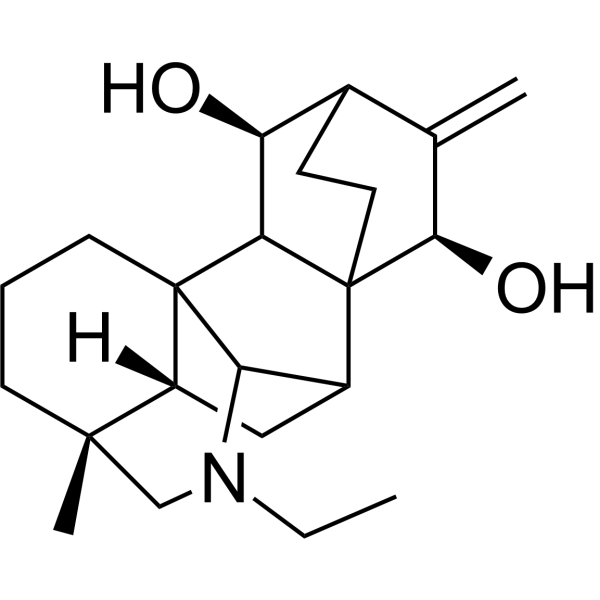
    Bullatine A, a diterpenoid alkaloid, is a potent P2X7 antagonist. Bullatine A possesses anti-rheumatic, anti-inflammatory and anti-nociceptive effects. Bullatine A inhibits ATP-induced BV-2 cell death/apoptosis and P2X receptor-mediated inflammatory responses. Bullatine A suppresses glioma cell growth by targeting SIRT6. Bullatine A specifically attenuates pain hypersensitivity in rats. Bullatine A attenuates LPS (HY-D1056)-induced systemic inflammatory response by inhibiting the ROS/JNK/NF-κB pathway in mice. Bullatine A improves despair behavior in Chronic chronic social defeat stress (CSDS) mice. Bullatine A can be used for the study of inflammation, glioblastoma (GBM) and depression .
    Bullatine A
  • HY-B0780
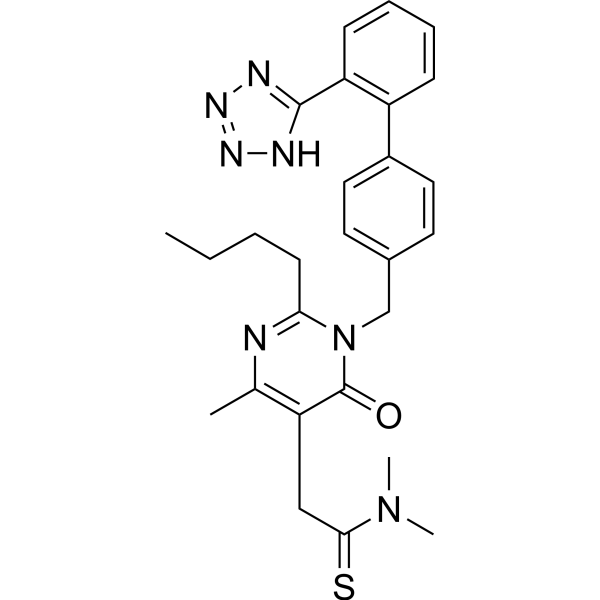
    Fimasartan
    4 Publications Verification

    BR-A-657

    Angiotensin Receptor Apoptosis NF-κB Cardiovascular Disease Neurological Disease Inflammation/Immunology Endocrinology
    Fimasartan (BRA-657) is an orally effective angiotensin receptor AT1 non-peptide antagonist. Fimasartan has antihypertensive effects. Fimasartan improves neuroinflammation and brain injury mediated by NLRP3 inflammatome after intracerebral hemorrhage, and has neuroprotective effect. Fimasartan inhibits the expression of inducible nitric oxide synthase through the inactivation of NF-κB and activator protein-1 .
    Fimasartan
  • HY-174369

    TREM receptor Syk Neurological Disease
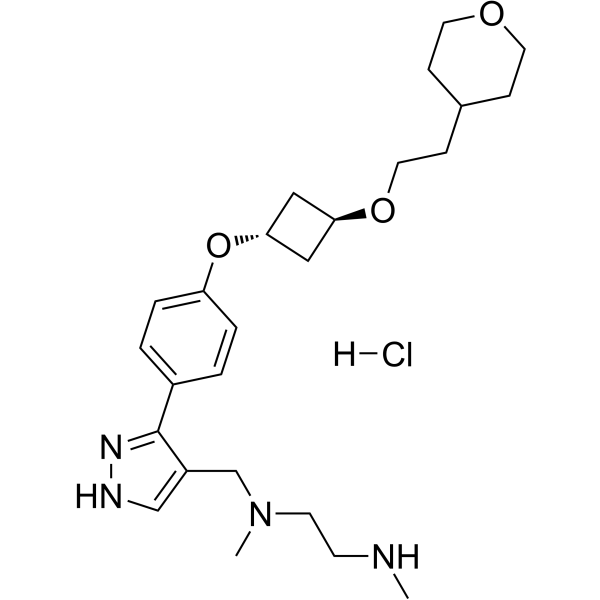
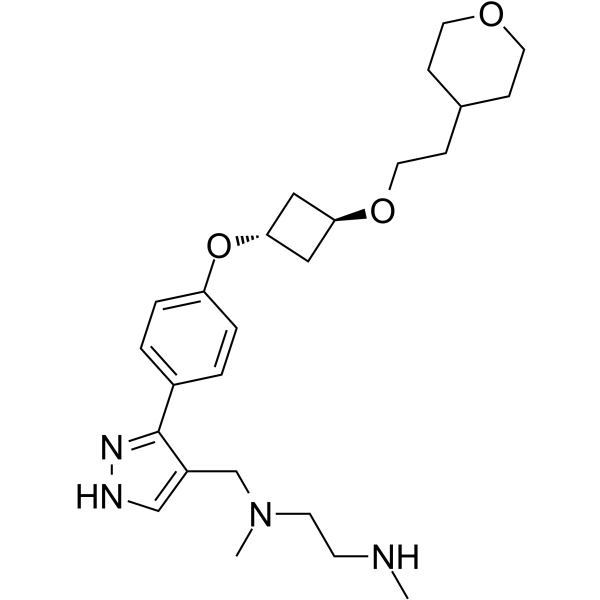
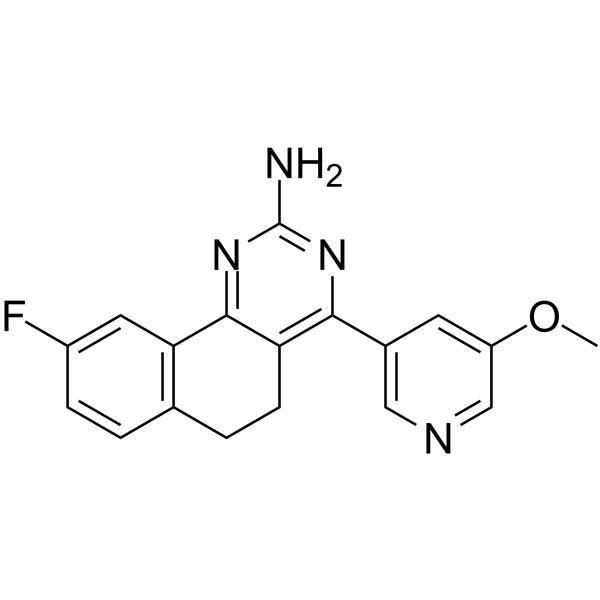
    TREM2 agonist-3 (Compound 4i) is a TREM2 agonist with a KD value of 19.0 µM. The KD value of TREM2 agonist-3 for TREM1 is 39.8 µM. TREM2 agonist-3 induces an increase in phosphorylated SYK levels. TREM2 agonist-3 can be used in the research of neurodegenerative diseases and other diseases associated with TREM2 dysfunction .
    TREM2 agonist-3
  • HY-N8371

    NO Synthase COX Interleukin Related TNF Receptor Inflammation/Immunology
    Shizukaol B is a lindenane-type dimeric sesquiterpene, used to be isolated from the whole plant of Chloranthus henryi. Shizukaol B has anti-inflammatory effect against lipopolysaccharide (LPS)-induced activation of BV2 microglial cells. Shizukaol B inhibits iNOS and COX-2, and suppresses NO production, TNF-α, and IL-1β expression .
    Shizukaol B
  • HY-152026

    NADPH Oxidase Neurological Disease
    NADPH oxidase-IN-1 is an orally active NADPH oxidase (Nox) inhibitor, related with neuronal inflammation. NADPH oxidase-IN-1 can cross the blood-brain barrier (BBB), inhibits Nox2 and Nox4 with IC50s of 1.9 μM and 2.47 μM, respectively. NADPH oxidase-IN-1 suppresses pro-inflammatory cytokines production and LPS-mediated microglial migration, also has in vivo efficacy .
    NADPH oxidase-IN-1
  • HY-126066

    Drug Isomer NO Synthase NF-κB TNF Receptor Interleukin Related IFNAR COX CD20 CDK Bcl-2 Family Apoptosis Akt p38 MAPK GSK-3 Neurological Disease Inflammation/Immunology Cancer
    (-)-Syringaresinol is an orally active isomer of syringaresinol (HY-N8307) found in Annona Montana. (-)-Syringaresinol exhibits antioxidant, anti-inflammatory, and anticancer activities. (-)-Syringaresinol can alleviate ulcerative colitis via the PI3K-Akt/MAPK/Wnt signaling pathway. (-)-Syringaresinol inhibits HL-60 cell proliferation by arresting the G1 phase and inducing apoptosis. (-)-Syringaresinol inhibits LPS (HY-D1056)-induced microglial activation by downregulating the NF-κB p65 signaling pathway and its interaction with ERβ, exerting anti-neuroinflammatory effects .
    (-)-Syringaresinol
  • HY-171705

    Keap1-Nrf2 AMPK JNK IKK p38 MAPK NO Synthase α-synuclein Interleukin Related Neurological Disease
    KMS99220 is an orally active, blood-brain barrier-permeable activator of the Nrf2 inhibitory protein Keap-1. KMS99220 enhances the activity of AMPK, activates the Nrf2 signaling pathway, and reduces the phosphorylation of IκB, nuclear translocation of NFκB, as well as the phosphorylation levels of JNK, IKK and p38 MAPK via HO-1. KMS99220 binds to Keap1 to trigger the nuclear translocation of Nrf2, induces the expression of HO-1, NQO1, GCLC, GCLM and proteasome subunits; enhances proteasomal enzymatic activity; inhibits iNOS expression, nitric oxide production and IL-1β generation; attenuates microglial activation; reduces α-synuclein aggregation; and prevents dopaminergic neuron degeneration and motor dysfunction. KMS99220 prevents the degeneration of dopaminergic neurons in the substantia nigra, induces the expression of Nrf2 downstream target genes, and effectively ameliorates associated motor dysfunction in a mouse model of Parkinson's disease. KMS99220 is applicable to research related to Parkinson's disease .
    KMS99220
  • HY-116474

    ERK JNK MMP p38 MAPK STAT Fungal Bacterial NO Synthase PGE synthase NF-κB Wnt β-catenin Infection Metabolic Disease Inflammation/Immunology
    Viridicatol is a quinolone alkaloid with anti-inflammatory, antibacterial, antifungal, osteogenic and chondrogenic activities. Viridicatol reduces the phosphorylation levels of ERK, JNK, p38 and STAT6; inhibits MMP-2, MMP-9, NF-κB signaling pathway and PTP1B; downregulates genes related to mast cell activation; and binds to SHN3 to activate the Wnt/SHN3 signaling pathway. Viridicatol inhibits the expression of pro-inflammatory mediators and cytokines, and promotes osteogenic/chondrogenic differentiation. Viridicatol can be used in studies related to fibrosarcoma, allergy, bacterial infection, fungal infection and osteoporosis .
    Viridicatol
  • HY-149202

    PGE synthase Neurological Disease Inflammation/Immunology
    UT-11 is a potent and blood-brain barrier-permeable microsomal prostaglandin E synthase-1 (mPGES-1) inhibitor with IC50s of 0.10 μM and 2.00 μM for inhibiting PGE2 production in human (SK-N-AS) and murine (BV2) cells, respectively .
    UT-11
  • HY-N3979
    Grossamide
    1 Publications Verification

    Toll-like Receptor (TLR) NF-κB Interleukin Related TNF Receptor MyD88 Neurological Disease Inflammation/Immunology
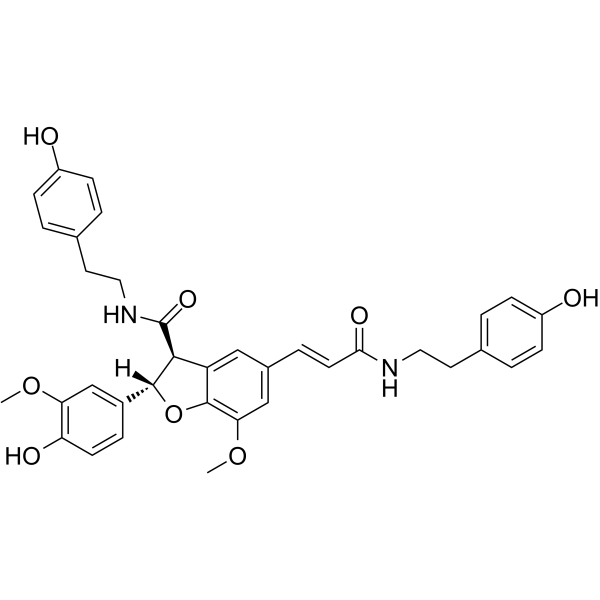
    Grossamide is a natural product that can be isolated from fructus cannabis, the dried fruit of Cannabis sativa L.. Grossamide has anti-neuroinflammatory effects .
    Grossamide
  • HY-146005

    Microtubule/Tubulin Neurological Disease Inflammation/Immunology
    Tau-aggregation and neuroinflammation-IN-1 is a potent tau-aggregation and neuroinflammation inhibitor. Tau-aggregation and neuroinflammation-IN-1 exhibits remarkable inhibitory activities against AcPHF6 and full-length tau aggregation. Tau-aggregation and neuroinflammation-IN-1 has a low cytotoxicity and reduced NO release in LPS-stimulated BV2 cells. Tau-aggregation and neuroinflammation-IN-1 can reverse okadaic acid-induced memory impairment in rats .
    Tau-aggregation and neuroinflammation-IN-1
  • HY-173414

    PROTACs STING NF-κB Inflammation/Immunology
    PROTAC STING degrader-3 is a STING PROTAC degrader (DC50: 0.62 μM). PROTAC STING degrader-3 induces STING degradation via the ubiquitin-proteasome pathway. PROTAC STING degrader-3 exerts anti-inflammatory effects by inhibiting STING/TBK1/NF-κB signaling. PROTAC STING degrader-3 has renal protective effects and can be used in the study of acute kidney injury (AKI) .
    PROTAC STING degrader-3
  • HY-101318
    β-Funaltrexamine hydrochloride
    2 Publications Verification

    β-FNA hydrochloride

    Opioid Receptor p38 MAPK STAT NF-κB NO Synthase Toll-like Receptor (TLR) Cardiovascular Disease Neurological Disease
    β-Funaltrexamine (β-FNA) hydrochloride is a blood-brain barrier-permeable, selective and irreversible μ-opioid receptor antagonist with immunomodulatory, anti-inflammatory and neuroprotective activities. β-Funaltrexamine hydrochloride inhibits p38 MAPK and TLR4 signaling by blocking μ-opioid receptors, and reduces the transcriptional activities of NF-κB, AP-1, CREB and Stat. Furthermore, β-Funaltrexamine hydrochloride inhibits iNOS activation and pro-inflammatory microglial polarization, converting microglia to an anti-inflammatory phenotype, thereby downregulating neuroinflammation and ameliorating neuronal degeneration. β-Funaltrexamine hydrochloride is widely applicable to research related to stroke, cerebral ischemia/reperfusion injury and neurodegenerative diseases .
    β-Funaltrexamine hydrochloride
  • HY-N6893
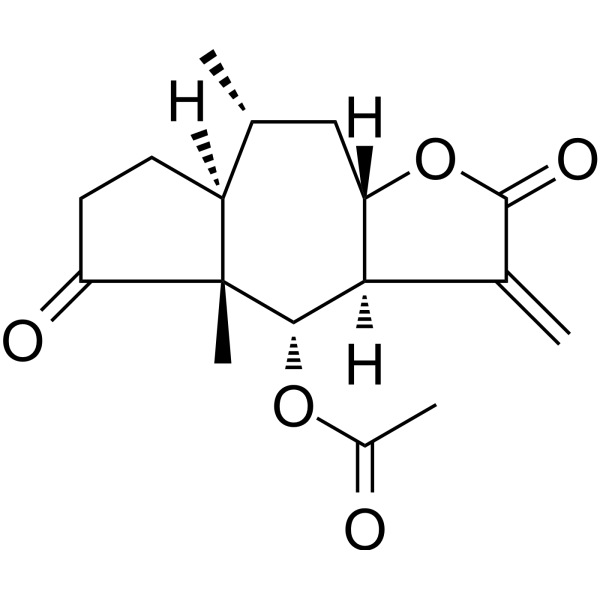
    Ergolide
    3 Publications Verification

    NF-κB NOD-like Receptor (NLR) Apoptosis Autophagy Neurological Disease Cancer
    Ergolide is an orally active dual inhibitor targeting NF-κB/p65 and NLRP3. Ergolide blocks the NF-κB signaling pathway and the nuclear translocation of p65, and irreversibly binds to the NACHT domain of NLRP3 to inhibit inflammasome assembly. Ergolide significantly reduces the production of inflammatory mediators (e.g., NO, PGE2) and cytokines, induces cancer cell apoptosis, autophagy and ROS generation. Ergolide also enhances the anti-tumor effect of vincristine. Ergolide alleviates acute lung injury via an NLRP3-dependent mechanism, and effectively improves the survival rate and behavioral function of septic mice and inflammatory zebrafish models. Ergolide is used in the research of metastatic uveal melanoma, neurodegenerative diseases (such as Alzheimer's disease, Parkinson's disease), sepsis and acute lymphoblastic leukemia .
    Ergolide
  • HY-155850

    Pyruvate Kinase Neurological Disease
    CIAC001 is a Pyruvate Kinase PKM2 inhibitor with anti-neuroinflammatory activity. CIAC001 inhibits LPS-induced proinflammatory nitric oxide (NO) production and protects immunologically active BV-2 cells (IC50=2.5 μM). CIAC001 also has anti-neuroinflammation in mouse models and inhibits chronic morphine-induced addiction .
    CIAC001
  • HY-144765
    NF-κB-IN-4
    1 Publications Verification

    NF-κB Apoptosis Neurological Disease Metabolic Disease Inflammation/Immunology Cancer
    NF-κB-IN-4 (compound 17) is a potent NF-κB pathway inhibitor with blood brain barrier (BBB) permeability. NF-κB-IN-4 exhibits potential anti-neuroinflammatory activity with low toxicity. NF-κB-IN-4 can block the activation and phosphorylation of IκBα, reduce expression of NLRP3, and thus inhibit NF-κB activation. NF-κB-IN-4 can be used for neuroinflammation related diseases research .
    NF-κB-IN-4
  • HY-N0761A

    trans-3-Hydroxy-4-methoxycinnamic acid

    NO Synthase Prostaglandin Receptor PI3K Akt NF-κB Keap1-Nrf2 COX Metabolic Disease Inflammation/Immunology
    trans-Isoferulic acid (trans-3-Hydroxy-4-methoxycinnamic acid) is an aromatic acid that exhibits anti-inflammatory activity. trans-Isoferulic acid dephosphorylates PI3K/Akt, suppresses LPS (HY-D1056)-induced NF-κB activation, enhances Nrf2 activity, downregulates iNOS and COX-2 expression, induces HO-1 expression, inhibits NO and PGE2 production, and scavenges hydroperoxyl radical. trans-Isoferulic acid can be used for research of inflammatiory diseases .
    trans-Isoferulic acid
  • HY-P10998

    TET Protein Neurological Disease
    Tet1 peptide is a peptide that specifically binds to neurons. Tet1 peptide binds to GT1B ganglioside and trisialoganglioside clostridial toxin receptor on the surface of neuronal cells, and can be used in peptide conjugation and drug delivery research .
    Tet1 peptide
  • HY-N8631

    Acetylschisantherin L

    NO Synthase Inflammation/Immunology
    O-Acetylschisantherin L (Acetylschisantherin L) is a natural lignan, which exhibits inhibitory effects on LPS-induced NO production in BV-2 cells with an IC50 of 23.1 μM .
    O-Acetylschisantherin L
  • HY-176402

    DYRK NO Synthase Neurological Disease Metabolic Disease Inflammation/Immunology Cancer
    Dyrk1A-IN-13 (Compound 1) is a DYRK1A inhibitor (IC50: 41 nM). Dyrk1A-IN-13 reduces LPS-induced NO production and has antioxidant and anti-inflammatory activities. Dyrk1A-IN-13 can be used in the research of Alzheimer's disease, cancer and diabetes .
    Dyrk1A-IN-13
  • HY-138050

    (-)-Nyasol; (Z)-Hinokiresinol; cis-Hinokiresinol

    NO Synthase Bacterial Fungal Parasite Leukotriene Receptor Infection Inflammation/Immunology
    Nyasol ((-)-Nyasol) is an active compound that has antifungal, antibacterial, antileishmanial, hyaluronidase inhibition activities. Nyasol inhibits LTB4 binding to human neutrophils. Nyasol suppresses neuroinflammatory response through the inhibition of I-κB degradation in LPS (HY-D1056)-stimulated BV-2 microglial cells .
    Nyasol
  • HY-N2259R

    (+)-Curcumenol (Standard)

    Reference Standards Cytochrome P450 Neurological Disease Inflammation/Immunology Cancer
    Curcumenol ((+)-Curcumenol) is a potent CYP3A4 inhibitor with an IC50 of 12.6 μM, which is one of constituents in the plants of medicinally important genus of Curcuma zedoaria, with neuroprotection, anti-inflammatory, anti-tumor and hepatoprotective activities. Curcumenol ((+)-Curcumenol) suppresses Akt-mediated NF-κB activation and p38 MAPK signaling pathway in LPS-stimulated BV-2 microglial cells .
    Curcumenol (Standard)
  • HY-N4190

    1,6-O,O-Diacetylbritannilactone; Di-O-acetylbritannilactone

    NO Synthase Neurological Disease Inflammation/Immunology
    Britannilactone diacetate (1,6-O,O-Diacetylbritannilactone; Compound 2) exhibits potential NO inhibition effect. Britannilactone diacetate exhibits activity against NO production induced by LPS in BV-2 microglial cells with the EC50 value of 6.3 μM. Britannilactone diacetate exhibits a favorable blood-brain barriers (BBB) penetration and absorption, distribution, metabolism, excretion, and toxicity (ADMET) property .
    Britannilactone diacetate
  • HY-N11657

    Sanggenone A

    NF-κB Keap1-Nrf2 Inflammation/Immunology
    Sanggenon A (Sanggenone A) exerts anti-inflammatory effects by regulating NF-κB and HO-1/Nrf2 signaling pathways in BV2 and RAW264.7 cells. Sanggenon A markedly inhibits the Lipopolysaccharide (LPS; HY-D1056)-induced production of nitric oxide .
    Sanggenon A
  • HY-N9164

    TREM receptor Toll-like Receptor (TLR) MyD88 NF-κB Keap1-Nrf2 Heme Oxygenase (HO) TNF Receptor Interleukin Related p38 MAPK PI3K Akt Reactive Oxygen Species (ROS) Neurological Disease Inflammation/Immunology
    Hecubine is a monoterpene indole alkaloid found in Ervatamia ocinalis. Hecubine activates TREM2 expression, reduces LPS (HY-D1056)-stimulated inammatory cytokines (TNF-αIL-6IL-1β) overexpression, as well as suppresses the levels of TLR4-, MyD88-, MAPK/PI3K/AKT- and NF-κB-related proteins. Hecubin also exhibits antioxidative effect, reduces ROS production and activates of the Nrf2/HO-1 pathway. Hecubine rescues LPS-induced behavioral deficits in zebrash larvae. Hecubine can be used for the research of neural inflammation-associated central nervous system diseases .
    Hecubine
  • HY-N2968

    (+)​-​Bullatantriol

    Others Inflammation/Immunology
    Bullatantriol ((+)?-?Bullatantriol) can be isolated from the roots of Homalomena aromatica. Bullatantriol can promote the proliferation and differentiation of osteoblasts. Bullatantriol also inhibits LPS-induced NO production in BV2 cells .
    Bullatantriol
  • HY-N8090

    NO Synthase Inflammation/Immunology
    (3β,7β,12β,20Z)-3,7,12-Trihydroxy-11,15,23-trioxo-lanost-8,20-dien-26-oic acid, a lanostane triterpenoids, exhibits obvious NO inhibitory activity on n LPS-induced BV-2 microglia cells with an IC50 of 9.55 uM. (3β,7β,12β,20Z)-3,7,12-Trihydroxy-11,15,23-trioxo-lanost-8,20-dien-26-oic acid has anti-inflammatory activities .
    (3β,7β,12β,20Z)-3,7,12-Trihydroxy-11,15,23-trioxo-lanost-8,20-dien-26-oic acid
  • HY-N10066

    NO Synthase Inflammation/Immunology
    Anti-inflammatory agent 5 displays potent inhibition of NO generation in lipopolysaccharide-induced BV-2 microglial cells.
    Anti-inflammatory agent 5
  • HY-N3760

    NO Synthase Inflammation/Immunology
    Dimeric coniferyl acetate is a NO production inhibitor with an IC50 value 7.9 μM in BV-2 microglial cells .
    Dimeric coniferyl acetate
  • HY-178356

    Cholinesterase (ChE) nAChR Interleukin Related TNF Receptor Neurological Disease Inflammation/Immunology
    BChE-IN-44 is a potent, brain-penetrant, highly selective BChE inhibitor [equine BChE IC50 = 18.00 pM, human BChE IC50 = 1.50 nM]. BChE-IN-44 shows neuroprotective effects against the Aβ1-42-induced injury model and inhibitory effects on Aβ1-42 self-aggregation. BChE-IN-44 reduces the levels of inflammatory factors (NO, IL-6, and TNF-α) in Lipopolysaccharides (HY-D1056)-induced BV2 cells. BChE-IN-44 can significantly ameliorate Scopolamine (HY-N0296)-induced cognition impairment. BChE-IN-44 exhibits capacity in the regulation of BChE and acetylcholine levels in the mouse hippocampus. BChE-IN-44 can be used for the study of Alzheimer’s disease (AD) .
    BChE-IN-44
  • HY-N11945

    Kadsulignan J

    NO Synthase Others
    Schiarisanrin A (Kadsulignan J) is a lignan with inhibitory activity on NO production. Schiarisanrin A inhibits NO production in BV-2 cells with an IC50 of 9.6 μM .
    Schiarisanrin A
  • HY-N0859B

    NO Synthase Neurological Disease
    Schisanchinin D is an NO release inhibitor found in the fruits of Schisandra chinensis. Schisanchinin D can inhibit the release of nitric oxide (NO) by lipopolysaccharide (LPS)-activated microglia in primary murine BV2 microglia cells. Schisanchinin D is promising for research of neurodegenerative diseases such as Alzheimer's disease (AD) .
    Schisanchinin D
  • HY-N10119

    p38 MAPK Neurological Disease
    Ganoderterpene A attenuates LPS-induced inflammation and apoptosis via suppressing MAPK and TLR-4/NF-κB pathways in BV-2 cells.
    Ganoderterpene A
  • HY-W095499

    NO Synthase Others Inflammation/Immunology Cancer
    Corydaldine is a alkaloid. Corydaldine inhibits the production of NO in the BV2 cell line when stimulated by LPS. [1]
    Corydaldine
  • HY-N11943

    NO Synthase Others
    Kadsulignan H (compound 13) is a lignan with inhibitory activity on NO production. Kadsulignan H inhibits NO production in BV-2 cells with an IC50 of 14.1 μM .
    Kadsulignan H
  • HY-N12525

    Others Inflammation/Immunology
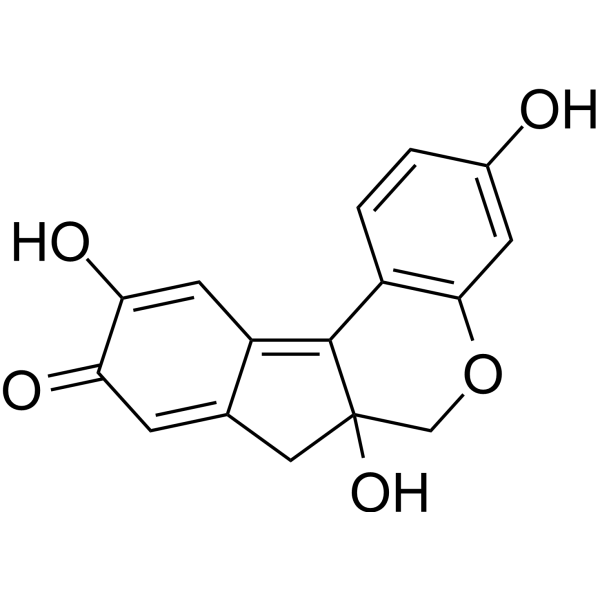
    Bartsioside is an anti-inflammatory agent which can be extracted from C. deserticola. Bartsioside exerts no significant cytotoxicity under 40 μM to BV-2 cells .
    Bartsioside
  • HY-N10275

    Others Inflammation/Immunology
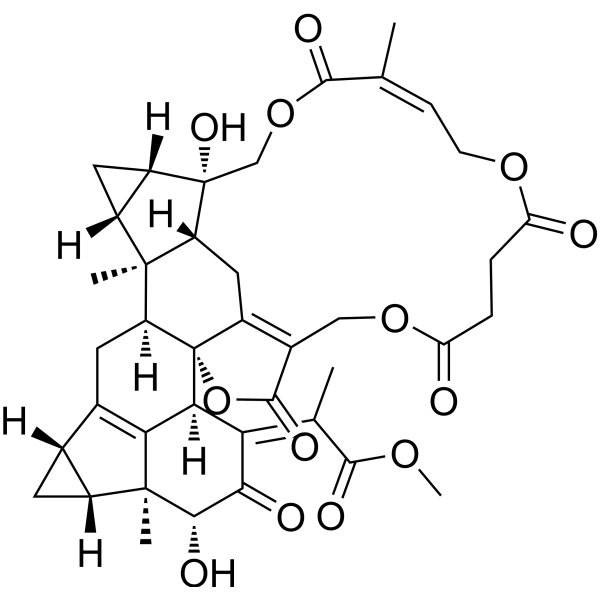
    Herpotrichone A shows potent anti-neuroinflammatory activity in lipopolysaccharide (LPS)-induced BV-2 microglial cells with the half maximal inhibitory concentration (IC50) value of 0.41 μM.
    Herpotrichone A
  • HY-168091

    NOD-like Receptor (NLR) Interleukin Related Inflammation/Immunology
    YM-I-26 is a selective NLRP3 inflammasome inhibitor. YM-I-26 enhances the phagocytosis of β-amyloid protein by mouse microglial BV2 cells and inhibits the production of IL-1β and IL-10. YM-I-26 can be used to study the immunomodulatory activity associated with inflammation .
    YM-I-26
  • HY-N12527

    NF-κB Others
    Hyperelamine A (compound 5) is a polycyclic polyprenylated acylphloroglucinols (PPAPs). Hyperelamine A exhibits inhibitory activity against LPS-activated NO production in BV-2 cells via TLR-4/NF κB signaling .
    Hyperelamine A
  • HY-N3473

    NO Synthase Neurological Disease
    Isomaculosidine is an alkaloid that can be isolated from D. dasycarpus. Isomaculosidine can inhibit nitric oxide (NO) production in lipopolysaccharide (LPS)-stimulated BV2 microglial cells .
    Isomaculosidine
  • HY-155762

    NOD-like Receptor (NLR) Interleukin Related Neurological Disease Inflammation/Immunology
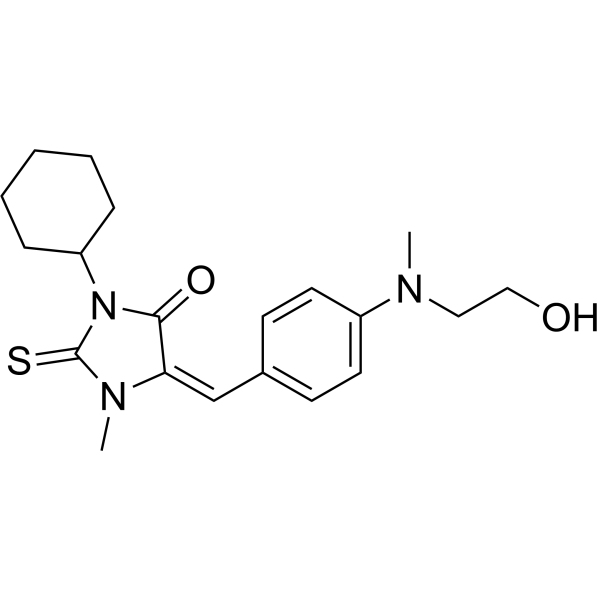
    Anti-neuroinflammation agent 1 is a potent anti-neuroinflammation agent that regulates polarization BV2 microglia cells from M1 phenotype to M2 phenotype .
    Anti-neuroinflammation agent 1
  • HY-N15566

    Drug Derivative Neurological Disease Inflammation/Immunology
    Theleganbanin D is a p-terphenyl derivative found in the Thelephora ganbajun. Theleganbanin D inhibits TNF-α, IL-6, and IL-1β production in LPS-induced BV-2 microglial cells. Theleganbanin D is promising for research of neurodegenerative diseases .
    Theleganbanin D

Inquiry Online

Your information is safe with us. * Required Fields.

Salutation


Country or Region *

Applicant Name *


Organization Name *

Department *


Email Address *


Product Name *

Cat. No.


Requested quantity *

Phone Number *


Remarks

Inquiry Online

Inquiry Information

Product Name:
Cat. No.:
Quantity:
MCE Japan Authorized Agent:

