1. Search Result
Search Result
Results for "

CXCR3 antagonist

" in MedChemExpress (MCE) Product Catalog:

22

Inhibitors & Agonists

4

Natural
Products

3

Isotope-Labeled Compounds

Targets Recommended:
Cat. No. Nombre del producto Target Áreas de investigación Chemical Structure
  • HY-15319
    AMG 487
    Maximum Cited Publications
    36 Publications Verification

    CXCR Inflammation/Immunology Endocrinology Cancer
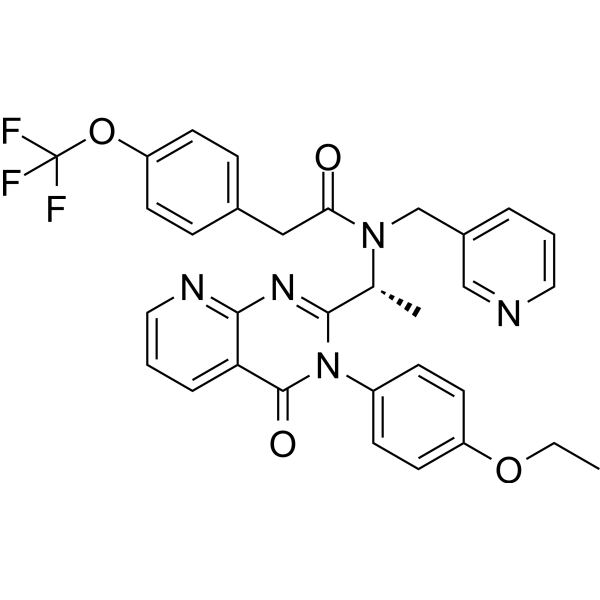
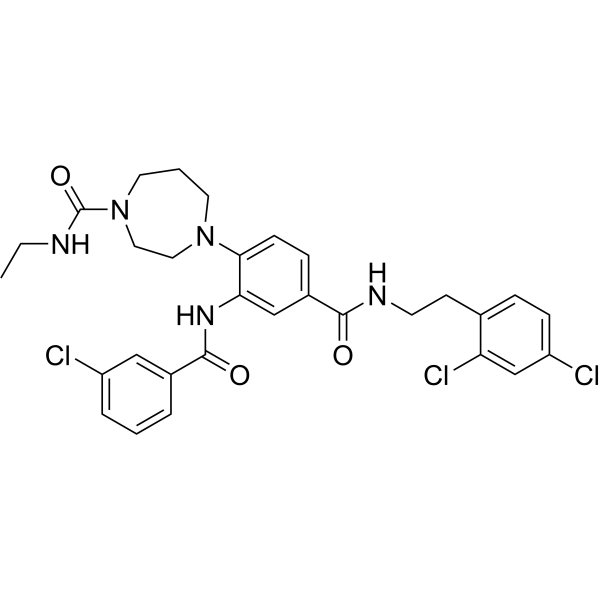
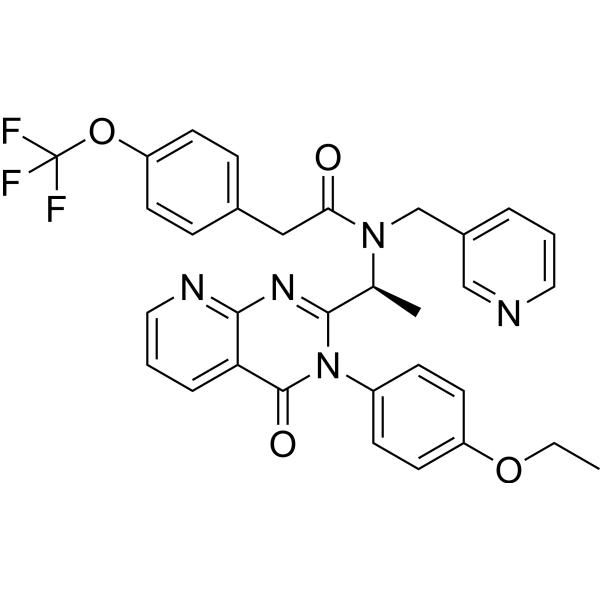
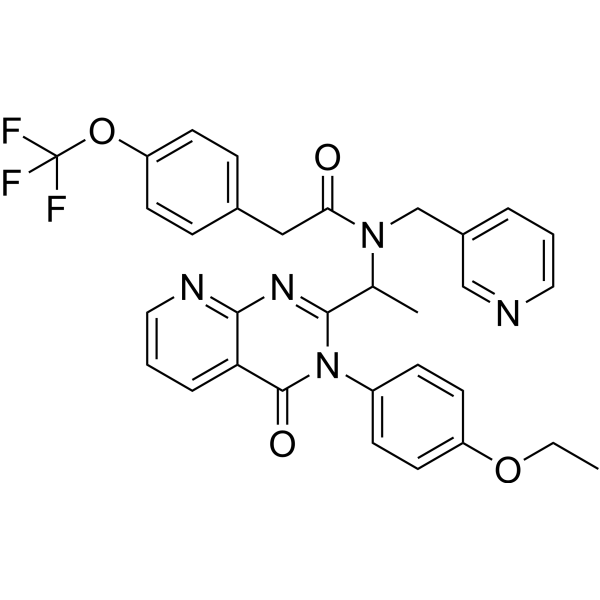
    AMG 487 is an orally active and selective antagonist of CXC chemokine receptor 3 (CXCR3) which inhibits the binding of CXCL10 and CXCL11 to CXCR3 with IC50s of 8.0 and 8.2 nM, respectively .
    AMG 487
  • HY-13406
    TAK-779
    10+ Cited Publications

    Takeda 779

    CCR HIV CXCR Infection Inflammation/Immunology Endocrinology
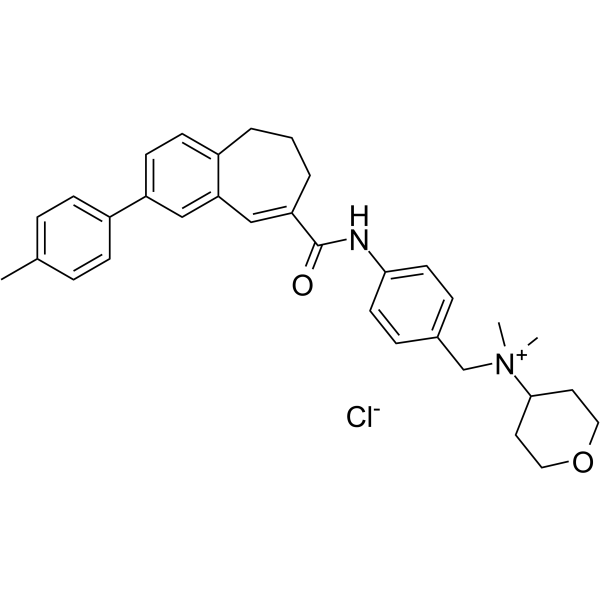
    TAK-779 is a potent and selective nonpeptide antagonist of CCR5 and CXCR3, with a Ki of 1.1 nM for CCR5, and effectively and selectively inhibits R5 HIV-1, with EC50 and EC90 of 1.2 nM and 5.7 nM, respectively, in MAGI-CCR5 cells.
    TAK-779
  • HY-10017
    SCH 546738
    15+ Cited Publications

    CXCR Inflammation/Immunology Endocrinology
    SCH 546738 is a potent, orally active and non-competitive CXCR3 antagonist, the affinity constant (Ki) of SCH 546738 binding to human CXCR3 receptor is determined to be 0.4 nM in multiple experiments.
    SCH 546738
  • HY-149055

    CXCR Inflammation/Immunology
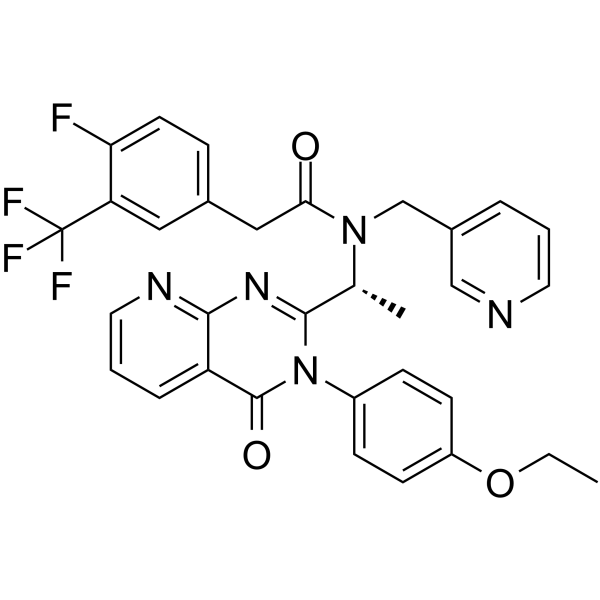
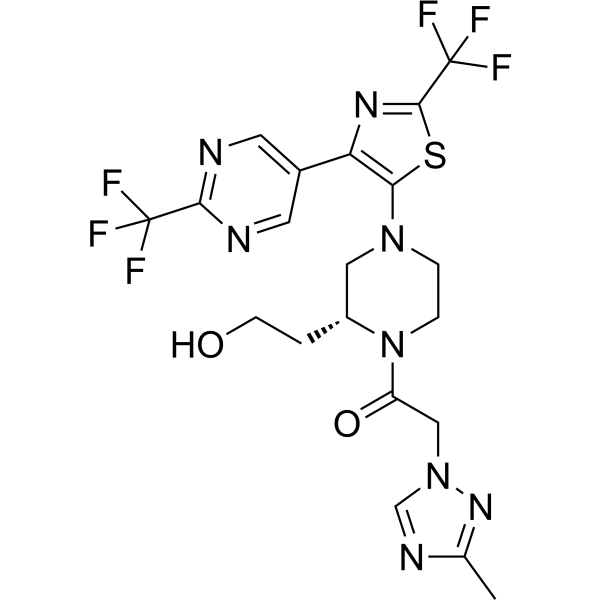
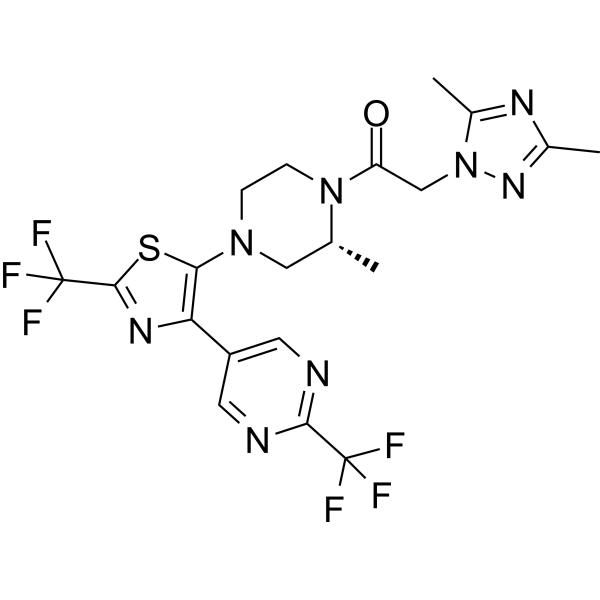
    ACT-777991 is an orally active and selective CXCR3 antagonist. ACT-777991 has microsomes and hepatocytes stability across animal models. ACT-777991 inhibits the migration of activated T cells toward CXCL11 .
    ACT-777991
  • HY-15320
    NBI-74330
    5+ Cited Publications

    CXCR Inflammation/Immunology Endocrinology
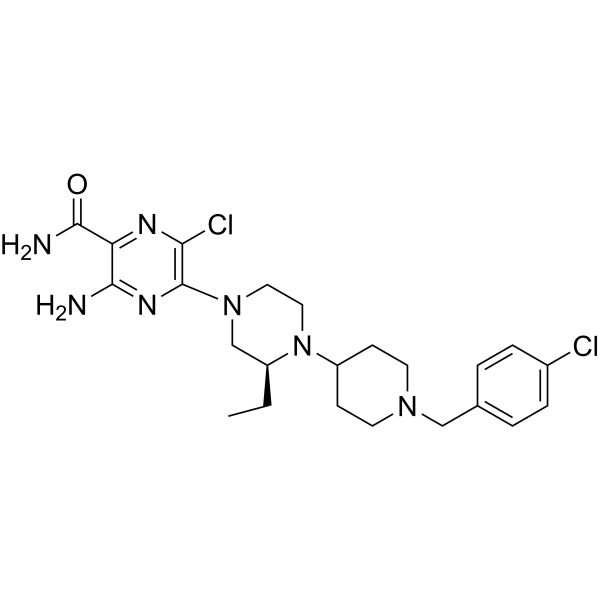
    NBI-74330 is a potent antagonist for CXCR3, and exhibits potent inhibition of ( 125I)CXCL10 and ( 125I)CXCL11 specific binding with Ki of 1.5 and 3.2 nM, respectively.
    NBI-74330
  • HY-128063

    CXCR Inflammation/Immunology
    CXCR3 antagonist 1 (compound 6c) is a selective and non-cytotoxic CXCR3 antagonist (IC50=0.06 µM). CXCR3 antagonist 1 has potential in researching inflammatory diseases (including inflammatory bowel disease, multiple sclerosis, rheumatoid arthritis, and diabetes) .
    CXCR3 antagonist 1
  • HY-D0976
    NF279
    1 Publications Verification

    P2X Receptor HIV NTPDase CXCR Infection
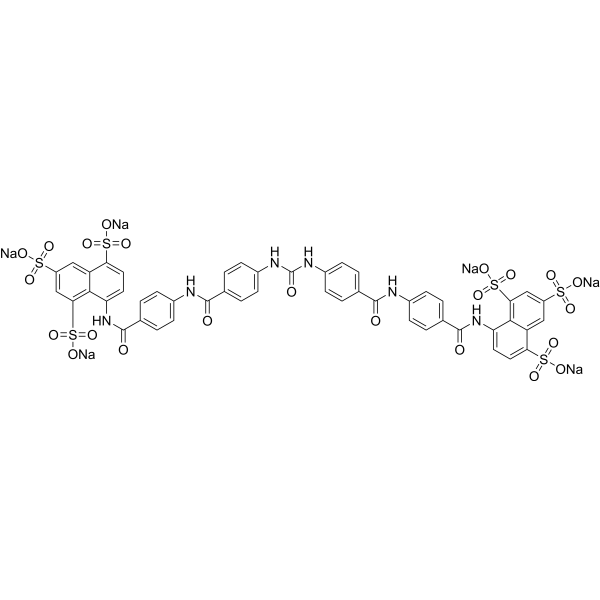
    NF279 is a selective P2X1 receptor antagonist and NTPDase inhibitor, with a P2X1 IC50 value of 19 nM. NF279 suppresses GABA-evoked currents, reduces ATP-excited respiratory activity, alters hypoglossal nerve burst parameters, and blocks CXCR4, CCR5, CXCR3, and CXCR7-mediated calcium responses. NF279 arrests HIV-1 fusion downstream of CD4 binding, inhibits R5- and X4-tropic HIV-1 strains. NF279 can be used for the research of HIV-1 infection .
    NF279
  • HY-B0426A

    ALO4943A; KW4679

    Histamine Receptor CXCR Infection Neurological Disease Metabolic Disease Inflammation/Immunology
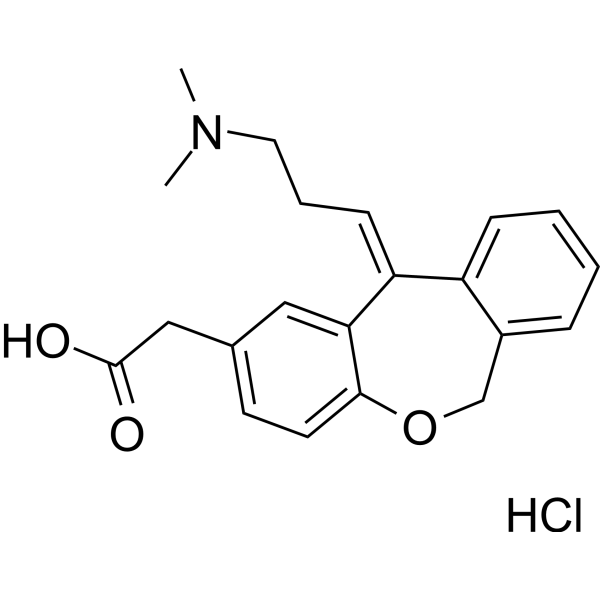
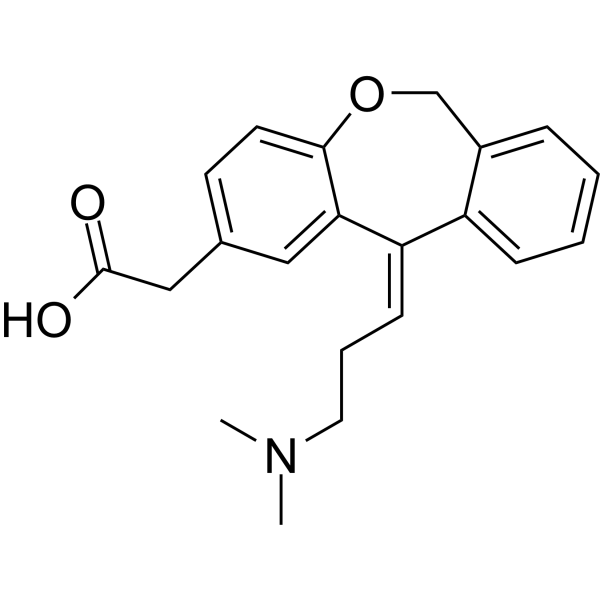
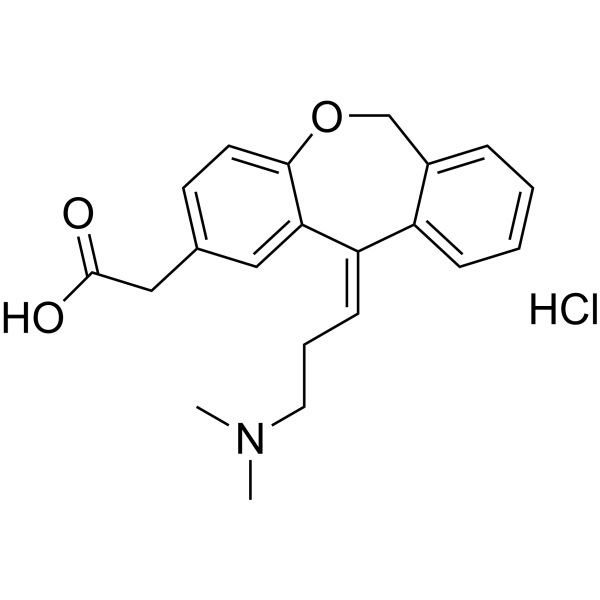
    Olopatadine hydrochloride (ALO4943A; KW4679) is an orally active histamine H1 receptor antagonist and mast cell stabilizer. Olopatadine hydrochloride exerts antiallergic effects by blocking histamine H1 receptor-mediated activities. Olopatadine hydrochloride inhibits exocytosis, chemokine release, F-actin polymerization, CXCL10-induced calcium influx, and T cell chemotactic activity. Olopatadine hydrochloride also reduces the expression levels of CXCR3 on the surface of CD4 + and CD8 + T cells. Olopatadine hydrochloride inhibits scratching behavior, improves dermatitis scores, and suppresses intraepidermal neurite outgrowth. Olopatadine hydrochloride simultaneously decreases the levels of inflammatory markers, growth factors, histamine, and specific IgE, while increasing the expression of ErbB3A/HER3A. Olopatadine hydrochloride can be used in research related to seasonal pollinosis, chronic rhinitis, urticaria, allergic conjunctivitis, alopecia areata, and atopic dermatitis .
    Olopatadine hydrochloride
  • HY-15319B

    CXCR Others
    AMG 487 S-enantiomer is the S enantiomer of AMG 487. AMG 487 is an antagonist of the chemokine receptor CXCR3.
    AMG 487 (S-enantiomer)
  • HY-W062109

    Histamine Receptor CXCR Inflammation/Immunology
    Olopatadine (ALO4943A; KW4679) is an orally active histamine H1 receptor antagonist and mast cell stabilizer. Olopatadine exerts antiallergic effects by blocking histamine H1 receptor-mediated activities. Olopatadine inhibits exocytosis, chemokine release, F-actin polymerization, CXCL10-induced calcium influx, and T cell chemotactic activity. Olopatadine also reduces the expression levels of CXCR3 on the surface of CD4 + and CD8 + T cells. Olopatadine inhibits scratching behavior, improves dermatitis scores, and suppresses intraepidermal neurite outgrowth. Olopatadine simultaneously decreases the levels of inflammatory markers, growth factors, histamine, and specific IgE, while increasing the expression of ErbB3A/HER3A. Olopatadine can be used in research related to seasonal pollinosis, chronic rhinitis, urticaria, allergic conjunctivitis, alopecia areata, and atopic dermatitis .
    Olopatadine
  • HY-110099

    CXCR Inflammation/Immunology
    (±)-NBI-74330 is a potent and selective CXCR3 antagonist. (±)-NBI-74330 not only reduces tactile and thermal hypersensitivity but also enhances the analgesic properties of morphine. (±)-NBI-74330 can reduce microglial cell activation, increase astroglial cell activation, and downregulate the expression of some CXCR3 ligands in a rat neuropathic pain model .
    (±)-NBI-74330
  • HY-151096

    CXCR Inflammation/Immunology
    ACT-660602 is an orally active antagonist of chemokine receptor (CXCR3) with an IC50 value of 204 nM. ACT-660602 inhibits T-cell migration and shows efficacy in acute lung ingury model. ACT-660602 can be used for autoimmune diseases research .
    ACT-660602
  • HY-15319A

    CXCR Cancer
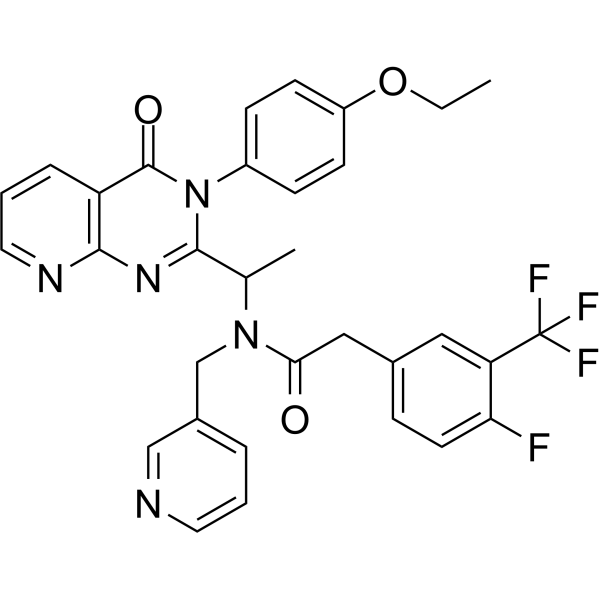
    (±)-AMG 487 is a racemate of AMG 487. AMG 487 is an orally active and selective antagonist of CXC chemokine receptor 3 (CXCR3) which inhibits the binding of CXCL10 and CXCL11 to CXCR3 with IC50s of 8.0 and 8.2 nM, respectively .
    (±)-AMG 487
  • HY-W062109S

    Isotope-Labeled Compounds Histamine Receptor CXCR Inflammation/Immunology
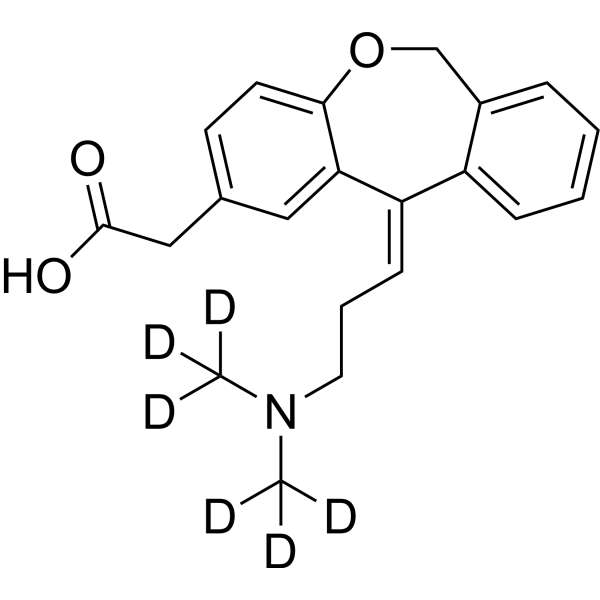
    Olopatadine-d6 is the deuterium labeled Olopatadine. Olopatadine hydrochloride (ALO4943A; KW4679) is an orally active histamine H1 receptor antagonist and mast cell stabilizer. Olopatadine hydrochloride exerts antiallergic effects by blocking histamine H1 receptor-mediated activities. Olopatadine hydrochloride inhibits exocytosis, chemokine release, F-actin polymerization, CXCL10-induced calcium influx, and T cell chemotactic activity. Olopatadine hydrochloride also reduces the expression levels of CXCR3 on the surface of CD4 + and CD8 + T cells. Olopatadine hydrochloride inhibits scratching behavior, improves dermatitis scores, and suppresses intraepidermal neurite outgrowth. Olopatadine hydrochloride simultaneously decreases the levels of inflammatory markers, growth factors, histamine, and specific IgE, while increasing the expression of ErbB3A/HER3A. Olopatadine hydrochloride can be used in research related to seasonal pollinosis, chronic rhinitis, urticaria, allergic conjunctivitis, alopecia areata, and atopic dermatitis .
    Olopatadine-d6
  • HY-N16578

    CXCR Inflammation/Immunology
    Hypoglaucin A is a CXCR3 antagonist with an IC50 of 0.47 μM. Hypoglaucin A can be used for the research of inflammation .
    Hypoglaucin A
  • HY-113730

    CXCR Others
    VUF5834 is a non-peptide chemokine receptor CXCR3 antagonist with non-competitive antagonistic and inverse agonistic activities. VUF5834 blocks the effects of CXCL10 and CXCL11 on human CXCR3, exhibits non-competitive antagonistic and inverse agonistic properties to CXCR3, and, except for TAK-779, has a slightly lower affinity for rodent CXCR3 than for primate CXCR3.
    VUF5834
  • HY-118037

    CXCR Inflammation/Immunology
    VUF10132 is a non-peptide CXCR3 receptor antagonist with anti-inflammatory activity, inhibiting diseases such as rheumatoid arthritis, multiple sclerosis, and psoriasis. VUF10132 has high affinity for the human CXCR3 receptor but slightly lower affinity for the murine CXCR3 receptor. Additionally, VUF10132 exhibits inverse agonist properties at the CXCR3 receptor .
    VUF10132
  • HY-10017A

    CXCR Inflammation/Immunology Endocrinology
    (R)-SCH 546738 is the R-isomer of SCH 546738 (HY-10017). SCH 546738 is an orally active and non-competitive antagonist for CXCR3 with Ki of 0.4 nM for human CXCR3 receptor .
    (R)-SCH 546738
  • HY-B0426AS

    Isotope-Labeled Compounds Histamine Receptor CXCR Inflammation/Immunology Endocrinology
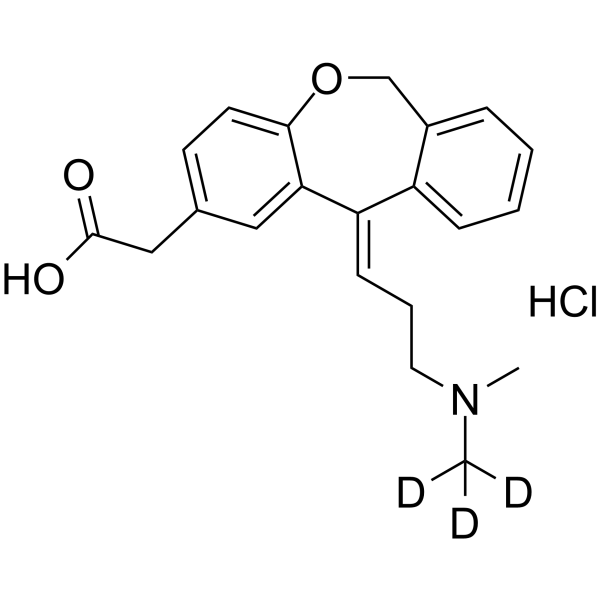
    Olopatadine-d3 hydrochloride (ALO4943A-d3) is the deuterium labeled Olopatadine hydrochloride. Olopatadine hydrochloride (ALO4943A; KW4679) is an orally active histamine H1 receptor antagonist and mast cell stabilizer. Olopatadine hydrochloride exerts antiallergic effects by blocking histamine H1 receptor-mediated activities. Olopatadine hydrochloride inhibits exocytosis, chemokine release, F-actin polymerization, CXCL10-induced calcium influx, and T cell chemotactic activity. Olopatadine hydrochloride also reduces the expression levels of CXCR3 on the surface of CD4 + and CD8 + T cells. Olopatadine hydrochloride inhibits scratching behavior, improves dermatitis scores, and suppresses intraepidermal neurite outgrowth. Olopatadine hydrochloride simultaneously decreases the levels of inflammatory markers, growth factors, histamine, and specific IgE, while increasing the expression of ErbB3A/HER3A. Olopatadine hydrochloride can be used in research related to seasonal pollinosis, chronic rhinitis, urticaria, allergic conjunctivitis, alopecia areata, and atopic dermatitis .
    Olopatadine-d3 hydrochloride
  • HY-B0426AR

    ALO4943A (Standard); KW4679 (Standard)

    Reference Standards Histamine Receptor CXCR Inflammation/Immunology Endocrinology
    Olopatadine (hydrochloride) (Standard) is the analytical standard of Olopatadine (hydrochloride). This product is intended for research and analytical applications. Olopatadine hydrochloride (ALO4943A; KW4679) is an orally active histamine H1 receptor antagonist and mast cell stabilizer. Olopatadine hydrochloride exerts antiallergic effects by blocking histamine H1 receptor-mediated activities. Olopatadine hydrochloride inhibits exocytosis, chemokine release, F-actin polymerization, CXCL10-induced calcium influx, and T cell chemotactic activity. Olopatadine hydrochloride also reduces the expression levels of CXCR3 on the surface of CD4 + and CD8 + T cells. Olopatadine hydrochloride inhibits scratching behavior, improves dermatitis scores, and suppresses intraepidermal neurite outgrowth. Olopatadine hydrochloride simultaneously decreases the levels of inflammatory markers, growth factors, histamine, and specific IgE, while increasing the expression of ErbB3A/HER3A. Olopatadine hydrochloride can be used in research related to seasonal pollinosis, chronic rhinitis, urticaria, allergic conjunctivitis, alopecia areata, and atopic dermatitis .
    Olopatadine hydrochloride (Standard)
  • HY-153240

    CXCR Inflammation/Immunology
    ACT-672125 is a potent CXCR3 antagonist with IC50 value of 239 nM in human blood. ACT-672125 has activity for hERG with IC50 value of 18μM. ACT-672125 can be used for the research of autoimmune diseases .
    ACT-672125
  • HY-B0426AS2

    ALO4943A-d6 hydrochloride; KW4679-d6 hydrochloride

    Isotope-Labeled Compounds Histamine Receptor CXCR Inflammation/Immunology
    Olopatadine-d6 (ALO4943A-d6; KW4679-d6) hydrochloride is deuterium-labeled Olopatadine (hydrochloride) (HY-B0426A). Olopatadine hydrochloride (ALO4943A; KW4679) is an orally active histamine H1 receptor antagonist and mast cell stabilizer. Olopatadine hydrochloride exerts antiallergic effects by blocking histamine H1 receptor-mediated activities. Olopatadine hydrochloride inhibits exocytosis, chemokine release, F-actin polymerization, CXCL10-induced calcium influx, and T cell chemotactic activity. Olopatadine hydrochloride also reduces the expression levels of CXCR3 on the surface of CD4 + and CD8 + T cells. Olopatadine hydrochloride inhibits scratching behavior, improves dermatitis scores, and suppresses intraepidermal neurite outgrowth. Olopatadine hydrochloride simultaneously decreases the levels of inflammatory markers, growth factors, histamine, and specific IgE, while increasing the expression of ErbB3A/HER3A. Olopatadine hydrochloride can be used in research related to seasonal pollinosis, chronic rhinitis, urticaria, allergic conjunctivitis, alopecia areata, and atopic dermatitis .
    Olopatadine-d6 hydrochloride

Consulta en línea

Your information is safe with us. * Required Fields.

Saludo


Country or Region *

Nombre del solicitante *


Nombre de la Organizaciòn *

Department *


Direcciòn del E-mail *


Nombre del producto *

Cat. No.


Requested quantity *

Número de teléfono *


Observaciones

Consulta en línea

Inquiry Information

Nombre del producto:
Cat. No.:
Cantidad:
MCE Japan Authorized Agent:

