
Search Result
Results for "
Candidiasis
" in MedChemExpress (MCE) Product Catalog:
5
Biochemical Assay Reagents
| Cat. No. |
Product Name |
Target |
Research Areas |
Chemical Structure |
-
- HY-126389
-
|
|
Environmental Pollutants
Endogenous Metabolite
Fungal
NF-κB
Biochemical Assay Reagents
|
Infection
Inflammation/Immunology
|
|
Chitin, from crab carapace (powder),biomedical research grade is a long-chain polymer of N-acetylglucosamine with β-(1-4) linkages. Chitin, from crab carapace (powder),biomedical research grade is found in the exoskeleton of crabs. Chitin, from crab carapace (powder),biomedical research grade inhibits the activation of NF-κB p65, alters the translocation of NF-κB p65 to the nucleus, and interacts with the cell wall of Candida species. Chitin, from crab carapace (powder),biomedical research grade exerts antifungal and anti-inflammatory effects. Chitin, from crab carapace (powder),biomedical research grade can be used in the research of gastric ulcer and candidiasis .
|
-
-
- HY-16779B
-
|
BMS-379224 L-lysine ethanolate; E-1224 L-lysine ethanolate
|
Fungal
Parasite
|
Infection
|
|
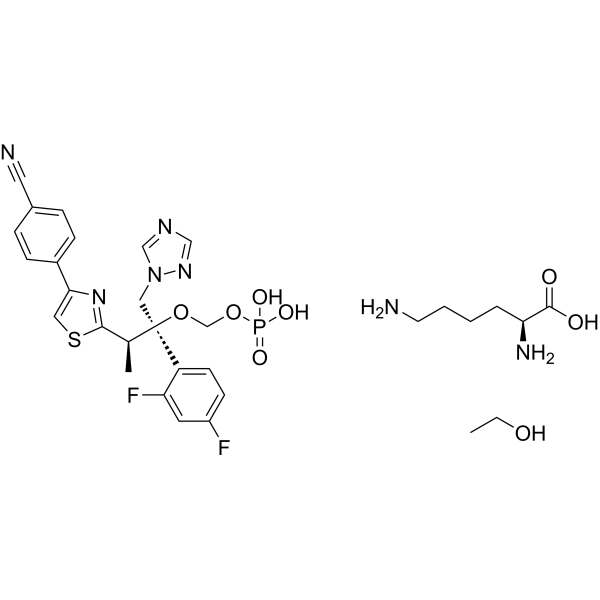
Fosravuconazole L-lysine ethanolate (BMS-379224 L-lysine ethanolate), a proagent of Ravuconazole, is an orally active broad spectrum antifungal agent. Fosravuconazole L-lysine ethanolate can be used for candidiasis, onychomycosis and parasitemia research .
|
-
-
- HY-A0148A
-
|
SKF-102886; WR-171669 hydrochloride
|
Parasite
Fungal
Reactive Oxygen Species (ROS)
Potassium Channel
|
Infection
|
|
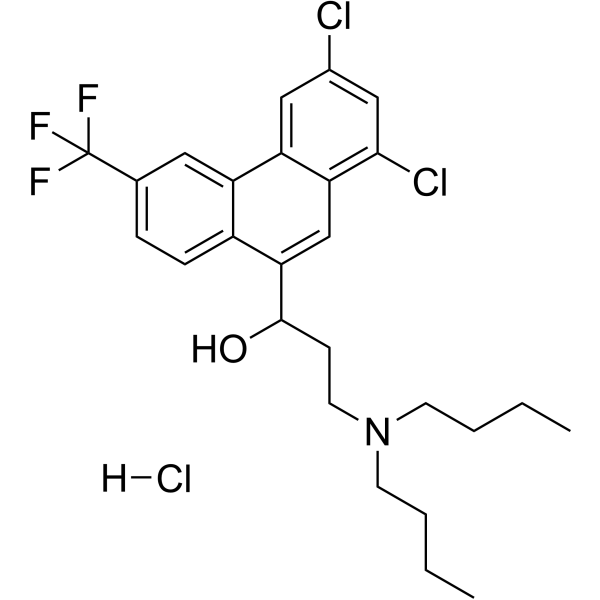
Halofantrine hydrochloride (SKF-102886 hydrochloride; WR-171669 hydrochloride) is a blocker that delays the delayed rectifier potassium current by inhibiting human ERG channels, and it is a potent antimalarial agent with oral activity. Halofantrine hydrochloride inhibits the Cap1-dependent oxidative stress response of Candida albicans, suppresses ROS responses, and enhances the antifungal (Fungal) activity of oxidative damage agents. Halofantrine hydrochloride exhibits antifungal activity in the Galleria mellonella model, and shows antimalarial activity against Plasmodium strains both in vitro and in animal models. Halofantrine hydrochloride can be used in studies related to invasive candidiasis, falciparum malaria, and vivax malaria .
|
-
-
- HY-B0277
-
Vidarabine
Maximum Cited Publications
7 Publications Verification
Ara-A; Adenine Arabinoside; 9-β-D-Arabinofuranosyladenine
|
Apoptosis
Fungal
Reactive Oxygen Species (ROS)
EBV
HSV
Antibiotic
DNA/RNA Synthesis
Drug Metabolite
|
Infection
Cancer
|
|
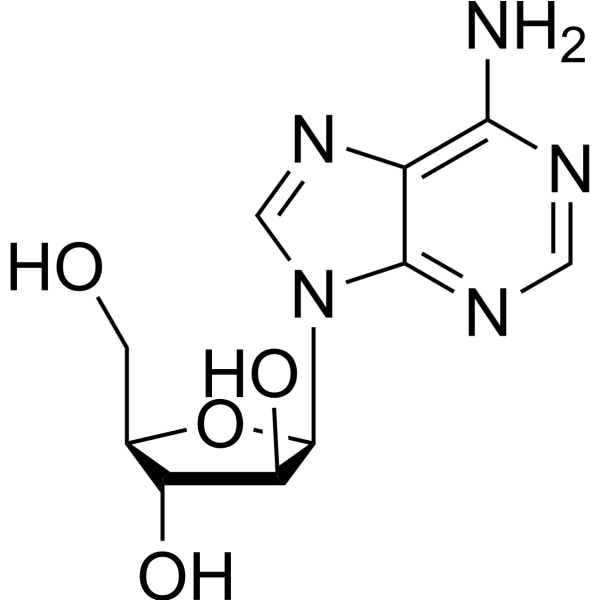
Vidarabine (Ara-A) is a nucleoside antibiotic isolated from Streptomyces, and a metabolite of Vidarabine phosphate (HY-B0277A). Vidarabine selectively inhibits viral DNA polymerase and cellular ribonucleotide reductase, thereby blocking viral replication. Vidarabine phosphate also exhibits antifungal activity, induces late-stage cellular apoptosis, and causes cell cycle arrest. Vidarabine phosphate can be used in research related to severe chronic active Epstein-Barr virus (EBV) infection, herpes infection, and candidiasis .
|
-
-
- HY-W016288
-
|
2,3-Naphthalenedicarboxaldehyde; Naphthalene-2,3-dialdehyde
|
Fungal
|
Infection
|
|
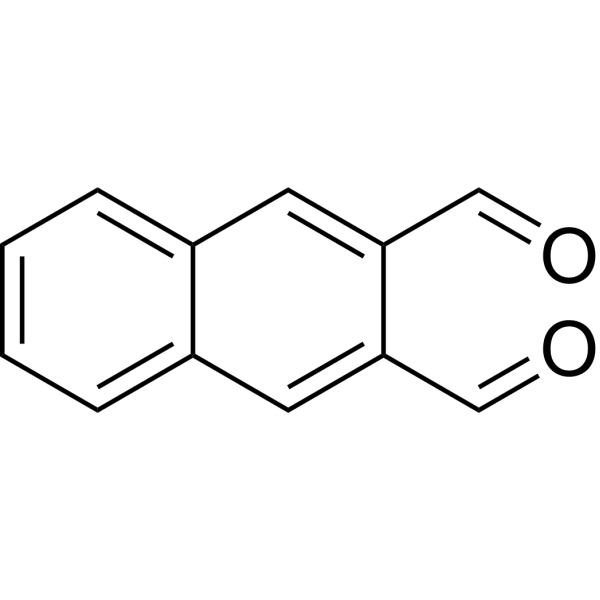
Naphthalene-2,3-dicarboxaldehyde (NDA) is an effective inhibitor of Candida albicans aspartate semialdehyde dehydrogenase (ASADH), with a Ki value of 45 μM. Naphthalene-2,3-dicarboxaldehyde targets ASADH in the aspartate biosynthetic pathway of Candida albicans. Naphthalene-2,3-dicarboxaldehyde reacts with primary amines to generate highly fluorescent and stable derivatives. Naphthalene-2,3-dicarboxaldehyde serves as a fungistatic agent and a fluorogenic derivatization reagent. Naphthalene-2,3-Dicarboxaldehyde can be used for the research of candidiasis .
|
-
-
- HY-B0238
-
|
Ro 14-4767/002
|
Fungal
Antibiotic
|
Infection
|
|
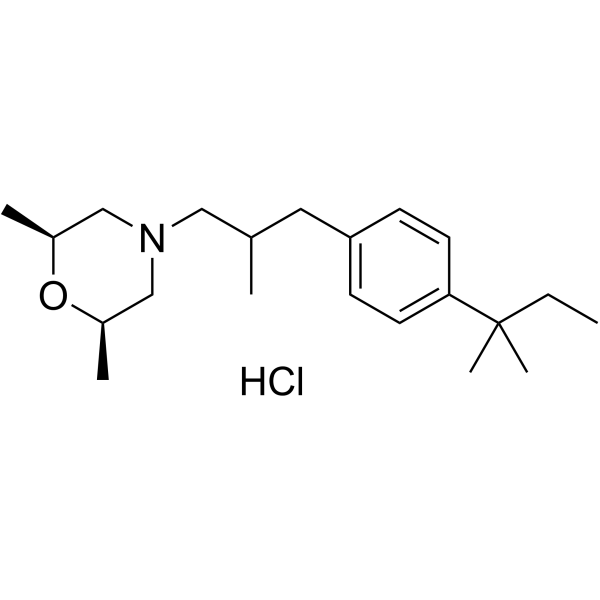
Amorolfine (Ro 14-4767/002) hydrochloride is a potent anti-fungal agent. Amorolfine hydrochloride inhibits ergosterol biosynthesis. Amorolfine hydrochloride has the potential for the research of Neoscytalidium dimidiatum onychomycosis .
|
-
-
- HY-16779
-
|
BMS-379224; E-1224
|
Fungal
Parasite
|
Infection
|
|
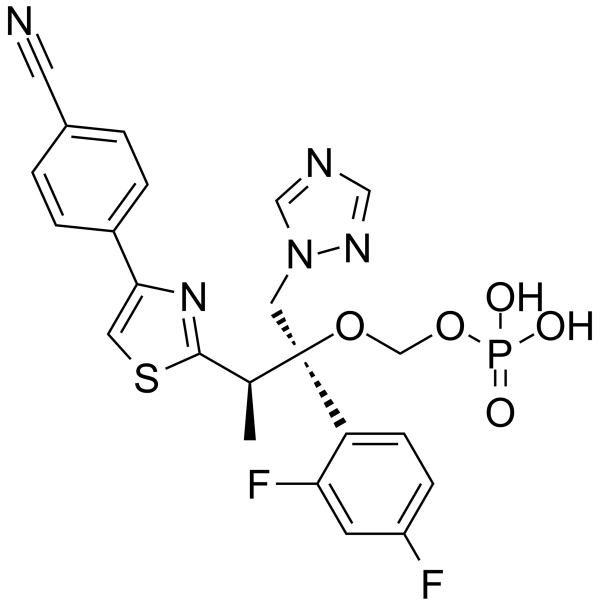
Fosravuconazole (BMS-379224), a proagent of Ravuconazole, is an orally active broad spectrum antifungal agent. Fosravuconazole can be used for candidiasis, onychomycosis and parasitemia research .
|
-
-
- HY-126389B
-
|
|
Endogenous Metabolite
NF-κB
Fungal
|
Infection
Inflammation/Immunology
|
|
Chitin, from shrimp shells (chitinase substrate) serves as a substrate for chitinase. Chitin, from shrimp shells (chitinase substrate) is a long-chain polymer of N-acetylglucosamine with β-(1-4) linkages. Chitin, from shrimp shells (chitinase substrate) is found in the exoskeleton of crabs. Chitin, from shrimp shells (chitinase substrate) inhibits the activation of NF-κB p65, alters the translocation of NF-κB p65 to the nucleus, and interacts with the cell wall of Candida species. Chitin, from shrimp shells (chitinase substrate) exerts antifungal and anti-inflammatory effects. Chitin, from shrimp shells (chitinase substrate) can be used in the research of gastric ulcer and candidiasis .
|
-
-
- HY-B0277A
-
|
ara-AMP; ara-A 5'-monophosphate
|
EBV
HSV
Fungal
DNA/RNA Synthesis
Apoptosis
Drug Intermediate
Reactive Oxygen Species (ROS)
|
Infection
|
|
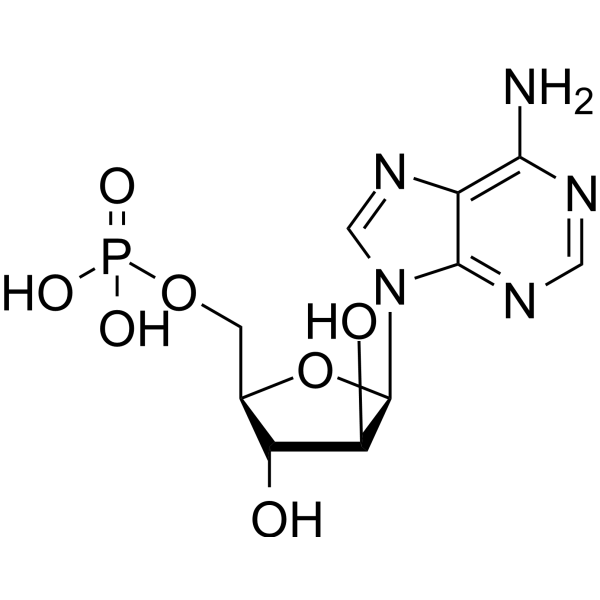
Vidarabine phosphate (ara-AMP; ara-A 5'-monophosphate) is a purine nucleoside antiviral agent and a prodrug of Vidarabine (HY-B0277). Vidarabine phosphate is rapidly converted into the antiviral active Vidarabine in vivo, which selectively inhibits viral DNA polymerase and cellular ribonucleotide reductase, thereby blocking viral replication. Vidarabine phosphate also exhibits antifungal activity, induces late-stage cellular apoptosis, and causes cell cycle arrest. Vidarabine phosphate can be used in research related to severe chronic active Epstein-Barr virus (EBV) infection, herpes infection, and candidiasis .
|
-
-
- HY-B0359
-
|
REC 15-1476
|
Fungal
Antibiotic
|
Infection
|
|
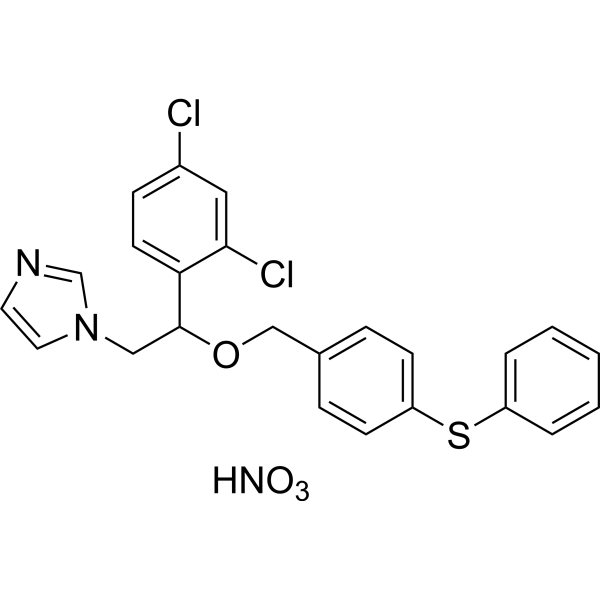
Fenticonazole Nitrate is an antifungal imidazole ring derivative. Fenticonazole Nitrate operates via hindering ergosterol integration, and sequentially destructing the cytoplasmatic outer membrane. Fenticonazole Nitrate is effective against Gram-positive bacteria, mycoses, and vaginal candidiasis .
|
-
-
- HY-B1309
-
|
AMAP
|
Drug Derivative
Mitochondrial Metabolism
|
Infection
Cancer
|
|
Metacetamol (AMAP) is an analog of Acetaminophen (HY-66005). Metacetamol induces dose-dependent necrosis in primary hepatocytes via glutathione depletion, mitochondrial damage, and formation of mitochondrial protein adducts. Metacetamol derivatives act as anticancer and antibacterial agents. Metacetamol can be used in studies related to breast cancer, bacterial infections, and fungal infections (candidiasis) .
|
-
-
- HY-B1237
-
|
|
Calcium Channel
Fungal
|
Cardiovascular Disease
Infection
|
|
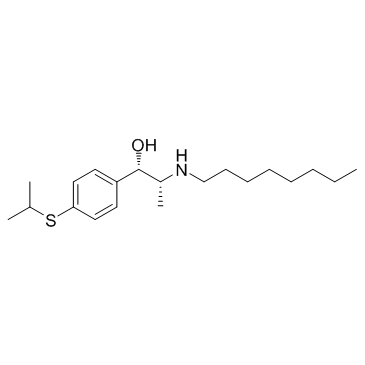
Suloctidil is an orally active calcium channel blocker and antifungal agent. Suloctidil antagonizes vasoconstriction induced by norepinephrine, angiotensin and serotonin. Suloctidil inhibits platelet function and exhibits neuroprotective effects. Suloctidil exerts inhibitory effects on Candida albicans biofilm and virulence. Suloctidil can be used in research on vasospasm relief, antithrombosis and superficial candidiasis .
|
-
-
- HY-B2140
-
|
Bromosalicylchloranilide; Salifungin
|
Fungal
Bacterial
|
Infection
|
|
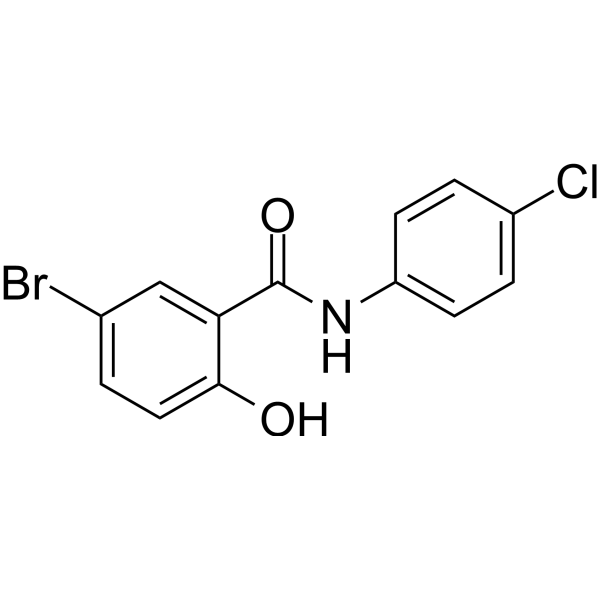
Multifungin (Bromochlorosalicylanilide) is an antifungal that treats oral candidiasis . Multifungin prevents the formation and accumulation of Zearalenone and reduces the fungal population in stored-crushed corn .
|
-
-
- HY-B1460
-
|
(±)-Sulconazole mononitrate
|
Fungal
Bacterial
|
Infection
|
|
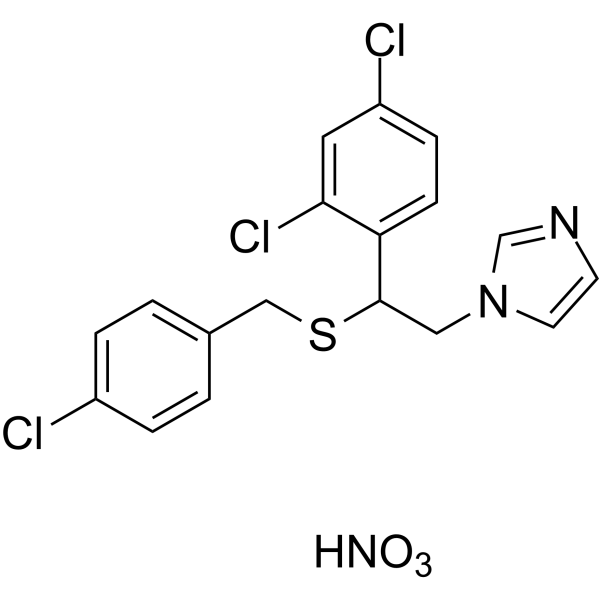
Sulconazole mononitrate ((±)-Sulconazole mononitrate), an imidazole derivative, is a broad-spectrum fungicide. Sulconazole mononitrate can be used for the research of dermatomycoses, pityriasis versicolor, and cutaneous candidiasis .
|
-
-
- HY-N1341
-
|
|
HCV
HCV Protease
DNA/RNA Synthesis
Bacterial
|
Infection
|
|
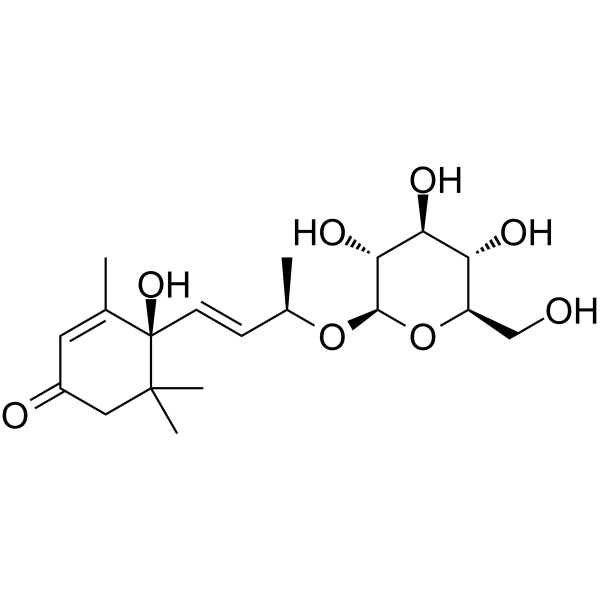
Roseoside is an inhibitor of DNA gyrase and HAV 3C protease, and also inhibits HCV NS5A/B replicase in human systems with an IC50 of 20 μM. Roseoside binds to the active site of enzymes and stabilizes the interaction by forming hydrogen bonds with key amino acid residues. Roseoside inhibits the growth of Gram-positive bacteria, Gram-negative bacteria, and Candida albicans, and interferes with HCV RNA replication in vitro by inhibiting HCV NS5A/B replicase (IC50=20 μM). Roseoside shows no cytotoxicity and serves as a research tool for studies related to bacterial infections, candidiasis, HAV and HCV .
|
-
-
- HY-W250121
-
|
|
Environmental Pollutants
Biochemical Assay Reagents
|
Infection
Inflammation/Immunology
Cancer
|
|
Tragacanth gum is an orally active anionic composite polysaccharide and multifunctional biomaterial. Tragacanth gum exhibits biocompatibility, mucoadhesion and renoprotective effects, and effectively promotes wound closure and tissue healing. Tragacanth gum can be isolated from Astragalus gummifer. Tragacanth gum acts as an emulsifier and drug delivery carrier, and is also widely used in fields such as 3D scaffolds, tissue engineering and green nanoparticle preparation. High doses of Tragacanth gum may induce reversible forestomach squamous epithelial hyperplasia in mice, but show no mutagenic or carcinogenic activity. Tragacanth gum is commonly used in studies related to diseases including systemic candidiasis, rheumatoid arthritis and osteosarcoma .
|
-
-
- HY-N12717
-
|
|
PAK
FASTK
HSP
p38 MAPK
NF-κB
NO Synthase
COX
HSV
Caspase
TNF Receptor
Fungal
Apoptosis
|
Infection
Inflammation/Immunology
Cancer
|
|
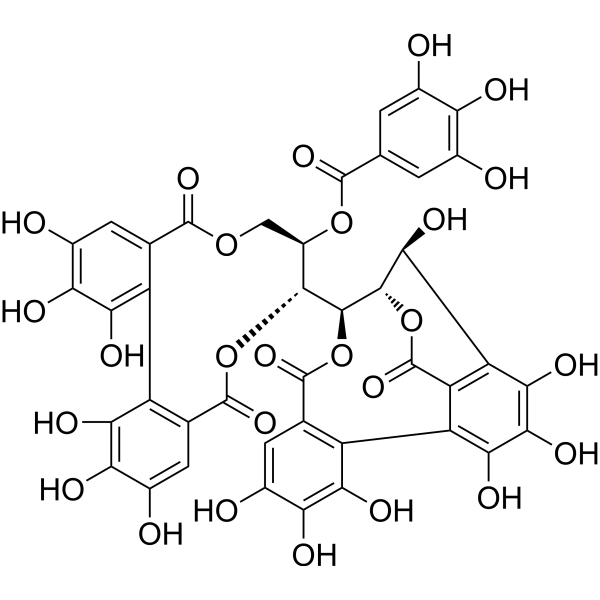
Casuarinin is an orally active antiproliferative, anti-inflammatory, antifungal, virucidal and gastroprotective agent. Casuarinin upregulates the expression of p21/WAF1, Fas/APO‑1, mFasL, sFasL and HSP‑70, arrests cell cycle, induces apoptosis and inhibits cancer cell proliferation. Casuarinin inhibits TNF‑α-induced phosphorylation of MAPK and activation of NF‑κB, downregulates the expression of iNOS, NF‑κB, COX‑2 and ICAM‑1, and reduces the production of proinflammatory mediators. Casuarinin attenuates ethanol-induced activation of caspase‑3 and elevation of TNF‑α, inhibits the growth of Candida albicans, and inhibits HSV‑2. Casuarinin can be used in research related to mammary adenocarcinoma, inflammatory skin diseases, gastric ulcers, candidiasis and herpes simplex virus infections .
|
-
-
- HY-N6924
-
|
|
HIV
PIN1
Fungal
GLUT
Reactive Oxygen Species (ROS)
|
Infection
Neurological Disease
Metabolic Disease
Cancer
|
|
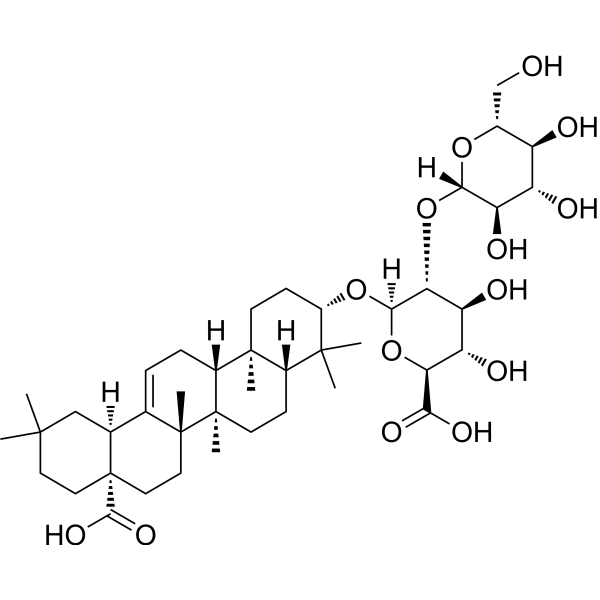
Zingibroside R1 is an orally active triterpene saponin with multiple biological activities including antioxidant, anti-inflammatory, antiviral, and metabolic regulatory properties. Zingibroside R1 reduces the expression of PIN family members, inhibits the expression of PLT1/PLT2, WOX5, SHR, and SCR, disrupts auxin transport and distribution, triggers plant ROS responses, and inhibits root growth. Zingibroside R1 extends the lifespan of Caenorhabditis elegans, enhances its heat stress resistance, and improves its motor ability. Hydrogel derivatives of Zingibroside R1 inhibit the proliferation of Candida albicans by binding to its β-1,3-glucan and exhibit antifungal activity. Zingibroside R1 inhibits GLUT1-mediated uptake and alleviates liver injury. Zingibroside R1 can be used in research related to neurodegenerative diseases, vulvovaginal candidiasis, acute liver injury, Ehrlich ascites tumor and HIV-1 infection .
|
-
-
- HY-B1316
-
|
|
Fungal
|
Infection
Neurological Disease
|
|
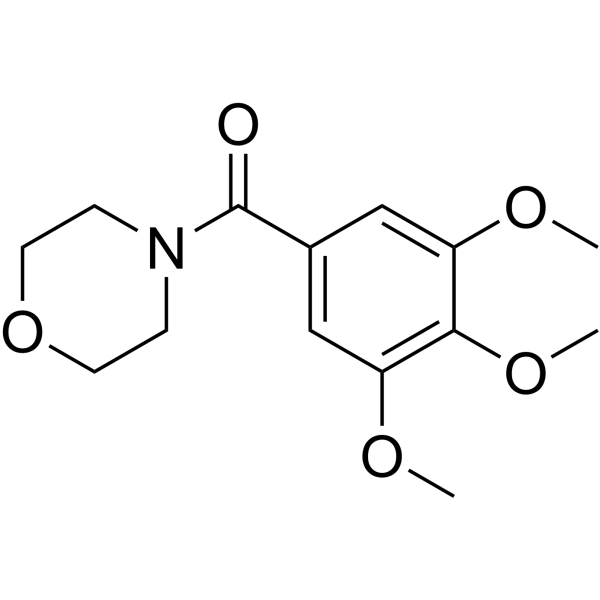
Trimetozine is an Antifungal agent and sedative. Trimetozine exhibits antibacterial activity against Candida albicans, Candida glabrata, and Miconazole (HY-B0454)-resistant Candida glabrata cultures. Trimetozine exerts a sedative effect. Trimetozine can be used in research related to candidiasis and anxiety disorders .
|
-
-
- HY-B0238R
-
|
Ro 14-4767/002 (Standard)
|
Reference Standards
Fungal
Antibiotic
|
Infection
|
|
Amorolfine (hydrochloride) (Standard) is the analytical standard of Amorolfine (hydrochloride). This product is intended for research and analytical applications. Amorolfine (Ro 14-4767/002) hydrochloride is a potent anti-fungal agent. Amorolfine hydrochloride inhibits ergosterol biosynthesis. Amorolfine hydrochloride has the potential for the research of Neoscytalidium dimidiatum onychomycosis .
|
-
-
- HY-126810
-
|
|
Fungal
|
Infection
|
|
NP213 is a rapidly acting, novel, first-in-class synthetic antimicrobial peptide (AMP), has anti-fungal activities. NP213 targets the fungal cytoplasmic membrane and plays it role via membrane perturbation and disruption. NP213 is effective and well-tolerated in resolving nail fungal infections .
|
-
-
- HY-126389C
-
|
|
Endogenous Metabolite
NF-κB
Fungal
|
Infection
Inflammation/Immunology
|
|
Chitin, from crab carapace is a long-chain polymer of N-acetylglucosamine with β-(1-4) linkages. Chitin, from crab carapace is found in the exoskeleton of crabs. Chitin, from crab carapace inhibits the activation of NF-κB p65, alters the translocation of NF-κB p65 to the nucleus, and interacts with the cell wall of Candida species. Chitin, from crab carapace exerts antifungal and anti-inflammatory effects. Chitin, from crab carapace can be used in the research of gastric ulcer and candidiasis .
|
-
-
- HY-A0148
-
|
SKF-102886 free base; WR-171669
|
Parasite
Fungal
Potassium Channel
Reactive Oxygen Species (ROS)
|
Infection
Cancer
|
|
Halofantrine (SKF-102886 hydrochloride; WR-171669 hydrochloride) is a blocker that delays the delayed rectifier potassium current by inhibiting human ERG channels, and it is a potent antimalarial agent with oral activity. Halofantrine inhibits the Cap1-dependent oxidative stress response of Candida albicans, suppresses ROS responses, and enhances the antifungal (Fungal) activity of oxidative damage agents. Halofantrine exhibits antifungal activity in the Galleria mellonella model, and shows antimalarial activity against Plasmodium strains both in vitro and in animal models. Halofantrine can be used in studies related to invasive candidiasis, falciparum malaria, and vivax malaria .
|
-
-
- HY-126389A
-
|
|
Endogenous Metabolite
NF-κB
Fungal
|
Infection
Inflammation/Immunology
|
|
Chitin, from shrimp shells (powder) is a long-chain polymer of N-acetylglucosamine with β-(1-4) linkages. Chitin, from shrimp shells (powder) is found in the exoskeleton of crabs. Chitin, from shrimp shells (powder) inhibits the activation of NF-κB p65, alters the translocation of NF-κB p65 to the nucleus, and interacts with the cell wall of Candida species. Chitin, from shrimp shells (powder) exerts antifungal and anti-inflammatory effects. Chitin, from shrimp shells (powder) can be used in the research of gastric ulcer and candidiasis .
|
-
-
- HY-W587956
-
|
|
Fungal
|
Infection
|
|
α-Guaiene is a natural sesquiterpene and fungicidal agent found in Pogostemon cablin (patchouli) essential oil. α-Guaiene suppresses the growth of Aspergillus niger, Candida albicans, Microsporum gypseum, and Trichophyton mentagrophytes. α-Guaiene can be used for the study of fungal infection .
|
-
-
- HY-178732
-
-
-
- HY-W016288R
-
|
2,3-Naphthalenedicarboxaldehyde (Standard); Naphthalene-2,3-dialdehyde (Standard)
|
Fungal
Reference Standards
|
Infection
|
|
Naphthalene-2,3-dicarboxaldehyde (Standard) is the analytical standard for Naphthalene-2,3-dicarboxaldehyde (HY-W016288). This product is for research and analytical applications. Naphthalene-2,3-dicarboxaldehyde (NDA) is an effective inhibitor of Candida albicans aspartate semialdehyde dehydrogenase (ASADH), with a Ki value of 45 μM. Naphthalene-2,3-dicarboxaldehyde targets ASADH in the aspartate biosynthetic pathway of Candida albicans. Naphthalene-2,3-dicarboxaldehyde reacts with primary amines to generate highly fluorescent and stable derivatives. Naphthalene-2,3-dicarboxaldehyde serves as a fungistatic agent and a fluorogenic derivatization reagent. Naphthalene-2,3-Dicarboxaldehyde can be used for the research of candidiasis .
|
-
-
- HY-144694
-
|
|
HSP
HDAC
Fungal
|
Infection
|
|
HDAC/HSP90-IN-3 (compound J5) is a potent and selective fungal Hsp90 and HDAC dual inhibitor, with IC50 values of 0.83 and 0.91 μM, respectively. HDAC/HSP90-IN-3 shows antifungal activity against azole resistant C. albicans. HDAC/HSP90-IN-3 can suppress important virulence factors and down-regulate drug-resistant genes ERG11 and CDR1 .
|
-
-
- HY-B0277R
-
|
Ara-A (Standard); Adenine Arabinoside (Standard); 9-β-D-Arabinofuranosyladenine (Standard)
|
Reference Standards
Apoptosis
Fungal
Reactive Oxygen Species (ROS)
EBV
HSV
Antibiotic
DNA/RNA Synthesis
Drug Metabolite
|
Infection
|
|
Vidarabine (Ara-A) (Standard) is the analytical standard of Vidarabine. This product is intended for research and analytical applications. Vidarabine is a nucleoside antibiotic isolated from Streptomyces, and a metabolite of Vidarabine phosphate (HY-B0277A). Vidarabine selectively inhibits viral DNA polymerase and cellular ribonucleotide reductase, thereby blocking viral replication. Vidarabine phosphate also exhibits antifungal activity, induces late-stage cellular apoptosis, and causes cell cycle arrest. Vidarabine phosphate can be used in research related to severe chronic active Epstein-Barr virus (EBV) infection, herpes infection, and candidiasis .
|
-
-
- HY-145814
-
|
|
HSP
Fungal
|
Infection
|
|
HSP90-IN-9 is a potent and selective HSP90 inhibitor. HSP90-IN-9 displays a fungicidal effect in a dose-dependent manner. HSP90-IN-9 inhibits fungal biofilm formation and fungal morphological changes after being combined with FLC. HSP90-IN-9 recovers FLC resistance by down-regulating the expression of related genes (ERG11, CDR1 and CDR2) .
|
-
-
- HY-146190
-
|
|
Bacterial
Antibiotic
|
Infection
Inflammation/Immunology
|
|
Callophycin A, a red seaweed derived metabolite, possessing potent activity against Candida albicans with MIC of 62.5~250 mg/L. Callophycin A significantly reduces fungal burden of vaginal candidiasis induced mice, also decreases inflammatory response and immune molecules .
|
-
-
- HY-19377
-
|
|
Fungal
Cytochrome P450
|
Infection
|
|
SS-750 is an orally active Triazole derivative and antifungal agent. SS-750 binds to fungal cytochrome P450. SS-750 shows antifungal activities against Candida species and C. neoformans strains tested. SS750 shows MIC90 values of 0.25, 1, and 2 μg/mL against Candida parapsilosis, C. krusei, and C. glabrata, respectively. SS-750 improves systemic and pulmonary candidiasis caused by C. albicans .
|
-
-
- HY-127183
-
|
|
HSP
|
Infection
|
|
ML229 is an HSP90 inhibitor. ML229 can be used in the research of infectious diseases such as candidiasis .
|
-
-
- HY-127179
-
|
|
HSP
|
Infection
|
|
ML189 is an HSP90 inhibitor. ML189 can be used in the research of infectious diseases such as candidiasis .
|
-
-
- HY-N14269
-
|
|
Antibiotic
Fungal
|
Infection
|
|
Ezomycin A2 is an antifungal antibiotic. Ezomycin A2 is mainly active against phytopathogens such as Sclerotinia sclerotiorum and Botrytis, and has a control effect on Sclerotinia, Botrytis and Candidiasis of crops .
|
-
-
- HY-N14283
-
|
|
Antibiotic
Fungal
|
Infection
|
|
Ezomycin D2 is an antifungal antibiotic. Ezomycin D2 is mainly active against phytopathogens such as Sclerotinia sclerotiorum and Botrytis, and has a control effect on Sclerotinia, Botrytis and Candidiasis of crops .
|
-
-
- HY-143334
-
|
|
Fungal
|
Infection
|
|
Antibacterial agent 84 is an antifungal compound. Antibacterial agent 84 inhibits candidiasis in a CNB1-dependent way. Antibacterial agent 84 inhibits the C. albicans biofilm's viability .
|
-
-
- HY-B1460R
-
|
(±)-Sulconazole mononitrate (Standard)
|
Reference Standards
Fungal
Bacterial
|
Infection
|
|
Sulconazole (mononitrate) (Standard) is the analytical standard of Sulconazole (mononitrate). This product is intended for research and analytical applications. Sulconazole mononitrate ((±)-Sulconazole mononitrate), an imidazole derivative, is a broad-spectrum fungicide. Sulconazole mononitrate can be used for the research of dermatomycoses, pityriasis versicolor, and cutaneous candidiasis .
|
-
-
- HY-155279
-
|
|
Fungal
|
Infection
|
|
Antifungal agent 73 (compound A32) is an antifungal agent for azole-resistant candidiasis. Antifungal agent 73 disrupts the fungal cell wall and cell membrane. Antifungal agent 73 shows potent in vivo antifungal activity against pathogenic fungi and fluconazole-resistant strains .
|
-
-
- HY-B1237A
-
|
|
Calcium Channel
Fungal
|
Cardiovascular Disease
Infection
|
|
Suloctidil hydrochloride is an orally active calcium channel blocker and antifungal agent. Suloctidil hydrochloride antagonizes vasoconstriction induced by norepinephrine, angiotensin and serotonin. Suloctidil hydrochloride inhibits platelet function and exhibits neuroprotective effects. Suloctidil hydrochloride exerts inhibitory effects on Candida albicans biofilm and virulence. Suloctidil hydrochloride can be used in research on vasospasm relief, antithrombosis and superficial candidiasis .
|
-
-
- HY-B0359R
-
|
REC 15-1476 (Standard)
|
Reference Standards
Fungal
Antibiotic
|
Infection
|
|
Fenticonazole (Nitrate) (Standard) is the analytical standard of Fenticonazole (Nitrate). This product is intended for research and analytical applications. Fenticonazole Nitrate is an antifungal imidazole ring derivative. Fenticonazole Nitrate operates via hindering ergosterol integration, and sequentially destructing the cytoplasmatic outer membrane. Fenticonazole Nitrate is effective against Gram-positive bacteria, mycoses, and vaginal candidiasis .
|
-
-
- HY-P10916
-
|
|
Drug Metabolite
Fungal
|
Infection
|
|
Micafungin metabolite M1 is an active metabolite of Micafungin (HY-17579), which is metabolized by arylsulfatase and exhibits antifungal activity. Micafungin metabolite M1 can be used for research on deep fungal infections caused by Candida and Aspergillus species .
|
-
-
- HY-105110
-
|
SM-8668
|
Fungal
|
Infection
|
|
SM-8668 is an effective orally active antifungal agent, with median effective doses (ED50) of 0.18, 3.7, and 5.9 mg/kg for systemic candidiasis, aspergillosis, and cryptococcosis in mice, respectively. Pharmacokinetic studies in mice and rats indicate that SM-8668 has a long half-life and a high total exposure. SM-8668 can be used in anti-infective research .
|
-
-
- HY-144643
-
|
|
Fungal
HDAC
Cytochrome P450
|
Inflammation/Immunology
|
|
CYP51/HDAC-IN-1 is a potent, orally active CYP51/HDAC dual inhibitor. CYP51/HDAC-IN-1 inhibits important virulence factors and down-regulated resistance-associated genes. CYP51/HDAC-IN-1 exhibits potent therapeutic effects for both tropical candidiasis and cryptococcal meningitis .
|
-
-
- HY-170816
-
|
|
HSP
Cytochrome P450
Fungal
|
Infection
|
|
CYP51/Hsp90-IN-1 (Compound MM4) is a dual CYP51/Hsp90 inhibitor. CYP51/Hsp90-IN-1 shows antifungal activity against Candida albicans and effectively inhibits important fungal virulence factors. CYP51/Hsp90-IN-1 is promising for research of invasive candidiasis .
|
-
-
- HY-168998
-
|
|
Fungal
Casein Kinase
|
Infection
|
|
Yck2-IN-1 (Compound 2a) is an inhibitor of the fungal Candida albicans Yck2 kinase. It exhibits an IC50 of approximately 80 nM against Yck2 and a MIC80 of 12.5 µM against C. albicans, with good metabolic stability (66% remaining in mouse liver microsomes). In a mouse model of drug-resistant candidiasis, Yck2-IN-1 significantly reduced fungal burden in the kidneys. Yck2-IN-1 holds promise for research in the field of antifungal infection .
|
-
-
- HY-B0277AR
-
|
ara-AMP (Standard); ara-A 5'-monophosphate (Standard)
|
Reference Standards
Apoptosis
Drug Intermediate
Fungal
Reactive Oxygen Species (ROS)
EBV
HSV
DNA/RNA Synthesis
|
Infection
|
|
Vidarabine phosphate (ara-AMP; ara-A 5'-monophosphate) (Standard) is the analytical standard of Vidarabine phosphate. This product is intended for research and analytical applications. Vidarabine phosphate is a purine nucleoside antiviral agent and a prodrug of Vidarabine (HY-B0277). Vidarabine phosphate is rapidly converted into the antiviral active Vidarabine in vivo, which selectively inhibits viral DNA polymerase and cellular ribonucleotide reductase, thereby blocking viral replication. Vidarabine phosphate also exhibits antifungal activity, induces late-stage cellular apoptosis, and causes cell cycle arrest. Vidarabine phosphate can be used in research related to severe chronic active Epstein-Barr virus (EBV) infection, herpes infection, and candidiasis.
|
-
-
- HY-A0148AR
-
|
SKF-102886 (Standard); WR-171669 hydrochloride (Standard)
|
Reference Standards
Parasite
Fungal
Potassium Channel
Reactive Oxygen Species (ROS)
|
Infection
|
|
Halofantrine hydrochloride (Standard) is the analytical standard of Halofantrine hydrochloride. This product is intended for research and analytical applications. Halofantrine hydrochloride (SKF-102886 hydrochloride; WR-171669 hydrochloride) is a blocker that delays the delayed rectifier potassium current by inhibiting human ERG channels, and it is a potent antimalarial agent. Halofantrine hydrochloride inhibits the Cap1-dependent oxidative stress response of Candida albicans, suppresses ROS responses, and enhances the antifungal (Fungal) activity of oxidative damage agents. Halofantrine hydrochloride exhibits antifungal activity in the Galleria mellonella model, and shows antimalarial activity against Plasmodium strains both in vitro and in animal models. Halofantrine hydrochloride can be used in studies related to invasive candidiasis, falciparum malaria, and vivax malaria.
|
-
-
- HY-105206A
-
|
ZD0870
|
Fungal
|
Infection
|
|
D0870 (ZD0870) is an antifungal agent that inhibits C. neoformans, vaginal candidiasis and viable yeasts .
|
-
-
- HY-179518
-
|
|
Fungal
PKA
Ras
|
Infection
|
|
Antifungal agent 140 (compound 5p) is a potent antifungal agent with broad-spectrum antifungal activity. Antifungal agent 140 exerts a dual mechanism by targeting the Ras/cAMP/PKA pathway to inhibit hyphal formation and the ergosterol biosynthesis pathway. Antifungal agent 140 enhances survival, reduces fungal load in the kidneys, and strengthens host immune responses in a murine model of systemic candidiasis. Antifungal agent 140 can be used for research of resistant fungal infections .
|
-
- HY-183308
-
|
|
Fungal
|
Infection
|
|
Antifungal agent-161 (Compound 7) is an Antifungal agent. Antifungal agent-161 potently inhibits Candida albicans ATCC 36082 (with a MIC of 1.32 μM) and Candida glabrata ATCC 2001 (with a MIC of 1.66 μM). Antifungal agent-161 reduces fungal loads in infected mice and eliminates Candida albicans and Candida glabrata infections. Antifungal agent-161 can be used for the research of candidiasis .
|
-
- HY-181114
-
|
|
P-glycoprotein
Fungal
|
Infection
|
|
P-gp-IN-34 (compound 4a) is an Mdr1p (Mdr1 pump) inhibitor. P-gp-IN-34 inhibits yeast to hyphal shift in Candida albicans. P-gp-IN-34 can be used for the research of candidiasis .
|
-
- HY-181404
-
|
|
Fungal
P-glycoprotein
|
Infection
|
|
PA36-2 is an Mdr1 inhibitor and azole resistance reversal agent, with a IC50 of 1.0 μg/mL and a Kd of 4.209 μM against Candida albicans Mdr1. By effectively inhibiting the activity of the Mdr1 efflux pump, PA36-2 prevents the pumping of substrates out of cells, enhances the intracellular accumulation of azole antibiotics, and exerts a synergistic effect with antifungal agents such as Fluconazole (FLC) (HY-B0101). PA36-2 can be used in the research of azole-resistant candidiasis .
|
-
- HY-183872
-
|
|
Fungal
N-myristoyltransferase
|
Infection
|
|
FTR1335 is an Antifungal agent as well as a selective, substrate peptide-competitive, and myristoyl-CoA non-competitive inhibitor of N-myristoyltransferase CaNmt, with an IC50 of 0.49 nM against Candida albicans CaNmt. FTR1335 exhibits fungicidal activity against Candida albicans and inhibits the growth of Candida tropicalis. FTR1335 can be used in research related to Candida albicans infections .
|
-
- HY-N11685
-
|
Xanthogalol
|
Bacterial
Fungal
|
Infection
|
|
(±)-Lomatin (Xanthogalol) (Compound 10) is a coumarin-type secondary metabolite. (±)-Lomatin can be found in Coleonema album. (±)-Lomatin can be used for the research of bacterial infections, mycobacterial infections, and fungal infections .
|
-
- HY-186076
-
|
|
HSP
Fungal
|
Infection
Cancer
|
|
Hsp90-IN-47 (Compound C15) is a Hsp90 inhibitor and antifungal agent, with an IC50 of 0.014 μM against Hsp90α. When combined with Fluconazole (HY-B0101), Hsp90-IN-47 exerts significant synergistic antifungal effects against fluconazole-resistant Candida albicans 0304103. Hsp90-IN-47 exhibits antitumor activity against acute myeloid leukemia and non-small cell lung cancer .
|
-
- HY-136760
-
|
|
Cytochrome P450
Fungal
|
Infection
|
|
CYP51-IN-10 is cytochrome P450 14a-demethylase (CYP51) inhibitor with antifungal activity. CYP51-IN-10 can be used for the research of fungal infection .
|
-
- HY-136753
-
|
|
Fungal
|
Infection
|
|
Antifungal agent-162 (Compound 1c) is an Antifungal agent. Antifungal agent-162 exhibits potent in vitro antifungal activity against Candida albicans, Cryptococcus neoformans, Candida parapsilosis, Candida tropicalis, Candida krusei, and Microsporum gypseum (with MIC80 values ranging from 0.0156 to 0.25 μg/mL), while shows no activity against Aspergillus fumigatus .
|
-
- HY-183333
-
|
|
Fungal
|
Infection
|
|
CHNQD-02204 is a potent and selective antifungal agent with in vitro activity against Candida albicans, with a MIC of 0.025 μg/mL. CHNQD-02204 inhibits ergosterol biosynthesis, disrupts the membrane integrity and biofilm formation of Candida albicans, and suppresses the morphological transition of Candida albicans from yeast to hyphal form. CHNQD-02204 can be used in studies related to candidal infections .
|
-
| Cat. No. |
Product Name |
Type |
-
- HY-126389
-
|
|
Biochemical Assay Reagents
|
|
Chitin, from crab carapace (powder),biomedical research grade is a long-chain polymer of N-acetylglucosamine with β-(1-4) linkages. Chitin, from crab carapace (powder),biomedical research grade is found in the exoskeleton of crabs. Chitin, from crab carapace (powder),biomedical research grade inhibits the activation of NF-κB p65, alters the translocation of NF-κB p65 to the nucleus, and interacts with the cell wall of Candida species. Chitin, from crab carapace (powder),biomedical research grade exerts antifungal and anti-inflammatory effects. Chitin, from crab carapace (powder),biomedical research grade can be used in the research of gastric ulcer and candidiasis .
|
-
- HY-126389B
-
|
|
Biochemical Assay Reagents
|
|
Chitin, from shrimp shells (chitinase substrate) serves as a substrate for chitinase. Chitin, from shrimp shells (chitinase substrate) is a long-chain polymer of N-acetylglucosamine with β-(1-4) linkages. Chitin, from shrimp shells (chitinase substrate) is found in the exoskeleton of crabs. Chitin, from shrimp shells (chitinase substrate) inhibits the activation of NF-κB p65, alters the translocation of NF-κB p65 to the nucleus, and interacts with the cell wall of Candida species. Chitin, from shrimp shells (chitinase substrate) exerts antifungal and anti-inflammatory effects. Chitin, from shrimp shells (chitinase substrate) can be used in the research of gastric ulcer and candidiasis .
|
-
- HY-W250121
-
|
|
Biochemical Assay Reagents
|
|
Tragacanth gum is an orally active anionic composite polysaccharide and multifunctional biomaterial. Tragacanth gum exhibits biocompatibility, mucoadhesion and renoprotective effects, and effectively promotes wound closure and tissue healing. Tragacanth gum can be isolated from Astragalus gummifer. Tragacanth gum acts as an emulsifier and drug delivery carrier, and is also widely used in fields such as 3D scaffolds, tissue engineering and green nanoparticle preparation. High doses of Tragacanth gum may induce reversible forestomach squamous epithelial hyperplasia in mice, but show no mutagenic or carcinogenic activity. Tragacanth gum is commonly used in studies related to diseases including systemic candidiasis, rheumatoid arthritis and osteosarcoma .
|
-
- HY-126389C
-
|
|
Biochemical Assay Reagents
|
|
Chitin, from crab carapace is a long-chain polymer of N-acetylglucosamine with β-(1-4) linkages. Chitin, from crab carapace is found in the exoskeleton of crabs. Chitin, from crab carapace inhibits the activation of NF-κB p65, alters the translocation of NF-κB p65 to the nucleus, and interacts with the cell wall of Candida species. Chitin, from crab carapace exerts antifungal and anti-inflammatory effects. Chitin, from crab carapace can be used in the research of gastric ulcer and candidiasis .
|
-
- HY-126389A
-
|
|
Biochemical Assay Reagents
|
|
Chitin, from shrimp shells (powder) is a long-chain polymer of N-acetylglucosamine with β-(1-4) linkages. Chitin, from shrimp shells (powder) is found in the exoskeleton of crabs. Chitin, from shrimp shells (powder) inhibits the activation of NF-κB p65, alters the translocation of NF-κB p65 to the nucleus, and interacts with the cell wall of Candida species. Chitin, from shrimp shells (powder) exerts antifungal and anti-inflammatory effects. Chitin, from shrimp shells (powder) can be used in the research of gastric ulcer and candidiasis .
|
| Cat. No. |
Product Name |
Target |
Research Area |
-
- HY-126810
-
|
|
Fungal
|
Infection
|
|
NP213 is a rapidly acting, novel, first-in-class synthetic antimicrobial peptide (AMP), has anti-fungal activities. NP213 targets the fungal cytoplasmic membrane and plays it role via membrane perturbation and disruption. NP213 is effective and well-tolerated in resolving nail fungal infections .
|
-
- HY-P10916
-
|
|
Drug Metabolite
Fungal
|
Infection
|
|
Micafungin metabolite M1 is an active metabolite of Micafungin (HY-17579), which is metabolized by arylsulfatase and exhibits antifungal activity. Micafungin metabolite M1 can be used for research on deep fungal infections caused by Candida and Aspergillus species .
|
| Cat. No. |
Product Name |
Category |
Target |
Chemical Structure |
-
- HY-B0277
-
-
-
- HY-B0238
-
-
-
- HY-B1309
-
-
-
- HY-N12717
-
|
|
Terminalia arjuna (Roxb. ex DC.) Wight & Arn.
Structural Classification
Combretaceae
Phenols
Polyphenols
Plants
Source Classification
|
PAK
FASTK
HSP
p38 MAPK
NF-κB
NO Synthase
COX
HSV
Caspase
TNF Receptor
Fungal
Apoptosis
|
|
Casuarinin is an orally active antiproliferative, anti-inflammatory, antifungal, virucidal and gastroprotective agent. Casuarinin upregulates the expression of p21/WAF1, Fas/APO‑1, mFasL, sFasL and HSP‑70, arrests cell cycle, induces apoptosis and inhibits cancer cell proliferation. Casuarinin inhibits TNF‑α-induced phosphorylation of MAPK and activation of NF‑κB, downregulates the expression of iNOS, NF‑κB, COX‑2 and ICAM‑1, and reduces the production of proinflammatory mediators. Casuarinin attenuates ethanol-induced activation of caspase‑3 and elevation of TNF‑α, inhibits the growth of Candida albicans, and inhibits HSV‑2. Casuarinin can be used in research related to mammary adenocarcinoma, inflammatory skin diseases, gastric ulcers, candidiasis and herpes simplex virus infections .
|
-
-
- HY-N6924
-
|
|
Infection
Structural Classification
Panax notoginseng (Burkill) F. H. Chen ex C. H. Chow
Classification of Application Fields
Panax japonicas C. A. Mey.
Metabolic Disease
Plants
Disease Research Fields
Saccharides
Araliaceae
Source Classification
|
HIV
PIN1
Fungal
GLUT
Reactive Oxygen Species (ROS)
|
|
Zingibroside R1 is an orally active triterpene saponin with multiple biological activities including antioxidant, anti-inflammatory, antiviral, and metabolic regulatory properties. Zingibroside R1 reduces the expression of PIN family members, inhibits the expression of PLT1/PLT2, WOX5, SHR, and SCR, disrupts auxin transport and distribution, triggers plant ROS responses, and inhibits root growth. Zingibroside R1 extends the lifespan of Caenorhabditis elegans, enhances its heat stress resistance, and improves its motor ability. Hydrogel derivatives of Zingibroside R1 inhibit the proliferation of Candida albicans by binding to its β-1,3-glucan and exhibit antifungal activity. Zingibroside R1 inhibits GLUT1-mediated uptake and alleviates liver injury. Zingibroside R1 can be used in research related to neurodegenerative diseases, vulvovaginal candidiasis, acute liver injury, Ehrlich ascites tumor and HIV-1 infection .
|
-
-
- HY-B0277R
-
-
-
- HY-N14269
-
-
-
- HY-N14283
-
-
-
- HY-N11685
-
-
| Cat. No. |
Product Name |
|
Classification |
-
- HY-W250121
-
|
|
|
Suspending Agents
|
|
Tragacanth gum is an orally active anionic composite polysaccharide and multifunctional biomaterial. Tragacanth gum exhibits biocompatibility, mucoadhesion and renoprotective effects, and effectively promotes wound closure and tissue healing. Tragacanth gum can be isolated from Astragalus gummifer. Tragacanth gum acts as an emulsifier and drug delivery carrier, and is also widely used in fields such as 3D scaffolds, tissue engineering and green nanoparticle preparation. High doses of Tragacanth gum may induce reversible forestomach squamous epithelial hyperplasia in mice, but show no mutagenic or carcinogenic activity. Tragacanth gum is commonly used in studies related to diseases including systemic candidiasis, rheumatoid arthritis and osteosarcoma .
|
Your information is safe with us. * Required Fields.
Inquiry Information
- Product Name:
- Cat. No.:
- Quantity:
- MCE Japan Authorized Agent:

