

1. Search Result
Search Result
Results for "

Enterococcus faecalis ATCC 29212

" in MedChemExpress (MCE) Product Catalog:

181

Inhibitors & Agonists

3

Fluorescent Dyes

4

Biochemical Assay Reagents

12

Peptides

66

Natural
Products

2

Click Chemistry

1

GMP Molecules

Cat. No. Product Name Target Research Areas Chemical Structure
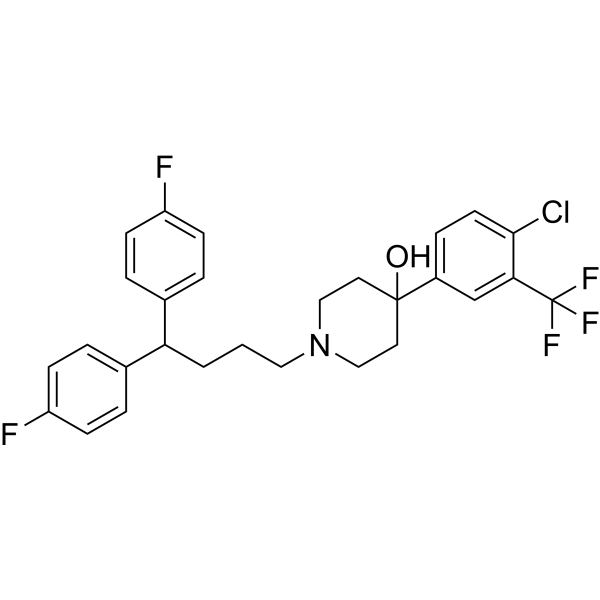
  • HY-B1077
    Penfluridol
    5+ Cited Publications

    R-16341

    Calcium Channel Dopamine Receptor Autophagy Apoptosis Neurological Disease Inflammation/Immunology Cancer
    Penfluridol (R-16341) is a potent, long-acting, first-generation, oral diphenylbutylpiperidine antipsychotic agent by targeting D2-like dopamine receptor. Penfluridol effectively inhibits TNFα-induced NF-κB activation and alleviates the severity of arthritis and colitis in vivo. Penfluridol is a Ca2+-calmodulin inhibitor. Penfluridol induces apoptosis and autophagy. Penfluridol is used for chronic schizophrenia, acute psychosis, Tourette syndrome and autoimmune diseases. Penfluridol inhibites the growth of E. faecalis planktonic cells with the MIC of 7.81 μg/ml .
    Penfluridol
  • HY-N8332

    Ox bile extract

    Bacterial DNA/RNA Synthesis Infection
    Bile extract (Ox bile extract) is a complex mixture of substances, containing bile acids, cholesterol, and bilirubin. Bile extract has antimicrobial activity and can induce DNA damage and degrade viral and bacterial membranes. Bile extract can be used in bacterial culture media as a selective inhibitor for the isolation and identification of pathogens .
    Bile extract
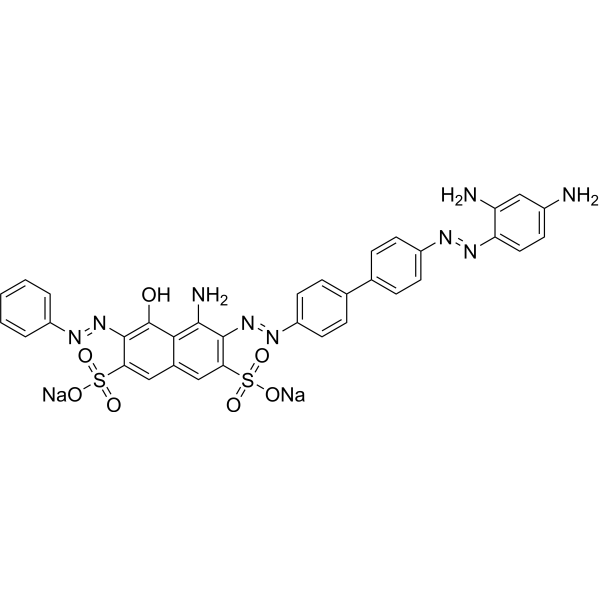
  • HY-D0256
    Direct Black 38
    2 Publications Verification

    Chlorazol Black E; Ferristatin II disodium; C.I. 30235

    Biochemical Assay Reagents Others
    Direct Black 38 (Chlorazol Black E) is a benzidine-based azo dye, a substrate of Enterococcus gallinarum, and is mainly used for textile dyeing. Direct Black 38 is biodegradable after being reduced by microbial enzymes (such as Enterococcus gallinarum azoreductase), breaking the azo bonds and releasing benzidine and 4-aminobiphenyl. Direct Black 38 can be used in environmental toxicology, wastewater treatment and carcinogenicity studies, but its metabolite benzidine is listed as a human carcinogen .
    Direct Black 38
  • HY-126387

    Bacterial Antibiotic Penicillin-binding protein (PBP) Infection
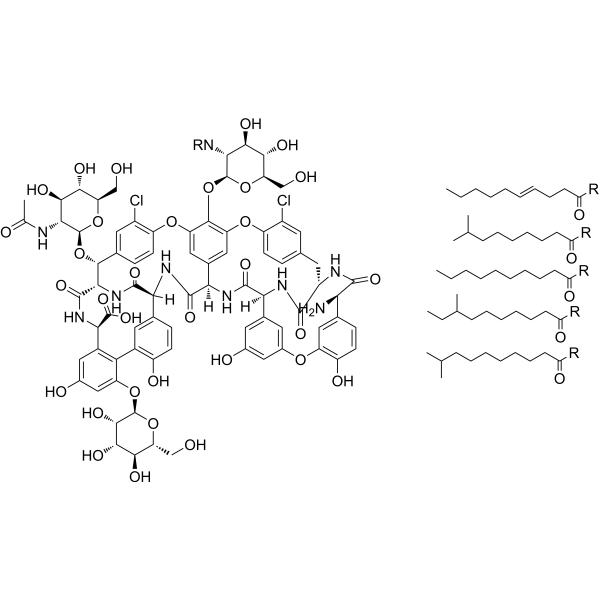
    Moenomycin complex is a class of antibacterial agents and PBP inhibitors, with Kd values ranging from 94 nM to 1690 nM against various bacterial PBPs. Moenomycin complex inhibits bacterial growth by blocking the transglycosylase activity of class A penicillin-binding proteins (PBPs). Moenomycin complex is used in the research of bacterial infections .
    Moenomycin complex
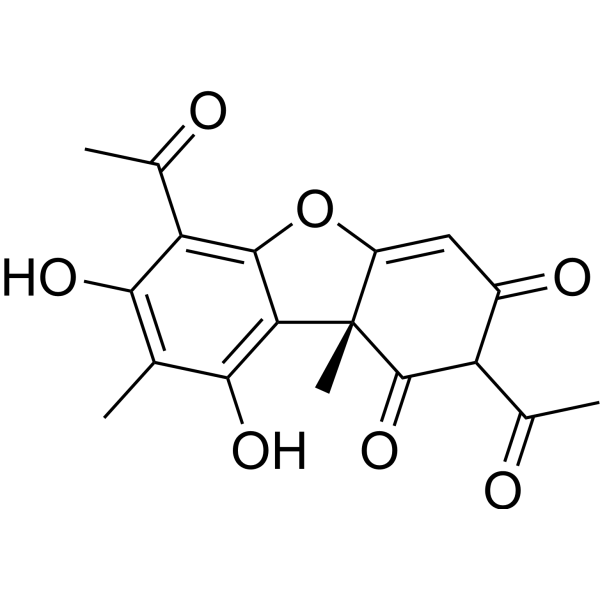
  • HY-N0656A
    (+)-Usnic acid
    2 Publications Verification

    mTOR Bacterial Autophagy Infection Inflammation/Immunology Cancer
    (+)-Usnic acid is isolated from isolated from lichens, binds at the ATP-binding pocket of mTOR, and inhibits mTORC1/2 activity. (+)-Usnic acid inhibits the phosphorylation of mTOR downstream effectors: Akt (Ser473), 4EBP1, S6K, induces autophay, with anti-cancer and anti-inflammatory activity. (+)-Usnic acid possesses antimicrobial activity against a number of planktonic gram-positive bacteria, including Staphylococcus aureus, Enterococcus faecalis, and Enterococcus faecium .
    (+)-Usnic acid
  • HY-N10264

    (+)-Avrainvillamide; CJ-17,665

    Antibiotic Infection Cancer
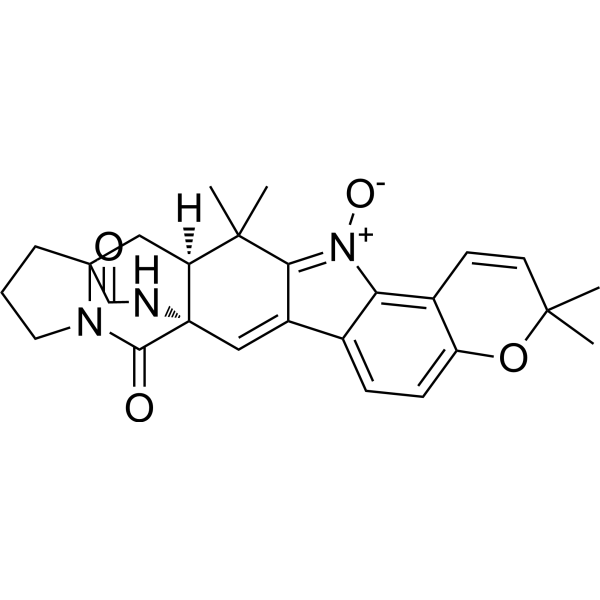
    Avrainvillamide ((+)-Avrainvillamide) is a naturally occurring alkaloid with antiproliferative effects, binds to the nuclear chaperone nucleophosmin, a proposed oncogenic protein that is overexpressed in many different human tumors. Avrainvillamide affects cell biology both by directly binding NPM1 and Crm1 as well as by inhibiting the association of these proteins with certain native cellular partners. Avrainvillamide, an antibiotic, inhibits growth of multi-agent resistant Staphylococcus aureus, Streptococcus pyogenes, and Enterococcus faecalis, with MICs of 12.5, 12.5 and 25 μg/ml, respectively .
    Avrainvillamide
  • HY-108939

    IleSA

    Bacterial Aminoacyl-tRNA Synthetase Infection
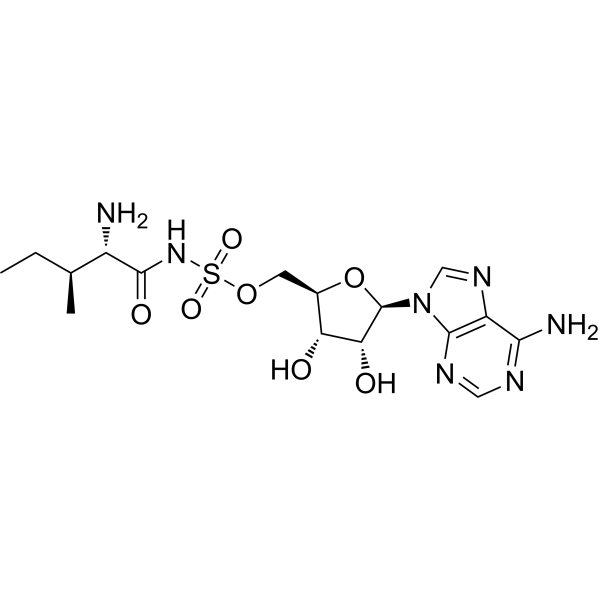
    Aminoacyl tRNA synthetase-IN-1 (IleSA) is an inhibitor of bacterial aminoacyl-tRNA synthetase (aaRS). Aminoacyl tRNA synthetase-IN-1 is applicable to studies on bacterial infections .
    Aminoacyl tRNA synthetase-IN-1
  • HY-N5009

    Bacterial Infection
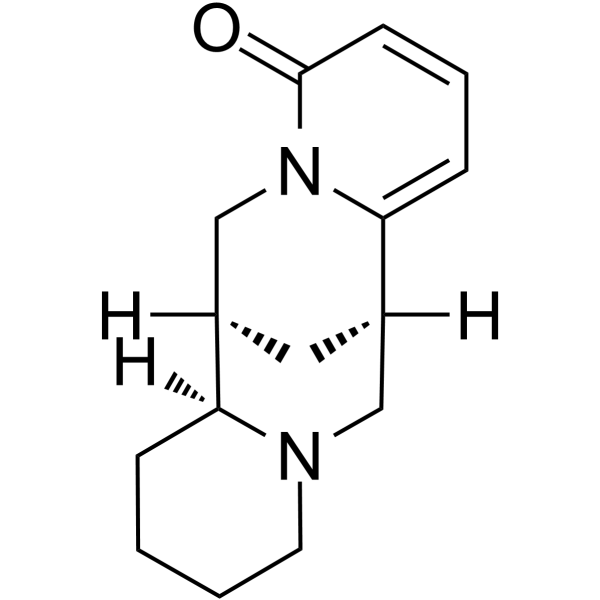
    Thermopsine is a quinolone-type alkaloid. Thermopsine exhibits low to moderate anti-E. faecalis activity .
    Thermopsine
  • HY-N13668

    Antibiotic Bacterial Infection
    Rhodomyrtone is an antibiotic that can be found in the leaves of Rhodomyrtus tomentosa. Rhodomyrtone kills Gram-positive bacterial cells without causing bacteriolysis. Rhodomyrtone exhibits activity against a variety of Gram-positive bacteria, including Bacillus cereus, Bacillus subtilis, Enterococcus faecalis, Staphylococcus epidermidis, Streptococcus gordonii, Streptococcus pneumoniae, Streptococcus pyogenes and Streptococcus salivarius. Rhodomyrtone is applicable to studies related to bacterial infections .
    Rhodomyrtone
  • HY-N2198

    Fungal Bacterial Topoisomerase Apoptosis Infection Inflammation/Immunology Cancer
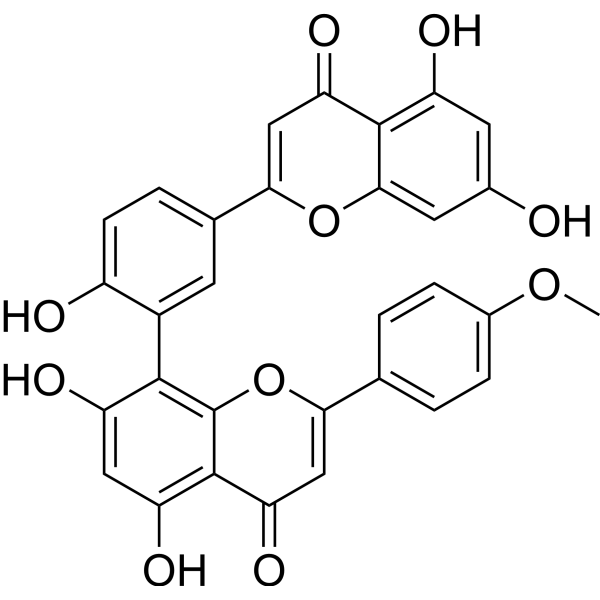
    Podocarpusflavone A is a biflavonoid present in the leaves of Podocarpus henkelii, with anti-tumor, topoisomerase I inhibitory, antibacterial and antifungal activities. Podocarpusflavone A exhibits antibacterial activity against Enterococcus faecalis and Pseudomonas aeruginosa. Podocarpusflavone A shows weak activity against fungal pathogens. Podocarpusflavone A targets topoisomerase I and induces cell cycle arrest and apoptosis in MCF-7 cells. Podocarpusflavone A can be used for studies on cancer, bacterial and fungal infections .
    Podocarpusflavone A
  • HY-129434A
    4aα,7α,7aα-Nepetalactone
    1 Publications Verification

    Bacterial Infection
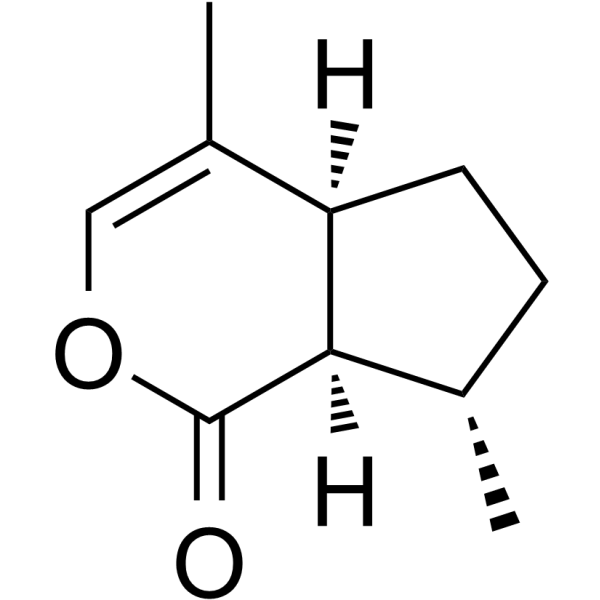
    4aα,7α,7aα-Nepetalactone exhibits antibacterial activity, and inhibits Escherichia coli, Pseudomonas aeruginosa, Staphylococcus aureus, Salmonella typhi and Enterococcus faecalis.
    4aα,7α,7aα-Nepetalactone
  • HY-N10765

    Bacterial Inflammation/Immunology Cancer
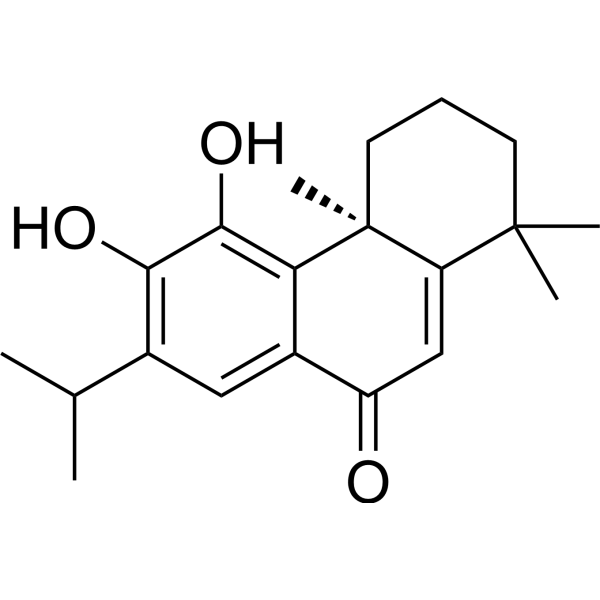
    Salvinolone is active against methicillin-resistant Staphylococcus aureus (MRSA) and vancomycin-resistant Enterococcus (VRE). Salvinolone shows cytotoxic activity with an IC50 of 47.6 μM against the HL-60 tumor cell line for 72 h .
    Salvinolone
  • HY-N125722

    Aabomycin A1

    ATP Synthase Antibiotic Infection
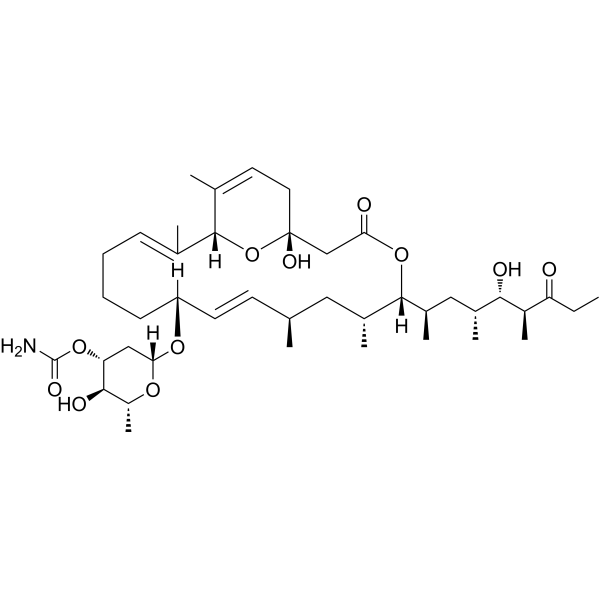
    Venturicidin A (Aabomycin A1), from actinomycetes, is a membrane-active natural product inhibitor of ATP synthase. Venturicidin A potentiates the aminoglycoside antibiotic gentamicin against multidrug-resistant clinical isolates of Staphylococcus, Enterococcus, and Pseudomonas aeruginosa. Venturicidin A shows noticeable toxicity toward human embryonic-kidney (HEK)cells with an IC50 of 31 μg/mL.
    Venturicidin A
  • HY-N7652

    Bacterial Interleukin Related Infection Inflammation/Immunology Cancer
    Terminolic acid is a pentacyclic triterpene glycoside and antibacterial agent. Terminolic acid can be isolated from Combretum racemosum. Terminolic acid inhibits proinflammatory cytokines by binding to the receptor active sites of IL-1β and IL-6. Terminolic acid reduces IL-8. Terminolic acid has antibacterial activity against Staphylococcus aureus, Escherichia coli and Enterococcus faecalis with MICs ranging from 64 to 256 μg/mL. Terminolic acid is used in colon cancer research .
    Terminolic acid
  • HY-N0129

    Environmental Pollutants Bacterial Infection
    Sclareolide is isolated from the flower of Perilla frutescens with antibacterial and cytotoxic activities .
    Sclareolide
  • HY-Y1106

    Environmental Pollutants Biochemical Assay Reagents Bacterial Infection
    Tripotassium phosphate is a Bactericid with bactericidal activity primarily against Gram-negative bacteria. Tripotassium phosphate reduces the population counts of Enterobacteriaceae and Campylobacter in poultry skin rinsates. Tripotassium phosphate fails to reduce the population count of Enterococcus in poultry skin rinsates .
    Tripotassium phosphate
  • HY-129034

    Bacterial Antibiotic Infection
    Ramoplanin is a broad-spectrum lipoglycodepsipeptide antibiotic derived from the Actinoplanes spp with with activity against gram-positive bacteria .
    Ramoplanin
  • HY-P5203

    EntK1

    Bacterial Infection
    Enterocin K1 (EntK1) is a bacteriocin. Enterocin K1 is a ribosomal synthetic peptide. Enterocin K1 specifically targets Enterococcus faecalis via the Eep protein on the bacterial membrane. Enterocin K1 displays a potent antibacterial activity against VRE. Enterocin K1 can be used for related studies of VRE infections .
    Enterocin K1
  • HY-120397

    PROTAC Linkers Infection Cancer
    Bis-propargyl-PEG4 is a PEG-based PROTAC linker used in the synthesis of PROTACs. Bis-propargyl-PEG4 is used for the synthesis of demethylvancomycin dimers . Bis-propargyl-PEG4 is a click chemistry reagent, it contains an Alkyne group and can undergo copper-catalyzed azide-alkyne cycloaddition (CuAAc) with molecules containing Azide groups.
    Bis-propargyl-PEG4
  • HY-W587957

    Bacterial Parasite Infection
    Gypsogenic acid is a triterpenoid acid that can be isolated from Miconia stenostachya and has antibacterial and trypanoidal activities. The MICs values of Gypsogenic acid for the oral bacterial pathogens Enterococcus faecalis, Streptococcus salivarius, Streptococcus haematococcus, Streptococcus mutans and sobrinus were 50-200 μg/mL. Gypsogenic acid can induce blood cortensite cleavage in isolated mice with IC50 56.6 μM .
    Gypsogenic acid
  • HY-14849

    Razupenem; SM 216601; SMP 601

    Antibiotic Bacterial Others
    PTZ601 (SMP 601) is an antibiotic, which inhibits the gram-positive bacteria, including the Vancomycin (HY-B0671)-resistant Enterococcus faecium (VREF) and Methicillin (HY-121544)-resistant Staphylococcus aureus (MRSA). PTZ601 exhibits antimicrobial activity in infected mouse models .
    PTZ601
  • HY-126461

    Bacterial Fungal Infection
    Salazinic acid has antibacterial activity against bacteria and fungi. Salazinic acid does not show antibacterial activity against Listeria monocytogenes, Pseudomonas aeruginosa, Yersinia enterocolitica, and Enterococcus faecalis, but it does have antibacterial activity against Pseudomonas aeruginosa and Salmonella typhimurium .
    Salazinic acid
  • HY-W436428

    Na+/K+ ATPase Bacterial Infection
    V-161 is the orally active inhibitor for Na +-V-ATPase with an IC50 of 144 nM. V-161 inhibits Enterococcus hirae and Vancomycin-resistant Enterococcus faecium (VRE) under alkaline condition with MIC of 4 µg/mL and 4 µg/mL. V-161 inhibits colonization of VRE in mouse small intestine .
    V-161
  • HY-133191

    PROTAC Linkers Infection Cancer
    Bis-propargyl-PEG2 is a PEG-based PROTAC linker can be used in the synthesis of PROTACs. Bis-propargyl-PEG2 is used for the synthesis of demethylvancomycin dimers . Bis-propargyl-PEG2 is a click chemistry reagent, it contains an Alkyne group and can undergo copper-catalyzed azide-alkyne cycloaddition (CuAAc) with molecules containing Azide groups.
    Bis-propargyl-PEG2
  • HY-143326

    Bacterial Infection
    Antibacterial agent 83 (compound 17h) displays potent antibacterial activity against various vancomycin-resistant Enterococcus faecalis (VRE) and methicillin-resistant Staphylococcus aureus (MRSA). Antibacterial agent 83 can significantly reduce the biofilm formation of MRSA and exhibited promising selectivity. Antibacterial agent 83 is metabolically stable in human liver microsomes .
    Antibacterial agent 83
  • HY-W145053

    Sodium chloro(4-methylbenzenesulfonyl)azanide hydrate

    Factor Xa Bacterial Infection
    ChloraMine-T hydrate (Sodium chloro(4-methylbenzenesulfonyl)azanide (hydrate)) is a common reagent in various synthetic processes. It has been used as a reagent in aminohydroxylation and allylic amination reactions, a nitrogen source in aziridination reactions of alkenes and alkenes, and deprotection of sulfur groups in sulfur-containing compounds. It has been used as a reagent in the synthesis of factor Xa inhibitors. ChloraMine-T hydrate (Sodium chloro(4-methylbenzenesulfonyl)azanide (hydrate)) (0.2% w/v) is also an antimicrobial agent that kills Staphylococcus epidermidis, Staphylococcus aureus, Enterococcus faecalis, Escherichia coli, Proteus mirabilis, and Enterococcus cloacae.
    ChloraMine-T hydrate
  • HY-N0983

    Bacterial Inflammation/Immunology
    1,3,7-Trihydroxy-2-prenylxanthone, a xanthone, shows weaker antibacterial activity. 1,3,7-Trihydroxy-2-prenylxanthone exhibits the MIC values of 6.25 mg/ml against VREs strains (E. faecalis, E. faecium, and E. gallinarum) .
    1,3,7-Trihydroxy-2-prenylxanthone
  • HY-155282

    Fatty Acid Synthase (FASN) Bacterial Inflammation/Immunology
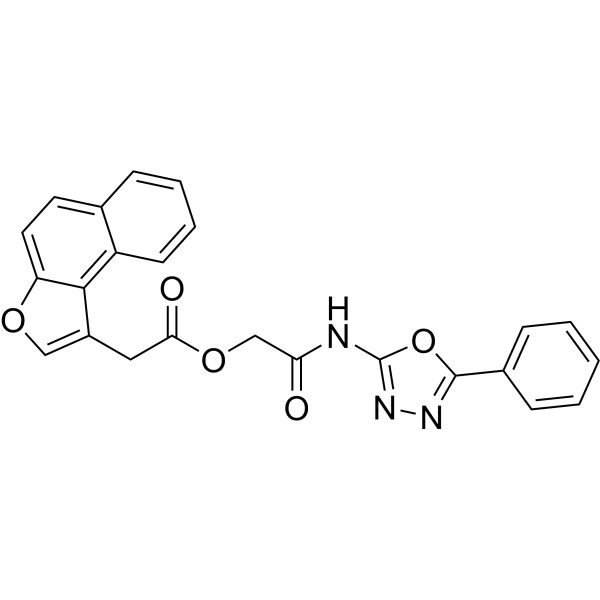
    FASN-IN-6 (compound 44) is a potent fatty acid biosynthesis (FAB) inhibitor. FASN-IN-6 is an antibacterial agent with MICs of 1 μg/mL and 4 μg/mL for S. aureus ATCC 25923 and E. faecalis ATCC 29212, respectively .
    FASN-IN-6
  • HY-178952

    Bacterial Infection
    Anti-infective agent 12 (Compound A09) is a competitive inhibitor of type I signal peptidease (SPase I), with an IC50 of 4.475 μM and a Kd of 16.3 μM. Anti-infective agent 12 has the ability to disrupt bacterial membranes and remove biofilms. Anti-infective agent 12 exhibits potent bactericidal activity against Gram-positive bacteria, with MIC values of 4, 4, 8, and 8 μg/mL for Staphylococcus aureus, Enterococcus faecalis, Enterococcus faecium, and Streptococcus suis, respectively. Anti-infective agent 12 remains effective against multi-drug resistant strains, but has weaker activity against Gram-negative bacteria (such as Escherichia coli and Salmonella), with MIC values > 64 μg/mL. Anti-infective agent 12 has low hemolytic activity and shows significant efficacy in mouse skin infection models .
    Anti-infective agent 12
  • HY-W923644

    Aegelinol; (-)-Smyrinol

    Bacterial Infection
    (-)-Decursinol (Aegelinol; (-)-Smyrinol) is a natural pyranocoumarin compound tant can be isolated from the roots of Apiaceae plants such as Ferulago campestris. (-)-Decursinol inhibits both Gram-positive bacteria (Staphylococcus aureus ATCC 13709, Enterococcus faecalis ATCC 14428) and Gram-negative bacteria (Salmonella typhii ATCC 19430, Enterobacter cloacae ATCC 10699, Enterobacter aerogenes ATCC 13048) with minimum inhibitory concentrations (MIC) ranging from 16 to 64 μg/mL. (-)-Decursinol possesses antioxidant activity. (-)-Decursinol can be used for the study of bacterial infections .
    (-)-Decursinol
  • HY-168960

    Reactive Oxygen Species (ROS) Bacterial Infection
    ROS inducer 8 (Compound 11g) is the inhibitor for glutathione (GSH), that induces the ROS accumulation in Enterococcus faecalis, thereby exhibiting antibacterial activity. ROS inducer 8 disrupts the biofilm, inhibits S. aureus and E. faecalis with MIC of 8 μg/mL and 2 μg/mL, exhibits post-antibiotic effect. ROS inducer 8 exhibits low hemolytic toxicity to sheep erythrocytes (HC50 > 1280 μg/mL) .
    ROS inducer 8
  • HY-D0256A

    Chlorazol Black E free acid; Ferristatin II; C.I. 30235 free acid

    Biochemical Assay Reagents Others
    Direct Black 38 (Chlorazol Black E; Ferristatin II disodium) free acid is a benzidine-based azo dye, a substrate of Enterococcus gallinarum, and is mainly used for textile dyeing. Direct Black 38 free acid is biodegradable after being reduced by microbial enzymes (such as Enterococcus gallinarum azoreductase), breaking the azo bonds and releasing benzidine and 4-aminobiphenyl. Direct Black 38 free acid can be used in environmental toxicology, wastewater treatment and carcinogenicity studies, but its metabolite benzidine is listed as a human carcinogen .
    Direct Black 38 free acid
  • HY-E71010

    Biochemical Assay Reagents Metabolic Disease
    NADH Peroxidase, Enterococcus faecalis (EC 1.11.1.1) catalyzes the reversible conversion of NADH and hydrogen peroxide into NAD+ and water.
    NADH Peroxidase, Enterococcus faecalis
  • HY-125388

    Antibiotic Bacterial Infection
    Martinomycin is an antibiotic, which inhibits Staphylococcus spp., Streptococcus spp. and Enterococcus spp., with MICs ranging from 0.06 to 0.5 μg/mL .
    Martinomycin
  • HY-172109

    DNA/RNA Synthesis Infection
    DNA Gyrase-IN-15 (Compound 11) is an antimicrobial agent and inhibitor of DHPS and DNA gyrase, with IC50s of 1.73 and 0.07 µM, respectively. DNA Gyrase-IN-15 shows antimicrobial activity against Enterococcus faecalis (MIC of 15.62 µg/mL), Acinetobacter baumannii, Enterobacter species (MIC of 7.81 µg/mL), Pseudomonas aeruginosa, Klebsiella pneumoniae and Staphylococcus aureus. DNA Gyrase-IN-15 also shows antibiofilm activity against Enterococcus faecalis .
    DNA Gyrase-IN-15
  • HY-130596

    Antibiotic Bacterial Infection Cancer
    DC-86-M is an antibiotic, which can be isolated from Streptomyces luteogriseus. DC-86-M exhibits antibacterial activities against Bacillus subtilis, Staphylococcus aureus, Enterococcus faecalis, Vibrio anguillarum, and Proteus vulgaris, with MIC <1 μg/mL. DC-86-M exhibits antitumor activity against mouse sarcoma 180 with LD50 of 25 mg/kg .
    DC-86-M
  • HY-N10561

    Bacterial Infection
    Wychimicin A is a spirotetronate polyketide, can be isolated from the rare actinomycete Actinocrispum wychmicini strain MI503-AF4. Wychimicin A shows strong antibacterial activity against methicillin-resistant Staphylococcus. aureus (IC50=0.125-0.5 μg/mL) and Enterococcus. faecalis/faecium (IC50=0.125-0.25 μg/mL) .
    Wychimicin A
  • HY-N10560

    Bacterial Infection
    Wychimicin C is a spirotetronate polyketide, can be isolated from the rare actinomycete Actinocrispum wychmicini strain MI503-AF4. Wychimicin C shows strong antibacterial activity against methicillin-resistant Staphylococcus. aureus (IC50=0.125-0.5 μg/mL) and Enterococcus. faecalis/faecium (IC50=0.125-0.25 μg/mL) .
    Wychimicin C
  • HY-P5554

    Bacterial Infection
    cOB1 phermone, a bacterial sex pheromone, effectively inhibits multidrug-resistant Enterococcus faecalis V583 .
    cOB1 phermone
  • HY-170367

    Bacterial Infection
    Antimicrobial agent-35 (Compound c9) exhibits antibacterial agent, that inhibits S. aureus, E. coli, E. faecalis, and S. maltophilia with MIC of 0.5-2 μg/mL. Antimicrobial agent-35 exhibits cytotoxicity against HT-22 with IC50 of 130.4 μg/mL .
    Antimicrobial agent-35
  • HY-N14416

    Antibiotic Bacterial Infection
    Parvodicin A is a glycopeptide antibiotic. Parvodicin A has inhibitory effect on Staphylococcus aureus, Staphylococcus furfur, Staphylococcus hemolyticus and Enterococcus faecalis .
    Parvodicin A
  • HY-129166

    Bacterial Infection
    UCM53, a FtsZ inhibitor, is an antibacterial agent. UCM53 can inhibit the growth of clinical isolates of antibiotic-resistant Staphylococcus aureus and Enterococcus faecalis
    UCM53
  • HY-N5181

    Antibiotic Bacterial Infection
    Parvodicin C3 is a glycopeptide antibiotic. Parvodicin C3 has inhibitory effect on Staphylococcus aureus, Staphylococcus furfur, Staphylococcus hemolyticus and Enterococcus faecalis .
    Parvodicin C3
  • HY-N15040

    Antibiotic Bacterial Infection
    Parvodicin C4 is a glycopeptide antibiotic. Parvodicin C4 has inhibitory effect on Staphylococcus aureus, Staphylococcus furfur, Staphylococcus hemolyticus and Enterococcus faecalis .
    Parvodicin C4
  • HY-P10134

    Bacterial Infection
    Salivaricin B is a broad-spectrum bacteriocin produced by Lactobacillus salivarius M7, capable of inhibiting the growth of Listeria monocytogenes, Bacillus cereus, Brochothrix thermosphacta, Enterococcus faecalis, and various lactobacilli .
    Salivaricin B
  • HY-W007161

    Bacterial Infection
    8-Desmethoxy-8-fluoro Moxifloxacin (Compound 07) is an antibacterial agent, and has bactericidal activity against Escherichia coli, Pseudomonas aeruginosa, Staphylococcus aureus, Enterococcus faecalis .
    8-Desmethoxy-8-fluoro Moxifloxacin
  • HY-N5195

    Nocathiacine II

    Bacterial Infection
    Nocathiacin II (Nocathiacine II) is highly resistant to Gram-positive bacteria, including methicillin-resistant Staphylococcus aureus (MRSA), penicillin-resistant Streptococcus pneumoniae (PRSP) and multidrug resistant Enterococcus faecalis (MREF) .
    Nocathiacin II
  • HY-N5184

    Nocathiacine III

    Bacterial Infection
    Nocathiacin III (Nocathiacine III) is highly resistant to Gram-positive bacteria, including methicillin-resistant Staphylococcus aureus (MRSA), penicillin-resistant Streptococcus pneumoniae (PRSP) and multidrug resistant Enterococcus faecalis (MREF) .
    Nocathiacin Ⅲ
  • HY-P5695

    Bacterial Infection
    GP-2B is an antimicrobial peptide. GP-2B shows antibacterial activity against Gram-positive strain (MIC: 8-128 μg/mL for S. aureus and Enterococcus faecalis) .
    GP-2B
  • HY-N14420

    Antibiotic Bacterial Infection
    Parvodicin B2 is a glycopeptide antibiotic. Parvodicin B2 has inhibitory effect on Staphylococcus aureus, Staphylococcus furfur, Staphylococcus hemolyticus and Enterococcus faecalis. Parvodicin B2 acts by inhibiting the synthesis of bacterial cell wall .
    Parvodicin B2

Inquiry Online

Your information is safe with us. * Required Fields.

Salutation


Country or Region *

Applicant Name *


Organization Name *

Department *


Email Address *


Product Name *

Cat. No.


Requested quantity *

Phone Number *


Remarks

Inquiry Online

Inquiry Information

Product Name:
Cat. No.:
Quantity:
MCE Japan Authorized Agent:

