9 Results for "

GAO

" in MedChemExpress (MCE) Product Catalog:
Products (9)

9 Results for "GAO" in MCE Product Catalog:

2
2 Cited Publications
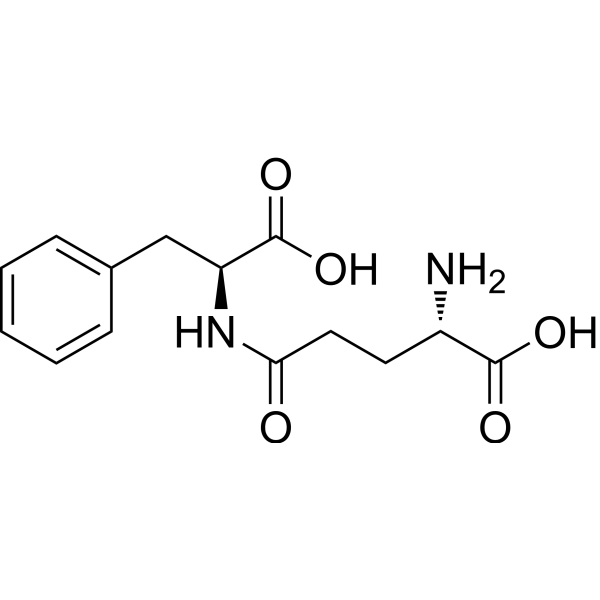
Cat. No.: HY-101399
CAS No.: 7432-24-8
Purity:  99.82%
Synonyms: H-γ-Glu-Phe-OH; γ-Glutamylphenylalanine
γ-Glu-Phe is synthesized by Bacillus amyloliquefaciens (GBA) and Aspergillus oryzae (GAO). γ-Glu-Phe or the post-enzymatic reaction mixture enhances the umami intensity of commercial soy sauce and model chicken broth .
loading...
    loading...
2
2 Cited Publications
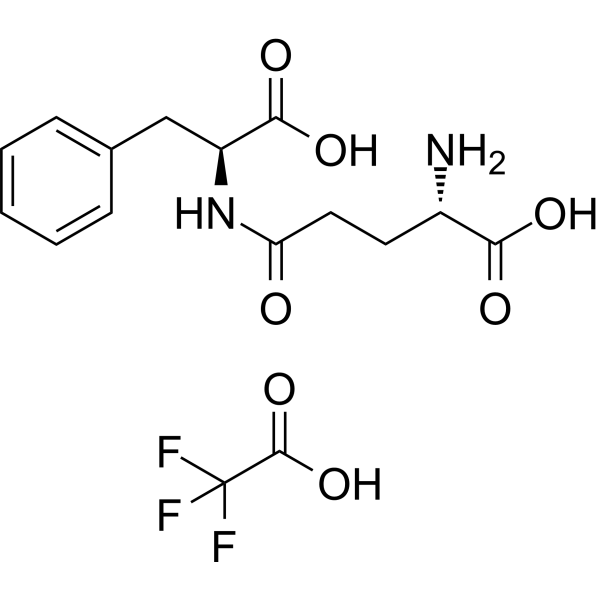
Cat. No.: HY-101399A
CAS No.: 2828432-42-2
Purity:  99.50%
Synonyms: H-γ-Glu-Phe-OH TFA; γ-Glutamylphenylalanine TFA
γ-Glu-Phe TFA (γ-Glutamylphenylalanine TFA) is synthesized by Bacillus amyloliquefaciens (GBA) and Aspergillus oryzae (GAO). γ-Glu-Phe TFA or the post-enzymatic reaction mixture enhances the umami intensity of commercial soy sauce and model chicken broth .
loading...
    loading...
Cat. No.: HY-W088011B
CAS No.: 2836-32-0
Synonyms: Sodium hydroxyacetate, 98%
Sodium glycolate, 98% (Sodium hydroxyacetate, 98%) is an orally active, versatile organic salt . Sodium glycolate, 98% acts as an enzyme activity regulator that increases the activities of glycolate oxidase (GAO) and lactate dehydrogenase (LDH), while reducing the activity of glycolate dehydrogenase (GAD). Sodium glycolate, 98% induces oxalate biosynthesis and causes hyperoxaluria in rats. Sodium glycolate, 98% reduces urinary calcium excretion in male albino rats. Sodium glycolate, 98% can be used in studies related to calcium oxalate urolithiasis and hyperoxaluria .
loading...
    loading...
Cat. No.: HY-101399R
CAS No.: 7432-24-8
Synonyms: H-γ-Glu-Phe-OH (Standard); γ-Glutamylphenylalanine (Standard)
Ceftezole (sodium) (Standard) is the analytical standard of Ceftezole (sodium). This product is intended for research and analytical applications. Ceftezole sodium (CTZ sodium) is a broad-spectrum cephem antibiotic against many species of gram-positive and gram-negative bacteria. Ceftezole sodium (CTZ sodium) is an alpha-glucosidase inhibitor with in vivo anti-diabetic activity .
loading...
    loading...
Cat. No.: HY-101399SA
Synonyms: H-γ-Glu-Phe-OH-13C9,15N TFA; γ-Glutamylphenylalanine-13C9,15N TFA
γ-Glu-(Phe-13C9,15N) (γ-Glutamylphenylalanine-13C9,15N) TFA is the 13C- and 15N-labeled γ-Glu-Phe TFA (HY-101399A). γ-Glu-Phe TFA is synthesized by Bacillus amyloliquefaciens (GBA) and Aspergillus oryzae (GAO). γ-Glu-Phe TFA or the post-enzymatic reaction mixture enhances the umami intensity of commercial soy sauce and model chicken broth .
loading...
    loading...
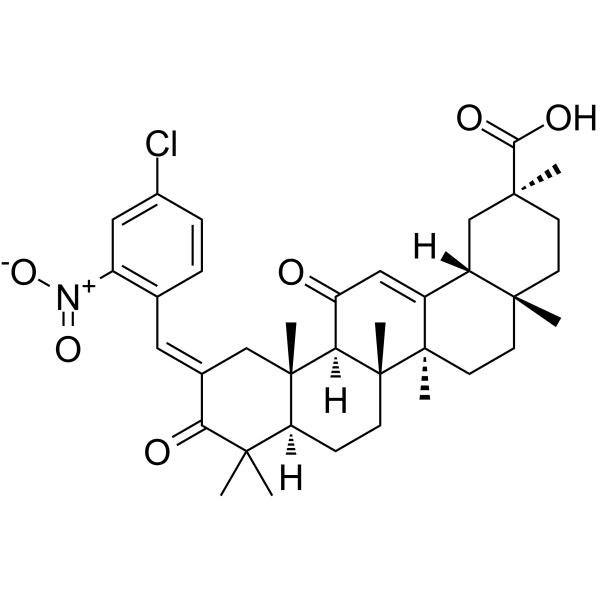
Cat. No.: HY-145853
Target:  

Bacterial

Research Areas:  

Infection Inflammation/Immunology

GA-O-02, a 18β-Glycyrrhetinic acid derivative, is a potent antimicrobial and anti-inflammatory agent. GA-O-02 exerts anti-inflammation through the inhibition of NO, pro-inflammatory cytokines and chemokines. GA-O-02 displays a high antimicrobial activity against Gram-positive bacteria .
loading...
    loading...
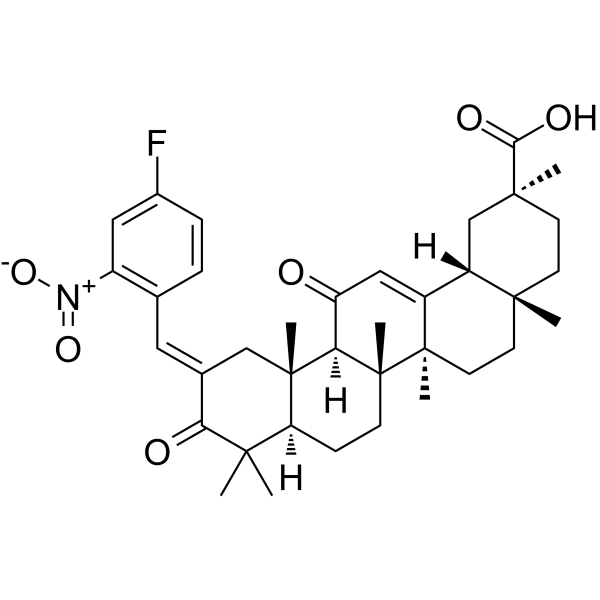
Cat. No.: HY-145854
Target:  

Bacterial

Research Areas:  

Infection Inflammation/Immunology

GA-O-06, a 18β-Glycyrrhetinic acid derivative, is a potent antimicrobial and anti-inflammatory agent. GA-O-06 exerts anti-inflammation through the inhibition of NO, pro-inflammatory cytokines and chemokines. GA-O-06 displays a high antimicrobial activity against Gram-positive bacteria .
loading...
    loading...
Cat. No.: HY-101399S
Synonyms: H-γ-Glu-Phe-OH-13C9,15N; γ-Glutamylphenylalanine-13C9,15N
γ-Glu-(Phe- 13C9, 15N) is the 13C and 15N labeled isotope of γ-Glu-Phe(HY-101399).γ-Glu-Phe or the postenzymatic reaction mixture enhanced the umami intensity of commercial soy sauce and model chicken soup.
loading...
    loading...
Cat. No.: HY-P11704
f-MKKFRW is a selective mouse formyl peptide receptor 3 (Fpr3) activator and bacterial MgrB-derived peptide motif. f-MKKFRW activates Fpr3 to trigger downstream signaling and calcium responses in Fpr3-expressing cells. f-MKKFRW stimulates a subset of mouse vomeronasal sensory neurons in the accessory olfactory system to evoke calcium responses. f-MKKFRW drives innate avoidance behavior in mice via nasal contact .
loading...
    loading...

