1. Search Result
Search Result
Results for "

GLUT1 Inhibitor

" in MedChemExpress (MCE) Product Catalog:

46

Inhibitors & Agonists

12

Natural
Products

1

Isotope-Labeled Compounds

Targets Recommended:
Cat. No. Product Name Target Research Areas Chemical Structure
  • HY-100017
    BAY-876
    Maximum Cited Publications
    52 Publications Verification

    GLUT Disulfidptosis Cancer
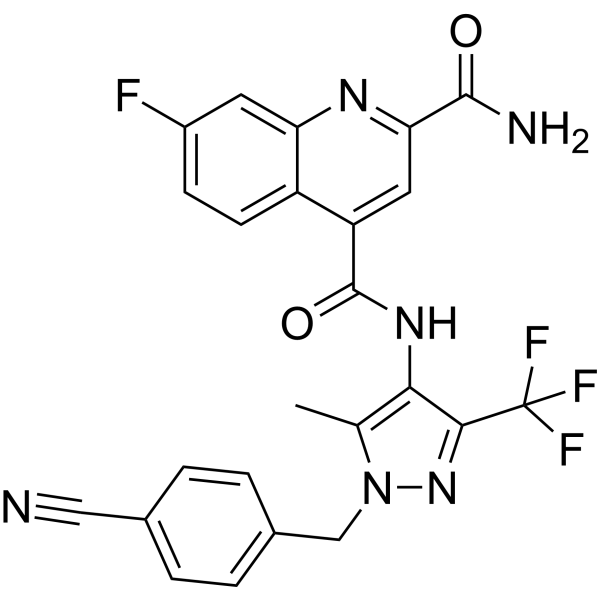
    BAY-876, a chemical probe, is an orally active and selective glucose transporter 1 (GLUT1) inhibitor with an IC50 of 2 nM. BAY-876 is >130-fold more selective for GLUT1 than GLUT2, GLUT3, and GLUT4. BAY-876 is also a potent blocker of glycolytic metabolism and ovarian cancer growth. In addition, BAY-876 can induce the formation of disulfide bonds in actin cytoskeletal proteins, leading to the occurrence of cellular disulfidptosis .
    BAY-876
  • HY-N0142
    Phloretin
    Maximum Cited Publications
    24 Publications Verification

    NSC 407292; RJC 02792

    SGLT Endogenous Metabolite GLUT Metabolic Disease Cancer
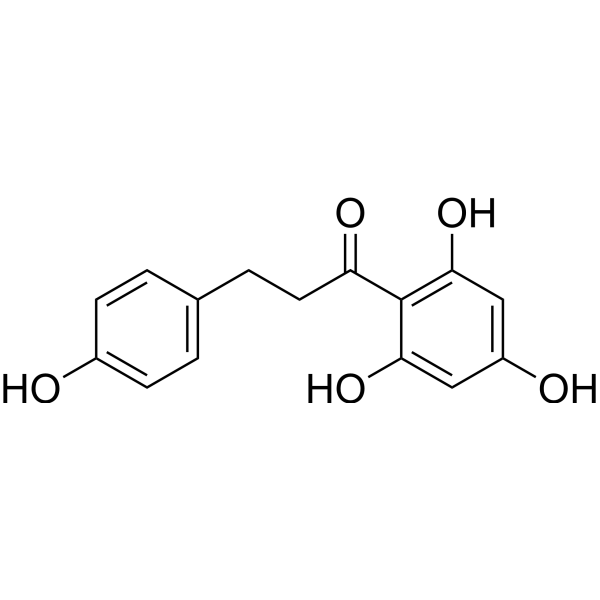
    Phloretin (NSC 407292; RJC 02792) is a flavonoid extracted from Malus pumila Mill.,has anti-inflammatory activities. Phloridzin is a specific,competitive and orally active inhibitor of sodium/glucose cotransporters in the intestine (SGLT1) and kidney (SGLT2). Phloretin inhibits Yeast-made GLUT1 as well as Human erythrocyte GLUT1 with IC50values of 49 μM and 61 μM,respectively .Phloretin has the potential for the treatment of rheumatoid arthritis (RA) and allergic airway inflammation .
    Phloretin
  • HY-145597
    KL-11743
    5 Publications Verification

    GLUT Disulfidptosis Metabolic Disease Cancer
    KL-11743 is a potent, orally active, and glucose-competitive inhibitor of the class I glucose transporters, with IC50s of 115, 137, 90, and 68 nM for GLUT1, GLUT2, GLUT3, and GLUT4, respectively. KL-11743 specifically blocks glucose metabolism. KL-11743 can synergize with electron transport inhibitors to induce cell death. In addition, KL-11743 can induce the formation of disulfide bonds in actin cytoskeletal proteins, leading to the occurrence of cellular disulfidptosis .
    KL-11743
  • HY-N0002
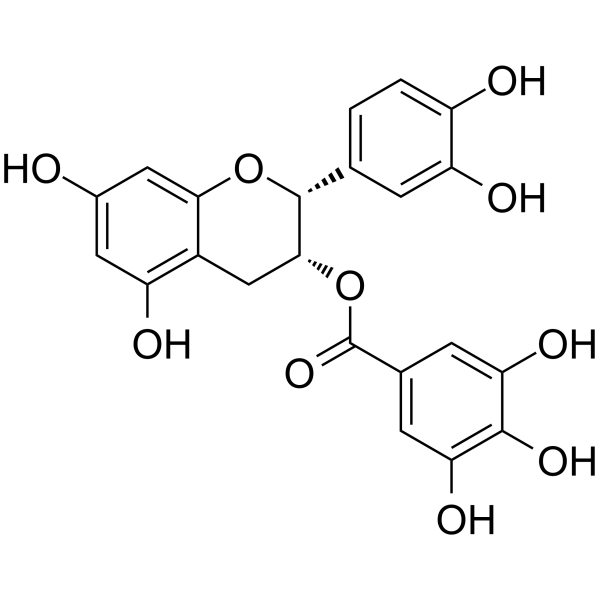
    (-)-Epicatechin gallate
    5+ Cited Publications

    Epicatechin gallate; ECG; (-)-Epicatechin 3-O-gallate

    COX Autophagy Virus Protease GLUT Infection Cancer
    (-)-Epicatechin gallate (Epicatechin gallate) inhibits cyclooxygenase-1 (COX-1) with an IC50 of 7.5 μM . (-)-Epicatechin gallate is a GLUT1 and GLUT5 inhibitor. (-)-Epicatechin gallate decreases cell growth of GLUT5-expressing hxt 0 yeast cells .
    (-)-Epicatechin gallate
  • HY-19331
    WZB117
    20+ Cited Publications

    GLUT Cancer
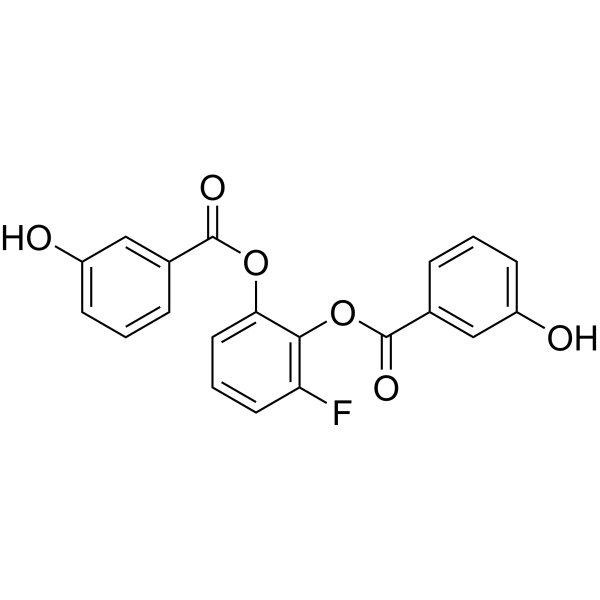
    WZB117 is a glucose transporter 1 (Glut1) inhibitor, which downregulates glycolysis, induces cell-cycle arrest, and inhibits cancer cell growth in vitro and in vivo.
    WZB117
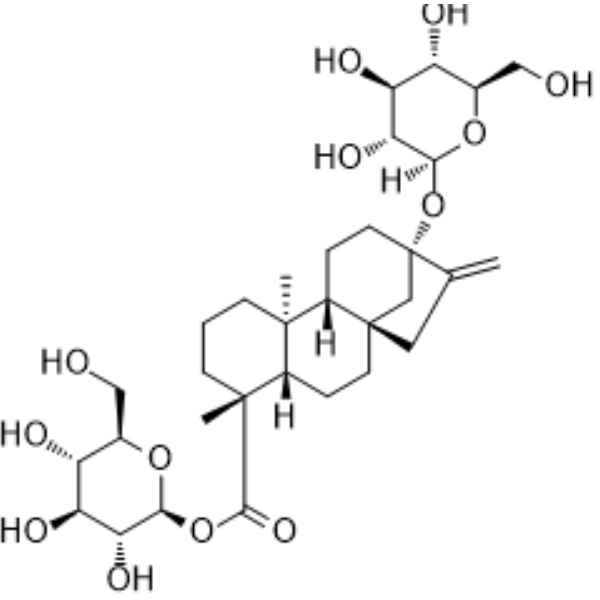
  • HY-N0668
    Rubusoside
    2 Publications Verification

    GLUT Amylases NF-κB Metabolic Disease Inflammation/Immunology Cancer
    Rubusoside is a diterpene glycoside that is also a sweetener and solubilizer with anti-angiogenic, anti-cancer, anti-obesity, anti-allergic and anti-asthmatic effects. Rubusoside attenuates airway hyperresponsiveness and reduces inflammatory cells in bronchoalveolar lavage fluid (BALF), reducing OVA (HY-W250978)-induced airway inflammation. Rubusoside also prevents palmitic acid-induced lipotoxicity in pancreatic INS-1 cells, reduces the transport of human glucose transporters GLUT-1 and fructose GLUT-5, and inhibits NF-κB and α-amylase (α-amylase) .
    Rubusoside
  • HY-18728
    STF-31
    15+ Cited Publications

    GLUT Autophagy Cancer
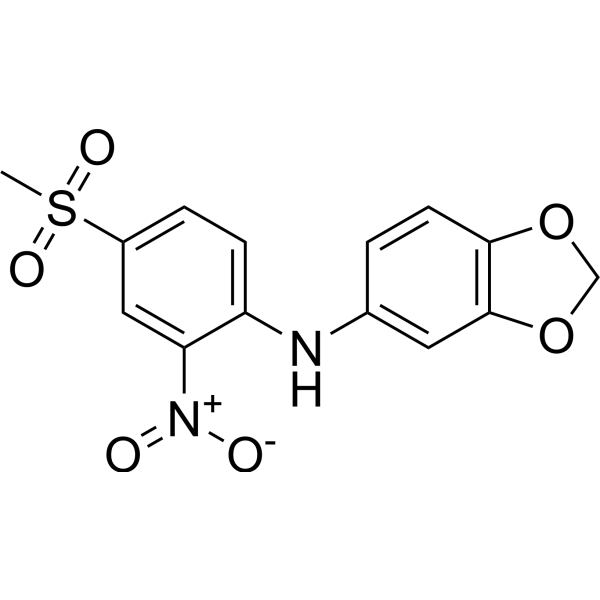
    STF-31 is a selective inhibitor of glucose transporter 1 (GLUT1), with an IC50 of 1 μM. STF-31 is also a NAMPT inhibitor. STF-31 inhibits glucose uptake in renal cell carcinoma (RCC) 4 cells .
    STF-31
  • HY-148983
    Hydroxylamine (50% w/w in water)
    1 Publications Verification

    Monoamine Oxidase Bacterial GLUT Infection Metabolic Disease Inflammation/Immunology
    Hydroxylamine (50% w/w in water) is an inorganic highly reactive compound and antibacterial agent. Hydroxylamine (50% w/w in water) acutely activates the transport activity of GLUT1, inhibits Monoamine oxidase activity. Hydroxylamine (50% w/w in water) inhibits nitrite oxidizing bacteria. Hydroxylamine (50% w/w in water) activates glucose uptake. Hydroxylamine (50% w/w in water) can be used in the research of inflammatory diseases and allergies[1][2][3][4] .
    Hydroxylamine (50% w/w in water)
  • HY-139605
    GLUT inhibitor-1
    1 Publications Verification

    GLUT Inflammation/Immunology Cancer
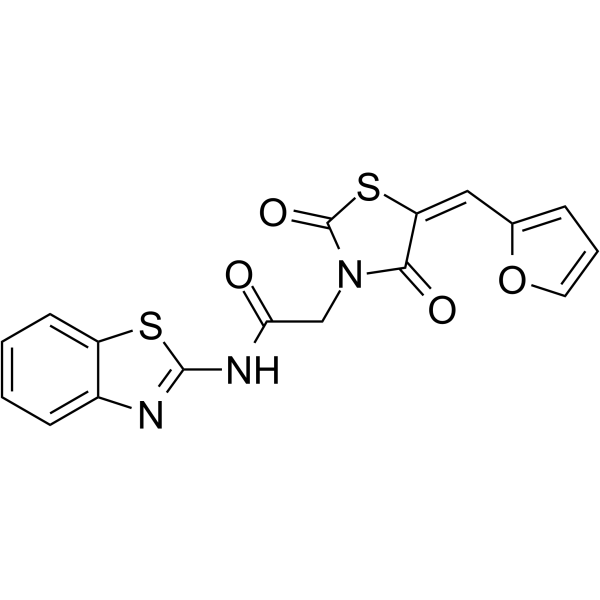
    GLUT inhibitor-1 is a potent and orally active inhibitor of glucose transporters, targeting both GLUT1 and GLUT3, with IC50s of 242 nM and 179 nM, respectively. GLUT inhibitor-1 has the potential for the reaesrch of cancers and autoimmune diseases .
    GLUT inhibitor-1
  • HY-W179181
    MSNBA
    1 Publications Verification

    GLUT Metabolic Disease Cancer
    MSNBA is a potent and selective GLUT5 fructose transport inhibitor with an IC50 of 0.10 mM. MSNBA does not affect the transport activity of human GLUT1, GLUT2, GLUT3, GLUT4 or bacterial GlcPSe. MSNBA competitively inhibits GLUT5 fructose uptake with a Ki of 3.2 μM in MCF7 cells. MSNBA can be used for the study of cancer or diabetes .
    MSNBA
  • HY-101849
    Fasentin
    4 Publications Verification

    GLUT TNF Receptor Apoptosis Cardiovascular Disease Cancer
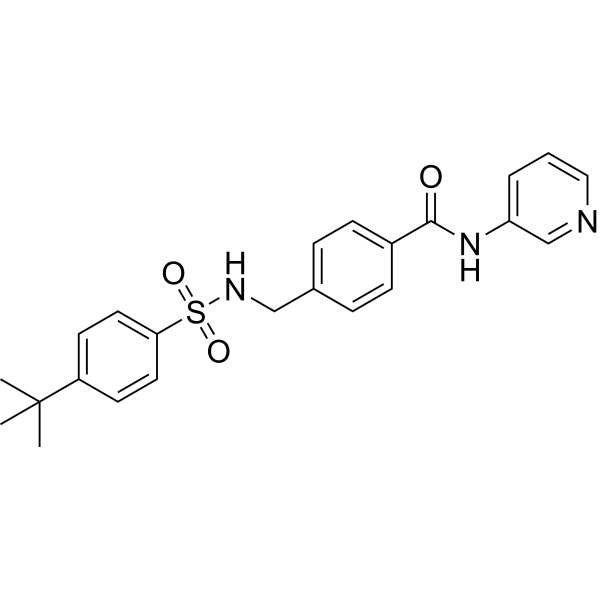
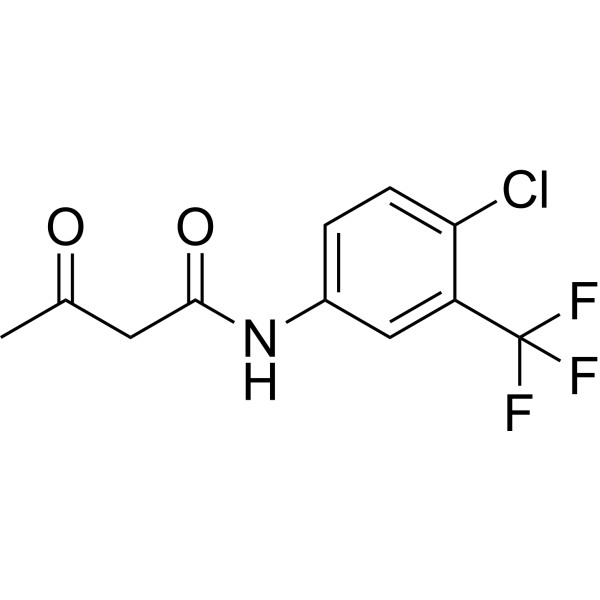
    Fasentin, a potent glucose uptake inhibitor, inhibits GLUT-1/GLUT-4 transporters. Fasentin preferentially inhibits GLUT4 (IC50=68 μM) over GLUT1. Fasentin is a death receptor stimuli (FAS) sensitizer and sensitizes cells to FAS-induced cell death. Fasentin is also a tumor necrosis factor (TNF) apoptosis-inducing ligand sensitizer. Fasentin blocks glucose uptake in cancer cell lines and has anti-angiogenic activity .
    Fasentin
  • HY-175674

    NF-κB Toll-like Receptor (TLR) GLUT Inflammation/Immunology
    NGI-235 is an STT3A-selective oligosaccharyltransferase complex OST-A inhibitor. NGI-235 preferentially inhibits OST-A catalytic activity, impairing N-glycosylation of OST-A substrates. NGI-235 causes the hypoglycosylation of both TLR4, GLUT1 and inhibits NF-κB signaling. NGI-235 can be used for the research of inflammation .
    NGI-235
  • HY-146980

    Apoptosis GLUT Cancer
    GLUT4-IN-2 is a potent and selective GLUT4 inhibitor with IC50s of 11.4 µM and 6.8 µM for GLUT1 and GLUT4, respectively. GLUT4-IN-2 induces cell apoptosis and cell cycle arrest at G0/G1phase. GLUT4-IN-2 shows potent antitumor activity .
    GLUT4-IN-2
  • HY-124113

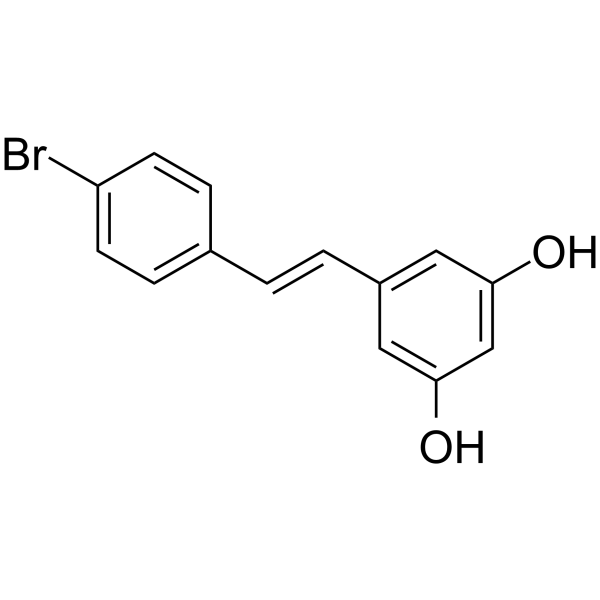
    4′‐BR

    Sirtuin Apoptosis Caspase Lactate Dehydrogenase GLUT Metabolic Disease Inflammation/Immunology Cancer
    4'-Bromo-resveratrol (4′‐BR) is a dual SIRT1/SIRT3 inhibitor with an IC50 of 0.2 mM for both targets. 4'-Bromo-resveratrol induces caspase-dependent apoptosis, induces G0/G1 cell cycle arrest, and inhiibits proliferation. 4'-Bromo-resveratrol reduces lactate production, glucose uptake, and NAD +/NADH ratio, and downregulates lactate dehydrogenase A and glucose transporter 1 (GLUT1). 4'-Bromo-resveratrol can be used for the research of melanoma .
    4'-Bromo-resveratrol
  • HY-148315

    GLUT Infection
    GLUT1-IN-2 (compound 17) is a GLUT1 inhibitor with an IC50 value of 12 μM. GLUT1-IN-2 shows inhibitory effect to Plasmodium falciparum hexose transporter PfHT with an IC50 value of 13 μM. GLUT1-IN-2 can be used for the research of infection .
    GLUT1-IN-2
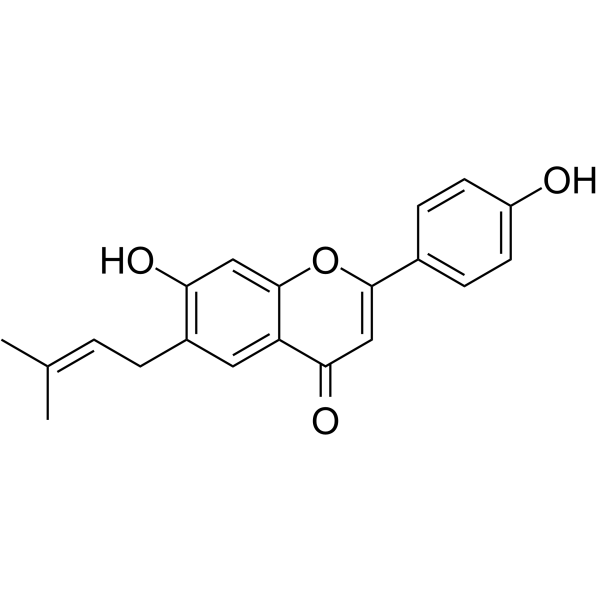
  • HY-N2445
    Flavokawain C
    4 Publications Verification

    Apoptosis Akt JNK PERK Caspase PARP MDM-2/p53 IAP Reactive Oxygen Species (ROS) SOD FABP Autophagy AMPK mTOR GLUT EGFR PI3K HSP VEGFR FAK Cancer
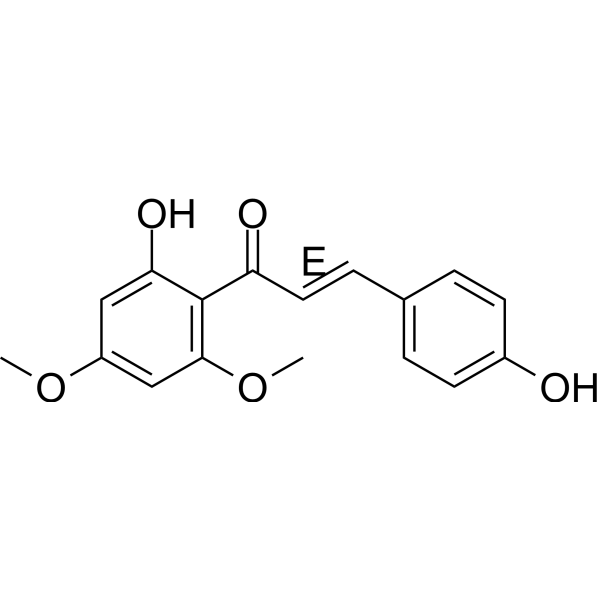
    Flavokawain C is an orally active natural chalcone. Flavokawain C inhibits the proliferation of various cancer cells. Flavokawain C upregulates GADD153 in cancer cells, inhibits the phosphorylation of Akt and JNK, suppresses early ERK phosphorylation, activates late ERK phosphorylation, activates caspase related subtypes, induces PARP-1 cleavage, causes upregulation of p21 and p27, downregulation of mutant p53 and anti-apoptotic IAP proteins, elevates intracellular ROS levels, reduces SOD activity, and induces apoptosis. Flavokawain C downregulates FABP4, induces autophagy in cancer cells, and activates the AMPK/mTOR pathway . Flavokawain C decreases the expression of glycolysis-related proteins GLUT1 and HK2, and inhibits glycolysis in nasopharyngeal carcinoma cells. Flavokawain C inhibits the activation of the EGFR/PI3K/Akt/mTOR signaling pathway and reduces the expression of HSP90B1. Flavokawain C inhibits angiogenesis by decreasing the expression of angiogenic proteins Ang-1 and VEGF in human umbilical vein endothelial cells. Flavokawain C increases γ-H2AX levels in cells, inhibits the phosphorylation of FAK, PI3K and AKT in cells, and induces DNA damage in cells. Flavokawain C exerts anti-tumor activity in multiple tumor xenograft mouse models. Flavokawain C is applicable to research related to colorectal cancer, colon adenocarcinoma, nephroblastoma, nasopharyngeal carcinoma and liver cancer .
    Flavokawain C
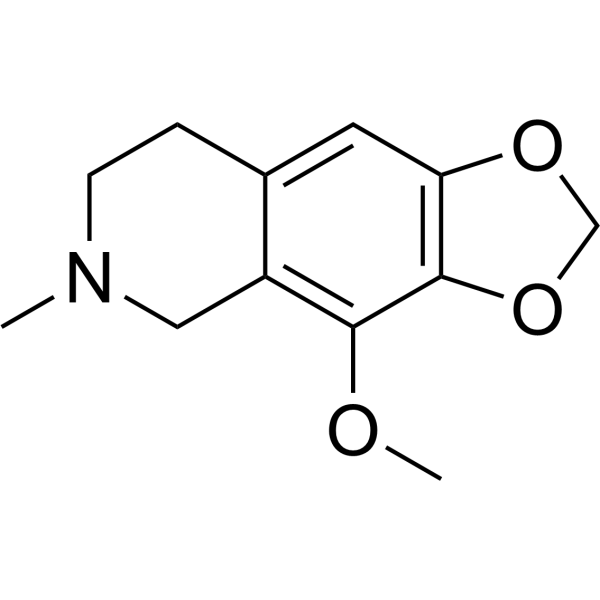
  • HY-W176629
    Hydrocotarnine
    1 Publications Verification

    E1/E2/E3 Enzyme Interleukin Related Neurological Disease Metabolic Disease Inflammation/Immunology
    Hydrocotarnine is a Cbl inhibitor, and results in inflammasome-mediated IL-18 secretion in colitis. Hydrocotarnine increases expression of GLUT1 and cellular glucose uptake in glycolytic metabolism. Hydrocotarnine acts as an agent that provides analgesic effect in cancer research .
    Hydrocotarnine
  • HY-158302

    GLUT Apoptosis Cancer
    Glutor is a selective GLUT 1/2/3 inhibitor that can suppress glucose uptake. Glutor can inhibit glycolysis and has anti-tumor activity, inducing cell apoptosis .
    Glutor
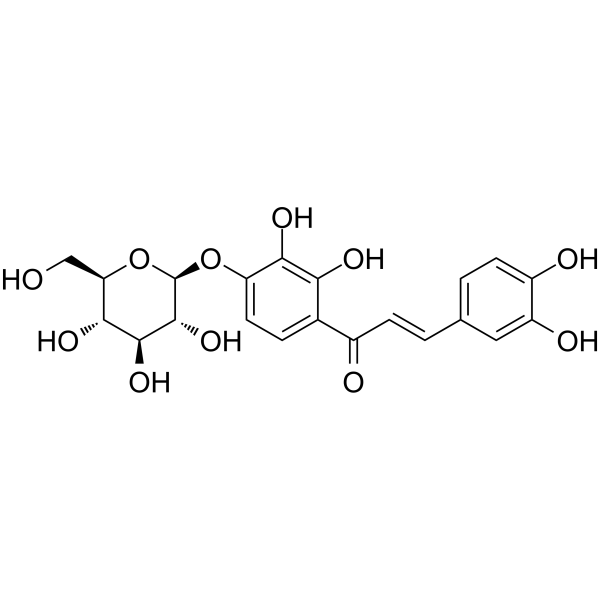
  • HY-N7676
    Marein
    3 Publications Verification

    AMPK HDAC Cardiovascular Disease Neurological Disease Metabolic Disease
    Marein has the neuroprotective effect due to a reduction of damage to mitochondria function and activation of the AMPK signal pathway. Marein improves insulin resistance induced by high glucose in HepG2 cells through CaMKK/AMPK/GLUT1 to promote glucose uptake, through IRS/Akt/GSK-3β to increase glycogen synthesis, and through Akt/FoxO1 to decrease gluconeogenesis. Marein is a HDAC inhibitor with an IC50 of 100 μM. Marein has beneficial antioxidative, antihypertensive, antihyperlipidemic and antidiabetic effects .
    Marein
  • HY-108935

    HIV Integrase GLUT Tyrosinase Cancer
    Lavendustin B is an inhibitor of HIV-1 integrase interaction with LEDGF/p75 with an IC50 of 94.07 μM. Lavendustin B is an ATP-competitive GLUT1 inhibitor with a Ki of 15 μM. Lavendustin B is also a weak inhibitor of tyrosine kinases .
    Lavendustin B
  • HY-N7433

    Ethylidene-glucose

    GLUT Endogenous Metabolite Metabolic Disease
    4,6-O-ethylidene-α-D-glucose (Ethylidene-glucose), a glucose derivative, is a competitive exofacial binding-site inhibitor on glucose transporter 1 (GLUT1) with a Ki of 12 mM for wild-type 2-deoxy-D-glucose transport .
    4,6-O-Ethylidene-α-D-glucose
  • HY-151486

    GLUT Cancer
    GLUT1-IN-1 is a glucose transporter 1 (GLUT1) inhibitor and has a GLUT1-specific inactivation ability. GLUT1-IN-1 exhibits concentration-dependent cytotoxicity for HeLa, A549 and HepG2 cells with IC50 values of 5.49 μM, 11.14 μM, and 8.73 μM, respectively. GLUT1-IN-1 can be used for the research of photodynamic therapy (PDT) and severals cancer .
    GLUT1-IN-1
  • HY-N6924
    Zingibroside R1
    1 Publications Verification

    HIV PIN1 Fungal GLUT Reactive Oxygen Species (ROS) Infection Neurological Disease Metabolic Disease Cancer
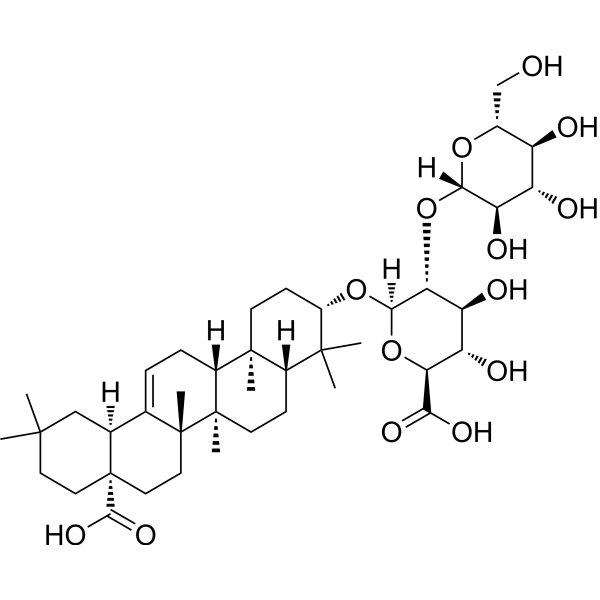
    Zingibroside R1 is an orally active triterpene saponin with multiple biological activities including antioxidant, anti-inflammatory, antiviral, and metabolic regulatory properties. Zingibroside R1 reduces the expression of PIN family members, inhibits the expression of PLT1/PLT2, WOX5, SHR, and SCR, disrupts auxin transport and distribution, triggers plant ROS responses, and inhibits root growth. Zingibroside R1 extends the lifespan of Caenorhabditis elegans, enhances its heat stress resistance, and improves its motor ability. Hydrogel derivatives of Zingibroside R1 inhibit the proliferation of Candida albicans by binding to its β-1,3-glucan and exhibit antifungal activity. Zingibroside R1 inhibits GLUT1-mediated uptake and alleviates liver injury. Zingibroside R1 can be used in research related to neurodegenerative diseases, vulvovaginal candidiasis, acute liver injury, Ehrlich ascites tumor and HIV-1 infection .
    Zingibroside R1
  • HY-121086

    GLUT Metabolic Disease
    BAY-588 is a selective inhibitor of GLUT1 with an IC50 value of 1.18μM .
    BAY-588
  • HY-158302A

    GLUT Apoptosis Cancer
    (R)-Glutor is the R-enantiomer of Glutor (HY-158302). Glutor is a selective GLUT 1/2/3 inhibitor that can suppress glucose uptake. Glutor can inhibit glycolysis and has anti-tumor activity, inducing cell apoptosis .
    (R)-Glutor
  • HY-N0002R

    Epicatechin gallate(Standard); ECG(Standard); (-)-Epicatechin 3-O-gallate (Standard)

    Reference Standards COX Autophagy Virus Protease GLUT Infection Cancer
    (-)-Epicatechin gallate (Standard) is the analytical standard of (-)-Epicatechin gallate. This product is intended for research and analytical applications. (-)-Epicatechin gallate (Epicatechin gallate) inhibits cyclooxygenase-1 (COX-1) with an IC50 of 7.5 μM. (-)-Epicatechin gallate is a GLUT1 and GLUT5 inhibitor. (-)-Epicatechin gallate decreases cell growth of GLUT5-expressing hxt 0 yeast cells .
    (-)-Epicatechin gallate (Standard)
  • HY-161501

    GLUT Topoisomerase Apoptosis Cancer
    3-Fluoro-evodiamine glucose (Compound 8) is an evodiamine-glucose conjugate. 3-Fluoro-evodiamine glucose activates the expression of glucose transporter 1 (GLUT1), and inhibits topoisomerase I/II. 3-Fluoro-evodiamine glucose induces apoptosis and arrests the cell cycle at G2/M phase. 3-Fluoro-evodiamine glucose exhibits antitumor efficacy in vivo and in vitro, without significant toxicity .
    3-Fluoro-evodiamine glucose
  • HY-N0142R
    Phloretin (Standard)
    Maximum Cited Publications
    24 Publications Verification

    NSC 407292 (Standard); RJC 02792 (Standard)

    Reference Standards SGLT Endogenous Metabolite GLUT Metabolic Disease Cancer
    Phloretin (Standard) is the analytical standard of Phloretin. This product is intended for research and analytical applications. Phloretin (NSC 407292; RJC 02792) is a flavonoid extracted from Malus pumila Mill., has anti-inflammatory activities. Phloridzin is a specific, competitive and orally active inhibitor of sodium/glucose cotransporters in the intestine (SGLT1) and kidney (SGLT2). Phloretin inhibits Yeast-made GLUT1 as well as Human erythrocyte GLUT1 with IC50values of 49 μM and 61 μM, respectively .Phloretin has the potential for the treatment of rheumatoid arthritis (RA) and allergic airway inflammation .
    Phloretin (Standard)
  • HY-16605

    Sirtuin GLUT Metabolic Disease
    SIRT6-IN-6 (compound 6d) is a potent and selective SIRT6 inhibitor with an IC50 of 4.93 μM and a Ki of ~10 μM. SIRT6-IN-6 shows selectivity against other members of the HDAC family (SIRT1-3 and HDAC1-11). SIRT6-IN-6 significantly increases the level of glucose transporter GLUT-1, thereby reducing blood glucose in a mouse model of type 2 diabetes. SIRT6-IN-6 can be used for type 2 diabetes research .
    SIRT6-IN-6
  • HY-18284

    Akt GLUT Phosphatase Others
    AS1938909 is a compound that inhibits SHIP2 activity. It can selectively inhibit SHIP2, increase Akt phosphorylation, and regulate glucose metabolism. Its effect is related to upregulating GLUT1 gene expression.
    AS1938909
  • HY-176050

    RgA; JW11-D2

    GLUT Cancer
    Rapaglutin A is a glucose transporter (GLUT) inhibitor. Rapaglutin A is a pan-GLUT inhibitor of Class I isoforms GLUT1, GLUT3, and GLUT4 with an IC50 of 12 nM. Rapaglutin A has an inhibitory effect on A549 proliferation .
    Rapaglutin A
  • HY-N0668R

    GLUT Amylases NF-κB Reference Standards Metabolic Disease Inflammation/Immunology Cancer
    Rubusoside (Standard) is the analytical standard of Rubusoside. This product is intended for research and analytical applications. Rubusoside is a diterpene glycoside that is also a sweetener and solubilizer with anti-angiogenic, anti-cancer, anti-obesity, anti-allergic and anti-asthmatic effects. Rubusoside attenuates airway hyperresponsiveness and reduces inflammatory cells in bronchoalveolar lavage fluid (BALF), reducing OVA (HY-W250978)-induced airway inflammation. Rubusoside also prevents palmitic acid-induced lipotoxicity in pancreatic INS-1 cells, reduces the transport of human glucose transporters GLUT-1 and fructose GLUT-5, and inhibits NF-κB and α-amylase (α-amylase) .
    Rubusoside (Standard)
  • HY-163726

    GLUT EGFR Apoptosis Cancer
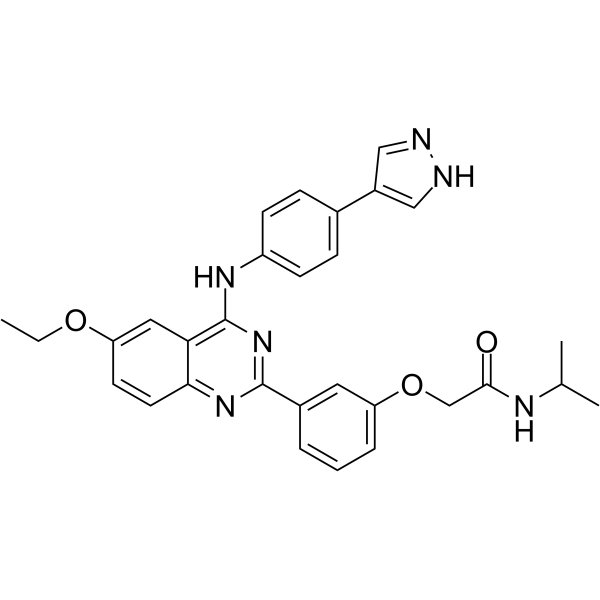
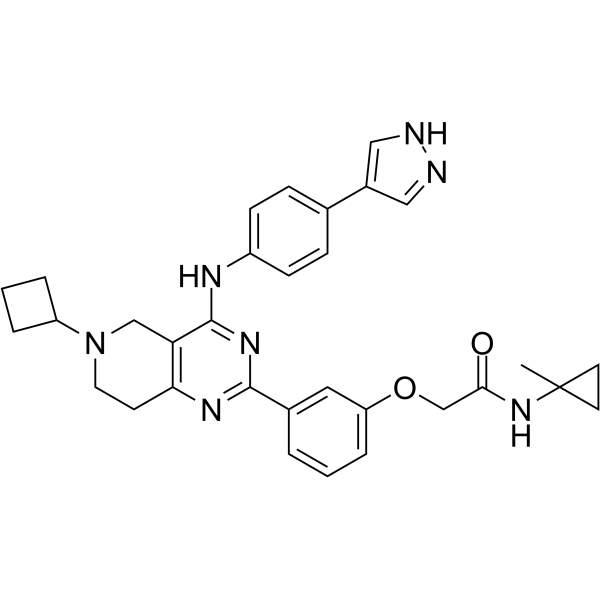
    GLUT1/EGFR-IN-1 (compound H) is a potent inhibitor of GLUT1 and EGFR. GLUT1/EGFR-IN-1 can simultaneously act on the EGFR tyrosine kinase ATP-binding site and inhibit GLUT1-mediated energy metabolism, resulting in reductions in ATP, MMP, intra-cellular lactic acid, and EGFR nuclear transfer. GLUT1/EGFR-IN-1 can be used for nasopharyngeal carcinoma (NPC) and triple-negative breast cancer (TNBC) research .
    GLUT1/EGFR-IN-1
  • HY-175767

    PROTACs Epigenetic Reader Domain Cancer
    PROTAC BRD4 Degrader-39 is a selective targeting Bromodomain protein 4 (BRD4) degrader with an DC50 value of 24.66 nM. PROTAC BRD4 Degrader-39 conjugates BRD PROTAC (ARV-771) (HY-100972) with carbohydrate. PROTAC BRD4 Degrader-39 selectively delivers to tumor cells with high GLUT1 expression, followed by GSH-triggered release of ARV-771 and degrades BRD4. PROTAC BRD4 Degrader-39 can inhibit tumor growth and show no significant toxicity. PROTAC BRD4 Degrader-39 can be used for the research of cancer, such as breast cancer . (Structure Note: Pink: BRD4 ligand (HY-78695); Blue: VHL ligand (HY-112078); Black: (HY-42427); BRD4 ligand-Linker: (HY-42429))
    PROTAC BRD4 Degrader-39
  • HY-163139

    GLUT Cancer
    Physagulide Y (2), a withanolide with anticancer activity, is a GLUT1 inhibitor .
    Physagulide Y
  • HY-170313

    GLUT Apoptosis Reactive Oxygen Species (ROS) Cancer
    GLUT-1-IN-4 (Compound 13) is the p53 protein-dependent inhibitor for GLUT-1 glucose transporter. GLUT-1-IN-4 inhibits the proliferation of multiple cancer cells with IC50 in submicromolar levels. GLUT-1-IN-4 arrests the cell cycle, stimulates oxidative stress, and induces apoptosis .
    GLUT-1-IN-4
  • HY-162132

    GLUT Cancer
    WZB117-PPG is a glucose transporter 1 (GLUT1) inhibitor with anticancer activity. WZB117-PPG has remarkable photolysis efficiency and cytotoxicity to cancer cells under visible light irradiation .
    WZB117-PPG
  • HY-N7433R

    Ethylidene-glucose (Standard)

    Reference Standards GLUT Endogenous Metabolite Metabolic Disease
    4,6-O-ethylidene-α-D-glucose (Ethylidene-glucose), a glucose derivative, is a competitive exofacial binding-site inhibitor on glucose transporter 1 (GLUT1) with a Ki of 12 mM for wild-type 2-deoxy-D-glucose transport .
    4,6-O-Ethylidene-α-D-glucose (Standard)
  • HY-167857

    GLUT Cancer
    (Rac)-Glutipyran is a broad-spectrum GLUT inhibitor that targets both GLUT1 and GLUT3. (Rac)-Glutipyran inhibits glucose uptake and suppresses the growth of multiple cancer cells, significantly inhibiting PANC-1 cell growth (IC50=1.8 μM) and glucose uptake (IC50=0.13 μM) .
    (Rac)-Glutipyran
  • HY-101849R

    Reference Standards GLUT TNF Receptor Apoptosis Cardiovascular Disease Cancer
    Fasentin (Standard) is the analytical standard of Fasentin. This product is intended for research and analytical applications. Fasentin, a potent glucose uptake inhibitor, inhibits GLUT-1/GLUT-4 transporters. Fasentin preferentially inhibits GLUT4 (IC50=68 μM) over GLUT1. Fasentin is a death receptor stimuli (FAS) sensitizer and sensitizes cells to FAS-induced cell death. Fasentin is also a tumor necrosis factor (TNF) apoptosis-inducing ligand sensitizer. Fasentin blocks glucose uptake in cancer cell lines and has anti-angiogenic activity .
    Fasentin (Standard)
  • HY-167857S

    Isotope-Labeled Compounds GLUT Cancer
    Glutathione Disulfide- 13C4, 15N2 is the 13C- and 15N-labeled (Rac)-Glutipyran (HY-167857). (Rac)-Glutipyran is a broad-spectrum GLUT inhibitor that targets both GLUT1 and GLUT3. (Rac)-Glutipyran inhibits glucose uptake and suppresses the growth of multiple cancer cells, significantly inhibiting PANC-1 cell growth (IC50=1.8 μM) and glucose uptake (IC50=0.13 μM) .
    Glutathione Disulfide-13C4,15N2
  • HY-183069

    GLUT PI3K Akt Apoptosis Bcl-2 Family Cancer
    FKL-137 is a GLUT1 and PI3K/AKT signaling pathway inhibitor. FKL-137 binds to GLUT1, reduces glucose uptake and lactate secretion, downregulates glucose metabolism-related proteins, and inhibits erythroleukemia cell proliferation. FKL-137 downregulates PI3K, p-PI3K, AKT, p-AKT levels, disrupts the PI3K/AKT-GLUT1 positive feedback loop, and suppresses erythroleukemia cell proliferation. FKL-137 induces apoptosis via upregulated Bax, Cleaved-PARP and downregulated Bcl-2, PARP. FKL-137 can be used for the research of erythroleukemia .
    FKL-137
  • HY-138976

    mTOR GLUT Neurological Disease Metabolic Disease Cancer
    NV-5440 (Compound I-120) is an mTORC1 inhibitor and glucose transporter inhibitor. NV-5440 targets GLUT-1, -2, -3, and -4, and shows no activity against GLUT-5. NV-5440 inhibits glucose uptake .
    NV-5440
  • HY-100017R

    Reference Standards GLUT Disulfidptosis Cancer
    BAY-876 (Standard) is the analytical standard of BAY-876 (HY-100017). This product is intended for research and analytical applications. BAY-876, a chemical probe, is an orally active and selective glucose transporter 1 (GLUT1) inhibitor with an IC50 of 2 nM. BAY-876 is >130-fold more selective for GLUT1 than GLUT2, GLUT3, and GLUT4. BAY-876 is also a potent blocker of glycolytic metabolism and ovarian cancer growth. In addition, BAY-876 can induce the formation of disulfide bonds in actin cytoskeletal proteins, leading to the occurrence of cellular disulfidptosis .
    BAY-876 (Standard)
  • HY-180805

    Hexokinase Mitophagy Apoptosis GLUT Cancer
    HK2-IN-3 (compound 12) is a potent hexokinase 2 (HK2) inhibitor with an IC50 of 56.4 nM. HK2-IN-3 reduces glucose uptake and downregulated GLUT1/GLUT4 in oral squamous cell carcinoma (OSCC). HK2-IN-3 induces mitophagy and apoptosis. HK2-IN-3 suppresses tumor growth and angiogenesis in OSCC xenograft mouse models. HK2-IN-3 can be used for OSCC research .
    HK2-IN-3
  • HY-182250

    FAP ERK GLUT Metabolic Disease Inflammation/Immunology
    BR103354 is an orally active, selective fibroblast activation protein (FAP) inhibitor with an IC50 value of 14 nM against hFAP. BR103354 restores the levels of phosphorylated ERK and Glut1 that are reduced by co-treatment with hFGF21 and FAP, decreases non-fasting blood glucose concentrations, improves glucose tolerance, and reduces hepatic triglyceride content. BR103354 ameliorates hepatic steatosis and hepatic fibrosis. BR103354 can be used in the research of type 2 diabetes and non-alcoholic steatohepatitis .
    BR103354

Inquiry Online

Your information is safe with us. * Required Fields.

Salutation


Country or Region *

Applicant Name *


Organization Name *

Department *


Email Address *


Product Name *

Cat. No.


Requested quantity *

Phone Number *


Remarks

Inquiry Online

Inquiry Information

Product Name:
Cat. No.:
Quantity:
MCE Japan Authorized Agent:

