1. Search Result
Search Result
Results for "

Histone deacetylases

" in MedChemExpress (MCE) Product Catalog:

211

Inhibitors & Agonists

2

Fluorescent Dyes

3

Biochemical Assay Reagents

4

Peptides

12

Natural
Products

4

Isotope-Labeled Compounds

1

Click Chemistry

1

GMP Molecules

Cat. No. Product Name Target Research Areas Chemical Structure
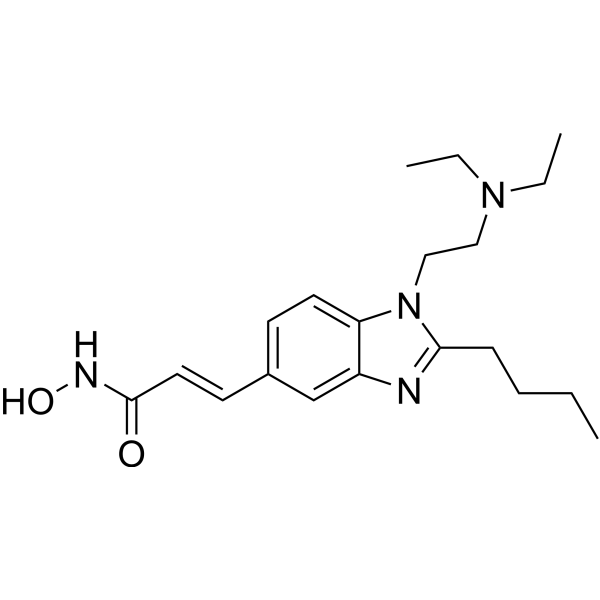
  • HY-15433
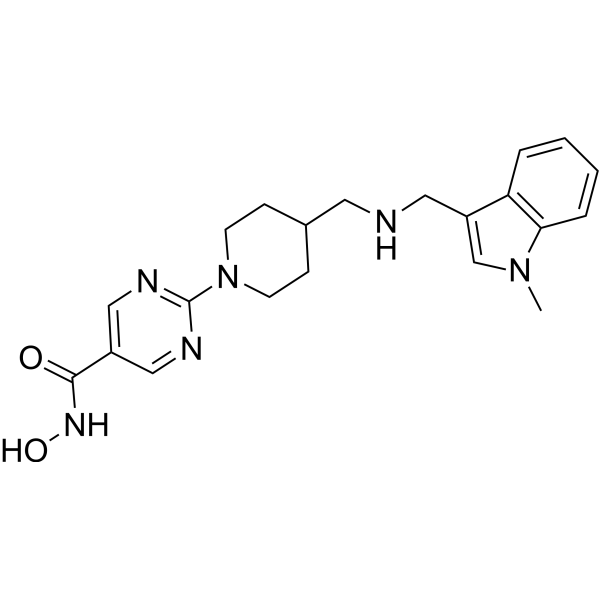
    Quisinostat
    15+ Cited Publications

    JNJ-26481585

    HDAC Autophagy Inflammation/Immunology Cancer
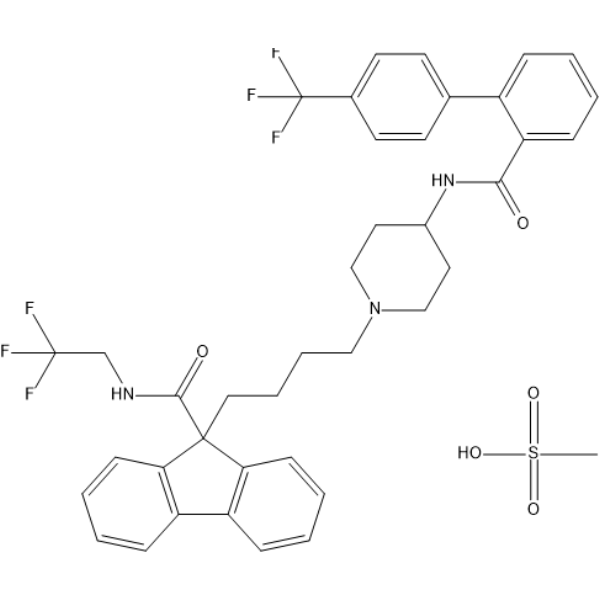
    Quisinostat (JNJ-26481585) is a potent and orally active pan-HDAC inhibitor (HDACi), with IC50 values ranging from 0.11 nM to 0.64 nM for HDAC1, HDAC2, HDAC4, HDAC10 and HDAC11. Quisinostat has a broad spectrum antitumoral activity . Quisinostat can induce autophagy in neuroblastoma cells .
    Quisinostat
  • HY-109521A

    Manganese(Ⅱ) chloride tetrahydrate, molecular biology grade,≥99.0% (KT)

    Biochemical Assay Reagents Histone Acetyltransferase HDAC Neurological Disease
    Manganese chloride (tetrahydrate), molecular biology grade,≥99.0% (KT) is an orally active and a blood-brain barrier penetrant compound. It affects the activities of multiple enzymes in cells, such as regulating the activities of histone acetyltransferase (HAT) and histone deacetylase (HDAC), thereby affecting gene expression. It has multiple activities such as neurotoxicity, embryotoxicity, and reproductive toxicity. It is currently mainly used in neurodegenerative diseases and toxicology research.
    Manganese chloride tetrahydrate, molecular biology grade,≥99.0% (KT)
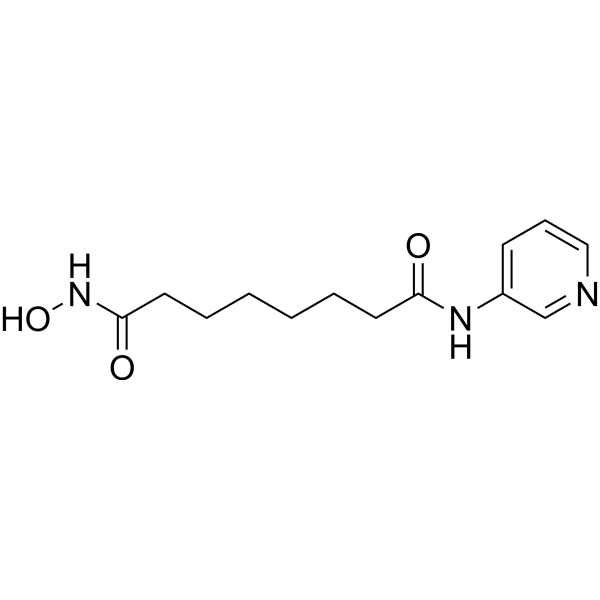
  • HY-13216
    Pyroxamide
    5+ Cited Publications

    HDAC Apoptosis Cancer
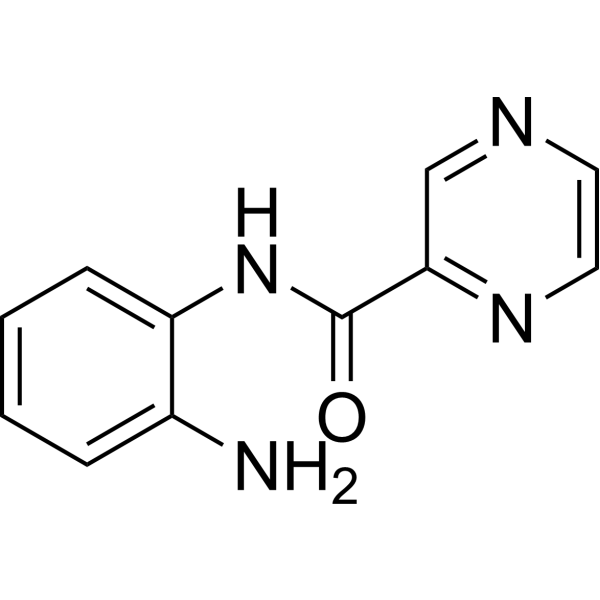
    Pyroxamide is a potent inhibitor of histone deacetylase 1 (HDAC1) with an ID50 of 100 nM. Pyroxamide can induce apoptosis and cell cycle arrest in leukemia .
    Pyroxamide
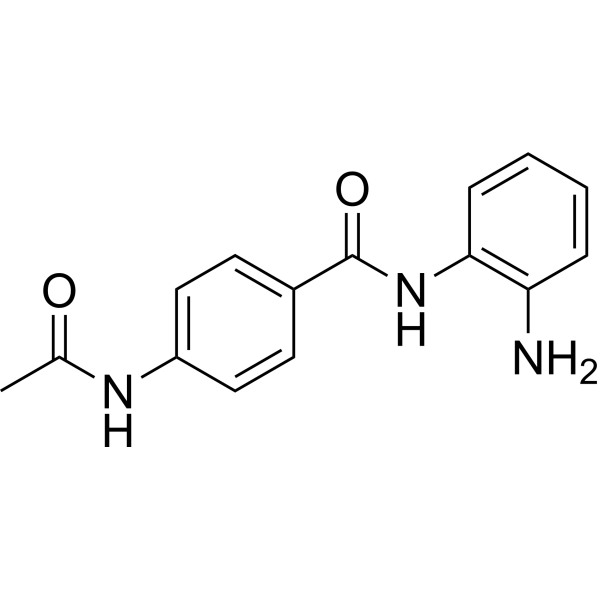
  • HY-50934
    Tacedinaline
    5+ Cited Publications

    N-acetyldinaline; CI-994; Goe-5549

    HDAC Apoptosis Cancer
    Tacedinaline (N-acetyldinaline) is an inhibitor of the histone deacetylase (HDAC) with IC50s of 0.9, 0.9, 1.2 μM for recombinant HDAC 1, 2 and 3 respectively.
    Tacedinaline
  • HY-100508
    ITSA-1
    15+ Cited Publications

    HDAC Cancer
    ITSA-1 is an activator of histone deacetylase (HDAC), and counteract trichostatin A (TSA)-induced cell cycle arrest, histone acetylation, and transcriptional activation .
    ITSA-1
  • HY-13506
    M344
    2 Publications Verification

    D 237; MS 344

    HDAC Cancer
    M344 (D 237) is an inhibitor of histone deacetylase (IC50=100 nM) and an inducer of terminal cell fifferentiation.
    M344
  • HY-18361
    TMP195
    15+ Cited Publications

    HDAC Cancer
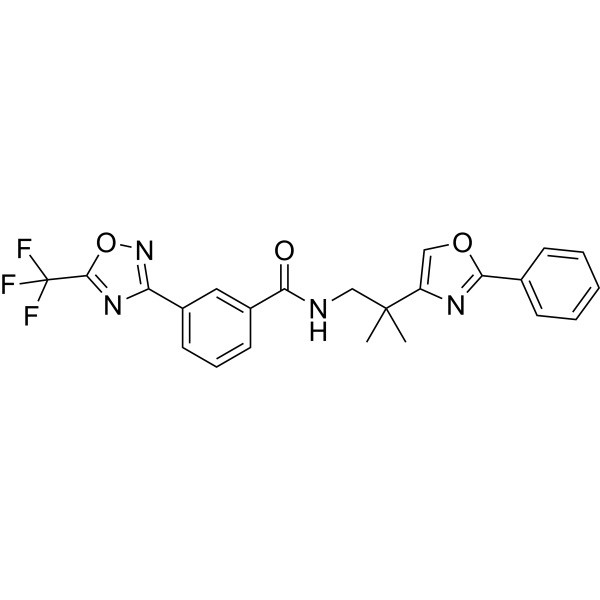
    TMP195 is a selective class IIa histone deacetylase (HDAC) inhibitor with Kis of 59, 60, 26, 15 nM for HDAC4, HDAC5, HDAC7 and HDAC9, respectively.
    TMP195
  • HY-N6735
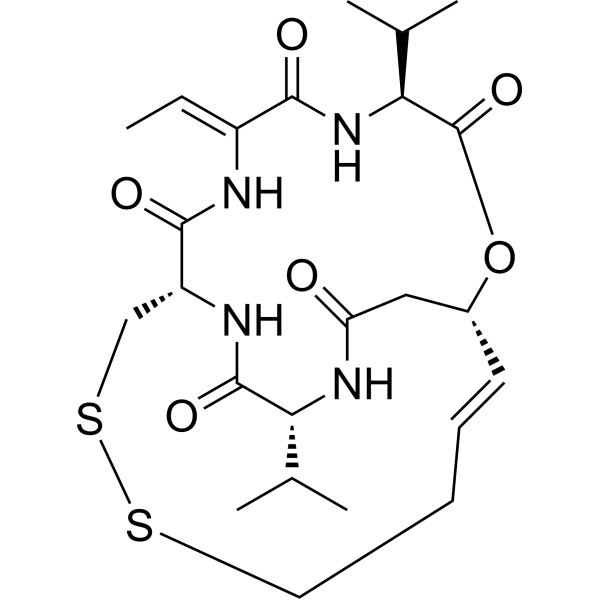
    Apicidin
    5 Publications Verification

    OSI 2040

    HDAC Parasite Infection Cancer
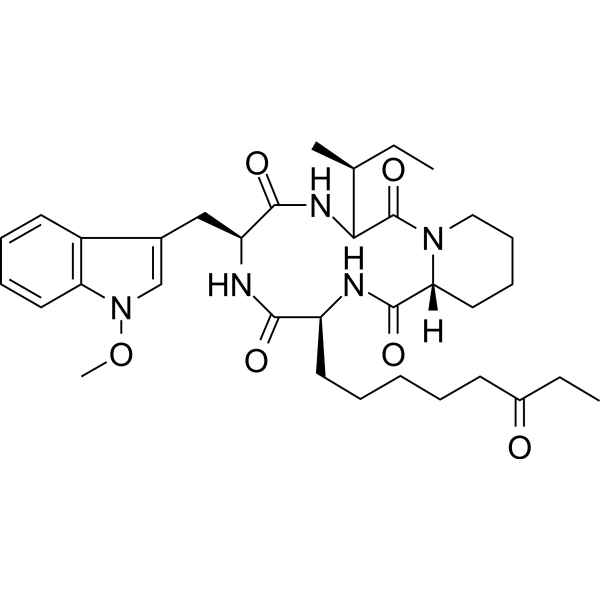
    Apicidin (OSI 2040) is a fungal metabolite, acts as an orally active histone deacetylase 7/8 (HDAC7/8) inhibitor, with antiparasitic activity and a broad spectrum antiproliferative activity. Apicidin can be used for cancer research .
    Apicidin
  • HY-13322
    Pracinostat
    5+ Cited Publications

    SB939

    Beta-lactamase HDAC Apoptosis Cancer
    Pracinostat is a potent histone deacetylase (HDAC) inhibitor, with IC50s of 40-140 nM, used for cancer research. Pracinostat also inhibits metallo-β-lactamase domain-containing protein 2 (MBLAC2) hydrolase activity with an EC50 below 10 nM .
    Pracinostat
  • HY-18360
    TMP269
    15+ Cited Publications

    HDAC Cancer
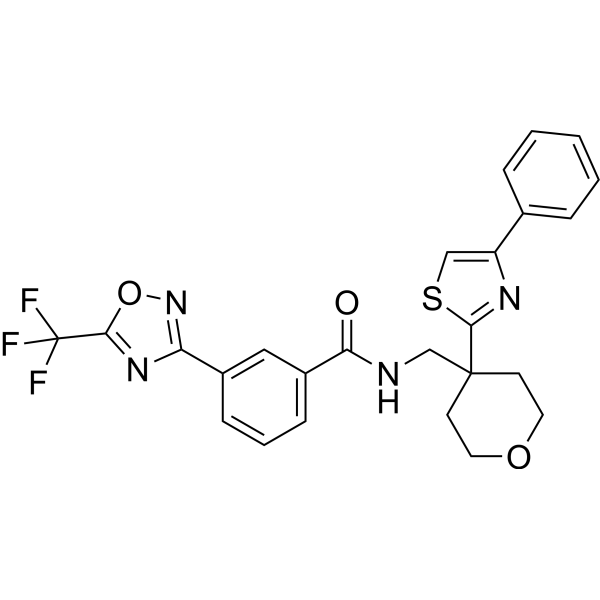
    TMP269 is a novel and selective class IIa histone deacetylase (HDAC) inhibitor with IC50s of 157 nM, 97 nM, 43 nM and 23 nM for HDAC4, HDAC5, HDAC7 and HDAC9, respectively.
    TMP269
  • HY-111048
    Corin
    5 Publications Verification

    Histone Demethylase HDAC Cancer
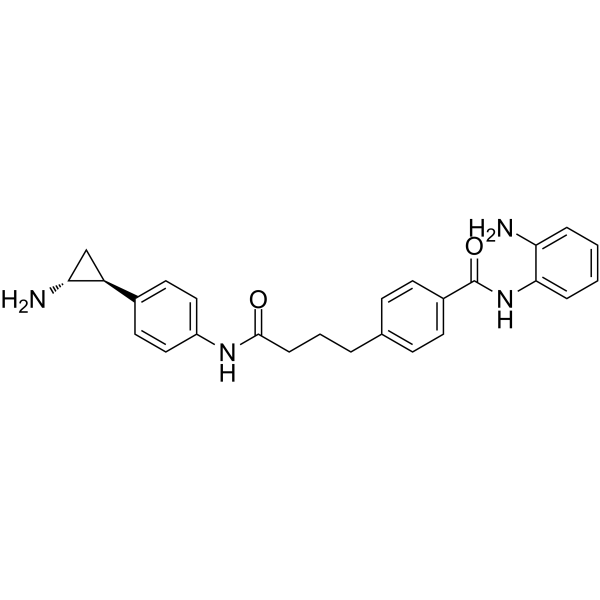
    Corin is a dual inhibitor of histone lysine specific demethylase (LSD1) and histone deacetylase (HDAC), with a Ki(inact) of 110 nM for LSD1 and an IC50 of 147 nM for HDAC1.
    Corin
  • HY-15489
    Scriptaid
    4 Publications Verification

    Scriptide; GCK1026

    HDAC Autophagy Apoptosis Influenza Virus Cancer
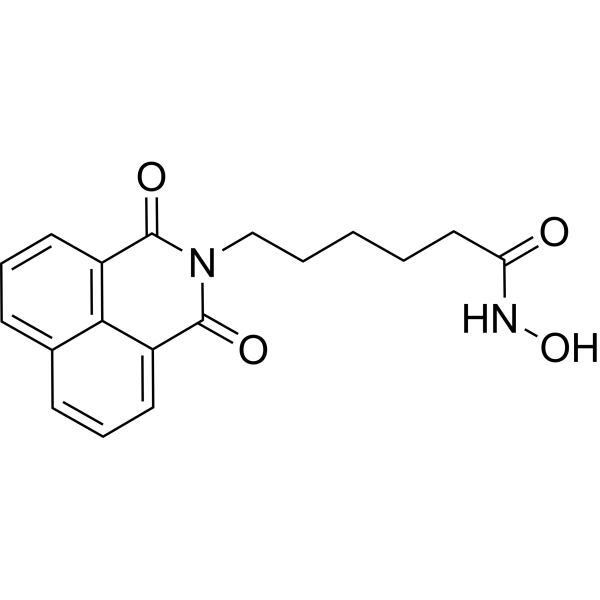
    Scriptaid is a potent histone deacetylase (HDAC) inhibitor, used in cancer research. Scriptaid is also a sensitizer to antivirals and has potential for epstein-barr virus (EBV)-associated lymphomas treatment.
    Scriptaid
  • HY-N7036
    Rhamnetin
    1 Publications Verification

    Phospholipase HDAC Apoptosis Neurological Disease Inflammation/Immunology Cancer
    Rhamnetin is a quercetin derivative found in Coriandrum sativum, inhibits secretory phospholipase A2 and histone deacetylase 2 (HDAC2). Rhamnetin exhibits antitumor, antioxidant and anti-inflammatory activity .
    Rhamnetin
  • HY-128918
    SIS17
    5+ Cited Publications

    HDAC Cancer
    SIS17 is a mammalian histone deacetylase 11 (HDAC 11) inhibitor with an IC50 value of 0.83 μM. SIS17 inhibits the demyristoylation of serine hydroxymethyltransferase 2, a substrate of HDAC 11, but does not inhibit other HDACs .
    SIS17
  • HY-19328
    ACY-775
    2 Publications Verification

    HDAC Cardiovascular Disease Neurological Disease
    ACY-775 is a potent and selective inhibitor of the of histone deacetylase 6 (HDAC6) with an IC50 of 7.5 nM . ACY775 also inhibits metallo-β-lactamase domain-containing protein 2 (MBLAC2) .
    ACY-775
  • HY-15433A
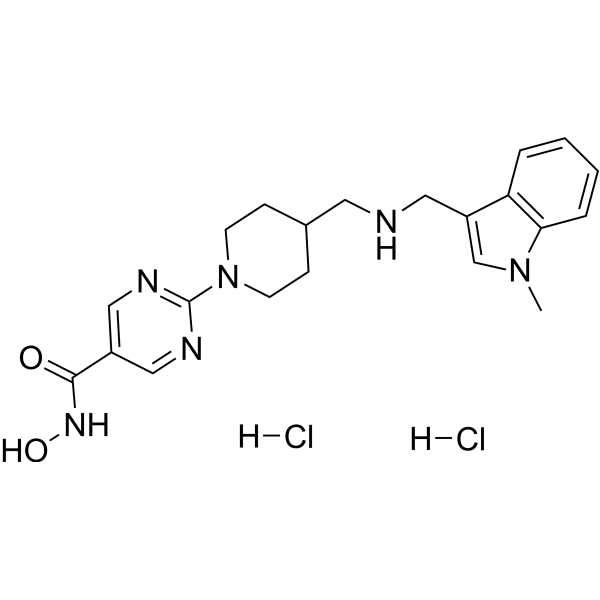
    Quisinostat dihydrochloride
    15+ Cited Publications

    JNJ-26481585 dihydrochloride

    HDAC Autophagy Inflammation/Immunology Cancer
    Quisinostat dihydrochloride (JNJ-26481585 dihydrochloride) is an orally active, potent pan-HDAC inhibitor with IC50s of 0.11 nM, 0.33 nM, 0.64 nM, 0.46 nM, and 0.37 nM for HDAC1, HDAC2, HDAC4, HDAC10 and HDAC11, respectively. Quisinostat dihydrochloride has a broad spectrum antitumoral activity. Quisinostat dihydrochloride can induce autophagy in neuroblastoma cells .
    Quisinostat dihydrochloride
  • HY-100384
    NKL 22
    1 Publications Verification

    HDAC Neurological Disease Cancer
    NKL 22 is a potent and selective inhibitor of histone deacetylases (HDAC), with IC50 values of 199 and 69 nM for HDAC1 and HDAC3, respectively. NKL 22 can reverse abnormal expression of HD‑related genes and restore the levels of key genes including Ppp1r1b in Huntington's disease transgenic mice. NKL 22 can be used for the researches of Huntington's disease and cancer .
    NKL 22
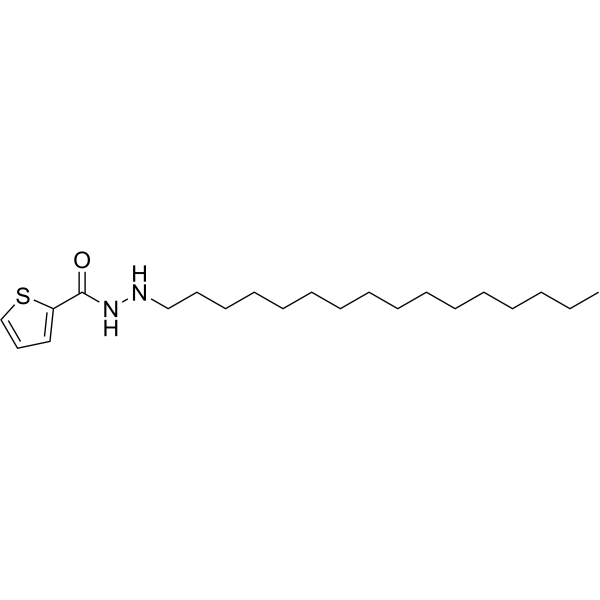
  • HY-13267
    Droxinostat
    3 Publications Verification

    NS 41080

    HDAC Apoptosis Cancer
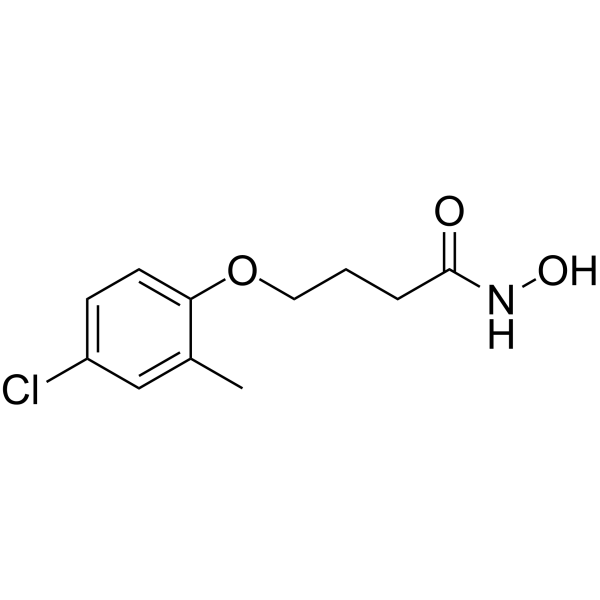
    Droxinostat (NS 41080) is a histone deacetylase (HDAC) inhibitor. Droxinostat selectively inhibits HDAC3, HDAC6, and HDAC8 with IC50 values of 16.9 μM, 2.47 μM, and 1.46 μM, respectively. Droxinostat can be used for the research of hepatocellular carcinoma (HCC) .
    Droxinostat
  • HY-115475
    SW-100
    4 Publications Verification

    HDAC Neurological Disease
    SW-100, a selective histone deacetylase 6 (HDAC6) inhibitor with an IC50 of 2.3 nM, shows at least 1000-fold selectivity for HDAC6 relative to all other HDAC isozymes. SW-100 displays a significantly improved ability to cross the blood-brain-barrier .
    SW-100
  • HY-12310

    DNA Methyltransferase HDAC MDM-2/p53 Others Inflammation/Immunology
    RSC133 is a dual inhibitor of DNA methyltransferase 1 and histone deacetylase 1 inhibitor. RSC133 promotes cell proliferation, up-regulates H3K9 histone acetylation, down-regulates p53, p21, p16/INK4A, and ablates pro-senescence phenotypes .
    RSC133
  • HY-107549

    HDAC Cancer
    KD 5170 is a pan inhibitor of histone deacetylases (HDACs) and exhibits broad spectrum antitumor activity in vitro and in vivo .
    KD 5170
  • HY-116818

    HDAC Neurological Disease
    Crebinostat is a potent histone deacetylase (HDAC) inhibitor with IC50 values of 0.7 nM, 1.0 nM, 2.0 nM and 9.3 nM for HDAC1, HDAC2, HDAC3 and HDAC6, respectively. Crebinostat potently induces acetylation of both histone H3 and histone H4 as well as enhances the expression of the cAMP response element-binding protein (CREB) target gene Egr1. Crebinostat increases the density of synapsin-1 punctae along dendrites in cultured neurons. Crebinostat can modulate chromatin-mediated neuroplasticity and exhibits enhanced memory in mice .
    Crebinostat
  • HY-B0809S

    1,3-Dimethylxanthine-d6; Theo-24-d6

    Adenosine Receptor Phosphodiesterase (PDE) Autophagy Endogenous Metabolite Cancer
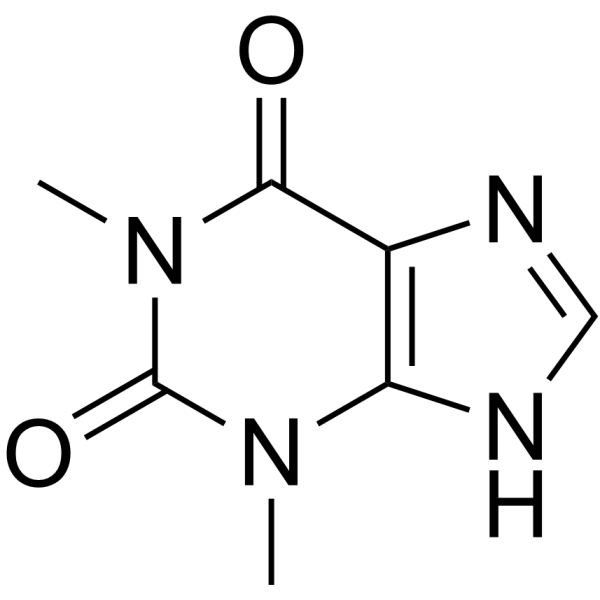
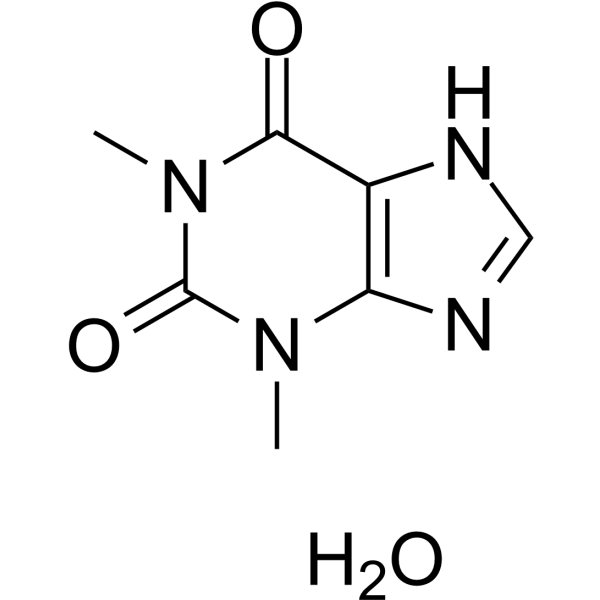
    Theophylline-d6 is the deuterium labeled Theophylline. Theophylline is a nonselective phosphodiesterase (PDE) inhibitor, adenosine receptor blocker, and histone deacetylase (HDAC) activator.
    Theophylline-d6
  • HY-145613

    HDAC Metabolic Disease
    5-Phenylpentan-2-one is a potent histone deacetylases (HDACs) inhibitor. 5-Phenylpentan-2-one can be used for urea cycle disorder research .
    5-Phenylpentan-2-one
  • HY-144893

    HDAC Cancer
    OKI-006 is an orally active histone deacetylase (HDAC) inhibitor. OKI-006 is the active metabolite of OKI-005 (HY-185584) and OKI-179 (HY-156602). OKI-006 can be used for the research of cancers such as breast cancer and colorectal cancer .
    OKI-006
  • HY-161149

    HDAC Cancer
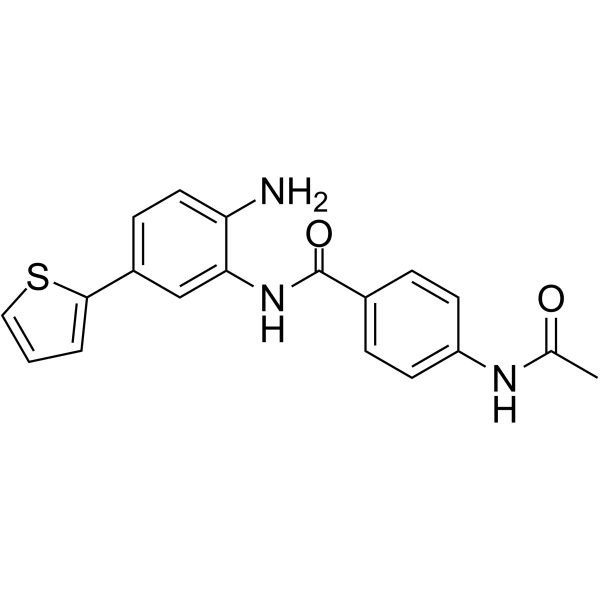
    CM-1758 is a histone deacetylase (HDAC) inhibitor. CM-1758 inhibits tumor growth in vivo. CM-1758 induces acetylation of non-histone proteins in acute myeloid leukemia cells .
    CM-1758
  • HY-128919

    HDAC Others
    Ac-Lys-AMC (Hexanamide), also termed MAL, is a fluorescent substrate for histone deacetylase HDACs .
    Ac-Lys-AMC
  • HY-152226

    HDAC Apoptosis Cancer
    MC2590 is a potent pyridine-containing histone deacetylase (HDAC) inhibitor. MC2590 is a inhibitor of HDAC1-3, -6, -8, and -10 (class I/IIb-selective inhibitor) with IC50s of 0.015 μM-0.156 μM. MC2590 also inhibits HDAC isoforms HDAC4, HDAC5, HDAC7, HDAC9, HDAC11 with IC50s of 1.35 μM-3.98 μM. MC2625 induces G2/M cell cycle arrest and modulates pro- and anti-apoptotic microRNAs towards apoptosis induction .
    MC2590
  • HY-159109

    HDAC Neurological Disease
    HDAC6-IN-46 (compound 12) is a selective histone deacetylase 6 (HDAC6) inhibitor with an IC50 value of 6.2 nM. HDAC6-IN-46 can be used in Alzheimer's disease research .
    HDAC6-IN-46
  • HY-100365
    Remetinostat
    1 Publications Verification

    SHP-141

    HDAC Inflammation/Immunology Cancer
    Remetinostat (SHP-141) is a hydroxamic acid-based histone deacetylase (HDAC) inhibitor. Remetinostat alleviates Imiquimod (HY-B0180)-induced psoriatic dermatitis. Remetinostat can be used for study of cutaneous T-cell lymphoma .
    Remetinostat
  • HY-106409
    Tefinostat
    1 Publications Verification

    CHR-2845

    HDAC Apoptosis Cancer
    Tefinostat (CHR-2845) is a monocyte/macrophage targeted histone deacetylase (HDAC) inhibitor. Tefinostat can be cleaved into active acid CHR-2847 by the intracellular esterase human carboxylesterase-1 (hCE-1). Tefinostat can be used for the research of leukaemias .
    Tefinostat
  • HY-W014004

    CBHA

    HDAC Apoptosis Others Cancer
    m-Carboxycinnamic acid bishydroxamide (CBHA) is a histone deacetylase inhibitor. m-Carboxycinnamic acid bishydroxamide modulates histone acetylation sites, alters DNA methylation and epigenetic status, increases global histone acetylation, alleviates transcription repression, and facilitates chromatin remodelling. m-Carboxycinnamic acid bishydroxamide can be used for the research of cloned embryo development and epigenetic regulation .
    m-Carboxycinnamic acid bishydroxamide
  • HY-126943

    Fluorescent Dye Others
    SAHA-BPyne is an activity-based protein profiling (ABPP) probe for detecting HDAC activity, which covalently labels the proximal proteins through a photoactivation. SAHA-BPyne inhibits HDAC activity in HeLa nuclear lysate with an IC50 of less than 5 μM .
    SAHA-BPyne
  • HY-114303

    Phosphodiesterase (PDE) HDAC Neurological Disease
    CM-675 is a dual phosphodiesterase 5 (PDE5) and class I histone deacetylases-selective inhibitor, with IC50 values of 114 nM and 673 nM for PDE5 and HDAC1, respectively. CM-675 has potential to treat Alzheimer’s disease .
    CM-675
  • HY-176545

    HDAC Sirtuin Others
    Z-MAL is a highly efficient and broad-spectrum HDAC substrate. Z-MAL exhibits high conversion activity for class I, II histone deacetylases, and class III SIRT1. Z-MAL can be used in studies on the structure-activity relationship, subtype selectivity, and inhibitor screening of HDAC .
    Z-MAL
  • HY-178333

    HDAC Cancer
    HDAC6-IN-66 is a potent and selective histone deacetylase (HDAC) 6 inhibitor with an IC50 of 1.8 nM. HDAC6-IN-66 induces α-tubulin acetylation over histone H3. HDAC6-IN-66 can be used for the research of cancer .
    HDAC6-IN-66
  • HY-150586

    HDAC Apoptosis Cancer
    PTG-0861 is a selective histone deacetylase 6 (HDAC6) inhibitor with the IC50 value of 5.92 nM. PTG-0861 induces apoptosis and can be used in the study of acute myeloid leukemia, multiple myeloma and other hematological cancers .
    PTG-0861
  • HY-119505

    HDAC Others
    Curcuphenol is a compound with histone deacetylase enhancing activity and has the activity of reversing immune escape. Curcuphenol can reverse the immune escape of tumors by restoring the expression of antigen presentation machinery. Its two synthetic analogs have histone deacetylase enhancing activity and play an important role in the immune recognition of metastatic tumors.
    Curcuphenol
  • HY-118352

    HDAC Neurological Disease
    LB-205 is a pan-histone deacetylase inhibitor (HDACi). LB-205 can be used for the research of acute traumatic brain injury .
    LB-205
  • HY-W017542

    Drug Intermediate Biochemical Assay Reagents Others
    L-Pyrohomoglutamic acid is an amino acid building block. L-Pyrohomoglutamic acid can be used to synthesize ligands for FK506-binding proteins (FKBPs) and histone deacetylase (HDAC) inhibitors .
    L-Pyrohomoglutamic acid
  • HY-W010835

    Boc-S-trityl-D-cysteine

    Amino Acid Derivatives Others
    Boc-D-Cys(Trt)-OH (Boc-S-trityl-D-cysteine) is an amino acid derivative with a Boc protecting group, which can be used to synthesize the bicyclic depsipeptide histone deacetylase inhibitor spirocysteine .
    Boc-D-Cys(Trt)-OH
  • HY-12926

    HIV HDAC DNA/RNA Synthesis Infection
    ST7612AA1 is a histone deacetylase (HDAC) inhibitor that controls chromatin condensation and DNA transcription by removing acetyl groups from histones. ST7612AA1 is also a potent HIV reactivation inducer, and its reactivation activity is exerted without activating or proliferating CD4+T cells, and can be used in the study of HIV reactivation strategies and elimination of viral reservoirs .
    ST7612AA1
  • HY-W021291

    Biochemical Assay Reagents Cancer
    Butyl isothiocyanate inhibits the proliferation of breast cancer cells. Butyl isothiocyanate can inhibit carcinogen activating phase I enzymes and inhibits cancer cell proliferation through altering the telomerase activity, dynamics of microtubules as well as expression of histone deacetylases. Butyl isothiocyanate can be studied in anti-cancer research .
    Butyl isothiocyanate
  • HY-144904

    HDAC Cancer
    MC4343 is a potent and dual inhibitor of EZH2 and histone deacetylase. MC4343 has the potential for the research of cancer disease.
    MC4343
  • HY-124022

    HDAC Others
    HDAC-IN-69 (Compound 2) is a derivative of an HDAC inhibitor with inhibitory activity targeting maize histone deacetylase HD2 .
    HDAC-IN-69
  • HY-152235

    HDAC Neurological Disease Cancer
    HDAC6-IN-15 is a selective histone deacetylase 6 (HDAC6) inhibitor. HDAC6-IN-15 has potent inhibitory activity for HDAC6 with IC50 value of 38.2 nM. HDAC6-IN-15 can be used for the research of cancer and neurodegenerative diseases .
    HDAC6-IN-15
  • HY-120106

    HDAC Others
    BG14 is a chemical optical modulation of epigenetic regulation of transcription (COMET) probe. BG14 enables high-resolution optical control of epigenetic mechanisms using visible light and can photochromically inhibit human histone deacetylases (HDACs). BG14 can be used to study the dynamic regulation of the human genome .
    BG14
  • HY-131970

    Histone Demethylase HDAC Cancer
    LSD1/HDAC6-IN-1 is an orally active dual inhibitor of lysine specific demethylase 1(LSD1)/Histone deacetylase 6 (HDAC6), with anti-tumor activity. LSD1/HDAC6-IN-1 can be used for the research of multiple myeloma (MM) .
    LSD1/HDAC6-IN-1
  • HY-161984

    HDAC Infection Others
    HDAC-IN-76 (compound 6i) is a histone deacetylase (HDAC) inhibitor. HDAC-IN-76 IC50 values of 30 nM and 98 nM for Pf3D7 (chloroquine (HY-17589A) drug-susceptible strain) and PfDd2 (chloroquine (HY-17589A) drug-resistant strain), has a highly potent antimalarial activity against asexual blood-stage Plasmodium, respectively, and exhibits selective inhibition against parasites, with IC50 values of 7 nM and 9 nM for human HDAC1 and HDAC6, respectively, while inhibiting PfHDAC1 .
    HDAC-IN-76
  • HY-120046

    HDAC Cancer
    YF479 is a potent inhibitor of histone deacetylase. YF479 abates cell viability, suppresses colony formation and tumor cell motility. YF479 significantly inhibits breast tumor growth and metastasis. YF479 has the potential for the research of clinical trials for breast cancer .
    YF479

Inquiry Online

Your information is safe with us. * Required Fields.

Salutation


Country or Region *

Applicant Name *


Organization Name *

Department *


Email Address *


Product Name *

Cat. No.


Requested quantity *

Phone Number *


Remarks

Inquiry Online

Inquiry Information

Product Name:
Cat. No.:
Quantity:
MCE Japan Authorized Agent:

