1. Search Result
Search Result
Pathways Recommended: NF-κB
Results for "

IκB phosphorylation

" in MedChemExpress (MCE) Product Catalog:

66

Inhibitors & Agonists

8

Peptides

30

Natural
Products

Cat. No. Product Name Target Research Areas Chemical Structure
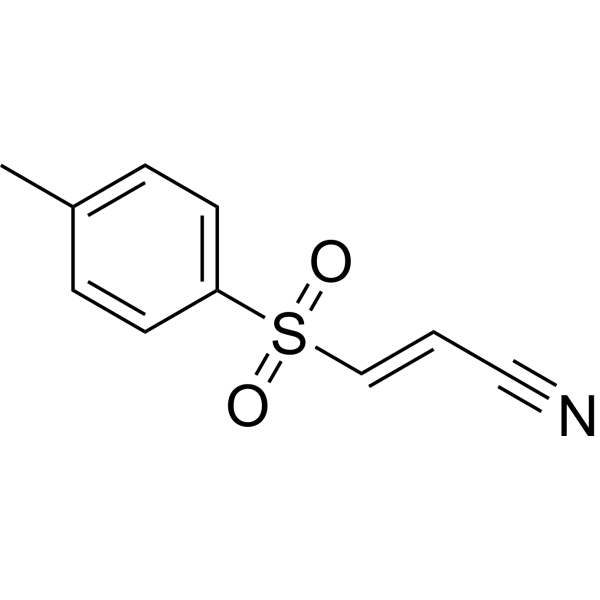
  • HY-13453
    BAY 11-7082
    Maximum Cited Publications
    450 Publications Verification

    BAY 11-7821

    IKK Deubiquitinase Autophagy Apoptosis NF-κB Inflammation/Immunology Cancer
    BAY 11-7082 is an IκBα phosphorylation and NF-κB inhibitor. BAY 11-7082 selectively and irreversibly inhibits the TNF-α-induced phosphorylation of IκB-α, and decreases NF-κB and expression of adhesion molecules. BAY 11-7082 inhibits ubiquitin-specific protease USP7 and USP21 (IC50=0.19, 0.96 μM, respectively). BAY 11-7082 inhibits gasdermin D (GSDMD) pore formation in liposomes and inflammasome-mediated pyroptosis and IL-1β secretion in human and mouse cells .
    BAY 11-7082
  • HY-10257
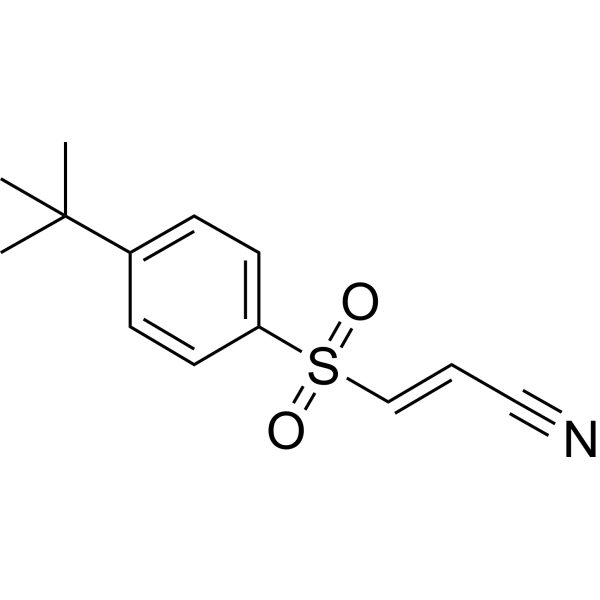
    BAY 11-7085
    45+ Cited Publications

    BAY 11-7083

    NF-κB Ferroptosis Apoptosis Cancer
    BAY 11-7085 (BAY 11-7083) is an inhibitor of NF-κB activation and phosphorylation of IκBα; it stabilizes IκBα with an IC50 of 10 μM .
    BAY 11-7085
  • HY-N0629
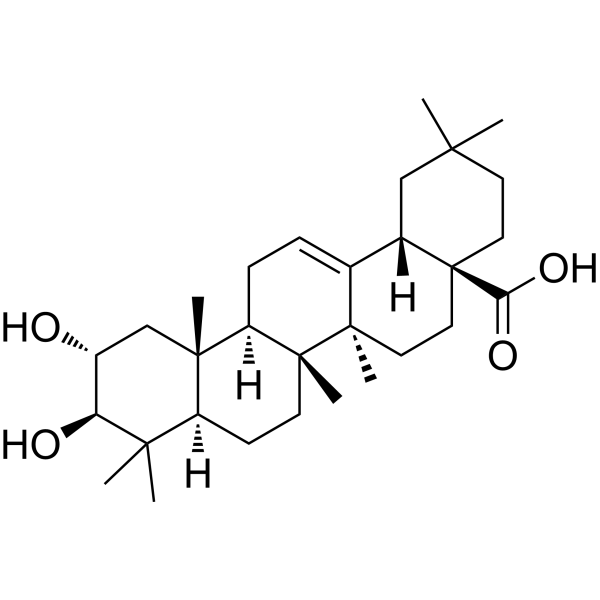
    Maslinic acid
    15+ Cited Publications

    Crategolic acid; 2α-Hydroxyoleanolic acid

    NF-κB Bacterial HIV Endogenous Metabolite Inflammation/Immunology Cancer
    Maslinic acid can inhibit the DNA-binding activity of NF-κB p65 and abolish the phosphorylation of IκB-α, which is required for p65 activation.
    Maslinic acid
  • HY-W016814
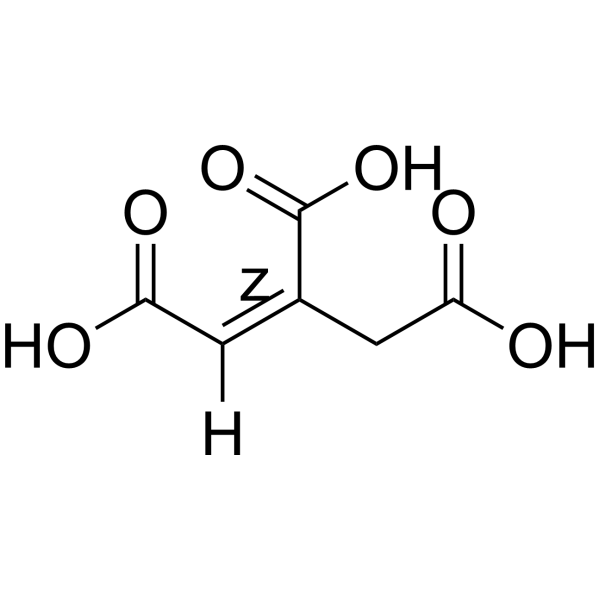
    (Z)-Aconitic acid
    1 Publications Verification

    cis-Aconitic acid

    Endogenous Metabolite Amino Acid Decarboxylase Metabolic Disease Inflammation/Immunology
    (Z)-Aconitic acid is an orally active glutamate decarboxylase inhibitor. (Z)-Aconitic acid reduces IκB-α phosphorylation. (Z)-Aconitic acid inhibits Antigen-induced arthritis and Monosodium urate (HY-B2130A)-induced gout .
    (Z)-Aconitic acid
  • HY-148013
    K284-6111
    1 Publications Verification

    Glycosidase Amyloid-β NF-κB COX ERK NO Synthase Interleukin Related Neurological Disease Inflammation/Immunology
    K284-6111 is a high-affinity and orally active CHI3L1 inhibitor, and inhibits CHI3L1 expression. K284-6111 inhibits ERK and NF-κB pathway. K284-6111 suppresses nuclear translocation of p50 and p65, and phosphorylation of IκB. K284-6111 improves memory dysfunction by alleviating amyloidogenesis and neuroinflammation, with the reduction of inflammatory proteins (eg: iNOS, COX-2, GFAP, and Iba-1). K284-6111 reduces atopic-like skin inflammation and inhibits LPS (HY-D1056) -induced liver injury. K284-6111 can be used for the study of Alzheimer's diseases and sepsis like hepatic injury .
    K284-6111
  • HY-19696B
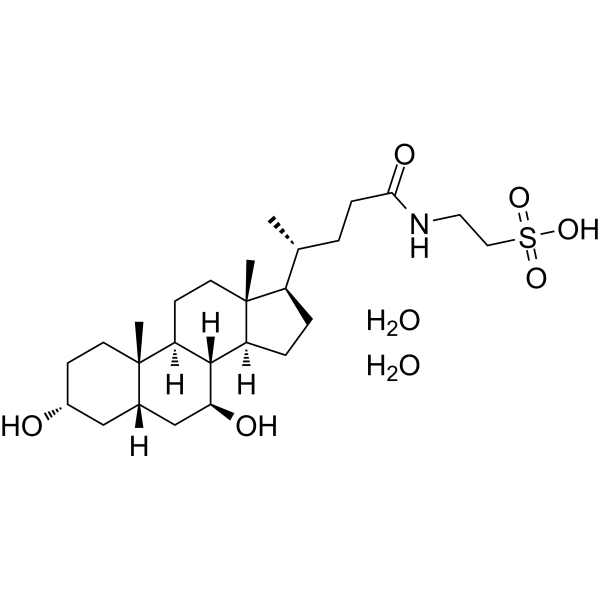
    Tauroursodeoxycholate dihydrate
    Maximum Cited Publications
    104 Publications Verification

    Tauroursodeoxycholic acid dihydrate; TUDCA dihydrate; UR 906 dihydrate

    Caspase Apoptosis Endogenous Metabolite IRE1 NF-κB JNK Reactive Oxygen Species (ROS) Akt Neurological Disease Metabolic Disease Inflammation/Immunology
    Tauroursodeoxycholate dehydrate is an orally active taurine conjugate of Ursodeoxycholic acid (HY-13771). Tauroursodeoxycholate dehydrate inhibits caspase-3/7, Apoptosis, IRE1α/TRAF2/NF-κB, prevents JNK phosphorylation, inhibits ROS generation, and activates Akt signaling. Tauroursodeoxycholate dehydrate prevents cataract formation, reduces renal tubular damage in type 2 diabetic mice, reduces I/R injury in liver, and inhibits intestinal inflammation and barrier disruption in nonalcoholic fatty liver disease .
    Tauroursodeoxycholate dihydrate
  • HY-P10102
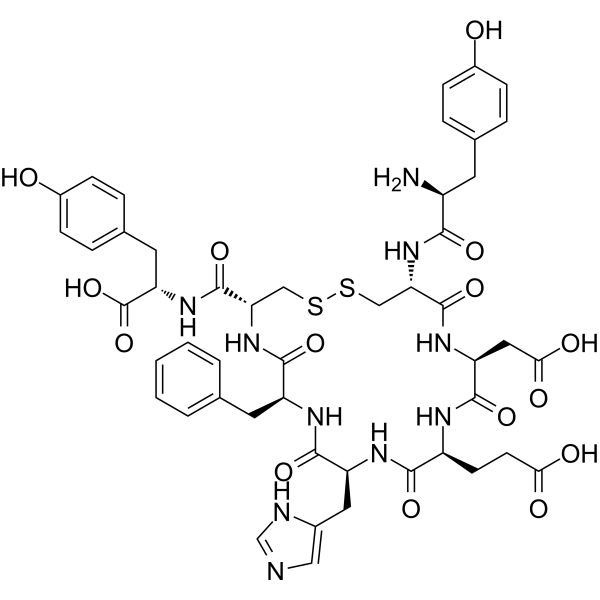
    Kp7-6
    2 Publications Verification

    Apoptosis PERK NF-κB Caspase JNK Inflammation/Immunology Cancer
    Kp7-6 is a Fas mimetic peptide and also a Fas/FasL antagonist. Kp7-6 specifically binds to Fas and FasL, disrupts receptor complexes, and blocks downstream apoptosis signaling pathways. Kp7-6 inhibits the phosphorylation of ERK1-2, induces the phosphorylation of IκBα, and activates NF-κB. Kp7-6 inhibits the activation of caspase-8, caspase-3 and JNK, and suppresses human amylin-induced β-cell apoptosis. Kp7-6 inhibits FasL-induced lymphoid cytotoxicity and apoptosis. Kp7-6 reduces local tumor FasL expression, increases CD8 +Fas + T cell infiltration, and decreases tumor volume in pancreatic neuroendocrine tumor models. Kp7-6 prevents concanavalin A-induced liver injury in mice. Kp7-6 is applicable to research related to type 2 diabetes, concanavalin A-induced hepatitis and pancreatic neuroendocrine tumors .
    Kp7-6
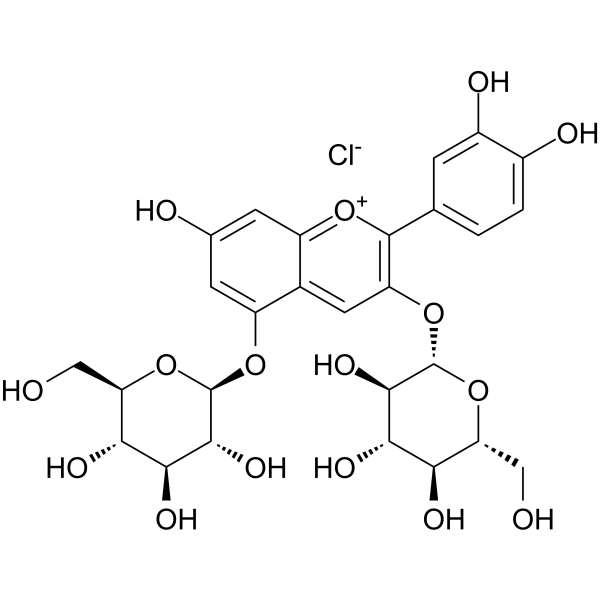
  • HY-129138

    Interleukin Related NO Synthase STAT IKK PERK p38 MAPK Akt Neurological Disease Inflammation/Immunology
    Cyanidin 3,5-diglucoside chloride is an anthocyanin. Cyanidin 3,5-diglucoside chloride inhibits inflammatory cytokines (IL-1α, IL-1β, and IL-6) expression and NO production. Cyanidin 3,5-diglucoside chloride inhibits the phosphorylation of STAT3, IκB, ERK, p38, and AKT. Cyanidin 3,5-diglucoside chloride inhibits high pressure-induced decrease in GLAST. Cyanidin 3,5-diglucoside chloride exerts anti-inflammatory and skin barrier modulating effects. Cyanidin 3,5-diglucoside chloride can be used in retinal research .
    Cyanidin 3,5-diglucoside chloride
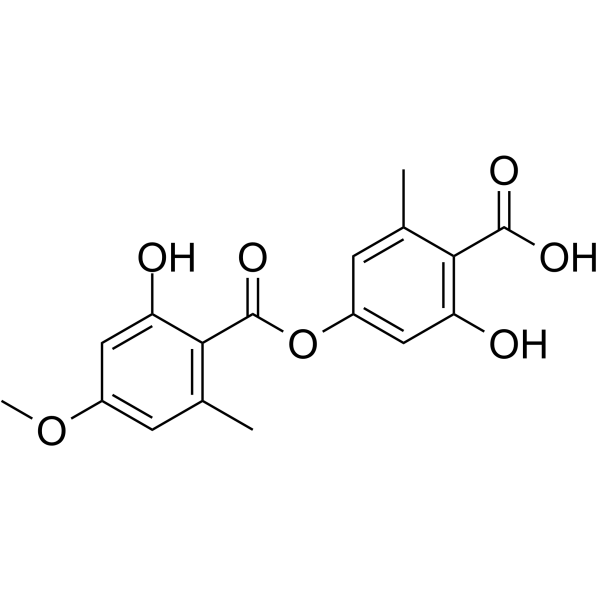
  • HY-121362

    Bacterial Endogenous Metabolite TrxR Infection Neurological Disease Inflammation/Immunology Cancer
    Evernic Acid is an orally active thioredoxin reductase 1 (TrxR1) inhibitor and antiproliferative agent. Evernic Acid inhibits the proliferation and migration of human breast cancer cells. Evernic Acid blocks the NF-κB pathway by inhibiting p65 nuclear translocation and IκBα phosphorylation, thereby suppressing downstream inflammatory mediators. Evernic Acid acts as an antioxidant, anti-inflammatory agent and neuroprotective agent, protects neurons from cell death, mitochondrial dysfunction and oxidative stress damage, reduces astrocyte activation, and ameliorates dopaminergic neuron loss and neuroinflammation. Evernic Acid inhibits enoyl reductases FabI and FabZ of Plasmodium falciparum. Evernic Acid downregulates the expression of lasB and rhlA genes in Pseudomonas aeruginosa, inhibits quorum sensing and biofilm formation, and exerts antibacterial activity against Gram-positive bacteria, Gram-negative bacteria and fungi. Evernic Acid is applicable to research related to breast cancer, Parkinson's disease, bacterial infections and fungal infections .
    Evernic Acid
  • HY-W923189

    Interleukin Related COX TNF Receptor NOD-like Receptor (NLR) NO Synthase PERK p38 MAPK Reactive Oxygen Species (ROS) Caspase Autophagy Herbicide Inflammation/Immunology Cancer
    Neral is a plant-derived anti-inflammatory, antioxidant and anticancer agent. Neral inhibits the phosphorylation of ERK1/2, p38 MAPK and IκB in macrophages induced by LPS (HY-D1056), suppresses the secretion of TNF-α and IL-6, as well as the expression of pro-IL-1β, iNOS and COX-2 in cells, and reduces the production of ROS in cells. Neral inhibits the activation of the NLRP3 inflammasome, and decreases the activation of caspase-1 and the secretion of IL-1β in mouse macrophages. Neral induces autophagy, and exhibits antiproliferative activity both in in vitro breast cancer cell models and mouse xenograft models. Neral regulates brassinosteroid, jasmonic acid and ethylene signaling pathways, and induces the expression of AP2/ERF-ERF and bHLH family genes in rice roots. Neral acts as a herbicide safener, alleviates the damage induced by Fenoxaprop-P-ethyl (HY-B2013), and promotes the elongation of rice roots. Neral can be used in research related to breast cancer, inflammatory and immune system diseases, and herbicide safeners .
    Neral
  • HY-N5084

    TRP Channel HDAC p38 MAPK JNK ERK NF-κB TNF Receptor Interleukin Related Neurological Disease Inflammation/Immunology Cancer
    Pinocembrin 7-O-[3''-O-galloyl-4'',6''-hexahydroxydiphenoyl]-β-D-glucoside is a TRPV1 antagonist and HDAC7 inhibitor. Pinocembrin 7-O-[3''-O-galloyl-4'',6''-hexahydroxydiphenoyl]-β-D-glucoside blocks TRPV1-mediated calcium influx, suppresses phosphorylation of p65, IκBα, p38, JNK, and ERK1/2, inhibiting NF-κB and MAPK signaling cascades. Pinocembrin 7-O-[3''-O-galloyl-4'',6''-hexahydroxydiphenoyl]-β-D-glucoside reduces production and gene expression of pro-inflammatory cytokines IL-1β, IL-6, and TNF-α. Pinocembrin 7-O-[3''-O-galloyl-4'',6''-hexahydroxydiphenoyl]-β-D-glucoside exhibits potent analgesic activity, elevates thermal pain threshold and mechanical pain threshold in murine models. Pinocembrin 7-O-[3''-O-galloyl-4'',6''-hexahydroxydiphenoyl]-β-D-glucoside restores CD8 + T cell infiltration into bladder cancer tumors and improves bladder cancer immunotherapy efficacy. Pinocembrin 7-O-[3''-O-galloyl-4'',6''-hexahydroxydiphenoyl]-β-D-glucoside can be used for the researches of painand bladder cancer .
    Pinocembrin 7-O-[3''-O-galloyl-4'',6''-hexahydroxydiphenoyl]-β-D-glucoside
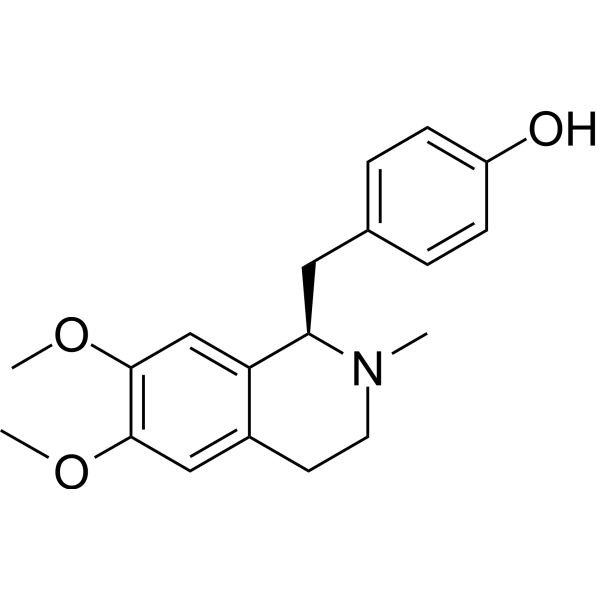
  • HY-N6857

    AP-1 NF-κB p38 MAPK ERK JNK Neurological Disease Metabolic Disease Inflammation/Immunology Cancer
    Armepavine, found in Nelumbo nucifera, is an orally active NF-κB inhibitor. Armepavine attenuates expression of p-p65, α-SMA, p-JNK1/2, p-ERK1/2, p-p38α stimulated by TNF-α and LPS. Armepavine suppresses NF-κB nuclear translocation, IκBα phosphorylation, and collagen deposition. Armepavine can be used for the research of hepatic fibrosis and leukemia .
    Armepavine
  • HY-N0442

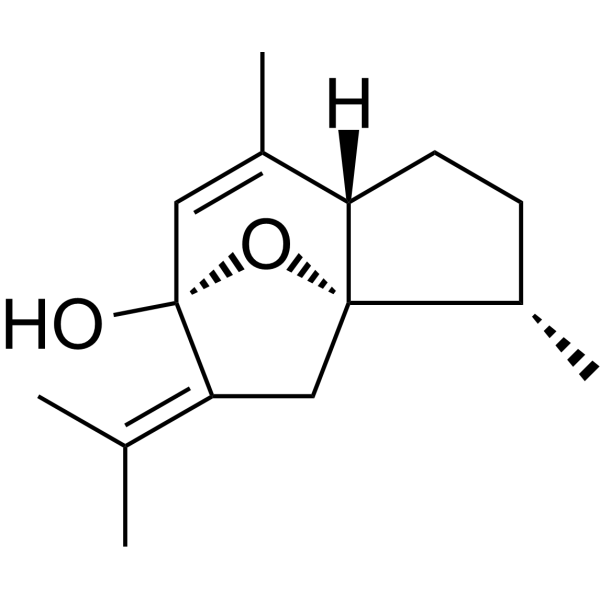
    4'-O-β-D-Glucosyl-5-O-methylvisamminol

    NF-κB p38 MAPK JNK Src TNF Receptor NOD-like Receptor (NLR) Amyloid-β MEK ERK Ferroptosis VEGFR Anaplastic lymphoma kinase (ALK) Reactive Oxygen Species (ROS) Neurological Disease Metabolic Disease Inflammation/Immunology Cancer
    5-O-Methylvisammioside (4'-O-β-D-Glucosyl-5-O-methylvisamminol) is an orally active natural chromone glycoside and multiple biological activities. 5-O-Methylvisammioside inhibits ferroptosis by activating the Nrf2/HO-1 signaling axis. 5-O-Methylvisammioside alleviates intestinal barrier damage by inhibiting the ROS/NF-κB/NLRP3 pathway. 5-O-Methylvisammioside exerts a protective effect against acute liver injury by reducing ALT/AST, decreasing inflammatory infiltration, and inhibiting IκB-α phosphorylation and NF-κB nuclear translocation. 5-O-Methylvisammioside blocks the HMGB1/RAGE/MEK/ERK signaling axis to exert anti-tumor and anti-angiogenic effects. 5-O-Methylvisammioside improves depression-like behaviors by inhibiting Src kinase and the NF-κB pathway .
    5-O-Methylvisammioside
  • HY-N1956
    Rubiadin-1-methyl ether
    1 Publications Verification

    NF-κB Metabolic Disease
    Rubiadin-1-methyl ether is a natural anthraquinone isolated from Morinda officinalis How, and inhibits osteoclastic bone resorption via inhibition on the phosphorylation of NF-κB p65 and the degradation of IκBα as well as decrease in the nuclear translocation of p65 .
    Rubiadin-1-methyl ether
  • HY-N1921
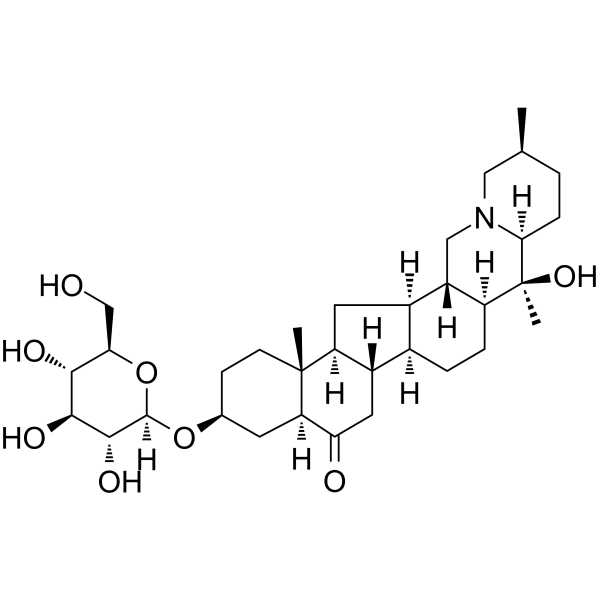
    Edpetiline
    2 Publications Verification

    NF-κB p38 MAPK TNF Receptor Reactive Oxygen Species (ROS) COX Interleukin Related Inflammation/Immunology
    Edpetiline is an anti-inflammatory agent. Edpetiline inhibits the phosphorylation of IκB, nuclear transcription/translocation of NF-κB p65, as well as the phosphorylation of p38 MAPK and ERK MAPK. Edpetiline reduces intracellular ROS levels, inhibits the expression of TNF-α, IL-6, iNOS, COX-2, and promotes the expression of IL-4. Edpetiline is applicable to the research of diseases associated with inflammation and oxidative stress .
    Edpetiline
  • HY-N0613
    Sauchinone
    1 Publications Verification

    NF-κB Inflammation/Immunology
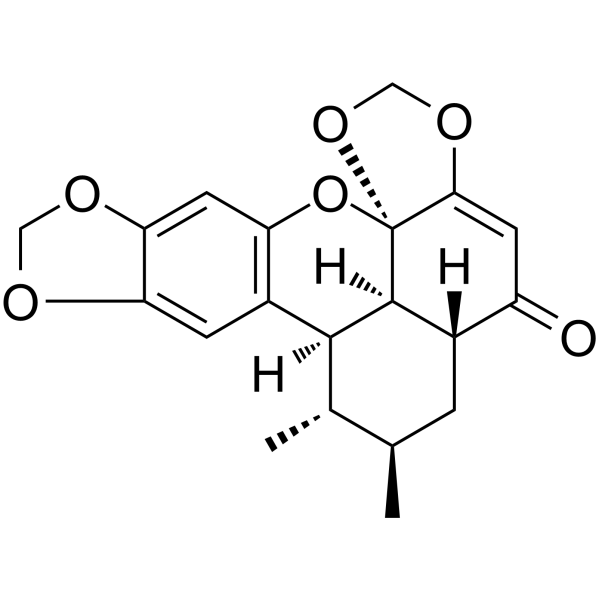
    Sauchinone is a diastereomeric lignan isolated from Saururus chinensis (Saururaceae). Sauchinone inhibits LPS-inducible iNOS, TNF-α and COX-2 expression through suppression of I-κBα phosphorylation and p65 nuclear translocation. Sauchinone has anti-inflammatory and antioxidant activity .
    Sauchinone
  • HY-153598

    PROTACs RIP kinase Apoptosis Inflammation/Immunology Cancer
    LD4172 is a selective RIPK1 PROTAC degrader with a Ki of 4.8 nM. LD4172 induces RIPK1 protein degradation via ternary complex formation with RIPK1 and VHL E3 ligase, driving ubiquitination and proteasomal breakdown. LD4172 abrogates TNF-induced classical NF-κB signaling in TRAF2-deficient cells, impairing IκBα phosphorylation and degradation, and reducing IL-8 production. LD4172 induces apoptosis and immunogenic cell death in tumor cells, enhances tumor-infiltrating lymphocyte responses, and sensitizes tumors to anti-PD1 therapy. LD4172 acts as a chemical probe for investigating RIPK1 scaffolding functions. LD4172 can be used for the research of melanoma, colon cancer .
    LD4172
  • HY-171705

    Keap1-Nrf2 AMPK JNK IKK p38 MAPK NO Synthase α-synuclein Interleukin Related Neurological Disease
    KMS99220 is an orally active, blood-brain barrier-permeable activator of the Nrf2 inhibitory protein Keap-1. KMS99220 enhances the activity of AMPK, activates the Nrf2 signaling pathway, and reduces the phosphorylation of IκB, nuclear translocation of NFκB, as well as the phosphorylation levels of JNK, IKK and p38 MAPK via HO-1. KMS99220 binds to Keap1 to trigger the nuclear translocation of Nrf2, induces the expression of HO-1, NQO1, GCLC, GCLM and proteasome subunits; enhances proteasomal enzymatic activity; inhibits iNOS expression, nitric oxide production and IL-1β generation; attenuates microglial activation; reduces α-synuclein aggregation; and prevents dopaminergic neuron degeneration and motor dysfunction. KMS99220 prevents the degeneration of dopaminergic neurons in the substantia nigra, induces the expression of Nrf2 downstream target genes, and effectively ameliorates associated motor dysfunction in a mouse model of Parkinson's disease. KMS99220 is applicable to research related to Parkinson's disease .
    KMS99220
  • HY-N8884

    PTEN Akt NF-κB Interleukin Related TNF Receptor Inflammation/Immunology
    Coelonin is a dihydrophenanthrene with anti-inflammation activity. Coelonin inhibits LPS-induced PTEN phosphorylation. Coelonin inhibits NF-κB activation and p27Kip1 degradation by regulating the PI3K/AKT pathway negatively. Coelonin can inhibit IκBα phosphorylation and degradation and increases the expression of IκBα protein .
    Coelonin
  • HY-118922

    TNF Receptor Neurological Disease Inflammation/Immunology Cancer
    IW927 is a photochemically enhanced TNF-α-TNFR1 interaction inhibitor that blocks the binding of TNF-α to TNFRc1 with an IC50 value of 50 nM. IW927 binds reversibly to the TNFRc1 with weak affinity (Kd = 40-100 μM), covalently modifies the receptor via a photochemical reaction, and does not bind the related cytokine receptors TNFRc2 or CD40. IW927 disrupts TNFα-induced IκB phosphorylation with an IC50 value of 600 nM. IW927 can be used to develop light-independent inhibitors .
    IW927
  • HY-108659

    P2Y Receptor Inflammation/Immunology
    NF340 is a P2Y11 receptor inhibitor with a pIC50 of 7.3-7.7 against human P2Y11 receptor, and it exhibits high selectivity over other P2Y family receptors. NF340 binds to the ATP-binding amino acid residues of the P2Y11 receptor to inhibit its activity, block nociceptive activity, and reduce spinal dorsal horn P2Y11 receptor upregulation induced by spinal cord injury. NF340 attenuates the NFκB signaling pathway activated by IL-1β by decreasing IκBα phosphorylation, nuclear p65 accumulation and NFκB promoter activity. NF340 inhibits IL-1β-induced pro-inflammatory cytokine expression, reduces intracellular ROS and 4-HNE levels, and suppresses IL-1β-induced matrix metalloproteinase expression in primary fibroblast-like synoviocytes. NF340 inhibits ATP-induced elevation of intracellular calcium 2+ concentration and cell migration in human hepatocellular carcinoma cells. NF340 is applicable to the research of neuropathic pain, myocardial ischemia/reperfusion injury, inflammatory pain, rheumatoid arthritis and hepatocellular carcinoma .
    NF340
  • HY-N1987
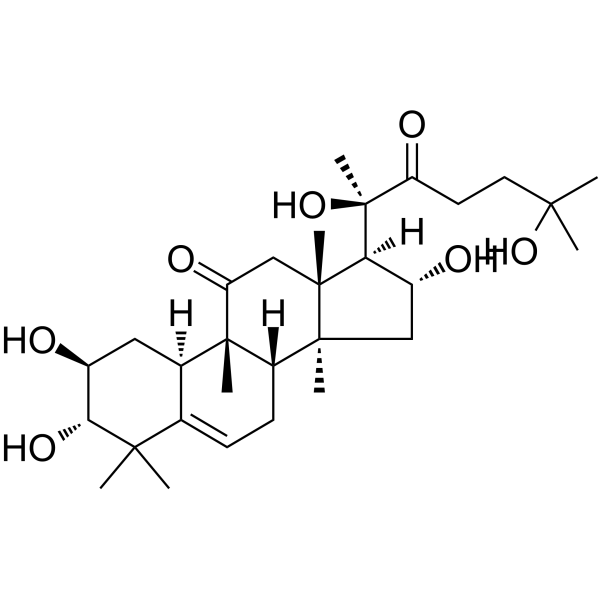
    Cucurbitacin IIb
    2 Publications Verification

    Apoptosis Inflammation/Immunology
    Cucurbitacin IIb is an active component isolated from Hemsleya amabilis, induces apoptosis with anti-inflammatory activity. Cucurbitacin IIb inhibits phosphorylation of STAT3, JNK and Erk1/2, enhances the phosphorylation of IκB and NF-κB (p65), blocks nuclear translocation of NF-κB (p65) and decreases mRNA levels of IκBα and TNF-α .
    Cucurbitacin IIb
  • HY-N2270
    Chicanine
    1 Publications Verification

    p38 MAPK ERK IKK Inflammation/Immunology
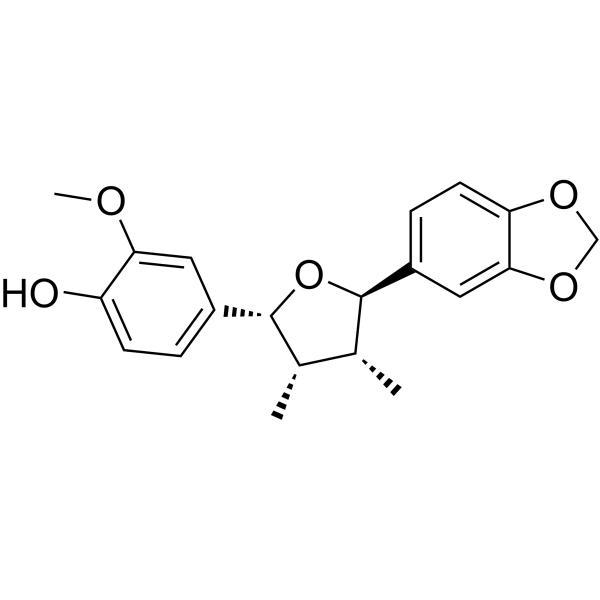
    Chicanine is a lignan compound of Schisandra chinesis, inhibits LPS-induced phosphorylation of p38 MAPK, ERK 1/2 and IκB-α, with anti-inflammatory activity .
    Chicanine
  • HY-144765
    NF-κB-IN-4
    1 Publications Verification

    NF-κB Apoptosis Neurological Disease Metabolic Disease Inflammation/Immunology Cancer
    NF-κB-IN-4 (compound 17) is a potent NF-κB pathway inhibitor with blood brain barrier (BBB) permeability. NF-κB-IN-4 exhibits potential anti-neuroinflammatory activity with low toxicity. NF-κB-IN-4 can block the activation and phosphorylation of IκBα, reduce expression of NLRP3, and thus inhibit NF-κB activation. NF-κB-IN-4 can be used for neuroinflammation related diseases research .
    NF-κB-IN-4
  • HY-110151

    NF-κB Interleukin Related Inflammation/Immunology Cancer
    Bengamide B is an alkaloid with anti-tumor and anti-inflammatory activities. Bengamide B reduces the phosphorylation level of IκBα, thereby blocking the activation of NF-κB. Bengamide B inhibits the proliferation of tumor cells. Bengamide B can be used in research related to inflammatory diseases and cancers .
    Bengamide B
  • HY-P11296A

    IKK NF-κB Inflammation/Immunology
    LLVK TFA is a selective IκB phosphorylation inhibitor. LLVK TFA reduces LPS-induced pro-inflammatory cytokines (IL-1β, IL-6, TNF-α). LLVK TFA is promising for research of inflammatory bowel disease and rheumatoid arthritis .
    LLVK TFA
  • HY-W1000105

    (E)-3,7-Dimethylocta-2,6-dienal

    TNF Receptor Interleukin Related ERK JNK IKK COX NO Synthase Reactive Oxygen Species (ROS) Inflammation/Immunology
    Geranial is an aromatic compound. It can be isolated from the fruits of Litsea cubeba Lour and the rhizomes of ginger (Zingiber officinale). Geranial inhibits LPS-induced phosphorylation of ERK1/2, JNK1/3 and IκB in macrophages. It suppresses the secretion of IL-1β, TNF-α and IL-6, as well as the expression of pro-IL-1β, iNOS and COX-2. Geranial increases ROS. It can be used in the research of inflammatory diseases .
    Geranial
  • HY-P5522A
    TriDAP dihydrochloride
    1 Publications Verification

    L-Ala-γ-D-Glu-meso-diaminopimelic acid dihydrochloride

    NOD-like Receptor (NLR) NF-κB MAP3K MEK ERK p38 MAPK Interleukin Related SARS-CoV Infection Inflammation/Immunology
    TriDAP dihydrochloride (L-Ala-γ-D-Glu-meso-diaminopimelic acid dihydrochloride) is a NOD1 agonist with a Kd value of 34.5 μM. TriDAP dihydrochloride enhances the binding of NOD1-RICK, promotes RICK phosphorylation, and activates the NF-κB, TAK1, MEK/ERK, p38 and interferon response pathways. TriDAP dihydrochloride downregulates Runx2 via increasing ubiquitination and reduces trabecular bone parameters. TriDAP dihydrochloride decreases IκBα levels and increases p65 levels. TriDAP dihydrochloride induces the secretion of proinflammatory mediators IL-8 and prostaglandins, triggers tissue inflammation and innate immune activation, and inhibits SARS-CoV-2 replication in lung epithelial cells. TriDAP dihydrochloride increases the RANKL/OPG ratio in mice, reduces bone mass and enhances osteoclast activity, and inhibits new bone formation by decreasing the mineralization deposition rate in mice. TriDAP dihydrochloride can be used in research related to pulpitis, chronic ulcerative colitis, Crohn's disease and SARS-CoV-2 infection .
    TriDAP dihydrochloride
  • HY-P11296

    IKK NF-κB Inflammation/Immunology
    LLVK is a selective IκB phosphorylation inhibitor. LLVK reduces LPS-induced pro-inflammatory cytokines (IL-1β, IL-6, TNF-α). LLVK is promising for research of inflammatory bowel disease and rheumatoid arthritis .
    LLVK
  • HY-W016814R

    cis-Aconitic acid (Standard)

    Reference Standards Endogenous Metabolite Others
    (Z)-Aconitic acid (Standard) is the analytical standard of (Z)-Aconitic acid. This product is intended for research and analytical applications. (Z)-Aconitic acid is a glutamate decarboxylase inhibitor. (Z)-Aconitic acid reduces IκB-α phosphorylation. (Z)-Aconitic acid inhibits Antigen-induced arthritis and Monosodium urate (HY-B2130A)-induced gout .
    (Z)-Aconitic acid (Standard)
  • HY-N0811

    NO Synthase COX NF-κB MEK Inflammation/Immunology
    Anemarsaponin B is a steroidal saponin. Anemarsaponin B decreases the protein and mRNA levels of iNOS and COX-2. Anemarsaponin B reduces the expressions and productions of pro-inflammatory cytokines, including TNF-a and IL-6. Anemarsaponin B inhibits the nuclear translocation of the p65 subunit of NF-κB by blocking the phosphorylation of IκBα. Anemarsaponin B also inhibits the phosphorylation of MAP kinase kinases 3/6 (MKK3/6) and mixed lineage kinase 3 (MLK3). Anti-inflammatory effect .
    Anemarsaponin B
  • HY-149331

    TNF Receptor Caspase NF-κB Inflammation/Immunology
    TNF-α-IN-11 (Compound 10) is a TNF-α inhibitor with a KD value of 12.06 μM. TNF-α-IN-11 binds to TNF-α and blocks the activation of TNF-α-trigged caspase and NF-κB signaling pathway. TNF-α-IN-11 inhibits the phosphorylation of IκBα, as well as the nuclear translocation of NF κB p65. TNF-α-IN-11 can be used for research of TNF-α-mediated autoimmune diseases .
    TNF-α-IN-11
  • HY-P5522

    L-Ala-γ-D-Glu-meso-diaminopimelic acid

    NOD-like Receptor (NLR) NF-κB MAP3K MEK ERK p38 MAPK Interleukin Related SARS-CoV Infection Inflammation/Immunology
    TriDAP (L-Ala-γ-D-Glu-meso-diaminopimelic acid) is a NOD1 agonist with a Kd value of 34.5 μM. TriDAP enhances the binding of NOD1-RICK, promotes RICK phosphorylation, and activates the NF-κB, TAK1, MEK/ERK, p38 and interferon response pathways. TriDAP downregulates Runx2 via increasing ubiquitination and reduces trabecular bone parameters. TriDAP decreases IκBα levels and increases p65 levels. TriDAP induces the secretion of proinflammatory mediators IL-8 and prostaglandins, triggers tissue inflammation and innate immune activation, and inhibits SARS-CoV-2 replication in lung epithelial cells. TriDAP increases the RANKL/OPG ratio in mice, reduces bone mass and enhances osteoclast activity, and inhibits new bone formation by decreasing the mineralization deposition rate in mice. TriDAP can be used in research related to pulpitis, chronic ulcerative colitis, Crohn's disease and SARS-CoV-2 infection .
    TriDAP
  • HY-107593

    IKK Inflammation/Immunology
    PS-1145 (dihydrochloride) is a potent IκB kinase-2 inhibitor with an IC50 value of 88 nM. PS-1145 (dihydrochloride) inhibits activity of NF-κB by blocking IκB kinase phosphorylation in tumor-bearing rats .
    PS-1145 dihydrochloride
  • HY-N0629R

    Crategolic acid (Standard); 2α-Hydroxyoleanolic acid (Standard)

    Reference Standards NF-κB Bacterial HIV Endogenous Metabolite Inflammation/Immunology Cancer
    Maslinic acid (Standard) is the analytical standard of Maslinic acid. This product is intended for research and analytical applications. Maslinic acid can inhibit the DNA-binding activity of NF-κB p65 and abolish the phosphorylation of IκB-α, which is required for p65 activation.
    Maslinic acid (Standard)
  • HY-N10768

    IKK NF-κB Inflammation/Immunology
    1-Dehydro-[10]-gingerdione directly inhibits IKKβ activity by targeting the activation loop of IKKβ, thus disrupting IKKβ-catalysed IκBα phosphorylation in macrophages stimulated with agonists. 1-Dehydro-[10]-gingerdione inhibits LPS (HY-D1056)-induced NF-κB transcriptional activity. 1-Dehydro-[10]-gingerdione has the potential for NF-κB-associated inflammation and autoimmune disorders research .
    1-Dehydro-[10]-gingerdione
  • HY-162092

    NF-κB IKK Cancer
    Multi-target Pt (IV), an antitumor agent, suppresses the IKKβ phosphorylation, IκBα phosphorylation and NF-κB p65 phosphorylation and nuclear translocation, leading to blocked the NF-kB signal pathway .
    Multi-target Pt
  • HY-139833

    NF-κB IKK Inflammation/Immunology
    Anti-inflammatory agent 6 blocks the phosphorylation of I kappa b kinase α/β (IKKα/β), IκBα, and nuclear factor kB p65 (NF-κB p65) which is a key controller of inflammation, thereby showing anti-inflammatory potential.
    Anti-inflammatory agent 6
  • HY-N1987R

    Reference Standards Apoptosis Inflammation/Immunology
    Cucurbitacin IIb (Standard) is the analytical standard of Cucurbitacin IIb. This product is intended for research and analytical applications. Cucurbitacin IIb is an active component isolated from Hemsleya amabilis, induces apoptosis with anti-inflammatory activity. Cucurbitacin IIb inhibits phosphorylation of STAT3, JNK and Erk1/2, enhances the phosphorylation of IκB and NF-κB (p65), blocks nuclear translocation of NF-κB (p65) and decreases mRNA levels of IκBα and TNF-α .
    Cucurbitacin IIb (Standard)
  • HY-138284

    NF-κB Inflammation/Immunology
    Avenanthramide-C methyl ester is an anti-inflammatory agent and NF-κB inhibitor that inhibits the secretion of pro-inflammatory factors. Avenanthramide-C methyl ester inhibits NF-κB activation by inhibiting IKK and IκB phosphorylation and inhibiting proteasome activity .
    Avenanthramide-C methyl ester
  • HY-P11502

    Apolipoprotein NO Synthase CXCR NF-κB IKK Infection
    COG112 is an antennapedia-linked apoE-mimetic peptide. COG112 attenuates induction of NO production, inhibits CXC chemokines KC and MIP-2. COG112 reduces nuclear translocation of NF-κB. COG112 inhibits phosphorylation of IκB-α and prevents the degradation of IκB-α. COG112 inhibits the inflammatory response to Citrobacter rodentium .
    COG112
  • HY-111172

    MMP NF-κB Cancer
    Inotilone is an inhibitor of matrix metalloproteinase MMP-2 and MMP-9, to against metastatic in lung cancer cells. Inotilone enhances the activity of the antioxidant enzymes to support its anti-metastatic activity. Inotilone also inhibits IκBα phosphorylation and NFκB p65 nuclear translocation, involving in FAK, PI3K/AKT, MAPKs and NFκB pathways .
    Inotilone
  • HY-168070

    COX NF-κB NO Synthase Inflammation/Immunology
    COX-2-IN-48 (5-25), a COX-2 inhibitor with an IC50 of 51.7 nM for human COX-2, exerts anti-inflammatory and analgesic effects in various rodent models by inhibiting NF-κB pathway. COX-2-IN-48 (5-25) inhibits the degradation of IκB, the phosphorylation and nuclear translocation of NF-κB p65, and the expression of COX-2 and iNOS .
    COX-2-IN-48
  • HY-173416

    NF-κB p38 MAPK ERK JNK Inflammation/Immunology
    Anti-inflammatory agent 100 (Compound (+)-4S-23) is an anti-inflammatory agent. Anti-inflammatory agent 100 inhibits MAPK and NF-κB signaling, and also inhibits NF-κB pathway by suppressing the phosphorylation of IκB-α and blocking nuclear translocation of phosphorylated p65. Anti-inflammatory agent 100 inhibits NO production (IC50: 0.5 μM) and TNF-α, IL-6, IL-1β secretion .
    Anti-inflammatory agent 100
  • HY-114730

    IKK Inflammation/Immunology
    CGA-JK3 is CGA-JK3 is an ATP-competitive inhibitor of IKKβ-catalyzed kinase activity. CGA-JK3 inhibits IκBα phosphorylation in LPS (HY-D1056) - induced RAW 264.7 cells .
    CGA-JK3
  • HY-N16376

    MJ 286A

    NF-κB STAT Inflammation/Immunology
    Thienodolin (MJ 286A) is an alkaloid that has been found in S. albogriseolus. Thienodolin inhibits nitric oxide production in LPS (HY-D1056)-stimulated RAW 264.7 murine macrophage cells with an IC50 value of 17.2 μM. Thienodolin suppresses iNOS, blocks the degradation of IκBα, attenuates NF-κB p65 accumulation in the nucleus, and reduces the phosphorylation level of STAT1 at Tyr701. Thienodolin can be used for the study of inflammation .
    Thienodolin
  • HY-N0613R

    Reference Standards NF-κB Inflammation/Immunology
    Sauchinone (Standard) is the analytical standard of Sauchinone. This product is intended for research and analytical applications. Sauchinone is a diastereomeric lignan isolated from Saururus chinensis (Saururaceae). Sauchinone inhibits LPS-inducible iNOS, TNF-α and COX-2 expression through suppression of I-κBα phosphorylation and p65 nuclear translocation. Sauchinone has anti-inflammatory and antioxidant activity .
    Sauchinone (Standard)
  • HY-157298

    Apoptosis Cancer
    anti-TNBC agent-4 (compound 7) exhibits highly inhibitory activity against different TNBC cells with IC50s from 0.37 μM to 1.52 μM. anti-TNBC agent-4 inhibits IKKβ mediated phosphorylation of IκB and p65. anti-TNBC agent-4 induces TNBC cells apoptosis .
    anti-TNBC agent-4
  • HY-161329

    NOD-like Receptor (NLR) Reactive Oxygen Species (ROS) NF-κB IKK Inflammation/Immunology
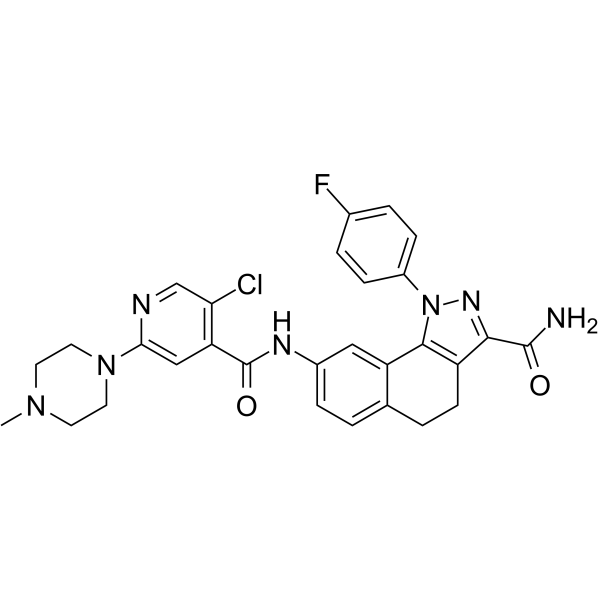
    NLRP3-IN-32 (compound 7a), a 3, 4-dihydronaphthalene-1(2H)-one derivative, is a potential NLRP3 inflammatory vesicles inhibitor. NLRP3-IN-32 can block the assembly and activation of NLRP3 inflammasome by down-regulating the expression of NLPR3 and apoptosis-associated speck-like protein containing a CARD (ASC), and inhibiting the production of reactive oxygen species (ROS) and other inflammatory mediators. NLRP3-IN-32 inhibits the phosphorylation of IκBα and NF-κB/p65 and the nuclear translocation of p65, thereby inhibiting NF-κB signaling .
    NLRP3-IN-32
  • HY-N0442R

    4'-O-β-D-Glucosyl-5-O-methylvisamminol (Standard)

    Reference Standards p38 MAPK Reactive Oxygen Species (ROS) TNF Receptor MEK ERK VEGFR Src Amyloid-β Anaplastic lymphoma kinase (ALK) NF-κB NOD-like Receptor (NLR) JNK Ferroptosis Neurological Disease Metabolic Disease Inflammation/Immunology Cancer
    5-O-Methylvisammioside (4'-O-β-D-Glucosyl-5-O-methylvisamminol) (Standard) is the analytical standard of 5-O-Methylvisammioside. This product is intended for research and analytical applications. 5-O-Methylvisammioside is an orally active natural chromone glycoside and multiple biological activities. 5-O-Methylvisammioside inhibits ferroptosis by activating the Nrf2/HO-1 signaling axis. 5-O-Methylvisammioside alleviates intestinal barrier damage by inhibiting the ROS/NF-κB/NLRP3 pathway. 5-O-Methylvisammioside exerts a protective effect against acute liver injury by reducing ALT/AST, decreasing inflammatory infiltration, and inhibiting IκB-α phosphorylation and NF-κB nuclear translocation. 5-O-Methylvisammioside blocks the HMGB1/RAGE/MEK/ERK signaling axis to exert anti-tumor and anti-angiogenic effects. 5-O-Methylvisammioside improves depression-like behaviors by inhibiting Src kinase and the NF-κB pathway.
    5-O-Methylvisammioside (Standard)

Inquiry Online

Your information is safe with us. * Required Fields.

Salutation


Country or Region *

Applicant Name *


Organization Name *

Department *


Email Address *


Product Name *

Cat. No.


Requested quantity *

Phone Number *


Remarks

Inquiry Online

Inquiry Information

Product Name:
Cat. No.:
Quantity:
MCE Japan Authorized Agent: