1. Search Result
Search Result
Results for "

M1/M4

" in MedChemExpress (MCE) Product Catalog:

84

Inhibitors & Agonists

1

Peptides

1

Natural
Products

2

Recombinant Proteins

13

Isotope-Labeled Compounds

3

Antibodies

Cat. No. Product Name Target Research Areas Chemical Structure
  • HY-14539
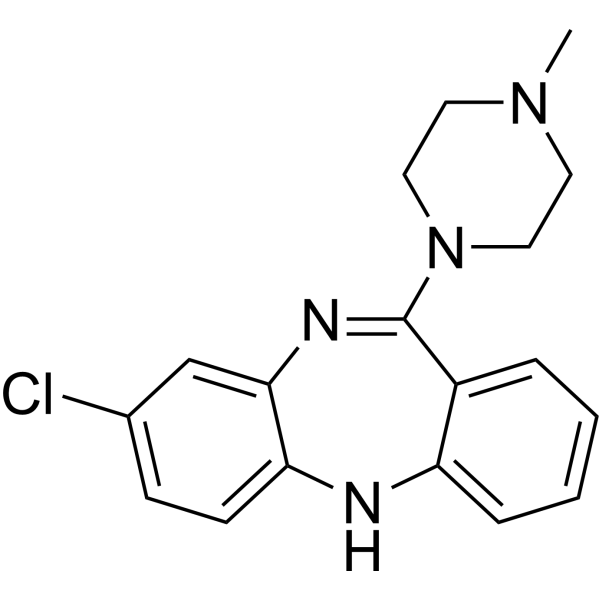
    Clozapine
    Maximum Cited Publications
    11 Publications Verification

    HF 1854; ZINC000019796155

    Dopamine Receptor mAChR Adrenergic Receptor 5-HT Receptor Ligands for E3 Ligase Neurological Disease Cancer
    Clozapine (HF 1854) is an antipsychotic used for the research of schizophrenia. Clozapine has high affinity for a number of neuroreceptors. Clozapine is a potent antagonist of dopamine D2 with a Ki of 75 nM. Clozapine inhibits the muscarinic M1 receptor and serotonin 5HT2A receptor with Kis of 9.5 nM and 4 nM, respectively [1] . Clozapine is also a potent and selective agonist at the muscarinic M4 receptor (EC50=11 nM) [4].
    Clozapine
  • HY-B0298A
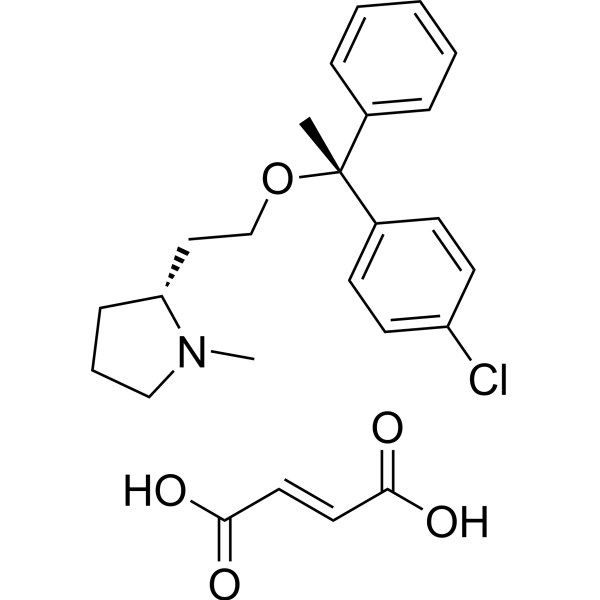
    Clemastine fumarate
    Maximum Cited Publications
    11 Publications Verification

    HS-592 fumarate; Meclastine fumarate

    Histamine Receptor Apoptosis mAChR Pyroptosis Keap1-Nrf2 p62 Autophagy mTOR IKK Neurological Disease Metabolic Disease
    Clemastine (HS-592; Meclastine) fumarate is an orally active, blood-brain barrier-permeable H1 histamine receptor (H1 histamine receptor) antagonist with potent antiallergic effects. Clemastine fumarate also antagonizes muscarinic acetylcholine receptors (mAChR), particularly the M1 and M4 subtypes. In addition to antihistamine effects, Clemastine fumarate exhibits multiple pharmacological activities, especially in promoting central nervous system remyelination, activating autophagy and pyroptosis, exerting anti-apoptotic and neuroprotective effects, and suppressing inflammation [1] [4] .
    Clemastine fumarate
  • HY-105182
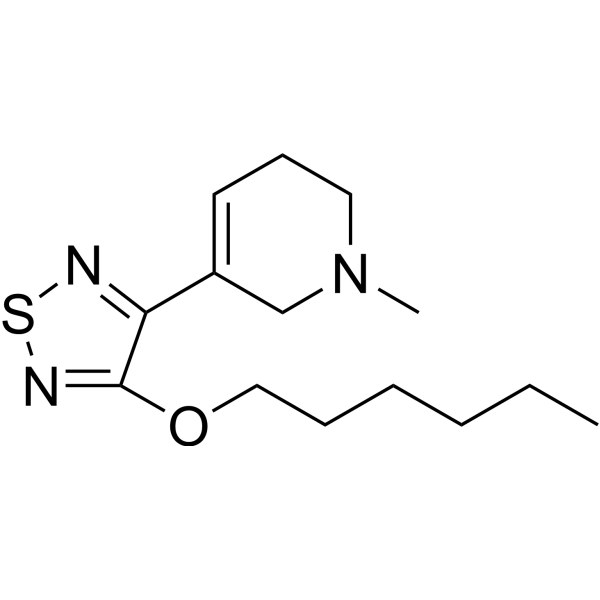
    Xanomeline
    5+ Cited Publications

    LY-246708

    mAChR Neurological Disease
    Xanomeline, as an effective and selective muscarinic type 1 and type 4 (M1/M4) receptor agonist, increases neuronal excitability. Xanomeline can be used for the research of neurological disorders, such as schizophrenia [1] .
    Xanomeline
  • HY-B0527A
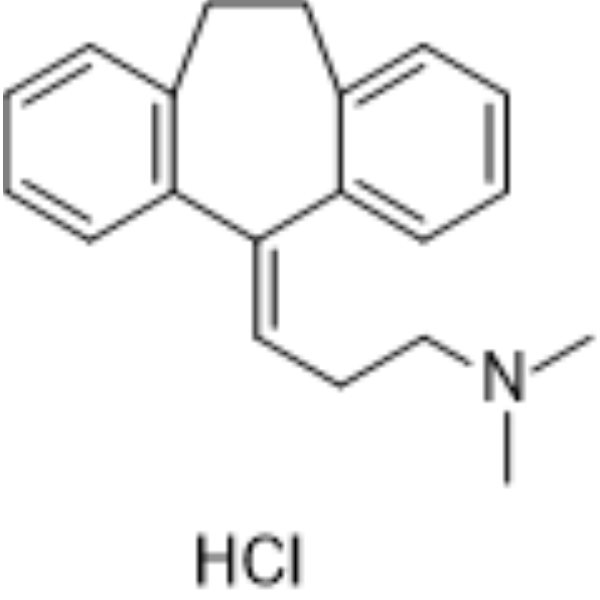
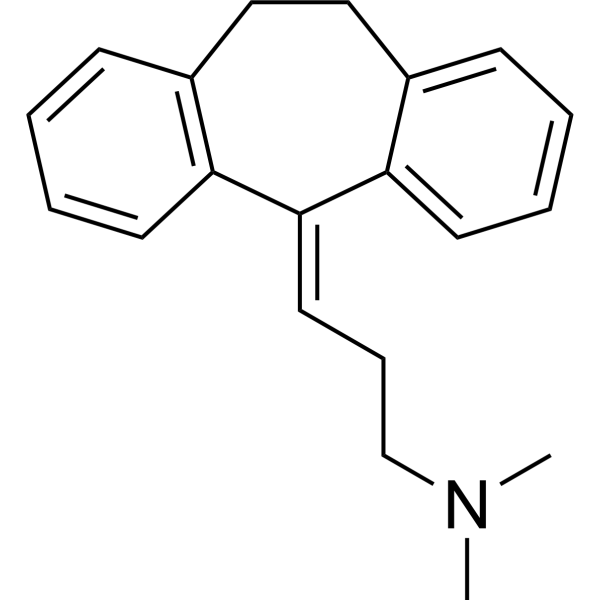
    Amitriptyline hydrochloride
    5+ Cited Publications

    Serotonin Transporter 5-HT Receptor mAChR Histamine Receptor Adrenergic Receptor Trk Receptor Sodium Channel Potassium Channel Dopamine Transporter Apoptosis Neurological Disease Inflammation/Immunology Endocrinology
    Amitriptyline hydrochloride is an orally active tricyclic antidepressant (TCA). Amitriptyline hydrochloride mainly exerts its antidepressant effect by blocking SERT (Ki = 3.45 nM) and NET (Ki = 13.3 nM), thereby increasing the concentrations of 5-hydroxytryptamine (5-HT) and norepinephrine (NE) in the synaptic cleft. Amitriptyline hydrochloride is also an agonist at α2A and TrkA/TrkB receptors, thereby exerting analgesic and neurotrophic activities (inhibiting cell apoptosis). Amitriptyline hydrochloride can reduce inflammation, angiogenesis and fibrosis. Amitriptyline hydrochloride binds to DAT (with Ki = 2.58 μM). Amitriptyline hydrochloride has high affinity for a series of receptors and can antagonize muscarinic cholinergic receptors (M1/M2/M3/M4/M5 receptors) (Ki = 11-24 nM), H1 receptors (Ki = 0.5-1.1 nM), adrenergic α1 receptors (Ki = 4.4 nM), etc., resulting in a series of side effects. Amitriptyline hydrochloride can block sodium channels and hERG potassium channel (IC50 = 4.78 μM) and it has cardiotoxicity [1] [4] .
    Amitriptyline hydrochloride
  • HY-B0527
    Amitriptyline
    5+ Cited Publications

    Serotonin Transporter Trk Receptor Sodium Channel 5-HT Receptor Histamine Receptor Adrenergic Receptor mAChR Potassium Channel Dopamine Transporter Apoptosis Neurological Disease Inflammation/Immunology Endocrinology
    Amitriptyline is an orally active tricyclic antidepressant (TCA). Amitriptyline mainly exerts its antidepressant effect by blocking SERT (Ki = 3.45 nM) and NET (Ki = 13.3 nM), thereby increasing the concentrations of 5-hydroxytryptamine (5-HT) and norepinephrine (NE) in the synaptic cleft. Amitriptyline is also an agonist at α2A and TrkA/TrkB receptors, thereby exerting analgesic and neurotrophic activities (inhibiting cell apoptosis). Amitriptyline can reduce inflammation, angiogenesis and fibrosis. Amitriptyline binds to DAT (with Ki = 2.58 μM). Amitriptyline has high affinity for a series of receptors and can antagonize muscarinic cholinergic receptors (M1/M2/M3/M4/M5 receptors) (Ki = 11-24 nM), H1 receptors (Ki = 0.5-1.1 nM), adrenergic α1 receptors (Ki = 4.4 nM), etc., resulting in a series of side effects. Amitriptyline can block sodium channels and hERG potassium channel (IC50 = 4.78 μM) and it has cardiotoxicity [1] [4] .
    Amitriptyline
  • HY-105182A
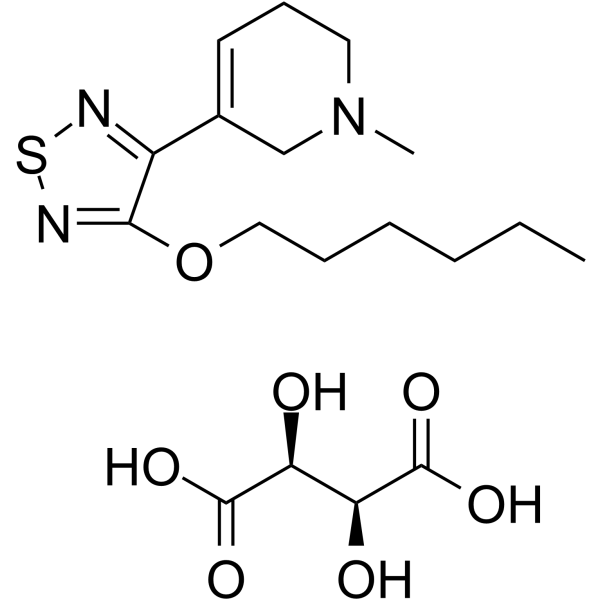
    Xanomeline tartrate
    5+ Cited Publications

    LY 246708 tartrate

    mAChR Neurological Disease
    Xanomeline (LY 246708) is the potent agonist of muscarinic M1/M4 receptor with antipsychotic-like activity. Xanomeline (LY 246708) increases neuronal excitability. Xanomeline (LY 246708) can be used for the research of schizophrenia [1] .
    Xanomeline tartrate
  • HY-B0406A
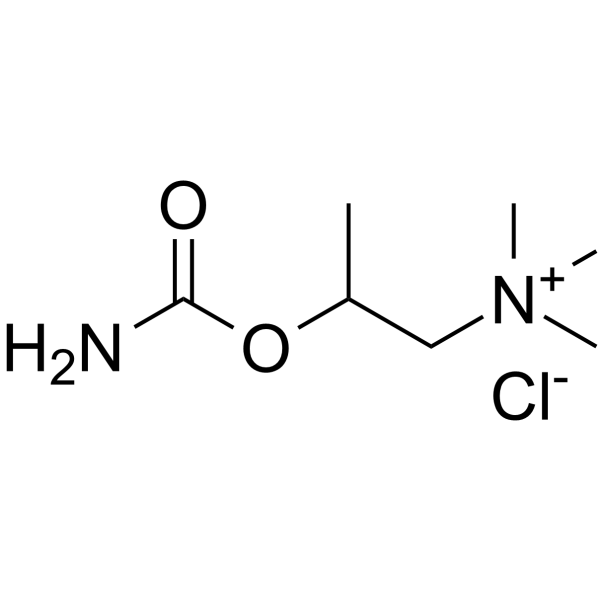
    Bethanechol chloride
    2 Publications Verification

    Carbamyl-β-methylcholine chloride

    mAChR Neurological Disease Cancer
    Bethanechol chloride (Carbamyl-β-methylcholine chloride), a parasympathomimetic agent, is a mAChR agonist that exerts its effects via directly stimulating the mAChR (M1, M2, M3, M4, and M5) of the parasympathetic nervous system [1].
    Bethanechol chloride
  • HY-A0030

    mAChR Neurological Disease Metabolic Disease Cancer
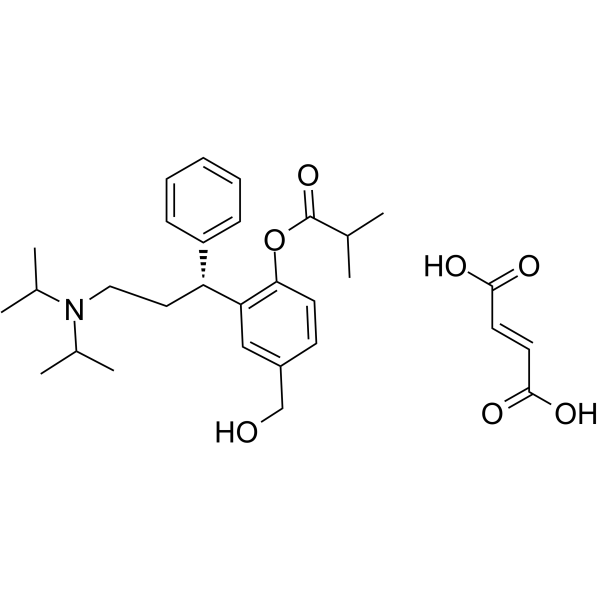
    Fesoterodine Fumarate is an orally active, nonsubtype selective, competitive muscarinic receptor (mAChR) antagonist with pKi values of 8.0, 7.7, 7.4, 7.3, 7.5 for M1, M2, M3, M4, M5 receptors, respectively. Fesoterodine Fumarate is used for the overactive bladder (OAB) [1] .
    Fesoterodine fumarate
  • HY-B0298
    Clemastine
    Maximum Cited Publications
    11 Publications Verification

    HS-592; Meclastine

    Histamine Receptor mAChR Autophagy Apoptosis Keap1-Nrf2 p62 mTOR Pyroptosis IKK Cardiovascular Disease Neurological Disease Inflammation/Immunology
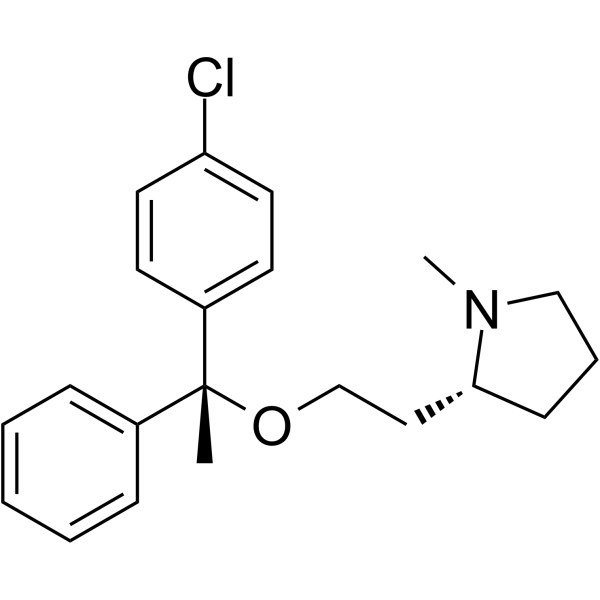
    Clemastine (HS-592; Meclastine) is an orally active, blood-brain barrier-permeable H1 histamine receptor (H1 histamine receptor) antagonist with potent antiallergic effects. Clemastine also antagonizes muscarinic acetylcholine receptors (mAChR), particularly the M1 and M4 subtypes. In addition to antihistamine effects, Clemastine exhibits multiple pharmacological activities, especially in promoting central nervous system remyelination, activating autophagy and pyroptosis, exerting anti-apoptotic and neuroprotective effects, and suppressing inflammation [1] [4] .
    Clemastine
  • HY-107647
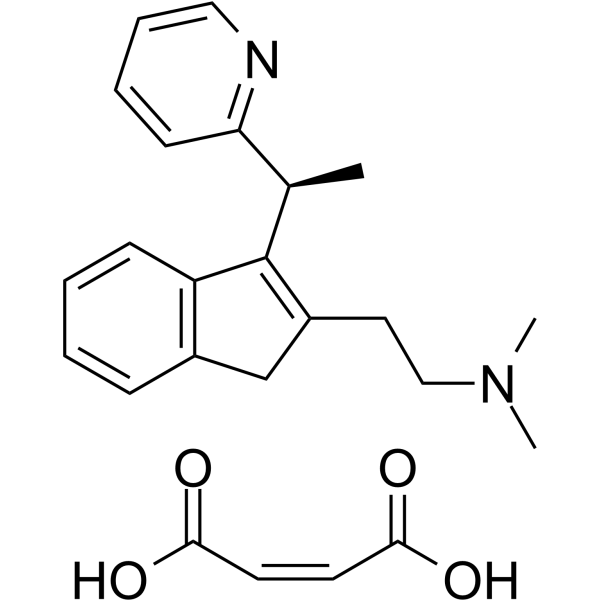
    (S)-(+)-Dimethindene maleate
    1 Publications Verification

    mAChR Histamine Receptor Inflammation/Immunology
    (S)-(+)-Dimethindene maleate, an enantiomer, is a potent M2-selective muscarinic receptor antagonist (pA2 = 7.86/7.74; pKi = 7.78). (S)-(+)-Dimethindene maleate shows lower affinities for the muscarinic M1 (pA2 = 6.83/6.36; pKi = 7.08), the M3 (pA2 = 6.92/6.96; pKi = 6.70) and the M4 receptors (pKi = 7.00), respectively. (S)-(+)-Dimethindene maleate also is a histamine H1 receptor antagonist (pA2 = 7.48) [1].
    (S)-(+)-Dimethindene maleate
  • HY-A0082

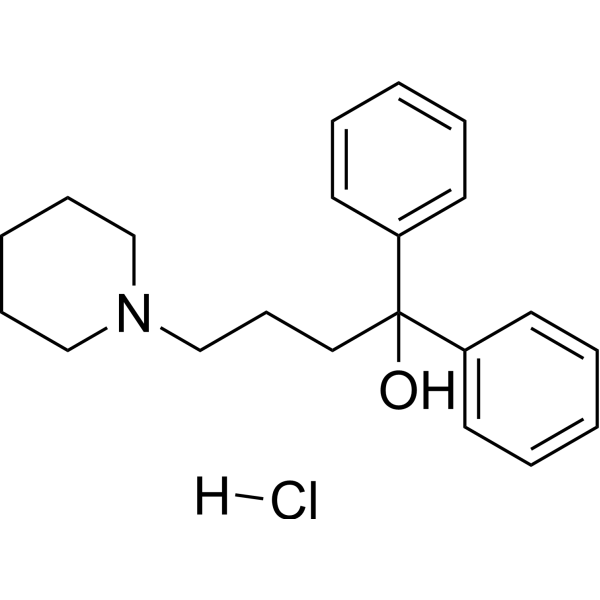
    Difenidol hydrochloride

    mAChR Sodium Channel Neurological Disease
    Diphenidol hydrochloride (Difenidol hydrochloride) is a non-selective muscarinic M1-M4 receptor antagonist, has anti-arrhythmic activity. Diphenidol hydrochloride is also a potent non-specific blocker of voltage-gated ion channels (Na +, K +, and Ca 2+) in neuronal cells. Diphenidol hydrochloride can be used in the study of antivertigo and antinausea [1] [4] .
    Diphenidol hydrochloride
  • HY-107646

    mAChR Neurological Disease
    PD 102807 is a M4 muscarinic receptor antagonist with an IC50 of 90.7 nM. PD 102807 inhibits M1, M2, M3, M5 muscarinic receptor with IC50s of 6558.7, 3440.7, 950.0, and 7411.7 nM, respectively [1]. Antidyskinetic effect.
    PD 102807
  • HY-70053

    mAChR Neurological Disease Metabolic Disease
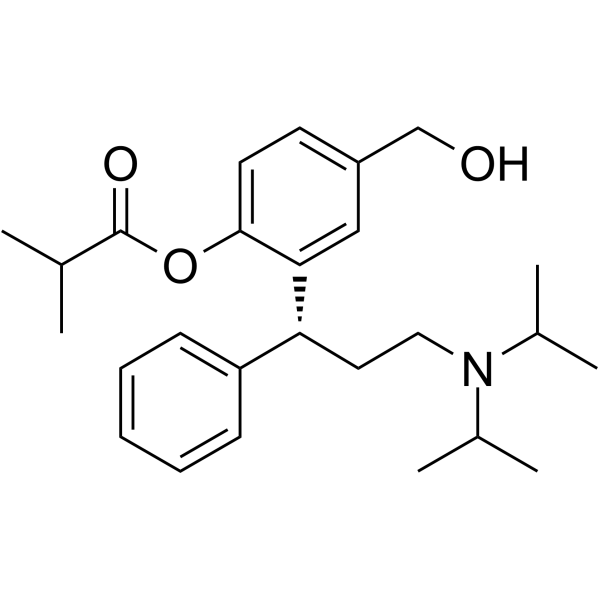
    Fesoterodine is an orally active, nonsubtype selective, competitive muscarinic receptor (mAChR) antagonist with pKi values of 8.0, 7.7, 7.4, 7.3, 7.5 for M1, M2, M3, M4, M5 receptors, respectively. Fesoterodine is used for the overactive bladder (OAB) [1] .
    Fesoterodine
  • HY-159829

    NBI-1117568; HTL-0016878

    mAChR Neurological Disease
    Direclidine (NBI-1117568, HTL-0016878) is a selective orthosteric agonist targeting the muscarinic acetylcholine M4 receptor, exhibiting very low affinity for M1, M2, M3, and M5 receptors. It binds to the orthosteric site of the M4 receptor in a non-covalent, competitive manner. Direclidine specifically activates the M4 receptor, inhibiting the release of acetylcholine from striatal cholinergic interneurons, thereby regulating the balance of the dopaminergic system and reducing psychiatric symptoms associated with excessive dopamine release. Direclidine can improve symptoms associated with neuropsychiatric disorders and is used in research on schizophrenia and other neuropsychiatric disorders [1].
    Direclidine
  • HY-109013

    BBI 4000

    mAChR Neurological Disease
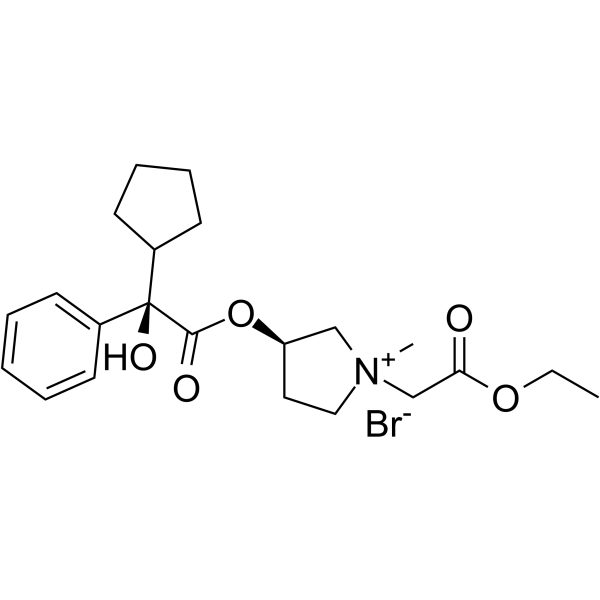
    Sofpironium bromide (BBI 4000) is an anticholinergic agent used in the study of primary axillary hyperhidrosis (PAH). Sofpironium bromide reduces sweating by inhibiting M3 muscarinic receptors in eccrine glands at the application site. Sofpironium bromide also has a high afnity for the M1, M2, M4 and M5 subtypes [1].
    Sofpironium bromide
  • HY-107651
    VU 0365114
    1 Publications Verification

    mAChR Metabolic Disease
    VU 0365114 is a selective mAChR M5 positive allosteric modulator, with an EC50 of 2.7 μM, and >30 μM for M1, M2, M3 and M4 receptors. VU 0365114 increases insulin secretion stimulated by ACh in human β-cells [1] .
    VU 0365114
  • HY-12567

    VU0483253

    mAChR Neurological Disease
    ML375 (VU0483253) is a potent, highly selective, brain-penetrant and orally active M5 mAChR negative allosteric modulator (NAM) with IC50s of 300 nM and 790 nM for human and rat M5, respectively. ML375 is inactive at human and rat M1-M4 [1].
    ML375
  • HY-122203
    PCS1055 dihydrochloride
    2 Publications Verification

    mAChR Cholinesterase (ChE) Neurological Disease
    PCS1055 dihydrochloride is a potent, selective and competitive muscarinic M4 receptor antagonist with an IC50 of 18.1 nM and a Kd of 5.72 nM. PCS1055 dihydrochloride inhibits radioligand [ 3H]-NMS binding to the M4 receptor with a Ki of 6.5 nM. PCS1055 dihydrochloride exhibits >100-fold selectivity over M1-, M3-, and M5-receptors and 30-fold selectivity at the M2 receptor. PCS1055 dihydrochloride is also a potent AChE inhibitor with IC50 s of 22 nM and 120 nM for electric eel and human AChE, respectively [1] .
    PCS1055 dihydrochloride
  • HY-N7247

    mAChR Metabolic Disease
    Thiochrome, a natural oxidation product and metabolite of thiamine, is a selective M4 muscarinic receptor of acetylcholine (ACh) affinity enhancer. Thiochrome has neutral cooperativity with ACh at M1 to M3 receptors [1] .
    Thiochrome
  • HY-76570

    (Rac)-Desfesoterodine; (Rac)-PNU-200577

    mAChR Neurological Disease
    (Rac)-5-Hydroxymethyl Tolterodine ((Rac)-Desfesoterodine), an active metabolite of Tolterodine, is a mAChR antagonist (Ki values of 2.3 nM, 2 nM, 2.5 nM, 2.8 nM, and 2.9 nM for M1, M2, M3, M4, and M5 receptors, respectively). (Rac)-5-Hydroxymethyl Tolterodine can be used for overactive bladder research [1].
    (Rac)-5-Hydroxymethyl Tolterodine
  • HY-14539A
    Clozapine hydrochloride
    Maximum Cited Publications
    11 Publications Verification

    HF 1854 hydrochloride

    Dopamine Receptor mAChR Adrenergic Receptor 5-HT Receptor Neurological Disease
    Clozapine hydrochloride (HF 1854 hydrochloride) is an antipsychotic used for the research of schizophrenia. Clozapine hydrochloride has high affinity for a number of neuroreceptors. Clozapine hydrochloride is a potent antagonist of dopamine D2 with a Ki of 75 nM. Clozapine hydrochloride inhibits the muscarinic M1 receptor and serotonin 5HT2A receptor with Kis of 9.5 nM and 4 nM, respectively [1] . Clozapine hydrochloride is also a potent and selective agonist at the muscarinic M4 receptor (EC50=11 nM) [4].
    Clozapine hydrochloride
  • HY-14539R
    Clozapine (Standard)
    Maximum Cited Publications
    11 Publications Verification

    HF 1854 (Standard)

    Reference Standards Dopamine Receptor mAChR Adrenergic Receptor 5-HT Receptor Neurological Disease
    Clozapine (Standard) is the analytical standard of Clozapine. This product is intended for research and analytical applications. Clozapine (HF 1854) is an antipsychotic used for the research of schizophrenia. Clozapine has high affinity for a number of neuroreceptors. Clozapine is a potent antagonist of dopamine D2 with a Ki of 75 nM. Clozapine inhibits the muscarinic M1 receptor and serotonin 5HT2A receptor with Kis of 9.5 nM and 4 nM, respectively [1] . Clozapine is also a potent and selective agonist at the muscarinic M4 receptor (EC50=11 nM) [4].
    Clozapine (Standard)
  • HY-70053A

    mAChR Neurological Disease Metabolic Disease Cancer
    Fesoterodine L-mandelate is an orally active, nonsubtype selective, competitive muscarinic receptor (mAChR) antagonist with pKi values of 8.0, 7.7, 7.4, 7.3, 7.5 for M1, M2, M3, M4, M5 receptors, respectively. Fesoterodine L-mandelate is used for the overactive bladder (OAB) [1] .
    Fesoterodine L-mandelate
  • HY-B0527AR
    Amitriptyline hydrochloride (Standard)
    4 Publications Verification

    Reference Standards Serotonin Transporter 5-HT Receptor Histamine Receptor mAChR Adrenergic Receptor Trk Receptor Sodium Channel Potassium Channel Dopamine Transporter Apoptosis Neurological Disease Inflammation/Immunology Endocrinology
    Amitriptyline hydrochloride (Standard) is the analytical standard of Amitriptyline hydrochloride (HY-B0527A). This product is intended for research and analytical applications. Amitriptyline hydrochloride is an orally active tricyclic antidepressant (TCA). Amitriptyline hydrochloride mainly exerts its antidepressant effect by blocking SERT (Ki = 3.45 nM) and NET (Ki = 13.3 nM), thereby increasing the concentrations of 5-hydroxytryptamine (5-HT) and norepinephrine (NE) in the synaptic cleft. Amitriptyline hydrochloride is also an agonist at α2A and TrkA/TrkB receptors, thereby exerting analgesic and neurotrophic activities (inhibiting cell apoptosis). Amitriptyline hydrochloride can reduce inflammation, angiogenesis and fibrosis. Amitriptyline hydrochloride binds to DAT (with Ki = 2.58 μM). Amitriptyline hydrochloride has high affinity for a series of receptors and can antagonize muscarinic cholinergic receptors (M1/M2/M3/M4/M5 receptors) (Ki = 11-24 nM), H1 receptors (Ki = 0.5-1.1 nM), adrenergic α1 receptors (Ki = 4.4 nM), etc., resulting in a series of side effects. Amitriptyline hydrochloride can block sodium channels and hERG potassium channel (IC50 = 4.78 μM) and it has cardiotoxicity.
    Amitriptyline hydrochloride (Standard)
  • HY-B0406

    Carbamyl-β-methylcholine

    mAChR Neurological Disease Cancer
    Bethanechol (Carbamyl-β-methylcholine), a parasympathomimetic agent, is a mAChR agonist that exerts its effects via directly stimulating the mAChR (M1, M2, M3, M4, and M5) of the parasympathetic nervous system [1].
    Bethanechol
  • HY-105182S1

    LY-246708-d3

    Isotope-Labeled Compounds mAChR Neurological Disease
    Xanomeline-d3 (LY-246708-d3) is deuterium labeled Xanomeline. Xanomeline, as an effective and selective muscarinic type 1 and type 4 (M1/M4) receptor agonist, increases neuronal excitability. Xanomeline can be used for the research of neurological disorders, such as schizophrenia [1] .
    Xanomeline-d3
  • HY-148527

    AZD8999

    Adrenergic Receptor mAChR Others
    LAS190792 (AZD8999) is a potent muscarinic antagonist and β2-adrenoceptor agonist with pIC50 8.9, 8.8, 8.8, 9.2, 8.2, 7.5, 9.1, 5.6 for M1, M2, M3, M4, M5, β1, β2, β3, respectively. LAS190792 can be used as a bronchodilator [1].
    LAS190792
  • HY-B0527AS

    Isotope-Labeled Compounds Serotonin Transporter 5-HT Receptor Histamine Receptor mAChR Adrenergic Receptor Trk Receptor Sodium Channel Potassium Channel Dopamine Transporter Apoptosis Neurological Disease Inflammation/Immunology Endocrinology
    Amitriptyline-d6 hydrochloride is the deuterium labeled Amitriptyline hydrochloride (HY-B0527A). Amitriptyline hydrochloride is an orally active tricyclic antidepressant (TCA). Amitriptyline hydrochloride mainly exerts its antidepressant effect by blocking SERT (Ki = 3.45 nM) and NET (Ki = 13.3 nM), thereby increasing the concentrations of 5-hydroxytryptamine (5-HT) and norepinephrine (NE) in the synaptic cleft. Amitriptyline hydrochloride is also an agonist at α2A and TrkA/TrkB receptors, thereby exerting analgesic and neurotrophic activities (inhibiting cell apoptosis). Amitriptyline hydrochloride can reduce inflammation, angiogenesis and fibrosis. Amitriptyline hydrochloride binds to DAT (with Ki = 2.58 μM). Amitriptyline hydrochloride has high affinity for a series of receptors and can antagonize muscarinic cholinergic receptors (M1/M2/M3/M4/M5 receptors) (Ki = 11-24 nM), H1 receptors (Ki = 0.5-1.1 nM), adrenergic α1 receptors (Ki = 4.4 nM), etc., resulting in a series of side effects. Amitriptyline hydrochloride can block sodium channels and hERG potassium channel (IC50 = 4.78 μM) and it has cardiotoxicity.
    Amitriptyline-d6 hydrochloride
  • HY-107656

    mAChR Neurological Disease
    PTAC oxalate is a selective muscarinic receptor ligand. PTAC oxalate is an partial agonist of M2 and M4 but antagonist of M1, M3, and M5 (Ki values of 0.2-2.8 nM for hM1-5 in CHO cells). PTAC oxalate alleviates the mechanical allodynia on the neuropathic pain and has antidepression effects [1] .
    PTAC oxalate
  • HY-A0030S

    mAChR Metabolic Disease
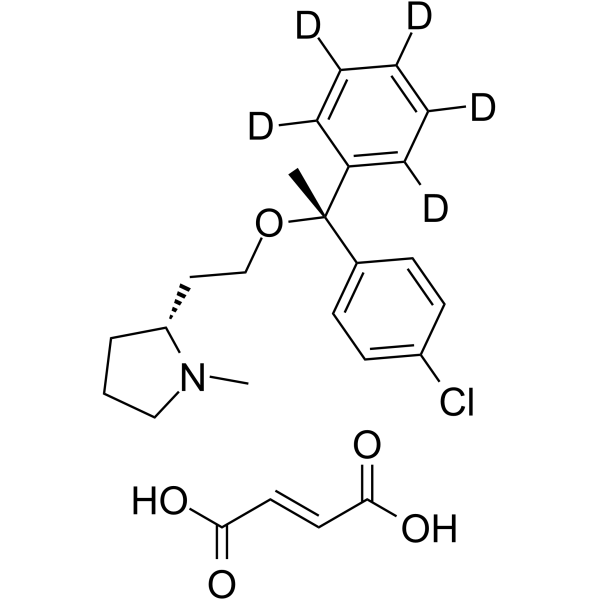
    Fesoterodine-d7 (fumarate) is the deuterium labeled Fesoterodine fumarate [1]. Fesoterodine Fumarate is an orally active, nonsubtype selective, competitive muscarinic receptor (mAChR) antagonist with pKi values of 8.0, 7.7, 7.4, 7.3, 7.5 for M1, M2, M3, M4, M5 receptors, respectively. Fesoterodine Fumarate is used for the overactive bladder (OAB) .
    Fesoterodine-d7 fumarate
  • HY-149702

    mAChR Neurological Disease
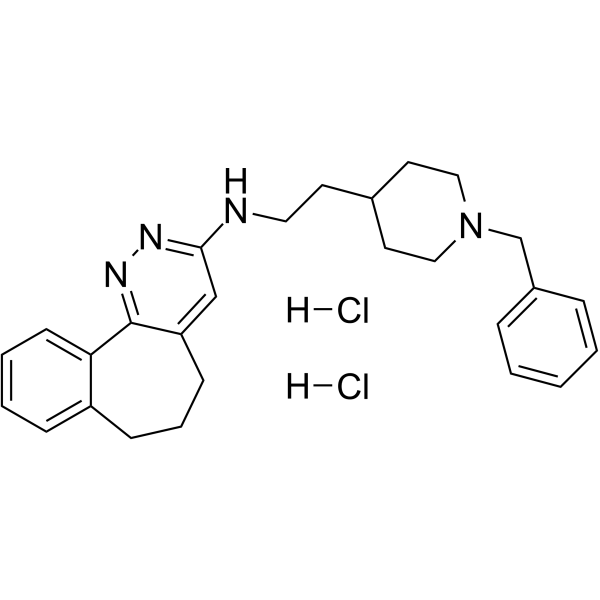
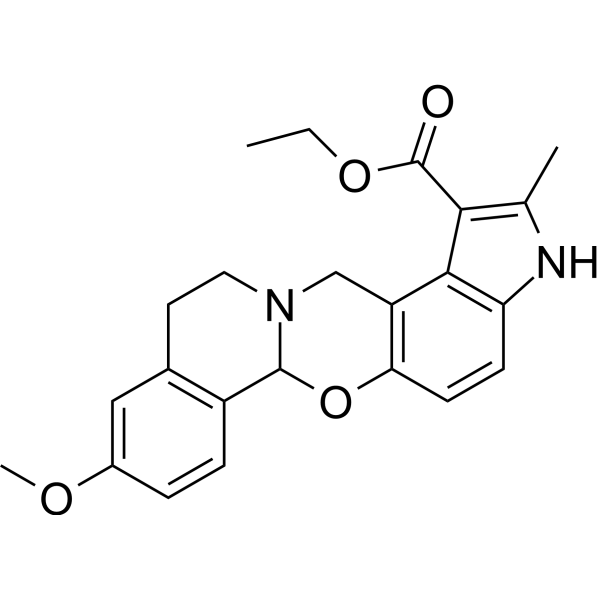
    M1/M4 muscarinic agonist 1 (compound 41) is a selective muscarinic M4/M1 agonist with EC50 values of 14 and 55 nM for M4 and M1, respectively. M1/M4 muscarinic agonist 1 can be used for research on mental diseases, such as schizophrenia, delusional disorder, etc [1].
    M1/M4 muscarinic agonist 1
  • HY-149703

    mAChR Neurological Disease
    M1/M4 muscarinic antagonist 2 (compound 40) is a selective M1 and M4 agonist with IC5019 nM and 42 nM, respectively [1].
    M1/M4 muscarinic agonist 2
  • HY-149732

    mAChR Neurological Disease
    M1/M4 muscarinic agonist 3 (compound 44) is a muscarinic mAChR M1/M4 agonist with EC50s of 31 nM and 9.3 nM, respectively [1].
    M1/M4 muscarinic agonist 3
  • HY-149704

    mAChR Neurological Disease
    M1/M2/M4 muscarinic agonist 1 (Compound 42) is a muscarinic M4/M1/M2 agonist with EC50 values of 6.5, 26 and 210 nM for M4/M1/M2, respectively. M1/M2/M4 muscarinic agonist 1 can be used for research on mental diseases, such as schizophrenia, delusion, etc [1].
    M1/M2/M4 muscarinic agonist 1
  • HY-149731

    mAChR Neurological Disease
    M1/M2/M4 muscarinic agonist 2 (compound 43) is a muscarinic mAChR M1/M2/M4 agonist with EC50s of 30 nM, 200 nM and 6.2 nM, respectively [1].
    M1/M2/M4 muscarinic agonist 2
  • HY-149733

    mAChR Neurological Disease
    M1/M2/M4 muscarinic agonist 3 (compound 45) is a muscarinic mAChR M1/M2/M4 agonist with EC50s of 3.2 nM, 32 nM and 1.7 nM, respectively [1].
    M1/M2/M4 muscarinic agonist 3
  • HY-118356

    Neurokinin Receptor mAChR Neurological Disease
    WIN 62,577 is a rat-specific, but non-human, NK1 receptor antagonist. WIN 62,577 interacts with M1-M4 mAChRs and is an allosteric enhancer of acetylcholine affinity targeting the M3 receptor.
    WIN 62,577
  • HY-175532

    mAChR Neurological Disease
    M4 mAChR Modulator-2 is an orally active, selective, brain-penetrant positive allosteric modulator (PAM) of the M4 muscarinic acetylcholine receptor (M4 mAChR) (EC50 = 513 nM). M4 mAChR Modulator-2 exhibits high target selectivity, showing negligible affinity and low inhibition rates for non-target receptors (D1R/D2R/D3R, 5-HT subtypes, κ/δ/μ opioid receptors, H1, M1/M2) while specifically binding to M4 mAChR with a Ki of 377 nM and an inhibition rate of 62.8%. M4 mAChR Modulator-2 reverses Dizocilpine (MK-801) (HY-15084B)-induced hyperlocomotion in mice. M4 mAChR Modulator-2 can be used for the study of schizophrenia [1]
    M4 mAChR Modulator-2
  • HY-105182AR

    LY 246708 tartrate (Standard)

    Reference Standards mAChR Neurological Disease
    Xanomeline (tartrate) (Standard) is the analytical standard of Xanomeline (tartrate). This product is intended for research and analytical applications. Xanomeline (LY 246708) is the potent agonist of muscarinic M1/M4 receptor with antipsychotic-like activity. Xanomeline (LY 246708) increases neuronal excitability. Xanomeline (LY 246708) can be used for the research of schizophrenia [1] .
    Xanomeline tartrate (Standard)
  • HY-A0270

    mAChR Sodium Channel Neurological Disease
    Diphenidol is a non-selective muscarinic M1-M4 receptor antagonist, has anti-arrhythmic activity. Diphenidol is also a potent non-specific blocker of voltage-gated ion channels (Na +, K +, and Ca 2+) in neuronal cells. Diphenidol can be used in the study of antivertigo and antinausea [1] [4] .
    Diphenidol
  • HY-108171A

    mAChR Inflammation/Immunology
    Hexocyclium methylsulfate is a potent mAChR antagonist with pKi values of 8.9, 7.7, 8.4, 8.8 for M1, M2, M3, and M4 subtype, respectively. Hexocyclium methylsulfate has the potential for the research of duodenal ulcer and irritable bowel syndrome [1] .
    Hexocyclium methylsulfate
  • HY-B0406AS

    Carbamyl-β-methylcholine-d6 chloride

    Isotope-Labeled Compounds mAChR Neurological Disease
    Bethanechol-d6 (chloride) is the deuterium labeled Bethanechol chloride. Bethanechol chloride (Carbamyl-β-methylcholine chloride), a parasympathomimetic agent, is a mAChR agonist that exerts its effects via directly stimulating the mAChR (M1, M2, M3, M4, and M5) of the parasympathetic nervous system [1].
    Bethanechol-d6 chloride
  • HY-12158

    mAChR Neurological Disease
    VU0238441 is a pan muscarinic acetylcholine receptor (mAChR) positive allosteric modulator (PAM) with EC50s of 3.2 μM, 2.8 μM, 2.2 μM, 2.1 μM, >10 μM for M1, M2, M3, M5 and M4, respectively [1] .
    VU0238441
  • HY-127022

    Daturamine; α-Hydroxyscopolamine

    mAChR Calcium Channel Reactive Oxygen Species (ROS) Neurological Disease
    Anisodine (Daturamine) is a neuroprotective compound that reduces exacerbated M1, M2, M4, and M5 receptor expression in brain tissues under hypoxia/reoxygenation conditions. Anisodine inhibits calcium ion influx and reactive oxygen species (ROS)levels. Anisodine leads to decreased aspartate levels during hypoxia [1].
    Anisodine
  • HY-127022A

    Daturamine hydrobromide; α-Hydroxyscopolamine hydrobromide

    mAChR Calcium Channel Reactive Oxygen Species (ROS) Neurological Disease
    Anisodine (Daturamine) hydrobromide is a neuroprotective compound that reduces exacerbated M1, M2, M4, and M5 receptor expression in brain tissues under hypoxia/reoxygenation conditions. Anisodine hydrobromide inhibits calcium ion influx and reactive oxygen species (ROS)levels. Anisodine hydrobromide leads to decreased aspartate levels during hypoxia [1].
    Anisodine hydrobromide
  • HY-167947

    (Rac)-SB-202026; (Rac)-Memric

    mAChR Neurological Disease
    (Rac)-Sabcomeline ((Rac)-SB-202026) serves as an M1/M4 muscarinic agonist, making it a valuable tool in the exploration of neurological disorders, including schizophrenia.
    (Rac)-Sabcomeline
  • HY-A0030R

    Reference Standards mAChR Neurological Disease Metabolic Disease Cancer
    Fesoterodine (fumarate) (Standard) is the analytical standard of Fesoterodine (fumarate). This product is intended for research and analytical applications. Fesoterodine Fumarate is an orally active, nonsubtype selective, competitive muscarinic receptor (mAChR) antagonist with pKi values of 8.0, 7.7, 7.4, 7.3, 7.5 for M1, M2, M3, M4, M5 receptors, respectively. Fesoterodine Fumarate is used for the overactive bladder (OAB) [1] .
    Fesoterodine fumarate (Standard)
  • HY-155367

    mAChR Neurological Disease
    mAChR antagonist 1 (compound 4a) is a mAChR antagonist with Ki values of 255 nM, 121 nM, 158 nM, and 255 nM for M1, M3, M4, and M5 subtype, respectively [1].
    mAChR antagonist 1
  • HY-119333

    mAChR Neurological Disease
    NNC 11-1607 is a selective M1/M4 muscarinic acetylcholine receptor (mAChR) agonist. NNC 11-1607 inhibits Forskolin (HY-15371)-stimulated cAMP accumulation in Chinese hamster ovary cells expressing the human M2 or M4 mAChR. NNC 11-1607 is promising for research of central nervous system disorders, such as Alzheimer’s disease and schizophrenia [1].
    NNC 11-1607
  • HY-120184

    AZ13713945

    mAChR Neurological Disease
    VU0467485 (AZ13713945) is a potent, selective, and orally bioavailable muscarinic acetylcholine receptor 4 (M4) positive allosteric modulator (PAM). VU0467485 (AZ13713945) potentiates activity of ACh at M4 with EC50s of 26.6 nM and 78.8 nM at rat and human M4 receptors, respectively. VU0467485 (AZ13713945) shows selectivity for M4 over human and rat M1/2/3/5. VU0467485 (AZ13713945) displays moderate to high CNS penetration. VU0467485 (AZ13713945) has antipsychotic-like activity [1].
    VU0467485

Inquiry Online

Your information is safe with us. * Required Fields.

Salutation


Country or Region *

Applicant Name *


Organization Name *

Department *


Email Address *


Product Name *

Cat. No.


Requested quantity *

Phone Number *


Remarks

Inquiry Online

Inquiry Information

Product Name:
Cat. No.:
Quantity:
MCE Japan Authorized Agent:

