


48 Results for "

Metabolic Markers

" in MedChemExpress (MCE) Product Catalog:
Products (48)

48 Results for "Metabolic Markers" in MCE Product Catalog:

2
2 Cited Publications
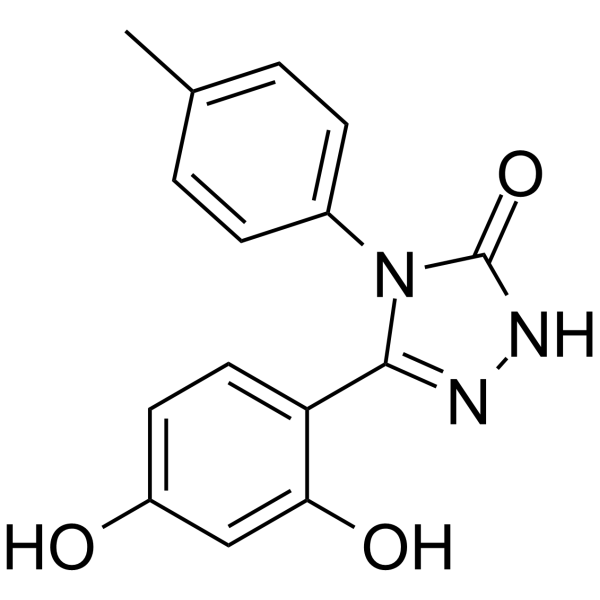
Cat. No.: HY-128578
CAS No.: 906669-07-6
Purity:  99.86%
KPLH1130 is a pyruvate dehydrogenase kinase (PDK) inhibitor. KPLH1130 potently inhibits M1 macrophage polarization by reducing the expression of pro-inflammatory cytokines, decreasing the levels of M1 phenotype markers (HIF-1α, iNOS) and nitric oxide (NO) production. KPLH1130 prevents the reduction of mitochondrial oxygen consumption rate (OCR) induced by inflammatory stimuli (LPS ((HY-D1056) + IFN-γ) in various macrophage types. KPLH1130 improves glucose tolerance in HFD-fed mice. KPLH1130 can be used for the study of obesity-associated metabolic disorders and other inflammatory conditions .
loading...
    loading...
1
1 Cited Publications
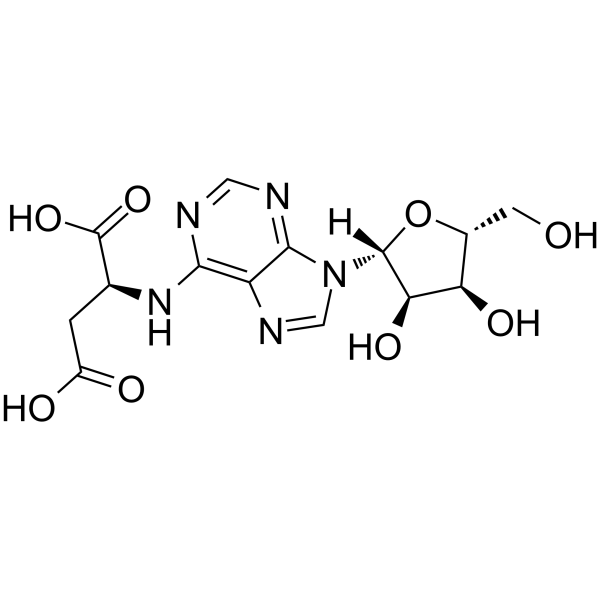
Cat. No.: HY-113284
CAS No.: 4542-23-8
Purity:  99.43%
Synonyms: N6-Succinyl adenosine
Target:  

Endogenous Metabolite

Research Areas:  

Metabolic Disease

Succinyladenosine, the metabolic product of dephosphorylation of intracellular adenylosuccinic acid (S-AMP) by cytosolic 5-nucleotidase, is a biochemical marker of adenylosuccinase (ASL) deficiency .
loading...
    loading...
1
1 Cited Publications
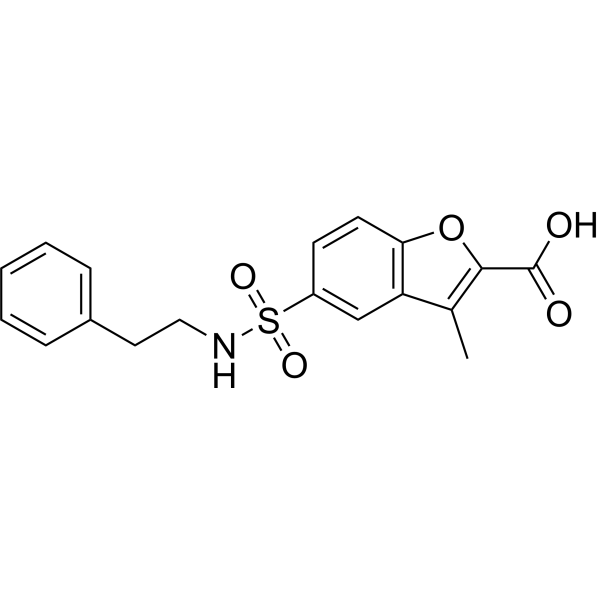
Cat. No.: HY-157189
CAS No.: 898211-21-7
Purity:  99.72%
Synonyms: GPR132 antagonist 1
Target:  

G2A (GPR132)

Research Areas:  

Metabolic Disease

NOX-6-18 (GPR132 antagonist 1) is a GPR132 antagonist with an IC50 of 15.17 nM against the human target. NOX-6-18 inhibits GPR132 activation via interaction with non-conserved residues, blocks activities induced by endogenous agonists and 9 (S)-HODE, and exhibits selectivity for other fatty acid-binding GPCRs. NOX-6-18 regulates macrophage reprogramming, alleviates inflammatory responses, downregulates inflammatory markers and signaling pathways, and reduces the degree of hepatic steatosis and hepatic triglyceride levels. NOX-6-18 regulates metabolic homeostasis, reduces weight gain, enhances glucose metabolism, improves glucose tolerance, decreases fasting blood glucose and insulin levels, and partially reverses reductions in energy expenditure and respiratory quotient. NOX-6-18 can be used in the research of type 2 diabetes .
loading...
    loading...
1
1 Cited Publications
Cat. No.: HY-P3016
CAS No.: 9000-97-9
Synonyms: EC 2.6.1.1; GOT; AST
Aspartate aminotransferase (EC 2.6.1.1), Genetically engineered bacteria is a metabolic regulator with the highest activity in the heart, liver and skeletal muscle. Aspartate aminotransferase, Genetically engineered bacteria comprises two isozymes: the cytoplasmic form (AST1) and the mitochondrial form (AST2). By catalyzing reversible transamination reactions between oxaloacetate, L-glutamate and other substances, it is deeply involved in key physiological processes such as amino acid metabolism, the tricarboxylic acid cycle and neurotransmitter synthesis. Aspartate aminotransferase, Genetically engineered bacteria also provides substrate support for the synthesis of urea and purines/pyrimidines. Aspartate aminotransferase, Genetically engineered bacteria is a serum marker reflecting cardiac and hepatic injury, and its abnormal levels are also closely associated with myocardial infarction, cardiovascular diseases and various cancers .
loading...
    loading...
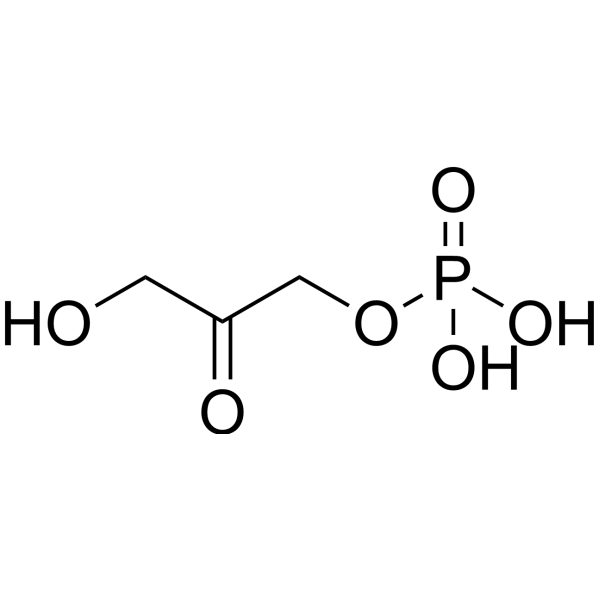
Cat. No.: HY-113131
CAS No.: 57-04-5
Purity:  99.90%
Synonyms: DHAP
Dihydroxyacetone phosphate (DHPA), a derivative of Dihydroxyacetone (DHA), is an important intermediate that participates in key pathways including glycolysis, lipid biosynthesis, and the plant Calvin cycle. Dihydroxyacetone phosphate can be used as a substrate and metabolic marker in biochemical research .
loading...
    loading...
Cat. No.: HY-N16308
CAS No.: 3091879-77-2
Category:  

Lipids

Target:  

Fluorescent Dye

ER-Laurdan is a derivative of the membrane-permeable fluorescent probe Laurdan (HY-D0080) that targets the endoplasmic reticulum (ER). As a membrane fluidity reporter, ER-Laurdan specifically localizes to the ER luminal membrane, and exhibits a prominent solvatochromic response to fluidity changes caused by membrane packing and exogenous saturated fatty acid stress. ER-Laurdan shows no overlapping localization with mitochondria, enables quantitative analysis of ER membrane fluidity via generalized polarization ratio measurement, and allows automatic signal masking with the help of ER markers. With high specificity and quantitative capability, ER-Laurdan serves as an important tool for investigating metabolic disorders and associated changes in the physical properties of cell membranes .
loading...
    loading...
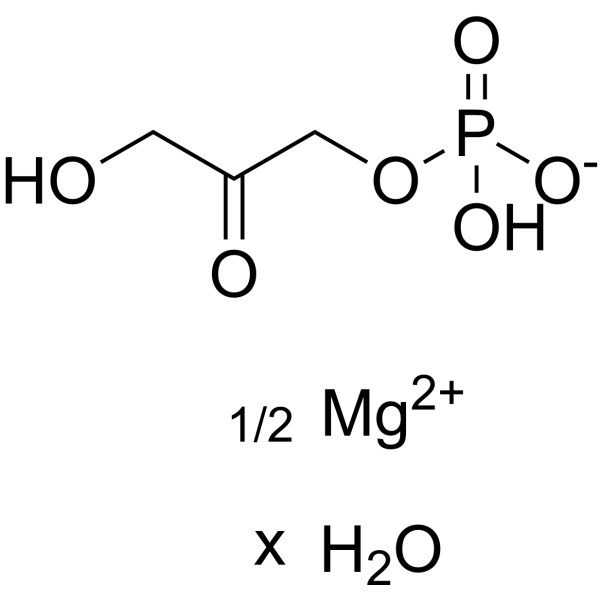
Cat. No.: HY-113131A
Purity:  99.90%
Synonyms: DHAP hemimagnesium hydrate
Dihydroxyacetone phosphate (DHPA) hemimagnesium hydrate, a derivative of Dihydroxyacetone (DHA), is an important intermediate that participates in key pathways including glycolysis, lipid biosynthesis, and the plant Calvin cycle. Dihydroxyacetone phosphate hemimagnesium hydrate can be used as a substrate and metabolic marker in biochemical research .
loading...
    loading...
Cat. No.: HY-P3016A
CAS No.: 9000-97-9
Synonyms: EC 2.6.1.1, porcine heart; GOT, porcine heart; AST, porcine heart
Aspartate aminotransferase (EC 2.6.1.1), porcine heart is a metabolic regulator with the highest activity in the heart, liver and skeletal muscle. Aspartate aminotransferase, porcine heart comprises two isozymes: the cytoplasmic form (AST1) and the mitochondrial form (AST2). By catalyzing reversible transamination reactions between oxaloacetate, L-glutamate and other substances, it is deeply involved in key physiological processes such as amino acid metabolism, the tricarboxylic acid cycle and neurotransmitter synthesis. Aspartate aminotransferase, porcine heart also provides substrate support for the synthesis of urea and purines/pyrimidines. Aspartate aminotransferase, porcine heart is a serum marker reflecting cardiac and hepatic injury, and its abnormal levels are also closely associated with myocardial infarction, cardiovascular diseases and various cancers .
loading...
    loading...
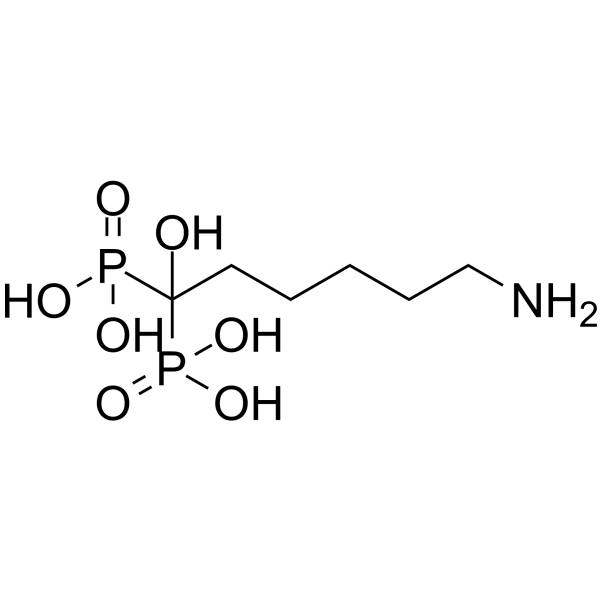
Cat. No.: HY-119443
CAS No.: 79778-41-9
Purity:  ≥98.0%
Target:  

Apoptosis

Neridronate is a bisphosphonate. Bisphosphonates initiate the Apoptotic process. Neridronate sodium reduces the levels of bone resorption, bone turnover markers, the degree of back pain, and the risk of fractures. Neridronate inhibits capillary tube formation. Neridronate itself has weak anticancer activity, but liposomal encapsulation enhances this activity. Neridronate can be used in research related to demineralizing metabolic bone diseases, thalassemia-associated osteoporosis, chronic inflammatory diseases, cancer, and osteogenesis imperfecta .
loading...
    loading...
Cat. No.: HY-W039953
CAS No.: 98924-81-3
Synonyms: N-azidoacetylglucosamine-tetraacylated
Research Areas:  

Infection

Ac4GlcNAz (N-azidoacetylglucosamine-tetraacylated) is an azido-containing fully acetylated N-acetylglucosamine analog, a metabolic glycan marker, and also an inducer of S-glycosylation. Ac4GlcNAz can be taken up by bacteria, processed via endogenous carbohydrate biosynthesis pathways, and integrated into glycans by replacing natural monosaccharides. Under alkali promotion, Ac4GlcNAz undergoes β-elimination to form α,β-unsaturated aldehydes, which then bind to cysteine residues via Michael addition. Ac4GlcNAz can be integrated into glycoproteins. Ac4GlcNAz is applicable to research related to Helicobacter pylori infection .
loading...
    loading...
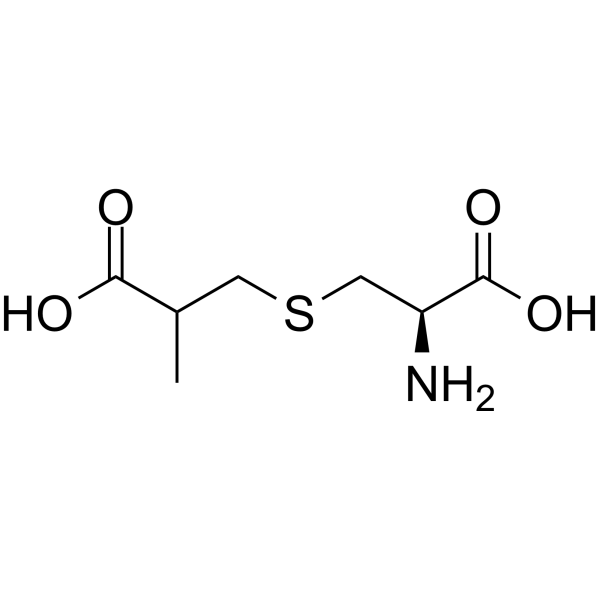
Cat. No.: HY-W251393
CAS No.: 6852-42-2
Synonyms: β-Isobuteine
S-(2-Carboxypropyl)-L-cysteine (β-Isobuteine) is a urine metabolite, a metabolic marker of leigh-like syndrome .
loading...
    loading...
Cat. No.: HY-126359
CAS No.: 27098-24-4
Purity:  ≥98.0%
Synonyms: SLPC; 18:0-18:2 PC
1-Stearoyl-2-linoleoyl-sn-glycero-3-phosphocholine (SLPC; 18:0-18:2 PC) is an endogenous phospholipid marker molecule in the glycerophospholipid metabolic pathway. 1-Stearoyl-2-linoleoyl-sn-glycero-3-phosphocholine is a core component of the phospholipid bilayer of biological membranes and a key responsive lipid for radiation injury and cardiometabolic diseases. 1-Stearoyl-2-linoleoyl-sn-glycero-3-phosphocholine constitutes the phospholipid bilayers of cell membranes and high-density lipoprotein (HDL), and regulates the core activity of lipoprotein functional homeostasis. The content of 1-Stearoyl-2-linoleoyl-sn-glycero-3-phosphocholine in mouse serum shows a significant dose-dependent decrease with increasing ionizing radiation dose, and its level in human HDL also decreases significantly in metabolic syndrome. 1-Stearoyl-2-linoleoyl-sn-glycero-3-phosphocholine can serve as a biological dosimeter marker for ionizing radiation injury, and is used for rapid and accurate assessment of radiation absorbed dose in exposed individuals. 1-Stearoyl-2-linoleoyl-sn-glycero-3-phosphocholine can also act as a lipidomics research target for cardiometabolic diseases such as lipid metabolic syndrome and early-onset coronary heart disease .
loading...
    loading...
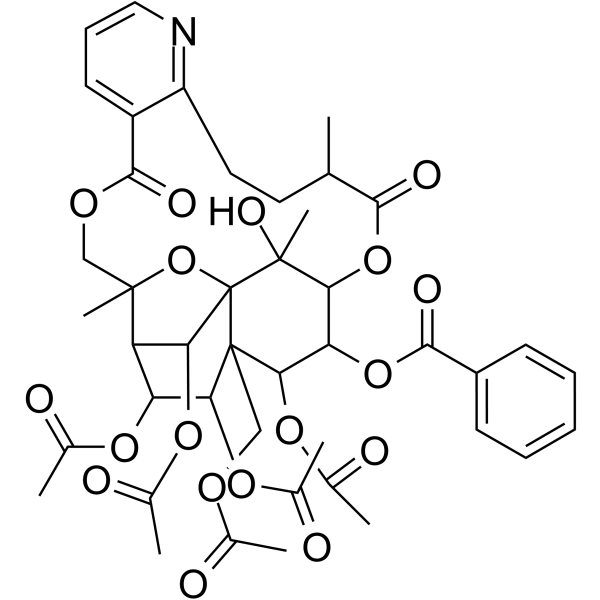
Cat. No.: HY-N0899
CAS No.: 11088-09-8
Wilforine is an orally active JAK-STAT pathway inhibitor with immunomodulatory effects and the ability to inhibit osteoclast fusion. Wilforine disrupts lipid raft integrity, reprograms cholesterol and glycosphingolipid metabolic pathways, regulates NF-κB and the complement system, and modulates the expression of various interleukins. Wilforine also inhibits the Wnt11/β-catenin signaling pathway and suppresses the proliferation of fibroblast-like synoviocytes. Wilforine can serve as a quality and pharmacokinetic marker for Tripterygium glycoside tablets, and can be applied to research on related diseases such as rheumatoid arthritis, inflammatory osteolysis, and SAPHO syndrome .
loading...
    loading...
Cat. No.: HY-P991736
Anti-IL11 Antibody (X203, Mouse IgG) is an antibody targeting IL-11. Anti-IL11 Antibody (X203, Mouse IgG) inhibits IL-11-mediated activation of the ERK-mTORC1 axis, inactivation of LKB1-AMPK, and pro-senescence pathways. Anti-IL11 Antibody (X203, Mouse IgG) alleviates age-related metabolic decline, improves muscle function, reduces tissue fibrosis, decreases the expression of senescence markers, and maintains telomere length and mtDNA copy number. Anti-IL11 Antibody (X203, Mouse IgG) restores browning of white adipose tissue, upregulates thermogenic and mitochondrial biogenesis gene programs, reduces lipid droplet size, and decreases immune cell infiltration in visceral white adipose tissue. Anti-IL11 Antibody (X203, Mouse IgG) extends the median lifespan of mice and reduces the incidence of age-related tumors. Anti-IL11 Antibody (X203, Mouse IgG) can be used in the research of age-related metabolic decline, sarcopenia and age-related cancers .
loading...
    loading...
Cat. No.: HY-113131B
CAS No.: 102783-56-2
Synonyms: DHAP dilithium
Dihydroxyacetone phosphate (DHPA) dilithium, a derivative of Dihydroxyacetone (DHA), is an important intermediate that participates in key pathways including glycolysis, lipid biosynthesis, and the plant Calvin cycle. Dihydroxyacetone phosphate dilithium can be used as a substrate and metabolic marker in biochemical research .
loading...
    loading...
Cat. No.: HY-128421
CAS No.: 505-52-2
Purity:  99.93%
Synonyms: Brassylic Acid
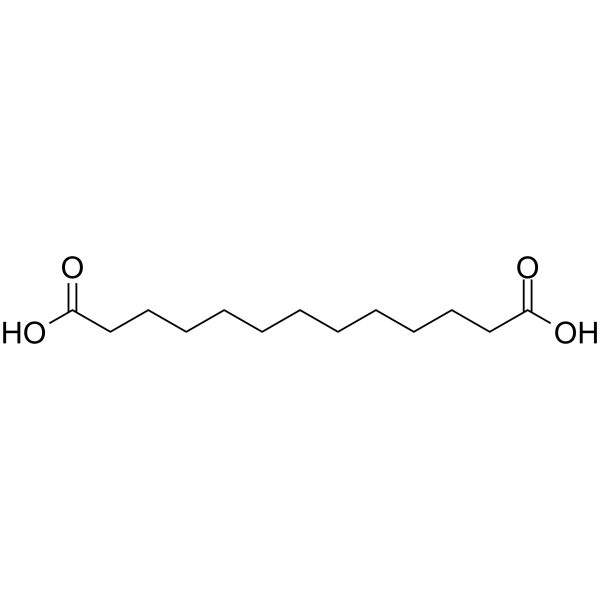
Tridecanedioic acid is an endogenous metabolite. Tridecanedioic acid is an endogenous metabolite. Tridecanedioic acid is related to the metabolic regulation of non-alcoholic fatty liver disease (NASH) and may be an important node molecule in the intestinal microbiota-host metabolism interaction network. Tridecanedioic acid is significantly accumulated in tolerant cabbage-type rapeseed varieties and has a lower content in sensitive varieties. It plays an important role in the defense response against the infection of the small cabbage moth (Plutella xylostella). Tridecanedioic acid can be used as a biomarker for plant insect resistance or a diagnostic marker for metabolic diseases .
loading...
    loading...
Cat. No.: HY-N4124
CAS No.: 137551-39-4
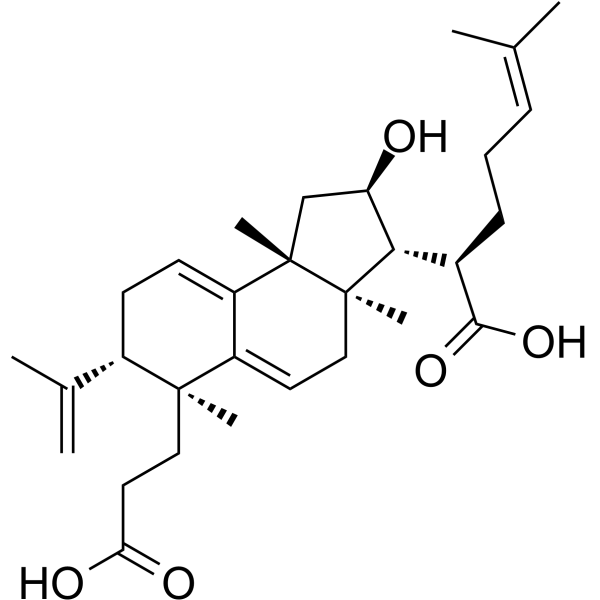
Poricoic acid B is a triterpenoid compound that can be isolated from Poria cocos. Poricoic acid B inhibits intracellular lipid accumulation and reduces the levels of hepatocyte injury markers. Poricoic acid B inhibits the production of NO, TNF-α, IL-1β and IL-6, thereby exerting anti-inflammatory activity. Poricoic acid B can be used in the research of metabolic dysfunction-associated fatty liver disease and inflammatory diseases [3].
loading...
    loading...
Cat. No.: HY-P2961
CAS No.: 50812-37-8
Research Areas:  

Cancer

Glutathione S-transferase is a phase II metabolic enzyme consisting of three superfamilies: cytosolic, mitochondrial, and microsomal. Glutathione S-transferase possesses various catalytic activities such as catalytic detoxification and thiol transfer, as well as chaperone function. GSTP1, a subtype of Glutathione S-transferase, is highly expressed in malignant tissues and serves as a tumor marker .
loading...
    loading...
Cat. No.: HY-W415798
CAS No.: 1810852-60-8
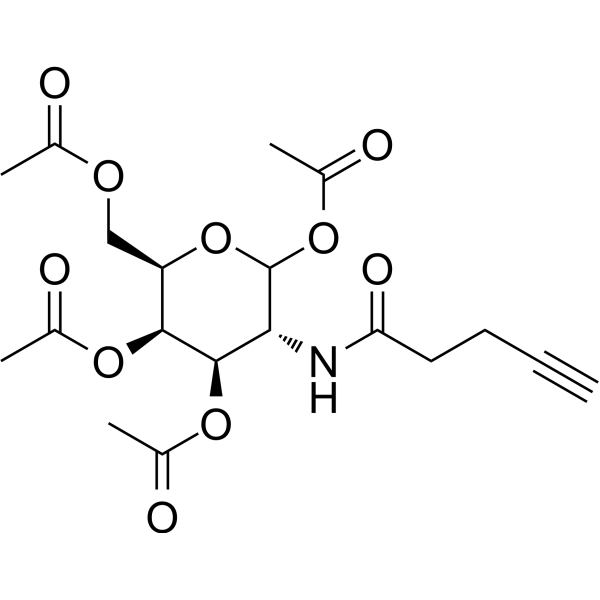
Ac4GalNAlk is a weakly alkyne-labeled reagent for metabolic oligosaccharide engineering (MOE) that can be used to detect protein glycosylation. MOE reagents can be activated by cellular biosynthetic machinery into nucleotide sugars, which can be further traced through the introduction of glycoproteins in bioorthogonal chemistry. Ac4GalNAlk promotes nucleotide-sugar biosynthesis and increases bioorthogonal cell surface markers .
loading...
    loading...
Cat. No.: HY-128421R
CAS No.: 505-52-2
Synonyms: Brassylic Acid (Standard)
Tridecanedioic acid (Standard) is the analytical standard of Tridecanedioic acid (HY-128421). This product is intended for research and analytical applications. Tridecanedioic acid is an endogenous metabolite. Tridecanedioic acid is an endogenous metabolite. Tridecanedioic acid is related to the metabolic regulation of non-alcoholic fatty liver disease (NASH) and may be an important node molecule in the intestinal microbiota-host metabolism interaction network. Tridecanedioic acid is significantly accumulated in tolerant cabbage-type rapeseed varieties and has a lower content in sensitive varieties. It plays an important role in the defense response against the infection of the small cabbage moth (Plutella xylostella). Tridecanedioic acid can be used as a biomarker for plant insect resistance or a diagnostic marker for metabolic diseases.
loading...
    loading...

