78 Results for "

OATP

" in MedChemExpress (MCE) Product Catalog:
Products (78)

78 Results for "OATP" in MCE Product Catalog:

138
138 Publications Verification
Cat. No.: HY-50896
CAS No.: 183321-74-6
Synonyms: CP-358774; NSC 718781; OSI-774
Target:  

EGFR OAT ERK GSK-3 β-catenin

Research Areas:  

Endocrinology Cancer

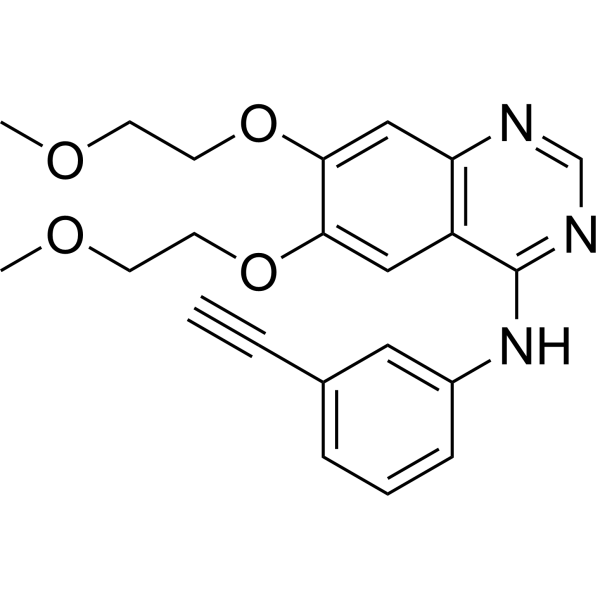
Erlotinib (CP-358774) is a selective, orally active EGFR tyrosine kinase inhibitor. Erlotinib also acts as a substrate and inhibitor of OATP2B1, with an IC50 of approximately 0.079 μM for inhibiting OATP2B1-mediated uptake of estrone 3-sulfate. Erlotinib blocks EGFR phosphorylation, downstream signal transduction, as well as the growth and proliferation of cancer cells. Erlotinib inhibits MMP-10-mediated renal injury, fibrotic lesions, the ERK1/2, GSK-3β and β-catenin signaling pathways, fibronectin, α-SMA, collagen deposition, and renal injury markers. Erlotinib is metabolized via CYP3A to produce the active metabolite OSI-420. Erlotinib can be used in research related to non-small cell lung cancer, gastric cancer, papillary renal cell carcinoma, pancreatic cancer, renal fibrosis, and other conditions .
138
138 Publications Verification
Cat. No.: HY-12008
CAS No.: 183319-69-9
Purity:  99.94%
Synonyms: CP-358774 hydrochloride; NSC 718781 hydrochloride; OSI-774 hydrochloride
Target:  

EGFR OAT ERK GSK-3 β-catenin

Research Areas:  

Endocrinology Cancer

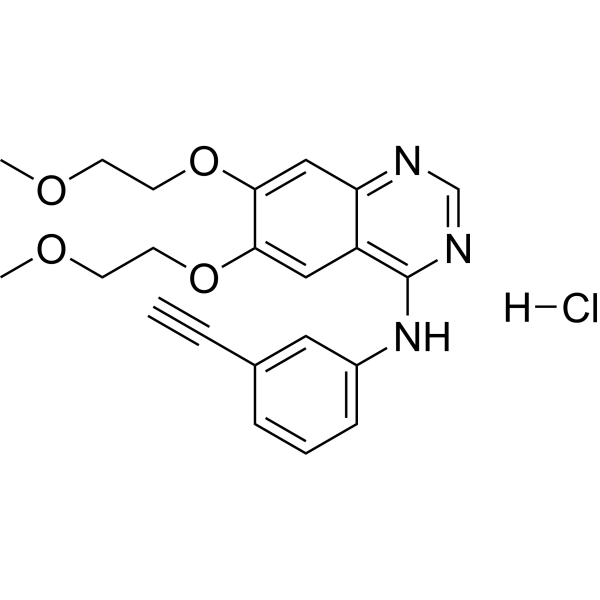
Erlotinib (CP-358774) Hydrochloride is a selective, orally active EGFR tyrosine kinase inhibitor. Erlotinib Hydrochloride also acts as a substrate and inhibitor of OATP2B1, with an IC50 of approximately 0.079 μM for inhibiting OATP2B1-mediated uptake of estrone 3-sulfate. Erlotinib Hydrochloride blocks EGFR phosphorylation, downstream signal transduction, as well as the growth and proliferation of cancer cells. Erlotinib Hydrochloride inhibits MMP-10-mediated renal injury, fibrotic lesions, the ERK1/2, GSK-3β and β-catenin signaling pathways, as well as the deposition of fibronectin, α-SMA, collagen and renal injury markers. Erlotinib Hydrochloride is metabolized via CYP3A to produce the active metabolite OSI-420. Erlotinib Hydrochloride can be used in research related to non-small cell lung cancer, gastric cancer, papillary renal cell carcinoma, EGFR inhibitor resistance and renal fibrosis .
48
48 Cited Publications
Cat. No.: HY-10466
CAS No.: 1009119-64-5
Purity:  98.68%
Synonyms: BMS-790052; EBP 883
Target:  

HCV

Research Areas:  

Infection

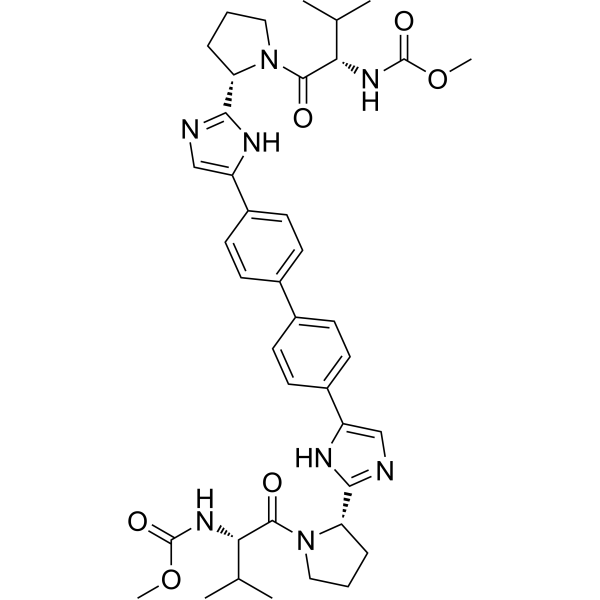
Daclatasvir (BMS-790052) is a potent and orally active HCV NS5A protein inhibitor with EC50s range of 9-146 pM for multiple HCV replicon genotypes. Daclatasvir is also a organic anion transporting polypeptide 1B (OATP1B) and OATP1B3 inhibitor with IC50s of 1.5 µM and 3.27 µM, respectively .
48
48 Cited Publications
Cat. No.: HY-10465
CAS No.: 1009119-65-6
Purity:  99.68%
Synonyms: BMS-790052 dihydrochloride; EBP 883 dihydrochloride
Target:  

HCV

Research Areas:  

Infection

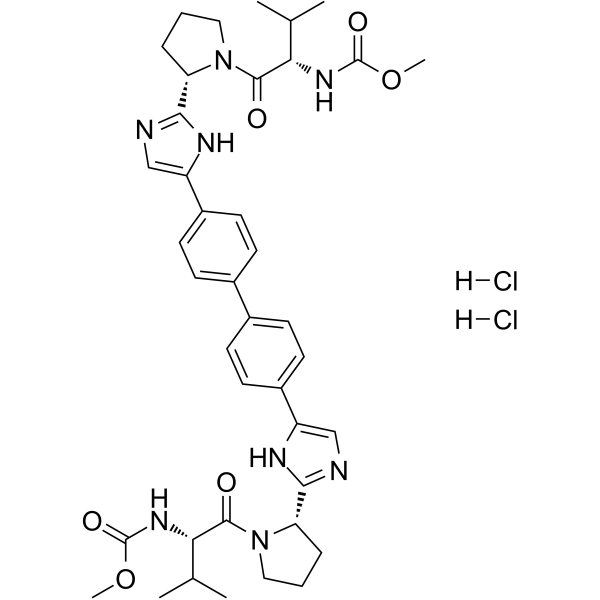
Daclatasvir dihydrochloride (BMS-790052 dihydrochloride) is a potent and orally active HCV NS5A protein inhibitor with EC50s range of 9-146 pM for multiple HCV replicon genotypes. Daclatasvir dihydrochloride is also an organic anion transporting polypeptide 1B (OATP1B) and OATP1B3 inhibitor with IC50s of 1.5 μM and 3.27 μM, respectively .
9
9 Cited Publications
Cat. No.: HY-108347
CAS No.: 142715-48-8
Purity:  99.19%
Target:  

P-glycoprotein BCRP

Research Areas:  

Metabolic Disease

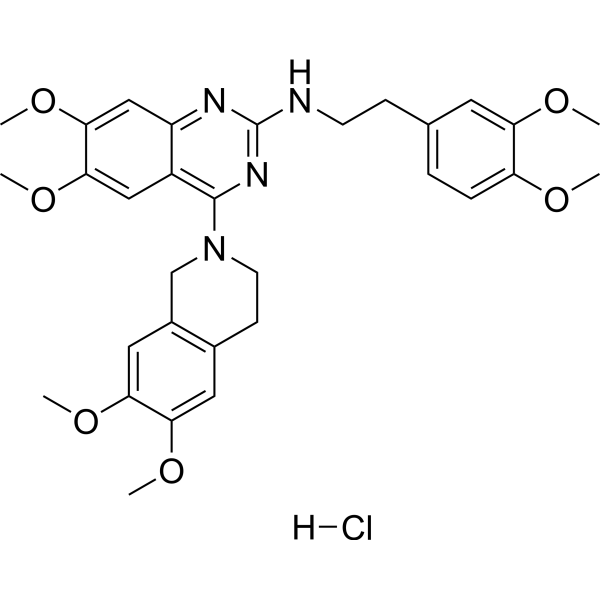
CP-100356 hydrochloride is an orally active dual MDR1 (P-gp)/BCRP inhibitor, with an IC50s of 0.5 and 1.5 µM for inhibiting MDR1-mediated Calcein-AM transport and BCRP-mediated Prazosin transport, respectively. CP-100356 hydrochloride is also a weak inhibitor of OATP1B1 (IC50=∼66 µM). CP-100356 hydrochloride is devoid of inhibition against MRP2 and major human P450 enzymes (IC50>15 µM) .
7
7 Cited Publications
Cat. No.: HY-N3513
CAS No.: 62949-79-5
Synonyms: Kuwanon C
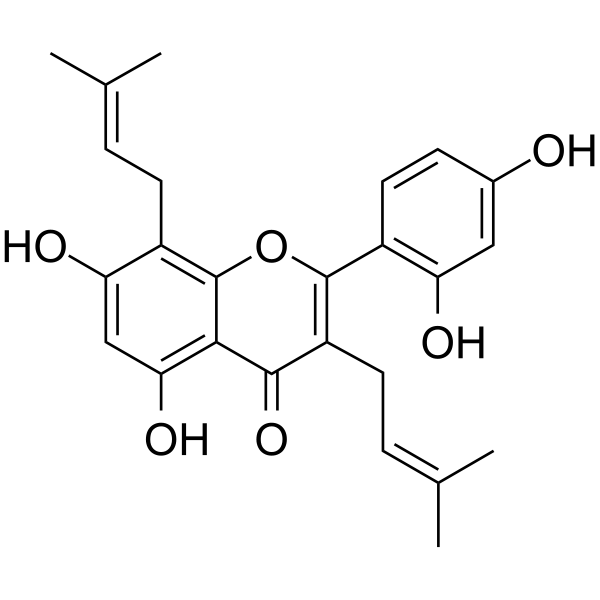
Mulberrin is a strong inhibitor of organic anion-transporting polypeptide 2B1 (OATP2B1)-mediated estrone-3-sulfate (E3S) uptake with an IC50 value being 1.8?±1.5 μM.
6
6 Cited Publications
Cat. No.: HY-D1063
CAS No.: 207399-07-3
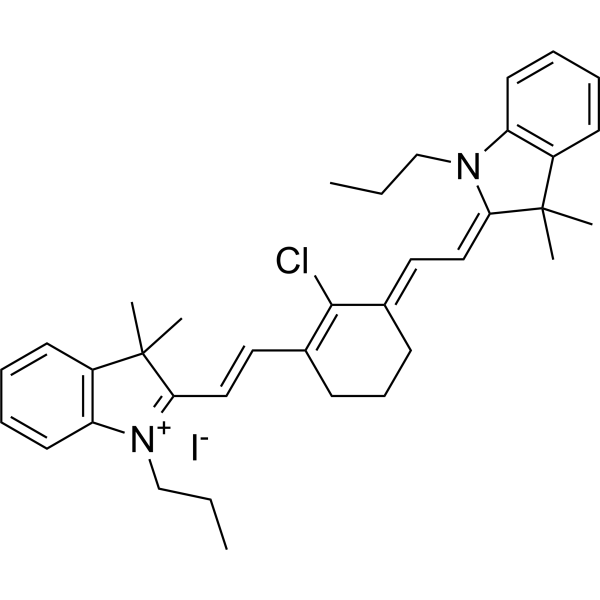
IR-780 is a near-infrared fluorescent probe for in vivo imaging of tumor cells. IR-780 is transported into tumor cells via OATPs and ABCB10, with uptake dependent on glycolytic activity and plasma membrane potential. IR-780 preferentially accumulates in tumor cell mitochondria, including those of drug-resistant cancer cells, without chemical conjugation. IR-780 generates reactive oxygen species (ROS), induces hyperthermia and apoptosis, inhibits tumor growth and recurrence, and modulates HSP70 expression upon ultrasound or 808 nm laser exposure. IR-780 acts as a sonosensitizer, photodynamic and photothermal agent, and drug delivery carrier, with low acute imaging-dose toxicity and rapid vital organ clearance. IR-780 can be used for the research of cancer, such as breast cancer, lung cancer, and non-small cell lung cancer (NSCLC) .
5
5 Cited Publications
Cat. No.: HY-B0804
CAS No.: 42200-33-9
Synonyms: SQ-11725
Target:  

Adrenergic Receptor

Research Areas:  

Cardiovascular Disease

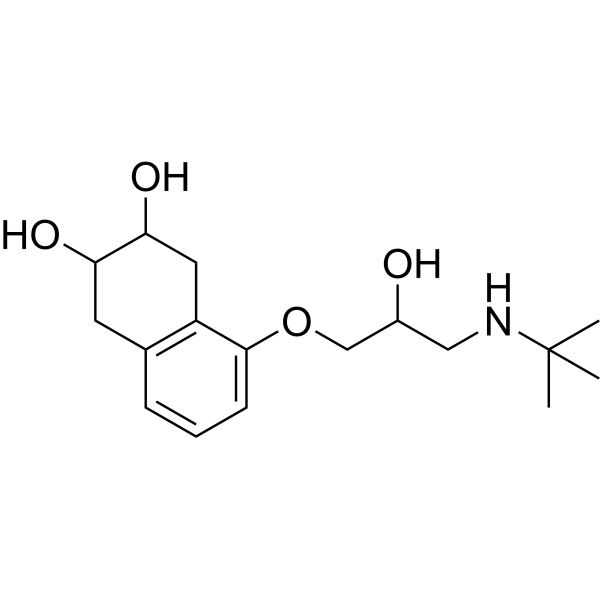
Nadolol (SQ-11725) is a non-selective and orally active β-adrenergic receptors blocker and is a substrate of organic anion transporting polypeptide 1A2 (OATP1A2). Nadolol has the the potential for high blood pressure, angina pectoris and vascular headaches research .
3
3 Cited Publications
Cat. No.: HY-113293B
CAS No.: 438-67-5
Purity:  99.84%
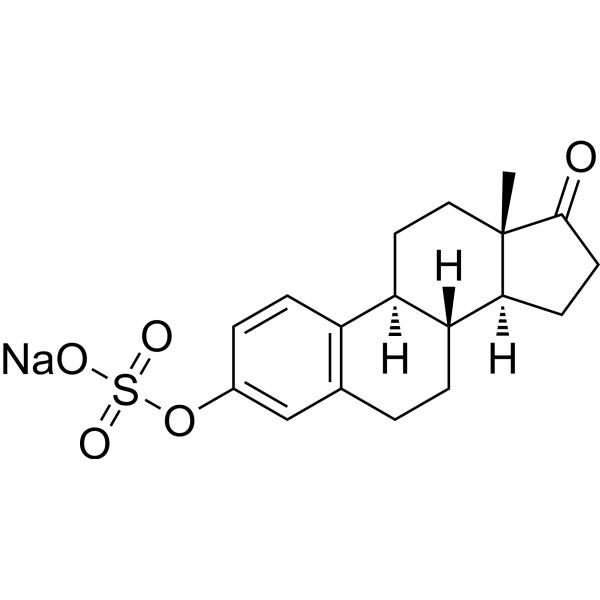
Estrone sulfate sodium is an inactive endogenous estrogen that can be converted into Estrone (HY-B0234) and Estradiol (HY-B0141). Estrone sulfate sodium is also a substrate of the OATP1B3 transporter. Estrone sulfate sodium can be converted into Estrone and Estradiol in normal mammary parenchymal cells. Estrone sulfate sodium stimulates the growth of nitrosomethylurea-induced mammary tumors in ovariectomized rats and the colony formation of dispersed nitrosomethylurea mammary cells, with conversion into Estrone and Estradiol occurring both in vivo and in vitro during this process. Estrone sulfate sodium is applicable to breast cancer-related research .
3
3 Cited Publications
Cat. No.: HY-113293A
CAS No.: 1240-04-6
Purity:  99.45%
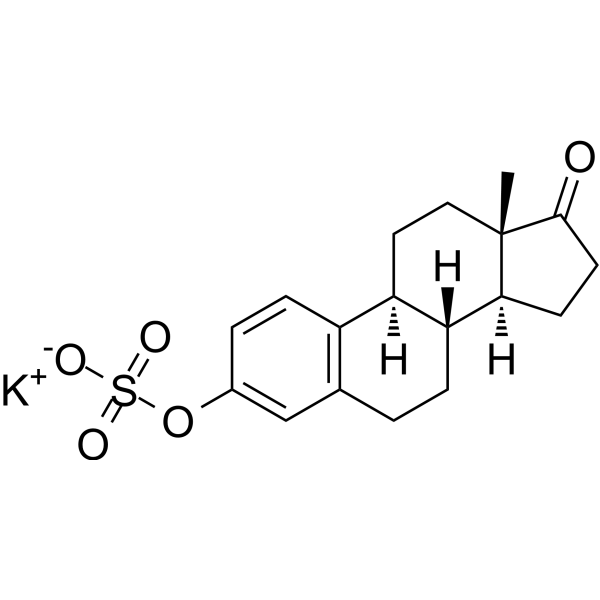
Estrone sulfate potassium is an inactive endogenous estrogen that can be converted into Estrone (HY-B0234) and Estradiol (HY-B0141). Estrone sulfate potassium is also a substrate of the OATP1B3 transporter. Estrone sulfate potassium can be converted into Estrone and Estradiol in normal mammary parenchymal cells. Estrone sulfate potassium stimulates the growth of nitrosomethylurea-induced mammary tumors in ovariectomized rats and the colony formation of dispersed nitrosomethylurea mammary cells, with conversion into Estrone and Estradiol occurring both in vivo and in vitro during this process. Estrone sulfate potassium is applicable to breast cancer-related research .
2
2 Cited Publications
Cat. No.: HY-16278
CAS No.: 956136-95-1
Synonyms: LCQ-908
Target:  

Acyltransferase BCRP OAT

Research Areas:  

Infection Metabolic Disease

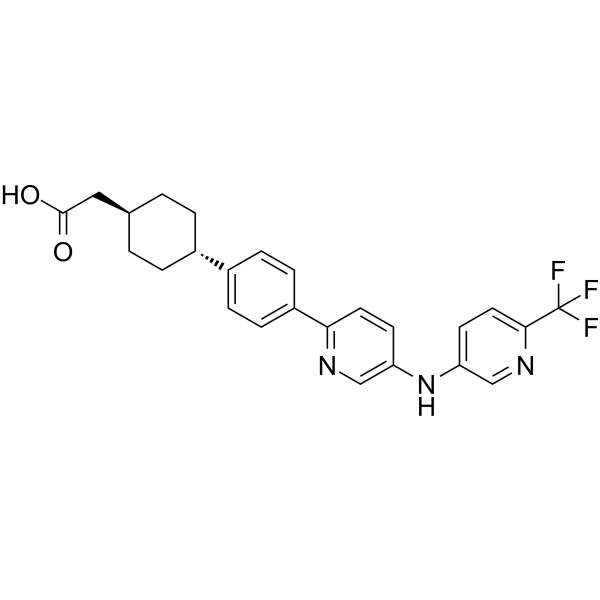
Pradigastat (LCQ-908) is a selective and orally effective diacylglyceryl acyltransferase 1 (DGAT1) inhibitor with IC50 at 0.157 µM. Pradigastat is primarily used to study diseases associated with abnormal triglyceride metabolism. Pradigastat has anti-obesity and anti-diabetic effects. Pradigastat inhibited BCRP, OATP1B1, OATP1B3 and OAT3 activities with IC50 of 5 µM, 1.66µM, 3.34µM and 0.973µM, respectively. In addition, Pradigastat has antiviral activity and can inhibit hepatitis C virus replication in vitro .
1
1 Cited Publications
Cat. No.: HY-115292
CAS No.: 101314-97-0
Purity:  99.86%
Synonyms: Tenivastatin sodium; Simvastatin Impurity A sodium
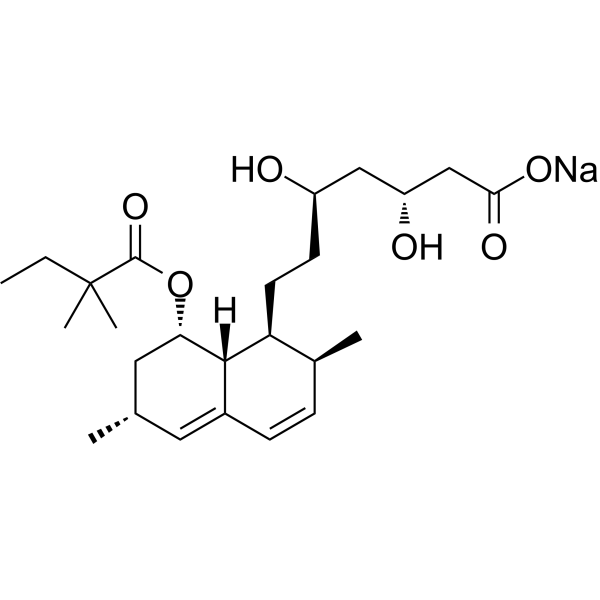
Simvastatin hydroxy acid (Tenivastatin) sodium is a potent HMG-CoA reductase (HMGCR) inhibitor. Simvastatin hydroxy acid sodium reduces Indoxyl sulfate-mediated reactive oxygen species (ROS) production in human cardiomyocytes. Simvastatin hydroxy acid sodium can also modulates OATP3A1 expression in cardiomyocytes and HEK293 cells transfected with the OATP3A1 gene .
1
1 Cited Publications
Cat. No.: HY-119695A
CAS No.: 139893-43-9
Purity:  99.70%
Synonyms: Tenivastatin ammonium
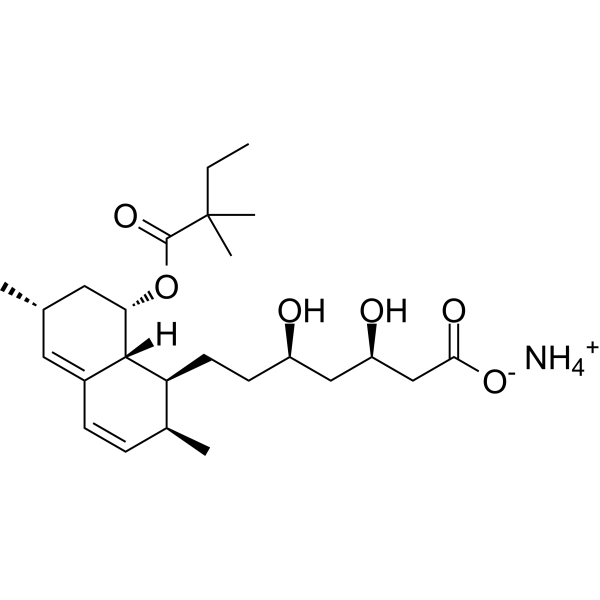
Simvastatin acid (Tenivastatin) ammonium is a potent HMG-CoA reductase (HMGCR) inhibitor. Simvastatin acid ammonium reduces Indoxyl sulfate-mediated reactive oxygen species (ROS) production in human cardiomyocytes. Simvastatin acid ammonium can also modulates OATP3A1 expression in cardiomyocytes and HEK293 cells transfected with the OATP3A1 gene .
1
1 Cited Publications
Cat. No.: HY-17352
CAS No.: 180384-56-9
Synonyms: Ro 61-1790; VML 588; AXV-034343
Target:  

Endothelin Receptor

Research Areas:  

Cardiovascular Disease

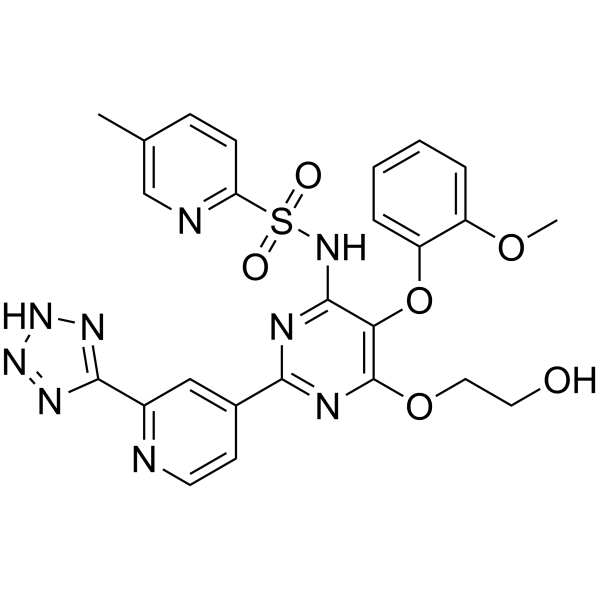
Clazosentan (Ro 61-1790) is a selective endothelin A (ETA) receptor antagonist. Clazosentan inhibits ET-1-mediated vasoconstriction. Clazosentan prevents cerebral vasospasm, vasospasm-related cerebral infarction .
1
1 Cited Publications
Cat. No.: HY-N7755
CAS No.: 14982-12-8
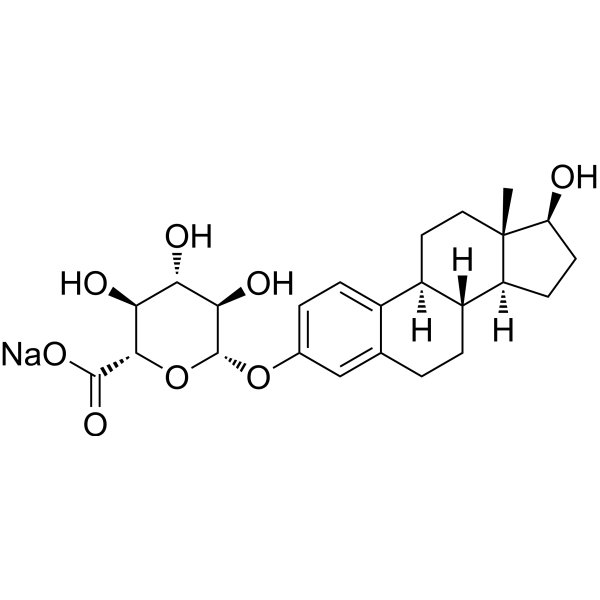
Estradiol 3-glucuronide sodium is an estrogen metabolite, which is a glucuronide conjugate formed by the catalysis of uridine diphosphate glucuronosyltransferase in tissues such as the liver from Estradiol (HY-B0141). Estradiol 3-glucuronide sodium is a potent substrate of Mrp2, with an S50 of 55.7 μM. Estradiol 3-glucuronide sodium achieves hepatobiliary transport in hepatocytes through basolateral uptake via OATP1B1, OATP1B3 and OATP2B1, as well as apical efflux via MRP2 and BCRP .
1
1 Cited Publications
Cat. No.: HY-W585842
CAS No.: 15270-30-1
Estradiol 3-glucuronide is an estrogen metabolite, which is a glucuronide conjugate formed from Estradiol (HY-B0141) via catalysis by uridine diphosphate glucuronosyltransferases in tissues such as the liver. Estradiol 3-glucuronide is a potent substrate of Mrp2, with an S50 value of 55.7 μM. Estradiol 3-glucuronide achieves hepatobiliary transport in hepatocytes through basolateral uptake via OATP1B1, OATP1B3 and OATP2B1, as well as apical efflux via MRP2 and BCRP .
1
1 Cited Publications
Cat. No.: HY-17352A
CAS No.: 503271-02-1
Synonyms: Ro 61-1790 disodium; VML 588 disodium; AXV-034343 disodium
Target:  

Endothelin Receptor

Research Areas:  

Cardiovascular Disease

Clazosentan disodium (Ro 61-1790) is a selective endothelin A (ETA) receptor antagonist. Clazosentan disodium inhibits ET-1-mediated vasoconstriction. Clazosentan disodium prevents cerebral vasospasm, vasospasm-related cerebral infarction .
Cat. No.: HY-119695
CAS No.: 121009-77-6
Purity:  95.51%
Synonyms: Tenivastatin
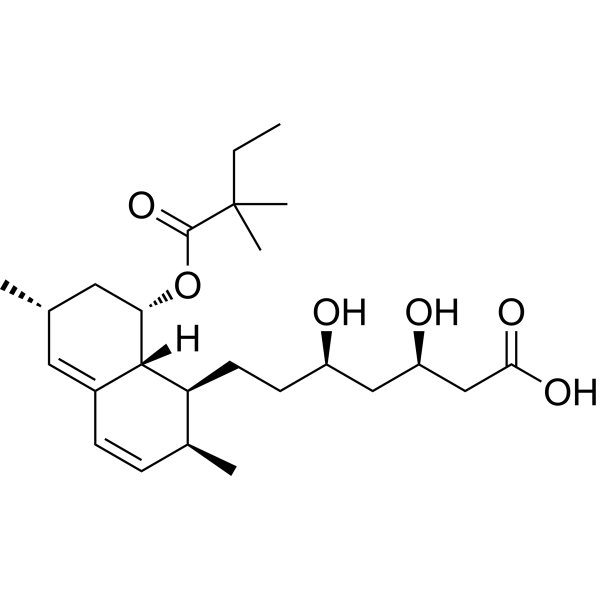
Simvastatin acid (Tenivastatin), a hydrolysate of Simvastatin (HY-17502), is a HMG-CoA reductase (HMGCR) inhibitor. Simvastatin acid reduces Indoxyl sulfate-mediated reactive oxygen species (ROS) production in human cardiomyocytes. Simvastatin acid can also modulates OATP3A1 expression in cardiomyocytes and HEK293 cells transfected with the OATP3A1 gene .
Cat. No.: HY-W011819
CAS No.: 821-38-5
Tetradecanedioic acid is an endogenous metabolite and belongs to the class of organic compounds known as long-chain fatty acids. Tetradecanedioic acid is an endogenous biomarker for assessing the activity of organic anion transporting polypeptides (OATPs) .
Cat. No.: HY-50896R
CAS No.: 183321-74-6
Synonyms: CP-358774 (Standard); NSC 718781 (Standard); OSI-774 (Standard)
Erlotinib Standard (CP-358774 Standard) is the analytical standard of Erlotinib (HY-50896). This product is intended for research and analytical applications. Erlotinib (CP-358774) is a selective, orally active EGFR tyrosine kinase inhibitor. Erlotinib also acts as a substrate and inhibitor of OATP2B1, with an IC50 of approximately 0.079 μM for inhibiting OATP2B1-mediated uptake of estrone 3-sulfate. Erlotinib blocks EGFR phosphorylation, downstream signal transduction, as well as the growth and proliferation of cancer cells. Erlotinib inhibits MMP-10-mediated renal injury, fibrotic lesions, the ERK1/2, GSK-3β and β-catenin signaling pathways, as well as the deposition of fibronectin, α-SMA, collagen and renal injury markers. Erlotinib is metabolized via CYP3A to produce the active metabolite OSI-420. Erlotinib can be used in research related to non-small cell lung cancer, gastric cancer, papillary renal cell carcinoma, EGFR inhibitor resistance and renal fibrosis .

