




1. Search Result
Search Result
Pathways Recommended: Neuronal Signaling JAK/STAT Signaling
Results for "

PD-1 signaling

" in MedChemExpress (MCE) Product Catalog:

59

Inhibitors & Agonists

7

Peptides

21

Inhibitory Antibodies

8

Natural
Products

Targets Recommended:
Cat. No. Product Name Target Research Areas Chemical Structure
  • HY-P99145

    PD-1/PD-L1 Cancer
    Anti-Mouse PD-L1/B7-H1 Antibody (10F.9G2) is an anti-mouse PD-L1/B7-H1 IgG2b antibody inhibitor derived from host rat. Anti-Mouse PD-L1/B7-H1 Antibody (10F.9G2) blocks PD-1 signaling. Anti-Mouse PD-L1/B7-H1 Antibody (10F.9G2) can be used for the research of cancer, such as colon cancer .
    Anti-Mouse PD-L1/B7-H1 Antibody (10F.9G2)
  • HY-P991628

    PF-08634404

    PD-1/PD-L1 VEGFR Cancer
    SSGJ-707 (PF-08634404) is a bispecific antibody targeting VEGF and PD-1. SSGJ-707 exerts dual anti-tumor effects by neutralizing VEGF and blocking the PD-1 signaling pathway. SSGJ-707 can be combined with platinum-based chemotherapy to inhibit advanced non-small cell lung cancer (NSCLC), and its inhibitory effect is not limited by PD-L1 expression levels. In the HARMONi-2 trial, the objective response rate of SSGJ-707 correlates with the PD-L1 tumor proportion score, and the incidence of grade ≥3 adverse events is comparable to that of Inetetamab (HY-P99969). SSGJ-707 is being extensively investigated for a variety of malignancies including advanced NSCLC, colorectal cancer and small cell lung cancer .
    SSGJ-707
  • HY-W342604
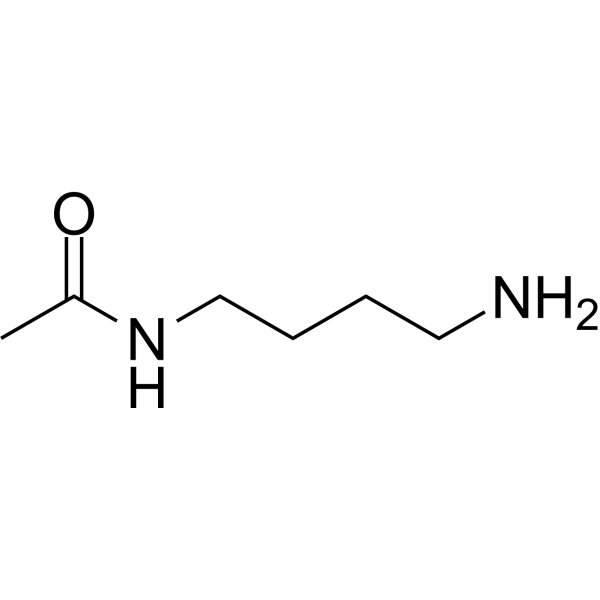
    N-Acetylputrescine
    1 Publications Verification

    NAP

    Endogenous Metabolite Neurological Disease Cancer
    N-Acetylputrescine is a polyamine metabolite that regulates cell proliferation and signal transduction mainly by participating in polyamine acetylation modification. N-Acetylputrescine may reduce the positive charge of polyamines, affect protein-nucleic acid interactions, and promote cell growth. The concentration changes of N-Acetylputrescine can help disease diagnosis (such as early screening and efficacy evaluation of lung cancer) and microbial cell wall structure research. N-Acetylputrescine can be used as a potential biomarker for the progression of squamous cell carcinoma of the lung (SCCL) and Parkinson's disease (PD) .
    N-Acetylputrescine
  • HY-113100
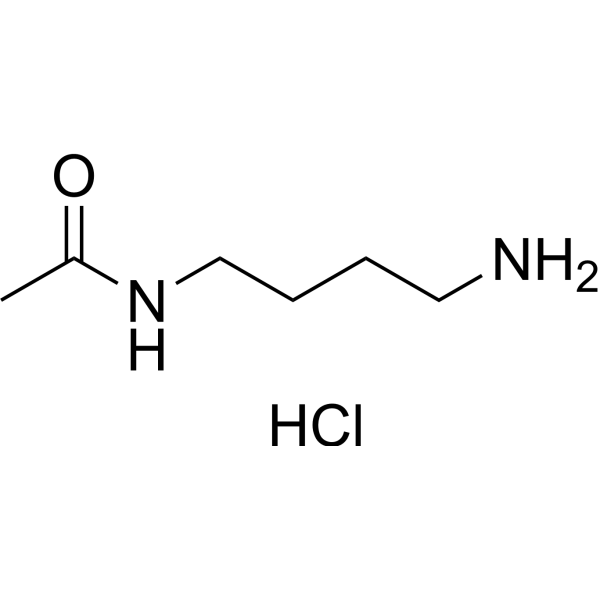
    N-Acetylputrescine hydrochloride
    1 Publications Verification

    Endogenous Metabolite Neurological Disease Cancer
    N-Acetylputrescine hydrochloride is a polyamine metabolite that regulates cell proliferation and signal transduction mainly by participating in polyamine acetylation modification. N-Acetylputrescine hydrochloride may reduce the positive charge of polyamines, affect protein-nucleic acid interactions, and promote cell growth. The concentration changes of N-Acetylputrescine hydrochloride can help disease diagnosis (such as early screening and efficacy evaluation of lung cancer) and microbial cell wall structure research. N-Acetylputrescine hydrochloride can be used as a potential biomarker for the progression of squamous cell carcinoma of the lung (SCCL) and Parkinson's disease (PD) .
    N-Acetylputrescine hydrochloride
  • HY-P991621

    EOS-215

    TREM receptor Cancer
    EOS006215 (EOS-215) is a humanized monoclonal antibody targeting TREM-2. EOS006215 competes with TREM2 ligands, prevents TREM2 multimerization, and blocks downstream signaling. EOS006215 inhibits efferocytosis, reprograms transcriptomic profiles of monocyte-derived macrophages, alters metabolism and immune response genes, and increases pro-inflammatory marker secretion. EOS006215 reduces metastasis burden, delays tumor growth, and reprograms the tumor microenvironment to overcome anti-PD-1 resistance. EOS006215 can be used for the research of triple negative breast cancer and colorectal cancer .
    EOS006215
  • HY-N0819
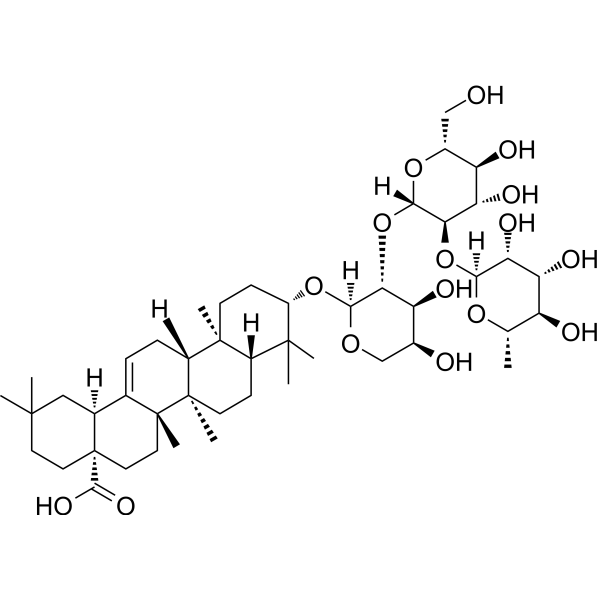
    Raddeanin A
    1 Publications Verification

    Apoptosis PI3K Akt ERK mTOR Wnt β-catenin Wee1 JNK VEGFR CDK Neurological Disease Inflammation/Immunology Cancer
    Raddeanin A is an oleanane-type triterpenoid saponin with oral activity. Raddeanin A inhibits SRC, mTOR, JNK, VEGFR2, NLRP3 inflammasome, Wnt/β-catenin, Wee1, PI3K/AKT signaling pathway, MAPK/ERK signaling pathway, AR-FL, AR-Vs, and downregulates the expression of p-PI3K and p-AKT. Raddeanin A inhibits osteoclast formation, bone resorption, osteolysis, cancer cell invasion, migration, proliferation, angiogenesis and epithelial-mesenchymal transition, while induces apoptosis, cell cycle arrest, ROS production, immunogenic cell death and dendritic cell maturation. Raddeanin A improves blood-retinal barrier function, alleviates inflammation, regulates the tumor microenvironment, and enhances the activity of anti-PD-1 antibody. Raddeanin A is applicable to the research of breast cancer-associated osteolysis, human osteosarcoma, colorectal cancer, glioblastoma, Alzheimer's disease, cholangiocarcinoma, melanoma, non-small cell lung cancer, castration-resistant prostate cancer and multiple myeloma .
    Raddeanin A
  • HY-P991149

    YH32367; ABL105

    TNF Receptor Cancer
    Nesfrotamig (YH32367; ABL105) is a bispecific activator targeting HER2 and 4-1BB. The Kd values of Nesfrotamig for human HER2 and human 4-1BB are 0.48 nM and 3.36 nM, respectively. By blocking tumor cell growth signals, activating HER2-dependent local 4-1BB in tumors to maintain T cell survival, and inducing NK cell-mediated antibody-dependent cellular cytotoxicity, Nesfrotamig enhances the cytotoxicity and tumor infiltration ability of immune cells. Nesfrotamig promotes the generation of tumor-specific memory T cells, drives T cell-mediated tumor lysis, exhibits significant anti-tumor efficacy against both HER2-positive and HER2-low-expressing tumors, and shows synergistic activity when combined with anti-PD-1 antibodies. In cynomolgus monkey studies, Nesfrotamig demonstrates good safety and is suitable for research related to HER2-positive and HER2-low-expressing tumors .
    Nesfrotamig
  • HY-P5005

    CMV PD-1/PD-L1 Infection Inflammation/Immunology Cancer
    VIPhyb is a vasoactive intestinal polypeptide (VIP) receptor antagonist. VIPhyb can inhibit VIP signaling, increase T-cell immunity and downregulate PD1. VIPhyb can inhibit cancer cell proliferation. VIPhyb can reduce inflammatory cytokine expression. VIPhyb can enhance viral clearance. VIPhyb can be used for the researches of cancer, infection and inflammation and immunology, such as non-small cell lung cancer (NSCLC), cytomegalovirus infection and colitis .
    VIPhyb
  • HY-N3431

    AMPK PD-1/PD-L1 FXR Reactive Oxygen Species (ROS) Cardiovascular Disease
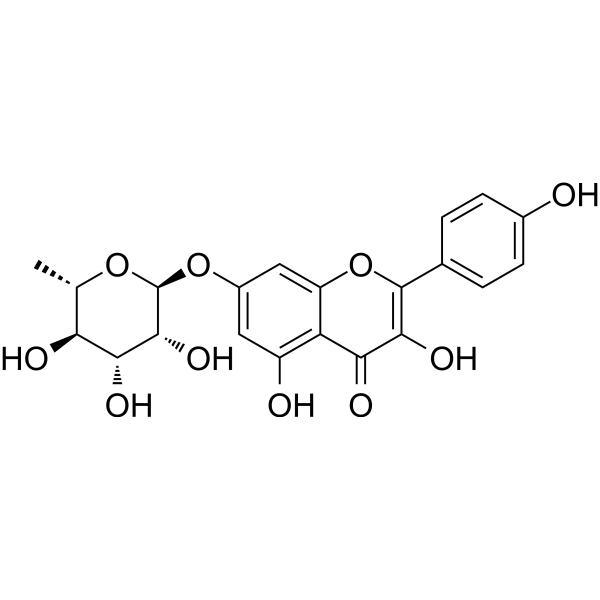
    Kaempferol-7-O-rhamnoside is a PD-1/PD-L1 inhibitor and farnesoid X receptor (FXR) agonist. Kaempferol-7-O-rhamnoside demonstrates cardioprotective potential targeting the AMPKα1 signaling pathway. Kaempferol-7-O-rhamnoside significantly upregulates the mRNA expression of AMPKα1 in H9c2 cardiomyocytes. Kaempferol-7-O-rhamnoside reverses APAP-induced reduction of glutathione (GSH) content and increase of ROS production in L02 cells. Kaempferol-7-O-rhamnoside has the potential for heart failure .
    Kaempferol-7-O-rhamnoside
  • HY-P99573

    MGD-013

    LAG-3 Inflammation/Immunology Cancer
    Tebotelimab (MGD-013) is a humanized IgG4κ bispecific PD-1/LAG-3 dual-affinity re-targeting (DART) antibody. Tebotelimab binds cell-surface expressed PD-1 and LAG-3 with EC50s of 1.65 nM and 0.41 nM in NS0 cells, respectively. Tebotelimab blocks PD-1/PD-L1, PD-1/PD-L2 and LAG-3/HLA (MHC-II) interactions and PD-1 signaling. Tebotelimab restores exhausted T-cell responses and and enhances antitumour immunity .
    Tebotelimab
  • HY-P99884

    PF-06801591

    PD-1/PD-L1 Inflammation/Immunology Cancer
    Sasanlimab is a humanized IgG4 isotype anti-PD-1 antibody. Sasanlimab blocks PD-1 interaction with PD-L1/PD-L2, reverses PD-1-mediated inhibitory T-cell signaling, augments T-cell proliferation and cytokine production. Sasanlimab inhibits colon adenocarcinoma tumor growth, and accelerates graft-versus-host disease incidence via enhanced T-cell activity. Sasanlimab can be used for the research of cancer, such as bladder cancer and colon adenocarcinoma .
    Sasanlimab
  • HY-P1812
    AUNP-12
    3 Publications Verification

    NP-12

    PD-1/PD-L1 Cancer
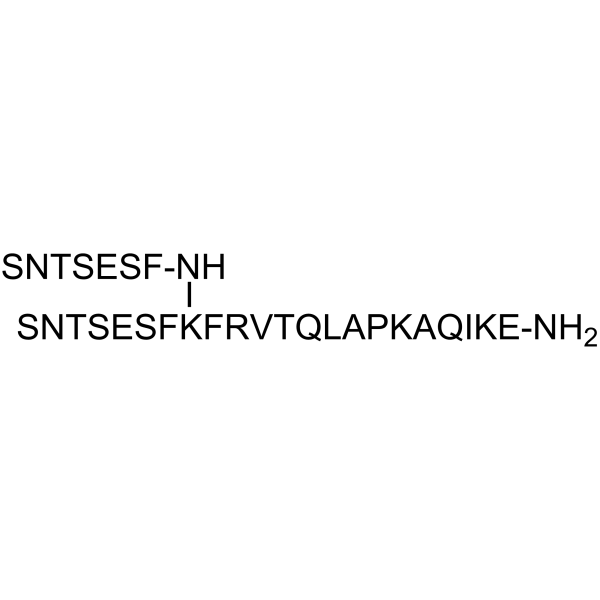
    AUNP-12 (NP-12) is a peptide antagonist of the PD-1 signaling pathway, displays equipotent antagonism toward PD-L1 and PD-L2 in rescue of lymphocyte proliferation and effector functions. AUNP-12 exhibits immune activation, excellent antitumor activity, and potential for better management of immune-related adverse events (irAEs) .
    AUNP-12
  • HY-12964
    SGI-7079
    3 Publications Verification

    TAM Receptor Cancer
    SGI-7079 is a selective, ATP-competitive, orally active inhibitor of the receptor tyrosine kinase Axl. SGI-7079 blocks Axl-mediated signaling pathways such as NF-κB activation and MMP-9 expression, thereby inhibiting tumor cell proliferation, migration and invasion. SGI-7079 is mainly used in the research of malignant tumors such as inflammatory breast cancer and bladder cancer, as well as in combination with immunization (used in combination with PD-1 therapy)[1][2][3].
    SGI-7079
  • HY-153598

    PROTACs RIP kinase Apoptosis Inflammation/Immunology Cancer
    LD4172 is a selective RIPK1 PROTAC degrader with a Ki of 4.8 nM. LD4172 induces RIPK1 protein degradation via ternary complex formation with RIPK1 and VHL E3 ligase, driving ubiquitination and proteasomal breakdown. LD4172 abrogates TNF-induced classical NF-κB signaling in TRAF2-deficient cells, impairing IκBα phosphorylation and degradation, and reducing IL-8 production. LD4172 induces apoptosis and immunogenic cell death in tumor cells, enhances tumor-infiltrating lymphocyte responses, and sensitizes tumors to anti-PD1 therapy. LD4172 acts as a chemical probe for investigating RIPK1 scaffolding functions. LD4172 can be used for the research of melanoma, colon cancer .
    LD4172
  • HY-P99145A

    PD-1/PD-L1 Cancer
    Anti-Mouse PD-L1/B7-H1 Antibody (10F.9G2-Mouse IgG1) is a recombinant chimeric version of the original 10F.9G2 antibody (HY-P99145). The variable domain sequences are identical to the original 10F.9G2 but the constant region sequences have been switched from rat IgG2b to mouse IgG1. Anti-Mouse PD-L1/B7-H1 Antibody (10F.9G2-Mouse IgG1) contains no Fc mutations just as the original rat IgG2b antibody does not. Anti-Mouse PD-L1/B7-H1 Antibody (10F.9G2-Mouse IgG1) blocks PD-1 signaling. Anti-Mouse PD-L1/B7-H1 Antibody (10F.9G2-Mouse IgG1) can be used for the research of cancer.
    Anti-Mouse PD-L1/B7-H1 Antibody (10F.9G2-Mouse IgG1)
  • HY-P991740

    PD-1/PD-L1 Interleukin Related Cancer
    IBI-363 is a PD-1/IL-2 bispecific antibody with functions of blocking the PD-1/PD-L1 pathway and activating the IL-2 pathway. The IL-2 arm of IBI-363 retains affinity for IL-2Rα but attenuates binding ability to IL-2Rβ and IL-2Rγ to reduce toxicity. The PD-1 binding arm of IBI-363 enables PD-1 blockade and selective delivery of IL-2. IBI-363 can be used in cancer research, such as non-small cell lung cancer .
    IBI-363
  • HY-P99895

    PD-1/PD-L1 Inflammation/Immunology Cancer
    Rulonilimab is a human IgG1 monoclonal antibody against PD-1 that targets, binds and inhibits PD-1 and its downstream signalling pathways with potential immune checkpoint inhibition and anti-tumour activity .
    Rulonilimab
  • HY-P990172

    PD-1/PD-L1 Cancer
    Anti-Mouse PD-L1/B7-H1 (D265A) Antibody (10F.9G2) is a recombinant chimeric version of the original 10F.9G2 antibody (HY-P99145). The variable domain sequences are identical to the original 10F.9G2 but the constant region sequences have been switched from rat IgG2b to mouse IgG1. Anti-Mouse PD-L1/B7-H1 (D265A) Antibody (10F.9G2) contains a D265A mutation in the Fc fragment rendering it unable to bind to endogenous Fcγ receptors. Anti-Mouse PD-L1/B7-H1 (D265A) Antibody (10F.9G2) blocks PD-1 signaling. Anti-Mouse PD-L1/B7-H1 (D265A) Antibody (10F.9G2) can be used for the research of cancer.
    Anti-Mouse PD-L1/B7-H1 (D265A) Antibody (10F.9G2)
  • HY-P990171

    PD-1/PD-L1 Cancer
    Anti-Mouse PD-L1/B7-H1 (LALA-PG) Antibody (10F.9G2) is a recombinant chimeric version of the original 10F.9G2 antibody (HY-P99145). The variable domain sequences are identical to the original 10F.9G2 but the constant region sequences have been switched from rat IgG2b to mouse IgG2a. Anti-Mouse PD-L1/B7-H1 (LALA-PG) Antibody (10F.9G2) contains a LALA-PG mutation in the Fc fragment rendering it unable to bind to endogenous Fcγ receptors. Anti-Mouse PD-L1/B7-H1 (LALA-PG) Antibody (10F.9G2) blocks PD-1 signaling. Anti-Mouse PD-L1/B7-H1 (LALA-PG) Antibody (10F.9G2) can be used for the research of cancer.
    Anti-Mouse PD-L1/B7-H1 (LALA-PG) Antibody (10F.9G2)
  • HY-P990961

    IMM-2510; SYN-2510

    VEGFR PD-1/PD-L1 Cardiovascular Disease Inflammation/Immunology Cancer
    Palverafusp alfa (IMM-2510; SYN-2510) is a PD-L1/VEGF-targeting IgG1κ type humanized antibody. Palverafusp alfa blocks PD-1/PD-L1 binding, relieves immune suppression, mediates PD-L1-directed antibody-dependent cellular cytotoxicity (ADCC). Palverafusp alfa blocks VEGF/VEGFR binding, inhibits angiogenic signaling, relieves VEGF-induced immune suppression. Palverafusp alfa reduces endothelial cell proliferation, enhances ADCC and antibody-dependent cellular phagocytosis (ADCP), inhibits tumor growth, reverses T cell immune suppression. Palverafusp alfa exhibits immune stimulatory, antiangiogenic, and anti-tumor activity in the tumor microenvironment. Palverafusp alfa can be used for the research of cancer, such as solid tumors, non-small cell lung cancer .
    Palverafusp alfa
  • HY-155101

    PD-1/PD-L1 Cancer
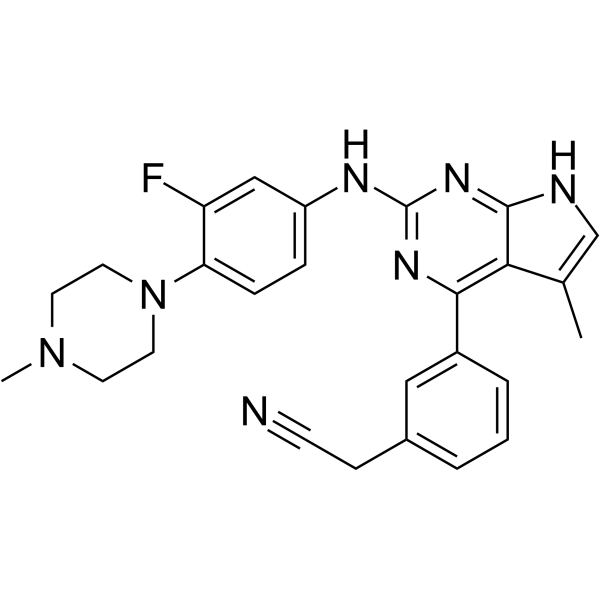
    PD-L1-IN-3 (Compound 4a) is a compound that targets PD-1/PD-L1, the IC50 value and EC50 value is 4.97nM and 2.70 μM for inhibit PD-L1 and Jurkat T cells, respectively. PD-L1-IN-3 can bind PD-L1 dimer to prevent PD-1 binding to PD-L1, therefore blocking PD-1 signaling. PD-L1-IN-3 can be used for lung cancer and melanoma diseases research .
    PD-L1-IN-3
  • HY-P991193

    TNF Receptor Cancer
    NGM-438 is a humanized monoclonal antibody antagonist of LAIR1, with a Ka of 0.26 nM for human LAIR1 and 4.28 nM for cynomolgus monkey LAIR1. NGM-438 blocks the binding of LAIR1 to its Collagen ligand and antagonizes the Collagen-induced LAIR1 signaling pathway. NGM-438 reverses FcγR signaling inhibition in myeloid cells, induces dendritic cells to secrete TNFα, promotes T cell proliferation, and triggers myeloid inflammation and allogeneic T cell responses. NGM-438 sensitizes refractory mouse lung cancer to PD-1 blockade, increases the content of intratumoral CD8 + T cells and the expression of inflammatory genes. NGM-438 is applicable to research related to solid tumors, refractory solid tumors and non-small cell lung cancer .
    NGM-438
  • HY-159643

    MAP4K IFNAR Interleukin Related Inflammation/Immunology Cancer
    NDI-101150 is an orally active, potent and selective hematopoietic progenitor cell kinase 1 (HPK1) inhibitor with an IC50 of 0.7 nM. NDI-101150 blocks HPK1-mediated negative regulation of immune receptor signaling, inhibits immunosuppression of T cell activation, enhances antigen-specific antibody production and augments B-cell activation. NDI-101150 inhibits tumor growth in syngeneic tumor models, establishes durable antitumor immune memory, and synergizes with anti-PD1 to enhance exhausted T cell activity and drive tumor regressions. NDI-101150 can be used for the research of cancer, such as breast cancer and colon cancer .
    NDI-101150
  • HY-155847

    Phosphatase PD-1/PD-L1 Inflammation/Immunology Cancer
    LYP-IN-3 is a selective, orally active and reversible lymphoid-tyrosine phosphatase (LYP) inhibitor (IC50 = 2.55 μM, Ki = 0.93 μM). D34 exhibits high selectivity of PTP1B, PTPN12, PTPN5 and SSH2. LYP-IN-3 regulates the T-cell receptor (TCR) signaling by specifically inhibiting LYP. LYP-IN-3 does not significantly inhibit MC38 cell viability; its anti-tumor effect stems from immune regulation. LYP-IN-3 can significantly upregulate PD-L1 or PD-1 expression in different immune cells. LYP-IN-3 facilitates T-cell infiltration and enhances T-cell functions. LYP-IN-3 synergizes with PD-L1 blockade can significantly improve colorectal tumor regression. LYP-IN-3 can be used for the study of colorectal cancer .
    LYP-IN-3
  • HY-155848

    Phosphatase Cancer
    LYP-IN-4 (compound D14) is a reversible and selective inhibitor of lymphotyrosine phosphatase (LYP) (Ki=1.34 μM, IC50=3.52μM). LYP-IN-4 inhibits LYP to regulate TCR signaling, up-regulates PD-1/PD-L1 expression, and enhance anti-tumor immunity. LYP-IN-4 activates T cells and inhibits M2 macrophage polarization, inhibits tumor growth in MC38 isogenic mouse models.
    LYP-IN-4
  • HY-101098

    PD-1/PD-L1 Inflammation/Immunology
    PD-1-IN-18 is a PD1 signaling pathway inhibitor, which acts as an immunomodulator.
    PD-1-IN-18
  • HY-148305

    PD-1/PD-L1 Cancer
    PD-1/PD-L1-IN-28 (compound 3) is an immune checkpoint inhibitor of PD-1/PD-L1 signaling pathway (IC50=0.744 µM). PD-1/PD-L1-IN-28 shows good research potential in tumor immunity .
    PD-1/PD-L1-IN-28
  • HY-144497

    PD-1/PD-L1 Toll-like Receptor (TLR) Drug-Linker Conjugates for ADC Infection Cancer
    HE-S2 is an antibody-drug conjugate triggering a potent antitumor immune response. HE-S2 acts by blocking the PD-1/PD-L1 interaction and activating the Toll-like receptor 7/8 (TLR7/8) signaling pathway. HE-S2 has remarkable antitumor activity .
    HE-S2
  • HY-175323

    Integrin PD-1/PD-L1 Cancer
    NOTA-IMB-RGD is a dual molecular probe targeting integrin αvβ3 and programmed death ligand-1 (PD-L1). NOTA-IMB-RGD blocks the PD-1/PD-L1 signaling pathway and integrin αvβ3-overexpressing tumor vasculature. NOTA-IMB-RGD is promising for research of solid tumors co-expressing PD-L1 and αvβ3 (e.g., glioma, breast cancer) .
    NOTA-IMB-RGD
  • HY-178716

    Phosphatase IFNAR STAT JAK Cancer
    PTPN2/1-IN-4 (Compound WS35) is an orally active, dual-functional inhibitor of PTPN1 and PTPN2 with IC50s of 12.8 and 5.8 nM for PTPN1 and PTPN2, respectively. PTPN2/1-IN-4 modulates the IFNγ-JAK-STAT signaling pathway and significantly augments CD8+ T-cell tumor infiltration. PTPN2/1-IN-4 has potent anticancer activity, robustly inhibiting tumor growth both as a monotherapy and in combination with an anti-PD-1 antibody in B16-OVA syngeneic mouse models .
    PTPN2/1-IN-4
  • HY-P990170

    Transmembrane Glycoprotein Inflammation/Immunology
    Anti-Mouse PD-L2/B7-DC Antibody (TY25) is a rat-derived IgG2a κ type antibody inhibitor, targeting to mouse PD-L2/B7-DC. Anti-Mouse PD-L2/B7-DC Antibody (TY25) blocks PD-L2 binding to PD-1 and blocks PD-1 signaling. Anti-Mouse PD-L2/B7-DC Antibody (TY25) can be used for the researches of inflammation and immunology, such as conjunctivitis and transplantation .
    Anti-Mouse PD-L2/B7-DC Antibody (TY25)
  • HY-P1812A
    AUNP-12 TFA
    3 Publications Verification

    NP-12 TFA

    PD-1/PD-L1 Cancer
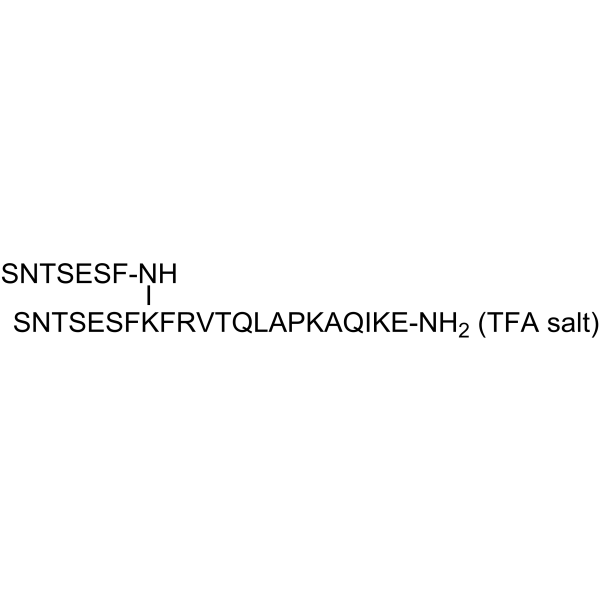
    AUNP-12 TFA (NP-12 TFA) is a peptide antagonist of the PD-1 signaling pathway, displays equipotent antagonism toward PD-L1 and PD-L2 in rescue of lymphocyte proliferation and effector functions. AUNP-12 TFA exhibits immune activation, excellent antitumor activity, and potential for better management of immune-related adverse events (irAEs) .
    AUNP-12 TFA
  • HY-P9S0062

    PD-1/PD-L1 Inflammation/Immunology
    Rosnilimab (Mouse IgG2a) is a mouse-derived IgG2a, Rosnilimab. Rosnilimab is a PD-1 agonistic monoclonal antibody. Rosnilimab (Mouse IgG2a) can be used in research related to ulcerative colitis .
    Rosnilimab (Mouse IgG2a)
  • HY-175236

    PD-1/PD-L1 Apoptosis ERK JNK Cadherin p38 MAPK GSK-3 IFNAR Caspase Bcl-2 Family Cancer
    SF-9-2 is a PD-L1/PD-1 binding inhibitor (IC50 = 24.9 nM). SF-9-2 inhibits epithelial-mesenchymal transition, migration, invasion, and proliferation of SK-N-SH cells, and also induces apoptosis and cell cycle arrest. SF-9-2 blocks PD-L1-induced SK-N-SH cell growth through the MAPK signaling pathway. SF-9-2 restores GSK-3β activity and enhances PD-L1 degradation through the ubiquitin-proteasome pathway. SF-9-2 inhibits tumor growth in the SK-N-SH NOG mouse model without significant toxicity. SF-9-2 also acts as an immune checkpoint inhibitor, blocking PD-L1 to restore T cell function. SF-9-2 can be used in neuroblastoma research .
    SF-9-2
  • HY-P10838

    PD-1/PD-L1 Apoptosis Cancer
    PL120131 is a PD-1 antagonist, can specifically blocking the interaction between PD-1 and PD-L1, thereby effectively inhibiting the PD-1-mediated apoptosis signaling pathway. PL120131 rescues lymphocytes from apoptosis, maintains the survival and activity of T cells, and induces cytotoxic T lymphocytes to exert killing effects and recognize macrophages and dendritic cells. PL120131 can be used in research related to breast cancer and various malignant tumors .
    PL120131
  • HY-N12537

    PD-1/PD-L1 Cancer
    PD-1/ PD-L1-in-38 is a PD-1/PD-L1 inhibitor, which can inhibit the proliferation of tumor cells, promote the secretion of INF-γ by CD8 + T cells, and inhibit the ability of PD-1/PD-L1 signal transduction. PD-1/PD-L1-IN-38 has antitumor activity .
    PD-1/PD-L1-IN-38
  • HY-158050

    c-Fms Cancer
    PXB17 can inhibit CSF1R (IC50 = 1.7 nM) by blocking the activation of PI3K/ AKT/mTORC1 signaling. PXB17 is orally effective. PXB17 significantly inhibits the growth of CRC, improves PD-1 mAb efficacy and reduces tumor recurrence in CRC .
    PXB17
  • HY-157055

    PD-1/PD-L1 Cancer
    PD-1-IN-25 (compound 43) is a potent PD-1/PD-L1 interaction inhibitor with an IC50 value of 10.2 nM in the HTRF assay. PD-1-IN-25 can promote CD8+ T cell activation through inhibiting PD-1/PD-L1 cellular signaling. PD-1-IN-25 delays the tumor growth .
    PD-1-IN-25
  • HY-159125

    PD-1/PD-L1 Cancer
    PD-1/PD-L1-IN-47 (MolPort-001-742-690) is a PH-selective PD-1/PD-L1 signaling pathway inhibitor with significant affinity for PD-L1 under acidic conditions and lower toxicity. PD-1/PD-L1-IN-47 can be used in the study of tumors .
    PD-1/PD-L1-IN-47
  • HY-N12537A

    Aryl Hydrocarbon Receptor PD-1/PD-L1 Cancer
    (2R,3S)-PD-1/PD-L1-IN-38 (Compound (±)-13e) is an orally active Ah receptor (AhR) antagonist with in vivo and in vitro anticancer activity. (2R,3S)-PD-1/PD-L1-IN-38 promotes the secretion of INF-γ by CD8 +T cells and inhibits the signal transduction of PD-1/PD-L1 .
    (2R,3S)-PD-1/PD-L1-IN-38
  • HY-113100R

    Reference Standards Endogenous Metabolite Neurological Disease Cancer
    N-Acetylputrescine hydrochloride (Standard) is the analytical standard for N-Acetylputrescine hydrochloride (HY-113100). This product is intended for research and analytical applications. N-Acetylputrescine hydrochloride is a polyamine metabolite that regulates cell proliferation and signal transduction mainly by participating in polyamine acetylation modification. N-Acetylputrescine hydrochloride may reduce the positive charge of polyamines, affect protein-nucleic acid interactions, and promote cell growth. The concentration changes of N-Acetylputrescine hydrochloride can help disease diagnosis (such as early screening and efficacy evaluation of lung cancer) and microbial cell wall structure research. N-Acetylputrescine hydrochloride can be used as a potential biomarker for the progression of squamous cell carcinoma of the lung (SCCL) and Parkinson's disease (PD) .
    N-Acetylputrescine hydrochloride (Standard)
  • HY-N0819R

    Reference Standards Apoptosis PI3K Akt ERK mTOR Wnt β-catenin Wee1 JNK VEGFR CDK Neurological Disease Inflammation/Immunology Cancer
    Raddeanin A (Standard) is the analytical standard of Raddeanin A (HY-N0819). This product is intended for research and analytical applications. Raddeanin A is an oleanane-type triterpenoid saponin with oral activity. Raddeanin A inhibits SRC, mTOR, JNK, VEGFR2, NLRP3 inflammasome, Wnt/β-catenin, Wee1, PI3K/AKT signaling pathway, MAPK/ERK signaling pathway, AR-FL, AR-Vs, and downregulates the expression of p-PI3K and p-AKT. Raddeanin A inhibits osteoclast formation, bone resorption, osteolysis, cancer cell invasion, migration, proliferation, angiogenesis and epithelial-mesenchymal transition, while induces apoptosis, cell cycle arrest, ROS production, immunogenic cell death and dendritic cell maturation. Raddeanin A improves blood-retinal barrier function, alleviates inflammation, regulates the tumor microenvironment, and enhances the activity of anti-PD-1 antibody. Raddeanin A is applicable to the research of breast cancer-associated osteolysis, human osteosarcoma, colorectal cancer, glioblastoma, Alzheimer's disease, cholangiocarcinoma, melanoma, non-small cell lung cancer, castration-resistant prostate cancer and multiple myeloma.
    Raddeanin A (Standard)
  • HY-185098

    PD-1/PD-L1 Transmembrane Glycoprotein Cancer
    PD1-PDL1-IN-4 (compound 19) is a potent and orally active PD1-PDL1 inhibitor that modulates TIGIT and PD-1 signalling pathways. PD1-PDL1-IN-4 can rescue CD8 + T cell and mouse splenocyte proliferation. PD1-PDL1-IN-4 inhibits tumor growth in a CT26 syngeneic colon adenocarcinoma mouse model. PD1-PDL1-IN-4 can be used for research on colon cancer .
    PD1-PDL1-IN-4
  • HY-P992478

    PD-1/PD-L1 Cancer
    TY101 is an anti-PDCD1/PD-1/CD279 monoclonal antibody. TY101 binds to and inhibits PD-1 and its downstream signaling pathways .
    TY101
  • HY-P10838A

    PD-1/PD-L1 Apoptosis Cancer
    PL120131 acetate is a PD-1 antagonist, can specifically blocking the interaction between PD-1 and PD-L1, thereby effectively inhibiting the PD-1-mediated apoptosis signaling pathway. PL120131 acetate rescues lymphocytes from apoptosis, maintains the survival and activity of T cells, and induces cytotoxic T lymphocytes to exert killing effects and recognize macrophages and dendritic cells. PL120131 acetate can be used in research related to breast cancer and various malignant tumors .
    PL120131 acetate
  • HY-P992161

    Interleukin Related PD-1/PD-L1 Inflammation/Immunology Cancer
    REGN-10597, composed of an anti-huPD-1-targeting antibody and IL2Ra-IL2 moiety, is a PD-1-dependent IL-2 agonist. REGN-10597 binds PD-1 to deliver masked native IL-2 to PD-1+ T cells, engaging trimeric IL-2 receptors to activate downstream signaling. REGN-10597 can be used for the research on melanoma, prostate cancer, colorectal cancer, and ovarian cancer .
    REGN-10597
  • HY-P992448

    PD-1/PD-L1 Cancer
    RC98 is a monoclonal antibody targeting programmed cell death ligand 1 (PD-L1) and acts as a selective PD-L1 inhibitor. RC98 binds specifically to human and cynomolgus monkey PD-L1. RC98 blocks the interaction between PD-L1 and its receptor PD-1 to reverse T-cell inactivation mediated by PD-1/PD-L1 signaling. RC98 enhances the cytotoxic T-lymphocyte-mediated anti-tumor immune response against PD-L1-expressing tumor cells. RC98 can be used for the research of tumor immunity and solid tumors .
    RC98
  • HY-169190

    PD-1/PD-L1 Cancer
    PD-1/PD-L1-IN-53 (compound B3) is an inhibitor targeting PD-1/PD-L1 and VISTA signaling pathways. PD-1/PD-L1-IN-53 can be used in anti-cancer research .
    PD-1/PD-L1-IN-53
  • HY-P11490

    MDM-2/p53 Inflammation/Immunology Cancer
    DPMI-ω is a dual-specificity d-peptide antagonist of oncogenic proteins MDM2 and MDMX. DPMI-ω, upon fabrication on gold nanoparticles, efficiently traverses tumor cells and kills them by reactivating the p53 signaling pathway. DPMI-ω can disrupte the p53-MDM2/MDMX complex. DPMI-ω can inhibit B16 melanoma growth and induce cells G0/G1 phase arrest. DPMI-ω can augment the efficacy of immunotherapy by expanding CD3 +/CD8 + cytotoxic T cells and suppressing CD4 +/CD25 + regulatory T cells companied with anti-PD1 antibody. DPMI-ω can be used for research of melanoma .
    DPMI-ω
  • HY-156898

    α-synuclein Caspase Reactive Oxygen Species (ROS) Neurological Disease
    NPT100-18A is an αSyn oligomerization inhibitor. NPT10018A rescues cleaved caspase-3 levels to control levels. NPT10018A attenuates mitochondrial oxidative stress probe levels in a compartment-specific manner and, at higher concentrations, increases ATP signals. NPT100-18A can be used for the study of Parkinson’s disease (PD) .
    NPT100-18A

Inquiry Online

Your information is safe with us. * Required Fields.

Salutation


Country or Region *

Applicant Name *


Organization Name *

Department *


Email Address *


Product Name *

Cat. No.


Requested quantity *

Phone Number *


Remarks

Inquiry Online

Inquiry Information

Product Name:
Cat. No.:
Quantity:
MCE Japan Authorized Agent:

