1. Search Result
Search Result
Results for "

PGE

" in MedChemExpress (MCE) Product Catalog:

284

Inhibitors & Agonists

1

Fluorescent Dyes

2

Biochemical Assay Reagents

69

Natural
Products

1

Recombinant Proteins

21

Isotope-Labeled Compounds

1

Antibodies

1

GMP Molecules

Targets Recommended:
Cat. No. Product Name Target Research Areas Chemical Structure
  • HY-101952
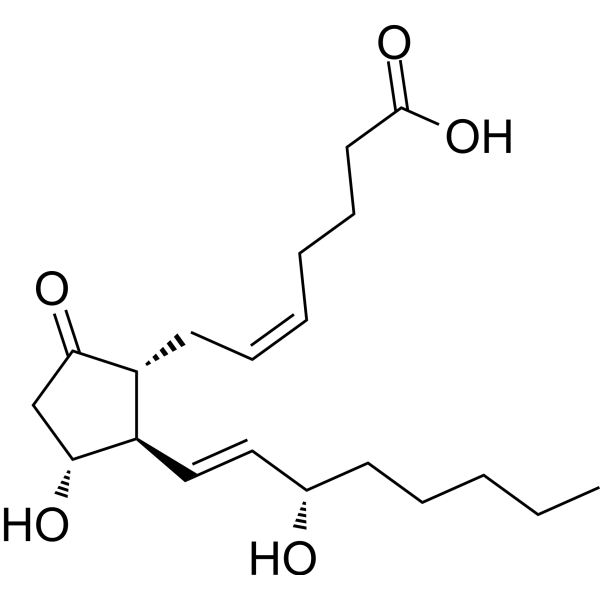
    Prostaglandin E2
    Maximum Cited Publications
    55 Publications Verification

    PGE2; Dinoprostone

    Organoid Prostaglandin Receptor Endogenous Metabolite Cardiovascular Disease Endocrinology
    Prostaglandin E2 (PGE2) is a hormone-like substance that participate in a wide range of body functions such as the contraction and relaxation of smooth muscle, the dilation and constriction of blood vessels, control of blood pressure, and modulation of inflammation.
    Prostaglandin E2
  • HY-B0131
    Prostaglandin E1
    20+ Cited Publications

    Alprostadil; PGE1

    Prostaglandin Receptor Endogenous Metabolite Cardiovascular Disease Endocrinology Cancer
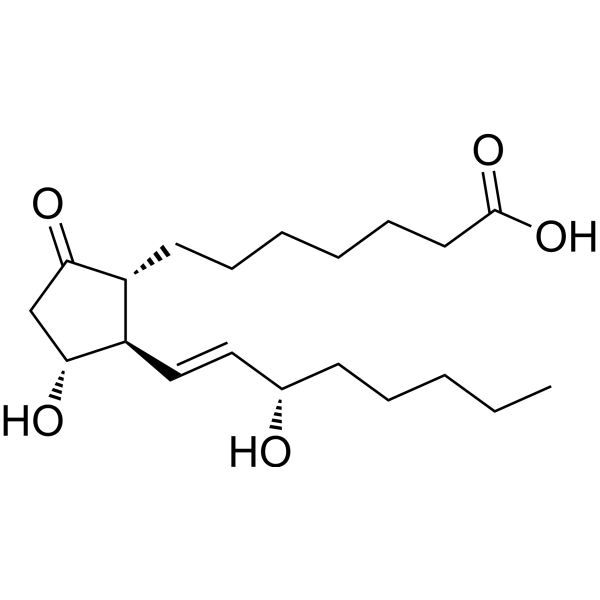
    Prostaglandin E1 (Alprostadil) is a prostanoid receptor ligand, with Kis of 1.1 nM, 2.1 nM, 10 nM, 33 nM and 36 nM for mouse EP3, EP4, EP2, IP and EP1, respectively. Prostaglandin E1 induces vasodilation and inhibits platelet aggregation. Prostaglandin E1 can be used as a vasodilator for the research of peripheral vascular diseases .
    Prostaglandin E1
  • HY-16781
    Grapiprant
    4 Publications Verification

    CJ-023423; RQ-00000007; AAT-007

    Prostaglandin Receptor Metabolic Disease Endocrinology Cancer
    Grapiprant (CJ-023423) is a selective EP4 receptor antagonist whose physiological ligand is prostaglandin E2 (PGE2). Grapiprant displaces [ 3H]-PGE2 (1 nM) binding to dog recombinant EP4 receptor with IC50 value of 35 nM and Ki value of 24 nM. Grapiprant has the potential for osteoarthritic pain and inflammation treatment [3] .
    Grapiprant
  • HY-106420

    16,16-dimethyl PGE2

    Wnt Prostaglandin Receptor Inflammation/Immunology
    16,16-Dimethyl prostaglandin E2 (16,16-dimethyl PGE2) is an orally active vertebrate Hematopoietic stem cells (HSCs) homeostasis critical regulator. 16,16-Dimethyl prostaglandin E2 can act through EP2/EP4 and has an interaction with the Wnt pathway .
    16,16-Dimethyl prostaglandin E2
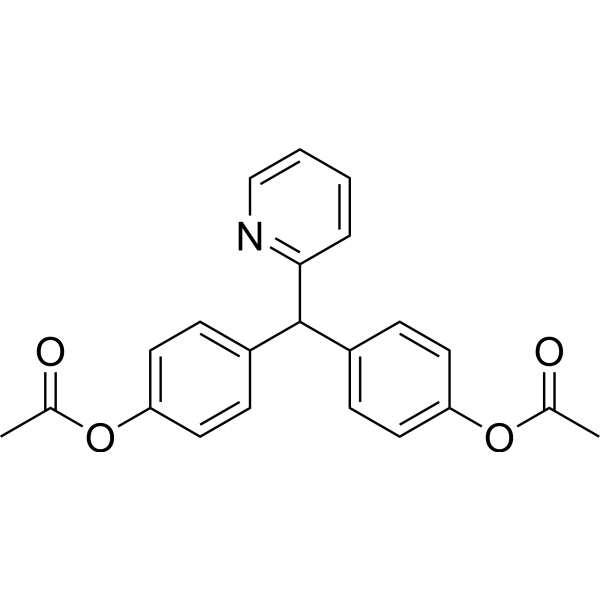
  • HY-B0557
    Bisacodyl
    2 Publications Verification

    Dopamine Transporter Opioid Receptor Metabolic Disease Cancer
    Bisacodyl is a stimulant laxative agent that works directly on the colon to produce a bowel movement. Bisacodyl increases the secretion of PGE2 by direct activation of colon macrophages. PGE2 acts as a paracrine factor and decreases the expression of AQP3 in the colon, which inhibits water transfer from the luminal to the vascular side and leads to a laxative effect .
    Bisacodyl
  • HY-101952G

    PGE2; Dinoprostone

    Endogenous Metabolite Cardiovascular Disease Endocrinology
    Prostaglandin E2 (GMP) is Prostaglandin E2 (HY-101952) produced by using GMP guidelines. GMP small molecules work appropriately as an auxiliary reagent for cell therapy manufacture. Prostaglandin E2, an inflammatory mediator, is a endogenous hormone-like substance that participate in a wide range of body functions .
    Prostaglandin E2
  • HY-113205

    15-keto-PGE2

    Endogenous Metabolite Prostaglandin Receptor STAT PPAR Fungal Drug Metabolite Cardiovascular Disease Infection Endocrinology Cancer
    15-keto-Prostaglandin E2 (15-keto-PGE2) is an endogenous PGE2 metabolite. 15-keto-Prostaglandin E2 inhibits STAT3 activation by binding to the Cys259 residue of STAT3. 15-keto-Prostaglandin E2 binds to and stabilizes EP2 and EP4 receptors. 15-keto-Prostaglandin E2 inhibits the growth and progression of breast cancer cells. 15-keto-Prostaglandin E2 activates PPAR-γ and promotes fungal growth. 15-keto-Prostaglandin E2 disrupts glomerular vascularization during zebrafish development and reduces the surface area of the glomerular filtration barrier .
    15-keto-Prostaglandin E2
  • HY-B0683
    Limaprost
    1 Publications Verification

    17α,20-dimethyl-δ2-PGE1; ONO1206; OP1206

    PGE synthase Cardiovascular Disease Inflammation/Immunology
    Limaprost (OP1206) is a PGE1 analogue and a potent and orally active vasodilator. Limaprost increases blood flow and inhibits platelet aggregation. Limaprost pain relief, has antianginal effects, and can be used for ischaemic symptoms research .
    Limaprost
  • HY-108559
    L-161982
    1 Publications Verification

    Prostaglandin Receptor Inflammation/Immunology
    L-161982 is a selective EP4 receptor antagonist. L-161982 completely blocks PGE2-induced ERK phosphorylation and cell proliferation of HCA-7 cells. L-161982 alleviates collagen-induced arthritis in mice .
    L-161982
  • HY-N0864

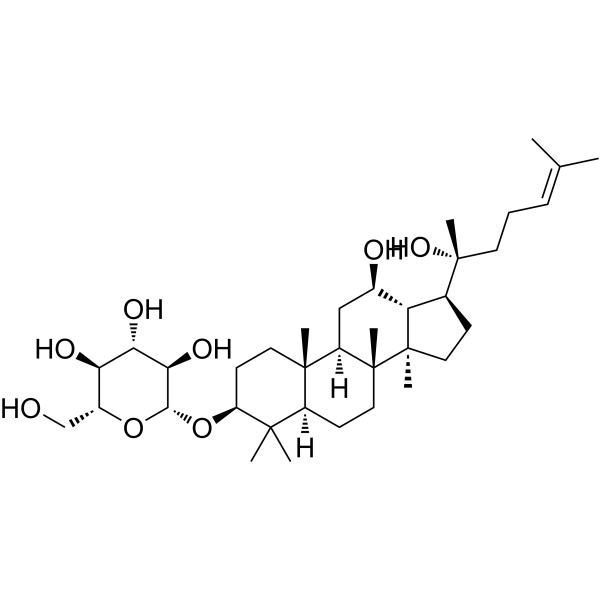
    Macranthoiside I

    Apoptosis COX Reactive Oxygen Species (ROS) Caspase SOD Cancer
    Macranthoidin B (Macranthoiside I) is an orally active triterpene saponin. Macranthoidin B inhibits epithelial-mesenchymal transition in endometriosis via the COX‑2/PGE2 pathway, and also induces tumor cell apoptosis and inhibits their proliferation by regulating metabolism and increasing ROS levels . Macranthoidin B can be used in studies related to endometriosis, colorectal cancer and hepatocellular carcinoma .
    Macranthoidin B
  • HY-114988

    tetranor-PGEM

    Drug Metabolite Metabolic Disease Inflammation/Immunology Cancer
    PGE-M (tetranor-PGEM) is a metabolite of Prostaglandin E2 (HY-101952) and also an inflammatory biomarker. Urinary PGE-M is a potential biomarker for detecting advanced colorectal tumors. PGE-M can be used in studies related to colorectal cancer, obesity, aging and breast cancer .
    PGE-M
  • HY-101952R
    Prostaglandin E2 (Standard)
    Maximum Cited Publications
    55 Publications Verification

    PGE2(Standard); Dinoprostone (Standard)

    Reference Standards Prostaglandin Receptor Endogenous Metabolite Cardiovascular Disease Endocrinology
    Prostaglandin E2 (Standard) is the analytical standard of Prostaglandin E2. This product is intended for research and analytical applications. Prostaglandin E2 (PGE2) is a hormone-like substance that participate in a wide range of body functions such as the contraction and relaxation of smooth muscle, the dilation and constriction of blood vessels, control of blood pressure, and modulation of inflammation.
    Prostaglandin E2 (Standard)
  • HY-101952S
    Prostaglandin E2-d4
    2 Publications Verification

    PGE2-d4; Dinoprostone-d4

    Prostaglandin Receptor Endogenous Metabolite Cardiovascular Disease Endocrinology
    Prostaglandin E2-d4 is the deuterium labeled Prostaglandin E2. Prostaglandin E2 (PGE2) is a hormone-like substance that participate in a wide range of body functions such as the contraction and relaxation of smooth muscle, the dilation and constriction of blood vessels, control of blood pressure, and modulation of inflammation .
    Prostaglandin E2-d4
  • HY-B0736A
    Sertaconazole nitrate
    2 Publications Verification

    FI7056

    Fungal Autophagy Apoptosis p38 MAPK Microtubule/Tubulin Infection Cancer
    Sertaconazole nitrate (FI7056) is a broad-spectrum topical antifungal agent, exhibits anti-inflammatory activity via activation of a p38-COX-2-PGE2 pathway. Sertaconazole nitrate is also a microtubule inhibitor, shows antiproliferative effect, induces apoptosis and autophagy, and can also inhibit the migration of cells .
    Sertaconazole nitrate
  • HY-139589

    ISC-27864; GRC-27864

    PGE synthase COX Collagen Neurological Disease Inflammation/Immunology
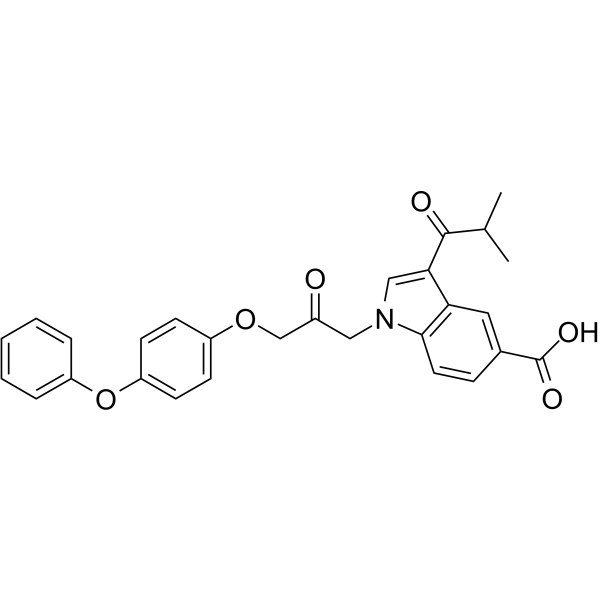
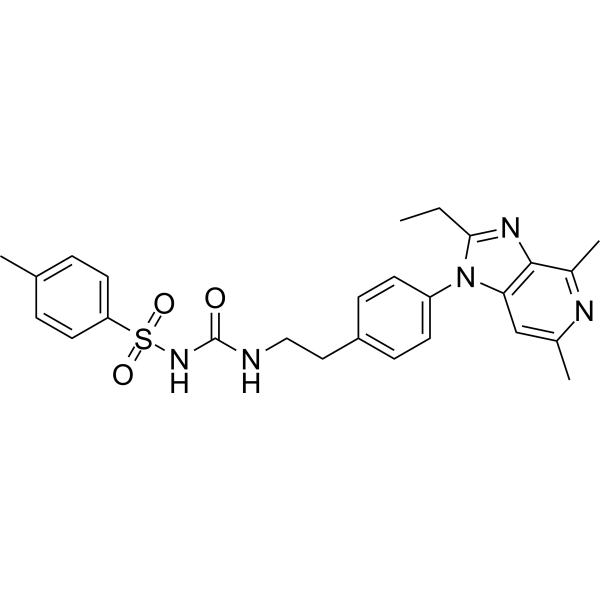
    Zaloglanstat (ISC-27864; GRC-27864) is a selective, orally active microsomal mPGES-1 inhibitor. Zaloglanstat has an IC50 of 5 nM for human mPGES-1 without significant inhibitory effect on COX-1/2 (IC50 >10 μM). Zaloglanstat blocks the conversion of arachidonic acid metabolite prostaglandin PGH2 to prostaglandin PGE2, thereby inhibiting inflammation-related PGE2 overproduction and reducing inflammatory responses and pain. Zaloglanstat inhibits IL-1β-induced PGE2 release in A549 cells and human synovial fibroblasts in vitro. Zaloglanstat inhibits PGE2 release in pig and dog whole blood with IC50s ??of 161 nM and 154 nM, respectively. Zaloglanstat can be used in the study of asthma, osteoarthritis, and neurodegenerative diseases .
    Zaloglanstat
  • HY-128039

    Prostaglandin Receptor Others
    17-Phenyl-ω-trinor-PGE2 is a PGE2 (HY-101952) analog, which is an agonist for EP1 and EP3 receptor. 17-Phenyl-ω-trinor-PGE2 inhibits the PAF-induced aggregation of human platelet-rich plasma (PRP) and Cicaprost (HY-19583) induced Cyclic AMP (HY-B1511) production .
    17-Phenyl-ω-trinor-PGE2
  • HY-W017463

    Drug Intermediate TMV Isocitrate Dehydrogenase (IDH) Infection
    trans-3-(3-Pyridyl) acrylic acid is an unsaturated carboxylic acid and synthetic building block, which serves as a synthetic precursor of 3-(3-pyridyl) propanoic acid. trans-3-(3-Pyridyl) acrylic acid can be used to prepare dual mutant IDH1/NAMPT inhibitors and PGE2 antagonist analogs. In addition, trans-3-(3-Pyridyl) acrylic acid exhibits antiviral activity against tobacco mosaic virus (TMV) .
    trans-3-(3-Pyridyl)acrylic acid
  • HY-101952S1

    PGE2-d9; Dinoprostone-d9

    Isotope-Labeled Compounds Prostaglandin Receptor Endogenous Metabolite Cardiovascular Disease Endocrinology
    Prostaglandin E2-d9 is the deuterium labeled Prostaglandin E2. Prostaglandin E2 (PGE2) is a hormone-like substance that participate in a wide range of body functions such as the contraction and relaxation of smooth muscle, the dilation and constriction of blood vessels, control of blood pressure, and modulation of inflammation .
    Prostaglandin E2-d9
  • HY-177440

    Prostaglandin Receptor COX PGE synthase Metabolic Disease
    T26A is a highly selective prostaglandin transporter (PGT) inhibitor.T26A does not interact with the PGT homolog OATPc, blocks PGT-mediated PGE2 influx, and blocks PGE2 metabolism.T26A retains PGE2 in the extracellular compartment and reduces intracellular PGE2 metabolites.T26A elevates circulating endogenous PGE2 levels, reduces circulating endogenous PGE2 metabolite levels, and slows metabolism of exogenously injected PGE2 in Rattus norvegicus via intravenous injection.T26A does not affect PGE2 synthesis.T26A can be used for the research of PGT function in adult animals .
    T26A
  • HY-116096

    15(R)-Prostaglandin E1; 15-Epiprostaglandin E1

    15-PGDH Others
    15-epi-PGE1 (15R-Prostaglandin E1; 15-Epiprostaglandin E1) is a stereoisomer of PGE1 (HY-B0131) but with less biological activity . 15-epi-PGE1 is a non-competitive inhibitor for human placental 15-Hydroxyprostaglandin dehydrogenase (15-PGDH) with an IC50 of 170 μM .
    15-epi-PGE1
  • HY-113254

    Endogenous Metabolite 5-HT Receptor Metabolic Disease
    13,14-Dihydro-15-keto-PGE2 participates in Bifidobacterium animalis F1-7 to alleviate opioid-induced constipation by 5-HT pathway .
    13,14-Dihydro-15-keto-PGE2
  • HY-130223

    11β-Dinoprostone; 11β-PGE2

    Prostaglandin Receptor Endocrinology
    11β-Prostaglandin E2 (11β-Dinoprostone), a Prostanoid derivative, inhibits [ 3H]PGE2 binding to hypothalamic membranes in the rat with a Ki of 53.3 nM .
    11β-Prostaglandin E2
  • HY-111140

    PGE synthase Lipoxygenase PPAR Inflammation/Immunology
    YS121 is a dual inhibitor of microsomal prostaglandin E2 synthase-1 (mPGES-1; IC50 = 3.4 μM) and 5-lipoxygenase (5-LOX; IC50 = 6.5 μM). YS121 exhibits direct, reversible, and specific binding to mPGES-1 (KD = 10-14 μM) . YS121 dose-dependently reduces PGE2 production with an EC50 of 12 μM in IL-1β-stimulated A549 cells . YS121 (compound 9) activates PPAR-α and -γ (EC50 = 1 and 3.6 μM, respectively) . YS121 exhibits anti-inflammatory efficiency in human whole blood as well as in vivo. YS121 can be used for pleurisy research .
    YS121
  • HY-100304A

    Prostaglandin Receptor SARS-CoV Metabolic Disease Endocrinology
    KW-8232, an orally active anti-osteoporotic agent, and can reduces the biosynthesis of PGE2 .
    KW-8232
  • HY-137584

    1a,1b-Dihomo PGE1

    Prostaglandin Receptor Cardiovascular Disease
    1a,1b-Dihomo prostaglandin E1 (1a,1b-Dihomo PGE1) is an E1-type prostaglandin. 1a,1b-Dihomo prostaglandin E1 can be used for research on platelet aggregation .
    1a,1b-Dihomo prostaglandin E1
  • HY-169859

    Prostaglandin Receptor Interleukin Related Inflammation/Immunology Cancer
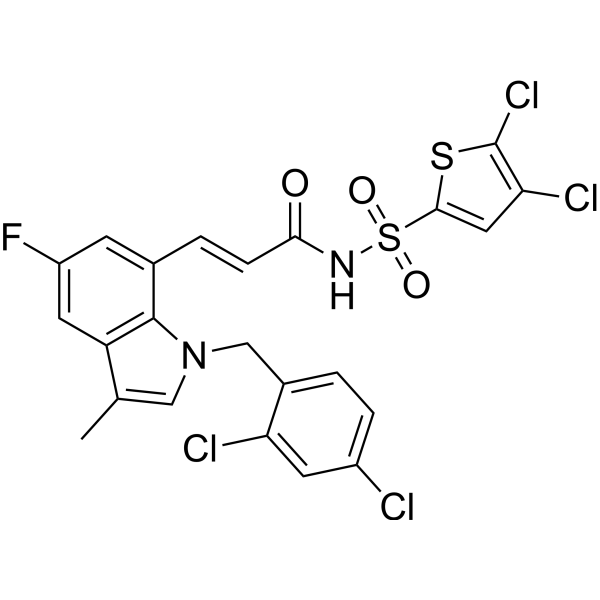
    EP4 receptor antagonist 7 (Compound 14) is an antagonist of the prostaglandin E2 (PGE2) receptor subtype EP4 with an IC50 value of 1.1 nM. EP4 receptor antagonist 7 inhibits PGE2-induced β-arrestin recruitment in HEK293 cells with an IC50 value of 0.9 nM. EP4 receptor antagonist 7 decreases PGE2-induced expression of mRNA encoding IL-4, macrophage mannose receptor 1 (Mrc1), chitinase-like protein 3 (Chil3), chemokine (C-X-C) motif ligand 1 (Cxcl1), triggering receptor expressed on myeloid cells 2 (Trem2), and arginase-1 (Arg1), in RAW 264.7 macrophages. EP4 receptor antagonist 7 combined with an anti-PD-1 antibody inhibits tumor growth and increases infiltration of CD 8+ T cells into tumors in a CT26 murine colon cancer model .
    EP4 receptor antagonist 7
  • HY-B0736
    Sertaconazole
    2 Publications Verification

    FI7056 free base

    Fungal Autophagy Apoptosis p38 MAPK Microtubule/Tubulin Infection Inflammation/Immunology Cancer
    Sertaconazole (FI7056 free base) is a broad-spectrum topical antifungal agent, exhibits anti-inflammatory activity via activation of a p38-COX-2-PGE2 pathway. Sertaconazole is also a microtubule inhibitor, shows antiproliferative effect, induces apoptosis and autophagy, and can also inhibit the migration of cells .
    Sertaconazole
  • HY-118465

    ent-PGE2

    Prostaglandin Receptor Endocrinology
    ent-Prostaglandin E2 (ent-PGE2) is an enantiomer of PGE2 (HY-101952). unlike PGE2, ent-PGE2 is a poor substrate for 15-hydroxyprostaglandin dehydrogenase .
    ent-Prostaglandin E2
  • HY-14240

    PG 530742; PGE 530742; PGE 7113313

    MMP Cardiovascular Disease
    PG 116800 (PGE 530742; PGE 7113313) is an orally active, selective and high-affinity inhibitor of MMP. PG 116800 acts as an inhibitor of ventricular remodeling, reduces left ventricular volumes and infarct zone collagen content, and improves ejection fraction. PG 116800 is generally well tolerated, but is associated with higher rates of arthralgia, joint stiffness, and dyspepsia. PG 116800 can be used for the research of myocardial infarction .
    PG 116800
  • HY-118116

    bicyclo-PGEM; bicyclo-Prostaglandin E2

    Drug Metabolite Others
    bicyclo-PGE2 (bicyclo-PGEM) is a stable decomposition product of PGE2 and 13, 14-dihydro-15-ketone PGE2 .
    bicyclo-PGE2
  • HY-W838171

    Calcium Channel Inflammation/Immunology
    Tiaramide is an anti-inflammatory agent. Tiaramide inhibits the PGE2 release. Tiaramide inhibits the rise in intracellular free Ca 2+ induced by PGE2 (HY-101952) as well as Bradykinin (HY-P0206). Tiaramide inhibites Bradykinin-induced contraction .
    Tiaramide
  • HY-B0131R

    Alprostadil(Standard); PGE1 (Standard)

    Reference Standards Prostaglandin Receptor Endogenous Metabolite Cardiovascular Disease Endocrinology Cancer
    Prostaglandin E1 (Standard) is the analytical standard of Prostaglandin E1. This product is intended for research and analytical applications. Prostaglandin E1 (Alprostadil) is a prostanoid receptor ligand, with Kis of 1.1 nM, 2.1 nM, 10 nM, 33 nM and 36 nM for mouse EP3, EP4, EP2, IP and EP1, respectively. Prostaglandin E1 induces vasodilation and inhibits platelet aggregation. Prostaglandin E1 can be used as a vasodilator for the research of peripheral vascular diseases .
    Prostaglandin E1 (Standard)
  • HY-W268542

    COX SOD PGE synthase Inflammation/Immunology Cancer
    4-Acetylaminoantipyrine (4-AA) is a derivative of antipyrine (HY-B0171). 4-Acetylaminoantipyrine acts as a PGE2-dependent blocker and inhibitor of cyclooxygenase (COX) . 4-Acetylaminoantipyrine can inhibit Cu/ZnSOD . 4-Acetylaminoantipyrine can spontaneously bind with bovine serum albumin (BSA) and alter its conformation .
    4-Acetylaminoantipyrine
  • HY-146167

    NO Synthase Inflammation/Immunology
    iNOS/PGE2-IN-1 (compound 4a), an iNOS/PGE2 inhibitor, is a potent anti-inflammatory agent. iNOS/PGE2-IN-1 can inhibit LPS-induced NO production. iNOS/PGE2-IN-1 possesses low ulcerogenic liabilities .
    iNOS/PGE2-IN-1
  • HY-147299

    PGE-6201204

    Adrenergic Receptor Cardiovascular Disease
    Povafonidine (PGE-6201204) is a potent α2 adrenoreceptor agonist. Povafonidine can constrict blood vessels and reduce mucosal congestion. Povafonidine can be used for nasal congestion research .
    Povafonidine
  • HY-157925

    Bicyclo Prostaglandin E1

    Endogenous Metabolite Others
    Bicyclo-PGE1 (Bicyclo Prostaglandin E1) is a stable, base-catalyzed transformation product of the PGE1 metabolite 13,14-dihydro-15-keto PGE1. Bicyclo-PGE1 can be used to estimate the biosynthesis and metabolism of PGE1 in vivo .
    Bicyclo-PGE1
  • HY-121996

    PGE2 ethanolamide

    Prostaglandin Receptor COX Inflammation/Immunology
    Prostaglandin E2 Ethanolamide (PGE2-EA), an analog of PGE2, can be formed enzymatically following COX-2 oxygenation of endocannabinoids. Prostaglandin E2 Ethanolamide (PGE2-EA) could modulate the production of the proinflammatory cytokine TNF-α in human blood and human monocytic cells .
    Prostaglandin E2 Ethanolamide
  • HY-157002

    PGE2 isopropyl ester

    Prostaglandin Receptor Others
    Prostaglandin E2 isopropyl ester (PGE2 isopropyl ester) is the precursor of PGE2.
    Prostaglandin E2 isopropyl ester
  • HY-129920

    PGE2 methyl ester

    Drug Derivative Metabolic Disease
    Prostaglandin E2 methyl ester (PGE2 methyl ester) is an lipophilic derivative analog of PGE2 (HY-101952). Prostaglandin E2 methyl ester has more central penetration ability than PGE2 .
    Prostaglandin E2 methyl ester
  • HY-137591

    Drug Metabolite Endocrinology
    13,14-Dihydro-15-keto-PGE1 is an inactive metabolite of PGE1. 13, 14-Dihydro-15-Keto-pGE1 inhibited platelet aggregation in ADP-induced human isolated platelet-rich plasma with IC50 14.8 μg/mL .
    13,14-Dihydro-15-keto-PGE1
  • HY-113113S

    13,14-Dihydroprostaglandin E1-d4; PGE0-d4

    Isotope-Labeled Compounds Endogenous Metabolite Metabolic Disease
    13,14-Dihydro PGE1-d4 (13,14-Dihydroprostaglandin E1-d4) is deuterium labeled 13,14-Dihydro PGE1. 13,14-Dihydro PGE1 is a metabolite of PGE1 (Prostaglandin E1) which inhibits the ADP-induced platelet aggregation (ID50 = 10.8 ng/mL platelet rich plasma) .
    13,14-Dihydro PGE1-d4
  • HY-137492

    Drug Derivative Metabolic Disease
    16,16-Dimethyl-PGE2-4-(4-acetamidobenzamido)phenyl ester is a derivative of 16,16-Dimethyl-PGE2 (HY-106420). 16,16-Dimethyl-PGE2-4-(4-acetamidobenzamido)phenyl ester is a prodrug for 16,16-Dimethyl-PGE2 .
    16,16-Dimethyl-PGE2-4-(4-acetamidobenzamido)phenyl ester
  • HY-114986
    6-Keto-PGE1
    1 Publications Verification

    6-keto-Prostaglandin E1

    β-glucuronidase Cardiovascular Disease
    6-Keto-PGE1 (6-keto-Prostaglandin E1) is a biologically active derivative of PGE1. 6-Keto-PGE1 inhibits adenosine diphosphate-induced platelet aggregation. 6-Keto-PGE1 reduces cardiac afterload, decreases the accumulation of plasma myocardial depressant factor (MDF), lowers arterial blood pressure, dilates vascular beds, inhibits the vasoconstrictive response of vascular smooth muscle, and increases pulmonary compliance. 6-Keto-PGE1 directly stabilizes isolated cat liver lysosomes and significantly reduces the release of β-glucuronidase and cathepsin D. 6-Keto-PGE1 prolongs the survival time of traumatized rats and exerts protective effects through hemodynamic and cytoprotective actions. 6-Keto-PGE1 reduces central airway resistance. 6-Keto-PGE1 can be used in studies related to traumatic shock .
    6-Keto-PGE1
  • HY-114947

    9-Deoxy-9-methylene PGE2

    Prostaglandin Receptor Cardiovascular Disease Metabolic Disease
    9-deoxy-9-methylene Prostaglandin E2 (9-deoxy-9-methylene PGE2) is a stable, isosteric analog of PGE2. 9-deoxy-9-methylene PGE2 retains the biological profile of PGE2 with fewer side effects. In the rat 9-deoxy-9-methylene PGE2 is equipotent to PGE2 in decreasing blood pressure. It also stimulates the gerbil colon and primate uterus at the same potency as PGE2.
    9-deoxy-9-methylene Prostaglandin E2
  • HY-137117

    15-keto Prostaglandin E1

    Drug Metabolite Others
    15-keto-PGE1 is an inactive Prostaglandin E1 (PGE1) metabolite. Prostaglandin E1 induces vasodilation and inhibits platelet aggregation .
    15-keto-PGE1
  • HY-135023

    5-trans Prostaglandin E2

    Cytochrome P450 Prostaglandin Receptor Cancer
    5-trans-PGE2 (5-trans Prostaglandin E2) is the active isomer of PGE2 and a potent activator of aromatase. Supplements the process of paracrine signaling between epithelial cells (expressing high levels of PGE2) and surrounding stromal cells (expressing high levels of aromatase). This process is involved in the growth and development of breast cancer .
    5-trans-PGE2
  • HY-135023R

    5-trans Prostaglandin E2 (Standard)

    Cytochrome P450 Prostaglandin Receptor Reference Standards Cancer
    5-trans-PGE2 (Standard) is the analytical standard of 5-trans-PGE2. This product is intended for research and analytical applications. 5-trans-PGE2 (5-trans Prostaglandin E2) is the active isomer of PGE2 and a potent activator of aromatase. Supplements the process of paracrine signaling between epithelial cells (expressing high levels of PGE2) and surrounding stromal cells (expressing high levels of aromatase). This process is involved in the growth and development of breast cancer .
    5-trans-PGE2 (Standard)
  • HY-105135

    Prostaglandin Receptor Cardiovascular Disease
    15-Deoxy-16-hydroxy-16-vinyl-PGE2 Me ester is the (R,R,R)-isomer of Viprostol (HY-105135A) and a PGE2 analogue with antihypertensive property. 15-Deoxy-16-hydroxy-16-vinyl-PGE2 Me ester can be utilized in cardiovascular disease research .
    15-Deoxy-16-hydroxy-16-vinyl-PGE2 Me ester
  • HY-113254S1

    Isotope-Labeled Compounds Others
    13,14-Dihydro-15-keto-PGE2-d9 is the deuterium labeled 13,14-Dihydro-15-keto-PGE2 .
    13,14-Dihydro-15-keto-PGE2-d9
  • HY-113254S

    Isotope-Labeled Compounds Others
    13,14-Dihydro-15-keto-PGE2-d4 is the deuterium labeled 13,14-Dihydro-15-keto-PGE2 .
    13,14-Dihydro-15-keto-PGE2-d4

Inquiry Online

Your information is safe with us. * Required Fields.

Salutation


Country or Region *

Applicant Name *


Organization Name *

Department *


Email Address *


Product Name *

Cat. No.


Requested quantity *

Phone Number *


Remarks

Inquiry Online

Inquiry Information

Product Name:
Cat. No.:
Quantity:
MCE Japan Authorized Agent:

