1. Search Result
Search Result
Isoforms Recommended: PPARα
Results for "

PPAR-α

" in MedChemExpress (MCE) Product Catalog:

215

Inhibitors & Agonists

1

Fluorescent Dyes

5

Biochemical Assay Reagents

42

Natural
Products

2

Recombinant Proteins

24

Isotope-Labeled Compounds

2

Antibodies

1

Oligonucleotides

1

GMP Molecules

Targets Recommended:
Cat. No. Product Name Target Research Areas Chemical Structure
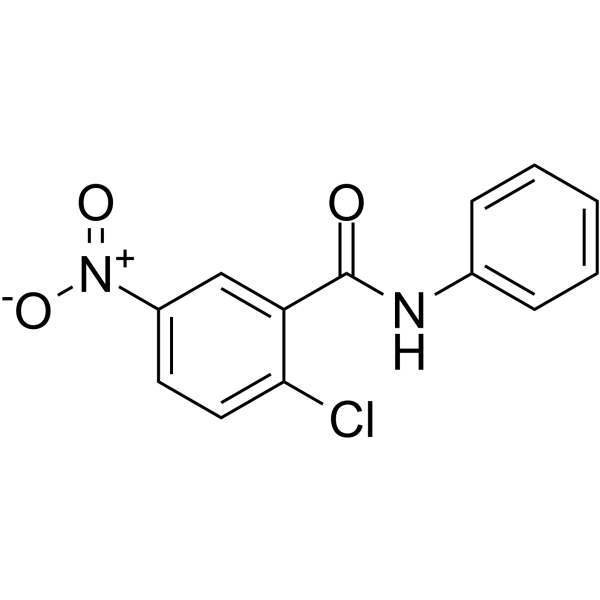
  • HY-16578
    GW9662
    Maximum Cited Publications
    208 Publications Verification

    PPAR Cancer
    GW9662 is a potent and selective PPARγ antagonist with an IC50 of 3.3 nM, showing 10 and 1000-fold selectivity over PPARα and PPARδ, respectively.
    GW9662
  • HY-N0014
    Icariin
    Maximum Cited Publications
    27 Publications Verification

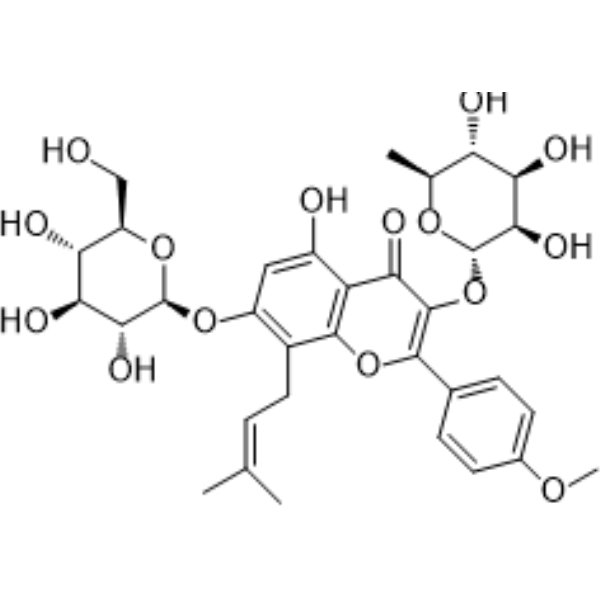
    Ieariline

    Phosphodiesterase (PDE) PPAR Autophagy Cardiovascular Disease Infection Neurological Disease Inflammation/Immunology Cancer
    Icariin is a flavonol glycoside. Icariin inhibits PDE5 and PDE4 activities with IC50s of 432 nM and 73.50 μM, respectively. Icariin also is a PPARα activator.
    Icariin
  • HY-16995
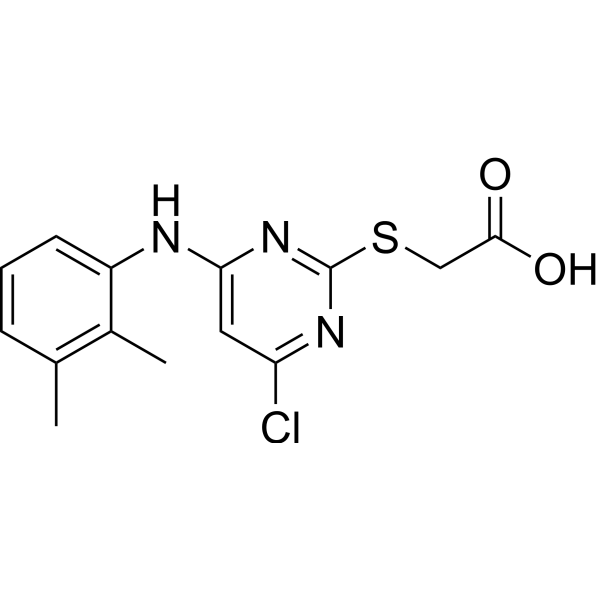
    Pirinixic acid
    30+ Cited Publications

    Wy-14643

    PPAR Metabolic Disease Inflammation/Immunology
    Pirinixic acid (Wy-14643) is a potent agonist of PPARα, with EC50s of 0.63 μM, 32 μM for murine PPARα and PPARγ, and 5.0 μM, 60 μM, 35 μM for human PPARα, PPARγ and PPARδ, respectively.
    Pirinixic acid
  • HY-13861
    GW7647
    20+ Cited Publications

    PPAR Cardiovascular Disease
    GW7647 is a potent PPARα agonist, with EC50s of 6 nM, 1.1 μM, and 6.2 μM for human PPARα, PPARγ and PPARδ, respectively.
    GW7647
  • HY-107542
    Oleoylethanolamide
    3 Publications Verification

    N-Oleoylethanolamide; Oleamide MEA; Oleic acid monoethanolamide

    Endogenous Metabolite PPAR Cardiovascular Disease Metabolic Disease
    Oleoylethanolamide is a high affinity endogenous PPAR-α agonist, which plays an important role in the treatment of obesity and arteriosclerosis.
    Oleoylethanolamide
  • HY-17618
    Pemafibrate
    5+ Cited Publications

    (R)-K-13675

    PPAR Cardiovascular Disease Inflammation/Immunology
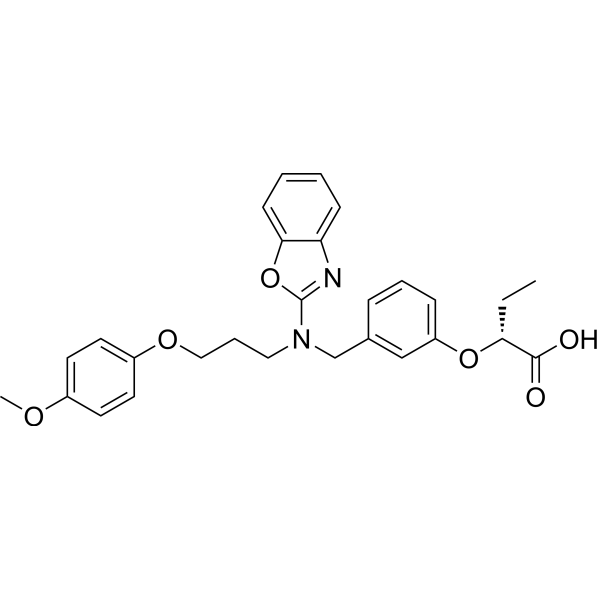
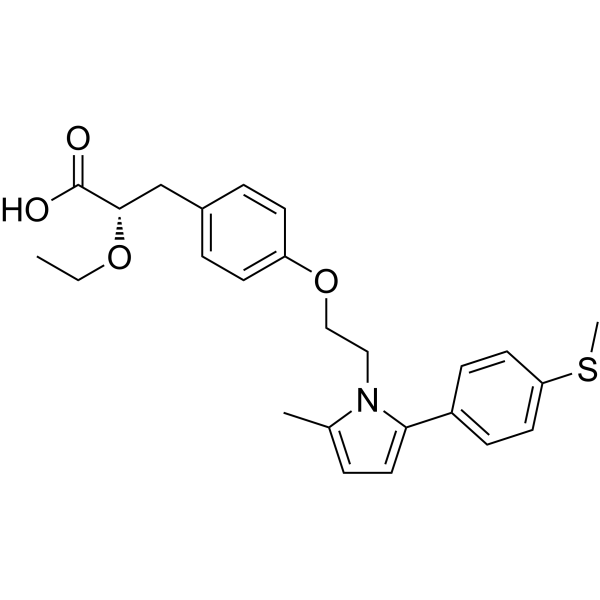
    Pemafibrate is a highly selective PPARα agonist, with an EC50 of 1 nM.
    Pemafibrate
  • HY-B0637
    Bezafibrate
    10+ Cited Publications

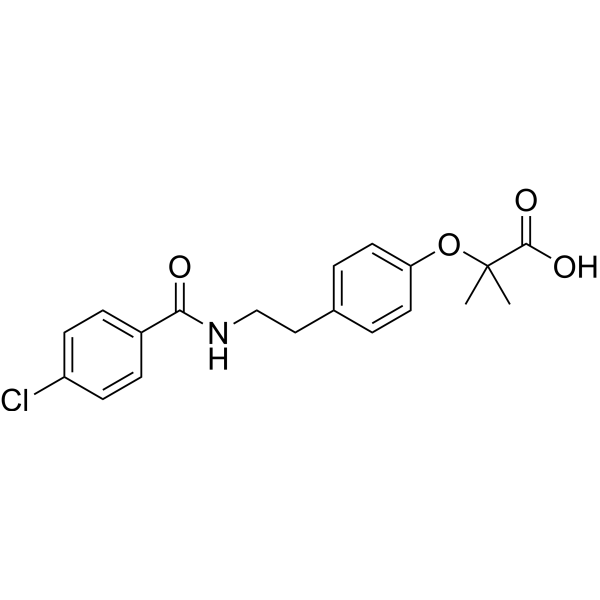
    BM15075

    PPAR Cardiovascular Disease Metabolic Disease
    Bezafibrate is an agonist of PPAR, with EC50s of 50 μM, 60 μM, 20 μM for human PPARα, PPARγ and PPARδ, and 90 μM, 55 μM, 110 μM for murine PPARα, PPARγ and PPARδ, respectively; Bezafibrate is used as an hypolipidemic agent.
    Bezafibrate
  • HY-B0258
    Gemfibrozil
    5+ Cited Publications

    CI-719

    PPAR Cytochrome P450 Cardiovascular Disease Metabolic Disease Cancer
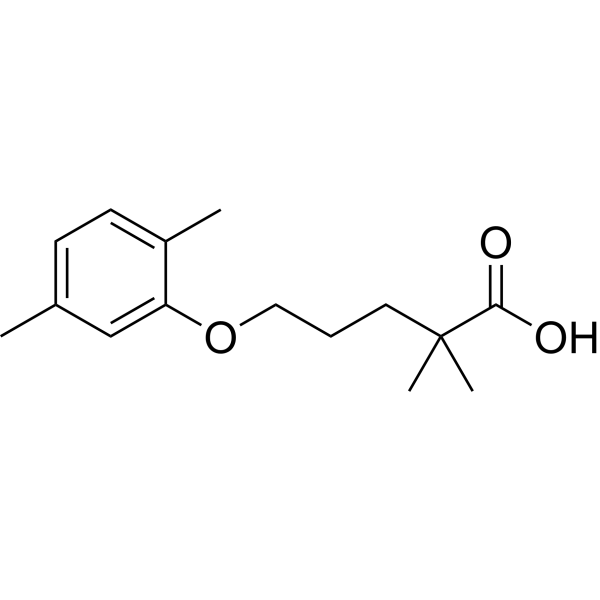
    Gemfibrozil is an activator of PPAR-α, used as a lipid-lowering agent; Gemfibrozil is also a nonselective inhibitor of several P450 isoforms, with Ki values for CYP2C9, 2C19, 2C8, and 1A2 of 5.8, 24, 69, and 82 μM, respectively.
    Gemfibrozil
  • HY-19937
    Saroglitazar
    5+ Cited Publications

    PPAR Metabolic Disease
    Saroglitazar is a novel peroxisome proliferator-activated receptor (PPAR) agonist with predominant PPARα and moderate PPARγ activity with EC50 values of 0.65 pM and 3 nM in HepG2 cells, respectively.
    Saroglitazar
  • HY-17444

    PPAR Metabolic Disease Cancer
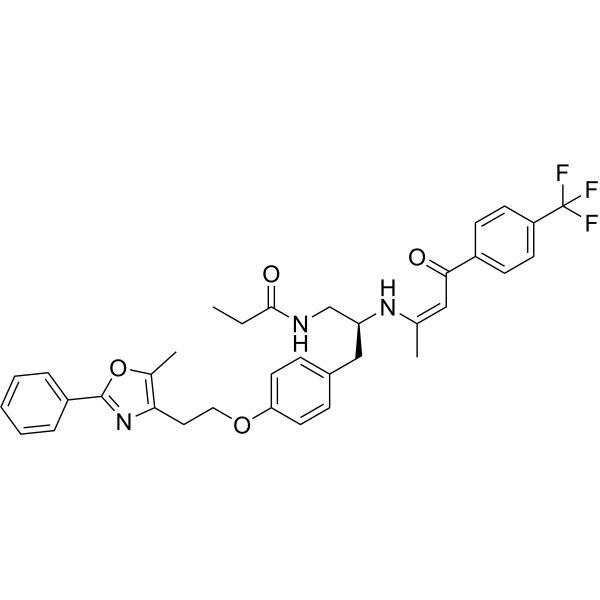
    Tesaglitazar is a dual-target PPARα/γ agonist with an EC50 of 13.4 μM for rat PPARα and 3.6 μM for human PPARα. Tesaglitazar affects lipid and glucose metabolism by activating PPARα and PPARγ receptors, and has the potential to improve blood sugar and relieve pain. Tesaglitazar can be used to induce in vivo tumor models and can be used in the study of type 2 diabetes, dyslipidemia, and neuropathic pain .
    Tesaglitazar
  • HY-N0783
    Eupatilin
    5+ Cited Publications

    PPAR Autophagy Neurological Disease Inflammation/Immunology Cancer
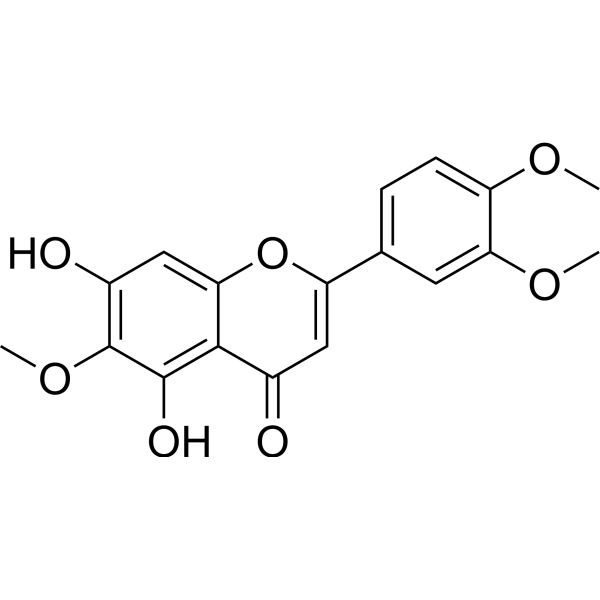
    Eupatilin, a lipophilic flavonoid isolated from Artemisia argyi Lévl. et Van., is a PPARα agonist, and possesses anti-apoptotic, anti-oxidative and anti-inflammatory activities.
    Eupatilin
  • HY-N2593
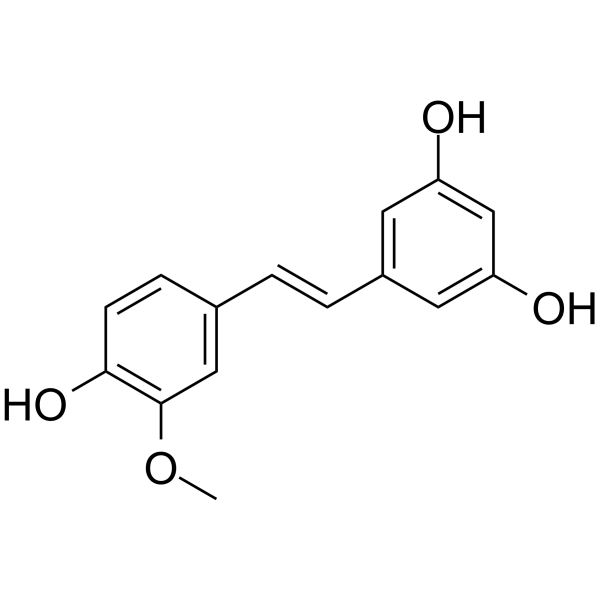
    Isorhapontigenin
    4 Publications Verification

    Carnitine Palmitoyltransferase (CPT) Reactive Oxygen Species (ROS) Autophagy Apoptosis NF-κB PI3K Akt MMP Keap1-Nrf2 Metabolic Disease Inflammation/Immunology Cancer
    Isorhapontigenin is an orally active dietary polyphenol. Isorhapontigenin acts as a potent antioxidant that reduces the production of reactive oxygen species (ROS). Isorhapontigenin promotes the binding of JUN to the AP-1 site on the SESN2 promoter, induces SESN2 transcription, triggers MAPK8-dependent JUN activation, and upregulates the expression of PPAR-α, PGC-1α and CPT-1A to facilitate fatty acid oxidation. Isorhapontigenin induces autophagy, apoptosis and preadipocyte differentiation; it inhibits tumor growth, cell invasion, NF-κB transcriptional activity, the PI3K/Akt signaling pathway, STAT1 phosphorylation and MMP-2 expression. Isorhapontigenin alleviates oxidative stress, inflammatory cytokine release and triglyceride accumulation; it increases intracellular ATP levels and promotes Nrf2 nuclear translocation. Isorhapontigenin improves insulin sensitivity in adipose tissue and glucose tolerance, and reduces postprandial blood glucose, insulin and free fatty acid levels. Isorhapontigenin is applicable to research on bladder cancer, liver injury, chronic obstructive pulmonary disease, acute lung injury and type 2 diabetes .
    Isorhapontigenin
  • HY-N0234
    Bavachinin
    5+ Cited Publications

    7-O-Methylbavachin; Bavachinin A

    Amyloid-β PPAR HIF/HIF Prolyl-Hydroxylase Inflammation/Immunology Cancer
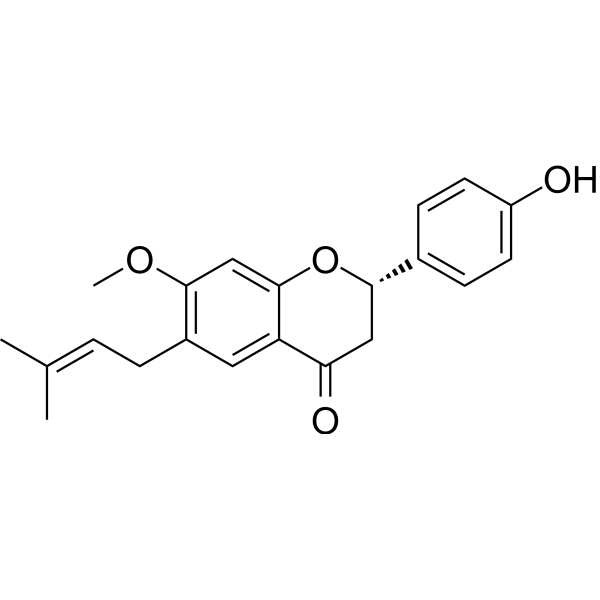
    Bavachinin is agonist of pan-peroxisome proliferator-activated receptor (PPAR), with the IC50 value of 21.043 μM, 12.819 μM, and 0.622 μM to PPAR-α, RRAR-β/δ, and PPAR-γ, respectively. Bavachinin is an inhibitor of HIF-1α. Bavachinin exhibits antitumor activity against non-small cell lung cancer by targeting RRAR-γ. Bavachinin is a natural compound with anti-inflammatory and anti-angiogenic activities. Bavachinin has orally bioactivity. .
    Bavachinin
  • HY-106266
    Chiglitazar
    1 Publications Verification

    Carfloglitazar

    PPAR Metabolic Disease
    Chiglitazar (Carfloglitazar) is a PPARα/γ dual agonist, with EC50s of 1.2, 0.08, 1.7 μM for PPARα, PPARγ and PPARδ, respectively.
    Chiglitazar
  • HY-N0458
    Pedunculoside
    3 Publications Verification

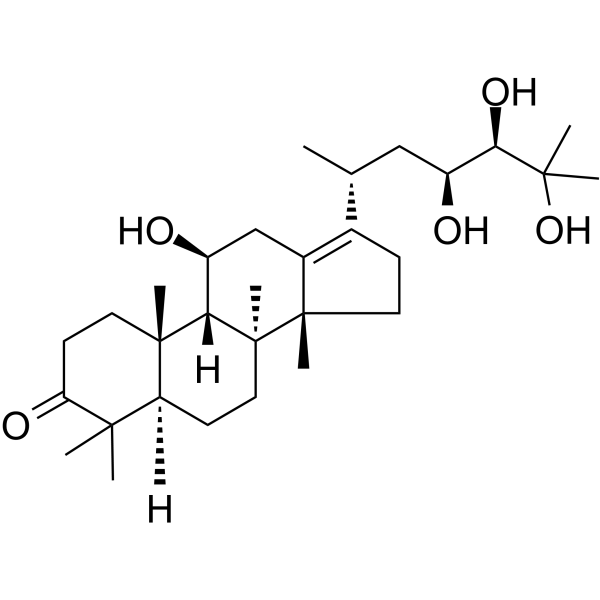
    Fatty Acid Synthase (FASN) Metabolic Disease
    Pedunculoside exerts lipid-lowering effects partly through the regulation of?lipogenesis?and?fatty acid β-oxidation .
    Pedunculoside
  • HY-15725
    CDDO-Im
    10+ Cited Publications

    RTA-403; TP-235; CDDO-Imidazolide

    Keap1-Nrf2 PPAR Ferroptosis Cancer
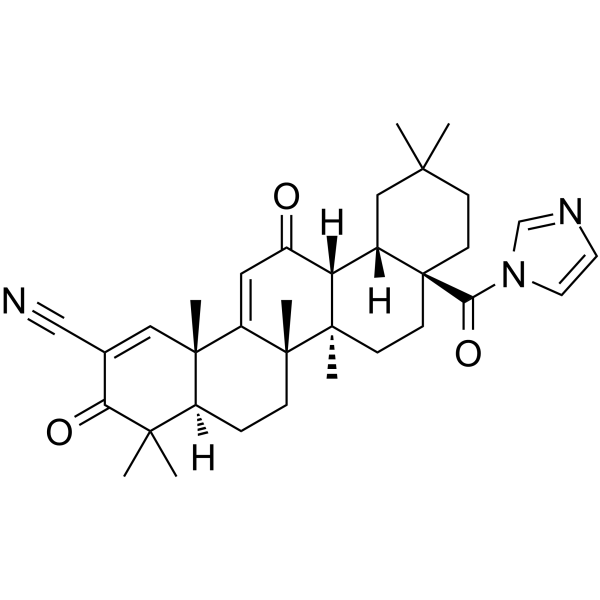
    CDDO-Im (RTA-403) is an activator of Nrf2 and PPAR, with Kis of 232 and 344 nM for PPARα and PPARγ .
    CDDO-Im
  • HY-N1990
    Gypenoside XLIX
    2 Publications Verification

    PPAR Sirtuin Keap1-Nrf2 Toll-like Receptor (TLR) NF-κB Reactive Oxygen Species (ROS) NOD-like Receptor (NLR) Apoptosis Pyroptosis Autophagy Cardiovascular Disease Neurological Disease Metabolic Disease Inflammation/Immunology
    Gypenoside XLIX is a multifunctional bioactive compound that can be isolated from Gynostemma pentaphyllum, with a Ka value of 1.58 μM for its binding to SIRT1. Gypenoside XLIX acts as a PPAR-α agonist. It inhibits the activation of TLR4-mediated NF-κB signaling pathway by activating the Sirt1/Nrf2 signaling pathway, reduces ROS accumulation, and alleviates hepatic inflammatory injury in mice with sepsis-induced liver disease. Gypenoside XLIX targets SIRT1 to block YAP-NLRP3 activation and improve sepsis-induced cardiomyopathy. Gypenoside XLIX inhibits apoptosis (Apoptosis), pyroptosis (Pyroptosis), autophagy (Autophagy), lipid peroxidation, pro-inflammatory cytokines and anti-inflammatory cytokines. Gypenoside XLIX alleviates sepsis-induced splenic injury by inhibiting inflammation and oxidative stress, and mitigates sepsis-associated encephalopathy by targeting PPAR-α. Gypenoside XLIX prevents acute kidney injury by inhibiting IGFBP7/IGF1R-mediated programmed cell death and inflammation. Gypenoside XLIX inhibits the expression and activity of vascular cell adhesion molecule-1 in cytokine-induced human endothelial cells. Gypenoside XLIX is applicable to research related to acute liver injury, lung injury, cardiomyopathy, acute splenic injury, sepsis-associated encephalopathy, acute kidney injury, atherosclerosis and chronic inflammation .
    Gypenoside XLIX
  • HY-N1426
    Raspberry ketone
    1 Publications Verification

    Frambione; 4-(4-Hydroxyphenyl)-2-butanone

    Environmental Pollutants PPAR Cardiovascular Disease Metabolic Disease
    Raspberry ketone is a major aromatic compound of red raspberry, widely used as a fragrance in cosmetics and as a flavoring agent in foodstuff; also shows PPAR-α agonistic activity.
    Raspberry ketone
  • HY-B0287
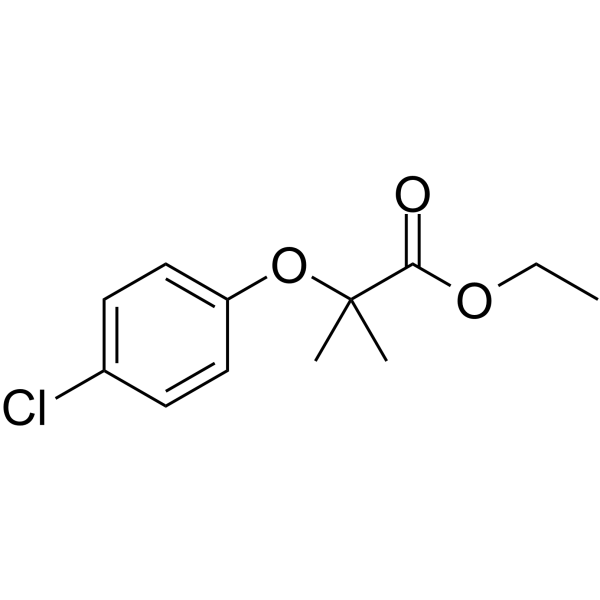
    Clofibrate
    4 Publications Verification

    PPAR Metabolic Disease
    Clofibrate is an agonist of PPAR, with EC50s of 50 μM, ~500 μM for murine PPARα and PPARγ, and 55 μM, ~500 μM for human PPARα and PPARγ, respectively.
    Clofibrate
  • HY-W081067

    HFPO-DA

    PPAR Infection
    Perfluoro (2-methyl-3-oxahexanoic) acid (HFPO-DA) is an orally active PPARα agonist with an EC50 of 2.1 μM for human PPARα. Perfluoro (2-methyl-3-oxahexanoic) acid induces peroxisome proliferation and increases the levels of proinflammatory mediators. It impairs intestinal barrier function and disrupts cecal flora balance. Perfluoro (2-methyl-3-oxahexanoic) acid is applicable to research related to developmental toxicity, hepatotoxicity and intestinal toxicity .
    Perfluoro(2-methyl-3-oxahexanoic) acid
  • HY-114263
    NXT629
    4 Publications Verification

    PPAR Cancer
    NXT629 is a potent, selective, and competitive PPAR-α antagonist, with an IC50 of 77 nM for human PPARα, shows high selectivity over other nuclear hormone receptor, such as PPARδ, PPARγ, ERβ, GR and TRβ, IC50s are 6.0, 15, 15.2, 32.5 and >100 μM, respectively . NXT629 has potent anti-tumor activity and inhibits experimental metastasis of cancer cell in animal models .
    NXT629
  • HY-14817

    PPM 204

    PPAR Metabolic Disease
    Indeglitazar (PPM 204) is an orally available PPAR pan-agonist for all three PPARα, PPARδ and PPARγ .
    Indeglitazar
  • HY-10678
    BMS-687453
    3 Publications Verification

    PPAR Cardiovascular Disease
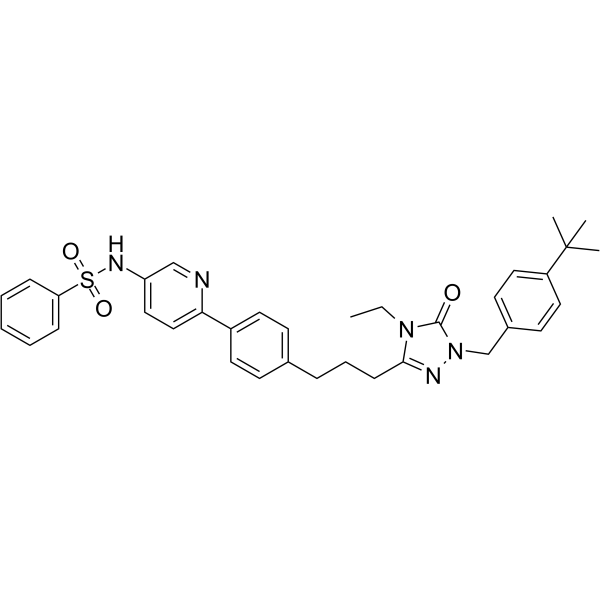
    BMS-687453 is a potent and selective PPARα agonist, with an EC50 and IC50 of 10 nM and 260 nM for human PPARα and 4100 nM and >15000 nM for PPARγ in PPAR-GAL4 transactivation assays.
    BMS-687453
  • HY-172413

    TPST-1120

    PPAR Cancer
    Amezalpat is the antagonist for PPARα with IC50 of 58 nM. Amezalpat exhibits antineoplastic activity .
    Amezalpat
  • HY-50665

    LY-674

    PPAR Metabolic Disease
    LY518674 is a potent, selective PPARα agonist, with an EC50 of 42 nM for human PPARα. LY518674 reduces triglycerides in and increased HDL-C and is used for the treatment of atherosclerosis .
    LY518674
  • HY-106278
    GW 590735
    1 Publications Verification

    PPAR Metabolic Disease
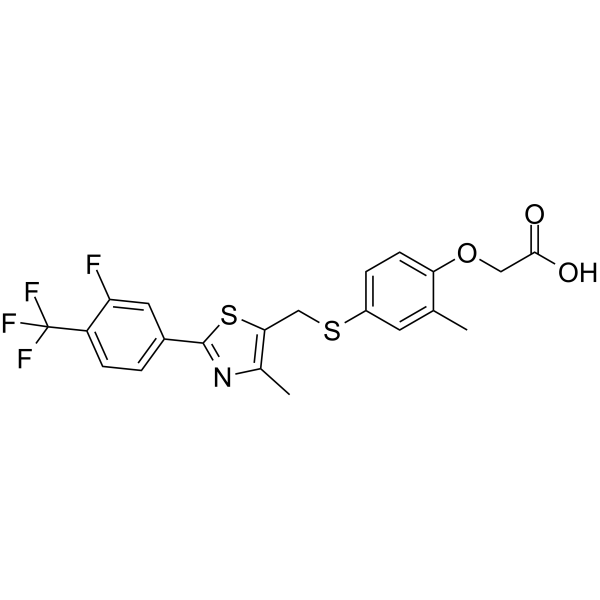
    GW 590735 is a potent and selective PPARα agonist. GW 590735 showsEC50=4 nM on PPARα and at least 500-fold selectivity versus PPARδ and PPARγ. GW 590735 can be used for the research of dyslipidemia .
    GW 590735
  • HY-16421

    (-)-DRF 2725; NNC 61-0029

    PPAR Metabolic Disease
    Ragaglitazar is a PPARα and PPARγ agonist with potent lipid-lowering and insulin-sensitizing efficacy in animal models. Ragaglitazar improves glycemic control and lipid profile in type 2 diabetic.
    Ragaglitazar
  • HY-107542S

    N-Oleoylethanolamide-d4; Oleamide MEA-d4; Oleic acid monoethanolamide-d4

    Isotope-Labeled Compounds Endogenous Metabolite PPAR Cardiovascular Disease Metabolic Disease
    Oleoylethanolamide-d4 is the deuterium labeled Oleoylethanolamide. Oleoylethanolamide is a high affinity endogenous PPAR-α agonist, which plays an important role in the treatment of obesity and arteriosclerosis.
    Oleoylethanolamide-d4
  • HY-107542S2

    N-Oleoylethanolamide-d2; Oleamide MEA-d2; Oleic acid monoethanolamide-d2

    Isotope-Labeled Compounds Endogenous Metabolite PPAR Cardiovascular Disease Metabolic Disease
    Oleoylethanolamide-d2 is the deuterium labeled Oleoylethanolamide. Oleoylethanolamide is a high affinity endogenous PPAR-α agonist, which plays an important role in the treatment of obesity and arteriosclerosis.
    Oleoylethanolamide-d2
  • HY-143239

    PPAR Metabolic Disease
    PPARα/γ agonist 1 (compound 5b) is a potent and dual PPARα/γ partial agonist with EC50 values of 28 nM and 69 nM for PPARα and PPARγ, respectively. PPARα/γ agonist 1 is a promising prototype for dyslipidemia and diabetes research .
    PPARα/γ agonist 1
  • HY-129683

    PPAR Metabolic Disease
    AM3102 is an oleoylethanolamide (OEA) analog. AM3102 is an endogenous high-affinity PPAR-alpha agonist. AM3102 resists enzymatic hydrolysis, activates PPAR-alpha with high potency in vitro, and persistently reduces feeding when administered in vivo either parenterally or orally .
    AM3102
  • HY-N9333

    PPAR Metabolic Disease Cancer
    Wistin, isolated from Caragana sinica roots, is a PPARα and PPARγ agonist .
    Wistin
  • HY-108571

    PPAR Cardiovascular Disease Metabolic Disease
    CP-775146 is a selective PPARα agonist (Ki of 24.5 nM) that binds strongly to the PPARα ligand. CP-775146 has no observable affinity for PPARβ and PPARγ.CP-775146 shows hypolipidemic activity. CP-775146 efficiently alleviates obesity-induced liver damage, prevents lipid accumulation by activating the liver fatty acid β-oxidation pathway .
    CP-775146
  • HY-107542R

    N-Oleoylethanolamide (Standard); Oleamide MEA (Standard); Oleic acid monoethanolamide (Standard)

    Reference Standards Endogenous Metabolite PPAR Cardiovascular Disease Metabolic Disease
    Oleoylethanolamide (Standard) is the analytical standard of Oleoylethanolamide. This product is intended for research and analytical applications. Oleoylethanolamide is a high affinity endogenous PPAR-α agonist, which plays an important role in the treatment of obesity and arteriosclerosis.
    Oleoylethanolamide (Standard)
  • HY-144111

    PPAR Inflammation/Immunology
    PPARα/δ agonist 1 is a potent PPARα/PPARδ dual agonist (PPARα EC50=7.0 nM; PPARδ EC50=8.4 nM). PPARα/δ agonist 1 is a high selectivity over PPARγ (PPARγ EC50=1316.1 nM). PPARα/δ agonist 1 has the potential for the research of nonalcoholic steatohepatitis .
    PPARα/δ agonist 1
  • HY-B0258S

    CI-719-d6

    PPAR Cytochrome P450 Cardiovascular Disease Metabolic Disease
    Gemfibrozil-d6 is the deuterium labeled Gemfibrozil. Gemfibrozil is an activator of PPAR-α, used as a lipid-lowering agent; Gemfibrozil is also a nonselective inhibitor of several P450 isoforms, with Ki values for CYP2C9, 2C19, 2C8, and 1A2 of 5.8, 24, 69, and 82 μM, respectively.
    Gemfibrozil-d6
  • HY-B0258R
    Gemfibrozil (Standard)
    5+ Cited Publications

    CI-719 (Standard)

    Reference Standards PPAR Cytochrome P450 Cardiovascular Disease Metabolic Disease Cancer
    Gemfibrozil (Standard) is the analytical standard of Gemfibrozil. This product is intended for research and analytical applications. Gemfibrozil is an activator of PPAR-α, used as a lipid-lowering agent; Gemfibrozil is also a nonselective inhibitor of several P450 isoforms, with Ki values for CYP2C9, 2C19, 2C8, and 1A2 of 5.8, 24, 69, and 82 μM, respectively.
    Gemfibrozil (Standard)
  • HY-113510

    Carnitine Palmitoyltransferase (CPT) PPAR Apolipoprotein Cardiovascular Disease
    9(S)-HOTrE is a PPARα activator and an inducer of apolipoprotein A-I (apoA-I) mRNA expression. 9(S)-HOTrE upregulates the expression of PPARα target gene CPT1α. 9(S)-HOTrE can be used in the research of cardiovascular diseases .
    9(S)-HOTrE
  • HY-B0637S

    PPAR Cardiovascular Disease Metabolic Disease
    Bezafibrate-d6 is the deuterium labeled Bezafibrate. Bezafibrate is an agonist of PPAR, with EC50s of 50 μM, 60 μM, 20 μM for human PPARα, PPARγ and PPARδ, and 90 μM, 55 μM, 110 μM for murine PPARα, PPARγ and PPARδ, respectively; Bezafibrate is used as an hypolipidemic agent.
    Bezafibrate-d6
  • HY-111140

    PGE synthase Lipoxygenase PPAR Inflammation/Immunology
    YS121 is a dual inhibitor of microsomal prostaglandin E2 synthase-1 (mPGES-1; IC50 = 3.4 μM) and 5-lipoxygenase (5-LOX; IC50 = 6.5 μM). YS121 exhibits direct, reversible, and specific binding to mPGES-1 (KD = 10-14 μM) . YS121 dose-dependently reduces PGE2 production with an EC50 of 12 μM in IL-1β-stimulated A549 cells . YS121 (compound 9) activates PPAR and -γ (EC50 = 1 and 3.6 μM, respectively) . YS121 exhibits anti-inflammatory efficiency in human whole blood as well as in vivo. YS121 can be used for pleurisy research .
    YS121
  • HY-17618S

    (R)-K-13675-d4

    PPAR Isotope-Labeled Compounds Inflammation/Immunology
    Pemafibrate-d4 is deuterated labeled Pemafibrate (HY-17618). Pemafibrate is a highly selective PPARα agonist, with an EC50 of 1 nM.
    Pemafibrate-d4
  • HY-139177

    PPAR Cardiovascular Disease
    PPARα agonist 2 (compound 4u) is a potent and selective PPARα agonist with an EC50 of 37 nM. PPARα agonist 2 exhibits >2,700-fold selectivity for PPARα over other PPAR isoforms. PPARα agonist 2 has the potential for retinal disorders research .
    PPARα agonist 2
  • HY-N1426R

    Frambione (Standard); 4-(4-Hydroxyphenyl)-2-butanone (Standard)

    Reference Standards PPAR Cardiovascular Disease Metabolic Disease
    Raspberry ketone (Standard) is the analytical standard of Raspberry ketone. This product is intended for research and analytical applications. Raspberry ketone is a major aromatic compound of red raspberry, widely used as a fragrance in cosmetics and as a flavoring agent in foodstuff; also shows PPAR-α agonistic activity.
    Raspberry ketone (Standard)
  • HY-B0287R
    Clofibrate (Standard)
    4 Publications Verification

    Reference Standards PPAR Metabolic Disease
    Clofibrate (Standard) is the analytical standard of Clofibrate. This product is intended for research and analytical applications. Clofibrate is an agonist of PPAR, with EC50s of 50 μM, ~500 μM for murine PPARα and PPARγ, and 55 μM, ~500 μM for human PPARα and PPARγ, respectively.
    Clofibrate (Standard)
  • HY-176971

    PPAR Cardiovascular Disease Metabolic Disease
    PPARα agonist 6 (Compound 15) is a PPARα agonist. PPARα agonist 6 can be used in the research of dyslipidemia .
    PPARα agonist 6
  • HY-117196
    GW 9578
    1 Publications Verification

    PPAR Metabolic Disease Inflammation/Immunology
    GW9578 is a subtype-selective PPARα agonist (EC50s of 5 and 50 nM for murine and human PPAR-α) with potent lipid-lowering activity .
    GW 9578
  • HY-156977

    PPAR Cardiovascular Disease
    Sitofibrate is a Clofibrate (HY-B0287) derivative. Sitofibrate is aperoxisome proliferator activated receptor-α (PPAR-α) agonist. Sitofibrate is an antihyperlipidemic agent .
    Sitofibrate
  • HY-185011

    Ceramidase PPAR TRP Channel Interleukin Related NEDD8-activating Enzyme Inflammation/Immunology Cancer
    AM9053 is a selective, effective and slowly reversible inhibitor of N-acyl ethanolamine acid amidease (NAAA) (IC50 = 30 nM). The effect of AM9053 on FAAH activity is limited (IC50 > 100 nM). AM9053 inhibits the proliferation of colorectal cancer cells by activating the PPAR-α and TRPV1 dependent mechanisms and induces S-phase cell cycle arrest. AM9053 alleviates intestinal fibrosis by regulating macrophage activity and inhibiting the IL-23 signaling pathway. AM9053 leads to an increase in NAE levels, especially PEA and OEA. AM9053 can be used for the study of colorectal cancer and intestinal fibrosis .
    AM9053
  • HY-175005

    Keap1-Nrf2 PPAR Interleukin Related Metabolic Disease Inflammation/Immunology
    CF-Carvacrol is an orally active lipid-lowering agent synthesized by merging the pharmacophores of Carvacrol (HY-N0711) and Clofibric acid (HY-B1415). CF-Carvacrol has a good affinity for PPAR-α. CF-Carvacrol has significant hypolipidemic activity and may exert antioxidant and anti-inflammatory activity by activating the Nrf2/HO-1 signaling pathway to reduce liver injury. CF-Carvacrol can be used for the study of CF-induced liver damage .
    CF-Carvacrol
  • HY-U00014

    PPAR Metabolic Disease
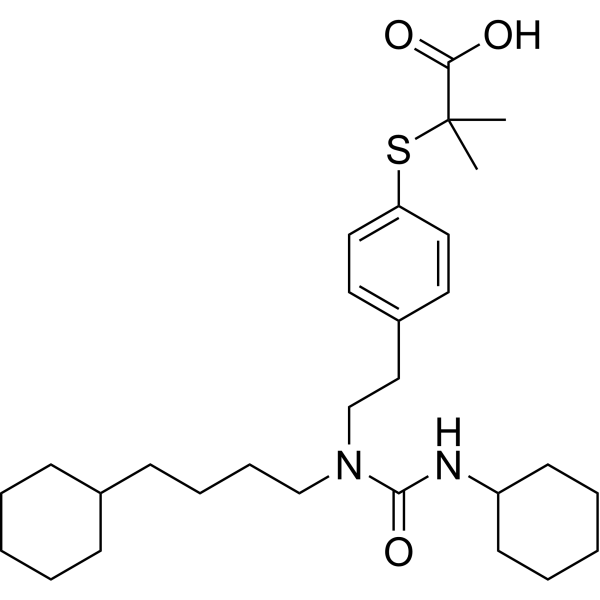
    AVE-8134 is a potent PPARα agonist, with EC50 values of 100 and 3000 nM for human and rodent PPARα receptor, respectively.
    AVE-8134

Inquiry Online

Your information is safe with us. * Required Fields.

Salutation


Country or Region *

Applicant Name *


Organization Name *

Department *


Email Address *


Product Name *

Cat. No.


Requested quantity *

Phone Number *


Remarks

Inquiry Online

Inquiry Information

Product Name:
Cat. No.:
Quantity:
MCE Japan Authorized Agent:

