1. Search Result
Search Result
Results for "

Quorum-sensing

" in MedChemExpress (MCE) Product Catalog:

123

Inhibitors & Agonists

6

Biochemical Assay Reagents

12

Peptides

30

Natural
Products

3

Isotope-Labeled Compounds

Cat. No. Product Name Target Research Areas Chemical Structure
  • HY-114544A
    N-3-oxo-dodecanoyl-L-homoserine lactone
    2 Publications Verification

    OdDHL

    Bacterial NF-κB ERK Caspase Reactive Oxygen Species (ROS) Apoptosis Metabolic Disease Inflammation/Immunology Cancer
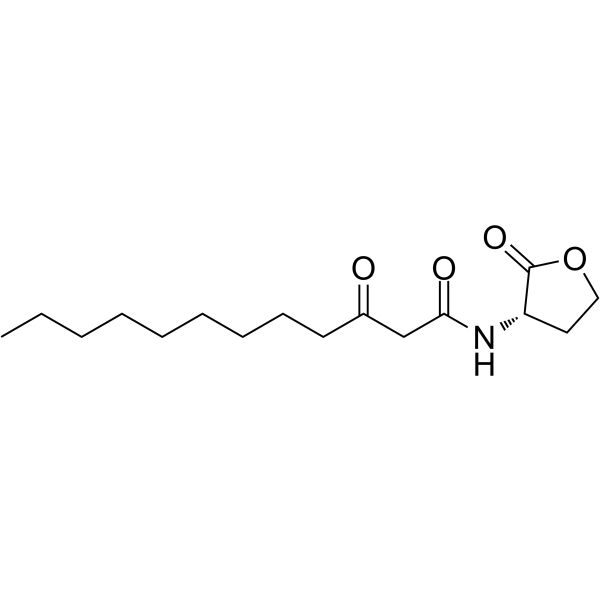
    N-3-oxo-dodecanoyl-L-Homoserine lactone (3-oxo-C12-HSL) is a bacterial quorum-sensing signaling molecule produced by P. aeruginosa and strains of the B. cepacia complex [2].Quorum sensing is a regulatory system used by bacteria for controlling gene expression in response to increasing cell density.N-3-oxo-dodecanoyl-L-Homoserine lactone induces the production of IL-8 in 16HBE human bronchial epithelial cells .
    N-3-oxo-dodecanoyl-L-homoserine lactone
  • HY-P1940

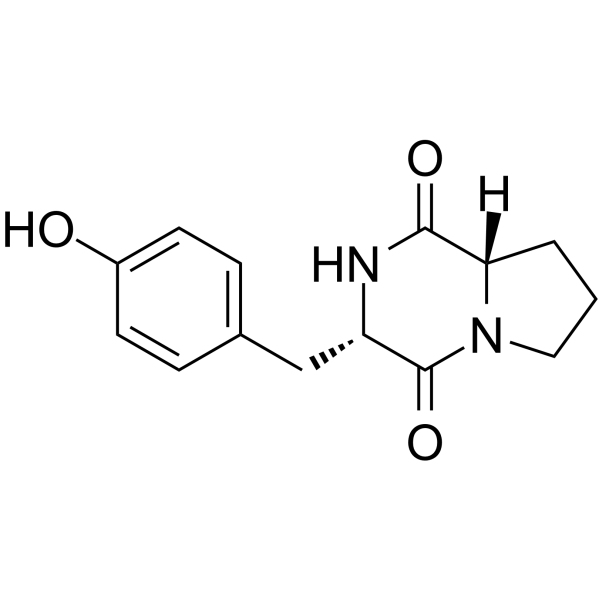
    Cyclo(Tyr-Pro)

    Endogenous Metabolite Bacterial Fungal Infection Cancer
    Maculosin (Cyclo (Tyr-Pro)) is a host-specific phytotoxin for spotted knapweed from Alternaria alternata. Maculosin is a quorum-sensing molecule involved in cell-cell communication. Maculosin also acts as a signaling molecule regulating virulence gene expression. Maculosin shows antimicrobial, antifungal, antioxidant and anti-cancer properties .Maculosin (Cyclo (Tyr-Pro)) is a host-specific phytotoxin for spotted knapweed from Alternaria alternata. Maculosin is a quorum-sensing molecule involved in cell-cell communication. Maculosin also acts as a signaling molecule regulating virulence gene expression. Maculosin shows antimicrobial, antifungal, antioxidant and anti-cancer properties .
    Maculosin
  • HY-N4117

    Bacterial Infection
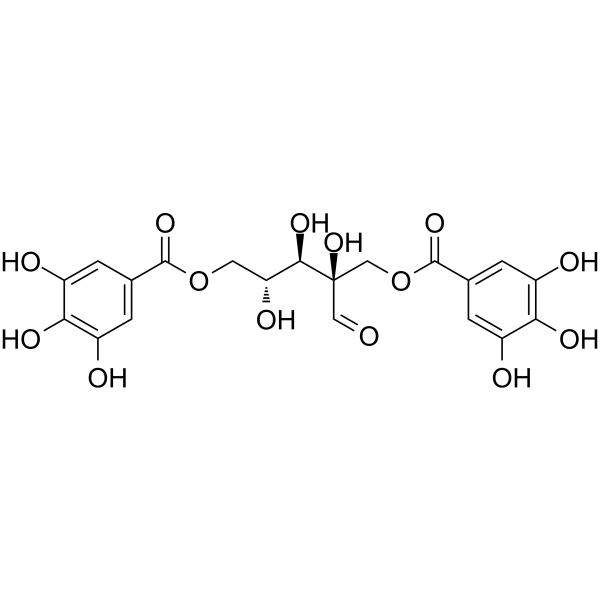
    Hamamelitannin, a polyphenol extracted from the bark of Hamamelis virginiana, is a quorum-sensing (QS) inhibitor. Hamamelitannin increases antibiotic susceptibility of staphylococcus aureus biofilms by affecting peptidoglycan biosynthesis and eDNA release .
    Hamamelitannin
  • HY-133685

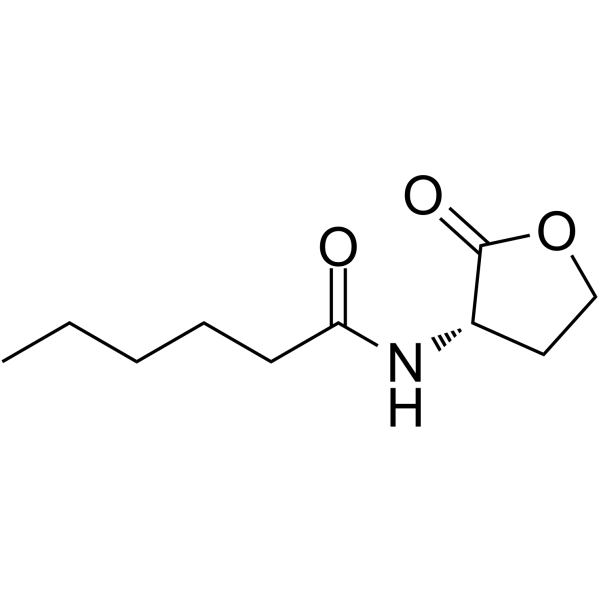
    C6-HSL

    Bacterial Infection Metabolic Disease
    N-Hexanoyl-L-homoserine lactone is a short-chained N-acyl homoserine lactone (AHL). N-hexanoyl-L-homoserine lactone is also a mediator of bacterial quorum-sensing regulation. N-hexanoyl-L-homoserine lactone promotes lipid accumulation in algae. AHL is an intercellular communication signal molecule in the quorum sensing system of Gram-negative bacteria and a medium for mediating information exchange between eukaryotic plants and prokaryotic bacteria. AHL can affect bacteria activities, such as biofilm formation, pigment synthesis, and antibiotic synthesis .
    N-Hexanoyl-L-homoserine lactone
  • HY-P1934
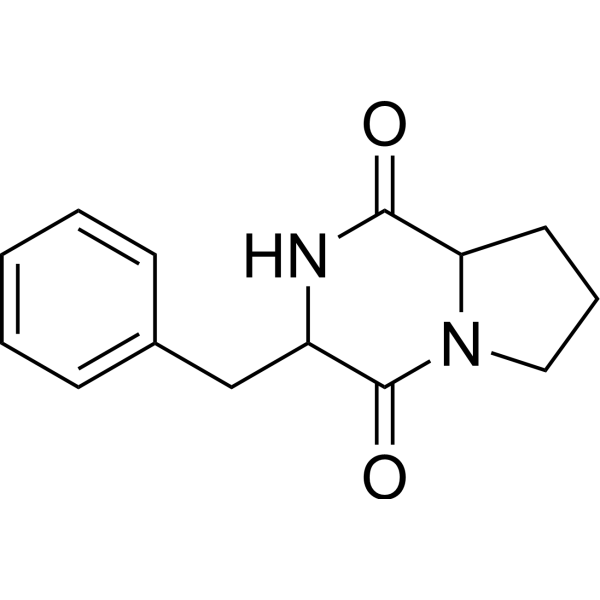
    Cyclo(Phe-Pro)
    5+ Cited Publications

    Cyclo(phenylalanylprolyl); A-64863

    HCV Bacterial Antibiotic Reactive Oxygen Species (ROS) Infection
    Cyclo(Phe-Pro) (Cyclo(phenylalanylprolyl)) is a quorum-sensing molecule of Vibrio vulnificus that specifically interacts with RIG-I, inhibiting RIG-I polyubiquitination, suppressing IRF-3 activation, and reducing type I interferon production. Cyclo(Phe-Pro) enhances susceptibility to HCV and influenza virus and also alleviates plant aluminum toxicity stress. The mechanism of Cyclo(Phe-Pro) involves the regulation of host immune signaling pathways, bacterial virulence gene expression, and plant antioxidant systems, making it a promising candidate for research in viral infections, bacterial virulence regulation, and agricultural stress resistance .
    Cyclo(Phe-Pro)
  • HY-114936
    Piericidin A
    5 Publications Verification

    AR-054

    Bacterial ADC Payload Antibiotic Mitochondrial Metabolism Infection Neurological Disease Cancer
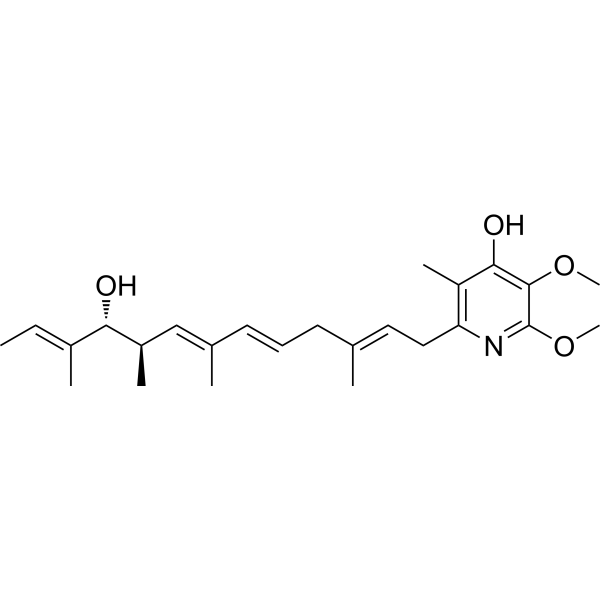
    Piericidin A (AR-054) is a natural mitochondrial NADH-ubiquinone oxidoreductase (complex I) inhibitor. Piericidin A is a potent neurotoxin and inhibits mitochondrial respiration by disrupting the electron transport system through its action on NADH-ubiquinone reductase. Piericidin A is also a potential quorum-sensing inhibitor that suppresses the expression of the virulence genes of Erwinia carotovora subsp. atroseptica (Eca). Piericidin A is an ADC cytotoxin and has anti-bacterial, anticancer, insecticidal activity .
    Piericidin A
  • HY-111278
    Pyocyanin
    2 Publications Verification

    Pyocyanine; Sanazin; Sanasin

    Reactive Oxygen Species (ROS) Bacterial Drug Metabolite Endogenous Metabolite Infection Inflammation/Immunology
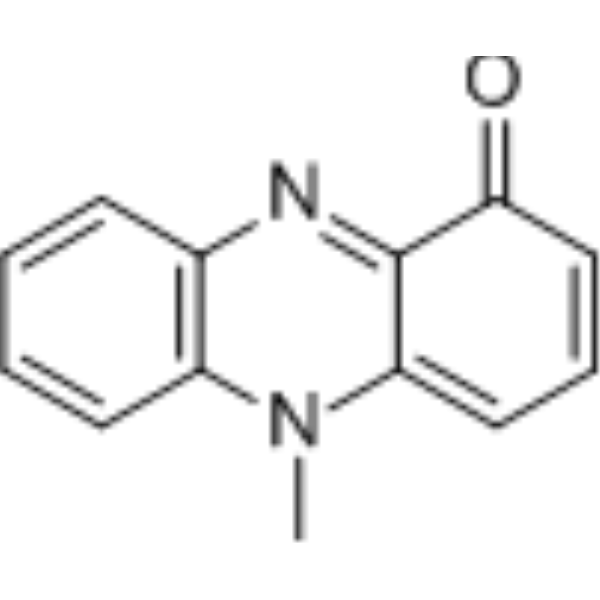
    Pyocyanin (Pyocyanine) is a toxic, quorum sensing (QS) controlled metabolite produced by Pseudomonas aeruginosa. Pyocyanin is a REDOX active compound that promotes the production of reactive oxygen species (ROS). Pyocyanin has antibacterial and anti-inflammatory activity .
    Pyocyanin
  • HY-W008806

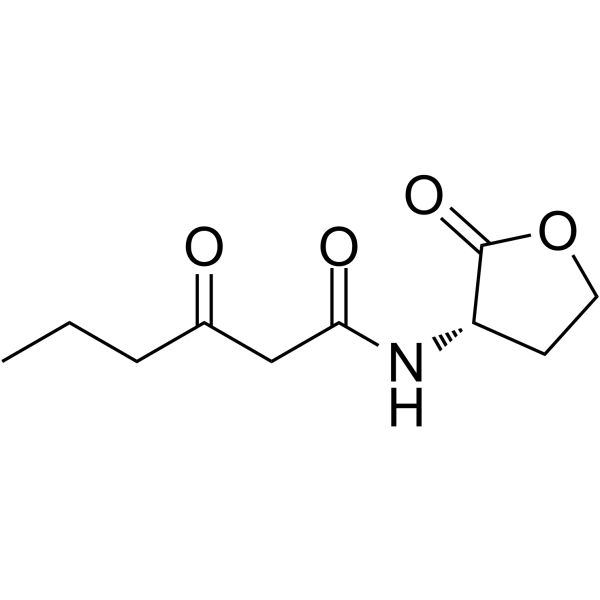
    OHHL; N-(3-Oxohexanoyl)homoserine lactone

    Bacterial Infection Inflammation/Immunology
    N-(3-Oxohexanoyl)-L-homoserine lactone (OHHL; N-(3-Oxohexanoyl)homoserine lactone) is a specific agonist of LuxR-type transcription factor CarR with a Kd of 1.8 μM. N-(3-Oxohexanoyl)-L-homoserine lactone activates CarR by inducing protein multimerization, promoting its binding to target DNA sequences in the carR-carA intergenic region, thereby upregulating the transcription of carbapenem biosynthesis genes. N-(3-Oxohexanoyl)-L-homoserine lactone acts as a quorum sensing signal molecule, enabling bacteria to coordinate the production of carbapenem antibiotics in a cell density-dependent manner. N-(3-Oxohexanoyl)-L-homoserine lactone is used to study bacterial quorum sensing mechanisms, especially the secondary metabolism and virulence factor regulatory pathways of Erwinia carotovora and Yersinia enterocolitica .
    N-(3-Oxohexanoyl)-L-homoserine lactone
  • HY-128200
    Pseudomonas quinolone signal
    2 Publications Verification

    PQS

    Bacterial Infection Inflammation/Immunology
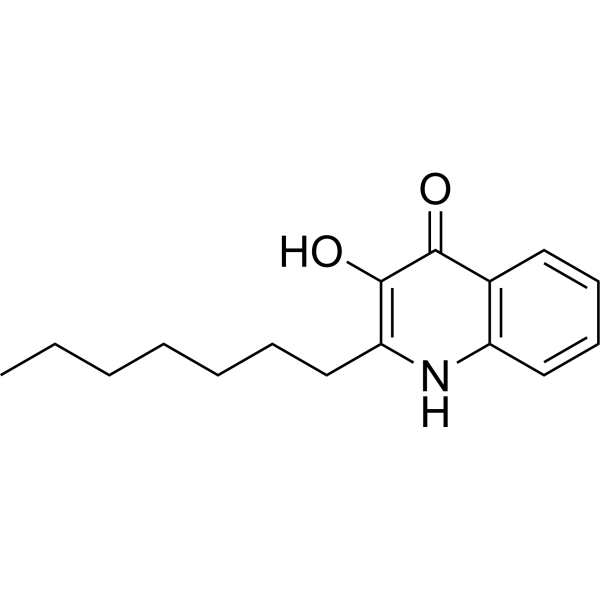
    Pseudomonas quinolone signal (PQS) is a quorum-sensing signaling molecule produced by Pseudomonas aeruginosa. The synthesis of Pseudomonas quinolone signal relies on the las quorum-sensing system, and its biological activity is associated with the rhl system. Pseudomonas quinolone signal regulates the expression of the virulence gene lasB. Additionally, Pseudomonas quinolone signal plays roles in iron acquisition, cytotoxicity, outer-membrane vesicle biogenesis, and host immune modulation .
    Pseudomonas quinolone signal
  • HY-118697
    N-dodecanoyl-L-Homoserine lactone
    1 Publications Verification

    C12-HSL

    Bacterial Infection
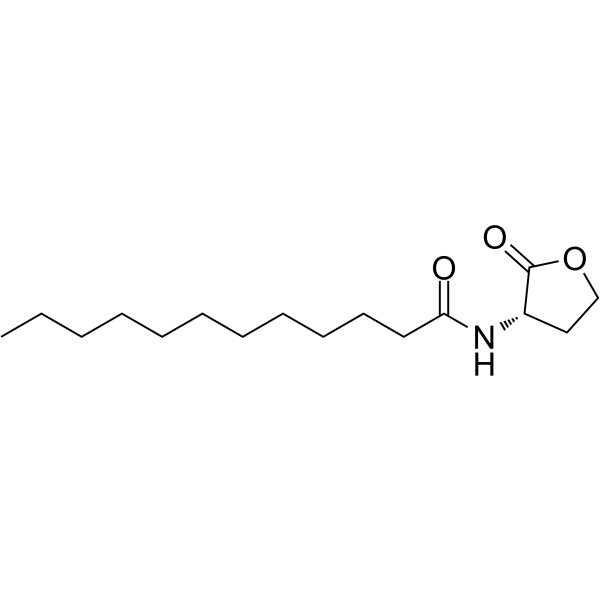
    N-dodecanoyl-L-Homoserine lactone (C12-HSL) is a quorum sensing (QS) signaling molecule. N-dodecanoyl-L-Homoserine lactone (C12-HSL) aptamers blocks qurom sensing and inhibits biofilm formation in Pseudomonas aeruginosa .
    N-dodecanoyl-L-Homoserine lactone
  • HY-108700

    SOD Infection
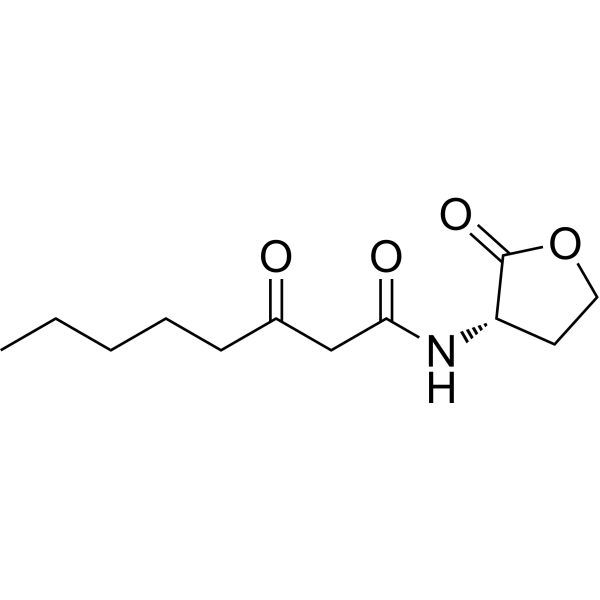
    N-3-Oxo-octanoyl-L-homoserine lactone, a quorum-sensing signal, is an Agrobacterium autoinducer .
    N-3-Oxo-octanoyl-L-homoserine lactone
  • HY-107858
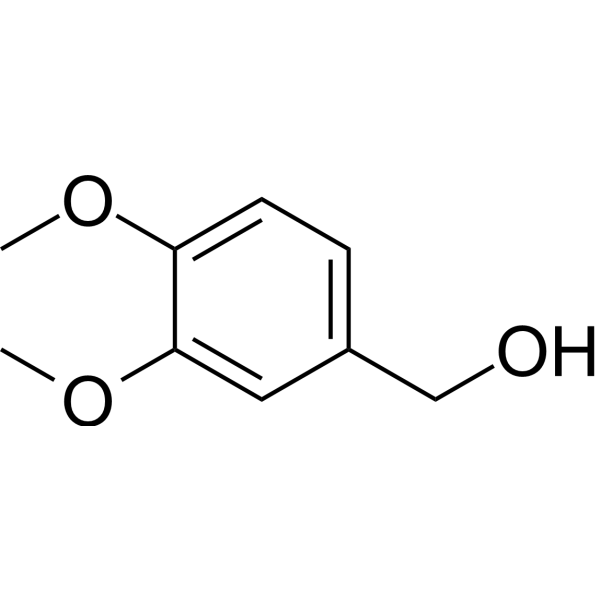
    Veratryl alcohol
    1 Publications Verification

    3,4-Dimethoxybenzyl alcohol

    Endogenous Metabolite Bacterial Infection
    Veratryl alcohol (3,4-Dimethoxybenzyl alcohol) is a secondary metabolite of lignin-degrading fungi, commonly used as a substrate for lignin peroxidase (LiP) to measure lignin degradation activity. Veratryl alcohol protects LiP from inactivation by H2O2 and prevents the accumulation of LiP III compounds. Veratryl alcohol also acts as a stabilizer for manganese-dependent peroxidases (MnP). Veratryl alcohol is a quorum-sensing inhibitor (QSI) and exhibits antibacterial efficacy .
    Veratryl alcohol
  • HY-131011
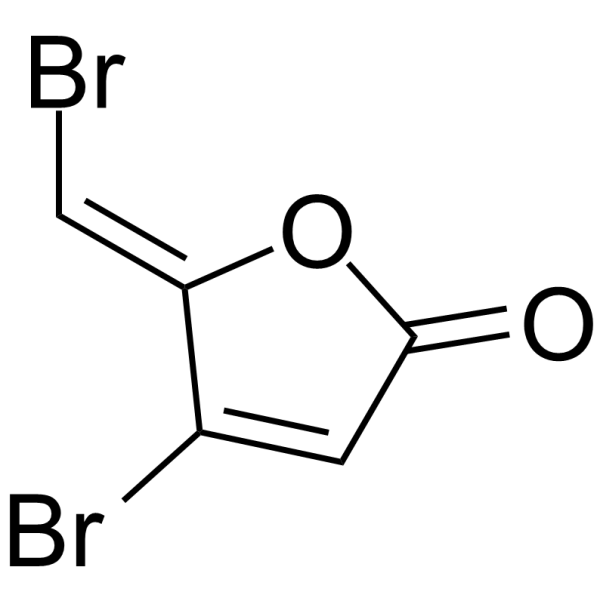
    Furanone C-30
    1 Publications Verification

    Bacterial Infection
    Furanone C-30 is a quorum sensing inhibitor. Furanone C-30 can effectively inhibit bacterial biofilm formation by S. mutans and its luxSmutant strain .
    Furanone C-30
  • HY-W008270

    γ-Crotonolactone

    Endogenous Metabolite Bacterial Infection Neurological Disease
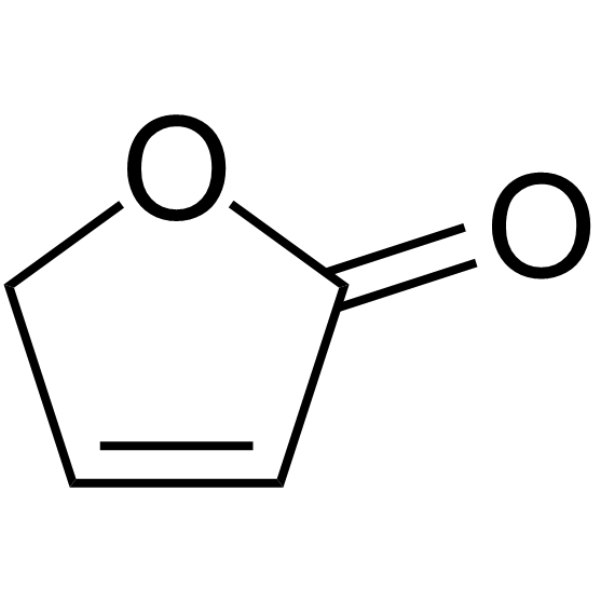
    2(5H)-Furanone (γ-Crotonolactone) is an endogenous metabolite. 2(5H)-Furanone mimics N-acyl homoserine lactone signals, occupies the binding site of LuxR homologs, and interferes with quorum sensing-mediated gene regulation. 2(5H)-Furanone inhibits quorum sensing mediated by AHLs with different acyl chain lengths. 2(5H)-Furanone inhibits biofilm formation of environmental Aeromonas hydrophila strains on polystyrene plates. 2(5H)-Furanone suppresses spike-and-wave discharges in a rat model of generalized absence seizures and exhibits selective activity against absence seizures. 2(5H)-Furanone can be used in studies related to bacteria infections and generalized absence seizures.
    2(5H)-Furanone
  • HY-P10486

    Bacterial Infection
    AIP-II is a cyclic peptide signaling molecule for quorum sensing, which is produced by Staphylococcus aureus. AIP-II potently inhibits AgrC-III in Methicillin (HY-121544)-resistant type III Staphylococcus aureus strain AH1747, with an IC50 of 0.532 nM. AIP-II binds to the AgrC-II receptor and regulates virulence gene expression in Staphylococcus aureus .
    AIP-II
  • HY-120504
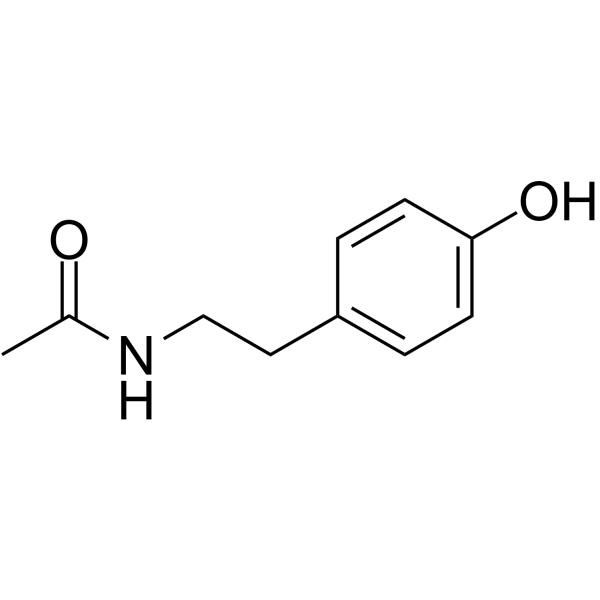
    N-Acetyltyramine
    1 Publications Verification

    Bacterial Infection Cancer
    N-Acetyltyramine is a quorum-sensing inhibitor (QSI) compound produced by V. alginolyticus M3-10. N-Acetyltyramine is capable of inhibiting the QS of C. violaceum ATCC 12472. N-acetyltyramine reverses resistance in Doxorubicin-resistant leukemia P388 cells .
    N-Acetyltyramine
  • HY-Y0248

    trans,trans-Farnesol; (2E,6E)-Farnesol

    Fungal Infection
    (E,E)-Farnesol (trans,trans-Farnesol) is a quorum-sensing molecule of Candida species. (E,E)-Farnesol can inhibit the growth, metabolism and biofilm formation of various Candida species, and affect their morphology and invasiveness .
    (E,​E)​-​Farnesol
  • HY-W045071

    Bacterial Infection
    N-Hexanoyl-DL-homoserine lactone is a bacterial quorum sensing molecule produced in the rhizosphere. N-Hexanoyl-DL-homoserine lactone, a bacterial quorum sensing signal, induces transcriptional changes in Arabidopsis and may contribute to tuning plant growth to the microbial composition of the rhizosphere .
    N-Hexanoyl-DL-homoserine lactone
  • HY-W342499

    Methyl 3-hydroxytetradecanoate; 3-OH PAME; Methyl 3-hydroxymyristate

    Fungal Metabolic Disease
    3-Hydroxy myristic acid methyl ester (Methyl 3-hydroxytetradecanoate) is the quorum-sensing signal molecule (quormone), which regulates the virulence of Ralstonia solanacearum .
    3-Hydroxy myristic acid methyl ester
  • HY-119808

    Melanocortin Receptor Apoptosis Antibiotic Cancer
    Terrein is a melanogenesis inhibitor . Terrein induces apoptosis in breast cancer cell lines . Terrein is an inhibitor of quorum sensing and c-di-GMP in Pseudomonas aeruginosa .
    Terrein
  • HY-W010608

    Bacterial Infection
    2-Methyltetrahydrofuran-3-one is a quorum sensing inhibitor that can inhibit biofilm formation by H. alvei. 2-Methyltetrahydrofuran-3-one is one of the volatile constituents of roasted coffee .
    2-Methyltetrahydrofuran-3-one
  • HY-W104758

    Elastase Antibiotic Bacterial Others
    Elastase-IN-3 (Compound 2i) is an Elastase inhibitor of Pseudomonas aeruginosa. Elastase-IN-3 inhibits the quorum sensing system of Pseudomonas aeruginosa by targeting the LasR protein (KD value of 7.04 M), thereby preventing food spoilage caused by Pseudomonas aeruginosa .
    Elastase-IN-3
  • HY-W012572

    Mitochondrial Metabolism Bacterial Infection Metabolic Disease
    D-Histidine is an anti-biofilm agent that targets bacterial quorum sensing systems (such as RhlI/RhlR pathway) and has antibacterial activity. D-Histidine works by non-covalently binding to bacterial regulatory factors or copper ion complexes, selectively inhibiting bacterial biofilm formation and motility. D-Histidine downregulates quorum sensing-related gene expression, reduces the synthesis of virulence factors (such as alginate and proteases), and interferes with bacterial membrane stability, inhibiting biofilm formation, promoting the disintegration of mature biofilms, and enhancing antibiotic sensitivity. D-Histidine is also an efficient catalyst for the salt-induced peptide formation (SIPF) reaction, which promotes the condensation of amino acids to form dipeptides (such as dialanine and dilysine) by forming a complex with copper ions (Cu 2+) .
    D-Histidine
  • HY-P2522

    Bacterial Infection
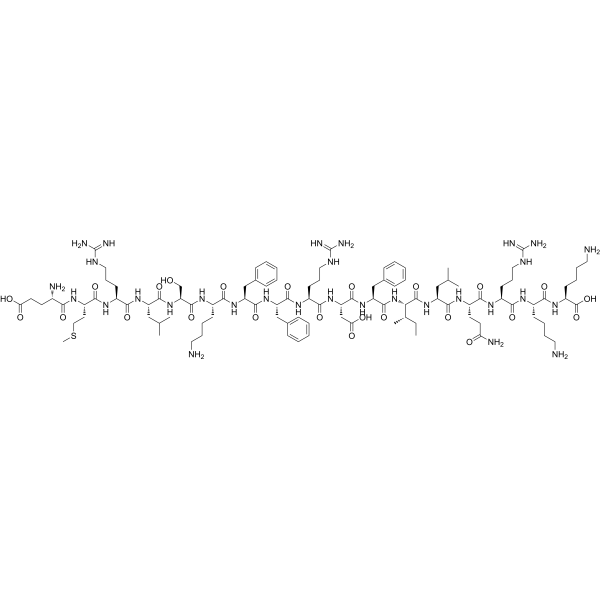
    Competence-Stimulating Peptide-2 (CSP-2) is a 17-amino acid signal peptide produced by Streptococcus pneumoniae, with an EC50 of 50.7 nM for its compatible receptor ComD2. Competence-Stimulating Peptide-2 (CSP-2) can regulate bacterial phenotypes such as competence development, virulence, and biofilm formation through quorum sensing .
    Competence-Stimulating Peptide-2 (CSP-2)
  • HY-N2795

    Xanthone I

    Parasite Bacterial Infection
    9-Hydroxycalabaxanthone (Xanthone I) is a known xanthone isolated from Garcinia mangostana Linn. 9-Hydroxycalabaxanthone has quorum-sensing inhibitory, anti-microbial, and anti-malarial activities (IC50=1.2-1.5 μM) .
    9-Hydroxycalabaxanthone
  • HY-129405

    Bacterial Infection
    N-(Ketocaproyl)-DL-homoserine lactone is a natural, very active ligand of LuxR. N-(Ketocaproyl)-DL-homoserine lactone is a quorum sensing (QS) autoinducer .
    N-(Ketocaproyl)-DL-homoserine lactone
  • HY-P11175

    Bacterial Infection
    Competence-stimulating peptide is a competence-stimulating peptide. Competence-stimulating peptide activates the Com-dependent quorum sensing system of S. mutans. Competence-stimulating peptide restores bacteriocin production .
    Competence-stimulating peptide
  • HY-P2454
    CSP1
    1 Publications Verification

    Bacterial Infection
    CSP1 is a potent and selective ComD1 receptor agonist, with an IC50 of 10.3 nM. CSP1 is a major variants of competence-stimulating peptide (CSP), and it can regulate genetic transformation of S. pneumonia by modulating quorum sensing (QS). CSP1 can act as an antibacterial agent .
    CSP1
  • HY-124796

    Bacterial Infection
    QStatin is a potent and selective inhibitor of SmcR (V. harveyi LuxR homologue) with an EC50 of 208.9 nM, binding tightly to SmcR and changes the flexibility of the protein, thereby altering its transcription regulatory activity. QStatin shows pan-QS (Vibrio quorum sensing) inhibitor activity in diverse Vibrio species and attenuates their virulence in an aquatic host. QStatin may be a sustainable antivibriosis agent useful in aquacultures .
    Qstatin
  • HY-W015800

    Drug Intermediate Others
    L-Homoserine lactone hydrochloride is the core structural unit of the bacterial quorum-sensing signal molecule N-acyl-L-homoserine lactone (AHLs). As an important intermediate, L-Homoserine lactone hydrochloride acylated derivatives have potent immunosuppressive activity .
    L-Homoserine lactone hydrochloride
  • HY-134560

    3-Oxo-C10-HSL

    Bacterial Inflammation/Immunology
    N-(3-Oxodecanoyl)-L-homoserine lactone (3-Oxo-C10-HSL) is a bacterial quorum sensing signal autoinducer molecule .
    N-(3-Oxodecanoyl)-L-homoserine lactone
  • HY-133683

    3-Oxo-C14-AHL

    Bacterial Metabolic Disease
    N-(3-Oxotetradecanoyl)-DL-homoserine lactone, a member of N-Acyl homoserine lactone (AHL) from gram-negative bacteria, is a quorum sensing (QS) signaling molecule .
    N-(3-Oxotetradecanoyl)-DL-homoserine lactone
  • HY-126858

    (+)-Ambuic acid

    ERK JNK NO Synthase COX Infection Inflammation/Immunology
    Ambuic acid exhibits antimicrobial activity against Staphylococcus aureus, with IC50 of 43.9 μM for strain ATCC 6538. Ambuic acid is an inhbitor for the biosynthesis of cyclic peptide quorum sensing molecules (quormones) in gram-positive bacteria. Ambuic acid exhibits anti-inflammatory activity through ERK/JNK/MAPK signaling pathway .
    Ambuic acid
  • HY-W015818
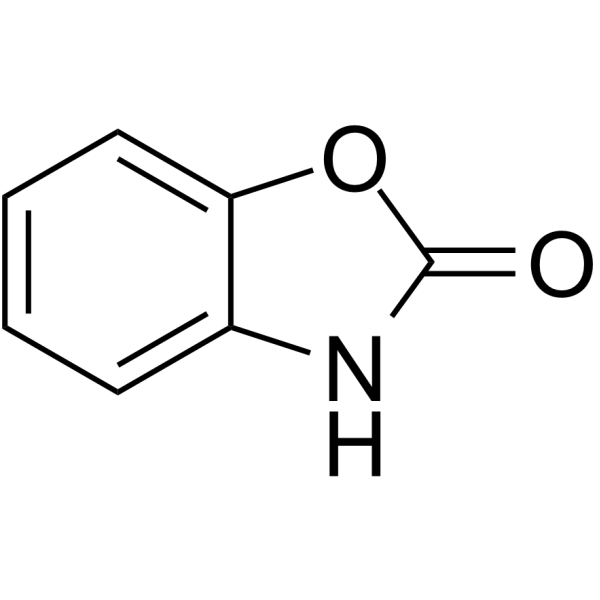
    2-Benzoxazolinone
    1 Publications Verification

    2-Benzoxazolone; 1,3-Benzoxazol-2(3H)-one; 2-Hydroxybenzoxazole

    Parasite Infection
    2-Benzoxazolinone is an anti-leishmanial agent with an LC50 of 40 μg/mL against L. donovani . A building block in chemical synthesis. 1,3-Benzoxazol-2(3H)-one derivatives have antimicrobial activity against a selection of Gram-positive, Gram-negative bacteria and yeasts . Derivatives as anti-quorum sensing agent .
    2-Benzoxazolinone
  • HY-Y0248AS

    trans,trans-Farnesol-d6; (2E,6E)-Farnesol-d6

    Isotope-Labeled Compounds Fungal Infection
    (E,​E)​-​Farnesol-d6 (trans,trans-Farnesol-d6) is deuterium labeled (E,​E)​-​Farnesol (HY-Y0248). (E,E)-Farnesol (trans,trans-Farnesol) is a quorum-sensing molecule of Candida species. (E,E)-Farnesol can inhibit the growth, metabolism and biofilm formation of various Candida species, and affect their morphology and invasiveness .
    (E,​E)​-​Farnesol-d6
  • HY-P2145

    EDF

    Bacterial Infection
    Extracellular death factor (EDF) is the only single signaling molecule involved in Escherichia coli quorum sensing, and can initiate MAZEF-mediated cell death. Extracellular death factor significantly amplifies the endoribonucleolytic activities of both MazF and ChpBK .
    Extracellular death factor
  • HY-134215

    Bacterial Fungal Infection
    cis-11-Methyl-2-dodecenoic acid is a quorum sensing (QS) signal that acts as a diffusion signaling factor (DSF) in extracellular microbial and fungal communication systems. DSF is involved in the regulation of virulence and biofilm formation of a variety of bacterial pathogens .
    cis-11-Methyl-2-dodecenoic acid
  • HY-D0272

    Estrogen Receptor/ERR Metabolic Disease
    2,3,4-Trihydroxybenzophenone is a hydroxylated benzophenone UV filter with estrogenic activity. 2,3,4-Trihydroxybenzophenone is a quorum sensing inhibitor and an EC 1.14.18.1 (tyrosinase) inhibitor. 2,3,4-Trihydroxybenzophenone is also a human urinary metabolite, a rat metabolite and a drug metabolite .
    2,3,4-Trihydroxybenzophenone
  • HY-124237

    Bacterial Others
    N-Octanoyl-DL-homoserine lactone is a member of N-acyl homoserine lactones (AHLs) family, also one of the signal molecule of quorum-sensing (QS) signals. N-Octanoyl-DL-homoserine lactone can regulate the production of siderophores and present positive correlation in Aeromonas sobria strain AS7. N-Octanoyl-DL-homoserine lactone can also regulate the secretion of proteases and stimulate the production of total volatile basic nitrogen (TVB-N) .
    N-Octanoyl-DL-homoserine lactone
  • HY-163838

    Bacterial Infection
    Quorum sensing-IN-6 (compound 27) is a quorum sensing (QS) inhibitor with IC50 values of 8 and 106 nM for E.coli and Pyocyanin, respectively .
    Quorum sensing-IN-6
  • HY-133685R

    C6-HSL (Standard)

    Reference Standards Bacterial Infection Metabolic Disease
    N-Hexanoyl-L-homoserine lactone (Standard) is the analytical standard of N-Hexanoyl-L-homoserine lactone (HY-133685). This product is intended for research and analytical applications. N-Hexanoyl-L-homoserine lactone is a short-chained N-acyl homoserine lactone (AHL). N-hexanoyl-L-homoserine lactone is also a mediator of bacterial quorum-sensing regulation. N-hexanoyl-L-homoserine lactone promotes lipid accumulation in algae. AHL is an intercellular communication signal molecule in the quorum sensing system of Gram-negative bacteria and a medium for mediating information exchange between eukaryotic plants and prokaryotic bacteria. AHL can affect bacteria activities, such as biofilm formation, pigment synthesis, and antibiotic synthesis.
    N-Hexanoyl-L-homoserine lactone (Standard)
  • HY-W127393

    Biochemical Assay Reagents Others
    Quorum sensing is a regulatory system used by bacteria to control gene expression in response to increased cell density. This regulatory process manifests itself in a variety of phenotypes, including biofilm formation and virulence factor production. Coordinated gene expression is achieved through the production, release and detection of small diffusible signaling molecules called autoinducers. N-acylated homoserine lactones (AHLs) comprise a class of such autoinducers, each of which generally consists of a fatty acid coupled to a homoserine lactone (HSL). Modulation of bacterial quorum-sensing signaling systems to suppress pathogenesis represents a new approach to antimicrobial research for infectious diseases. AHLs differ in acyl length (C4-C18), C3 substitution (hydrogen, hydroxyl, or oxo group), and the presence or absence of one or more carbon-carbon double bonds in the fatty acid chain. These differences confer signaling specificity through the affinity of the LuxR family of transcriptional regulators. C9-HSL is a rare odd-numbered acyl carbon chain produced by wild-type Erwinia carotovora strain SCC 3193 grown in nutrient-rich Luria-Bertani broth (LB) medium.
    N-Nonanoyl-L-homoserine lactone
  • HY-W012572A

    Mitochondrial Metabolism Bacterial Infection Metabolic Disease
    D-Histidine hydrochloride hydrate is an anti-biofilm agent that targets bacterial quorum sensing systems (such as RhlI/RhlR pathway) and has antibacterial activity. D-Histidine hydrochloride hydrate works by non-covalently binding to bacterial regulatory factors or copper ion complexes, selectively inhibiting bacterial biofilm formation and motility. D-Histidine hydrochloride hydrate downregulates quorum sensing-related gene expression, reduces the synthesis of virulence factors (such as alginate and proteases), and interferes with bacterial membrane stability, inhibiting biofilm formation, promoting the disintegration of mature biofilms, and enhancing antibiotic sensitivity. D-Histidine hydrochloride hydrate is also an efficient catalyst for the salt-induced peptide formation (SIPF) reaction, which promotes the condensation of amino acids to form dipeptides (such as dialanine and dilysine) by forming a complex with copper ions (Cu 2+) .
    D-Histidine hydrochloride hydrate
  • HY-162624

    Bacterial Infection
    Quorum sensing-IN-5 is a RpfF-targeted quorum-sensing inhibitor. Quorum sensing-IN-5 inhibits Xanthomonas oryzae pv oryzae (Xoo) and Xanthomonas axonopodis pv. citri (Xac) with EC50 values of 9.91 μg/mL and 7.04 μg/mL. Quorum sensing-IN-5 has antimicrobial activity .
    Quorum sensing-IN-5
  • HY-124237AR

    C8-HSL (Standard)

    Reference Standards Bacterial Infection
    N-Octanoyl-L-homoserine lactone (Standard) is the analytical standard of N-Octanoyl-L-homoserine lactone (HY-124237A). This product is intended for research and analytical applications. N-octanoyl-L-Homoserine lactone is a small diffusible signaling molecule involved in quorum sensing, thereby controlling gene expression and affecting cellular metabolism. N-octanoyl-L-Homoserine lactone can be used for the infection prevention and regulation of virulence in cystic fibrosis.
    N-Octanoyl-L-homoserine lactone (Standard)
  • HY-141641

    HSL

    Bacterial Infection
    N-(3-Oxopentanoyl)-L-homoserine lactone is an autoinducer, a kind of chemical signal molecule which passively diffuses across the bacterial envelope and accumulates intracellularly at high bacterial densities. It may bind to a protein related to the LuxR protein of V. fischeri and causes cell density-dependent gene expression. N-(3-Oxopentanoyl)-L-homoserine can be used for research of quorum sensing .
    N-(3-Oxopentanoyl)-L-homoserine lactone
  • HY-W007390
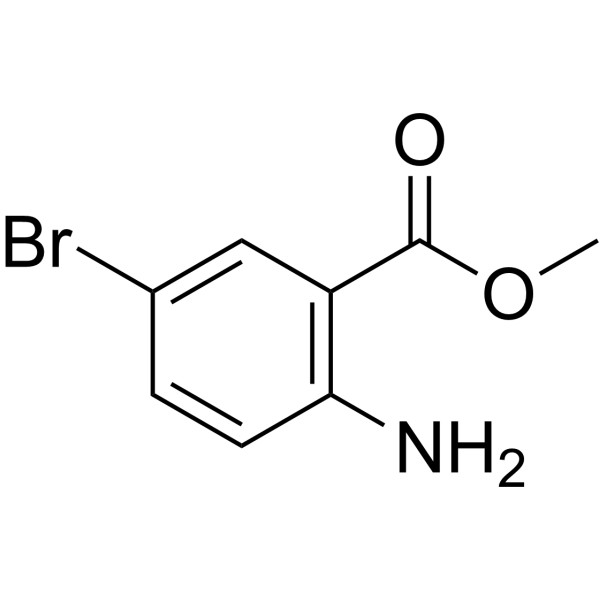
    Methyl 2-amino-5-bromobenzoate
    1 Publications Verification

    Bacterial Drug Intermediate Infection
    Methyl 2-amino-5-bromobenzoate (Compound 8/12) is a biochemical reagent. Methyl 2-amino-5-bromobenzoate can be used to synthesize 2-benzamidobenzoic acid, a known FabH inhibitor. Derivatives of methyl 2-amino-5-bromobenzoate also inhibit PqsD, the pqs quorum sensing (QS) system, of Pseudomonas aeruginosa .
    Methyl 2-amino-5-bromobenzoate
  • HY-139902

    Others Others
    Quorum sensing-IN-1 is a small-molecule quorum sensing inhibitor.
    Quorum sensing-IN-1
  • HY-149479

    Bacterial Infection
    Quorum sensing-IN-3 (Compound 3a) is a quorum sensing inhibitor against pseudomonas aeruginosa. Quorum sensing-IN-3 inhibits biofilm formation .
    Quorum sensing-IN-3
  • HY-N12660

    Bacterial Infection
    Quorum sensing-IN-4 (compound 2) is a quorum sensing inhibitor, and can be isolated from Thailand mangrove-derived Streptomyces strain, OUCMDZ-5511 .
    Quorum sensing-IN-4

Inquiry Online

Your information is safe with us. * Required Fields.

Salutation


Country or Region *

Applicant Name *


Organization Name *

Department *


Email Address *


Product Name *

Cat. No.


Requested quantity *

Phone Number *


Remarks

Inquiry Online

Inquiry Information

Product Name:
Cat. No.:
Quantity:
MCE Japan Authorized Agent:

