1. Search Result
Search Result
Pathways Recommended: Stem Cell/Wnt Cell Cycle/DNA Damage
Results for "

RAW264 cells

" in MedChemExpress (MCE) Product Catalog:

142

Inhibitors & Agonists

2

Biochemical Assay Reagents

2

Peptides

78

Natural
Products

3

Click Chemistry

Cat. No. Product Name Target Research Areas Chemical Structure
  • HY-111152
    ML115
    Maximum Cited Publications
    6 Publications Verification

    STAT Cancer
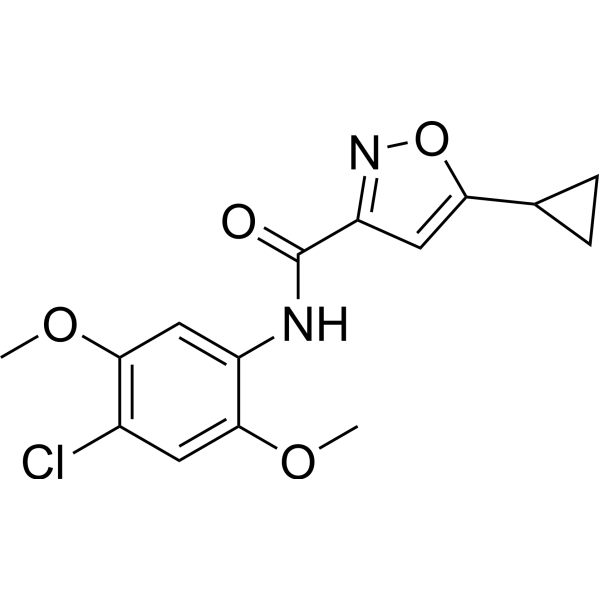
    ML115, a molecular probe of the signal transducer, is a selective STAT3 agonist, with an EC50 of 2 nM. ML115 increases the expression of BCL3, a known STAT3-dependent oncogene. ML115 is inactive against the related STAT1, STAT5 and NF-κB anti-targets. ML115 counteracts the effects of Ginsenoside Rc (HY-N0042) on cell viability and inflammatory responses in LPS (HY-D1056)-stimulated H9c2 and RAW264.7 cells, while altering oxidative stress markers. ML115 can be used for the study of breast and prostate cancers .
    ML115
  • HY-N0515
    Ophiopogonin D
    1 Publications Verification

    PPAR NF-κB Calcium Channel Reactive Oxygen Species (ROS) ERK Cardiovascular Disease Metabolic Disease Inflammation/Immunology
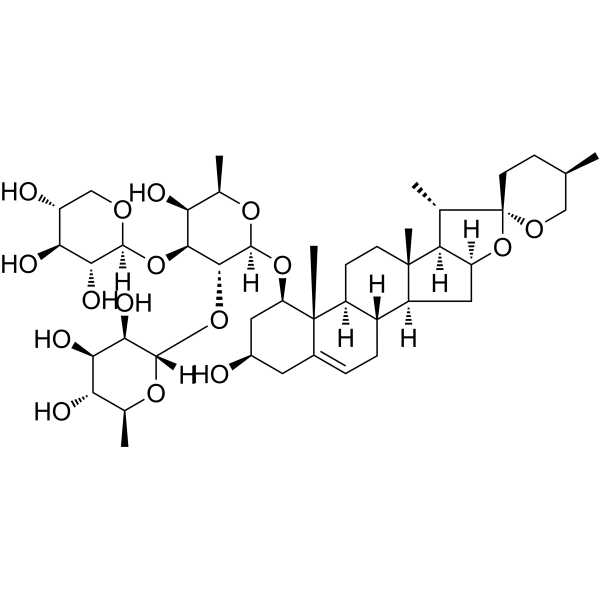
    Ophiopogonin D can be isolated from the tubers of Ophiopogon japonicus, is a rare naturally occurring C29 steroidal glycoside. Ophiopogonin D is a CYP2J3 inducer that significantly inhibits Ang II induced NF-κB nuclear translocation, IκBα down-regulation, intracellular Ca 2+ overload and activation of pro-inflammatory cytokines by increasing the expression of CYP2J2/EETs and PPARα in human umbilical vein endothelial cells (HUVECs). Ophiopogonin D can inhibit isteoclastic differentiation in RAW264.7 cells. Ophiopogonin D has protective effect as an antioxidant in H2O2-induced endothelial injury. Ophiopogonin D blocks ERK signaling cascades. Ophiopogonin D alleviates high-fat diet-induced metabolic syndrome and changes the structure of gut microbiota in mice. Ophiopogonin D has been used against inflammatory, metabolic and cardiovascular diseases .
    Ophiopogonin D
  • HY-N0634
    Cimifugin
    1 Publications Verification

    Cimitin

    NF-κB Inflammation/Immunology
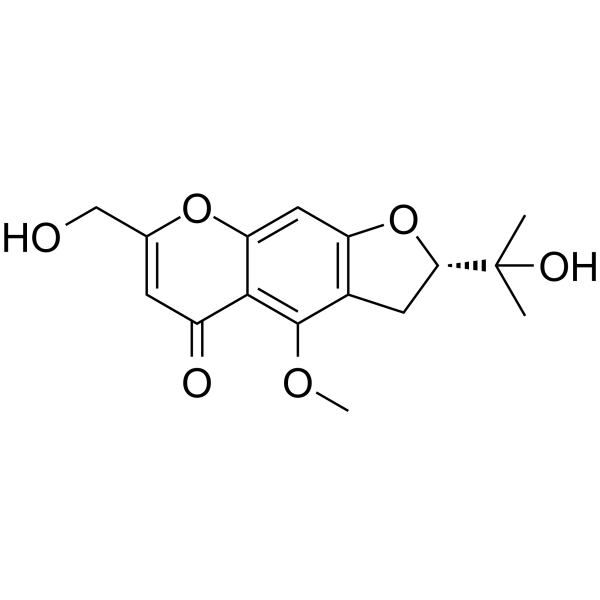
    Cimifugin (Cimitin) is a bioactive component of Cimicifuga racemosa, a Chinese herb. Cimifugin suppresses allergic inflammation by reducing epithelial derived initiative key factors via regulating tight junctions . Cimifugin reduces the migration and chemotaxis of RAW264.7 cells and inhibits the release of inflammatory factors and activation of MAPKs and NF-κB signaling pathways induced by LPS .
    Cimifugin
  • HY-N0617
    Sanggenon C
    2 Publications Verification

    Phosphatase ERK NF-κB Apoptosis Cardiovascular Disease Inflammation/Immunology Cancer
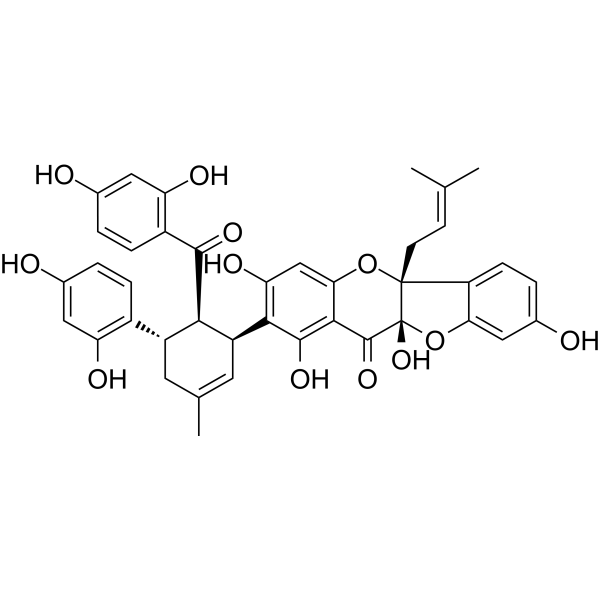
    Sanggenon C, a flavonoid, exerts protective effects against cardiac hypertrophy and fibrosis via suppression of the calcineurin/NFAT2 pathway. Sanggenon C inhibits mitochondrial fission to induce apoptosis by blocking the ERK signaling pathway. Sanggenon C inhibits inducible nitric oxide synthase expression in RAW264.7 cells, and TNF-α-stimulated cell adhesion and VCAM-1 expression, by suppressing NF-κB activity. Sanggenon C possesses antioxidant, anti-inflammatory and antitumor activities .
    Sanggenon C
  • HY-N2535
    Coniferaldehyde
    1 Publications Verification

    4-Hydroxy-3-methoxycinnamaldehyde

    Keap1-Nrf2 Apoptosis Inflammation/Immunology
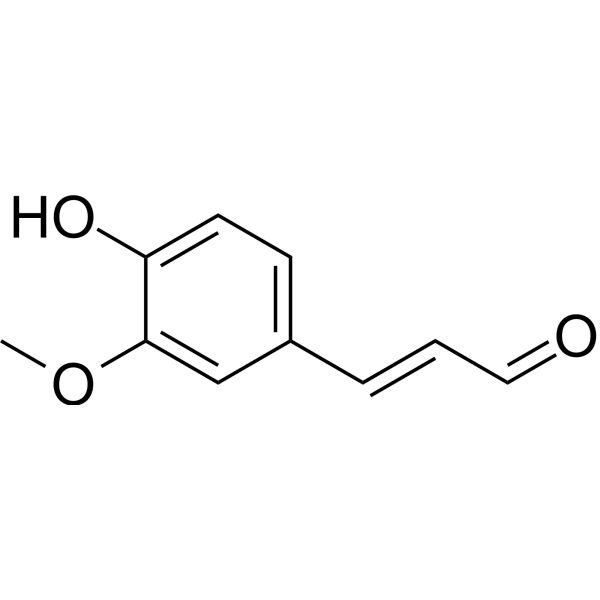
    Coniferaldehyde (4-Hydroxy-3-methoxycinnamaldehyde) is an effective inducer of heme oxygenase-1 (HO-1). Coniferaldehyde inhibits LPS-induced apoptosis through the PKCα/β II/Nrf-2/HO-1 dependent pathway in RAW264.7 macrophage cells. Coniferaldehyde has antioxidant and anti-inflammatory activities .
    Coniferaldehyde
  • HY-155751

    Interleukin Related TNF Receptor NOD-like Receptor (NLR) Inflammation/Immunology
    HMGB1-IN-1 (compound 6) displays strong NO inhibitory effect in RAW264.7 cells with IC50 value of 15.9 ± 0.6 μM. HMGB1-IN-1 inhibit the HMGB1/NF-κB/NLRP3 pathway. HMGB1-IN-1 shows good anti-inflammatory activity and good anti-sepsis effects in kidney injury .
    HMGB1-IN-1
  • HY-N11058

    Lipoxygenase NO Synthase Inflammation/Immunology
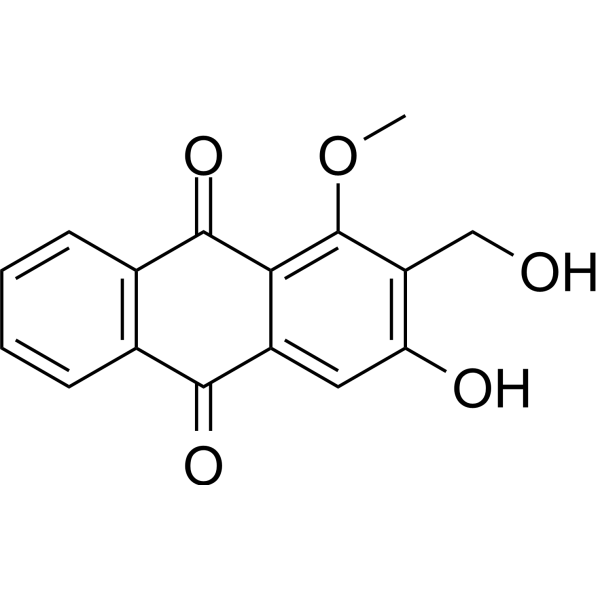
    Damnacanthol is a natural product that can be isolated from Damnacanthus major . Damnacanthol has anti-15-lipoxygenase activity and can inhibit nitric oxide production in LPS-activated macrophages RAW 264.7 cells .
    Damnacanthol
  • HY-W068682

    Hemipyocyanine; 1-Phenazinol; Hemi-pyocyanin

    Amylases Bacterial Infection Neurological Disease Metabolic Disease Inflammation/Immunology Cancer
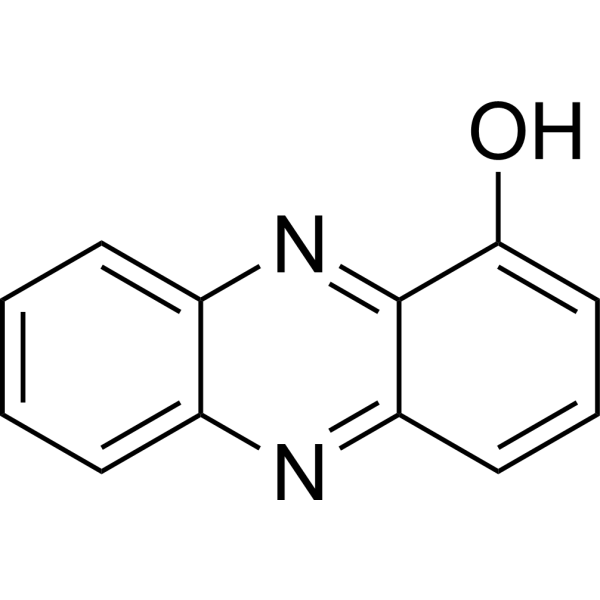
    1-Hydroxyphenazine (Hemipyocyanine; 1-Phenazinol; Hemi-pyocyanin) is an inhibitor for α-Amylase with an IC50 of 3.1 μg/mL . 1-Hydroxyphenazine exhibits anticancer and anti-inflammatory activity against cells A549, 1321N1 and RAW264.7, antifungal and antibacterial activity against strains Candida albicans, Aspergillus fumigatus, Escherichia coli and Xanthomonas campestris .
    1-Hydroxyphenazine
  • HY-171274

    DOCK Metabolic Disease
    DOCK5-IN-1 (Compound 14) is the inhibitor for DOCK5 and exhibits no toxicity (100 μM) in cell RAW264.7 .
    DOCK5-IN-1
  • HY-125531

    Others Others
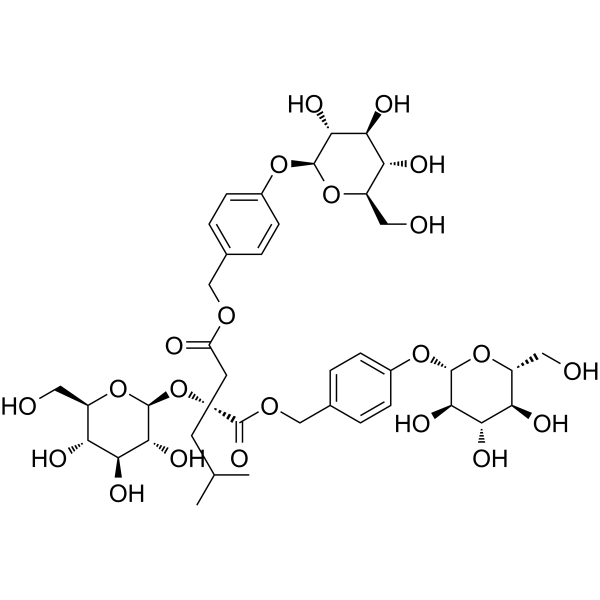
    Dactylorhin A, a succinate derivative ester, is isolated from rhizomes of Gymnadenia conopsea. Dactylorhin A exhibits moderate inhibitory effects on NO production effects in RAW 264.7 macrophage cells .
    Dactylorhin A
  • HY-N8559

    Reactive Oxygen Species (ROS) Apoptosis Inflammation/Immunology
    Aloesone is a phenolic compound. Aloesone can inhibit the production of ROS, the release of NO, M1 polarization, and apoptosis in RAW264.7 cells stimulated by LPS (HY-D1056). Aloesone has anti-inflammatory and antioxidant activities .
    Aloesone
  • HY-124478

    Ethyl 2,5-dihydroxybenzoate

    Phosphatase Metabolic Disease
    Ethyl gentisate (Ethyl 2,5-dihydroxybenzoate) is a dual modulator for cell differentiation, that enhances the osteogenic differentiation of human mesenchymal stem cells (hMSCs) and alkaline phosphatase activity, inhibits RANKL-activated osteoclastogenesis in RAW264.7 cells, and balances the bone remodeling process .
    Ethyl gentisate
  • HY-N9337

    NO Synthase Metabolic Disease Inflammation/Immunology Cancer
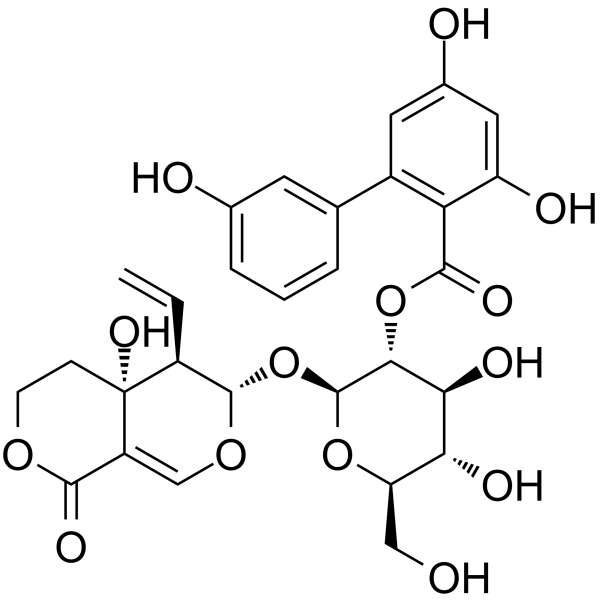
    Amaroswerin is a bioactive secoiridoid glucoside from Swertia mussotii. Amaroswerin has anti-inflammatory, antidiabetic, antiviral, anticholinergic and immunomodulatory activities. Amaroswerin inhibits NO release with an IC50 value of 5.42 μg/mL in RAW264.7 cells .
    Amaroswerin
  • HY-W753791

    TNF Receptor JNK Neurological Disease Inflammation/Immunology
    (±)-Perillaldehyde has an antidepressant effect by modulating the olfactory nervous system in a mouse model of stress-induced depression. (±)-Perillaldehyde also has anti-inflammatory activity, inducing JNK activation in RAW264.7 cells and inhibiting the expression of TNF-α, with an IC50 of 171.7 μM .
    (±)-Perillaldehyde
  • HY-N3001
    Isolinderalactone
    1 Publications Verification

    STAT VEGFR Bcl-2 Family Survivin IAP NF-κB Apoptosis Caspase Neurological Disease Inflammation/Immunology Cancer
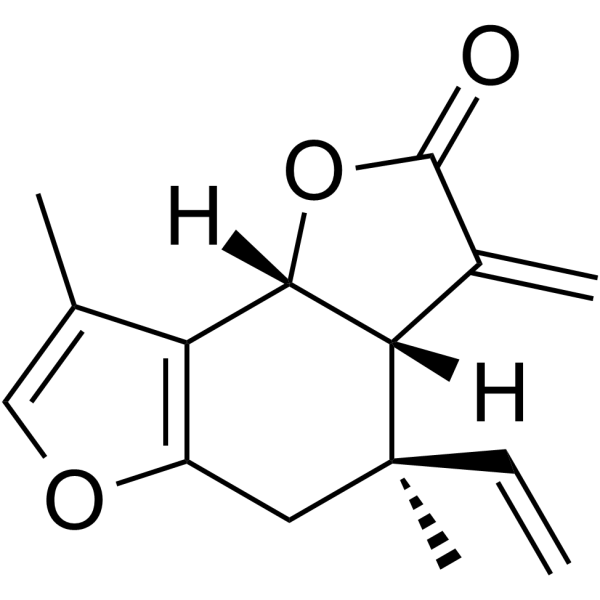
    Isolinderalactone is a sesquiterpene that exhibits anti-cancer, anti-inflammatory, and neuroprotective effects. Isolinderalactone inhibits VEGF expression and tyrosine phosphorylation of VEGFR2. Isolinderalactone decreases viability and induces apoptosis in U-87 glioblastoma (GBM) cells and colorectal cancer (CRC) cells. Isolinderalactone induces G2/M phase cell cycle arrest, ROS generation, pJNK/p38 MAPK activation, in colorectal cancer (CRC) cells. Isolinderalactone blocks LPS (HY-D1056)-induced NF-κB activation while activating Nrf2-HMOX1 signaling in RAW264.7 macrophages. Isolinderalactone improves cognitive dysfunction in APP/PS1 mice. Isolinderalactone can be used for the study of Glioblastoma multiforme (GBM), colorectal cancer, Alzheimer’s disease and acute lung injury .
    Isolinderalactone
  • HY-N13239

    Apoptosis Inflammation/Immunology
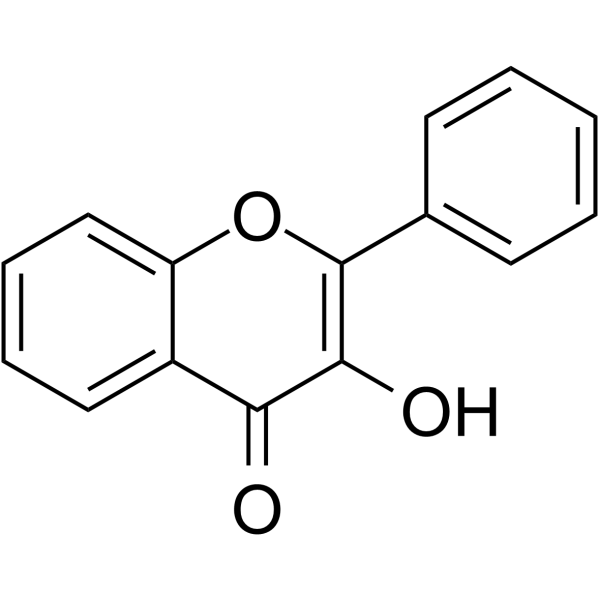
    Dandelion Extract is a dandelion extract, and its ingredients include: Flavone. Dandelion Extract can reduce LPS-induced inflammatory responses in RAW264.7 cells by regulating cell polarization and apoptosis. Dandelion Extract can also reduce CuSO4-induced inflammatory response in zebrafish larvae. .
    Dandelion Extract
  • HY-149149

    Bacterial Infection Metabolic Disease Cancer
    Incadronic acid inhibits growth of Dictyostelium discoideum with an IC50 of 1.6 μM. Incadronic acid binds the farnesyl diphosphate synthase (FPPS) in Leishmania major with the Ki of 23 nM. Incadronic acid inhibits the bone resorption and reduces bone loss, that can be used in osteoporosis research. Incadronic acid inhibits the proliferation of cells RAW264.7, PC-3 and MCF-7 with IC50 of 48 to 228.6 µM .
    Incadronic acid
  • HY-N13160

    NO Synthase Metabolic Disease Inflammation/Immunology
    Sanggenon F is a flavonoid compound derived from Morus alba var. multicaulis. It inhibits the differentiation of 3T3-L1 adipocytes and the production of nitric oxide (NO) in RAW264.7 cells induced by lipopolysaccharides (HY-D1056) and IFN-γ (IC50 of 19 nM). Sanggenon F has potential application value in the fields of anti-inflammatory and metabolic diseases .
    Sanggenon F
  • HY-N12394

    Reactive Oxygen Species (ROS) NO Synthase Inflammation/Immunology
    Norwogonin-8-O-glucuronide is a glucuronide that can be isolated from Scutellaria indica. Norwogonin-8-O-glucuronide has anti-inflammatory activity. Norwogonin-8-O-glucuronide is a flavone glycoside. Norwogonin-8-O-glucuronide inhibits NO production in macrophage RAW264.7 cells with an IC50 above 30 μM .
    Norwogonin-8-O-glucuronide
  • HY-168207

    Toll-like Receptor (TLR) NF-κB Inflammation/Immunology
    TH023 is an inhibitor for the TLR4 signaling pathway, that targets especially the formation of TLR4 homodimer. TH023 inhibits secreted embryonic alkaline phosphatase in cell HEK-Blue hTLR4 with an IC50 of 0.354 μM, and inhibits the NO expression in RAW264.7 with an IC50 of 1.61μM. TH023 also inhibits the activation of NF-κB, reduces the nuclear translocation of NF-κB p65. TH023 exhibits anti-inflammatory efficacy in LPS (HY-D1056)-induced mouse acute sepsis model, and ameliorates the mouse lung injury .
    TH023
  • HY-N0515R

    Reference Standards PPAR NF-κB Calcium Channel ERK Reactive Oxygen Species (ROS) Cardiovascular Disease Metabolic Disease Inflammation/Immunology
    Ophiopogonin D (Standard) is the analytical standard of Ophiopogonin D. This product is intended for research and analytical applications. Ophiopogonin D can be isolated from the tubers of Ophiopogon japonicus, is a rare naturally occurring C29 steroidal glycoside. Ophiopogonin D is a CYP2J3 inducer that significantly inhibits Ang II induced NF-κB nuclear translocation, IκBα down-regulation, intracellular Ca2+ overload and activation of pro-inflammatory cytokines by increasing the expression of CYP2J2/EETs and PPARα in human umbilical vein endothelial cells (HUVECs). Ophiopogonin D can inhibit isteoclastic differentiation in RAW264.7 cells. Ophiopogonin D has protective effect as an antioxidant in H2O2-induced endothelial injury. Ophiopogonin D blocks ERK signaling cascades. Ophiopogonin D alleviates high-fat diet-induced metabolic syndrome and changes the structure of gut microbiota in mice. Ophiopogonin D has been used against inflammatory, metabolic and cardiovascular diseases .
    Ophiopogonin D (Standard)
  • HY-N4207

    Others Others
    Cnidicin, a coumarin, inhibits the degranulation of mast cell and the nitric oxide (NO) generation in RAW 264.7 cells .
    Cnidicin
  • HY-N16172

    Sanggenone B

    Others Inflammation/Immunology
    Sanggenon B (Sanggenone B) is a compound that can be extracted from mulberry trees and has an inhibitory effect on NO production in RAW264.7 cells stimulated by LPS (HY-D1056). Sanggenon B has anti-inflammatory activity .
    Sanggenon B
  • HY-175640

    Pyroptosis Reactive Oxygen Species (ROS) Interleukin Related Caspase Cardiovascular Disease
    Troponin-IN-1 is a troponin inhibitor. Troponin-IN-1 protects OGD/R-injured H9c2 cardiomyocytes by reducing LDH leakage, pyroptosis and ROS accumulation. Troponin-IN-1 inhibits NO production and IL-1β/TNF-α/IL-18 release in LPS (HY-D1056)-induced RAW264.7 cells. Troponin-IN-1 acts via caspase-1/GSDMD/IL-18 pathway. Troponin-IN-1 reduces myocardial infarct size in LAD-induced myocardial ischemia/reperfusion (MI/R) male rats. Troponin-IN-1 can be used for the study of myocardial ischemia/reperfusion (MI/R) injury .
    Troponin-IN-1
  • HY-N13175

    NO Synthase Cancer
    Panaxcerol B is a monogalactosyl monoacylglyceride, with an IC50 of 59.4 μM for NO production in LPS-stimulated RAW264.7 cells .
    Panaxcerol B
  • HY-N2838

    NO Synthase Inflammation/Immunology
    Alismol is a natural sesquiterpene. Alismol shows promising inhibitory effects on INF-γ-induced nitric oxide production in murine macrophage RAW264.7 cells .
    Alismol
  • HY-N2989

    NO Synthase Inflammation/Immunology
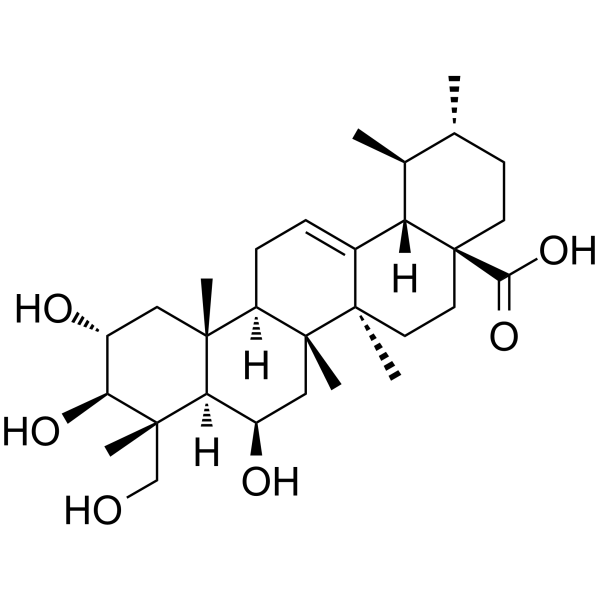
    3-O-Acetyl-16α-hydroxydehydrotrametenolic acid, an anti-inflammatory triterpenoid, inhibits NO production and iNOS expression in LPS-stimulated Raw264.7 cells .
    3-O-Acetyl-16α-hydroxydehydrotrametenolic acid
  • HY-169857

    RANKL/RANK Others
    AS2690168 freebase is an orally active RANKL signal transduction inhibitor which suppresses RANKL-induced osteoclastogenesis of RAW264 cells. AS2690168 can be utilized in research related to pathological osteolysis .
    AS2690168 (freebase)
  • HY-N1912

    Others Cancer
    Andropanolide is a natural product that exerts cytotoxicity toward carcinoma cells and significantly inhibits the overproduction of nitric oxide (NO) in Lipopolysaccharides (HY-D1056) (LPS)-stimulated RAW264.7 macrophages .
    Andropanolide
  • HY-N15689

    NO Synthase Inflammation/Immunology
    Dichotomine E is a β-carboline alkaloid that can be isolated from the root of Stellaria dichotoma var. lanceolata. Dichotomine E has anti-inflammatory property for the inhibition of NO production in LPS (HY-D1056)-treated RAW264.7 cells .
    Dichotomine E
  • HY-N11657

    Sanggenone A

    NF-κB Keap1-Nrf2 Inflammation/Immunology
    Sanggenon A (Sanggenone A) exerts anti-inflammatory effects by regulating NF-κB and HO-1/Nrf2 signaling pathways in BV2 and RAW264.7 cells. Sanggenon A markedly inhibits the Lipopolysaccharide (LPS; HY-D1056)-induced production of nitric oxide .
    Sanggenon A
  • HY-N12042

    TNF Receptor PI3K Reactive Oxygen Species (ROS) Interleukin Related Inflammation/Immunology
    Taxamairin B is a potent anti-inflammatory agent. Taxamairin B decreases proinflammatory cytokines (TNF-α, IL-1β and IL-6) expression and the production of NO and ROS in LPS-induced RAW264.7 cells. Taxamairin B exhibits significant protective effects in LPS-induced acute lung injury in mice .
    Taxamairin B
  • HY-159669

    HIV Protease Infection Inflammation/Immunology
    Stercobilin hydrochloride (amixture of isomers) is a bile pigment metabolized by gut bacteria, and it's also an HIV protease inhibitor, with a Ki of 4 μM. Stercobilin hydrochloride (a mixture of isomers) can induce pro-inflammatory activity in mouse macrophage RAW264 cells, including the production of TNF-α and IL-1β. Stercobilin hydrochloride (a mixture of isomers) can be used in studies of inflammation and viral infections .
    Stercobilin hydrochloride (mixture of isomers)
  • HY-172977

    Cathepsin NO Synthase TNF Receptor Neurological Disease Inflammation/Immunology
    FGA139 is a cysteine proteases inhibitor with IC50 values of 4.98/3.14 μM for cathepsin B/L. FGA139 reduces LPS-induced NO production in RAW264.7 cells and tumor necrosis factor (TNFα) levels in microglia, and has anti-oxidative stress and anti-inflammatory activities. FGA139 promotes the secretion of neuroprotective metabolites purine and linoleic acid by LPS-stimulated microglia. FGA139 can be used in neuroinflammatory diseases research .
    FGA139
  • HY-155759

    NF-κB Interleukin Related Caspase Apoptosis Inflammation/Immunology Cancer
    HMGB1-IN-2 (compound 15) is an inhibitor of highly conserved nuclear protein (HMGB1), showing NO inhibitory effect with IC50 value of 20.2 μM in RAW264.7 cells. HMGB1-IN-2 (30 μM) decreases the level of IL-1 β, TNF-α, caspase-1 p20, inhibits the phosphorylation of NF-κB p65, exhibits anti-apoptotic activity. HMGB1-IN-2 (15 mg/kg; ip) relives kidney injury in septic acute kidney injury mouse. HMGB1-IN-2 inhibits Huh7 cells and A549 cells with IC50s of 77.0 μM, and 82.0 μM, respectively .
    HMGB1-IN-2
  • HY-N10120

    Others Inflammation/Immunology
    Methylsyringin exhibits anti-inflammatory activity in the LPS-stimulated RAW264.7 cells.
    Methylsyringin
  • HY-W573700

    Others Others
    Methyl everninate is the major constituent of the deuterochloroform. Methyl everninate, rhodomollosides A and B are the derivatives of Methyl everninate, with cytotoxicity against RAW264.7 cells. Both of they shows inhibitory effects with a lipopolysaccharide (LPS)-stimulated murine macrophages RAW 264.7 cells model .
    Methyl everninate
  • HY-130787

    NO Synthase Inflammation/Immunology
    Apterin is a natural compound with anti-inflammatory activity. Apterin shows significantly inhibitory activity on NO production in RAW264.7 cells with an IC50 value of 41.8 μM .
    Apterin
  • HY-N10062

    RANKL/RANK Others
    Amakusamine inhibits the receptor activator of nuclear factor-κB ligand (RANKL)-induced formation of multinuclear osteoclasts with an IC50 value of 10.5 μM in RAW264.7 cells.
    Amakusamine
  • HY-161043

    Pyroptosis Inflammation/Immunology
    ECDD-S16 is a potent inhibitor of pyroptosis. ECDD-S16 inhibits surface and endosomal TLR ligands activated pyroptosis in Raw264.7 cells .
    ECDD-S16
  • HY-169857A

    RANKL/RANK Others
    AS2690168 hydrochloride is an orally active RANKL signal transduction inhibitor which suppresses RANKL-induced osteoclastogenesis of RAW264 cells. AS2690168 can be utilized in research related to pathological osteolysis .
    AS2690168 hydrochloride
  • HY-149647

    JAK STAT Inflammation/Immunology
    HA-2a can inhibit the JAK2/STAT3 pathway via downregulates circDcbld2 expression in RAW264.7 cells .
    HD-2a
  • HY-N15571

    NO Synthase Inflammation/Immunology
    Hedopeptolide can be found in the marine cyanobacteria Okeania sp. Hedopeptolide inhibits LSP-induced NO production in RAW264.7 cells (IC50: 4 μM). Hedopeptolide exhibits anti-inflammatory activity .
    Hedopeptolide
  • HY-129151

    TNF Receptor Inflammation/Immunology
    Ganoderic acid C1, a natural compound that could be isolated from G. lucidum, suppresses TNF-α production by murine macrophages (RAW 264.7 cells) .
    Ganoderic acid C1
  • HY-N1695

    Regelin acid

    NO Synthase Inflammation/Immunology
    Demethylregelin (Regelin acid), a triterpene, effectively reduces the expression of iNOS protein and subsequent nitric oxide production induced by lipopolysaccharide (HY-D1056) in RAW264.7 cells. Demethylregelin has anti-inflammatory activities .
    Demethylregelin
  • HY-149671

    NO Synthase Inflammation/Immunology
    Anti-inflammatory agent 63 is an anti-inflammatory agent that shows optimal inhibitory activity (EC50 = 5.33±0.57 μM) against the production of nitric oxide (NO) induced by lipopolysaccharide (LPS) in RAW264.7 cells .
    Anti-inflammatory agent 63
  • HY-N3211

    cis-N-(4-Hydroxyphenethyl) ferulamide; cis-N-Feruloyltyramine

    NO Synthase Inflammation/Immunology
    N-cis-Feruloyl tyramine (cis-N-(4-Hydroxyphenethyl) ferulamide) is a natural phenolic compound, exhibits modest inhibitory activity on LPS-activated NO production in RAW 264.7 cells .
    N-cis-Feruloyl tyramine
  • HY-125495

    NO Synthase Inflammation/Immunology
    Telmesteine is an amucolitic agent. Telmesteine has anti-protease activity. Telmesteine inhibits LPS-induced NO production in RAW264.7 cells. Telmesteine can be used for research of inflammation, such as acute and chronic bronchitis and obstructive airways disease .
    Telmesteine
  • HY-N17678

    Raphanusol B

    Drug Derivative NO Synthase Inflammation/Immunology
    (E)-Sinapoyl glucose is an inflammatory pathway inhibitor. (E)-Sinapoyl glucose inhibits NO production in RAW 264.7 cells with an IC50 value of 38.32 µM. (E)-Sinapoyl glucose is promising for research of inflammatory diseases .
    (E)-Sinapoyl glucose
  • HY-149650

    Toll-like Receptor (TLR) Inflammation/Immunology
    TLR4 agonist-1 (compound 17a) is a potent agonist of Toll-like Receptor 4 (TLR4), and induces the generation of MIP-1β in RAW 264.7 and MM6 cells .
    TLR4 agonist-1

Inquiry Online

Your information is safe with us. * Required Fields.

Salutation


Country or Region *

Applicant Name *


Organization Name *

Department *


Email Address *


Product Name *

Cat. No.


Requested quantity *

Phone Number *


Remarks

Inquiry Online

Inquiry Information

Product Name:
Cat. No.:
Quantity:
MCE Japan Authorized Agent:

