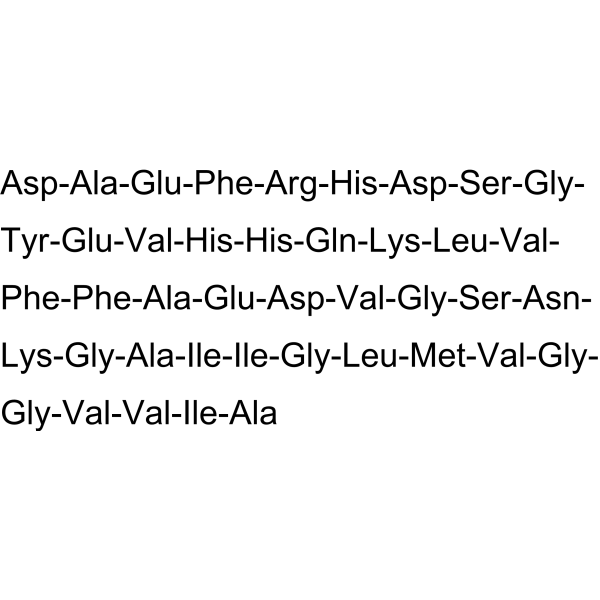
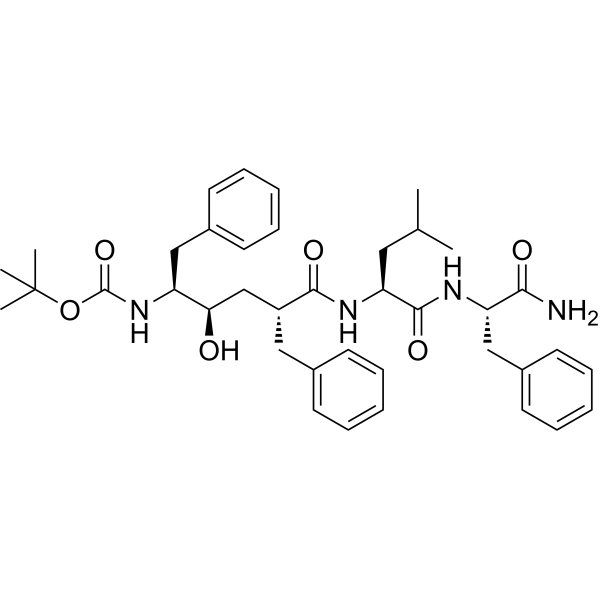


1. Search Result
Search Result
Results for "

S/C disease

" in MedChemExpress (MCE) Product Catalog:

129

Inhibitors & Agonists

1

Screening Libraries

3

Biochemical Assay Reagents

10

Peptides

4

Inhibitory Antibodies

13

Natural
Products

16

Isotope-Labeled Compounds

6

Antibodies

2

Click Chemistry

2

Oligonucleotides

Cat. No. Product Name Target Research Areas Chemical Structure
  • HY-50845
    Avagacestat
    2 Publications Verification

    BMS-708163

    γ-secretase Notch Cancer
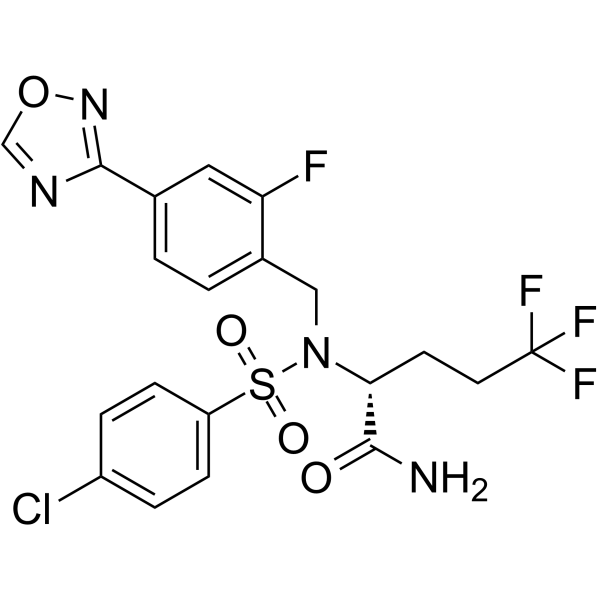
    Avagacestat (BMS-708163) is a potent inhibitor of γ-secretase, with IC50s of 0.27 nM and 0.30 nM for Aβ42 and Aβ40 inhibition; Avagacestat (BMS-708163) also inhibits NICD (Notch IntraCellular Domain) with IC50 of 0.84 nM and shows weak inhibition of CYP2C19, with IC50 of 20 μM. Avagacestat can be used for Alzheimer disease research.
    Avagacestat
  • HY-108681
    680C91
    2 Publications Verification

    Collagen Neurological Disease Inflammation/Immunology Cancer
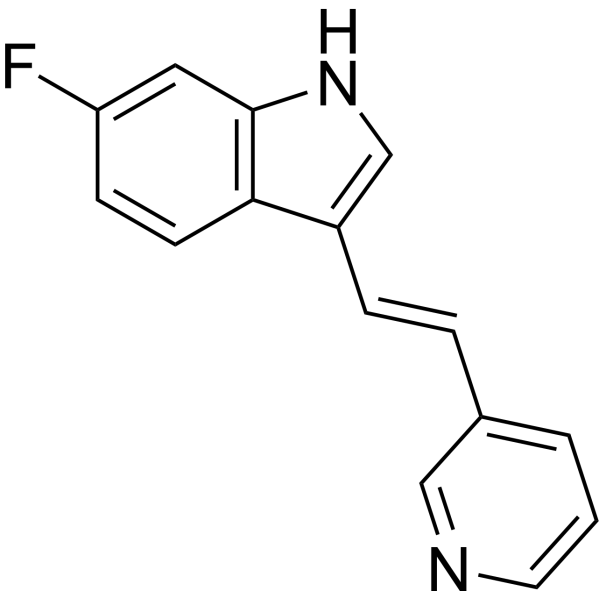
    680C91 is an orally active, selective tryptophan 2,3-dioxygenase (TDO) inhibitor with a Ki of 51 nM. TDO is the key enzyme of tryptophan catabolism. 680C91 can be used for the research of cancer immunotherapy and Alzheimer’s Disease .
    680C91
  • HY-134240

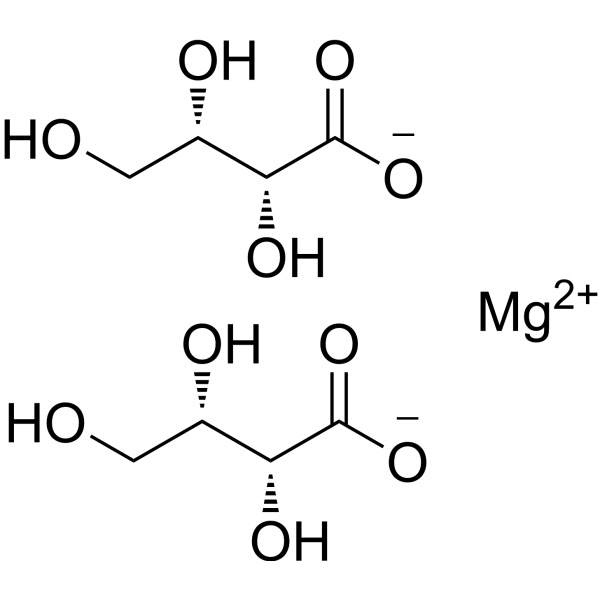
    Magnesium L-threonate

    NF-κB TNF Receptor Neurological Disease Inflammation/Immunology
    L-Threonic acid magnesium (Magnesium L-threonate) is the enantiomer of Threonic acid and the metabolite of vitamin C (HY-B0166). L-Threonic acid magnesium is a magnesium supplementation, that improves the brain magnesium concentration, inhibits the activation of TNF-α/NF-κB signaling pathway. L-Threonic acid magnesium can be used in research of Alzheimer’s disease. L-Threonic acid magnesium is orally active .
    L-Threonic acid magnesium
  • HY-19369
    L-685458
    5+ Cited Publications

    L-685,458

    γ-secretase Apoptosis Neurological Disease Cancer
    L-685458 is a potent transition state analog (TSA) γ-secretase inhibitor (GSI). L-685458 inhibits amyloid β-protein precursor γ-secretase activity with IC50 of 17 nM, shows greater than 50-100-fold selectivity over other aspartyl proteases tested. L685458 inhibits γ-secretase-mediated cleavage of APP-C99 and Notch-100 with IC50s of 301.3 nM and 351.3 nM, respectively. L-685458 can be used for the research of alzheimer’s disease (AD) and cancers .
    L-685458
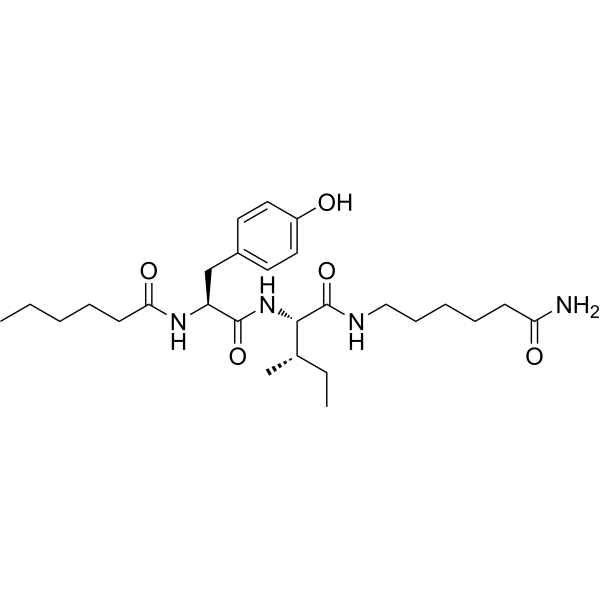
  • HY-16969
    Dihexa
    5+ Cited Publications

    PNB-0408; N-hexanoic-Try-Ile-(6)-amino hexanoic amide; Hexanoyl-Tyr-Ile-Ahx-NH2

    c-Met/HGFR Neurological Disease
    Dihexa, an oligopeptide drug, is an orally active and blood-brain barrier-permeable angiotensin IV analog. Dihexa binds to hepatocyte growth factor (HGF) with high affinity (Kd=65 pM) and potentiates its activity at its receptor, c-Met. Dihexa exhibits excellent antidementia activity and improves cognitive function in animal models. Dihexa may have therapeutic potential as a treatment Alzheimer’s disease .
    Dihexa
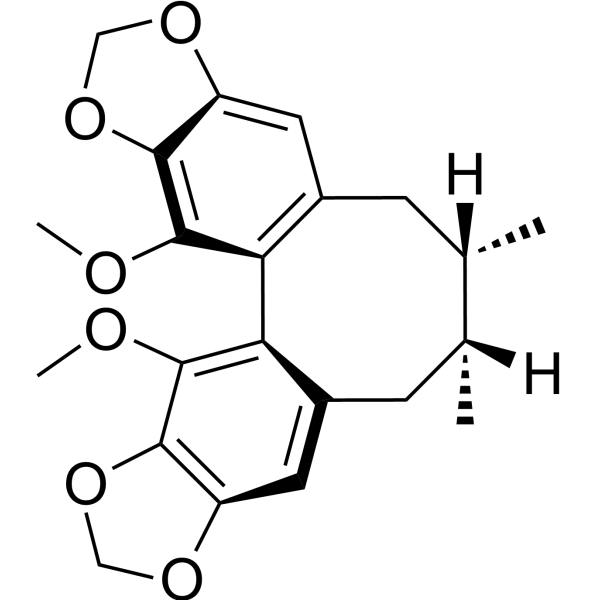
  • HY-N0690
    Schisandrin C
    5 Publications Verification

    Schizandrin-C; Wuweizisu-C

    Apoptosis Neurological Disease Inflammation/Immunology Cancer
    Schisandrin C (Schizandrin-C) is a phytochemical lignan isolated from Schizandra chinensis . Schisandrin C has diverse biological activities, including anticancer, anti-inflammatory and antioxidant effects. Schisandrin C can be used for cancer, alzheimer’s disease, and liver diseases research . Schisandrin C induces cell apoptosis .
    Schisandrin C
  • HY-B0617S2

    S-Adenosyl methionine-13C dihydrochloride; Ademetionine-13C dihydrochloride; AdoMet-13C dihydrochloride

    Isotope-Labeled Compounds Endogenous Metabolite Apoptosis Neurological Disease Inflammation/Immunology Cancer
    S-Adenosyl-L-methionine- 13C (S-Adenosyl methionine- 13C) dihydrochloride is the 13C labeled S-Adenosyl-L-methionine (HY-B0617). S-Adenosyl-L-methionine (S-Adenosyl methionine) is an orally active methyl group donor. S-Adenosyl-L-methionine is a dietary supplement with potent antidepressant effects. S-Adenosyl-L-methionine also has anti‑proliferative, pro‑apoptotic and anti‑metastatic roles in cancers. S-Adenosyl-L-methionine has the potential for, cancer, liver disease and osteoarthritis research .
    S-Adenosyl-L-methionine-13C dihydrochloride
  • HY-P99050

    BIVV009; IPN-009; TNT009

    Complement System Cardiovascular Disease Inflammation/Immunology
    Sutimlimab is a humanized monoclonal IgG4 antibody. Sutimlimab inhibits complement protein component 1, s subcomponent (C1s). Sutimlimab blocks C3 and C4 activation. Sutimlimab can be used for the research of cold agglutinin disease and complement-mediated hemolytic uremic syndrome .
    Sutimlimab
  • HY-148794

    IkT-148009

    c-Met/HGFR Bcr-Abl Neurological Disease Cancer
    Risvodetinib (IkT-148009) is an orally active, selective and brain-penetrant protein tyrosine kinase inhibitor, displaying excellent target efficacy against c-Abl1, c-Abl2/Arg with IC50 values of 33 nM, 14 nM, respectively. Risvodetinib suppresses c-Abl activation and substantially protects dopaminergic neurons from degeneration in mouse models of both inherited and sporadic Parkinson’s disease (PD), which is promising for research in the field of PD .
    Risvodetinib
  • HY-W110927

    Biochemical Assay Reagents Fluorescent Dye Others
    Alizarin red S indicator (C.I. 58005) is a reductively active (quinone-based) anthraquinone dye that forms complexes with metal ions (such as zirconium, calcium) or boric acid to label calcium deposition and perform electrochemical sensing functions. Alizarin Red S undergoes reversible redox reactions (for electrochemical detection) and irreversible chelation (for bone staining). Alizarin Red S is mainly used in bone metabolism research (labeling mineralized tissue), sugar detection (boric acid-sugar competition system) and metal ion sensing (such as zirconium ion detection), and can be used in osteoporosis and metabolic disease research .
    Alizarin Red S Indicator (4.3-6.3), IND
  • HY-N4150
    Quercetagitrin
    1 Publications Verification

    Quercetagetin-7-O-glucoside

    Phosphatase Tau Protein NF-κB Neurological Disease Metabolic Disease Inflammation/Immunology
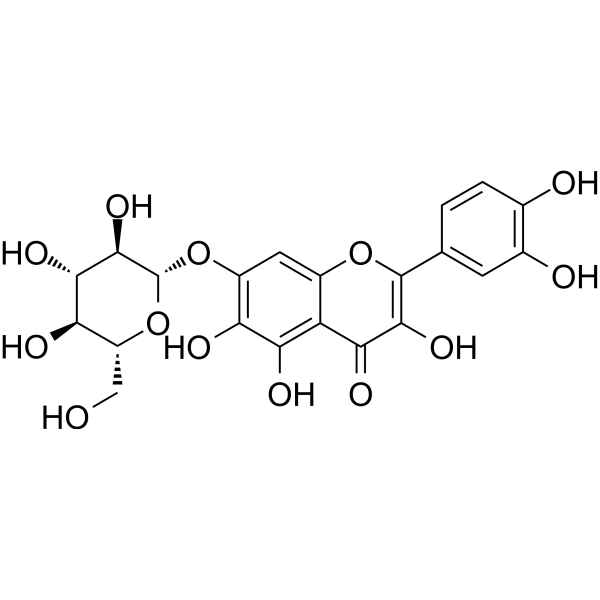
    Quercetagitrin (Quercetagetin-7-O-glucoside) is a natural product that can be isolated from the African marigold (Tagetes erecta). Quercetagitrin has anti-inflammatory activity. Quercetagitrin inhibits Tau accumulation. Quercetagitrin can reverse neuroinflammation and cognitive deficits in P301S-Tau transgenic mouse model through inhibiting NF-κB activation. Quercetagitrin is a dual-target inhibitor of PTPN6 (IC50 = 1 μM) and PTPN9 (IC50 = 1.7 μM). Quercetagitrin enhances glucose uptake by mature C2C12 myoblasts. Quercetagitrin can be studied in research for Alzheimer’s disease and type 2 diabetes .
    Quercetagitrin
  • HY-G0017
    N-Desmethyl imatinib
    1 Publications Verification

    Norimatinib; Imatinib metabolite N-Desmethyl imatinib; CGP 74588

    Drug Metabolite P-glycoprotein Apoptosis Neurological Disease Cancer
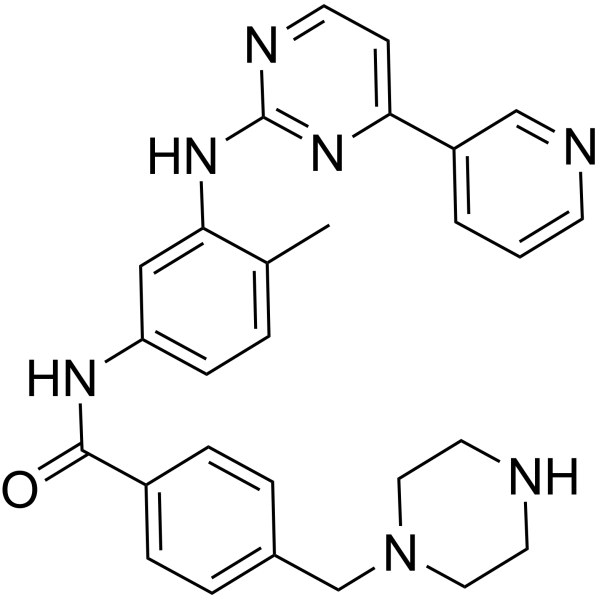
    N‑Desmethyl imatinib (Norimatinib) is an active metabolite of Imatinib (HY-15463), a selective c‑Abl inhibitor, and a substrate of P‑glycoprotein. N-Desmethyl imatinib binds to the c-Abl catalytic domain to prevent substrate phosphorylation, inhibits c-Abl-mediated α-synuclein activation and downstream inflammatory signaling pathways. N-Desmethyl imatinib induces apoptosis in K562 human leukemia cells. N-Desmethyl imatinib shows significantly elevated plasma levels in gastrointestinal stromal tumor (GIST) models with mild SARS-CoV-2 infection. N-Desmethyl imatinib can be used for the research of Parkinson’s disease, gastrointestinal stromal tumor, and chronic myeloid leukemia .
    N-Desmethyl imatinib
  • HY-175238

    ATP Synthase DNA/RNA Synthesis Neurological Disease Cancer
    KI-DX-014 is a DDX21 inhibitor with high RNA-binding inhibitory activity (IC50 of 3.31 μM). KI-DX-014 targets DDX21’s intrinsically disordered C-terminal domain, inhibits DDX21-structured RNA interaction, modulates DDX21’s RNA-dependent ATPase activity, and disrupts DDX21 biomolecular condensate formation. KI-DX-014 attenuates in vitro P-TEFb release from the 7SK snRNP complex, suppresses P-TEFb-dependent RNA polymerase II CTD phosphorylation, and induces developmental defects in zebrafish embryos. KI-DX-014 acts as a chemical probe for dissecting DDX21 functions in normal physiology and disease states. KI-DX-014 can be used for cancers and neurodegenerative disorders research .
    KI-DX-014
  • HY-B0617S1

    S-Adenosyl methionine-13C; Ademetionine-13C; AdoMet-13C

    Isotope-Labeled Compounds Endogenous Metabolite Apoptosis Neurological Disease Inflammation/Immunology Cancer
    S-Adenosyl-L-methionine- 13C (S-Adenosyl methionine- 13C) is the 13C labeled S-Adenosyl-L-methionine (HY-B0617). S-Adenosyl-L-methionine (S-Adenosyl methionine) is produced endogenously from methionine and ATP by action of the enzyme methionine adenosyltransferase and is an important orally active methyl group donor. S-Adenosyl-L-methionine is a dietary supplement with potent antidepressant effects, and has the potential for liver disease and osteoarthritis research .
    S-Adenosyl-L-methionine-13C
  • HY-P990091

    SAR 445088

    Complement System Inflammation/Immunology
    Riliprubart (SAR 445088) is an anti-C1s humanized IgG4 monoclonal antibody that inhibits activated C1s in the proximal portion of the classical complement system. Riliprubart selectively inhibits activated C1s and prevents the enzymatic action of C1 on its substrates C4 and C2, thus inhibiting the formation of the classical pathway C3 convertase, C4b2a. Riliprubart can be used to study complement-mediated diseases such as systemic lupus erythematosus. Recommend Isotype Controls: Human IgG4 (S228P) kappa, Isotype Control (HY-P99003) .
    Riliprubart
  • HY-175748

    Radionuclide-Drug Conjugates (RDCs) α-synuclein Neurological Disease
    MK-7337 is an α-synuclein ligand with an affinity of < 1 nM. MK-7337 labeled with 11C can be used as a PET tracer for neurodegenerative disorders like Parkinson’s disease imagination .
    MK-7337
  • HY-B1804

    Trioctanoin; Glyceryl trioctanoate

    Endogenous Metabolite Neurological Disease Inflammation/Immunology
    Tricaprilin (Trioctanoin) is an orally active and well tolerated ketogenic agent that safely induces ketosis. Tricaprilin restores brain electrical activity and metabolism to help counteract neuroinflammation in migraine. Tricaprilin is promising for research of migraine prevention and Alzheimer’s disease (AD). Tricaprilin is a pure C8 medium chain triglyceride (MCT) .
    Tricaprilin
  • HY-124344

    Interleukin Related Neurological Disease
    Avenanthramide C is an orally active avenanthramide that can be isolated from oat seeds. Avenanthramide C decreases the protein expression of cleaved caspase-3 and increases the expression of p-GSK3β(Ser9) and IL-10 levels. Avenanthramide C has the potential for the research of Alzheimer’s disease .
    Avenanthramide C
  • HY-155659
    4A7C-301
    1 Publications Verification

    Nuclear Hormone Receptor 4A/NR4A Neurological Disease
    4A7C-301 is a Nurr1 agonist with robust neuroprotective effects in vitro. 4A7C-301 significantly ameliorates neuropathological abnormalities and improves motor and olfactory dysfunctions in AAV2-mediated α-synuclein-overexpressing male mouse models. 4A7C-301 can be used for the research of Parkinson’s disease .
    4A7C-301
  • HY-129624A
    Bisindolylmaleimide VIII acetate
    1 Publications Verification

    Ro 31-7549 acetate; Bis VIII acetate

    PKC Apoptosis Inflammation/Immunology Cancer
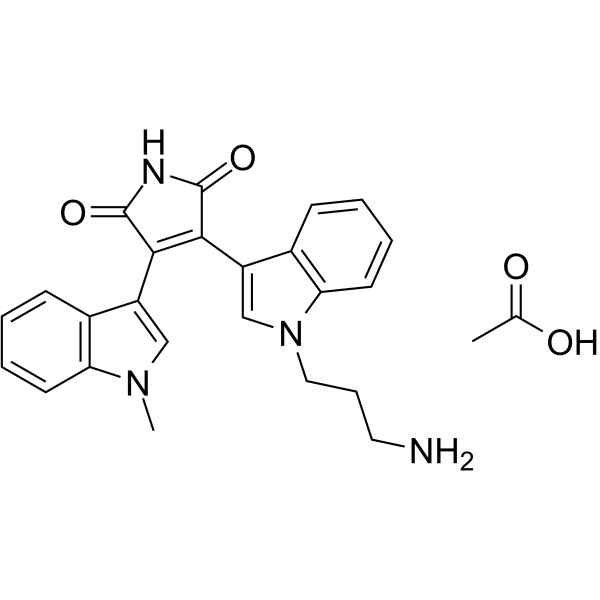
    Bisindolylmaleimide VIII acetate (Ro 31-7549 acetate) is a potent and selective protein kinase C (PKC) inhibitor with an IC50 of 158 nM for rat brain PKC. Bisindolylmaleimide VIII acetate has IC50s of 53, 195, 163, 213, and 175 nM for PKC-α, PKC-βI, PKC-βII, PKC-γ, PKC-ε, respectively . Bisindolylmaleimide VIII acetate facilitates Fas-mediated apoptosis and inhibits T cell-mediated autoimmune diseases .
    Bisindolylmaleimide VIII acetate
  • HY-156601A

    (S)-LP352

    5-HT Receptor Neurological Disease
    (S)-Bexicaserin ((S)-LP352) is a 5-HT2C agonist with the potential to be used in the study of obesity and psychiatric-related diseases .
    (S)-Bexicaserin
  • HY-157700

    C16(Plasm) LPC; Lysophosphatidylcholine 16:0p/0:0

    Biochemical Assay Reagents Neurological Disease
    Hexadecenyl-2-hydroxy-sn-glycero-3-PC (C16(Plasm) LPC) is a phosphatidylcholine. Hexadecenyl-2-hydroxy-sn-glycero-3-PC prolongs the lag-phase of α-syn aggregation, and can be used in Parkinson’s disease research .
    Hexadecenyl-2-hydroxy-sn-glycero-3-PC
  • HY-10851

    JNK Reactive Oxygen Species (ROS) Neurological Disease
    JNK-9L (Compound 9l) is a BBB-penetrable and ATP-competitive JNK inhibitor with IC50s of 0.099 and 0.148  μM for JNK1 and JNK3, respectively. JNK-9L significantly inhibits c-jun phosphorylation and Streptozotocin (HY-13753)-induced ROS generation with an IC50 of 0.8  nM. JNK-9L can be used for neurodegenerative disorders like Parkinson’s disease research .
    JNK-9L
  • HY-149526

    Cyclic GMP-AMP Synthase Infection Inflammation/Immunology
    cGAS-IN-1 (Compound C20) is a cyclic GMP-AMP synthase (cGAS) inhibitor with IC50s of 2.28 μM (human cGAS, h-cGAS FL) and 1.44 μM (mouse cGAS, m-cGAS CD). cGAS-IN-1 can be used for the studies of autoimmune diseases and chronic inflammation .
    cGAS-IN-1
  • HY-124775

    Phosphodiesterase (PDE) Neurological Disease
    (S)-C33 is a potent and selective PDE9 (phosphodiesterase-9) inhibitor, with an IC50 of 11 nM. (S)-C33 can be used for central nervous system diseases and diabetes research .
    (S)-C33
  • HY-136055

    VH032-C5-COOH

    E3 Ligase Ligand-Linker Conjugates HIF/HIF Prolyl-Hydroxylase Cancer
    (S,R,S)-AHPC-C5-COOH (VH032-C5-COOH) is a synthesized E3 ligase ligand-linker conjugate, contains the VH032 VHL-based ligand and a linker to form PROTACs. VH-032 is a selective and potent inhibitor of VHL/HIF-1α interaction with a Kd of 185 nM, has the potential for the study of anemia and ischemic diseases .
    (S,R,S)-AHPC-C5-COOH
  • HY-B1804S

    Trioctanoin-13C3; Glyceryl trioctanoate-13C3

    Isotope-Labeled Compounds Endogenous Metabolite Neurological Disease Inflammation/Immunology
    Tricaprilin- 13C3 (Trioctanoin- 13C3) is a 13C-labeled Tricaprilin (HY-B1804) . Tricaprilin is an orally active and well tolerated ketogenic agent that safely induces ketosis. Tricaprilin restores brain electrical activity and metabolism to help counteract neuroinflammation in migraine. Tricaprilin is promising for research of migraine prevention and Alzheimer’s disease (AD). Tricaprilin is a pure C8 medium chain triglyceride (MCT) .
    Tricaprilin-13C3
  • HY-134090

    Antibiotic TS 885; NSC 248958

    Bacterial VSV Infection
    9-Methylstreptimidone is a microbial metabolite originally isolated from Streptomyces sp. S-885 that has antifungal and antiviral activities. It is active against several fungi, including S. sake, S. fragilis, R. rubra, T. rubra, and C. albidus (MICs=4-20 μg/mL) and has antiviral activity against poliovirus, vesicular stomatitis virus (VSV), and Newcastle disease virus (NDV) in vitro (MIC=0.02 μg/mL for all). 9-Methylstreptimidone increases survival in mouse models of infection with influenza A2 (H2N2) or C. albicans when administered prior to infection.
    9-Methylstreptimidone
  • HY-144267

    Glucosylceramide Synthase (GCS) Neurological Disease Metabolic Disease
    Glucosylceramide synthase-IN-2 (compound T-690) is a potent, brain-penetrant and orally active glucosylceramide synthase (GCS) inhibitor with IC50s of 15 nM and 190 nM for human GCS and mouse GCS, respectively.Glucosylceramide synthase-IN-2 exhibits noncompetitive type inhibition with C8-ceramide and UDP-glucose.Glucosylceramide synthase-IN-2 can be used for Gaucher's disease research .
    Glucosylceramide synthase-IN-2
  • HY-125172

    Polyglutamine Aggregation inhibitor III

    Huntingtin Others
    C2-8 is an inhibitor of polyglutamine (polyQ) aggregation (IC50s=25 and 0.05 μM for recombinant HDQ51 and in PC12 cells, respectively). It also inhibits polyQ aggregation in organotypic hippocampal slice cultures isolated from R6/2 transgenic mice and reduces neurodegeneration in a dose-dependent manner in a Drosophila model of Huntington's disease. C2-8 (100 and 200 mg/kg) reduces huntingtin aggregate size, reduces neuronal atrophy, and improves motor performance in a rotarod test in the R6/2 transgenic mouse model of Huntington's disease.
    PolyQ aggregation inhibitor C2-8
  • HY-114415

    Parasite Infection
    AWZ1066S is a highly potent, specific and orally active anti-Wolbachia agent with EC50 value of 121 nM. AWZ1066S also is a weak CYP2C9 inhibitor and a weak CYP3A4 inducer with IC50 values of 9.7 μM and 37 uM, respectively. AWZ1066S can be used for the research of tropical diseases such as Onchocerciasis (river blindness) and lymphatic filariasis (elephantiasis) .
    AWZ1066S
  • HY-178760

    5-HT Receptor Neurological Disease
    TGF-8027 is a selective 5-HT2A agonist that can cross the blood-brain barrier. TGF-8027 exhibits EC50s of 3.3 nM, 160 nM and 7600 nM against human 5-HT2A, 5-HT2C and 5-HT2B and exhibits EC50s against mouse 5-HT2A and mouse 5-HT2C of 14 and 210 nM. TGF-8027 can induce a head-shaking response in mice. TGF-8027 can be used to study diseases that target the 5-HT2A receptor (such as depression) .
    TGF-8027
  • HY-N1151

    Bacterial Cholinesterase (ChE) MMP TNF Receptor Infection Neurological Disease Inflammation/Immunology
    Thunberginol C is an orally active, selective, and non-competitive inhibitor of AChE and BChE, with IC50 values of 41.96 and 42.36 μM, respectively. Thunberginol C exerts cytoprotective, pro-collagen type I restorative, MMP-1 inhibitory, hyaluronic acid restorative, anti-photoaging effects in skin cells. Thunberginol C exerts neuroprotective, anxiolytic, TNF-α inhibitory, neuroinflammation inhibitory, and oxidative stress inhibitory effects. Thunberginol C can be used for the research of Alzheimer’s disease, UVB-induced skin photoaging, allergic reactions, oral bacterial infections, and stress-induced anxiety .
    Thunberginol C
  • HY-106509

    BW 12C; 12C79; BW 12C79

    Hemoglobin Cardiovascular Disease Cancer
    Velaresol (BW 12C) is a small molecule oxyhemoglobin stabilizer. Velaresol stabilizes hemoglobin’s oxy-conformation, shifts oxygen dissociation curves left, induces tumor hypoxia, alters radiosensitivity, protects normal tissues from radiation damage, and reduces sickled cell counts. Velaresol can be used for the research of cancer and sickle cell disease .
    Velaresol
  • HY-122957

    Cholinesterase (ChE) Neurological Disease
    Huperzine C is an alkaloid isolated from Huperzia serrate. Huperzine C is an acetylcholinesterase (AChE) inhibotor, with an IC50 of 0.6 μM. Huperzine C can be used for the research of Alzheimer’s disease .
    Huperzine C
  • HY-15977

    Drug Isomer Neurological Disease
    (S)-P7C3-OMe, P7C3-A20 hydroxylated analog, is the (S)-enantiomer of P7C3-OMe. P7C3-OMe is a pro-neurogenic compound, can be used for the research of neuropsychiatric and/or neurodegenerative disease .
    (S)-P7C3-OMe
  • HY-N10283

    Endogenous Metabolite Neurological Disease
    Neoechinulin C, an echinulin-related indolediketopiperazine alkaloid, protects the neuronal cells against paraquat-induced damage in a Parkinson’s disease model .
    Neoechinulin C
  • HY-146527

    Bcr-Abl Neurological Disease Cancer
    c-ABL-IN-2 is a potent inhibitor of c-Abl. Activation of c-Abl has been implicated in various diseases, notably cancer. c-ABL-IN-2 has the potential for the research of neurodegenerative diseases (amyotrophic lateral sclerosis (ALS) and Parkinson’s disease (PD) and cancer (extracted from patent WO2020260871A1, compound 25) . c-ABL-IN-2 is a click chemistry reagent, it contains an Alkyne group and can undergo copper-catalyzed azide-alkyne cycloaddition (CuAAc) with molecules containing Azide groups.
    c-ABL-IN-2
  • HY-128856

    Drug Derivative Neurological Disease
    P7C3-OMe is a pro-neurogenic compound, has therapeutic benefits in neuropsychiatric and/or neurodegenerative disease. The R-enantiomer of P7C3-OMe is far more active than the S-enantiomer .
    P7C3-OMe
  • HY-N0690R

    Schizandrin-C (Standard); Wuweizisu-C (Standard)

    Reference Standards Apoptosis Cardiovascular Disease Inflammation/Immunology Cancer
    Schisandrin C (Standard) (Schizandrin-C (Standard)) is the analytical standard of Schisandrin C (HY-N0690). This product is intended for research and analytical applications. Schisandrin C (Schizandrin-C) is a phytochemical lignan isolated from Schizandra chinensis . Schisandrin C has diverse biological activities, including anticancer, anti-inflammatory and antioxidant effects. Schisandrin C is a molecular glue. Schisandrin C can be used for cancer, alzheimer’s disease, and liver diseases research . Schisandrin C induces cell apoptosis .
    Schisandrin C (Standard)
  • HY-176868

    HDAC Neurological Disease
    Rodin-C is a selective HDAC inhibitor with IC50s of 0.059, 0.18   and 5.39 μM for HDAC1, HDAC2 and HDAC11, respectively, over HDAC3-10. Rodin-C significantly inhibits the HDAC-CoREST complex with low hematological toxicity. Rodin-C can be used for neurologic disorders such as Alzheimer’s disease research .
    Rodin-C
  • HY-148292

    LPL Receptor Cardiovascular Disease Inflammation/Immunology
    C16-Sphingosine-1-phosphate is a derivative of Sphingosine-1-phosphate and also an endogenous ligand for the EDG/S1P receptor. C16-Sphingosine-1-phosphate can be used in the research of angiogenesis, inflammation, and cardiovascular diseases .
    C16-Sphingosine-1-phosphate
  • HY-144044

    EGFR Cancer
    EGFR-IN-30 is a potent EGFR inhibitor with IC50s of 1-10 nM, <1 nM for EGFR (WT), EGFR (L858R/T790M/C797S), respectively. EGFR-IN-30 has potential for cell proliferative diseases, such as cancer research .
    EGFR-IN-30
  • HY-W272207

    Cholinesterase (ChE) Drug Intermediate Neurological Disease Inflammation/Immunology
    AChE/BChE-IN-31 (Compound 3c) is a cholinesterase inhibitor. AChE/BChE-IN-31 exhibits certain inhibitory activity against hAChE and eqBChE. AChE/BChE-IN-31 also possesses antioxidant properties with an IC50 value of 105.04 μM against DPPH. AChE/BChE-IN-31 can be used in the research of diseases such as Alzheimer’s disease .
    AChE/BChE-IN-31
  • HY-176213

    JNK Neurological Disease
    JNK2/3-IN-1 (Compound 56d) is an irreversible covalent inhibitor of c-Jun N-terminal kinases 2/3 (JNK2/3) with IC50 values of 830 and 1909 nM, respectively. JNK2/3-IN-1 is promising for research of neurodegenerative diseases (e.g., Parkinson’s, Alzheimer’s) and fibrotic disorders .
    JNK2/3-IN-1
  • HY-B0508S1

    Ro 7-0207-13C2,15N2

    Isotope-Labeled Compounds Bacterial Parasite Antibiotic Hedgehog Infection
    Ornidazole- 13C2, 15N2 is the 13C, 15N labeled Ornidazole. Ornidazole (Ro 7-0207) is a nitroimidazole derivative with anti-trichomonad activity and in vitro activity against a variety of anaerobic bacteria. Ornidazole inhibits Sonic hedgehog (Shh) signaling pathway, exhibits antitumor activity. Ornidazole can be used in research of Crohn’s disease .
    Ornidazole-13C2,15N2
  • HY-178763

    JAK Inflammation/Immunology
    DEL1187-126-28-16 is a JAK3 inhibitor with IC50s of 10 and 0.97 nM against JAK3 WT in 0 and 60 min. DEL1187-126-28-16 has no activity at all towards the C909S mutant, JAK1, JAK2, and TYK2. DEL1187-126-28-16 can be used for the study of immune-mediated diseases .
    DEL1187-126-28-16
  • HY-178755

    JAK Inflammation/Immunology
    DEL1187-126-5-80 is a JAK3 inhibitor with IC50s of 52 and 7.9 nM against JAK3 WT in 0 and 60 min. DEL1187-126-5-80 has no activity at all towards the C909S mutant, JAK1, JAK2, and TYK2. DEL1187-126-5-80 can be used for the study of immune-mediated diseases .
    DEL1187-126-5-80
  • HY-117046

    5-HT Receptor Histamine Receptor Adrenergic Receptor Neurological Disease
    AVN-101 is a potent, brain-penetrant and orally active 5-HT7 receptor antagonist (Ki of 153 pM), with slightly lesser potency toward 5-HT6, 5-HT2A, and 5HT-2C receptors (Ki values of 2.04 nM, 1.56  nM, and 1.17  nM, respectively). AVN-101 also exhibits a rather high affinity toward histamine H1 (Ki of 0.58 nM) and adrenergic α2A, α2B, and α2C (Ki= 0.41-3.6 nM) receptors. AVN-101 can be studied in such diseases as general anxiety disorders, depression, schizophrenia, Alzheimer’s disease, and multiple sclerosis .
    AVN-101
  • HY-174814

    Enterovirus Infection
    Jun15716 is an Enterovirus (EVs) 2C protein (EVs 2C) inhibitor with Kis of 15.9, 44.2 and 17.8 μM for EV-D68, EV-A71 and CVB3, respectively. Jun15716 has a potent antiviral activity against EV-D68 US/MO/14-18947 and CVB3 Nancy cells (EC50s of 1.0 and 0.7 μM, respectively). Jun15716 can be used for viral infections research, such as meningitis, hand, foot and mouth disease (HFMD) and viral myocarditis .
    Jun15716

Inquiry Online

Your information is safe with us. * Required Fields.

Salutation


Country or Region *

Applicant Name *


Organization Name *

Department *


Email Address *


Product Name *

Cat. No.


Requested quantity *

Phone Number *


Remarks

Inquiry Online

Inquiry Information

Product Name:
Cat. No.:
Quantity:
MCE Japan Authorized Agent:

