
1. Search Result
Search Result
Pathways Recommended: Anti-infection
Results for "

Staphylococcal infection

" in MedChemExpress (MCE) Product Catalog:

17

Inhibitors & Agonists

1

Peptides

2

Inhibitory Antibodies

3

Natural
Products

1

Isotope-Labeled Compounds

Cat. No. Product Name Target Research Areas Chemical Structure
  • HY-107193
    Bacitracin
    3 Publications Verification

    Environmental Pollutants Antibiotic Bacterial PDI Infection Cancer
    Bacitracin is a polypeptide antibiotic against staphylococcal and pathogenic protozoa infections. Bacitracin inhibits cell wall biosynthesis and permeability through binding to the undecaprenyl pyrophosphate. Bacitracin inhibits macromolecular synthesis. Bacitracin is also a protein disulfide isomerase (PDI) inhibitor .
    Bacitracin
  • HY-B0555A
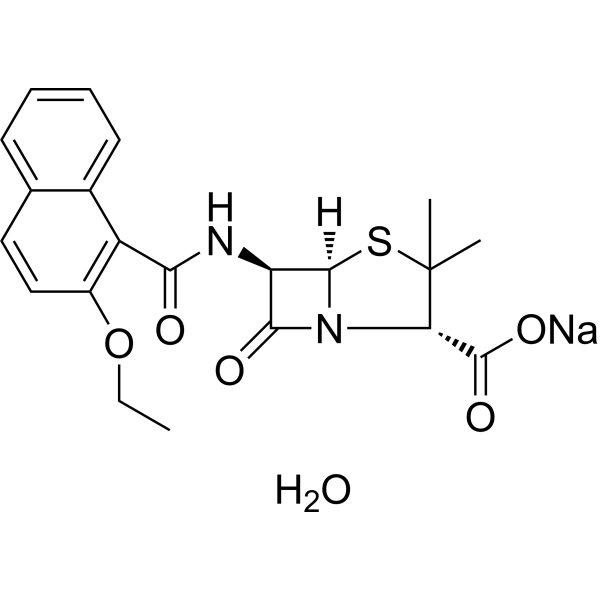
    Nafcillin sodium monohydrate
    2 Publications Verification

    Beta-lactamase Bacterial Antibiotic Infection
    Nafcillin sodium monohydrate, an antibiotic, is a reversible inhibitor of β-lactamase. Nafcillin sodium monohydrate can be used for the research of staphylococcal infections .
    Nafcillin sodium monohydrate
  • HY-107150

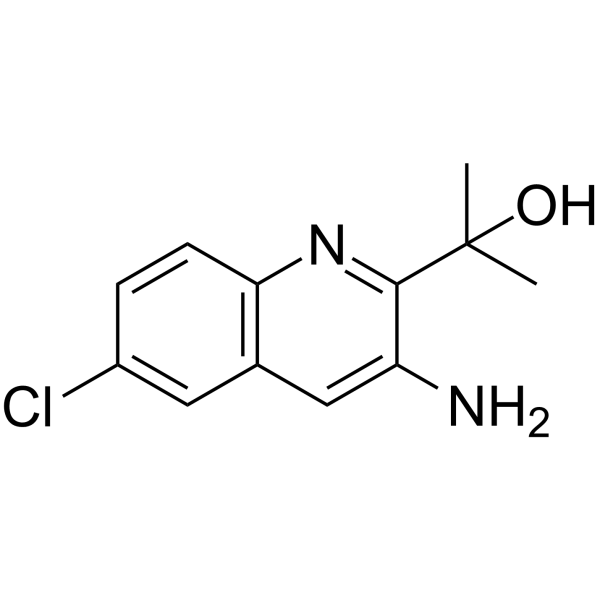
    ADX-102; NS-2

    PKC Caspase Neurological Disease Inflammation/Immunology
    Reproxalap (ADX-102) is an active aldehyde sequestering agent. Reproxalap reduces the PKCα activity. Reproxalap blocks caspase 3/7 activation. Reproxalap protects cells from the cytotoxicity of C18:0-al. Reproxalap has anti-inflammatory and pain-relieving effects. Reproxalap is used in studies of dry eye, allergic conjunctivitis, and non-infectious anterior uveitis .
    Reproxalap
  • HY-103249

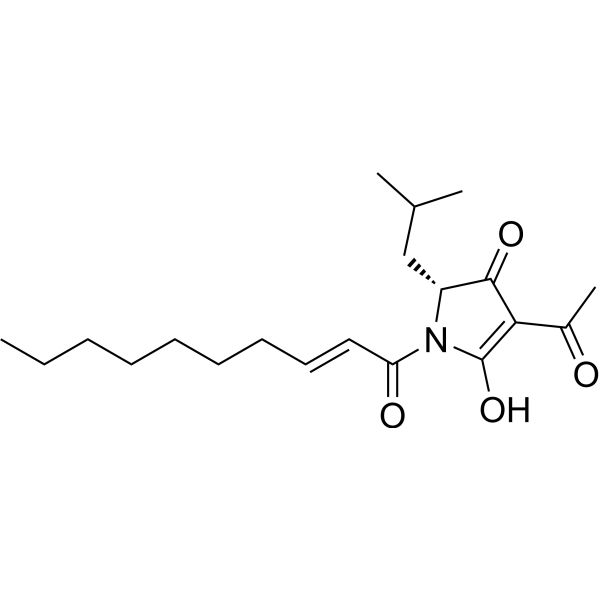
    Reutericycline

    Bacterial Infection Metabolic Disease
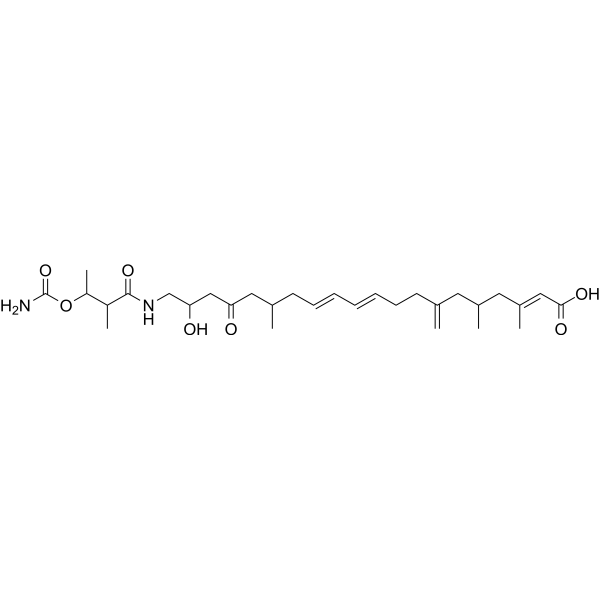
    Reutericyclin (Reutericycline) is an orally active antibacterial and anti-obesity agent that selectively inhibits Gram-positive bacteria. By selectively dissipating transmembrane potential, Reutericyclin exerts non-lytic bactericidal or bacteriostatic activity against pathogens such as Clostridium difficile and Staphylococcus aureus, and rapidly kills vegetative cells and spores of Clostridium difficile. Reutericyclin possesses favorable properties including resistance to enzymatic hydrolysis, iron-chelating function, and poor absorption by colonic epithelium. Reutericyclin not only eradicates staphylococcal biofilms and inhibits drug-resistant strains, but also counteracts Risperidone (HY-11018)-induced weight gain by inducing changes in gut microbiota composition and restoring energy utilization efficiency. Reutericyclin can be used in research related to Clostridium difficile infection, Risperidone-induced weight gain, and staphylococcal superficial skin infections .
    Reutericyclin
  • HY-P99770

    514-G3

    Bacterial Infection
    Omodenbamab is an anti-SpA (Staphylococcal protein A) human monoclonal antibody with a KD value of 0.0467 nM. Omodenbamab circumvents a key S. aureus evasion mechanism by targeting the cell wall moiety Protein A (SpA). Omodenbamab can be used in research of S. aureus bloodstream infection .
    Omodenbamab
  • HY-B0555

    Beta-lactamase Antibiotic Bacterial Infection
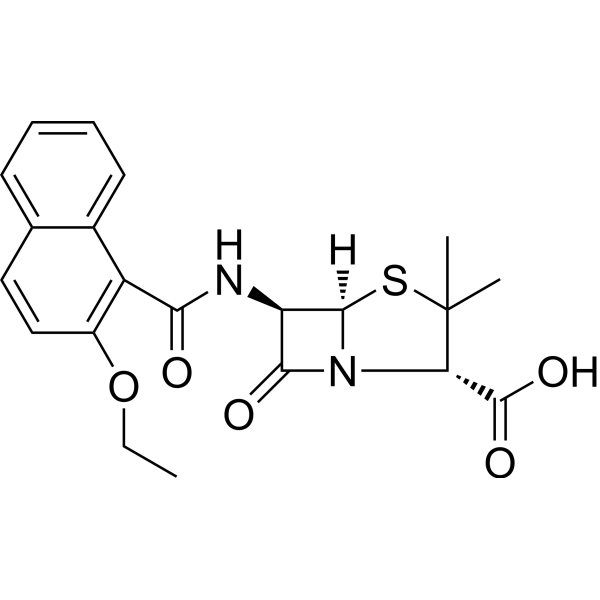
    Nafcillin, an antibiotic, is a reversible inhibitor of β-lactamase. Nafcillin exhibits bactericidal activity, and can be used for the research of staphylococcal infections .
    Nafcillin
  • HY-B0555B

    Beta-lactamase Antibiotic Bacterial Infection
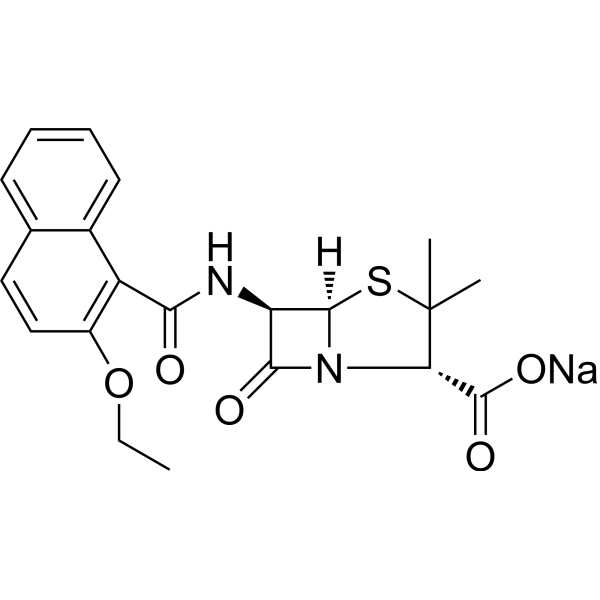
    Nafcillin sodium, an antibiotic, is a reversible inhibitor of β-lactamase. Nafcillin sodium can be used for the research of staphylococcal infections .
    Nafcillin sodium
  • HY-101726

    Bacterial Infection
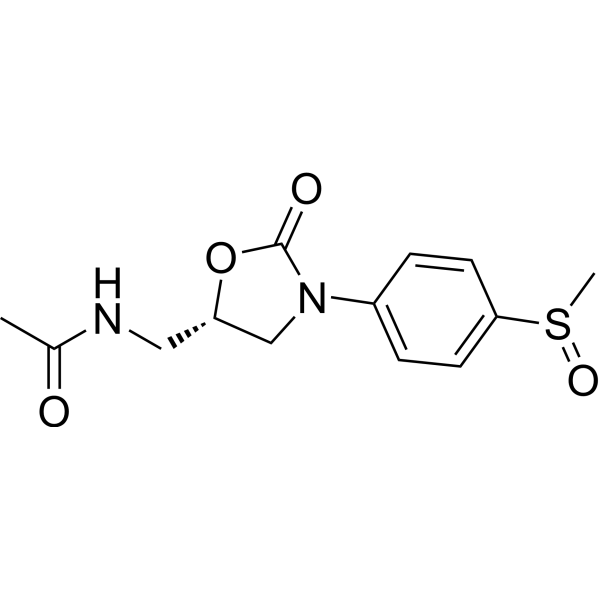
    DuP 105 is an orally active oxazolidinone with activity against Gram-positive bacteria. DuP 105 protects staphylococcal and streptococcal infections in mice. DuP 105 can be used for the study of infections caused by gram-positive bacteria .
    DuP 105
  • HY-B0555BS

    Isotope-Labeled Compounds Beta-lactamase Antibiotic Infection
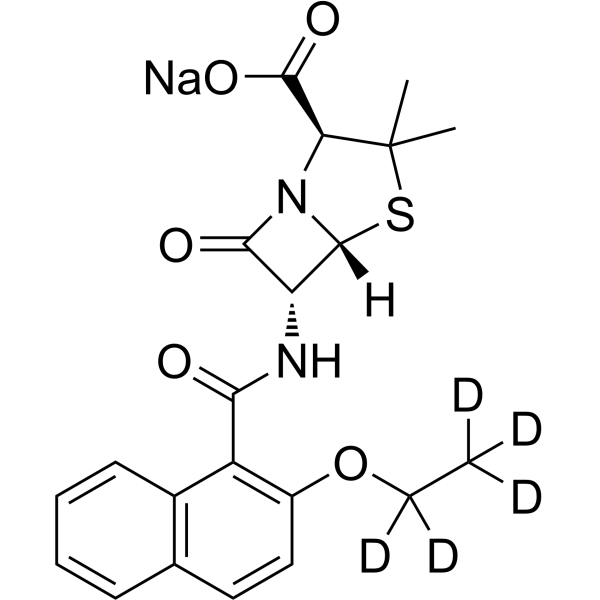
    Nafcillin-d5 (sodium) is the deuterium labeled Nafcillin sodium. Nafcillin sodium, an antibiotic, is a reversible inhibitor of β-lactamase. Nafcillin sodium can be used for the research of staphylococcal infections .
    Nafcillin-d5 sodium
  • HY-B0555AR

    Beta-lactamase Reference Standards Bacterial Antibiotic Infection
    Nafcillin (sodium monohydrate) (Standard) is the analytical standard of Nafcillin (sodium monohydrate). This product is intended for research and analytical applications. Nafcillin sodium monohydrate, an antibiotic, is a reversible inhibitor of β-lactamase. Nafcillin sodium monohydrate can be used for the research of staphylococcal infections .
    Nafcillin sodium monohydrate (Standard)
  • HY-101829

    Sulfaproxylin; Sulfaproxyline

    Antibiotic Bacterial Infection
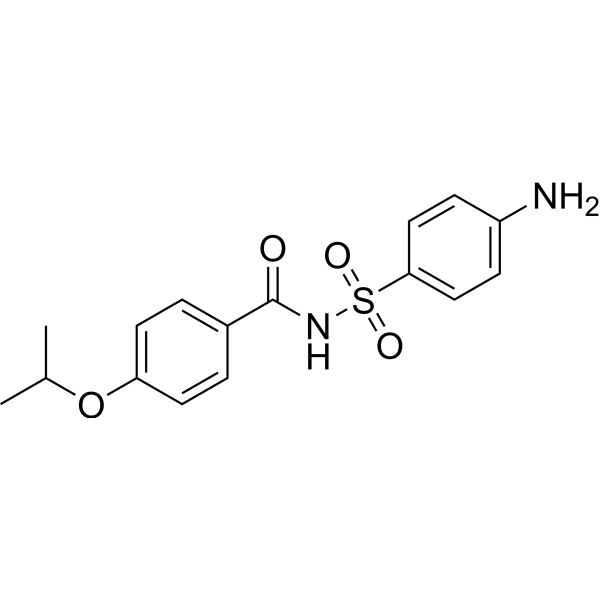
    Sulfaproxyline (Sulfaproxylin; Sulfaproxyline) is a sulfonamide antibiotic that inhibits bacterial dihydropteroate synthase, thereby blocking folate biosynthesis required for nucleic acid production. Sulfaproxyline shows antimicrobial activity primarily against Staphylococcus species and common uropathogens. Sulfaproxyline reduces bacterial growth by impairing DNA and protein synthesis. Sulfaproxyline can be used for research of staphylococcal and urinary tract infections .
    Sulfaproxiline
  • HY-173478

    Topoisomerase Bacterial Antibiotic Infection
    OSUAB-0284 is a bacterial topoisomerase inhibitor. OSUAB-0284 has significant anti-staphylococcal activity, especially against methicillin-resistant Staphylococcus aureus (MRSA). OSUAB-0284 exerts its antibacterial effect by inhibiting bacterial topoisomerase. OSUAB-0284 can be used to study infections caused by drug-resistant bacteria such as MRSA .
    OSUAB-0284
  • HY-147531

    Bacterial Infection
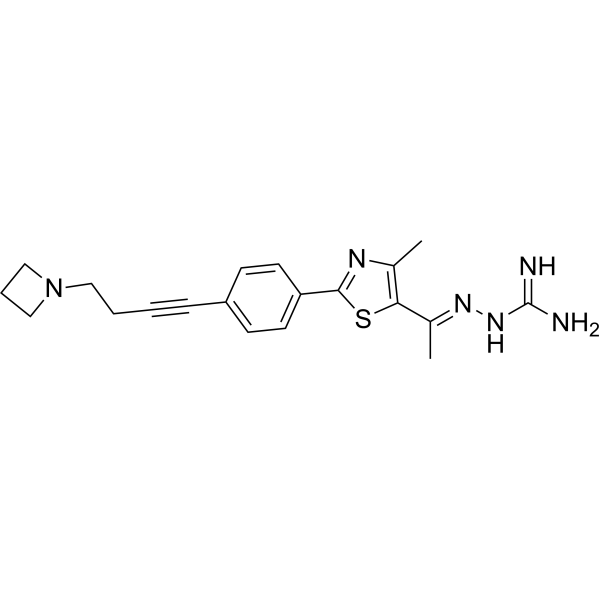
    Antibacterial agent 106 (compound 8) is an orally active and potent antibacterial agent with antibiofilm activity. Antibacterial agent 106 shows potent antibacterial effect against multi-agent resistant (MDR)-Gram positive pathogens. Antibacterial agent 106 is highly effective in clearing 99.7% of the intracellular methicillin-resistant S. aureus (MRSA) harbored inside macrophages . Antibacterial agent 106 is a click chemistry reagent, it contains an Alkyne group and can undergo copper-catalyzed azide-alkyne cycloaddition (CuAAc) with molecules containing Azide groups.
    Antibacterial agent 106
  • HY-P992134

    Bacterial Infection
    Tepsababart is a humanized monoclonal antibody against staphylococcal clumping factor A, which can be used in research on antibacterial infections.
    Tepsababart
  • HY-P11187A

    Bacterial Endogenous Metabolite Antibiotic Infection Inflammation/Immunology
    Bactofencin A acetate is a class IId bacteriocin and Antibacterial agent. Bactofencin A acetate is produced by Lactobacillus salivarius DPC6502, an isolate derived from the intestine. Bactofencin A acetate exhibits activity against Staphylococcus and Listeria species. Bactofencin A acetate slightly modulates the intestinal flora. Bactofencin A acetate can be used in research related to staphylococcal infections, listerial infections, and mastitis .
    Bactofencin A acetate
  • HY-107150R

    ADX-102 (Standard); NS-2 (Standard)

    Reference Standards PKC Caspase Neurological Disease Inflammation/Immunology
    Reproxalap (Standard) (ADX-102 (Standard)) is the analytical standard of Reproxalap (HY-107150). This product is intended for research and analytical applications. Reproxalap (ADX-102) is an active aldehyde sequestering agent. Reproxalap reduces the PKCα activity. Reproxalap blocks caspase 3/7 activation. Reproxalap protects cells from the cytotoxicity of C18:0-al. Reproxalap has anti-inflammatory and pain-relieving effects. Reproxalap is used in studies of dry eye, allergic conjunctivitis, and non-infectious anterior uveitis .
    Reproxalap (Standard)
  • HY-N18102

    Bacterial Infection
    3,4-Seco-mansumbinoic acid (Compound 2) is an Antibacterial agent. 3,4-Seco-mansumbinoic acid can be isolated from the oleo-resin of Commiphora molmol. 3,4-Seco-mansumbinoic acid exhibits in vitro anti-staphylococcal activity, with the strongest activity against the multidrug-resistant Staphylococcus aureus strain SA-1199B (MIC 4 μg/mL) 3,4-Seco-mansumbinoic acid displays weak potentiation of Ciprofloxacin (HY-B0356) and Tetracycline (HY-A0107) activity against strains of Salmonella enterica serovar Typhimurium SL1344 and L10. 3,4-Seco-mansumbinoic acid can be used for the research of multidrug-resistant bacterial infection (Staphylococcus aureus, Salmonella enterica serovar Typhimurium) .
    3,4-Seco-mansumbinoic acid

Inquiry Online

Your information is safe with us. * Required Fields.

Salutation


Country or Region *

Applicant Name *


Organization Name *

Department *


Email Address *


Product Name *

Cat. No.


Requested quantity *

Phone Number *


Remarks

Inquiry Online

Inquiry Information

Product Name:
Cat. No.:
Quantity:
MCE Japan Authorized Agent:

