






From 11:00 pm to 12:00 pm EST ( 8:00 pm to 9:00 pm PST ) on January 6th, the website will be under maintenance. We are sorry for the inconvenience. Please arrange your schedule properly.
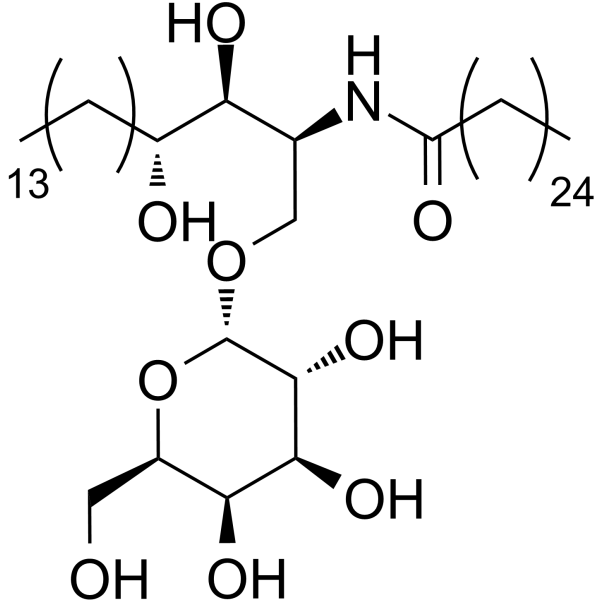
α-Galactosylceramide (α-GalCer) is a synthetic glycolipid with antitumorial and immunostimulatory. α-Galactosylceramide is a very potent NKT cell agonist and binds effectively to CD1d. The complex of α-Galactosylceramide plus CD1d binds the NKT cellTCR (T cell antigen receptor) .
ODN 2395 is a C class oligodeoxynucleotide and can be used as vaccine adjuvant. ODN 2395 is also a TLR9 agonist. ODN 2395 can be used in the research of immunological vaccines. Sequence: 5'-tcgtcgttttcggcgc:gcgccg-3' (Note: The bases are phosphorothioate; ODN 2395 contains the partial palindromic sequence cggcgc:gcgccg) .
Tebentafusp (IMCgp100) is a bispecific fusion protein to target gp100 peptide-HLA-A*02:01 (a melanoma-associated antigen). Tebentafusp guides T cells to kill gp100-expressing tumor cells via a high affinity T-cell receptor (TCR) binding domain and an anti-CD3 T-cell engaging domain. Tebentafusp leads to inflammatory cytokines and cytolytic proteins production, resulting in the direct lysis of tumour cells .
Brenetafusp is a TCR/anti-CD3 bispecific fusion protein, consisting of a TCR targeting the PRAME peptide and an anti-CD3 scFv effector domain. Brenetafusp redirects CD3+ T cells to kill PRAME+ tumor cells. Brenetafusp can be used in research related to cutaneous melanoma, non-small cell lung cancer, ovarian cancer, endometrial cancer, triple-negative breast cancer, and small cell lung cancer .
Andecaliximab is a recombinant chimeric IgG4 monoclonal antibody (mAb) targets matrix metalloproteinase 9 (MMP9). Andecaliximab shows the antifibrotic efficacy in idiopathic pulmonary fibrosis mouse models. Andecaliximab can be used for the research of gastric adenocarcinoma and idiopathic pulmonary fibrosis (IPF) .
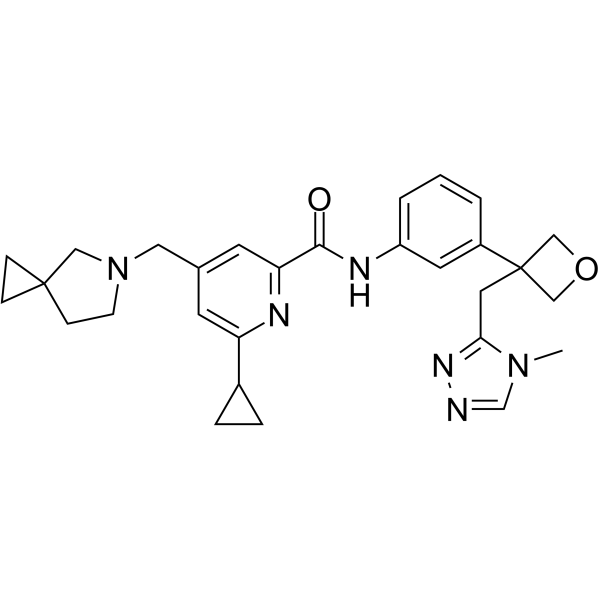
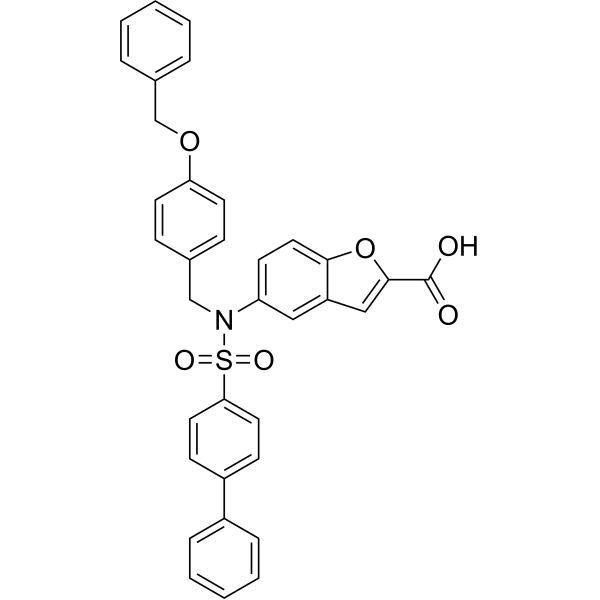
Cbl-b-IN-1 (Example 519) is an inhibitor of Cbl-b, with an IC50 of less than 100 nM. Cbl-b-IN-1 can promote the secretion of cytokines such as IL-2, IFN-γ, and TNF-α, facilitate T cell activation, and enhance the TCR signaling pathway. Cbl-b-IN-1 can be used in research on immunomodulation .
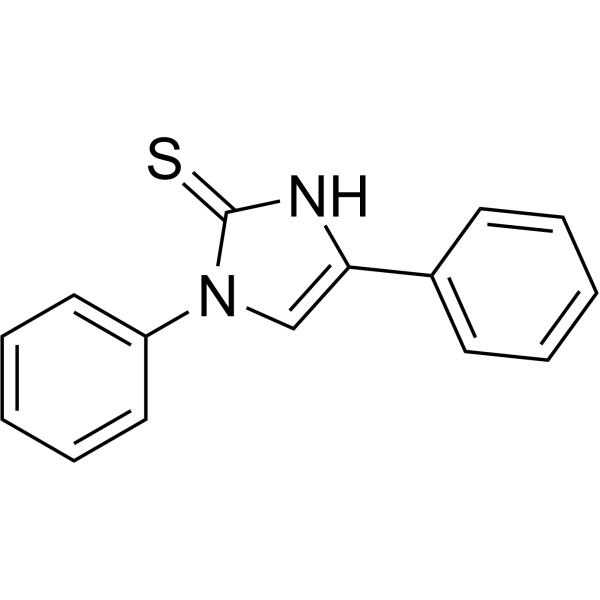
TCRS-417 (T417) is a small-molecular inhibitor for PBX1. TCRS-417 can directly block PBX1-binding to DNA (IC50 = 6.58 μM), and affects PBX1 transcription. TCRS-417 is able to hammer out the stemness traits of Carboplatin (HY-17393)-resistant (CR) cells to revert to a differentiated status through tacking PBX1 signaling cascade. TCRS-417 significantly suppresses self-renewal and proliferation of cancer cells expressing high levels of PBX1. TCRS-417 can decrease the mRNA levels of FOXM1, NEK2, and E2F2 in cancer cell lines. TCRS-417 is selectively toxic against chr1q-amp myeloma and solid tumor cells .
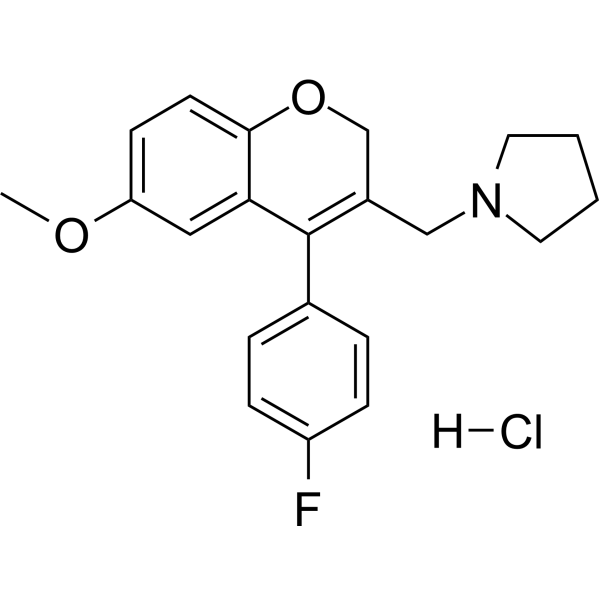
AX-024 hydrochloride is an orally available, first-in-class inhibitor of the TCR-Nck interaction that selectively inhibits TCR-triggered T cell activation with an IC50 ~1 nM. AX-024 hydrochloride modulates cell signaling by targeting SH3 domains. AX-024 hydrochloride has low-acute toxicity and high potency and selectivity, and strongly inhibit the production of IL-6, TNF-α, IFN-γ, IL-10 and IL-17A.
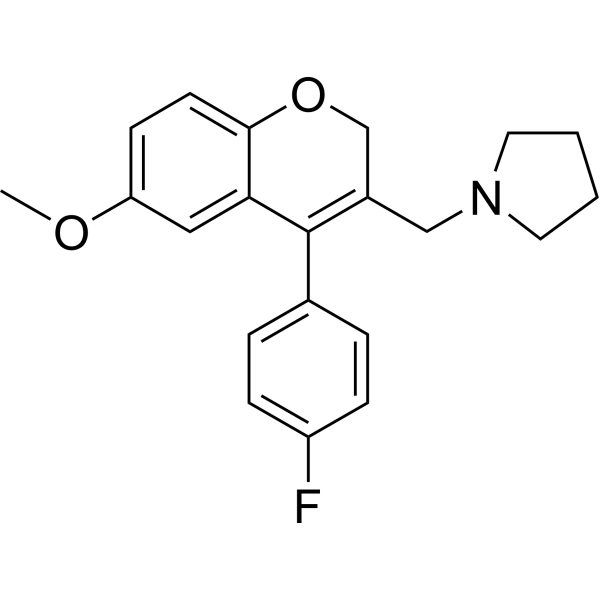
AX-024 is an orally available, first-in-class inhibitor of the TCR-Nck interaction that selectively inhibits TCR-triggered T cell activation with an IC50 ~1 nM. AX-024 modulates cell signaling by targeting SH3 domains. AX-024 has low-acute toxicity and high potency and selectivity, and strongly inhibit the production of IL-6, TNF-α, IFN-γ, IL-10 and IL-17A.
Anti-Mouse CD8a Antibody (53-6.7) is an anti-mouse CD8a IgG2a antibody inhibitor derived from host Rat. Anti-Mouse CD8a Antibody (53-6.7) binds to CD8αβ stabilizes a conformation with a higher affinity for interaction with MHC class I. Anti-Mouse CD8a Antibody (53-6.7) induces the phosphorylation and activation of TCR proximal signaling pathway components Lck and ZAP70 in polyclonal memory T cells. Anti-Mouse CD8a Antibody (53-6.7) depletes CD8+ T cells and neutralizes cytokine in mice .
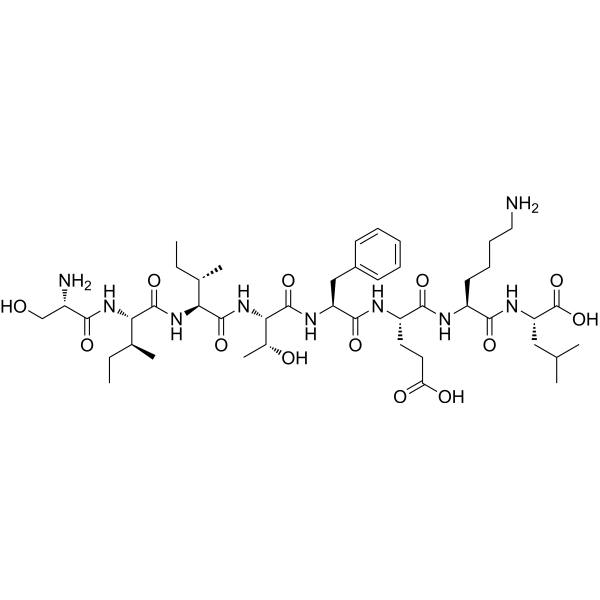
OVA-T4 Peptide (SIITFEKL, OVA (257-264) Variant) is a low-affinity variant of OVA (257-264) (SIINFEKL). OVA-T4 Peptide has similar binding to H-2Kb MHC class I molecules as OVA (257-264), but has a much lower affinity for the OT-I TCR25 .
TRX-518 is a humanized agylcosyl IgG1 anti-GITR mAb, , and is a GITR agonist. TRX-518 binds to the extracellular domain of human GITR, abrogates Treg-mediated suppression. TRX-518 increases effector T cell activation and pro-inflammatory cytokine production, reduces circulating and intratumor Treg frequencies. TRX-518 destabilizes Treg phenotype via Foxp3 downregulation and T-bet upregulation. TRX-518 can be used for the research of solid tumors[1][2][3].
KRM-III is a potent and orally active T-cell antigen receptor (TCR) inhibitor. KRM-III inhibits TCR- and phorbol myristate acetate/ionomycin-induced activation of nuclear factor of activated T cells (NFAT) and T-cell proliferation with an IC50 of ~5 μM. Anti-inflammatory activity .
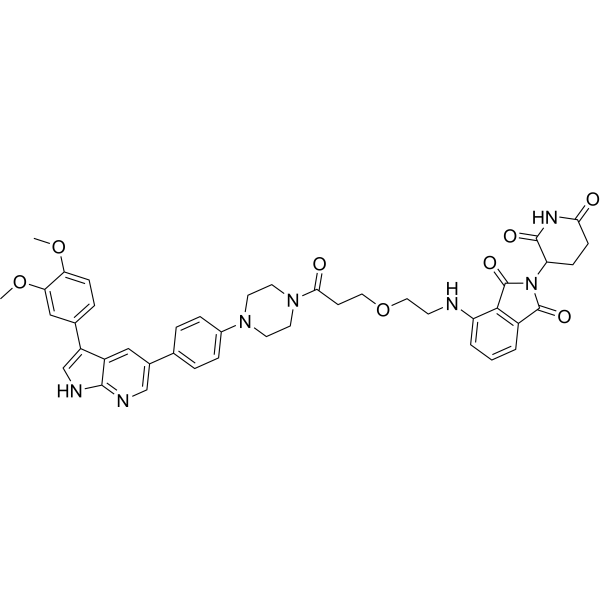
PROTAC HPK1 Degrader-1 (Compound B1) is a potent HPK1 degrader with DC50 value of 1.8 nM. PROTAC HPK1 Degrader-1 inhibits phosphorylation of the SLP76 protein with IC50 value of 496.1 nM. PROTAC HPK1 Degrader-1 is a bona fide HPK1-PROTAC degrader, which provided a potential tool for further HPK1 investigation in TCR signaling .
Zanolimumab (Anti-Human CD4 Recombinant Antibody) is a fully human monoclonal antibody targets CD4. Zanolimumab effectively inhibits T-cell receptor (TCR) signal transduction. Zanolimumab can be used for the research of heumatoid arthritis, psoriasis, melanoma, cutaneous and peripheral T-cell lymphoma .
Anti-Mouse 2C TCR Antibody (1B2) is a mouse-derived IgG1 type antibody inhibitor, targeting to mouse 2C TCR. Anti-Mouse 2C TCR Antibody (1B2) recognizes determinants on the variable regions of both the α and β subunits of the TCR (T cell receptor) expressed by the mouse cytotoxic T lymphocyte clone 2C. Anti-Mouse 2C TCR Antibody (1B2) can be used for the detections of immunofluorescence and flow cytometry .
Anti-Mouse TCR gamma/delta Antibody (UC7-13D5) is an anti-mouse TCR gamma/delta IgG monoclonal antibody. Anti-Mouse TCR gamma/delta Antibody (UC7-13D5) can enter the blood-brain barrier. Anti-Mouse TCR gamma/delta Antibody (UC7-13D5) effectively depletes γδ T cells and reduces macrophage and neutrophil infiltration. Anti-Mouse TCR gamma/delta Antibody (UC7-13D5) can reduce the immune response of transplants. Anti-Mouse TCR gamma/delta Antibody (UC7-13D5) can be used for researches on inflammation conditions, virus infection and cancer such as arthritis, JHM virus and breast cancer .
ITK-IN-6 is a highly potent and selective ITK inhibitor (Kd = 387 nM). ITK-IN-6 directly binds to the ITK kinase domain. ITK-IN-6 blocks the release of pro-inflammatory cytokines and the activation and differentiation of Th2 and Th17 cells. ITK-IN-6 improves asthma progression by reducing inflammatory cell infiltration, mucus and IgE production. ITK-IN-6 significantly inhibits airway inflammation and is used in asthma research .
6-Thio-GTP (tetrasodium) is a Vav1-Rac inhibitor. 6-Thio-GTP (tetrasodium) inhibits TCR-stimulated T cell proliferation and CD28-mediated T cell survival. 6-Thio-GTP (tetrasodium) has an immunosuppressive effect in a mouse cardiac allograft transplant model and prolongs cardiac allograft survival .
LYP-IN-3 is a selective, orally active and reversible lymphoid-tyrosine phosphatase (LYP) inhibitor (IC50 = 2.55 μM, Ki = 0.93 μM). D34 exhibits high selectivity of PTP1B, PTPN12, PTPN5 and SSH2. LYP-IN-3 regulates the T-cell receptor (TCR) signaling by specifically inhibiting LYP. LYP-IN-3 does not significantly inhibit MC38 cell viability; its anti-tumor effect stems from immune regulation. LYP-IN-3 can significantly upregulate PD-L1 or PD-1 expression in different immune cells. LYP-IN-3 facilitates T-cell infiltration and enhances T-cell functions. LYP-IN-3 synergizes with PD-L1 blockade can significantly improve colorectal tumor regression. LYP-IN-3 can be used for the study of colorectal cancer .
BDC2.5 mimotope 1040-31, a BDC2.5 TCR reactive peptide, is a strong agonistic peptide for diabetogenic T cell clone BDC2.5, and the 1040-31 peptide is specific for BDC 2.5 TCR Tg + T cells .
SIYNFEKL TFA is a variant of major MHC class I-restricted epitope SIINFEKL. SIYNFEKL TFA is an antigenic peptide, that can stimulate specific T cells in experimental settings to study the competitive interaction between T cell. SIYNFEKL TFA exhibits low affinity for the OT-I T cell receptor (TCR), and can be used for detection of CD8+ T cells .
SIIVFEKL TFA is a variant of the major MHC class I-restricted epitope SIINFEKL. SIIVFEKL TFA is an antigenic peptide, that can stimulate specific T cells in experimental settings to study the competitive interaction between T cells. SIIVFEKL TFA exhibits low affinity for the OT-I T cell receptor (TCR), and can be used for detection of CD8+ T cells .
Photolumazine III (PLIII) is a microbial metabolite and derivative of Riboflavin (HY-B0456). Photolumazine III binds MR1 with high specificity. Photolumazine III supports efficient TCR binding. Photolumazine III acts as an antigen to activate cells. Responses to Photolumazine III trigger immune reactions .
CD31 (PECAM-1) is platelet endothelial cell adhesion molecule-1, serves as the endothelial cell-specific receptor of clostridium perfringens b-Toxin (CPB). CD31 is also an ER-MP12 antigen, acts as a linker between mechanical stress, metabolism and inflammation. CD31 peptide is able to sustain phosphorylation of the CD31 ITIM686 and of SHP2 and to inhibit TCR-induced T-cell activation - .
Vm24-toxin (Vaejovis mexicanus peptide 24) TFA, a 36-residue peptide, is a potent and selective Kv1.3 blocker with a Kd of ~3 pM in lymphocytes. Vm24-toxin TFA shows >1500-fold affinity for Kv1.3 over other assayed potassium channels. Vm24-toxin TFA folds into a distorted cystine-stabilized α/β motif consisting of a single-turn α-helix and a three-stranded antiparallel β-sheet, stabilized by four disulfide bridges. Vm24-toxin TFA attenuates the CD4 + effector memory T cell response to T cell receptor (TCR) stimulation .
TP1L is a potent and selective T-cell protein tyrosine phosphatase (TC-PTP) PROTAC degrader, with a DC50 value of 35.8 nM. TP1L elevates the phosphorylation level of TC-PTP substrates including pSTAT1 and pJAK1. TP1L selectively enhances IFN-γ signaling and increases MHC-I expression. TP1L activates TCR signaling through increases phosphorylation of LCK. TP1L enhances CAR-T cell mediated tumor killing efficacy through activation of the CAR-T cells. TP1L can be used for the study of cancer. (Pink: TC-PTP ligand: (HY-138964), Blue: E3 ligase CRBN Ligand (HY-A0003), Black: Linker: (HY-140002)) .
Lck-IN-5 (example C10) is a potent and selective lymphocyte-specific protein tyrosine kinase (LCK) inhibitor. Lck-IN-5 selectively disrupts the interaction between the SH3 domain of LCK and the RK motif of CD3ε, thereby impairing LCK recruitment to the TCR. Lck-IN-5 modulates the activity of CD3ε-containing CAR and TRuC T cells, attenuating cytokine production and promoting a central-memory-like phenotype associated with enhanced persistence. Lck-IN-5 can be used for autoimmune diseases and graft-versus-host disease research .
Anti-Mouse Vβ4 TCR Antibody (KT4) is an anti-mouse Vβ4 TCR IgG2b monoclonal antibody. Anti-Mouse Vβ4 TCR Antibody (KT4) can reduce the proportion of Vβ4 + T cells without affecting their function. Anti-Mouse Vβ4 TCR Antibody (KT4) can be used for research on immunology and infection conditions such as virus infection. Anti-Mouse Vβ4 TCR Antibody (KT4) is often used in flow cytometry .
Anti-Rat TCR alpha/beta Antibody (R73) is an anti-mouse TCR alpha/beta IgG1 monoclonal antibody. Anti-Rat TCR alpha/beta Antibody (R73) suppresses immune response by depleting α/β + T cells. Anti-Rat TCR alpha/beta Antibody (R73) can inhibit the expression of pro-inflammatory cytokines. Anti-Rat TCR alpha/beta Antibody (R73) can extend graft survival time by reducing infiltration of T cells and neutrophils. Anti-Rat TCR alpha/beta Antibody (R73) can be used for researches on inflammation, metabolic conditions and xenotransplantation such as arthritis, acute inflammatory peripheral neuropathy and diabetes .
Anti-Mouse Vβ8 TCR Antibody (F23.1) is an anti-mouse Vβ8 TCR IgG2a monoclonal antibody. Anti-Mouse Vβ8 TCR Antibody (F23.1) can clear Vβ8 + T cells to alleviate immune conditions. Anti-Mouse Vβ8 TCR Antibody (F23.1) can be used for research on autoimmune conditions. Anti-Mouse Vβ8 TCR Antibody (F23.1) is often used in flow cytometry .
ITK is the Tec family tyrosine kinase that has been implicated in T cell receptor (TCR) signaling. ITK Recombinant Human Active Protein Kinase is a recombinant ITK protein that can be used to study ITK-related functions .
Anti-Mouse TCR V gamma 2 Antibody (UC3-10A6) is an Armenian Hamster-derived IgG antibody inhibitor, targeting to mouse TCR V gamma 2. Anti-Mouse TCR V gamma 2 Antibody (UC3-10A6) reacts with an epitope on the delta chain of the mouse Vγ2 TCR (V gamma 2 T cell receptor). Anti-Mouse TCR V gamma 2 Antibody (UC3-10A6) can deplete γδ T cell. Anti-Mouse TCR V gamma 2 Antibody (UC3-10A6) can be used for the researches of infection and immunology, such as herpes simplex virus-1 (HSV-1) infection .
Anti-Mouse TCR Vγ1.1/Cr4 Antibody (2.11) is an anti-mouse TCR Vγ1.1/Cr4 IgG monoclonal antibody. Anti-Mouse TCR Vγ1.1/Cr4 Antibody (2.11) can deplete Vγ1 γδ T cells. Anti-Mouse TCR Vγ1.1/Cr4 Antibody (2.11) can be used for research on cancer and inflammation conditions such as mastitis and colon cancer .
Anti-Rat TCR gamma/delta Antibody (V65) is a mouse-derived IgG1 κ type antibody inhibitor, targeting to rat TCR gamma/delta. Anti-Rat TCR gamma/delta Antibody (V65) can deplete γδ T cells. Anti-Rat TCR gamma/delta Antibody (V65) can be used for the research of immunology .
MBP (111-129) is a polypeptide that constitutes an immunodominant epitope cluster restricted by HLA-DRB1*0401. MBP (111-129) is an antagonist for the clone HD4-1C2 TCR and an agonist for clone MS2-3C8 TCR. MBP (111-129) can be used for on multiple sclerosis and T cell biology .
Anti-Mouse TCRβ Antibody (HB218) is an anti-mouse TCRβ IgG2b monoclonal antibody. Anti-Mouse TCRβ Antibody (HB218) can deplete TCRβ + T cells. Anti-Mouse TCRβ Antibody (HB218) can be used for research on inflammation conditions and cancer such as spontaneous dermatitis and squamous cell carcinoma (SCC) .
BDC2.5 mimotope 1040-31 TFA, a BDC2.5 TCR reactive peptide, is a strong agonistic peptide for diabetogenic T cell clone BDC2.5, and the 1040-31 peptide is specific for BDC 2.5 TCR Tg + T cells .
HPK1-IN-40 (compound 49) is a potent and selective HPK1 inhibitor with an IC50 of 0.9 nM. HPK1-IN-40 reinvigorates T-cell receptor (TCR) signaling, promoting T-cell function and cytokine production in T cells while having anti-cancer activity .
M133 peptide is a coronavirus-specific CD4 T cell epitope. M133 peptide is immunodominant in mice infected with the neurotropic coronavirus (the JHM strain of mouse hepatitis virus). M133 peptide forms a complex with MHC II molecules, which is recognized by specific TCRs, thereby activating CD4 T cells .
[Gln144]-PLP (139-151) is an experimental antigen used to study T cells respond to both autoantigens and cross-reactive non-autoantigens. [Gln144]-PLP (139-151) activates T cells by binding to T-cell Receptor (TCR), which triggers an immune response. [Gln144]-PLP (139-151) can be used to study the regulation of autoimmune diseases .
CD31 (PECAM-1) TFA is platelet endothelial cell adhesion molecule-1, serves as the endothelial cell-specific receptor of clostridium perfringens b-Toxin (CPB). CD31 TFA is also an ER-MP12 antigen, acts as a linker between mechanical stress, metabolism and inflammation. CD31 TFA peptide is able to sustain phosphorylation of the CD31 ITIM686 and of SHP2 and to inhibit TCR-induced T-cell activation - .
CD73-IN-19 (Compound 4ab) is a CD73 inhibitor (with a 44% inhibition rate of CD73 enzymatic activity at 100 μM). CD73-IN-19 (at 10 μM and 100 μM) can completely antagonize the blockade of T cell proliferation induced by TCR (T cell receptor) triggering (which is induced by CD73 activity), and it can also inhibit the hA2A receptor activity in HEK-293 cells (Ki is 3.31 μM). CD73-IN-19 holds promise for research in the field of immune diseases .
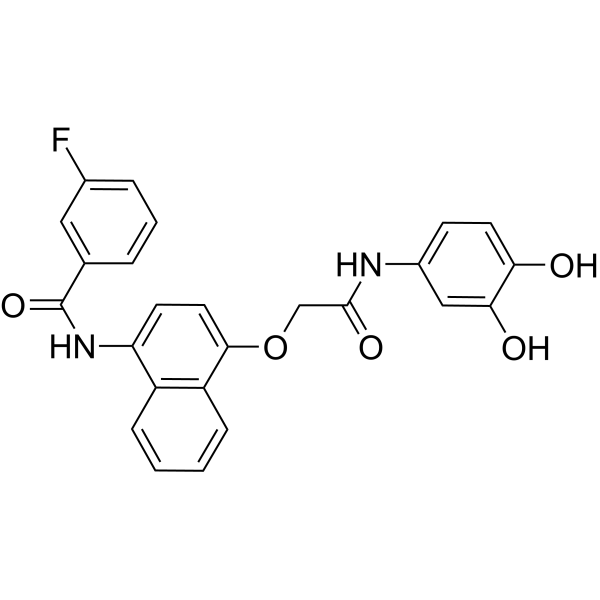
TCR-IN-2 (Compound A-68) is a TCR inhibitor. TCR-IN-2 inhibits the release of IFNγ and IL-2. TCR-IN-2 inhibits the time-dependent phosphorylation of CD3ζ. TCR-IN-2 inhibits TCR-mediated T cell activation, both in response to anti-CD3 antibodies and in response to human cells with unmatched HLA .
Vm24-toxin (Vaejovis mexicanus peptide 24), a 36-residue peptide, is a potent and selective Kv1.3 blocker with a Kd of ~3 pM in lymphocytes. Vm24-toxin shows >1500-fold affinity for Kv1.3 over other assayed potassium channels. Vm24-toxin folds into a distorted cystine-stabilized α/β motif consisting of a single-turn α-helix and a three-stranded antiparallel β-sheet, stabilized by four disulfide bridges. Vm24-toxin attenuates the CD4 + effector memory T cell response to T cell receptor (TCR) stimulation .
Anti-Mouse TIM-1/CD365 Antibody (3B3) is a rat-derived IgG2a κ type agonistic antibody, targeting to mouse TIM-1/CD365. Anti-Mouse TIM-1/CD365 Antibody (3B3) enhances T-cell proliferation and responses by forming a stable TIM-1 complex and bringing TIM-1 into the T-cell receptor (TCR)-CD3 complex. Anti-Mouse TIM-1/CD365 Antibody (3B3) can be used for the researches of cancer, inflammation and immunology, such as experimental autoimmune encephalomyelitis, B16 F10 tumor and transplant .
Anti-Mouse TCR Beta Antibody (H57-597) reacts with the mouse TCRβ. Anti-Mouse TCR Beta Antibody (H57-597) can be used for the study of T cell-mediated diseases and transplant rejection. Recommend Isotype Controls: Polyclonal Armenian hamster IgG, Isotype Control (HY-P990305) .
α-Galactosylceramide (Standard) is the analytical standard of α-Galactosylceramide (HY-102022). This product is intended for research and analytical applications. α-Galactosylceramide (α-GalCer) is a synthetic glycolipid with antitumorial and immunostimulatory. α-Galactosylceramide is a very potent NKT cell agonist and binds effectively to CD1d. The complex of α-Galactosylceramide plus CD1d binds the NKT cell TCR (T cell antigen receptor) .
HPK1-IN-69 is an orally active HPK1 inhibitor with an IC50 of 1.7 nM. HPK1-IN-69 inhibits the HPK1-mediated TCR signaling pathway, reduces the phosphorylation level of SLP76, and promotes the release of IL-2. HPK1-IN-69 exhibits in vivo anti-tumor activity in mouse models. HPK1-IN-69 can be used for the research of colorectal cancer and MC38 syngeneic tumors .
GCB-27b is an immunostimulant that binds to CD1d. GCB-27b forms a stable and long-lasting complex with CD1d, which is presented to the TCR of NKT cells to drive immune responses. GCB-27b induces a Th1-skewed immune response in *Mus musculus*, resulting in high expression of IFN−γ with restricted IL-4 levels. GCB-27b is applicable to research related to lung metastasis of melanoma .
Anti-iNKT Cell Antibody (6B11) recognizes an epitope on T cell receptor (TCR) V alpha 24-J alpha 18. Anti-iNKT Cell Antibody is specific for cloned and primary human but not rodent iNKT and the human invariant TCR-α. Recommend Isotype Controls: Mouse IgG1 kappa, Isotype Control (HY-P99977) .
SAR444200 is a nanobody T-cell engager targeting GPC3 (glypican-3) and TCRαβ (T-cell receptor αβ). SAR444200 has a KDof 0.023 nM for human GPC3 and a KD of 5.2 nM for human TCRαβ. SAR444200 mediates T-cell-dependent cytotoxicity, with high selectivity and killing activity against GPC3-positive tumor cells. SAR444200 binds to GPC3 in a dual-epitope manner, and binds to TCRαβ via its N-terminal nanobody, forming an artificial immunological synapse between T cells and tumor cells. SAR444200 can be used for the research of GPC3 + solid tumors, including liver cancer, lung squamous cell carcinoma and melanoma .
AX-024 hydrochloride (Standard) is the analytical standard of AX-024 (hydrochloride) (HY-107390A). This product is intended for research and analytical applications. AX-024 hydrochloride is an orally available, first-in-class inhibitor of the TCR-Nck interaction that selectively inhibits TCR-triggered T cell activation with an IC50 ~1 nM. AX-024 hydrochloride modulates cell signaling by targeting SH3 domains. AX-024 hydrochloride has low-acute toxicity and high potency and selectivity, and strongly inhibit the production of IL-6, TNF-α, IFN-γ, IL-10 and IL-17A.
Anti-Mouse CD3E Antibody (500A2) is an antibody targeting mouse CD3ε, which specifically binds to the region on CD3ε adjacent to the T cell receptor binding site. Anti-Mouse CD3E Antibody (500A2) triggers functional signal transduction in immature T cells and activates naive T cells. When cross-linked, Anti-Mouse CD3E Antibody (500A2) induces a rapid, robust and transient increase in cytoplasmic calcium concentration, acting as a potent calcium flux inducer. Anti-Mouse CD3E Antibody (500A2) is suitable for multiple experimental techniques such as flow cytometry, immunoprecipitation and EMARS reactions. It can be used to detect CD3E expression on thymocytes, mature T lymphocytes and NK-T cells from different mouse strains, or to identify membrane cluster components of the TCR complex, and shows no cross-reactivity with rat leukocytes .
LYP-IN-5 is a lymphoid tyrosine phosphatase (LYP) inhibitor with an IC50 value of 20.6 μM. LYP-IN-5 enhances the phosphorylation of ZAP70 and ERK1/2 following TCR stimulation, and promotes T cell activation. LYP-IN-5 can be used in the research of autoimmune diseases .
Anti-Mouse CD45 Antibody (I3/2.3) reacts with the mouse CD45. CD45 plays a key role in T-cell receptor (TCR) and B-cell receptor (BCR) signal transduction. Recommend Isotype Controls: Rat IgG2b kappa, Isotype Control (HY-P990682) .
Anti-Mouse CD1d Antibody (1B1) is an antibody targeting mouse CD1d (Kd=12.5 nM). By inserting into the lipid-binding groove of CD1d, Anti-Mouse CD1d Antibody (1B1) overlaps with the binding sites of type I and type IINKT cell receptors (TCR), thereby effectively blocking TCR-mediated interactions. Anti-Mouse CD1d Antibody (1B1) activates antigen-presenting cells such as dendritic cells and macrophages, induces them to release IL-12p70, and increases the levels of key cytokines including IL-12, IFN-γ and IFN-α in mouse serum. Anti-Mouse CD1d Antibody (1B1) can be used in studies related to renal cancer, breast cancer and colon adenocarcinoma. When combined with anti-DR5 or anti-CD137 antibodies and chemotherapeutic drugs, Anti-Mouse CD1d Antibody (1B1) exhibits significant tumor inhibitory and even eradication effects in mice .
HPK1-IN-65 is a selective and orally active HPK1 inhibitor with an IC50 value of < 5 nM. HPK1-IN-65 inhibits HPK1 kinase activity and displays 1257-fold selectivity over the MAP4K kinase family member GLK. HPK1-IN-65 exhibits an IC50 of 92.3 nM for inhibiting pSLP76 phosphorylation. HPK1-IN-65 demonstrates an EC50 of 398 nM for stimulating IL-2 production. HPK1-IN-65 inhibits TCR-induced phosphorylation of SLP76 at Ser376 in a dose-dependent manner. HPK1-IN-65 can be further utilized for colorectal cancer research .
OVA-T4 Peptide (SIITFEKL, OVA (257-264) Variant) is a low-affinity variant of OVA (257-264) (SIINFEKL). OVA-T4 Peptide has similar binding to H-2Kb MHC class I molecules as OVA (257-264), but has a much lower affinity for the OT-I TCR25 .
BDC2.5 mimotope 1040-31, a BDC2.5 TCR reactive peptide, is a strong agonistic peptide for diabetogenic T cell clone BDC2.5, and the 1040-31 peptide is specific for BDC 2.5 TCR Tg + T cells .
SIYNFEKL TFA is a variant of major MHC class I-restricted epitope SIINFEKL. SIYNFEKL TFA is an antigenic peptide, that can stimulate specific T cells in experimental settings to study the competitive interaction between T cell. SIYNFEKL TFA exhibits low affinity for the OT-I T cell receptor (TCR), and can be used for detection of CD8+ T cells .
SIIVFEKL TFA is a variant of the major MHC class I-restricted epitope SIINFEKL. SIIVFEKL TFA is an antigenic peptide, that can stimulate specific T cells in experimental settings to study the competitive interaction between T cells. SIIVFEKL TFA exhibits low affinity for the OT-I T cell receptor (TCR), and can be used for detection of CD8+ T cells .
CD31 (PECAM-1) is platelet endothelial cell adhesion molecule-1, serves as the endothelial cell-specific receptor of clostridium perfringens b-Toxin (CPB). CD31 is also an ER-MP12 antigen, acts as a linker between mechanical stress, metabolism and inflammation. CD31 peptide is able to sustain phosphorylation of the CD31 ITIM686 and of SHP2 and to inhibit TCR-induced T-cell activation - .
BDC2.5 Mimotope 1040-63 is a biological active peptide. (The TCR transgenic model (BDC2.5) mimitope was used in type 1 diabetes (T1D) study. T1D is an autoimmune disease in which T cells mediate damage to pancreatic islet b cells. T1D is caused by autoreactive T cell destruction of insulin-producing cells. BDC2.5 mimotope was utilized to support the study on antigen presentation of antigenic peptides to islet autoantigen-specific T cells.)
Vm24-toxin (Vaejovis mexicanus peptide 24) TFA, a 36-residue peptide, is a potent and selective Kv1.3 blocker with a Kd of ~3 pM in lymphocytes. Vm24-toxin TFA shows >1500-fold affinity for Kv1.3 over other assayed potassium channels. Vm24-toxin TFA folds into a distorted cystine-stabilized α/β motif consisting of a single-turn α-helix and a three-stranded antiparallel β-sheet, stabilized by four disulfide bridges. Vm24-toxin TFA attenuates the CD4 + effector memory T cell response to T cell receptor (TCR) stimulation .
MBP (111-129) is a polypeptide that constitutes an immunodominant epitope cluster restricted by HLA-DRB1*0401. MBP (111-129) is an antagonist for the clone HD4-1C2 TCR and an agonist for clone MS2-3C8 TCR. MBP (111-129) can be used for on multiple sclerosis and T cell biology .
MBP Ac1-9 (4Y) is a synthetic peptide derived from a fragment of myelin basic protein (MBP) that has undergone specific chemical modifications. MBP Ac1-9 (4Y) is able to form a complex with the MHC class II molecule I-Au and activate specific T cell receptor (TCR), thus playing a role in the pathogenesis of experimental autoimmune encephalomyelitis (EAE). MBP Ac1-9 (4Y) can be used to study autoimmune diseases, especially those involving the central nervous system, such as multiple sclerosis .
BDC2.5 mimotope 1040-31 TFA, a BDC2.5 TCR reactive peptide, is a strong agonistic peptide for diabetogenic T cell clone BDC2.5, and the 1040-31 peptide is specific for BDC 2.5 TCR Tg + T cells .
MBP Ac1-9 refers to a peptide fragment of myelin basic protein (MBP). MBP Ac1-9 is an immunodominant epitope in the experimental autoimmune encephalomyelitis (EAE) model, which can induce T cell immune response and lead to pathological changes similar to multiple sclerosis. MBP Ac1-9 can be used to study T cell activation and autoimmune response .
M133 peptide is a coronavirus-specific CD4 T cell epitope. M133 peptide is immunodominant in mice infected with the neurotropic coronavirus (the JHM strain of mouse hepatitis virus). M133 peptide forms a complex with MHC II molecules, which is recognized by specific TCRs, thereby activating CD4 T cells .
[Gln144]-PLP (139-151) is an experimental antigen used to study T cells respond to both autoantigens and cross-reactive non-autoantigens. [Gln144]-PLP (139-151) activates T cells by binding to T-cell Receptor (TCR), which triggers an immune response. [Gln144]-PLP (139-151) can be used to study the regulation of autoimmune diseases .
CD31 (PECAM-1) TFA is platelet endothelial cell adhesion molecule-1, serves as the endothelial cell-specific receptor of clostridium perfringens b-Toxin (CPB). CD31 TFA is also an ER-MP12 antigen, acts as a linker between mechanical stress, metabolism and inflammation. CD31 TFA peptide is able to sustain phosphorylation of the CD31 ITIM686 and of SHP2 and to inhibit TCR-induced T-cell activation - .
[Leu144,Arg147]-PLP (139-151) is a mutant peptide fragment of myelin proteolipid protein (PLP), with the tryptophan and histidine at positions 144 and 147 respectively replaced by leucine and arginine. [Leu144,Arg147]-PLP (139-151) also serves as a T cell receptor (TCR) antagonist for encephalitogenic Th1 clones, blocking their activation in vitro. Furthermore, [Leu144,Arg147]-PLP (139-151) can inhibit the development of experimental autoimmune encephalomyelitis (EAE) .
Vm24-toxin (Vaejovis mexicanus peptide 24), a 36-residue peptide, is a potent and selective Kv1.3 blocker with a Kd of ~3 pM in lymphocytes. Vm24-toxin shows >1500-fold affinity for Kv1.3 over other assayed potassium channels. Vm24-toxin folds into a distorted cystine-stabilized α/β motif consisting of a single-turn α-helix and a three-stranded antiparallel β-sheet, stabilized by four disulfide bridges. Vm24-toxin attenuates the CD4 + effector memory T cell response to T cell receptor (TCR) stimulation .
[Leu144]-PLP (139-151) (L144-PLP(139-151)) is a peptide ligand of T cell receptor. [Leu144]-PLP (139-151) is a TCR antagonist for encephalitogenic Th1 clones, blocking their activation .
Tebentafusp (IMCgp100) is a bispecific fusion protein to target gp100 peptide-HLA-A*02:01 (a melanoma-associated antigen). Tebentafusp guides T cells to kill gp100-expressing tumor cells via a high affinity T-cell receptor (TCR) binding domain and an anti-CD3 T-cell engaging domain. Tebentafusp leads to inflammatory cytokines and cytolytic proteins production, resulting in the direct lysis of tumour cells .
Brenetafusp is a TCR/anti-CD3 bispecific fusion protein, consisting of a TCR targeting the PRAME peptide and an anti-CD3 scFv effector domain. Brenetafusp redirects CD3+ T cells to kill PRAME+ tumor cells. Brenetafusp can be used in research related to cutaneous melanoma, non-small cell lung cancer, ovarian cancer, endometrial cancer, triple-negative breast cancer, and small cell lung cancer .
Andecaliximab is a recombinant chimeric IgG4 monoclonal antibody (mAb) targets matrix metalloproteinase 9 (MMP9). Andecaliximab shows the antifibrotic efficacy in idiopathic pulmonary fibrosis mouse models. Andecaliximab can be used for the research of gastric adenocarcinoma and idiopathic pulmonary fibrosis (IPF) .
Anti-Mouse CD8a Antibody (53-6.7) is an anti-mouse CD8a IgG2a antibody inhibitor derived from host Rat. Anti-Mouse CD8a Antibody (53-6.7) binds to CD8αβ stabilizes a conformation with a higher affinity for interaction with MHC class I. Anti-Mouse CD8a Antibody (53-6.7) induces the phosphorylation and activation of TCR proximal signaling pathway components Lck and ZAP70 in polyclonal memory T cells. Anti-Mouse CD8a Antibody (53-6.7) depletes CD8+ T cells and neutralizes cytokine in mice .
TRX-518 is a humanized agylcosyl IgG1 anti-GITR mAb, , and is a GITR agonist. TRX-518 binds to the extracellular domain of human GITR, abrogates Treg-mediated suppression. TRX-518 increases effector T cell activation and pro-inflammatory cytokine production, reduces circulating and intratumor Treg frequencies. TRX-518 destabilizes Treg phenotype via Foxp3 downregulation and T-bet upregulation. TRX-518 can be used for the research of solid tumors[1][2][3].
Zanolimumab (Anti-Human CD4 Recombinant Antibody) is a fully human monoclonal antibody targets CD4. Zanolimumab effectively inhibits T-cell receptor (TCR) signal transduction. Zanolimumab can be used for the research of heumatoid arthritis, psoriasis, melanoma, cutaneous and peripheral T-cell lymphoma .
Anti-Mouse 2C TCR Antibody (1B2) is a mouse-derived IgG1 type antibody inhibitor, targeting to mouse 2C TCR. Anti-Mouse 2C TCR Antibody (1B2) recognizes determinants on the variable regions of both the α and β subunits of the TCR (T cell receptor) expressed by the mouse cytotoxic T lymphocyte clone 2C. Anti-Mouse 2C TCR Antibody (1B2) can be used for the detections of immunofluorescence and flow cytometry .
Anti-Mouse TCR gamma/delta Antibody (UC7-13D5) is an anti-mouse TCR gamma/delta IgG monoclonal antibody. Anti-Mouse TCR gamma/delta Antibody (UC7-13D5) can enter the blood-brain barrier. Anti-Mouse TCR gamma/delta Antibody (UC7-13D5) effectively depletes γδ T cells and reduces macrophage and neutrophil infiltration. Anti-Mouse TCR gamma/delta Antibody (UC7-13D5) can reduce the immune response of transplants. Anti-Mouse TCR gamma/delta Antibody (UC7-13D5) can be used for researches on inflammation conditions, virus infection and cancer such as arthritis, JHM virus and breast cancer .
Anti-TCR Antibody (NKTT320) is a humanized antibody expressed in CHO, targeting TCR. Anti-TCR Antibody (NKTT320) features huIgG4 heavy chain and huκ light chain, with a predicted molecular weight (MW) of 150 kDa. The isotype control for Anti-TCR Antibody (NKTT320) can refer to Human IgG4 kappa, Isotype Control (HY-P99003).
Anti-Mouse Vβ4 TCR Antibody (KT4) is an anti-mouse Vβ4 TCR IgG2b monoclonal antibody. Anti-Mouse Vβ4 TCR Antibody (KT4) can reduce the proportion of Vβ4 + T cells without affecting their function. Anti-Mouse Vβ4 TCR Antibody (KT4) can be used for research on immunology and infection conditions such as virus infection. Anti-Mouse Vβ4 TCR Antibody (KT4) is often used in flow cytometry .
Anti-Rat TCR alpha/beta Antibody (R73) is an anti-mouse TCR alpha/beta IgG1 monoclonal antibody. Anti-Rat TCR alpha/beta Antibody (R73) suppresses immune response by depleting α/β + T cells. Anti-Rat TCR alpha/beta Antibody (R73) can inhibit the expression of pro-inflammatory cytokines. Anti-Rat TCR alpha/beta Antibody (R73) can extend graft survival time by reducing infiltration of T cells and neutrophils. Anti-Rat TCR alpha/beta Antibody (R73) can be used for researches on inflammation, metabolic conditions and xenotransplantation such as arthritis, acute inflammatory peripheral neuropathy and diabetes .
Anti-Mouse Vβ8 TCR Antibody (F23.1) is an anti-mouse Vβ8 TCR IgG2a monoclonal antibody. Anti-Mouse Vβ8 TCR Antibody (F23.1) can clear Vβ8 + T cells to alleviate immune conditions. Anti-Mouse Vβ8 TCR Antibody (F23.1) can be used for research on autoimmune conditions. Anti-Mouse Vβ8 TCR Antibody (F23.1) is often used in flow cytometry .
Anti-Mouse TCR V gamma 2 Antibody (UC3-10A6) is an Armenian Hamster-derived IgG antibody inhibitor, targeting to mouse TCR V gamma 2. Anti-Mouse TCR V gamma 2 Antibody (UC3-10A6) reacts with an epitope on the delta chain of the mouse Vγ2 TCR (V gamma 2 T cell receptor). Anti-Mouse TCR V gamma 2 Antibody (UC3-10A6) can deplete γδ T cell. Anti-Mouse TCR V gamma 2 Antibody (UC3-10A6) can be used for the researches of infection and immunology, such as herpes simplex virus-1 (HSV-1) infection .
Anti-Mouse TCR Vγ1.1/Cr4 Antibody (2.11) is an anti-mouse TCR Vγ1.1/Cr4 IgG monoclonal antibody. Anti-Mouse TCR Vγ1.1/Cr4 Antibody (2.11) can deplete Vγ1 γδ T cells. Anti-Mouse TCR Vγ1.1/Cr4 Antibody (2.11) can be used for research on cancer and inflammation conditions such as mastitis and colon cancer .
Anti-Rat TCR gamma/delta Antibody (V65) is a mouse-derived IgG1 κ type antibody inhibitor, targeting to rat TCR gamma/delta. Anti-Rat TCR gamma/delta Antibody (V65) can deplete γδ T cells. Anti-Rat TCR gamma/delta Antibody (V65) can be used for the research of immunology .
Anti-Mouse TCRβ Antibody (HB218) is an anti-mouse TCRβ IgG2b monoclonal antibody. Anti-Mouse TCRβ Antibody (HB218) can deplete TCRβ + T cells. Anti-Mouse TCRβ Antibody (HB218) can be used for research on inflammation conditions and cancer such as spontaneous dermatitis and squamous cell carcinoma (SCC) .
Anti-Mouse TIM-1/CD365 Antibody (3B3) is a rat-derived IgG2a κ type agonistic antibody, targeting to mouse TIM-1/CD365. Anti-Mouse TIM-1/CD365 Antibody (3B3) enhances T-cell proliferation and responses by forming a stable TIM-1 complex and bringing TIM-1 into the T-cell receptor (TCR)-CD3 complex. Anti-Mouse TIM-1/CD365 Antibody (3B3) can be used for the researches of cancer, inflammation and immunology, such as experimental autoimmune encephalomyelitis, B16 F10 tumor and transplant .
Anti-Mouse TCR Beta Antibody (H57-597) reacts with the mouse TCRβ. Anti-Mouse TCR Beta Antibody (H57-597) can be used for the study of T cell-mediated diseases and transplant rejection. Recommend Isotype Controls: Polyclonal Armenian hamster IgG, Isotype Control (HY-P990305) .
TOL-101 is a humanized antibody expressed in CHO cells that targets TCR. TOL-101 is composed of huIgG2 heavy chains and huκ light chains, with a predicted molecular weight (MW) of 125.6 kDa. The isotype control for TOL-101 can be referenced as Human IgG2 kappa, Isotype Control (HY-P99002).
Anti-iNKT Cell Antibody (6B11) recognizes an epitope on T cell receptor (TCR) V alpha 24-J alpha 18. Anti-iNKT Cell Antibody is specific for cloned and primary human but not rodent iNKT and the human invariant TCR-α. Recommend Isotype Controls: Mouse IgG1 kappa, Isotype Control (HY-P99977) .
SAR444200 is a nanobody T-cell engager targeting GPC3 (glypican-3) and TCRαβ (T-cell receptor αβ). SAR444200 has a KDof 0.023 nM for human GPC3 and a KD of 5.2 nM for human TCRαβ. SAR444200 mediates T-cell-dependent cytotoxicity, with high selectivity and killing activity against GPC3-positive tumor cells. SAR444200 binds to GPC3 in a dual-epitope manner, and binds to TCRαβ via its N-terminal nanobody, forming an artificial immunological synapse between T cells and tumor cells. SAR444200 can be used for the research of GPC3 + solid tumors, including liver cancer, lung squamous cell carcinoma and melanoma .
Anti-Mouse CD3E Antibody (500A2) is an antibody targeting mouse CD3ε, which specifically binds to the region on CD3ε adjacent to the T cell receptor binding site. Anti-Mouse CD3E Antibody (500A2) triggers functional signal transduction in immature T cells and activates naive T cells. When cross-linked, Anti-Mouse CD3E Antibody (500A2) induces a rapid, robust and transient increase in cytoplasmic calcium concentration, acting as a potent calcium flux inducer. Anti-Mouse CD3E Antibody (500A2) is suitable for multiple experimental techniques such as flow cytometry, immunoprecipitation and EMARS reactions. It can be used to detect CD3E expression on thymocytes, mature T lymphocytes and NK-T cells from different mouse strains, or to identify membrane cluster components of the TCR complex, and shows no cross-reactivity with rat leukocytes .
Anti-Mouse CD45 Antibody (I3/2.3) reacts with the mouse CD45. CD45 plays a key role in T-cell receptor (TCR) and B-cell receptor (BCR) signal transduction. Recommend Isotype Controls: Rat IgG2b kappa, Isotype Control (HY-P990682) .
Anti-Mouse CD1d Antibody (1B1) is an antibody targeting mouse CD1d (Kd=12.5 nM). By inserting into the lipid-binding groove of CD1d, Anti-Mouse CD1d Antibody (1B1) overlaps with the binding sites of type I and type IINKT cell receptors (TCR), thereby effectively blocking TCR-mediated interactions. Anti-Mouse CD1d Antibody (1B1) activates antigen-presenting cells such as dendritic cells and macrophages, induces them to release IL-12p70, and increases the levels of key cytokines including IL-12, IFN-γ and IFN-α in mouse serum. Anti-Mouse CD1d Antibody (1B1) can be used in studies related to renal cancer, breast cancer and colon adenocarcinoma. When combined with anti-DR5 or anti-CD137 antibodies and chemotherapeutic drugs, Anti-Mouse CD1d Antibody (1B1) exhibits significant tumor inhibitory and even eradication effects in mice .
CD3 gamma is part of the TCR-CD3 complex on T lymphocytes, promoting TCR-mediated signaling and regulating surface expression. APC-induced TCR activation promotes CD3 gamma as well as CD3D, CD3E, and CD3Z signaling through ITAMs. CD3 gamma Protein, Human (HEK293, Fc) is the recombinant human-derived CD3 gamma protein, expressed by HEK293 , with C-hFc labeled tag.
The CD3E/CD3 epsilon 1-27 peptide is critical in the TCR-CD3 complex, transmitting signals during T cell activation. When APC activates the TCR, CD3E undergoes LCK/FYN-mediated phosphorylation together with ITAM, initiating downstream signaling. CD3 epsilon Protein, Cynomolgus (HEK293, Fc) is the recombinant cynomolgus-derived CD3 epsilon protein, expressed by HEK293 , with C-Fc, C-hFc labeled tag.
HPK1-IN-40 (compound 49) is a potent and selective HPK1 inhibitor with an IC50 of 0.9 nM. HPK1-IN-40 reinvigorates T-cell receptor (TCR) signaling, promoting T-cell function and cytokine production in T cells while having anti-cancer activity .
ODN 2395 is a C class oligodeoxynucleotide and can be used as vaccine adjuvant. ODN 2395 is also a TLR9 agonist. ODN 2395 can be used in the research of immunological vaccines. Sequence: 5'-tcgtcgttttcggcgc:gcgccg-3' (Note: The bases are phosphorothioate; ODN 2395 contains the partial palindromic sequence cggcgc:gcgccg) .
Inquiry Online
Your information is safe with us. * Required Fields.
Western blot analysis of extracts from THP-1(lane 2(20μg), Jurkat (lane 3(20μg) and NIH3T3(lane 4(20μg) using FOXO1A (HY-P80132) Rabbit mAb. Proteins were transferred
to a PVDF membrane and blocked with 5% non-fat milk in TBST for 2 hour at room temperature. The primary antibody (1/1000) and Loading control antibody (Beta Actin, HY-P80438, 1/10000) was
used in 5% non-fat milk in TBST at 4°C overnight. Goat Anti-Mouse/Rabbit IgG-HRP Secondary Antibody (1/10000) was used for 1 hour at room temperature.
Western blot analysis of extracts from THP-1(lane 2(20μg), Jurkat (lane 3(20μg) and NIH3T3(lane 4(20μg) using FOXO1A (HY-P80132) Rabbit mAb. Proteins were transferred
to a PVDF membrane and blocked with 5% non-fat milk in TBST for 2 hour at room temperature. The primary antibody (1/1000) and Loading control antibody (Beta Actin, HY-P80438, 1/10000) was
used in 5% non-fat milk in TBST at 4°C overnight. Goat Anti-Mouse/Rabbit IgG-HRP Secondary Antibody (1/10000) was used for 1 hour at room temperature.
Western blot analysis of extracts from THP-1(lane 2(20μg), Jurkat (lane 3(20μg) and NIH3T3(lane 4(20μg) using FOXO1A (HY-P80132) Rabbit mAb. Proteins were transferred
to a PVDF membrane and blocked with 5% non-fat milk in TBST for 2 hour at room temperature. The primary antibody (1/1000) and Loading control antibody (Beta Actin, HY-P80438, 1/10000) was
used in 5% non-fat milk in TBST at 4°C overnight. Goat Anti-Mouse/Rabbit IgG-HRP Secondary Antibody (1/10000) was used for 1 hour at room temperature.
Western blot analysis of extracts from THP-1(lane 2(20μg), Jurkat (lane 3(20μg) and NIH3T3(lane 4(20μg) using FOXO1A (HY-P80132) Rabbit mAb. Proteins were transferred
to a PVDF membrane and blocked with 5% non-fat milk in TBST for 2 hour at room temperature. The primary antibody (1/1000) and Loading control antibody (Beta Actin, HY-P80438, 1/10000) was
MedchemExpress Validation 03
Western blot analysis of extracts from THP-1(lane 2(20μg), Jurkat (lane 3(20μg) and NIH3T3(lane 4(20μg) using FOXO1A (HY-P80132) Rabbit mAb. Proteins were transferred
MedchemExpress Validation 04
Western blot analysis of extracts from THP-1(lane 2(20μg), Jurkat (lane 3(20μg) and NIH3T3(lane 4(20μg) using FOXO1A (HY-P80132) Rabbit mAb. Proteins were transferred
to a PVDF membrane and blocked with 5% non-fat milk in TBST for 2 hour at room temperature. The primary antibody (1/1000) and Loading control antibody (Beta Actin, HY-P80438, 1/10000) was
used in 5% non-fat milk in TBST at 4°C overnight. Goat Anti-Mouse/Rabbit IgG-HRP Secondary Antibody (1/10000) was used for 1 hour at room temperature.
MedchemExpress Validation
Western blot analysis of extracts from THP-1(lane 2(20μg), Jurkat (lane 3(20μg) and NIH3T3(lane 4(20μg) using FOXO1A (HY-P80132) Rabbit mAb. Proteins were transferred
to a PVDF membrane and blocked with 5% non-fat milk in TBST for 2 hour at room temperature. The primary antibody (1/1000) and Loading control antibody (Beta Actin, HY-P80438, 1/10000) was
used in 5% non-fat milk in TBST at 4°C overnight. Goat Anti-Mouse/Rabbit IgG-HRP Secondary Antibody (1/10000) was used for 1 hour at room temperature.
Western blot analysis of extracts from THP-1(lane 2(20μg), Jurkat (lane 3(20μg) and NIH3T3(lane 4(20μg) using FOXO1A (HY-P80132) Rabbit mAb. Proteins were transferred
to a PVDF membrane and blocked with 5% non-fat milk in TBST for 2 hour at room temperature. The primary antibody (1/1000) and Loading control antibody (Beta Actin, HY-P80438, 1/10000) was
used in 5% non-fat milk in TBST at 4°C overnight. Goat Anti-Mouse/Rabbit IgG-HRP Secondary Antibody (1/10000) was used for 1 hour at room temperature.
MedchemExpress Validation
Western blot analysis of extracts from THP-1(lane 2(20μg), Jurkat (lane 3(20μg) and NIH3T3(lane 4(20μg) using FOXO1A (HY-P80132) Rabbit mAb. Proteins were transferred
to a PVDF membrane and blocked with 5% non-fat milk in TBST for 2 hour at room temperature. The primary antibody (1/1000) and Loading control antibody (Beta Actin, HY-P80438, 1/10000) was
used in 5% non-fat milk in TBST at 4°C overnight. Goat Anti-Mouse/Rabbit IgG-HRP Secondary Antibody (1/10000) was used for 1 hour at room temperature.
MedchemExpress Validation
Western blot analysis of extracts from THP-1(lane 2(20μg), Jurkat (lane 3(20μg) and NIH3T3(lane 4(20μg) using FOXO1A (HY-P80132) Rabbit mAb. Proteins were transferred
to a PVDF membrane and blocked with 5% non-fat milk in TBST for 2 hour at room temperature. The primary antibody (1/1000) and Loading control antibody (Beta Actin, HY-P80438, 1/10000) was
used in 5% non-fat milk in TBST at 4°C overnight. Goat Anti-Mouse/Rabbit IgG-HRP Secondary Antibody (1/10000) was used for 1 hour at room temperature.
MedchemExpress Validation
Western blot analysis of extracts from THP-1(lane 2(20μg), Jurkat (lane 3(20μg) and NIH3T3(lane 4(20μg) using FOXO1A (HY-P80132) Rabbit mAb. Proteins were transferred
to a PVDF membrane and blocked with 5% non-fat milk in TBST for 2 hour at room temperature. The primary antibody (1/1000) and Loading control antibody (Beta Actin, HY-P80438, 1/10000) was
used in 5% non-fat milk in TBST at 4°C overnight. Goat Anti-Mouse/Rabbit IgG-HRP Secondary Antibody (1/10000) was used for 1 hour at room temperature.
MedchemExpress Validation
Western blot analysis of extracts from THP-1(lane 2(20μg), Jurkat (lane 3(20μg) and NIH3T3(lane 4(20μg) using FOXO1A (HY-P80132) Rabbit mAb. Proteins were transferred
to a PVDF membrane and blocked with 5% non-fat milk in TBST for 2 hour at room temperature. The primary antibody (1/1000) and Loading control antibody (Beta Actin, HY-P80438, 1/10000) was
used in 5% non-fat milk in TBST at 4°C overnight. Goat Anti-Mouse/Rabbit IgG-HRP Secondary Antibody (1/10000) was used for 1 hour at room temperature.
MedchemExpress Validation
Western blot analysis of extracts from THP-1(lane 2(20μg), Jurkat (lane 3(20μg) and NIH3T3(lane 4(20μg) using FOXO1A (HY-P80132) Rabbit mAb. Proteins were transferred
to a PVDF membrane and blocked with 5% non-fat milk in TBST for 2 hour at room temperature. The primary antibody (1/1000) and Loading control antibody (Beta Actin, HY-P80438, 1/10000) was
used in 5% non-fat milk in TBST at 4°C overnight. Goat Anti-Mouse/Rabbit IgG-HRP Secondary Antibody (1/10000) was used for 1 hour at room temperature.
MedchemExpress Validation
Western blot analysis of extracts from THP-1(lane 2(20μg), Jurkat (lane 3(20μg) and NIH3T3(lane 4(20μg) using FOXO1A (HY-P80132) Rabbit mAb. Proteins were transferred
to a PVDF membrane and blocked with 5% non-fat milk in TBST for 2 hour at room temperature. The primary antibody (1/1000) and Loading control antibody (Beta Actin, HY-P80438, 1/10000) was
used in 5% non-fat milk in TBST at 4°C overnight. Goat Anti-Mouse/Rabbit IgG-HRP Secondary Antibody (1/10000) was used for 1 hour at room temperature.
MedChemExpress values your privacy and your trust is important to us. We use cookies to enhance your website experience. Some cookies are necessary to run the website.
Privacy and Cookie Policy

