1676 Results for "

Tumor Growth Inhibitor

" in MedChemExpress (MCE) Product Catalog:
Products (1676)

1676 Results for "Tumor Growth Inhibitor" in MCE Product Catalog:

316
316 Publications Verification
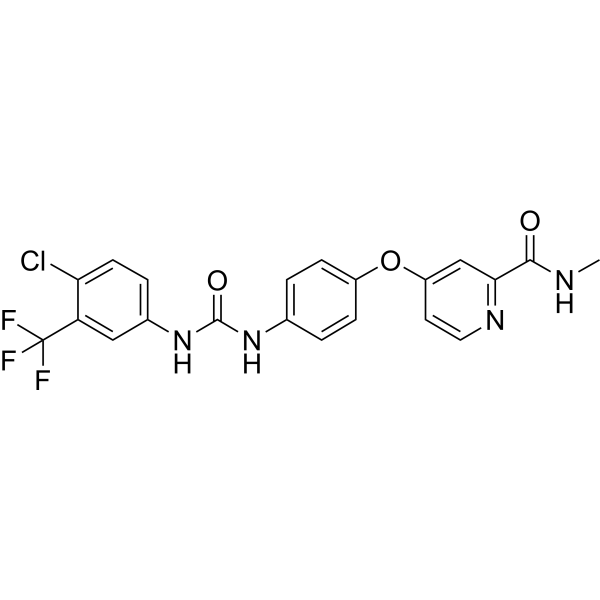
Cat. No.: HY-10201
CAS No.: 284461-73-0
Purity:  99.92%
Synonyms: Bay 43-9006
Sorafenib (Bay 43-9006) is a potent oral active multikinase inhibitor. Sorafenib blocks autophosphorylation and activity of receptor tyrosine kinases (VEGFR-2, VEGFR-3) and RAF family kinases, thereby suppressing the RAF/MEK/ERK and PI3K/Akt pathways, inhibiting STAT3 phosphorylation, and selectively inhibiting the MAPK pathway in cancer cells. Sorafenib induces cell cycle arrest, autophagy, apoptosis, and PARP cleavage, reduces Bcl-2, Bcl-XL, cyclin D1 levels, and activates Bak and Bax. Sorafenib inhibits tumor growth and metastasis in mouse and rat models. Sorafenib can be used for cancer research, such as colon, breast, non-small-cell lung cancer (NSCLC), ovarian, pancreatic, melanoma, colorectal and hepatocellular carcinoma .
loading...
    loading...
316
316 Publications Verification
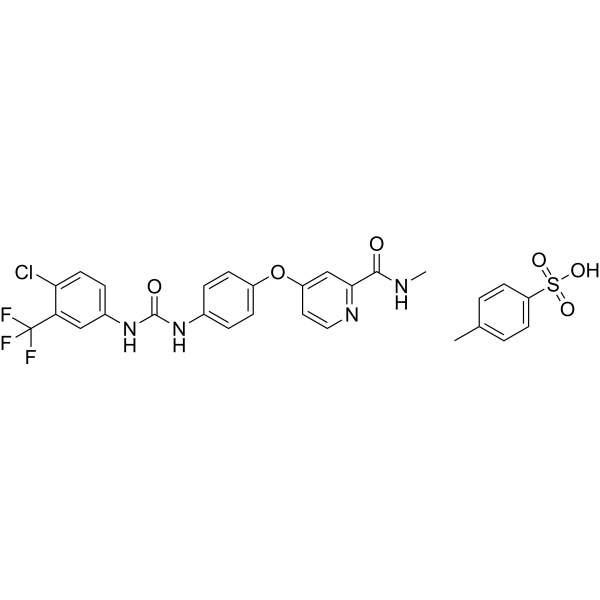
Cat. No.: HY-10201A
CAS No.: 475207-59-1
Purity:  99.75%
Synonyms: Bay 43-9006 tosylate
Sorafenib (Bay 43-9006) tosylate is a potent oral active multikinase inhibitor. Sorafenib blocks autophosphorylation and activity of receptor tyrosine kinases (VEGFR-2, VEGFR-3) and RAF family kinases, thereby suppressing the RAF/MEK/ERK and PI3K/Akt pathways, inhibiting STAT3 phosphorylation, and selectively inhibiting the MAPK pathway in cancer cells. Sorafenib tosylate induces cell cycle arrest, autophagy, apoptosis, and PARP cleavage, reduces Bcl-2, Bcl-XL, cyclin D1 levels, and activates Bak and Bax. Sorafenib tosylate inhibits tumor growth and metastasis in mouse and rat models. Sorafenib tosylate can be used for cancer research, such as colon, breast, non-small-cell lung cancer (NSCLC), ovarian, pancreatic, melanoma, colorectal and hepatocellular carcinoma .
loading...
    loading...
232
232 Cited Publications
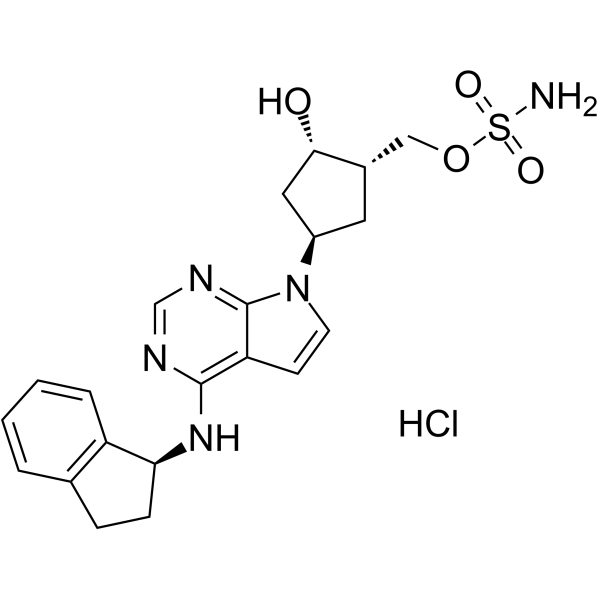
Cat. No.: HY-10484
CAS No.: 1160295-21-5
Purity:  98.58%
Synonyms: MLN4924 hydrochloride
Research Areas:  

Cancer

Pevonedistat (MLN4924) hydrochloride is a potent and selective NEDD8-activating enzyme (NAE) inhibitor, with an IC50 of 4.7 nM. Pevonedistat hydrochloride induces the deregulation of S-phase DNA synthesis, thereby disrupting protein turnover mediated by cullin-RING ligase, leading to apoptosis of human tumor cells. Pevonedistat hydrochloride suppresses the growth of human tumour xenografts in mice .
loading...
    loading...
232
232 Cited Publications
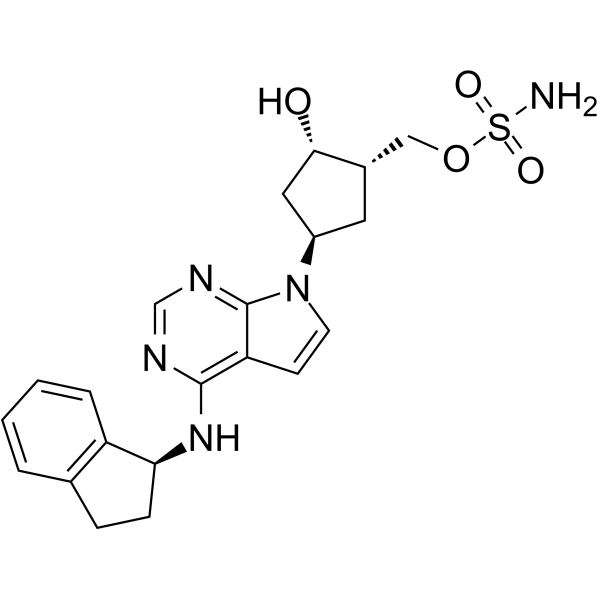
Cat. No.: HY-70062
CAS No.: 905579-51-3
Synonyms: MLN4924
Research Areas:  

Cancer

Pevonedistat (MLN4924) is a potent and selective NEDD8-activating enzyme (NAE) inhibitor with an IC50 of 4.7 nM. Pevonedistat induces the deregulation of S-phase DNA synthesis, thereby disrupting protein turnover mediated by cullin-RING ligase, leading to apoptosis of human tumor cells. Pevonedistat suppresses the growth of human tumour xenografts in mice .
loading...
    loading...
222
222 Cited Publications
Cat. No.: HY-50895A
CAS No.: 184475-55-6
Synonyms: ZD-1839 hydrochloride
Target:  

EGFR

Research Areas:  

Cancer

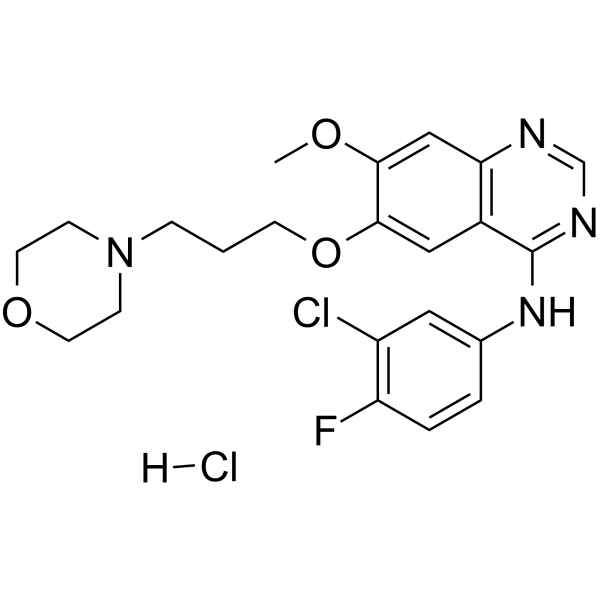
Gefitinib hydrochloride (ZD1839 hydrochloride) is a potent, selective and orally active EGFR tyrosine kinase inhibitor with an IC50 of 33 nM. Gefitinib hydrochloride selectively inhibits EGF-stimulated tumor cell growth (IC50 of 54 nM) and that blocks EGF-stimulated EGFR autophosphorylation in tumor cells. Gefitinib hydrochloride also induces autophagy. Gefitinib hydrochloride has antitumour activity .
loading...
    loading...
222
222 Cited Publications
Cat. No.: HY-50895
CAS No.: 184475-35-2
Synonyms: ZD1839
Target:  

EGFR Autophagy Apoptosis

Research Areas:  

Infection Metabolic Disease Cancer

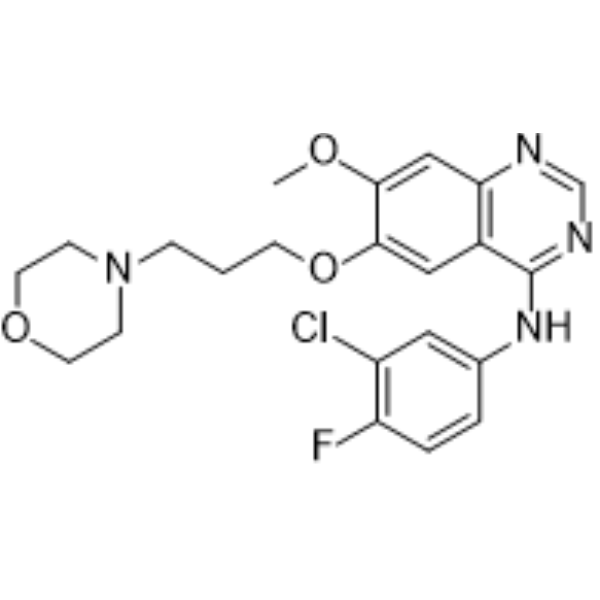
Gefitinib (ZD1839) is a potent, selective and orally active EGFR tyrosine kinase inhibitor with an IC50 of 33 nM. Gefitinib selectively inhibits EGF-stimulated tumor cell growth (IC50 of 54 nM) and that blocks EGF-stimulated EGFR autophosphorylation in tumor cells. Gefitinib also induces autophagy and cell apoptosis, which can be used for cancer related research, such as Lung cancer and breast cancer .
loading...
    loading...
212
212 Cited Publications
Cat. No.: HY-17471A
CAS No.: 1115-70-4
Synonyms: 1,1-Dimethylbiguanide hydrochloride
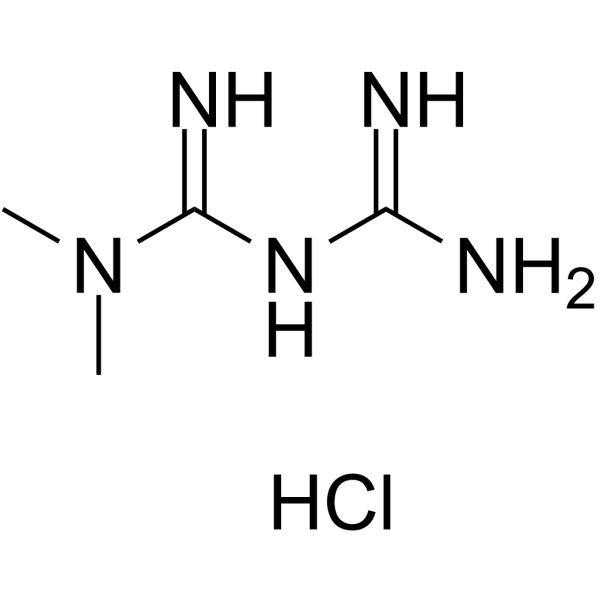
Metformin (1,1-Dimethylbiguanide) hydrochloride inhibits the mitochondrial respiratory chain in the liver, leading to AMPK activation and enhancing insulin sensitivity, and can be used in the study of type 2 diabetes. Metformin hydrochloride exerts central glucose-lowering effects by inhibiting Ras-related protein 1 (Rap1) in SF1 hypothalamic neurons. Metformin hydrochloride also inhibits liver oxidative stress, nitrosative stress, inflammation, and apoptosis caused by liver ischemia/reperfusion injury. In addition, Metformin hydrochloride regulates the expression of autophagy-related proteins by activating AMPK and inhibiting the mTOR signaling pathway, thereby inducing tumor cell autophagy and inhibiting the growth of renal cell carcinoma in vitro and in vivo .
loading...
    loading...
212
212 Cited Publications
Cat. No.: HY-B0627
CAS No.: 657-24-9
Synonyms: 1,1-Dimethylbiguanide
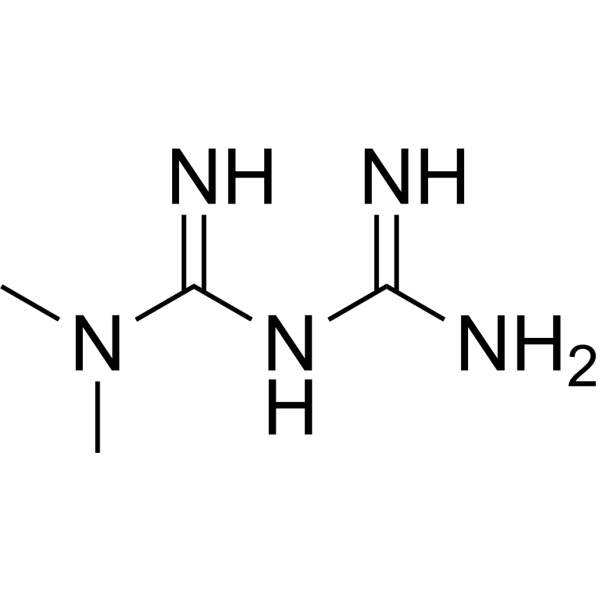
Metformin (1,1-Dimethylbiguanide) inhibits the mitochondrial respiratory chain in the liver, leading to AMPK activation and enhancing insulin sensitivity, and can be used in the study of type 2 diabetes. Metformin exerts central glucose-lowering effects by inhibiting Ras-related protein 1 (Rap1) in SF1 hypothalamic neurons. Metformin also inhibits liver oxidative stress, nitrosative stress, inflammation, and apoptosis caused by liver ischemia/reperfusion injury. In addition, Metformin regulates the expression of autophagy-related proteins by activating AMPK and inhibiting the mTOR signaling pathway, thereby inducing tumor cell autophagy and inhibiting the growth of renal cell carcinoma in vitro and in vivo .
loading...
    loading...
99
99 Cited Publications
Cat. No.: HY-B0150
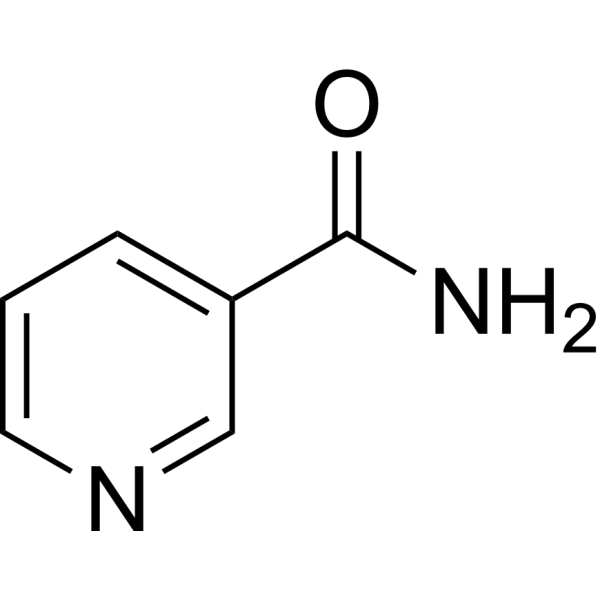
CAS No.: 98-92-0
Synonyms: Niacinamide; Nicotinic acid amide
Nicotinamide is a form of vitamin B3 or niacin. Nicotinamide Hydrochloride inhibits SIRT2 activity (IC50: 2 μM). Nicotinamide also inhibits SIRT1. Nicotinamide increases cellular NAD+, ATP, ROS levels. Nicotinamide inhibits tumor growth and improves survival. Nicotinamide also has anti-HBV activity .
loading...
    loading...
89
89 Cited Publications
Cat. No.: HY-50878
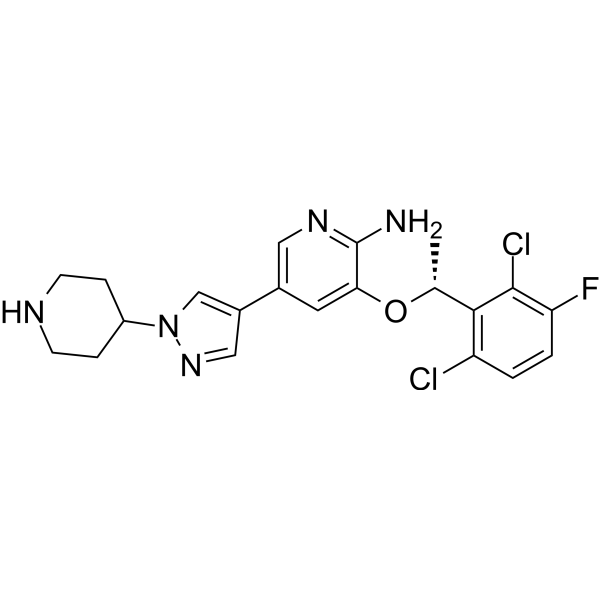
CAS No.: 877399-52-5
Synonyms: PF-02341066
Crizotinib (PF-02341066) is an orally bioavailable, ATP-competitive ALK and c-Met inhibitor with IC50s of 20 and 8 nM, respectively. Crizotinib inhibits tyrosine phosphorylation of NPM-ALK and tyrosine phosphorylation of c-Met with IC50s of 24 and 11 nM in cell-based assays, respectively. Crizotinib is also a ROS1 inhibitor. Crizotinib has effective tumor growth inhibition .
loading...
    loading...
89
89 Cited Publications
Cat. No.: HY-50878A
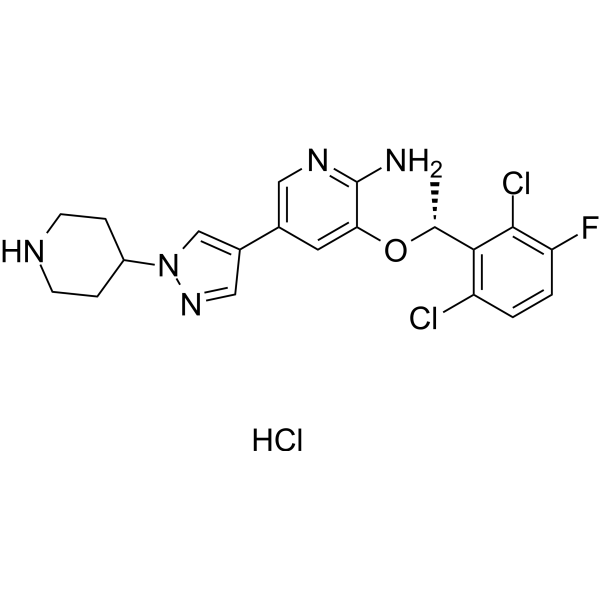
CAS No.: 1415560-69-8
Synonyms: PF-02341066 hydrochloride
Crizotinib hydrochloride (PF-02341066 hydrochloride) is an orally bioavailable, selective, and ATP-competitive dual ALK and c-Met inhibitor with IC50s of 20 and 8 nM, respectively. Crizotinib hydrochloride (PF-02341066 hydrochloride) inhibits tyrosine phosphorylation of NPM-ALK and tyrosine phosphorylation of c-Met with IC50s of 24 and 11 nM in cell-based assays, respectively. It is also a ROS proto-oncogene 1 (ROS1) inhibitor. Crizotinib hydrochloride (PF-02341066 hydrochloride) has effective tumor growth inhibition .
loading...
    loading...
76
76 Cited Publications
Cat. No.: HY-100388
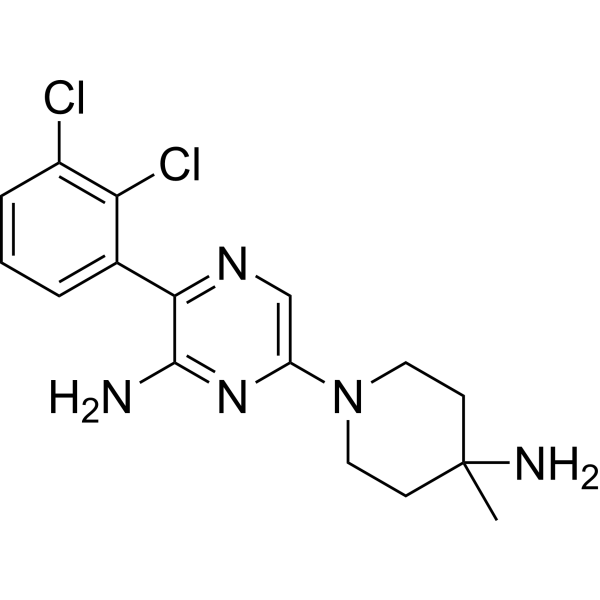
CAS No.: 1801747-42-1
Purity:  99.81%
Target:  

SHP2 Phosphatase

Research Areas:  

Cancer

SHP099 is an allosteric SHP2 inhibitor, with IC50s of 0.690, 1.241, 0.416, 1.968, 2.896 μM for SHP2, SHP2 D61Y, SHP2E69K, SHP2 A72V, SHP2 E76K. SHP099 inhibits cancer cell growth, such as MV4-11 and TF-1 cell (IC50: 0.32 and 1.73 μM). SHP099 inhibits RAS-ERK signaling and inhibits tumor growth .
loading...
    loading...
75
75 Cited Publications
Cat. No.: HY-16141
CAS No.: 188968-51-6
Synonyms: EMD 121974
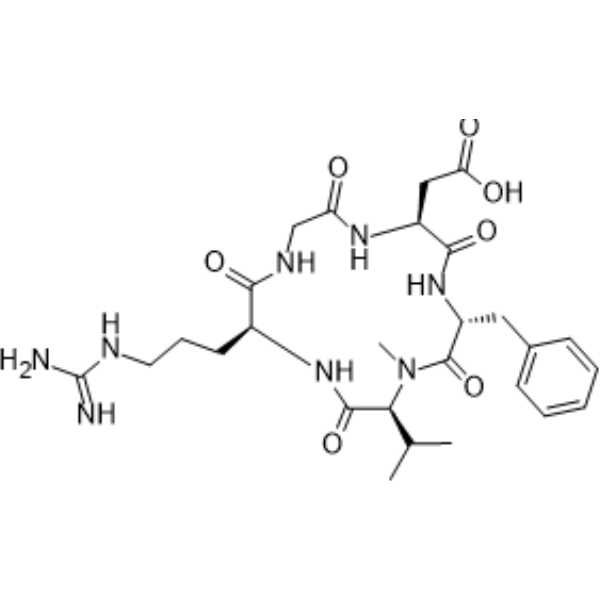
Cilengitide (EMD 121974) is an integrin (integrin) inhibitor with blood-brain barrier permeability, with IC50 values against human targets as follows: 0.61 nM for αvβ3, 8.4 nM for αvβ5, 14.9 nM for α5β1, 5400 nM for αIIbβ3, 2050 nM for αvβ6, 2350 nM for αvβ8. Cilengitide inhibits the binding of integrins to vitronectin, fibronectin, fibrinogen and LAP (TGF-β), and serves as an internal standard for solid-phase integrin binding assays. Cilengitide inhibits tumor cell viability, induces apoptosis, reduces the phosphorylation levels of STAT3, AKT and mTOR, downregulates the expression of PD-L1, inhibits cell viability and angiogenesis, regulates anti-tumor immune responses and slows tumor growth. Cilengitide can be used in research related to glioblastoma, melanoma, advanced solid tumors and refractory brain tumors .
loading...
    loading...
75
75 Cited Publications
Cat. No.: HY-16143
CAS No.: 199807-35-7
Synonyms: EMD 121974 TFA
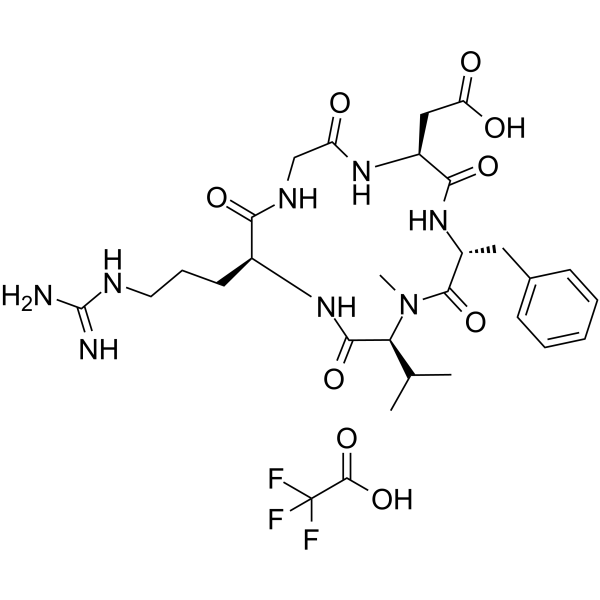
Cilengitide TFA (EMD 121974 TFA) is an integrin (integrin) inhibitor with blood-brain barrier permeability, with IC50 values against human targets as follows: 0.61 nM for αvβ3, 8.4 nM for αvβ5, 14.9 nM for α5β1, 5400 nM for αIIbβ3, 2050 nM for αvβ6, 2350 nM for αvβ8. Cilengitide TFA inhibits the binding of integrins to vitronectin, fibronectin, fibrinogen and LAP (TGF-β), and serves as an internal standard for solid-phase integrin binding assays. Cilengitide TFA inhibits tumor cell viability, induces apoptosis, reduces the phosphorylation levels of STAT3, AKT and mTOR, downregulates the expression of PD-L1, inhibits cell viability and angiogenesis, regulates anti-tumor immune responses and slows tumor growth. Cilengitide TFA can be used in research related to glioblastoma, melanoma, advanced solid tumors and refractory brain tumors .
loading...
    loading...
69
69 Cited Publications
Cat. No.: HY-15186
CAS No.: 1001264-89-6
Purity:  99.79%
Synonyms: GDC-0068; RG7440
Target:  

Organoid Akt Apoptosis

Research Areas:  

Cancer

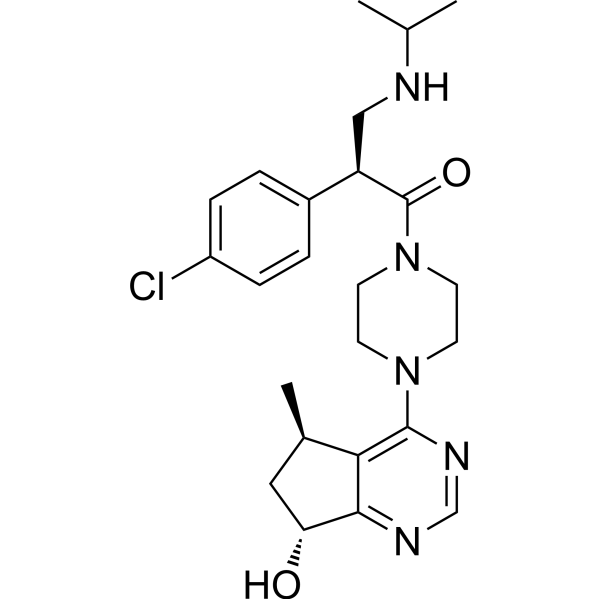
Ipatasertib (GDC-0068) is an orally active, highly selective and ATP-competitive pan-Akt inhibitor with IC50 values of 5, 18, 8 nM for Akt1/2/3, respectively. Ipatasertib synchronously activates FoxO3a and NF-κB through inhibition of Akt leading to p53-independent activation of PUMA. Ipatasertib also induces apoptosis in cancer cells and inhibits tumor growth in xenograft mouse models .
loading...
    loading...
65
65 Cited Publications
Cat. No.: HY-101120
CAS No.: 1433286-70-4
Purity:  99.74%
Research Areas:  

Cancer

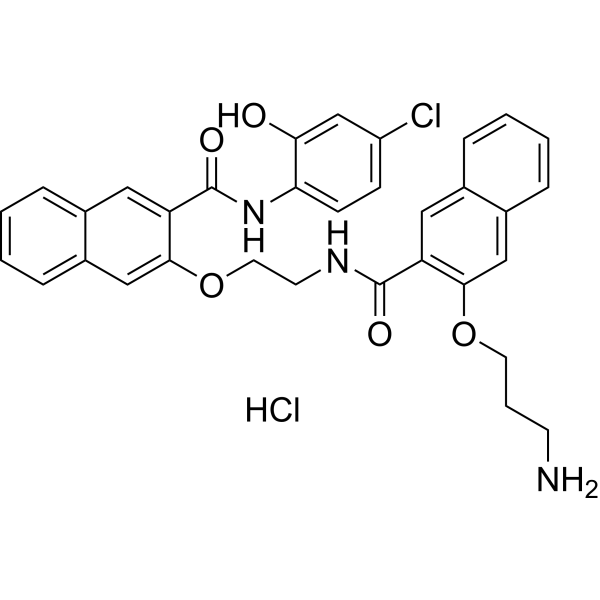
666-15 is a potent and selective CREB inhibitor with an IC50 of 81 nM. 666-15 suppresses tumor growth in a breast cancer xenograft model .
loading...
    loading...
37
37 Cited Publications
Cat. No.: HY-112288
CAS No.: 432001-19-9
Purity:  99.90%
Synonyms: TTI-101
C188-9 (TTI-101) is a STAT3 inhibitor with a Kd value of 4.7 nM. C188-9 targets the SH2 domain of STAT3, blocks the processes of STAT3 ligand binding, receptor recruitment, homodimerization and phosphorylation, and regulates STAT3-mediated genes associated with tumorigenesis and radioresistance. C188-9 regulates STAT1-mediated genes related to radioresistance and reduces the activation level of STAT1. C188-9 downregulates the expression of DNMT1, enhances DAC-induced demethylation and re-expression of RASSF1A, and simultaneously potentiates the anti-tumor effect of DAC on pancreatic cancer cells. C188-9 inhibits both anchorage-dependent and anchorage-independent growth of cancer cells, induces Apoptosis, blocks the growth of tumor xenografts, and suppresses muscle atrophy. C188-9 maintains muscle mass, increases body weight and improves grip strength in tumor-bearing mice. C188-9 can be used in research related to head and neck squamous cell carcinoma, pancreatic cancer, sepsis-related skeletal muscle wasting, non-small cell lung cancer, acute myeloid leukemia and cancer cachexia .
loading...
    loading...
36
36 Cited Publications
Cat. No.: HY-19992
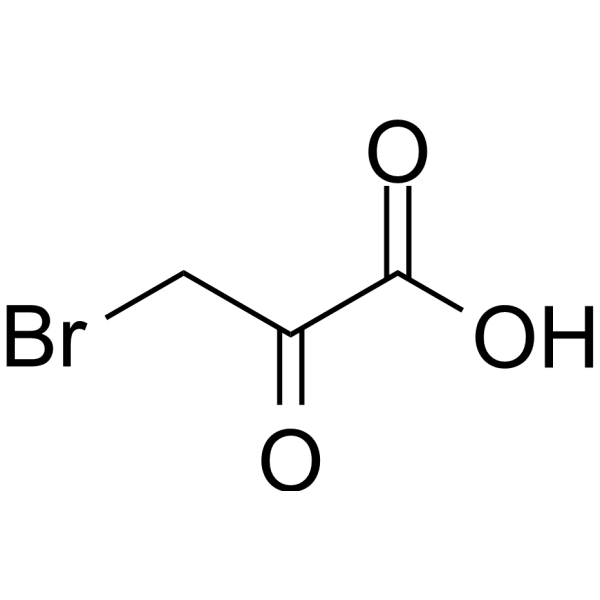
CAS No.: 1113-59-3
Synonyms: Bromopyruvic acid; 3-BrPA; Hexokinase II Inhibitor II, 3-BP
Research Areas:  

Cancer

3-Bromopyruvate (Bromopyruvic acid) is an analogue of pyruvate and a potent hexokinase (HK)-II inhibitor with high tumor selectivity. 3-Bromopyruvate inhibits cell growth and induces apoptosis through interfering with glycolysis. 3-Bromopyruvate induces autophagy by stimulating ROS formation in breast cancer cells. Antimicrobial activities .
loading...
    loading...
33
33 Cited Publications
Cat. No.: HY-101966
CAS No.: 1916571-90-8
Purity:  99.69%
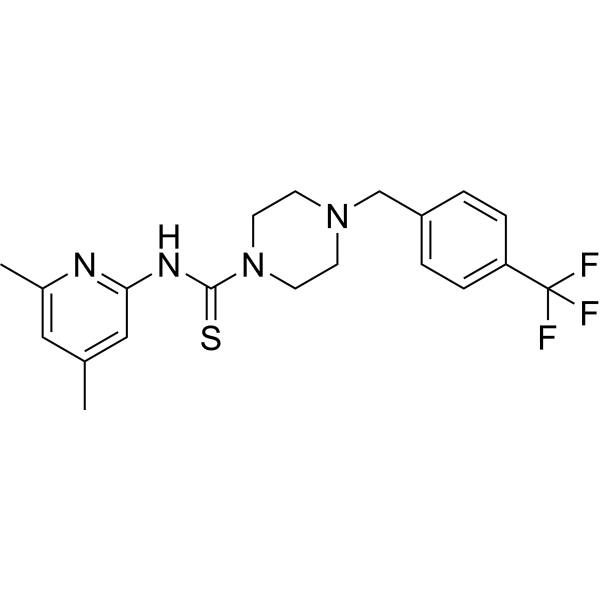
NCT-503 is a blood-brain barrier-permeable, non-competitive PHGDH inhibitor with an IC50 of 2.5 μM against human PHGDH. NCT-503 reduces glucose-derived serine production and the incorporation of one-carbon units into nucleotides without decreasing PHGDH protein expression. NCT-503 prevents high selenium-induced insulin resistance in mice by regulating blood glucose and insulin levels and improving glucose tolerance, and also inhibits the growth of tumors overexpressing PHGDH. NCT-503 can be used in research related to insulin resistance and breast cancer .
loading...
    loading...
32
32 Cited Publications
Cat. No.: HY-10459
CAS No.: 717907-75-0
Purity:  99.68%
Synonyms: VS-6062
Target:  

FAK Pyk2

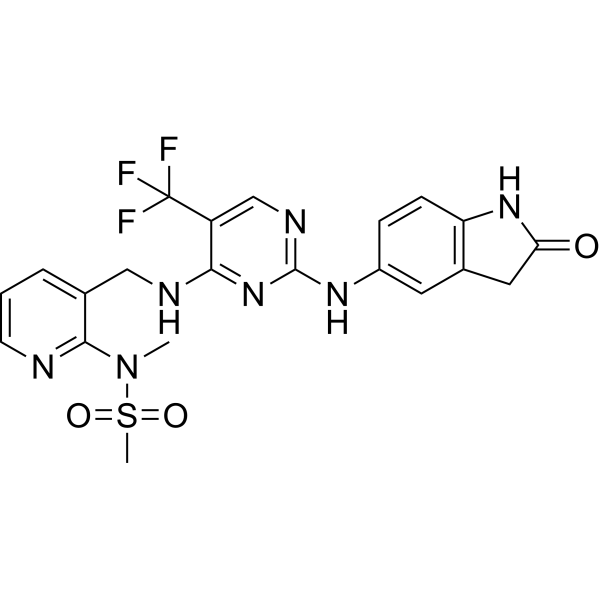
PF-562271 (VS-6062) is an orally active, ATP-competitive, reversible FAK/Pyk2 inhibitor, with an IC50 of 1.5 nM for FAK and 13 nM for Pyk2. PF-562271 induces tumor regression, and inhibits tumor growth, invasion and metastasis. PF-562271 exerts no effect on tumor necrosis, angiogenesis or apoptosis in an orthotopic mouse model of pancreatic ductal adenocarcinoma. When combined with Sunitinib (HY-10255A), PF-562271 reduces tumor vascularization, decreases serum alpha-fetoprotein levels and improves cachexia. PF-562271 can be used in research related to prostate cancer, breast cancer, pancreatic cancer, colon cancer, glioblastoma, lung cancer, pancreatic ductal adenocarcinoma and hepatocellular carcinoma .
loading...
    loading...

