
1. Search Result
Search Result
Results for "

acetyltransferase activity

" in MedChemExpress (MCE) Product Catalog:

53

Inhibitors & Agonists

2

Screening Libraries

1

Biochemical Assay Reagents

1

Peptides

19

Natural
Products

2

Isotope-Labeled Compounds

Targets Recommended:
Cat. No. Product Name Target Research Areas Chemical Structure
  • HY-N0005
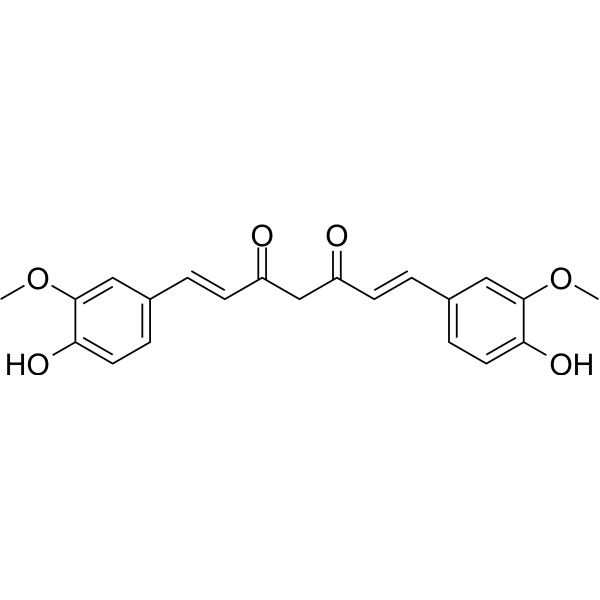
    Curcumin
    Maximum Cited Publications
    123 Publications Verification

    Diferuloylmethane; Natural Yellow 3; Turmeric yellow

    Histone Acetyltransferase Epigenetic Reader Domain Keap1-Nrf2 Autophagy Mitophagy Influenza Virus Ferroptosis Apoptosis Infection Metabolic Disease Inflammation/Immunology Cancer
    Curcumin (Diferuloylmethane), a natural phenolic compound, is a p300/CREB-binding protein-specific inhibitor of acetyltransferase, represses the acetylation of histone/nonhistone proteins and histone acetyltransferase-dependent chromatin transcription. Curcumin is a photosensitizer against microorganisms. Curcumin shows inhibitory effects on NF-κB and MAPKs, and has diverse pharmacologic effects including anti-inflammatory, antioxidant, antiproliferative and antiangiogenic activities. Curcumin induces stabilization of Nrf2 protein through Keap1 cysteine modification.
    Curcumin
  • HY-N2020
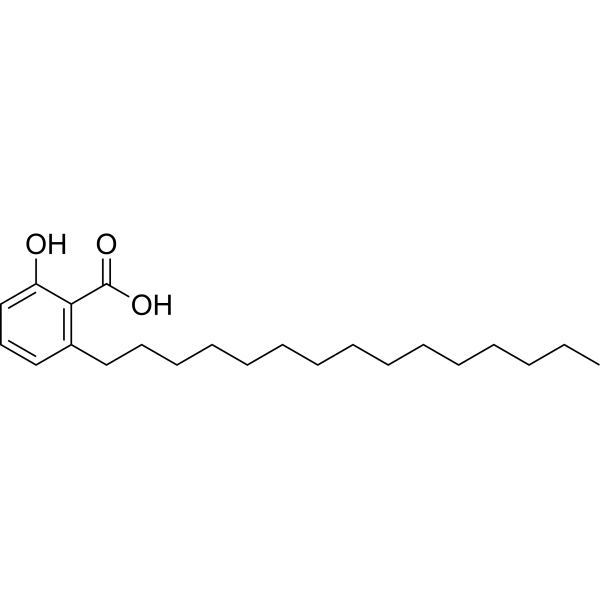
    Anacardic Acid
    15+ Cited Publications

    Hydroginkgolic acid; Ginkgolic Acid C15:0

    Histone Acetyltransferase Epigenetic Reader Domain Bacterial Cancer
    Anacardic Acid, extracted from cashew nut shell liquid, is a histone acetyltransferase inhibitor, inhibits HAT activity of p300 and PCAF, with IC50s of ∼8.5 μM and ∼5 μM, respectively.
    Anacardic Acid
  • HY-N1067
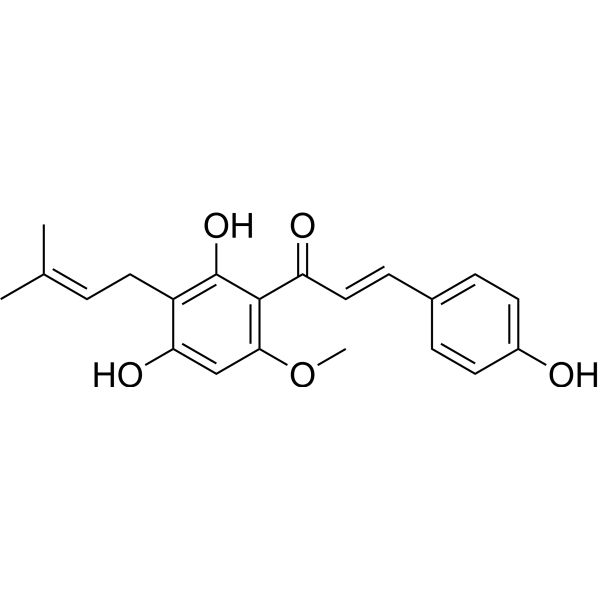
    Xanthohumol
    15+ Cited Publications

    COX Acyltransferase Apoptosis HSV CMV Influenza Virus Infection Cancer
    Xanthohumol is one of the principal flavonoids isolated from hops, the inhibitor of diacylglycerol acetyltransferase (DGAT), COX-1 and COX-2, and shows anti-cancer and anti-angiogenic activities. Xanthohumol also has antiviral activity against bovine viral diarrhea virus (BVDV), rhinovirus, HSV-1, HSV-2 and cytomegalovirus (CMV).
    Xanthohumol
  • HY-107569
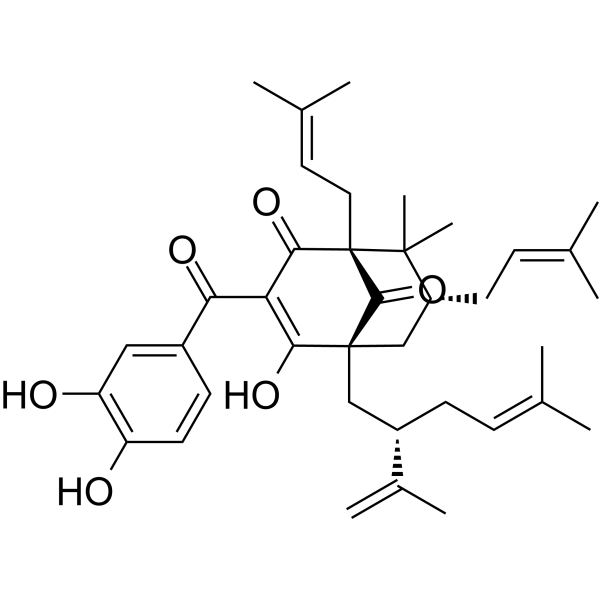
    Garcinol
    5 Publications Verification

    Cholinesterase (ChE) Histone Acetyltransferase Apoptosis Endogenous Metabolite Inflammation/Immunology Cancer
    Garcinol, a polyisoprenylated benzophenone harvested from Garcinia indica, exerts anti-cholinesterase properties towards acetyl cholinesterase (AChE) and butyrylcholinesterase (BChE) with IC50s of 0.66 μM and 7.39 μM, respectively . Garcinol also inhibits histone acetyltransferases (HATs, IC50= 7 μM) and p300/CPB-associated factor (PCAF, IC50 = 5 μM). Garcinol has anti-inflammatory and anti-cancer activity .
    Garcinol
  • HY-109521A

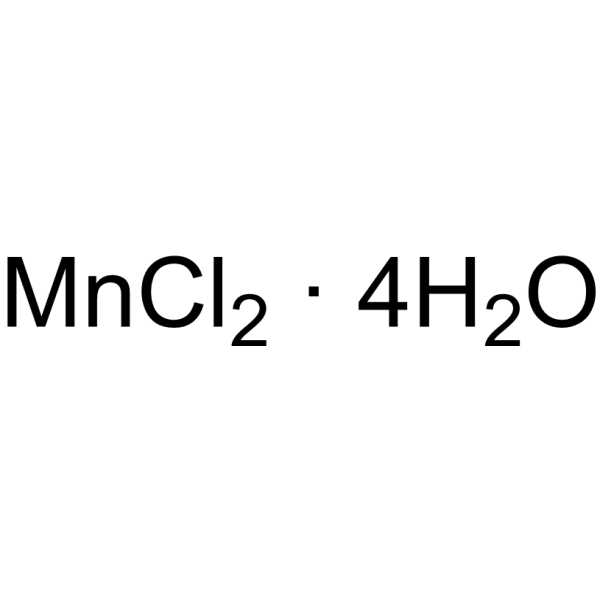
    Manganese(Ⅱ) chloride tetrahydrate, molecular biology grade,≥99.0% (KT)

    Biochemical Assay Reagents Histone Acetyltransferase HDAC Neurological Disease
    Manganese chloride (tetrahydrate), molecular biology grade,≥99.0% (KT) is an orally active and a blood-brain barrier penetrant compound. It affects the activities of multiple enzymes in cells, such as regulating the activities of histone acetyltransferase (HAT) and histone deacetylase (HDAC), thereby affecting gene expression. It has multiple activities such as neurotoxicity, embryotoxicity, and reproductive toxicity. It is currently mainly used in neurodegenerative diseases and toxicology research.
    Manganese chloride tetrahydrate, molecular biology grade,≥99.0% (KT)
  • HY-138097
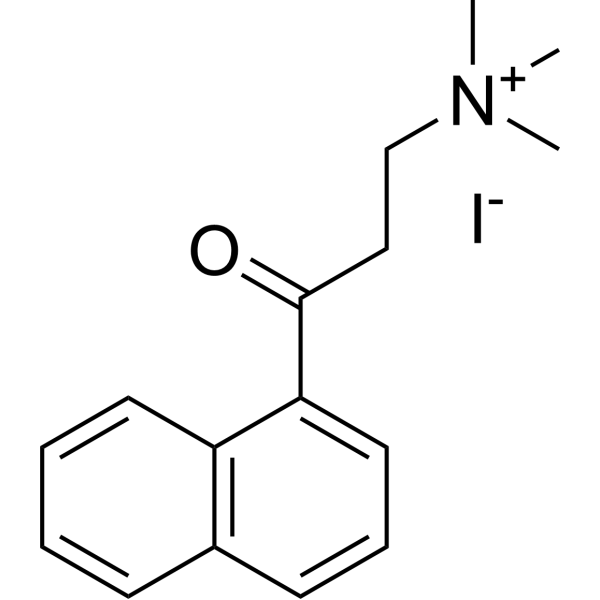
    α-NETA
    10+ Cited Publications

    Chemerin Receptor Aldehyde Dehydrogenase (ALDH) Cholinesterase (ChE) Apoptosis Cancer
    α-NETA is a potent and noncompetitive choline acetyltransferase (ChA) inhibitor with an IC50 of 9 μM. α-NETA is a potent ALDH1A1 (IC50=0.04 µM) and chemokine-like receptor-1 (CMKLR1) antagonist. α-NETA weakly inhibits cholinesterase (ChE; IC50=84 µM) and acetylcholinesterase (AChE; IC50=300 µM). α-NETA has anti-cancer activity .
    α-NETA
  • HY-136285

    Histone Acetyltransferase Cancer
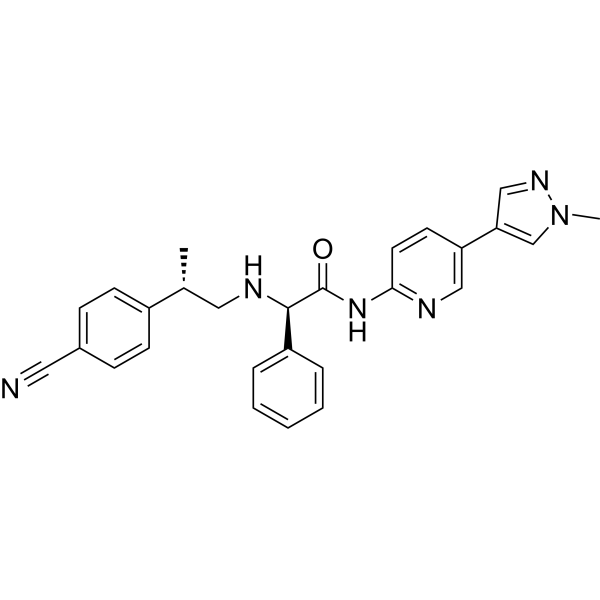
    CPI-1612 is a highly potent, orally active EP300/CBP histone acetyltransferase (HAT) inhibitor with an IC50 of 8.1 nM for EP300 HAT. CPI-1612 has an anticancer activity .
    CPI-1612
  • HY-N2345
    Procyanidin B3
    1 Publications Verification

    Histone Acetyltransferase Toll-like Receptor (TLR) Androgen Receptor Inflammation/Immunology Cancer
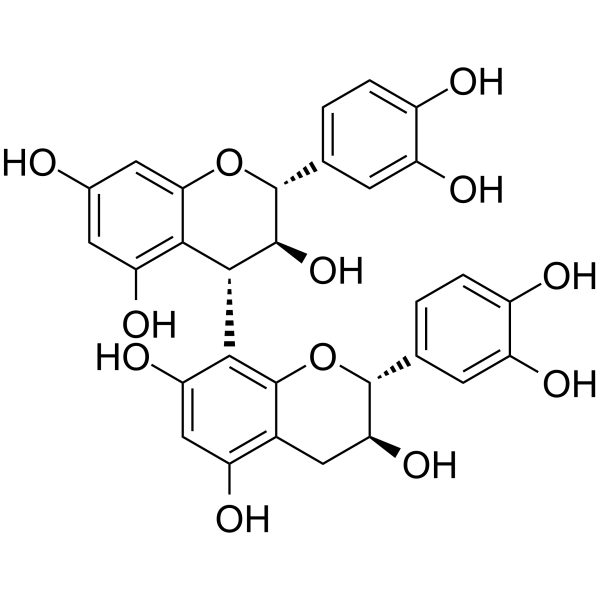
    Procyanidin B3 is a natural product with antioxidant activity and oral bioavailability, possessing good blood-brain barrier penetration. Procyanidin B3 is a selective inhibitor of histone acetyltransferase (HAT). By inhibiting p300 HAT-mediated acetylation of the androgen receptor (androgen receptor). Procyanidin B3 alleviates intervertebral disc degeneration (IVDD) by inhibiting the formation of the TLR4/MD-2 complex. Procyanidin B3 can be used in research on prostate cancer and arthritis .
    Procyanidin B3
  • HY-N0005R
    Curcumin (Standard)
    1 Publications Verification

    Diferuloylmethane (Standard); Natural Yellow 3 (Standard); Turmeric yellow (Standard)

    Reference Standards Histone Acetyltransferase Epigenetic Reader Domain Keap1-Nrf2 Autophagy Mitophagy Influenza Virus Ferroptosis Infection Neurological Disease Inflammation/Immunology Cancer
    Curcumin (Standard) is the analytical standard of Curcumin (HY-N0005). This product is intended for research and analytical applications. Curcumin (Diferuloylmethane), a natural phenolic compound, is a p300/CREB-binding protein-specific inhibitor of acetyltransferase, represses the acetylation of histone/nonhistone proteins and histone acetyltransferase-dependent chromatin transcription. Curcumin is a photosensitizer against microorganisms. Curcumin shows inhibitory effects on NF-κB and MAPKs, and has diverse pharmacologic effects including anti-inflammatory, antioxidant, antiproliferative and antiangiogenic activities. Curcumin induces stabilization of Nrf2 protein through Keap1 cysteine modification.
    Curcumin (Standard)
  • HY-155956
    GM-90257
    1 Publications Verification

    Microtubule/Tubulin Apoptosis Bcl-2 Family JNK PARP Cancer
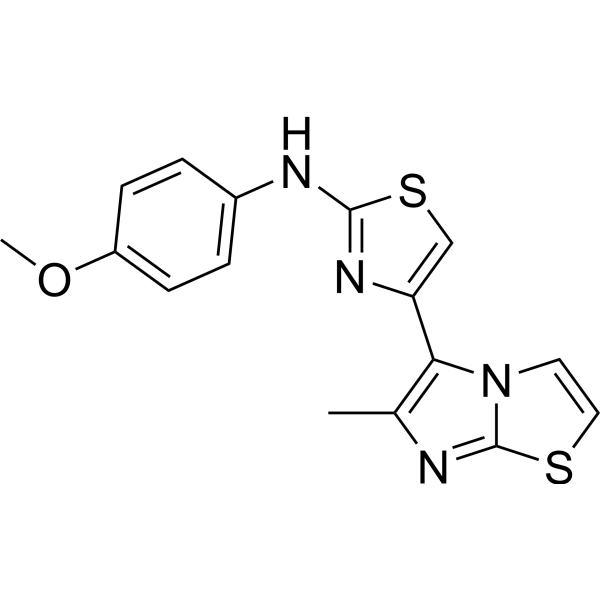
    GM-90257 is a microtubule acetylation inhibitor. GM-90257 binds directly to α-tubulin. GM-90257 prevents the recruitment of α-tubulin acetyltransferase 1 (αTAT1) to the K40 residue in α-tubulin. GM-90257 causes Apoptosis, downregulates BCl-2, and activates JNK and PARP. GM-90257 has anticancer activity against breast cancer .
    GM-90257
  • HY-123604
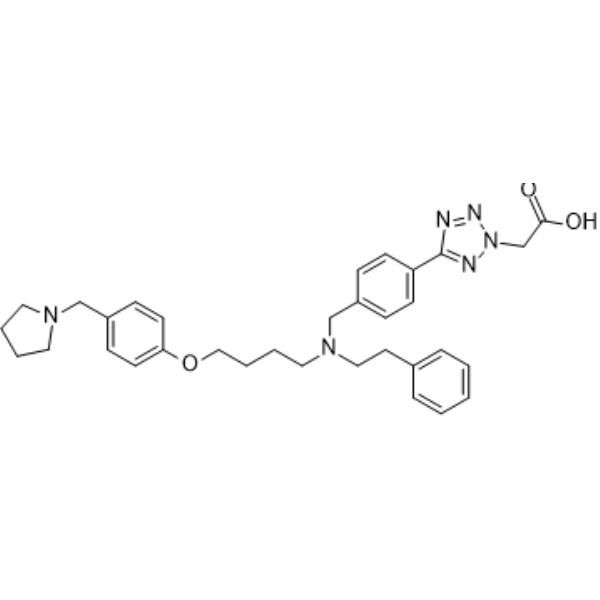
    TH1834
    3 Publications Verification

    Histone Acetyltransferase Apoptosis Cancer
    TH1834 is a specific Tip60 (KAT5) histone acetyltransferase (HAT) inhibitor. TH1834 induces apoptosis and increases DNA damage in breast cancer. TH1834 does not affect the activity of related histone acetyltransferase MOF. Anticancer activity .
    TH1834
  • HY-154944
    JG-2016
    2 Publications Verification

    Histone Acetyltransferase Cancer
    JG-2016 is a potent inhibitor of histone acetyltransferase 1 (HAT1) with an IC50 of 14.8 μM. JG-2016 can inhibit the growth of multiple tumor cells and has anti-tumor activity .
    JG-2016
  • HY-N8376

    (±)-Fustin; 3,7,3',4'-Tetrahydroxyflavanone

    Amyloid-β mAChR Cholinesterase (ChE) Neurological Disease
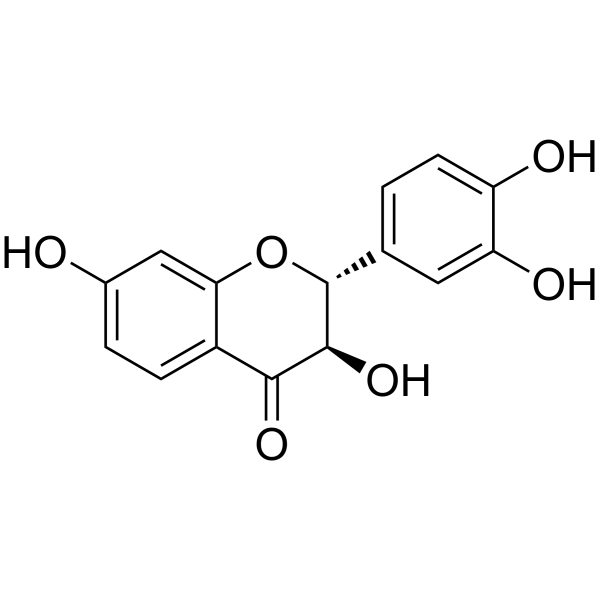
    Fustinis ((±)-Fustin; 3,7,3',4'-Tetrahydroxyflavanone) is a potent amyloid β (Aβ) inhibitor. Fustinis ((±)-Fustin; 3,7,3',4'-Tetrahydroxyflavanone) increases the expression of acetylcholine (ACh) levels, choline acetyltransferase (ChAT) activity, and ChAT gene induced by Aβ (1-42). Fustinis ((±)-Fustin; 3,7,3',4'-Tetrahydroxyflavanone) decreases in acetyl cholinesterase (AChE) activity and AChE gene expression induced by Aβ (1-42). Fustinis ((±)-Fustin; 3,7,3',4'-Tetrahydroxyflavanone) increases muscarinic M1 receptor gene expression and muscarinic M1 receptor binding activity. Fustinis ((±)-Fustin; 3,7,3',4'-Tetrahydroxyflavanone) can be used for Alzheimer's disease research .
    Fustin
  • HY-100734
    Histone Acetyltransferase Inhibitor II
    1 Publications Verification

    Histone Acetyltransferase Cancer
    Histone Acetyltransferase Inhibitor II (compound 2c) is a potent, selective and cell permeable p300 histone acetyltransferase inhibitor, with an IC50 of 5 µM. Histone Acetyltransferase Inhibitor II shows anti-acetylase activity in mammalian cells .
    Histone Acetyltransferase Inhibitor II
  • HY-P2914

    Biochemical Assay Reagents Metabolic Disease Inflammation/Immunology
    Carnitine acetyltransferase is a mitochondrial matrix enzyme that catalyzes the interconversion of Acetyl-CoA and Acetylcarnitine (HY-126358). Carnitine acetyltransferase functions as a positive regulator of total body glucose tolerance and muscle activity of pyruvate dehydrogenase. Carnitine acetyltransferase is responsible for mitochondrial acetyl-CoA balance and regulation of fatty acid oxidation by utilizing short- and medium- chain fatty acids and their corresponding acylcarnitines as substrates. Carnitine acetyltransferase plays a crucial role in regulating glucose homeostasis. Carnitine acetyltransferase can be utilized in the research of aging, obesity, and diabetes .
    Carnitine acetyltransferase
  • HY-158009
    SGF29-IN-1
    1 Publications Verification

    Histone Acetyltransferase Cancer
    SGF29-IN-1 (Compound Cpd_DC60) is a selective inhibitor for Spt-Ada-Gcn5 acetyltransferase (SAGA)–associated factor 29 (SGF29)-Tudor domain. SGF29-IN-1 exhibits activity against leukemia .
    SGF29-IN-1
  • HY-123604A
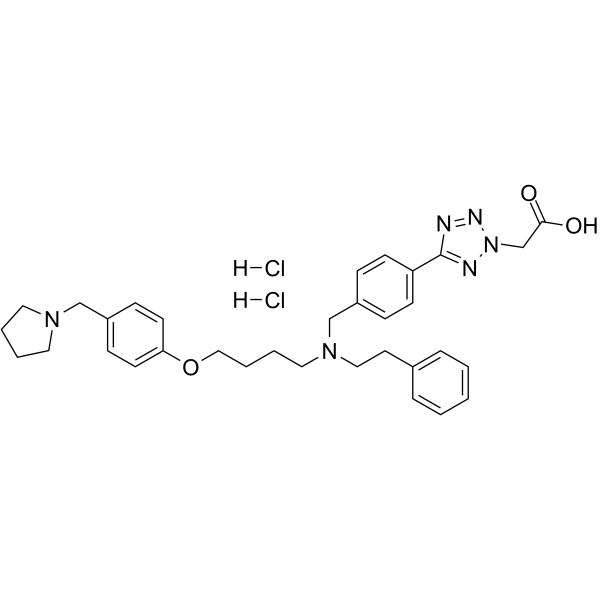
    TH1834 dihydrochloride
    3 Publications Verification

    Histone Acetyltransferase Apoptosis Cancer
    TH1834 dihydrochloride is a specific Tip60 (KAT5) histone acetyltransferase inhibitor. TH1834 dihydrochloride induces apoptosis and increases DNA damage in breast cancer. TH1834 dihydrochloride does not affect the activity of related histone acetyltransferase MOF. Anticancer activity .
    TH1834 dihydrochloride
  • HY-N0005S

    Diferuloylmethane-d6; Natural Yellow 3-d6; Turmeric yellow-d6

    Isotope-Labeled Compounds Keap1-Nrf2 Ferroptosis Autophagy Histone Acetyltransferase Epigenetic Reader Domain Mitophagy Influenza Virus Infection Metabolic Disease Inflammation/Immunology Cancer
    Curcumin-d6 (Diferuloylmethane-d6 ) is deuterium labeled Curcumin (HY-N0005). Curcumin (Diferuloylmethane), a natural phenolic compound, is a p300/CREB-binding protein-specific inhibitor of acetyltransferase, represses the acetylation of histone/nonhistone proteins and histone acetyltransferase-dependent chromatin transcription. Curcumin is a photosensitizer against microorganisms. Curcumin shows inhibitory effects on NF-κB and MAPKs, and has diverse pharmacologic effects including anti-inflammatory, antioxidant, antiproliferative and antiangiogenic activities. Curcumin induces stabilization of Nrf2 protein through Keap1 cysteine modification.
    Curcumin-d6
  • HY-149470

    Histone Acetyltransferase Cancer
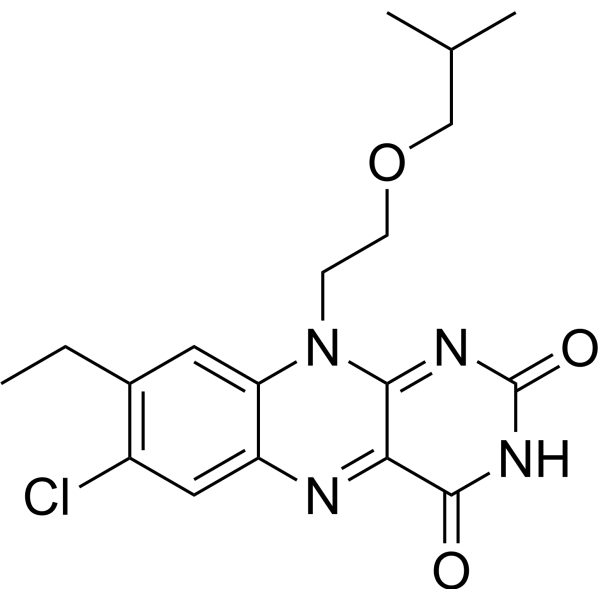
    MOZ-IN-3 (Compound 6j) is a KAT6A (MOZ) acetyltransferase inhibitor (IC50: 30 nM). MOZ-IN-3 has antitumor activity against four different myeloid leukemia cell lines (HL-60, U937, SKNO-1, K562). MOZ-IN-3 has favorable metabolic stability and pharmacokinetics .
    MOZ-IN-3
  • HY-N4119

    Phosphatase Cholinesterase (ChE) p38 MAPK Apoptosis Autophagy Neurological Disease Metabolic Disease
    Neoeriocitrin is a Naringin (HY-N0153) analogue found in Drynaria Rhizome. Neoeriocitrin induces cells proliferation, differentiation, up-regulates type I collagen, osteocalcin, and key osteogenic markers, and increases ALP activity. Neoeriocitrin increases expression of Runx2, COL I, OCN and Beclin1. Neoeriocitrin inhibits phosphorylation of P38 mitogen-activated protein kinase, reduces acetylcholinesterase (AChE) activity, and increases choline acetyltransferase (ChAT) activity. Neoeriocitrin reduces apoptosis and induces autophagy. Neoeriocitrin can be used for the researches of osteoporosis and Alzheimer's disease .
    Neoeriocitrin
  • HY-157521

    Acyltransferase Neurological Disease Metabolic Disease
    AANAT-IN-1 is an arylalkylamine N-acetyltransferase (AANAT) inhibitor with a sheep AANAT IC50 of 9.9 μM. AANAT-IN-1 binds to the active site of sheep AANAT, interacting with amino acid residues via hydrogen bonds, hydrophobic interactions, ionic interactions, and water bridges, inhibiting the enzyme's catalytic activity. AANAT-IN-1 can be used for the researches of circadian rhythm-associated neuropsychiatric conditions, seasonal affective disorder, and other diseases associated with abnormally elevated melatonin levels .
    AANAT-IN-1
  • HY-W014118

    Environmental Pollutants Inflammation/Immunology Cancer
    α-Hexylcinnamaldehyde is an O-acetyltransferase (OAT) inhibitor. α-Hexylcinnamaldehyde inhibits OAT-mediated bioactivation of nitroarene mutagens, exerts antimutagenic activity through demutagenic and bioantimutagenic mechanisms, and interferes with ATP-binding cassette (ABC) transporter function to reduce substrate efflux. α-Hexylcinnamaldehyde alters membrane permeability, fluidizes phospholipid membranes, exerts antioxidant effects, and enhances the antiproliferative effect of Doxorubicin on human cancer cells. α-Hexylcinnamaldehyde can be used in the research of colorectal adenocarcinoma, T-cell leukemia, and multidrug-resistant cancers .
    α-Hexylcinnamaldehyde
  • HY-122822

    PROTACs Histone Acetyltransferase Interleukin Related CXCR TNF Receptor CD28 Inflammation/Immunology Cancer
    GSK699 is a KAT2A/B/PCAF/GCN5 PROTAC degrader . GSK699 induces proteasome-dependent degradation of KAT2A, KAT2B, PCAF and GCN5, regulates the histone acetyltransferase activity of the SAGA complex, and reduces the level of histone H3K9ac. GSK699 inhibits the growth of neuroblastoma, acute myeloid leukemia and small cell lung cancer cells. GSK699 reduces the production of inflammatory cytokines and chemokines, and impairs LPS-stimulated immune cell responses. GSK699 is applicable to research related to acute myeloid leukemia, small cell lung cancer, neuroblastoma and inflammatory diseases .
    GSK699
  • HY-16955A
    Plazomicin sulfate
    1 Publications Verification

    ACHN 490 sulfate

    Antibiotic Bacterial Infection
    Plazomicin (ACHN 490) sulfate is a semi-synthetic aminoglycoside Antibiotic. Plazomicin sulfate acts as a substrate for Aminoglycoside acetyltransferase and Aminoglycoside phosphotransferase. Plazomicin sulfaten is not modified by various common aminoglycoside-modifying enzymes. Plazomicin sulfate selectively inhibits MATE2-K. Plazomicin sulfate exhibits activity against multidrug-resistant bacteria, including carbapenem-resistant Enterobacterales .
    Plazomicin sulfate
  • HY-131035

    Lys-coenzyme A

    Histone Acetyltransferase Cancer
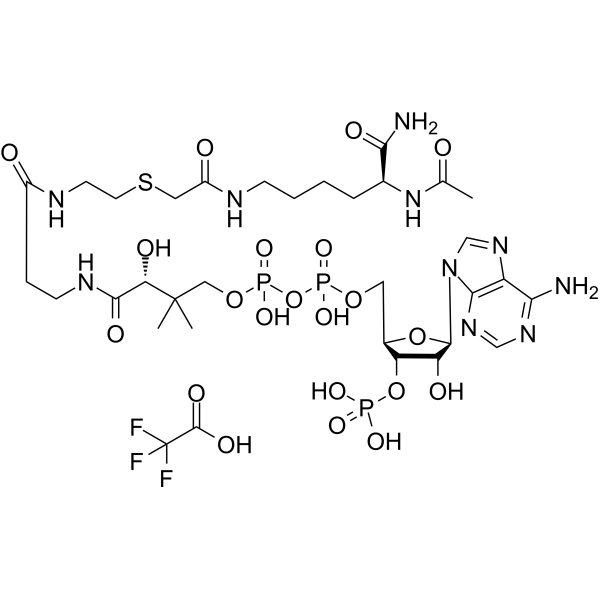
    Lys-CoA TFA is a selective p300 histone acetyltransferase (HAT) inhibitor (IC50=50-500 nM). Lys-CoA TFA displays >100-fold selectivity for p300 over PCAF (IC50=200 μM). Lys-CoA TFA inhibits p300 HAT activity-dependent transcriptional activation .
    Lys-CoA TFA
  • HY-N7436

    Glutathione S-transferase Cancer
    Methyl propyl disulfide is an orally administrable volatile sulfide present in onions. Methyl propyl disulfide reduces the activity of spermine N'1-acetyltransferase (SAT), inhibits cell proliferation, and decreases the induction of placental glutathione S-transferase (GST-P)-positive hepatocyte foci in rat livers. Methyl propyl disulfide can be used in studies related to the mechanism of hepatocarcinogenesis .
    Methyl propyl disulfide
  • HY-100048

    AcINH

    Drug Metabolite Infection
    Acetylisoniazid is a primary Isoniazid (HY-B0329) metabolite mediated by N-acetyltransferase (NAT). Isoniazid is bactericidal to rapidly dividing mycobacteria and has anti-tuberculostatic activity .
    Acetylisoniazid
  • HY-139149

    Histone Acetyltransferase Cancer
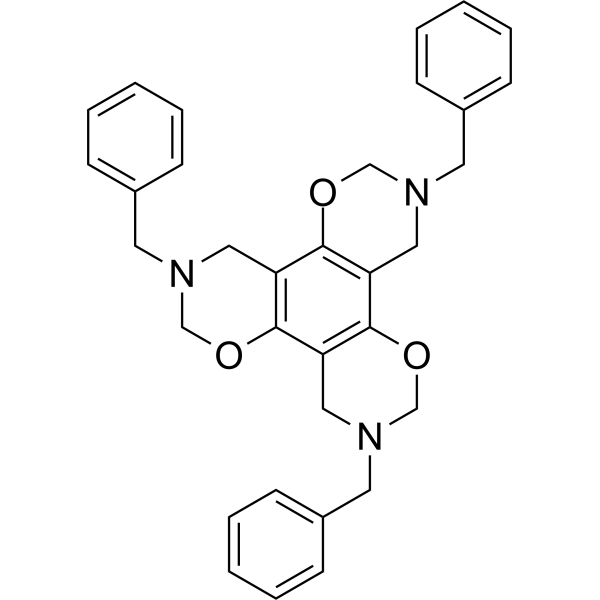
    NiCur is a potent and selective CBP histone acetyltransferase (HAT) inhibitor with an IC50 value of 0.35 μΜ. NiCur, which blocks CBP HAT activity and downregulates p53 activation upon genotoxic stress. NiCur can be used for performing mechanistic studies without affecting the expression of target proteins .
    NiCur
  • HY-N0801

    MMP Cholinesterase (ChE) Neurological Disease Inflammation/Immunology
    Polygalacic acid, is a triterpene, isolated from the root of Polygala tenuifolia Willd. Polygalacic acid inhibits MMP expression. Polygalacic acid may have a therapeutic effect in Osteoarthritis (OA) treatment . Polygalacic acid exerts a significant neuroprotective effect on cognitive impairment, PA improves cholinergic system reactivity by inhibiting acetylcholinesterase (AChE) activity, increasing choline acetyltransferase (ChAT) activity, and elevating levels of acetylcholine (Ach) in the hippocampus and frontal cortex .
    Polygalacic acid
  • HY-147261

    Histone Acetyltransferase Cancer
    B026 is a selective, potent, orally active p300/CBP histone acetyltransferase (HAT) inhibitor with IC50 values of 1.8 nM and 9.5 nM for p300 and CBP enzyme, respectively. B026 has anticancer activity for androgen receptor-positive (AR+) prostate cancer cell lines .
    B026
  • HY-125969

    Histone Acetyltransferase Fungal Infection
    Rtt109 inhibitor 1 (Compound 1) is an inhibitor for histone acetyltransferase Rtt109 through a tight binding, uncompetitive system. Rtt109 inhibitor 1 exhibits antifungal activity through acetylation at H3K56 site .
    Rtt109 inhibitor 1
  • HY-147290

    Histone Acetyltransferase Cancer
    NSC 694623 is a potent histone acetyltransferase (HAT) inhibitor with an IC50 value of 15.9 μM for recombinant HAT p300/CBP-associated factor (PCAF). NSC 694623 has antiproliferative activity against certain cancer cells. NSC 694623 can be used for researching anticancer .
    NSC 694623
  • HY-16955

    ACHN 490

    Antibiotic Bacterial Infection Inflammation/Immunology
    Plazomicin (ACHN 490) is a semi-synthetic aminoglycoside Antibiotic. Plazomicin acts as a substrate for Aminoglycoside acetyltransferase and Aminoglycoside phosphotransferase. Plazomicin is not modified by various common aminoglycoside-modifying enzymes. Plazomicin selectively inhibits MATE2-K. Plazomicin exhibits activity against multidrug-resistant bacteria, including carbapenem-resistant Enterobacterales .
    Plazomicin
  • HY-161483

    Epigenetic Reader Domain Histone Acetyltransferase Neurological Disease Cancer
    CBP/p300 ligand 3 is a target protein ligand of CBPD-268 (HY-161369). CBP and p300 are two proteins with histone acetyltransferase (HAT) activity, and CBP and p300 play key roles in regulating biological processes such as gene expression, cell proliferation, differentiation and DNA repair. Through its acetyltransferase activity, CBP/p300 can acetylate histones and other proteins, thereby regulating chromatin structure and gene expression. CBP/p300 ligand 3 regulates the function of CBP/p300 by binding to a specific domain of the CBP/p300 protein (the bromine domain or HAT domain), inhibiting its enzyme activity or altering its interactions with other proteins (transcription factors). CBP/p300 ligand 3 can be used in cancer, neurodegenerative diseases and other disease models associated with abnormal CBP/p300 function .
    CBP/p300 ligand 3
  • HY-N0005S1

    Diferuloylmethane-d3; Natural Yellow 3-d3; Turmeric yellow-d3

    Isotope-Labeled Compounds Autophagy Histone Acetyltransferase Keap1-Nrf2 Influenza Virus Mitophagy Epigenetic Reader Domain Ferroptosis Infection Metabolic Disease Inflammation/Immunology Cancer
    Curcumin-d3 (Diferuloylmethane-d3 ) is deuterium labeled Curcumin (HY-N0005). Curcumin (Diferuloylmethane), a natural phenolic compound, is a p300/CREB-binding protein-specific inhibitor of acetyltransferase, represses the acetylation of histone/nonhistone proteins and histone acetyltransferase-dependent chromatin transcription. Curcumin is a photosensitizer against microorganisms. Curcumin shows inhibitory effects on NF-κB and MAPKs, and has diverse pharmacologic effects including anti-inflammatory, antioxidant, antiproliferative and antiangiogenic activities. Curcumin induces stabilization of Nrf2 protein through Keap1 cysteine modification.
    Curcumin-d3
  • HY-N2020R

    Hydroginkgolic acid (Standard); Ginkgolic Acid C15:0 (Standard)

    Reference Standards Histone Acetyltransferase Epigenetic Reader Domain Bacterial Cancer
    Anacardic Acid (Standard) is the analytical standard of Anacardic Acid. This product is intended for research and analytical applications. Anacardic Acid, extracted from cashew nut shell liquid, is a histone acetyltransferase inhibitor, inhibits HAT activity of p300 and PCAF, with IC50s of ~8.5 μM and ~5 μM, respectively.
    Anacardic Acid (Standard)
  • HY-N1067R

    Reference Standards COX Acyltransferase Apoptosis HSV CMV Influenza Virus Infection Cancer
    Xanthohumol (Standard) is the analytical standard of Xanthohumol. This product is intended for research and analytical applications. Xanthohumol is one of the principal flavonoids isolated from hops, the inhibitor of diacylglycerol acetyltransferase (DGAT), COX-1 and COX-2, and shows anti-cancer and anti-angiogenic activities. Xanthohumol also has antiviral activity against bovine viral diarrhea virus (BVDV), rhinovirus, HSV-1, HSV-2 and cytomegalovirus (CMV).
    Xanthohumol (Standard)
  • HY-11055

    Histone Acetyltransferase Neurological Disease
    KP 544 is a potent neurotrophic protein enhancer that amplifies nerve growth factor (NGF)-induced neurite outgrowth of PC12 cells and SH-SY5Y neuroblastoma cells. KP544 also enhances choline acetyltransferase activity. KP 544 selectively interact in the differentiation pathway downstream of MAPK in a manner that amplifies nerve growth factor and cyclic AMP effects and is also neuroprotective .
    KP 544
  • HY-107569R

    Cholinesterase (ChE) Histone Acetyltransferase Apoptosis Endogenous Metabolite Reference Standards Inflammation/Immunology Cancer
    Garcinol (Standard) is the analytical standard of Garcinol. This product is intended for research and analytical applications. Garcinol, a polyisoprenylated benzophenone harvested from Garcinia indica, exerts anti-cholinesterase properties towards acetyl cholinesterase (AChE) and butyrylcholinesterase (BChE) with IC50s of 0.66 μM and 7.39 μM, respectively . Garcinol also inhibits histone acetyltransferases (HATs, IC50= 7 μM) and p300/CPB-associated factor (PCAF, IC50 = 5 μM). Garcinol has anti-inflammatory and anti-cancer activity .
    Garcinol (Standard)
  • HY-U00114

    Acyltransferase Neurological Disease
    ZSET-845 is a cognitive enhancer which enhances choline acetyltransferase activity in the hippocampus in the rat.
    ZSET-845
  • HY-106668

    Sch 21420

    Antibiotic Bacterial Infection
    Isepamicin (Sch 21420) is an aminoglycoside antibacterial. Isepamicin has better activity against strains producing type I 6'-acetyltransferase. Isepamicin’s antibacterial spectrum includes Enterobacteriaceae and staphylococci. Anaerobes, Neisseriaceae and streptococci are resistant. Isepamicin exhibits a strong concentration-dependent bactericidal effect, a long post-antibiotic effect (several hours) and induces adaptive resistance .
    Isepamicin
  • HY-N8489

    Endogenous Metabolite Bacterial Infection
    1-Methoxyphaseollidin, a flavonoid compound, is a lysoPAF acetyltransferase inhibitor, with an IC50 of 48 μM. 1-Methoxyphaseollidin exhibits anti-H.pylori activity against the CLAR and AMOX-resistant strain as well as four CLAR (AMOX)-sensitive strains .
    1-Methoxyphaseollidin
  • HY-121089

    Histone Acetyltransferase Others
    P300-IN-5 is a biological inhibitor that demonstrates potent activity against histone acetyltransferases (HAT) both in vitro and in vivo. P300-IN-5 may serve as an alternative therapeutic agent, especially in contexts requiring caution, such as during breastfeeding.
    P300-IN-5
  • HY-136285A

    Histone Acetyltransferase Cancer
    (R,R)-CPI-1612 is the isomer of CPI-1612 (HY-136285), and can be used as an experimental control. CPI-1612 is a highly potent, orally active EP300/CBP histone acetyltransferase (HAT) inhibitor with an IC50 of 8.1 nM for EP300 HAT. CPI-1612 has an anticancer activity .
    (R,R)-CPI-1612
  • HY-145386

    Histone Acetyltransferase Cancer
    (S,S)-CPI-1612 is the isomer of CPI-1612 (HY-136285), and can be used as an experimental control. CPI-1612 is a highly potent, orally active EP300/CBP histone acetyltransferase (HAT) inhibitor with an IC50 of 8.1 nM for EP300 HAT. CPI-1612 has an anticancer activity .
    (S,S)-CPI-1612
  • HY-N4119R

    Reference Standards Phosphatase Cholinesterase (ChE) p38 MAPK Apoptosis Autophagy Neurological Disease Metabolic Disease
    Neoeriocitrin (Standard) is the analytical standard of Neoeriocitrin (HY-N4119). This product is intended for research and analytical applications. Neoeriocitrin is a Naringin (HY-N0153) analogue found in Drynaria Rhizome. Neoeriocitrin induces cells proliferation, differentiation, up-regulates type I collagen, osteocalcin, and key osteogenic markers, and increases ALP activity. Neoeriocitrin increases expression of Runx2, COL I, OCN and Beclin1. Neoeriocitrin inhibits phosphorylation of P38 mitogen-activated protein kinase, reduces acetylcholinesterase (AChE) activity, and increases choline acetyltransferase (ChAT) activity. Neoeriocitrin reduces apoptosis and induces autophagy. Neoeriocitrin can be used for the researches of osteoporosis and Alzheimer's disease .
    Neoeriocitrin (Standard)
  • HY-W014118R

    Reference Standards Environmental Pollutants Cancer
    α-Hexylcinnamaldehyde (Standard) is the analytical standard of α-Hexylcinnamaldehyde. This product is intended for research and analytical applications. α-Hexylcinnamaldehyde is an O-acetyltransferase (OAT) inhibitor. α-Hexylcinnamaldehyde inhibits OAT-mediated bioactivation of nitroarene mutagens, exerts antimutagenic activity through demutagenic and bioantimutagenic mechanisms, and interferes with ATP-binding cassette (ABC) transporter function to reduce substrate efflux. α-Hexylcinnamaldehyde alters membrane permeability, fluidizes phospholipid membranes, exerts antioxidant effects, and enhances the antiproliferative effect of Doxorubicin on human cancer cells. α-Hexylcinnamaldehyde can be used in the research of colorectal adenocarcinoma, T-cell leukemia, and multidrug-resistant cancers .
    α-Hexylcinnamaldehyde (Standard)
  • HY-N2345R

    Reference Standards Histone Acetyltransferase Toll-like Receptor (TLR) Androgen Receptor Inflammation/Immunology Cancer
    Procyanidin B3 (Standard) is the analytical standard of Procyanidin B3. This product is intended for research and analytical applications. Procyanidin B3 is a natural product with antioxidant activity and oral bioavailability, possessing good blood-brain barrier penetration. Procyanidin B3 is a selective inhibitor of histone acetyltransferase (HAT). By inhibiting p300 HAT-mediated acetylation of the androgen receptor (androgen receptor). Procyanidin B3 alleviates intervertebral disc degeneration (IVDD) by inhibiting the formation of the TLR4/MD-2 complex. Procyanidin B3 can be used in research on prostate cancer and arthritis .
    Procyanidin B3 (Standard)
  • HY-P11824

    Histone Acetyltransferase Cancer
    CoA-C2-SGRGK-cCPP is a NatD (NAA40) bisubstrate inhibitor with an IC50 of 78 nM and a Ki of 39 nM. CoA-C2-SGRGK-cCPP competitively targets the peptide substrate binding site and noncompetitively targets the CoA binding site of NatD to block acetyltransferase activity. CoA-C2-SGRGK-cCPP reduces cellular Nα-acetylation on histone H4, modulates EMT marker expression. CoA-C2-SGRGK-cCPP can be used for the research of non-small cell lung cancer .
    CoA-C2-SGRGK-cCPP
  • HY-100734R

    Histone Acetyltransferase Reference Standards Cancer
    Histone Acetyltransferase Inhibitor II (Standard) is the analytical standard of Histone Acetyltransferase Inhibitor II (HY-100734). This product is intended for research and analytical applications. Histone Acetyltransferase Inhibitor II (compound 2c) is a potent, selective and cell permeable p300 histone acetyltransferase inhibitor, with an IC50 of 5 μM. Histone Acetyltransferase Inhibitor II shows anti-acetylase activity in mammalian cells .
    Histone Acetyltransferase Inhibitor II (Standard)

Inquiry Online

Your information is safe with us. * Required Fields.

Salutation


Country or Region *

Applicant Name *


Organization Name *

Department *


Email Address *


Product Name *

Cat. No.


Requested quantity *

Phone Number *


Remarks

Inquiry Online

Inquiry Information

Product Name:
Cat. No.:
Quantity:
MCE Japan Authorized Agent:

