
1. Search Result
Search Result
Results for "

anxiolytic-like activity

" in MedChemExpress (MCE) Product Catalog:

22

Inhibitors & Agonists

2

Peptides

2

Natural
Products

Cat. No. Product Name Target Research Areas Chemical Structure
  • HY-N0152
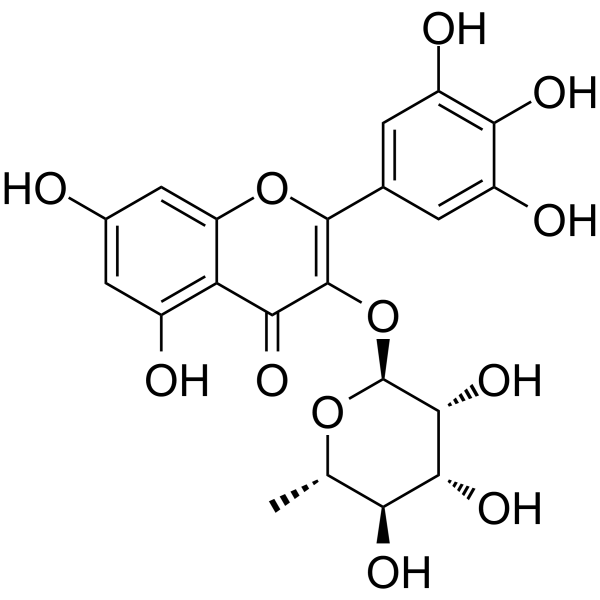
    Myricitrin
    3 Publications Verification

    PKC NO Synthase TNF Receptor Parasite Infection Neurological Disease Inflammation/Immunology
    Myricitrin, a naturally occurring flavonoid, is an orally active nitric oxide (NO) and PKC inhibitor. Myricitrin has central nervous system activity, including anxiolytic-like action. Myricitrin possesses antioxidant, anti-inflammatory, antifibrotic and anti-malarial effects .
    Myricitrin
  • HY-100834
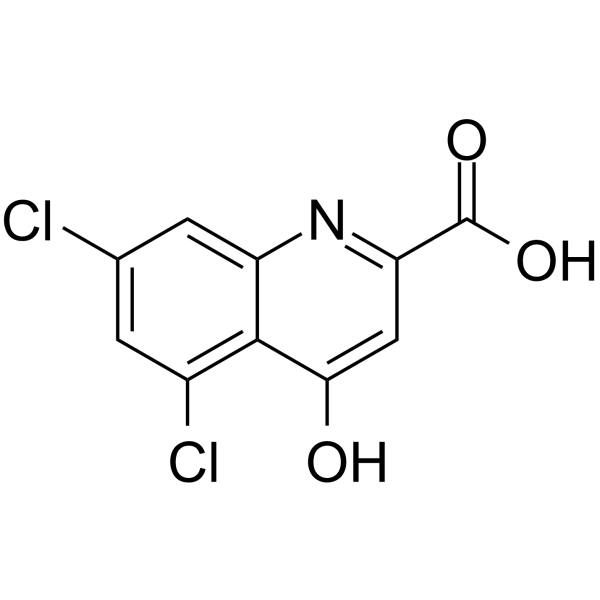
    5,7-Dichlorokynurenic acid
    1 Publications Verification

    5,7-DCKA

    iGluR Neurological Disease
    5,7-Dichlorokynurenic acid (5,7-DCKA) is a selective and competitive antagonist of the glycine site on NMDA receptor with a KB of 65 nM. 5,7-Dichlorokynurenic acid reduces NMDA-induced neuron injury. 5,7-Dichlorokynurenic acid increases social interaction time, increases open arm exploration time, disinhibits suppressed conflict responding in rodent models. 5,7-Dichlorokynurenic acid exhibits anxiolytic-like activity in rodent models and supports exploration of glycine’s role in NMDA receptor-mediated synaptic transmission .
    5,7-Dichlorokynurenic acid
  • HY-118301

    GABA Receptor 5-HT Receptor Neurological Disease
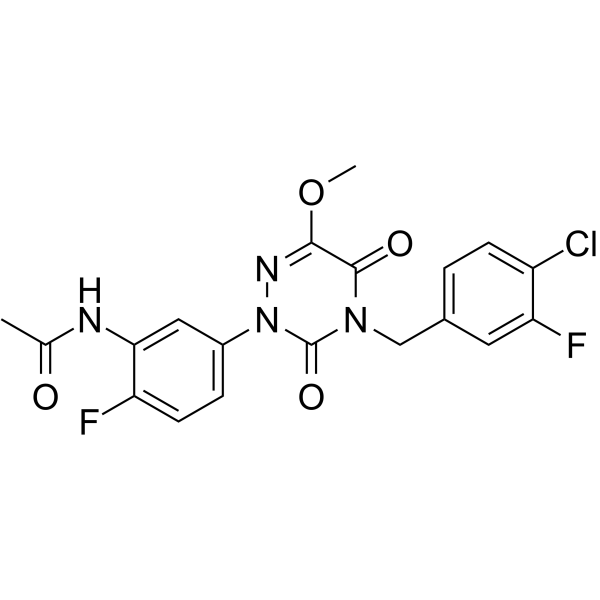
    ADX71441 is an orally active, blood-brain barrier penetrant positive allosteric modulator of GABAB receptor. ADX71441 potentiates the activity of endogenous GABA at GABAB receptor, with an EC50 of 96 nM. ADX71441 functionally inhibits adenosine transporters and 5-HT2B receptor. ADX71441 produces anxiolytic-like, analgesic, muscle relaxant, hypothermic and overactive bladder inhibitory effects, reduces acute locomotor activity levels, decreases voluntary intake of alcohol and saccharin, attenuates stress-induced neuronal activation, and exhibits anti-hyperalgesic activity .
    ADX71441
  • HY-P1117
    MMK1
    1 Publications Verification

    Formyl Peptide Receptor (FPR) Calcium Channel Neurological Disease Inflammation/Immunology
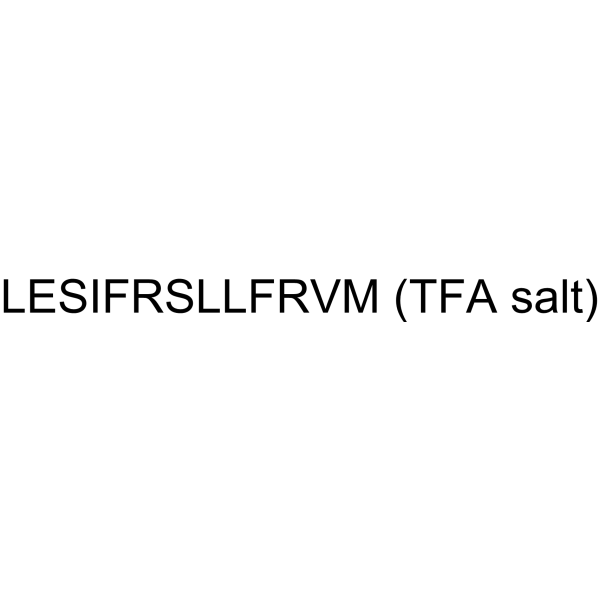
    MMK1 is a potent and selective human formyl peptide receptor like-1 (FPRL-1/FPR2) agonist with EC50s of <2 nM and >10000 nM for FPRL-1 and FPR1, respectively. MMK1 is a potent chemotactic and calcium-mobilizing agonist. MMK1 potently activates phagocytic leukocytes and enhances Pertussis Toxin-sensitive production by human monocytes of proinflammatory cytokines IL-1b and IL-6. MMK1 exerts anxiolytic-like activity .
    MMK1
  • HY-101358

    AH-002

    Melatonin Receptor Neurological Disease
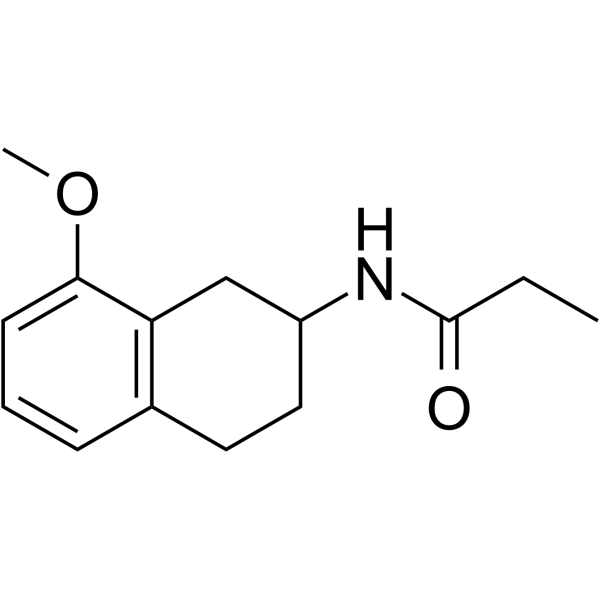
    8-M-PDOT (AH-002) is a selective melatonin MT2 receptor agonist. 8-M-PDOT is 5.2-fold selective for MT2 over MT1 receptors. 8-M-PDOT binds human recombinant MT2 and MT2 receptors with pKi values of 8.23 and 8.95 respectively. 8-M-PDOT has anxiolytic-like activity .
    8-M-PDOT
  • HY-103571

    mGluR Neurological Disease
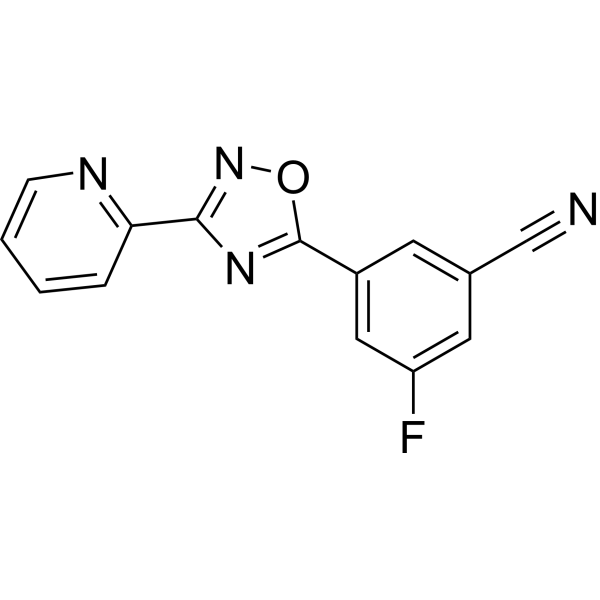
    VU0285683 is a selective mGluR5 positive allosteric modulator (PAM). VU0285683 has anxiolytic-like activity in rodent models for anxiety .
    VU0285683
  • HY-107722

    Opioid Receptor Neurological Disease
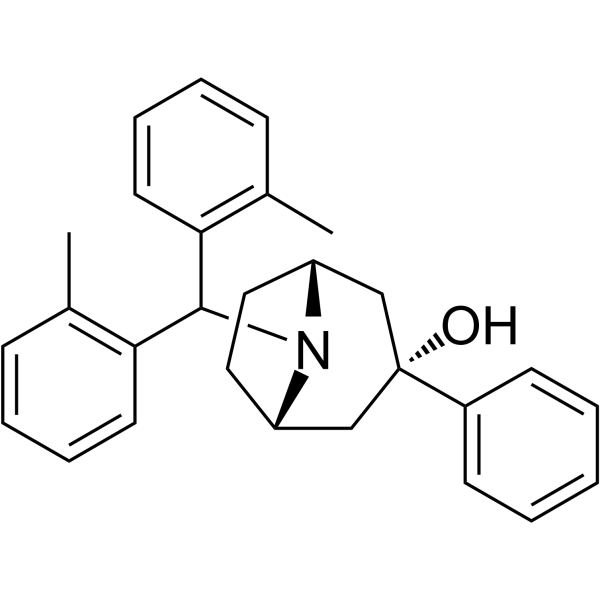
    SCH 221510 is a potent, orally active and selective NOP (nociceptin opioid receptor) agonist, with an EC50 of 12 nM and Ki of 0.3 nM. SCH 221510 shows an anxiolytic-like effect .
    SCH 221510
  • HY-141795

    Co 134444

    Drug Derivative Neurological Disease
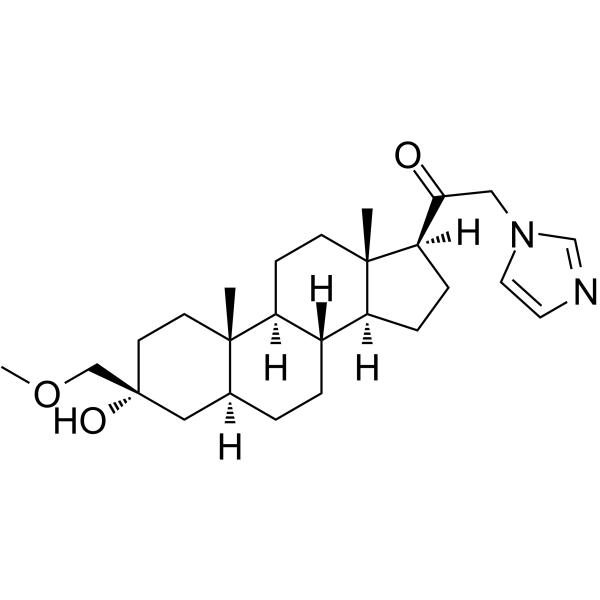
    Posovolone (Co 134444) is an orally active, neuroactive steroid. Posovolone has anticonvulsant and anxiolytic-like activity as well as ataxic effects .
    Posovolone
  • HY-101387

    mGluR Neurological Disease
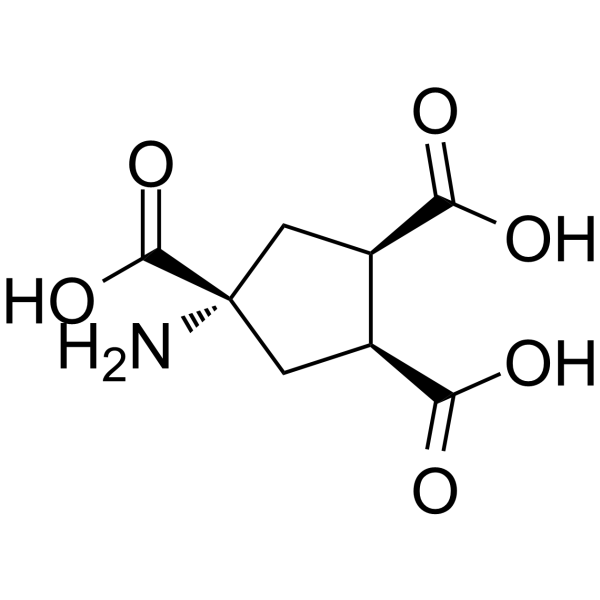
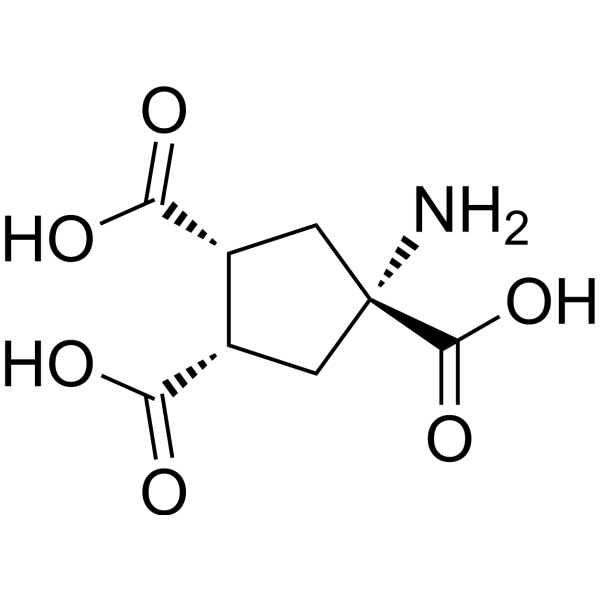
    rel-ACPT-I is an agonist of group III mGluRs with diverse biological activities including neuroprotective, anticonvulsant, and anxiolytic-like effects .
    rel-ACPT-I
  • HY-101322A

    5-HT Receptor Neurological Disease
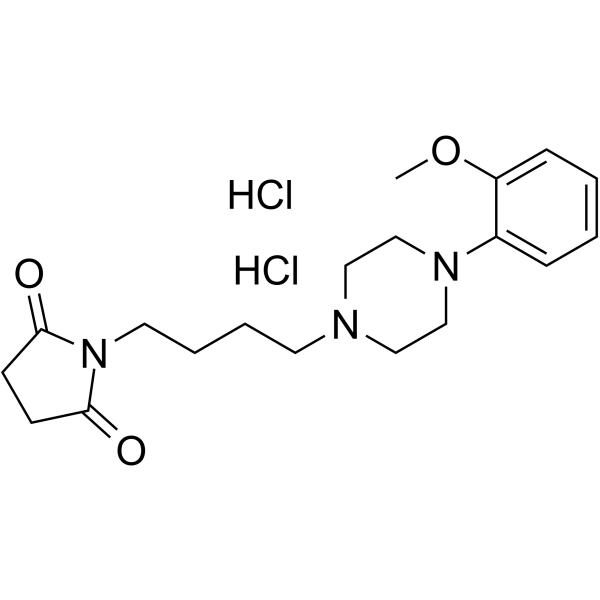
    MM 77 dihydrochloride is a potent postsynaptic antagonist of the 5-HT1A receptor. MM 77 dihydrochloride exhibits anxiolytic-like activity .
    MM 77 dihydrochloride
  • HY-W150182

    Environmental Pollutants Neurological Disease Inflammation/Immunology
    p-Cymen-8-ol is an alcohol. p-Cymen-8-ol can be used to make essential oils. Essential oils containing p-Cymen-8-ol exhibit immunomodulatory activity. p-Cymen-8-ol, when used in combination with other substances to make essential oils, exerts an anxiolytic-like effect and reduces hepatic lipid peroxidation levels in ICR mice. p-Cymen-8-ol may be used in research on anxiolytic and other neurological and immune system disorders .
    p-Cymen-8-ol
  • HY-101387A

    mGluR Neurological Disease
    ACPT-II is an antagonist of group III mGluRs with diverse biological activities including neuroprotective, anticonvulsant, and anxiolytic-like effects .
    ACPT-II
  • HY-118008A

    5-HT Receptor Neurological Disease
    Lesopitron hydrochloride is a 5-HT receptor agonist with potent anxiolytic-like effects. Lesopitron hydrochloride inhibits forskolin-stimulated adenylate cyclase activity with an IC50 value of 125 nM .
    Lesopitron hydrochloride
  • HY-118008

    5-HT Receptor Neurological Disease
    Lesopitron (E-4424) is a 5-HT receptor agonist with potent anxiolytic-like effects. Lesopitron inhibits forskolin-stimulated adenylate cyclase activity with an IC50 value of 125 nM .
    Lesopitron
  • HY-N0152R

    Reference Standards PKC NO Synthase TNF Receptor Parasite Infection Neurological Disease Inflammation/Immunology
    Myricitrin (Standard) is the analytical standard of Myricitrin. This product is intended for research and analytical applications. Myricitrin, a naturally occurring flavonoid, is an orally active nitric oxide (NO) and PKC inhibitor. Myricitrin has central nervous system activity, including anxiolytic-like action. Myricitrin possesses antioxidant, anti-inflammatory, antifibrotic and anti-malarial effects .
    Myricitrin (Standard)
  • HY-117955

    WAY 141839; Co 2-6749

    GABA Receptor Neurological Disease
    GMA-839 is a selective modulator of the γ-aminobutyric acid A receptor (GABAA) with an IC50 value of 230 nM. GMA-839 exhibits potent anxiolytic-like activity, demonstrating significant dose-dependent anxiolytic effects in animal models, with an effective oral dose of 1.6 mg/kg. Significant increases in punished responding were observed in squirrel monkeys and pigeons. GMA-839 shows promise for research in the field of anxiolytics .
    GMA-839
  • HY-100834A

    5,7-DCKA sodium

    iGluR Neurological Disease
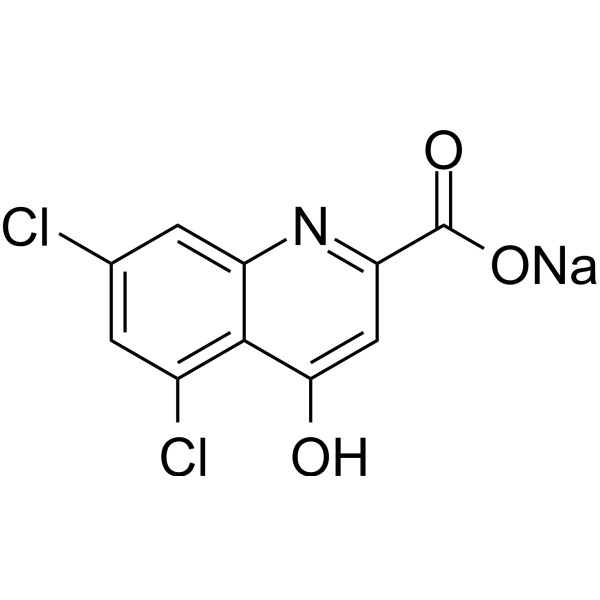
    5,7-Dichlorokynurenic acid (5,7-DCKA) sodium is a selective and competitive antagonist of the glycine site on NMDA receptor with a KB of 65 nM. 5,7-Dichlorokynurenic acid sodium reduces NMDA-induced neuron injury. 5,7-Dichlorokynurenic acid sodium increases social interaction time, increases open arm exploration time, disinhibits suppressed conflict responding in rodent models. 5,7-Dichlorokynurenic acid sodium exhibits anxiolytic-like activity in rodent models and supports exploration of glycine’s role in NMDA receptor-mediated synaptic transmission .
    5,7-Dichlorokynurenic acid sodium
  • HY-P1117A

    Formyl Peptide Receptor (FPR) Calcium Channel Neurological Disease Inflammation/Immunology
    MMK1 TFA is a potent and selective human formyl peptide receptor like-1 (FPRL-1/FPR2) agonist with EC50s of <2 nM and >10000 nM for FPRL-1 and FPR1, respectively. MMK1 TFA is a potent chemotactic and calcium-mobilizing agonist. MMK1 TFA potently activates phagocytic leukocytes and enhances Pertussis Toxin-sensitive production by human monocytes of proinflammatory cytokines IL-1b and IL-6. MMK1 TFA exerts anxiolytic-like activity .
    MMK1 TFA
  • HY-100834R

    5,7-DCKA (Standard)

    Reference Standards iGluR Neurological Disease
    5,7-Dichlorokynurenic acid (Standard) is the analytical standard of 5,7-Dichlorokynurenic acid (HY-100834). This product is intended for research and analytical applications. 5,7-Dichlorokynurenic acid (5,7-DCKA) is a selective and competitive antagonist of the glycine site on NMDA receptor with a KB of 65 nM. 5,7-Dichlorokynurenic acid reduces NMDA-induced neuron injury. 5,7-Dichlorokynurenic acid increases social interaction time, increases open arm exploration time, disinhibits suppressed conflict responding in rodent models. 5,7-Dichlorokynurenic acid exhibits anxiolytic-like activity in rodent models and supports exploration of glycine’s role in NMDA receptor-mediated synaptic transmission .
    5,7-Dichlorokynurenic acid (Standard)
  • HY-101358R

    AH-002 (Standard)

    Melatonin Receptor Reference Standards Neurological Disease
    8-M-PDOT (Standard) is the analytical standard of 8-M-PDOT (HY-101358). This product is intended for research and analytical applications. 8-M-PDOT (AH-002) is a selective melatonin MT2 receptor agonist. 8-M-PDOT is 5.2-fold selective for MT2 over MT1 receptors. 8-M-PDOT binds human recombinant MT2 and MT2 receptors with pKi values of 8.23 and 8.95 respectively. 8-M-PDOT has anxiolytic-like activity .
    8-M-PDOT (Standard)
  • HY-15080

    LY 293606

    iGluR Cardiovascular Disease Neurological Disease
    GYKI 53405 is a non-competitive, orally active AMPA receptor antagonist. GYKI 53405 shows no significant binding affinity for GABAA, GABAB or benzodiazepine receptors. GYKI 53405 increases self-grooming behavior, induces wet dog-like shakes, reduces spontaneous activity, produces anxiolytic-like behavior, reverses the anxiogenic effect induced by mCPP, inhibits locomotor activity, suppresses sound-induced and maximal electroshock-induced seizures, prolongs survival in global cerebral ischemia models, and exhibits sustained anticonvulsant effects at doses below the sedation threshold. GYKI 53405 can be used in research related to absence epilepsy, anxiety disorders and global cerebral ischemia .
    GYKI 53405
  • HY-107722R

    Reference Standards Opioid Receptor Neurological Disease
    SCH 221510 (Standard) is the analytical standard of SCH 221510 (HY-107722). This product is intended for research and analytical applications. SCH 221510 is a potent, orally active and selective NOP (nociceptin opioid receptor) agonist, with an EC50 of 12 nM and Ki of 0.3 nM. SCH 221510 shows an anxiolytic-like effect .
    SCH 221510 (Standard)

Inquiry Online

Your information is safe with us. * Required Fields.

Salutation


Country or Region *

Applicant Name *


Organization Name *

Department *


Email Address *


Product Name *

Cat. No.


Requested quantity *

Phone Number *


Remarks

Inquiry Online

Inquiry Information

Product Name:
Cat. No.:
Quantity:
MCE Japan Authorized Agent:

