395 Results for "

autophagy pathways

" in MedChemExpress (MCE) Product Catalog:
Products (395)

395 Results for "autophagy pathways" in MCE Product Catalog:

850
850 Publications Verification
Cat. No.: HY-16658B
CAS No.: 161401-82-7
Synonyms: Z-VAD(OH)-FMK
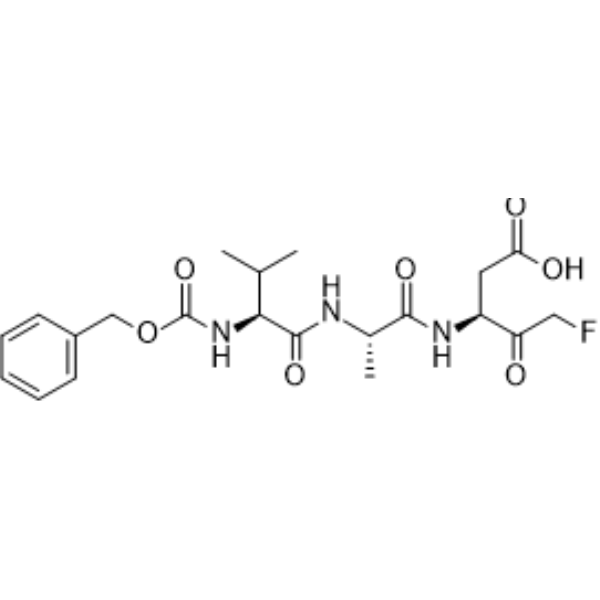
Z-VAD-FMK is a pan-caspase inhibitor and also an ICE-like protease inhibitor, which inhibits apoptosis by preventing the processing of CPP32 to its active form. Z-VAD-FMK sensitivity varies primarily due to differential expression of receptor-interacting protein 1 (RIP1). Z-VAD-FMK limits the cryopreservation-induced apoptosis by reducing caspase-3 activity of in vitro produced bovine embryos. Z-VAD-FMK is immunosuppressive in vitro and inhibits T cell proliferation without blocking the processing of caspase-8 and caspase-3. Z-VAD-FMK leads to a decrease in intracellular glutathione (GSH) with a concomitant increase in reactive oxygen species (ROS) levels in activated T cells. Z-VAD-FMK is due to oxidative stress via the depletion of GSH. Z-VAD-FMK can be used for the study of acute pancreatitis .
loading...
    loading...
819
819 Cited Publications
Cat. No.: HY-13418
CAS No.: 1219168-18-9
Pureté:  99.7%
Synonyms: Compound C dihydrochloride; BML-275 dihydrochloride
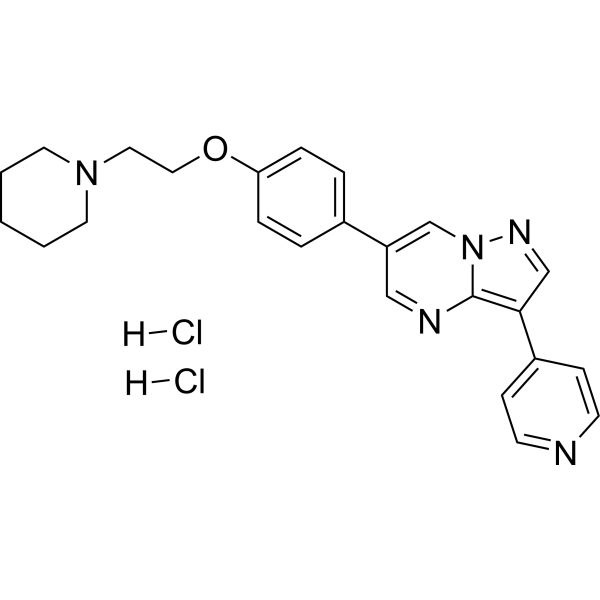
Dorsomorphin (Compound C) dihydrochloride is a potent, selective and ATP-competitive AMPK inhibitor, with a Ki of 109 nM. Dorsomorphin dihydrochloride inhibits BMP pathway by targeting the type I receptors ALK2, ALK3, and ALK6. Dorsomorphin dihydrochloride can reverse autophagy activation and anti-inflammatory effect of Urolithin A (HY-100599).
loading...
    loading...
602
602 Cited Publications
Cat. No.: HY-10071
CAS No.: 146986-50-7
Pureté:  99.46%
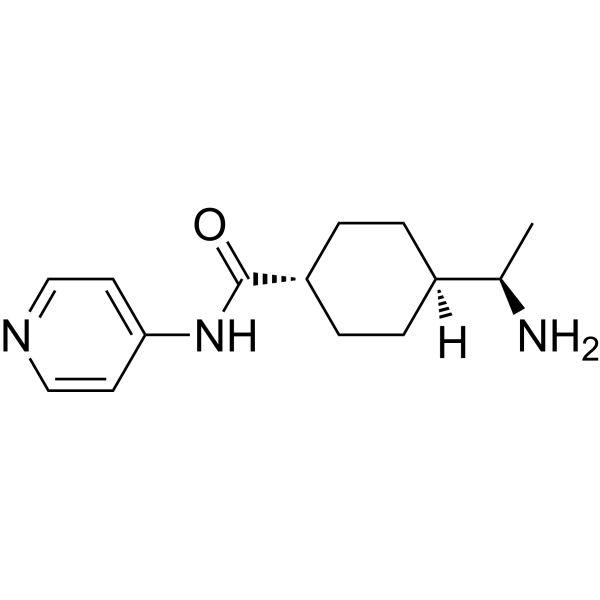
Y-27632 is a ROCK inhibitor with Ki values of 220 nM and 300 nM for ROCK1 and ROCK2, respectively. Y-27632 exerts anti-inflammatory and immunomodulatory effects in systemic lupus erythematosus models by inhibiting the ROCK/NF-κB pathway. Y-27632 enhances autophagy by inhibiting the AKT/mTOR pathway, thereby inducing apoptosis apoptosis in oral squamous cell carcinoma. Y-27632 induces the formation of tunneling nanotubes in ARPE-19 cells and significantly enhances mitochondrial transfer through these channels. Y-27632 promotes neurite outgrowth in PC12 cells by activating the Rac1/NOX1/ROS/AKT/PAK1 signaling cascade .
loading...
    loading...
602
602 Cited Publications
Cat. No.: HY-10071A
CAS No.: 331752-47-7
Y-27632 hydrochloride hydrate is a ROCK inhibitor with Ki values of 220 nM and 300 nM for ROCK1 and ROCK2, respectively. Y-27632 hydrochloride hydrate exerts anti-inflammatory and immunomodulatory effects in systemic lupus erythematosus models by inhibiting the ROCK/NF-κB pathway. Y-27632 hydrochloride hydrate enhances autophagy by inhibiting the AKT/mTOR pathway, thereby inducing apoptosis apoptosis in oral squamous cell carcinoma. Y-27632 hydrochloride hydrate induces the formation of tunneling nanotubes in ARPE-19 cells and significantly enhances mitochondrial transfer through these channels. Y-27632 hydrochloride hydrate promotes neurite outgrowth in PC12 cells by activating the Rac1/NOX1/ROS/AKT/PAK1 signaling cascade .
loading...
    loading...
321
321 Cited Publications
Cat. No.: HY-10182
CAS No.: 252917-06-9
Pureté:  99.43%
Synonyms: CHIR-99021; CT99021
Domaines de recherche:  

Metabolic Disease Cancer

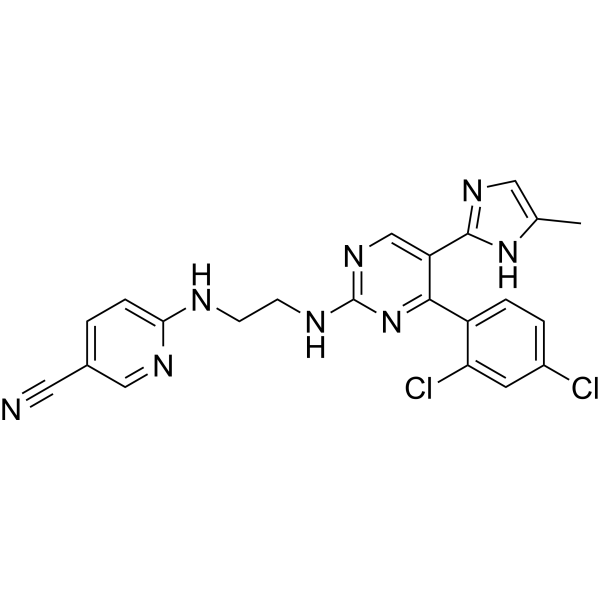
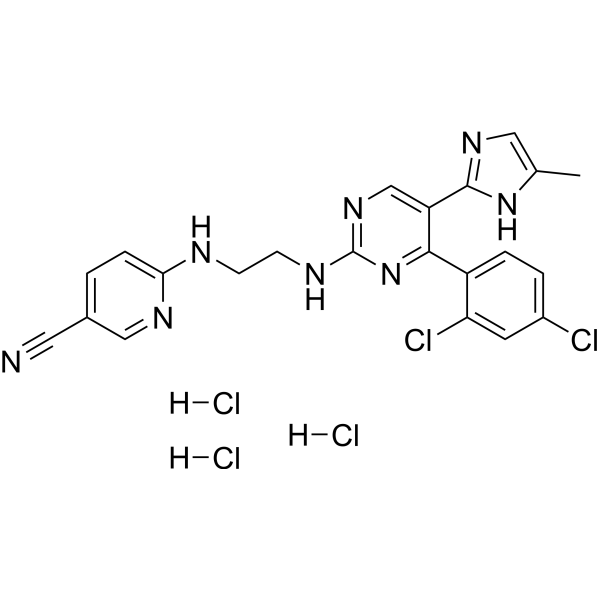
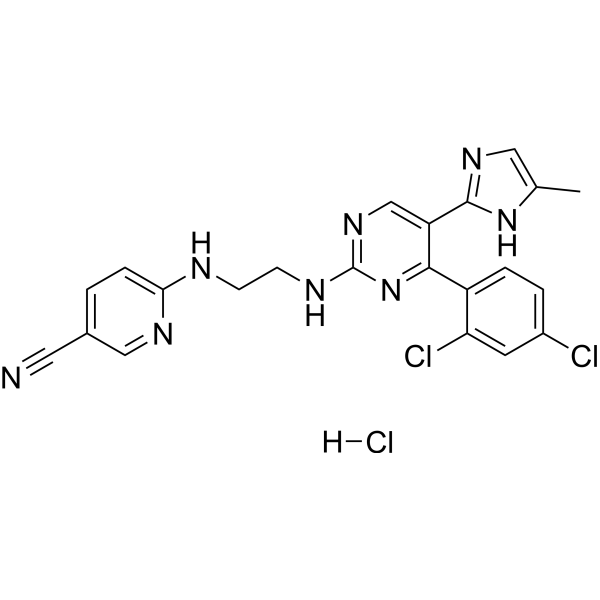
Laduviglusib (CHIR-99021) is a potent, selective and orally active GSK-3α/β inhibitor with IC50s of 10 nM and 6.7 nM. Laduviglusib shows >500-fold selectivity for GSK-3 over CDC2, ERK2 and other protein kinases. Laduviglusib is also a potent Wnt/β-catenin signaling pathway activator. Laduviglusib enhances mouse and human embryonic stem cells self-renewal. Laduviglusib induces autophagy .
loading...
    loading...
321
321 Cited Publications
Cat. No.: HY-10182B
CAS No.: 1782235-14-6
Pureté:  99.07%
Synonyms: CHIR-99021 trihydrochloride; CT99021 trihydrochloride
Domaines de recherche:  

Cancer

Laduviglusib (CHIR-99021) trihydrochloride is a potent and selective GSK-3α/β inhibitor with IC50s of 10 nM and 6.7 nM. Laduviglusib trihydrochloride shows >500-fold selectivity for GSK-3 over CDC2, ERK2 and other protein kinases. Laduviglusib trihydrochloride is also a potent Wnt/β-catenin signaling pathway activator. Laduviglusib trihydrochloride enhances mouse and human embryonic stem cells self-renewal. Laduviglusib trihydrochloride induces autophagy .
loading...
    loading...
321
321 Cited Publications
Cat. No.: HY-10182A
CAS No.: 1797989-42-4
Pureté:  99.93%
Synonyms: CHIR-99021 monohydrochloride; CT99021 monohydrochloride
Domaines de recherche:  

Cancer

Laduviglusib (CHIR-99021) monohydrochloride is a potent and selective GSK-3α/β inhibitor with IC50s of 10 nM and 6.7 nM. Laduviglusib monohydrochloride shows >500-fold selectivity for GSK-3 over CDC2, ERK2 and other protein kinases. Laduviglusib monohydrochloride is also a potent Wnt/β-catenin signaling pathway activator. Laduviglusib monohydrochloride enhances mouse and human embryonic stem cells self-renewal. Laduviglusib monohydrochloride induces autophagy .
loading...
    loading...
316
316 Cited Publications
Cat. No.: HY-10201
CAS No.: 284461-73-0
Pureté:  99.92%
Synonyms: Bay 43-9006
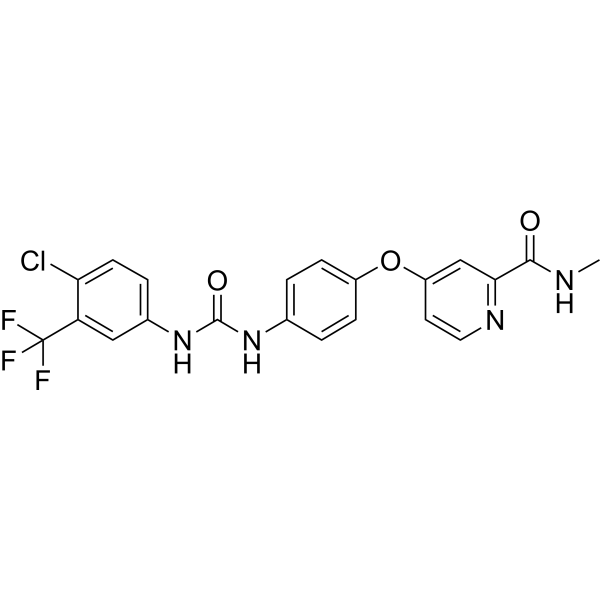
Sorafenib (Bay 43-9006) is a potent oral active multikinase inhibitor. Sorafenib blocks autophosphorylation and activity of receptor tyrosine kinases (VEGFR-2, VEGFR-3) and RAF family kinases, thereby suppressing the RAF/MEK/ERK and PI3K/Akt pathways, inhibiting STAT3 phosphorylation, and selectively inhibiting the MAPK pathway in cancer cells. Sorafenib induces cell cycle arrest, autophagy, apoptosis, and PARP cleavage, reduces Bcl-2, Bcl-XL, cyclin D1 levels, and activates Bak and Bax. Sorafenib inhibits tumor growth and metastasis in mouse and rat models. Sorafenib can be used for cancer research, such as colon, breast, non-small-cell lung cancer (NSCLC), ovarian, pancreatic, melanoma, colorectal and hepatocellular carcinoma .
loading...
    loading...
316
316 Cited Publications
Cat. No.: HY-10201A
CAS No.: 475207-59-1
Pureté:  99.75%
Synonyms: Bay 43-9006 tosylate
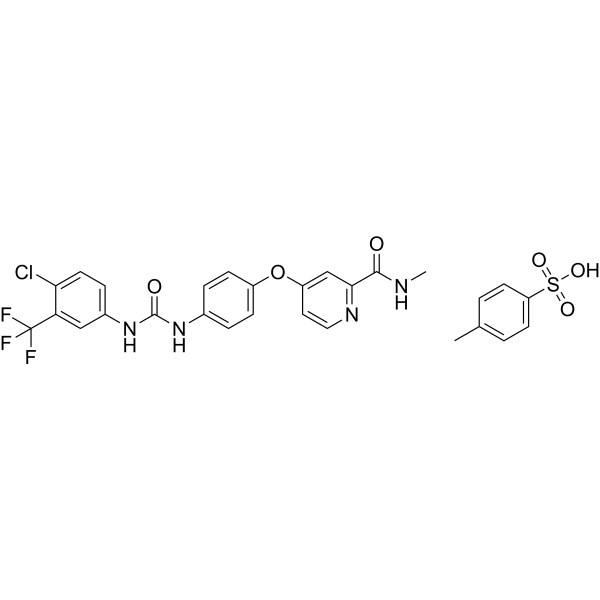
Sorafenib (Bay 43-9006) tosylate is a potent oral active multikinase inhibitor. Sorafenib blocks autophosphorylation and activity of receptor tyrosine kinases (VEGFR-2, VEGFR-3) and RAF family kinases, thereby suppressing the RAF/MEK/ERK and PI3K/Akt pathways, inhibiting STAT3 phosphorylation, and selectively inhibiting the MAPK pathway in cancer cells. Sorafenib tosylate induces cell cycle arrest, autophagy, apoptosis, and PARP cleavage, reduces Bcl-2, Bcl-XL, cyclin D1 levels, and activates Bak and Bax. Sorafenib tosylate inhibits tumor growth and metastasis in mouse and rat models. Sorafenib tosylate can be used for cancer research, such as colon, breast, non-small-cell lung cancer (NSCLC), ovarian, pancreatic, melanoma, colorectal and hepatocellular carcinoma .
loading...
    loading...
212
212 Cited Publications
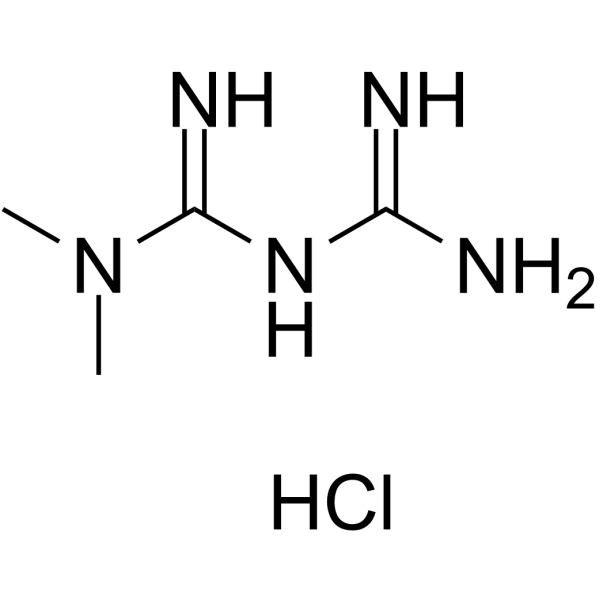
Cat. No.: HY-17471A
CAS No.: 1115-70-4
Synonyms: 1,1-Dimethylbiguanide hydrochloride
Metformin (1,1-Dimethylbiguanide) hydrochloride inhibits the mitochondrial respiratory chain in the liver, leading to AMPK activation and enhancing insulin sensitivity, and can be used in the study of type 2 diabetes. Metformin hydrochloride exerts central glucose-lowering effects by inhibiting Ras-related protein 1 (Rap1) in SF1 hypothalamic neurons. Metformin hydrochloride also inhibits liver oxidative stress, nitrosative stress, inflammation, and apoptosis caused by liver ischemia/reperfusion injury. In addition, Metformin hydrochloride regulates the expression of autophagy-related proteins by activating AMPK and inhibiting the mTOR signaling pathway, thereby inducing tumor cell autophagy and inhibiting the growth of renal cell carcinoma in vitro and in vivo .
loading...
    loading...
212
212 Cited Publications
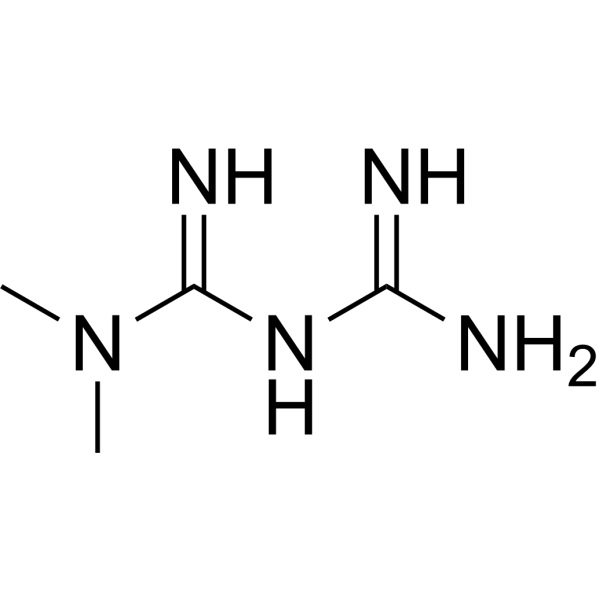
Cat. No.: HY-B0627
CAS No.: 657-24-9
Synonyms: 1,1-Dimethylbiguanide
Metformin (1,1-Dimethylbiguanide) inhibits the mitochondrial respiratory chain in the liver, leading to AMPK activation and enhancing insulin sensitivity, and can be used in the study of type 2 diabetes. Metformin exerts central glucose-lowering effects by inhibiting Ras-related protein 1 (Rap1) in SF1 hypothalamic neurons. Metformin also inhibits liver oxidative stress, nitrosative stress, inflammation, and apoptosis caused by liver ischemia/reperfusion injury. In addition, Metformin regulates the expression of autophagy-related proteins by activating AMPK and inhibiting the mTOR signaling pathway, thereby inducing tumor cell autophagy and inhibiting the growth of renal cell carcinoma in vitro and in vivo .
loading...
    loading...
197
197 Cited Publications
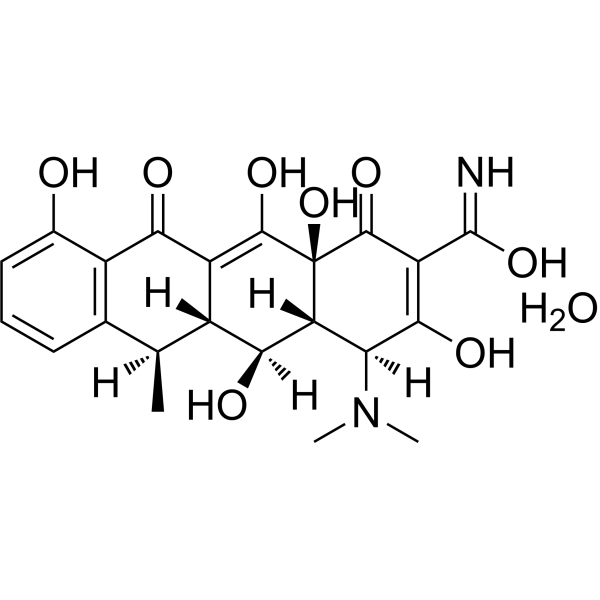
Cat. No.: HY-W008923
CAS No.: 17086-28-1
Doxycycline monohydrate is an orally active highly lipophilic, tissue-permeable MMP inhibitor with broad-spectrum antibacterial activity. Doxycycline monohydrate is also a semi-synthetic antibiotic with chelating properties, which blocks bacterial protein synthesis and inhibits extracellular matrix degradation through interactions with zinc and calcium atoms. Doxycycline monohydrate also inhibits mitochondrial biogenesis, translation, and the expression of respiratory chain proteins. Doxycycline monohydrate induces apoptosis, inhibits autophagy and EMT, downregulates stem cell markers, and activates the PI3K-AKT pathway, thereby effectively inhibiting the viability and proliferation of cancer cells such as breast cancer cells. Doxycycline monohydrate also promotes the survival and self-renewal of embryonic stem cells and neural stem cells, and reduces the frequency of medium changes in culture. Doxycycline monohydrate has been applied in studies related to breast cancer, prostate cancer, bladder cancer, and other cancers .
loading...
    loading...
153
153 Cited Publications
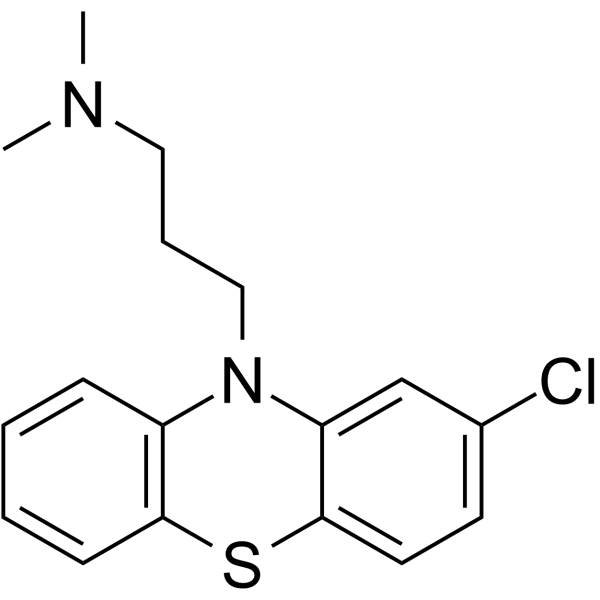
Cat. No.: HY-12708
CAS No.: 50-53-3
Pureté:  99.75%
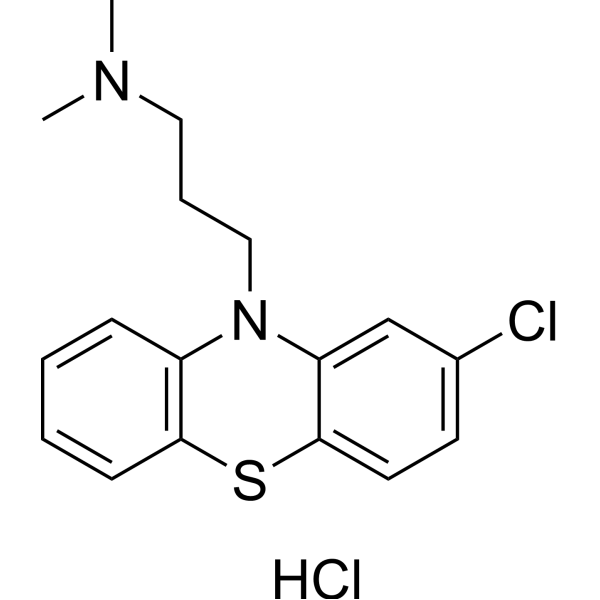
Chlorpromazine is an orally active, blood-brain barrier-transparent antipsychotic agent that effectively antagonises D2 dopamine receptors and 5-HT2A, which is widely used in schizophrenia and other psychiatric disorders. Chlorpromazine exerts anti-cancer activity through a variety of pathways, including anti-proliferation, induction of autophagy and cycle arrest (G2-M phase), inhibition of cytochrome c oxidase (CcO), inhibition of tumour growth and metastasis, and inhibition of tumour immune escape. Chlorpromazine also blocks hNav1.7 channels (IC50=25.9 μM; concentration-dependent) and HERG potassium channels (IC50=21.6 μM), which has potential for analgesic and cardiac arrhythmic studies. Chlorpromazine also can inhibit clathrin-mediated endocytosis .
loading...
    loading...
153
153 Cited Publications
Cat. No.: HY-B0407A
CAS No.: 69-09-0
Chlorpromazine hydrochloride is an orally active, blood-brain barrier-transparent antipsychotic agent that effectively antagonises D2 dopamine receptors and 5-HT2A, which is widely used in schizophrenia and other psychiatric disorders. Chlorpromazine hydrochloride exerts anti-cancer activity through a variety of pathways, including anti-proliferation, induction of autophagy and cycle arrest (G2-M phase), inhibition of cytochrome c oxidase (CcO), inhibition of tumour growth and metastasis, and inhibition of tumour immune escape. Chlorpromazine hydrochloride also blocks hNav1.7 channels (IC50=25.9 μM; concentration-dependent) and HERG potassium channels (IC50=21.6 μM), which has potential for analgesic and cardiac arrhythmic studies. Chlorpromazine hydrochloride also can inhibit clathrin-mediated endocytosis .
loading...
    loading...
77
77 Cited Publications
Cat. No.: HY-10971
CAS No.: 1028486-01-2
Pureté:  99.36%
Synonyms: MLN 8237
Domaines de recherche:  

Cancer

Alisertib (MLN 8237) is an orally active and selective Aurora A kinase inhibitor (IC50=1.2 nM), which binds to Aurora A kinase resulting in mitotic spindle abnormalities, mitotic accumulation. Alisertib (MLN 8237) induces apoptosis and autophagy through targeting the AKT/mTOR/AMPK/p38 pathway in leukemic cells. Antitumor activity .
loading...
    loading...
75
75 Cited Publications
Cat. No.: HY-50907
CAS No.: 852808-04-9
Domaines de recherche:  

Inflammation/Immunology Cancer

ABT-737, a BH3 mimetic, is a potent Bcl-2, Bcl-xL and Bcl-w inhibitor with EC50s of 30.3 nM, 78.7 nM, and 197.8 nM, respectively. ABT-737 induces the disruption of the BCL-2/BAX complex and BAK-dependent but BIM-independent activation of the intrinsic apoptotic pathway. ABT-737 induces autophagy and has the potential for acute myeloid leukemia (AML) research .
loading...
    loading...
67
67 Cited Publications
Cat. No.: HY-50876
CAS No.: 658084-64-1
Synonyms: FK866; APO866
Domaines de recherche:  

Cancer

Daporinad (FK866) is a non-competitive inhibitor of nicotinamide phosphoribosyltransferase (Nampt), with a Ki value of 0.3 nM. Daporinad depletes NAD+ and ATP levels, inhibits mTORC1 and MAPK/ERK pathways, and activates TFEB to induce autophagy. Daporinad causes the depletion of the endoplasmic reticulum Ca²⁺ pool, ultimately weakening the mitogen-induced Ca²⁺ signal and the activation and function of T cells. Daporinad induces cell cycle arrest and apoptosis, and inhibits cell proliferation. Daporinad can be used for the study of myeloma, liver cancer, and immunosuppression .
loading...
    loading...
65
65 Cited Publications
Cat. No.: HY-17363
CAS No.: 624-49-7
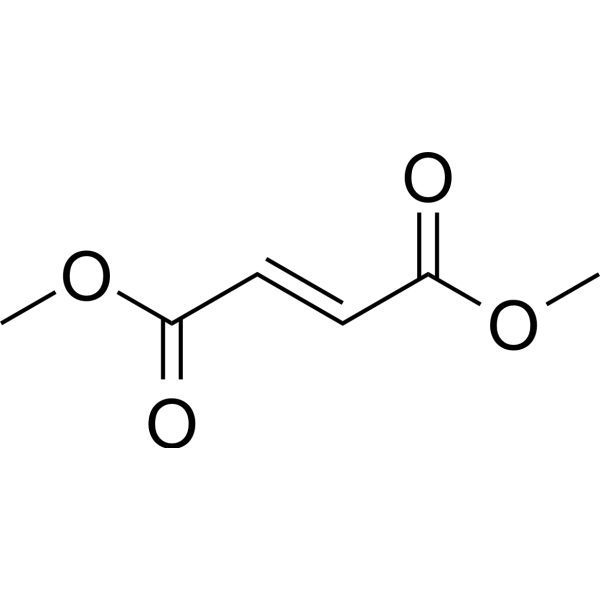
Dimethyl fumarate (DMF) is an orally active and brain-penetrant Nrf2 activator and induces upregulation of antioxidant gene expression. Dimethyl fumarate induces necroptosis in colon cancer cells through GSH depletion/ROS increase/MAPKs activation pathway, and also induces cell autophagy. Dimethyl fumarate can be used for multiple sclerosis research .
loading...
    loading...
50
50 Cited Publications
Cat. No.: HY-N2332A
CAS No.: 351344-10-0
Synonyms: MLA citrate
Domaines de recherche:  

Neurological Disease

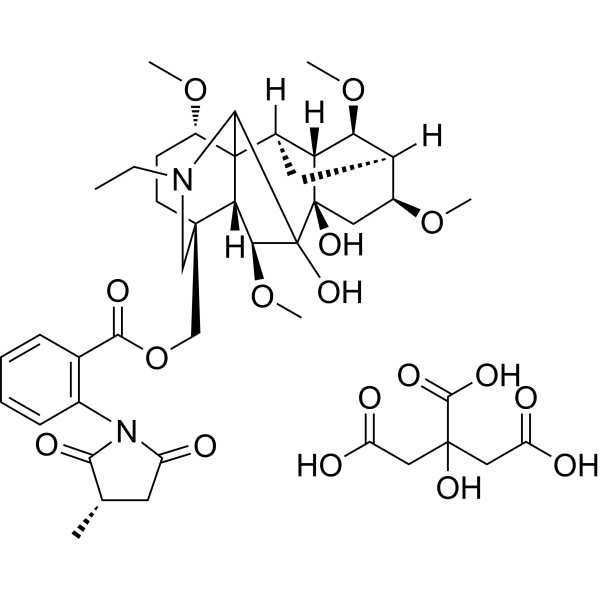
Methyllycaconitine (MLA) citrate is a blood-brain barrier-permeable antagonist of α7 nicotinic acetylcholine receptor (α7nAChR) with an IC50 of 2 nM. Methyllycaconitine citrate inhibits Aβ25-35-induced autophagy by restoring the mTOR pathway, and prevents reactive oxygen species (ROS) production, microglial activation, reduced dopamine uptake, loss of dopaminergic terminals and catecholamine secretion. Methyllycaconitine citrate induces hippocampal glutamate efflux, enhances long-term potentiation, and improves memory acquisition. Methyllycaconitine citrate can be used in research related to Alzheimer's disease, cerebral palsy, Parkinson's disease and schizophrenia .
loading...
    loading...
29
29 Cited Publications
Cat. No.: HY-100001
CAS No.: 130495-35-1
Pureté:  ≥99.01%
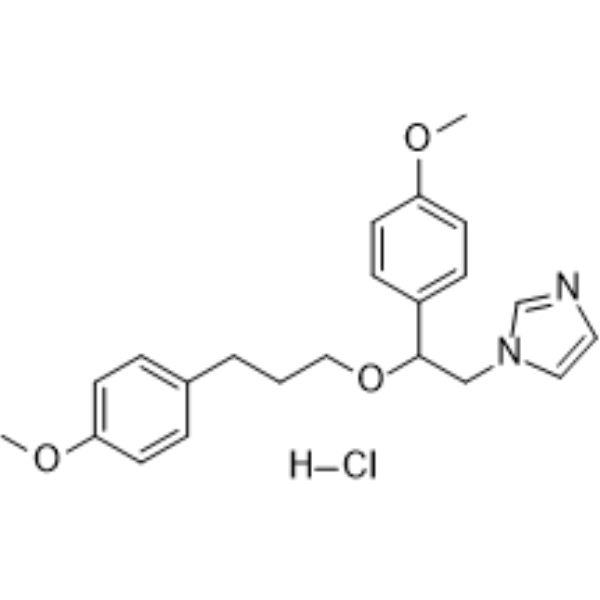
SKF-96365 hydrochloride is a TRPC channel antagonist and store-operated calcium entry (SOCE) inhibitor. SKF-96365 hydrochloride reduces calcium ion influx by inhibiting the activity and expression of TRPC6, STIM1 and Orai1. SKF-96365 hydrochloride inhibits voltage-gated sodium current (cardiac INa/NaV1.5) and slows myocardial conduction. SKF-96365 hydrochloride inhibits phosphorylation/activation of CaMKIIγ and suppresses the downstream AKT signaling pathway. SKF-96365 hydrochloride induces G2/M phase cell cycle arrest, apoptosis and cytoprotective autophagy in colorectal cancer cells. SKF-96365 hydrochloride alleviates allergic rhinitis symptoms by reducing inflammatory cytokine levels. SKF-96365 hydrochloride reduces intracellular calcium overload, inhibits Homer1 expression, prevents nuclear damage and suppresses apoptosis. SKF-96365 hydrochloride inhibits the growth of colorectal cancer xenografts in nude mice . SKF-96365 hydrochloride is applicable to research related to allergic rhinitis, colorectal cancer, Parkinson's disease, persistent spontaneous nociception and hyperalgesia .
loading...
    loading...

