

Search Result
Results for "
calcium levels
" in MedChemExpress (MCE) Product Catalog:
9
Biochemical Assay Reagents
13
Isotope-Labeled Compounds
| Cat. No. |
Product Name |
Target |
Research Areas |
Chemical Structure |
-
- HY-17504
-
|
Rosuvastatin hemicalcium; ZD 4522 calcium
|
HMG-CoA Reductase (HMGCR)
Autophagy
Potassium Channel
Bacterial
|
Cardiovascular Disease
Metabolic Disease
Cancer
|
|
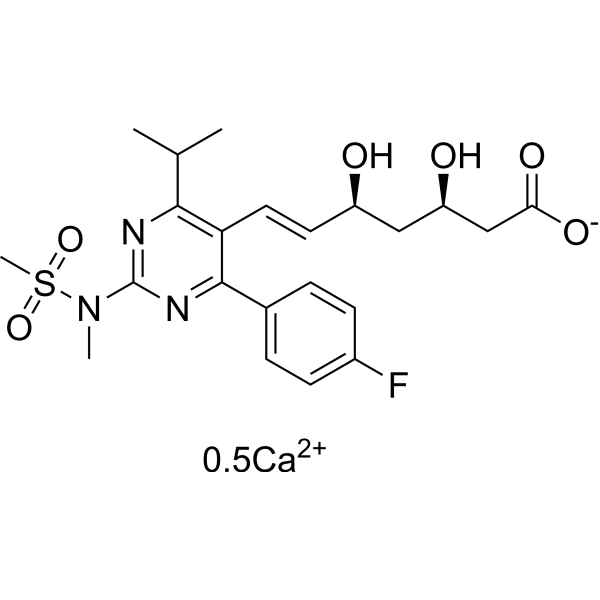
Rosuvastatin Calcium is a competitive HMG-CoA reductase (HMGCR) inhibitor, with an IC50 of 11 nM. Rosuvastatin Calcium potently blocks hERG current with an IC50 of 195 nM . Rosuvastatin Calcium reduces the expression of the mature hERG and the interaction of heat shock protein 70 (Hsp70) with the hERG protein. Rosuvastatin Calcium effectively lowers low-density lipoprotein (LDL) cholesterol, triglycerides, and C-reactive protein levels .
|
-
-
- HY-P2273
-
|
|
CGRP Receptor
|
Metabolic Disease
|
|
Calcitonin (human) is a hypocalcemic hormone. Calcitonin can lower blood calcium levels and inhibit bone resorption. Calcitonin can be used in hypercalcemia or osteoporosis research .
|
-
-
- HY-112490
-
|
|
HMG-CoA Reductase (HMGCR)
|
Cardiovascular Disease
Others
|
|
Atorvastatin calcium salt trihydrate is a drug belonging to the statin class of drugs used to lower blood cholesterol levels. Atorvastatin calcium salt trihydrate has unique chemical properties that make it an effective tool in controlling high levels of low-density lipoprotein (LDL) cholesterol and triglycerides in the body, reducing the risk of heart attack and stroke. Atorvastatin calcium salt trihydrate works by inhibiting HMG-CoA reductase, the enzyme responsible for producing cholesterol in the liver.
|
-
-
- HY-100001
-
|
|
TRP Channel
CRAC Channel
Autophagy
CaMK
Akt
Apoptosis
Na+/Ca2+ Exchanger
Calcium Channel
|
Neurological Disease
Inflammation/Immunology
Cancer
|
|
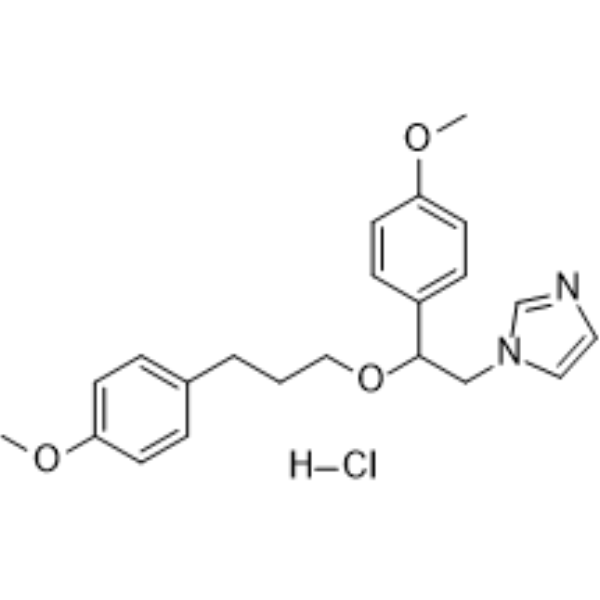
SKF-96365 hydrochloride is a TRPC channel antagonist and store-operated calcium entry (SOCE) inhibitor. SKF-96365 hydrochloride reduces calcium ion influx by inhibiting the activity and expression of TRPC6, STIM1 and Orai1. SKF-96365 hydrochloride inhibits voltage-gated sodium current (cardiac INa/NaV1.5) and slows myocardial conduction. SKF-96365 hydrochloride inhibits phosphorylation/activation of CaMKIIγ and suppresses the downstream AKT signaling pathway. SKF-96365 hydrochloride induces G2/M phase cell cycle arrest, apoptosis and cytoprotective autophagy in colorectal cancer cells. SKF-96365 hydrochloride alleviates allergic rhinitis symptoms by reducing inflammatory cytokine levels. SKF-96365 hydrochloride reduces intracellular calcium overload, inhibits Homer1 expression, prevents nuclear damage and suppresses apoptosis. SKF-96365 hydrochloride inhibits the growth of colorectal cancer xenografts in nude mice . SKF-96365 hydrochloride is applicable to research related to allergic rhinitis, colorectal cancer, Parkinson's disease, persistent spontaneous nociception and hyperalgesia .
|
-
-
- HY-17383
-
|
|
Antifolate
|
Cardiovascular Disease
Neurological Disease
|
|
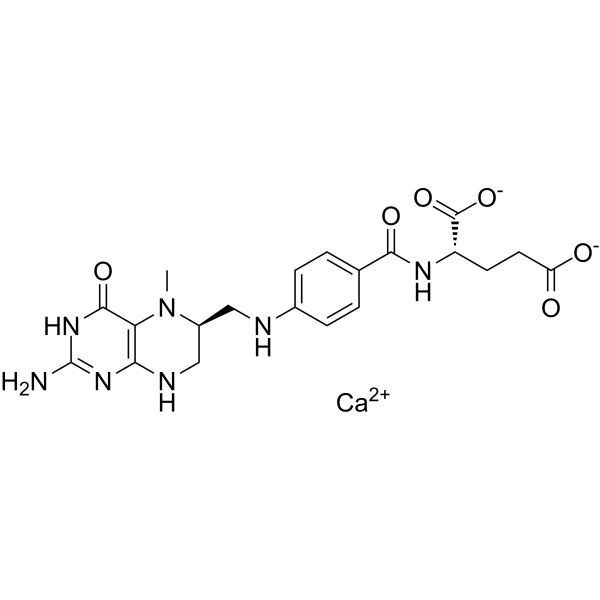
Levomefolate calcium is a synthetic calcium salt of L-5-methyltetrahydrofolate and an orally active and brain-penetrant folate supplement. Levomefolate calcium incorporates into body folate pools to increase plasma and red blood cell folate levels over time. Levomefolate calcium does not significantly increase folate concentrations in breast milk. Levomefolate calcium can be used for the research of neural tube defects and megaloblastic anemia .
|
-
-
- HY-B1371
-
|
Spiroperidol
|
Dopamine Receptor
5-HT Receptor
Wnt
|
Neurological Disease
|
|
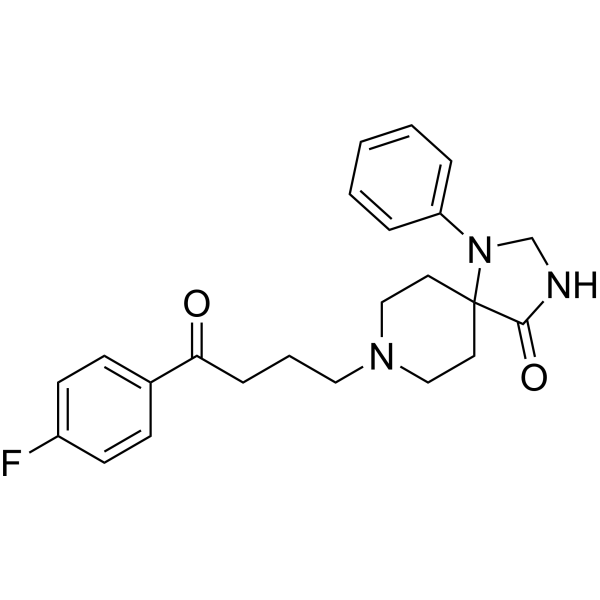
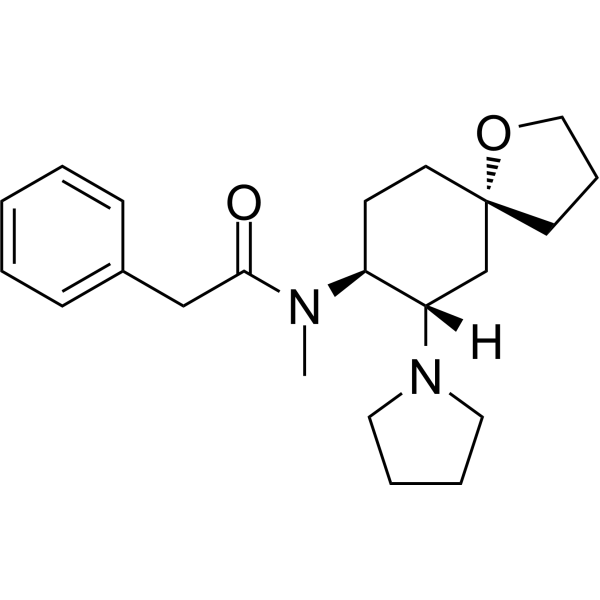
Spiperone (Spiroperidol) is a potent dopamine D2, serotonin 5-HT1A, and serotonin 5-HT2A antagonist. Spiperone is also a labelled ligand for neuroleptic receptors. Spiperone enhances intracellular calcium level and inhibits the Wnt signaling pathway. Spiperone has the potential for the research of neurology diseases .
|
-
-
- HY-P1852
-
|
|
Adenylate Cyclase
PTHR
|
Neurological Disease
|
|
TIP 39, Tuberoinfundibular Neuropeptide is an endogenous PTH2 receptor agonist and antihypertensive agent. TIP 39, Tuberoinfundibular Neuropeptide selectively activates the PTH2 receptor with no activity on the PTH1 receptor, stimulates cAMP production, activates adenylate cyclase, and elevates intracellular calcium levels via mobilization from intracellular stores. TIP 39, Tuberoinfundibular Neuropeptide is highly conserved in humans, mice, and rats. TIP 39, Tuberoinfundibular Neuropeptide is applicable to research related to nociception and inflammation-induced pain .
|
-
-
- HY-14401
-
|
CLTX-305; JTT-305; MK-5442
|
CaSR
Thyroid Hormone Receptor
|
Metabolic Disease
Inflammation/Immunology
|
|
Encaleret (CLTX-305) is an orally active antagonist of the calcium-sensing receptor (CaSR), with an IC50 of 12 nM. Encaleret exerts its effect by inhibiting the excessive activity of functional gain-of-function CaSR variants, and can restore blood calcium levels, promote the secretion of parathyroid hormone, improve magnesium and phosphorus metabolism, and increase urinary calcium excretion. Encaleret can be used in the research of diseases such as osteoporosis and autosomal dominant hypocalcemia type 1 .
|
-
-
- HY-W039315
-
|
|
Biochemical Assay Reagents
|
Metabolic Disease
|
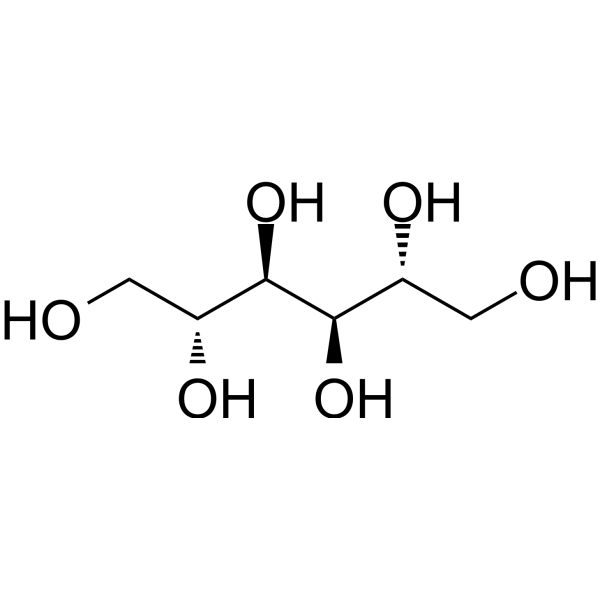
2,5-Anhydro-D-mannitol, 97% is an antimetabolic fructose analogue. 2,5-Anhydro-D-mannitol, 97% depletes intracellular ATP, reduces oxygen consumption, regulates substrate oxidation, increases phosphomonoester levels, decreases inorganic phosphate levels, and promotes the release of intracellular calcium from intracellular calcium stores via phospholipase C-dependent activity in hepatocytes .
|
-
-
- HY-10035
-
TTA-P2
2 Publications Verification
T-Type calcium channel inhibitor
|
Calcium Channel
|
Neurological Disease
|
|
TTA-P2 (T-Type calcium channel inhibitor) is a selective, orally active, and BBB-penetrant T-type calcium channel blocker (IC50 = 22 nM). TTA-P2 reduces mechanical hypersensitivity and alleviates acute as well as chronic pain. TTA-P2 significantly reduces firing rates in temporal lobe epilepsy (TLE) neurons to control levels and suppresses synaptically evoked burst firing. TTA-P2 can be studied in research for neurological diseases such as tremor and absence epilepsy < sup>[4] .
|
-
-
- HY-107322
-
|
Mepirodipine hydrochloride; YM-09730-5
|
Calcium Channel
|
Cardiovascular Disease
|
|
Barnidipine (Mepirodipine) hydrochloride is an L-type calcium antagonist (CaA) with high affinity for [ 3H] initrendipine binding sites (Ki = 0.21 nmol/L, has selective action against CaA receptors. Barnidipine hydrochloride is an orally active antihypertensive agent that can reduce the level of platelet-derived growth factor B-chain mRNA and peripheral vascular resistance .
|
-
-
- HY-12363
-
U-69593
1 Publications Verification
|
Opioid Receptor
|
Neurological Disease
|
|
U-69593 is a potent and selective κ1-opioid receptor agonist . U-69593 attenuates addictive agent-induced behavioral sensitization in the rat . U-69593 reduces anxiety and enhances spontaneous alternation memory in mice . U-69593 reduces calcium-dependent dialysate levels of dopamine and glutamate in the ventral striatum .
|
-
-
- HY-12502A
-
|
NZ-105 hydrochloride monoethanolate; (±)-Efonidipine hydrochloride monoethanolate
|
Calcium Channel
SARS-CoV
|
Cardiovascular Disease
Neurological Disease
Cancer
|
|
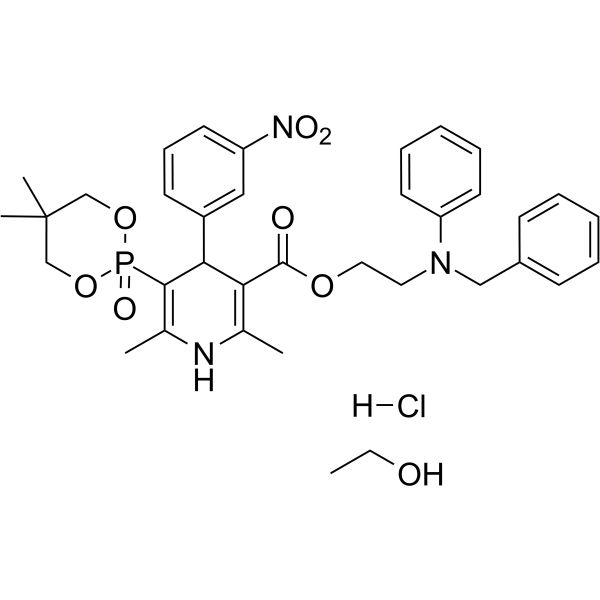
Efonidipine (NZ-105) hydrochloride monoethanolate is an orally active dual L-type and T-type calcium channel blocker (CCB) with IC50 values of 1.8 and 350 nM, respectively. Efonidipine hydrochloride monoethanolate inhibits SARS-CoV-2 main protease. Efonidipine hydrochloride monoethanolate modulates adrenal steroidogenesis by increasing the expression of steroidogenic acute regulatory protein (StAR), dbcAMP-or angiotensin II-induced StAR mRNA expression and DHEA-S production, while suppressing the biosynthesis of aldosterone and cortisol. Efonidipine hydrochloride monoethanolate reduces plasma aldosterone levels in vivo. Efonidipine hydrochloride monoethanolate improves cardiac function in heart failure models by inhibiting T-type calcium channels (via both tonic and use-dependent blockade), independently of blood pressure reduction. Efonidipine hydrochloride monoethanolate can be used for research in hypertension, heart failure, and disorders involving dysregulated steroid hormone synthesis .
|
-
-
- HY-136460
-
|
ETH 1001
|
Calcium Channel
|
Others
|
|
Calcium ionophore I (ETH 1001) is a selective Ca 2+ ionophore for biological membranes. Calcium ionophore I can be used in Ca2+-selective microelectrodes that can be used for quantitative intracellular measurements of resting Ca2+-activities and of slowly changing Ca2+-levels .
|
-
-
- HY-103302
-
|
|
CGRP Receptor
|
Endocrinology
|
|
SUN B8155, a non-peptide agonist of calcitonin (CT) receptor, selectively mimics the biological actions of calcitonin. Calcitonin, a 32-amino acid peptide hormone secreted mainly from the thyroid gland, plays an important role in maintaining bone homeostasis .
|
-
-
- HY-P2168
-
|
|
Oxytocin Receptor
Drug Derivative
|
Metabolic Disease
|
|
Demoxytocin is a heterologous cyclic peptide and an analog of Oxytocin (HY-17571). Demoxytocin affects the permeability of cell membranes and increases calcium ion levels in smooth muscle cells, thereby enhancing the contraction of smooth muscle cells. Demoxytocin also stimulates the contraction of uterine smooth muscle. Demoxytocin possesses the functions of oxytocin. Demoxytocin can be used to study labor stimulation in preterm premature rupture of membranes .
|
-
-
- HY-B1231
-
|
RP-2831 hydrochloride
|
Adrenergic Receptor
|
Cardiovascular Disease
Neurological Disease
Inflammation/Immunology
Cancer
|
|
Heptaminol (RP-2831) hydrochloride is a vasoconstrictor used in the study of hypotension, especially orthostatic hypotension. Heptaminol is also a skin cancer proliferation inhibitor that inhibits immune inflammation induced by the tumor promoting factor 12-O-tetradecanoylphorbol-13-acetate (TPA) in an NO-dependent manner. Heptaminol also acts as a sympathomimetic amine, exerting indirect sympathetic effects. Heptaminol is also an antagonist of catecholamine release and uptake and can increase intracellular free calcium levels .
|
-
-
- HY-N2374
-
|
|
Apoptosis
NF-κB
MMP
Adrenergic Receptor
|
Inflammation/Immunology
Cancer
|
|
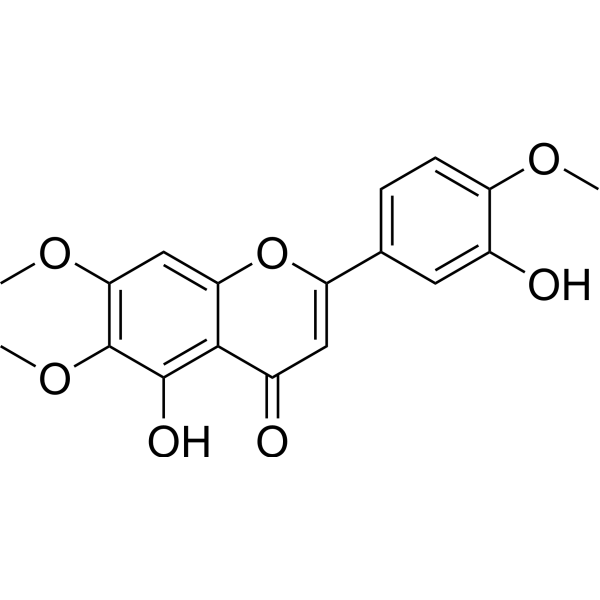
Eupatorin is an orally active flavonoid with antiproliferative and vasodilatory properties. Eupatorin downregulates the expression levels of NF-κB, MMP9, IL-1β and TNF-α. Eupatorin induces apoptosis, G2/M phase cell cycle arrest, and reactive oxygen species (ROS) production. Eupatorin modulates the activities of muscarinic receptors and β-adrenergic receptors; inhibits sarcoplasmic reticulum calcium release and calcium channels; and activates the NO/sGC/cGMP pathway, indomethacin-sensitive pathway, and potassium channel pathway. Eupatorin exerts cytotoxic effects on cancer cell lines, and is metabolized by CYP1A1 and CYP1 family enzymes to form metabolites with antiproliferative activity. Eupatorin can be used in research related to breast cancer, hypertension, and leukemia .
|
-
-
- HY-B0426A
-
|
ALO4943A; KW4679
|
Histamine Receptor
CXCR
|
Infection
Neurological Disease
Metabolic Disease
Inflammation/Immunology
|
|
Olopatadine hydrochloride (ALO4943A; KW4679) is an orally active histamine H1 receptor antagonist and mast cell stabilizer. Olopatadine hydrochloride exerts antiallergic effects by blocking histamine H1 receptor-mediated activities. Olopatadine hydrochloride inhibits exocytosis, chemokine release, F-actin polymerization, CXCL10-induced calcium influx, and T cell chemotactic activity. Olopatadine hydrochloride also reduces the expression levels of CXCR3 on the surface of CD4 + and CD8 + T cells. Olopatadine hydrochloride inhibits scratching behavior, improves dermatitis scores, and suppresses intraepidermal neurite outgrowth. Olopatadine hydrochloride simultaneously decreases the levels of inflammatory markers, growth factors, histamine, and specific IgE, while increasing the expression of ErbB3A/HER3A. Olopatadine hydrochloride can be used in research related to seasonal pollinosis, chronic rhinitis, urticaria, allergic conjunctivitis, alopecia areata, and atopic dermatitis .
|
-
-
- HY-W145486
-
|
|
Environmental Pollutants
Biochemical Assay Reagents
|
Neurological Disease
Metabolic Disease
Inflammation/Immunology
|
|
Calcium gluconate is an orally effective calcium salt supplement . Calcium gluconate reduces elevated serum potassium, decreased serum calcium, and postoperative myalgia associated with succinylcholine administration. Calcium gluconate restores calcium homeostasis, skeletal integrity, bone mineralization and bone density, and maintains levels of parathyroid hormone, bone resorption markers and osteoclasts. Calcium gluconate reverses LPS (HY-D1056)-induced ERK phosphorylation, inflammatory cytokine release and acute lung injury, alleviates airway inflammatory damage and suppresses immune responses. Calcium gluconate can be used in research related to postoperative myalgia, osteoporosis/osteomalacia and acute lung injury .
|
-
-
- HY-112961
-
|
|
JAK
Interleukin Related
STAT
|
Metabolic Disease
|
|
Patiromer is an orally active, selective and non-absorbable intestinal potassium (K +) polymer binder that reversibly binds potassium ions in exchange for calcium (Ca 2+). Patiromer can rapidly and continuously reduce serum potassium levels, maintain a normal blood potassium state, and reduce serum aldosterone levels. Patiromer also increases fecal potassium excretion. Patiromer is mainly used in the study of hyperkalemia associated with diseases such as chronic kidney disease, diabetes, and heart failure, and is particularly suitable for improving renin-angiotensin-aldosterone system inhibitor (RAASi) therapy .
|
-
-
- HY-11095
-
|
|
mGluR
CaSR
PI3K
Akt
mTOR
Autophagy
Apoptosis
Bcl-2 Family
Caspase
|
Cardiovascular Disease
Neurological Disease
|
|
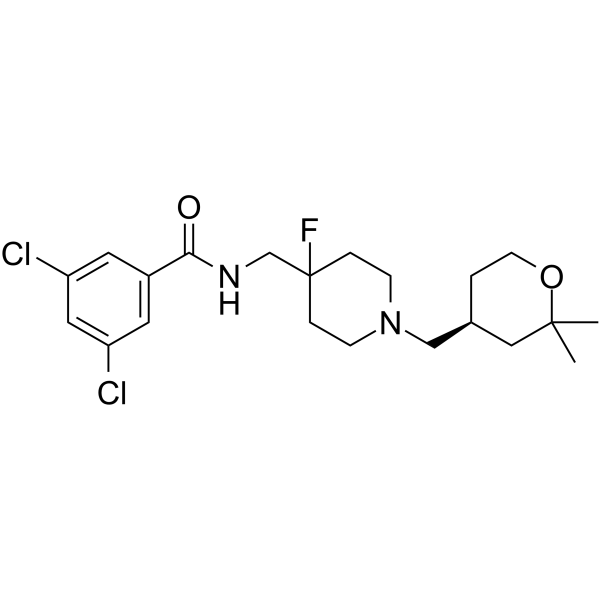
NPS 2390 is an allosteric antagonist of calcium-sensing receptor (CaSR) and mGluR1/5. NPS 2390 inhibits the PI3K/Akt/mTOR signaling pathway, reduces hypoxia-induced intracellular calcium elevation, decreases the expression of autophagy (autophagy) proteins, regulates the expression of phenotypic marker proteins, and inhibits the proliferation of pulmonary artery smooth muscle cells. NPS 2390 attenuates the endogenous apoptosis (apoptosis) pathway, increases the expression level of Bcl-2, downregulates the expression levels of Bax, cytochrome c and caspase-3, alleviates cerebral edema and improves neurological function in rat models. NPS 2390 can be used in studies related to hypoxic pulmonary hypertension, traumatic brain injury, stroke and pain .
|
-
-
- HY-157088
-
|
|
Caspase
Apoptosis
Cyclophilin
|
Others
|
|
C105SR is a cyclophilin D (CypD) inhibitor targeting to peptidyl-prolylcis-trans isomerase (PPIase). C105SR inhibits mitochondrial permeability transition opening (mPTP) with an IC 50 of 5 nM. C105SR inhibits hypoxia and reoxygenation inudced hepatocyte apoptosis and increases the level of calcium retention capacity (CRC). C105SR exhibits hepaprotective effect in ischaemia-reperfusion injury (IRI) mouse model .
|
-
-
- HY-17522
-
|
2,4-DNOPC
|
Fungal
ERK
JNK
p38 MAPK
Apoptosis
Mitochondrial Metabolism
|
Infection
Endocrinology
|
|
Meptyldinocap (2,4-DNOPC) is a fungicide and cytotoxic agent that acts against powdery mildew. Meptyldinocap upregulates the phosphorylation levels of ERK1/2, JNK and p38. Meptyldinocap induces apoptosis and endoplasmic reticulum stress, disrupts calcium homeostasis, inhibits cell proliferation and migration, downregulates the expression of proliferation- and pregnancy-related genes, and triggers mitochondrial dysfunction. Meptyldinocap can be used in studies related to powdery mildew and implantation failure .
|
-
-
- HY-12502
-
|
NZ-105; (±)-Efonidipine
|
Calcium Channel
SARS-CoV
|
Cardiovascular Disease
Neurological Disease
Cancer
|
|
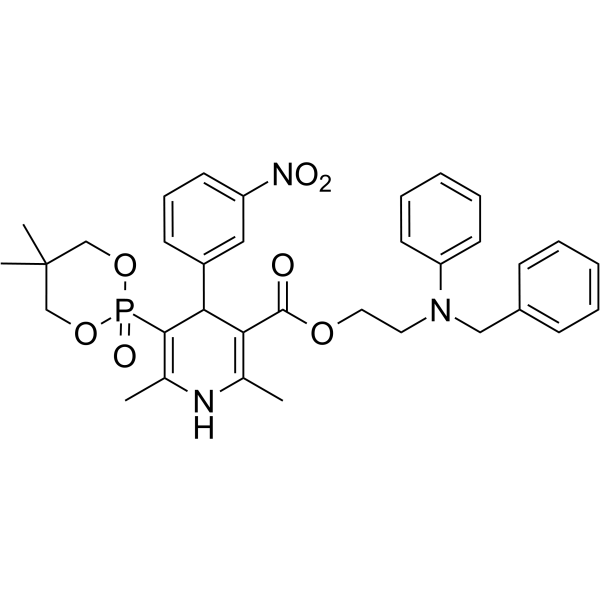
Efonidipine (NZ-105) is an orally active dual L-type and T-type calcium channel blocker (CCB) with IC50 values of 1.8 and 350 nM, respectively. Efonidipine inhibits SARS-CoV-2 main protease. Efonidipine modulates adrenal steroidogenesis by increasing the expression of steroidogenic acute regulatory protein (StAR), dbcAMP-or angiotensin II-induced StAR mRNA expression and DHEA-S production, while suppressing the biosynthesis of aldosterone and cortisol. Efonidipine reduces plasma aldosterone levels in vivo. Efonidipine improves cardiac function in heart failure models by inhibiting T-type calcium channels (via both tonic and use-dependent blockade), independently of blood pressure reduction. Efonidipine can be used for research in hypertension, heart failure, and disorders involving dysregulated steroid hormone synthesis .
|
-
-
- HY-P1252
-
|
|
Thyroid Hormone Receptor
|
Metabolic Disease
|
|
Parathyroid Hormone (1-34), bovine is a potent parathyroid hormone (PTH) receptor agonist. Parathyroid Hormone (1-34), bovine increases calcium and inorganic phosphate levels in vivo. Parathyroid Hormone (1-34), bovine can be used for th reseach of osteoporosis .
|
-
-
- HY-124042
-
K6PC-5
4 Publications Verification
|
SphK
Filovirus
|
Infection
Neurological Disease
Inflammation/Immunology
|
|
K6PC-5, a ceramide derivative, is a sphingosine kinase 1(SPHK1) activator and elicites a rapid transient increase in intracellular calcium levels. K6PC-5 has the potential for skin diseases involving abnormal keratinocyte, and neurodegeneration and virus infection research .
|
-
-
- HY-W094517
-
|
|
Biochemical Assay Reagents
|
Endocrinology
|
|
Sodium phosphate dibasic heptahydrate is an orally active and osmotic laxative, often used as a component of over-the-counter gastrointestinal lavage drugs. Sodium phosphate dibasic heptahydrate draws water into the intestinal lumen, maintains electrical neutrality by retaining cations in the intestinal lumen, and thereby alters fecal volume, consistency and phosphate levels. Sodium phosphate dibasic heptahydrate can be used to generate self-assembled calcium phosphate tubular scaffolds, which support the adhesion, survival and elongation of mesenchymal stem cells. Sodium phosphate dibasic heptahydrate can be applied to research on factitious disorders and related fields .
|
-
-
- HY-W062109
-
|
|
Histamine Receptor
CXCR
|
Inflammation/Immunology
|
|
Olopatadine (ALO4943A; KW4679) is an orally active histamine H1 receptor antagonist and mast cell stabilizer. Olopatadine exerts antiallergic effects by blocking histamine H1 receptor-mediated activities. Olopatadine inhibits exocytosis, chemokine release, F-actin polymerization, CXCL10-induced calcium influx, and T cell chemotactic activity. Olopatadine also reduces the expression levels of CXCR3 on the surface of CD4 + and CD8 + T cells. Olopatadine inhibits scratching behavior, improves dermatitis scores, and suppresses intraepidermal neurite outgrowth. Olopatadine simultaneously decreases the levels of inflammatory markers, growth factors, histamine, and specific IgE, while increasing the expression of ErbB3A/HER3A. Olopatadine can be used in research related to seasonal pollinosis, chronic rhinitis, urticaria, allergic conjunctivitis, alopecia areata, and atopic dermatitis .
|
-
-
- HY-172458
-
Z-3578
1 Publications Verification
|
Mas-related G-protein-coupled Receptor (MRGPR)
TNF Receptor
|
Inflammation/Immunology
|
|
Z-3578 is an orally active small-molecule antagonist of MrgX2 with potent antipseudoallergic activity, exhibiting a KD value of 729 nM. Z-3578 effectively inhibits mast cell degranulation induced by substance P (SP) and C48/80, suppresses the release of β-hexosaminidase, significantly reduces the release of histamine and TNF-α, and decreases intracellular calcium flux. In a mouse pseudoallergy model, Z-3578 significantly alleviates paw swelling and dye extravasation, and reduces serum histamine levels. Z-3578 can be used for the study of pseudoallergic reactions .
|
-
-
- HY-15830
-
|
25,26-Dihydroxycholecalciferol
|
VD/VDR
Drug Metabolite
Drug Derivative
Calcium Channel
|
Metabolic Disease
|
|
25,26-Dihydroxyvitamin D3 (25,26-Dihydroxycholecalciferol) is a dihydroxylated derivative and metabolite of Vitamin D3 (HY-15398). 25,26-Dihydroxyvitamin D3 moderately increases serum calcium levels when the initial serum calcium level is low. 25,26-Dihydroxyvitamin D3 promotes intestinal calcium absorption in vitamin D-deficient rats fed a low-calcium diet. 25,26-Dihydroxyvitamin D3 is applicable to research related to osteomalacia .
|
-
-
- HY-17504R
-
|
Rosuvastatin hemicalcium (Standard); ZD 4522 calcium (Standard)
|
Reference Standards
HMG-CoA Reductase (HMGCR)
Autophagy
Potassium Channel
Bacterial
|
Cardiovascular Disease
Metabolic Disease
Cancer
|
|
Rosuvastatin (Calcium) (Standard) is the analytical standard of Rosuvastatin (Calcium). This product is intended for research and analytical applications. Rosuvastatin Calcium is a competitive HMG-CoA reductase (HMGCR) inhibitor, with an IC50 of 11 nM. Rosuvastatin Calcium potently blocks hERG current with an IC50 of 195 nM . Rosuvastatin Calcium reduces the expression of the mature hERG and the interaction of heat shock protein 70 (Hsp70) with the hERG protein. Rosuvastatin Calcium effectively lowers low-density lipoprotein (LDL) cholesterol, triglycerides, and C-reactive protein levels .
|
-
-
- HY-D0110A
-
|
|
Fluorescent Dye
|
Others
|
|
Fura-2 pentapotassium is a cell-impermeable scaled fluorescent dye that can be used for intracellular calcium imaging. Fura-2 pentapotassium has an emission wavelength of 510 nm and excitation wavelengths of 340 nm or 380 nm and the ratio of 340/380 fluorescence intensity is proportional to the intracellular Ca 2+ level .
|
-
-
- HY-102052
-
|
|
Potassium Channel
|
Metabolic Disease
|
|
DCEBIO is a small/medium conductance calcium-activated potassium (SKCa/IKCa) channel opener and primary neuron signal blocker. It hyperpolarizes the membrane potential of C2C12 myoblasts by activating IKCa channels, thereby promoting myogenic differentiation. The specific biological activity of DCEBIO is manifested in increased myotube formation, enhanced myosin heavy chain II protein levels and myogenin mRNA levels. DCEBIO can be applied in the field of muscle research, especially in muscle-related degenerative diseases such as sarcopenia .
|
-
-
- HY-107322A
-
|
Mepirodipine; YM-09730-5 Free base
|
Calcium Channel
|
Cardiovascular Disease
|
|
Barnidipine (Mepirodipine) is an L-type calcium antagonist (CaA) with high affinity for [ 3H] initrendipine binding sites (Ki = 0.21 nmol/L), has selective action against CaA receptors. Barnidipine is an orally effective antihypertensive agent that can reduce the level of platelet-derived growth factor B-chain mRNA and peripheral vascular resistance .
|
-
-
- HY-113040A
-
|
17(R),18(S)-EETeTr
|
Calcium Channel
|
Cardiovascular Disease
|
|
(17R,18S)-Epoxyeicosatetraenoic acid (17 (R),18 (S)-EETeTr) is a physiologically active fatty acid metabolite and also a vasodilator targeting BKα. (17R,18S)-Epoxyeicosatetraenoic acid activates the outward potassium current mediated by BK channels, and this effect is independent of the BKβ1 subunit, intracellular/extracellular calcium levels, and sarcoplasmic reticulum calcium release regulated by RyR3. (17R,18S)-Epoxyeicosatetraenoic acid is produced by the epoxidation of eicosapentaenoic acid mediated by CYP1A1 variants. (17R,18S)-Epoxyeicosatetraenoic acid is applicable to research related to arrhythmia .
|
-
-
- HY-N3741
-
|
Didrovaltratum
|
Calcium Channel
Reactive Oxygen Species (ROS)
Autophagy
|
Inflammation/Immunology
Cancer
|
|
Didrovaltrate (Didrovaltratum) is an L-type calcium channel blocker, ROS scavenger, autophagy enhancer, and lipid accumulation inhibitor. Didrovaltrate blocks L-type calcium currents in a concentration-dependent manner, shifts the current-voltage curve upward, modulates steady-state inactivation kinetics, and inhibits the nuclear translocation of glucocorticoid receptors. Didrovaltrate reduces ROS levels, downregulates the expression of muscle atrophy-related genes, enhances autophagy via lipophagy, and decreases Oleic acid-induced lipid accumulation. Didrovaltrate exhibits cytotoxic activity against cancer cells. Didrovaltrate can be used in research related to skeletal muscle atrophy, non-alcoholic fatty liver disease, breast cancer, lung cancer, gastric cancer, and prostate cancer .
|
-
-
- HY-17457
-
|
Levosalbutamol hemitartrate
|
Adrenergic Receptor
PI3K
|
Inflammation/Immunology
|
|
Levalbuterol (Levosalbutamol) hemitartrate is a β2-adrenergic receptor agonist and PI3K inhibitor. Levalbuterol hemitartrate inhibits PI3K activity, reduces NF-κB and Rb protein expression, activates the cAMP/PKA pathway, and stimulates cAMP release. Levalbuterol hemitartrate relaxes airway smooth muscle, reduces intracellular calcium levels, and inhibits spasmogen-induced contractions. Levalbuterol hemitartrate can be used for the research of moderate-to-severe asthma .
|
-
-
- HY-125942
-
|
|
CRAC Channel
TRP Channel
CaMK
Akt
Apoptosis
Autophagy
Na+/Ca2+ Exchanger
Calcium Channel
|
Neurological Disease
Inflammation/Immunology
Cancer
|
|
SKF-96365 is a TRPC channel antagonist and store-operated calcium entry (SOCE) inhibitor. SKF-96365 reduces calcium ion influx by inhibiting the activity and expression of TRPC6, STIM1 and Orai1. SKF-96365 inhibits voltage-gated sodium current (cardiac INa/NaV1.5) and slows myocardial conduction. SKF-96365 inhibits phosphorylation/activation of CaMKIIγ and suppresses the downstream AKT signaling pathway. SKF-96365 induces G2/M phase cell cycle arrest, apoptosis and cytoprotective autophagy in colorectal cancer cells. SKF-96365 alleviates allergic rhinitis symptoms by reducing inflammatory cytokine levels. SKF-96365 reduces intracellular calcium overload, inhibits Homer1 expression, prevents nuclear damage and suppresses apoptosis. SKF-96365 inhibits the growth of colorectal cancer xenografts in nude mice . SKF-96365 is applicable to research related to allergic rhinitis, colorectal cancer, Parkinson's disease, persistent spontaneous nociception and hyperalgesia .
|
-
-
- HY-N1989
-
|
|
Na+/K+ ATPase
CaMK
Apoptosis
Cholinesterase (ChE)
NO Synthase
NF-κB
|
Neurological Disease
Cancer
|
Bacoside A is an orally active, blood-brain barrier-permeable triterpenoid saponin that modulates the activities of ATPases, AChE, CaMK2A and iNOS. Derived from Bacopa monniera. Bacoside A exerts significant antioxidant, anti-inflammatory and anti-apoptotic effects by maintaining ion balance, scavenging reactive oxygen species, stabilizing cell membranes, and regulating the expression of NF-κB and apoptosis-related proteins. Bacoside A counteracts morphine-induced reductions in Na +/K +-ATPase, Ca 2+-ATPase and Mg 2+-ATPase activities, increases mitochondrial membrane potential, and decreases intracellular reactive oxygen species levels. Bacoside A specifically binds to calcium/calmodulin-dependent protein kinase IIA to trigger endoplasmic reticulum calcium release. Bacoside A exhibits non-apoptotic cytotoxicity against glioblastoma cells while protecting normal nerve cells from stress-induced damage. Bacoside A is applicable to the research of Parkinson's disease and glioblastoma multiforme .
|
-
-
- HY-P5142
-
|
ω-ACTX-Hv1; ω-Atracotoxin-HV1
|
Insecticide
Calcium Channel
Apoptosis
Necroptosis
|
Cardiovascular Disease
Neurological Disease
Inflammation/Immunology
|
|
ω-Hexatoxin-Hv1a (ω-ACTX-Hv1; ω-Atracotoxin-HV1) is an orally active insecticidal neurotoxin containing an inhibitor cystine knot motif and a selective calcium channel inhibitor. ω-Hexatoxin-Hv1a blocks L-type voltage-dependent Ca 2+ channels and reduces intracellular calcium ion concentration, thereby decreasing apoptosis, necroptosis and oxidative stress, and promoting cell recovery and energy level elevation. ω-Hexatoxin-Hv1a causes larval paralysis and death by impairing neurotransmission in the central nervous system of insects. It shows high injectable toxicity against insects of multiple orders, but exhibits weak oral toxicity. ω-Hexatoxin-Hv1a is widely applicable to studies related to ischemia-reperfusion injury, atopic dermatitis, and ischemic injury of cardiomyocytes and neurons .
|
-
-
- HY-W094353
-
|
|
Biochemical Assay Reagents
|
Others
|
|
Calcium acetate hydrate is a type of calcium salt that can be used as a food additive, stabilizer, buffer and isolator. Calcium acetate hydrate can be combined with phosphate in the diet to reduce phosphate levels in the blood .
|
-
-
- HY-17383R
-
|
|
Reference Standards
Antifolate
|
Cardiovascular Disease
Neurological Disease
|
|
Levomefolate calcium (Standard) is the analytical standard of Levomefolate calcium. This product is intended for research and analytical applications. Levomefolate calcium is a synthetic calcium salt of L-5-methyltetrahydrofolate and an orally active and brain-penetrant folate supplement. Levomefolate calcium incorporates into body folate pools to increase plasma and red blood cell folate levels over time. Levomefolate calcium does not significantly increase folate concentrations in breast milk. Levomefolate calcium can be used for the research of neural tube defects and megaloblastic anemia .
|
-
-
- HY-W339331
-
|
NNI-0001
|
Insecticide
Calcium Channel
Reactive Oxygen Species (ROS)
Apoptosis
|
Infection
Metabolic Disease
|
|
Flubendiamide (NNI-0001) is an orally active phthalic diamide insecticide that acts by targeting insect ryanodine receptors (RyRs), causing insect muscle dysfunction, paralysis and death. Flubendiamide disrupts molting, metamorphosis and reproductive processes, induces oxidative stress by increasing the levels of ROS/RNS, MDA and 8OHdG and decreasing the levels of SOD, CAT and GST, activates the CncC/Maf apoptosis pathway, impairs calcium homeostasis, promotes adipogenesis, increases triglyceride accumulation, and upregulates the expression of regulatory factors for adipocyte differentiation and adipogenesis .
|
-
-
- HY-143312E
-
|
|
GLP Receptor
|
Metabolic Disease
|
|
(S)-V-0219 hydrochloride is an enantiomer of V-0219 (HY-143312). V-0219 is an orally active and positive allosteric modulator (PAM) of the GLP Receptor-1 (GLP-1R). (S)-V-0219 hydrochloride activates calcium fluxes in HEK cells stably expressing hGLP-1R. (S)-V-0219 hydrochloride is orally active and ameliorates high glucose levels in mice and inhibits feeding behavior in fasted mice .
|
-
-
- HY-153335
-
|
|
Phosphodiesterase (PDE)
|
Infection
Cardiovascular Disease
Metabolic Disease
Inflammation/Immunology
Cancer
|
|
Enpp-1-IN-16 (compound 54) is an ENPP1 inhibitor. Enpp-1-IN-16 has the potential to study cancer, especially in cases of high ENPP1 expression or elevated cytoplasmic DNA levels. Enpp-1-IN-16 can also be used in other diseases mediated by ENPP1, such as bacterial or viral infections, insulin resistance and type II diabetes, chondrocalcinosis and osteoarthritis, calcium pyrophosphate deposition disorder (CPPD), low Phosphatase disease and soft tissue calcification disorders .
|
-
-
- HY-A0287
-
|
Clomifene; (Z/E)-Enclomiphene; (Z/E)-Enclomifene
|
Estrogen Receptor/ERR
|
Metabolic Disease
Cancer
|
|
Clomiphene (Clomifene; (Z/E)-Enclomiphene; (Z/E)-Enclomifene) is an orally active ovulation-inducing agent. Clomiphene binds to hypothalamic estrogen receptors to elevate FSH levels, and exhibits antiestrogenic or estrogenic properties. Clomiphene can induce erturbations during meiotic maturation and cytogenetic abnormalities in mouse oocytes. Clomiphene ameliorates memory impairment in PCOS models. Clomiphene mobilizes cytosolic calcium and reduces viability in prostate cancer cells. Clomiphene can be used for the research of polycystic ovary syndrome (PCOS) and prostate cancer .
|
-
-
- HY-16498
-
|
PCK-3145
|
Apoptosis
PTHR
|
Metabolic Disease
Cancer
|
|
Tigapotide (PCK-3145) is a synthetic 15-mer peptide derived from prostate-secretory protein, and acts as an antineoplastic agent. Tigapotide inhibits tumor growth, experimental bone metastasis, and malignancy-associated hypocalcemia. Tigapotide induces apoptosis in prostate cancer cells and tumors, and suppresses the growth of prostate cancer cells. Tigapotide inhibits the production of parathyroid hormone-related protein (PTHrP) in tumors and plasma. Tigapotide reduces plasma calcium levels in hypercalcemic tumor-bearing rats. Tigapotide is applicable for the research of prostate cancer and malignancy-associated hypercalcemia .
|
-
-
- HY-114810
-
|
|
Prostaglandin Receptor
|
Endocrinology
|
|
Prostaglandin F2α serinol amide is a serinolamide G protein-coupled receptor that increases calcium levels in human non-small cell lung cancer cells. Prostaglandin F2α is also a luteinizing hormone in sheep and may be a nociceptive mediator in the spinal cord .
|
-
-
- HY-120398
-
|
|
PTHR
|
Endocrinology
|
|
CH5447240 is an agonist for parathyroid hormone receptor 1 (PTHR1), that inhibits human PTHR1 with an EC50 of 12 μM. CH5447240 exhibits good metabolic stability in human liver microsomes. CH5447240 increases serum calcium levels in rats. CH5447240 can be used in research about hypoparathyroidism .
|
-
- HY-D1768
-
|
|
Fluorescent Dye
|
Others
|
|
Fluo-4FF AM is a cell-permeant fluorescent calcium indicator. Fluo-4FF is an analog of Fluo-4 with a lower affinity for calcium, which is suitable for investigation of relatively high level of intracellular calcium.
|
-
- HY-169819
-
|
|
Exosomes
Calcium Channel
CD28
|
Inflammation/Immunology
|
|
Calcium influx inducer compound 634 is a calcium influx inducer. Calcium influx inducer compound 634 (10 µM) enhances the release of extracellular vesicles (EVs) from mouse bone marrow-derived dendritic cells (mBMDCs). Calcium influx inducer compound 634 (10 µM) also increases the levels of CD86 and CD80 on the surface of mBMDCs, an effect that can be blocked by the calcium release-activated calcium channel inhibitor YM-58483 (HY-100831) .
|
-
- HY-165436
-
|
|
Phosphodiesterase (PDE)
|
Cardiovascular Disease
|
|
Toborinone is an inotropic agent. Toborinone increases cAMP and intracellular calcium levels through inhibiting PDE. Toborinone inhibits thrombin-induced platelet aggregation with an IC50 of 9.7 μM .
|
-
- HY-127022
-
|
Daturamine; α-Hydroxyscopolamine
|
mAChR
Calcium Channel
Reactive Oxygen Species (ROS)
|
Neurological Disease
|
|
Anisodine (Daturamine) is a neuroprotective compound that reduces exacerbated M1, M2, M4, and M5 receptor expression in brain tissues under hypoxia/reoxygenation conditions. Anisodine inhibits calcium ion influx and reactive oxygen species (ROS)levels. Anisodine leads to decreased aspartate levels during hypoxia .
|
-
- HY-127022A
-
|
Daturamine hydrobromide; α-Hydroxyscopolamine hydrobromide
|
mAChR
Calcium Channel
Reactive Oxygen Species (ROS)
|
Neurological Disease
|
|
Anisodine (Daturamine) hydrobromide is a neuroprotective compound that reduces exacerbated M1, M2, M4, and M5 receptor expression in brain tissues under hypoxia/reoxygenation conditions. Anisodine hydrobromide inhibits calcium ion influx and reactive oxygen species (ROS)levels. Anisodine hydrobromide leads to decreased aspartate levels during hypoxia .
|
-
- HY-165341
-
-
- HY-134261
-
|
8-Bromoadenosine-5'-O-diphosphoribose
|
TRP Channel
CaMK
|
Metabolic Disease
Cancer
|
|
8-Br-ADPR (8-Bromoadenosine-5'-O-diphosphoribose) is a TRPM2 inhibitor and ADPR signaling pathway antagonist. 8-Br-ADPR inhibits glucagon-mediated nuclear calcium signaling and downstream CaMKII/CREB phosphorylation by blocking ADPR-induced TRPM2 activation. 8-Br-ADPR significantly reduces gluconeogenic gene expression and blood glucose levels in diabetic models. 8-Br-ADPR effectively blocks ADPR-mediated calcium signal transduction in NK cells, inhibits immune synapse formation, granzyme B release and cytolytic activity against melanoma cells. 8-Br-ADPR is widely used in studies related to diseases such as diabetes, melanoma and lymphoma .
|
-
- HY-134261A
-
|
8-Bromoadenosine-5'-O-diphosphoribose disodium
|
CaMK
TRP Channel
|
Metabolic Disease
Inflammation/Immunology
Cancer
|
|
8-Br-ADPR disodium (8-Bromoadenosine-5'-O-diphosphoribose) is a TRPM2 inhibitor and ADPR signaling pathway antagonist. 8-Br-ADPR disodium inhibits glucagon-mediated nuclear calcium signaling and downstream CaMKII/CREB phosphorylation by blocking ADPR-induced TRPM2 activation. 8-Br-ADPR disodium significantly reduces gluconeogenic gene expression and blood glucose levels in diabetic models. 8-Br-ADPR disodium effectively blocks ADPR-mediated calcium signal transduction in NK cells, inhibits immune synapse formation, granzyme B release and cytolytic activity against melanoma cells. 8-Br-ADPR disodium is widely used in studies related to diseases such as diabetes, melanoma and lymphoma .
|
-
- HY-12502B
-
|
NZ-105 hydrochloride; (±)-Efonidipine hydrochloride
|
Calcium Channel
SARS-CoV
|
Cardiovascular Disease
Cancer
|
|
Efonidipine (NZ-105) hydrochloride is an orally active dual L-type and T-type calcium channel blocker (CCB) with IC50 values of 1.8 and 350 nM, respectively. Efonidipine hydrochloride inhibits SARS-CoV-2 main protease. Efonidipine hydrochloride modulates adrenal steroidogenesis by increasing the expression of steroidogenic acute regulatory protein (StAR), dbcAMP-or angiotensin II-induced StAR mRNA expression and DHEA-S production, while suppressing the biosynthesis of aldosterone and cortisol. Efonidipine hydrochloride reduces plasma aldosterone levels in vivo. Efonidipine hydrochloride improves cardiac function in heart failure models by inhibiting T-type calcium channels (via both tonic and use-dependent blockade), independently of blood pressure reduction. Efonidipine hydrochloride can be used for research in hypertension, heart failure, and disorders involving dysregulated steroid hormone synthesis .
|
-
- HY-A0287A
-
|
Clomifene hydrochloride; (Z/E)-Enclomiphene hydrochloride; (Z/E)-Enclomifene hydrochloride
|
Estrogen Receptor/ERR
|
Metabolic Disease
Cancer
|
|
Clomiphene (Clomifene; (Z/E)-Enclomiphene; (Z/E)-Enclomifene) hydrochloride is an orally active ovulation-inducing agent. Clomiphene hydrochloride binds to hypothalamic estrogen receptors to elevate FSH levels, and exhibits antiestrogenic or estrogenic properties. Clomiphene hydrochloride can induce erturbations during meiotic maturation and cytogenetic abnormalities in mouse oocytes. Clomiphene hydrochloride ameliorates memory impairment in PCOS models. Clomiphene hydrochloride mobilizes cytosolic calcium and reduces viability in prostate cancer cells. Clomiphene hydrochloride can be used for the research of polycystic ovary syndrome (PCOS) and prostate cancer .
|
-
- HY-120985
-
|
|
Calcium Channel
|
Neurological Disease
|
|
Xestospongins and araguspongins are marine natural products first isolated from Pacific basin sponges, and noted to have vasodilatory properties.1 Inositol phosphates (IP) are important signal transduction messengers acting via IP3 receptors to promote the mobilization of Ca2+ from intracellular stores.2 Araguspongin B antagonizes the calcium-releasing action of inositol 1,4,5-trisphosphate at the receptor level in cerebral microsomes, with an IC50 of 0.6 μM. It is nearly as potent as xestospongin C as an antagonist of the IP3 receptor.
|
-
- HY-D1616
-
|
|
Fluorescent Dye
|
Others
|
|
5-Bromo-5'-methyl BAPTA tetramethyl ester is a derivative of BAPTA, which is a calcium indicator suitable for measurement of relatively high level of calcium .
|
-
- HY-121122
-
|
|
TRP Channel
|
Others
|
A778317 is a TRPV1 antagonists. A778317 can block changes in intracellular calcium levels mediated by TRPV1 receptors, with a pIC50 value of 8.31. A-778317 can also block the activation of natural rat TRPV1 receptors in dorsal root ganglion neurons by capsaicin and acid .
|
-
- HY-17383S
-
|
|
Isotope-Labeled Compounds
Antifolate
|
Cardiovascular Disease
Neurological Disease
|
|
Levomefolate- 13C5 calcium)is the 13C-labeled Levomefolate calcium (HY-17383). Levomefolate calcium is a synthetic calcium salt of L-5-methyltetrahydrofolate and an orally active and brain-penetrant folate supplement. Levomefolate calcium incorporates into body folate pools to increase plasma and red blood cell folate levels over time. Levomefolate calcium does not significantly increase folate concentrations in breast milk. Levomefolate calcium can be used for the research of neural tube defects and megaloblastic anemia .
|
-
- HY-P1168
-
|
|
Urotensin Receptor
|
Cardiovascular Disease
|
|
[Orn8]-Urotensin II (human), a peptide analog of urotensin II, is a UT receptor agonist. [Orn8]-Urotensin II (human) increases intracellular calcium levels in HEK293 .
|
-
- HY-175387
-
|
Ins(1,3,4)-P3 sodium; 1,3,4-IP3 sodium
|
Endogenous Metabolite
|
Others
|
|
D-myo-Inositol-1,3,4-triphosphate (sodium) is one of the inositol oligophosphate isomers implicated in signal transduction. D-myo-Inositol-1,3,4-triphosphate (sodium) acts through the inhibition of Ins(3,4,5,6)-P4 kinase activity to increase cellular level of Ins(3,4,5,6)-P4, thereby inhibiting calcium-activated chloride channels. D-myo-Inositol-1,3,4-triphosphate (sodium) can be regulated by the levels of cytosolic free calcium .
|
-
- HY-N11691
-
|
Thapsigargicine
|
Others
|
Inflammation/Immunology
|
|
Thapsigargicin (Thapsigargicine) is a activator of mast cells and leukocytes. Thapsigargicin induces histamine release from rat peritoneal mast cells and human basophil leukocytes. Thapsigargicin increases the cytoplasmic free calcium level in intact human blood platelets .
|
-
- HY-P1252A
-
|
|
Thyroid Hormone Receptor
|
Metabolic Disease
|
|
Parathyroid Hormone (1-34), bovine TFA is a potent parathyroid hormone (PTH) receptor agonist. Parathyroid Hormone (1-34), bovine increases calcium and inorganic phosphate levels in vivo. Parathyroid Hormone (1-34), bovine can be used for th reseach of osteoporosis .
|
-
- HY-174506
-
|
|
mRNA
|
Cancer
|
|
Human XCR1 mRNA encodes the human X-C motif chemokine receptor 1 (XCR1) protein, a G protein-coupled receptor that belongs to the CXC chemokine receptor family. XCR1 can transduce a signal by increasing the intracellular calcium ions level.
|
-
- HY-117420
-
|
|
Sigma Receptor
|
Cancer
|
|
CM764 is an activator for sigma receptor with Ki of 86.6 and 3.5 nM for sigma-1 receptor and sigma-2 receptor. CM764 increases cytoplasmic calcium, NAD +/NADH, and ATP levels, and decreases the concentration of ROS .
|
-
- HY-138056
-
|
|
Microtubule/Tubulin
|
Others
|
|
7-Acetyl paclitaxel is a microtubule depolymerization inhibitor which inhibits calcium-induced microtubule depolymerization. 7-Acetyl paclitaxel reduces the growth of J774.2 macrophages (IC50 ~ 60 nM) and increases the levels of nitric oxide (NO) and TNF in isolated mouse peritoneal macrophages .
|
-
- HY-D0110B
-
|
|
Fluorescent Dye
|
Others
|
|
Fura-2 pentasodium is a cell-impermeable scaled fluorescent dye that can be used for intracellular calcium imaging. Fura-2 pentasodium has an emission wavelength of 510 nm and excitation wavelengths of 340 nm or 380 nm and the ratio of 340/380 fluorescence intensity is proportional to the intracellular Ca 2+ level .
|
-
- HY-N4189
-
|
|
PI3K
Akt
p38 MAPK
STAT
Apoptosis
|
Cancer
|
Isocucurbitacin B is a natural terpenoid compound found in Pedicellus Melo. Isocucurbitacin B can inhibit the PI3K/AKT, MAPK, and STAT3 signaling pathways and downregulate CAV1 expression. Isocucurbitacin B can inhbit cancer cell proliferation, migration and invision. Isocucurbitacin B can induce apoptosis and cause G2/M phase arrest. Isocucurbitacin B can decrease intracellular cholesterol and PH levels and increase intracellular calcium levels. Isocucurbitacin B can be used for the research of cancer, such as glioma [1][2].
|
-
- HY-B1371R
-
|
Spiroperidol (Standard)
|
Dopamine Receptor
5-HT Receptor
Wnt
Reference Standards
|
Neurological Disease
|
|
Spiperone (Standard) is the analytical standard of Spiperone. This product is intended for research and analytical applications. Spiperone (Spiroperidol) is a potent dopamine D2, serotonin 5-HT1A, and serotonin 5-HT2A antagonist. Spiperone is also a labelled ligand for neuroleptic receptors. Spiperone enhances intracellular calcium level and inhibits the Wnt signaling pathway. Spiperone has the potential for the research of neurology diseases .
|
-
- HY-W127485
-
|
|
Biochemical Assay Reagents
|
Others
|
|
cis-9,10-Methyleneoctadecanoic acid is a cyclopropane fatty acid that has been found in bacteria and in the digestive glands of P. globosa. It is a component of the cell membrane of Staphylococcus aureus, and levels were reduced after treatment with carvacrol. cis-9,10-Methyleneoctadecanoic acid is secreted by H. pylori and enhances histamine- and dibutyryl cAMP-stimulated acid secretion in isolated guinea pig parietal cells. It also activates protein kinase C (PKC) in a calcium-dependent manner.
|
-
- HY-117181
-
|
|
Phosphodiesterase (PDE)
Adrenergic Receptor
|
Cardiovascular Disease
|
|
UK-1745 is a cardiotonic agent with vasodilating and antiarrhythmic properties. It increases intracellular levels of cyclic adenosine monophosphate (cAMP) in cardiomyocytes by inhibiting phosphodiesterase III, thereby enhancing myocardial contractility. Additionally, UK-1745 exhibits β-adrenergic receptor blocking activity, which helps reduce the oxygen consumption of the heart and prevent calcium overload. These characteristics make UK-1745 a promising candidate for research in congestive heart failure .
|
-
- HY-143312C
-
|
|
GLP Receptor
|
Metabolic Disease
|
|
(S)-V-0219 is an enantiomer of V-0219 (HY-143312). V-0219 is an orally active and positive allosteric modulator (PAM) of the GLP Receptor-1 (GLP-1R). (S)-V-0219 activates calcium fluxes in HEK cells stably expressing hGLP-1R. (S)-V-0219 is orally active and ameliorates high glucose levels in mice and inhibits feeding behavior in fasted mice .
|
-
- HY-130497
-
|
12-Oxo-LTB4
|
Endogenous Metabolite
|
Inflammation/Immunology
|
|
12-Oxo-leukotriene B4 (12-Oxo-LTB4) is an intermediate in the lipoxygenase-catalyzed path of Arachidonic acid (HY-109590) metabolism. 12-Oxo-leukotriene B4 is crucial in Leukotriene B4 metabolism and is involved in inflammation reactions . 12-Oxo-leukotriene B4 stimulates calcium levels in human neutrophils with an EC50 of 33 nM. 12-Oxo-leukotriene B4 induces migration of neutrophils with EC50 of 170 nM .
|
-
- HY-17522R
-
|
2,4-DNOPC (Standard)
|
Reference Standards
Bacterial
|
Infection
Endocrinology
|
|
Meptyldinocap (2,4-DNOPC) (Standard) is the analytical standard of Meptyldinocap. This product is intended for research and analytical applications. Meptyldinocap is a fungicide and cytotoxic agent that acts against powdery mildew. Meptyldinocap upregulates the phosphorylation levels of ERK1/2, JNK and p38. Meptyldinocap induces apoptosis and endoplasmic reticulum stress, disrupts calcium homeostasis, inhibits cell proliferation and migration, downregulates the expression of proliferation- and pregnancy-related genes, and triggers mitochondrial dysfunction. Meptyldinocap can be used in studies related to powdery mildew and implantation failure .
|
-
- HY-179016
-
|
|
Ferroptosis
Apoptosis
Mitochondrial Metabolism
Calcium Channel
|
Cancer
|
|
Ferroptosis/apoptosis inducer-3 (Compound 34) is a Ferroptosis and Apoptosis inducer. Ferroptosis/apoptosis inducer-3 induces both Ferroptosis and Apoptosis by causing G2/M phase cell cycle arrest, disrupting mitochondrial membrane potentials, promoting lipid peroxidation, and increasing the levels of Ca 2+ and Fe 2+ through the activation of calcium/calmodulin signaling. Ferraplasm/apoptosis inducer-3 shows anticancer effects against cervical cancer, adenocarcinoma, breast cancer, colon cancer, and colorectal carcinoma .
|
-
- HY-145547
-
|
14:0 Lyso PE; 1-Myristoyl-2-hydroxy-sn-glycero-3-PE; 1-Tetradecanoyl-sn-glycero-3-phosphoethanolamine
|
Liposome
|
Metabolic Disease
|
|
1-Myristoyl-2-hydroxy-sn-glycero-3-phosphoethanolamine (14:0 Lyso PE) is a lysophospholipid with a phosphoethanolamine head and a myristoyl tail. The free amine group can conjugate with NHS active ester or coupled with carboxylic acid in the presence of a coupling agent. It also induces transient increases in intracellular calcium in PC12 cells . Serum levels of 1-Myristoyl-2-hydroxy-sn-glycero-3-phosphoethanolamine are elevated in patients with malignant breast cancer compared to healthy controls .
|
-
- HY-B1231R
-
|
RP-2831 hydrochloride (Standard)
|
Adrenergic Receptor
Reference Standards
|
Cardiovascular Disease
Neurological Disease
Inflammation/Immunology
Cancer
|
|
Heptaminol (hydrochloride) (Standard) is the analytical standard of Heptaminol (hydrochloride). This product is intended for research and analytical applications. Heptaminol (RP-2831) hydrochloride is a vasoconstrictor used in the study of hypotension, especially orthostatic hypotension. Heptaminol is also a skin cancer proliferation inhibitor that inhibits immune inflammation induced by the tumor promoting factor 12-O-tetradecanoylphorbol-13-acetate (TPA) in an NO-dependent manner. Heptaminol also acts as a sympathomimetic amine, exerting indirect sympathetic effects. Heptaminol is also an antagonist of catecholamine release and uptake and can increase intracellular free calcium levels .
|
-
- HY-12502AR
-
|
NZ-105 hydrochloride monoethanolate (Standard); (±)-Efonidipine hydrochloride monoethanolate (Standard)
|
Reference Standards
Calcium Channel
SARS-CoV
|
Cardiovascular Disease
|
|
Efonidipine (NZ-105) hydrochloride monoethanolate (Standard) is the analytical standard of Efonidipine hydrochloride monoethanolate (HY-12502AR). This product is intended for research and analytical applications. Efonidipine (NZ-105) hydrochloride monoethanolate is an orally active dual L-type and T-type calcium channel blocker (CCB) with IC50 values of 1.8 and 350 nM, respectively. Efonidipine hydrochloride monoethanolate inhibits SARS-CoV-2 main protease. Efonidipine hydrochloride monoethanolate modulates adrenal steroidogenesis by increasing the expression of steroidogenic acute regulatory protein (StAR), dbcAMP-or angiotensin II-induced StAR mRNA expression and DHEA-S production, while suppressing the biosynthesis of aldosterone and cortisol. Efonidipine hydrochloride monoethanolate reduces plasma aldosterone levels in vivo. Efonidipine hydrochloride monoethanolate improves cardiac function in heart failure models by inhibiting T-type calcium channels (via both tonic and use-dependent blockade), independently of blood pressure reduction. Efonidipine hydrochloride monoethanolate can be used for research in hypertension, heart failure, and disorders involving dysregulated steroid hormone synthesis .
|
-
- HY-178268
-
-
- HY-182543
-
|
|
CaSR
|
Others
|
|
NPS-467 is a calcium-sensing receptor (CaR) activator and stereospecific agent with only its R-enantiomer active. NPS-467 increases the sensitivity of the CaR to activation by extracellular calcium. NPS-467 stimulates stanniocalcin (STC) secretion in trout and induces inhibition of gill calcium transport in trout. NPS-467 has no effect on serum calcitonin levels in trout .
|
-
- HY-103302R
-
|
|
Reference Standards
CGRP Receptor
|
Endocrinology
|
|
SUN B8155 (Standard) is the analytical standard of SUN B8155 (HY-103302). This product is intended for research and analytical applications. SUN B8155, a non-peptide agonist of calcitonin (CT) receptor, selectively mimics the biological actions of calcitonin. Calcitonin, a 32-amino acid peptide hormone secreted mainly from the thyroid gland, plays an important role in maintaining bone homeostasis .
|
-
- HY-14401B
-
|
CLTX-305 sodium; JTT-305 sodium; MK-5442 sodium
|
CaSR
Thyroid Hormone Receptor
|
Metabolic Disease
|
|
Encaleret (CLTX-305) sodium is an orally active antagonist of the calcium-sensing receptor (CaSR), with an IC50 of 12 nM. Encaleret sodium exerts its effect by inhibiting the excessive activity of functional gain-of-function CaSR variants, and can restore blood calcium levels, promote the secretion of parathyroid hormone, improve magnesium and phosphorus metabolism, and increase urinary calcium excretion. Encaleret sodium can be used in the research of diseases such as osteoporosis and autosomal dominant hypocalcemia type 1 .
|
-
- HY-N18114
-
|
|
Calcium Channel
|
Metabolic Disease
|
|
rel-(E)-6,7-Transdihydroxyligustilide is a compound found in the dried tuberous roots of Polygonum multiflorum. rel-(E)-6,7-Transdihydroxyligustilide inhibits Ca 2+‑ATPase in calmodulin-deficient human erythrocyte membranes. rel-(E)-6,7-Transdihydroxyligustilide is used for the research of hyperlipidemia .
|
-
- HY-W720917
-
|
|
CaMK
PKC
Amyloid-β
Apoptosis
|
Neurological Disease
|
|
Junicedric acid is a diterpenoid compound that can be isolated from the resin of the Araucaria araucana tree. Junicedric acid exerts neuroprotective activity by increasing intracellular calcium levels in hippocampal neurons, activating PKC and calcium/calmodulin-dependent protein kinase (CaMKII), and preventing Amyloid-β oligomer-induced synaptic protein loss, apoptosis, and long-term potentiation (LTP) inhibition. Junicedric acid can be used in the study of the pathological mechanisms of neurodegenerative diseases such as Alzheimer's disease .
|
-
- HY-117638
-
|
|
Drug Derivative
|
Inflammation/Immunology
|
|
CB 966 a Vitamin D3 (HY-15398) analogue, is an immunosuppressant. CB 966 delays rejection of allogeneic skin grafts in mice. CB 966 moderately increases serum calcium levels. CB 966 can be used for the research of allogeneic skin graft rejection .
|
-
- HY-118092
-
|
|
GLP Receptor
TRP Channel
Calcium Channel
|
Metabolic Disease
|
|
JWU-A021 is a GLP-1 secretagogue with an EC50 of 1.9 μM. JWU-A021 activates the TRPA1 cation channel to promote calcium ion influx and increase intracellular calcium levels in enteroendocrine cells and TRPA1-transfected cells. By activating the TRPA1 channel, JWU-A021 stimulates the secretion of GLP-1 from intestinal enteroendocrine cells and intestinal L cells. JWU-A021 is applicable to research related to type 2 diabetes .
|
-
- HY-182295
-
|
|
Reactive Oxygen Species (ROS)
Apoptosis
MMP
Bacterial
Parasite
|
Cardiovascular Disease
Infection
Neurological Disease
|
|
Negundoside is an iridoid glycoside compound. Negundoside exhibits hepatoprotective effects, reduces ROS, lipid peroxidation and intracellular calcium ion levels, and prevents the decrease of mitochondrial membrane potential (MMP) and apoptosis (apoptosis). Negundoside has neuroprotective effects, improves behavioral deficits, alleviates oxidative damage, and ameliorates cerebral infarction. Negundoside also possesses antibacterial and antiparasitic activities .
|
-
- HY-180992
-
|
|
Lactate Dehydrogenase
|
Metabolic Disease
|
|
Dual GO/LDHA-IN-1 is an orally available dual inhibitor targeting glycolate oxidase (GO) and lactate dehydrogenase A (LDHA), with Ki values of 390 nM and 40 nM, respectively. Dual GO/LDHA-IN-1 reduces hepatic LDHA levels, urinary oxalate excretion, and renal calcium-oxalate crystal deposition. Dual GO/LDHA-IN-1 is applicable for research on primary hyperoxaluria type 1 .
|
-
- HY-102052R
-
|
|
Reference Standards
Potassium Channel
|
Metabolic Disease
|
|
DCEBIO (Standard) is the analytical standard of DCEBIO (HY-102052). This product is intended for research and analytical applications. DCEBIO is a small/medium conductance calcium-activated potassium (SKCa/IKCa) channel opener and primary neuron signal blocker. It hyperpolarizes the membrane potential of C2C12 myoblasts by activating IKCa channels, thereby promoting myogenic differentiation. The specific biological activity of DCEBIO is manifested in increased myotube formation, enhanced myosin heavy chain II protein levels and myogenin mRNA levels. DCEBIO can be applied in the field of muscle research, especially in muscle-related degenerative diseases such as sarcopenia .
|
-
- HY-182850
-
|
|
CXCR
|
Metabolic Disease
|
|
UCUF-965 is a CXCR4 positive allosteric modulator. UCUF-965 potentiates CXCL12-induced β-arrestin recruitment and cAMP signaling, activates lymphoblast migration, induces calcium flux, and does not bind CXCR4’s orthosteric CXCL12 site. UCUF-965 reduces miR-15b and miR-29a levels, increases miR-146a levels in fibroblasts. UCUF-965 enhances angiogenesis and reduces wound healing time in diabetic mice. UCUF-965 can be used for the research of diabetic wound healing impairment .
|
-
- HY-10035R
-
|
T-Type calcium channel inhibitor (Standard)
|
Calcium Channel
Reference Standards
|
Neurological Disease
|
|
TTA-P2 (Standard) is the analytical standard of TTA-P2 (HY-10035). This product is intended for research and analytical applications. TTA-P2 (T-Type calcium channel inhibitor) is a selective, orally active, and BBB-penetrant T-type calcium channel blocker (IC50 = 22 nM). TTA-P2 reduces mechanical hypersensitivity and alleviates acute as well as chronic pain. TTA-P2 significantly reduces firing rates in temporal lobe epilepsy (TLE) neurons to control levels and suppresses synaptically evoked burst firing. TTA-P2 can be studied in research for neurological diseases such as tremor and absence epilepsy < sup> .
|
-
- HY-N18053
-
|
|
Drug Derivative
Bacterial
NF-κB
NO Synthase
|
Infection
|
|
Anabsinthin is a dimeric sesquiterpene lactone. Anabsinthin can be found in Artemisia absinthium L. (wormwood). Anabsinthin modulates intracellular calcium levels, mediates anti-inflammatory and antioxidant effects. Anabsinthin inhibits Phorbol 12-myristate 13-acetate (HY-18739)-induced superoxide anion production, increased iNOS and MUC5AC protein expression, and IL-1β transcription upregulation. Anabsinthin can be used for the research of citrus canker .
|
-
- HY-107322R
-
|
Mepirodipine hydrochloride (Standard); YM-09730-5 (Standard)
|
Reference Standards
Calcium Channel
|
Cardiovascular Disease
|
|
Barnidipine hydrochloride (Standard) (Mepirodipine hydrochloride (Standard)) is the analytical standard of Barnidipine (hydrochloride) (HY-107322). This product is intended for research and analytical applications. Barnidipine (Mepirodipine) hydrochloride is an L-type calcium antagonist (CaA) with high affinity for [3H] initrendipine binding sites (Ki = 0.21 nmol/L, has selective action against CaA receptors. Barnidipine hydrochloride is an orally active antihypertensive agent that can reduce the level of platelet-derived growth factor B-chain mRNA and peripheral vascular resistance .
|
-
- HY-181006
-
|
|
Interleukin Related
Calcium Channel
CCR
|
Inflammation/Immunology
|
|
TSLP modulator-1 (Compound 14O) is a potent TSLP signaling modulator. TSLP modulator-1 exhibits potent inhibition of CCL17 and IL-1β mRNA expression. TSLP modulator-1 attenuates the protein levels of IL-6, IL-4 and IL-13. TSLP modulator-1 significantly attenuates calcium influx. TSLP modulator-1 exerts anti-inflammatory effects. TSLP modulator-1 effectively alleviates pruritus and atopic dermatitis-like symptoms .
|
-
- HY-P5142A
-
|
ω-ACTX-Hv1 TFA; ω-Atracotoxin-HV1 TFA
|
Insecticide
Apoptosis
Calcium Channel
Necroptosis
|
Cardiovascular Disease
Neurological Disease
Inflammation/Immunology
|
|
ω-Hexatoxin-Hv1a (ω-ACTX-Hv1; ω-Atracotoxin-HV1) TFA is an orally active insecticidal neurotoxin containing an inhibitor cystine knot motif and a selective calcium channel inhibitor. ω-Hexatoxin-Hv1a TFA blocks L-type voltage-dependent Ca 2+ channels and reduces intracellular calcium ion concentration, thereby decreasing apoptosis, necroptosis and oxidative stress, and promoting cell recovery and energy level elevation. ω-Hexatoxin-Hv1a TFA causes larval paralysis and death by impairing neurotransmission in the central nervous system of insects. It shows high injectable toxicity against insects of multiple orders, but exhibits weak oral toxicity. ω-Hexatoxin-Hv1a TFA is widely applicable to studies related to ischemia-reperfusion injury, atopic dermatitis, and ischemic injury of cardiomyocytes and neurons .
|
-
- HY-113058
-
|
|
Endogenous Metabolite
|
Metabolic Disease
|
|
3-Hydroxyoctanoic acid is a hydroxylated fatty acid that has been found in the LPS of Pseudomonas aeruginosa and in methyl-branched poly(3-hydroxyalkanoate) (PHA) polymers produced by Pseudomonas oleophores. It is an agonist of the orphan receptor GPR109B, increasing intracellular calcium in human neutrophils endogenously expressing GPR109B. 3-Hydroxycaprylic acid prevents lipolysis in human adipocytes and is upregulated in human plasma in response to a ketogenic diet. Plasma levels of 3-hydroxyoctanoic acid were also increased 3.41-fold in human male runners exhausted on a treadmill and in a mouse model of autism spectrum disorder (ASD) fed a high-glycemic diet.
|
-
- HY-108648A
-
|
2-Methylthioadenosine diphosphate; 2-Methylthio-ADP
|
P2Y Receptor
|
Neurological Disease
|
|
2-MeSADP is a P2Y receptor agonist, with an EC50 of 5 nM for human P2Y12, EC50 values of 19 nM and 13 nM for human P2Y13, and an EC50 of 6.2 nM for mouse P2Y13. It shows slightly higher selectivity for P2Y12 over human P2Y13. 2-MeSADP triggers increases in intracellular calcium levels, Gi-mediated cAMP inhibition, adenylate cyclase inhibition and downstream signal transduction. 2-MeSADP can be used in research related to glaucoma .
|
-
- HY-15266
-
|
PRI 2202; Impurity D of Calcipotriol
|
Drug Derivative
VD/VDR
|
Cancer
|
|
24R-Calcipotriol (PRI 2202; Impurity D of Calcipotriol), an isomer of Calcipotriol (HY-10001), is a synthetic vitamin D analog. 24R-Calcipotriol exhibits synergistic antiproliferative effects with low-dose cytostatics in in vitro. 24R-Calcipotriol produces tumor growth inhibition when combined with Cyclophosphamide (HY-17420) and Cisplatin (HY-17394) in mice models. 24R-Calcipotriol can increase serum calcium levels and reduce blood leukocyte counts . 24R-Calcipotriol can be used for the research of mammary cancer and Lewis lung cancer .
|
-
- HY-A0287S
-
|
Clomifene-d5 hydrochloride; (Z/E)-Enclomiphene-d5 hydrochloride; (Z/E)-Enclomifene-d5 hydrochloride
|
Isotope-Labeled Compounds
Estrogen Receptor/ERR
|
Metabolic Disease
Cancer
|
|
Clomifene (Clomifene; (Z/E)-Enclomiphene; (Z/E)-Enclomifene)-d5 hydrochloride is a deuterium labeled Clomifene hydrochloride (HY-A0287A). Clomiphene hydrochloride is an orally active ovulation-inducing agent. Clomiphene hydrochloride binds to hypothalamic estrogen receptors to elevate FSH levels, and exhibits antiestrogenic or estrogenic properties. Clomiphene hydrochloride can induce erturbations during meiotic maturation and cytogenetic abnormalities in mouse oocytes. Clomiphene hydrochloride ameliorates memory impairment in PCOS models. Clomiphene hydrochloride mobilizes cytosolic calcium and reduces viability in prostate cancer cells. Clomiphene hydrochloride can be used for the research of polycystic ovary syndrome (PCOS) and prostate cancer .
|
-
- HY-P11114
-
|
|
Bacterial
p38 MAPK
Reactive Oxygen Species (ROS)
Apoptosis
Caspase
|
Infection
Inflammation/Immunology
|
|
Periplanetasin-4 is an antimicrobial peptide that can be derived from the American cockroach (Periplaneta americana). Periplanetasin-4 reduces cell rounding and apoptosis. Periplanetasin-4 blocks Clostridium difficile toxin A-induced ROS production and the activation of downstream p38 MAPK and p21. Periplanetasin-4 significantly increases mitochondrial calcium level, reduces DPH fluorescence intensity and vacuolar dysfunction in Candida albicans ATCC 90028 cells. Periplanetasin-4 significantly ameliorates toxin A-induced mucosal damage in the mouse gut. Periplanetasin-4 can be used for the study of colitis .
|
-
- HY-W062109S
-
|
|
Isotope-Labeled Compounds
Histamine Receptor
CXCR
|
Inflammation/Immunology
|
|
Olopatadine-d6 is the deuterium labeled Olopatadine. Olopatadine hydrochloride (ALO4943A; KW4679) is an orally active histamine H1 receptor antagonist and mast cell stabilizer. Olopatadine hydrochloride exerts antiallergic effects by blocking histamine H1 receptor-mediated activities. Olopatadine hydrochloride inhibits exocytosis, chemokine release, F-actin polymerization, CXCL10-induced calcium influx, and T cell chemotactic activity. Olopatadine hydrochloride also reduces the expression levels of CXCR3 on the surface of CD4 + and CD8 + T cells. Olopatadine hydrochloride inhibits scratching behavior, improves dermatitis scores, and suppresses intraepidermal neurite outgrowth. Olopatadine hydrochloride simultaneously decreases the levels of inflammatory markers, growth factors, histamine, and specific IgE, while increasing the expression of ErbB3A/HER3A. Olopatadine hydrochloride can be used in research related to seasonal pollinosis, chronic rhinitis, urticaria, allergic conjunctivitis, alopecia areata, and atopic dermatitis .
|
-
- HY-18740A
-
|
HL 725
|
Phosphodiesterase (PDE)
|
Neurological Disease
Metabolic Disease
Cancer
|
|
Trequinsin hydrochloride (HL 725) is a PDE inhibitor, CatSper channel activator, and sperm potassium channel modulator. Trequinsin hydrochloride targets PDE3 with an IC50 of <1 nM. Trequinsin hydrochloride enhances currents and elevates intracellular calcium and cGMP levels via direct activation of the CatSper channel, while inhibiting the outward current conductance of sperm potassium channels. Without inducing premature acrosome reaction, Trequinsin hydrochloride significantly enhances sperm hyperactivated motility, forward motility, and the ability to penetrate viscous media. Trequinsin hydrochloride exerts age-specific positive inotropic and positive lusitropic effects on rabbit ventricular papillary muscles. Trequinsin hydrochloride has been used in studies on the mechanisms underlying male infertility (e.g., asthenozoospermia) .
|
-
- HY-18740
-
|
HL 725 free base
|
Phosphodiesterase (PDE)
|
Endocrinology
|
|
Trequinsin (HL 725 free base) is a PDE inhibitor, CatSper channel activator, and sperm potassium channel modulator. Trequinsin targets PDE3 with an IC50 of <1 nM. Trequinsin enhances currents and elevates intracellular calcium and cGMP levels via direct activation of the CatSper channel, while inhibiting the outward current conductance of sperm potassium channels. Without inducing premature acrosome reaction, Trequinsin significantly enhances sperm hyperactivated motility, forward motility, and the ability to penetrate viscous media. Trequinsin exerts age-specific positive inotropic and positive lusitropic effects on rabbit ventricular papillary muscles. Trequinsin has been used in studies on the mechanisms underlying male infertility (e.g., asthenozoospermia) .
|
-
- HY-124108
-
|
ETYA
|
COX
Lipoxygenase
Orthopoxvirus
Potassium Channel
DNA/RNA Synthesis
Drug Derivative
|
Infection
Neurological Disease
Inflammation/Immunology
Cancer
|
|
Eicosatetraynoic acid (ETYA) is a non-metabolizable analog of Arachidonic acid (HY-109590) and also an inhibitor of the lipoxygenase (LOX)/cyclooxygenase (COX) pathway (ID50 = 8 μM and 4 μM). Eicosatetraynoic acid acts as a suicide substrate to inhibit the production of inflammatory mediators such as leukotrienes and prostaglandins. Eicosatetraynoic acid acts directly on cell membranes and membrane proteins to exert a wide range of effects, including blocking potassium channels, increasing cell membrane fluidity, elevating intracellular calcium levels, inhibiting DNA synthesis in tumor cells, inducing differentiation of certain cells, and specifically inhibiting the assembly and replication of orthopoxviruses. Eicosatetraynoic acid alleviates acute lung injury induced by chemicals such as phosgene .
|
-
- HY-158976
-
|
Lactated ringer's solution (LRS)
|
Biochemical Assay Reagents
Collagen
HSP
|
Inflammation/Immunology
|
|
Sodium lactate ringer's solution (Lactated ringer's solution (LRS)) is an isotonic crystal intravenous injection and arthroscopic irrigation solution containing racemic sodium lactate and electrolytes such as sodium, potassium, calcium and chloride (130 mEq sodium/L, 274 mOsm/L), which can be used as a cell integrity protectant. Sodium lactate ringer's solution maintains the integrity of human meniscus cells, ensures that they retain normal cell morphology, membrane regularity, size and density, and does not alter the mRNA expression levels of α1 (I) procollagen, α1 (II) procollagen, aggrecan or HSP70. Sodium lactate ringer's solution can be applied to studies related to extracellular fluid deficiency and meniscus tears .
|
-
- HY-116295
-
|
|
P2Y Receptor
p38 MAPK
Calcium Channel
|
Cardiovascular Disease
|
|
MRS2690 is a selective P2Y14 receptor agonist. MRS2690 inhibits adenylyl cyclase activity, thereby reducing intracellular cAMP levels and mediating concentration-dependent vasoconstriction of porcine coronary arteries. MRS2690 induces intracellular calcium mobilization, activates P38 and stimulates [ 35S]GTPγS binding to RBL-2H3 cell membranes. MRS2690 enhances antigen (NP-BSA)-, C3a-induced β-hexosaminidase (β-Hex) release. MRS2690can be used for ischemic heart disease .
|
-
- HY-B0426AS
-
|
|
Isotope-Labeled Compounds
Histamine Receptor
CXCR
|
Inflammation/Immunology
Endocrinology
|
|
Olopatadine-d3 hydrochloride (ALO4943A-d3) is the deuterium labeled Olopatadine hydrochloride. Olopatadine hydrochloride (ALO4943A; KW4679) is an orally active histamine H1 receptor antagonist and mast cell stabilizer. Olopatadine hydrochloride exerts antiallergic effects by blocking histamine H1 receptor-mediated activities. Olopatadine hydrochloride inhibits exocytosis, chemokine release, F-actin polymerization, CXCL10-induced calcium influx, and T cell chemotactic activity. Olopatadine hydrochloride also reduces the expression levels of CXCR3 on the surface of CD4 + and CD8 + T cells. Olopatadine hydrochloride inhibits scratching behavior, improves dermatitis scores, and suppresses intraepidermal neurite outgrowth. Olopatadine hydrochloride simultaneously decreases the levels of inflammatory markers, growth factors, histamine, and specific IgE, while increasing the expression of ErbB3A/HER3A. Olopatadine hydrochloride can be used in research related to seasonal pollinosis, chronic rhinitis, urticaria, allergic conjunctivitis, alopecia areata, and atopic dermatitis .
|
-
- HY-B0426AR
-
|
ALO4943A (Standard); KW4679 (Standard)
|
Reference Standards
Histamine Receptor
CXCR
|
Inflammation/Immunology
Endocrinology
|
|
Olopatadine (hydrochloride) (Standard) is the analytical standard of Olopatadine (hydrochloride). This product is intended for research and analytical applications. Olopatadine hydrochloride (ALO4943A; KW4679) is an orally active histamine H1 receptor antagonist and mast cell stabilizer. Olopatadine hydrochloride exerts antiallergic effects by blocking histamine H1 receptor-mediated activities. Olopatadine hydrochloride inhibits exocytosis, chemokine release, F-actin polymerization, CXCL10-induced calcium influx, and T cell chemotactic activity. Olopatadine hydrochloride also reduces the expression levels of CXCR3 on the surface of CD4 + and CD8 + T cells. Olopatadine hydrochloride inhibits scratching behavior, improves dermatitis scores, and suppresses intraepidermal neurite outgrowth. Olopatadine hydrochloride simultaneously decreases the levels of inflammatory markers, growth factors, histamine, and specific IgE, while increasing the expression of ErbB3A/HER3A. Olopatadine hydrochloride can be used in research related to seasonal pollinosis, chronic rhinitis, urticaria, allergic conjunctivitis, alopecia areata, and atopic dermatitis .
|
-
- HY-N13250
-
|
|
Apoptosis
AMPK
Elastase
Bcl-2 Family
Interleukin Related
Caspase
PI3K
Akt
SOD
|
Cardiovascular Disease
|
|
Hawthorn Extract is an orally active hawthorn extract. Hawthorn Extract decreases Bax expression and increases Bcl-2 expression in the aorta. Hawthorn Extract regulates the AMPK signaling pathway, induces apoptosis, enhances the hepatic antioxidant system, and ameliorates symptoms of liver injury, inflammation and cancer. Hawthorn Extract reduces plasma levels of pro-inflammatory factors, increases plasma levels of anti-inflammatory adiponectin, and alleviates atherosclerotic plaque lesions in the aorta. Hawthorn Extract improves symptoms associated with chronic heart failure . Hawthorn Extract inhibits FMLP-induced superoxide anion production, Elastase release, ILB4 generation and calcium signaling in neutrophils, and also reduces LPS-induced cytokine production in neutrophils. Hawthorn Extract induces autophagy and inhibits the proliferation of intestinal stem cells. Hawthorn Extract can be used in research related to atherosclerosis, hepatitis, alcoholic liver disease, non-alcoholic fatty liver disease, hepatocellular carcinoma, chronic heart failure and hypotension .
|
-
- HY-116295A
-
|
|
P2Y Receptor
p38 MAPK
Calcium Channel
|
Cardiovascular Disease
|
|
MRS2690 disodium is a selective P2Y14 receptor agonist. MRS2690 disodium inhibits adenylyl cyclase activity, thereby reducing intracellular cAMP levels and mediating concentration-dependent vasoconstriction of porcine coronary arteries. MRS2690 disodium induces intracellular calcium mobilization, activates P38 and stimulates [ 35S]GTPγS binding to RBL-2H3 cell membranes. MRS2690 enhances antigen (NP-BSA)-, C3a-induced β-hexosaminidase (β-Hex) release. MRS2690 disodium can be used for ischemic heart disease .
|
-
- HY-P11274A
-
|
Amycretin sodium; NN 9487 sodium
|
Amylin Receptor
Insulin Receptor
GCGR
|
Metabolic Disease
|
Zenagamtide (Amycretin; NN 9487) sodium is an orally active, blood-brain barrier permeable triple agonist that targets GLP-1, amylin (Amylin Receptor) and calcitonin receptor (Calcitonin Receptor). Zenagamtide sodium is a single peptide consisting of 68 amino acids that can target brain regions regulating food intake, significantly suppress appetite and reduce energy intake. Therefore, Zenagamtide sodium improves body weight, waist circumference, glycated hemoglobin and lipid profile, and also alleviates the histological features of metabolic dysfunction-associated steatotic liver disease (MASLD) and enhances insulin sensitivity. Zenagamtide sodium may cause transient increases in heart rate and fluctuations in serum calcium levels, but it is an important compound for the study of overweight, obesity, insulin resistance and related metabolic diseases .
|
-
- HY-P4121
-
|
|
Potassium Channel
|
Inflammation/Immunology
Cancer
|
|
L17E is an attenuated cationic amphiphilic lytic (ACAL) peptide that can be used to deliver a variety of macromolecules, including proteins, antibodies, and DNA nanostructures. L17E inserts and cleaves the membrane structure through electrostatic interaction, enabling intracellular escape. The efficiency of L17E-mediated delivery is strongly correlated with the expression level of KCNN4 (the gene encoding the calcium-activated potassium channel KCa3.1). L17E also promotes the cellular uptake of macromolecules by inducing micropinocytosis. L17E can be further optimized and improved through dimerization strategies and in combination with other delivery systems, such as nuclear localization signal peptides and cell membrane-coated nanoparticles .
|
-
- HY-P11274
-
|
Amycretin; NN 9487
|
Amylin Receptor
GCGR
Insulin Receptor
|
Metabolic Disease
|
Zenagamtide (Amycretin; NN 9487) is an orally active, blood-brain barrier permeable triple agonist that targets GLP-1, amylin (Amylin Receptor) and calcitonin receptor (Calcitonin Receptor). Zenagamtide is a single peptide consisting of 68 amino acids that can target brain regions regulating food intake, significantly suppress appetite and reduce energy intake. Therefore, Zenagamtide improves body weight, waist circumference, glycated hemoglobin and lipid profile, and also alleviates the histological features of metabolic dysfunction-associated steatotic liver disease (MASLD) and enhances insulin sensitivity. Zenagamtide may cause transient increases in heart rate and fluctuations in serum calcium levels, but it is an important compound for the study of overweight, obesity, insulin resistance and related metabolic diseases .
|
-
- HY-183871
-
|
|
iGluR
Apoptosis
Calcium Channel
|
Neurological Disease
Metabolic Disease
|
|
WMS-1410 is a selective GluN2B-containing NMDA receptor inhibitor with an IC50 of 18.4 nM. WMS-1410 regulates intracellular calcium levels and protects cells from Apoptosis. WMS-1410 inhibits glutamate-induced excitotoxicity. WMS-1410 reverses NMDA/glycine-induced reduction in glucose-stimulated insulin secretion without altering physiological insulin secretion or baseline redox status, but fails to counteract insulin content loss induced by glucolipotoxicity. WMS-1410 exhibits analgesic activity against advanced neuropathic pain. WMS-1410 can be used in studies related to stroke, brain injury, Alzheimer's disease, Parkinson's disease, type 2 diabetes, and neuropathic pain .
|
-
- HY-142117
-
|
|
Calcium Channel
Chloride Channel
|
Others
|
|
Adenophostin A is an IP3 receptor (inositol 1,4,5-trisphosphate receptors) modulator and Ca 2+ releaser, with an IC50 of 1.3 nM, an EC50 of 1.4 nM, and a Ki of 0.18 nM in rats, and an IC50 of 0.95 nM in humans. Adenophostin A activates IP3 receptors, stimulates Ca 2+ release from intracellular stores and microsomes, inhibits the binding of [ 3H]IP3 to plasma membrane receptors, and activates chloride channels. Adenophostin A resists phosphorylation and dephosphorylation by IP3 metabolic enzymes to maintain its activity, and increases cytoplasmic [Ca 2+] levels via calcium mobilization from the endoplasmic reticulum of vascular smooth muscle cells. Adenophostin A is applicable to research related to hemorrhagic shock .
|
-
- HY-113024R
-
|
|
Endogenous Metabolite
Reference Standards
|
Metabolic Disease
|
|
D-Mannitol (Standard) is the analytical standard of D-Mannitol. This product is intended for research and analytical applications. D-Mannitol (Mannitol) is an oral, resistant sugar widely used in the food and pharmaceutical industries to promote the absorption and retention of calcium and magnesium through cecal fermentation, while acting as a osmotic diuretic to reduce tissue edema. D-Mannitol can enhance brown fat formation, improve insulin effect, reduce blood sugar levels, And through the start the β3-adrenergic receptor (β3-AR), PGC1α and PKA induced by means of white fat cells into brown fat cells .
|
-
- HY-130229
-
|
(±)5,6-DiHETrE lactone
|
Drug Derivative
|
Cardiovascular Disease
|
|
5,6-DiHET lactone ((±)5,6-DiHETrE lactone) is a lactonized form of 5,6-EET and 5,6-DiHET. In solution, 5(6)-EET degrades into 5(6)-DiHET and 5(6)-δ-lactone, which can be converted to 5(6)-DiHET and quantified by GC-MS.1 5,6-DiHET potently induces vasodilation of isolated canine coronary arterioles, with 41 and 100% inhibition occurring at 0.01 and 100 pM, respectively. It also induces vasodilation in isolated human microvessels and increases intracellular calcium levels in a dose-dependent manner, an effect that can be blocked by the nitric oxide scavenger L-NAME.
|
-
- HY-P10371
-
|
txCD47
|
Reactive Oxygen Species (ROS)
Thrombopoietin Receptor
Mitochondrial Metabolism
HSP
HSV
CD47
|
Infection
Inflammation/Immunology
Cancer
|
|
PKHB1 (txCD47) is a CD47 agonist and Thrombospondin-1 peptide mimetic. PKHB1 activates CD47 and triggers Caspase-independent, calcium-dependent cell death via mitochondrial alterations, ROS production, endoplasmic reticulum morphological changes, and dissipation of mitochondrial membrane potential. PKHB1 induces the exposure of Calreticulin, HSP70, and HSP90, thereby driving immunogenic cell death. PKHB1 promotes intratumoral CD8 + T cell infiltration and inhibits breast tumorigenesis. PKHB1 reduces HSV-1 levels and alleviates the severity of herpes simplex keratitis. PKHB1 can be used in research related to breast cancer, herpes simplex keratitis, and T-cell acute lymphoblastic leukemia .
|
-
- HY-113273A
-
|
|
P2X Receptor
|
Neurological Disease
|
|
Diadenosine pentaphosphate pentasodium is an agonist and negative modulator of the P2X1 receptor, an endogenous vasoactive purine dinucleotide that can be isolated from platelets. Diadenosine pentaphosphate pentasodium mediates negative regulation of dendrite growth and number by activating homologous and heterologous P2X1 receptors, which triggers a transient and moderate increase in intracellular calcium levels within dendritic growth cones. Diadenosine pentaphosphate pentasodium is widely present in secretory vesicles such as platelets, chromaffin cells and brain synaptosomes, and exhibits selective activity on dendrite growth of cultured hippocampal neurons, inhibiting only dendrite growth without affecting axon growth. Diadenosine pentaphosphate pentasodium has a weaker ability to compete with RcCHAD for binding to polyP than short-chain polyPs .
|
-
- HY-B0426AS2
-
|
ALO4943A-d6 hydrochloride; KW4679-d6 hydrochloride
|
Isotope-Labeled Compounds
Histamine Receptor
CXCR
|
Inflammation/Immunology
|
|
Olopatadine-d6 (ALO4943A-d6; KW4679-d6) hydrochloride is deuterium-labeled Olopatadine (hydrochloride) (HY-B0426A). Olopatadine hydrochloride (ALO4943A; KW4679) is an orally active histamine H1 receptor antagonist and mast cell stabilizer. Olopatadine hydrochloride exerts antiallergic effects by blocking histamine H1 receptor-mediated activities. Olopatadine hydrochloride inhibits exocytosis, chemokine release, F-actin polymerization, CXCL10-induced calcium influx, and T cell chemotactic activity. Olopatadine hydrochloride also reduces the expression levels of CXCR3 on the surface of CD4 + and CD8 + T cells. Olopatadine hydrochloride inhibits scratching behavior, improves dermatitis scores, and suppresses intraepidermal neurite outgrowth. Olopatadine hydrochloride simultaneously decreases the levels of inflammatory markers, growth factors, histamine, and specific IgE, while increasing the expression of ErbB3A/HER3A. Olopatadine hydrochloride can be used in research related to seasonal pollinosis, chronic rhinitis, urticaria, allergic conjunctivitis, alopecia areata, and atopic dermatitis .
|
-
- HY-N0378AGL
-
|
Mannitol, M200 (GMP Like); Mannite, M200 (GMP Like)
|
Endogenous Metabolite
Apoptosis
Adrenergic Receptor
PGC-1α
PKA
|
Cardiovascular Disease
Metabolic Disease
Cancer
|
|
D-Mannitol, M200 (GMP Like) (Mannitol, M200 (GMP Like)) is the GMP Like class D-Mannitol that can be used as pharmaceutical excipients. D-Mannitol (Mannitol) is an oral, resistant sugar widely used in the food and pharmaceutical industries to promote the absorption and retention of calcium and magnesium through cecal fermentation, while acting as a osmotic diuretic to reduce tissue edema. D-Mannitol can enhance brown fat formation, improve insulin effect, reduce blood sugar levels, And through the start the β3-adrenergic receptor (β3-AR), PGC1α and PKA induced by means of white fat cells into brown fat cells .
|
-
- HY-126720
-
|
|
Endogenous Metabolite
|
Metabolic Disease
|
|
N-Lignoceroyl Taurine is an arachidonoyl amino acid and taurine conjugate with a fatty acid that can be isolated from bovine brain. N-Lignoceroyl Taurine is one of several novel taurine-conjugated fatty acids discovered during mass spectrometry lipidomic analysis of the brain and spinal cord of wild-type and fatty acid amide hydrolase (FAAH) knockout mice. N-Lignoceroyl Taurine levels were 23-26-fold higher in FAAH -/- mice compared to wild-type mice, suggesting that FAAH utilizes N-Lignoceroyl Taurine as a substrate. However, in vitro experiments with purified FAAH showed that N-Lignoceroyl Taurine was hydrolyzed 2,000-fold slower in FAAH compared to oleoylethanolamide. N-Acyl Taurines with polyunsaturated acyl chains can activate members of the transient receptor potential (TRP) calcium channel family, including TRPV1 and TRPV4.
|
-
- HY-N0378
-
D-Mannitol
Maximum Cited Publications
13 Publications Verification
Mannitol; Mannite
|
Environmental Pollutants
Endogenous Metabolite
Apoptosis
PGC-1α
PKA
Adrenergic Receptor
|
Cardiovascular Disease
Metabolic Disease
Cancer
|
|
D-Mannitol (Mannitol) is an oral, resistant sugar widely used in the food and pharmaceutical industries to promote the absorption and retention of calcium and magnesium through cecal fermentation, while acting as a osmotic diuretic to reduce tissue edema. D-Mannitol can enhance brown fat formation, improve insulin effect, reduce blood sugar levels, And through the start the β3-adrenergic receptor (β3-AR), PGC1α and PKA induced by means of white fat cells into brown fat cells . D-Mannitol is commonly used to maintain osmotic pressure between the plant cytoplasm and the culture medium and protect cells when the cell wall is weakened or even removed .
|
-
- HY-N0378BGL
-
|
Mannitol, M100 (GMP Like); Mannite, M100 (GMP Like)
|
Endogenous Metabolite
Apoptosis
Adrenergic Receptor
PGC-1α
PKA
|
Cardiovascular Disease
Metabolic Disease
Cancer
|
|
D-Mannitol, M100 (GMP Like) (Mannitol, M100 (GMP Like)) is the GMP Like class D-Mannitol that can be used as pharmaceutical excipients. D-Mannitol (Mannitol) is an oral, resistant sugar widely used in the food and pharmaceutical industries to promote the absorption and retention of calcium and magnesium through cecal fermentation, while acting as a osmotic diuretic to reduce tissue edema. D-Mannitol can enhance brown fat formation, improve insulin effect, reduce blood sugar levels, And through the start the β3-adrenergic receptor (β3-AR), PGC1α and PKA induced by means of white fat cells into brown fat cells .
|
-
- HY-N0378S4
-
|
Mannitol-d2; Mannite-d2
|
Isotope-Labeled Compounds
Endogenous Metabolite
Apoptosis
PGC-1α
Adrenergic Receptor
PKA
|
Cardiovascular Disease
Metabolic Disease
Cancer
|
|
D-Mannitol-d2 is the deuterium labeled D-Mannitol (HY-N0378). D-Mannitol (Mannitol) is an oral, resistant sugar widely used in the food and pharmaceutical industries to promote the absorption and retention of calcium and magnesium through cecal fermentation, while acting as a osmotic diuretic to reduce tissue edema. D-Mannitol can enhance brown fat formation, improve insulin effect, reduce blood sugar levels, And through the start the β3-adrenergic receptor (β3-AR), PGC1α and PKA induced by means of white fat cells into brown fat cells . D-Mannitol is commonly used to maintain osmotic pressure between the plant cytoplasm and the culture medium and protect cells when the cell wall is weakened or even removed .
|
-
- HY-N0378S2
-
|
Mannitol-13C6; Mannite-13C6
|
Isotope-Labeled Compounds
Endogenous Metabolite
Apoptosis
PGC-1α
Adrenergic Receptor
PKA
|
Cardiovascular Disease
Metabolic Disease
Cancer
|
|
D-Mannitol- 13C6 is the 13C labeled D-Mannitol (HY-N0378). D-Mannitol (Mannitol) is an oral, resistant sugar widely used in the food and pharmaceutical industries to promote the absorption and retention of calcium and magnesium through cecal fermentation, while acting as a osmotic diuretic to reduce tissue edema. D-Mannitol can enhance brown fat formation, improve insulin effect, reduce blood sugar levels, And through the start the β3-adrenergic receptor (β3-AR), PGC1α and PKA induced by means of white fat cells into brown fat cells . D-Mannitol is commonly used to maintain osmotic pressure between the plant cytoplasm and the culture medium and protect cells when the cell wall is weakened or even removed .
|
-
- HY-N0378S1
-
|
Mannitol-13C; Mannite-13C
|
Isotope-Labeled Compounds
Endogenous Metabolite
Apoptosis
PGC-1α
Adrenergic Receptor
PKA
|
Cardiovascular Disease
Metabolic Disease
Cancer
|
|
D-Mannitol- 13C is the 13C labeled D-Mannitol (HY-N0378). D-Mannitol (Mannitol) is an oral, resistant sugar widely used in the food and pharmaceutical industries to promote the absorption and retention of calcium and magnesium through cecal fermentation, while acting as a osmotic diuretic to reduce tissue edema. D-Mannitol can enhance brown fat formation, improve insulin effect, reduce blood sugar levels, And through the start the β3-adrenergic receptor (β3-AR), PGC1α and PKA induced by means of white fat cells into brown fat cells . D-Mannitol is commonly used to maintain osmotic pressure between the plant cytoplasm and the culture medium and protect cells when the cell wall is weakened or even removed .
|
-
- HY-N0378S
-
|
Mannitol-d8; Mannite-d8
|
Isotope-Labeled Compounds
Endogenous Metabolite
Apoptosis
PGC-1α
Adrenergic Receptor
PKA
|
Cardiovascular Disease
Metabolic Disease
Cancer
|
|
D-Mannitol-d8 is the deuterium labeled D-Mannitol (HY-N0378). D-Mannitol (Mannitol) is an oral, resistant sugar widely used in the food and pharmaceutical industries to promote the absorption and retention of calcium and magnesium through cecal fermentation, while acting as a osmotic diuretic to reduce tissue edema. D-Mannitol can enhance brown fat formation, improve insulin effect, reduce blood sugar levels, And through the start the β3-adrenergic receptor (β3-AR), PGC1α and PKA induced by means of white fat cells into brown fat cells . D-Mannitol is commonly used to maintain osmotic pressure between the plant cytoplasm and the culture medium and protect cells when the cell wall is weakened or even removed .
|
-
- HY-N0378S5
-
|
Mannitol-d1; Mannite-d1
|
Isotope-Labeled Compounds
Endogenous Metabolite
Apoptosis
PGC-1α
Adrenergic Receptor
PKA
|
Cardiovascular Disease
Metabolic Disease
Cancer
|
|
D-Mannitol-d is the deuterium labeled D-Mannitol (HY-N0378). D-Mannitol (Mannitol) is an oral, resistant sugar widely used in the food and pharmaceutical industries to promote the absorption and retention of calcium and magnesium through cecal fermentation, while acting as a osmotic diuretic to reduce tissue edema. D-Mannitol can enhance brown fat formation, improve insulin effect, reduce blood sugar levels, And through the start the β3-adrenergic receptor (β3-AR), PGC1α and PKA induced by means of white fat cells into brown fat cells . D-Mannitol is commonly used to maintain osmotic pressure between the plant cytoplasm and the culture medium and protect cells when the cell wall is weakened or even removed .
|
-
- HY-N0378S3
-
|
Mannitol-2-13C; Mannite-2-13C
|
Isotope-Labeled Compounds
Endogenous Metabolite
Apoptosis
PGC-1α
Adrenergic Receptor
PKA
|
Cardiovascular Disease
Metabolic Disease
Cancer
|
|
D-Mannitol-2- 13C is the 13C labeled D-Mannitol (HY-N0378). D-Mannitol (Mannitol) is an oral, resistant sugar widely used in the food and pharmaceutical industries to promote the absorption and retention of calcium and magnesium through cecal fermentation, while acting as a osmotic diuretic to reduce tissue edema. D-Mannitol can enhance brown fat formation, improve insulin effect, reduce blood sugar levels, And through the start the β3-adrenergic receptor (β3-AR), PGC1α and PKA induced by means of white fat cells into brown fat cells . D-Mannitol is commonly used to maintain osmotic pressure between the plant cytoplasm and the culture medium and protect cells when the cell wall is weakened or even removed .
|
-
- HY-P5832
-
|
|
TGF-beta/Smad
RUNX
|
Metabolic Disease
|
|
BMP2-derived peptide is an osteogenic inducer and BMP receptor ligand. BMP2-derived peptide binds to BMP receptors on the cell surface to form a complex, activates the downstream Smad signaling pathway, and regulates the expression of osteogenic transcription factors. BMP2-derived peptide effectively promotes the adhesion, proliferation, osteogenic differentiation and mineralization of bone marrow mesenchymal stem cells, significantly up-regulates the mRNA levels of OCN, Runx2 and type I collagen, and increases alkaline phosphatase activity and calcium deposition. BMP2-derived peptide induces osteoblast differentiation and ectopic bone regeneration, and improves cranial bone defect repair. Meanwhile, BMP2-derived peptide enhances the cytocompatibility of mesoporous silica nanoparticles, synergistically increases osteogenic activity with Dexamethasone (HY-14648), serving as an important tool for bone defect repair research .
|
-
- HY-N0378R
-
|
Mannitol(Standard); Mannite (Standard)
|
Reference Standards
Endogenous Metabolite
Apoptosis
PGC-1α
Adrenergic Receptor
PKA
|
Cardiovascular Disease
Metabolic Disease
Cancer
|
|
D-Mannitol (Standard) is the analytical standard of D-Mannitol (HY-N0378). This product is intended for research and analytical applications. D-Mannitol (Mannitol) is an oral, resistant sugar widely used in the food and pharmaceutical industries to promote the absorption and retention of calcium and magnesium through cecal fermentation, while acting as a osmotic diuretic to reduce tissue edema. D-Mannitol can enhance brown fat formation, improve insulin effect, reduce blood sugar levels, And through the start the β3-adrenergic receptor (β3-AR), PGC1α and PKA induced by means of white fat cells into brown fat cells . D-Mannitol is commonly used to maintain osmotic pressure between the plant cytoplasm and the culture medium and protect cells when the cell wall is weakened or even removed .
|
-
- HY-178413S
-
|
Mannitol-d4; Mannite-d4
|
Isotope-Labeled Compounds
PKA
Apoptosis
Adrenergic Receptor
PGC-1α
Endogenous Metabolite
|
Cardiovascular Disease
Metabolic Disease
Cancer
|
|
D-Mannitol-d4 (Mannitol-d4) is the deuterium labeled D-Mannitol (HY-N0378). D-Mannitol (Mannitol) is an oral, resistant sugar widely used in the food and pharmaceutical industries to promote the absorption and retention of calcium and magnesium through cecal fermentation, while acting as a osmotic diuretic to reduce tissue edema. D-Mannitol can enhance brown fat formation, improve insulin effect, reduce blood sugar levels, And through the start the β3-adrenergic receptor (β3-AR), PGC1α and PKA induced by means of white fat cells into brown fat cells . D-Mannitol is commonly used to maintain osmotic pressure between the plant cytoplasm and the culture medium and protect cells when the cell wall is weakened or even removed .
|
-
- HY-N0378S6
-
|
Mannitol-13C,d2; Mannite-13C,d2
|
Isotope-Labeled Compounds
Endogenous Metabolite
Apoptosis
PGC-1α
Adrenergic Receptor
PKA
|
Cardiovascular Disease
Metabolic Disease
Cancer
|
|
D-Mannitol- 13C,d2 is the deuterium and 13C labeled D-Mannitol (HY-N0378). D-Mannitol (Mannitol) is an oral, resistant sugar widely used in the food and pharmaceutical industries to promote the absorption and retention of calcium and magnesium through cecal fermentation, while acting as a osmotic diuretic to reduce tissue edema. D-Mannitol can enhance brown fat formation, improve insulin effect, reduce blood sugar levels, And through the start the β3-adrenergic receptor (β3-AR), PGC1α and PKA induced by means of white fat cells into brown fat cells . D-Mannitol is commonly used to maintain osmotic pressure between the plant cytoplasm and the culture medium and protect cells when the cell wall is weakened or even removed .
|
-
- HY-142035
-
|
|
Mitochondrial Metabolism
|
Neurological Disease
Metabolic Disease
Inflammation/Immunology
Cancer
|
|
N-Propargylglycine is a brain-penetrant and orally active PRODH inhibitor. N-Propargylglycine covalently modifies enzyme-bound FAD and active site lysine, causing enzyme structural distortion, protein decay, and irreversible inhibition of proline and 4-hydroxyproline catabolism. N-Propargylglycine induces UPRmt, upregulates mitochondrial chaperones and YME1L1, enhances mitochondrial proteostasis, blocks astrocytic L-proline consumption, and abolishes L-proline’s ATP-maintaining and viability-protective effects. N-Propargylglycine stimulates neural processes, increases brain proline, hydroxyproline, and sarcosine levels, partially normalizes Huntington’s disease whole brain transcriptomes. N-Propargylglycine reduces hyperoxaluria, prevents calcium oxalate stone formation, reduces kidney tubular damage, and restores weight and survival in Grhpr knockout mice. N-Propargylglycine can be used for the research of breast cancer, neurodegenerative disorders, Huntington’s disease, and primary hyperoxaluria type 2 .
|
-
- HY-181613
-
|
|
5-HT Receptor
|
Neurological Disease
|
|
5-HT2A&5-HT2C agonist-3 is an orally active and blood-brain barrier penetrant 5-HT2A and 5-HT2C agonist, with pEC50 values of 7.79 and 7.10, respectively. 5-HT2A&5-HT2C agonist-3 elevates intracellular calcium levels in cells overexpressing 5-HT2A or 5-HT2C receptors, and shows no activity against 5-HT2B receptors. 5-HT2A&5-HT2C agonist-3 can be used in the research of neuropsychiatric disorders .
|
-
- HY-N0493
-
|
|
COX
Lipoxygenase
NF-κB
p38 MAPK
ERK
HIF/HIF Prolyl-Hydroxylase
Keap1-Nrf2
PI3K
Apoptosis
Autophagy
|
Neurological Disease
Inflammation/Immunology
Cancer
|
|
Pectolinarigenin is an orally active dual inhibitor of COX-2/5-LOX with anti-inflammatory, antioxidant, antitumor and neuroprotective activities. Pectolinarigenin exerts neuroprotective and anti-inflammatory effects on astrocyte inflammation via the NFκB and MAPK pathways. Pectolinarigenin inhibits LPS-induced phosphorylation of ERK1/2, N-FκB and p38MAPK, directly inhibits the enzymatic activity or binding of COX-2, 5-LOX and HIF-1α, and reduces the level of XIAP. Pectolinarigenin modifies Keap1 to promote nuclear accumulation of Nrf2, induces ARE-mediated antioxidant enzyme expression, and possesses direct free radical scavenging activity. Pectolinarigenin reduces the release of NO, proinflammatory mediators and leukotrienes, and increases the level of IL-10. Pectolinarigenin induces G2/M cell cycle arrest, apoptosis (Apoptosis) and autophagy (Autophagy) via the PI3K/AKT/mTOR signaling pathway. Pectolinarigenin reduces renal crystal deposition and inhibits melanin synthesis. Pectolinarigenin inhibits inflammation and alleviates allergy in mouse models of inflammation. Pectolinarigenin alleviates renal injury, inflammation and oxidative stress in mice by inhibiting HIF-1α activity. Pectolinarigenin can be used for the research of neurodegenerative diseases, inflammatory/allergic diseases, calcium oxalate nephrocalcinosis, gastric cancer, melasma, post-inflammatory diseases and chloasma .
|
-
- HY-N0493R
-
|
|
Reference Standards
COX
Lipoxygenase
NF-κB
p38 MAPK
ERK
HIF/HIF Prolyl-Hydroxylase
Keap1-Nrf2
PI3K
Apoptosis
Autophagy
|
Inflammation/Immunology
|
|
Pectolinarigenin (Standard) is the analytical standard of Pectolinarigenin. This product is intended for research and analytical applications. Pectolinarigenin is an orally active dual inhibitor of COX-2/5-LOX with anti-inflammatory, antioxidant, antitumor and neuroprotective activities. Pectolinarigenin exerts neuroprotective and anti-inflammatory effects on astrocyte inflammation via the NFκB and MAPK pathways. Pectolinarigenin inhibits LPS-induced phosphorylation of ERK1/2, N-FκB and p38MAPK, directly inhibits the enzymatic activity or binding of COX-2, 5-LOX and HIF-1α, and reduces the level of XIAP. Pectolinarigenin modifies Keap1 to promote nuclear accumulation of Nrf2, induces ARE-mediated antioxidant enzyme expression, and possesses direct free radical scavenging activity. Pectolinarigenin reduces the release of NO, proinflammatory mediators and leukotrienes, and increases the level of IL-10. Pectolinarigenin induces G2/M cell cycle arrest, apoptosis (Apoptosis) and autophagy (Autophagy) via the PI3K/AKT/mTOR signaling pathway. Pectolinarigenin reduces renal crystal deposition and inhibits melanin synthesis. Pectolinarigenin inhibits inflammation and alleviates allergy in mouse models of inflammation. Pectolinarigenin alleviates renal injury, inflammation and oxidative stress in mice by inhibiting HIF-1α activity. Pectolinarigenin can be used for the research of neurodegenerative diseases, inflammatory/allergic diseases, calcium oxalate nephrocalcinosis, gastric cancer, melasma, post-inflammatory diseases and chloasma.
|
-
- HY-150270A
-
|
|
P2X Receptor
Prostaglandin Receptor
NOD-like Receptor (NLR)
Caspase
Interleukin Related
|
Inflammation/Immunology
|
|
NP-1815-PX sodium is an orally active dual inhibitor of P2X4 and prostaglandin TP receptors, with an IC50 of 0.26 μM against human P2X4 receptors. NP-1815-PX sodium specifically inhibits ATP-mediated prostaglandin production, TP receptor-induced calcium elevation, and the canonical/non-canonical NLRP3 inflammasome signaling pathway. NP-1815-PX sodium selectively blocks smooth muscle contractions induced by ATP, U46619 (HY-108566) and prostaglandin F2α. NP-1815-PX sodium not only produces anti-allodynic effects in vivo, but also significantly alleviates symptoms of DNBS (HY-W324435)-induced colitis (such as weight loss and tissue damage). NP-1815-PX sodium exerts anti-inflammatory effects by downregulating IL-1β levels and Caspase-1 activity. NP-1815-PX sodium is used in studies related to asthma and inflammatory bowel disease (colitis) .
|
-
- HY-150270
-
|
|
Prostaglandin Receptor
P2X Receptor
NOD-like Receptor (NLR)
Caspase
Interleukin Related
|
Neurological Disease
Inflammation/Immunology
|
|
NP-1815-PX is an orally active dual inhibitor of P2X4 and prostaglandin TP receptors, with an IC50 of 0.26 μM against human P2X4 receptors. NP-1815-PX specifically inhibits ATP-mediated prostaglandin production, TP receptor-induced calcium elevation, and the canonical/non-canonical NLRP3 inflammasome signaling pathway. NP-1815-PX selectively blocks smooth muscle contractions induced by ATP, U46619 (HY-108566) and prostaglandin F2α. NP-1815-PX not only produces anti-allodynic effects in vivo, but also significantly alleviates symptoms of DNBS (HY-W324435)-induced colitis (such as weight loss and tissue damage). NP-1815-PX exerts anti-inflammatory effects by downregulating IL-1β levels and Caspase-1 activity. NP-1815-PX is used in studies related to asthma and inflammatory bowel disease (colitis) .
|
-
- HY-108659
-
|
|
P2Y Receptor
|
Inflammation/Immunology
|
|
NF340 is a P2Y11 receptor inhibitor with a pIC50 of 7.3-7.7 against human P2Y11 receptor, and it exhibits high selectivity over other P2Y family receptors. NF340 binds to the ATP-binding amino acid residues of the P2Y11 receptor to inhibit its activity, block nociceptive activity, and reduce spinal dorsal horn P2Y11 receptor upregulation induced by spinal cord injury. NF340 attenuates the NFκB signaling pathway activated by IL-1β by decreasing IκBα phosphorylation, nuclear p65 accumulation and NFκB promoter activity. NF340 inhibits IL-1β-induced pro-inflammatory cytokine expression, reduces intracellular ROS and 4-HNE levels, and suppresses IL-1β-induced matrix metalloproteinase expression in primary fibroblast-like synoviocytes. NF340 inhibits ATP-induced elevation of intracellular calcium 2+ concentration and cell migration in human hepatocellular carcinoma cells. NF340 is applicable to the research of neuropathic pain, myocardial ischemia/reperfusion injury, inflammatory pain, rheumatoid arthritis and hepatocellular carcinoma .
|
-
- HY-W002199
-
|
6:2 FTOH; 1H,1H,2H,2H-Perfluoro-1-octanol; 2-(Perfluorohexyl)ethanol
|
Bacterial
Apoptosis
ERK
TNF Receptor
|
Infection
Neurological Disease
|
|
6:2 Fluorotelomer alcohol (6:2 FTOH) is an orally active, blood-brain barrier-permeable modulator of cyclin D1 and ETS1. 6:2 Fluorotelomer alcohol downregulates cyclin D1 expression, upregulates ETS1 via the TNF-α/ERK 1/2 pathway, impairs mitochondrial membrane potential and respiratory function, increases reactive oxygen species levels, disrupts calcium homeostasis and activates endoplasmic reticulum stress markers, and induces cell proliferation inhibition and endothelial-mesenchymal transition. Furthermore, 6:2 Fluorotelomer alcohol induces morphological abnormalities in zebrafish embryos and liver developmental damage, while disrupting the brain immune microenvironment in mice, causing systemic toxicity and delayed pup maturation in CD-1 mice. 6:2 Fluorotelomer alcohol also induces cortical neuron apoptosis, glial cell activation, synaptic abnormalities, colonic barrier damage, intestinal dysbiosis and autism spectrum disorder-like symptoms in mice. 6:2 Fluorotelomer alcohol shows no mutagenic, clastogenic, primary skin/eye irritation or skin sensitizing effects, exhibits no selective reproductive toxicity in CD-1 mice, and is classified as GHS Category 4 for acute oral toxicity. 6:2 Fluorotelomer alcohol can be used in studies of neurodevelopmental disorders and autism spectrum disorders .
|
-
| Cat. No. |
Product Name |
Type |
-
- HY-D0110A
-
|
|
Fluorescent Dyes
|
|
Fura-2 pentapotassium is a cell-impermeable scaled fluorescent dye that can be used for intracellular calcium imaging. Fura-2 pentapotassium has an emission wavelength of 510 nm and excitation wavelengths of 340 nm or 380 nm and the ratio of 340/380 fluorescence intensity is proportional to the intracellular Ca 2+ level .
|
-
- HY-D1768
-
|
|
Fluorescent Dyes
|
|
Fluo-4FF AM is a cell-permeant fluorescent calcium indicator. Fluo-4FF is an analog of Fluo-4 with a lower affinity for calcium, which is suitable for investigation of relatively high level of intracellular calcium.
|
-
- HY-N0378AGL
-
|
Mannitol, M200 (GMP Like); Mannite, M200 (GMP Like)
|
Fluorescent Dyes
|
|
D-Mannitol, M200 (GMP Like) (Mannitol, M200 (GMP Like)) is the GMP Like class D-Mannitol that can be used as pharmaceutical excipients. D-Mannitol (Mannitol) is an oral, resistant sugar widely used in the food and pharmaceutical industries to promote the absorption and retention of calcium and magnesium through cecal fermentation, while acting as a osmotic diuretic to reduce tissue edema. D-Mannitol can enhance brown fat formation, improve insulin effect, reduce blood sugar levels, And through the start the β3-adrenergic receptor (β3-AR), PGC1α and PKA induced by means of white fat cells into brown fat cells .
|
-
- HY-D1616
-
|
|
Fluorescent Dyes
|
|
5-Bromo-5'-methyl BAPTA tetramethyl ester is a derivative of BAPTA, which is a calcium indicator suitable for measurement of relatively high level of calcium .
|
-
- HY-D0110B
-
|
|
Fluorescent Dyes
|
|
Fura-2 pentasodium is a cell-impermeable scaled fluorescent dye that can be used for intracellular calcium imaging. Fura-2 pentasodium has an emission wavelength of 510 nm and excitation wavelengths of 340 nm or 380 nm and the ratio of 340/380 fluorescence intensity is proportional to the intracellular Ca 2+ level .
|
-
- HY-N0378BGL
-
|
Mannitol, M100 (GMP Like); Mannite, M100 (GMP Like)
|
Fluorescent Dyes
|
|
D-Mannitol, M100 (GMP Like) (Mannitol, M100 (GMP Like)) is the GMP Like class D-Mannitol that can be used as pharmaceutical excipients. D-Mannitol (Mannitol) is an oral, resistant sugar widely used in the food and pharmaceutical industries to promote the absorption and retention of calcium and magnesium through cecal fermentation, while acting as a osmotic diuretic to reduce tissue edema. D-Mannitol can enhance brown fat formation, improve insulin effect, reduce blood sugar levels, And through the start the β3-adrenergic receptor (β3-AR), PGC1α and PKA induced by means of white fat cells into brown fat cells .
|
| Cat. No. |
Product Name |
Type |
-
- HY-W039315
-
|
|
Biochemical Assay Reagents
|
2,5-Anhydro-D-mannitol, 97% is an antimetabolic fructose analogue. 2,5-Anhydro-D-mannitol, 97% depletes intracellular ATP, reduces oxygen consumption, regulates substrate oxidation, increases phosphomonoester levels, decreases inorganic phosphate levels, and promotes the release of intracellular calcium from intracellular calcium stores via phospholipase C-dependent activity in hepatocytes .
|
-
- HY-W145486
-
|
|
Biochemical Assay Reagents
|
|
Calcium gluconate is an orally effective calcium salt supplement . Calcium gluconate reduces elevated serum potassium, decreased serum calcium, and postoperative myalgia associated with succinylcholine administration. Calcium gluconate restores calcium homeostasis, skeletal integrity, bone mineralization and bone density, and maintains levels of parathyroid hormone, bone resorption markers and osteoclasts. Calcium gluconate reverses LPS (HY-D1056)-induced ERK phosphorylation, inflammatory cytokine release and acute lung injury, alleviates airway inflammatory damage and suppresses immune responses. Calcium gluconate can be used in research related to postoperative myalgia, osteoporosis/osteomalacia and acute lung injury .
|
-
- HY-113058
-
|
|
Biochemical Assay Reagents
|
|
3-Hydroxyoctanoic acid is a hydroxylated fatty acid that has been found in the LPS of Pseudomonas aeruginosa and in methyl-branched poly(3-hydroxyalkanoate) (PHA) polymers produced by Pseudomonas oleophores. It is an agonist of the orphan receptor GPR109B, increasing intracellular calcium in human neutrophils endogenously expressing GPR109B. 3-Hydroxycaprylic acid prevents lipolysis in human adipocytes and is upregulated in human plasma in response to a ketogenic diet. Plasma levels of 3-hydroxyoctanoic acid were also increased 3.41-fold in human male runners exhausted on a treadmill and in a mouse model of autism spectrum disorder (ASD) fed a high-glycemic diet.
|
-
- HY-158976
-
|
Lactated ringer's solution (LRS)
|
Biochemical Assay Reagents
|
|
Sodium lactate ringer's solution (Lactated ringer's solution (LRS)) is an isotonic crystal intravenous injection and arthroscopic irrigation solution containing racemic sodium lactate and electrolytes such as sodium, potassium, calcium and chloride (130 mEq sodium/L, 274 mOsm/L), which can be used as a cell integrity protectant. Sodium lactate ringer's solution maintains the integrity of human meniscus cells, ensures that they retain normal cell morphology, membrane regularity, size and density, and does not alter the mRNA expression levels of α1 (I) procollagen, α1 (II) procollagen, aggrecan or HSP70. Sodium lactate ringer's solution can be applied to studies related to extracellular fluid deficiency and meniscus tears .
|
-
- HY-W094517
-
|
|
Biochemical Assay Reagents
|
|
Sodium phosphate dibasic heptahydrate is an orally active and osmotic laxative, often used as a component of over-the-counter gastrointestinal lavage drugs. Sodium phosphate dibasic heptahydrate draws water into the intestinal lumen, maintains electrical neutrality by retaining cations in the intestinal lumen, and thereby alters fecal volume, consistency and phosphate levels. Sodium phosphate dibasic heptahydrate can be used to generate self-assembled calcium phosphate tubular scaffolds, which support the adhesion, survival and elongation of mesenchymal stem cells. Sodium phosphate dibasic heptahydrate can be applied to research on factitious disorders and related fields .
|
-
- HY-W094353
-
|
|
Biochemical Assay Reagents
|
|
Calcium acetate hydrate is a type of calcium salt that can be used as a food additive, stabilizer, buffer and isolator. Calcium acetate hydrate can be combined with phosphate in the diet to reduce phosphate levels in the blood .
|
-
- HY-N0378AGL
-
|
Mannitol, M200 (GMP Like); Mannite, M200 (GMP Like)
|
Biochemical Assay Reagents
|
|
D-Mannitol, M200 (GMP Like) (Mannitol, M200 (GMP Like)) is the GMP Like class D-Mannitol that can be used as pharmaceutical excipients. D-Mannitol (Mannitol) is an oral, resistant sugar widely used in the food and pharmaceutical industries to promote the absorption and retention of calcium and magnesium through cecal fermentation, while acting as a osmotic diuretic to reduce tissue edema. D-Mannitol can enhance brown fat formation, improve insulin effect, reduce blood sugar levels, And through the start the β3-adrenergic receptor (β3-AR), PGC1α and PKA induced by means of white fat cells into brown fat cells .
|
-
- HY-W127485
-
|
|
Biochemical Assay Reagents
|
|
cis-9,10-Methyleneoctadecanoic acid is a cyclopropane fatty acid that has been found in bacteria and in the digestive glands of P. globosa. It is a component of the cell membrane of Staphylococcus aureus, and levels were reduced after treatment with carvacrol. cis-9,10-Methyleneoctadecanoic acid is secreted by H. pylori and enhances histamine- and dibutyryl cAMP-stimulated acid secretion in isolated guinea pig parietal cells. It also activates protein kinase C (PKC) in a calcium-dependent manner.
|
-
- HY-N0378BGL
-
|
Mannitol, M100 (GMP Like); Mannite, M100 (GMP Like)
|
Biochemical Assay Reagents
|
|
D-Mannitol, M100 (GMP Like) (Mannitol, M100 (GMP Like)) is the GMP Like class D-Mannitol that can be used as pharmaceutical excipients. D-Mannitol (Mannitol) is an oral, resistant sugar widely used in the food and pharmaceutical industries to promote the absorption and retention of calcium and magnesium through cecal fermentation, while acting as a osmotic diuretic to reduce tissue edema. D-Mannitol can enhance brown fat formation, improve insulin effect, reduce blood sugar levels, And through the start the β3-adrenergic receptor (β3-AR), PGC1α and PKA induced by means of white fat cells into brown fat cells .
|
| Cat. No. |
Product Name |
Target |
Research Area |
-
- HY-P2273
-
|
|
CGRP Receptor
|
Metabolic Disease
|
|
Calcitonin (human) is a hypocalcemic hormone. Calcitonin can lower blood calcium levels and inhibit bone resorption. Calcitonin can be used in hypercalcemia or osteoporosis research .
|
-
- HY-P11274A
-
|
Amycretin sodium; NN 9487 sodium
|
Amylin Receptor
Insulin Receptor
GCGR
|
Metabolic Disease
|
Zenagamtide (Amycretin; NN 9487) sodium is an orally active, blood-brain barrier permeable triple agonist that targets GLP-1, amylin (Amylin Receptor) and calcitonin receptor (Calcitonin Receptor). Zenagamtide sodium is a single peptide consisting of 68 amino acids that can target brain regions regulating food intake, significantly suppress appetite and reduce energy intake. Therefore, Zenagamtide sodium improves body weight, waist circumference, glycated hemoglobin and lipid profile, and also alleviates the histological features of metabolic dysfunction-associated steatotic liver disease (MASLD) and enhances insulin sensitivity. Zenagamtide sodium may cause transient increases in heart rate and fluctuations in serum calcium levels, but it is an important compound for the study of overweight, obesity, insulin resistance and related metabolic diseases .
|
-
- HY-P1852
-
|
|
Adenylate Cyclase
PTHR
|
Neurological Disease
|
|
TIP 39, Tuberoinfundibular Neuropeptide is an endogenous PTH2 receptor agonist and antihypertensive agent. TIP 39, Tuberoinfundibular Neuropeptide selectively activates the PTH2 receptor with no activity on the PTH1 receptor, stimulates cAMP production, activates adenylate cyclase, and elevates intracellular calcium levels via mobilization from intracellular stores. TIP 39, Tuberoinfundibular Neuropeptide is highly conserved in humans, mice, and rats. TIP 39, Tuberoinfundibular Neuropeptide is applicable to research related to nociception and inflammation-induced pain .
|
-
- HY-P4121
-
|
|
Potassium Channel
|
Inflammation/Immunology
Cancer
|
|
L17E is an attenuated cationic amphiphilic lytic (ACAL) peptide that can be used to deliver a variety of macromolecules, including proteins, antibodies, and DNA nanostructures. L17E inserts and cleaves the membrane structure through electrostatic interaction, enabling intracellular escape. The efficiency of L17E-mediated delivery is strongly correlated with the expression level of KCNN4 (the gene encoding the calcium-activated potassium channel KCa3.1). L17E also promotes the cellular uptake of macromolecules by inducing micropinocytosis. L17E can be further optimized and improved through dimerization strategies and in combination with other delivery systems, such as nuclear localization signal peptides and cell membrane-coated nanoparticles .
|
-
- HY-P11274
-
|
Amycretin; NN 9487
|
Amylin Receptor
GCGR
Insulin Receptor
|
Metabolic Disease
|
Zenagamtide (Amycretin; NN 9487) is an orally active, blood-brain barrier permeable triple agonist that targets GLP-1, amylin (Amylin Receptor) and calcitonin receptor (Calcitonin Receptor). Zenagamtide is a single peptide consisting of 68 amino acids that can target brain regions regulating food intake, significantly suppress appetite and reduce energy intake. Therefore, Zenagamtide improves body weight, waist circumference, glycated hemoglobin and lipid profile, and also alleviates the histological features of metabolic dysfunction-associated steatotic liver disease (MASLD) and enhances insulin sensitivity. Zenagamtide may cause transient increases in heart rate and fluctuations in serum calcium levels, but it is an important compound for the study of overweight, obesity, insulin resistance and related metabolic diseases .
|
-
- HY-P2168
-
|
|
Oxytocin Receptor
Drug Derivative
|
Metabolic Disease
|
|
Demoxytocin is a heterologous cyclic peptide and an analog of Oxytocin (HY-17571). Demoxytocin affects the permeability of cell membranes and increases calcium ion levels in smooth muscle cells, thereby enhancing the contraction of smooth muscle cells. Demoxytocin also stimulates the contraction of uterine smooth muscle. Demoxytocin possesses the functions of oxytocin. Demoxytocin can be used to study labor stimulation in preterm premature rupture of membranes .
|
-
- HY-P5832
-
|
|
TGF-beta/Smad
RUNX
|
Metabolic Disease
|
|
BMP2-derived peptide is an osteogenic inducer and BMP receptor ligand. BMP2-derived peptide binds to BMP receptors on the cell surface to form a complex, activates the downstream Smad signaling pathway, and regulates the expression of osteogenic transcription factors. BMP2-derived peptide effectively promotes the adhesion, proliferation, osteogenic differentiation and mineralization of bone marrow mesenchymal stem cells, significantly up-regulates the mRNA levels of OCN, Runx2 and type I collagen, and increases alkaline phosphatase activity and calcium deposition. BMP2-derived peptide induces osteoblast differentiation and ectopic bone regeneration, and improves cranial bone defect repair. Meanwhile, BMP2-derived peptide enhances the cytocompatibility of mesoporous silica nanoparticles, synergistically increases osteogenic activity with Dexamethasone (HY-14648), serving as an important tool for bone defect repair research .
|
-
- HY-P1252
-
|
|
Thyroid Hormone Receptor
|
Metabolic Disease
|
|
Parathyroid Hormone (1-34), bovine is a potent parathyroid hormone (PTH) receptor agonist. Parathyroid Hormone (1-34), bovine increases calcium and inorganic phosphate levels in vivo. Parathyroid Hormone (1-34), bovine can be used for th reseach of osteoporosis .
|
-
- HY-P5142
-
|
ω-ACTX-Hv1; ω-Atracotoxin-HV1
|
Insecticide
Calcium Channel
Apoptosis
Necroptosis
|
Cardiovascular Disease
Neurological Disease
Inflammation/Immunology
|
|
ω-Hexatoxin-Hv1a (ω-ACTX-Hv1; ω-Atracotoxin-HV1) is an orally active insecticidal neurotoxin containing an inhibitor cystine knot motif and a selective calcium channel inhibitor. ω-Hexatoxin-Hv1a blocks L-type voltage-dependent Ca 2+ channels and reduces intracellular calcium ion concentration, thereby decreasing apoptosis, necroptosis and oxidative stress, and promoting cell recovery and energy level elevation. ω-Hexatoxin-Hv1a causes larval paralysis and death by impairing neurotransmission in the central nervous system of insects. It shows high injectable toxicity against insects of multiple orders, but exhibits weak oral toxicity. ω-Hexatoxin-Hv1a is widely applicable to studies related to ischemia-reperfusion injury, atopic dermatitis, and ischemic injury of cardiomyocytes and neurons .
|
-
- HY-16498
-
|
PCK-3145
|
Apoptosis
PTHR
|
Metabolic Disease
Cancer
|
|
Tigapotide (PCK-3145) is a synthetic 15-mer peptide derived from prostate-secretory protein, and acts as an antineoplastic agent. Tigapotide inhibits tumor growth, experimental bone metastasis, and malignancy-associated hypocalcemia. Tigapotide induces apoptosis in prostate cancer cells and tumors, and suppresses the growth of prostate cancer cells. Tigapotide inhibits the production of parathyroid hormone-related protein (PTHrP) in tumors and plasma. Tigapotide reduces plasma calcium levels in hypercalcemic tumor-bearing rats. Tigapotide is applicable for the research of prostate cancer and malignancy-associated hypercalcemia .
|
-
- HY-P11114
-
|
|
Bacterial
p38 MAPK
Reactive Oxygen Species (ROS)
Apoptosis
Caspase
|
Infection
Inflammation/Immunology
|
|
Periplanetasin-4 is an antimicrobial peptide that can be derived from the American cockroach (Periplaneta americana). Periplanetasin-4 reduces cell rounding and apoptosis. Periplanetasin-4 blocks Clostridium difficile toxin A-induced ROS production and the activation of downstream p38 MAPK and p21. Periplanetasin-4 significantly increases mitochondrial calcium level, reduces DPH fluorescence intensity and vacuolar dysfunction in Candida albicans ATCC 90028 cells. Periplanetasin-4 significantly ameliorates toxin A-induced mucosal damage in the mouse gut. Periplanetasin-4 can be used for the study of colitis .
|
-
- HY-P10371
-
|
txCD47
|
Reactive Oxygen Species (ROS)
Thrombopoietin Receptor
Mitochondrial Metabolism
HSP
HSV
CD47
|
Infection
Inflammation/Immunology
Cancer
|
|
PKHB1 (txCD47) is a CD47 agonist and Thrombospondin-1 peptide mimetic. PKHB1 activates CD47 and triggers Caspase-independent, calcium-dependent cell death via mitochondrial alterations, ROS production, endoplasmic reticulum morphological changes, and dissipation of mitochondrial membrane potential. PKHB1 induces the exposure of Calreticulin, HSP70, and HSP90, thereby driving immunogenic cell death. PKHB1 promotes intratumoral CD8 + T cell infiltration and inhibits breast tumorigenesis. PKHB1 reduces HSV-1 levels and alleviates the severity of herpes simplex keratitis. PKHB1 can be used in research related to breast cancer, herpes simplex keratitis, and T-cell acute lymphoblastic leukemia .
|
-
- HY-P1168
-
|
|
Urotensin Receptor
|
Cardiovascular Disease
|
|
[Orn8]-Urotensin II (human), a peptide analog of urotensin II, is a UT receptor agonist. [Orn8]-Urotensin II (human) increases intracellular calcium levels in HEK293 .
|
-
- HY-P1252A
-
|
|
Thyroid Hormone Receptor
|
Metabolic Disease
|
|
Parathyroid Hormone (1-34), bovine TFA is a potent parathyroid hormone (PTH) receptor agonist. Parathyroid Hormone (1-34), bovine increases calcium and inorganic phosphate levels in vivo. Parathyroid Hormone (1-34), bovine can be used for th reseach of osteoporosis .
|
-
- HY-P5142A
-
|
ω-ACTX-Hv1 TFA; ω-Atracotoxin-HV1 TFA
|
Insecticide
Apoptosis
Calcium Channel
Necroptosis
|
Cardiovascular Disease
Neurological Disease
Inflammation/Immunology
|
|
ω-Hexatoxin-Hv1a (ω-ACTX-Hv1; ω-Atracotoxin-HV1) TFA is an orally active insecticidal neurotoxin containing an inhibitor cystine knot motif and a selective calcium channel inhibitor. ω-Hexatoxin-Hv1a TFA blocks L-type voltage-dependent Ca 2+ channels and reduces intracellular calcium ion concentration, thereby decreasing apoptosis, necroptosis and oxidative stress, and promoting cell recovery and energy level elevation. ω-Hexatoxin-Hv1a TFA causes larval paralysis and death by impairing neurotransmission in the central nervous system of insects. It shows high injectable toxicity against insects of multiple orders, but exhibits weak oral toxicity. ω-Hexatoxin-Hv1a TFA is widely applicable to studies related to ischemia-reperfusion injury, atopic dermatitis, and ischemic injury of cardiomyocytes and neurons .
|
| Cat. No. |
Product Name |
Category |
Target |
Chemical Structure |
-
- HY-N0378
-
-
-
- HY-N0493
-
|
|
Structural Classification
Flavonoids
Classification of Application Fields
Flavones
Campylotropis hirtella (Franch.) Schindl.
Phenols
Polyphenols
Plants
Compositae
Inflammation/Immunology
Disease Research Fields
Source Classification
|
COX
Lipoxygenase
NF-κB
p38 MAPK
ERK
HIF/HIF Prolyl-Hydroxylase
Keap1-Nrf2
PI3K
Apoptosis
Autophagy
|
|
Pectolinarigenin is an orally active dual inhibitor of COX-2/5-LOX with anti-inflammatory, antioxidant, antitumor and neuroprotective activities. Pectolinarigenin exerts neuroprotective and anti-inflammatory effects on astrocyte inflammation via the NFκB and MAPK pathways. Pectolinarigenin inhibits LPS-induced phosphorylation of ERK1/2, N-FκB and p38MAPK, directly inhibits the enzymatic activity or binding of COX-2, 5-LOX and HIF-1α, and reduces the level of XIAP. Pectolinarigenin modifies Keap1 to promote nuclear accumulation of Nrf2, induces ARE-mediated antioxidant enzyme expression, and possesses direct free radical scavenging activity. Pectolinarigenin reduces the release of NO, proinflammatory mediators and leukotrienes, and increases the level of IL-10. Pectolinarigenin induces G2/M cell cycle arrest, apoptosis (Apoptosis) and autophagy (Autophagy) via the PI3K/AKT/mTOR signaling pathway. Pectolinarigenin reduces renal crystal deposition and inhibits melanin synthesis. Pectolinarigenin inhibits inflammation and alleviates allergy in mouse models of inflammation. Pectolinarigenin alleviates renal injury, inflammation and oxidative stress in mice by inhibiting HIF-1α activity. Pectolinarigenin can be used for the research of neurodegenerative diseases, inflammatory/allergic diseases, calcium oxalate nephrocalcinosis, gastric cancer, melasma, post-inflammatory diseases and chloasma .
|
-
-
- HY-N0378R
-
-
-
- HY-N2374
-
-
-
- HY-B0426A
-
|
ALO4943A; KW4679
|
Structural Classification
Alkaloids
Classification of Application Fields
Ketones, Aldehydes, Acids
Other Alkaloids
Endogenous metabolite
Inflammation/Immunology
Disease Research Fields
Source Classification
|
Histamine Receptor
CXCR
|
|
Olopatadine hydrochloride (ALO4943A; KW4679) is an orally active histamine H1 receptor antagonist and mast cell stabilizer. Olopatadine hydrochloride exerts antiallergic effects by blocking histamine H1 receptor-mediated activities. Olopatadine hydrochloride inhibits exocytosis, chemokine release, F-actin polymerization, CXCL10-induced calcium influx, and T cell chemotactic activity. Olopatadine hydrochloride also reduces the expression levels of CXCR3 on the surface of CD4 + and CD8 + T cells. Olopatadine hydrochloride inhibits scratching behavior, improves dermatitis scores, and suppresses intraepidermal neurite outgrowth. Olopatadine hydrochloride simultaneously decreases the levels of inflammatory markers, growth factors, histamine, and specific IgE, while increasing the expression of ErbB3A/HER3A. Olopatadine hydrochloride can be used in research related to seasonal pollinosis, chronic rhinitis, urticaria, allergic conjunctivitis, alopecia areata, and atopic dermatitis .
|
-
-
- HY-113058
-
|
|
Microorganisms
Source Classification
|
Endogenous Metabolite
|
|
3-Hydroxyoctanoic acid is a hydroxylated fatty acid that has been found in the LPS of Pseudomonas aeruginosa and in methyl-branched poly(3-hydroxyalkanoate) (PHA) polymers produced by Pseudomonas oleophores. It is an agonist of the orphan receptor GPR109B, increasing intracellular calcium in human neutrophils endogenously expressing GPR109B. 3-Hydroxycaprylic acid prevents lipolysis in human adipocytes and is upregulated in human plasma in response to a ketogenic diet. Plasma levels of 3-hydroxyoctanoic acid were also increased 3.41-fold in human male runners exhausted on a treadmill and in a mouse model of autism spectrum disorder (ASD) fed a high-glycemic diet.
|
-
-
- HY-N13250
-
|
|
Cardiovascular Disease
Classification of Application Fields
Rosaceae
Plants
Disease Research Fields
Source Classification
|
Apoptosis
AMPK
Elastase
Bcl-2 Family
Interleukin Related
Caspase
PI3K
Akt
SOD
|
|
Hawthorn Extract is an orally active hawthorn extract. Hawthorn Extract decreases Bax expression and increases Bcl-2 expression in the aorta. Hawthorn Extract regulates the AMPK signaling pathway, induces apoptosis, enhances the hepatic antioxidant system, and ameliorates symptoms of liver injury, inflammation and cancer. Hawthorn Extract reduces plasma levels of pro-inflammatory factors, increases plasma levels of anti-inflammatory adiponectin, and alleviates atherosclerotic plaque lesions in the aorta. Hawthorn Extract improves symptoms associated with chronic heart failure . Hawthorn Extract inhibits FMLP-induced superoxide anion production, Elastase release, ILB4 generation and calcium signaling in neutrophils, and also reduces LPS-induced cytokine production in neutrophils. Hawthorn Extract induces autophagy and inhibits the proliferation of intestinal stem cells. Hawthorn Extract can be used in research related to atherosclerosis, hepatitis, alcoholic liver disease, non-alcoholic fatty liver disease, hepatocellular carcinoma, chronic heart failure and hypotension .
|
-
-
- HY-W062109
-
|
|
Structural Classification
Alkaloids
Classification of Application Fields
Other Alkaloids
Endogenous metabolite
Inflammation/Immunology
Disease Research Fields
Source Classification
|
Histamine Receptor
CXCR
|
|
Olopatadine (ALO4943A; KW4679) is an orally active histamine H1 receptor antagonist and mast cell stabilizer. Olopatadine exerts antiallergic effects by blocking histamine H1 receptor-mediated activities. Olopatadine inhibits exocytosis, chemokine release, F-actin polymerization, CXCL10-induced calcium influx, and T cell chemotactic activity. Olopatadine also reduces the expression levels of CXCR3 on the surface of CD4 + and CD8 + T cells. Olopatadine inhibits scratching behavior, improves dermatitis scores, and suppresses intraepidermal neurite outgrowth. Olopatadine simultaneously decreases the levels of inflammatory markers, growth factors, histamine, and specific IgE, while increasing the expression of ErbB3A/HER3A. Olopatadine can be used in research related to seasonal pollinosis, chronic rhinitis, urticaria, allergic conjunctivitis, alopecia areata, and atopic dermatitis .
|
-
-
- HY-15830
-
-
-
- HY-N3741
-
|
Didrovaltratum
|
Structural Classification
Natural Products
Classification of Application Fields
Valeriana officinalis Linn.
Plants
Valerianaceae
Disease Research Fields
Source Classification
Cancer
|
Calcium Channel
Reactive Oxygen Species (ROS)
Autophagy
|
|
Didrovaltrate (Didrovaltratum) is an L-type calcium channel blocker, ROS scavenger, autophagy enhancer, and lipid accumulation inhibitor. Didrovaltrate blocks L-type calcium currents in a concentration-dependent manner, shifts the current-voltage curve upward, modulates steady-state inactivation kinetics, and inhibits the nuclear translocation of glucocorticoid receptors. Didrovaltrate reduces ROS levels, downregulates the expression of muscle atrophy-related genes, enhances autophagy via lipophagy, and decreases Oleic acid-induced lipid accumulation. Didrovaltrate exhibits cytotoxic activity against cancer cells. Didrovaltrate can be used in research related to skeletal muscle atrophy, non-alcoholic fatty liver disease, breast cancer, lung cancer, gastric cancer, and prostate cancer .
|
-
-
- HY-N1989
-
|
|
Triterpenes
Structural Classification
Classification of Application Fields
Terpenoids
Scrophulariaceae
Metabolic Disease
Plants
Disease Research Fields
Bacopa monnieri (Linn.) Wettst.
Source Classification
|
Na+/K+ ATPase
CaMK
Apoptosis
Cholinesterase (ChE)
NO Synthase
NF-κB
|
Bacoside A is an orally active, blood-brain barrier-permeable triterpenoid saponin that modulates the activities of ATPases, AChE, CaMK2A and iNOS. Derived from Bacopa monniera. Bacoside A exerts significant antioxidant, anti-inflammatory and anti-apoptotic effects by maintaining ion balance, scavenging reactive oxygen species, stabilizing cell membranes, and regulating the expression of NF-κB and apoptosis-related proteins. Bacoside A counteracts morphine-induced reductions in Na +/K +-ATPase, Ca 2+-ATPase and Mg 2+-ATPase activities, increases mitochondrial membrane potential, and decreases intracellular reactive oxygen species levels. Bacoside A specifically binds to calcium/calmodulin-dependent protein kinase IIA to trigger endoplasmic reticulum calcium release. Bacoside A exhibits non-apoptotic cytotoxicity against glioblastoma cells while protecting normal nerve cells from stress-induced damage. Bacoside A is applicable to the research of Parkinson's disease and glioblastoma multiforme .
|
-
-
- HY-127022
-
-
-
- HY-B0426AR
-
|
ALO4943A (Standard); KW4679 (Standard)
|
Structural Classification
Alkaloids
Ketones, Aldehydes, Acids
Other Alkaloids
Endogenous metabolite
Source Classification
|
Reference Standards
Histamine Receptor
CXCR
|
|
Olopatadine (hydrochloride) (Standard) is the analytical standard of Olopatadine (hydrochloride). This product is intended for research and analytical applications. Olopatadine hydrochloride (ALO4943A; KW4679) is an orally active histamine H1 receptor antagonist and mast cell stabilizer. Olopatadine hydrochloride exerts antiallergic effects by blocking histamine H1 receptor-mediated activities. Olopatadine hydrochloride inhibits exocytosis, chemokine release, F-actin polymerization, CXCL10-induced calcium influx, and T cell chemotactic activity. Olopatadine hydrochloride also reduces the expression levels of CXCR3 on the surface of CD4 + and CD8 + T cells. Olopatadine hydrochloride inhibits scratching behavior, improves dermatitis scores, and suppresses intraepidermal neurite outgrowth. Olopatadine hydrochloride simultaneously decreases the levels of inflammatory markers, growth factors, histamine, and specific IgE, while increasing the expression of ErbB3A/HER3A. Olopatadine hydrochloride can be used in research related to seasonal pollinosis, chronic rhinitis, urticaria, allergic conjunctivitis, alopecia areata, and atopic dermatitis .
|
-
-
- HY-N11691
-
-
-
- HY-N4189
-
-
-
- HY-113024R
-
|
|
Structural Classification
Microorganisms
Ketones, Aldehydes, Acids
Endogenous metabolite
Source Classification
|
Endogenous Metabolite
Reference Standards
|
|
D-Mannitol (Standard) is the analytical standard of D-Mannitol. This product is intended for research and analytical applications. D-Mannitol (Mannitol) is an oral, resistant sugar widely used in the food and pharmaceutical industries to promote the absorption and retention of calcium and magnesium through cecal fermentation, while acting as a osmotic diuretic to reduce tissue edema. D-Mannitol can enhance brown fat formation, improve insulin effect, reduce blood sugar levels, And through the start the β3-adrenergic receptor (β3-AR), PGC1α and PKA induced by means of white fat cells into brown fat cells .
|
-
-
- HY-N0493R
-
|
|
Structural Classification
Flavonoids
Flavones
Campylotropis hirtella (Franch.) Schindl.
Phenols
Polyphenols
Plants
Compositae
Source Classification
|
Reference Standards
COX
Lipoxygenase
NF-κB
p38 MAPK
ERK
HIF/HIF Prolyl-Hydroxylase
Keap1-Nrf2
PI3K
Apoptosis
Autophagy
|
|
Pectolinarigenin (Standard) is the analytical standard of Pectolinarigenin. This product is intended for research and analytical applications. Pectolinarigenin is an orally active dual inhibitor of COX-2/5-LOX with anti-inflammatory, antioxidant, antitumor and neuroprotective activities. Pectolinarigenin exerts neuroprotective and anti-inflammatory effects on astrocyte inflammation via the NFκB and MAPK pathways. Pectolinarigenin inhibits LPS-induced phosphorylation of ERK1/2, N-FκB and p38MAPK, directly inhibits the enzymatic activity or binding of COX-2, 5-LOX and HIF-1α, and reduces the level of XIAP. Pectolinarigenin modifies Keap1 to promote nuclear accumulation of Nrf2, induces ARE-mediated antioxidant enzyme expression, and possesses direct free radical scavenging activity. Pectolinarigenin reduces the release of NO, proinflammatory mediators and leukotrienes, and increases the level of IL-10. Pectolinarigenin induces G2/M cell cycle arrest, apoptosis (Apoptosis) and autophagy (Autophagy) via the PI3K/AKT/mTOR signaling pathway. Pectolinarigenin reduces renal crystal deposition and inhibits melanin synthesis. Pectolinarigenin inhibits inflammation and alleviates allergy in mouse models of inflammation. Pectolinarigenin alleviates renal injury, inflammation and oxidative stress in mice by inhibiting HIF-1α activity. Pectolinarigenin can be used for the research of neurodegenerative diseases, inflammatory/allergic diseases, calcium oxalate nephrocalcinosis, gastric cancer, melasma, post-inflammatory diseases and chloasma.
|
-
-
- HY-N18114
-
-
-
- HY-W720917
-
|
|
Structural Classification
Pinaceae
Terpenoids
Diterpenoids
Plants
Pinus merkusii Jungh. & de Vriese
Source Classification
|
CaMK
PKC
Amyloid-β
Apoptosis
|
|
Junicedric acid is a diterpenoid compound that can be isolated from the resin of the Araucaria araucana tree. Junicedric acid exerts neuroprotective activity by increasing intracellular calcium levels in hippocampal neurons, activating PKC and calcium/calmodulin-dependent protein kinase (CaMKII), and preventing Amyloid-β oligomer-induced synaptic protein loss, apoptosis, and long-term potentiation (LTP) inhibition. Junicedric acid can be used in the study of the pathological mechanisms of neurodegenerative diseases such as Alzheimer's disease .
|
-
-
- HY-N18053
-
-
| Cat. No. |
Product Name |
Chemical Structure |
-
- HY-N0378S1
-
|
|
|
D-Mannitol- 13C is the 13C labeled D-Mannitol (HY-N0378). D-Mannitol (Mannitol) is an oral, resistant sugar widely used in the food and pharmaceutical industries to promote the absorption and retention of calcium and magnesium through cecal fermentation, while acting as a osmotic diuretic to reduce tissue edema. D-Mannitol can enhance brown fat formation, improve insulin effect, reduce blood sugar levels, And through the start the β3-adrenergic receptor (β3-AR), PGC1α and PKA induced by means of white fat cells into brown fat cells . D-Mannitol is commonly used to maintain osmotic pressure between the plant cytoplasm and the culture medium and protect cells when the cell wall is weakened or even removed .
|
-
-
- HY-N0378S2
-
|
|
|
D-Mannitol- 13C6 is the 13C labeled D-Mannitol (HY-N0378). D-Mannitol (Mannitol) is an oral, resistant sugar widely used in the food and pharmaceutical industries to promote the absorption and retention of calcium and magnesium through cecal fermentation, while acting as a osmotic diuretic to reduce tissue edema. D-Mannitol can enhance brown fat formation, improve insulin effect, reduce blood sugar levels, And through the start the β3-adrenergic receptor (β3-AR), PGC1α and PKA induced by means of white fat cells into brown fat cells . D-Mannitol is commonly used to maintain osmotic pressure between the plant cytoplasm and the culture medium and protect cells when the cell wall is weakened or even removed .
|
-
-
- HY-A0287S
-
|
|
|
Clomifene (Clomifene; (Z/E)-Enclomiphene; (Z/E)-Enclomifene)-d5 hydrochloride is a deuterium labeled Clomifene hydrochloride (HY-A0287A). Clomiphene hydrochloride is an orally active ovulation-inducing agent. Clomiphene hydrochloride binds to hypothalamic estrogen receptors to elevate FSH levels, and exhibits antiestrogenic or estrogenic properties. Clomiphene hydrochloride can induce erturbations during meiotic maturation and cytogenetic abnormalities in mouse oocytes. Clomiphene hydrochloride ameliorates memory impairment in PCOS models. Clomiphene hydrochloride mobilizes cytosolic calcium and reduces viability in prostate cancer cells. Clomiphene hydrochloride can be used for the research of polycystic ovary syndrome (PCOS) and prostate cancer .
|
-
-
- HY-W062109S
-
|
|
|
Olopatadine-d6 is the deuterium labeled Olopatadine. Olopatadine hydrochloride (ALO4943A; KW4679) is an orally active histamine H1 receptor antagonist and mast cell stabilizer. Olopatadine hydrochloride exerts antiallergic effects by blocking histamine H1 receptor-mediated activities. Olopatadine hydrochloride inhibits exocytosis, chemokine release, F-actin polymerization, CXCL10-induced calcium influx, and T cell chemotactic activity. Olopatadine hydrochloride also reduces the expression levels of CXCR3 on the surface of CD4 + and CD8 + T cells. Olopatadine hydrochloride inhibits scratching behavior, improves dermatitis scores, and suppresses intraepidermal neurite outgrowth. Olopatadine hydrochloride simultaneously decreases the levels of inflammatory markers, growth factors, histamine, and specific IgE, while increasing the expression of ErbB3A/HER3A. Olopatadine hydrochloride can be used in research related to seasonal pollinosis, chronic rhinitis, urticaria, allergic conjunctivitis, alopecia areata, and atopic dermatitis .
|
-
-
- HY-B0426AS
-
|
|
|
Olopatadine-d3 hydrochloride (ALO4943A-d3) is the deuterium labeled Olopatadine hydrochloride. Olopatadine hydrochloride (ALO4943A; KW4679) is an orally active histamine H1 receptor antagonist and mast cell stabilizer. Olopatadine hydrochloride exerts antiallergic effects by blocking histamine H1 receptor-mediated activities. Olopatadine hydrochloride inhibits exocytosis, chemokine release, F-actin polymerization, CXCL10-induced calcium influx, and T cell chemotactic activity. Olopatadine hydrochloride also reduces the expression levels of CXCR3 on the surface of CD4 + and CD8 + T cells. Olopatadine hydrochloride inhibits scratching behavior, improves dermatitis scores, and suppresses intraepidermal neurite outgrowth. Olopatadine hydrochloride simultaneously decreases the levels of inflammatory markers, growth factors, histamine, and specific IgE, while increasing the expression of ErbB3A/HER3A. Olopatadine hydrochloride can be used in research related to seasonal pollinosis, chronic rhinitis, urticaria, allergic conjunctivitis, alopecia areata, and atopic dermatitis .
|
-
-
- HY-N0378S4
-
|
|
|
D-Mannitol-d2 is the deuterium labeled D-Mannitol (HY-N0378). D-Mannitol (Mannitol) is an oral, resistant sugar widely used in the food and pharmaceutical industries to promote the absorption and retention of calcium and magnesium through cecal fermentation, while acting as a osmotic diuretic to reduce tissue edema. D-Mannitol can enhance brown fat formation, improve insulin effect, reduce blood sugar levels, And through the start the β3-adrenergic receptor (β3-AR), PGC1α and PKA induced by means of white fat cells into brown fat cells . D-Mannitol is commonly used to maintain osmotic pressure between the plant cytoplasm and the culture medium and protect cells when the cell wall is weakened or even removed .
|
-
-
- HY-17383S
-
|
|
|
Levomefolate- 13C5 calcium)is the 13C-labeled Levomefolate calcium (HY-17383). Levomefolate calcium is a synthetic calcium salt of L-5-methyltetrahydrofolate and an orally active and brain-penetrant folate supplement. Levomefolate calcium incorporates into body folate pools to increase plasma and red blood cell folate levels over time. Levomefolate calcium does not significantly increase folate concentrations in breast milk. Levomefolate calcium can be used for the research of neural tube defects and megaloblastic anemia .
|
-
-
- HY-B0426AS2
-
|
|
|
Olopatadine-d6 (ALO4943A-d6; KW4679-d6) hydrochloride is deuterium-labeled Olopatadine (hydrochloride) (HY-B0426A). Olopatadine hydrochloride (ALO4943A; KW4679) is an orally active histamine H1 receptor antagonist and mast cell stabilizer. Olopatadine hydrochloride exerts antiallergic effects by blocking histamine H1 receptor-mediated activities. Olopatadine hydrochloride inhibits exocytosis, chemokine release, F-actin polymerization, CXCL10-induced calcium influx, and T cell chemotactic activity. Olopatadine hydrochloride also reduces the expression levels of CXCR3 on the surface of CD4 + and CD8 + T cells. Olopatadine hydrochloride inhibits scratching behavior, improves dermatitis scores, and suppresses intraepidermal neurite outgrowth. Olopatadine hydrochloride simultaneously decreases the levels of inflammatory markers, growth factors, histamine, and specific IgE, while increasing the expression of ErbB3A/HER3A. Olopatadine hydrochloride can be used in research related to seasonal pollinosis, chronic rhinitis, urticaria, allergic conjunctivitis, alopecia areata, and atopic dermatitis .
|
-
-
- HY-N0378S
-
|
|
|
D-Mannitol-d8 is the deuterium labeled D-Mannitol (HY-N0378). D-Mannitol (Mannitol) is an oral, resistant sugar widely used in the food and pharmaceutical industries to promote the absorption and retention of calcium and magnesium through cecal fermentation, while acting as a osmotic diuretic to reduce tissue edema. D-Mannitol can enhance brown fat formation, improve insulin effect, reduce blood sugar levels, And through the start the β3-adrenergic receptor (β3-AR), PGC1α and PKA induced by means of white fat cells into brown fat cells . D-Mannitol is commonly used to maintain osmotic pressure between the plant cytoplasm and the culture medium and protect cells when the cell wall is weakened or even removed .
|
-
-
- HY-N0378S5
-
|
|
|
D-Mannitol-d is the deuterium labeled D-Mannitol (HY-N0378). D-Mannitol (Mannitol) is an oral, resistant sugar widely used in the food and pharmaceutical industries to promote the absorption and retention of calcium and magnesium through cecal fermentation, while acting as a osmotic diuretic to reduce tissue edema. D-Mannitol can enhance brown fat formation, improve insulin effect, reduce blood sugar levels, And through the start the β3-adrenergic receptor (β3-AR), PGC1α and PKA induced by means of white fat cells into brown fat cells . D-Mannitol is commonly used to maintain osmotic pressure between the plant cytoplasm and the culture medium and protect cells when the cell wall is weakened or even removed .
|
-
-
- HY-N0378S3
-
|
|
|
D-Mannitol-2- 13C is the 13C labeled D-Mannitol (HY-N0378). D-Mannitol (Mannitol) is an oral, resistant sugar widely used in the food and pharmaceutical industries to promote the absorption and retention of calcium and magnesium through cecal fermentation, while acting as a osmotic diuretic to reduce tissue edema. D-Mannitol can enhance brown fat formation, improve insulin effect, reduce blood sugar levels, And through the start the β3-adrenergic receptor (β3-AR), PGC1α and PKA induced by means of white fat cells into brown fat cells . D-Mannitol is commonly used to maintain osmotic pressure between the plant cytoplasm and the culture medium and protect cells when the cell wall is weakened or even removed .
|
-
-
- HY-N0378S6
-
|
|
|
D-Mannitol- 13C,d2 is the deuterium and 13C labeled D-Mannitol (HY-N0378). D-Mannitol (Mannitol) is an oral, resistant sugar widely used in the food and pharmaceutical industries to promote the absorption and retention of calcium and magnesium through cecal fermentation, while acting as a osmotic diuretic to reduce tissue edema. D-Mannitol can enhance brown fat formation, improve insulin effect, reduce blood sugar levels, And through the start the β3-adrenergic receptor (β3-AR), PGC1α and PKA induced by means of white fat cells into brown fat cells . D-Mannitol is commonly used to maintain osmotic pressure between the plant cytoplasm and the culture medium and protect cells when the cell wall is weakened or even removed .
|
-
-
- HY-178413S
-
|
|
|
D-Mannitol-d4 (Mannitol-d4) is the deuterium labeled D-Mannitol (HY-N0378). D-Mannitol (Mannitol) is an oral, resistant sugar widely used in the food and pharmaceutical industries to promote the absorption and retention of calcium and magnesium through cecal fermentation, while acting as a osmotic diuretic to reduce tissue edema. D-Mannitol can enhance brown fat formation, improve insulin effect, reduce blood sugar levels, And through the start the β3-adrenergic receptor (β3-AR), PGC1α and PKA induced by means of white fat cells into brown fat cells . D-Mannitol is commonly used to maintain osmotic pressure between the plant cytoplasm and the culture medium and protect cells when the cell wall is weakened or even removed .
|
-
| Cat. No. |
Product Name |
|
Classification |
-
- HY-142035
-
|
|
|
Alkynes
|
|
N-Propargylglycine is a brain-penetrant and orally active PRODH inhibitor. N-Propargylglycine covalently modifies enzyme-bound FAD and active site lysine, causing enzyme structural distortion, protein decay, and irreversible inhibition of proline and 4-hydroxyproline catabolism. N-Propargylglycine induces UPRmt, upregulates mitochondrial chaperones and YME1L1, enhances mitochondrial proteostasis, blocks astrocytic L-proline consumption, and abolishes L-proline’s ATP-maintaining and viability-protective effects. N-Propargylglycine stimulates neural processes, increases brain proline, hydroxyproline, and sarcosine levels, partially normalizes Huntington’s disease whole brain transcriptomes. N-Propargylglycine reduces hyperoxaluria, prevents calcium oxalate stone formation, reduces kidney tubular damage, and restores weight and survival in Grhpr knockout mice. N-Propargylglycine can be used for the research of breast cancer, neurodegenerative disorders, Huntington’s disease, and primary hyperoxaluria type 2 .
|
| Cat. No. |
Product Name |
|
Classification |
-
- HY-113273A
-
|
|
|
Nucleotide Analogs
Adenine Nucleotide
|
|
Diadenosine pentaphosphate pentasodium is an agonist and negative modulator of the P2X1 receptor, an endogenous vasoactive purine dinucleotide that can be isolated from platelets. Diadenosine pentaphosphate pentasodium mediates negative regulation of dendrite growth and number by activating homologous and heterologous P2X1 receptors, which triggers a transient and moderate increase in intracellular calcium levels within dendritic growth cones. Diadenosine pentaphosphate pentasodium is widely present in secretory vesicles such as platelets, chromaffin cells and brain synaptosomes, and exhibits selective activity on dendrite growth of cultured hippocampal neurons, inhibiting only dendrite growth without affecting axon growth. Diadenosine pentaphosphate pentasodium has a weaker ability to compete with RcCHAD for binding to polyP than short-chain polyPs .
|
-
- HY-174506
-
|
|
|
mRNA
Chemokine & Receptors
|
|
Human XCR1 mRNA encodes the human X-C motif chemokine receptor 1 (XCR1) protein, a G protein-coupled receptor that belongs to the CXC chemokine receptor family. XCR1 can transduce a signal by increasing the intracellular calcium ions level.
|
-
- HY-145547
-
|
14:0 Lyso PE; 1-Myristoyl-2-hydroxy-sn-glycero-3-PE; 1-Tetradecanoyl-sn-glycero-3-phosphoethanolamine
|
|
Phospholipids
|
|
1-Myristoyl-2-hydroxy-sn-glycero-3-phosphoethanolamine (14:0 Lyso PE) is a lysophospholipid with a phosphoethanolamine head and a myristoyl tail. The free amine group can conjugate with NHS active ester or coupled with carboxylic acid in the presence of a coupling agent. It also induces transient increases in intracellular calcium in PC12 cells . Serum levels of 1-Myristoyl-2-hydroxy-sn-glycero-3-phosphoethanolamine are elevated in patients with malignant breast cancer compared to healthy controls .
|
| Cat. No. |
Product Name |
Target |
Research Areas |
Chemical Structure |
-
- HY-N0378AGL
-
|
Mannitol, M200 (GMP Like); Mannite, M200 (GMP Like)
|
Endogenous Metabolite
Apoptosis
Adrenergic Receptor
PGC-1α
PKA
|
Cardiovascular Disease
Metabolic Disease
Cancer
|
|
D-Mannitol, M200 (GMP Like) (Mannitol, M200 (GMP Like)) is the GMP Like class D-Mannitol that can be used as pharmaceutical excipients. D-Mannitol (Mannitol) is an oral, resistant sugar widely used in the food and pharmaceutical industries to promote the absorption and retention of calcium and magnesium through cecal fermentation, while acting as a osmotic diuretic to reduce tissue edema. D-Mannitol can enhance brown fat formation, improve insulin effect, reduce blood sugar levels, And through the start the β3-adrenergic receptor (β3-AR), PGC1α and PKA induced by means of white fat cells into brown fat cells .
|
-
-
- HY-N0378BGL
-
|
Mannitol, M100 (GMP Like); Mannite, M100 (GMP Like)
|
Endogenous Metabolite
Apoptosis
Adrenergic Receptor
PGC-1α
PKA
|
Cardiovascular Disease
Metabolic Disease
Cancer
|
|
D-Mannitol, M100 (GMP Like) (Mannitol, M100 (GMP Like)) is the GMP Like class D-Mannitol that can be used as pharmaceutical excipients. D-Mannitol (Mannitol) is an oral, resistant sugar widely used in the food and pharmaceutical industries to promote the absorption and retention of calcium and magnesium through cecal fermentation, while acting as a osmotic diuretic to reduce tissue edema. D-Mannitol can enhance brown fat formation, improve insulin effect, reduce blood sugar levels, And through the start the β3-adrenergic receptor (β3-AR), PGC1α and PKA induced by means of white fat cells into brown fat cells .
|
-
Your information is safe with us. * Required Fields.
Inquiry Information
- Product Name:
- Cat. No.:
- Quantity:
- MCE Japan Authorized Agent:

