1. Search Result
Search Result
Results for "

caspases 8

" in MedChemExpress (MCE) Product Catalog:

89

Inhibitors & Agonists

5

Fluorescent Dye

3

Biochemical Assay Reagents

34

Peptides

24

Natural
Products

2

Isotope-Labeled Compounds

2

Oligonucleotides

1

GMP Molecules

Cat. No. Product Name Target Research Areas Chemical Structure
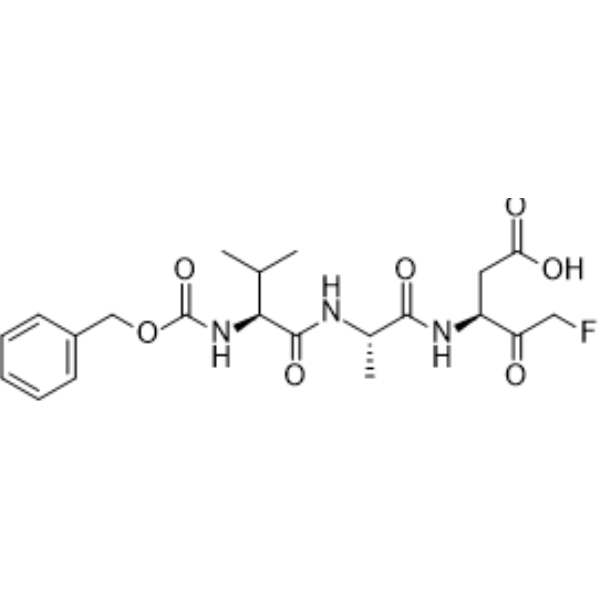
  • HY-16658B
    Z-VAD-FMK
    Maximum Cited Publications
    740 Publications Verification

    Z-VAD(OH)-FMK

    Caspase Apoptosis RIP kinase Glutathione Peroxidase Reactive Oxygen Species (ROS) Inflammation/Immunology Cancer
    Z-VAD-FMK is a pan-caspase inhibitor and also an ICE-like protease inhibitor, which inhibits apoptosis by preventing the processing of CPP32 to its active form. Z-VAD-FMK sensitivity varies primarily due to differential expression of receptor-interacting protein 1 (RIP1). Z-VAD-FMK limits the cryopreservation-induced apoptosis by reducing caspase-3 activity of in vitro produced bovine embryos. Z-VAD-FMK is immunosuppressive in vitro and inhibits T cell proliferation without blocking the processing of caspase-8 and caspase-3. Z-VAD-FMK leads to a decrease in intracellular glutathione (GSH) with a concomitant increase in reactive oxygen species (ROS) levels in activated T cells. Z-VAD-FMK is due to oxidative stress via the depletion of GSH. Z-VAD-FMK can be used for the study of acute pancreatitis .
    Z-VAD-FMK
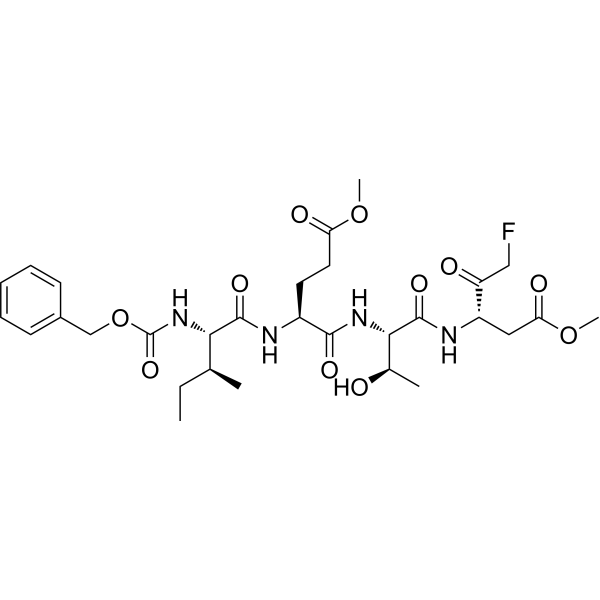
  • HY-101297
    Z-IETD-FMK
    Maximum Cited Publications
    68 Publications Verification

    Z-IE(OMe)TD(OMe)-FMK

    Caspase Cancer
    Z-IETD-FMK (Z-IE(OMe)TD(OMe)-FMK) is a selective and cell permeable caspase-8 inhibitor . Z-IETD-FMK is also a granzyme B inhibitor .
    Z-IETD-FMK
  • HY-N0171A
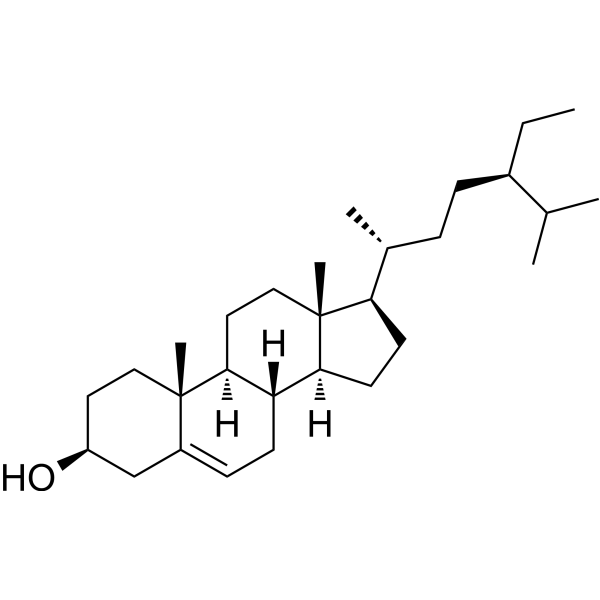
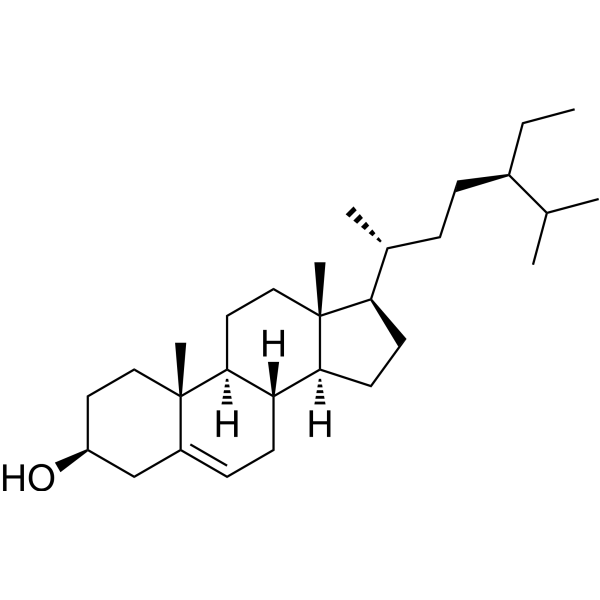
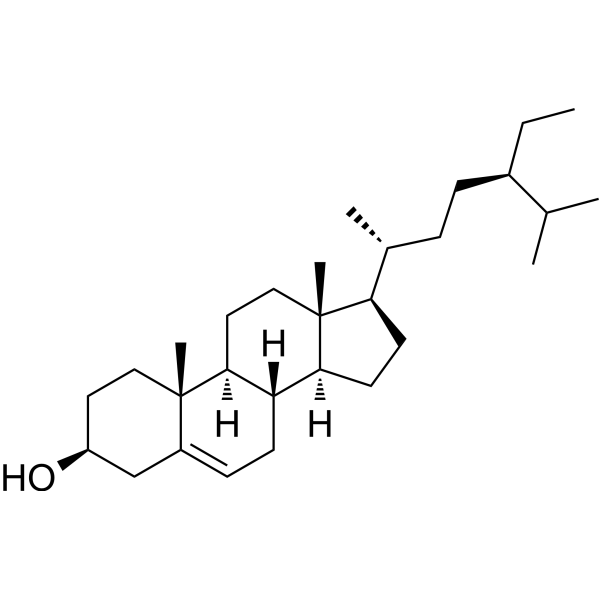
    Beta-Sitosterol (purity>98%)
    15+ Cited Publications

    β-Sitosterol (purity>98%); 22,23-Dihydrostigmasterol (purity>98%)

    Bacterial Apoptosis Reactive Oxygen Species (ROS) MDM-2/p53 Caspase PARP MMP Bcl-2 Family HIF/HIF Prolyl-Hydroxylase TNF Receptor Interleukin Related NF-κB mTOR Lactate Dehydrogenase CDK Glutathione Peroxidase SOD Infection Cardiovascular Disease Inflammation/Immunology Cancer
    Beta-Sitosterol (purity>98%) is orally active. Beta-Sitosterol exhibits multiple activities, including anti-inflammatory, anticancer, antioxidant, antimicrobial, antidiabetic, antioxidant enzyme, and analgesic. Beta-Sitosterol inhibits inflammation and impaired adipogenesis in bovine mammary epithelial cells by reducing levels of ROS, TNF-α, IL-1β, and NF-κB p65 and restoring the activity of the HIF-1α/mTOR signaling pathway. Beta-Sitosterol induces apoptosis in cancer cells through ROS-mediated mitochondrial dysregulation and p53 activation. Beta-Sitosterol exerts its anticancer effects in cancer cells by activating caspase-3, caspase-8, and caspase-9, mediating PARP inactivation, MMP loss, altered Bcl-2-Bax ratio, and cytochrome c release. Beta-Sitosterol modulates macrophage polarization and reduces rheumatoid inflammation in mice. Beta-Sitosterol inhibits tumor growth in multiple mouse cancer models. Beta-Sitosterol can be used in the research of arthritis, lung cancer, breast cancer and other cancers, diabetes, etc .
    Beta-Sitosterol (purity>98%)
  • HY-16591
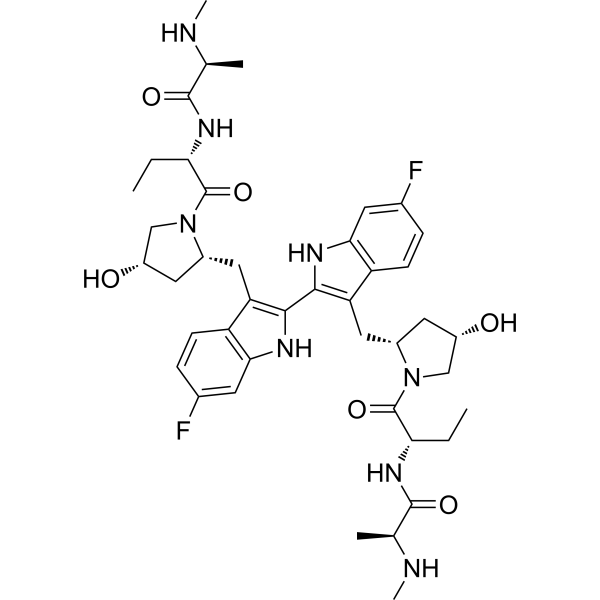
    Birinapant
    40+ Cited Publications

    TL32711

    IAP Apoptosis HIV Cancer
    Birinapant (TL32711), a bivalent Smac mimetic, is a potent antagonist for XIAP and cIAP1 with Kds of 45 nM and less than 1 nM, respectively. Birinapant (TL32711) induces the autoubiquitylation and proteasomal degradation of cIAP1 and cIAP2 in intact cells, which results in formation of a RIPK1: caspase-8 complex, caspase-8 activation, and induction of tumor cell death. Birinapant (TL32711) targets TRAF2-associated cIAPs and abrogates TNF-induced NF-κB activation.
    Birinapant
  • HY-N0171
    Beta-Sitosterol (purity>80%)
    20+ Cited Publications

    Apoptosis Endogenous Metabolite Cardiovascular Disease Inflammation/Immunology Cancer
    Beta-Sitosterol (purity≥80%) is orally active. Beta-Sitosterol exhibits multiple activities, including anti-inflammatory, anticancer, antioxidant, antimicrobial, antidiabetic, antioxidant enzyme, and analgesic. Beta-Sitosterol inhibits inflammation and impaired adipogenesis in bovine mammary epithelial cells by reducing levels of ROS, TNF-α, IL-1β, and NF-κB p65 and restoring the activity of the HIF-1α/mTOR signaling pathway. Beta-Sitosterol induces apoptosis in cancer cells through ROS-mediated mitochondrial dysregulation and p53 activation. Beta-Sitosterol exerts its anticancer effects in cancer cells by activating caspase-3, caspase-8, and caspase-9, mediating PARP inactivation, MMP loss, altered Bcl-2-Bax ratio, and cytochrome c release. Beta-Sitosterol modulates macrophage polarization and reduces rheumatoid inflammation in mice. Beta-Sitosterol inhibits tumor growth in multiple mouse cancer models. Beta-Sitosterol can be used in the research of arthritis, lung cancer, breast cancer and other cancers, diabetes, etc .
    Beta-Sitosterol (purity>80%)
  • HY-N0605
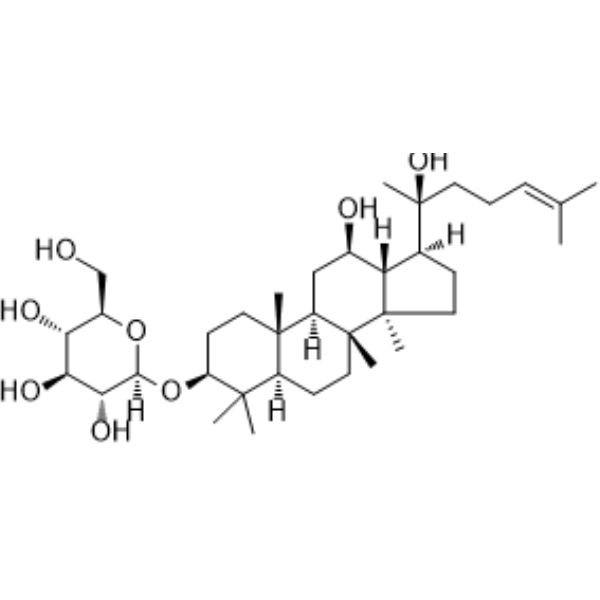
    Ginsenoside Rh2
    4 Publications Verification

    20(S)-Ginsenoside Rh2; 20(S)-Rh2

    Caspase Apoptosis Endogenous Metabolite Cancer
    Ginsenoside Rh2 (20(S)-Ginsenoside Rh2) induces the activation of caspase-8 and caspase-9. Ginsenoside Rh2 induces cancer cell apoptosis in a multi-path manner.
    Ginsenoside Rh2
  • HY-Y1881B

    Environmental Pollutants Biochemical Assay Reagents Reactive Oxygen Species (ROS) Caspase MyD88 SOD Others
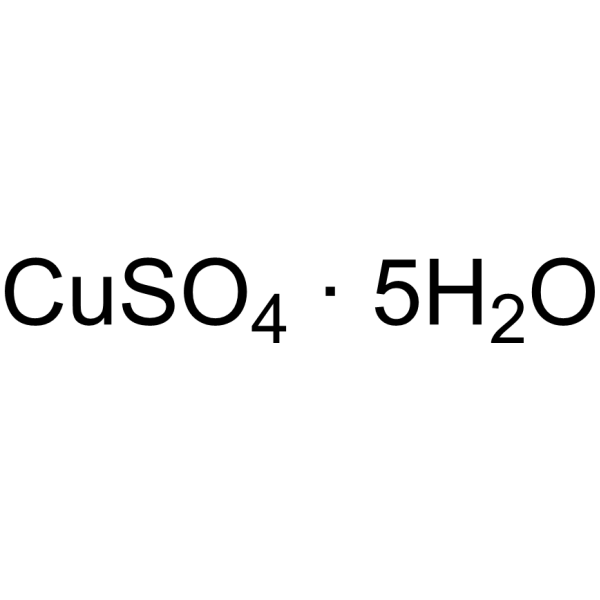
    Copper sulfate pentahydrate, for cell culture, 98% is a biochemical reagent. Copper sulfate pentahydrate, for cell culture, 98% reduces the production of ROS and the expression levels of MyD88 as well as c-Rel genes. Copper sulfate pentahydrate, for cell culture, 98% decreases the activities of T-SOD, CAT, and GSH, increases the activities of caspase-3, caspase-8, and caspase-9. Copper sulfate pentahydrate, for cell culture, 98% is cytotoxic to various cells .
    Copper sulfate pentahydrate, for cell culture, 98%
  • HY-N0674
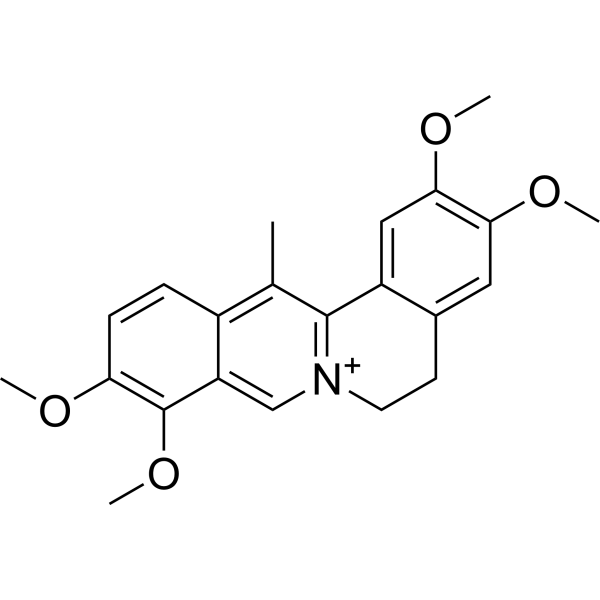
    Dehydrocorydaline
    Maximum Cited Publications
    44 Publications Verification

    13-Methylpalmatine

    Bcl-2 Family Caspase PARP p38 MAPK Parasite Autophagy Infection Cancer
    Dehydrocorydaline (13-Methylpalmatine) is an alkaloid that regulates protein expression of Bax, Bcl-2; activates caspase-7, caspase-8, and inactivates PARP . Dehydrocorydaline elevates p38 MAPK activation. Anti-inflammatory and anti-cancer activities . Dehydrocorydaline shows strong anti-malarial effects (IC50=38 nM), and low cytotoxicity (cell viability > 90%) using P. falciparum 3D7 strain .
    Dehydrocorydaline
  • HY-121320
    Raptinal
    5+ Cited Publications

    Caspase Apoptosis Cancer
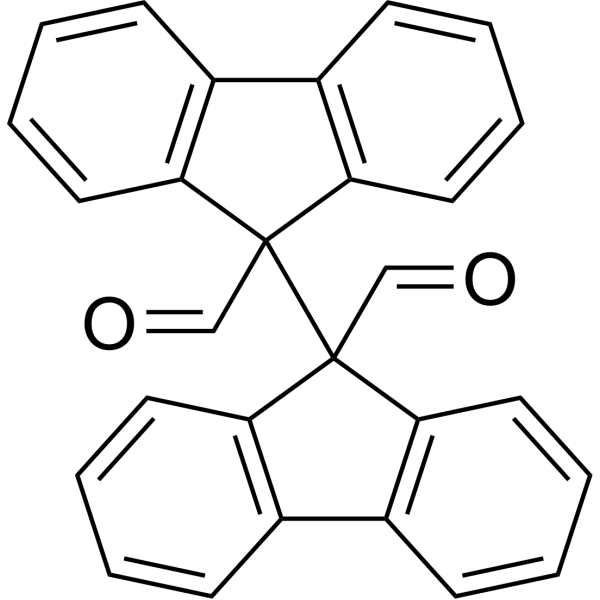
    Raptinal, a agent that directly activates caspase-3, initiates intrinsic pathway caspase-dependent apoptosis. Raptinal is able to rapidly induce cancer cell death by directly activating the effector caspase-3, bypassing the activation of initiator caspase-8 and caspase-9 .
    Raptinal
  • HY-12290
    Arg-Gly-Asp-Ser
    5+ Cited Publications

    RGDS peptide; Fibronectin tetrapeptide

    Integrin Inflammation/Immunology
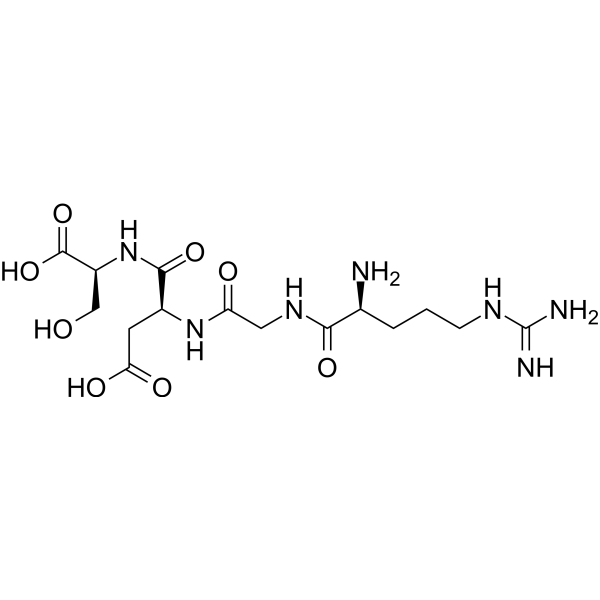
    Arg-Gly-Asp-Ser is an integrin binding sequence that inhibits integrin receptor function. Arg-Gly-Asp-Ser directly and specifically bind pro-caspase-8, pro-caspase-9 and pro-caspase-3, while it does not bind pro-caspase-1.
    Arg-Gly-Asp-Ser
  • HY-B0493
    Niflumic acid
    4 Publications Verification

    Chloride Channel COX Inflammation/Immunology Cancer
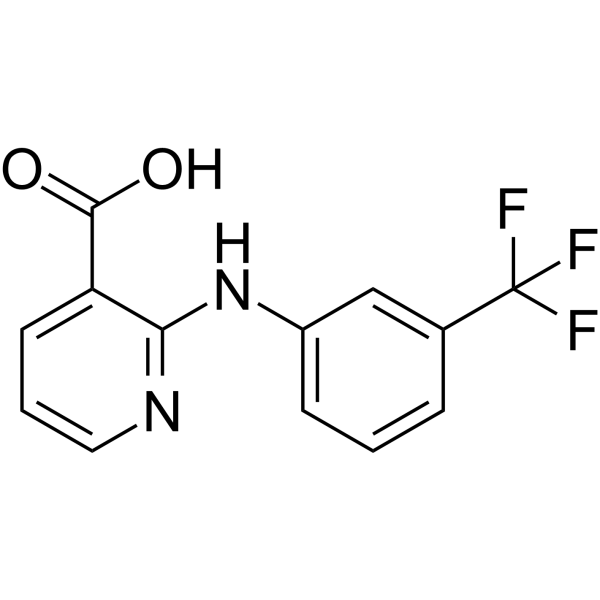
    Niflumic acid is a calcium-activated chloride channel blocker and COX-2 inhibitor with the IC50 value of 100 nM. Niflumic acid induces apoptosis through caspase-8/Bid/Bax pathway in lung cancer cells. Niflumic acide exhibits anti-tumor activity by affecting the expression of ERK1/2 and the activity of MMP2 and MMP9. Niflumic acid has orally bioactivity. Niflumic acid acts on rheumatoid arthritis .
    Niflumic acid
  • HY-W010155
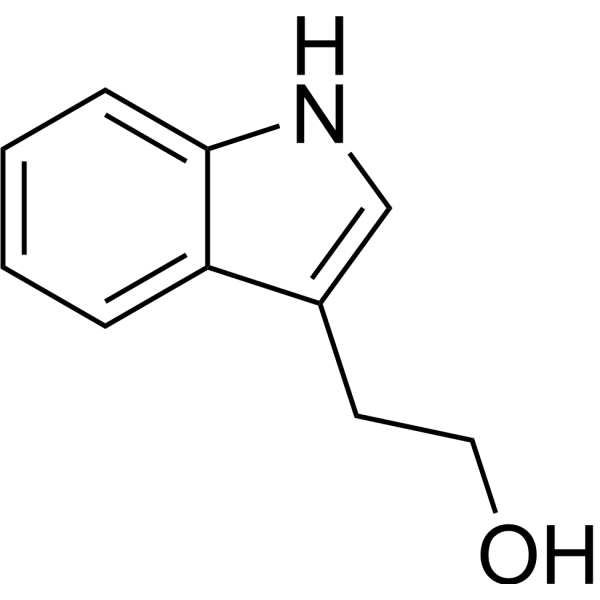
    Tryptophol
    2 Publications Verification

    Indole-3-ethanol

    Endogenous Metabolite Apoptosis Caspase Bacterial Infection Cardiovascular Disease Neurological Disease Metabolic Disease Inflammation/Immunology
    Tryptophol is an aromatic alcohol and secondary metabolite produced by microorganisms. Tryptophol induces apoptosis and cleavage of caspase-8. Tryptophol inhibits Cunninghamella blakesleeana biofilm. Tryptophol has anti-phage infection, biofilm formation regulation, anti-inflammatory, hemolytic, sleep induction, temperature change, seizure susceptibility and immune regulation activities. Tryptophol is used in the research of African trypanosomiasis, sleep disorders, epilepsy .
    Tryptophol
  • HY-159520

    Ofirnoflast; HT-6184

    NEKs NOD-like Receptor (NLR) Caspase Apoptosis Pyroptosis NF-κB Cardiovascular Disease Inflammation/Immunology Cancer
    Ofirnoflastum (Ofirnoflast) is an orally active first-in-class allosteric NEK7 inhibitor with an IC50 of 46 nM. Ofirnoflastum binds an allosteric site adjacent to NEK7’s ATP-binding pocket, induces conformational shifts, disrupts NEK7-NLRP3 binding, blocks NLRP3 inflammasome assembly, spares NEK7’s physiological functions, and suppresses caspase-1, caspase-8, NF-κB, and TNF activity. Ofirnoflastum reduces pro-inflammatory cytokine production, suppresses ASC specks, IL-1β release, pyroptotic cell death, and leukemic burden, induces apoptosis and erythroid differentiation, restores hematopoiesis, and improves outcomes in colitis models. Ofirnoflastum can be used for the research of myelodysplastic syndromes, chronic myelomonocytic leukemia, and acute myeloid leukemia .
    Ofirnoflastum
  • HY-W013579

    D-​Carvone

    Environmental Pollutants Apoptosis Caspase Interleukin Related Reactive Oxygen Species (ROS) NOD-like Receptor (NLR) SOD Neurological Disease Metabolic Disease Inflammation/Immunology Cancer
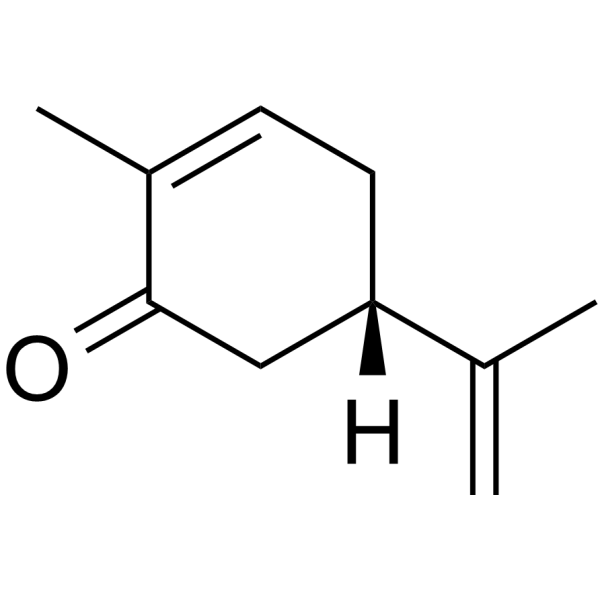
    (S)-(+)-Carvone is an orally active natural product. (S)-(+)-Carvone increases the activity of antioxidant enzymes (SOD, CAT) and ROS, reduces the levels of oxidative stress markers (MDA, AChE), reduces the secretion of proinflammatory cytokines (IL-1β, IL-4, IL-6, IL-10), and downregulates NLRP3. (S)-(+)-Carvone increases the activities of caspase-8, -9 and -3. (S)-(+)-Carvone induces apoptotic death. (S)-(+)-Carvone has antimanic-like effect, liver protection and anticancer activity against skin cancer. (S)-(+)-Carvone improves memory and arthritis .
    (S)-(+)-Carvone
  • HY-P10149
    Ac-IEPD-CHO
    1 Publications Verification

    Caspase Cancer
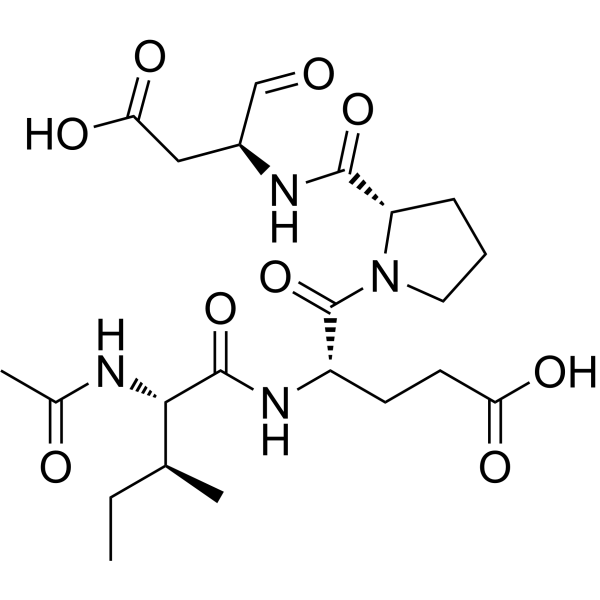
    Ac-IEPD-CHO is a reversible granzyme B inhibitor with a Ki of 80 nM . Ac-IEPD-CHO is also a caspase-8 inhibitor .
    Ac-IEPD-CHO
  • HY-Y1881A

    Environmental Pollutants Biochemical Assay Reagents Reactive Oxygen Species (ROS) Caspase MyD88 SOD Neurological Disease Metabolic Disease Cancer
    Copper sulfate pentahydrate, 99% is a biochemical reagent. Copper sulfate pentahydrate, 99% reduces the production of ROS and the expression levels of MyD88 as well as c-Rel genes. Copper sulfate pentahydrate, 99% decreases the activities of T-SOD, CAT, and GSH, increases the activities of caspase-3, caspase-8, and caspase-9. Copper sulfate pentahydrate, 99% is cytotoxic to various cells. Copper sulfate pentahydrate, 99% has antioxidant activity. Copper sulfate pentahydrate, 99% can be used in the research of diabetes, Parkinson's disease and DMBA (HY-W011845)-induced tumors .
    Copper sulfate pentahydrate, 99.9%
  • HY-N3415
    Kumatakenin
    1 Publications Verification

    Apoptosis Autophagy Caspase Ferroptosis SARS-CoV Neurological Disease Inflammation/Immunology Cancer
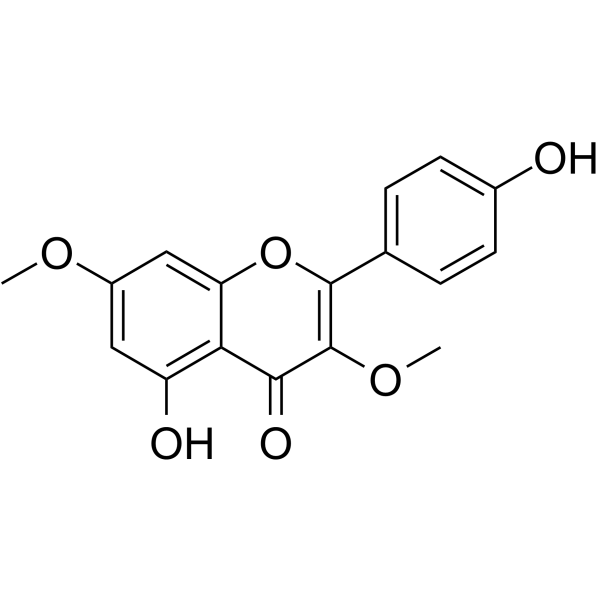
    Kumatakenin is an orally active apoptosis inducer and autophagy inhibitor, with a Kd value of 2.94 μM for mouse ATG5. Kumatakenin increases the activities of caspase-3, caspase-8 and caspase-9, thereby inducing caspase-dependent apoptosis in ovarian cancer cells. Kumatakenin reduces the expression of chemokines and pro-oncogenic factors in ovarian cancer cells, and inhibits M2 macrophage polarization. Kumatakenin inactivates TRIM65 function, reduces the expression and stability of FASN, and thus inhibits the proliferation, migration, invasion and tumor progression of esophageal cancer cells. Kumatakenin interacts with ATG5 to reduce its protein level, decrease LC3 level, and reduce the number of autophagosomes in the hippocampus. Kumatakenin binds to Eno3 to upregulate its expression, reduce the stability and expression level of IRP1 mRNA, inhibit ferroptosis, alleviate intestinal inflammation, and restore epithelial barrier function. Kumatakenin enhances the efficacy of antibiotics against pathogenic bacteria, inhibits SARS-CoV-2 replication, and reduces cytokine production. Kumatakenin is applicable to research related to ovarian cancer, esophageal cancer, depression and colitis .
    Kumatakenin
  • HY-N0171R
    Beta-Sitosterol (Standard)
    5+ Cited Publications

    β-Sitosterol (Standard); 22,23-Dihydrostigmasterol (Standard))

    Reference Standards Apoptosis Endogenous Metabolite Cardiovascular Disease Inflammation/Immunology Cancer
    Beta-Sitosterol (Standard) is the analytical standard of Beta-Sitosterol. This product is intended for research and analytical applications. Beta-Sitosterol (purity≥80%) is orally active. Beta-Sitosterol exhibits multiple activities, including anti-inflammatory, anticancer, antioxidant, antimicrobial, antidiabetic, antioxidant enzyme, and analgesic. Beta-Sitosterol inhibits inflammation and impaired adipogenesis in bovine mammary epithelial cells by reducing levels of ROS, TNF-α, IL-1β, and NF-κB p65 and restoring the activity of the HIF-1α/mTOR signaling pathway. Beta-Sitosterol induces apoptosis in cancer cells through ROS-mediated mitochondrial dysregulation and p53 activation. Beta-Sitosterol exerts its anticancer effects in cancer cells by activating caspase-3, caspase-8, and caspase-9, mediating PARP inactivation, MMP loss, altered Bcl-2-Bax ratio, and cytochrome c release. Beta-Sitosterol modulates macrophage polarization and reduces rheumatoid inflammation in mice. Beta-Sitosterol inhibits tumor growth in multiple mouse cancer models. Beta-Sitosterol can be used in the research of arthritis, lung cancer, breast cancer and other cancers, diabetes, etc.
    Beta-Sitosterol (Standard)
  • HY-P10102
    Kp7-6
    2 Publications Verification

    Apoptosis PERK NF-κB Caspase JNK Inflammation/Immunology Cancer
    Kp7-6 is a Fas mimetic peptide and also a Fas/FasL antagonist. Kp7-6 specifically binds to Fas and FasL, disrupts receptor complexes, and blocks downstream apoptosis signaling pathways. Kp7-6 inhibits the phosphorylation of ERK1-2, induces the phosphorylation of IκBα, and activates NF-κB. Kp7-6 inhibits the activation of caspase-8, caspase-3 and JNK, and suppresses human amylin-induced β-cell apoptosis. Kp7-6 inhibits FasL-induced lymphoid cytotoxicity and apoptosis. Kp7-6 reduces local tumor FasL expression, increases CD8 +Fas + T cell infiltration, and decreases tumor volume in pancreatic neuroendocrine tumor models. Kp7-6 prevents concanavalin A-induced liver injury in mice. Kp7-6 is applicable to research related to type 2 diabetes, concanavalin A-induced hepatitis and pancreatic neuroendocrine tumors .
    Kp7-6
  • HY-N6777
    Penicillic acid
    1 Publications Verification

    Caspase Bacterial Apoptosis Antibiotic Infection Inflammation/Immunology Cancer
    Penicillic acid is a polyketide mycotoxin produced by several species of Aspergillus and Penicillium. Penicillic acid exhibits cytotoxicity in rat alveolar macrophages (AM) in vitro. Penicillic acid inhibits Fas ligand-induced apoptosis by blocking self-processing of caspase-8 .
    Penicillic acid
  • HY-N2993

    Apoptosis Caspase PARP Akt PTEN MDM-2/p53 JNK Cancer
    Polyporenic acid C is a lanostane-type triterpenoid. Polyporenic acid C can be isolated from Poria cocos. Polyporenic acid C causes the cleavage of caspase-8 and caspase-3, as well as the cleavage of PARP. Polyporenic acid C reduces the phosphorylation level of Akt (Ser473), increases the phosphorylation of PTEN and p53 (Ser15), and activates JNK. Polyporenic acid C induces Apoptosis. Polyporenic acid C shows anticancer activity against non-small cell lung cancer .
    Polyporenic acid C
  • HY-N0905

    Bcl-2 Family Caspase Apoptosis Autophagy Endogenous Metabolite Cancer
    Ginsenoside Rh4 is a rare saponin obtained from Panax notoginseng. Ginsenoside Rh4 activates Bax, caspase 3, caspase 8, and caspase 9. Ginsenoside Rh4 also induces autophagy.
    Ginsenoside Rh4
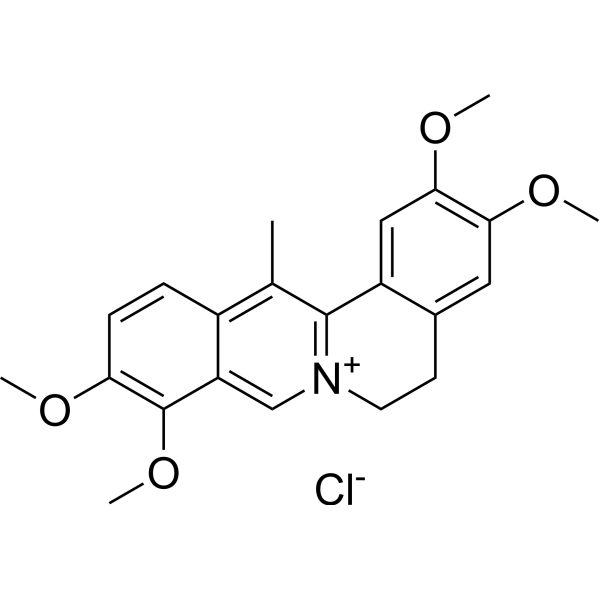
  • HY-N0674A
    Dehydrocorydaline chloride
    Maximum Cited Publications
    44 Publications Verification

    13-Methylpalmatine chloride

    Bcl-2 Family Caspase PARP p38 MAPK Parasite Autophagy Infection Cancer
    Dehydrocorydaline chloride (13-Methylpalmatine chloride) is an alkaloid that regulates protein expression of Bax, Bcl-2; activates caspase-7, caspase-8, and inactivates PARP . Dehydrocorydaline chloride elevates p38 MAPK activation. Anti-inflammatory and anti-cancer activities . Dehydrocorydaline chloride shows strong anti-malarial effects (IC50?=38 nM), and low cytotoxicity (cell viability?>?90%) using P. falciparum 3D7 strain .
    Dehydrocorydaline chloride
  • HY-P11108

    NF-κB Apoptosis TNF Receptor Caspase Inflammation/Immunology Cancer
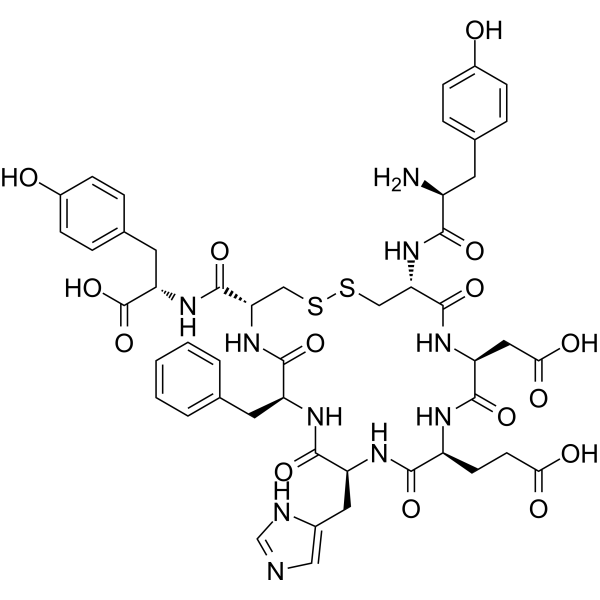
    RP-182 is a synthetic immunomodulatory peptide that exerts anti-tumor effects by targeting the mannose receptor CD206 (Kd = 8 μM) on the surface of tumor-associated macrophages (TAMs). RP-182 induces a conformational switch of the CD206 receptor, which activates NF-κB signaling and phagocytosis in CD206 high TAMs. RP-182 has dual function: activation of canonical NF-κB signaling, triggering TNFα secretion and autocrine activation of the TNF receptor 1 (TNFR1), leading to activation of caspase 8, apoptosis, and cell death. RP-182 is used in pancreatic cancer and melanoma research .
    RP-182
  • HY-P1169
    Ac-IETD-AFC
    1 Publications Verification

    Caspase Others
    Ac-IETD-AFC is a fluorogenic substrate of caspase-8, caspase-3, caspase-10, and granzyme B .
    Ac-IETD-AFC
  • HY-P3560

    TV 4710

    Apoptosis Inflammation/Immunology
    Edratide (TV 4710) is a synthetic peptide of 19 amino acid based on the complementarity-determining region 1 (CDR1) of a human anti-DNA antibody that expresses a major idiotype denoted 16/6 Id. Edratide reduces the rates of apoptosis (Apoptosis) and down-regulates of caspase-8 and caspase-3, up-regulates Bcl-xL. Edratide has the potential for the research of systemic lupus erythematosus (SLE) .
    Edratide
  • HY-10531

    Caspase Infection Cancer
    ARRY-380 analog (Compound PCM-0095494) is an ARRY-380 (HY-16069) analog. ARRY-380 analog activates caspases 3 and caspases 8. ARRY-380 analog inhibits Salmonella replication in cells .
    ARRY-380 analog
  • HY-153161

    Caspase Apoptosis Cancer
    CASP8-IN-1 (Compound 63-R) is a selective inhibitor for caspase 8 (CASP8), with an IC50 of 0.7 μM. CASP8-IN-1 inhibits FasL-induced apoptosis in cell Jurkat .
    CASP8-IN-1
  • HY-113963

    Apoptosis Cancer
    Ac- IETD- CHO is a potent, reversible inhibitor of granzyme B and caspase-8. Ac- IETD- CHO inhibits Fas-mediated apoptotic cell death, hemorrhage, and liver failure. Ac- IETD- CHO also inhibits cytotoxic T lymphocytes induced cell death .
    Ac-​IETD-​CHO
  • HY-N0674B
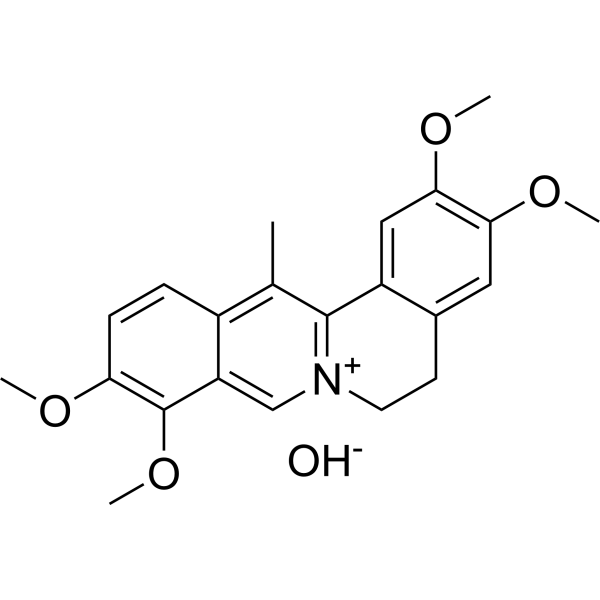
    Dehydrocorydaline (hydroxyl)
    40+ Cited Publications

    13-Methylpalmatine (hydroxyl)

    Bcl-2 Family Caspase PARP p38 MAPK Parasite Autophagy Infection Inflammation/Immunology Cancer
    Dehydrocorydaline (13-Methylpalmatine) hydroxyl is an alkaloid that regulates protein expression of Bax, Bcl-2; activates caspase-7, caspase-8, and inactivates PARP. Dehydrocorydaline hydroxyl elevates p38 MAPK activation. Anti-inflammatory and anti-cancer activities. Dehydrocorydaline hydroxyl shows strong anti-malarial effects (IC50=38 nM), and low cytotoxicity (cell viability > 90%) using P. falciparum 3D7 strain.
    Dehydrocorydaline (hydroxyl)
  • HY-N4238
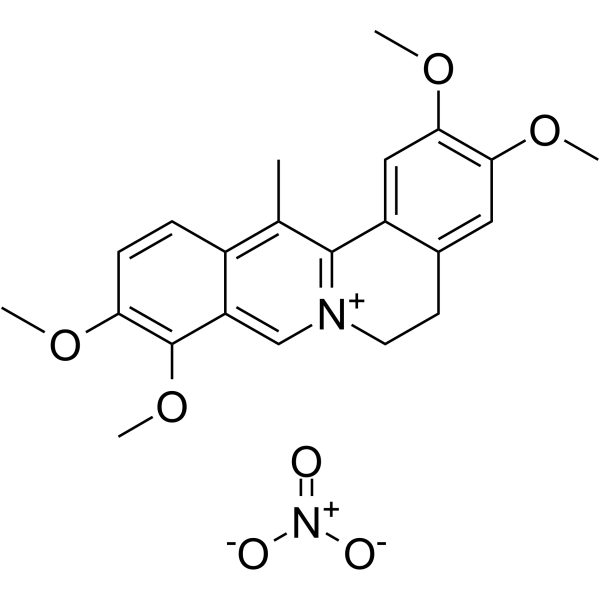
    Dehydrocorydaline nitrate
    40+ Cited Publications

    13-Methylpalmatine nitrate

    Bcl-2 Family Caspase PARP p38 MAPK Parasite Autophagy Infection Cancer
    Dehydrocorydaline nitrate (13-Methylpalmatine nitrate) is an alkaloid. Dehydrocorydaline regulates protein expression of Bax, Bcl-2; activates caspase-7, caspase-8, and inactivates PARP . Dehydrocorydaline nitrate elevates p38 MAPK activation. Anti-inflammatory and anti-cancer activities. . Dehydrocorydaline nitrate shows strong anti-malarial effects (IC50 =38 nM), and low cytotoxicity (cell viability > 90%) using P. falciparum 3D7 strain .
    Dehydrocorydaline nitrate
  • HY-W010155R

    Indole-3-ethanol (Standard)

    Reference Standards Endogenous Metabolite Apoptosis Caspase Bacterial Infection Cardiovascular Disease Neurological Disease Metabolic Disease Inflammation/Immunology
    Tryptophol (Standard) (Indole-3-ethanol (Standard)) is an analytical standard of Tryptophol (HY-W010155). This product is intended for use in research and analytical applications.Tryptophol is an aromatic alcohol and secondary metabolite produced by microorganisms. Tryptophol induces Apoptosis and cleavage of caspase-8. Tryptophol inhibits Cunninghamella blakesleeana biofilm. Tryptophol has anti-phage infection, biofilm formation regulation, anti-inflammatory, hemolytic, sleep induction, temperature change, seizure susceptibility and immune regulation activities. Tryptophol is used in the research of African trypanosomiasis, sleep disorders, epilepsy.
    Tryptophol (Standard)
  • HY-106789

    CS-684

    Bacterial Infection Inflammation/Immunology Cancer
    Plaunotol is an orally active acyclic diterpene alcohol. Plaunotol has antibacterial activity against Helicobacter pylori which causes peptic ulcer . Plaunotol inhibits tumor angiogenesis and cell proliferation. Plaunotol induces apoptosis by activation of caspase 8 and caspase 9 pathways. Plaunotol is a potential anticancer agent against colon cancer .
    Plaunotol
  • HY-W750342

    Indole-3-ethanol-d4

    Isotope-Labeled Compounds Endogenous Metabolite Apoptosis Caspase Bacterial Infection Cardiovascular Disease Neurological Disease Metabolic Disease Inflammation/Immunology
    Tryptophol-d4 (Indole-3-ethanol-d4) is the deuterium labeled Tryptophol (HY-W010155). Tryptophol is an aromatic alcohol and secondary metabolite produced by microorganisms. Tryptophol induces apoptosis and cleavage of caspase-8. Tryptophol inhibits Cunninghamella blakesleeana biofilm. Tryptophol has anti-phage infection, biofilm formation regulation, anti-inflammatory, hemolytic, sleep induction, temperature change, seizure susceptibility and immune regulation activities. Tryptophol is used in the research of African trypanosomiasis, sleep disorders, epilepsy .
    Tryptophol-d4
  • HY-P4222

    Caspase-8-IN-1

    Caspase Others
    IETD-CHO (Caspase-8-IN-1) is a potent caspase-8 inhibitor .
    IETD-CHO
  • HY-120833

    Caspase Others
    Ac-Ile-Glu-Thr-Asp-pNA is a substrate for caspase-8. Caspase-8 binds to and cleaves the Ile-Glu-Thr-Asp (IETD) peptide sequence to release p-nitroalinide, which can be quantified by colorimetric detection at 405 nm as a measure of enzyme activity .
    Ac-Ile-Glu-Thr-Asp-pNA
  • HY-P2208

    Fluorescent Dye Cancer
    Z-IETD-AFC, a specific fluorescence substrate, can be used to determine the caspase-8 catalytic activity .
    Z-IETD-AFC
  • HY-N6926

    HIV Apoptosis Caspase VEGFR ERK PI3K Akt mTOR PARP Infection Cancer
    1,3,5-Tricaffeoylquinic acid acts as an angiogenesis inhibitor and apoptosis inducer, and exhibits anti-HIV activity. 1,3,5-Tricaffeoylquinic acid inhibits the phosphorylation of VEGFR2, ERK, PI3K, Akt and mTOR in the angiogenesis signaling pathway. 1,3,5-Tricaffeoylquinic acid regulates apoptosis-related proteins, upregulates the levels of activated caspase-8, Bax, activated PARP and caspase-3/9, while downregulates the level of Bcl-2. 1,3,5-Tricaffeoylquinic acid inhibits tube formation and shows cytotoxicity against ovarian cancer cells. 1,3,5-Tricaffeoylquinic acid can be used in studies related to ovarian cancer .
    1,3,5-Tricaffeoylquinic acid
  • HY-B0493R

    Reference Standards Chloride Channel COX Inflammation/Immunology
    Niflumic acid (Standard) is the analytical standard of Niflumic acid. This product is intended for research and analytical applications. Niflumic acid is a calcium-activated chloride channel blocker and COX-2 inhibitor with the IC50 value of 100 nM. Niflumic acid induces apoptosis through caspase-8/Bid/Bax pathway in lung cancer cells. Niflumic acide exhibits anti-tumor activity by affecting the expression of ERK1/2 and the activity of MMP2 and MMP9. Niflumic acid has orally bioactivity. Niflumic acid acts on rheumatoid arthritis .
    Niflumic acid (Standard)
  • HY-W750678

    Apoptosis Caspase Inflammation/Immunology
    9-cis-Canthaxanthin is a carotenoid with pro-apoptotic activity in THP-1 macrophage cells. 9-cis-Canthaxanthin induces cell apoptosis by increasing caspase-3 and caspase-8 activity .
    9-cis-Canthaxanthin
  • HY-138203

    Caspase Apoptosis Cancer
    Z-LE(OMe)TD(OMe)-FMK is a selective caspase-8 inhibitor. Z-LE(OMe)TD(OMe)-FMK can inhibit cell apoptosis .
    Z-LE(OMe)TD(OMe)-FMK
  • HY-16275

    GS 9450; LB-84451

    Caspase Interleukin Related Inflammation/Immunology
    Nivocasan (GS 9450; LB-84451) is a pan-caspase inhibitor that irreversibly arrests caspase-1 activity and inhibits that of caspase-8. Nivocasan inhibits IL-1β cleavage and blocks osteoclast differentiation. Nivocasan inhibits the protein expression of NFATc1 and CSTK .
    Nivocasan
  • HY-P3779

    Aβ(17-42)

    Apoptosis Neurological Disease
    Amyloid 17-42 (Aβ(17-42)) is a major constituent of diffuse plaques in Alzheimer's disease and cerebellar pre-amyloid in Down's syndrome, derived by alpha- and gamma-secretase cleavage of the amyloid precursor protein (APP). Amyloid 17-42 can induce neuronal apoptosis via a Fas-like/caspase-8 activation pathway .
    Amyloid 17-42
  • HY-P2620

    Fluorescent Dye Metabolic Disease Cancer
    Ac-LETD-AFC is a caspase-8 fluorogenic substrate. Ac-LETD-AFC can measure caspase-8 fluorogenic activity and can be used for the research of cancer cell apoptosis and oxidative stress metabolism .
    Ac-LETD-AFC
  • HY-P5830

    Caspase Others
    Biotin-DEVD-CHO can be used for affinity labeling of Caspase-8 following in vitro caspase cleavage .
    Biotin-DEVD-CHO
  • HY-P10322

    Fluorescent Dye Cancer
    Z-IETD-R110 is a fluorescent substrate of caspases. Z-IETD-R110 acts as a substrate for caspase-8. When caspase-8 is activated, it can recognize and cut Z-IETD-R110, releasing fluorophore, which can be detected by fluorescence microscopy. Z-IETD-R110 can be used to study oxidative stress-induced apoptosis, particularly in pancreatic acinar cells .
    Z-IETD-R110
  • HY-N17612

    Apoptosis Caspase Bcl-2 Family Cancer
    Haplophytin-A is a quinoline alkaloid. Haplophytin-A is a potent apoptosis inducer that exerts robust anti-leukemic activity by activating the caspase-8-dependent apoptotic pathway. Haplophytin-A can be used for the research of promyelocytic leukemia .
    Haplophytin-A
  • HY-178099

    Apoptosis Caspase PARP Bcl-2 Family Cancer
    Apoptosis inducer 45 is an apoptosis inducer. Apoptosis inducer 45 is cytotoxically active against the MCF-7 cell line. Apoptosis inducer 45 elicits MCF-7 cell apoptosis via the mitochondrial pathway (increases the Bax/Bcl-2 ratio) by activating cleavage of caspase-9, thereby inducing the fragmentation of DNA repair protein PARP. Apoptosis inducer 45 also can induce caspase-8 cleavage, subsequently initiating cleavage of caspase-3 and its downstream protein PARP to culminate in the extrinsic apoptosis. Apoptosis inducer 45 can be used in the research of breast cancer .
    Apoptosis inducer 45
  • HY-P10241

    Apoptosis Caspase Cancer
    Ac-LEHD-CHO is an inhibitor for caspase 8/9. Ac-LEHD-CHO prevents GalN/TNF-α-induced hepatotoxicity and hepatocyte apoptosis .
    Ac-LEHD-CHO
  • HY-16658BG

    Caspase Apoptosis Cancer
    Z-VAD-FMK is a pan-caspase inhibitor and also an ICE-like protease inhibitor, which inhibits apoptosis by preventing the processing of CPP32 to its active form. Z-VAD-FMK sensitivity varies primarily due to differential expression of receptor-interacting protein 1 (RIP1). Z-VAD-FMK limits the cryopreservation-induced apoptosis by reducing caspase-3 activity of in vitro produced bovine embryos. Z-VAD-FMK is immunosuppressive in vitro and inhibits T cell proliferation without blocking the processing of caspase-8 and caspase-3. Z-VAD-FMK leads to a decrease in intracellular glutathione (GSH) with a concomitant increase in reactive oxygen species (ROS) levels in activated T cells. Z-VAD-FMK is due to oxidative stress via the depletion of GSH. Z-VAD-FMK can be used for the study of acute pancreatitis .
    Z-VAD-FMK

Inquiry Online

Your information is safe with us. * Required Fields.

Salutation


Country or Region *

Applicant Name *


Organization Name *

Department *


Email Address *


Product Name *

Cat. No.


Requested quantity *

Phone Number *


Remarks

Inquiry Online

Inquiry Information

Product Name:
Cat. No.:
Quantity:
MCE Japan Authorized Agent:

