48 Results for "

cholesterol biosynthesis inhibitor

" in MedChemExpress (MCE) Product Catalog:
Products (48)

48 Results for "cholesterol biosynthesis inhibitor" in MCE Product Catalog:

10
10 Publications Verification
Cat. No.: HY-107420
CAS No.: 366-93-8
Purity:  99.67%
Target:  

Endogenous Metabolite

Research Areas:  

Metabolic Disease

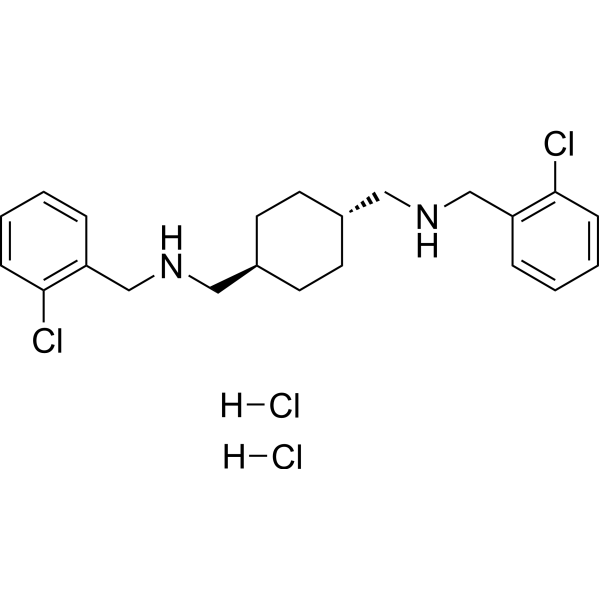
AY 9944 is a specific cholesterol biosynthesis inhibitor. AY 9944 inhibits the 7-dehydro cholesterol Δ7-reductase (DHCR7) enzyme with an IC50 of 13 nM. AY 9944 causes hypocholesterolemia and accumulation of 7DHC. At high doses, AY 9944 inhibits also in cultured embryos sterol Δ7-Δ8 isomerase, which causes the accumulation of cholest-8-en-3β-ol .
loading...
    loading...
7
7 Cited Publications
Cat. No.: HY-10016
CAS No.: 870843-42-8
Purity:  97.08%
Target:  

γ-secretase

Research Areas:  

Neurological Disease

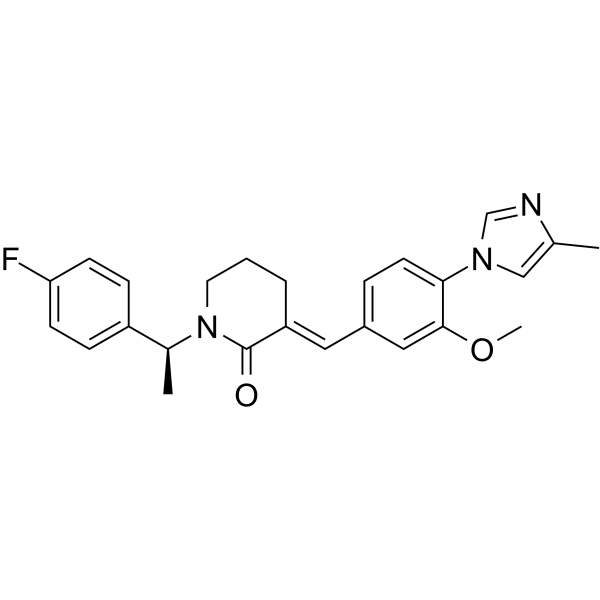
E 2012 is a potent gamma (γ) secretase modulator without affecting Notch processing. E 2012 inhibits 3β-hydroxysterol Δ24-reductase (DHCR24) at the final step in the cholesterol biosynthesis. E 2012 aims at Alzheimer's disease by reduction of amyloid β-42, and induces cataract following repeated doses in the rat .
loading...
    loading...
6
6 Cited Publications
Cat. No.: HY-113224
CAS No.: 313-04-2
Purity:  ≥98.0%
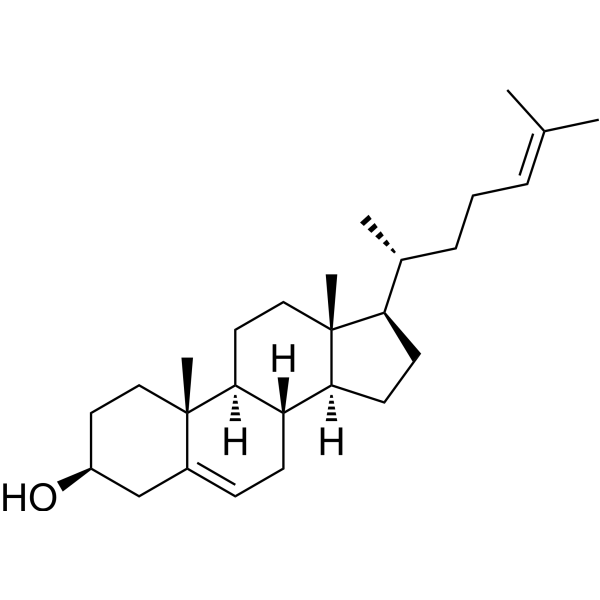
Desmosterol is a cholesterol-like molecule. In the Bloch pathway of cholesterol biosynthesis, Desmosterol is a direct precursor of cholesterol. As an endogenous metabolite, Desmosterol is used to study cholesterol metabolism . Desmosterol is an LXR activator and SREBP inhibitor, which can suppress macrophage inflammasome activation and prevent vascular inflammation and atherosclerosis. A reduction in Desmosterol promotes the production of mitochondrial reactive oxygen species (ROS) in macrophages and pyrin domain-dependent inflammasome activation of NLRP3. Desmosterol holds potential for research in inflammation, metabolism, and cardiovascular diseases .
loading...
    loading...
2
2 Cited Publications
Cat. No.: HY-14925
CAS No.: 189059-71-0
Purity:  99.81%
Synonyms: T-91485
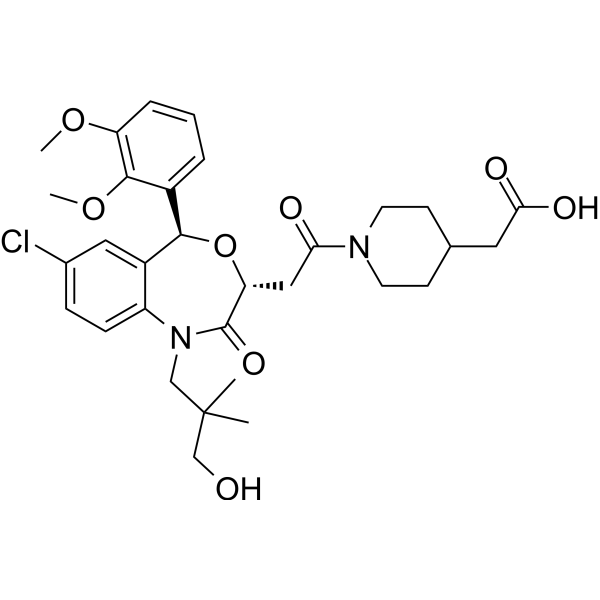
Lapaquistat (T-91485), a cholesterol biosynthesis inhibitor, is the active metabolite of Lapaquistat acetate (HY-16274). Lapaquistat can decrease statin-induced myotoxicity in lipid-lowering therapy .
loading...
    loading...
2
2 Cited Publications
Cat. No.: HY-N10549
CAS No.: 83088-28-2
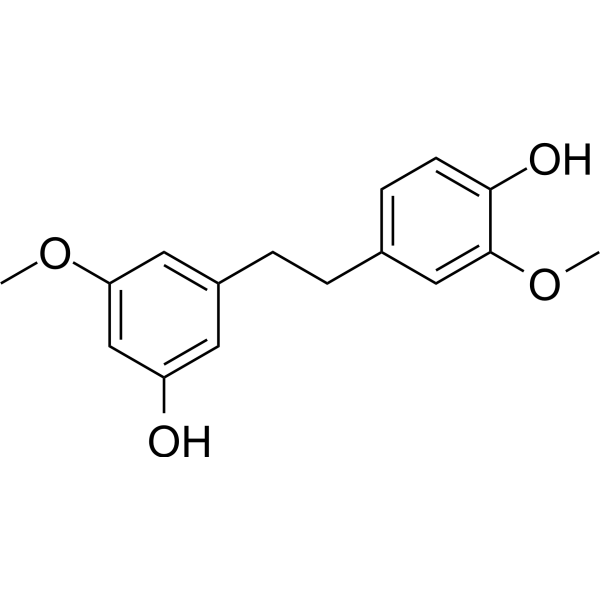
Gigantol is an orally active bibenzyl compound. Gigantol targets MYC to promote its ubiquitin-proteasomal degradation and inhibit the growth of lung cancer cells. Gigantol exerts anti-lung cancer activity by inducing ferroptosis (Ferroptosis) via the SLC7A11-GPX4 axis. Gigantol restores the sensitivity of mcr-harboring multidrug-resistant bacteria to colistin. Gigantol ameliorates carbon tetrachloride-induced liver injury by inhibiting the activation of the JNK/cPLA2/12-LOX inflammatory pathway. Gigantol promotes cholesterol metabolism and progesterone biosynthesis in Leydig cells. Gigantol can be used in studies related to diseases such as lung cancer, multidrug-resistant Gram-negative bacterial infections, and acute liver injury .
loading...
    loading...
2
2 Cited Publications
Cat. No.: HY-122410
CAS No.: 79-62-9
Purity:  99.56%
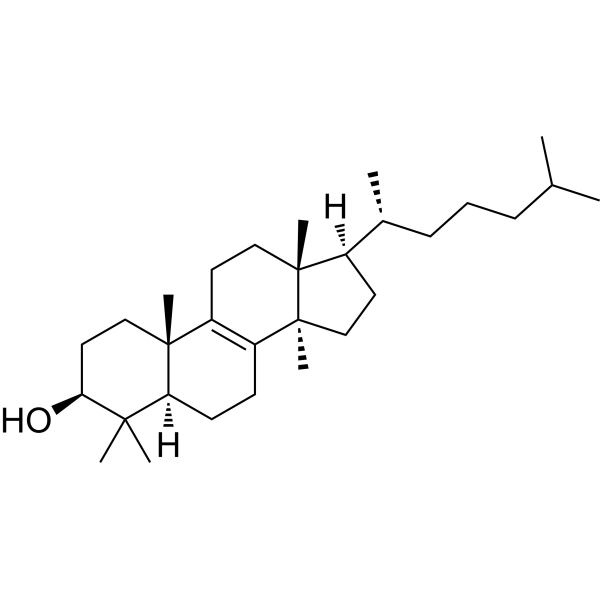
Dihydrolanosterol is a subtrate of CYP51 and a cholesterol biosynthesis inhibitor. .
loading...
    loading...
1
1 Cited Publications
Cat. No.: HY-16274
CAS No.: 189060-13-7
Synonyms: TAK-475
Target:  

Farnesyl Transferase

Research Areas:  

Metabolic Disease

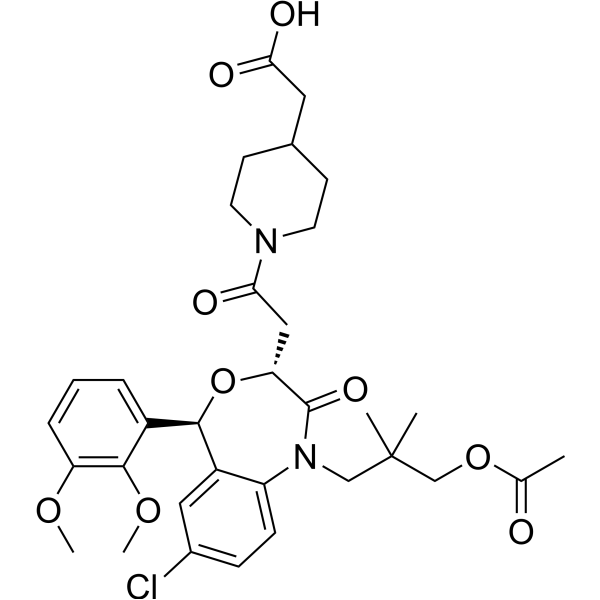
Lapaquistat acetate (TAK-475) is a squalene synthase inhibitor, blocking the conversion of farnesyl diphosphate (FPP) to squalene in the cholesterol biosynthesis pathway . Lapaquistat acetate is effective at lowering low-density lipoprotein cholesterol, but it might cause liver damage. Lapaquistat acetate is used for hypercholesterolemia and mevalonate kinase deficiency (MKD) research .
loading...
    loading...
1
1 Cited Publications
Cat. No.: HY-164561
CAS No.: 1678515-93-9
Research Areas:  

Cancer

TASIN-30 is a selective EBP inhibitor with an EC50 of 0.097 μM. TASIN-30 blocks the production of 7-dehydrocholesterol (7-DHC) and downstream cholesterol biosynthesis processes. TASIN-30 depletes downstream sterols, disrupts the integrity of lipid rafts in tumor cells, accelerates intracellular cholesterol consumption, and inhibits tumor cell proliferation. TASIN-30 induces ferroptosis and apoptosis by reducing 7-DHC levels and increasing phospholipid peroxidation. TASIN-30 achieves tumor suppression in nude mice with osteosarcoma. TASIN-30 can be used in cancer-related research such as colorectal cancer and osteosarcoma .
loading...
    loading...
1
1 Cited Publications
Cat. No.: HY-104051
CAS No.: 79952-42-4
Purity:  99.22%
Synonyms: Antibiotic MB 530A; Lovastatin diol lactone
Research Areas:  

Metabolic Disease

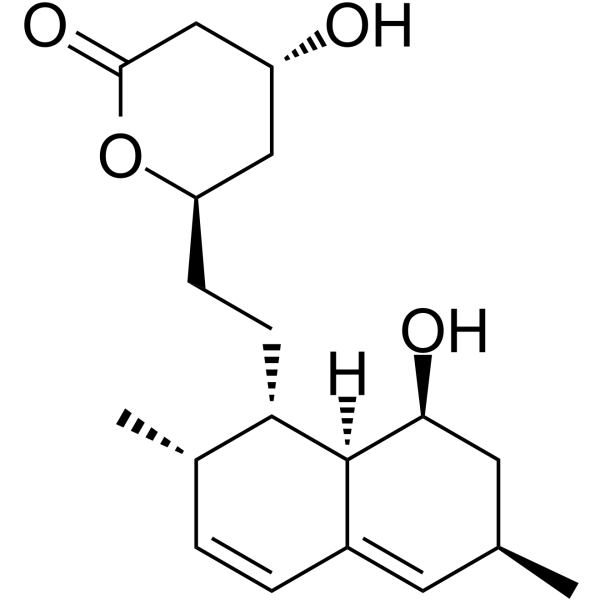
Monacolin J is an inhibitor of cholesterol biosynthesis, and inhibits the activity of HMG-CoA reductase.
loading...
    loading...
Cat. No.: HY-B1189
CAS No.: 503-49-1
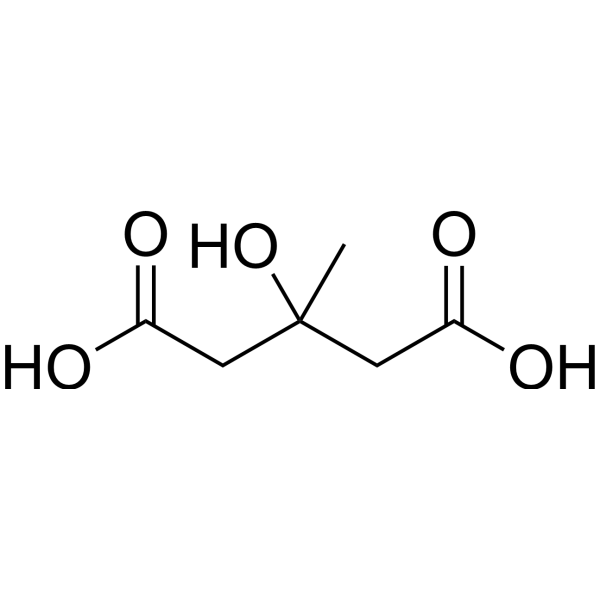
Synonyms: Dicrotalic acid; 3-Hydroxy-3-methylglutaric acid
Meglutol is a lipid-lowering agent. Meglutol can reduces cholesterol, triglycerides, serum β-lipoprotein, and phospholipids, and inhibits the activity of HMG-CoA reductase (a rate-limiting enzyme in cholesterol biosynthesis). Meglutol can induce significant lipid oxidative damage in brain tissue. It is promising for research in the field of cardiovascular diseases and metabolic diseases .
loading...
    loading...
Cat. No.: HY-116572A
CAS No.: 792927-06-1
Purity:  99.91%
Research Areas:  

Cancer

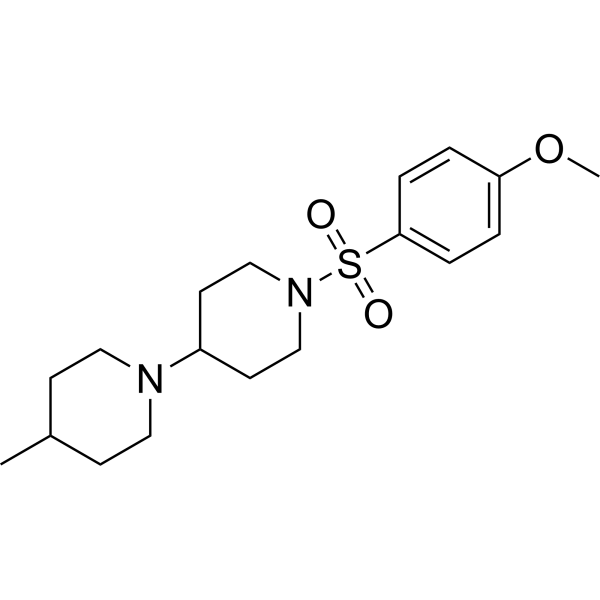
TASIN-1 is a selective inhibitor of truncated APC TR (adenomatous polyposis coli gene) that exerts cytotoxic effects by inhibiting cholesterol biosynthesis. TASIN-1 specifically targets colorectal cancer (CRC) cells carrying APC truncated mutations, while having no significant toxicity to wild-type APC cells. TASIN-1 exerts cytotoxic effects by targeting Emopamil binding protein (EBP) to inhibit cholesterol biosynthesis, triggering endoplasmic reticulum (ER) stress, reactive oxygen species (ROS) generation, and JNK-mediated apoptosis, and inhibiting Akt survival signaling. TASIN-1 can be used to prevent and intervene in APC mutant colorectal cancer .
loading...
    loading...
Cat. No.: HY-115625
CAS No.: 1375078-57-1
Research Areas:  

Cancer

AG-205 is a progesterone receptor membrane component 1 (PGRMC1) antagonist and CGT inhibitor, with an IC50 of 50 μM against rat CGT. AG-205 exhibits antimitotic, antimigratory and anti-invasive activities. AG-205 increases the expression of genes encoding cholesterol biosynthesis pathway or steroidogenic enzymes. AG-205 promotes the regulation of cell cycle by apoptosis and reduces the migratory and invasive capacities of ovarian and breast cancer cells. AG-205 can be used in research related to renal cancer and breast cancer .
loading...
    loading...
Cat. No.: HY-43515
Target:  

Endogenous Metabolite

Research Areas:  

Metabolic Disease

ESI1 is a small molecule epigenetic silencing inhibitor. ESI1 can trigger the formation of nuclear condensates of key lipid metabolism regulators SREBP1/2, concentrating transcriptional co-activators to drive lipid/cholesterol biosynthesis. ESI1 can promote myelin regeneration in demyelinated animal models and facilitate de novo myelination on regenerating CNS axons, reversing age-related declines in cognitive abilities .
loading...
    loading...
Cat. No.: HY-139576B
Purity:  ≥97.0%
Synonyms: DUR-928 trimethylamine
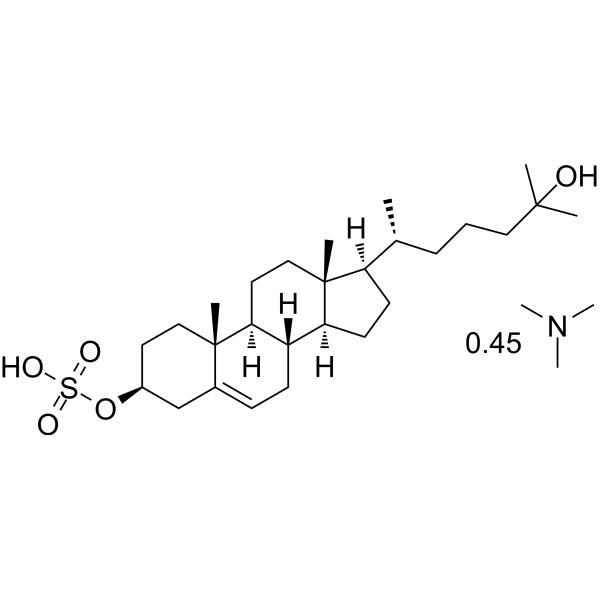
Larsucosterol (DUR-928) trimethylamine, a cholesterol metabolite, is a potent liver X receptor (LXR) antagonist. Larsucosterol trimethylamine as a potent endogenous regulator decreases lipogenesis. Larsucosterol trimethylamine inhibits the cholesterol biosynthesis via decreasing mRNA levels and inhibiting the activation of SREBP-1 .
loading...
    loading...
Cat. No.: HY-176557
CAS No.: 907547-06-2
NCI677397 is a USP24 inhibitor. NCI677397 increases lipid ROS, activates cholesterol and fatty acid biosynthesis, degrades ABC transporters, GPX4 and DHFR through the autophagy pathway, decreases the level of P-gp and ultimately leads to ferroptosis in drug-resistant cancer cells. NCI677397 can be used for the study of lung caner and brain cancer .
loading...
    loading...
Cat. No.: HY-Y0889A
CAS No.: 119532-26-2
Target:  

Endogenous Metabolite

Research Areas:  

Metabolic Disease

1-(2,3-Dichlorphenyl)piperazine hydrochloride is a potent DHCR7 inhibitor with the activity of inhibiting cholesterol biosynthesis. 1-(2,3-Dichlorphenyl)piperazine hydrochloride is often used in biological research to evaluate the function of cholesterol biosynthesis pathway. The application of 1-(2,3-Dichlorphenyl)piperazine hydrochloride is of great significance for understanding diseases related to cholesterol biosynthesis .
loading...
    loading...
Cat. No.: HY-Y0889
CAS No.: 41202-77-1
Target:  

Endogenous Metabolite

Research Areas:  

Metabolic Disease

1-(2,3-Dichlorphenyl)piperazine is a potent DHCR7 inhibitor with the activity of inhibiting cholesterol biosynthesis. 1-(2,3-Dichlorphenyl)piperazine is often used in biological research to evaluate the function of cholesterol biosynthesis pathway. The application of 1-(2,3-Dichlorphenyl)piperazine is of great significance for understanding diseases related to cholesterol biosynthesis .
loading...
    loading...
Cat. No.: HY-139576
CAS No.: 884905-07-1
Synonyms: DUR-928
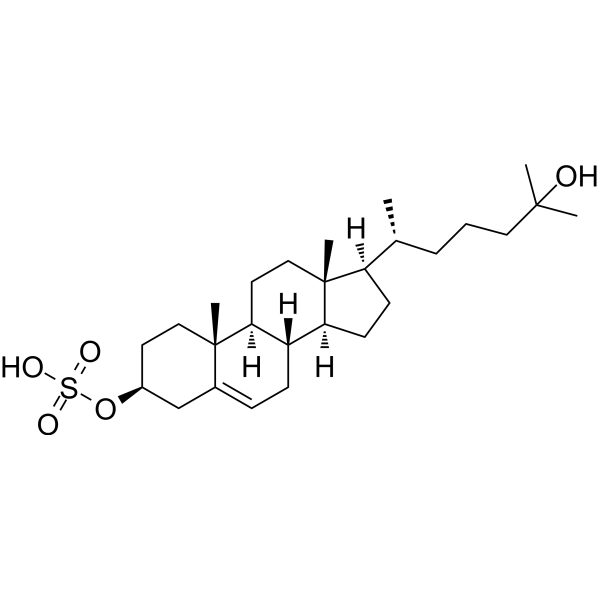
Larsucosterol (DUR-928), a cholesterol metabolite, is a potent liver X receptor (LXR) antagonist. Larsucosterol as a potent endogenous regulator decreases lipogenesis. Larsucosterol inhibits the cholesterol biosynthesis via decreasing mRNA levels and inhibiting the activation of SREBP-1 .
loading...
    loading...
Cat. No.: HY-B2097
CAS No.: 138330-18-4
Synonyms: YM 175; Bisphonal
Target:  

Farnesyl Transferase

Research Areas:  

Metabolic Disease

Incadronate disodium (YM 175) is a bisphosphonate with strong inhibitory activity on bone resorption. Incadronate disodium indirectly stimulates renal 25-hydroxyvitamin D-1-hydroxylase by increasing circulating parathyroid hormone. Incadronate disodium, a cholesterol-lowering agent, is a potent inhibitor of rat liver microsomal squalene synthase (Ki=57 nM). Incadronate disodium inhibits sterol biosynthesis in mouse macrophage J774 cells (IC50=64 μM). Incadronate disodium has the potential for malignant tumors research .
loading...
    loading...
Cat. No.: HY-B1189S
CAS No.: 59060-36-5
Synonyms: Dicrotalic acid-d3; 3-Hydroxy-3-methylglutaric acid-d3
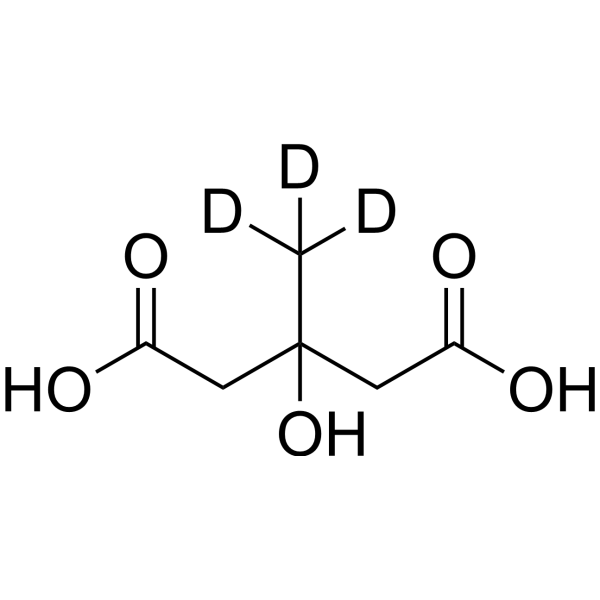
Meglutol-d3 is the deuterium labeled Meglutol . Meglutol is an antilipemic agent which lowers cholesterol, triglycerides, serum beta-lipoproteins and phospholipids, and inhibits the activity of hydroxymethylglutarryl CoA reductases, which is the rate limiting enzyme in the biosynthesis of cholesterol.
loading...
    loading...

