1. Search Result
Search Result
Results for "

cyclin dependent kinase

" in MedChemExpress (MCE) Product Catalog:

127

Inhibitors & Agonists

3

Peptides

3

Natural
Products

71

Recombinant Proteins

46

Antibodies

1

Oligonucleotides

Cat. No. Product Name Target Research Areas Chemical Structure
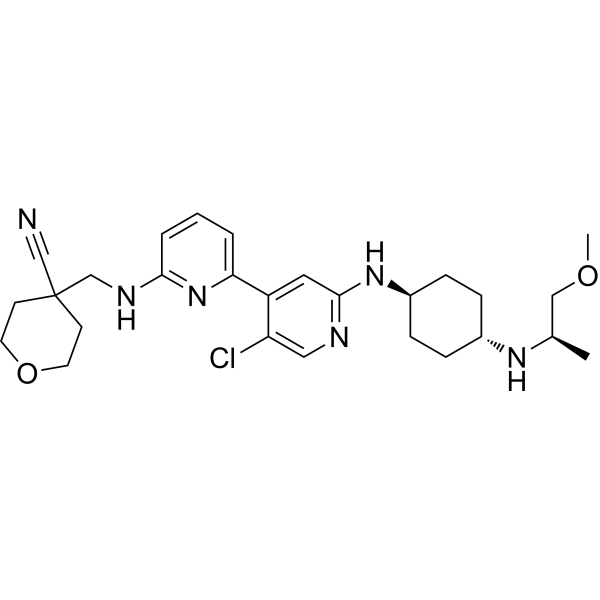
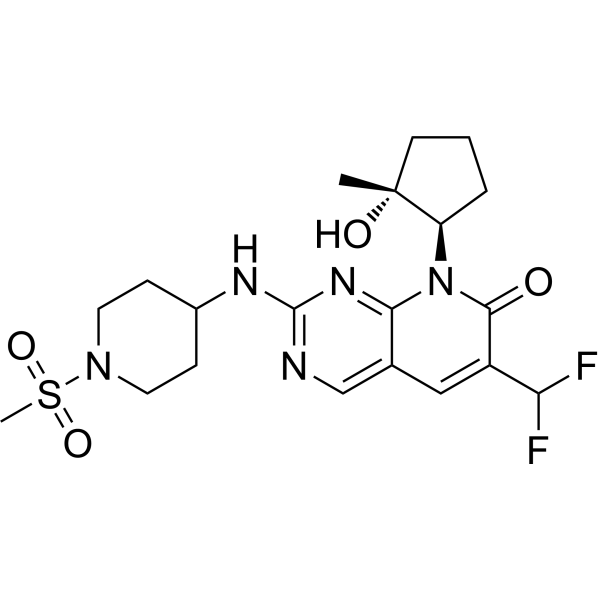
  • HY-114177
    Ebvaciclib
    4 Publications Verification

    PF-06873600

    CDK Cancer
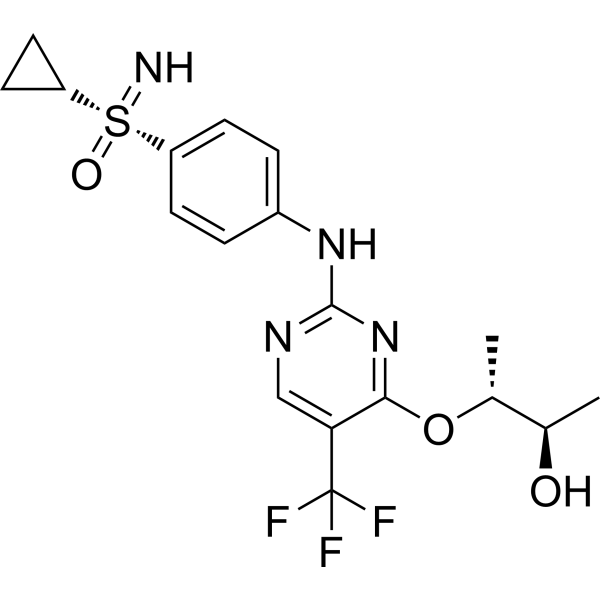
    PF-06873600 is a selective and orally bioavailable inhibitor of cyclin-dependent kinase (CDK), with Ki values of 0.09 nM, 0.13 nM and 0.16 nM for CDK2, CDK4 and CDK6, respectively. PF-06873600 has potential antineoplastic activity .
    Ebvaciclib
  • HY-13914
    Roniciclib
    2 Publications Verification

    BAY 1000394

    CDK Cancer
    Roniciclib is an orally bioavailable pan-cyclin dependent kinase (CDK) inhibitor, with IC50s of 5-25 nM for CDK1, CDK2, CDK3, CDK4, CDK7 and CDK9.
    Roniciclib
  • HY-12467
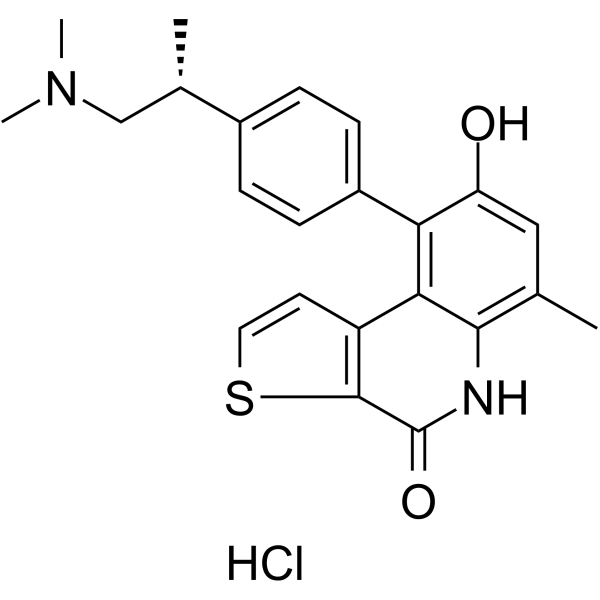
    OTS964 hydrochloride
    10+ Cited Publications

    TOPK CDK Apoptosis Cancer
    OTS964 hydrochloride is an orally active, high affinity and selective TOPK (T-lymphokine-activated killer cell-originated protein kinase) inhibitor with an IC50 of 28 nM . OTS964 hydrochloride is also a potent inhibitor of the cyclin-dependent kinase CDK11, which binds to CDK11B with a Kd of 40 nM .
    OTS964 hydrochloride
  • HY-130665
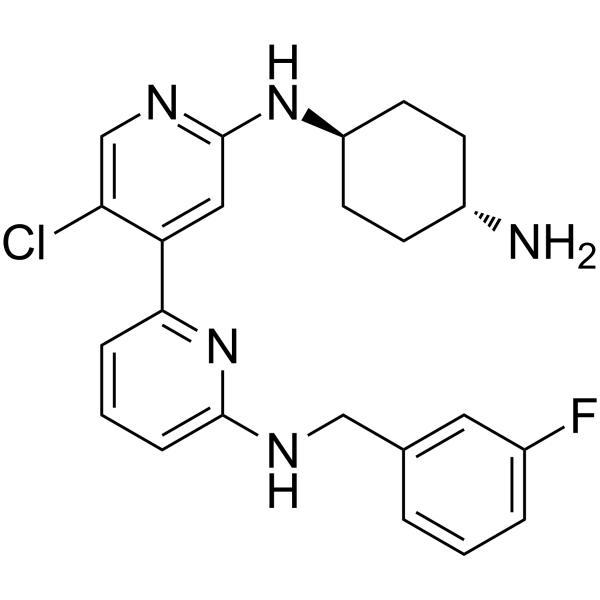
    TL12-186
    1 Publications Verification

    PROTACs CDK Cancer
    TL12-186 is a Cereblon-dependent multi-kinase PROTAC degrader. Multi-kinases include CDK, BTK, FLT3, Aurora kinases, TEC, ULK, ITK, et al. TL12-186 inhibits CDK2/cyclin A (IC50=73 nM) and CDK9/cyclin T1 (IC50=55 nM) .
    TL12-186
  • HY-137432
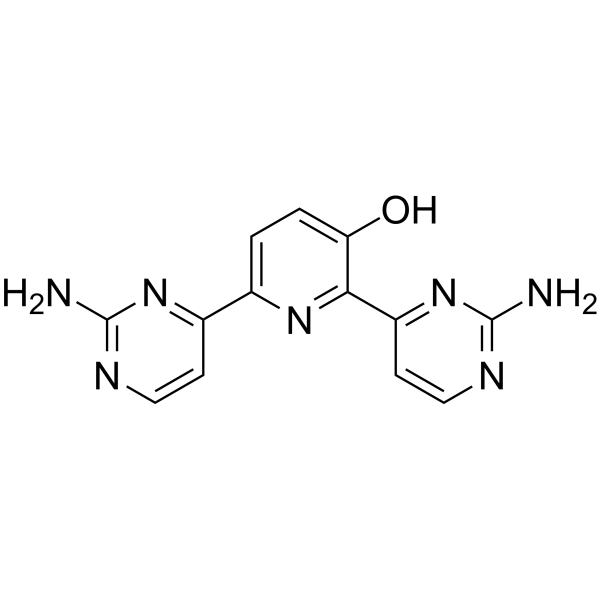
    Avotaciclib
    3 Publications Verification

    BEY1107

    CDK Apoptosis Cancer
    Avotaciclib (BEY1107) is an orally active cyclin-dependent kinase 1 (CDK1) inhibitor. Avotaciclib can inhibit the proliferation and induce apoptosis of tumor cells. Avotaciclib can be used in the research of cancer such as pancreatic cancer and lung cancer .
    Avotaciclib
  • HY-112358

    CDK Neurological Disease Cancer
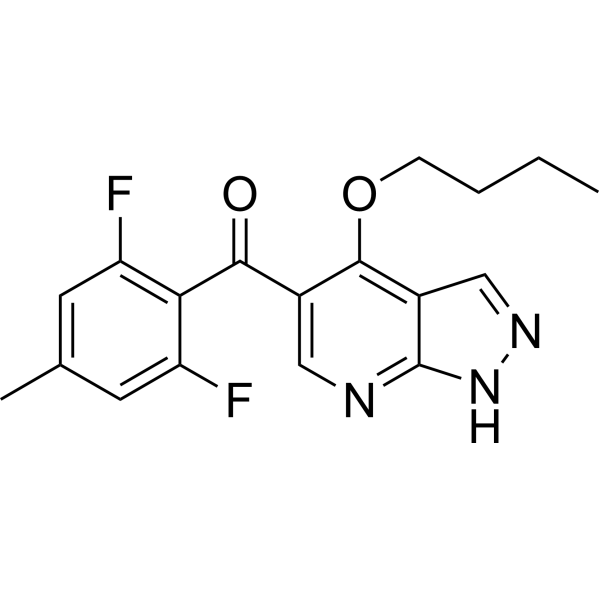
    GW8510 is a potent cyclin-dependent kinase-2 (CDK2) inhibitor. GW8510 is also a ribonucleotide reductase M2 (RRM2) inhibitor. GW8510 exhibits neuroprotective and anticancer activities .
    GW8510
  • HY-16559
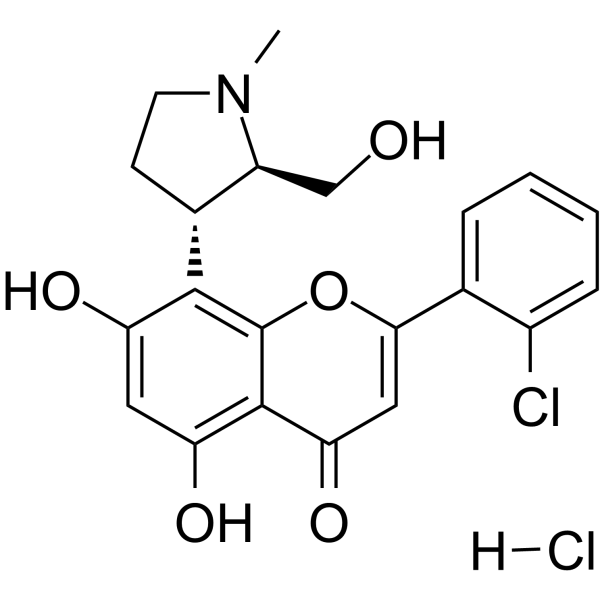
    Riviciclib hydrochloride
    3 Publications Verification

    P276-00

    CDK Apoptosis Cancer
    Riviciclib hydrochloride (P276-00) is a potent cyclin-dependent kinase (CDK) inhibitor, which inhibits CDK9-cyclinT1, CDK4-cyclin D1, and CDK1-cyclinB with IC50s of 20 nM, 63 nM, and 79 nM, respectively . Riviciclib hydrochloride (P276-00) shows antitumor activity on cisplatin-resistant cells .
    Riviciclib hydrochloride
  • HY-172245

    CDK Cancer
    Zeltociclib is a cyclin-dependent kinase inhibitor with antitumor effects .
    Zeltociclib
  • HY-163170

    CDK Cancer
    FMF-04-159-R is a cyclin-dependent kinase CDK14 and CDK16 inhibitor with IC50 values of 5.9 and 139.1 nM .
    FMF-04-159-R
  • HY-108348

    CDK Neurological Disease
    BML-259 is a potent cyclin-dependent kinase 5 (Cdk5) inhibitor, with IC50s of 64 and 98 nM for Cdk5 and Cdk2, respectively .
    BML-259
  • HY-115565

    CDK Apoptosis Cancer
    CGP-74514 (Compound 13) is a highly selective cyclin-dependent kinase 1 (CDK1) inhibitor (IC50=25 nM). CGP-74514 inhibits CDK1/cyclin B complex activity, arrests the cell cycle at G2/M phase and induces tumor cell apoptosis. CGP-74514 is promising for research of bladder cancer .
    CGP-74514
  • HY-141687
    NSC 107512
    1 Publications Verification

    CDK Apoptosis Cancer
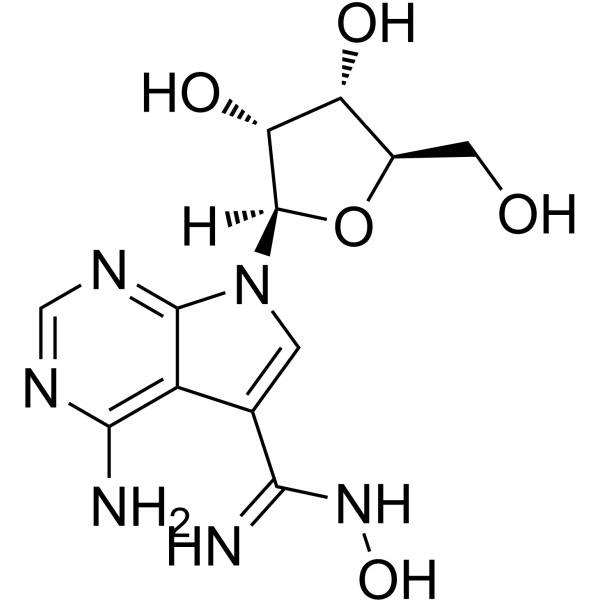
    NSC 107512 is a potent inhibitor of cyclin-dependent kinase 9 (CDK9). NSC 107512 is a class of sangivamycin-like molecules (SLM). NSC 107512 inhibits growth and induces apoptosis of multiple myeloma tumors .
    NSC 107512
  • HY-114779

    CDK Cancer
    N9-Isopropylolomoucine is a mitotic cyclin dependent kinase (CDK) inhibitor. N9-Isopropylolomoucine targets CCNB 1/CDK1 and can be used for cancer research .
    N9-Isopropylolomoucine
  • HY-121035

    7-Bromoindirubin-3-Oxime

    CDK GSK-3 Neurological Disease
    7BIO (7-Bromoindirubin-3-Oxime) is the derivate of indirubin. 7BIO (7-Bromoindirubin-3-Oxime) has inhibitory effects against cyclin-dependent kinase-5 (CDK5) and glycogen synthase kinase-3β (GSK3β). 7BIO (7-Bromoindirubin-3-Oxime) inhibits Aβ oligomer-induced neuroinflammation, synaptic impairments, tau hyper-phosphorylation, activation of astrocytes and microglia, and attenuates Aβ oligomer-induced cognitive impairments in mice [1].
    7BIO
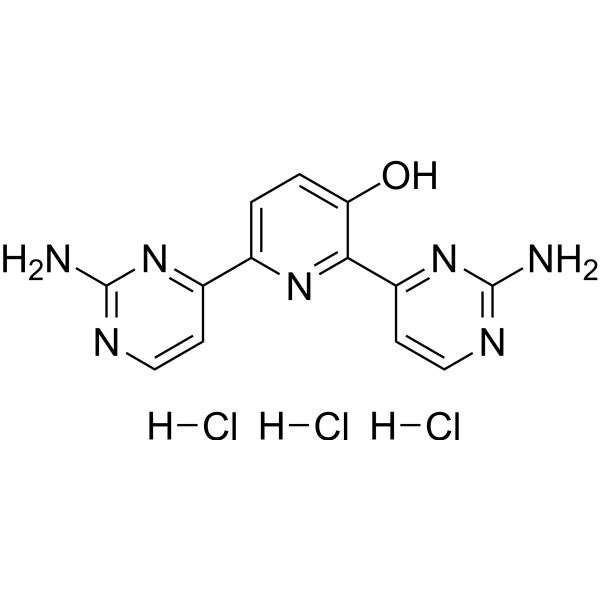
  • HY-137432A
    Avotaciclib trihydrochloride
    3 Publications Verification

    BEY1107 trihydrochloride

    CDK Apoptosis Cancer
    Avotaciclib (BEY1107) trihydrochloride is an orally active cyclin-dependent kinase 1 (CDK1) inhibitor. Avotaciclib trihydrochloride can inhibit the proliferation and induce apoptosis of tumor cells. Avotaciclib trihydrochloride can be used in the research of cancer such as pancreatic cancer and lung cancer .
    Avotaciclib trihydrochloride
  • HY-139342

    CDK Cancer
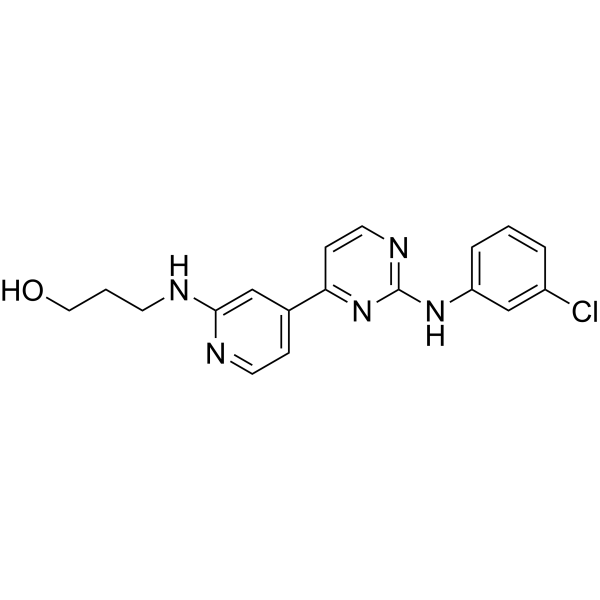
    CDK7-IN-4 (compound I) is a potent CDK7 (Cyclin-dependent kinase 7) inhibitor. CDK7-IN-4 shows anticancer activity. CDK7-IN-4 inhibits the in vitro growth of cancer cell lines from a variety of histologies including colon , breast , lung , ovary and stomach , in a dose dependent manner .
    CDK7-IN-4
  • HY-16462
    CDK9-IN-2
    5+ Cited Publications

    CDK Cancer
    CDK9-IN-2 is a special cyclin-dependent kinase 9 (CDK9) inhibitor, extracted from patent WO/2012131594A1, compound CDKI(8), has an IC50 of 5 nM and 7 nM in H929 multiple myeloma(MM) cell line (72 hours) and A2058 skin cell line (72 hours), respectively.
    CDK9-IN-2
  • HY-157647

    PC(18:0/22:4)

    CDK Apoptosis Cancer
    1-Stearoyl-2-Adrenoyl-sn-glycero-3-PC (PC(18:0/22:4)) is an inhibitor of cyclin-dependent kinases (CDKs). 1-Stearoyl-2-Adrenoyl-sn-glycero-3-PC induces apoptosis and inhibits the growth of various cancer cell lines .
    1-Stearoyl-2-Adrenoyl-sn-glycero-3-PC
  • HY-N9561
    Vanicoside B
    1 Publications Verification

    CDK STAT Cancer
    Vanicoside B is a phenylpropanoyl sucrose derivative, can be isolated from the herb Persicaria dissitiflora. Vanicoside B targets cyclin-dependent kinase 8 (CDK8) and exhibits anti-tumor activity. The potential mechanism is Vanicoside B blocks CDK8-mediated signaling pathways and decreases the expression of epithelial-mesenchymal transition proteins, so that it leads to cell cycle arrest and apoptosis .
    Vanicoside B
  • HY-145599

    CDK Cancer
    Tanuxiciclib is a cyclin dependent kinase (CDK) inhibitor .
    Tanuxiciclib
  • HY-145563

    CDK Cancer
    Eciruciclib is an antineoplastic and potent cyclin dependent kinase (CDK) inhibitor .
    Eciruciclib
  • HY-124321

    CDK Cancer
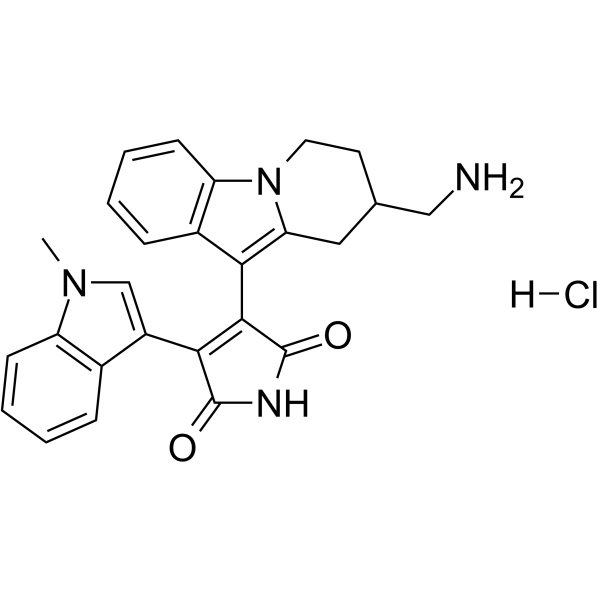
    Metralindole hydrochloride is an inhibitor of human cyclin-dependent kinase CDK2 and human protein kinase CK2 holoenzyme. Metralindole hydrochloride shows good potential as a non-small cell lung cancer inhibitor .
    Metralindole hydrochloride
  • HY-170897

    CDK Cancer
    CDK2-IN-40 is a CDK2 (Cyclin dependent kinase 2) inhibitor, extracted from patent WO 2024/254245 A1 (Example 1). CDK2-IN-40 inhibits CDK2/Cyclin E1 with an IC50 of ≤ 10 nM .
    CDK2-IN-40
  • HY-114177A

    (S)-PF-06873600

    CDK Cancer
    (S)-PF-06873600 it the S enantiomer of PF-06873600. PF-06873600 is a selective and orally bioavailable inhibitor of cyclin-dependent kinase (CDK).
    (S)-Ebvaciclib
  • HY-146213

    CDK Cancer
    CDK4/6-IN-12 is a potent cyclin-dependent kinase 4/6 (CDK4/6) inhibitor. CDK4/6-IN-12 has enzymatic inhibitory activity for CDK4 and CDK6 with IC50 of 592.3 nM and 3090 nM, respectively. CDK4/6-IN-12 can be used for the research of cancer .
    CDK4/6-IN-12
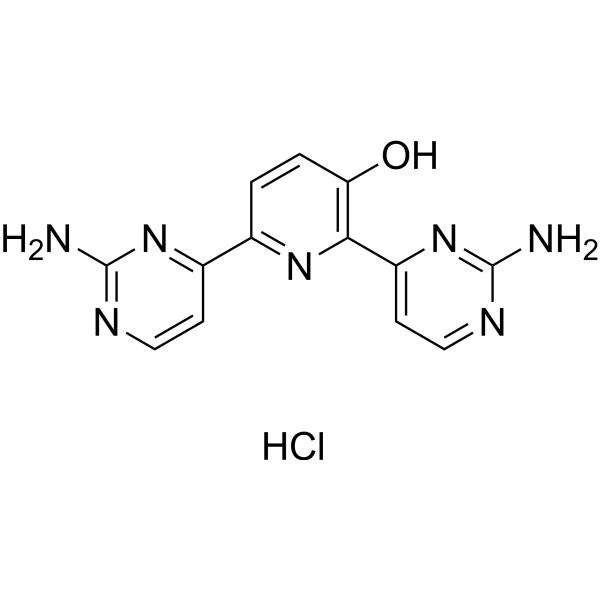
  • HY-137432B
    Avotaciclib hydrochloride
    3 Publications Verification

    BEY1107 hydrochloride

    CDK Apoptosis Cancer
    Avotaciclib (BEY1107) hydrochloride is an orally active cyclin-dependent kinase 1 (CDK1) inhibitor. Avotaciclib hydrochloride can inhibit the proliferation and induce apoptosis of tumor cells. Avotaciclib hydrochloride can be used in the research of cancer such as pancreatic cancer and lung cancer .
    Avotaciclib hydrochloride
  • HY-171787A

    CDK Cancer
    PPA-037 TFA is an orally active, highly potent and selective inhibitor of cyclin-dependent kinase 12 (CDK12). PPA-037 TFA induces the degradation of cyclin K (Cyclin K), enhancing antiproliferative effects on tumor cells. PPA-037 TFA is promising for research of cancers .
    PPA-037 TFA
  • HY-19718

    TOPK CDK Apoptosis Cancer
    OTS964 is an orally active, high affinity and selective TOPK inhibitor with an IC50 of 28 nM . OTS964 is also a potent inhibitor of the cyclin-dependent kinase CDK11, which binds to CDK11B with a Kd of 40 nM .
    OTS964
  • HY-147409

    CDK Cancer
    Ulecaciclib is an orally activitive inhibitor of cyclin-dependent kinase (CDK), with Ki values of 0.62 μM (CDK2/Cyclin A), 0.2 nM (CDK4/Cyclin D1), 3 nM (CDK6/Cyclin D3), and 0.63 μM (CDK7/Cyclin H), respectively. Ulecaciclib can cross blood brain barrier and has good pharmacokinetic characteristics .
    Ulecaciclib
  • HY-E70653

    CDK Cancer
    CDK1 is a cyclin-dependent kinase that functions as a serine/threonine protein kinase, and is a key player in cell cycle regulation. CDK1/CycB1 Recombinant Human Active Protein Kinase is an ortholog of CDK1. CDK1/cyclin B1 complexes initiates mitotic entry by phosphorylating a multitude of proteins to condense chromosomes, disrupt the nuclear envelope, and enable microtubules polymerization to attach and to segregate the chromosomes .
    CDK1/CycB1 Recombinant Human Active Protein Kinase
  • HY-118976

    CGP-74514A

    CDK Apoptosis Cancer
    CGP-74514 hydrochloride is a highly selective cyclin-dependent kinase 1 (CDK1) inhibitor (IC50: 25 nM). CGP-74514 hydrochloride inhibits CDK1/cyclin B complex activity, arrests the cell cycle at G2/M phase and induces tumor cell apoptosis. CGP-74514 hydrochloride is promising for research of bladder cancer .
    CGP-74514 hydrochloride
  • HY-16559A

    P276-00 free base

    CDK Cancer
    Riviciclib (P276-00 free base) is a potent cyclin-dependent kinase (CDK) inhibitor, which inhibits CDK9-cyclinT1, CDK4-cyclin D1, and CDK1-cyclinB with IC50s of 20 nM, 63 nM, and 79 nM, respectively . Riviciclib shows antitumor activity on cisplatin-resistant cells .
    Riviciclib
  • HY-112363

    RP107

    CDK GSK-3 ERK JNK CFTR Inflammation/Immunology Cancer
    Aloisine A (RP107) is a a potent cyclin-dependent kinase (CDK) inhibitor with IC50s of 0.15 μM, 0.12 μM, 0.4 μM, 0.16 μM for CDK1/cyclin B, CDK2/cyclin A, CDK2/cyclin E, CDK5/p35, respectively. Aloisine A ininhibits GSK-3α (IC50=0.5 μM) and GSK-3β (IC50=1.5 μM). Aloisine A stimulates wild-type CFTR and mutated CFTR, with submicromolar affinity by a cAMP-independent mechanism. Aloisine A has the potential for CFTR-related diseases, including cystic fibrosis research .
    Aloisine A
  • HY-158377

    CDK STAT Cancer
    CDK8/19-IN-2 (compound 12) is an orally active and potent cyclin-dependent kinase 8/19 (CDK8 and CDK19) inhibitor, with IC50 values of 2.08 and 2.49 nM, respectively. CDK8/19-IN-2 can be used for acute myeloid leukemia (AML), breast cancer, and lymphoma research .
    CDK8/19-IN-2
  • HY-159535

    Fovinaciclib

    CDK Cancer
    Fovinaciclibum (Fovinaciclib) is a cyclin dependent kinase inhibitor, with antineoplastic effect .
    Fovinaciclibum
  • HY-147386

    CDK Cancer
    CDK-IN-10 (example 54) is a cyclin dependent kinase (CDK) inhibitor that can be used in cancer research .
    CDK-IN-10
  • HY-114248

    CDK Cancer
    AGM-130 is a cyclin-dependent kinase (CDK) inhibitor. AGM-130 exhibits antitumor activity .
    AGM-130
  • HY-171787

    CDK Cancer
    PPA-037 is an orally active, highly potent and selective inhibitor of cyclin-dependent kinase 12 (CDK12). PPA-037 induces the degradation of cyclin K (Cyclin K), enhancing antiproliferative effects on tumor cells. PPA-037 is promising for research of cancers .
    PPA-037
  • HY-E70672

    CDK Cancer
    CDK2 is a cyclin-dependent kinase involved in the control of the cell cycle. CDK2/CycE1 Recombinant Human Active Protein Kinase is an ortholog of CDK2 .
    CDK2/CycE1 Recombinant Human Active Protein Kinase
  • HY-111932

    CDK GSK-3 Cancer
    Indirubin-5-sulfonate is a cyclin-dependent kinase (CDK) inhibitor, with IC50 values of 55 nM, 35 nM, 150 nM, 300 nM and 65 nM for CDK1/cyclin B, CDK2/cyclin A, CDK2/cyclin E, CDK4/cyclin D1, and CDK5/p35, respectively . Indirubin-5-sulfonate also shows inhibitory activity against GSK-3β .
    Indirubin-5-sulfonate
  • HY-E70658

    CDK Cancer
    CDK12 R722C/CycK Recombinant Human Active Protein Kinase is a cyclin-dependent kinase and regulates the expression of genes involved in DNA repair and is required for the maintenance of genomic stability .
    CDK12 R722C/CycK Recombinant Human Active Protein Kinase
  • HY-162785

    CDK Infection
    XC219 (compound 43) is a cyclin-dependent kinase CDK) inhibitor, that covalently binds to CDK active site Lys. XC219 can be used in antifungal research .
    XC219
  • HY-103383

    CDK Casein Kinase Neurological Disease Cancer
    (R)-DRF053 dihydrochloride is a potent casein kinases 1 (CK1), CDK1/cyclin B and CDK5/p25 inhibitor with IC50s of 14 nM, 220 nM and 80 nM, respectively. (R)-DRF053 dihydrochloride prevents the CK1-dependent production of amyloid-beta in a cell model .
    (R)-DRF053 dihydrochloride
  • HY-110359

    CDK Apoptosis Cancer
    CGP-74514 dihydrochloride is a highly selective cyclin-dependent kinase 1 (CDK1) inhibitor (IC50=25 nM). CGP-74514 dihydrochloride inhibits CDK1/cyclin B complex activity, arrests the cell cycle at G2/M phase and induces tumor cell apoptosis. CGP-74514 dihydrochloride is promising for research of bladder cancer .
    CGP-74514 dihydrochloride
  • HY-123369

    CDK Apoptosis Cancer
    BMI-1026 is a cyclin-dependent kinase 1 (Cdk1) inhibitor with IC50 of 2.3 nM. BMI-1026 induces apoptosis by arresting the G2-M phase .
    BMI-1026
  • HY-E70675

    CDK Cancer
    CDK20 is a major controller of cell cycle checkpoints, which regulate cell growth and proliferation and perform a role in the development of many malignancies. CDK20 is thought to have Cyclin-dependent activating kinase (CAK) activity for CDK2 when it is complexed with Cyclin H. CDK20/CycH Recombinant Human Active Protein Kinase can be used to study the function of CDK20/CycH .
    CDK20/CycH Recombinant Human Active Protein Kinase
  • HY-E70659

    CDK Cancer
    CDK12/CycK Recombinant Human Active Protein Kinase is a cyclin-dependent kinase that phosphorylates the C-terminal domain (CTD) of RNA polymerase II (Pol II), thereby regulating different phases of the transcription cycle from transcription initiation to elongation and termination .
    CDK12/CycK Recombinant Human Active Protein Kinase
  • HY-168057

    PROTACs CDK Cancer
    PROTAC CDK2 Degrader-1 (Compound 41) is a PROTAC degrader for cyclin-dependent kinase 2 (CDK2). PROTAC CDK2 Degrader-1 inhibits the phosphorylation of RB protein in CDK2 dependent cell line OVCAR3 with an IC50 of 100-500 nM .
    PROTAC CDK2 Degrader-1
  • HY-N12625

    CDK DYRK GSK-3 Cancer
    (R)-(+)-O-Demethylbuchenavianine is an inhibitor for Cyclin-dependent kinases (CDK). (R)-(+)-O-Demethylbuchenavianine inhibits CDK1, CDK5, glycogen synthase kinase-3 (GSK3), cdc2-like kinase (CLK1) and dual specificity tyrosine-phosphorylation-regulated kinase 1A (DYRK1A), with IC50s of 1.1, 0.95, >10, >10 and >10 μM, respectively .
    (R)-(+)-O-Demethylbuchenavianine
  • HY-101257A

    CDK Cancer
    CDK7-IN-1, an analog of YKL-5-124, is a cyclin-dependent kinase 7 (cdk7) inhibitor, with an IC50 of less than 100 nM, extracted from patent WO 2016105528 A2, Compound 215 .
    CDK7-IN-1

Inquiry Online

Your information is safe with us. * Required Fields.

Salutation


Country or Region *

Applicant Name *


Organization Name *

Department *


Email Address *


Product Name *

Cat. No.


Requested quantity *

Phone Number *


Remarks

Inquiry Online

Inquiry Information

Product Name:
Cat. No.:
Quantity:
MCE Japan Authorized Agent:

