
Search Result
Results for "
diabetic peripheral neuropathy
" in MedChemExpress (MCE) Product Catalog:
1
Biochemical Assay Reagents
2
Isotope-Labeled Compounds
| Cat. No. |
Product Name |
Target |
Research Areas |
Chemical Structure |
-
- HY-142240
-
|
HSK16149
|
Calcium Channel
|
Neurological Disease
|
|
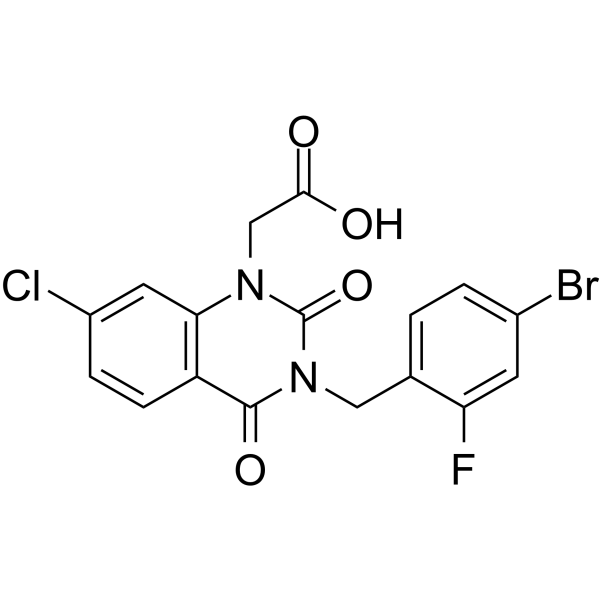
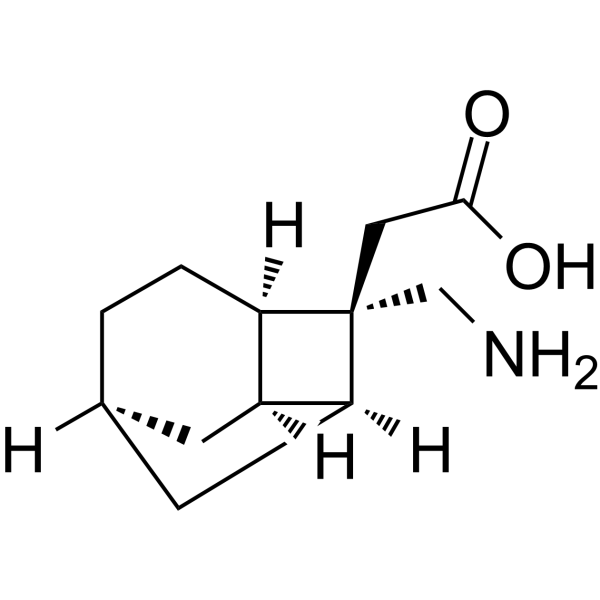
Crisugabalin is an orally active, selective ligand for the α2δ subunit of voltage-gated calcium channels, with a target IC50 of 3.96 nM in rats. Crisugabalin inhibits the binding of [ 3H]gabapentin to the α2δ subunit, reduces calcium influx, decreases neuronal excitability, and impairs nociceptive transmission. Crisugabalin alleviates mechanical allodynia, neuropathic pain and inflammatory pain in rats, and reduces phase II pain behaviors. Crisugabalin can be used in research related to chronic pain, neuropathic pain, diabetic neuropathy, fibromyalgia, inflammatory pain, diabetic peripheral neuropathy and postherpetic neuralgia.
|
-
-
- HY-W012788
-
Maltol
2 Publications Verification
|
Environmental Pollutants
Endogenous Metabolite
Apoptosis
|
Infection
Neurological Disease
|
|
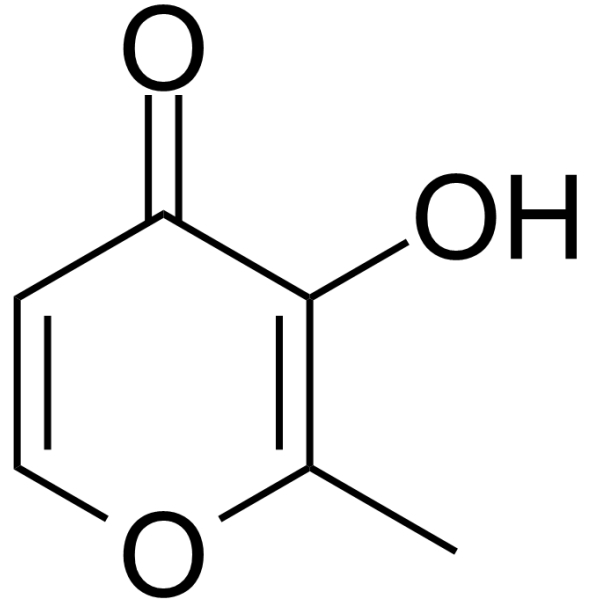
Maltol, a type of aromatic compound, is an antioxidant agent. Maltol enhances neural function by mitigating oxidative stress and cell apoptosis. Maltol is an inhibitor of oxidative damage in nerve cells and is effective in preventing diabetic peripheral neuropathy (DPN). Maltol is used extensively as a safe flavoring agent and food preservative. Maltol is a metal ion chelator that can be used in the field of catalysis, cosmetics, and medicine .
|
-
-
- HY-N0837
-
|
NSC17821; NSC23880
|
PI3K
Akt
mTOR
Autophagy
Apoptosis
|
Neurological Disease
Metabolic Disease
Inflammation/Immunology
Cancer
|
|
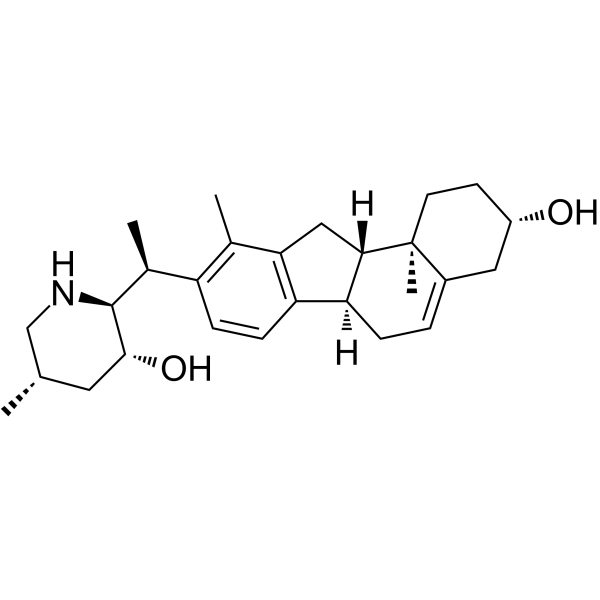
Veratramine (NSC17821; NSC23880) is an orally active inhibitor of the PI3K/Akt/mTOR signaling pathway and a SIGMAR1 modulator. Veratramine induces autophagic apoptosis of tumor cells, arrests the cell cycle at the G0/G1 phase, and inhibits epithelial-mesenchymal transition (EMT)-related proteins to reduce tumor migration. Veratramine reduces spinal cord and sciatic nerve pathological damage in a neuropathy model by inhibiting SIGMAR1 binding to NMDAR and phosphorylation of NMDAR Ser896. Veratramine has anti-tumor proliferation, apoptosis induction, anti-inflammatory and neuroprotective activities, and can be used in the study of cancers such as liver cancer and osteosarcoma, as well as diabetic peripheral neuropathy .
|
-
-
- HY-W027553
-
|
NIK-247 free base; Amiridine free base
|
Cholinesterase (ChE)
Potassium Channel
Sodium Channel
|
Neurological Disease
Metabolic Disease
|
|
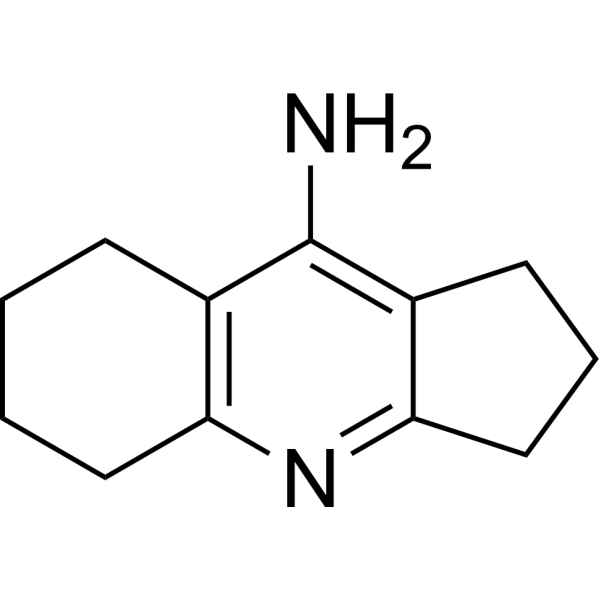
Ipidacrine is orally active and brain-penetrant AChE and BuChE inhibitors with IC50 values of 1 μM and 1.9 μM, respectively, which is also a partial agonist of M2-cholinergic receptors and a reversible cholinesterase inhibitor. Ipidacrine has a stimulating effect on neuromuscular transmission and excitation along the nerve fibres with a moderately anti-pain effect. Ipidacrine is an aminopyridines and is structurally similar to Tacrine (HY-111338). Ipidacrine is effective in various amnesia models, improves erectile function and inhibits K + and Na +-channels in the neuronal membrane in diabetic rats. Ipidacrine is promising for research of Alzheimer’s disease, ischaemic stroke, idiopathic neuropathy of the facial nerve, diabetes mellitus-induced erectile dysfunction and other deficits in central or peripheral cholinergic deseases .
|
-
-
- HY-B1239
-
|
Hexahydroadiphenine hydrochloride
|
Cholinesterase (ChE)
Potassium Channel
Amyloid-β
TRP Channel
Tau Protein
NOD-like Receptor (NLR)
JNK
NF-κB
IKK
|
Neurological Disease
Metabolic Disease
Inflammation/Immunology
|
|
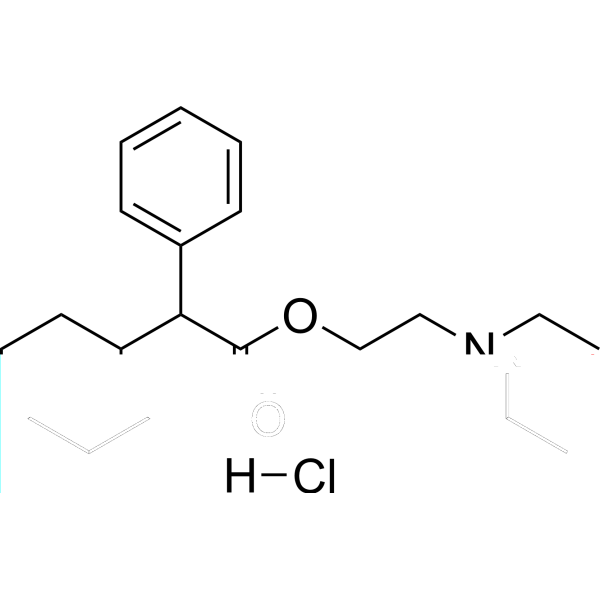
Drofenine (Cycloadiphene; Hexahydroadiphenine) hydrochloride is an brain-penetrant antispasmodic agent. Drofenine hydrochloride is a Kv2.1 channel inhibitor with human IC50 of 9.53 μM. Drofenine hydrochloride is a butyrylcholinesterase (BChE) inhibitor with Ki of 0.003 mM, and is a TRPV3 activator. Drofenine hydrochloride blocks Kv2.1-dependent potassium efflux, inhibits Kv2.1/JNK/NF-κB and IkBa/NF-kB signaling, suppresses Kv2.1 mRNA/protein expression. Drofenine suppresses oligomeric Aβ-induced microglial NLRP3 inflammasome activation and neuronal Tau hyperphosphorylation, improves cognitive impairment, promotes neurite outgrowth. Drofenine hydrochloride induces calcium influx in keratinocytes and exert cytotoxicity against keratinocytes. Drofenine hydrochloride ameliorates diabetic peripheral neuropathy -like pathology. Drofenine hydrochloride can be used for the researches of Alzheimer's disease, diabetic peripheral neuropathy and smooth muscle spasm .
|
-
-
- HY-171846
-
|
|
TRP Channel
|
Neurological Disease
Inflammation/Immunology
|
|
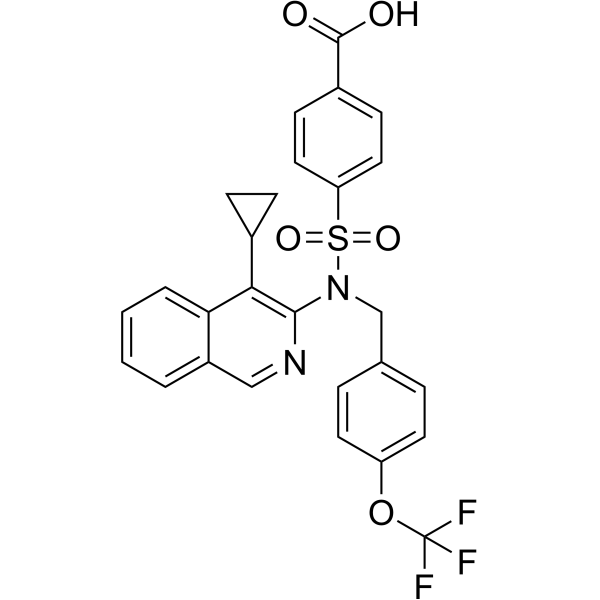
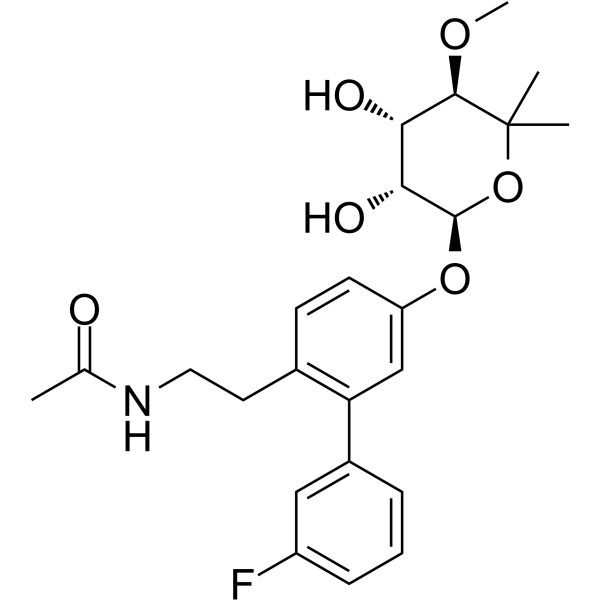
LY3526318 is an orally active, selective TRPA1 antagonist (IC50=5-6μM). LY3526318 blocks TRPA1 channels, inhibits pain signal transduction mediated by the channel, and exerts analgesic activity. LY3526318 is mainly used in the research of chronic pain-related fields, such as diabetic peripheral neuropathy, chronic low back pain, and pain caused by osteoarthritis .
|
-
-
- HY-14604
-
|
SR57746A; SR57746 hydrochloride
|
5-HT Receptor
Dopamine Receptor
Trk Receptor
PKC
ERK
Akt
JNK
|
Neurological Disease
Metabolic Disease
|
|
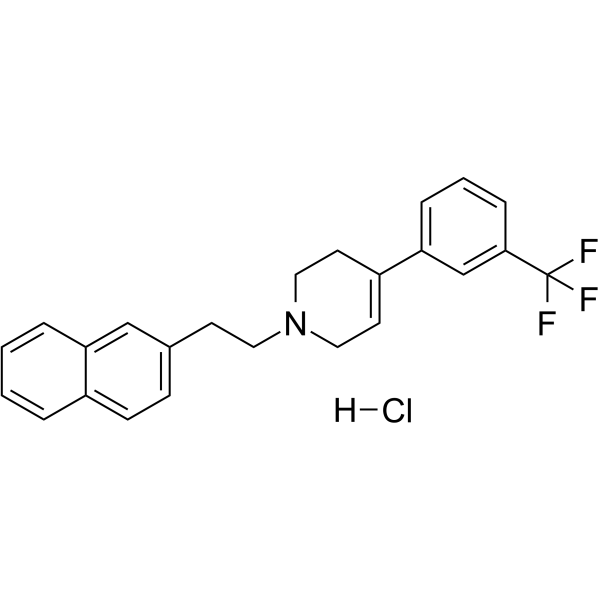
Xaliproden (SR57746) hydrochloride (SR57746A) is an orally active, highly selective 5-HT1A receptor agonist. Xaliproden hydrochloride activates pertussis toxin-sensitive G protein-coupled signaling cascades, as well as the PKC, ERK1/ERK2, Akt and p21 Ras/MEK-1 pathways. Xaliproden hydrochloride also downregulates the JNK/p66/c-Jun signaling pathway, induces phosphorylation of the shc adaptor protein, regulates extracellular dopamine and 5-HT levels, and induces [ 35S]GTPγS labeling in rat brain structures rich in 5-HT1A receptors. Xaliproden hydrochloride exerts neurotrophic, neuroprotective, renoprotective, anti-inflammatory, anti-apoptotic, anti-fibrotic and analgesic effects. Xaliproden hydrochloride also enhances NGF-induced neurite outgrowth, promotes motor neuron survival, attenuates renal tubular injury and inhibits chemotherapy-induced mechanical allodynia, without activating or altering NGF-induced TrkA receptor activation. Xaliproden hydrochloride can be used in the research of motor neuron disease, diabetic nephropathy, chemotherapy-induced peripheral neuropathy, amyotrophic lateral sclerosis, Alzheimer's disease, acute tonic nociceptive pain, inflammatory pain, depression and anxiety .
|
-
-
- HY-N1479
-
|
|
Cholinesterase (ChE)
DNA/RNA Synthesis
|
Infection
Neurological Disease
Metabolic Disease
|
|
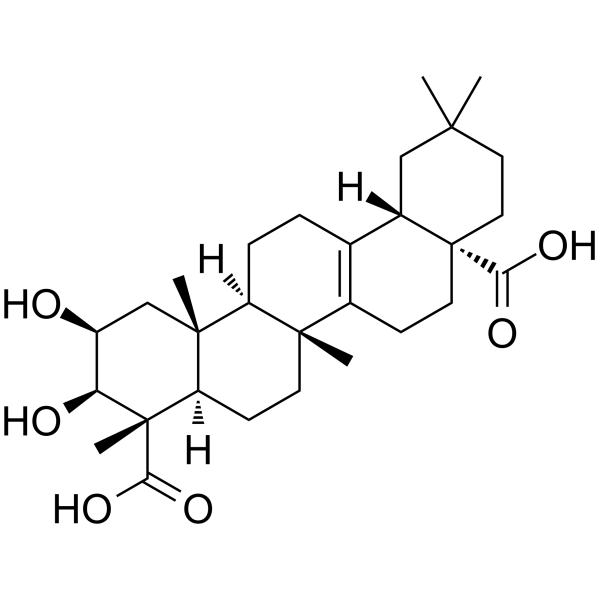
Polygalic acid is a polyphenolic acid with neuroprotective effects, and also an inhibitor of African swine fever virus polymerase (AsfvPolX), with an IC50 value of 5.05 μM. Polygalic acid alleviates neuroinflammation by regulating cholinergic activity, and its fecal level decreases in diseased mice. Polygalic acid can be used in research related to painful diabetic peripheral neuropathy complicated with cognitive impairment and African swine fever .
|
-
-
- HY-116239
-
-
-
- HY-N0837R
-
|
NSC17821 (Standard); NSC23880 (Standard)
|
Reference Standards
PI3K
Akt
mTOR
Autophagy
Apoptosis
|
Neurological Disease
Metabolic Disease
Cancer
|
|
Veratramine (NSC17821; NSC23880) (Standard) is the analytical standard of Veratramine (HY-N0837). This product is intended for research and analytical applications. Veratramine (NSC17821; NSC23880) is an orally active inhibitor of the PI3K/Akt/mTOR signaling pathway and a SIGMAR1 modulator. Veratramine induces autophagic apoptosis of tumor cells, arrests the cell cycle at the G0/G1 phase, and inhibits epithelial-mesenchymal transition (EMT)-related proteins to reduce tumor migration. Veratramine reduces spinal cord and sciatic nerve pathological damage in a neuropathy model by inhibiting SIGMAR1 binding to NMDAR and phosphorylation of NMDAR Ser896. Veratramine has anti-tumor proliferation, apoptosis induction, anti-inflammatory and neuroprotective activities, and can be used in the study of cancers such as liver cancer and osteosarcoma, as well as diabetic peripheral neuropathy .
|
-
-
- HY-109156
-
|
|
GABA Receptor
|
Metabolic Disease
|
|
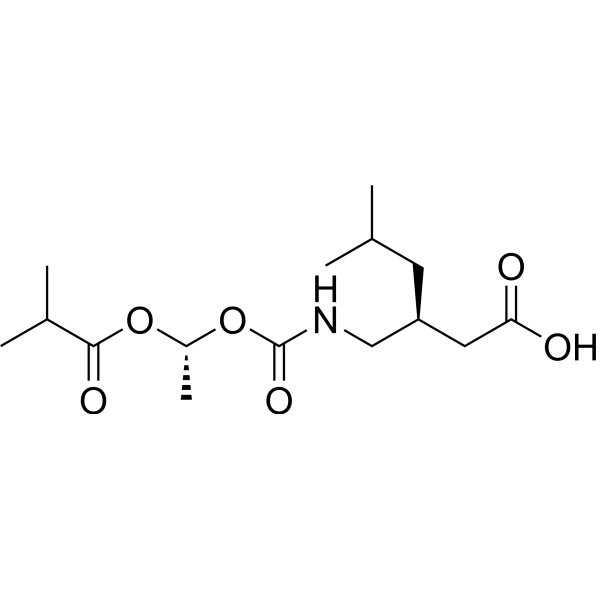
Pregabalin arenacarbil is a proagent of Pregabalin.Pregabalin is an analog of gamma-aminobutyric acid (GABA) for the research of post herpetic neuralgia, peripheral diabetic neuropathy,fibromyalgia and epilepsy .
|
-
-
- HY-145559
-
|
KU-596
|
HSP
|
Metabolic Disease
|
|
Cemdomespib (KU-596) is a highly bioavailable second-generation Hsp90 modulator. Cemdomespib has shown efficacy in improving sensory deficits in models of diabetic peripheral neuropathy. Cemdomespib induces Hsp70 levels and manifest neuroprotective activity through induction of the heat shock response .
|
-
-
- HY-W012788R
-
|
|
Reference Standards
Endogenous Metabolite
Apoptosis
|
Infection
Neurological Disease
|
|
Maltol (Standard) is the analytical standard of Maltol. This product is intended for research and analytical applications. Maltol, a type of aromatic compound, is an antioxidant agent. Maltol enhances neural function by mitigating oxidative stress and cell apoptosis. Maltol is an inhibitor of oxidative damage in nerve cells and is effective in preventing diabetic peripheral neuropathy (DPN). Maltol is used extensively as a safe flavoring agent and food preservative. Maltol is a metal ion chelator that can be used in the field of catalysis, cosmetics, and medicine .
|
-
-
- HY-W027553R
-
|
NIK-247 free base (Standard); Amiridine free base (Standard)
|
Reference Standards
Cholinesterase (ChE)
Potassium Channel
Sodium Channel
|
Neurological Disease
Metabolic Disease
|
|
Ipidacrine (Standard) is the analytical reference standard of Ipidacrine. This product is used for research and analytical applications. Ipidacrine is orally active and blood-brain-barrier-penetrant AChE and BuChE inhibitors with IC50 values of 1 μM and 1.9 μM, respectively, which is also a partial agonist of M2-cholinergic receptors and a reversible cholinesterase inhibitor. Ipidacrine has a stimulating effect on neuromuscular transmission and excitation along the nerve fibres with a moderately anti-pain effect. Ipidacrine is an aminopyridines and is structurally similar to Tacrine (HY-111338). Ipidacrine is effective in various amnesia models, improves erectile function and inhibits K + and Na +-channels in the neuronal membrane in diabetic rats. Ipidacrine is promising for research of Alzheimer’s disease, ischaemic stroke, idiopathic neuropathy of the facial nerve, diabetes mellitus-induced erectile dysfunction and other deficits in central or peripheral cholinergic deseases .
|
-
-
- HY-W127737
-
|
Mecobalamin hydrate
|
Biochemical Assay Reagents
|
Others
|
|
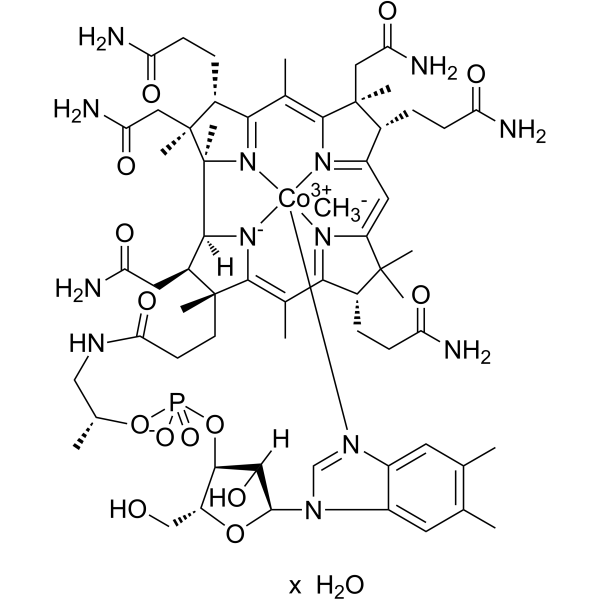
Methylcobalamin Hydrate is a coenzyme required for methionine biosynthesis. Vitamins (hematopoiesis). It acts as a histamine receptor, Alzheimer study. Methylcobalamin is also used in the research of peripheral neuropathy, diabetic neuropathy, and as an initial research for amyotrophic lateral sclerosis. It can be used to prevent or research pathologies caused by vitamin B12 deficiency, such as pernicious anemia.
|
-
-
- HY-B1239A
-
|
Cycloadiphene; Hexahydroadiphenine
|
Potassium Channel
Cholinesterase (ChE)
TRP Channel
NOD-like Receptor (NLR)
Amyloid-β
Tau Protein
JNK
NF-κB
IKK
|
Neurological Disease
Metabolic Disease
Inflammation/Immunology
|
|
Drofenine (Cycloadiphene; Hexahydroadiphenine) is an brain-penetrant antispasmodic agent. Drofenine is a Kv2.1 channel inhibitor with human IC50 of 9.53 μM. Drofenine is a butyrylcholinesterase (BChE) inhibitor with Ki of 0.003 mM, and is a TRPV3 activator. Drofenine blocks Kv2.1-dependent potassium efflux, inhibits Kv2.1/JNK/NF-κB and IkBa/NF-kB signaling, suppresses Kv2.1 mRNA/protein expression. Drofenine suppresses oligomeric Aβ-induced microglial NLRP3 inflammasome activation and neuronal Tau hyperphosphorylation, improves cognitive impairment, promotes neurite outgrowth. Drofenine induces calcium influx in keratinocytes and exert cytotoxicity against keratinocytes. Drofenine ameliorates diabetic peripheral neuropathy -like pathology. Drofenine can be used for the researches of Alzheimer's disease, diabetic peripheral neuropathy and smooth muscle spasm .
|
-
-
- HY-W012788S
-
|
|
Isotope-Labeled Compounds
Endogenous Metabolite
Apoptosis
|
Infection
Neurological Disease
|
|
Maltol-d3 is a deuterium labeled Maltol (HY-W012788). Maltol, a type of aromatic compound, is an antioxidant agent. Maltol enhances neural function by mitigating oxidative stress and cell apoptosis. Maltol is an inhibitor of oxidative damage in nerve cells and is effective in preventing diabetic peripheral neuropathy (DPN). Maltol is used extensively as a safe flavoring agent and food preservative. Maltol is a metal ion chelator that can be used in the field of catalysis, cosmetics, and medicine .
|
-
-
- HY-W027553S1
-
|
NIK-247-d9 free base
|
Isotope-Labeled Compounds
Cholinesterase (ChE)
Potassium Channel
Sodium Channel
|
Metabolic Disease
|
|
Ipidacrine-d9 (NIK-247-d9 (free base)) is the deuterium labeled Ipidacrine (HY-W027553). Ipidacrine is orally active and brain-penetrant AChE and BuChE inhibitors with IC50 values of 1 μM and 1.9 μM, respectively, which is also a partial agonist of M2-cholinergic receptors and a reversible cholinesterase inhibitor. Ipidacrine has a stimulating effect on neuromuscular transmission and excitation along the nerve fibres with a moderately anti-pain effect. Ipidacrine is an aminopyridines and is structurally similar to Tacrine (HY-111338). Ipidacrine is effective in various amnesia models, improves erectile function and inhibits K+ and Na+-channels in the neuronal membrane in diabetic rats. Ipidacrine is promising for research of Alzheimer’s disease, ischaemic stroke, idiopathic neuropathy of the facial nerve, diabetes mellitus-induced erectile dysfunction and other deficits in central or peripheral cholinergic deseases .
|
-
-
- HY-136535
-
|
hTrkA-IN-1
|
Trk Receptor
|
Inflammation/Immunology
|
|
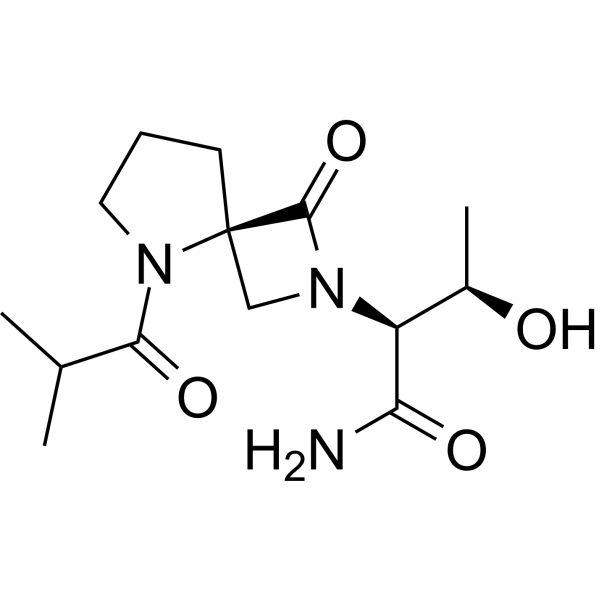
Anizatrectinib (hTrkA-IN-1) is a potent and orally active inhibitor of TrkA kinase with an IC50 of 1.3 nM, compound 2 extracted from patent WO2015175788. Anizatrectinib can be used for the study of inflammatory disease, such as prostatitis, pelvic, et al .
|
-
-
- HY-119820
-
|
SR57746A free base
|
Akt
Dopamine Receptor
Trk Receptor
5-HT Receptor
PKC
JNK
ERK
|
Neurological Disease
|
|
Xaliproden (SR57746) free base is an orally active, highly selective 5-HT1A receptor agonist. Xaliproden free base activates pertussis toxin-sensitive G protein-coupled signaling cascades, as well as the PKC, ERK1/ERK2, Akt and p21 Ras/MEK-1 pathways. Xaliproden free base also downregulates the JNK/p66/c-Jun signaling pathway, induces phosphorylation of the shc adaptor protein, regulates extracellular dopamine and 5-HT levels, and induces [ 35S]GTPγS labeling in rat brain structures rich in 5-HT1A receptors. Xaliproden free base exerts neurotrophic, neuroprotective, renoprotective, anti-inflammatory, anti-apoptotic, anti-fibrotic and analgesic effects. Xaliproden free base also enhances NGF-induced neurite outgrowth, promotes motor neuron survival, attenuates renal tubular injury and inhibits chemotherapy-induced mechanical allodynia, without activating or altering NGF-induced TrkA receptor activation. Xaliproden free base can be used in the research of motor neuron disease, diabetic nephropathy, chemotherapy-induced peripheral neuropathy, amyotrophic lateral sclerosis, Alzheimer's disease, acute tonic nociceptive pain, inflammatory pain, depression and anxiety .
|
-
-
- HY-182539
-
|
|
CGRP Receptor
|
Others
Neurological Disease
|
|
DD04107 is a neuronal exocytosis inhibitor with a rat Syt1-C2B domain binding Ka of 2.4 μM. DD04107 interferes with synaptobrevin-syntaxin-SNAP-25 complex formation and Syt1-SNARE complex interaction to block α-calcitonin gene-related peptide (α-CGRP) exocytotic release from primary sensory neurons. DD04107 blocks inflammatory ion channel recruitment to nociceptor plasma membranes. DD04107 can be used for the research of chronic inflammatory pain, neuropathic pain, osteosarcoma pain, chemotherapy-induced peripheral neuropathy, diabetic neuropathy, inflammatory pain .
|
-
-
- HY-183652
-
|
|
5-HT Receptor
Sodium Channel
|
Neurological Disease
|
|
5-HT2C-agonist-14 is a 5-HT2C receptor agonist with an EC50 of 2.9 μM against human receptors. It also acts as a voltage-gated sodium channel inhibitor with blood-brain barrier permeable. 5-HT2C-agonist-14 elevates seizure threshold, suppresses seizure progression and alleviates pain-related behaviors. It can be used in the research of epilepsy and pain-related diseases .
|
-
-
- HY-19689
-
|
NIK-247; Amiridine
|
Cholinesterase (ChE)
Potassium Channel
Sodium Channel
|
Cardiovascular Disease
Neurological Disease
Endocrinology
|
|
Ipidacrine (NIK-247; Amiridine) hydrochloride is orally active and blood-brain-barrier-penetrant AChE and BuChE inhibitors with IC50 values of 1 μM and 1.9 μM, respectively, which is also a partial agonist of M2-cholinergic receptors and a reversible cholinesterase inhibitor. Ipidacrine hydrochloride has a stimulating effect on neuromuscular transmission and excitation along the nerve fibres with a moderately anti-pain effect. Ipidacrine hydrochloride is an aminopyridines and is structurally similar to Tacrine (HY-111338). Ipidacrine hydrochloride is effective in various amnesia models, improves erectile function and inhibits K + and Na +-channels in the neuronal membrane in diabetic rats. Ipidacrine hydrochloride is promising for research of Alzheimer’s disease, ischaemic stroke, idiopathic neuropathy of the facial nerve, diabetes mellitus-induced erectile dysfunction and other deficits in central or peripheral cholinergic deseases .
|
-
-
- HY-14604R
-
|
SR57746A (Standard); SR57746 hydrochloride (Standard)
|
Reference Standards
Akt
Dopamine Receptor
Trk Receptor
5-HT Receptor
PKC
JNK
ERK
|
Neurological Disease
Cancer
|
|
Xaliproden (hydrochloride) (Standard) is the analytical standard of Xaliproden (hydrochloride). This product is intended for research and analytical applications. Xaliproden (SR57746) hydrochloride (SR57746A) is an orally active, highly selective 5-HT1A receptor agonist. Xaliproden hydrochloride activates pertussis toxin-sensitive G protein-coupled signaling cascades, as well as the PKC, ERK1/ERK2, Akt and p21 Ras/MEK-1 pathways. Xaliproden hydrochloride also downregulates the JNK/p66/c-Jun signaling pathway, induces phosphorylation of the shc adaptor protein, regulates extracellular dopamine and 5-HT levels, and induces [ 35S]GTPγS labeling in rat brain structures rich in 5-HT1A receptors. Xaliproden hydrochloride exerts neurotrophic, neuroprotective, renoprotective, anti-inflammatory, anti-apoptotic, anti-fibrotic and analgesic effects. Xaliproden hydrochloride also enhances NGF-induced neurite outgrowth, promotes motor neuron survival, attenuates renal tubular injury and inhibits chemotherapy-induced mechanical allodynia, without activating or altering NGF-induced TrkA receptor activation. Xaliproden hydrochloride can be used in the research of motor neuron disease, diabetic nephropathy, chemotherapy-induced peripheral neuropathy, amyotrophic lateral sclerosis, Alzheimer's disease, acute tonic nociceptive pain, inflammatory pain, depression and anxiety .
|
-
| Cat. No. |
Product Name |
Type |
-
- HY-W127737
-
|
Mecobalamin hydrate
|
Biochemical Assay Reagents
|
|
Methylcobalamin Hydrate is a coenzyme required for methionine biosynthesis. Vitamins (hematopoiesis). It acts as a histamine receptor, Alzheimer study. Methylcobalamin is also used in the research of peripheral neuropathy, diabetic neuropathy, and as an initial research for amyotrophic lateral sclerosis. It can be used to prevent or research pathologies caused by vitamin B12 deficiency, such as pernicious anemia.
|
| Cat. No. |
Product Name |
Target |
Research Area |
-
- HY-P4063
-
|
|
Peptides
|
Metabolic Disease
|
|
Pegylated synthetic human c-peptide retains bioactivity comparable to that of natural (i.e. non-polyethylene glycolated) C-peptides and has a prolonged circulating residence time in plasma for use in diabetic peripheral neuropathy studies .
|
-
- HY-182539
-
|
|
CGRP Receptor
|
Others
Neurological Disease
|
|
DD04107 is a neuronal exocytosis inhibitor with a rat Syt1-C2B domain binding Ka of 2.4 μM. DD04107 interferes with synaptobrevin-syntaxin-SNAP-25 complex formation and Syt1-SNARE complex interaction to block α-calcitonin gene-related peptide (α-CGRP) exocytotic release from primary sensory neurons. DD04107 blocks inflammatory ion channel recruitment to nociceptor plasma membranes. DD04107 can be used for the research of chronic inflammatory pain, neuropathic pain, osteosarcoma pain, chemotherapy-induced peripheral neuropathy, diabetic neuropathy, inflammatory pain .
|
| Cat. No. |
Product Name |
Category |
Target |
Chemical Structure |
-
- HY-W012788
-
-
-
- HY-N0837
-
|
NSC17821; NSC23880
|
Alkaloids
Piperidine Alkaloids
Structural Classification
other families
Classification of Application Fields
Plants
Disease Research Fields
Source Classification
Cancer
|
PI3K
Akt
mTOR
Autophagy
Apoptosis
|
|
Veratramine (NSC17821; NSC23880) is an orally active inhibitor of the PI3K/Akt/mTOR signaling pathway and a SIGMAR1 modulator. Veratramine induces autophagic apoptosis of tumor cells, arrests the cell cycle at the G0/G1 phase, and inhibits epithelial-mesenchymal transition (EMT)-related proteins to reduce tumor migration. Veratramine reduces spinal cord and sciatic nerve pathological damage in a neuropathy model by inhibiting SIGMAR1 binding to NMDAR and phosphorylation of NMDAR Ser896. Veratramine has anti-tumor proliferation, apoptosis induction, anti-inflammatory and neuroprotective activities, and can be used in the study of cancers such as liver cancer and osteosarcoma, as well as diabetic peripheral neuropathy .
|
-
-
- HY-N1479
-
-
-
- HY-N0837R
-
|
NSC17821 (Standard); NSC23880 (Standard)
|
Alkaloids
Piperidine Alkaloids
Structural Classification
other families
Plants
Source Classification
|
Reference Standards
PI3K
Akt
mTOR
Autophagy
Apoptosis
|
|
Veratramine (NSC17821; NSC23880) (Standard) is the analytical standard of Veratramine (HY-N0837). This product is intended for research and analytical applications. Veratramine (NSC17821; NSC23880) is an orally active inhibitor of the PI3K/Akt/mTOR signaling pathway and a SIGMAR1 modulator. Veratramine induces autophagic apoptosis of tumor cells, arrests the cell cycle at the G0/G1 phase, and inhibits epithelial-mesenchymal transition (EMT)-related proteins to reduce tumor migration. Veratramine reduces spinal cord and sciatic nerve pathological damage in a neuropathy model by inhibiting SIGMAR1 binding to NMDAR and phosphorylation of NMDAR Ser896. Veratramine has anti-tumor proliferation, apoptosis induction, anti-inflammatory and neuroprotective activities, and can be used in the study of cancers such as liver cancer and osteosarcoma, as well as diabetic peripheral neuropathy .
|
-
-
- HY-W012788R
-
-
| Cat. No. |
Product Name |
Chemical Structure |
-
- HY-W012788S
-
|
|
|
Maltol-d3 is a deuterium labeled Maltol (HY-W012788). Maltol, a type of aromatic compound, is an antioxidant agent. Maltol enhances neural function by mitigating oxidative stress and cell apoptosis. Maltol is an inhibitor of oxidative damage in nerve cells and is effective in preventing diabetic peripheral neuropathy (DPN). Maltol is used extensively as a safe flavoring agent and food preservative. Maltol is a metal ion chelator that can be used in the field of catalysis, cosmetics, and medicine .
|
-
-
- HY-W027553S1
-
|
|
|
Ipidacrine-d9 (NIK-247-d9 (free base)) is the deuterium labeled Ipidacrine (HY-W027553). Ipidacrine is orally active and brain-penetrant AChE and BuChE inhibitors with IC50 values of 1 μM and 1.9 μM, respectively, which is also a partial agonist of M2-cholinergic receptors and a reversible cholinesterase inhibitor. Ipidacrine has a stimulating effect on neuromuscular transmission and excitation along the nerve fibres with a moderately anti-pain effect. Ipidacrine is an aminopyridines and is structurally similar to Tacrine (HY-111338). Ipidacrine is effective in various amnesia models, improves erectile function and inhibits K+ and Na+-channels in the neuronal membrane in diabetic rats. Ipidacrine is promising for research of Alzheimer’s disease, ischaemic stroke, idiopathic neuropathy of the facial nerve, diabetes mellitus-induced erectile dysfunction and other deficits in central or peripheral cholinergic deseases .
|
-
| Cat. No. |
Product Name |
|
Classification |
-
- HY-W012788
-
Maltol
2 Publications Verification
|
|
Sweetening Agents
Flavoring Agents
|
|
Maltol, a type of aromatic compound, is an antioxidant agent. Maltol enhances neural function by mitigating oxidative stress and cell apoptosis. Maltol is an inhibitor of oxidative damage in nerve cells and is effective in preventing diabetic peripheral neuropathy (DPN). Maltol is used extensively as a safe flavoring agent and food preservative. Maltol is a metal ion chelator that can be used in the field of catalysis, cosmetics, and medicine .
|
Your information is safe with us. * Required Fields.
Inquiry Information
- Product Name:
- Cat. No.:
- Quantity:
- MCE Japan Authorized Agent:

