






Search Result
Results for "
early apoptosis
" in MedChemExpress (MCE) Product Catalog:
2
Biochemical Assay Reagents
3
Isotope-Labeled Compounds
| Cat. No. |
Product Name |
Target |
Research Areas |
Chemical Structure |
-
- HY-B0146
-
Verteporfin
Maximum Cited Publications
266 Publications Verification
CL 318952
|
YAP
Apoptosis
Autophagy
Photosensitizer
|
Cancer
|
|
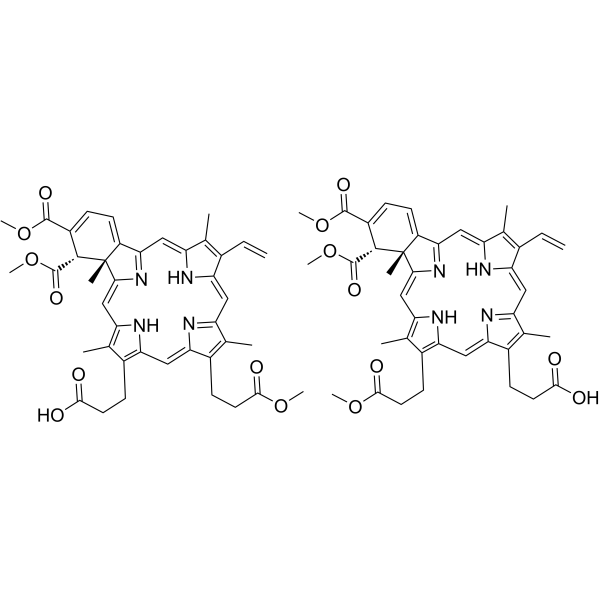
Verteporfin (CL 318952) is a photosensitizer for photodynamic therapy to eliminate the abnormal blood vessels in the eye associated with conditions such as age-related macular degeneration. Verteporfin is a YAP inhibitor which disrupts YAP-TEAD interactions. Verteporfin induces cell apoptosis . Verteporfinis an autophagy inhibitor that blocks autophagy at an early stage by inhibiting autophagosome formation .
|
-
-
- HY-128868A
-
|
|
Fluorescent Dye
|
Others
|
|
FITC-Dextran (MW 4000) is a fluorescent probe for fluorescein isothiocyanate (FITC) dextran (Ex=495 nm; Em=525 nm). FITC-Dextran (MW 4000) can be used as a marker to reveal heat shock-induced cell damage and to study the early and late stages of apoptosis. FITC-Dextran (MW 4000) can also be used for cell permeability studies, such as blood-brain barrier permeability and determination of the extent of blood-brain barrier disruption .
|
-
-
- HY-128868
-
|
|
Fluorescent Dye
|
Others
|
|
FITC-Dextran (MW 10000) is a fluorescent probe for fluorescein isothiocyanate (FITC) dextran (Ex=495 nm; Em=525 nm). FITC-Dextran (MW 10000) can be used as a marker to reveal heat shock-induced cell damage and to study the early and late stages of apoptosis. FITC-Dextran (MW 10000) can also be used for cell permeability studies, such as blood-brain barrier permeability and determination of the extent of blood-brain barrier disruption .
|
-
-
- HY-128868D
-
|
|
Fluorescent Dye
|
Others
|
|
FITC-Dextran (MW 40000) is a fluorescent probe for fluorescein isothiocyanate (FITC) dextran (Ex=495 nm; Em=525 nm). FITC-Dextran (MW 40000) can be used as a marker to reveal heat shock-induced cell damage and to study the early and late stages of apoptosis. FITC-Dextran (MW 40000) can also be used for cell permeability studies, such as blood-brain barrier permeability and determination of the extent of blood-brain barrier disruption .
|
-
-
- HY-128868B
-
|
|
Biochemical Assay Reagents
|
Others
|
|
FITC-Dextran (MW 3000-5000) is a fluorescent probe for fluorescein isothiocyanate (FITC) dextran (Ex=495 nm; Em=525 nm). FITC-Dextran (MW 3000-5000) can be used as a marker to reveal heat shock-induced cell damage and to study the early and late stages of apoptosis. FITC-Dextran (MW 3000-5000) can also be used for cell permeability studies, such as blood-brain barrier permeability and determination of the extent of blood-brain barrier disruption . Storage: protect from light.
|
-
-
- HY-147308
-
|
PCLX-001
|
N-myristoyltransferase
|
Cancer
|
|
Zelenirstat is an orally acitve, small-molecule, dual N-myristoyltransferase (NMT) inhibitor, with IC50s of 5 nM (NMT1) and 8 nM (NMT2), respectively. Zelenirstat can induce cell apoptosis, has anti-cancer activity, inhibits early B cell receptor (BCR) signaling, and can be used to study malignant lymphoma .
|
-
-
- HY-119976
-
|
|
Environmental Pollutants
Apoptosis
Fungal
Mitochondrial Metabolism
Succinate Dehydrogenase
|
Infection
|
|
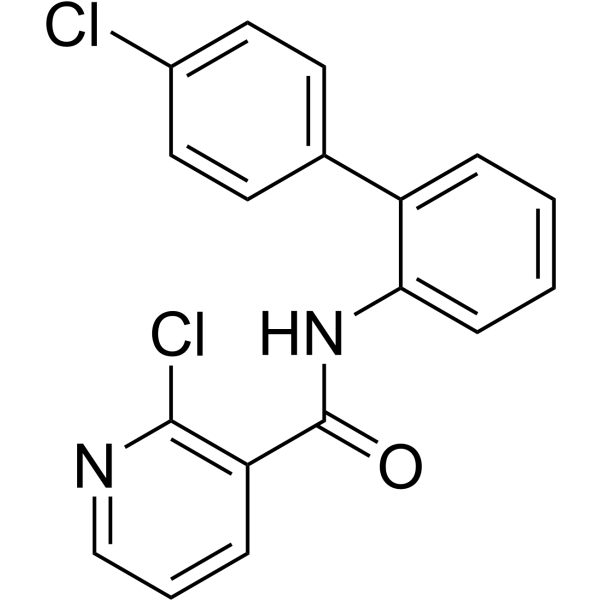
Boscalid is a succinate dehydrogenase (SDHI) inhibitor with antifungal activity. Boscalid binds to the ubiquinone-binding site of fungal mitochondrial complex II, blocks ATP production and aerobic respiration, exhibits good control efficacy against a variety of plant fungal diseases including gray mold, sclerotinia rot and powdery mildew, and is widely used for disease control in agriculture. Boscalid induces apoptosis, altered lipid metabolism, mitochondrial dysfunction, respiratory impairment, oxidative stress, ROS accumulation and neurodevelopmental disorders in zebrafish. Boscalid reduces foraging ability, shortens median death time and causes chronic toxicity in exposed honeybees. Boscalid also possesses genotoxicity, cytotoxicity, elevated mitochondrial superoxide levels and early-stage apoptosis .
|
-
-
- HY-N1435
-
|
|
Apoptosis
PI3K
PTEN
Autophagy
|
Neurological Disease
Metabolic Disease
Inflammation/Immunology
Cancer
|
|
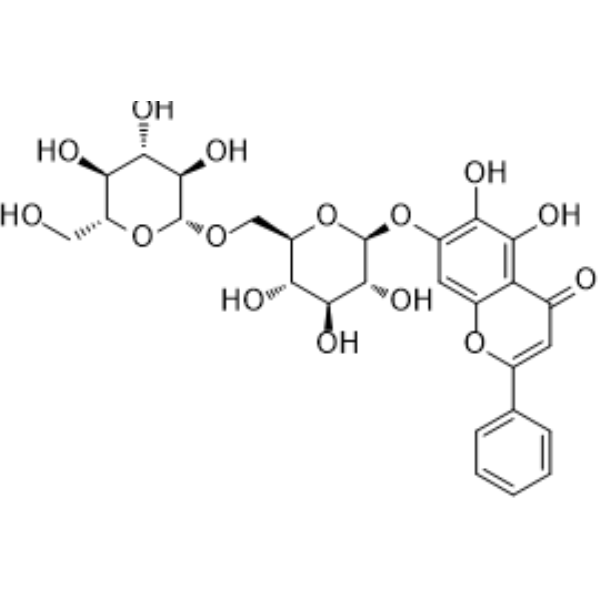
Oroxin B (OB) is a BBB-permeable flavonoid isolated from traditional Chinese herbal medicine Oroxylum indicum (L.) Vent.
Oroxin B (OB) possesses obvious inhibitory effect and induces early apoptosis rather than late apoptosis on liver cancer cells through upregulation of PTEN, down regulation of COX-2, VEGF, PI3K, and p-AKT. Oroxin B (OB) selectively induces tumor-suppressive ER stress in malignant lymphoma cells .
|
-
-
- HY-147080
-
|
ARC1905
|
Complement System
|
Others
|
|
Avacincaptad pegol (ARC1905) sodium is a 40KDa PEG-conjugated aptamer. Avacincaptad pegol sodium targets complement factor 5 (C5), inhibits the cleavage of C5 into C5a and C5b, limits inflammatory stimulation and complement membrane attack complex (MAC), and is used to study age-related macular degeneration (AMD). Avacincaptad pegol sodium limits irregular cell apoptosis by targeting downstream factors in the complement cascade while preserving the early steps of the complement system .
|
-
-
- HY-128868G
-
|
|
Fluorescent Dye
|
Others
|
|
FITC-Dextran (MW 150000) is a fluorescent probe for fluorescein isothiocyanate (FITC) dextran (Ex=491 nm; Em=518 nm). FITC-Dextran (MW 150000) can be used as a marker to reveal heat shock-induced cell damage and to study the early and late stages of apoptosis. FITC-Dextran (MW 150000) can be used in perfusion studies in animals or in fluorescence microlymphography, to study processes that affect the permeability of the blood brain barrier (BBB) . FITC-Dextran (MW 150000) can be used as fluorescent probe to study cell permeability .
|
-
-
- HY-N6033
-
|
(+)-Ferruginol
|
EBV
HSV
Apoptosis
|
Infection
Cardiovascular Disease
Neurological Disease
Cancer
|
|
Ferruginol ((+)-Ferruginol), a natural diterpenoid, is an inhibitor of the activation of Epstein-Barr virus early antigen (EBV-EA). Ferruginol inhibits the growth of thyroid cancer cells through the induction of mitochondrial apoptosis. Ferruginol has antitumor, cardioprotective, antioxidant, gastroprotective, and neuroprotective activities .
|
-
-
- HY-138253
-
|
dFdU; 2',2'-Difluoro-2'-deoxyuridine
|
Drug Metabolite
Apoptosis
|
Cancer
|
|
2’,2’-Difluorodeoxyuridine (dFdU) is the main metabolite of Gemcitabine (HY-17026). 2’,2’-Difluorodeoxyuridine causes a concentration- and schedule- dependent radiosensitising effect in vitro. 2’,2’-Difluorodeoxyuridine arrests cell cycle at the early S phase and induces apoptosis in cancer cells .
|
-
-
- HY-P2310
-
|
|
Bacterial
Parasite
Apoptosis
HIV
HSV
CMV
TNF Receptor
NOD-like Receptor (NLR)
DNA/RNA Synthesis
Influenza Virus
|
Cardiovascular Disease
Infection
|
|
Defensin HNP-1 human is a type of human neutrophil peptide (HNPs). Defensin HNP-1 human possesses immunomodulatory functions and can delay the apoptosis of neutrophils. Defensin HNP-1 human inhibits DNA/RNA/protein synthesis and interferes with metabolic pathways, thus exhibiting broad antibacterial activity. Defensin HNP-1 human has direct inactivation effects on HIV, HSV-1, HSV-2, CMV, influenza virus, etc. Defensin HNP-1 human has antileishmanial activity. Defensin HNP-1 human is involved in endothelial cell dysfunction during the early development of atherosclerosis .
|
-
-
- HY-N0763
-
Angelicin
Maximum Cited Publications
11 Publications Verification
Isopsoralen
|
Apoptosis
Virus Protease
NF-κB
p38 MAPK
JNK
Caspase
|
Infection
Inflammation/Immunology
Cancer
|
|
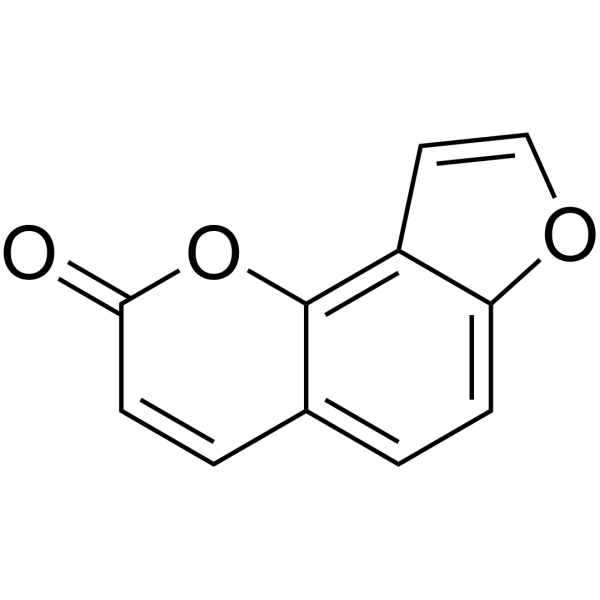
Angelicin is a furanocoumarin compound that functions as an inhibitor of NF-κB and MAPK signaling pathways, exhibiting anti-inflammatory, antiviral, and antitumor activities. It suppresses the lytic replication of γ-herpesviruses, such as MHV-68, early during viral infection, potentially inhibiting RTA gene expression (IC50=28.95 μM). Angelicin also mitigates inflammation by inhibiting the phosphorylation and nuclear translocation of NF-κB, and the phosphorylation of p38 and JNK. Furthermore, it induces apoptosis in neuroblastoma cells by downregulating anti-apoptotic proteins like Bcl-2, Bcl-xL, and Mcl-1, while activating caspase-9 and caspase-3.
|
-
-
- HY-115445
-
LCS-1
3 Publications Verification
|
Apoptosis
SOD
|
Cancer
|
|
LCS-1 is a superoxide dismutase 1 (SOD1) inhibitor. LCS-1 inhibits SOD1 activity with an IC50 value of 1.07 μM. LCS-1 induces the early- and late-stage apoptosis of multiple myeloma (MM.1S) cells .
|
-
-
- HY-N6746
-
|
NSC 186
|
Bacterial
Fungal
Endogenous Metabolite
Apoptosis
|
Infection
Neurological Disease
Cancer
|
|
Citrinin (NSC 186) is a mycotoxin that causes food contamination and has different toxic effects. Citrinin is an effective oral anticancer agent. Citrinin has various regulatory effects on mouse immune system, including regulating the number of immune cells, inducing apoptosis and autophagy of immune cells, altering toll-like receptor expression and cytokine production. Citrinin can induce oxidative stress and lead to early apoptosis of oocytes. Low doses of Citrinin have neuroprotective effects against glutamate-induced excitotoxicity in rat cortical neurons. In addition, Citrinin also has antibacterial activity .
|
-
-
- HY-DY1016
-
|
|
Fluorescent Dye
|
Others
|
FITC-Dextran (MW 10000) (solution) is a fluorescent probe for fluorescein isothiocyanate (FITC) dextran (Ex=495 nm; Em=525 nm). FITC-Dextran (MW 10000) can be used as a marker to reveal heat shock-induced cell damage and to study the early and late stages of apoptosis. FITC-Dextran (MW 10000) can also be used for cell permeability studies, such as blood-brain barrier permeability and determination of the extent of blood-brain barrier disruption . Solvent and Concentration: Sterile water: 2 mM
|
-
-
- HY-101448
-
TMI-1
1 Publications Verification
WAY-171318
|
MMP
Apoptosis
Interleukin Related
TNF Receptor
Caspase
|
Infection
Neurological Disease
Inflammation/Immunology
Cancer
|
|
TMI-1 (WAY-171318) inhibits TNF converting enzyme (TACE) (IC50 of 8.4 nM), ADAM-TS-4, ADAM-17 and various MMPs with oral activity. TMI-1 significantly suppresses the secretion of TNF-α , alleviating collagen-induced arthritis in mice. TMI-1 inhibits cancer cell proliferation, induces apoptosis through a caspase-dependent pathway. TMI-1 also reverses TRPV1 upregulation and lowers the levels of inflammatory factors (TNF-α、IL-1β、IL-6) in nerve cells, protecting against paclitaxel-induced neurotoxicity. TMI-1 leads to changes in pro-atherogenic lipoprotein profiles, but does not affect the progression of early lesions .
|
-
-
- HY-17587
-
|
4-MBC; Enzacamene
|
Apoptosis
PI3K
Akt
ERK
|
Metabolic Disease
|
|
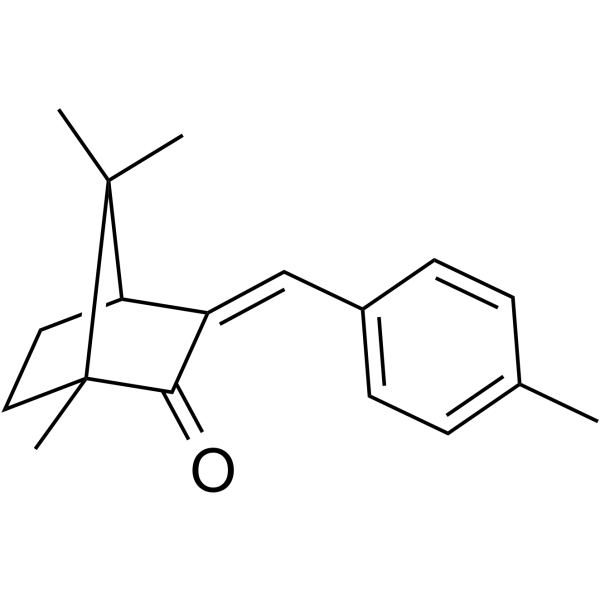
4-Methylbenzylidene camphor (4-MBC) is an endocrine disrupter that produces estrogen-like effects. 4-Methylbenzylidene camphor decreases the proliferation of human trophoblast cells and induces apoptosis. 4-Methylbenzylidene camphor activates PI3K/AKT and ERK1/2 signaling pathways and elevates intracellular ROS production. 4-Methylbenzylidene camphor is a ultraviolet (UV) filter and may hamper normal placental formation during early pregnancy .
|
-
-
- HY-P2310A
-
|
|
Bacterial
Parasite
Apoptosis
HIV
HSV
CMV
TNF Receptor
Interleukin Related
NOD-like Receptor (NLR)
DNA/RNA Synthesis
Influenza Virus
|
Cardiovascular Disease
Infection
|
|
Defensin HNP-1 human TFA is a type of human neutrophil peptide (HNPs). Defensin HNP-1 human TFA possesses immunomodulatory functions and can delay the apoptosis of neutrophils. Defensin HNP-1 human TFA inhibits DNA/RNA/protein synthesis and interferes with metabolic pathways, thus exhibiting broad antibacterial activity. Defensin HNP-1 human TFA has direct inactivation effects on HIV, HSV-1, HSV-2, CMV, influenza virus, etc. Defensin HNP-1 human TFA has antileishmanial activity. Defensin HNP-1 human TFA is involved in endothelial cell dysfunction during the early development of atherosclerosis .
|
-
-
- HY-N2445
-
|
|
Apoptosis
Akt
JNK
PERK
Caspase
PARP
MDM-2/p53
IAP
Reactive Oxygen Species (ROS)
SOD
FABP
Autophagy
AMPK
mTOR
GLUT
EGFR
PI3K
HSP
VEGFR
FAK
|
Cancer
|
|
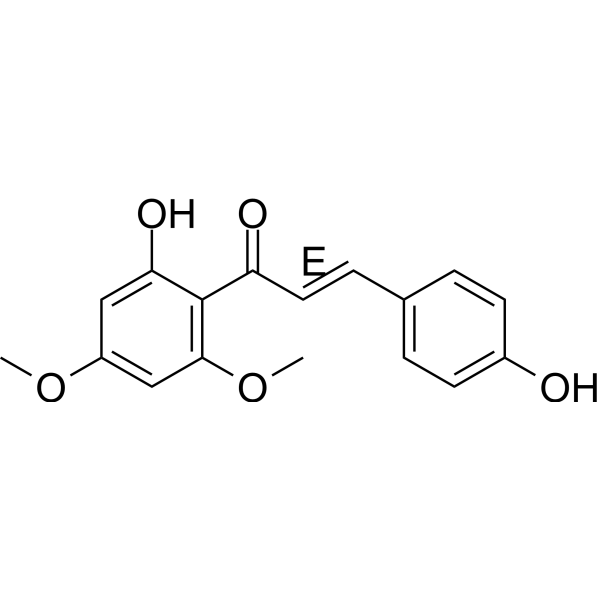
Flavokawain C is an orally active natural chalcone. Flavokawain C inhibits the proliferation of various cancer cells. Flavokawain C upregulates GADD153 in cancer cells, inhibits the phosphorylation of Akt and JNK, suppresses early ERK phosphorylation, activates late ERK phosphorylation, activates caspase related subtypes, induces PARP-1 cleavage, causes upregulation of p21 and p27, downregulation of mutant p53 and anti-apoptotic IAP proteins, elevates intracellular ROS levels, reduces SOD activity, and induces apoptosis. Flavokawain C downregulates FABP4, induces autophagy in cancer cells, and activates the AMPK/mTOR pathway . Flavokawain C decreases the expression of glycolysis-related proteins GLUT1 and HK2, and inhibits glycolysis in nasopharyngeal carcinoma cells. Flavokawain C inhibits the activation of the EGFR/PI3K/Akt/mTOR signaling pathway and reduces the expression of HSP90B1. Flavokawain C inhibits angiogenesis by decreasing the expression of angiogenic proteins Ang-1 and VEGF in human umbilical vein endothelial cells. Flavokawain C increases γ-H2AX levels in cells, inhibits the phosphorylation of FAK, PI3K and AKT in cells, and induces DNA damage in cells. Flavokawain C exerts anti-tumor activity in multiple tumor xenograft mouse models. Flavokawain C is applicable to research related to colorectal cancer, colon adenocarcinoma, nephroblastoma, nasopharyngeal carcinoma and liver cancer .
|
-
-
- HY-101446
-
|
|
Trk Receptor
ERK
Apoptosis
|
Neurological Disease
|
|
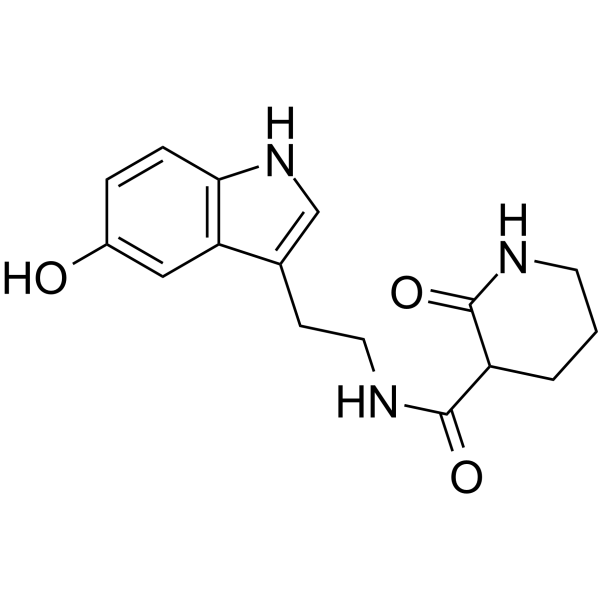
HIOC is a potent and selective activator of TrkB (tropomyosin related kinase B) receptor. HIOC can pass the blood-brain and blood-retinal barriers.HIOC activates TrkB/ERK pathway and decreases neuronal cell apoptosis. HIOC attenuates early brain injury after SAH (subarachnoid hemorrhage). HIOC shows protective activity in an animal model for light-induced retinal degeneration .
|
-
-
- HY-138253R
-
|
dFdU (Standard); 2',2'-Difluoro-2'-deoxyuridine (Standard)
|
Drug Metabolite
Reference Standards
Apoptosis
|
Cancer
|
|
2′,2′-Difluorodeoxyuridine (Standard) is the analytical standard of 2′,2′-Difluorodeoxyuridine. This product is intended for research and analytical applications. 2’,2’-Difluorodeoxyuridine (dFdU) is the main metabolite of Gemcitabine (HY-17026). 2’,2’-Difluorodeoxyuridine causes a concentration- and schedule- dependent radiosensitising effect in vitro. 2’,2’-Difluorodeoxyuridine arrests cell cycle at the early S phase and induces apoptosis in cancer cells.
|
-
-
- HY-138253S
-
|
dFdU-13C,15N2; 2',2'-Difluoro-2'-deoxyuridine-13C,15N2
|
Isotope-Labeled Compounds
Drug Metabolite
Apoptosis
|
Others
|
|
2′,2′-Difluorodeoxyuridine- 13C, 15N2 (dFdU- 13C, 15N2) is a 13C- and 15N-labeled compound. 2’,2’-Difluorodeoxyuridine (dFdU) is the main metabolite of Gemcitabine (HY-17026). 2’,2’-Difluorodeoxyuridine causes a concentration- and schedule- dependent radiosensitising effect in vitro. 2’,2’-Difluorodeoxyuridine arrests cell cycle at the early S phase and induces apoptosis in cancer cells .
|
-
-
- HY-W017424
-
|
|
Drug Intermediate
Caspase
Apoptosis
|
Neurological Disease
Cancer
|
|
2-Aminobenzothiazole acts as a caspase 3/7 activator, an anticancer cytotoxic agent, and also exhibits neurotoxicity. 2-Aminobenzothiazole drives the apoptotic pathway by activating caspase 3/7, induces mitochondrial inner membrane depolarization, and triggers both early and late apoptosis via a caspase-dependent pathway. In zebrafish models, 2-Aminobenzothiazole induces oxidative damage in brain tissues and inhibits genes related to GABA and 5-HT synthesis pathways. Long-term exposure to 2-Aminobenzothiazole impairs motor ability, social behavior, anxiety-like state and cognitive function. 2-Aminobenzothiazole can be used in studies of human laryngeal carcinoma and related neurotoxicity .
|
-
-
- HY-114520
-
|
|
Monoamine Oxidase
Mitochondrial Metabolism
Apoptosis
Reactive Oxygen Species (ROS)
|
Neurological Disease
Metabolic Disease
|
|
TT01001 is a selective and orally active mitoNEET agonist and a monoamine oxidase B (MAO-B) inhibitor (IC50 = 8.84 μM). TT01001 does not activate PPARγ but interacts with MitoNEET. TT01001 attenuates oxidative stress and neuronal apoptosis by preventing mitoNEET-mediated mitochondrial dysfunction. TT01001 improves type II diabetes and ameliorates mitochondrial function of mice. TT01001 can used for the studies of type II diabetes and neurological disorders .
|
-
-
- HY-W743654
-
|
|
Apoptosis
|
Cancer
|
|
Capsorubin is a carotenoid found in peppers with multiple biological activities. Capsorubin (167 μM) inhibits lipid peroxidation induced by 2,2'-azobis(2,4-dimethylvaleronitrile) (AMVN) in vitro. Capsorubin (1 μM) reduces UVB-induced DNA strand breaks and apoptosis in human dermal fibroblasts. Capsorubin also inhibits Epstein-Barr virus early antigen (EBV-EA) activation induced by phorbol 12-myristate 13-acetate in Raji cells, a marker of tumorigenesis.
|
-
-
- HY-P4846
-
|
|
CXCR
Apoptosis
IFNAR
TNF Receptor
Interleukin Related
|
Infection
Inflammation/Immunology
|
|
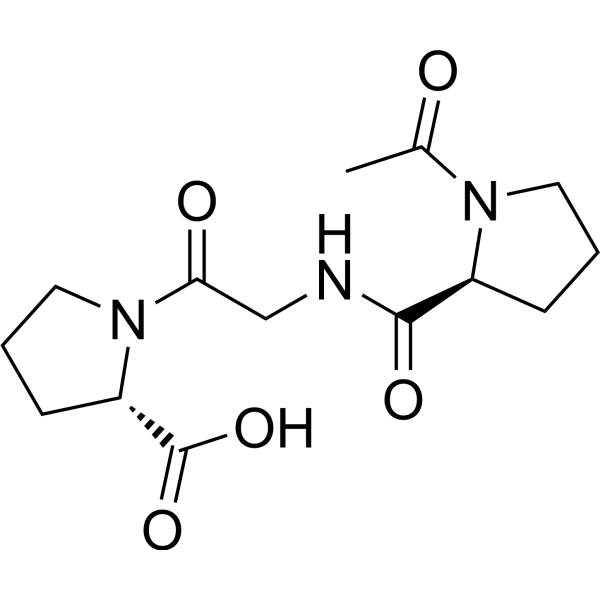
Ac-Pro-Gly-Pro-OH is an endogenous degradation product of extracellular collagen and acts as a CXCR2 agonist . Ac-Pro-Gly-Pro-OH exerts bactericidal activity by generating hydrogen peroxide, inhibits pulmonary inflammation, and reduces immune cell apoptosis (apoptosis). Ac-Pro-Gly-Pro-OH promotes the production of IFN-γ and inhibits the production of TNF-α and IL-6 in leukocytes. Ac-Pro-Gly-Pro-OH increases the survival rate of mice in sepsis models, enhances the bactericidal activity of neutrophils, acts as a neutrophil chemoattractant, induces neutrophil polarization, and regulates inflammatory and repair processes. Ac-Pro-Gly-Pro-OH induces chronic inflammation and tissue remodeling through sustained action. Ac-Pro-Gly-Pro-OH is released via alkaline hydrolysis of corneal proteins in alkali-injured eyes, thereby driving the early infiltration of neutrophils into the cornea. Ac-Pro-Gly-Pro-OH is applicable to research related to sepsis, chronic obstructive pulmonary disease, cystic fibrosis, bronchiolitis obliterans syndrome, severe asthma, idiopathic pulmonary fibrosis, and corneal ulcer .
|
-
-
- HY-155439
-
|
|
FAK
|
Cancer
|
FAK-IN-14 (compound 8d) is a focal adhesion kinase(FAK) inhibitor with an IC50 value of 0.2438 nM. FAK-IN-14 induces U87-MG cell early apoptosis and arrest the cell at the G2/M phase .
|
-
-
- HY-138071
-
|
8αTGH
|
STAT
Pyroptosis
Apoptosis
Reactive Oxygen Species (ROS)
c-Myc
Bcl-2 Family
TrxR
|
Cancer
|
|
8α-Tigloyloxyhirsutinolide 13-O-acetate (8αTGH) is a potent and orally active STAT3 inhibitor. 8α-Tigloyloxyhirsutinolide 13-O-acetate induces early oxidative stress and pyroptosis, and late DNA damage, cell cycle arrest, apoptosis in the TNBC cells. 8α-Tigloyloxyhirsutinolide 13-O-acetate suppresses tumor cell growth in vitro and tumor growth in vivo .
|
-
-
- HY-DY1018
-
|
|
Fluorescent Dye
|
Others
|
FITC-Dextran (MW 4000) (solution) is a fluorescent probe for fluorescein isothiocyanate (FITC) dextran (Ex=495 nm; Em=525 nm). FITC-Dextran (MW 4000) can be used as a marker to reveal heat shock-induced cell damage and to study the early and late stages of apoptosis. FITC-Dextran (MW 4000) can also be used for cell permeability studies, such as blood-brain barrier permeability and determination of the extent of blood-brain barrier disruption . Solvent and Concentration: Sterile water: 2 mM
|
-
-
- HY-W743654R
-
|
|
Apoptosis
Reference Standards
|
Cancer
|
|
Capsorubin (Standard) is the analytical standard of Capsorubin. This product is intended for research and analytical applications. Capsorubin is a carotenoid found in peppers with multiple biological activities. Capsorubin (167 μM) inhibits lipid peroxidation induced by 2,2'-azobis(2,4-dimethylvaleronitrile) (AMVN) in vitro. Capsorubin (1 μM) reduces UVB-induced DNA strand breaks and apoptosis in human dermal fibroblasts. Capsorubin also inhibits Epstein-Barr virus early antigen (EBV-EA) activation induced by phorbol 12-myristate 13-acetate in Raji cells, a marker of tumorigenesis.
|
-
-
- HY-179152
-
|
|
Apoptosis
Topoisomerase
|
Cancer
|
|
Apoptosis inducer 54 is an apoptosis inducer that interacts with topoisomerase II-DNA. Apoptosis inducer 54 induces cell cycle arrest at the S phase in cancer cells. Apoptosis inducer 54 significantly induces early and late apoptosis in A549 cells. Topoisomerase I-IN-20 can be used for the research of lung cancer and colon cancer .
|
-
-
- HY-B0146R
-
|
CL 318952 (Standard)
|
Reference Standards
YAP
Apoptosis
Autophagy
|
Cancer
|
|
Verteporfin (Standard) is the analytical standard of Verteporfin. This product is intended for research and analytical applications. Verteporfin (CL 318952) is a photosensitizer for photodynamic therapy to eliminate the abnormal blood vessels in the eye associated with conditions such as age-related macular degeneration. Verteporfin is a YAP inhibitor which disrupts YAP-TEAD interactions. Verteporfin induces cell apoptosis . Verteporfinis an autophagy inhibitor that blocks autophagy at an early stage by inhibiting autophagosome formation .
|
-
-
- HY-162360
-
|
|
Apoptosis
EGFR
Caspase
Bcl-2 Family
|
Cancer
|
|
EGFR-IN-109 (compound 4) is an EGFR inhibitor, with the IC50 values of 25.8 and 182.3 nM for EGFR WT and EGFR T790M, respectively. EGFR-IN-109 arrests the cancer cells’ growth at the G2/M phase and induces both early and late apoptosis. EGFR-IN-109 can be used in cancer research .
|
-
-
- HY-N1435R
-
|
|
Reference Standards
Apoptosis
PI3K
PTEN
Autophagy
|
Metabolic Disease
Inflammation/Immunology
Cancer
|
|
Oroxin B (Standard) is the analytical standard of Oroxin B. This product is intended for research and analytical applications. Oroxin B (OB) is a flavonoid isolated from traditional Chinese herbal medicine Oroxylum indicum (L.) Vent.
Oroxin B (OB) possesses obvious inhibitory effect and induces early apoptosis rather than late apoptosis on liver cancer cells through upregulation of PTEN, down regulation of COX-2, VEGF, PI3K, and p-AKT .
Oroxin B (OB) selectively induces tumor-suppressive ER stress in malignant lymphoma cells .
|
-
-
- HY-170577
-
|
|
Pyruvate Kinase
Apoptosis
|
Cancer
|
|
PKM2-IN-8 (Compound 9b) is a pyruvate kinase M2 (PKM2) inhibitor (IC50 = 0.31 μM). PKM2-IN-8 has potent antiproliferative activity against U87MG glioma cells. PKM2-IN-8 can induce early apoptosis and reduce lactate levels. PKM2-IN-8 can be used for the research of glioblastoma .
|
-
-
- HY-178150
-
|
|
Wee1
|
Cancer
|
|
WEE1-IN-14 (Compound 14) is a selective WEE1 inhibitor (IC50: 0.5 nM in L-RB-FEP calculations, 1.0 nM in ADP-Glo kinase assay). Inhibition of Wee1 in cancer cells disrupts the G2-M checkpoint, removes the regulatory controls on the cell cycle, and leads to early onset of mitotic failure followed by apoptosis of tumor cells. Therefore, WEE1-IN-14 is a useful tool for studying cancer biology .
|
-
-
- HY-174908
-
|
|
Histone Methyltransferase
11β-HSD
Androgen Receptor
|
Cancer
|
|
SJL2-1 is a PRMT5 inhibitor, with an IC50 of 1.56 μM. SJL2-1 suppresses proliferation, migration, and invasion in prostate cancer cells. SJL2-1 promotes apoptosis and blocks the cell cycle at the G0/G1 phase. SJL2-1 can target the binding of PRMT5 in cells and inhibit the methylation and expression of the androgen receptor. SJL2-1 can be used for the study of early androgen-sensitive prostate cancer and advanced castration-resistant prostate cancer (CRPC) .
|
-
-
- HY-179098
-
|
|
Raf
c-Met/HGFR
Pim
EGFR
VEGFR
Apoptosis
|
Cancer
|
|
Multi-target kinase-IN-8 (3d) is an anti-cancer agent. Multi-target kinase-IN-8 exhibits inhibitory activity against various protein kinases (B-Raf V600E (IC50 = 0.078 µg/mL), c-Met (IC50 = 0.405 µg/mL), Pim-1 (IC50 = 1.053 µg/mL), EGFR WT (IC50 = 0.177 µg/mL), VEGFR-2 (IC50 = 0.275 µg/mL)). Multi-target kinase-IN-8 can induce cell cycle arrest and promote early and late apoptosis. Multi-target kinase-IN-8 is commonly used in cancer research .
|
-
-
- HY-162826
-
|
|
Apoptosis
|
Cancer
|
|
Apoptosis inducer 27 (compound 1c) is a potent inhibitor of MDA-MB-231 breast cancer (IC50: 12.8 μM) and can induce early apoptosis in breast cancer cells. Apoptosis inducer 27 can bind to DNA molecules, Bax and Bcl-2 proteins, and induce DNA damage .
|
-
-
- HY-172961
-
|
|
EGFR
|
Cancer
|
|
EGFR-IN-162 (compound 20) is a potent EGFR inhibitor. EGFR-IN-162 increases early and late apoptosis and necrosis. EGFR-IN-162 is promising for research of breast cancer .
|
-
-
- HY-161332
-
|
|
Ferroptosis
Pyroptosis
Apoptosis
Reactive Oxygen Species (ROS)
|
Cancer
|
|
Antitumor agent-143 (compound 2c) is an antitumor agent that blocks cell proliferation of A549 cells during the S phase and induces an early apoptosis. Antitumor agent-143 induces cell death via ferroptosis, apoptosis by a ROS-mediated mitochondrial dysfunction pathway and GSDMD-mediated pyroptosis .
|
-
-
- HY-157546
-
-
-
- HY-151969
-
|
|
VEGFR
|
Cancer
|
|
VEGFR-2-IN-30 is a VEGFR-2 inhibitor (IC50: 66 nM). VEGFR-2-IN-30 also inhibits PDGFR, EGFR and FGFR1 with IC50s of 180, 98, 82 nM respectively. VEGFR-2-IN-30 arrests cancer cell at S-phase and induces early and late apoptosis .
|
-
-
- HY-176066A
-
|
|
c-Myc
Apoptosis
|
Cancer
|
|
c-Myc inhibitor 16 iodide (Compound W11) is a selective c-Myc G-quadruplex (c-Myc G4) inhibitor. c-Myc inhibitor 16 iodide inhibits the transcription and translation of the c-Myc gene, disrupts the tumor cell cycle, arrests cell growth in the G0/G1 phase and activates the mitochondrial apoptosis pathway to induce early apoptosis of cancer cells. c-Myc inhibitor 16 iodide is promising for research of breast cancer .
|
-
-
- HY-172172
-
|
|
Thymidylate Synthase
Apoptosis
|
Cancer
|
|
TS-IN-6 (Compound 10) is a thymidylate synthase (TS) inhibitor with an IC50 value of 0.54 μM, demonstrating significant antiproliferative activity. TS-IN-6 induces G1 phase cell cycle arrest and apoptosis (marked by substantial increases in both early and late apoptotic rates) and shows potential for research on cancers such as colon, breast, and liver cancers .
|
-
-
- HY-153685
-
|
|
Topoisomerase
Akt
Apoptosis
|
Cancer
|
|
NISC-6 is a novel dual Topo-IIα/Akt inhibitor. NISC-6 has inhibitory activity against various cells, such as UACC903 (IC50 = 2.5 µM) and CHL-1 (IC50 = 0.8 µM) cells. NISC-6 dose dependently induces early and late apoptosis. NISC-6 can be used for research on melanoma .
|
-
-
- HY-161153
-
|
|
Apoptosis
|
Cancer
|
|
Microtubule inhibitor 9 (Compound O-7) is a 2-Aryl-1H-benzo [d] imidazole derivative with in vitro anticancer activity. Microtubule inhibitor 9 can induce cell cycle arrest at the G2/M phase and early apoptosis. Microtubule inhibitor 9 inhibits cancer cell migration by inhibiting wound healing and colony formation .
|
-
-
- HY-173164
-
|
|
EGFR
Raf
Apoptosis
|
Cancer
|
|
EGFR/BRAFV600E-IN-4 (Compound 10f) is a dual EGFR and BRAF V600E inhibitor with IC50 values of 61 nM and 43 nM, respectively. EGFR/BRAFV600E-IN-4 arrests cell cycle, induces apoptosis in both early and late stages and inhibits cancer cells growth in vitro, and has a broad anticancer activity .
|
-
- HY-175635
-
|
|
EGFR
VEGFR
|
Cancer
|
|
EGFR/VEGFR2-IN-6 (Compound 3k) is a dual-functional inhibitor of EGFR and VEGFR2 with IC50s of 10.53 and 3.37 μM for EGFR and VEGFR2, respectively. EGFR/VEGFR2-IN-6 has significant anti-proliferation activity against breast cancer cells, and induces G0/G1 cell cycle arrest and cell apoptosis, especially early apoptosis. EGFR/VEGFR2-IN-6 can be used for cancers research .
|
-
- HY-146750
-
|
|
HDAC
Apoptosis
|
Cancer
|
|
HDAC-IN-37 is a potent HDAC inhibitor with IC50s of 0.0551 μM, 1.24 μM, 0.948 μM and 34.2 μM for HDAC1, HDAC3, HDAC8 and HDAC6, respectively. HDAC-IN-37 induces histone acetylation in a slow-off manner. HDAC-IN-37 prevents cell transition from G1 phase to S phase and induces early cell apoptosis .
|
-
- HY-156182
-
|
|
JNK
Cytochrome P450
|
Cancer
|
|
JNK-IN-14 is a potent JNK inhibitor with IC50 values of 1.81, 12.7 and 10.5 nM for JNK1, JNK2 and JNK3, respectively. JNK-IN-14 induces early-stage apoptosis. JNK-IN-14 shows cell population arrest at the G2/M phase and slightly inhibits beclin-1 production at K562 leukemia cells relative to SP600125 (HY-12041), showing higher inhibitory ability.
|
-
- HY-W005255R
-
|
|
Reference Standards
Endogenous Metabolite
|
Cardiovascular Disease
|
|
Citrinin (Standard) is the analytical standard of Citrinin. This product is intended for research and analytical applications. Citrinin (NSC 186) is a mycotoxin that causes food contamination and has different toxic effects. Citrinin is an effective oral anticancer agent. Citrinin has various regulatory effects on mouse immune system, including regulating the number of immune cells, inducing apoptosis and autophagy of immune cells, altering toll-like receptor expression and cytokine production. Citrinin can induce oxidative stress and lead to early apoptosis of oocytes. Low doses of Citrinin have neuroprotective effects against glutamate-induced excitotoxicity in rat cortical neurons. In addition, Citrinin also has antibacterial activity .
|
-
- HY-N6746R
-
|
NSC 186 (Standard)
|
Reference Standards
Bacterial
Fungal
Endogenous Metabolite
Apoptosis
|
Infection
Neurological Disease
Cancer
|
|
Citrinin (Standard) is the analytical standard of Citrinin. This product is intended for research and analytical applications. Citrinin (NSC 186) is a mycotoxin that causes food contamination and has different toxic effects. Citrinin is an effective oral anticancer agent. Citrinin has various regulatory effects on mouse immune system, including regulating the number of immune cells, inducing apoptosis and autophagy of immune cells, altering toll-like receptor expression and cytokine production. Citrinin can induce oxidative stress and lead to early apoptosis of oocytes. Low doses of Citrinin have neuroprotective effects against glutamate-induced excitotoxicity in rat cortical neurons. In addition, Citrinin also has antibacterial activity .
|
-
- HY-168632
-
|
|
Topoisomerase
Apoptosis
|
Cancer
|
|
Topoisomerase I/II inhibitor 6 (compound 3i) is a potent inhibitor of topoisomerase I and II with IC50s of 4.77 and 15 µM, respectively. Topoisomerase I/II inhibitor 6 shows antiproliferative activities against human melanoma LOX IMVI cancer cell line with IC50 values of 26.7 and 25.4 µM, respectively. Topoisomerase I/II inhibitor 6 provokes substantial levels of early, late apoptosis and increases the expression level of active caspase-3 .
|
-
- HY-119976S
-
|
|
Isotope-Labeled Compounds
Apoptosis
Fungal
Mitochondrial Metabolism
Succinate Dehydrogenase
|
Others
|
|
Boscalid-d4 is the deuterium labeled Boscalid. Boscalid is a succinate dehydrogenase (SDHI) inhibitor with antifungal activity. Boscalid binds to the ubiquinone-binding site of fungal mitochondrial complex II, blocks ATP production and aerobic respiration, exhibits good control efficacy against a variety of plant fungal diseases including gray mold, sclerotinia rot and powdery mildew, and is widely used for disease control in agriculture. Boscalid induces apoptosis, altered lipid metabolism, mitochondrial dysfunction, respiratory impairment, oxidative stress, ROS accumulation and neurodevelopmental disorders in zebrafish. Boscalid reduces foraging ability, shortens median death time and causes chronic toxicity in exposed honeybees. Boscalid also possesses genotoxicity, cytotoxicity, elevated mitochondrial superoxide levels and early-stage apoptosis .
|
-
- HY-N6746S1
-
|
NSC 186-13C13
|
Isotope-Labeled Compounds
Apoptosis
Bacterial
Autophagy
|
Infection
Neurological Disease
Cancer
|
|
Citrinin- 13C13 (NSC 186- 13C13) is the 13C labeled Citrinin (HY-N6746). Citrinin (NSC 186) is a mycotoxin that causes food contamination and has different toxic effects. Citrinin is an effective oral anticancer agent. Citrinin has various regulatory effects on mouse immune system, including regulating the number of immune cells, inducing apoptosis and autophagy of immune cells, altering toll-like receptor expression and cytokine production. Citrinin can induce oxidative stress and lead to early apoptosis of oocytes. Low doses of Citrinin have neuroprotective effects against glutamate-induced excitotoxicity in rat cortical neurons. In addition, Citrinin also has antibacterial activity .
|
-
- HY-119976R
-
|
|
Reference Standards
Apoptosis
Fungal
Mitochondrial Metabolism
Succinate Dehydrogenase
|
Infection
|
|
Boscalid (Standard) is the analytical standard of Boscalid. This product is intended for research and analytical applications. Boscalid is a succinate dehydrogenase (SDHI) inhibitor with antifungal activity. Boscalid binds to the ubiquinone-binding site of fungal mitochondrial complex II, blocks ATP production and aerobic respiration, exhibits good control efficacy against a variety of plant fungal diseases including gray mold, sclerotinia rot and powdery mildew, and is widely used for disease control in agriculture. Boscalid induces apoptosis, altered lipid metabolism, mitochondrial dysfunction, respiratory impairment, oxidative stress, ROS accumulation and neurodevelopmental disorders in zebrafish. Boscalid reduces foraging ability, shortens median death time and causes chronic toxicity in exposed honeybees. Boscalid also possesses genotoxicity, cytotoxicity, elevated mitochondrial superoxide levels and early-stage apoptosis .
|
-
- HY-155731
-
|
|
Influenza Virus
|
Infection
|
|
Antiviral agent 35 (compound 4d) is an orally active and potent influenza virus inhibitor, acting function in the early stage of virus replication. Antiviral agent 35 inhibits ROS accumulation, autophagy and apoptosis induced by influenza virus, and also inhibits inflammatory response mediated by RIG-1 pathway in mouse model with pulmonary infection. Antiviral agent 35 shows little cytotoxicity with CC50 >800 μM in MDCK cells, and anti-H1N1 (A/Weiss/43) activity with EC50 of 2.28 μM .
|
-
- HY-N8321R
-
|
|
Reference Standards
Others
|
Cancer
|
|
Insect repellent M 3535 (Standard) is the analytical standard of Insect repellent M 3535. This product is intended for research and analytical applications. Insect repellent M 3535 (Ethyl butylacetylaminopropionate; IR-3535) is a novel potent anthelmintic that is toxic to zebrafish with a lethal concentration 50 (LC50) of 140 mg/L at 72 hours post fertilization (hpf). Insect repellent M 3535 causes morphological abnormalities and cardiac defects in early embryonic development of zebrafish by potentially inducing the production and accumulation of reactive oxygen species (Reactive Oxygen Species) and activating oxidative stress responses, thereby activating the endogenous apoptosis pathway .
|
-
- HY-178812
-
|
|
PI3K
PAK
mTOR
PERK
Apoptosis
|
Cancer
|
|
PI3Kα-IN-27 (Compound 50b) is an orally active PI3K-α inhibitor, with an IC50 of 40 nM. PI3Kα-IN-27 effectively inhibits PAK3, p110α, phospho-mTOR and phospho-ERK1/2. PI3Kα-IN-27 induces early Apoptosis. PI3Kα-IN-27 shows anticancer activity against pancreatic cancer, lung cancer, breast cancer .
|
-
- HY-17587R
-
|
4-MBC (Standard); Enzacamene (Standard)
|
Reference Standards
Apoptosis
PI3K
Akt
ERK
|
Metabolic Disease
|
|
4-Methylbenzylidene camphor (Standard) is the analytical standard of 4-Methylbenzylidene camphor. This product is intended for research and analytical applications. 4-Methylbenzylidene camphor (4-MBC) is an endocrine disrupter that produces estrogen-like effects. 4-Methylbenzylidene camphor decreases the proliferation of human trophoblast cells and induces apoptosis. 4-Methylbenzylidene camphor activates PI3K/AKT and ERK1/2 signaling pathways and elevates intracellular ROS production. 4-Methylbenzylidene camphor is a ultraviolet (UV) filter and may hamper normal placental formation during early pregnancy .
|
-
- HY-156150
-
|
|
Fungal
Cytochrome P450
PD-1/PD-L1
|
Infection
|
|
CYP51/PD-L1-IN-2 (compound L20) is a quinazoline compound with antifungal activity. CYP51/PD-L1-IN-2 is a dual inhibitor of CYP51 (IC50: 0.263 μM) and PD-L1 (IC50: 0.017 μM), which can induce early apoptosis of fungal cells in the cell cycle. CYP51/PD-L1-IN-2 also significantly reduced intracellular IL-2, NLRP3, and NF-κBp65 protein levels, induced mitochondrial damage and ROS accumulation, and ultimately led to fungal lysis and death .
|
-
- HY-156151
-
|
|
Fungal
Cytochrome P450
PD-1/PD-L1
|
Infection
|
|
CYP51/PD-L1-IN-3 (compound L21) is a quinazoline compound with antifungal activity. CYP51/PD-L1-IN-3 is a dual inhibitor of CYP51 (IC50: 0.205 μM) and PD-L1 (IC50: 0.039 μM), which can induce early apoptosis of fungal cells in the cell cycle. CYP51/PD-L1-IN-3 also significantly reduced intracellular IL-2, NLRP3, and NF-κBp65 protein levels, induced mitochondrial damage and ROS accumulation, and ultimately led to fungal lysis and death .
|
-
- HY-156149
-
|
|
Fungal
Cytochrome P450
PD-1/PD-L1
|
Infection
|
|
CYP51/PD-L1-IN-1 (compound L11) is a quinazoline compound with antifungal activity. CYP51/PD-L1-IN-1 is a dual inhibitor of CYP51 (IC50: 0.884 μM) and PD-L1 (IC50: 0.083 μM), which can induce early apoptosis of fungal cells in the cell cycle. CYP51/PD-L1-IN-1 also significantly reduced intracellular IL-2, NLRP3, and NF-κBp65 protein levels, induced mitochondrial damage and ROS accumulation, and ultimately led to fungal lysis and death .
|
-
- HY-W017424R
-
|
|
Reference Standards
Apoptosis
Drug Intermediate
Caspase
|
Others
|
|
2-Aminobenzothiazole (Standard) is the analytical standard of 2-Aminobenzothiazole. This product is intended for research and analytical applications. 2-Aminobenzothiazole acts as a caspase 3/7 activator, an anticancer cytotoxic agent, and also exhibits neurotoxicity. 2-Aminobenzothiazole drives the apoptotic pathway by activating caspase 3/7, induces mitochondrial inner membrane depolarization, and triggers both early and late apoptosis via a caspase-dependent pathway. In zebrafish models, 2-Aminobenzothiazole induces oxidative damage in brain tissues and inhibits genes related to GABA and 5-HT synthesis pathways. Long-term exposure to 2-Aminobenzothiazole impairs motor ability, social behavior, anxiety-like state and cognitive function. 2-Aminobenzothiazole can be used in studies of human laryngeal carcinoma and related neurotoxicity .
|
-
- HY-162927
-
|
|
MDM-2/p53
Apoptosis
|
Cancer
|
|
p53-MDM2-IN-6 (Compound 10a), a LSM-83177 hydrazone analog, is a potent p53-MDM2 inhibitor with an IC50 value of 11.08 µg/mL. p53-MDM2-IN-6 arrests the cell cycle in the S phase and induces early and late Apoptosis with antiproliferative activity against HT29 cell lines with an IC50 value of 10.44 µg/mL. p53-MDM2-IN-6 inhibits p53-MDM2 interaction with increment in p-53 level and decrease the expression of GST enzymes. p53-MDM2-IN-6 is promising for research of colorectal cancer .
|
-
- HY-N17440
-
|
|
Apoptosis
Caspase
Bcl-2 Family
DNA/RNA Synthesis
Bacterial
Fungal
|
Infection
Inflammation/Immunology
Cancer
|
|
2-Methoxyjuglone, a naphthoquinone, is an apoptosis inducer. 2-Methoxyjuglone activates caspase-9 and caspase-3 via the mitochondrial cytochrome c-dependent intrinsic apoptosis cascade. 2-Methoxyjuglone increases pro-apoptotic Bax levels, decreases anti-apoptotic Bcl-2 levels, and promotes mitochondrial cytochrome c release. 2-Methoxyjuglone induces apoptosis morphological features, early apoptosis, S-phase and G2/M-phase cell cycle arrest, and DNA double-strand breaks. 2-Methoxyjuglone exerts activity against Gram-positive bacteria, pathogenic fungi, and phytopathogenic fungi. 2-Methoxyjuglone can be used for the research of hepatocellular carcinoma, osteosarcoma, colon adenocarcinoma, breast cancer, fungal infection, bacterial infection .
|
-
- HY-N18470
-
|
|
DNA/RNA Synthesis
Apoptosis
Reactive Oxygen Species (ROS)
|
Inflammation/Immunology
|
|
Gadusol is a potent, maternally supplied natural sunscreen. Gadusol is synthesized by the mother during oogenesis and stored in eggs, representing the primary sunscreen mechanism during the early developmental stages of fish. Gadusol directly prevents UVB-induced DNA damage and reduces the generation of ROS thereby avoiding cellular stress and apoptosis. Gadusol does not exert antioxidant functions in zebrafish embryos. Gadusol can be used in studies related to topical photoprotective cosmetics .
|
-
- HY-179160
-
|
|
Microtubule/Tubulin
Apoptosis
Reactive Oxygen Species (ROS)
|
Cancer
|
|
Tubulin-IN-61 is a tubulin polymerization inhibitor with an IC50 of ≤7.63 μM. Tubulin-IN-61 induces early apoptosis and triggers significant G2/M phase arrest. Tubulin-IN-61 elevates intracellular ROS levels. Tubulin-IN-61 shows high activity against MCF-7 cells with an IC50 of 5.61 μM. Tubulin-IN-61 can be used for the research of breast cancer .
|
-
- HY-183319
-
|
|
Apoptosis
Mitochondrial Metabolism
|
Cancer
|
|
Anticancer agent 320 is a potent broad-spectrum anticancer agent, with low toxicity toward noncancerous cells. Anticancer agent 320 induces cell cycle arrest, DNA double-strand breaks, and early apoptosis. Anticancer agent 320 disrupts mitochondrial function in cancer cells. Anticancer agent 320 inhibits proliferation of lung, colon, and breast cancer cells. Anticancer agent 320 can be used for the research of lung carcinoma, colon carcinoma, breast carcinoma .
|
-
- HY-173365
-
|
|
VEGFR
|
Cancer
|
|
VEGFR-2-IN-67 (Compound 6b) is an inhibitor of vascular endothelial growth factor receptor 2 (VEGFR-2). Its IC50 values for MDA-231 and MCF-7 cell lines are 5.91 µM and 7.16 µM respectively, and its inhibitory effect on VEGFR-2 is comparable to that of Sorafenib (HY-10201) (IC50 is 53.63 nM). VEGFR-2-IN-67 exerts significant anti-cancer activity through mechanisms such as inducing Apoptosis (the early apoptosis rate reaches 57.20%), arresting the cell cycle at the G1 phase, upregulating pro-apoptotic markers and downregulating Bcl-2. VEGFR-2-IN-67 can be used for research in the field of cancer .
|
-
- HY-183365
-
|
|
SOS1
Ras
p38 MAPK
ERK
MEK
Apoptosis
|
Cancer
|
|
SL43 is an orally active and potent SOS1 inhibitor with a Kd of 0.16 μM. SL43 disrupts SOS1-KRAS interaction, inhibits SOS1-mediated nucleotide exchange on KRAS mutants, and suppresses RAS-MAPK signaling. SL43 exerts antiproliferative activity against KRAS-mutant cancer cells, induces early apoptosis and G1 phase cell cycle arrest, and reduces phosphorylated MEK and ERK levels. SL43 suppresses tumor growth in a colorectal cancer xenograft model .
|
-
- HY-183090
-
|
|
VEGFR
Apoptosis
Topoisomerase
EGFR
|
Cancer
|
|
EGFR/VEGFR2-IN-13 is a multi-target inhibitor, with an IC50 of 0.98 µM against VEGFR-2, 1.01 µM against EGFR, and 1.94 µM against topoisomerase II. EGFR/VEGFR2-IN-13 induces cell cycle arrest and apoptosis in tumor cells. As an anticancer agent, EGFR/VEGFR2-IN-13 exhibits cytotoxicity against cancer cells. EGFR/VEGFR2-IN-13 can be used in research related to breast cancer, colon cancer, and liver cancer .
|
-
- HY-182447
-
|
DL111-IT
|
CDK
Apoptosis
|
Endocrinology
Cancer
|
|
Contragestazol (DL111-IT) is a non-hormonal antifertility agent. Contragestazol reduces the expression of Cyclin D1 and CDK4, increases the expression of total retinoblastoma protein (pRb), and decreases the level of hyperphosphorylated pRb. Contragestazol induces G0/G1 phase cell cycle arrest. Contragestazol inhibits embryonic development by inducing luteal cell apoptosis and reducing intrauterine polyamine levels. Contragestazol exhibits antitumor activity against prostate cancer, S180 tumor and H22 tumor. Contragestazol shows extremely potent activity in terminating early pregnancy in animals .
|
-
- HY-101448R
-
|
WAY-171318 (Standard)
|
MMP
Reference Standards
Apoptosis
Interleukin Related
TNF Receptor
Caspase
|
Infection
Neurological Disease
Inflammation/Immunology
Cancer
|
|
TMI-1 (Standard) is the analytical standard of TMI-1 (HY-101448). This product is intended for research and analytical applications. TMI-1 (WAY-171318) inhibits TNF converting enzyme (TACE) (IC50 of 8.4 nM), ADAM-TS-4, ADAM-17 and various MMPs with oral activity. TMI-1 significantly suppresses the secretion of TNF-α , alleviating collagen-induced arthritis in mice. TMI-1 inhibits cancer cell proliferation, induces apoptosis through a caspase-dependent pathway. TMI-1 also reverses TRPV1 upregulation and lowers the levels of inflammatory factors (TNF-α、IL-1β、IL-6) in nerve cells, protecting against paclitaxel-induced neurotoxicity. TMI-1 leads to changes in pro-atherogenic lipoprotein profiles, but does not affect the progression of early lesions .
|
-
| Cat. No. |
Product Name |
Type |
-
- HY-128868A
-
|
|
Fluorescent Dyes
|
|
FITC-Dextran (MW 4000) is a fluorescent probe for fluorescein isothiocyanate (FITC) dextran (Ex=495 nm; Em=525 nm). FITC-Dextran (MW 4000) can be used as a marker to reveal heat shock-induced cell damage and to study the early and late stages of apoptosis. FITC-Dextran (MW 4000) can also be used for cell permeability studies, such as blood-brain barrier permeability and determination of the extent of blood-brain barrier disruption .
|
-
- HY-128868
-
|
|
Fluorescent Dyes
|
|
FITC-Dextran (MW 10000) is a fluorescent probe for fluorescein isothiocyanate (FITC) dextran (Ex=495 nm; Em=525 nm). FITC-Dextran (MW 10000) can be used as a marker to reveal heat shock-induced cell damage and to study the early and late stages of apoptosis. FITC-Dextran (MW 10000) can also be used for cell permeability studies, such as blood-brain barrier permeability and determination of the extent of blood-brain barrier disruption .
|
-
- HY-128868D
-
|
|
Fluorescent Dyes
|
|
FITC-Dextran (MW 40000) is a fluorescent probe for fluorescein isothiocyanate (FITC) dextran (Ex=495 nm; Em=525 nm). FITC-Dextran (MW 40000) can be used as a marker to reveal heat shock-induced cell damage and to study the early and late stages of apoptosis. FITC-Dextran (MW 40000) can also be used for cell permeability studies, such as blood-brain barrier permeability and determination of the extent of blood-brain barrier disruption .
|
-
- HY-128868B
-
|
|
Fluorescent Dyes
|
|
FITC-Dextran (MW 3000-5000) is a fluorescent probe for fluorescein isothiocyanate (FITC) dextran (Ex=495 nm; Em=525 nm). FITC-Dextran (MW 3000-5000) can be used as a marker to reveal heat shock-induced cell damage and to study the early and late stages of apoptosis. FITC-Dextran (MW 3000-5000) can also be used for cell permeability studies, such as blood-brain barrier permeability and determination of the extent of blood-brain barrier disruption . Storage: protect from light.
|
-
- HY-128868G
-
|
|
Fluorescent Dyes
|
|
FITC-Dextran (MW 150000) is a fluorescent probe for fluorescein isothiocyanate (FITC) dextran (Ex=491 nm; Em=518 nm). FITC-Dextran (MW 150000) can be used as a marker to reveal heat shock-induced cell damage and to study the early and late stages of apoptosis. FITC-Dextran (MW 150000) can be used in perfusion studies in animals or in fluorescence microlymphography, to study processes that affect the permeability of the blood brain barrier (BBB) . FITC-Dextran (MW 150000) can be used as fluorescent probe to study cell permeability .
|
-
- HY-DY1016
-
|
|
Fluorescent Dyes
|
FITC-Dextran (MW 10000) (solution) is a fluorescent probe for fluorescein isothiocyanate (FITC) dextran (Ex=495 nm; Em=525 nm). FITC-Dextran (MW 10000) can be used as a marker to reveal heat shock-induced cell damage and to study the early and late stages of apoptosis. FITC-Dextran (MW 10000) can also be used for cell permeability studies, such as blood-brain barrier permeability and determination of the extent of blood-brain barrier disruption . Solvent and Concentration: Sterile water: 2 mM
|
-
- HY-DY1018
-
|
|
Fluorescent Dyes
|
FITC-Dextran (MW 4000) (solution) is a fluorescent probe for fluorescein isothiocyanate (FITC) dextran (Ex=495 nm; Em=525 nm). FITC-Dextran (MW 4000) can be used as a marker to reveal heat shock-induced cell damage and to study the early and late stages of apoptosis. FITC-Dextran (MW 4000) can also be used for cell permeability studies, such as blood-brain barrier permeability and determination of the extent of blood-brain barrier disruption . Solvent and Concentration: Sterile water: 2 mM
|
| Cat. No. |
Product Name |
Type |
-
- HY-119976
-
|
|
Biochemical Assay Reagents
|
|
Boscalid is a succinate dehydrogenase (SDHI) inhibitor with antifungal activity. Boscalid binds to the ubiquinone-binding site of fungal mitochondrial complex II, blocks ATP production and aerobic respiration, exhibits good control efficacy against a variety of plant fungal diseases including gray mold, sclerotinia rot and powdery mildew, and is widely used for disease control in agriculture. Boscalid induces apoptosis, altered lipid metabolism, mitochondrial dysfunction, respiratory impairment, oxidative stress, ROS accumulation and neurodevelopmental disorders in zebrafish. Boscalid reduces foraging ability, shortens median death time and causes chronic toxicity in exposed honeybees. Boscalid also possesses genotoxicity, cytotoxicity, elevated mitochondrial superoxide levels and early-stage apoptosis .
|
-
- HY-119976R
-
|
|
Biochemical Assay Reagents
|
|
Boscalid (Standard) is the analytical standard of Boscalid. This product is intended for research and analytical applications. Boscalid is a succinate dehydrogenase (SDHI) inhibitor with antifungal activity. Boscalid binds to the ubiquinone-binding site of fungal mitochondrial complex II, blocks ATP production and aerobic respiration, exhibits good control efficacy against a variety of plant fungal diseases including gray mold, sclerotinia rot and powdery mildew, and is widely used for disease control in agriculture. Boscalid induces apoptosis, altered lipid metabolism, mitochondrial dysfunction, respiratory impairment, oxidative stress, ROS accumulation and neurodevelopmental disorders in zebrafish. Boscalid reduces foraging ability, shortens median death time and causes chronic toxicity in exposed honeybees. Boscalid also possesses genotoxicity, cytotoxicity, elevated mitochondrial superoxide levels and early-stage apoptosis .
|
| Cat. No. |
Product Name |
Target |
Research Area |
-
- HY-P2310
-
|
|
Bacterial
Parasite
Apoptosis
HIV
HSV
CMV
TNF Receptor
NOD-like Receptor (NLR)
DNA/RNA Synthesis
Influenza Virus
|
Cardiovascular Disease
Infection
|
|
Defensin HNP-1 human is a type of human neutrophil peptide (HNPs). Defensin HNP-1 human possesses immunomodulatory functions and can delay the apoptosis of neutrophils. Defensin HNP-1 human inhibits DNA/RNA/protein synthesis and interferes with metabolic pathways, thus exhibiting broad antibacterial activity. Defensin HNP-1 human has direct inactivation effects on HIV, HSV-1, HSV-2, CMV, influenza virus, etc. Defensin HNP-1 human has antileishmanial activity. Defensin HNP-1 human is involved in endothelial cell dysfunction during the early development of atherosclerosis .
|
-
- HY-P2310A
-
|
|
Bacterial
Parasite
Apoptosis
HIV
HSV
CMV
TNF Receptor
Interleukin Related
NOD-like Receptor (NLR)
DNA/RNA Synthesis
Influenza Virus
|
Cardiovascular Disease
Infection
|
|
Defensin HNP-1 human TFA is a type of human neutrophil peptide (HNPs). Defensin HNP-1 human TFA possesses immunomodulatory functions and can delay the apoptosis of neutrophils. Defensin HNP-1 human TFA inhibits DNA/RNA/protein synthesis and interferes with metabolic pathways, thus exhibiting broad antibacterial activity. Defensin HNP-1 human TFA has direct inactivation effects on HIV, HSV-1, HSV-2, CMV, influenza virus, etc. Defensin HNP-1 human TFA has antileishmanial activity. Defensin HNP-1 human TFA is involved in endothelial cell dysfunction during the early development of atherosclerosis .
|
-
- HY-P4846
-
|
|
CXCR
Apoptosis
IFNAR
TNF Receptor
Interleukin Related
|
Infection
Inflammation/Immunology
|
|
Ac-Pro-Gly-Pro-OH is an endogenous degradation product of extracellular collagen and acts as a CXCR2 agonist . Ac-Pro-Gly-Pro-OH exerts bactericidal activity by generating hydrogen peroxide, inhibits pulmonary inflammation, and reduces immune cell apoptosis (apoptosis). Ac-Pro-Gly-Pro-OH promotes the production of IFN-γ and inhibits the production of TNF-α and IL-6 in leukocytes. Ac-Pro-Gly-Pro-OH increases the survival rate of mice in sepsis models, enhances the bactericidal activity of neutrophils, acts as a neutrophil chemoattractant, induces neutrophil polarization, and regulates inflammatory and repair processes. Ac-Pro-Gly-Pro-OH induces chronic inflammation and tissue remodeling through sustained action. Ac-Pro-Gly-Pro-OH is released via alkaline hydrolysis of corneal proteins in alkali-injured eyes, thereby driving the early infiltration of neutrophils into the cornea. Ac-Pro-Gly-Pro-OH is applicable to research related to sepsis, chronic obstructive pulmonary disease, cystic fibrosis, bronchiolitis obliterans syndrome, severe asthma, idiopathic pulmonary fibrosis, and corneal ulcer .
|
-
- HY-K1096
-
|
|
|
MCE Annexin V-FITC/7-AAD Apoptosis Detection Kit can be utilized to detect the occurrence of early apoptosis.
|
-
- HY-K1073
-
Maximum Cited Publications
66 Publications Verification
|
|
MCE Annexin V-FITC/PI Apoptosis Detection Kit provides a rapid and convenient method to detect cell apoptosis and necrosis. After staining, live cells show little or no fluorescence (Annexin V-/PI-), early apoptosis cells show green fluorescence(Annexin V+/PI-), late apoptosis cells and necrosis cells show red and green fluorescence (Annexin V+/PI+).
|
-
- HY-K1080
-
1 Publications Verification
|
|
MCE Annexin V-iFluor 488/PI Apoptosis Detection Kit provides a rapid and convenient method to detect cell apoptosis and necrosis. After staining, live cells show little or no fluorescence (Annexin V-/PI-),, early apoptosis cells show green fluorescence (Annexin V+/PI-), late apoptosis cells and necrosis cells show red and green fluorescence (Annexin V+/PI+).
|
-
- HY-K1077
-
2 Publications Verification
|
|
Annexin V-mCherry/SYTOX Green Apoptosis Detection Kit provides a rapid and convenient method to detect cell apoptosis and necrosis. After staining, live cells show little or no fluorescence, apoptosis cells show red fluorescence, necrosis cells show red and green fluorescence.
|
-
- HY-K1076
-
|
|
|
Annexin V-mCherry Apoptosis Detection Kit provides a rapid and convenient method to detect cell apoptosis and necrosis. After staining, live cells show little or no fluorescence, apoptosis cells and necrosis cells show red fluorescence.
|
-
- HY-K1075
-
1 Publications Verification
|
|
MCE Annexin V-PE Apoptosis Detection Kit provides a rapid and convenient method to detect cell apoptosis and necrosis. After staining, live cells show little or no fluorescence, apoptosis cells and necrosis cells show red fluorescence.
|
-
- HY-K1093
-
1 Publications Verification
|
|
MCE VF 647A-Annexin V/PI Apoptosis Detection Kit can be utilized to detect the level of cell apoptosis.
|
| Cat. No. |
Product Name |
Category |
Target |
Chemical Structure |
-
- HY-N1435
-
-
-
- HY-N6033
-
|
(+)-Ferruginol
|
Cupressaceae
Terpenoids
Diterpenoids
Thuja standishii (Gord.) Carr.
Plants
|
EBV
HSV
Apoptosis
|
|
Ferruginol ((+)-Ferruginol), a natural diterpenoid, is an inhibitor of the activation of Epstein-Barr virus early antigen (EBV-EA). Ferruginol inhibits the growth of thyroid cancer cells through the induction of mitochondrial apoptosis. Ferruginol has antitumor, cardioprotective, antioxidant, gastroprotective, and neuroprotective activities .
|
-
-
- HY-N0763
-
Angelicin
Maximum Cited Publications
11 Publications Verification
Isopsoralen
|
Classification of Application Fields
Leguminosae
Coumarins
Phenylpropanoids
Psoralea corylifolia L.
Plants
Disease Research Fields
Source Classification
Cancer
|
Apoptosis
Virus Protease
NF-κB
p38 MAPK
JNK
Caspase
|
|
Angelicin is a furanocoumarin compound that functions as an inhibitor of NF-κB and MAPK signaling pathways, exhibiting anti-inflammatory, antiviral, and antitumor activities. It suppresses the lytic replication of γ-herpesviruses, such as MHV-68, early during viral infection, potentially inhibiting RTA gene expression (IC50=28.95 μM). Angelicin also mitigates inflammation by inhibiting the phosphorylation and nuclear translocation of NF-κB, and the phosphorylation of p38 and JNK. Furthermore, it induces apoptosis in neuroblastoma cells by downregulating anti-apoptotic proteins like Bcl-2, Bcl-xL, and Mcl-1, while activating caspase-9 and caspase-3.
|
-
-
- HY-N6746
-
-
-
- HY-N2445
-
|
|
Structural Classification
Classification of Application Fields
Piperaceae
Plants
Chalcones
Flavonoids
other families
Phenols
Polyphenols
Piper methysticum G.Forst.
Disease Research Fields
Source Classification
Cancer
|
Apoptosis
Akt
JNK
PERK
Caspase
PARP
MDM-2/p53
IAP
Reactive Oxygen Species (ROS)
SOD
FABP
Autophagy
AMPK
mTOR
GLUT
EGFR
PI3K
HSP
VEGFR
FAK
|
|
Flavokawain C is an orally active natural chalcone. Flavokawain C inhibits the proliferation of various cancer cells. Flavokawain C upregulates GADD153 in cancer cells, inhibits the phosphorylation of Akt and JNK, suppresses early ERK phosphorylation, activates late ERK phosphorylation, activates caspase related subtypes, induces PARP-1 cleavage, causes upregulation of p21 and p27, downregulation of mutant p53 and anti-apoptotic IAP proteins, elevates intracellular ROS levels, reduces SOD activity, and induces apoptosis. Flavokawain C downregulates FABP4, induces autophagy in cancer cells, and activates the AMPK/mTOR pathway . Flavokawain C decreases the expression of glycolysis-related proteins GLUT1 and HK2, and inhibits glycolysis in nasopharyngeal carcinoma cells. Flavokawain C inhibits the activation of the EGFR/PI3K/Akt/mTOR signaling pathway and reduces the expression of HSP90B1. Flavokawain C inhibits angiogenesis by decreasing the expression of angiogenic proteins Ang-1 and VEGF in human umbilical vein endothelial cells. Flavokawain C increases γ-H2AX levels in cells, inhibits the phosphorylation of FAK, PI3K and AKT in cells, and induces DNA damage in cells. Flavokawain C exerts anti-tumor activity in multiple tumor xenograft mouse models. Flavokawain C is applicable to research related to colorectal cancer, colon adenocarcinoma, nephroblastoma, nasopharyngeal carcinoma and liver cancer .
|
-
-
- HY-138071
-
-
-
- HY-N1435R
-
-
-
- HY-W005255R
-
|
|
Structural Classification
Monophenols
Microorganisms
Ketones, Aldehydes, Acids
Phenols
Endogenous metabolite
Source Classification
|
Reference Standards
Endogenous Metabolite
|
|
Citrinin (Standard) is the analytical standard of Citrinin. This product is intended for research and analytical applications. Citrinin (NSC 186) is a mycotoxin that causes food contamination and has different toxic effects. Citrinin is an effective oral anticancer agent. Citrinin has various regulatory effects on mouse immune system, including regulating the number of immune cells, inducing apoptosis and autophagy of immune cells, altering toll-like receptor expression and cytokine production. Citrinin can induce oxidative stress and lead to early apoptosis of oocytes. Low doses of Citrinin have neuroprotective effects against glutamate-induced excitotoxicity in rat cortical neurons. In addition, Citrinin also has antibacterial activity .
|
-
-
- HY-N6746R
-
|
NSC 186 (Standard)
|
Structural Classification
Microorganisms
Ketones, Aldehydes, Acids
Source Classification
|
Reference Standards
Bacterial
Fungal
Endogenous Metabolite
Apoptosis
|
|
Citrinin (Standard) is the analytical standard of Citrinin. This product is intended for research and analytical applications. Citrinin (NSC 186) is a mycotoxin that causes food contamination and has different toxic effects. Citrinin is an effective oral anticancer agent. Citrinin has various regulatory effects on mouse immune system, including regulating the number of immune cells, inducing apoptosis and autophagy of immune cells, altering toll-like receptor expression and cytokine production. Citrinin can induce oxidative stress and lead to early apoptosis of oocytes. Low doses of Citrinin have neuroprotective effects against glutamate-induced excitotoxicity in rat cortical neurons. In addition, Citrinin also has antibacterial activity .
|
-
-
- HY-N8321R
-
|
|
Structural Classification
Microorganisms
other families
Ketones, Aldehydes, Acids
Phenols
Polyphenols
Plants
Source Classification
|
Reference Standards
Others
|
|
Insect repellent M 3535 (Standard) is the analytical standard of Insect repellent M 3535. This product is intended for research and analytical applications. Insect repellent M 3535 (Ethyl butylacetylaminopropionate; IR-3535) is a novel potent anthelmintic that is toxic to zebrafish with a lethal concentration 50 (LC50) of 140 mg/L at 72 hours post fertilization (hpf). Insect repellent M 3535 causes morphological abnormalities and cardiac defects in early embryonic development of zebrafish by potentially inducing the production and accumulation of reactive oxygen species (Reactive Oxygen Species) and activating oxidative stress responses, thereby activating the endogenous apoptosis pathway .
|
-
-
- HY-N17440
-
|
|
Quinones
Structural Classification
Juglandaceae
Phenols
Plants
Naphthalene Quinones
Juglans mandshurica
Source Classification
|
Apoptosis
Caspase
Bcl-2 Family
DNA/RNA Synthesis
Bacterial
Fungal
|
|
2-Methoxyjuglone, a naphthoquinone, is an apoptosis inducer. 2-Methoxyjuglone activates caspase-9 and caspase-3 via the mitochondrial cytochrome c-dependent intrinsic apoptosis cascade. 2-Methoxyjuglone increases pro-apoptotic Bax levels, decreases anti-apoptotic Bcl-2 levels, and promotes mitochondrial cytochrome c release. 2-Methoxyjuglone induces apoptosis morphological features, early apoptosis, S-phase and G2/M-phase cell cycle arrest, and DNA double-strand breaks. 2-Methoxyjuglone exerts activity against Gram-positive bacteria, pathogenic fungi, and phytopathogenic fungi. 2-Methoxyjuglone can be used for the research of hepatocellular carcinoma, osteosarcoma, colon adenocarcinoma, breast cancer, fungal infection, bacterial infection .
|
-
-
- HY-N18470
-
|
|
Structural Classification
Natural Products
Animals
Source Classification
|
DNA/RNA Synthesis
Apoptosis
Reactive Oxygen Species (ROS)
|
|
Gadusol is a potent, maternally supplied natural sunscreen. Gadusol is synthesized by the mother during oogenesis and stored in eggs, representing the primary sunscreen mechanism during the early developmental stages of fish. Gadusol directly prevents UVB-induced DNA damage and reduces the generation of ROS thereby avoiding cellular stress and apoptosis. Gadusol does not exert antioxidant functions in zebrafish embryos. Gadusol can be used in studies related to topical photoprotective cosmetics .
|
-
| Cat. No. |
Product Name |
Chemical Structure |
-
- HY-138253S
-
|
|
|
2′,2′-Difluorodeoxyuridine- 13C, 15N2 (dFdU- 13C, 15N2) is a 13C- and 15N-labeled compound. 2’,2’-Difluorodeoxyuridine (dFdU) is the main metabolite of Gemcitabine (HY-17026). 2’,2’-Difluorodeoxyuridine causes a concentration- and schedule- dependent radiosensitising effect in vitro. 2’,2’-Difluorodeoxyuridine arrests cell cycle at the early S phase and induces apoptosis in cancer cells .
|
-
-
- HY-119976S
-
|
|
|
Boscalid-d4 is the deuterium labeled Boscalid. Boscalid is a succinate dehydrogenase (SDHI) inhibitor with antifungal activity. Boscalid binds to the ubiquinone-binding site of fungal mitochondrial complex II, blocks ATP production and aerobic respiration, exhibits good control efficacy against a variety of plant fungal diseases including gray mold, sclerotinia rot and powdery mildew, and is widely used for disease control in agriculture. Boscalid induces apoptosis, altered lipid metabolism, mitochondrial dysfunction, respiratory impairment, oxidative stress, ROS accumulation and neurodevelopmental disorders in zebrafish. Boscalid reduces foraging ability, shortens median death time and causes chronic toxicity in exposed honeybees. Boscalid also possesses genotoxicity, cytotoxicity, elevated mitochondrial superoxide levels and early-stage apoptosis .
|
-
-
- HY-N6746S1
-
|
|
|
Citrinin- 13C13 (NSC 186- 13C13) is the 13C labeled Citrinin (HY-N6746). Citrinin (NSC 186) is a mycotoxin that causes food contamination and has different toxic effects. Citrinin is an effective oral anticancer agent. Citrinin has various regulatory effects on mouse immune system, including regulating the number of immune cells, inducing apoptosis and autophagy of immune cells, altering toll-like receptor expression and cytokine production. Citrinin can induce oxidative stress and lead to early apoptosis of oocytes. Low doses of Citrinin have neuroprotective effects against glutamate-induced excitotoxicity in rat cortical neurons. In addition, Citrinin also has antibacterial activity .
|
-
| Cat. No. |
Product Name |
|
Classification |
-
- HY-147080
-
|
ARC1905
|
|
Aptamers
|
|
Avacincaptad pegol (ARC1905) sodium is a 40KDa PEG-conjugated aptamer. Avacincaptad pegol sodium targets complement factor 5 (C5), inhibits the cleavage of C5 into C5a and C5b, limits inflammatory stimulation and complement membrane attack complex (MAC), and is used to study age-related macular degeneration (AMD). Avacincaptad pegol sodium limits irregular cell apoptosis by targeting downstream factors in the complement cascade while preserving the early steps of the complement system .
|
Your information is safe with us. * Required Fields.
Inquiry Information
- Product Name:
- Cat. No.:
- Quantity:
- MCE Japan Authorized Agent:

