
Search Result
Results for "
exceptional
" in MedChemExpress (MCE) Product Catalog:
2
Biochemical Assay Reagents
| Cat. No. |
Product Name |
Target |
Research Areas |
Chemical Structure |
-
- HY-121238
-
|
|
FXR
G protein-coupled Bile Acid Receptor 1
|
Metabolic Disease
|
|
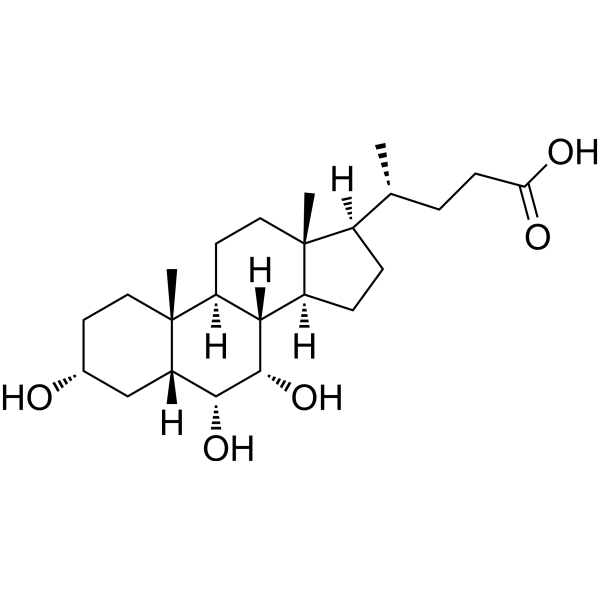
Hyocholic Acid is a bile acid found in pig. Hyocholic Acid can also be found in urine samples from patients with cholestasis. Hyocholic Acid promotes GLP-1 secretion via activating TGR5 and inhibiting FXR in enteroendocrine cells. Hyocholic Acid is known for its exceptional resistance to type 2 diabetes .
|
-
-
- HY-134582
-
dCBP-1
Maximum Cited Publications
11 Publications Verification
|
PROTACs
Epigenetic Reader Domain
|
Cancer
|
|
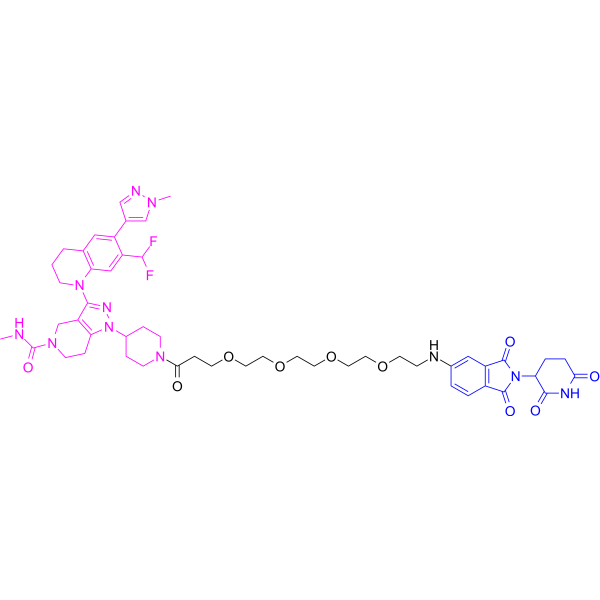
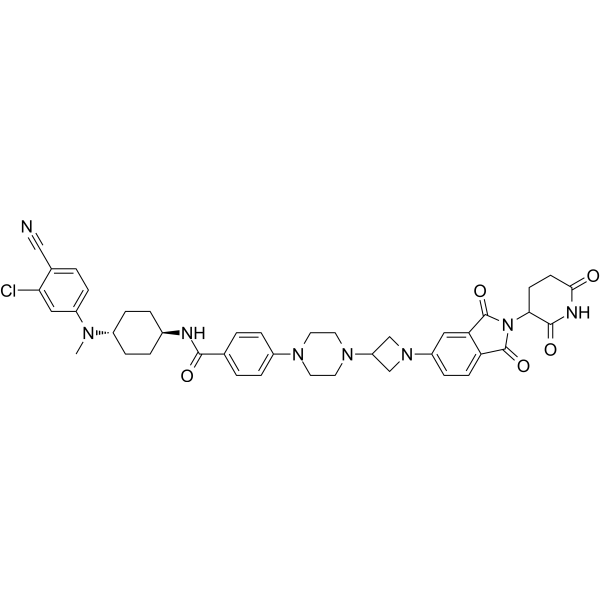
dCBP-1 is a potent and selective heterobifunctional degrader of p300/CBP based on Cereblon ligand. dCBP-1 is exceptionally potent at killing multiple myeloma cells and ablates oncogenic enhancer activity driving MYC expression .
|
-
-
- HY-136977
-
|
|
Histone Methyltransferase
|
Cancer
|
|
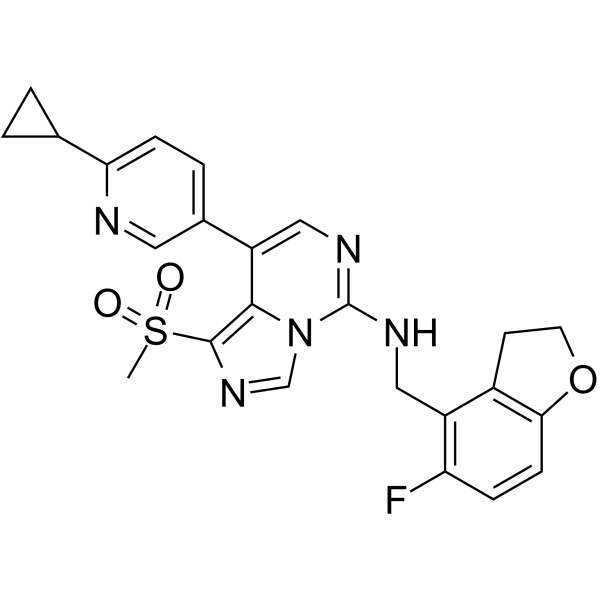
EEDi-5285 is an exceptionally potent and orally active embryonic ectoderm development (EED) inhibitor with an IC50 value of 0.2 nM for binds to the EED protein. EEDi-5285 has anti-cancer activity .
|
-
-
- HY-B1724
-
|
Perfluorooctyl bromide; 1-Bromoperfluorooctane; PFOB
|
RSV
NF-κB
|
Infection
Inflammation/Immunology
|
|
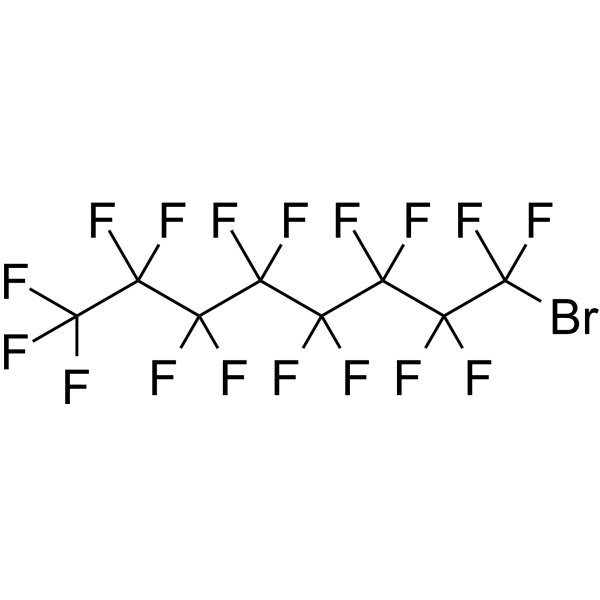
Perflubron (Perfluorooctyl bromide) is a contrast medium for magnetic resonance imaging and sonography. Perflubron inhibits chemokine expression and NF-κB activation. Perflubron can be emulsified with egg phospholipids (EYP) and shows exceptionally fast excretion characteristics. Perflubron has anti-inflammatory, antiviral and cytoprotective effects .
|
-
-
- HY-NP002L
-
|
|
Biochemical Assay Reagents
|
Others
|
|
Canine Serum Albumin is a plasma protein derived from dogs. Canine Serum Albumin exhibits greater flexibility than human serum albumin and bovine serum albumin. Serum albumin is a multifunctional protein with exceptional ligand-binding capacity, which enables it to act as a transport molecule for various metabolites, drugs, nutrients, metals and other molecules .
|
-
-
- HY-13779
-
|
|
Monoamine Oxidase
Dopamine Transporter
|
Neurological Disease
|
|
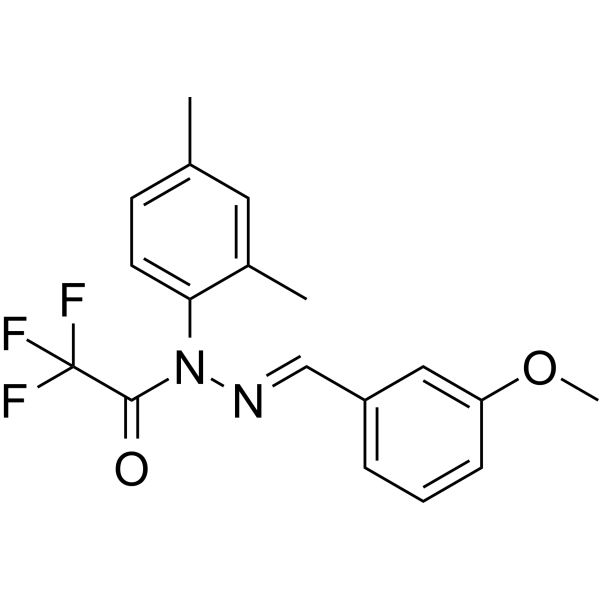
(E/Z)-J147 is an exceptionally potent, orally active, neuroprotective agent for cognitive enhancement. (E/Z)-J147 can readily pass the blood brain barrier (BBB). (E/Z)-J147 can inhibit monoamine oxidase B (MAO B) and the dopamine transporter with EC50 values of 1.88 μM and 0.649 μM, respectively. (E/Z)-J147 has potential for the study of Alzheimer’s disease (AD) .
|
-
-
- HY-112457
-
|
|
MAPKAPK2 (MK2)
|
Inflammation/Immunology
|
|
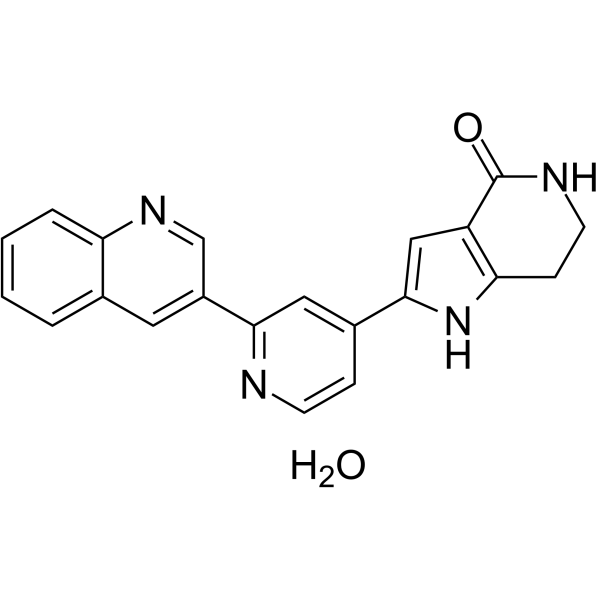
MK2-IN-3 hydrate (compound 16) is an orally active, selective, and ATP-competitive MAPKAP-K2 (MK-2) inhibitor with an IC50 of 8.5 nM.MK2-IN-3 hydrate is exceptional selectivity against MK-3 (IC50=0.21 μM), MK-5 (IC50=0.081 μM), ERK2 (IC50=3.44 μM), MNK1(IC50=5.7 μM) as well as CDK2, JNK2, IKK2, MSK1, and MSK2 .
|
-
-
- HY-D1056E
-
|
LPS, from Pseudomonas aeruginosa (10)
|
Toll-like Receptor (TLR)
|
Inflammation/Immunology
|
Lipopolysaccharides from P. aeruginosa (Pseudomonas aeruginosa) 10 are lipopolysaccharide endotoxins and TLR4 activators derived from Pseudomonas aeruginosa 10, and are classified as S-type LPS. Lipopolysaccharides from P. aeruginosa 10 exhibit a typical three-part structure: O-antigen, core oligosaccharide, and lipid A. The lipopolysaccharides of P. aeruginosa 10 have a fatty acid composition distinct from common enterobacteria, an exceptionally high degree of phosphorylation (triphosphate residues have been detected), and a unique outer region of the core oligosaccharide. Additionally, their O-specific side chains are typically rich in novel aminosugars. Lipopolysaccharides from P. aeruginosa 10 demonstrate susceptibility to viruses, with the level of susceptibility determined by the content of high molecular weight polysaccharides in their composition. The absence of high molecular weight polysaccharides increases their sensitivity to bacteriophages .
It is recommended to prepare a solution with concentration ≥2 mg/mL. Vortex thoroughly for more than 10 minutes. Due to the adsorption characteristics of LPS, silanized container or low adsorption centrifuge tubes should be used for aliquoting and storage, and mix thoroughly before use.
|
-
-
- HY-139436
-
-
-
- HY-13779A
-
|
|
Monoamine Oxidase
Dopamine Transporter
|
Neurological Disease
|
|
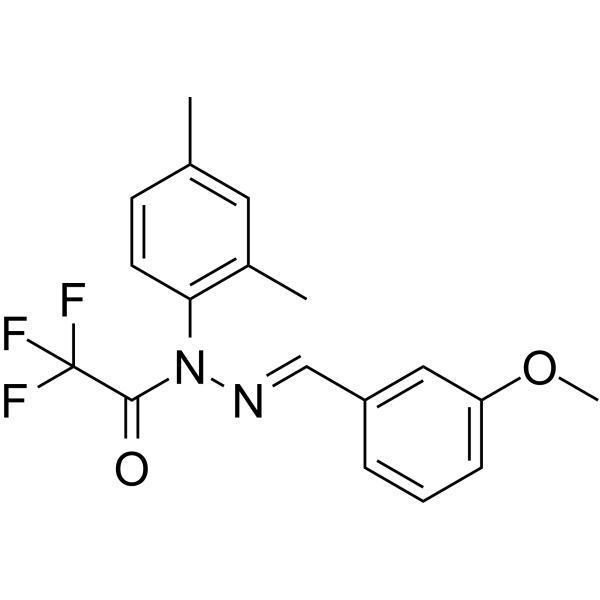
J147 is an exceptionally potent, orally active, neuroprotective agent for cognitive enhancement. J147 can pass the blood brain barrier (BBB). J147 can inhibit monoamine oxidase B (MAO B) and the dopamine transporter. J147 plays an impotant role in Alzheimer’s disease (AD) .
|
-
-
- HY-119964
-
|
|
PPAR
|
Cardiovascular Disease
|
|
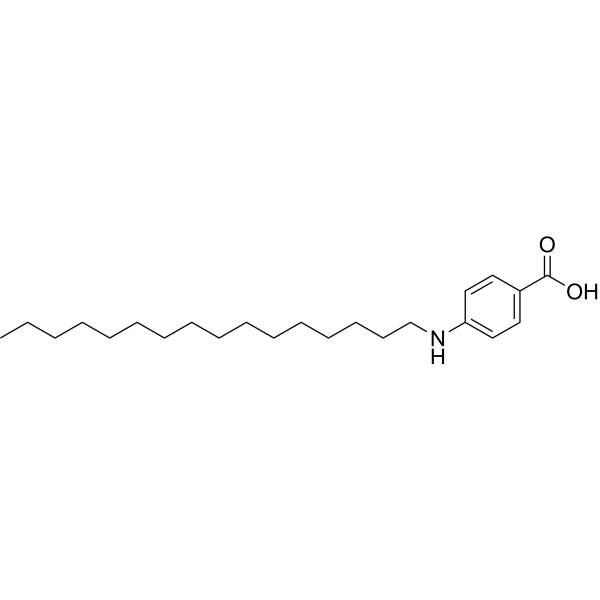
Cetaben is a PPARα-independent peroxisome proliferator. Cetaben is a non-fibrate hypolipidemic agent and potently reduces the concentration of cholesterol and triglycerides .
|
-
-
- HY-15996
-
|
VT-464
|
Cytochrome P450
Androgen Receptor
|
Cancer
|
|
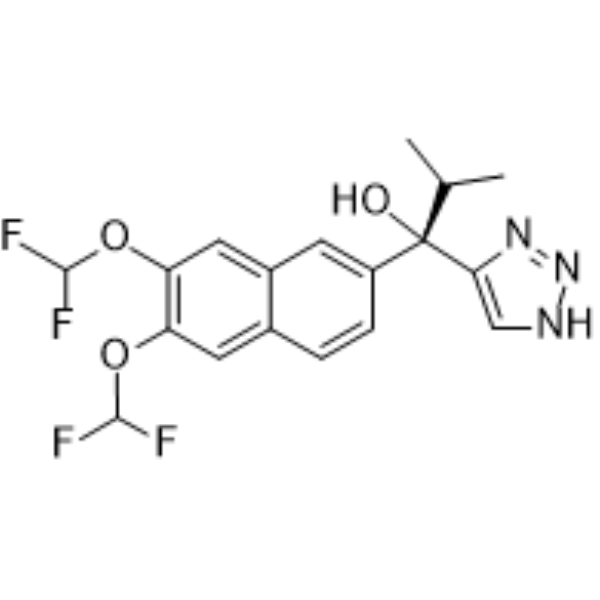
Seviteronel (VT-464) is a potent CYP17 lyase inhibitor(h-Lyase IC50=69 nM) and an AR antagonist. Seviteronel demonstrates both exceptional in vitro lyase/hydroxylase selectivity (~10-fold) and oral activity in a hamster model of androgen biosynthesis inhibition.
|
-
-
- HY-117731
-
|
|
Sigma Receptor
|
Neurological Disease
|
|
UKH-1114 is a selective TMEM97 (a sigma-2 receptor) agonist with a Ki values of 1279 and 46 nM for σ1R and σ2R/TMEM97, respectively. UKH-1114 exhibits exceptional selectivity with negligible affinity for over 50 other receptors and channels. UKH-1114 effectively relieves spared nerve injury (SNI)-induced mechanical hypersensitivity with a long-lasting duration and without motor impairment. UKH-1114 can be used for neuropathic pain research .
|
-
-
- HY-159563
-
|
|
Drug-Linker Conjugates for ADC
|
Cancer
|
|
Mal-va-mac-SN38 is a drug-linker conjugate for ADC. Mal-va-mac-SN38 contains a ADC cytotoxin SN-38 (HY-13704) and a linker (HY-126364). Mal-va-mac-SN38 can rapidly and covalently bind with endogenous albumin in vivo, resulting in the formation of HSA-va-mac-SN38. Mal-va-mac-SN38 demonstrates exceptional stability in human plasma, and has anti-tumor and anti-metastasis effect .
|
-
-
- HY-153847
-
|
|
Biochemical Assay Reagents
|
Others
|
|
RNA Aptamer Mango Ⅱ (sodium) has an exceptionally high affinity to TO1-biotin (a thiazole orange derivative fluorophore), and can be used to visualize RNA expression or localization in live cells. Compared to the original Mango I aptamer, RNA Aptamer Mango Ⅱ (sodium) has markedly improved fluorescent properties, binding affinities, and salt dependencies.
|
-
-
- HY-117507
-
|
|
5-HT Receptor
|
Neurological Disease
|
|
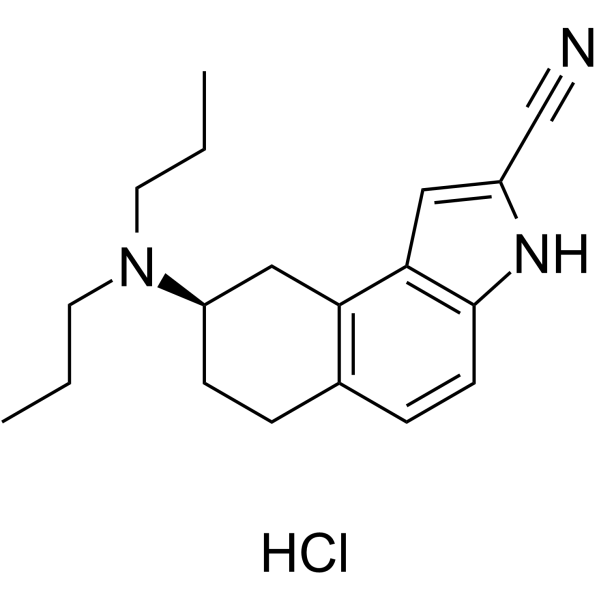
U92016A hydrochloride is a potent, metabolically stable, orally acitive 5-HT1A receptor agonist with an exceptionally high degree of intrinsic activity . U92016A hydrochloride binds with high affinity to human 5-HT1A receptors expressed in Chinese hamster ovary cells (Ki=0.2 nM) .
|
-
-
- HY-157014
-
|
|
Tryptophan Hydroxylase
|
Cancer
|
|
TPT-004 is a selective and oraly active tryptophan hydroxylases (TPH) inhibitor with IC50s of 77 nM and 16 nM for TPH1 and TPH2, repsectively. TPT-004 exhibits exceptional selectivity for TPH1 compared with other members of the AAAH family. TPT-004 shows efficacy peripheral serotonin attenuation and colorectal tumor growth in mice[1][2].
|
-
-
- HY-119698
-
|
SD 8339; N-Benzyl-9-(tetrahydro-2h-pyran-2-yl)adenine
|
Environmental Pollutants
Drug Derivative
|
Others
|
|
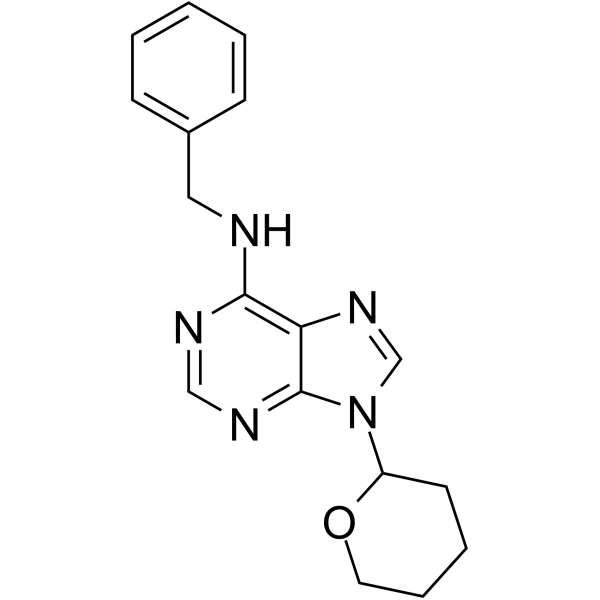
BAP9THP is a synthetic cytokinin derivative and a growth regulator. BAP9THP promotes chlorophyll retention (and senescence delay) in plant tissues exceptionally strongly, and growth of tobacco callus almost as strongly as 6-Benzylaminopurine (BAP). BAP9THP induces adventitious shoot formation ignificantly more strongly than N6-isopentenyladenine or Kinetin .
|
-
-
- HY-101039A
-
|
|
Opioid Receptor
|
Neurological Disease
|
|
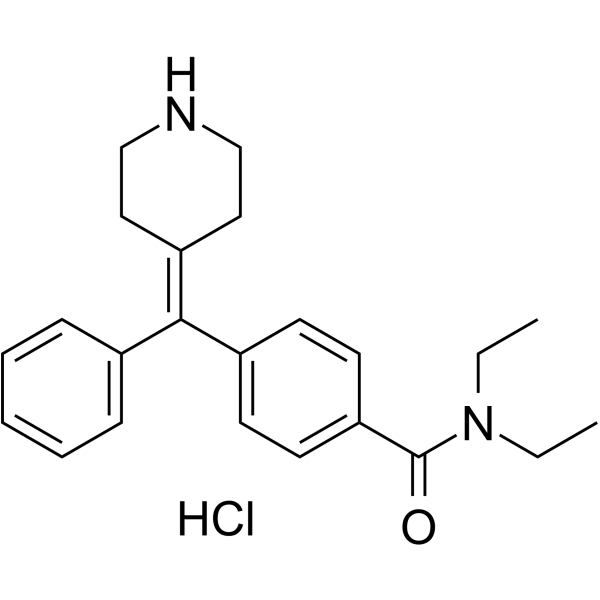
AR-M 1000390 hydrochloride is an exceptionally selective, potent δ opioid receptor agonist with an EC50 of 7.2±0.9 nM for δ agonist potency.
|
-
-
- HY-D1110
-
|
|
Fluorescent Dye
|
Others
|
|
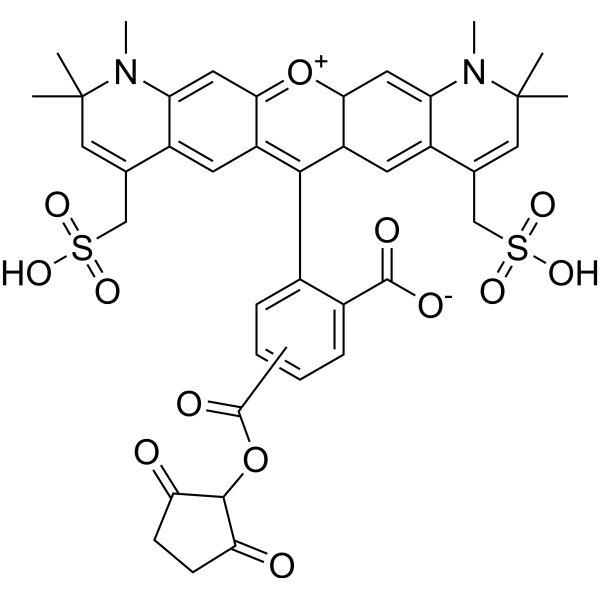
TFAX 594,SE is a red fluorescent dye and exhibits pH-insensitivity over a very broad range (pH in the 4-10). TFAX 594,SE yields exceptionally bright, photostable conjugates with proteins or antibodies (such as goat anti-mouse IgG) .
|
-
-
- HY-D2923
-
|
|
Fluorescent Dye
|
Others
|
|
PA-JF549-Halo ligand is a covalently linked conjugate comprising the photoactivatable fluorescent dye PA-JF549 and a ligand for the HaloTag protein. PA-JF549-Halo ligand exhibts inherent structural properties and predispose it to localize within mitochondria. PA-JF549-Halo ligand combines the exceptional brightness, photostability, and cell permeability of the JF549 dye with photoactivation capabilities and the high specificity characteristic of HaloTag protein labeling technology. PA-JF549-Halo ligand enables high-quality single-molecule imaging and super-resolution imaging of specific proteins within live cells .
|
-
-
- HY-D1113
-
|
|
Fluorescent Dye
|
Others
|
|
TFAX 488,TFP is a green fluorescent dye and exhibits pH-insensitivity over a very broad range (pH in the 4-10). TFAX 488,TFP yields exceptionally bright, photostable conjugates with proteins or antibodies (such as goat anti-mouse IgG, streptavidin) .
|
-
-
- HY-D1114
-
|
|
Fluorescent Dye
|
Others
|
|
TFAX 488,SE dilithium is a green fluorescent dye and exhibits pH-insensitivity over a very broad range (pH in the 4-10). TFAX 488,SE dilithium yields exceptionally bright, photostable conjugates with proteins or antibodies (such as goat anti-mouse IgG, streptavidin) .
|
-
-
- HY-W115309
-
|
5'-DMT-2'-F-ibu-dG
|
Phosphoramidites
Nucleoside Antimetabolite/Analog
|
Others
|
|
DMT-2'-F-iBu-G (5'-DMT-2'-F-ibu-dG) is a modified oligonucleotide. 2'-deoxy-2'-fluoro-modified oligonucleotides shows high nuclease resistant and retained exceptional binding affinity to the RNA targets .
|
-
-
- HY-W096906
-
|
Benz[b]anthracene
|
Biochemical Assay Reagents
Endogenous Metabolite
|
Others
|
|
Naphthacene (Benz[b]anthracene) is a fused polycyclic aromatic compound exhibiting an electron field-effect mobility of approximately 10 cm2/Vs; it is an ethylnylated acene that functions as a conducting polymer, making it suitable for use as a donor material. Its exceptional photoluminescence and quantum yield position naphthacene as a highly promising candidate for the advancement of single crystal electronic materials.
|
-
-
- HY-174404
-
|
|
Topoisomerase
Apoptosis
Bcl-2 Family
|
Cancer
|
|
Topoisomerase II inhibitor 23 is a potent topoisomerase II inhibitor (IC50 = 0.94 μM). Topoisomerase II inhibitor 23 shows high selectivity and exceptional cytotoxic activity in MCF-7, HepG2, and HCT116 cells. Topoisomerase II inhibitor 23 induces cell cycle arrest at the G1 phase, leading to inhibition of cell proliferation. Topoisomerase II inhibitor 2 induces apoptosis by up-regulating the pro-apoptotic Bax level and down-regulating the anti-apoptotic Bcl-2 level.
|
-
-
- HY-101039
-
-
-
- HY-D1111
-
|
AFDye 568 NHS Ester
|
Fluorescent Dye
|
Others
|
|
TFAX 568, SE is an orange fluorescent dye and exhibits pH-insensitivity over a very broad range (pH in the 4-10). TFAX 568, SE yields exceptionally bright, photostable conjugates with proteins or antibodies (such as goat anti-mouse IgG) .
|
-
-
- HY-153851
-
|
|
DNA Alkylator/Crosslinker
|
Others
|
|
RNA Aptamer Peach Ⅱ (sodium) has an exceptionally high affinity to TO3-Biotin (TO3-B, red channel, ex: 637 nm, em: 658 nm), and can be used to visualize RNA expression or localization in live cells.
|
-
-
- HY-B1724R
-
|
Perfluorooctyl bromide (Standard); 1-Bromoperfluorooctane (Standard); PFOB (Standard)
|
RSV
NF-κB
Reference Standards
|
Metabolic Disease
Cancer
|
|
Perflubron (Standard) is the analytical standard of Perflubron. This product is intended for research and analytical applications. Perflubron (Perfluorooctyl bromide) is a contrast medium for magnetic resonance imaging and sonography. Perflubron can be emulsified with egg phospholipids (EYP) and shows exceptionally fast excretion characteristics .
|
-
-
- HY-167864
-
|
|
TGF-β Receptor
|
Cancer
|
|
M4K2308 is a selective ether-linked inhibitor of ALK2 with an IC50 of 2 nM. M4K2308 exhibits exceptional selectivity for ALK2 over ALK5 (IC50 of 224 nM). M4K2308 has the potential for the study of diffuse intrinsic pontine glioma (DIPG) research .
|
-
-
- HY-D2730
-
|
|
Bacterial
|
Infection
|
|
N14G-Fe, the Fe 3+-chelated form of N14G, identifies Mtb in sputum samples with tuberculosis, exhibiting exceptional fluorescence. N14G-Fe can effectively traverse the cell wall and inner membrane region where IrtAB is located .
|
-
-
- HY-121238R
-
|
|
G protein-coupled Bile Acid Receptor 1
FXR
Reference Standards
Others
|
Metabolic Disease
|
|
Hyocholic Acid (Standard) is the analytical standard of Hyocholic Acid. This product is intended for research and analytical applications. Hyocholic Acid is a bile acid found in pig. Hyocholic Acid can also be found in urine samples from patients with cholestasis. Hyocholic Acid promotes GLP-1 secretion via activating TGR5 and inhibiting FXR in enteroendocrine cells. Hyocholic Acid is known for its exceptional resistance to type 2 diabetes [1][2][3].
|
-
-
- HY-164283
-
|
2-((2,3-Bis(oleoyloxy)propyl)dimethylammonio)ethyl hydrogen phosphate
|
Endogenous Metabolite
|
Others
|
|
DOCP (2-((2,3-Bis(oleoyloxy)propyl)dimethylammonio)ethyl hydrogen phosphate), characterized by their inverted charge orientation compared to traditional phosphocholine (PC) lipids, feature a quaternary amine positioned near the bilayer interface and a phosphate group that protrudes into the aqueous environment. This unique configuration of iPC lipids provides an exceptional opportunity to explore the biophysical properties and bioactivity implications resulting from the charge inversion at the bilayer surface.
|
-
-
- HY-132291
-
|
|
HIV
|
Infection
|
|
HIV-1 inhibitor-8 is an orally active, low-toxicity and potent HIV‑1 non-nucleoside reverse transcriptase inhibitor (NNRTI). HIV-1 inhibitor-8 yields exceptionally potent antiviral activities (EC50=4.44~54.5 nM) against various HIV‑1 strains. The IC50 of HIV-1 inhibitor-8 against WT HIV-1 reverse transcriptase is 0.081 μM .
|
-
-
- HY-106963
-
|
LGD1550
|
RAR/RXR
|
Cancer
|
|
ALRT1550 (LGD1550) is a selective retinoic acid receptor (RAR) agonist that binds RARs with exceptional potency, with Kd values of approximately 1-4 nM. ALRT1550 exhibits anti-proliferative activity, with an IC50 value of 0.22 nM in UMSCC-22B squamous carcinoma cells. In a mouse tumor xenograft model, ALRT1550 inhibited tumor growth in a dose-dependent manner, achieving a maximum inhibition rate of 89%. ALRT1550 is applicable for research in the field of cancer .
|
-
-
- HY-W800832
-
|
|
Fluorescent Dye
|
Others
|
|
MB 660R DBCO is a bright and photostable far-red dye that emits fluorescence at about 685 nm in the borderline spectral region between far-red and near-IR. Although the absorption maximum is at around 665 nm, this dye can be sufficiently excited by the 633 or 635 nm laser. MB 660R DBCO is water soluble and pH-insensitive from pH 4 to pH 10. MB 660R DBCO is a rhodamine-based dye, and like rhodamine dyes in general, it is very bright and exceptionally photostable.
|
-
-
- HY-W800831
-
|
|
Fluorescent Dye
|
Others
|
|
Tetra-sulfo-Cy7 DBCO is a bright and photostable near-IR probe. The Cy7 DBCO is water-soluble, hydrophilic dye often a reagent of choice for assay where minimal non-specific binding and exceptional brightness is required. The fluorescence of Cy7 DBCO is pH insensitive from pH 4 to pH 10 and produces minimal autofluorescence of biological specimens in this region of the spectrum. Fluorescence of this long-wavelength Cyanine dye is not visible to the human eye but is readily detected by most imaging systems.
|
-
-
- HY-W800838
-
|
|
Fluorescent Dye
|
Cancer
|
|
BP Fluor 488 Tetrazine is a bright, green-fluorescent probe used for detection TCO-tagged biopolymers. BP Fluor 488 Tetrazine demonstrates exceptionally fast cycloaddition kinetics (up to 30 000 M-1 s-1) with trans-cyclooctenes (TCO) as the dienophile, the fastest kinetics ever reported for any bioorthogonal reaction. In applications such as in vivo cancer imaging or pre?targeted cell labeling studies where rapid reaction kinetics is a must BP Fluor 488 Tetrazine probe would of great value.
|
-
-
- HY-173123
-
|
|
Histone Demethylase
Apoptosis
|
Cancer
|
|
LSD1-IN-40 (Compound 9e) is a potent LSD1 inhibitor, with an IC50 of 9.85 nM. LSD1-IN-40 exhibits exceptional selectivity for LSD1 over both MAOs and hERG. LSD1-IN-40 exhibits significant inhibitory activity against leukemia cells (MV-4-11, HL-60, and THP-1 cells). LSD1-IN-40 can induce apoptosis in MV-4-11 cells. LSD1-IN-40 has the potential for the research of acute myeloid leukemia .
|
-
-
- HY-D2773
-
|
|
Fluorescent Dye
|
Others
|
|
5-Carboxyrhodamine 110 NHS Ester is the nonsulfonated analog of the BP Fluor 488 dye. The amine-reactive 5(6)-Carboxyrhodamine 110 NHS Ester can be used to create bright and photostable green-fluorescent bioconjugates with excitation/emission maxima ~502/527 nm. For many applications, the dye is preferred over 5-(6)-carboxyfluorescein NHS ester or FITC because of its exceptional photostability and fluorescence insensitivity to pH (4-9).
Although the mixed isomers of Carboxyrhodamine 110 NHS Ester preferred, routinely used fluorescent dye for labeling proteins, peptides and nucleotides, purification of peptide and nucleotides labeled with 5(6) isomers might be troublesome due to significant signal broadening in HPLC purification. Peptides and nucleotides labeled with a single isomer usually give better resolution in HPLC purification that is often required in the conjugation processes.
|
-
-
- HY-151833
-
|
|
ADC Linker
|
Others
|
|
Methyltetrazine-amido-N-bis(PEG4-acid) is a click chemistry reagent containing an azide group. Methyltetrazine-amido-N-bis(PEG4-acid) is a PEG derivative that contains a methyltetrazine group and two acid groups. This reagent can react with TCO-containing compounds to form a stable covalent bond without the catalysis of Cu or elevated temperatures. The inverse-electron demand Diels-Alder cycloaddition reaction of TCO with tetrazines is the fastest bioorthogonal reaction with exceptional selectivity. The terminal carboxylic acid can react with primary amine groups in the presence of activators (e.g. EDC, or HATU) to form a stable amide bond. PEG linker increases the water solubility of the compound. Reagent grade, for research use only . Methyltetrazine-amido-N-bis(PEG4-acid) is a click chemistry reagent, it contains a Tetrazine group that can undergo an inverse electron demand Diels-Alder reaction (iEDDA) with molecules containing TCO groups.
|
-
-
- HY-179297
-
|
|
Fungal
|
Infection
|
|
FM-678 is a fungicidal agent. FM-678 demonstrates exceptional efficacy against P. pachyrhizi with an EC50 of 0.14 mg/L .
|
-
-
- HY-N18722
-
|
|
Others
|
Inflammation/Immunology
|
|
Cherry, sour, ext. is a natural compound procured exclusively from the tangy and zestful extremities of cherries. These botanical derivatives exhibit an exceptional abundance of antioxidative natural compounds.
|
-
-
- HY-172150
-
|
|
Biochemical Assay Reagents
|
Cancer
|
|
XH02 is a compound based on L6 modification. XH02 ( 177Lu labeled) displays exceptional tumor growth inhibition in BxPC-3 tumors .
|
-
-
- HY-181047
-
|
|
Dopamine Receptor
|
Neurological Disease
|
|
FMJ-01-042 is a blood-brain barrier-permeable, low-efficacy partial agonist with high affinity (Kᵢ = 4.33 nM) and exceptional subtype selectivity for the dopamine D4 receptor. FMJ-01-042 exhibits good metabolic stability and is suitable for research on neurological and psychiatric disorders .
|
-
-
- HY-182417
-
|
|
Bacterial
Topoisomerase
|
Infection
|
|
PD 0305970 is an orally active bacterial gyrase and topoisomerase inhibitor. PD 0305970 shows exceptional activity against gram-positive and fastidious organisms and more modest activity against gram-negative species. PD 0305970 shows low spontaneous resistance frequencies. PD 0305970 shows antibacterial efficacy in murine streptococcal sepsis and pneumococcal pneumonia models. PD 0305970 can be used for the research of bacterial infection .
|
-
-
- HY-16622B
-
|
|
Endogenous Metabolite
|
Endocrinology
|
|
GSK 1842799 hydrochloride is a selective S1P1 receptor agonist with potent agonist activity and exceptional selectivity over S1P3. GSK 1842799 hydrochloride demonstrates good oral bioavailability and rapid conversion to its active phosphorylated form. GSK 1842799 hydrochloride significantly reduces blood lymphocyte counts in vivo following oral administration. GSK 1842799 hydrochloride has shown efficacy comparable to FTY720 in the mouse EAE model of multiple sclerosis.
|
-
-
- HY-W800708
-
|
|
Biochemical Assay Reagents
|
Others
|
|
N-(TCO)-N-bis(PEG4-acid) is a branched click chemistry reagent with a terminal TCO group and two terminal carboxylic acids. This reagent can react with tetrazine-containing molecule to form a stable covalent bond . The inverse-electron demand Diels-Alder cycloaddition reaction of TCO with tetrazines is the fastest bioorthogonal reaction with exceptional selectivity. The terminal carboxylic acids can react with primary amino groups in the presence of activators (e.g. EDC, HATU ).
|
-
-
- HY-119698R
-
|
SD 8339 (Standard); N-Benzyl-9-(tetrahydro-2h-pyran-2-yl)adenine (Standard)
|
Drug Derivative
Reference Standards
|
Others
|
|
BAP9THP (Standard) is the analytical standard of BAP9THP. This product is intended for research and analytical applications. BAP9THP is a synthetic cytokinin derivative and a growth regulator. BAP9THP promotes chlorophyll retention (and senescence delay) in plant tissues exceptionally strongly, and growth of tobacco callus almost as strongly as 6-Benzylaminopurine (BAP). BAP9THP induces adventitious shoot formation ignificantly more strongly than N6-isopentenyladenine or Kinetin .
|
-
- HY-W800721
-
|
|
Biochemical Assay Reagents
|
Others
|
|
Methyltetrazine-amido-bis-(carboxyethoxymethyl)-methane is a click chemistry PEG reagent which contains three carboxylic acid groups and a methyltetrazine group. This reagent can react with TCO-containing compounds to form a stable covalent bond without the catalysis of Cu or elevated temperatures. The inverse-electron demand Diels-Alder cycloaddition reaction of TCO with tetrazines is the fastest bioorthogonal reaction with exceptional selectivity. The terminal carboxylic acid can react with primary amine groups in the presence of activators (e.g. EDC, or HATU) to form a stable amide bond.
|
-
- HY-W800718
-
|
|
Biochemical Assay Reagents
|
Others
|
|
Methyltetrazine-amido-Tri-(acid-PEG1-ethoxymethyl)-methane is a click chemistry PEG reagent which contains three carboxylic acid groups and a methyltetrazine group. This reagent can react with TCO-containing compounds to form a stable covalent bond without the catalysis of Cu or elevated temperatures. The inverse-electron demand Diels-Alder cycloaddition reaction of TCO with tetrazines is the fastest bioorthogonal reaction with exceptional selectivity. The terminal carboxylic acid can react with primary amine groups in the presence of activators (e.g. EDC, or HATU) to form a stable amide bond.
|
-
- HY-180524
-
|
|
HBV
|
Infection
|
|
CAB7-3 is an orally active HBV capsid assembly modulator (CAM). CAB7-3 exhibits an exceptional antiviral efficacy reducing HBV DNA with an EC50 = 70 nM, CC50 = 32.3 μM in HepDES19 cells. CAB7-3 exhibits significant anti-HBV activity in HBV-integrated HepDES19 (EC50 = 70 nM), HepAD38 (EC50 = 1 nM) and HBV-infected HLCZ01 cells (EC50 = 2 nM), respectively. CAB7-3 effectively reduces Hepatic HBV core protein levels and suppresses viral replication in vivo. CAB7-3 demonstrates a favorable drug-like and safety profile. CAB7-3 can be used for Hepatitis B Virus (HBV) research .
|
-
- HY-170924
-
|
|
Microtubule/Tubulin
Apoptosis
Mitosis
|
Cancer
|
|
Tubulin polymerization-IN-76 (compound 20b) is a potent and orally active Tubulin polymerization inhibitor. Tubulin polymerization-IN-76 inhibits Tubulin polymerization with an IC50 of 2.505 μM by acting on the colchicine binding site, thereby disrupting intracellular Microtubule networks and interfering with cell mitosis. Tubulin polymerization-IN-76 demonstrates exceptional efficacy against MGC-803 and HGC-27 cells with IC50s of 1.61 and 1.82 nM, respectively. Tubulin polymerization-IN-76 effectively inhibits the colony formation and cell migration activities, and induces G2/M phase cycle arrest and Apoptosis in MGC-803 and HGC-27 cells.Tubulin polymerization-IN-76 shows a broad-spectrum antiproliferative activity .
|
-
- HY-179485
-
|
|
EGFR
VEGFR
COX
Caspase
Apoptosis
Bcl-2 Family
|
Cancer
|
|
EGFR/VEGFR2-IN-10 is a selective EGFR, VEGFR2 and COX2 inhibitor with IC50s of 8.5, 68 and 158 nM, respectively. EGFR/VEGFR2-IN-10 induces G1-phase cell cycle arrest in MCF-7 cells. EGFR/VEGFR2-IN-10 increases the Bax/Bcl-2 ratio, upregulates caspase-8, and elevates caspase-9 protein levels, confirming activation of the intrinsic apoptotic pathway. EGFR/VEGFR2-IN-10 demonstrates exceptional therapeutic potential by simultaneously inhibiting tumor proliferation, angiogenesis, and inflammation pathways while maintaining a favorable selectivity profile. EGFR/VEGFR2-IN-10 can be used as a research tool for cervical, liver, colon, and breast cancer studies .
|
-
-
-
HY-L0093V
-
|
|
10,119 compounds
|
|
Diversity-based screening continues to be a vital tool for drug discovery. Efficiency and productivity can be improved by using screening libraries that offer maximum diversity whilst retaining drug-like properties. Chemspace Scaffold derived set composes 10,119 compounds, which including 3,373 scaffolds, 3 compounds per each. This library has exceptional coverage of drug-like chemical space.
|
-
-
HY-L901
-
|
|
50,000 compounds
|
|
MCE 50K Diversity Library consists of 50,000 lead-like compounds with multiple characteristics such as calculated good solubility (-3.2 < logP < 5), oral bioavailability (RotB <= 10), drug transportability (PSA < 120). These compounds were selected by dissimilarity search with an average Tanimoto Coefficient of 0.52. There are 36,857 unique scaffolds and each scaffold 1 to 7 compounds. What’s more, compounds with the same scaffold have as many functional groups as possible, which make abundant chemical spaces. This exceptionally diverse library is highly recommended for random screening against new as well as popular targets based its novel, diverse scaffolds, abundant chemical spaces and the convenience for subsequent modification.
|
| Cat. No. |
Product Name |
Type |
-
- HY-D1110
-
|
|
Fluorescent Dye
|
|
TFAX 594,SE is a red fluorescent dye and exhibits pH-insensitivity over a very broad range (pH in the 4-10). TFAX 594,SE yields exceptionally bright, photostable conjugates with proteins or antibodies (such as goat anti-mouse IgG) .
|
-
- HY-D2923
-
|
|
Fluorescent Dye
|
|
PA-JF549-Halo ligand is a covalently linked conjugate comprising the photoactivatable fluorescent dye PA-JF549 and a ligand for the HaloTag protein. PA-JF549-Halo ligand exhibts inherent structural properties and predispose it to localize within mitochondria. PA-JF549-Halo ligand combines the exceptional brightness, photostability, and cell permeability of the JF549 dye with photoactivation capabilities and the high specificity characteristic of HaloTag protein labeling technology. PA-JF549-Halo ligand enables high-quality single-molecule imaging and super-resolution imaging of specific proteins within live cells .
|
-
- HY-D1113
-
|
|
Fluorescent Dye
|
|
TFAX 488,TFP is a green fluorescent dye and exhibits pH-insensitivity over a very broad range (pH in the 4-10). TFAX 488,TFP yields exceptionally bright, photostable conjugates with proteins or antibodies (such as goat anti-mouse IgG, streptavidin) .
|
-
- HY-D1114
-
|
|
Fluorescent Dye
|
|
TFAX 488,SE dilithium is a green fluorescent dye and exhibits pH-insensitivity over a very broad range (pH in the 4-10). TFAX 488,SE dilithium yields exceptionally bright, photostable conjugates with proteins or antibodies (such as goat anti-mouse IgG, streptavidin) .
|
-
- HY-D1111
-
|
AFDye 568 NHS Ester
|
Fluorescent Dye
|
|
TFAX 568, SE is an orange fluorescent dye and exhibits pH-insensitivity over a very broad range (pH in the 4-10). TFAX 568, SE yields exceptionally bright, photostable conjugates with proteins or antibodies (such as goat anti-mouse IgG) .
|
-
- HY-D2730
-
|
|
Fluorescent Dye
|
|
N14G-Fe, the Fe 3+-chelated form of N14G, identifies Mtb in sputum samples with tuberculosis, exhibiting exceptional fluorescence. N14G-Fe can effectively traverse the cell wall and inner membrane region where IrtAB is located .
|
-
- HY-W800831
-
|
|
Fluorescent Dye
|
|
Tetra-sulfo-Cy7 DBCO is a bright and photostable near-IR probe. The Cy7 DBCO is water-soluble, hydrophilic dye often a reagent of choice for assay where minimal non-specific binding and exceptional brightness is required. The fluorescence of Cy7 DBCO is pH insensitive from pH 4 to pH 10 and produces minimal autofluorescence of biological specimens in this region of the spectrum. Fluorescence of this long-wavelength Cyanine dye is not visible to the human eye but is readily detected by most imaging systems.
|
-
- HY-W800838
-
|
|
Fluorescent Dye
|
|
BP Fluor 488 Tetrazine is a bright, green-fluorescent probe used for detection TCO-tagged biopolymers. BP Fluor 488 Tetrazine demonstrates exceptionally fast cycloaddition kinetics (up to 30 000 M-1 s-1) with trans-cyclooctenes (TCO) as the dienophile, the fastest kinetics ever reported for any bioorthogonal reaction. In applications such as in vivo cancer imaging or pre?targeted cell labeling studies where rapid reaction kinetics is a must BP Fluor 488 Tetrazine probe would of great value.
|
-
- HY-D2773
-
|
|
Fluorescent Dye
|
|
5-Carboxyrhodamine 110 NHS Ester is the nonsulfonated analog of the BP Fluor 488 dye. The amine-reactive 5(6)-Carboxyrhodamine 110 NHS Ester can be used to create bright and photostable green-fluorescent bioconjugates with excitation/emission maxima ~502/527 nm. For many applications, the dye is preferred over 5-(6)-carboxyfluorescein NHS ester or FITC because of its exceptional photostability and fluorescence insensitivity to pH (4-9).
Although the mixed isomers of Carboxyrhodamine 110 NHS Ester preferred, routinely used fluorescent dye for labeling proteins, peptides and nucleotides, purification of peptide and nucleotides labeled with 5(6) isomers might be troublesome due to significant signal broadening in HPLC purification. Peptides and nucleotides labeled with a single isomer usually give better resolution in HPLC purification that is often required in the conjugation processes.
|
| Cat. No. |
Product Name |
Type |
-
- HY-NP002L
-
|
|
Biochemical Assay Reagents
|
|
Canine Serum Albumin is a plasma protein derived from dogs. Canine Serum Albumin exhibits greater flexibility than human serum albumin and bovine serum albumin. Serum albumin is a multifunctional protein with exceptional ligand-binding capacity, which enables it to act as a transport molecule for various metabolites, drugs, nutrients, metals and other molecules .
|
-
- HY-D1056E
-
|
LPS, from Pseudomonas aeruginosa (10)
|
Biochemical Assay Reagents
|
Lipopolysaccharides from P. aeruginosa (Pseudomonas aeruginosa) 10 are lipopolysaccharide endotoxins and TLR4 activators derived from Pseudomonas aeruginosa 10, and are classified as S-type LPS. Lipopolysaccharides from P. aeruginosa 10 exhibit a typical three-part structure: O-antigen, core oligosaccharide, and lipid A. The lipopolysaccharides of P. aeruginosa 10 have a fatty acid composition distinct from common enterobacteria, an exceptionally high degree of phosphorylation (triphosphate residues have been detected), and a unique outer region of the core oligosaccharide. Additionally, their O-specific side chains are typically rich in novel aminosugars. Lipopolysaccharides from P. aeruginosa 10 demonstrate susceptibility to viruses, with the level of susceptibility determined by the content of high molecular weight polysaccharides in their composition. The absence of high molecular weight polysaccharides increases their sensitivity to bacteriophages .
It is recommended to prepare a solution with concentration ≥2 mg/mL. Vortex thoroughly for more than 10 minutes. Due to the adsorption characteristics of LPS, silanized container or low adsorption centrifuge tubes should be used for aliquoting and storage, and mix thoroughly before use.
|
| Cat. No. |
Product Name |
Category |
Target |
Chemical Structure |
| Cat. No. |
Product Name |
|
Classification |
-
- HY-151833
-
|
|
|
Tetrazine
|
|
Methyltetrazine-amido-N-bis(PEG4-acid) is a click chemistry reagent containing an azide group. Methyltetrazine-amido-N-bis(PEG4-acid) is a PEG derivative that contains a methyltetrazine group and two acid groups. This reagent can react with TCO-containing compounds to form a stable covalent bond without the catalysis of Cu or elevated temperatures. The inverse-electron demand Diels-Alder cycloaddition reaction of TCO with tetrazines is the fastest bioorthogonal reaction with exceptional selectivity. The terminal carboxylic acid can react with primary amine groups in the presence of activators (e.g. EDC, or HATU) to form a stable amide bond. PEG linker increases the water solubility of the compound. Reagent grade, for research use only . Methyltetrazine-amido-N-bis(PEG4-acid) is a click chemistry reagent, it contains a Tetrazine group that can undergo an inverse electron demand Diels-Alder reaction (iEDDA) with molecules containing TCO groups.
|
| Cat. No. |
Product Name |
|
Classification |
-
- HY-153847
-
|
|
|
Aptamers
|
|
RNA Aptamer Mango Ⅱ (sodium) has an exceptionally high affinity to TO1-biotin (a thiazole orange derivative fluorophore), and can be used to visualize RNA expression or localization in live cells. Compared to the original Mango I aptamer, RNA Aptamer Mango Ⅱ (sodium) has markedly improved fluorescent properties, binding affinities, and salt dependencies.
|
-
- HY-153846
-
|
|
|
Aptamers
|
|
RNA Aptamer Mango Ⅰ (sodium) consists of 39 nucleotides and has an exceptionally high affinity to TO1-biotin (a thiazole orange derivative fluorophore). RNA Aptamer Mango Ⅰ (sodium) can be used to visualize RNA expression or localization in live cells.
|
-
- HY-W115309
-
|
5'-DMT-2'-F-ibu-dG
|
|
Phosphoramidites
Guanine
|
|
DMT-2'-F-iBu-G (5'-DMT-2'-F-ibu-dG) is a modified oligonucleotide. 2'-deoxy-2'-fluoro-modified oligonucleotides shows high nuclease resistant and retained exceptional binding affinity to the RNA targets .
|
-
- HY-153850
-
|
|
|
Aptamers
|
|
RNA Aptamer Peach Ⅰ (sodium) has an exceptionally high affinity to TO3-Biotin (TO3-B, red channel, ex: 637 nm, em: 658 nm), and can be used to visualize RNA expression or localization in live cells.
|
-
- HY-153851
-
|
|
|
Aptamers
|
|
RNA Aptamer Peach Ⅱ (sodium) has an exceptionally high affinity to TO3-Biotin (TO3-B, red channel, ex: 637 nm, em: 658 nm), and can be used to visualize RNA expression or localization in live cells.
|
-
- HY-153848
-
|
|
|
Aptamers
|
|
RNA Aptamer Mango Ⅳ (sodium) has an exceptionally high affinity to TO1-biotin (a thiazole orange derivative fluorophore), and can be used to visualize RNA expression or localization in live cells. Compared to the original Mango I aptamer, RNA Aptamer Mango Ⅳ has markedly improved fluorescent properties, binding affinities, and salt dependencies.
|
-
- HY-153849
-
|
|
|
Aptamers
|
|
RNA Aptamer Mango Ⅲ (sodium) has an exceptionally high affinity to TO1-biotin (a thiazole orange derivative fluorophore), and can be used to visualize RNA expression or localization in live cells. Compared to the original Mango I aptamer, RNA Aptamer Mango Ⅲ has markedly improved fluorescent properties, binding affinities, and salt dependencies.
|
Your information is safe with us. * Required Fields.
Inquiry Information
- Product Name:
- Cat. No.:
- Quantity:
- MCE Japan Authorized Agent:

