
252 Results for "

flavonoid compound

" in MedChemExpress (MCE) Product Catalog:
Products (252)

252 Results for "flavonoid compound" in MCE Product Catalog:

20
20 Publications Verification
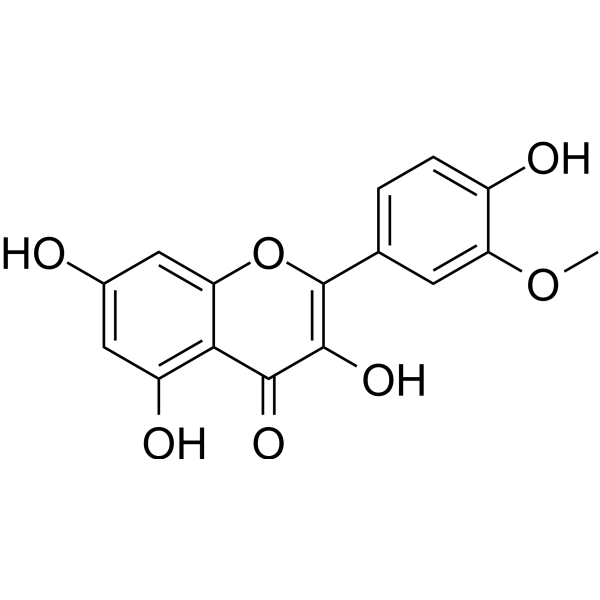
Cat. No.: HY-N0776
CAS No.: 480-19-3
Synonyms: 3'-Methylquercetin
Isorhamnetin is a flavonoid compound extracted from the Chinese herb Hippophae rhamnoides L.. Isorhamnetin suppresses skin cancer through direct inhibition of MEK1 and PI3K.
loading...
    loading...
20
20 Publications Verification
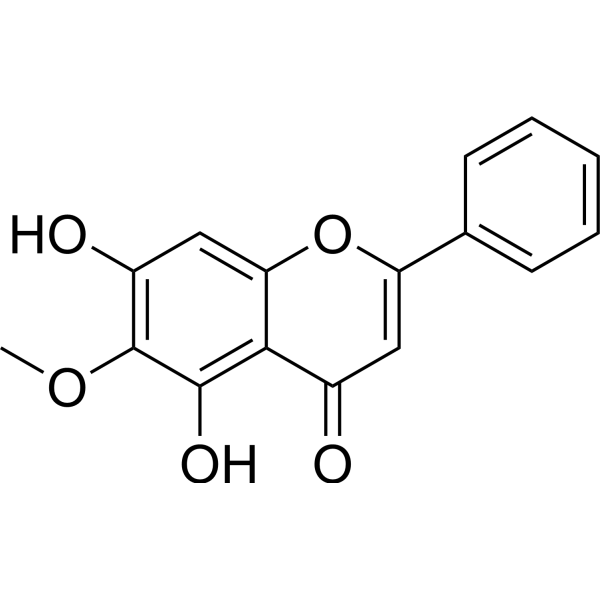
Cat. No.: HY-N0560
CAS No.: 480-11-5
Synonyms: Baicalein 6-methyl ether; 6-Methoxybaicalein
Oroxylin A is an active flavonoid compound with strong anti-cancer effects. Oroxylin A inhibits the IL-6/STAT3 pathway and NF-κB signaling, inhibits cell proliferation and induces apoptosis. Oroxylin A inhibits colitis-related carcinogenesis .
loading...
    loading...
15
15 Cited Publications
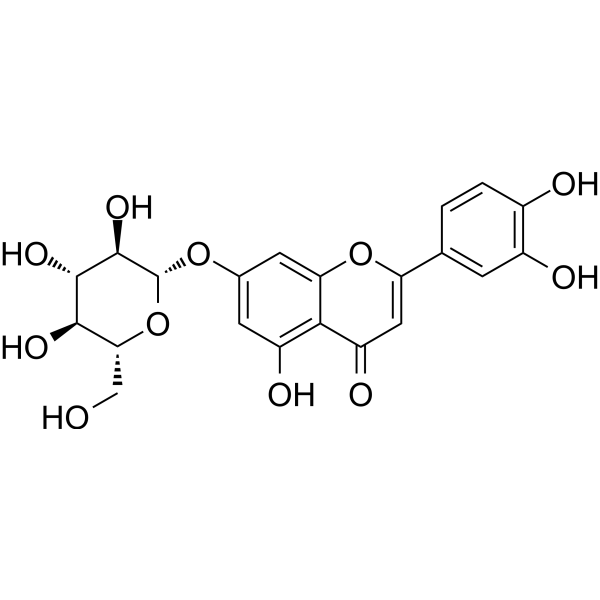
Cat. No.: HY-N0540
CAS No.: 5373-11-5
Synonyms: Luteolin 7-glucoside; Luteolin 7-O-β-D-glucoside
Cynaroside (Luteolin 7-glucoside) is a flavonoid compound that exhibits anti-oxidative capabilities. Cynaroside is also a potent influenza RNA-dependent RNA polymerase inhibitor with an IC50 of 32 nM. Cynaroside also is a promising inhibitor for H2O2-induced apoptosis, has cytoprotection against oxidative stress-induced cardiovascular diseases. Cynaroside also has antibacterial, antifungal and anticancer activities, antioxidant and anti-inflammatory activities .
loading...
    loading...
14
14 Cited Publications
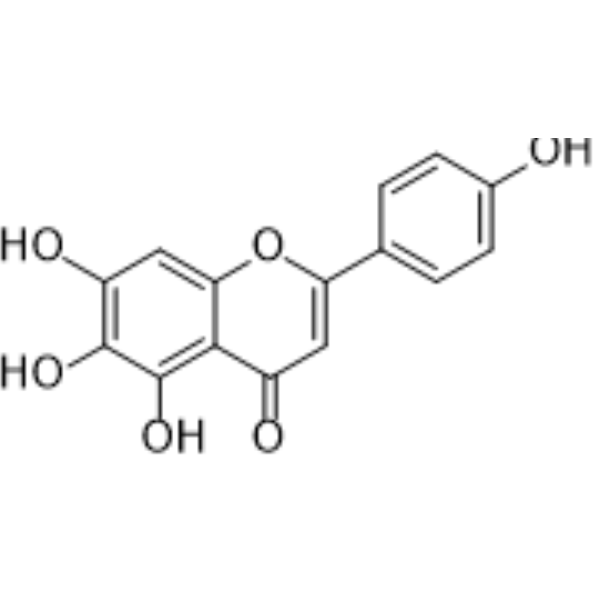
Cat. No.: HY-N0752
CAS No.: 529-53-3
Synonyms: 6-Hydroxyapigenin; 4',5,6,7-Tetrahydroxyflavone
Scutellarein is a natural flavonoid compound with anti-inflammatory effects.
loading...
    loading...
11
11 Cited Publications
Cat. No.: HY-N0116
CAS No.: 517-28-2
Synonyms: Natural Black 1; Haematoxylin
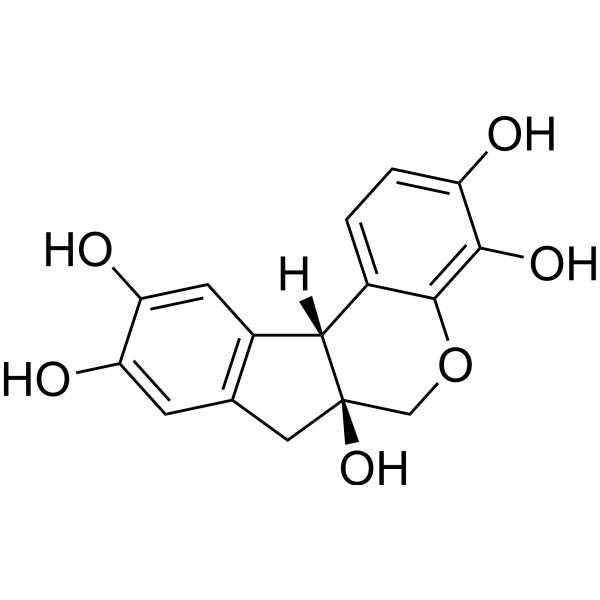
Hematoxylin (Natural Black 1), a naturally occurring flavonoid compound derived from Caesalpinia sappan Linn.. Hematoxylin is a nuclear stain in histology and is also a potent Aβ42 fibrillogenesis inhibitor with an IC50 of 1.6 μM.
loading...
    loading...
9
9 Cited Publications
Cat. No.: HY-N0509
CAS No.: 29838-67-3
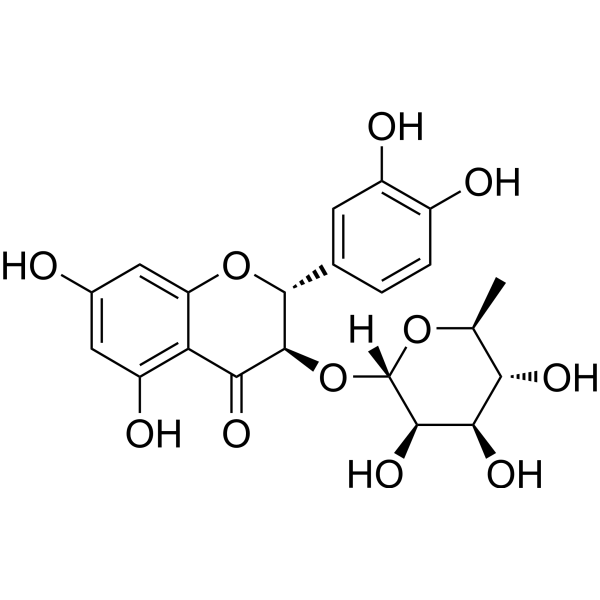
Astilbin is a flavonoid compound and enhances NRF2 activation. Astilbin also suppresses TNF-α expression and NF-κB activation.
loading...
    loading...
9
9 Cited Publications
Cat. No.: HY-N0101
CAS No.: 13241-33-3
Synonyms: Hesperetin 7-O-neohesperidoside
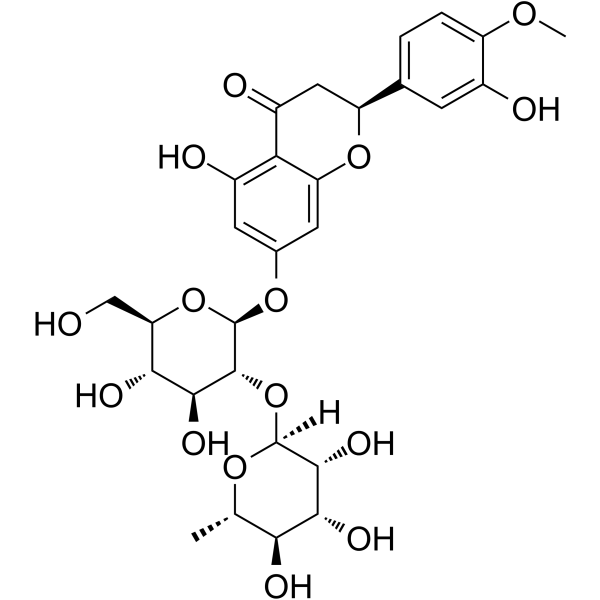
Neohesperidin is a flavonoid compound abundant in citrus plants with antioxidant and anti-inflammatory effects. Neohesperidin can upregulate the Wnt/β-catenin signaling pathway, enhance the nuclear translocation of β-catenin and the differentiation of bone marrow stromal cells .
loading...
    loading...
5
5 Cited Publications
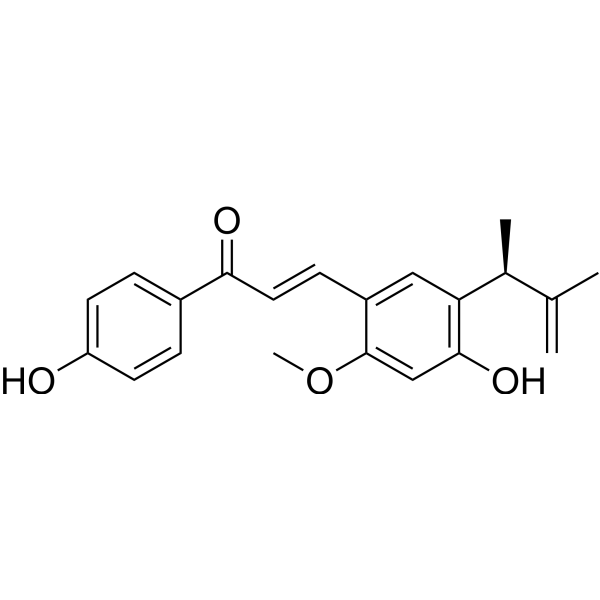
Cat. No.: HY-N4187
CAS No.: 144506-15-0
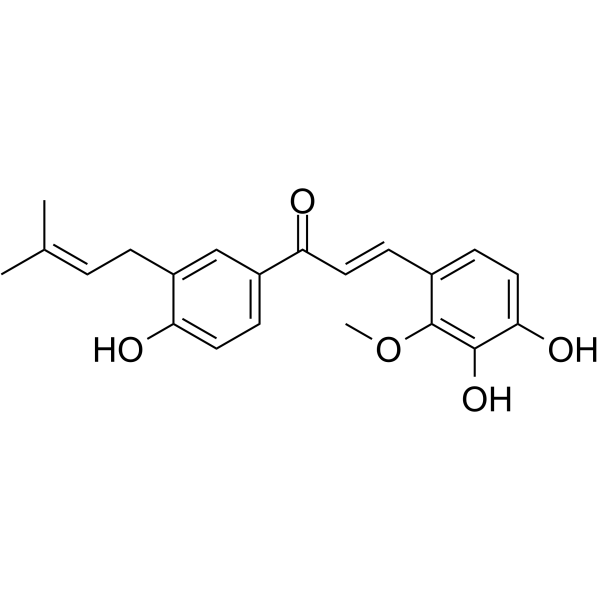
Licochalcone D, a flavonoid compound mainly existing in the root of Glycyrrhiza uralensis, is a potent and orally active inhibitor of NF-kappaB (NF-κB) p65. Licochalcone D possesses antioxidant, anti-inflammatory, anti-cancer properties .
loading...
    loading...
5
5 Cited Publications
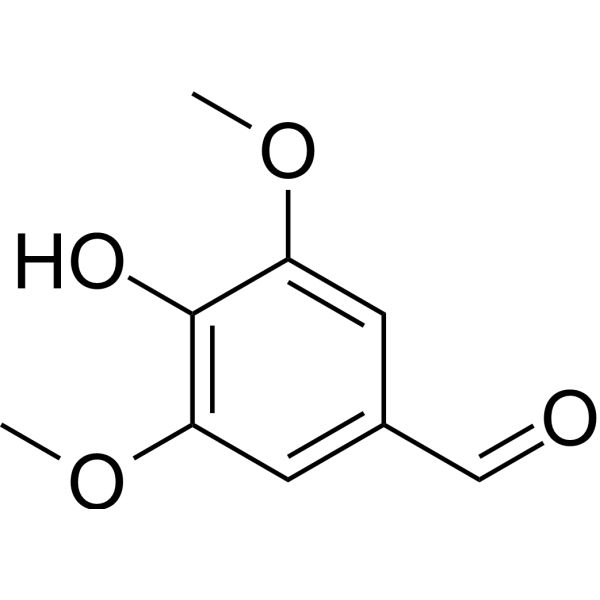
Cat. No.: HY-N1390
CAS No.: 134-96-3
Syringaldehyde is a polyphenolic compound belonging to the group of flavonoids and is found in different plant species like Manihot esculenta and Magnolia officinalis . Syringaldehyde moderately inhibits COX-2 activity with an IC50 of 3.5 μg/mL . Anti-hyperglycemic and anti-inflammatory activities .
loading...
    loading...
4
4 Cited Publications
Cat. No.: HY-N4182
CAS No.: 864232-34-8
Licochalcone E, a flavonoid compound isolated from Glycyrrhiza uralensis, inhibits NF-κB and AP-1 transcriptional activity through the inhibition of AKT and MAPK activation .
loading...
    loading...
4
4 Cited Publications
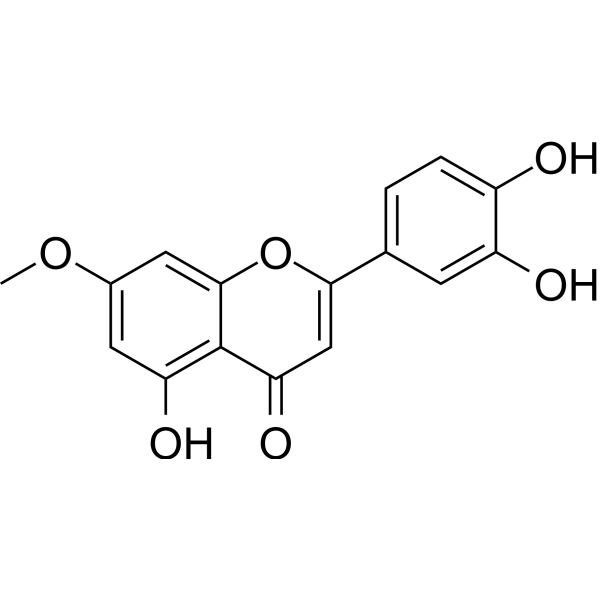
Cat. No.: HY-N1438
CAS No.: 20243-59-8
Synonyms: 7-O-Methylluteolin
Hydroxygenkwanin (7-O-Methylluteolin), a natural flavonoid compound, is one of the main components of Lilac Daphne. Hydroxygenkwanin has anti-oxidant ability, anti-glioma ability and anticancer effect .
loading...
    loading...
4
4 Cited Publications
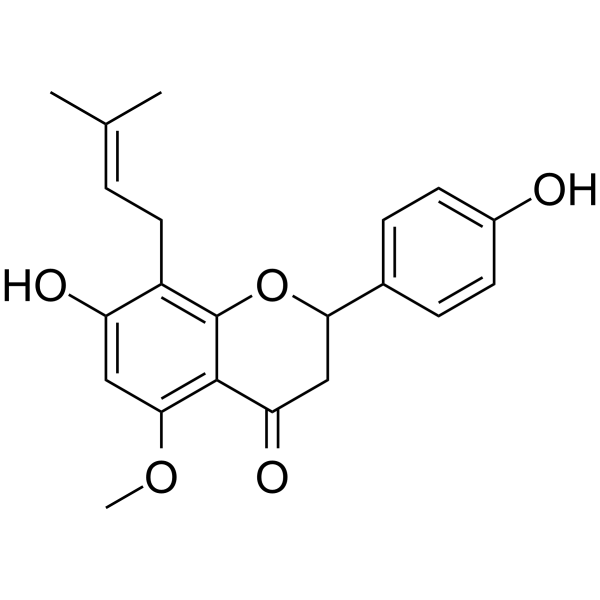
Cat. No.: HY-N2584A
CAS No.: 521-48-2
Isoxanthohumol is an orally active flavonoid compound. Isoxanthohumol has biological activities such as anti-tumor, anti-inflammatory, antioxidant, antiviral, antifungal, and inhibition of adipogenesis. Isoxanthohumol can induce apoptosis, autophagy, and migration of tumor cells. Isoxanthohumol is active against viruses such as HSV, BVDV, CMV, and Rhino. Isoxanthohumol can be used for the research of tumors, metabolic, and inflammatory diseases .
loading...
    loading...
3
3 Cited Publications
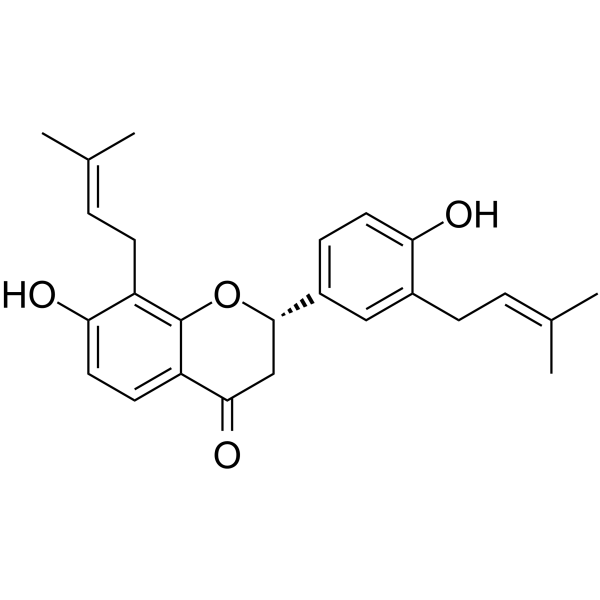
Cat. No.: HY-N4193
CAS No.: 59870-65-4
Glabrol (Compound 1), One isoprenyl flavonoid was isolated from ethanol extract of licorice roots, is a potent and non-competitive Acyl-coenzyme A: cholesterol acyltransferase (ACAT) inhibitor with an IC50 value of 24.6 μM for rat liver microsomal ACAT activity .
loading...
    loading...
3
3 Cited Publications
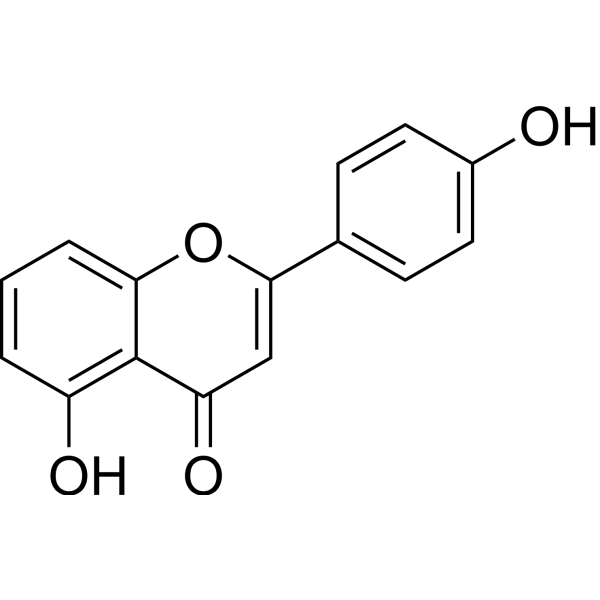
Cat. No.: HY-N1881
CAS No.: 6665-67-4
4',5-Dihydroxyflavone (Compound 2c; Compound B3) is a type of flavonoid compound. 4',5-Dihydroxyflavone can inhibit various oxidases and its IC50 values for collagenase A (ColA) and α-glucosidase are less than 1 μM and 66 μM respectively; for soybean lipoxygenase-1 (LOX-1), its Ki value is 102.6 μM. 4',5-Dihydroxyflavone can be used in studies on anti-toxicity and anti-diabetes .
loading...
    loading...
3
3 Cited Publications
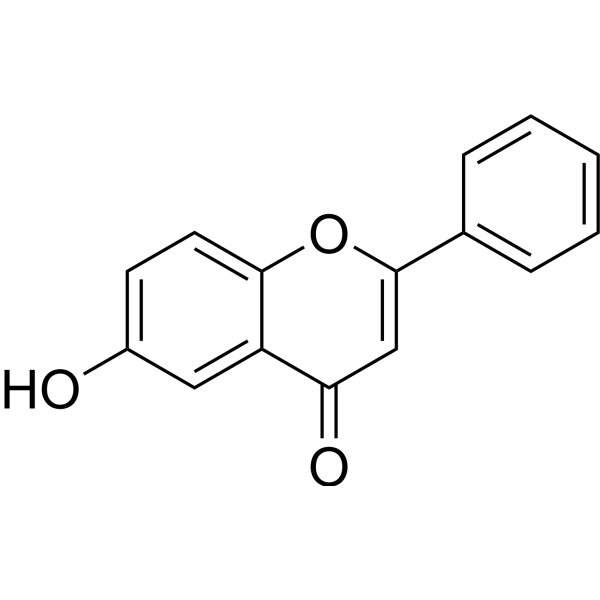
Cat. No.: HY-N7110
CAS No.: 6665-83-4
6-Hydroxyflavone is an orally effective flavonoid compound. 6-Hydroxyflavone can inhibit LPS (HY-D1056) -induced NO production and has anti-inflammatory effects. 6-Hydroxyflavone promotes osteoblast differentiation by activating AKT, ERK 1/2 and JNK signaling pathways. 6-Hydroxyflavone has an inhibitory effect on bovine hemoglobin (BHb) glycosylation. 6-Hydroxyflavone has a kidney protective effect. In addition, 6-Hydroxyflavone enhances GABA-induced current through the Benzodiazepine sites of γ-aminobutyric acid (GABAA) receptors. 6-Hydroxyflavone shows a clear preference for α2 - and α3 - subtypes, which play an anti-anxiety role .
loading...
    loading...
2
2 Cited Publications
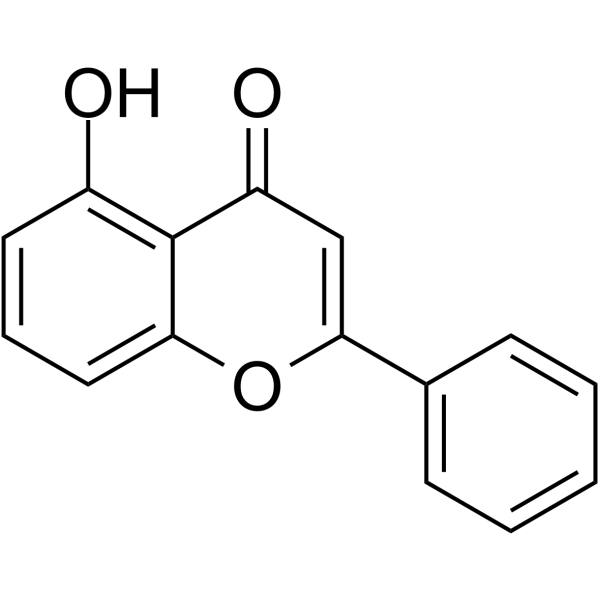
Cat. No.: HY-22024
CAS No.: 491-78-1
Synonyms: 5-OH-Flavone
5-Hydroxyflavone (5-OH-Flavone) is a flavonoid compound that undergoes oxidation-mediated conversion to 5,7-dihydroxyflavone and 5,6,7-trihydroxyflavone by human cytochrome P450 enzymes .
loading...
    loading...
2
2 Cited Publications
Cat. No.: HY-107802
CAS No.: 116122-36-2
Purity:  95.59%
Synonyms: Breviscapinun
Breviscapine (Breviscapinun) is a flavonoid compound with antioxidant, anti-inflammatory, anti-fibrotic, and neuroprotective activities. Breviscapine ameliorates cerebral ischemia/reperfusion injury and vascular dementia, and inhibits the formation of postoperative abdominal adhesions. The mechanism of action of Breviscapine involves the regulation of oxidative stress, inflammatory cytokines, signaling pathways such as TGF-β/Smad, and cellular calcium overload. Breviscapine is used for research on diseases including cardiovascular and cerebrovascular diseases .
loading...
    loading...
2
2 Cited Publications
Cat. No.: HY-N5083
CAS No.: 20310-89-8
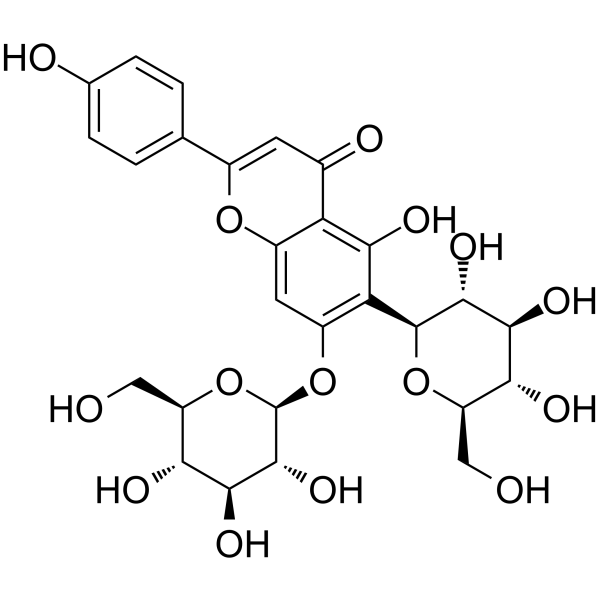
Saponarin is an orally active flavonoid compound. Saponarin can be isolated from Gypsophila trichotoma. Saponarin inhibits ERK/p38, NF-κB and MAPK phosphorylation and activates AMPK. Saponarin reduces IL-1β and COX-2. Saponarin has antioxidant, anti-inflammatory, hepatoprotective, hypoglycemic and hypotensive effects. Saponarin improves sleep disorders .
loading...
    loading...
2
2 Cited Publications
Cat. No.: HY-111806
CAS No.: 2034-65-3
Purity:  99.44%
Synonyms: 5-Deoxykampferol; Resokaempferol
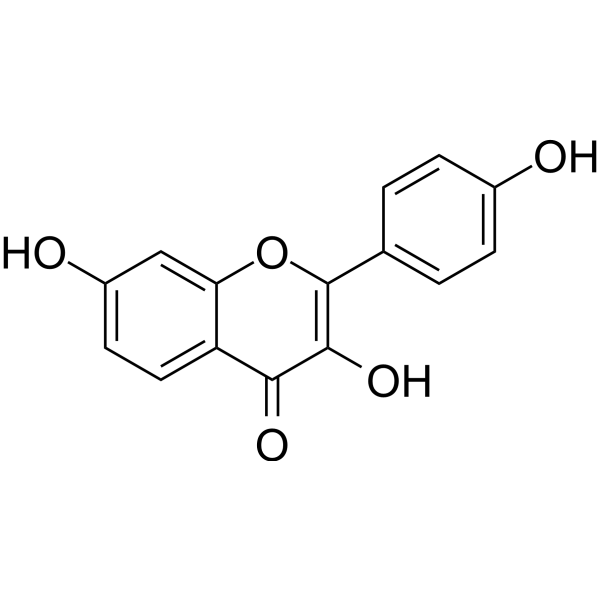
3,7,4'-Trihydroxyflavone (5-Deoxykampferol) is a flavonoid compound that can be isolated from the stems of Rhus javanica var. roxburghiana. 3,7,4'-Trihydroxyflavone has the effect of cleaving DNA in the presence of copper ions. 3,7,4'-Trihydroxyflavone also has anti-inflammatory and antioxidant activities and can scavenge various reactive oxygen species (ROS) and reactive nitrogen species (RNS) .
loading...
    loading...
2
2 Cited Publications
Cat. No.: HY-N0546
CAS No.: 260413-62-5
Synonyms: Nuezhenoside
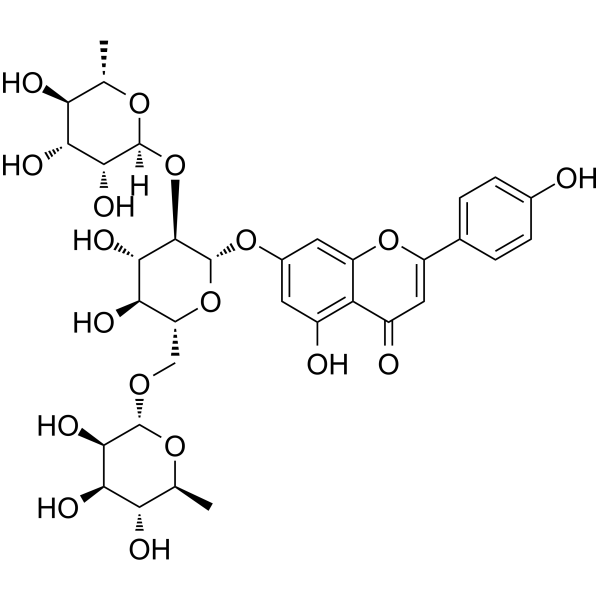
Ligustroflavone is an orally active flavonoid compound. Ligustroflavone can be extracted from Ligustrum lucidum. Ligustroflavone antagonizes the calcium-sensing receptor (CaSR), inhibits the RIPK1/RIPK3/MLKL pathway, and downregulates TGF-β/Smad signaling. Ligustroflavone regulates calcium metabolism, protects bone tissue, reduces cerebral ischemic injury, and inhibits liver fibrosis. Ligustroflavone can be used in the study of diabetic osteoporosis, ischemic stroke, and liver fibrosis .
loading...
    loading...

