1. Search Result
Search Result
Results for "

gene replication

" in MedChemExpress (MCE) Product Catalog:

45

Inhibitors & Agonists

1

Screening Libraries

2

Peptides

9

Natural
Products

3

Isotope-Labeled Compounds

3

Oligonucleotides

Cat. No. Product Name Target Research Areas Chemical Structure
  • HY-N0158
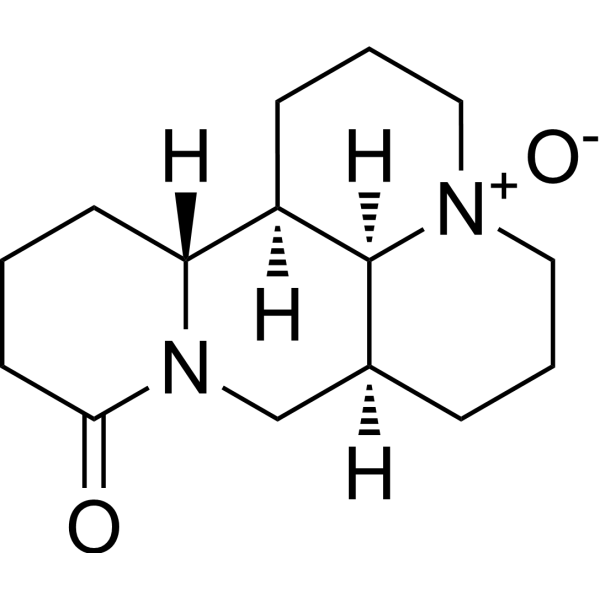
    Oxymatrine
    Maximum Cited Publications
    20 Publications Verification

    TGF-beta/Smad Apoptosis Infection Inflammation/Immunology Cancer
    Oxymatrine, an alkaloid from Sophora flavescens Alt. with anti-inflammatory, antifibrosis, and antitumor effects, inhibits the iNOS expression and TGF-β/Smad pathway. Oxymatrine inhibits bocavirus minute virus of canines (MVC) replication, reduces viral gene expression and decreases apoptosis induced by viral infection .
    Oxymatrine
  • HY-W040129
    Chromomycin A3
    1 Publications Verification

    DNA Alkylator/Crosslinker DNA/RNA Synthesis Apoptosis Caspase Infection Neurological Disease Cancer
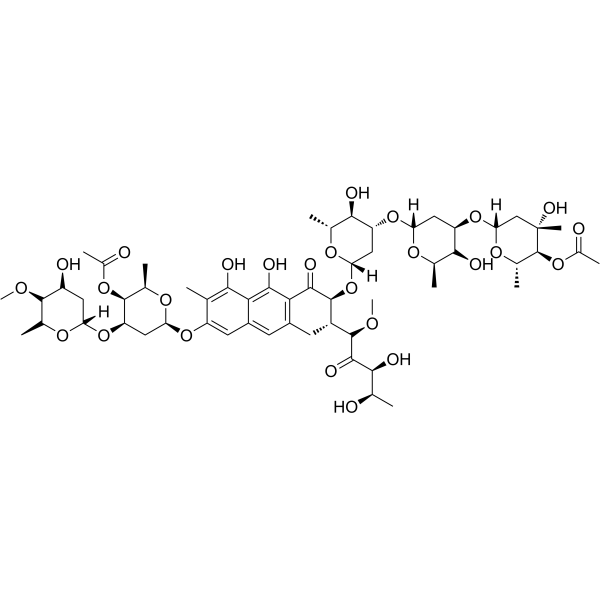
    Chromomycin A3 is an inhibitor that selectively binds to GC-rich DNA sequences. Chromomycin A3 targets the DNA minor groove after forming a dimer with Mg 2+. Chromomycin A3 inhibits DNA replication and transcription, blocks the binding of Sp1 transcription factor to target gene promoters, downregulates the expression of anti-apoptotic proteins such as FLIP, Mcl-1, and XIAP, and induces S-phase cycle arrest and caspase-dependent apoptosis in tumor cells. Chromomycin A3 can antagonize oxidative stress induced by glutathione depletion and neuronal apoptosis induced by Camptothecin (HY-15660). Chromomycin A3 can be used in basic research on malignant tumors such as cholangiocarcinoma, and is a potential chemosensitizer and GC-rich region probe .
    Chromomycin A3
  • HY-N0763
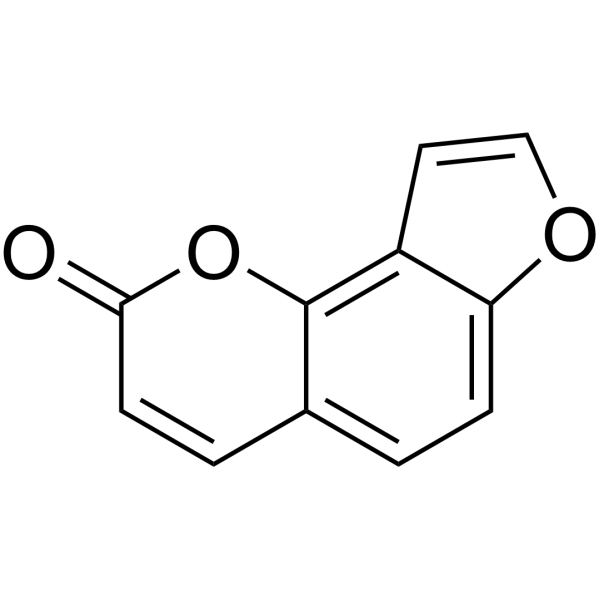
    Angelicin
    10+ Cited Publications

    Isopsoralen

    Apoptosis Virus Protease NF-κB p38 MAPK JNK Caspase Infection Inflammation/Immunology Cancer
    Angelicin is a furanocoumarin compound that functions as an inhibitor of NF-κB and MAPK signaling pathways, exhibiting anti-inflammatory, antiviral, and antitumor activities. It suppresses the lytic replication of γ-herpesviruses, such as MHV-68, early during viral infection, potentially inhibiting RTA gene expression (IC50=28.95 μM). Angelicin also mitigates inflammation by inhibiting the phosphorylation and nuclear translocation of NF-κB, and the phosphorylation of p38 and JNK. Furthermore, it induces apoptosis in neuroblastoma cells by downregulating anti-apoptotic proteins like Bcl-2, Bcl-xL, and Mcl-1, while activating caspase-9 and caspase-3.
    Angelicin
  • HY-103713
    Seclidemstat
    10+ Cited Publications

    SP-2577

    Histone Demethylase Cancer
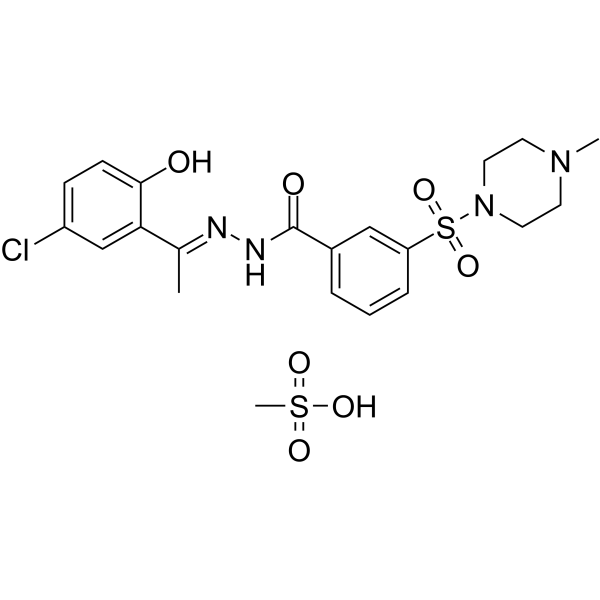
    Seclidemstat is a potent noncompetitive and reversible KDM1A (LSD1) inhibitor (Ki=31 nM, IC50=13 nM). Seclidemstat promotes antitumor immunity in switch/sucrose nonfermentable (SWI/SNF) complex mutated ovarian cancer, as well as inhibit virus production, viral DNA replication, and late gene expression. Seclidemstat can be used for the research of Ewing Sarcoma .
    Seclidemstat
  • HY-W195984
    Z57346765
    1 Publications Verification

    Phosphoglycerate Kinase (PGK) Cancer
    Z57346765 is an inhibitor that targets the ADP-binding pocket of PGK1, with a Kd of 20.9 μM for human PGK1, and exhibits anticancer activity. Z57346765 reduces the activity of the metabolic enzyme PGK1 during glycolysis, regulates lipid peroxidation and cancer cell proliferation, and promotes lipid peroxidation in cervical cancer cells. Z57346765 inhibits the proliferation of cervical cancer and clear cell renal cell carcinoma cells in xenograft mouse models, and induces the expression of genes associated with cell metabolism, DNA replication and cell cycle. Z57346765 is used in research related to cervical cancer, clear cell renal cell carcinoma and breast cancer .
    Z57346765
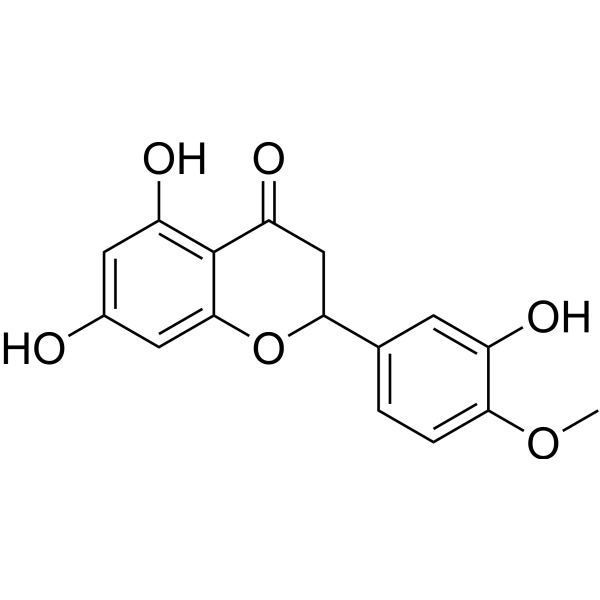
  • HY-N0168A

    TGF-beta/Smad NF-κB Infection Inflammation/Immunology Cancer
    (Rac)-Hesperetin is the racemate of Hesperetin (HY-N0168), an orally active multi-target inhibitor. (Rac)-Hesperetin exhibits significant anti-tumor and anti-inflammatory activities by blocking the TGF-β1-mediated Fyn/RhoA signaling axis and the TLR4-MyD88-NF-κB inflammatory pathway. (Rac)-Hesperetin inhibits the formation of actin stress fibers and the migration and invasion of cancer cells, and is suitable for triple-negative breast cancer research. In inflammation models, (Rac)-Hesperetin effectively alleviates lung injury by reducing the release of pro-inflammatory mediators and regulating the activity of oxidative stress enzymes, and is suitable for acute lung injury research. (Rac)-Hesperetin also interferes with the entry and early replication processes of channel catfish virus, inhibits viral gene expression and progeny virus production, thereby protecting cells from virus-induced cytopathic effects .
    (Rac)-Hesperetin
  • HY-W725179

    EBV Cancer
    VK-2019 is an orally bioavailable selective inhibitor of EBNA1. By binding to the protein-DNA interface to interfere with the recruitment and anchoring of the viral DNA replication machinery, VK-2019 effectively blocks the replication and proliferation of EBV in latently infected cells. VK-2019 reduces the copy number and gene expression level of Epstein-Barr virus in tumor cells, decreases the number of EBER-positive cells, and exhibits significant antiviral, immunomodulatory and antiproliferative activities. VK-2019 successfully inhibits tumor growth in EBV-dependent xenograft models. VK-2019 has favorable systemic exposure and acceptable safety profiles, and is widely used in research on advanced nasopharyngeal carcinoma and various EBV-associated cancers .
    VK-2019
  • HY-109056
    Elsulfavirine
    2 Publications Verification

    R-1206

    Drug Intermediate HIV Reverse Transcriptase Carbonic Anhydrase Infection Cancer
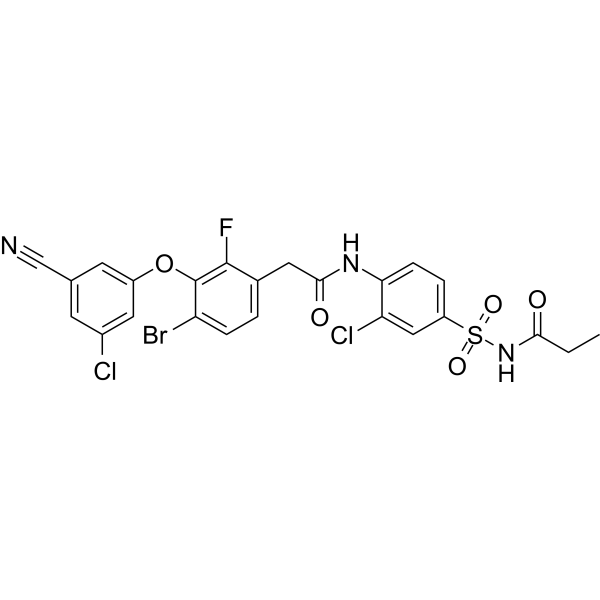
    Elsulfavirine (R-1206) is an orally active human carbonic anhydrase (carbonic anhydrase, CA) inhibitor and an allosteric inhibitor of HIV-1 non-nucleoside reverse transcriptase (NNRT). Elsulfavirine also targets and blocks the interaction between adenylosuccinate lyase (ADSL) and insulin-induced gene proteins INSIG1/2, blocks SREBP-1-mediated de novo lipid synthesis, and inhibits the proliferation of liver cancer cells. The combination of Elsulfavirine and Lenvatinib (HY-10981) produces a synergistic anti-tumor effect. Elsulfavirine is converted into the active metabolite VM1500A in vivo, blocks the DNA polymerase activity of reverse transcriptase, and inhibits HIV-1 replication. Elsulfavirine exhibits a Ki of 1960 nM-52400 nM against human carbonic anhydrase isoforms including I, VII, VI, VA, VB, IX, XIII, XIV. Elsulfavirine is used in studies related to HIV-1 infection and liver cancer .
    Elsulfavirine
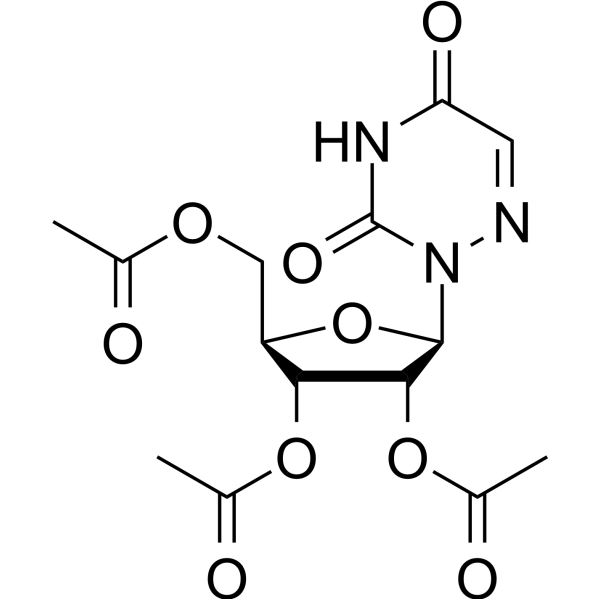
  • HY-B1537

    2',3',5'-Tri-O-acetyl-6-azauridine

    Virus Protease Influenza Virus Infection Inflammation/Immunology
    Azaribine (2',3',5'-Tri-O-acetyl-6-azauridine) is a potent orotidine monophosphate decarboxylase (OMPD) inhibitor. Azaribine is an antiviral inhibitor of several RNA viruses and inhibits viral genome replication and gene transcription. Azaribine shows broad-spectrum antiviral activity (EC50=3.80 nM-1.73 μM against influenza A and B viruses; EC50=1.62 μM against ZIKV Paraiba). Azaribine, a triacetate salt of Azauridine, has the potential for psoriasis research .
    Azaribine
  • HY-119098

    EBV HPV Infection
    GSK983 is a broad-spectrum antiviral agent. GSK983 inhibits the replication of adenovirus-5 (Ad-5) and polyoma virus SV40. GSK983 inhibits the growth of cell lines immortalized by EBV, HTLV1, HPV. GSK983 induces the expression of interferon-stimulated genes .
    GSK983
  • HY-103713A
    Seclidemstat mesylate
    10+ Cited Publications

    SP-2577 mesylate

    Histone Demethylase Cancer
    Seclidemstat (SP-2577) mesylate is a potent noncompetitive and reversible KDM1A (LSD1) inhibitor (Ki=31 nM, IC50=13 nM). Seclidemstat mesylate promotes antitumor immunity in switch/sucrose nonfermentable (SWI/SNF) complex mutated ovarian cancer, as well as inhibit virus production, viral DNA replication, and late gene expression. Seclidemstat mesylate can be used for the research of Ewing Sarcoma .
    Seclidemstat mesylate
  • HY-128854
    Dimethyl biphenyl-4,4'-dicarboxylate
    1 Publications Verification

    Biochemical Assay Reagents JAK STAT IFNAR DNA/RNA Synthesis HBV Infection Metabolic Disease
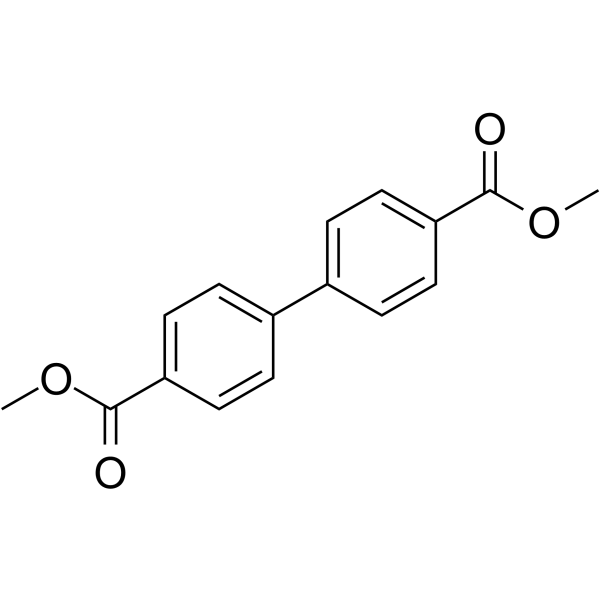
    Dimethyl biphenyl-4,4'-dicarboxylate (Biphenyl dimethyl dicarboxylate) is a hepatoprotective agent. Dimethyl biphenyl-4,4'-dicarboxylate stimulates the Jak/Stat signaling pathway and induces the expression of IFN-α-stimulated genes, particularly 6-16 and ISG12. Dimethyl biphenyl-4,4'-dicarboxylate inhibits the replication of pregenomic RNA and HBeAg. Polymer micelles loaded with Dimethyl biphenyl-4,4'-dicarboxylate can serve as carriers for the compound. Dimethyl biphenyl-4,4'-dicarboxylate can be used as an auxiliary improving agent for chronic hepatitis. Dimethyl biphenyl-4,4'-dicarboxylate is applicable to research related to chronic hepatitis B .\n


    Dimethyl biphenyl-4,4'-dicarboxylate
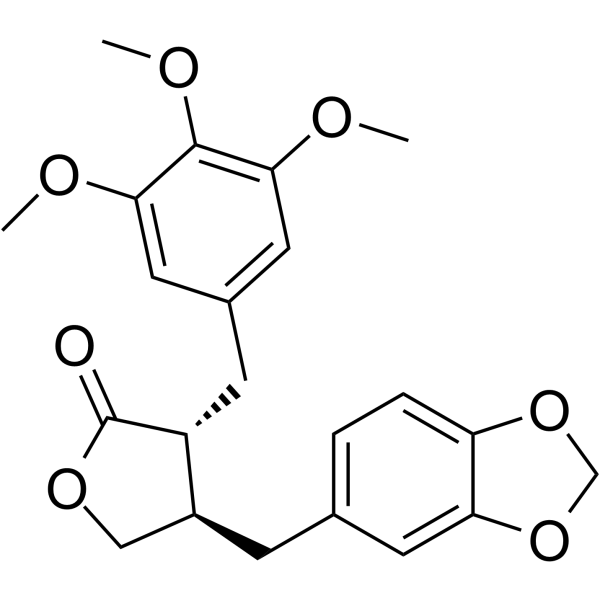
  • HY-N1060

    HSV Apoptosis Infection Cancer
    Yatein is a lignan isolated from A. chilensis, with antiproliferative activity . Yatein suppresses herpes simplex virus type 1 (HSV-1 ) replication by interruption the immediate-early gene expression .
    Yatein
  • HY-123805

    RIG-I-like receptor (RLR) HCV IFNAR Infection
    KIN1400 is a potent IRF3 activator. KIN1400 triggers IRF3-dependent innate immune antiviral genes (RIG-I, MDA5, IFIT1, and Mx1) and IFN-β expression. KIN1400 inhibits WNV and DV, two mosquito-borne members of the Flaviviridae and the genus Flavivirus. KIN1400 also inhibits HCV replication. KIN1400 induces innate antiviral immunity through a MAVS-IRF3 axis .
    KIN1400
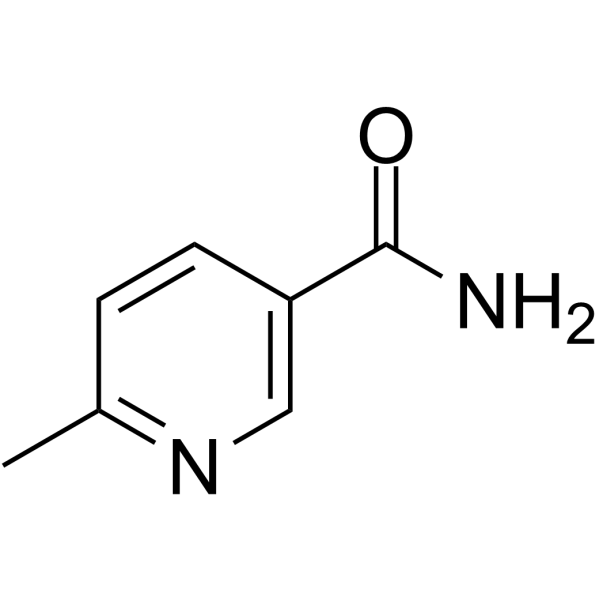
  • HY-N13047

    TMV SOD Infection
    Ningnanmycin is a plant antiviral agent. Ningnanmycin binds to specific residues on the TMV CP disc, inhibits CP assembly, disassembles the CP disc into monomers, and disrupts the structure of the TMV CP disc to reduce pathogenicity. Ningnanmycin binds to key amino acids of PVY CP, interferes with CP-CP interactions, inhibits CP assembly and virion formation, and blocks PVY replication. Ningnanmycin induces the expression of antiviral response genes PRXIIB, PRXIIE, PUB4 and PER42, thereby activating the host defense system. Ningnanmycin can be used in studies related to Tobacco Mosaic Virus infection and Potato Virus Y infection .
    Ningnanmycin
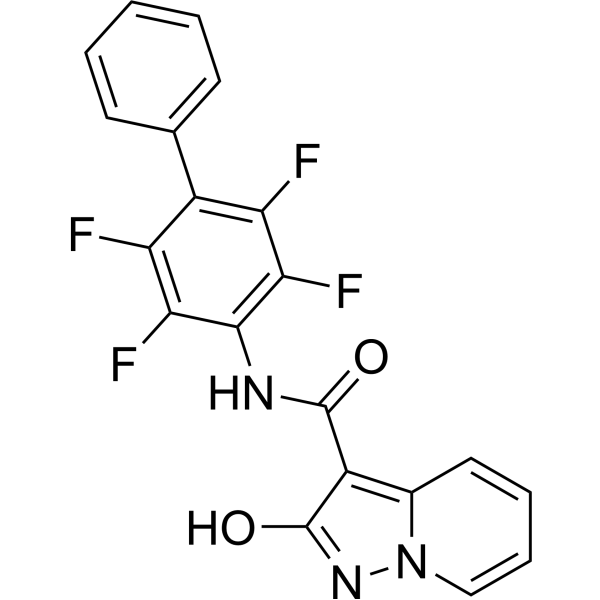
  • HY-156442

    Lactate Dehydrogenase Infection
    MEDS433 is a potent inhibitor of human dihydroorotate dehydrogenase (hDHODH) with an IC50 of 1.2 nM. MEDS433 exerts a potent antiviral activity against RSV-A and RSV-B in the one-digit nanomolar range. MEDS433 induces the expression of antiviral proteins encoded by interferon stimulated genes (ISGs) able to reduce RSV replication .
    MEDS433
  • HY-158824A

    ALN-RSV01 sodium

    Small Interfering RNA (siRNA) RSV Infection
    Asvasiran sodium is a siRNA that targets the respiratory syncytial virus (RSV) N gene and inhibits viral replication.
    Asvasiran sodium
  • HY-131605B

    GCV-TP disodium

    CMV DNA/RNA Synthesis Infection Cancer
    Ganciclovir triphosphate (GCV-TP) disodium is a synthetic 2'-deoxyguanosine analog with activity in inhibiting human cytomegalovirus (CMV) replication. Ganciclovir triphosphate disodium is effective against CMV infection by binding to viral DNA polymerase and interfering with viral DNA synthesis. Ganciclovir triphosphate disodium has an IC50 of 0.01 μM against CMV strains from humans, monkeys, mice, and guinea pigs. Ganciclovir triphosphate disodium has also been used in gene-directed enzyme prodrug inhibition for cancer inhibition .
    Ganciclovir triphosphate disodium
  • HY-156959

    JAK TRP Channel MetAP Infection Inflammation/Immunology
    Ovalicin is a multi-target inhibitor that targets MetAP2, HRH2, JAK2 and TRPV1, with anti-inflammatory and anti-atopic dermatitis activities. Ovalicin covalently binds to MetAP2 to inhibit its function, thereby blocking the replication of Enterocytozoon bieneusi and Vittaforma corneae. Ovalicin alleviates intestinal injury and prolongs survival in infected mouse models, without showing obvious hepatorenal toxicity. Ovalicin attenuates LPS-induced calcium influx, reduces the infiltration of macrophages and mast cells in the skin, and regulates the expression of inflammation-related genes such as IL-31, effectively relieving allergic symptoms in mouse models. Ovalicin can be used for the research of microsporidiosis and atopic dermatitis .
    Ovalicin
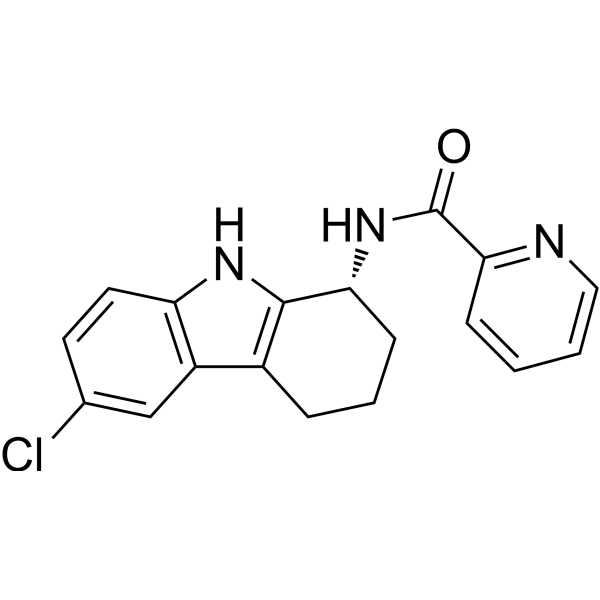
  • HY-134922

    Influenza Virus Infection
    NS1-IN-1 (compound 3) is a potent NS1 inhibitor. NS1 is a major influenza A virus virulence factor that inhibits host gene expression. NS1-IN-1 decreases viral protein levels, contributing to the reduction of virus replication. NS1-IN-1 shows antiviral activity by repressing the activity of mTORC1 in a TSC1-TSC2-dependent manner .
    NS1-IN-1
  • HY-131605

    GCV-TP

    Endogenous Metabolite CMV DNA/RNA Synthesis Infection Cancer
    Ganciclovir triphosphate (GCV-TP) is a synthetic 2'-deoxyguanosine analog with activity in inhibiting human cytomegalovirus (CMV) replication. Ganciclovir triphosphate is effective against CMV infection by binding to viral DNA polymerase and interfering with viral DNA synthesis. Ganciclovir triphosphate has an IC50 of 0.01 μM against CMV strains from humans, monkeys, mice, and guinea pigs. Ganciclovir triphosphate has also been used in gene-directed enzyme prodrug inhibition for cancer inhibition .
    Ganciclovir triphosphate
  • HY-121663

    Dengue Virus Infection
    ST-148 is a novel small molecule compound that has potent inhibitory effects against all four dengue virus serotypes. In the nonlethal AG129 mouse dengue virus infection model, ST-148 significantly reduced viremia and viral load in vital organs and tended to reduce plasma cytokine levels. Compound resistance was associated with the dengue virus capsid (C) gene, and the direct interaction of ST-148 with the C protein was presumed to be achieved through the protein's built-in fluorescence change in the presence of the compound. Therefore, ST-148 appears to interact with the dengue virus C protein and inhibit one or more unique steps of the viral replication cycle.
    ST-148
  • HY-125209A

    Apoptosis PARP DNA/RNA Synthesis Cancer
    TH5427 hydrochloride is a NUDT5 inhibitor with a human target IC50 of 29 nM, ~690-fold selectivity over MTH1 in vitro, and selective functional inhibition over other NUDIX hydrolases including NUDT9 .TH5427 hydrochloride binds to the active site of NUDT5, blocking enzymatic activity related to ADP-ribose metabolism and PAR-derived ATP synthesis .TH5427 hydrochloride blocks progestin-dependent nuclear ATP synthesis, impairs progestin-induced chromatin remodeling, inhibits histone H1 displacement, disrupts progestin-dependent gene regulation, and abrogates progestin-dependent proliferation in breast cancer cells .TH5427 hydrochloride functions as a versatile probe to study nuclear ATP dynamics and ADP-ribose-related metabolism in cells .TH5427 hydrochloride engages NUDT5 at physiological temperatures, as demonstrated by Drug Affinity Responsive Target Stability (DARTS) assay .TH5427 hydrochloride stabilizes NUDT5 against thermal denaturation in cell lysates and intact cells, as shown by cellular thermal shift assay (CETSA) .TH5427 hydrochloride functionally inhibits NUDT5 activity, leading to downstream effects on oxidative DNA damage and DNA replication in triple-negative breast cancer (TNBC) cells .TH5427 hydrochloride suppresses proliferation of TNBC cells without inducing cell death or apoptosis, slows DNA replication in TNBC cells, promotes accumulation of oxidative DNA lesions, and triggers DNA damage response in TNBC cells .TH5427 hydrochloride suppresses growth of TNBC cells in vitro, inhibits growth of TNBC xenograft tumors in nude mice in vivo, and shows greater potency against TNBC cell lines compared to ER-positive and normal-like breast cell lines .TH5427 hydrochloride can be used for the research of breast cancer and triple-negative breast cancer .
    TH5427 hydrochloride
  • HY-N0168AS1

    Isotope-Labeled Compounds NF-κB TGF-beta/Smad Neurological Disease Cancer
    (Rac)-Hesperetin- 13C,d3 is the 13C- and deuterium labeled (Rac)-Hesperetin. (Rac)-Hesperetin is the racemate of Hesperetin (HY-N0168), an orally active multi-target inhibitor. (Rac)-Hesperetin exhibits significant anti-tumor and anti-inflammatory activities by blocking the TGF-β1-mediated Fyn/RhoA signaling axis and the TLR4-MyD88-NF-κB inflammatory pathway. (Rac)-Hesperetin inhibits the formation of actin stress fibers and the migration and invasion of cancer cells, and is suitable for triple-negative breast cancer research. In inflammation models, (Rac)-Hesperetin effectively alleviates lung injury by reducing the release of pro-inflammatory mediators and regulating the activity of oxidative stress enzymes, and is suitable for acute lung injury research. (Rac)-Hesperetin also interferes with the entry and early replication processes of channel catfish virus, inhibits viral gene expression and progeny virus production, thereby protecting cells from virus-induced cytopathic effects .
    (Rac)-Hesperetin-13C,d3
  • HY-124052

    RSV Infection
    AZ-27 is a respiratory syncytial virus (RSV) inhibitor. AZ-27 can differentially suppress various RSV polymerase activities at the promoter, thereby inhibiting the early stages of mRNA transcription and genome replication by targeting the promoter .
    AZ-27
  • HY-158824

    ALN-RSV01

    Small Interfering RNA (siRNA) RSV Infection
    Asvasiran is a siRNA that targets the respiratory syncytial virus (RSV) N gene and inhibits viral replication.
    Asvasiran
  • HY-174373

    SARS-CoV Angiotensin-converting Enzyme (ACE) Infection
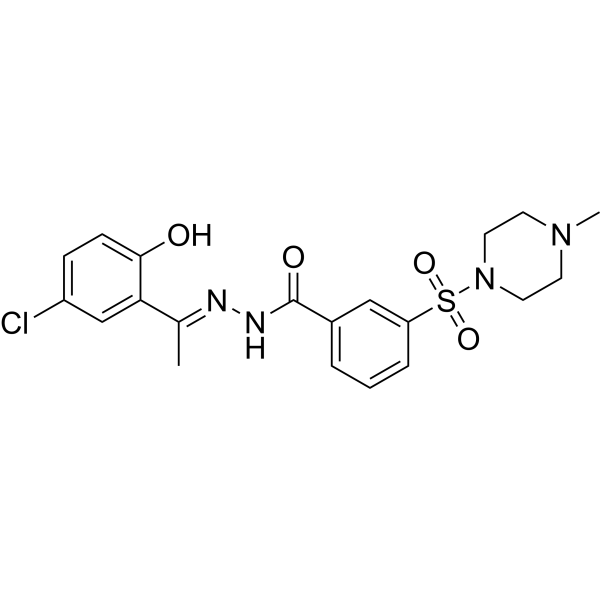
    SARS-CoV-2-IN-113 (Compound 24) is a sulfonohydrazide derivative against SARS-CoV-2 infection with an IC50 of 8.320 μM. SARS-CoV-2-IN-113 exerts potent antiviral effects by inhibiting the entry and replication of SARS-CoV-2, and downregulating the expression of genes and proteins such as Spike, ACE-2, and RdRp. SARS-CoV-2-IN-113 has high selectivity and low cytotoxicity, and can be used in the research of SARS-CoV-2 .
    SARS-CoV-2-IN-113
  • HY-119210

    HIV Infection
    ZINC04177596 is a potent HIV-negative factor (HIV-Nef) protein inhibitor. Nef is an accessory gene product of HIV and has an imperative role in viral replication and AIDS pathogenesis .
    ZINC04177596
  • HY-B0013

    (-)-Ofloxacin lactate

    Bacterial DNA/RNA Synthesis Infection
    Lavofloxacin lactate ((-)-ofloxacin lactate) is a class of broad-spectrum antimicrobials that can kill or inhibit a variety of bacteria. Lavofloxacin lactate binds to DNA rotase and topoisomerase IV, resulting in blocked DNA replication and repair, thus inhibiting bacterial growth. Lavofloxacin lactate can be used to study resistance mechanisms in bacteria, including studying resistance genes and mutations .
    Lavofloxacin lactate
  • HY-N0158R

    Reference Standards TGF-beta/Smad Apoptosis Infection Inflammation/Immunology Cancer
    Oxymatrine (Standard) is the analytical standard of Oxymatrine. This product is intended for research and analytical applications. Oxymatrine, an alkaloid from Sophora flavescens Alt. with anti-inflammatory, antifibrosis, and antitumor effects, inhibits the iNOS expression and TGF-β/Smad pathway. Oxymatrine inhibits bocavirus minute virus of canines (MVC) replication, reduces viral gene expression and decreases apoptosis induced by viral infection.
    Oxymatrine (Standard)
  • HY-P10509

    CMV Infection
    IE1 peptide refers to an antigenic peptide encoded by the immediate early (IE) gene of mouse cytomegalovirus (mCMV). IE1 peptide is one of the key antigenic peptides expressed during mCMV infection, plays a role in transcriptional activation in the life cycle of mCMV, and is one of the earliest genes expressed in the viral replication cycle. IE1 peptide is an important target for CD8+ T cell response and can be used to study the host immune response to mCMV infection .
    IE1 peptide
  • HY-W750902

    Isotope-Labeled Compounds TGF-beta/Smad Apoptosis Infection Inflammation/Immunology Cancer
    Oxymatrine-d3 is the deuterium labeled Oxymatrine (HY-N0158). Oxymatrine, an alkaloid from Sophora flavescens Alt. with anti-inflammatory, antifibrosis, and antitumor effects, inhibits the iNOS expression and TGF-β/Smad pathway. Oxymatrine inhibits bocavirus minute virus of canines (MVC) replication, reduces viral gene expression and decreases apoptosis induced by viral infection .
    Oxymatrine-d3
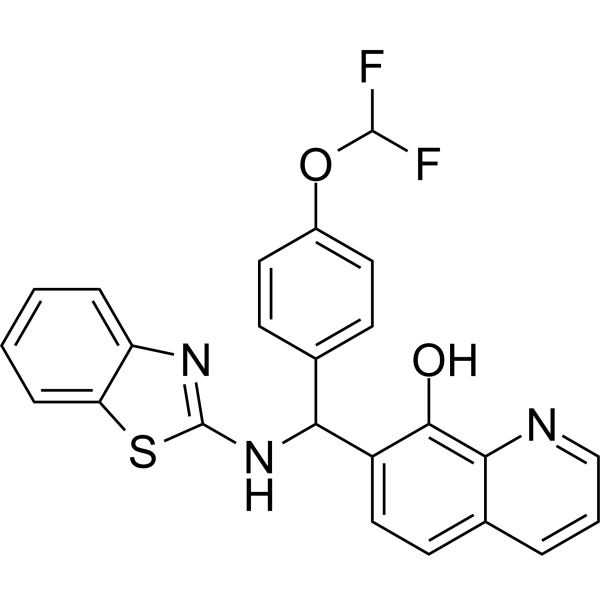
  • HY-118385

    Microtubule/Tubulin Cancer
    ER-67880 is a potent microtubule inhibitor with an IC50 of 9.5 μM. ER-67880 exhibits anti-proliferative activity against KB, Colon 38 and P338 cells with IC50s of 0.55, 0.2 and 0.76 μg/mL. ER-67880 causes G2/M phase arrest and is accompanied by abnormal DNA replication. ER-67880 exhibits a down-regulation pattern of G1 phase-related genes. ER-67880 can be used in various cancer studies, including those of nasopharyngeal carcinoma and murine adenocarcinoma .
    ER-67880
  • HY-W040129R

    Reference Standards Bacterial Fungal Apoptosis Antibiotic Infection Neurological Disease Cancer
    Chromomycin A3 (Standard) is the analytical standard of Chromomycin A3 (HY-W040129). This product is intended for research and analytical applications. Chromomycin A3 is an inhibitor that selectively binds to GC-rich DNA sequences. Chromomycin A3 targets the DNA minor groove after forming a dimer with Mg 2+. Chromomycin A3 inhibits DNA replication and transcription, blocks the binding of Sp1 transcription factor to target gene promoters, downregulates the expression of anti-apoptotic proteins such as FLIP, Mcl-1, and XIAP, and induces S-phase cycle arrest and caspase-dependent apoptosis in tumor cells. Chromomycin A3 can antagonize oxidative stress induced by glutathione depletion and neuronal apoptosis induced by Camptothecin (HY-15660). Chromomycin A3 can be used in basic research on malignant tumors such as cholangiocarcinoma, and is a potential chemosensitizer and GC-rich region probe .
    Chromomycin A3 (Standard)
  • HY-N0168AS

    Isotope-Labeled Compounds NF-κB TGF-beta/Smad Neurological Disease Cancer
    (Rac)-Hesperetin-d3 is the deuterium labeled (Rac)-Hesperetin. (Rac)-Hesperetin is the racemate of Hesperetin (HY-N0168), an orally active multi-target inhibitor. (Rac)-Hesperetin exhibits significant anti-tumor and anti-inflammatory activities by blocking the TGF-β1-mediated Fyn/RhoA signaling axis and the TLR4-MyD88-NF-κB inflammatory pathway. (Rac)-Hesperetin inhibits the formation of actin stress fibers and the migration and invasion of cancer cells, and is suitable for triple-negative breast cancer research. In inflammation models, (Rac)-Hesperetin effectively alleviates lung injury by reducing the release of pro-inflammatory mediators and regulating the activity of oxidative stress enzymes, and is suitable for acute lung injury research. (Rac)-Hesperetin also interferes with the entry and early replication processes of channel catfish virus, inhibits viral gene expression and progeny virus production, thereby protecting cells from virus-induced cytopathic effects .
    (Rac)-Hesperetin-d3
  • HY-N0168AR

    Reference Standards NF-κB TGF-beta/Smad Neurological Disease Cancer
    (Rac)-Hesperetin (Standard) is the analytical standard of (Rac)-Hesperetin. This product is intended for research and analytical applications. (Rac)-Hesperetin is the racemate of Hesperetin (HY-N0168), an orally active multi-target inhibitor. (Rac)-Hesperetin exhibits significant anti-tumor and anti-inflammatory activities by blocking the TGF-β1-mediated Fyn/RhoA signaling axis and the TLR4-MyD88-NF-κB inflammatory pathway. (Rac)-Hesperetin inhibits the formation of actin stress fibers and the migration and invasion of cancer cells, and is suitable for triple-negative breast cancer research. In inflammation models, (Rac)-Hesperetin effectively alleviates lung injury by reducing the release of pro-inflammatory mediators and regulating the activity of oxidative stress enzymes, and is suitable for acute lung injury research. (Rac)-Hesperetin also interferes with the entry and early replication processes of channel catfish virus, inhibits viral gene expression and progeny virus production, thereby protecting cells from virus-induced cytopathic effects .
    (Rac)-Hesperetin (Standard)
  • HY-180883

    Orthopoxvirus Infection
    ZW-2038 is a potent and selective antiviral compound against vaccinia virus (VACV), monkeypox virus (MPXV), and cowpox virus (CPXV). ZW-2038 suppresses VACV DNA replication and downstream post-replicative gene expression, albeit without inhibiting MPXV resolvase (Mpr). ZW-2038 demonstrates potent antiviral activity in complex human and animal tissue models. ZW-2038 can be used for orthopoxviruses infection research .
    ZW-2038
  • HY-185123

    Toll-like Receptor (TLR) Infection
    Pig TRIM56 mRNA encodes the pig TRIM56 protein, an interferon-stimulated gene (ISG) that acts as an important innate immune factor. Overexpression of TRIM56 restricts viral replication by enhancing TLR3-TRAF3-mediated IFN-β production .
    Pig TRIM56 mRNA
  • HY-P11137

    HSV Cancer
    LANA is a KSHV latency-associated nuclear antigen. The core function of LANA is to act as an "anchor" for the viral genome, attaching it to the chromatin of the host cell. LANA ensures that the episomal DNA of KSHV replicates together with the host chromosome and is evenly distributed among the daughter cells, thereby maintaining the latent infection of the virus in the cell population. LANA can regulate the transcription of viral and host cell genes, and regulate certain host cell genes to promote cell survival. LANA can be used to study the viral DNA tethering structure .
    LANA
  • HY-183920

    CMV p97 Infection
    LC-1310 is an antiviral agent that targets and inhibits p97, and it suppresses the in vitro replication of human cytomegalovirus (HCMV) with an EC50 value of 0.3 μM. LC-1310 targets the D2 ATP-binding site of p97, downregulates the expression of early viral proteins, thereby blocking the transcription and proliferation of early viral genes. LC-1310 can be used for research on human cytomegalovirus infection .
    LC-1310
  • HY-103713AR

    SP-2577 mesylate (Standard)

    Reference Standards Histone Demethylase Cancer
    Seclidemstat mesylate (Standard) is the analytical standard of Seclidemstat mesylate (HY-103713A). This product is intended for research and analytical applications. Seclidemstat (SP-2577) mesylate is a potent noncompetitive and reversible KDM1A (LSD1) inhibitor (Ki=31 nM, IC50=13 nM). Seclidemstat mesylate promotes antitumor immunity in switch/sucrose nonfermentable (SWI/SNF) complex mutated ovarian cancer, as well as inhibit virus production, viral DNA replication, and late gene expression. Seclidemstat mesylate can be used for the research of Ewing Sarcoma .
    Seclidemstat mesylate (Standard)
  • HY-103713R

    SP-2577 (Standard)

    Reference Standards Histone Demethylase Cancer
    Seclidemstat (Standard) is the analytical standard of Seclidemstat (HY-103713). This product is intended for research and analytical applications. Seclidemstat is a potent noncompetitive and reversible KDM1A (LSD1) inhibitor (Ki=31 nM, IC50=13 nM). Seclidemstat promotes antitumor immunity in switch/sucrose nonfermentable (SWI/SNF) complex mutated ovarian cancer, as well as inhibit virus production, viral DNA replication, and late gene expression. Seclidemstat can be used for the research of Ewing Sarcoma .
    Seclidemstat (Standard)
  • HY-181599

    Mitochondrial Metabolism DNA/RNA Synthesis Reactive Oxygen Species (ROS) Apoptosis Autophagy Caspase Bcl-2 Family Atg8/LC3 Cancer
    XAN-5 is a mitochondrial DNA G-quadruplex (mtG4) ligand with a Kd of 3.8 μM. XAN-5 selectively binds and stabilizes mtG4 structures, disrupting mitochondrial gene transcription and DNA replication. XAN-5 triggers mitochondrial dysfunction, ROS overproduction, G0 phase arrest and caspase-dependent apoptosis. XAN-5 inhibits autophagy and induces immunogenic cell death. XAN-5 inhibits tumor growth in a mouse liver cancer model while enhancing tumor-infiltrating CD4 + and CD8 + T cells. XAN-5 targets two cancer resistance mechanisms simultaneously. XAN-5 can be used for the research of liver cancer .
    XAN-5
  • HY-109056A

    R-1206 sodium

    HIV Drug Intermediate Reverse Transcriptase Carbonic Anhydrase Infection Cancer
    Elsulfavirine sodium (R-1206) is an orally active human carbonic anhydrase (carbonic anhydrase, CA) inhibitor and an allosteric inhibitor of HIV-1 non-nucleoside reverse transcriptase (NNRT). Elsulfavirine sodium also targets and blocks the interaction between adenylosuccinate lyase (ADSL) and insulin-induced gene proteins INSIG1/2, blocks SREBP-1-mediated de novo lipid synthesis, and inhibits the proliferation of liver cancer cells. The combination of Elsulfavirine sodium and Lenvatinib (HY-10981) produces a synergistic anti-tumor effect. Elsulfavirine sodium is converted into the active metabolite VM1500A in vivo, blocks the DNA polymerase activity of reverse transcriptase, and inhibits HIV-1 replication. Elsulfavirine sodium exhibits a Ki of 1960 nM-52400 nM against human carbonic anhydrase isoforms including I, VII, VI, VA, VB, IX, XIII, XIV. Elsulfavirine sodium is used in studies related to HIV-1 infection and liver cancer .
    Elsulfavirine sodium
  • HY-109056R

    R-1206 (Standard)

    Reference Standards Drug Intermediate HIV Reverse Transcriptase Carbonic Anhydrase Infection Cancer
    Elsulfavirine (Standard) is the analytical standard of Elsulfavirine (HY-109056). This product is intended for research and analytical applications. Elsulfavirine (R-1206) is an orally active human carbonic anhydrase (carbonic anhydrase, CA) inhibitor and an allosteric inhibitor of HIV-1 non-nucleoside reverse transcriptase (NNRT). Elsulfavirine also targets and blocks the interaction between adenylosuccinate lyase (ADSL) and insulin-induced gene proteins INSIG1/2, blocks SREBP-1-mediated de novo lipid synthesis, and inhibits the proliferation of liver cancer cells. The combination of Elsulfavirine and Lenvatinib (HY-10981) produces a synergistic anti-tumor effect. Elsulfavirine is converted into the active metabolite VM1500A in vivo, blocks the DNA polymerase activity of reverse transcriptase, and inhibits HIV-1 replication. Elsulfavirine exhibits a Ki of 1960 nM-52400 nM against human carbonic anhydrase isoforms including I, VII, VI, VA, VB, IX, XIII, XIV. Elsulfavirine is used in studies related to HIV-1 infection and liver cancer .
    Elsulfavirine (Standard)

Inquiry Online

Your information is safe with us. * Required Fields.

Salutation


Country or Region *

Applicant Name *


Organization Name *

Department *


Email Address *


Product Name *

Cat. No.


Requested quantity *

Phone Number *


Remarks

Inquiry Online

Inquiry Information

Product Name:
Cat. No.:
Quantity:
MCE Japan Authorized Agent:

