1. Search Result
Search Result
Results for "

iNOS-IN-2

" in MedChemExpress (MCE) Product Catalog:

38

Inhibitors & Agonists

23

Natural
Products

1

Click Chemistry

Cat. No. Product Name Target Research Areas Chemical Structure
  • HY-N0256
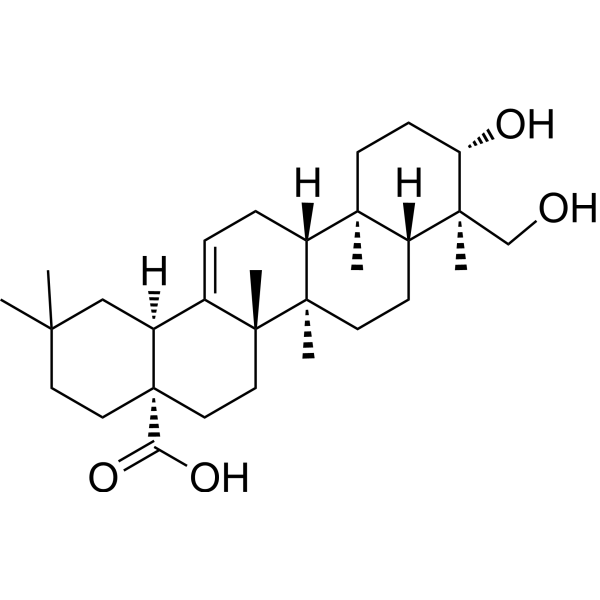
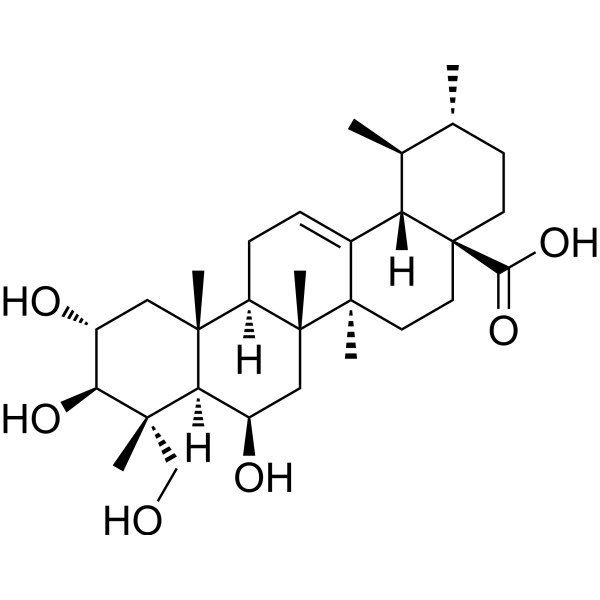
    Hederagenin
    Maximum Cited Publications
    7 Publications Verification

    COX NF-κB E1/E2/E3 Enzyme Neurological Disease Metabolic Disease Inflammation/Immunology Cancer
    Hederagenin is a triterpenoid saponin with orally active and antitumor activity. Hederagenin can inhibit the expression of iNOS, COX-2, and NF-κB in cells induced by LPS stimulation. Hederagenin also increases ROS production in cancer cells, disrupts mitochondrial membrane potential, and induces apoptosis. Hederagenin also sensitizes cancer cells to Cisplatin (HY-17394) and Paclitaxel (HY-B0015), enhancing induced apoptosis. Hederagenin can also bind to SKP2, with KD = 67.9 μM. Hederagenin also has preventive potential against alcoholic liver injury [2] .
    Hederagenin
  • HY-N6966
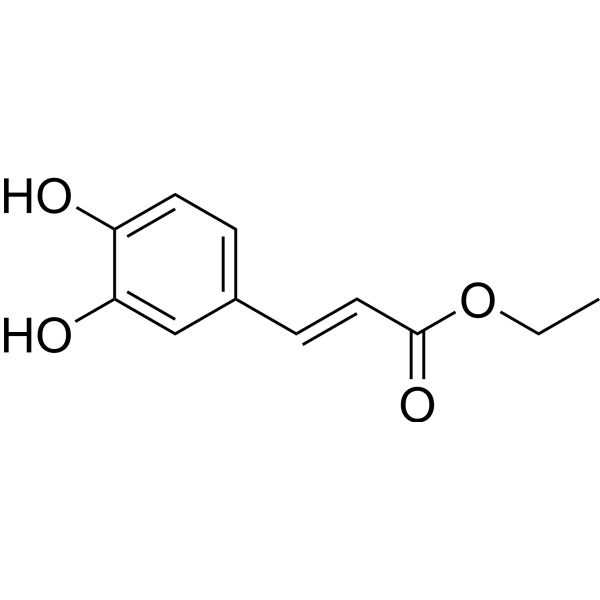
    Ethyl Caffeate
    2 Publications Verification

    NF-κB NO Synthase COX PGE synthase Inflammation/Immunology Cancer
    Ethyl Caffeate is a natural phenolic compound isolated from Bidens pilosa. Ethyl caffeate suppresses NF-κB activation and its downstream inflammatory mediators, inducible nitric oxide synthase (iNOS), cyclooxygenase-2 (COX-2), and prostaglandin E2 (PGE2) in vitro or in mouse skin .
    Ethyl Caffeate
  • HY-148013
    K284-6111
    1 Publications Verification

    Glycosidase Amyloid-β NF-κB COX ERK NO Synthase Interleukin Related Neurological Disease Inflammation/Immunology
    K284-6111 is a high-affinity and orally active CHI3L1 inhibitor, and inhibits CHI3L1 expression. K284-6111 inhibits ERK and NF-κB pathway. K284-6111 suppresses nuclear translocation of p50 and p65, and phosphorylation of IκB. K284-6111 improves memory dysfunction by alleviating amyloidogenesis and neuroinflammation, with the reduction of inflammatory proteins (eg: iNOS, COX-2, GFAP, and Iba-1). K284-6111 reduces atopic-like skin inflammation and inhibits LPS (HY-D1056) -induced liver injury. K284-6111 can be used for the study of Alzheimer's diseases and sepsis like hepatic injury [2] .
    K284-6111
  • HY-N0569
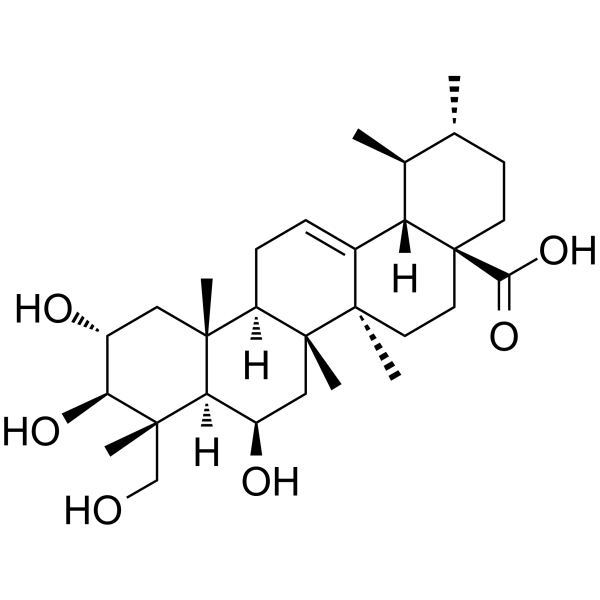
    Madecassic acid
    2 Publications Verification

    NO Synthase COX TNF Receptor Interleukin Related Inflammation/Immunology
    Madecassic acid is isolated from Centella asiatica (Umbelliferae). Madecassic acid has anti-inflammatory properties caused by iNOS, COX-2, TNF-alpha, IL-1beta, and IL-6 inhibition via the downregulation of NF-κB activation in RAW 264.7 macrophage cells .
    Madecassic acid
  • HY-107208
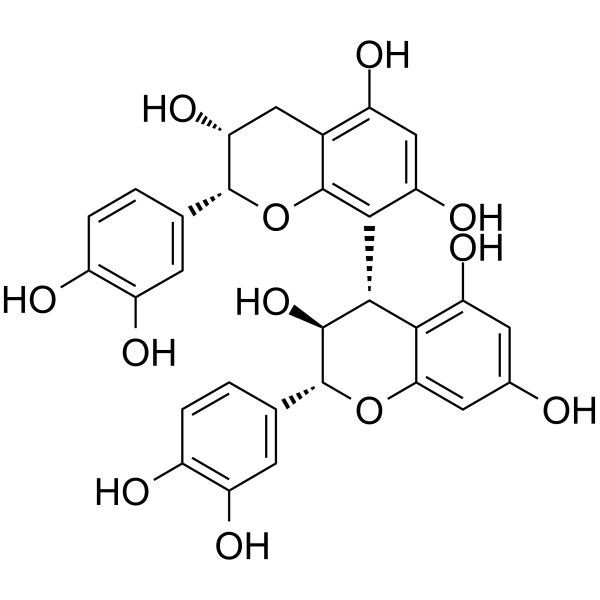
    Procyanidol B4
    1 Publications Verification

    (-)-ProcyanidIN B4

    Reactive Oxygen Species (ROS) COX Interleukin Related NO Synthase Inflammation/Immunology
    Procyanidol B4 ((-)-Procyanidin B4) is an orally active polyphenol found in Q.gilva. Procyanidol B4 exerts antioxidant activity by scavenging DPPH (HY-112053) (IC50: 12.15 μM) and Nitro blue tetrazolium chloride (NBT) (HY-15925) (IC50: 8.67 μM). Procyanidol B4 exhibits anti-inflammatory activity by inhibiting the expression of COX-2 and IL-1β and iNOS .
    Procyanidol B4
  • HY-N0631
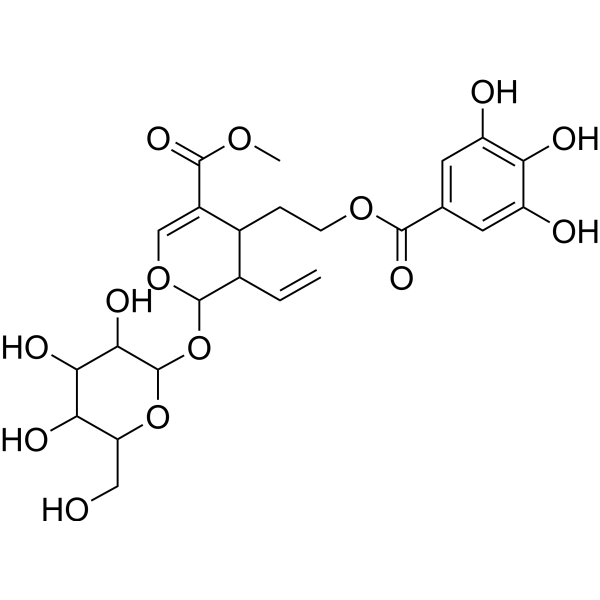
    Cornuside
    5+ Cited Publications

    p38 MAPK NF-κB JNK Cholinesterase (ChE) Acyltransferase NO Synthase Interleukin Related TNF Receptor Prostaglandin Receptor ERK COX Neurological Disease Inflammation/Immunology
    Cornuside is an iridoid glycoside with anti-allergic, anti-inflammatory, and neuroprotective activities. Cornuside exerts anti-allergic activity by downregulating the p38 MAPK, JNK, and NF-κB signaling pathways, and inhibits IgE-mediated histamine release from mast cells. Cornuside improves cognitive impairment in mice by inhibiting BACE1 activity (IC50 = 55.84 μg/mL) and enhancing ChAT activity. Cornuside inhibits LPS (HY-D1056)-induced inflammatory mediators, including iNOS, COX-2, PGE2, TNF-α, IL-6, and IL-1β, by suppressing NF-κB activation [2] .
    Cornuside
  • HY-170621

    STAT NO Synthase COX Interleukin Related TNF Receptor Neurological Disease Metabolic Disease Inflammation/Immunology Cancer
    STAT1/3-IN-1 is a potent STAT1/3 inhibitor with potent anti-inflammatory effect. STAT1/3-IN-1 inhibits phosphorylation and nuclear translocation of STAT1/3 to modulate microglial inflammation, reduces LPS (HY-D1056)-induced pro-inflammatory cytokines (NO, IL-1β, IL-6, and TNF-α) and inflammatory mediators (iNOS, COX-2). STAT1/3-IN-1 exhibits low toxicity in mice. STAT1/3-IN-1 can be used for the research of neuroinflammation .
    STAT1/3-IN-1
  • HY-N0762
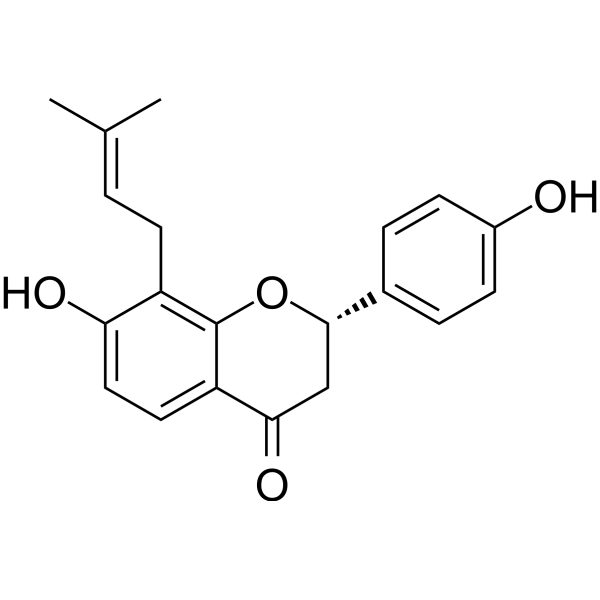
    Isobavachin
    5 Publications Verification

    Cytochrome P450 UGT p38 MAPK NF-κB NO Synthase COX Fc Receptor (FcR) RANKL/RANK Keap1-Nrf2 Reactive Oxygen Species (ROS) Apoptosis Autophagy Neurological Disease Metabolic Disease Inflammation/Immunology Cancer
    Isobavachin is an orally active, blood-brain barrier-penetrating prenylated flavonoid present in Psoralea corylifolia. Isobavachin inhibits human CYP2B6, CYP2C9, CYP2C19, UGT1A1, UGT1A9, and UGT2B7. Isobavachin suppresses MAPK activation, NF-κB nuclear translocation, overexpression of iNOS/COX-2, FcεRI-mediated signaling pathways, and RANKL-induced osteoclastogenesis. Isobavachin induces autophagy, cytotoxicity, neuronal differentiation, and NRF2 activation; it alleviates oxidative damage, inflammatory responses, apoptosis, iron accumulation, mitochondrial biogenesis, and mast cell degranulation. Isobavachin is applicable to research related to liver injury, inflammatory diseases, osteoporosis, liver cancer, prostate cancer, glioma, periodontitis-induced bone loss, and Alzheimer's disease [2] .
    Isobavachin
  • HY-W010066

    NO Synthase COX IKK Inflammation/Immunology Endocrinology
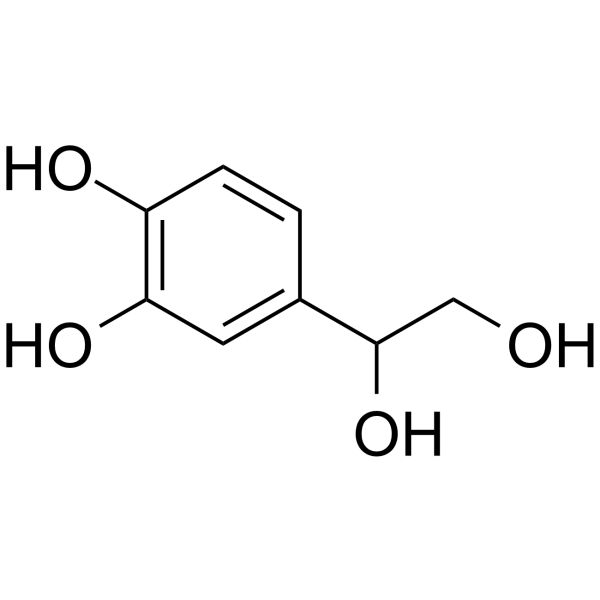
    3,4-Dihydroxyphenylglycol is a phenolic compound and antioxidant. 3,4-Dihydroxyphenylglycol can be extracted from olive oil. 3,4-Dihydroxyphenylglycol downregulates the expression of proinflammatory enzymes (iNOS, COX-2) and prevents the degradation of IκBα. 3,4-Dihydroxyphenylglycol has antioxidant properties. 3,4-Dihydroxyphenylglycol has shown positive effects on frozen-thawed ram sperm. 3,4-Dihydroxyphenylglycol can be used in the study of inflammatory-related diseases (such as ulcerative colitis) and reproductive health (sperm cryopreservation) [2] .
    3,4-Dihydroxyphenylglycol
  • HY-N2106
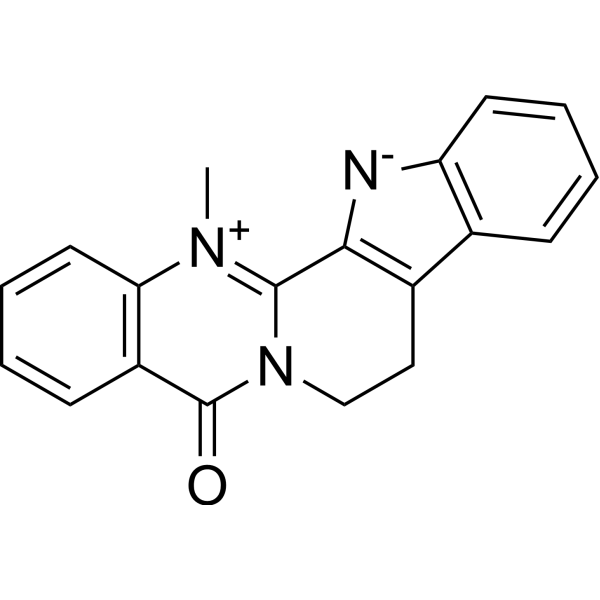
    Dehydroevodiamine
    2 Publications Verification

    NF-κB COX PGE synthase NO Synthase Inflammation/Immunology
    Dehydroevodiamine is a major bioactive quinazoline alkaloid isolated from Evodiae Fructus, has an antiarrhythmic effect in guinea-pig ventricular myocytes . Dehydroevodiamine inhibits LPS-induced iNOS, COX-2, prostaglandin E2 (PGE2) and nuclear factor-kappa B (NF-κB) expression in murine macrophage cells [2].
    Dehydroevodiamine
  • HY-N1921
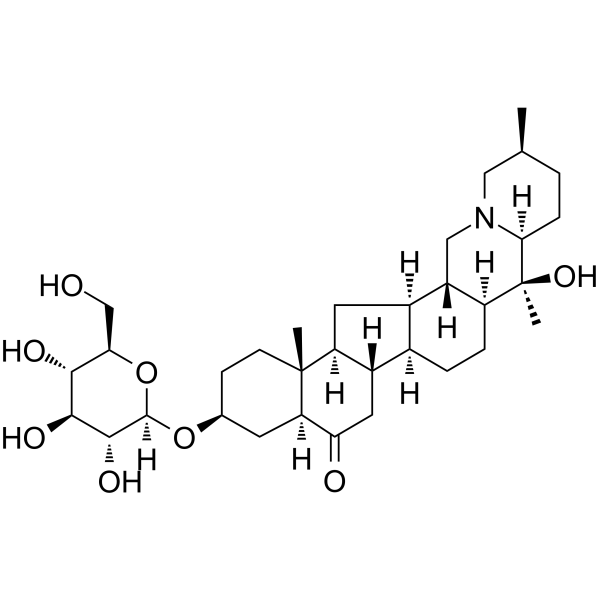
    Edpetiline
    2 Publications Verification

    NF-κB p38 MAPK TNF Receptor Reactive Oxygen Species (ROS) COX Interleukin Related Inflammation/Immunology
    Edpetiline is an anti-inflammatory agent. Edpetiline inhibits the phosphorylation of IκB, nuclear transcription/translocation of NF-κB p65, as well as the phosphorylation of p38 MAPK and ERK MAPK. Edpetiline reduces intracellular ROS levels, inhibits the expression of TNF-α, IL-6, iNOS, COX-2, and promotes the expression of IL-4. Edpetiline is applicable to the research of diseases associated with inflammation and oxidative stress .
    Edpetiline
  • HY-N7630

    NO Synthase COX Inflammation/Immunology
    Rehmapicrogenin, isolated from the root of Rehmannia glutinosa, exhibits potent anti-inflammatory effect by inhibiting iNOS, COX-2 and IL-6 .
    Rehmapicrogenin
  • HY-147972

    NF-κB p38 MAPK NO Synthase COX Inflammation/Immunology
    NF-κB/MAPK-IN-1 (compound 11a) is a potent inhibitor of NF-κB and MAPK pathway. NF-κB/MAPK-IN-1 shows inhibitory activity against NO production, with an IC50 of 6.96 µM. NF-κB/MAPK-IN-1 suppresses LPS-induced iNOS, COX-2, ERΚ and P38 signaling activation. NF-κB/MAPK-IN-1 can prevent LPS induced inflammatory response in macrophages. NF-κB/MAPK-IN-1 can be used for rheumatoid arthritis (RA) research .
    NF-κB/MAPK-IN-1
  • HY-146309

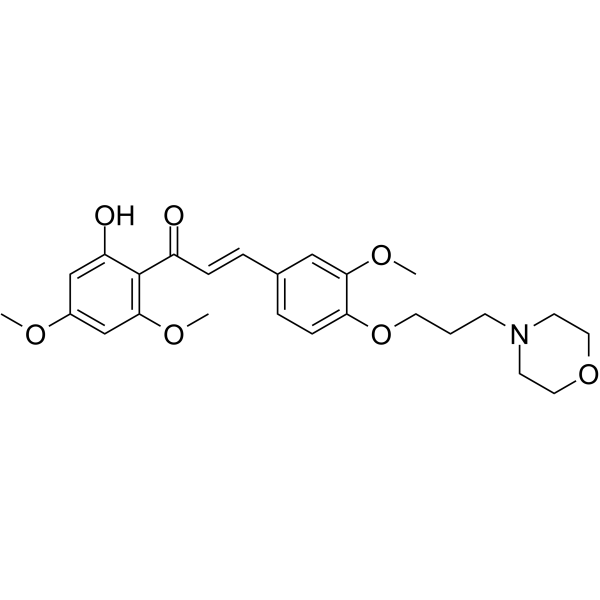
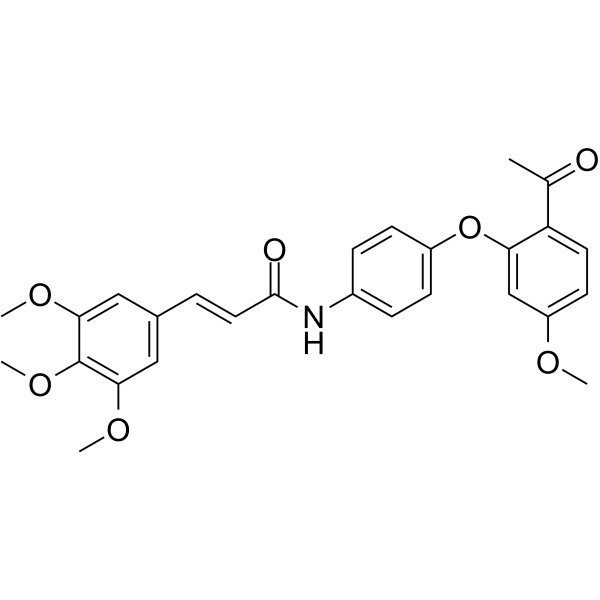
    NO Synthase Inflammation/Immunology
    iNOS-IN-2 (Compound 53) is a potent down-regulator of inducible nitric oxide synthase (iNOS) protein. iNOS-IN-2 effectively inhibits the NO production (IC50=6.4 μM). iNOS-IN-2 has a potential therapeutic effect on chronic inflammation .
    iNOS-IN-2
  • HY-N0569R
    Madecassic acid (Standard)
    2 Publications Verification

    Reference Standards NO Synthase COX TNF Receptor Interleukin Related Inflammation/Immunology
    Madecassic acid (Standard) is the analytical standard of Madecassic acid. This product is intended for research and analytical applications. Madecassic acid is isolated from Centella asiatica (Umbelliferae). Madecassic acid has anti-inflammatory properties caused by iNOS, COX-2, TNF-alpha, IL-1beta, and IL-6 inhibition via the downregulation of NF-κB activation in RAW 264.7 macrophage cells .
    Madecassic acid (Standard)
  • HY-N1326

    SantamarIN; BalchanIN

    JNK p38 MAPK MMP NF-κB COX TNF Receptor Interleukin Related Reactive Oxygen Species (ROS) Apoptosis Mitochondrial Metabolism DNA/RNA Synthesis Keap1-Nrf2 Bcl-2 Family Caspase PARP TGF-beta/Smad Metabolic Disease Inflammation/Immunology Cancer
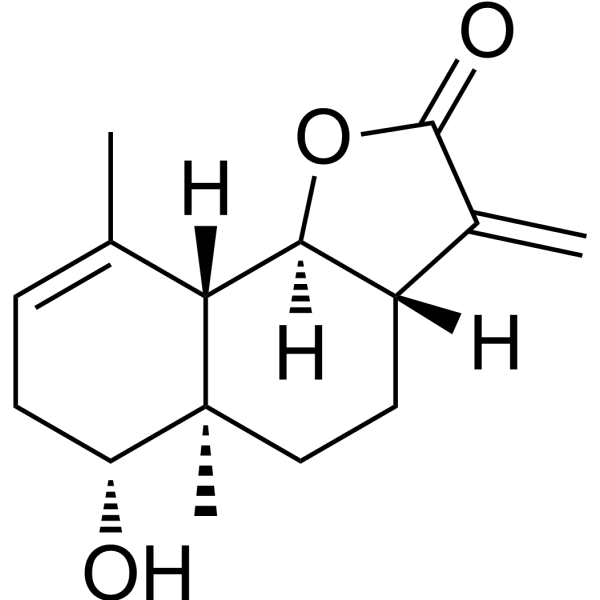
    Santamarine (Santamarin; Balchanin) is a sesquiterpene lactone found in Artemisia scoparia. Santamarine shows anti-inflammatory, antioxidant, anticancer and anti-photoaging activities. Santamarine suppresses UVA-induced phosphorylation of JNK and p38 MAPK, nuclear translocation of phosphorylated c-Fos and c-Jun, and AP-1-mediated MMP-1 transcription and secretion. Santamarine suppresses NF-κB signaling, iNOS, COX-2, TNF-α, and IL-1β production. Santamarine inhibits thioredoxin reductase activity, induces ROS production, mitochondrial apoptosis, G2/M cell cycle arrest, and DNA damage, and reduces cancer cell growth. Santamarine can be used for the photoaging, inflammatory diseases and cancer [2] .
    Santamarine
  • HY-N3848

    Bacterial COX NO Synthase Influenza Virus Infection Cardiovascular Disease Inflammation/Immunology
    Ermanin is a flavonoid isolated from Tanacetum microphyllum. Ermanin potently inhibits iNOS, COX-2 activities, and inhibits platelet aggregation. Ermanin has anti-inflammatory, anti-tuberculous and anti-viral/bacterial properties [2].
    Ermanin
  • HY-N3480

    (+)-Isogospherol; Isogospherol

    Others Inflammation/Immunology
    Isogosferol ((+)-Isogospherol; Isogospherol) is a potent anti-inflammatory agent. Isogosferol decreases LPS (HY-D1056)-stimulated NO and IL-1β expression. Isogosferol decreases the LPS (HY-D1056)-stimulated expression of iNOS, COX-2, NF-κB, and pERK1/2 .
    Isogosferol
  • HY-N6966A

    Others Inflammation/Immunology
    Ethyl trans-caffeate is the trans form of Ethyl Caffeate (HY-N6966). Ethyl Caffeate is a natural phenolic compound isolated from Bidens pilosa. Ethyl caffeate suppresses NF-κB activation and its downstream inflammatory mediators, inducible nitric oxide synthase (iNOS), cyclooxygenase-2 (COX-2), and prostaglandin E2 (PGE2) in vitro or in mouse skin .
    Ethyl trans-caffeate
  • HY-N0256R

    Reference Standards COX NF-κB Cancer
    Hederagenin (Standard) is the analytical standard of Hederagenin. This product is intended for research and analytical applications. Hederagenin is a triterpenoid saponin with orally active and antitumor activity. Hederagenin can inhibit the expression of iNOS, COX-2, and NF-κB in cells induced by LPS stimulation. Hederagenin also increases ROS production in cancer cells, disrupts mitochondrial membrane potential, and induces apoptosis. Hederagenin also sensitizes cancer cells to Cisplatin (HY-17394) and Paclitaxel (HY-B0015), enhancing induced apoptosis. Hederagenin also has preventive potential against alcoholic liver injury [2] .
    Hederagenin (Standard)
  • HY-N0887
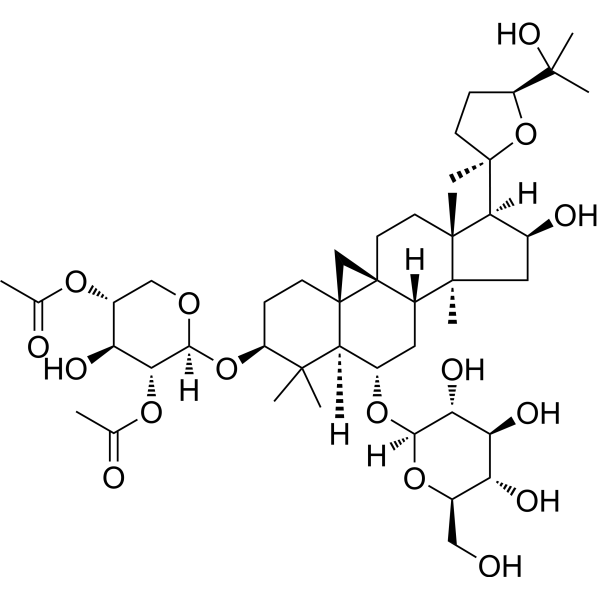
    Isoastragaloside I
    2 Publications Verification

    Isoastragaloside-I

    Akt NF-κB p38 MAPK PI3K FXR Keap1-Nrf2 NO Synthase COX Interleukin Related Integrin TGF-β Receptor Reactive Oxygen Species (ROS) Neurological Disease Metabolic Disease Inflammation/Immunology
    Isoastragaloside I is a natural compound found in Astragalus membranaceus, with oral activity and multiple biological activities such as anti-inflammatory and antioxidant properties. Isoastragaloside I inhibits Akt, NF-κB, MAPKs and PI3K, enhances the activity of hepatic FXR, regulates the TGF-β/Smads signaling pathway, and upregulates antioxidant molecules downstream of Nrf2. Isoastragaloside I inhibits the expression of NO, TNF-α, iNOS, COX-2, IL-1β and VCAM-1, and reduces intracellular ROS levels. Isoastragaloside I attenuates blood-brain barrier disruption, restores intestinal barrier function, increases β-cell mass, improves glucose homeostasis, and elevates circulating adiponectin levels. Isoastragaloside I can be used for the study of neuroinflammation-related neurodegenerative diseases, cholestatic liver disease, and diabetes [2] .
    Isoastragaloside I
  • HY-151921

    p38 MAPK Inflammation/Immunology
    Anti-inflammatory agent 33 is a potent p38α inhibitor. Anti-inflammatory agent 33 inhibits NO production. Anti-inflammatory agent 33 inhibits LPS-induced iNOS, COX-2, p-p38α, p-MK2 protein expression. Anti-inflammatory agent 33 shows anti-inflammatory activity .
    Anti-inflammatory agent 33
  • HY-178983

    SHP2 Interleukin Related NO Synthase NF-κB TNF Receptor Inflammation/Immunology
    SHP2-IN-45 (Compound 6) is a potent, highly selective, and orally active SHP2 allosteric inhibitor. SHP2-IN-45 significantly reduces the expressions of IL-6, TNF-α, IL-1β, and iNOS. SHP2-IN-45 inhibits the polarization of M1-type macrophages. SHP2-IN-45 can inhibit the NF-κB pathway. SHP2-IN-45 can be used in the research of sepsis and acute lung injury .
    SHP2-IN-45
  • HY-146167

    NO Synthase Inflammation/Immunology
    iNOS/PGE2-IN-1 (compound 4a), an iNOS/PGE2 inhibitor, is a potent anti-inflammatory agent. iNOS/PGE2-IN-1 can inhibit LPS-induced NO production. iNOS/PGE2-IN-1 possesses low ulcerogenic liabilities .
    iNOS/PGE2-IN-1
  • HY-161513

    COX NO Synthase Inflammation/Immunology
    iNOS/COX-2-IN-1 (Compound 12e) is an inhibitor of cyclooxygenase-2 (COX-2) and inducible nitric oxide synthase (iNOS). iNOS/COX-2-IN-1 inhibits the NF-κB and MAPKs signaling pathways and thus exerts anti-inflammatory effects .
    iNOS/COX-2-IN-1
  • HY-146161

    COX NO Synthase Inflammation/Immunology
    COX-2/NO-IN-1 is an orally active nitric oxide synthase (iNOS), COX-2 expression and NO (IC50 of 3.52 μM) inhibitor. COX-2/NO-IN-1 has anti-inflammatory effects .
    COX-2/NO-IN-1
  • HY-N6966R

    Reference Standards NF-κB NO Synthase COX PGE synthase Inflammation/Immunology Cancer
    Ethyl Caffeate is a natural phenolic compound isolated from Bidens pilosa. Ethyl caffeate suppresses NF-κB activation and its downstream inflammatory mediators, inducible nitric oxide synthase (iNOS), cyclooxygenase-2 (COX-2), and prostaglandin E2 (PGE2) in vitro or in mouse skin .
    Ethyl Caffeate (Standard)
  • HY-N2106R

    Reference Standards NF-κB COX PGE synthase NO Synthase Inflammation/Immunology
    Dehydroevodiamine is a major bioactive quinazoline alkaloid isolated from Evodiae Fructus, has an antiarrhythmic effect in guinea-pig ventricular myocytes . Dehydroevodiamine inhibits LPS-induced iNOS, COX-2, prostaglandin E2 (PGE2) and nuclear factor-kappa B (NF-κB) expression in murine macrophage cells [2].
    Dehydroevodiamine (Standard)
  • HY-174260

    NO Synthase COX Caspase MDM-2/p53 Neurological Disease
    Neuroprotective agent 11 (Compound 1a) is an orally active polyphenol compound with significant protective effects against cerebral ischemia. The main activities of Neuroprotective agent 11 include inhibiting neuronal inflammation and apoptosis, reducing cerebral infarction volume, and improving behavioral symptoms of cerebral ischemic mice. Neuroprotective agent 11 exerts its regulatory mechanism by downregulating the expression of inflammatory factors (iNOSCOX-2) and apoptotic proteins (cleaved-Caspase3, p53). Neuroprotective agent 11 can be used in the study of cerebral ischemia-related diseases (such as ischemic stroke) .
    Neuroprotective agent 11
  • HY-107208R

    (-)-ProcyanidIN B4 (Standard)

    Reference Standards Reactive Oxygen Species (ROS) COX Interleukin Related NO Synthase Inflammation/Immunology
    Procyanidol B4 (Standard) is the analytical standard of Procyanidol B4 (HY-107208). This product is intended for research and analytical applications. Procyanidol B4 ((-)-Procyanidin B4) is an orally active polyphenol found in Q.gilva. Procyanidol B4 exerts antioxidant activity by scavenging DPPH (HY-112053) (IC50: 12.15 μM) and Nitro blue tetrazolium chloride (NBT) (HY-15925) (IC50: 8.67 μM). Procyanidol B4 exhibits anti-inflammatory activity by inhibiting the expression of COX-2 and IL-1β and iNOS .
    Procyanidol B4 (Standard)
  • HY-113327R

    Drug Metabolite Reference Standards Endogenous Metabolite Cancer
    Hederagenin (Standard) is the analytical standard of Hederagenin. This product is intended for research and analytical applications. Hederagenin is a triterpenoid saponin with orally active and antitumor activity. Hederagenin can inhibit the expression of iNOS, COX-2, and NF-κB in cells induced by LPS stimulation. Hederagenin also increases ROS production in cancer cells, disrupts mitochondrial membrane potential, and induces apoptosis. Hederagenin also sensitizes cancer cells to Cisplatin (HY-17394) and Paclitaxel (HY-B0015), enhancing induced apoptosis. Hederagenin also has preventive potential against alcoholic liver injury [2] .
    1,3,7-Trimethyluric acid (Standard)
  • HY-N0631R

    Reference Standards Prostaglandin Receptor ERK p38 MAPK Acyltransferase TNF Receptor COX Cholinesterase (ChE) Interleukin Related JNK NO Synthase NF-κB Neurological Disease Inflammation/Immunology
    Cornuside (Standard) is the analytical standard of Cornuside (HY-N0631). This product is intended for research and analytical applications. Cornuside is an iridoid glycoside with anti-allergic, anti-inflammatory, and neuroprotective activities. Cornuside exerts anti-allergic activity by downregulating the p38 MAPK, JNK, and NF-κB signaling pathways, and inhibits IgE-mediated histamine release from mast cells. Cornuside improves cognitive impairment in mice by inhibiting BACE1 activity (IC50 = 55.84 μg/mL) and enhancing ChAT activity. Cornuside inhibits LPS (HY-D1056)-induced inflammatory mediators, including iNOS, COX-2, PGE2, TNF-α, IL-6, and IL-1β, by suppressing NF-κB activation.
    Cornuside (Standard)
  • HY-W010066R

    Reference Standards NO Synthase COX IKK Inflammation/Immunology Endocrinology
    3,4-Dihydroxyphenylglycol (Standard) is the analytical standard of 3,4-Dihydroxyphenylglycol (HY-W010066). This product is intended for research and analytical applications. 3,4-Dihydroxyphenylglycol is a phenolic compound and antioxidant. 3,4-Dihydroxyphenylglycol can be extracted from olive oil. 3,4-Dihydroxyphenylglycol downregulates the expression of proinflammatory enzymes (iNOS, COX-2) and prevents the degradation of IκBα. 3,4-Dihydroxyphenylglycol has antioxidant properties. 3,4-Dihydroxyphenylglycol has shown positive effects on frozen-thawed ram sperm. 3,4-Dihydroxyphenylglycol can be used in the study of inflammatory-related diseases (such as ulcerative colitis) and reproductive health (sperm cryopreservation) [2] .
    3,4-Dihydroxyphenylglycol (Standard)
  • HY-159564

    COX NO Synthase Inflammation/Immunology
    iNOS/COX-2-IN-3 (compound 7d) is a dual inhibitor of iNOS and COX-2, with potential anti-inflammatory activity against LPS (HY-D1056)-induced RAW 264.7 cells (IC50=3.48 μM). iNOS/COX-2-IN-3 has good plasma stability, oral activity and gastric safety, and its inhibitory activity on iNOS and COX-2 expression is 5.43-fold and 2.37-fold that of Indomethacin (HY-14397), respectively .
    iNOS/COX-2-IN-3
  • HY-182778

    NOD-like Receptor (NLR) COX NO Synthase Inflammation/Immunology
    Anti-inflammatory agent 114 is an anti-inflammatory agent. Anti-inflammatory agent 114 binds to the allosteric inhibitory pocket in the NLRP3 NACHT domain. Anti-inflammatory agent 114 inhibits the expression of iNOS, COX-2 and NLRP3. Anti-inflammatory agent 114 can be used for the research of inflammatory diseases .
    Anti-inflammatory agent 114
  • HY-182777

    HDAC NO Synthase TNF Receptor Interleukin Related Neurological Disease Inflammation/Immunology
    HDAC6-IN-80 is an orally active, selective HDAC6 inhibitor with an IC50 of 8.5 nM. HDAC6-IN-80 inhibits lipopolysaccharide-induced microglial activation, reduces the levels of iNOS, COX-2, TNF-α and IL-6, and alleviates sensory hypersensitivity behaviors. HDAC6-IN-80 can be used for the research of inflammatory pain and chemotherapy-induced peripheral neuropathy .
    HDAC6-IN-80
  • HY-181545A

    NO Synthase IFNAR Cancer
    nNOS-IN-2 trihydrochloride is a blood-brain barrier-permeable nitric oxide synthase (nNOS) inhibitor. nNOS-IN-2 trihydrochloride exhibits Ki values of 1.7 nM and 2.3 nM against human and rat nNOS, respectively, and shows high selectivity for human eNOS and iNOS. nNOS-IN-2 trihydrochloride also effectively reduces PD-L1 expression in human melanoma cells under both basal conditions and IFN-γ exposure. nNOS-IN-2 trihydrochloride can be used for the study of melanoma and related signaling pathways .
    nNOS-IN-2 trihydrochloride
  • HY-182064

    EGFR NO Synthase COX NF-κB Interleukin Related Apoptosis Cancer
    EGFR-IN-206 is an orally active EGFR inhibitor. EGFR-IN-206 inhibits the phosphorylation of the key tumor growth protein EGFR, and suppresses the proliferation, migration and invasion of EGFR triple-mutant tumor cell lines. EGFR-IN-206 downregulates the expression of inflammation-related proteins iNOS, COX-2 and NF-κB (p65). EGFR-IN-206 promotes the secretion of NO. EGFR-IN-206 reduces the secretion of IL-6. EGFR-IN-206 induces apoptosis (apoptosis) of EGFR triple-mutant tumor cells. EGFR-IN-206 exerts antitumor activity in EGFR triple-mutant mice. EGFR-IN-206 is applicable to the research of non-small cell lung cancer .
    EGFR-IN-206

Inquiry Online

Your information is safe with us. * Required Fields.

Salutation


Country or Region *

Applicant Name *


Organization Name *

Department *


Email Address *


Product Name *

Cat. No.


Requested quantity *

Phone Number *


Remarks

Inquiry Online

Inquiry Information

Product Name:
Cat. No.:
Quantity:
MCE Japan Authorized Agent:

