

1. Search Result
Search Result
Results for "

immunomodulatory properties

" in MedChemExpress (MCE) Product Catalog:

47

Inhibitors & Agonists

1

Screening Libraries

2

Biochemical Assay Reagents

5

Peptides

1

Inhibitory Antibodies

16

Natural
Products

5

Isotope-Labeled Compounds

1

Oligonucleotides

Cat. No. Product Name Target Research Areas Chemical Structure
  • HY-14658
    Thalidomide
    Maximum Cited Publications
    25 Publications Verification

    Ligands for E3 Ligase Autophagy Apoptosis Molecular Glues Inflammation/Immunology Cancer
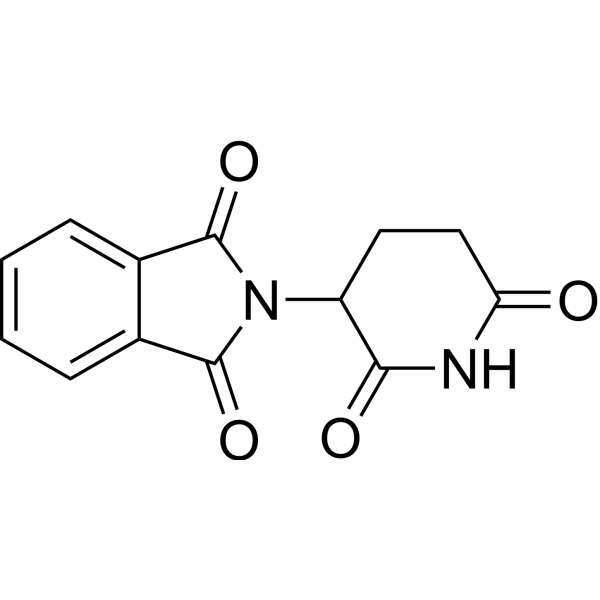
    Thalidomide inhibits cereblon (CRBN), a part of the cullin-4 E3 ubiquitin ligase complex CUL4-RBX1-DDB1, with a Kd of ∼250 nM, and has immunomodulatory, anti-inflammatory and anti-angiogenic cancer properties. Thalidomide can work as molecular glue to potentiate substrate.
    Thalidomide
  • HY-B2233B
    Phosphorylcholine
    Maximum Cited Publications
    12 Publications Verification

    Phosphocholine

    Endogenous Metabolite Adrenergic Receptor Cardiovascular Disease Neurological Disease Inflammation/Immunology
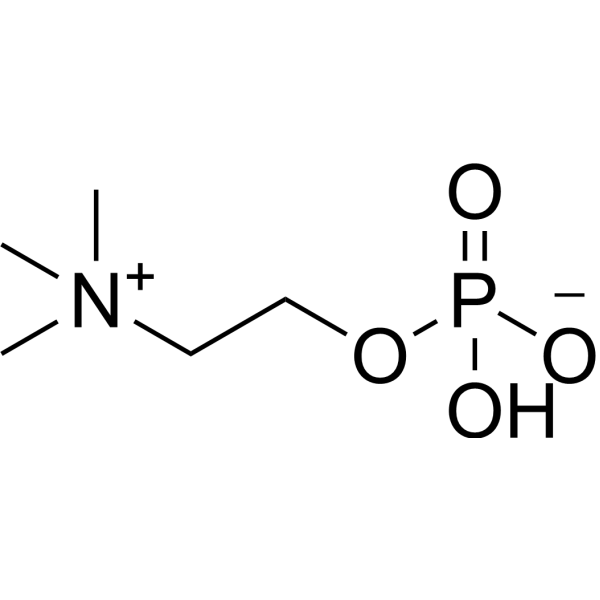
    Phosphatidylcholine is the main phospholipid component in eukaryotic biofilms. Phosphatidylcholine exists in commensal or pathogenic bacteria associated with eukaryotes in prokaryotes. Phosphorylcholine exhibits a surprising range of immunomodulatory properties .
    Phosphorylcholine
  • HY-N0017
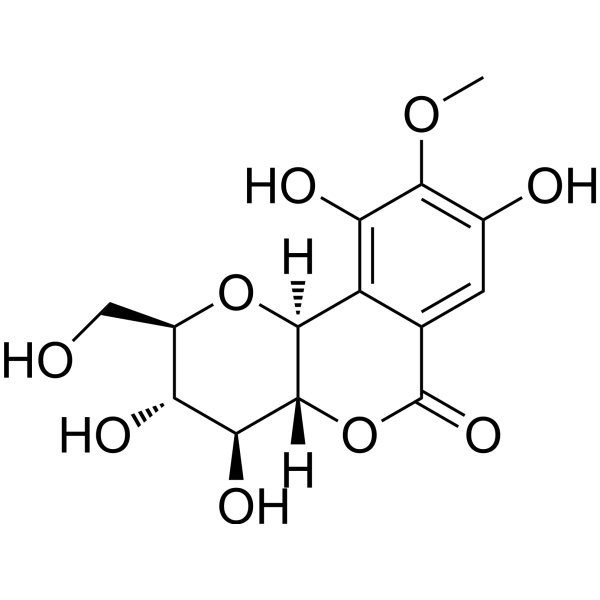
    Bergenin
    5+ Cited Publications

    Cuscutin

    NF-κB Autophagy Apoptosis Bacterial Fungal Virus Protease Infection Inflammation/Immunology Cancer
    Bergenin is a cytoprotective and antioxidative polyphenol found in many medicinal plants. Bergenin has a wide spectrum activities such as hepatoprotective, antiinflammatory, immunomodulatory, antitumor, antiviral, and antifungal properties .
    Bergenin
  • HY-A0106
    Levamisole
    10+ Cited Publications

    (-)-Tetramisole

    nAChR Parasite Infection Inflammation/Immunology Cancer
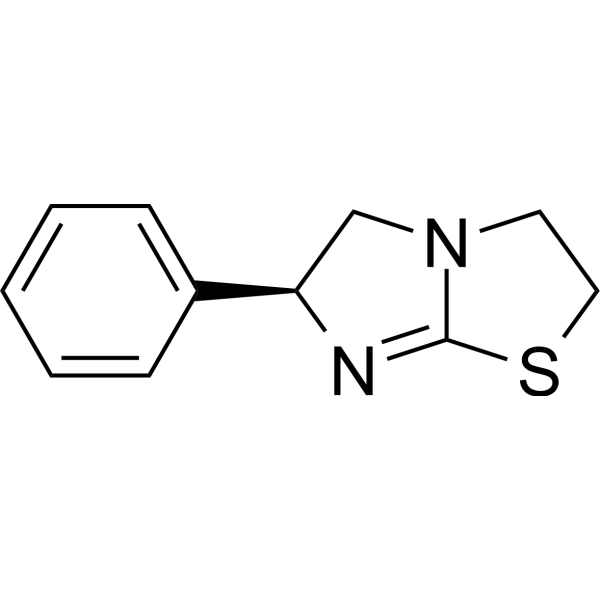
    Levamisole ((-)-Levamisole), an anthelmintic agent with immunomodulatory properties. Levamisole acts as a positive allosteric modulator (PAM) for the α3β2 (EC50=300 μM) and α3β4 (EC50=100 μM) subtype of nAChRs. Orally active .
    Levamisole
  • HY-N1318
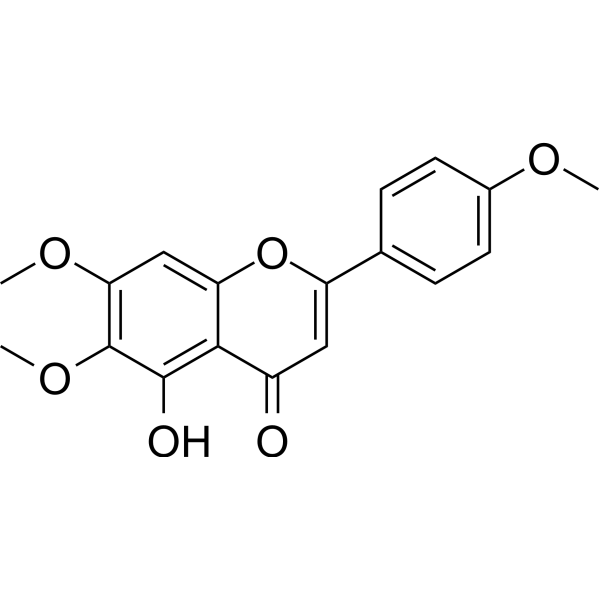
    Salvigenin
    5+ Cited Publications

    Psathyrotin

    Autophagy Apoptosis ROS Kinase Neurological Disease Inflammation/Immunology Cancer
    Salvigenin is a natural polyphenolic compound, with neuroprotective effect. Salvigenin has antitumor cytotoxic and immunomodulatory properties. Salvigenin inhibits H2O2-induced cell apoptosis .
    Salvigenin
  • HY-B2233
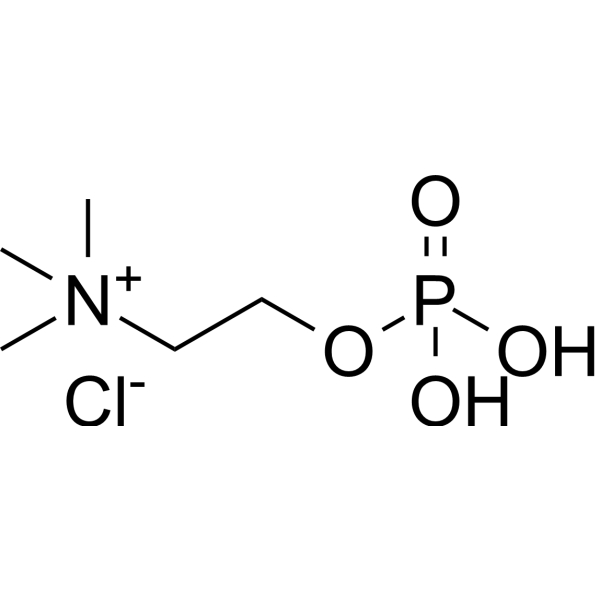
    Phosphorylcholine chloride
    Maximum Cited Publications
    12 Publications Verification

    Phosphocholine chloride

    Endogenous Metabolite Adrenergic Receptor Cardiovascular Disease Neurological Disease Inflammation/Immunology
    Phosphorylcholine chloride (Phosphocholine chloride) is the main phospholipid component in eukaryotic biofilms. Phosphorylcholine chloride exists in commensal or pathogenic bacteria associated with eukaryotes in prokaryotes. Phosphorylcholine chloride exhibits a surprising range of immunomodulatory properties .
    Phosphorylcholine chloride
  • HY-B0944
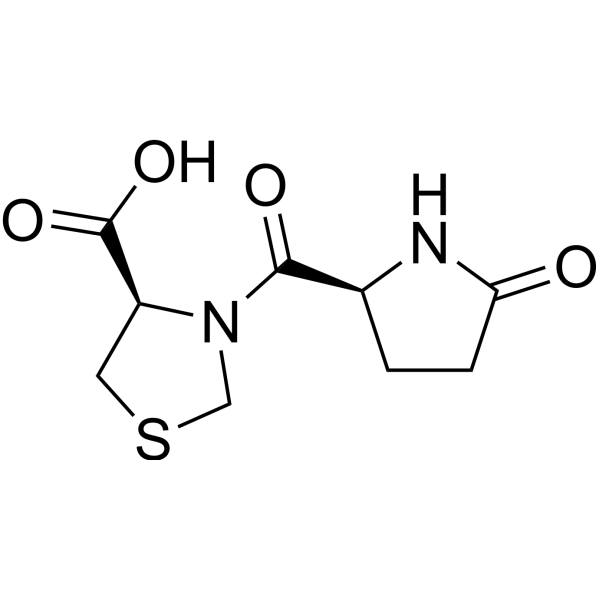
    Pidotimod
    2 Publications Verification

    Bacterial Inflammation/Immunology
    Pidotimod is an orally active dipeptide immunostimulant with immunomodulatory properties on the adaptive and the innate immune responses. Pidotimod increases macrophage activity and humoral immune functions. Pidotimod can be used for the research of chronic bronchitis, chronic obstructive pulmonary disease (COPD), bronchiectasis, and chronic idiopathic urticaria,et al .
    Pidotimod
  • HY-15507
    VGX-1027
    1 Publications Verification

    GIT 27

    Interleukin Related TNF Receptor Metabolic Disease Inflammation/Immunology
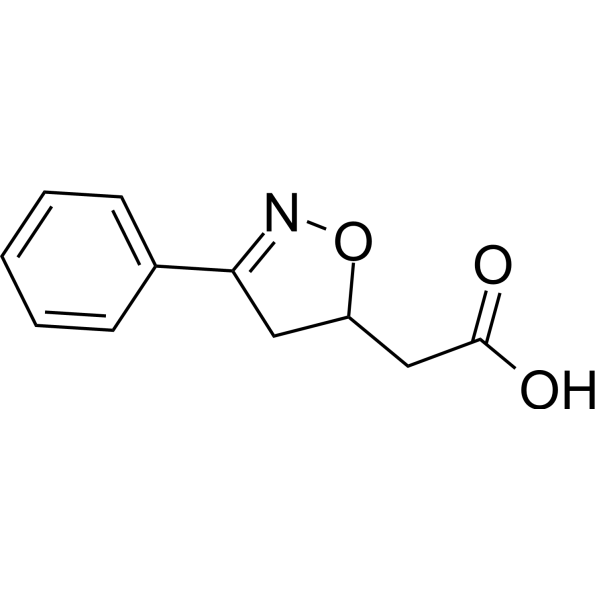
    VGX-1027 is an orally active isoxazole compound that exhibits various immunomodulatory properties. VGX-1027 targets macrophages, reducing the production of the proinflammatory mediators TNF-α, IL-1β, IL-10. VGX-1027 has antidiabetogenic effects by limiting cytokine-mediated immunoinflammatory events .
    VGX-1027
  • HY-139374
    Zabedosertib
    2 Publications Verification

    BAY 1834845

    IRAK Inflammation/Immunology
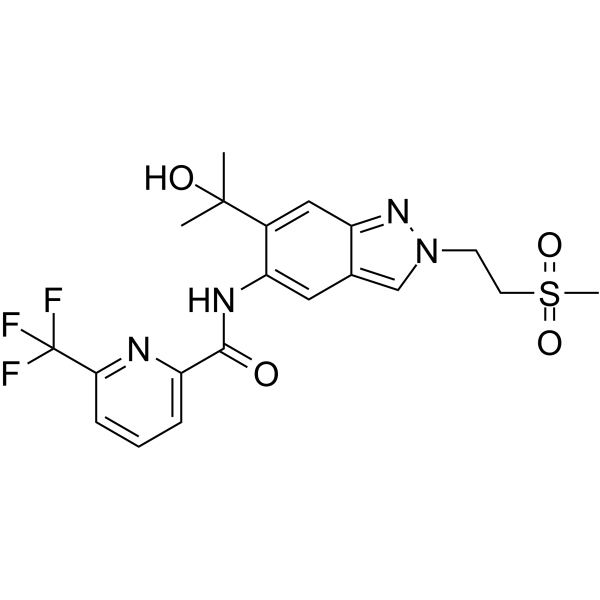
    Zabedosertib (BAY 1834845) is a selective, orally active IRAK4 inhibitor with immunomodulatory potential, IC50 is 3.55 nM. IRAK4 is a protein kinase involved in signaling innate immune responses from Toll-like receptors . Zabedosertib exhibits anti-inflammatory property against IL-β, LPS (HY-D1056) and Imiquimod (HY-B1080) induced inflammation .
    Zabedosertib
  • HY-N5060

    4-Allylanisole

    Environmental Pollutants Parasite Apoptosis Keap1-Nrf2 NF-κB Infection Neurological Disease Inflammation/Immunology
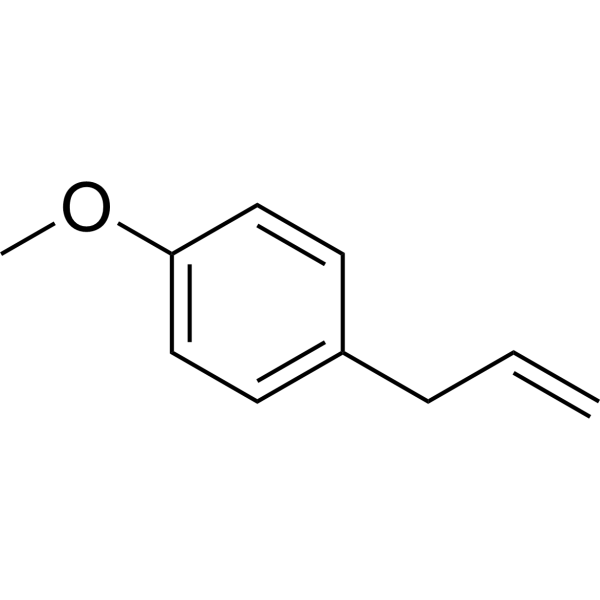
    Estragole (4-Allylanisole) is a relatively nontoxic volatile terpenoid ether and major component of the essential oil from many plants. Estragole significantly triggers Apoptosis, suppresses LPS-induced intracellular ROS production. Estragole activats Nrf-2 and regulates NF-κB. Estragole has anti-toxoplasma, anti-inflammatory, anti-edema, antioxidant and immunomodulatory properties. Estragole blocks DRG neuron excitability. Estragole has improves gastric ulcer activity .
    Estragole
  • HY-N0120

    (E/Z)-Piceid

    Drug Isomer Cardiovascular Disease Metabolic Disease Inflammation/Immunology Cancer
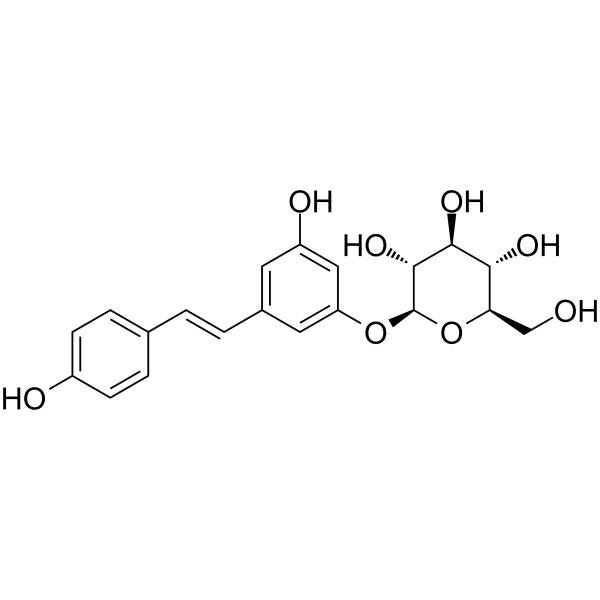
    (E/Z)-Polydatin ((E/Z)-Piceid) is a mixture of the E/Z configurations of Polydatin (HY-N0120A). Polydatin can be isolated from Polygonum cuspidatum, grapes, peanuts, red wine, hop pellets, cocoa-containing products and chocolate products. Polydatin exhibits multiple biological properties, such as anti-platelet aggregation, anti-low-density lipoprotein oxidation, cardioprotective activity, anti-inflammatory and immunomodulatory functions. Polydatin shows favorable cytotoxic effects against various tumor cell lines, including cervical cancer cells, liver cancer cells, and nasopharyngeal carcinoma cells .
    (E/Z)-Polydatin
  • HY-105028

    CP-66248

    COX Lipoxygenase Potassium Channel MMP Inflammation/Immunology
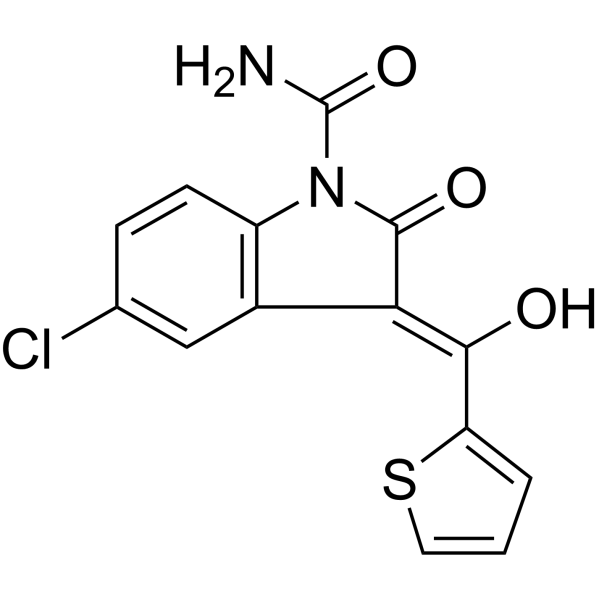
    Tenidap (CP-66248) is an orally active dual inhibitor of 5-LOX and COX with anti-inflammatory and immunomodulatory properties. Tenidap downregulates the expression of IL-1 receptors in chondrocytes, reduces the release of pro-inflammatory cytokines such as IL-1, IL-6 and TNF-α, and inhibits MMP production and cartilage degradation. Tenidap also blocks bone resorption and leukocyte adhesion to vascular endothelium, interferes with ion and pH changes associated with mouse sperm capacitation, and selectively enhances the activity of hKir2.3 channels (EC50=1.3 μM). Tenidap is applicable to research related to rheumatoid arthritis .
    Tenidap
  • HY-W041892
    Dimethyl itaconate
    1 Publications Verification

    Reactive Oxygen Species (ROS) Infection Neurological Disease Inflammation/Immunology
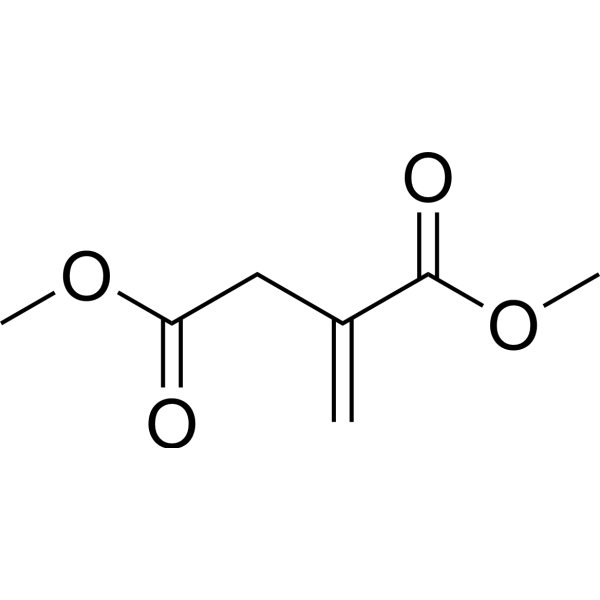
    Dimethyl itaconate induces innate immune memory (trained immunity), and exhibits immunomodulatory property. Dimethyl itaconate inhibits the activation of microglia, reduces the neuroinflammation and synaptic structural damage. Dimethyl itaconate regulates the composition of intestinal flora .
    Dimethyl itaconate
  • HY-P3051

    Reverse Transcriptase Inflammation/Immunology
    CKS-17 is a synthetic retroviral envelope peptide. CKS-17 has the highly conserved amino acid sequences occurring within the transmembrane envelope protein of many animal and human retroviruses. CKS-17 acts as an immunomodulatory epitope and exhibits suppressive properties for numerous immune functions .
    CKS-17
  • HY-150217A
    CpG ODN 10101 sodium
    2 Publications Verification

    ODN 10101 sodium

    Toll-like Receptor (TLR) Infection
    CpG ODN 10101 sodium, a synthetic oligodeoxynucleotide (ODN), is a toll-like receptor 9 (TLR9) agonist. CpG ODN 10101 sodium is a potent inducer of cytokine/chemokine expression ex vivo when used in combination with HH2(VQLRIRVAVIRA-NH2). CpG ODN 10101 sodium induces IFN- secretion from dendritic cells (DCs) and stimulates B-cells.CpG ODN 10101 sodium has antiviral and immunomodulatory properties that can influence chronic infection with HCV .
    CpG ODN 10101 sodium
  • HY-P990907

    F-027300252; SAR-442970

    TNF Receptor Inflammation/Immunology
    Brivekimig (F-027300252; SAR-442970) is a bispecific nanobody targeting TNF/OX40L. Brivekimig is applicable to research related to hidradenitis suppurativa.
    Brivekimig
  • HY-175746

    CX3CR1 Cardiovascular Disease
    AZD0233 is an orally active CX3CR1 antagonist. AZD0233 modulates the CX3CR1/CX3CL1 signaling axis via immunomodulatory effects. AZD0233 has improved physicochemical properties, metabolic stability, low toxicity and CYP inhibition. AZD0233 improves cardiac function and reduces macrophages and fibrotic scar in mice model of dilated cardiomyopathy. AZD0233 can be used for cardiovascular diseases like dilated cardiomyopathy research .
    AZD0233
  • HY-N0206

    Deglucocyclamin; LTS-4; Saxifragifolin B

    Antibiotic Cancer
    Ardisiacrispin A (Deglucocyclamin) is a common triterpenoid saponin from Ardisia species. Ardisiacrispin A has similar biological properties with some triterpenoid saponins in A. crenata which is one of the species of genus Ardisia and exhibits cytotoxic effect on tumor cells, immunomodulatory and antiviral activities .
    Ardisiacrispin A
  • HY-N5060S

    4-Allylanisole-d4

    Parasite Isotope-Labeled Compounds Neurological Disease
    Estragole-d4 is deuterated labeled Estragole (HY-N5060). Estragole (4-Allylanisole) is a relatively nontoxic volatile terpenoid ether and major component of the essential oil from many plants. Estragole significantly triggers Apoptosis, suppresses LPS-induced intracellular ROS production. Estragole activats Nrf-2 and regulates NF-κB. Estragole has anti-toxoplasma, anti-inflammatory, anti-edema, antioxidant and immunomodulatory properties. Estragole blocks DRG neuron excitability. Estragole has improves gastric ulcer activity [10] .
    Estragole-d4
  • HY-B2233A

    Biochemical Assay Reagents Adrenergic Receptor Cardiovascular Disease Neurological Disease Inflammation/Immunology
    Calcium phosphorylcholine chloride, 98% is the main phospholipid component in eukaryotic biofilms. Calcium phosphorylcholine chloride, 98% exists in commensal or pathogenic bacteria associated with eukaryotes in prokaryotes. Calcium phosphorylcholine chloride, 98% exhibits a surprising range of immunomodulatory properties .
    Calcium phosphorylcholine chloride, 98%
  • HY-B2233AS

    Phosphocholine-d9 chloride calcium

    Endogenous Metabolite Isotope-Labeled Compounds Adrenergic Receptor Cardiovascular Disease Neurological Disease Inflammation/Immunology
    Calcium phosphorylcholine-d9 (chloride) is the deuterium labeled Calcium phosphorylcholine chloride. Calcium phosphorylcholine chloride is the main phospholipid component in eukaryotic biofilms. Calcium phosphorylcholine chloride exists in commensal or pathogenic bacteria associated with eukaryotes in prokaryotes. Calcium phosphorylcholine chloride exhibits a surprising range of immunomodulatory properties .
    Calcium phosphorylcholine-d9 chloride
  • HY-14658R

    Ligands for E3 Ligase Autophagy Apoptosis Reference Standards Inflammation/Immunology Cancer
    Thalidomide (Standard) is the analytical standard of Thalidomide. This product is intended for research and analytical applications. Thalidomide inhibits cereblon (CRBN), a part of the cullin-4 E3 ubiquitin ligase complex CUL4-RBX1-DDB1, with a Kd of ∼250 nM, and has immunomodulatory, anti-inflammatory and anti-angiogenic cancer properties. Thalidomide can work as molecular glue to potentiate substrate.
    Thalidomide (Standard)
  • HY-14658S

    Molecular Glues Ligands for E3 Ligase Autophagy Apoptosis Inflammation/Immunology Cancer
    Thalidomide-d4 is a deuterium labeled Thalidomide. Thalidomide inhibits cereblon (CRBN), a part of the cullin-4 E3 ubiquitin ligase complex CUL4-RBX1-DDB1, with a Kd of ~250 nM, and has immunomodulatory, anti-inflammatory and anti-angiogenic cancer properties .
    Thalidomide-d4
  • HY-19486

    Nuclear Factor of activated T Cells (NFAT) CD3 CD28 Interleukin Related Inflammation/Immunology
    UR-1505 is a nuclear factor of activated T cells (NF-AT) inhibitor. UR-1505 can suppress CD3/CD28 induced T cell proliferation, increase p27 KIP levels, and induce G1/S cell cycle arrest. UR-1505 can also inhibit the production of IL-5 and IFN-γ in activated T cells. UR-1505 has immunomodulatory properties and can be used in the study of atopic dermatitis .
    UR-1505
  • HY-N1318R

    Psathyrotin (Standard)

    Reference Standards Autophagy Apoptosis ROS Kinase Neurological Disease Inflammation/Immunology Cancer
    Salvigenin is a natural polyphenolic compound, with neuroprotective effect. Salvigenin has antitumor cytotoxic and immunomodulatory properties. Salvigenin inhibits H2O2-induced cell apoptosis .
    Salvigenin (Standard)
  • HY-122281

    Cannabinoid Receptor Others
    JTE 7-31 selectively acts on peripheral cannabinoid receptors, minimizing central nervous system side effects. They exhibit potent immunomodulatory, anti-inflammatory and anti-allergic properties, as well as inhibitory effects on nephritis .
    JTE 7-31
  • HY-N0017R

    Cuscutin (Standard)

    NF-κB Reference Standards Autophagy Apoptosis Bacterial Fungal Virus Protease Infection Inflammation/Immunology Cancer
    Bergenin (Standard) is the analytical standard of Bergenin. This product is intended for research and analytical applications. Bergenin is a cytoprotective and antioxidative polyphenol found in many medicinal plants. Bergenin has a wide spectrum activities such as hepatoprotective, antiinflammatory, immunomodulatory, antitumor, antiviral, and antifungal properties .
    Bergenin (Standard)
  • HY-P1954

    Piscidin-1 (22-42)

    Bacterial Infection Cancer
    Epinecidin-1 (Piscidin-1 (22-42)) is a highly potent, multi-functional Antimicrobial Peptide (AMP) produced by Orange-spotted grouper (Epinephelus coioides). Epinecidin-1 has many functional usages including antibacterial, antifungal, antiviral, antiprotozoal, anticancer, immunomodulatory, and wound healing properties .
    Epinecidin-1
  • HY-B0944R

    Reference Standards Bacterial Inflammation/Immunology
    Pidotimod (Standard) is the analytical standard of Pidotimod. This product is intended for research and analytical applications. Pidotimod is an orally active dipeptide immunostimulant with immunomodulatory properties on the adaptive and the innate immune responses. Pidotimod increases macrophage activity and humoral immune functions. Pidotimod can be used for the research of chronic bronchitis, chronic obstructive pulmonary disease (COPD), bronchiectasis, and chronic idiopathic urticaria,et al .
    Pidotimod (Standard)
  • HY-106981

    OR 1384

    NADPH Oxidase Reactive Oxygen Species (ROS) Apoptosis NF-κB NO Synthase STAT Inflammation/Immunology
    Orazipone (OR 1384) is a small molecule immunomodulator with strong anti-inflammatory properties. Orazipone exerts its immunomodulatory effect by forming reversible thiol complexes, which bind to intracellular signaling proteins and the thiol groups of glutathione. Orazipone exhibits potent anti-eosinophilic activity by inducing apoptosis. Orazipone inhibits activation of inflammatory transcription factors NF-kB and STAT 1 and decreases inducible iNOS expression and NO production in response to inflammatory stimuli. Orazipone reduces NADPH oxidase activity and thereby decreases ROS production. Orazipone has a protective effect in intestinal radiation injury .
    Orazipone
  • HY-W230975

    (E/Z)-Bioperine; (E/Z)-1-Piperoylpiperidine

    Cytochrome P450 P-glycoprotein Neurological Disease Inflammation/Immunology Cancer
    (E/Z)-Piperine ((E/Z)-Bioperine) is an alkaloid with a pungent property. (E/Z)-Piperine shows anti-inflammation, immunomodulatory and anti-cancer, antispasmodic and anti-secretory effects. (E/Z)-Piperine demonstrates significant neuroprotective effect in Alzheimer’s disease and Parkinson’s disease .
    (E/Z)-Piperine
  • HY-N1318S

    Psathyrotin-d9

    Autophagy Neurological Disease Inflammation/Immunology Cancer
    Salvigenin-d9 is the deuterium labeled Salvigenin. Salvigenin is a natural polyphenolic compound, with neuroprotective effect. Salvigenin has antitumor cytotoxic and immunomodulatory properties .
    Salvigenin-d9
  • HY-P5729

    Fungal Infection
    LL-25 is a fragment of LL-37 (HY-P1222) but devoid of the immunomodulatory properties of LL-37. LL-25 has antifungal and candidacidal activity .
    LL-25
  • HY-N5113

    Bacterial Others
    6α-Chloro-5β-hydroxywithaferin A is a withanolide that can be isolated from W. somnifera. W. somnifera has antioxidant, anti-inflammatory, immunomodulatory, anticarcinogenic, antibacterial antiparkinsonism and antistress properties .
    6α-Chloro-5β-hydroxywithaferin A
  • HY-119415

    ICN-17261

    HCV Others
    Levovirin (ICN-17261) is a potent 1-β-aminopyrazole-3-carboxamide that activates human T cells to secrete type 1 cytokines comparable to ribavirin. Levovirin shows promising immunomodulatory properties .
    Levovirin
  • HY-B2233BR

    Phosphocholine (Standard)

    Endogenous Metabolite Adrenergic Receptor Reference Standards Cardiovascular Disease Neurological Disease Inflammation/Immunology
    Phosphorylcholine (Standard) is the analytical standard of Phosphorylcholine. This product is intended for research and analytical applications. Phosphatidylcholine is the main phospholipid component in eukaryotic biofilms. Phosphatidylcholine exists in commensal or pathogenic bacteria associated with eukaryotes in prokaryotes. Phosphorylcholine exhibits a surprising range of immunomodulatory properties .
    Phosphorylcholine (Standard)
  • HY-B2233R

    Phosphocholine chloride (Standard)

    Endogenous Metabolite Adrenergic Receptor Reference Standards Cardiovascular Disease Neurological Disease Inflammation/Immunology
    Phosphorylcholine (chloride) (Standard) is the analytical standard of Phosphorylcholine (chloride). This product is intended for research and analytical applications. Phosphorylcholine chloride (Phosphocholine chloride) is the main phospholipid component in eukaryotic biofilms. Phosphorylcholine chloride exists in commensal or pathogenic bacteria associated with eukaryotes in prokaryotes. Phosphorylcholine chloride exhibits a surprising range of immunomodulatory properties .
    Phosphorylcholine chloride (Standard)
  • HY-P1954A

    Piscidin-1 (22-42) TFA

    Bacterial Infection Cancer
    Epinecidin-1 (Piscidin-1 (22-42)) TFA is a highly potent, multi-functional Antimicrobial Peptide (AMP) produced by Orange-spotted grouper (Epinephelus coioides). Epinecidin-1 TFA has many functional usages including antibacterial, antifungal, antiviral, antiprotozoal, anticancer, immunomodulatory, and wound healing properties .
    Epinecidin-1 TFA
  • HY-A0106R

    (-)-Tetramisole (Standard)

    Reference Standards nAChR Parasite Infection Inflammation/Immunology Cancer
    Levamisole (Standard) is the analytical standard of Levamisole. This product is intended for research and analytical applications. Levamisole ((-)-Levamisole), an anthelmintic agent with immunomodulatory properties. Levamisole acts as a positive allosteric modulator (PAM) for the α3β2 (EC50=300 μM) and α3β4 (EC50=100 μM) subtype of nAChRs. Orally active .
    Levamisole (Standard)
  • HY-W768245

    Isotope-Labeled Compounds HIV Endogenous Metabolite Infection Cancer
    a-D-Galactose-1,2- 13C2 1-phosphate potassium is the 13C- and 15N-labeled a-D-Galactose (HY-121370). α-D-Galactose is a non-starch polysaccharide found in the bulb tissues of Lilium davidii var. unicolor Salisb. α-D-Galactose has anti-oxidation properties, anti-tumour activities, immunomodulatory effects and anti-HIV functions .
    a-D-Galactose-1,2-13C2 1-phosphate potassium
  • HY-172148

    Interleukin Related Inflammation/Immunology
    Itaconic acid prodrug-1 (Compound P2) is an orally active prodrug of Itaconic acid (HY-Y0520) that efficiently delivers the active ingredient Itaconic acid to skin tissue following oral administration. Itaconic acid prodrug-1 possesses immunomodulatory properties, significantly inhibiting Poly(I:C)/IFNγ-induced inflammatory cytokines in human epidermal keratinocytes. Itaconic acid prodrug-1 can be utilized for the research of alopecia areata and other inflammatory skin diseases .
    Itaconic acid prodrug-1
  • HY-165315

    TCMP-80

    Others Inflammation/Immunology
    Lysyl-serine (TCMP-80) is a T cell modulatory peptide with immunomodulatory properties .
    Lysyl-serine
  • HY-114848

    SM1213 hydrochloride; Therafectin hydrochloride

    Others Others
    Amiprilose (SM1213) hydrochloride is a novel synthetic carbohydrate with anti-inflammatory and immunomodulatory properties, which can restore the number of painful and swollen joints, joint pain and swelling index, and grip strength to baseline levels.
    Amiprilose hydrochloride
  • HY-N19055

    Others Inflammation/Immunology
    Asparagus racemosus extract, derived from the roots of Asparagus racemosus (also known as Satavali), contains bioactive components such as saponins, steroidal glycosides, polyphenols, vitamins, flavonoids, and alkaloids. Asparagus racemosus extract is renowned for its anti-inflammatory and immunomodulatory properties.
    Asparagus racemosus extract
  • HY-N19084

    Others Inflammation/Immunology Cancer
    Piper longum fruit extract contains a variety of bioactive compounds, including piperine, flavonoids, phenolic compounds, and various alkaloids. Piper longum fruit extract has applications such as antioxidant activity, anti-inflammatory effects, antitumor and immunomodulatory properties, hepatoprotective effects, and anti-chromosome breakage activity.
    Piper longum fruit extract
  • HY-P3051A

    Drug Derivative Infection Inflammation/Immunology
    CKS-17 (dimer) is the dimer of CKS-17 (HY-P3051). CKS-17 (dimer) can be prepared by introducing a naturally occurring cysteine at the carboxyl terminus and dimerizing via a cysteine-disulfide bond. CKS-17 is a synthetic retroviral envelope peptide. CKS-17 has a highly conserved amino acid sequence present in the transmembrane envelope proteins of numerous animal and human retroviruses. As an immunomodulatory epitope, CKS-17 exhibits inhibitory properties on a variety of immune functions .
    CKS-17 (dimer)
  • HY-N19083

    Bacterial Inflammation/Immunology
    Tecomella undulata Extract, also known as Rohida extract, is a valuable botanical extract derived from the bark and leaves of the Tecomella undulata plant native to the Indian Thar Desert and is rich in bioactive compounds such as flavonoids, quinones, triterpenoids, and other phytochemicals that contribute to its diverse therapeutic properties. This extract is widely recognized for its hepatoprotective effects demonstrated through its ability to protect against liver damage induced by toxins such as paracetamol and carbon tetrachloride by normalizing elevated liver enzyme levels reducing oxidative stress and improving liver function. Additionally, it exhibits significant anti-inflammatory activity comparable to standard drugs like indomethacin and has been used to treat conditions like ascites and hepatosplenomegaly while also showing immunomodulatory effects by enhancing both humoral and cell-mediated immune responses and possessing antimicrobial properties that make it effective against various pathogens. Recent research suggests that Tecomella undulata may have potential in managing nonalcoholic steatohepatitis (NASH) by reducing body weight insulin resistance and improving liver function markers making it a versatile natural remedy with significant applications in hepatoprotection anti-inflammation and immune support.
    Tecomella undulata extract

Inquiry Online

Your information is safe with us. * Required Fields.

Salutation


Country or Region *

Applicant Name *


Organization Name *

Department *


Email Address *


Product Name *

Cat. No.


Requested quantity *

Phone Number *


Remarks

Inquiry Online

Inquiry Information

Product Name:
Cat. No.:
Quantity:
MCE Japan Authorized Agent:

