


1. Search Result
Search Result
Results for "

immunosuppressive diseases

" in MedChemExpress (MCE) Product Catalog:

50

Inhibitors & Agonists

1

Peptides

9

Inhibitory Antibodies

10

Natural
Products

3

Isotope-Labeled Compounds

2

Oligonucleotides

Art. -Nr. Produktname Target Forschungsgebiete Chemical Structure
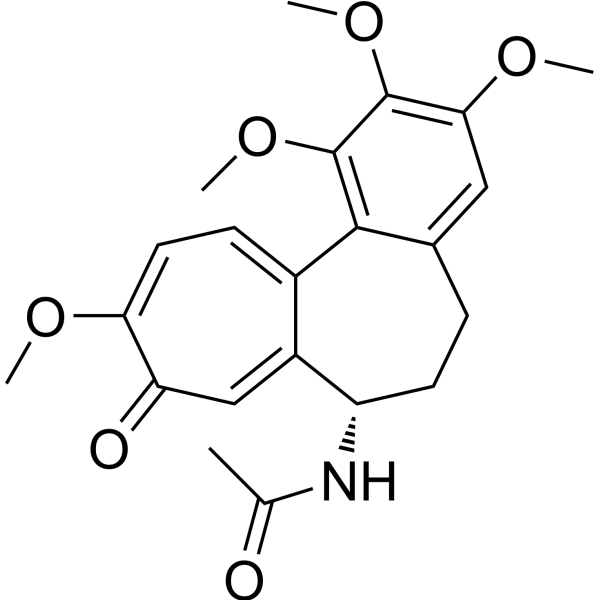
  • HY-16569
    Colchicine
    Maximum Cited Publications
    62 Publications Verification

    Environmental Pollutants Apoptosis Autophagy Microtubule/Tubulin NOD-like Receptor (NLR) Cancer
    Colchicine, an orally active alkaloid, is a potent tubulin inhibitor and a microtubule disrupting agent. Colchicine inhibits microtubule polymerization with an IC50 of 3 nM. Colchicine is also a competitive antagonist of the α3 glycine receptors (GlyRs). Colchicine prevents non-steroidal anti-inflammatory drug (NSAID)-induced small intestinal injury by inhibiting activation of the NLRP3 inflammasome. Colchicine has extensive anti-inflammatory, immunosuppressive and strong anti-fibrosis effects and has the potential for gouty arthritis research .
    Colchicine
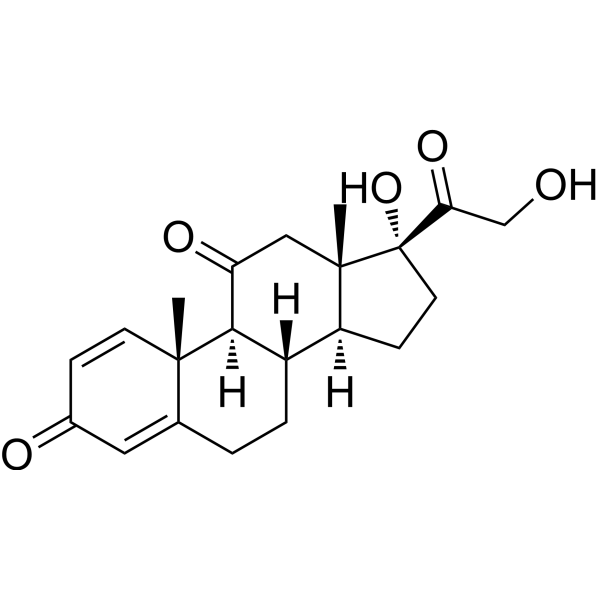
  • HY-B0214
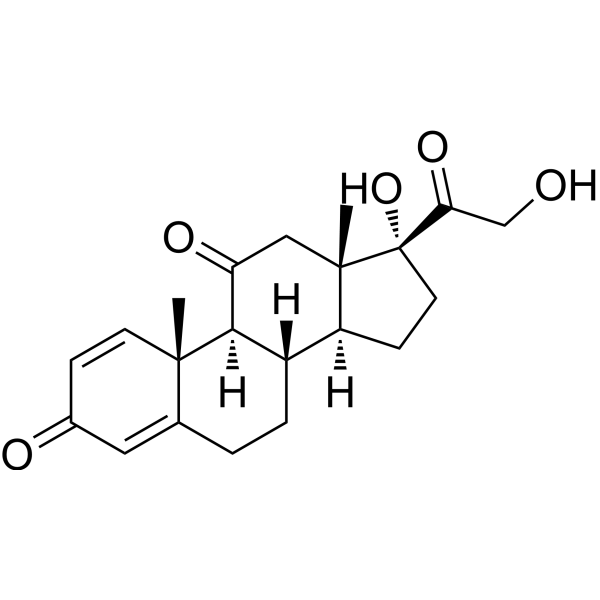
    Prednisone
    15+ Cited Publications

    Dehydrocortisone

    Glucocorticoid Receptor Apoptosis Cardiovascular Disease Inflammation/Immunology Endocrinology Cancer
    Prednisone (Adasone) is a corticosteroid agent with anti-inflammatory and immunosuppressive effects that can be used to study diseases related to systemic lupus erythematosus .
    Prednisone
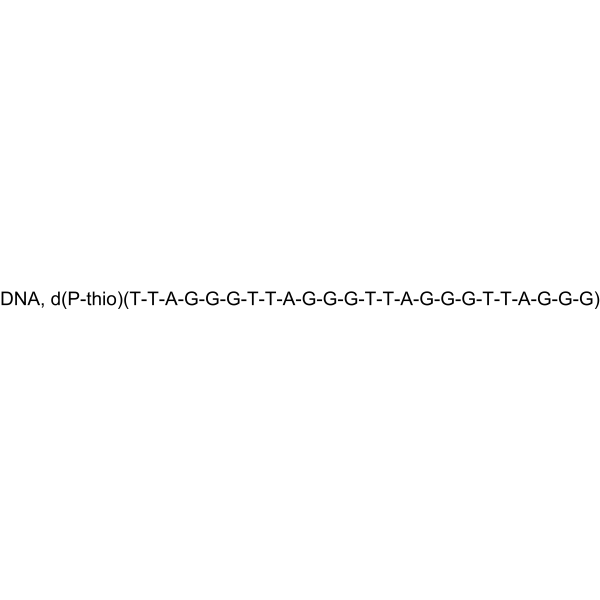
  • HY-150751
    ODN TTAGGG
    3 Publications Verification

    ODN A151

    Toll-like Receptor (TLR) AIM2 Pyroptosis Interleukin Related Inflammation/Immunology
    ODN TTAGGG (ODN A151), an inhibitory oligonucleotide (ODN), is a TLR9, AIM2, and cGAS antagonist. ODN TTAGGG inhibits AIM2 inflammasome activation and cGAS activation through competition with DNA. ODN TTAGGG blocks AIM2-mediated Pyroptosis and inhibits IL-18 production. ODN TTAGGG has immunosuppressive effects and can be used in research on related autoimmune diseases such as lupus erythematosus . ODN TTAGGG sequence: 5'-T-T-A-G-G-G-T-T-A-G-G-G-T-T-A-G-G-G-T-T-A-G-G-G-3'.
    ODN TTAGGG
  • HY-N0433
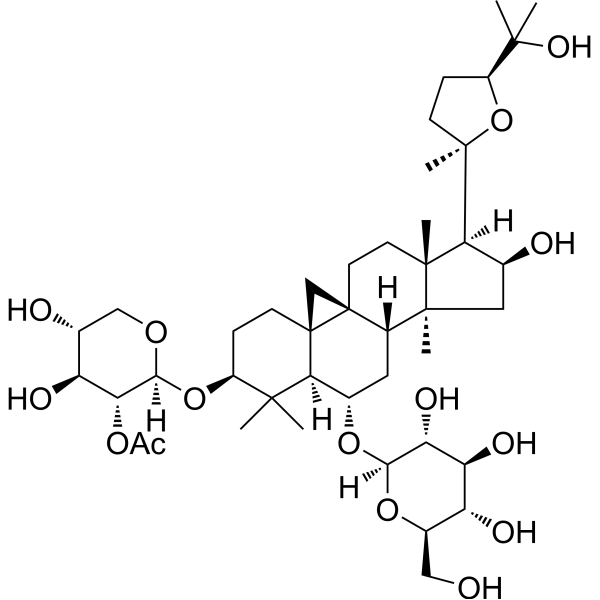
    Astragaloside II
    1 Publications Verification

    Astrasieversianin VIII

    Autophagy Interleukin Related HIF/HIF Prolyl-Hydroxylase SOD NF-κB Inflammation/Immunology Endocrinology Cancer
    Astragaloside II is an orally active Cycloartane-type triterpene glycoside. Astragaloside II can be extracted from Astragalus membranaceus. Astragaloside II inhibits Autophagy, decreases pro-inflammatory cytokines (IL-6, IL-1β), HIF-α, p-p65, p-IκB and increases SOD. Astragaloside II regulates immunity and reduces inflammatory responses. Astragaloside II can be used in the research of diseases such as liver cancer, osteoporosis, immunosuppressive diseases, and ulcerative colitis .
    Astragaloside II
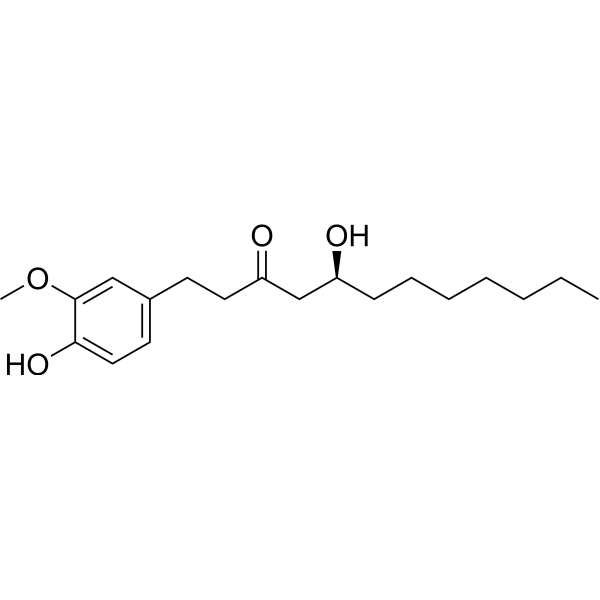
  • HY-N0447
    8-Gingerol
    5 Publications Verification

    TRP Channel Bacterial Apoptosis Autophagy STAT PERK EGFR PI3K Akt mTOR Caspase MMP Infection Cardiovascular Disease Inflammation/Immunology Cancer
    8-Gingerol can be found in the rhizome of ginger (Z. officinale) and has oral bioactivity. It activates TRPV1, with an EC50 value of 5.0 µM. 8-Gingerol inhibits COX-2 and also suppresses the growth of H. pylori in vitro. Additionally, 8-Gingerol exhibits anticancer, antioxidant, and anti-inflammatory properties by inhibiting the epidermal growth factor receptor (EGFR) and modulating its downstream STAT3/ERK pathway to suppress the proliferation, migration, and invasion of colorectal cancer cells. 8-Gingerol also exerts immunosuppressive effects by inhibiting oxidative stress, inducing cell cycle arrest, promoting apoptosis, and regulating autophagy. Furthermore, 8-Gingerol has cardioprotective effects. 8-Gingerol is promising for research in the fields of cancer, infection, immunosuppression, and cardiovascular diseases.
    8-Gingerol
  • HY-P99315

    BG 9588; Anti-Human CD40L Recombinant Antibody; Hu5c8

    TNF Receptor Inflammation/Immunology
    Ruplizumab (BG 9588) is a humanized anti-CD40L IgG1κ monoclonal antibody. By binding to CD40L, Ruplizumab blocks its interaction with the CD40 receptor, inhibits T-B cell costimulatory signals, and mediates the depletion of activated T cells via the Fc segment. Ruplizumab has immunosuppressive effects. Ruplizumab can be used in the study of systemic lupus erythematosus, organ transplant rejection, and autoimmune diseases. Recommend Isotype Controls: Human IgG1 kappa, Isotype Control (HY-P99001) .
    Ruplizumab
  • HY-18620
    DZ2002
    1 Publications Verification

    STAT PI3K NF-κB MEK ERK Bacterial Antibiotic Akt Inflammation/Immunology
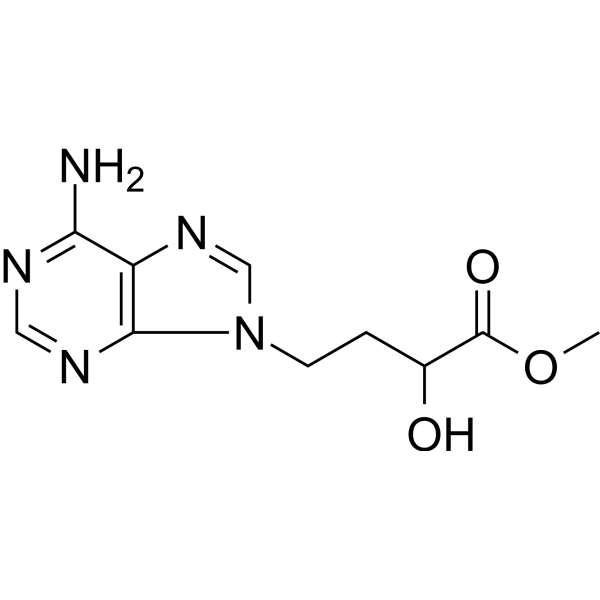
    DZ2002 is an orally active, reversible and low-cytotoxic type III SAHH inhibitor (Ki=17.9 nM), with good immunosuppressive activity. DZ2002 prevents the development of experimental dermal fibrosis by reversing the profibrotic phenotype of various cell types. DZ2002 can be used in studies of autoimmune diseases such as lupus syndrome and systemic sclerosis .
    DZ2002
  • HY-P99325

    IDEC-131; Anti-Human CD40 ligand Recombinant Antibody

    TNF Receptor Inflammation/Immunology
    Toralizumab (IDEC-131) is a humanized monoclonal antibody (mAb) against CD40L (CD154) comprised of human gamma 1 heavy chains and human kappa light chains. Toralizumab binds specifically to human CD40L on T cells, thereby preventing CD40 signaling. Toralizumab is an immunosuppressive agent. Toralizumab can lead to increased thrombosis. Toralizumab can be studied in research for diseases such as multiple sclerosis, systemic lupus erythematosus (SLE), and Crohn’s disease .
    Toralizumab
  • HY-150751C
    ODN TTAGGG sodium
    3 Publications Verification

    ODN A151 sodium

    AIM2 Toll-like Receptor (TLR) Inflammation/Immunology
    ODN TTAGGG sodium, inhibitory oligonucleotide (ODN), is a TLR9, AIM2 and cGAS antagonist. ODN TTAGGG sodium is immunosuppressive and inhibits AIM2 inflammasome activation, as well as cGAS activation, by competing with DNA. ODN TTAGGG sodium can be used in the study of lupus erythematosus and other related autoimmune diseases. ODN TTAGGG sequence: 5'-T-T-A-G-G-G-T-T-A-G-G-G-T-T-A-G-G-G-T-T-A-G-G-G-3' .
    ODN TTAGGG sodium
  • HY-P990297

    CCR HIV Infection Inflammation/Immunology Cancer
    Anti-Mouse/Rat/Human CCL2/MCP-1 Antibody (2H5) is an anti-mouse/rat/human CCL2/MCP-1 IgG monoclonal antibody. Anti-Mouse/Rat/Human CCL2/MCP-1 Antibody (2H5) can reverse the immunosuppressive microenvironment by blocking the CCL2 signaling pathway. Anti-Mouse/Rat/Human CCL2/MCP-1 Antibody (2H5) can reduce the secretion of IFN-γ and the infiltration of macrophages. CCL2/MCP-1 Antibody (2H5) can reduce the amount of HIV virus by increasing the proportion of T cells. Anti-Mouse/Rat/Human CCL2/MCP-1 Antibody (2H5) can be used for researches on inflammation conditions, virus infection and cancer such as inflammatory bowel disease (IBD), hepatocellular carcinoma (HCC) and HIV .
    Anti-Mouse/Rat/Human CCL2/MCP-1 Antibody (2H5)
  • HY-P99292

    HuZAF; Anti-Human IFNG Recombinant Antibody

    IFNAR Inflammation/Immunology
    Fontolizumab (HuZAF) is a humanized monoclonal anti-IFN-gamma antibody. Fontolizumab is an immunosuppressive agent. Fontolizumab can be used in research of Crohn’s disease .
    Fontolizumab
  • HY-17570
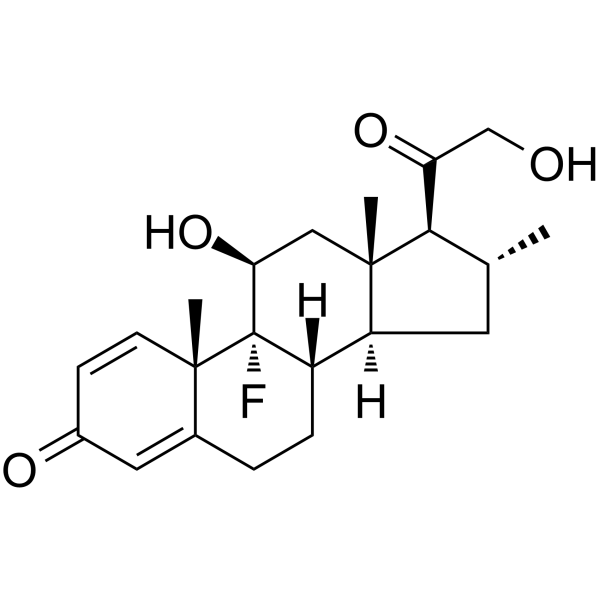
    Desoximetasone
    1 Publications Verification

    Glucocorticoid Receptor Interleukin Related Cytochrome P450 Inflammation/Immunology
    Desoximetasone is a corticosteroid and a substrate of cytochrome P450 3A4. Desoximetasone has anti-inflammatory, anti-allergic, and immunosuppressive effects. Desoximetasone can be used in the research of various skin diseases, such as skin allergies, atopic dermatitis, and psoriasis .
    Desoximetasone
  • HY-N7700A
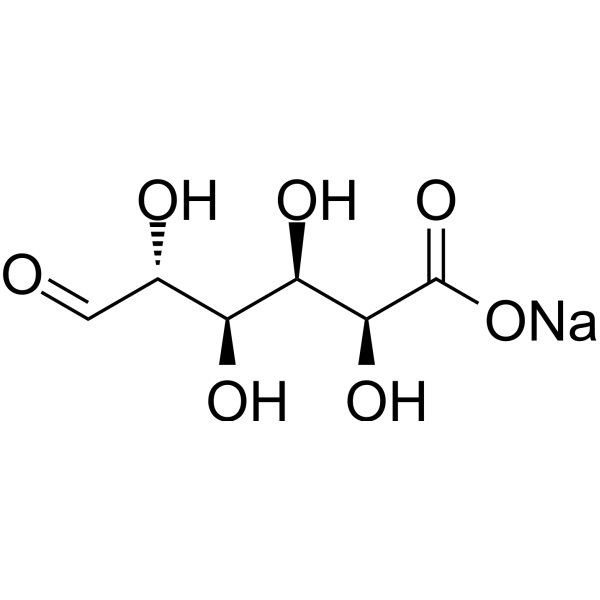
    Guluronic acid sodium
    1 Publications Verification

    G2013 sodium

    VEGFR Toll-like Receptor (TLR) COX NO Synthase NF-κB MMP Inflammation/Immunology Cancer
    Guluronic acid (G2013) sodium is an orally active oxidative stress regulator and anti-inflammatory agent that exerts pharmacological effects by down-regulating various pro-inflammatory and oxidative stress-related genes (such as TLR4, NF-κB, iNOS, etc.) and inhibiting the activities of COX-2, MMPs and VEGF. Low-dose Guluronic acid sodium up-regulates the expression of immunoregulatory genes SHIP1 and SOCS1, thereby effectively inhibiting cancer-related inflammation, tumor angiogenesis, cell adhesion and metastasis, while reducing the accumulation of immunosuppressive cells. Guluronic acid sodium significantly prolongs the survival time of tumor-bearing hosts within a concentration range without direct cytotoxicity, demonstrating favorable safety. Guluronic acid sodium has involved in the research of multiple sclerosis, ankylosing spondylitis, breast cancer and other inflammatory diseases .
    Guluronic acid sodium
  • HY-N7700

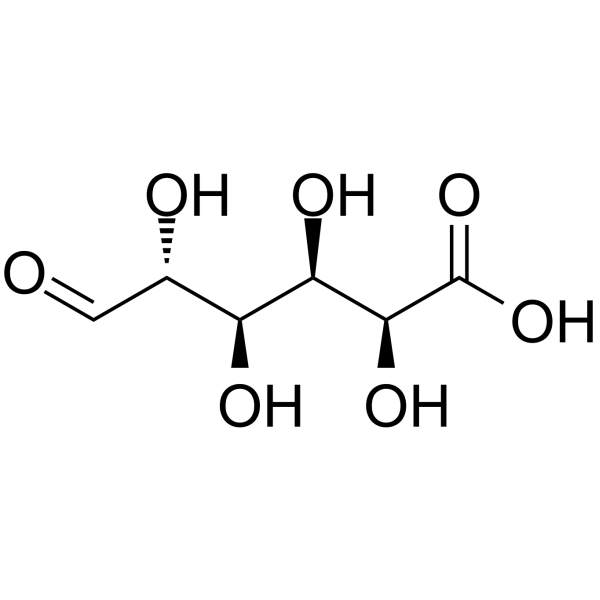
    G2013

    MMP COX VEGFR Toll-like Receptor (TLR) NF-κB NO Synthase Inflammation/Immunology Cancer
    Guluronic acid (G2013) is an orally active oxidative stress regulator and anti-inflammatory agent that exerts pharmacological effects by down-regulating various pro-inflammatory and oxidative stress-related genes (such as TLR4, NF-κB, iNOS, etc.) and inhibiting the activities of COX-2, MMPs and VEGF. Low-dose Guluronic acid up-regulates the expression of immunoregulatory genes SHIP1 and SOCS1, thereby effectively inhibiting cancer-related inflammation, tumor angiogenesis, cell adhesion and metastasis, while reducing the accumulation of immunosuppressive cells. Guluronic acid significantly prolongs the survival time of tumor-bearing hosts within a concentration range without direct cytotoxicity, demonstrating favorable safety. Guluronic acid has involved in the research of multiple sclerosis, ankylosing spondylitis, breast cancer and other inflammatory diseases .
    Guluronic acid
  • HY-B0214R
    Prednisone (Standard)
    15+ Cited Publications

    Dehydrocortisone (Standard)

    Reference Standards Glucocorticoid Receptor Apoptosis Inflammation/Immunology Endocrinology Cancer
    Prednisone (Standard) is the analytical standard of Prednisone. This product is intended for research and analytical applications. Prednisone (Adasone) is a corticosteroid agent with anti-inflammatory and immunosuppressive effects that can be used to study diseases related to systemic lupus erythematosus .
    Prednisone (Standard)
  • HY-14370

    LPL Receptor Others Inflammation/Immunology
    LX2931 is an inhibitor of Sphingosine 1-Phosphate Lyase (S1PL). LX2931 works by increasing levels of S1P inside and outside the cell. The decrease in S1PL activity leads to a significant increase in S1P content in tissues, especially in lymphoid tissues which may lead to a restricted exodus of lymphocytes from secondary immune tissues, resulting in lymphocytopenic and immunosuppressive effects in the peripheral circulation. LX2931 can be used in research for the study of autoimmune diseases, especially rheumatoid arthritis .
    LX2931
  • HY-W010989

    Biochemical Assay Reagents Bacterial Infection Neurological Disease Inflammation/Immunology Cancer
    Gly-His-Lys acetate is a natural, circulating regulatory and antimicrobial tripeptide derived from extracellular matrix proteins. Gly-His-Lys acetate binds Cu 2+ to support copper enzyme activation, antioxidant processes, cellular bioenergetics, and the synthesis of elastin, collagen and catecholamines. Gly-His-Lys acetate regulates cell growth, differentiation and tissue repair, and exerts regenerative, anxiolytic, anti-inflammatory, analgesic and immunosuppressive activities. Gly-His-Lys acetate induces liver degenerative changes. Gly-His-Lys acetate can be used for the research of infections, anxiety, pain-related behaviors and immune-associated liver diseases .
    Gly-His-Lys acetate
  • HY-168376

    9(10)-Nitrated oleic acid

    PPAR ERK Akt NO Synthase Metabolic Disease Inflammation/Immunology
    9 (10)-Nitrooleate (9(10)-Nitrated oleic acid) is an endogenous lipid signaling mediator with vasoprotective effects. 9 (10)-Nitrooleate enhances enzymatic activity and improves nitric oxide bioavailability by inducing phosphorylation of Akt and ERK1/2, regulating the multi-site phosphorylation status of eNOS and optimizing its interaction with Hsp90. 9 (10)-Nitrooleate also activates PPARα, PPARδ and PPARγ receptors, thereby regulating adipogenesis, glucose uptake and inflammation-related gene expression, and exhibits immunosuppressive effects by inhibiting neutrophil migration and cytokine secretion. 9 (10)-Nitrooleate is widely used in studies of sepsis and related inflammatory diseases .
    9(10)-Nitrooleate
  • HY-16569R

    Reference Standards Microtubule/Tubulin NOD-like Receptor (NLR) Autophagy Apoptosis Cancer
    Colchicine (Standard) is the analytical standard of Colchicine. This product is intended for research and analytical applications. Colchicine, an orally active alkaloid, is a potent tubulin inhibitor and a microtubule disrupting agent. Colchicine inhibits microtubule polymerization with an IC50 of 3 nM. Colchicine is also a competitive antagonist of the α3 glycine receptors (GlyRs). Colchicine prevents non-steroidal anti-inflammatory drug (NSAID)-induced small intestinal injury by inhibiting activation of the NLRP3 inflammasome. Colchicine has extensive anti-inflammatory, immunosuppressive and strong anti-fibrosis effects and has the potential for gouty arthritis research .
    Colchicine (Standard)
  • HY-P10839

    NF-κB Inflammation/Immunology
    NBD peptide inhibits NF-κB signaling pathway through inhibition of the NEMO-IKK complex combination. NBD peptide exhibits anti-inflammatory efficacy through block of pro-inflammatory cytokines production. NBD peptide exhibits immunosuppressive activity through regulation of immune cells. NBD peptide enhances its transmembrane ability by combining with cell-penetrating peptide HIV-TAT .
    NBD peptide
  • HY-P991114

    FLT3 Inflammation/Immunology
    Adezkibart is a human monoclonal antibody immunosuppressant targeting the human FMS-like tyrosine kinase 3 ligand (FLT3LG). Adezkibart is found in the Chinese hamster ovary cell line CHO-K1, which binds to FLT3LG to block the relevant signaling pathway, inhibits the immune response, and exerts immunosuppressive activity. Adezkibart is promising for research of immune-related diseases .
    Adezkibart
  • HY-32340

    KH1060

    VD/VDR Inflammation/Immunology Cancer
    Lexacalcitol (KH1060), a vitamin D analog, is a potent regulator of cell growth and immune responses. Lexacalcitol can be used for the research of graft rejection, psoriasis, cancer and auto-immune diseases .
    Lexacalcitol
  • HY-P991543

    CD2 Inflammation/Immunology Cancer
    BTI-322 is a human IgG1κ antibody directed against the CD2 antigen on T cells and NK cells. BTI-322 can block primary and memory alloantigen proliferative responses in vitro. BTI-322 recognizes over 90% of E-rosette-forming peripheral blood lymphocytes and T-cell leukemias. BTI-322 has immunosuppressive activity. BTI-322 effectively inhibits T cell responses in vitro to allogeneic cells. BTI-322 can be used as a T-cell deplting agent. BTI-322 can be studied in research for renal allograft rejection and steroid-refractory acute graft-versus-host disease .
    BTI-322
  • HY-N15137

    Endogenous Metabolite Inflammation/Immunology
    Calycopterin is a flavonoid compound that can be found in the leaves of Digitalis thapsi and exhibits immunosuppressive activity. Calycopterin is expected to be useful in the study of immune diseases .
    Calycopterin
  • HY-B0214S2

    Dehydrocortisone-d4

    Apoptosis Glucocorticoid Receptor Isotope-Labeled Compounds Inflammation/Immunology Endocrinology Cancer
    Prednisone-d4 is deuterated labeled Prednisone (HY-B0214). Prednisone (Adasone) is a corticosteroid agent with anti-inflammatory and immunosuppressive effects that can be used to study diseases related to systemic lupus erythematosus .
    Prednisone-d4
  • HY-147590

    CD73 Inflammation/Immunology
    CD73-IN-9 (compound 2) is a potent inhibitor of CD73. CD73 can catalyze the production of adenosine from extracellular 5'-phosphate adenosine (5'-AMP), and adenosine can induce immunosuppressive effects and promote tumor proliferation and/or metastasis. CD73-IN-9 can be used for the study of tumor-related diseases .
    CD73-IN-9
  • HY-156565

    LPL Receptor Inflammation/Immunology
    S1P1 agonist 6 (Compound I) is a S1P1 agonist that reduces autoimmune ability by blocking the transportation of lymphocytes. S1P1 agonist 6 can be used as an immunosuppressive agent in the study of various autoimmune diseases research .
    S1P1 agonist 6
  • HY-P991144

    Interleukin Related Inflammation/Immunology
    Lasrekibart is a humanized monoclonal antibody targeting human interleukin 5 (IL-5). Lasrekibart specifically binds to IL-5, blocking the interaction between IL-5 and its receptor, thus exerting immunosuppressive and anti-inflammatory activities. Lasrekibart is promising for research of allergic and inflammatory diseases, such as asthma .
    Lasrekibart
  • HY-P991129

    QX-002N

    Interleukin Related Inflammation/Immunology
    Crusekitug is a humanized monoclonal antibody targeting human interleukin 17A (IL-17A). Crusekitug specifically binds to IL-17A, blocking its signal transduction, thus exerting immunosuppressive and anti-inflammatory activities. Crusekitug is promising for research of autoimmune and inflammatory diseases, such as psoriasis and rheumatoid arthritis .
    Crusekitug
  • HY-A0158R

    Glucocorticoid Receptor Reference Standards Inflammation/Immunology
    Diflorasone (Standard) is the analytical standard of Diflorasone. This product is intended for research and analytical applications. Diflorasone act as a corticosteroid hormone receptor agonist with anti-inflammatory and immunosuppressive properties. Diflorasone enters the cell by diffusion across the cell membrane and binds to the glucocorticoid receptor (GR) in the cytoplasm. Diflorasone is used for the research of skin diseases such as eczema or psoriasis .
    Diflorasone (Standard)
  • HY-P991146

    LZM-012; XKH004

    Interleukin Related Inflammation/Immunology
    Lecankitug is a humanized monoclonal antibody targeting human interleukin 17A (IL-17A) and interleukin 17F (IL-17F). Lecankitug specifically binds to IL-17A and IL-17F, blocking their signal transduction, thus exerting immunosuppressive and anti-inflammatory activities. Lecankitug is promising for research of autoimmune and inflammatory diseases, such as psoriasis and rheumatoid arthritis .
    Lecankitug
  • HY-B0214S1

    Dehydrocortisone-d7

    Isotope-Labeled Compounds Apoptosis Glucocorticoid Receptor Cardiovascular Disease Inflammation/Immunology Endocrinology Cancer
    Prednisone-d7 (Dehydrocortisone-d7) is deuterium labeled Prednisone. Prednisone (Adasone) is a corticosteroid agent with anti-inflammatory and immunosuppressive effects that can be used to study diseases related to systemic lupus erythematosus .
    Prednisone-d7
  • HY-156565A

    S1P1 agonist 6 hemicalcium

    LPL Receptor Inflammation/Immunology
    S1P1 agonist 6 hemicalcium (Compound I) is a S1P1 agonist that reduces autoimmune ability by blocking the transportation of lymphocytes. S1P1 agonist 6 hemicalcium can be used as an immunosuppressive agent in the study of various autoimmune diseases research .
    Sumonerimod hemicalcium
  • HY-14518A

    4-Aminofolic acid sodium; APGA sodium

    Antifolate Cancer
    Aminopterin sodium (4-Aminofolic acid sodium) is an anti-tumor drug with immunosuppressive activity. Aminopterin sodium blocks the metabolism of folic acid by inhibiting the activity of dihydrofolate reductase, thereby affecting nucleic acid synthesis. Aminopterin sodium is mainly used to inhibit acute lymphoblastic leukemia and certain other types of cancer. Aminopterin sodium is also used clinically as an immunosuppressant to suppress autoimmune diseases .
    Aminopterin sodium
  • HY-17570R
    Desoximetasone (Standard)
    1 Publications Verification

    Glucocorticoid Receptor Reference Standards Interleukin Related Cytochrome P450 Inflammation/Immunology
    Desoximetasone (Standard) is the analytical standard of Desoximetasone (HY-17570). This product is intended for research and analytical applications. Desoximetasone is a corticosteroid and a substrate of cytochrome P450 3A4. Desoximetasone has anti-inflammatory, anti-allergic, and immunosuppressive effects. Desoximetasone can be used in the research of various skin diseases, such as skin allergies, atopic dermatitis, and psoriasis .
    Desoximetasone (Standard)
  • HY-B0214S3

    Dehydrocortisone-13C2,d2

    Isotope-Labeled Compounds Glucocorticoid Receptor Apoptosis Cardiovascular Disease Inflammation/Immunology Endocrinology Cancer
    Prednisone- 13C2,d2 (Dehydrocortisone- 13C2,d2) is 13C labeled Prednisone. Prednisone (Adasone) is a corticosteroid agent with anti-inflammatory and immunosuppressive effects that can be used to study diseases related to systemic lupus erythematosus .
    Prednisone-13C2,d2
  • HY-145492

    N-(3-Oxo-7Z-tetradecenoyl)-L-homoserine lactone

    Drug Derivative Inflammation/Immunology
    Δ7(Z)-C14-HSL (Compound 12) is an immunosuppressive agent that can inhibit the proliferation of mouse splenic cells with an IC50 of 17 μM. Δ7(Z)-C14-HSL can be used for further studying its potential as a molecular mechanism in TNF-R-driven immune diseases, especially autoimmune diseases such as psoriasis, rheumatoid arthritis, and type 1 diabetes .
    Δ7(Z)-C14-HSL
  • HY-13764A

    Calcium Channel Cardiovascular Disease Inflammation/Immunology Cancer
    dl-Tetrandrine is an orally active and brain-penetrant calcium channel blocker that inhibits voltage-dependent calcium channels. dl-Tetrandrine selectively blocks Ca 2+ influx with an IC50 value of approximately 1-10 μM. dl-Tetrandrine exerts anti-inflammatory, immunosuppressive, and anti-arrhythmic activities by inhibiting intracellular calcium overload, and can reverse multidrug resistance in tumor cells. dl-Tetrandrine is promising for research of autoimmune diseases (such as rheumatoid arthritis), cardiovascular diseases, and tumor drug resistance reversal .
    dl-Tetrandrine
  • HY-147592

    CD73 Inflammation/Immunology Cancer
    CD73-IN-11 (compound 24) is a potent inhibitor of CD73. CD73 can catalyze the production of adenosine from extracellular 5'-phosphate adenosine (5'-AMP), and adenosine can induce immunosuppressive effects and promote tumor proliferation and/or metastasis. CD73-IN-11 can be used for the study of tumor-related diseases .
    CD73-IN-11
  • HY-147591

    CD73 Inflammation/Immunology Cancer
    CD73-IN-10 (compound 4) is a potent inhibitor of CD73. CD73 can catalyze the production of adenosine from extracellular 5'-phosphate adenosine (5'-AMP), and adenosine can induce immunosuppressive effects and promote tumor proliferation and/or metastasis. CD73-IN-10 can be used for the study of tumor-related diseases .
    CD73-IN-10
  • HY-147589

    CD73 Cancer
    CD73-IN-8 (compound 57) is a potent inhibitor of CD73. CD73 can catalyze the production of adenosine from extracellular 5'-phosphate adenosine (5'-AMP), and adenosine can induce immunosuppressive effects and promote tumor proliferation and/or metastasis. CD73-IN-8 can be used for the study of tumor-related diseases .
    CD73-IN-8
  • HY-147588

    CD73 Cancer
    CD73-IN-7 (compound 13) is a potent inhibitor of CD73. CD73 can catalyze the production of adenosine from extracellular 5'-phosphate adenosine (5'-AMP), and adenosine can induce immunosuppressive effects and promote tumor proliferation and/or metastasis. CD73-IN-7 can be used for the study of tumor-related diseases .
    CD73-IN-7
  • HY-18620R

    STAT PI3K NF-κB MEK ERK Bacterial Antibiotic Akt Inflammation/Immunology
    DZ2002 (Standard) is the analytical standard of DZ2002. This product is intended for research and analytical applications. DZ2002 is an orally active, reversible and low-cytotoxic type III SAHH inhibitor (Ki=17.9 nM), with good immunosuppressive activity. DZ2002 prevents the development of experimental dermal fibrosis by reversing the profibrotic phenotype of various cell types. DZ2002 can be used in studies of autoimmune diseases such as lupus syndrome and systemic sclerosis .
    DZ2002 (Standard)
  • HY-N0433R

    Astrasieversianin VIII (Standard)

    Reference Standards Autophagy Interleukin Related HIF/HIF Prolyl-Hydroxylase SOD NF-κB Inflammation/Immunology Endocrinology Cancer
    Astragaloside II (Standard) is the analytical standard of Astragaloside II (HY-N0433). This product is intended for research and analytical applications. Astragaloside II is an orally active Cycloartane-type triterpene glycoside. Astragaloside II can be extracted from Astragalus membranaceus. Astragaloside II inhibits Autophagy, decreases pro-inflammatory cytokines (IL-6, IL-1β), HIF-α, p-p65, p-IκB and increases SOD. Astragaloside II regulates immunity and reduces inflammatory responses. Astragaloside II can be used in the research of diseases such as liver cancer, osteoporosis, immunosuppressive diseases, and ulcerative colitis .
    Astragaloside II (Standard)
  • HY-W517092

    1,2,3,4,7,8,9-HpCDF

    Aryl Hydrocarbon Receptor Cytochrome P450 Metabolic Disease Inflammation/Immunology
    1,2,3,4,7,8,9-Heptachlorodibenzofuran (1,2,3,4,7,8,9-HpCDF) is a compound that induces the expression of CYP1A1 and CYP1B1 genes in human peripheral blood lymphocytes, while also promoting the expression of the aryl hydrocarbon receptor repressor (AhRR). 1,2,3,4,7,8,9-Heptachlorodibenzofuran can increase ethoxyresorufin-O-deethylase (EROD) activity in isolated human peripheral blood lymphocytes in a concentration-dependent manner, which serves as a marker of CYP1A1 activity. Furthermore, 1,2,3,4,7,8,9-Heptachlorodibenzofuran exhibits immunosuppressive effects by reducing the number of splenic plaque-forming cells in mice and increasing aryl hydrocarbon hydroxylase (AHH) activity in liver microsomes of mice injected with sheep red blood cells. 1,2,3,4,7,8,9-Heptachlorodibenzofuran can be used in research in the fields of immunology, metabolic diseases, and environmental toxicology .
    1,2,3,4,7,8,9-Heptachlorodibenzofuran
  • HY-114719

    Endogenous Metabolite Inflammation/Immunology
    A 854777 is a homologous piperazine derivative with anti-inflammatory activity. A 854777 has non-classical immunosuppressive properties. A 854777 can be used to suppress diseases associated with inflammation .
    A 854777
  • HY-N14737

    Fungal Infection Inflammation/Immunology
    Dunaimycin A1 is a 24-membered macrolide compound with immunosuppressive activity and antifungal activity against Aspergillus niger. Dunaimycin A1 is promising for research of autoimmune diseases .
    Dunaimycin A1
  • HY-129442

    X 910279; HMR-279; FK-779

    Drug Derivative Inflammation/Immunology
    MNA 279 (X 910279) is an orally active, immunosuppressive malononitrilamide and A 771726 derivative. MNA 279 suppresses IgM and IgG antibody production. MNA 279 prevents the development of systemic lupus erythematosus (SLE)-like disease in mice. MNA 279 prolongs skin xenograft survival in a mouse-to-rat model .
    MNA 279
  • HY-16362

    PG 490-88Na

    Apoptosis TGF-β Receptor NF-κB Interleukin Related IFNAR TNF Receptor Inflammation/Immunology
    Omtriptolide sodium (PG490-88Na) is a derivative of Triptolide (HY-32735). Omtriptolide sodium exhibits significant immunosuppressive, anti-fibrotic and anti-inflammatory properties. The mechanism of action of Omtriptolide sodium is diverse, including inhibiting T cell activation and proliferation, inducing T cell apoptosis (apoptosis), blocking fibroblast maturation/proliferation, inhibiting TGF-β mRNA expression, and suppressing pro-inflammatory cytokines (such as IL-2, IFN-γ, TNF-α) by blocking transcription factors such as NF-κB. Omtriptolide sodium can be used for research on obstructive airway diseases, pulmonary fibrosis and graft-versus-host disease .
    Omtriptolide sodium
  • HY-W741136

    Drug Isomer Microtubule/Tubulin NOD-like Receptor (NLR) Autophagy Apoptosis Inflammation/Immunology
    (R)-Colchicine is the R-isomer of Colchicine (HY-16569). Colchicine, an orally active alkaloid, is a potent tubulin inhibitor and a microtubule disrupting agent. Colchicine inhibits microtubule polymerization with an IC50 of 3 nM. Colchicine is also a competitive antagonist of the α3 glycine receptors (GlyRs). Colchicine prevents non-steroidal anti-inflammatory drug (NSAID)-induced small intestinal injury by inhibiting activation of the NLRP3 inflammasome. Colchicine has extensive anti-inflammatory, immunosuppressive and strong anti-fibrosis effects and has the potential for gouty arthritis research .
    (R)-Colchicine

Online-Anfrage

Your information is safe with us. * Required Fields.

Anrede


Country or Region *

Name des Antragstellers *


Name der Organisation *

Department *


E-Mail-Addresse *


Produktname *

Art. -Nr.


Requested quantity *

Telefonnummer *


Bemerkungen

Online-Anfrage

Inquiry Information

Produktname:
Art. -Nr.:
Menge:
MCE Japan Authorized Agent:

