1. Search Result
Search Result
Results for "

in vitro antioxidant activity

" in MedChemExpress (MCE) Product Catalog:

37

Inhibitors & Agonists

2

Biochemical Assay Reagents

2

Peptides

17

Natural
Products

Cat. No. 상품명 Target 연구분야 Chemical Structure
  • HY-P1956A

    HSA (Cell culture grade, Endotoxin<0.125 EU/mg)

    NF-κB NO Synthase Cardiovascular Disease Inflammation/Immunology
    Human serum albumin (Cell culture grade, Endotoxin<0.125 EU/mg) (HSA) is the most abundant protein in plasma and is a major determinant of plasma oncotic pressure. Human serum albumin (Cell culture grade, Endotoxin<0.125 EU/mg) exhibits antioxidant, anticoagulant, anti-inflammatory, anti-platelet aggregation activities as well as colloid osmotic action. Human serum albumin (Cell culture grade, Endotoxin<0.125 EU/mg) can block the inhibitory effect of GML on human T cells, providing protective function for T cells. Human serum albumin (Cell culture grade, Endotoxin<0.125 EU/mg) is also associated with cardiovascular diseases and can partially prevent the LPS (HY-D1056) induced oxidative stress, as well as the upregulation of NF-κB, iNOS, and peroxynitrite (ONOO ) in the vascular wall, contributing to the reduction of blood pressure. Human serum albumin (Cell culture grade, Endotoxin<0.125 EU/mg) can be used for in vitro cell culture .
    This product is human serum albumin recombinantly expressed in an Escherichia coli expression system.
    Human serum albumin (Cell culture grade, Endotoxin<0.125 EU/mg)
  • HY-N0521

    Drug Isomer Reactive Oxygen Species (ROS) Metabolic Disease Inflammation/Immunology Cancer
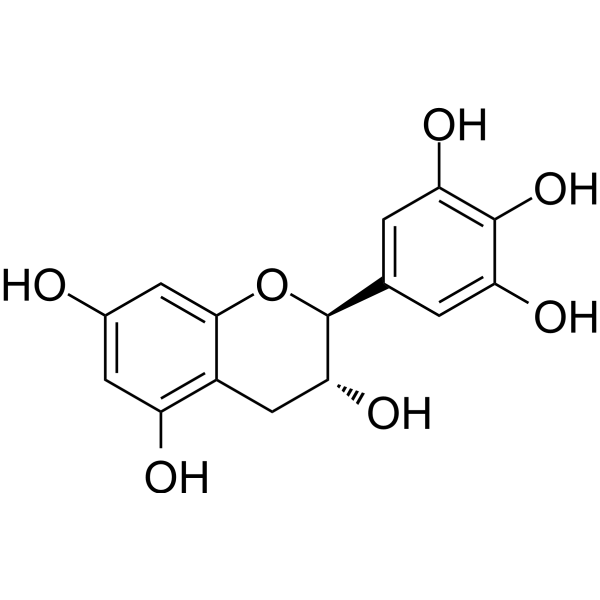
    (-)-Gallocatechin, an epimer of (-)-Epigallocatechin (EGC) (HY-N0225), is contained in various tea products. (-)-Gallocatechin demonstrates antioxidant activity in vitro, including inhibition of LDL oxidation and DPPH radical scavenging .
    (-)-Gallocatechin
  • HY-W018791
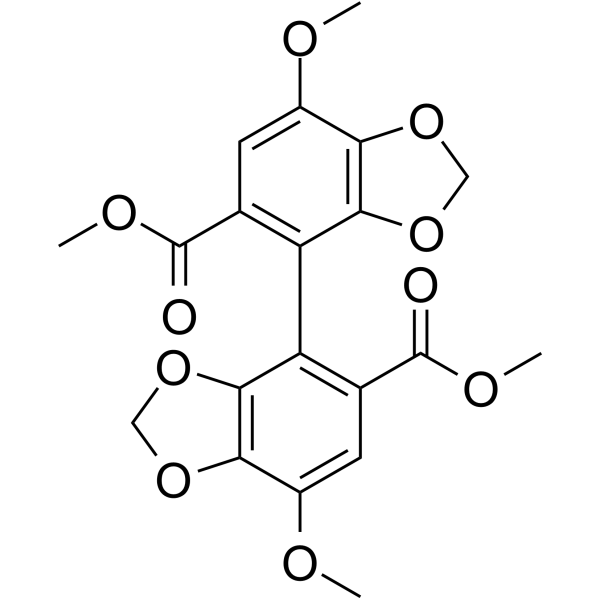
    Bifendate
    2 Publications Verification

    DDB

    HBV Autophagy Cytochrome P450 Atg8/LC3 p62 P-glycoprotein Infection Cardiovascular Disease Cancer
    Bifendate (DDB), extracted from Schisandrae chinensis, is an orally active anti-HBV agent against chronic hepatitis B. Bifendate inhibits ATG5-dependent autophagy and attenuates oleic acid-induced lipid accumulation with anti-oxidant properties in vitro. Bifendate can decrease alanine transaminase (ALT) level in mice. Bifendate attenuates hepatic steatosis in cholesterol/bile salt- and high-fat diet-induced hypercholesterolemia in mice. Bifendate potently increases the activity of cytochrome proteins (CYPs) and reverse P-gp-mediated multi-drug resistance (MDR) .
    Bifendate
  • HY-W923189

    Interleukin Related COX TNF Receptor NOD-like Receptor (NLR) NO Synthase PERK p38 MAPK Reactive Oxygen Species (ROS) Caspase Autophagy Herbicide Inflammation/Immunology Cancer
    Neral is a plant-derived anti-inflammatory, antioxidant and anticancer agent. Neral inhibits the phosphorylation of ERK1/2, p38 MAPK and IκB in macrophages induced by LPS (HY-D1056), suppresses the secretion of TNF-α and IL-6, as well as the expression of pro-IL-1β, iNOS and COX-2 in cells, and reduces the production of ROS in cells. Neral inhibits the activation of the NLRP3 inflammasome, and decreases the activation of caspase-1 and the secretion of IL-1β in mouse macrophages. Neral induces autophagy, and exhibits antiproliferative activity both in in vitro breast cancer cell models and mouse xenograft models. Neral regulates brassinosteroid, jasmonic acid and ethylene signaling pathways, and induces the expression of AP2/ERF-ERF and bHLH family genes in rice roots. Neral acts as a herbicide safener, alleviates the damage induced by Fenoxaprop-P-ethyl (HY-B2013), and promotes the elongation of rice roots. Neral can be used in research related to breast cancer, inflammatory and immune system diseases, and herbicide safeners .
    Neral
  • HY-N6951

    Apoptosis Akt mTOR Reactive Oxygen Species (ROS) Caspase Bacterial Fungal Infection Neurological Disease Metabolic Disease Inflammation/Immunology Cancer
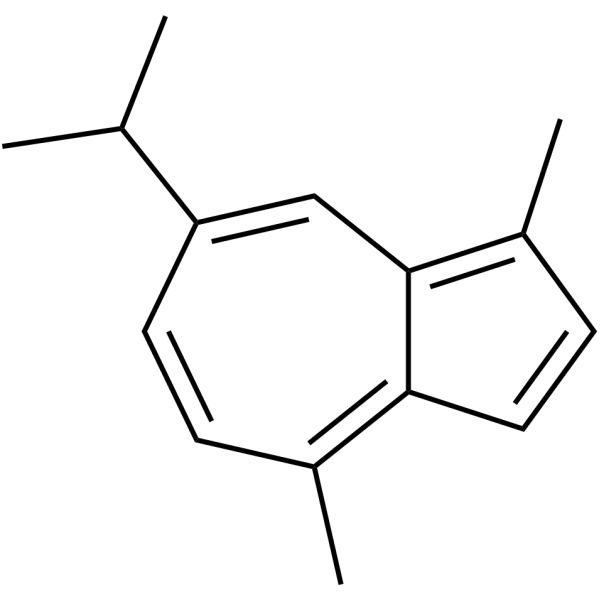
    Guaiazulene is a bicyclic sesquiterpene. Guaiazulene exhibits various biological activities such as anti-inflammatory, antioxidant, hepatoprotective, antibacterial, and anti-tumor properties. Guaiazulene is also commonly used as a colorant in cosmetics. Guaiazulene shows in vitro cytotoxicity to rat neuronal cells and N2a neuroblastoma cells at high concentrations .
    Guaiazulene
  • HY-N2626

    Others Infection
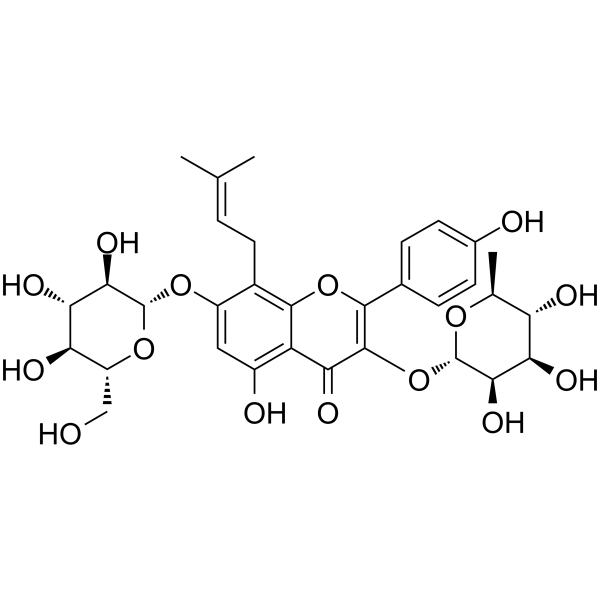
    Epimedoside A is a flavonoid isolated from the roots of Epimedium wushanense. Epimedoside A exhibits significant antioxidant activity in vitro .
    Epimedoside A
  • HY-N2307A

    (+)-Lirinidine

    Others Cancer
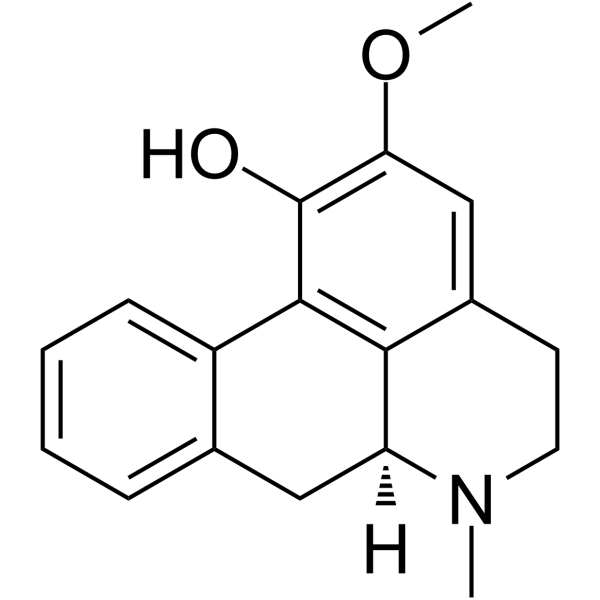
    Lirinidine ((+)-Lirinidine) is an alkaloid isolated from the leaves of L. tulipifera and has antioxidant and anticancer activities. Lirinidine exhibits medium ferric reducing power activity and minor radical scavenging activity in vitro. Lirinidine can be used for cosmetic research .
    Lirinidine
  • HY-P2920

    Biochemical Assay Reagents Thrombin Bacterial Infection Cardiovascular Disease
    Protamine from salmon is a biochemical agent with antioxidant, antiheparin and antimicrobial activities. Protamine from salmon neutralizes the anticoagulant effect of heparin, thereby preventing the formation of antithrombin complexes in canine samples pretreated with heparin in vitro .
    Protamine from salmon
  • HY-W013494R

    Reference Standards Endogenous Metabolite Metabolic Disease Cancer
    L-Carnosine (Standard) is the analytical standard of L-Carnosine. This product is intended for research and analytical applications. L-Carnosine is a dipeptide of the amino acids beta-alanine and histidine and has the potential to suppress many of the biochemical changes that accompany aging. In Vitro: L-Carnosine is a dipeptide of the amino acids beta-alanine and histidine and has the potential to suppress many of the biochemical changes that accompany aging .
    L-Carnosine also exhibits some antioxidant effects. The antioxidant mechanism of L-Carnosine is attributed to its chelating effect against metal ions, superoxide dismutase (SOD)-like activity, and ROS and free radicals scavenging ability .
    L-Carnosine (Standard)
  • HY-N10407

    Drug Derivative Others
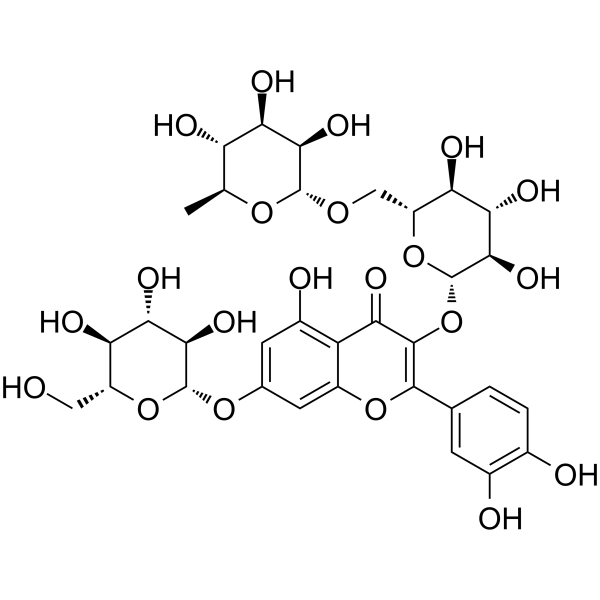
    Quercetin 3-O-rutinoside-7-O-glucoside is a flavonol glycoside and a derivative of Quercetin (HY-18085). Quercetin 3-O-rutinoside-7-O-glucoside can be isolated from the leaves and fruits of Korean Morus alba L. as well as the leaves of Hemerocallis fulva. Quercetin 3-O-rutinoside-7-O-glucoside inhibits lipid peroxidation in large unilamellar vesicles in vitro. Quercetin 3-O-rutinoside-7-O-glucoside possesses antioxidant activity .
    Quercetin 3-O-rutinoside-7-O-glucoside
  • HY-N1521

    Lantadene A

    Others Inflammation/Immunology
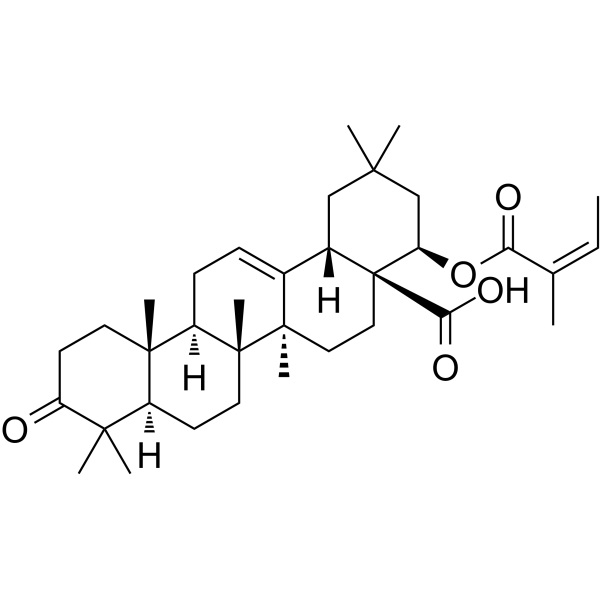
    Rehmannic acid (lantadene A) is a compound isolated from Lantana camara. Rehmannic acid shows considerable in vitro antioxidant, free radical scavenging capacity activities in a dose dependant manner. Rehmannic acid is a promising candidate for use as an antioxidant and hepatoprotective agent .
    Rehmannic acid
  • HY-N9588

    Others Cancer
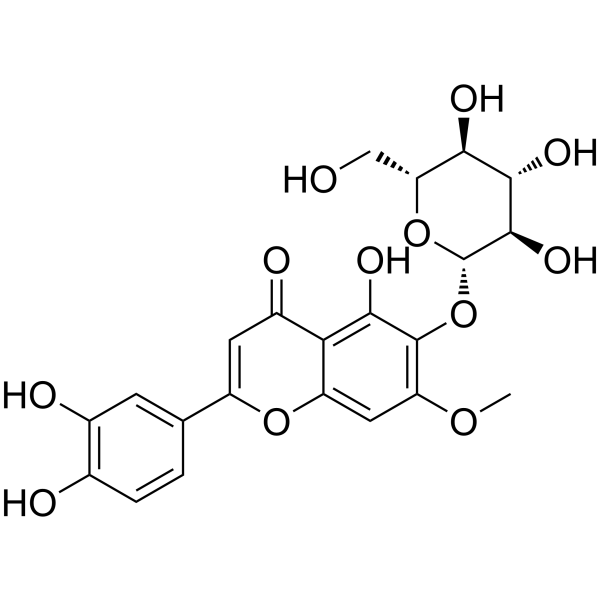
    Pedaliin is a bioactive component obtained from the ethanol extract of Sesame (Sesamum indicum L.) leaves (SLs). Pedaliin shows in vitro antioxidant and anti-colon cancer efficacy with radical scavenging activity and ferric reducing antioxidant power (FRAP) .
    Pedaliin
  • HY-N7031

    (±)​-Peganine

    Proton Pump Inflammation/Immunology
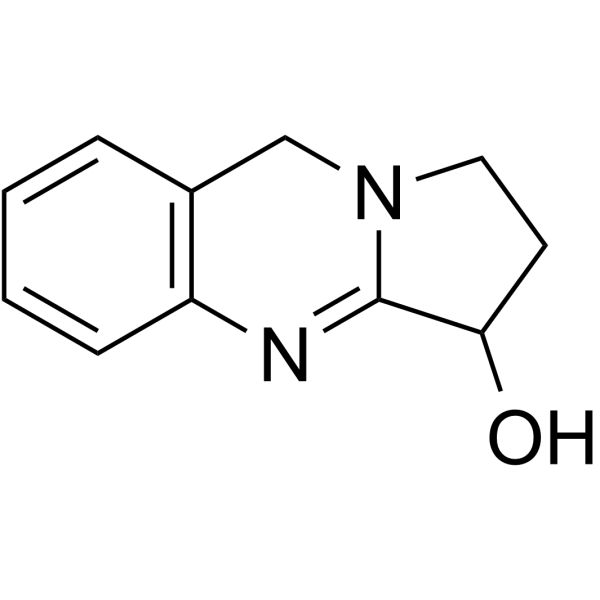
    (±)-Vasicine is the racemate of Vasicine. Vasicine (Peganine) significantly inhibits H +-K +-ATPase activity in vitro with an IC50 of 73.47 μg/mL. Anti-ulcer activity. Vasicine shows significant anti-secretory, antioxidant and cytoprotective effect .
    (±)​-​Vasicine
  • HY-W091820

    4HDPM

    Drug Derivative Others
    4-Benzylphenol (4HDPM), a structural analog of Bisphenol F (HY-W014901), has estrogenic activity in vitro and in vivo. 4-Benzylphenol can be used in plastics as a germicide, antiseptic, preservative, and antioxidant, and can be used in during organic synthesis .
    4-Benzylphenol
  • HY-176274

    Fatty Acid Synthase (FASN) Stearoyl-CoA Desaturase (SCD) Reactive Oxygen Species (ROS) Interleukin Related TNF Receptor SOD LDLR Glutathione Peroxidase Metabolic Disease Inflammation/Immunology
    FASN/SCD-IN-1 is a Silybin (HY-N0779A) derivative, an orally active inhibitor of Fatty Acid Synthase (FASN)/Stearoyl-CoA Desaturase (SCD). FASN/SCD-IN-1 has shown in vitro activity in inhibiting lipid deposition, reducing FASN and SCD transcriptional levels, and exhibiting antioxidant, anti-inflammatory, and anti-fibrotic activities. FASN/SCD-IN-1 has demonstrated significant hepatoprotective effects in a rat model of acute liver injury. FASN/SCD-IN-1 ameliorates the pathological features of MASH liver, including steatosis, inflammation, and fibrosis in a mouse model of myeloproliferative steatohepatitis (MASH). FASN/SCD-IN-1 can be used to study MASH .
    FASN/SCD-IN-1
  • HY-W416228

    Reactive Oxygen Species (ROS) Others
    1-O-Caffeoyl-β-D-glucopyranose, a phenylpropanoid compound derived from Illicium majus, exhibits significant antioxidant activity and can scavenge DPPH radicals in vitro, with an IC50 value of 37.7 μM .
    1-O-Caffeoyl-β-D-glucopyranose
  • HY-111899

    Others Cancer
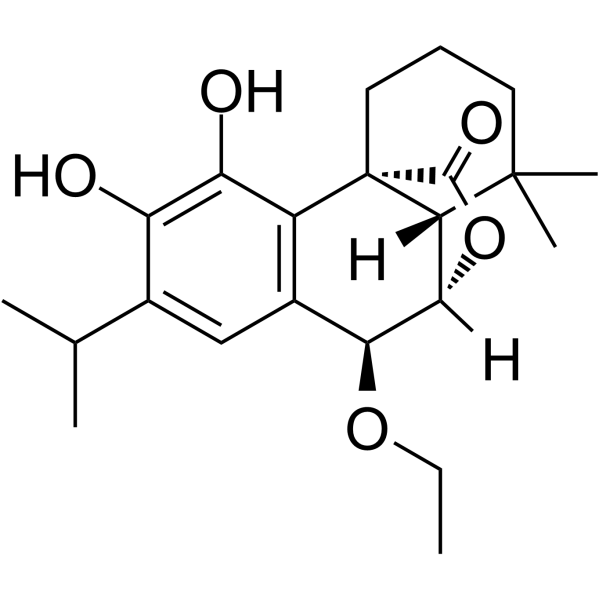
    7-Ethoxyrosmanol is a phenolic diterpene that is isolated from Salvia chamelaeagnea. 7-Ethoxyrosmanol has antioxidant activity in vitro and antitumor effects on neuroblastoma cells. 7-Ethoxyrosmanol alleviates hyperglycemia-induced endothelial cell dysfunction via regulating FBXL7 .
    7-Ethoxyrosmanol
  • HY-B0612B

    Calcium Channel Sodium Channel Neurological Disease
    (S)-Lercanidipine is a calcium channel blocker with antihypertensive and neuroprotective activities. (S)-Lercanidipine reduces oxidative stress and protects auditory sensory hair cells from noise-induced damage. (S)-Lercanidipine showed significant protective effects on cell viability in in vitro experiments, especially at low concentrations. (S)-Lercanidipine has been found to effectively reduce the hearing threshold of mice after noise stimulation and protect the survival of outer hair cells. The antioxidant properties of (S)-Lercanidipine are reflected in its increased expression of antioxidant enzyme genes and decreased expression of oxidative enzyme genes. (S)-Lercanidipine administration is effective in reducing noise-induced hearing loss both before and after noise exposure. (S)-Lercanidipine may alleviate noise-induced hearing loss and protect the survival of outer hair cells through its antioxidant mechanism .
    (S)-Lercanidipine
  • HY-149340

    Cholinesterase (ChE) Neurological Disease
    PD07 is an orally active AChE inhibitor (IC50: 0.29 μM for hAChE). PD07 also inhibits ChEs, BACE1 (IC50: 13.42 μM), and Aβ1–42 aggregation in in vitro. PD07 is an antioxidant, and shows DPPH inhibitory activity (IC50: 26.46 μM). PD07 improves memory and cognition in Scopolamine (HY-N0296)-induced amnesia rats. PD07 can be used for research of Alzheimer’s disease .
    PD07
  • HY-W018791R

    DDB (Standard)

    Reference Standards HBV Autophagy Cytochrome P450 Atg8/LC3 p62 P-glycoprotein Infection Cardiovascular Disease Cancer
    Bifendate (DDB), extracted from Schisandrae chinensis, is an orally active anti-HBV agent against chronic hepatitis B. Bifendate inhibits ATG5-dependent autophagy and attenuates oleic acid-induced lipid accumulation with anti-oxidant properties in vitro. Bifendate can decrease alanine transaminase (ALT) level in mice. Bifendate attenuates hepatic steatosis in cholesterol/bile salt- and high-fat diet-induced hypercholesterolemia in mice. Bifendate potently increases the activity of cytochrome proteins (CYPs) and reverse P-gp-mediated multi-drug resistance (MDR) .
    Bifendate (Standard)
  • HY-175862

    Aldose Reductase Reactive Oxygen Species (ROS) PI3K Akt SOD p38 MAPK Keap1-Nrf2 Metabolic Disease
    ALR2-IN-9 is a potent ALR2 inhibitor (IC50 = 21.8 nM) with excellent antioxidant activity (EC50 for DPPH radical scavenging = 2.8 μM). ALR2-IN-9 interacts directly with Reactive Oxygen Species (ROS)/Reactive Nitrogen Species (RNS) and interrupts the free radical chain reactions, and as an endogenous enzymatic antioxidant regulator, which regulates enzyme functions of CAT and SOD. ALR2-IN-9 regulates PI3K/Akt/Nrf2 pathway to attenuate hyperglycemia-mediated mitochondrial superoxide overproduction in vitro, and ameliorates CuSO4- and H2O2-induced oxidative stress in vivo. ALR2-IN-9 prolongs lifespan of C. elegans via the regulation of stress response genes such as PMK-1. ALR2-IN-9 is a promising anti-aging drug candidate. ALR2-IN-9 can be used for diabetic complication research .
    ALR2-IN-9
  • HY-162812

    Apoptosis Cholinesterase (ChE) Tau Protein Ferroptosis Histamine Receptor Neurological Disease
    H3R antagonist 4 (compound 11L) was a dual inhibitor of cholinesterase and histamine receptor (H3R), with corresponding IC50 of 7.04 μM (eeAChE), 9.73 μM (hAChE)(reversible) and 1.09 nM (H3R) , respectively. H3R antagonist 4 inhibited the aggregation of Aβ1-42 induced by itself and Cu 2+ (95.48% and 88.63%) , and degraded the Aβ1-42 fibrils induced by itself and Cu 2+ (80.16% and 89.30%) . H3R antagonist 4 chelate biometals such as Cu 2+, Zn 2+, Al 3+, and Fe 2+. H3R antagonist 4 significantly reduced tau protein hyperphosphorylation induced by Aβ1-42 and inhibited RSL-3-induced apoptosis and ferroptosis in PC12 cells. H3R antagonist 4 had the best blood-brain barrier permeability and intestinal absorption in hCMEC/D3 and hPepT1-MDCK cells.H3R antagonist 4 ameliorates learning and memory impairment in a mouse model of Alzheimer's disease induced by scopolamine (HY-N0296) .
    H3R antagonist 4
  • HY-124474

    CCR Neurological Disease
    Procurcumenol, a natural compound that can be isolated from Curcuma zedoaria Rhizomes, possesses neuroprotective and antioxidant activity. Procurcumenol can target CCR5 and has a significant inhibitory effect on platelet aggregation in vitro .
    Procurcumenol
  • HY-N7031R

    (±)​-Peganine (Standard)

    Reference Standards Proton Pump Inflammation/Immunology
    (±)-Vasicine (Standard) is the analytical standard of (±)-Vasicine (HY-N7031). This product is intended for research and analytical applications. (±)-Vasicine is the racemate of Vasicine. Vasicine (Peganine) significantly inhibits H+-K+-ATPase activity in vitro with an IC50 of 73.47 μg/mL. Anti-ulcer activity. Vasicine shows significant anti-secretory, antioxidant and cytoprotective effect .
    (±)-Vasicine (Standard)
  • HY-155405

    ROS Kinase Interleukin Related Inflammation/Immunology
    Anti-inflammatory agent 64 (compound 4b) inhibits the secretion of IL-6 and TNF-α. Anti-inflammatory agent 64 has antioxidant and anti-inflammatory activity in vitro and in vivo. Anti-inflammatory agent 64 can effectively reduce paw edema .
    Anti-inflammatory agent 64
  • HY-163335

    Glutathione Peroxidase Dipeptidyl Peptidase Glycosidase Cardiovascular Disease Inflammation/Immunology
    MPO-IN-7 (compound MDC) is a myeloperoxidase inhibitor with the IC50 values of 41 μM, 25 μM and 4.5 μM towards α-Glucosidase, dipeptidyl peptidase-4 and myeloperoxidase, respectively. MPO-IN-7 shows antioxidant and anti-inflammatory activity in vitro .
    MPO-IN-7
  • HY-P1709

    Bacterial Infection
    Protactin is a pentapeptide lactone produced by Streptomyces cucumeris strain L703-4 (ATCC 53784) with significant antioxidant properties. Protactin can be converted to actinomycin Zp by ferrocyanide oxidation. Actinomycin Zp exhibits potent antibacterial activity in vitro and has significant antitumor effects against P-388 leukemia in a mouse model .
    Protactin
  • HY-170658

    Autophagy Amyloid-β Reactive Oxygen Species (ROS) Neurological Disease Inflammation/Immunology
    AChE-IN-80 (Compound 1) is an acetylcholinesterase (AChE) inhibitor. AChE-IN-80 can inhibit inflammation and the production of reactive oxygen species (ROS) in vitro- cultured neurons and microglia, trigger autophagy responses, and block the propagation of β-amyloid () fibrils. AChE-IN-80 possesses antioxidant activity and neuroprotective effects and can be used in the study of Alzheimer's disease .
    AChE-IN-80
  • HY-127020

    Bacterial Infection
    Deoxyenterocin is a bacterial metabolite originally isolated from Streptomyces that has diverse biological activities, including antibiotic, antiviral, and antioxidant properties. It inhibits the growth of S. lutea, S. aureus, K. pneumoniae, and V. percolans in vitro when used at a concentration of 500 μg/mL. Deoxyenterocin (50 μg/mL) inhibits the cytopathic effect of influenza A H1N1 virus by 60.6% in vitro. It also prevents hydrogen peroxide-induced decreases in glutathione (GSH) levels and in the mitochondrial membrane potential in mouse primary cortical neuronal cultures when used at a concentration of 1 μM.
    Deoxyenterocin
  • HY-N6951R

    Reference Standards Apoptosis Akt mTOR Reactive Oxygen Species (ROS) Caspase Bacterial Fungal Infection Neurological Disease Inflammation/Immunology Cancer
    Guaiazulene (Standard) is the analytical standard of Guaiazulene (HY-N6951). This product is intended for research and analytical applications. Guaiazulene is a bicyclic sesquiterpene that can cross the blood-brain barrier. Guaiazulene exhibits various biological activities such as anti-inflammatory, antioxidant, hepatoprotective, antibacterial, and anti-tumor properties. Guaiazulene is also commonly used as a colorant in cosmetics. Guaiazulene shows in vitro cytotoxicity to rat neuronal cells and N2a neuroblastoma cells at high concentrations .
    Guaiazulene (Standard)
  • HY-174399

    Cholinesterase (ChE) Reactive Oxygen Species (ROS) Neurological Disease
    AChE/BChE-IN-27 is a blood-brain barrier-permeable mixed inhibitor (Pe = 4.12) of AChE and BChE, with IC50 values of 3.72 μM and 9.65 μM, respectively. AChE/BChE-IN-27 has potent antioxidant activity with an IC50 value of 6.32 μM in the DPPH (HY-112053) assay and also exhibits potent in vitro antioxidant activity. AChE/BChE-IN-27 exhibits metal chelating properties. AChE/BChE-IN-27 has neuroprotective potential against oxidative stress. AChE/BChE-IN-27 significantly reduces intracellular reactive oxygen species (ROS). In in vivo experiments, AChE/BChE-IN-27 effectively restored AChE and BChE levels, improved cognition, and can be used for Alzheimer's disease (AD) .
    AChE/BChE-IN-27
  • HY-162805

    NO Synthase Topoisomerase Apoptosis NF-κB Inflammation/Immunology Cancer
    iNOS/TopoI-IN-1 (compound AuL9) is a multi-target hybrid molecule with anti-tumor, anti-inflammatory and antioxidant activities. iNOS/TopoI-IN-1 inhibits the growth of breast cancer cells MCF-7 and MDA MB-231 in vitro with IC50 of 3.5 μM and 6.3 μM, respectively, and induces DNA damage and apoptosis of breast cancer cells by inhibiting human topoisomerase I (TopoI) (Ki=2.72 μM). In addition, NOS/TopoI-IN-1 inhibits the expression of iNOS by inhibiting the activation of NF-kB (Ki=1.49 μM) .
    iNOS/TopoI-IN-1
  • HY-N17362

    Others Others
    Anhydroevoxine is a furoquinoline alkaloid that can be found in Vepris glomerata. Anhydroevoxine demonstrates in vitro antioxidant activity, reducing Fe 3+ to Fe 2+ and scavenging DPPH radicals .
    Anhydroevoxine
  • HY-N19720

    Drug Derivative Parasite Infection
    Bractein is a natural aurone flavonoid with potential antioxidant activity. Bractein shows in vitro antileishmanial activity and inhibits promastigotes and intracellular amastigotes of Leishmania donovani. Bractein exhibits no obvious cytotoxicity against mammalian macrophages with an EC50 value > 25.0 μg/mL. Bractein can be used for the research of Leishmania .
    Bractein
  • HY-N12385

    (R)-Hispaglabridin B

    FOXO Others
    Hispaglabridin B is an anti-oxidant agent that can be isolated from Glycyrrhiza glabra. Hispaglabridin B exhibits potent peroxynitrite scavenging activity with an IC50 of 3.2 μM, and shows activity in a low-density lipoprotein (LDL) oxidation system . Hispaglabridin B is also a FoxO1 inhibitor . Hispaglabridin B improves muscle wasting by inhibiting catabolism in vivo and in vitro.
    Hispaglabridin B
  • HY-179037

    Necroptosis Reactive Oxygen Species (ROS) Mitochondrial Metabolism Neurological Disease
    NecroX-2 is a potent inhibitor of caspase-independent necrosis. NecroX-2 exhibits antioxidant activity by scavenging DPPH radicals and peroxynitrite. NecroX-2 inhibits t-BHP-induced mitochondrial ROS/RNS generation, and protects t-BHP and Doxorubicin (HY-15142A)-induced cell death in vitro. NecroX-2 can be used for research on neurological diseases .
    NecroX-2
  • HY-180506

    Tyrosinase Glycosidase Cholinesterase (ChE) Others
    Tyrosinase-IN-47 (compound 6a) is a potent competitive tyrosinase inhibitor with an IC50 of 1.43 µM and a Ki of 0.1142 μM. Tyrosinase-IN-47 also shows inhibition activity in α-Glucosidase (IC50 = 36.26 μM) and acetylcholinesterase (IC50 = 8.26 μM). Tyrosinase-IN-47 exhibits in vitro antioxidant activity, with good scavenging ability for DPPH (IC50 = 4.75 μM) and ABTS (IC50 = 0.04 μM). Tyrosinase-IN-47 displays anti-browning effect on freshly cut potatoes. Tyrosinase-IN-47 can be used for pharmaceutical research .
    Tyrosinase-IN-47

온라인 문의

Your information is safe with us. * Required Fields.

호칭


Country or Region *

고객명 *


회사명 *

Department *


메일주소 *


상품명 *

Cat. No.


Requested quantity *

전화번호 *


비고

온라인 문의

Inquiry Information

상품명:
Cat. No.:
수량:
MCE Japan Authorized Agent:

