1. Search Result
Search Result
Pathways Recommended: Stem Cell/Wnt Cell Cycle/DNA Damage
Results for "

inflammatory cell

" in MedChemExpress (MCE) Product Catalog:

1879

Inhibitors & Agonists

30

Screening Libraries

10

Fluorescent Dye

53

Biochemical Assay Reagents

119

Peptides

67

Inhibitory Antibodies

697

Natural
Products

5

Recombinant Proteins

123

Isotope-Labeled Compounds

6

Click Chemistry

27

Oligonucleotides

7

GMP Molecules

Cat. No. Product Name Target Research Areas Chemical Structure
  • HY-Q45780
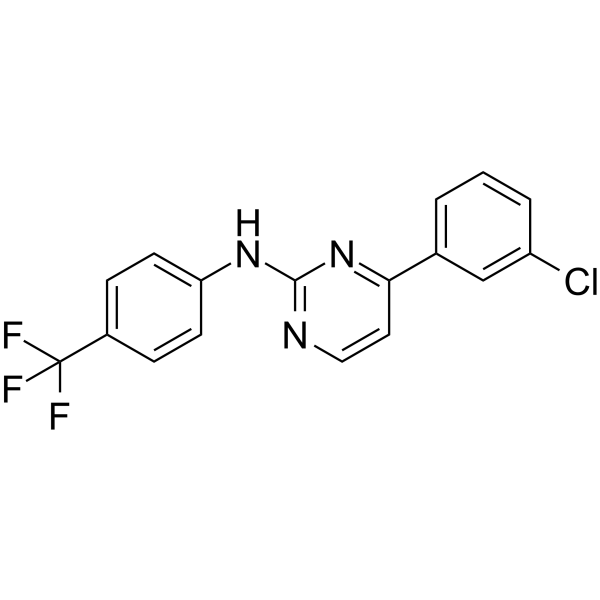
    ZINC00640089
    5+ Cited Publications

    Akt Cancer
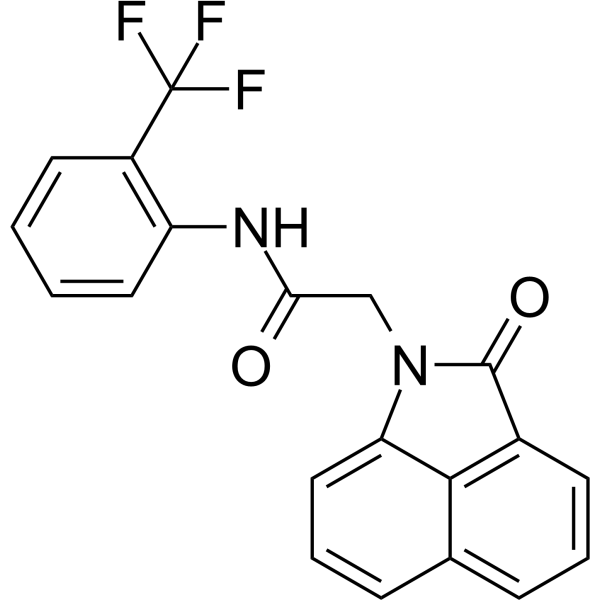
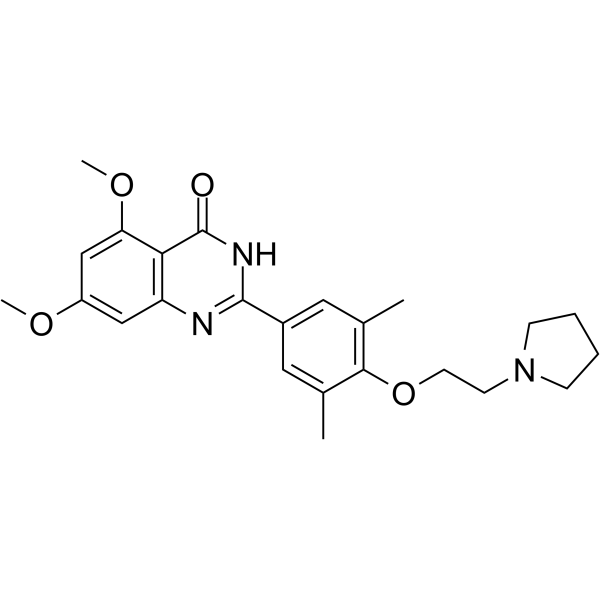
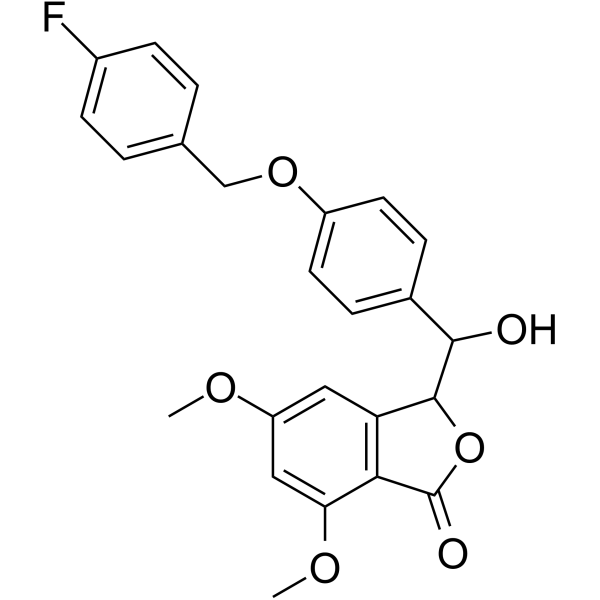
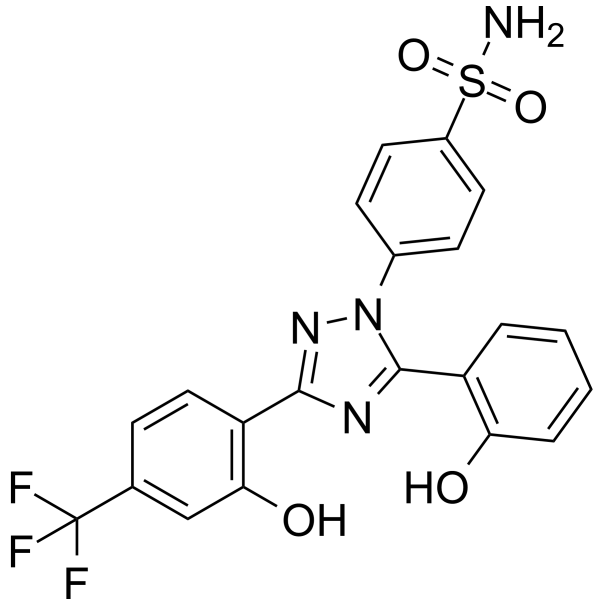
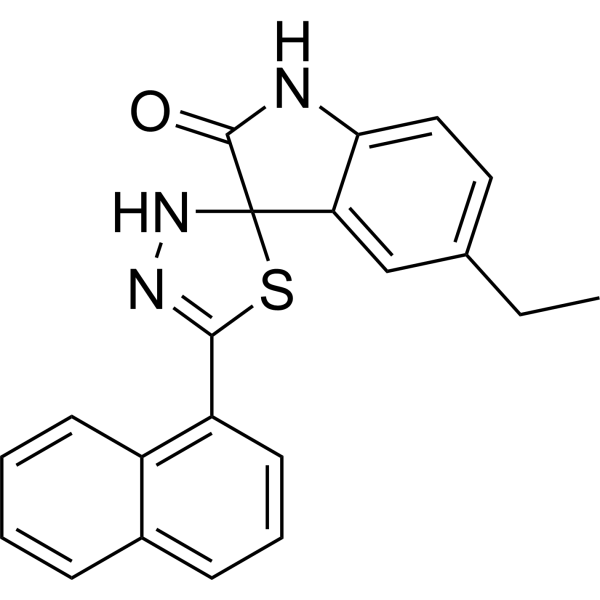
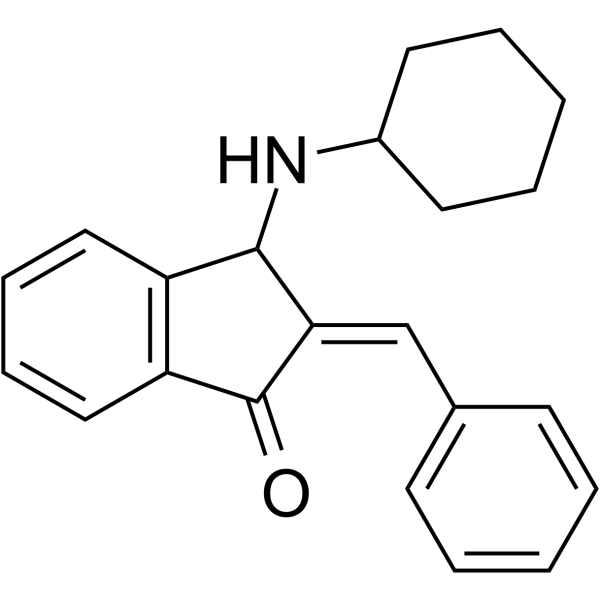
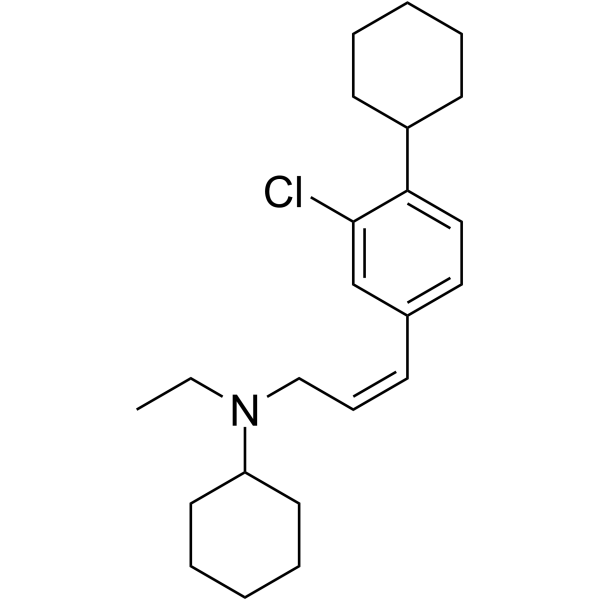
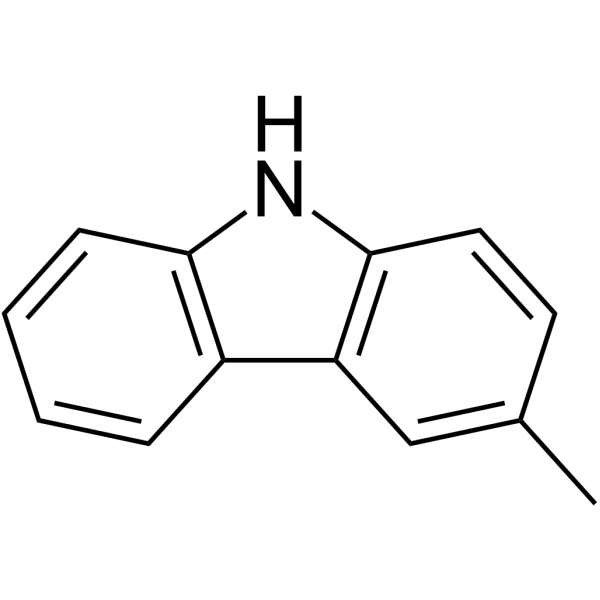
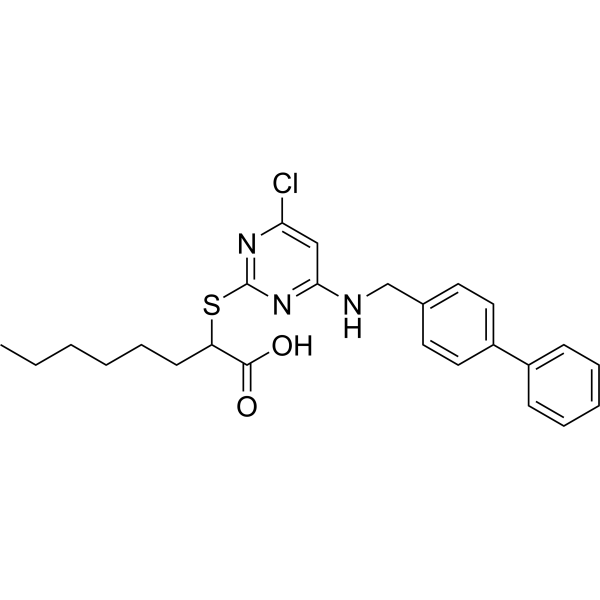
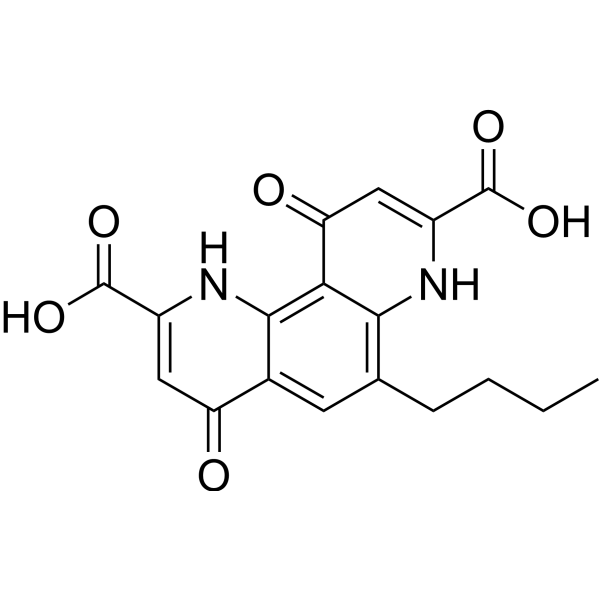
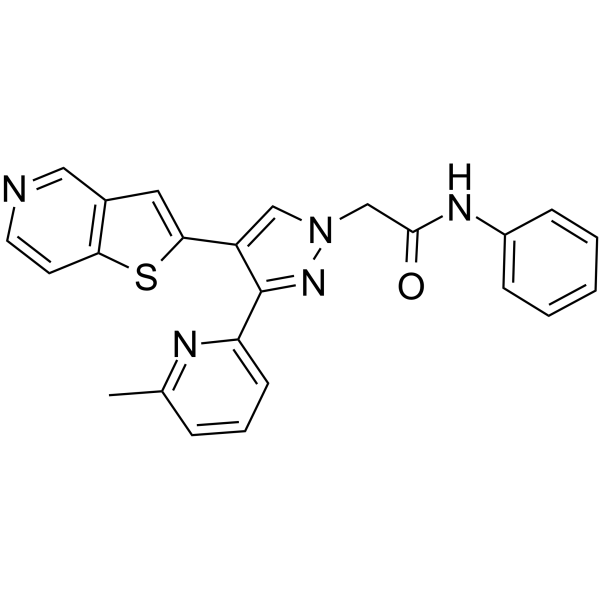
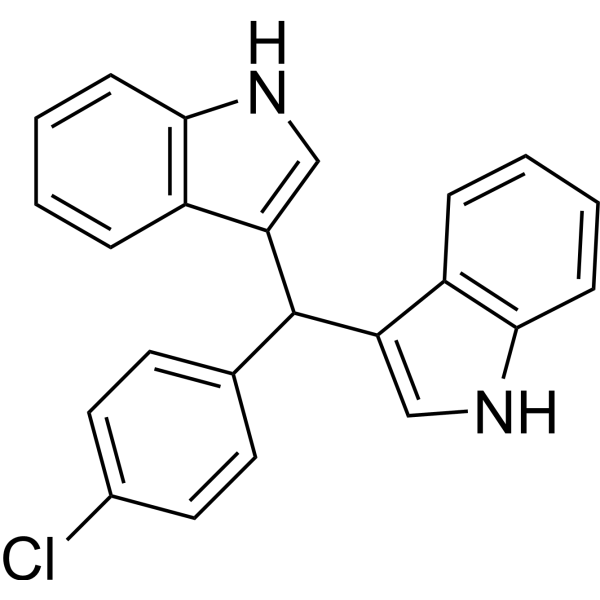
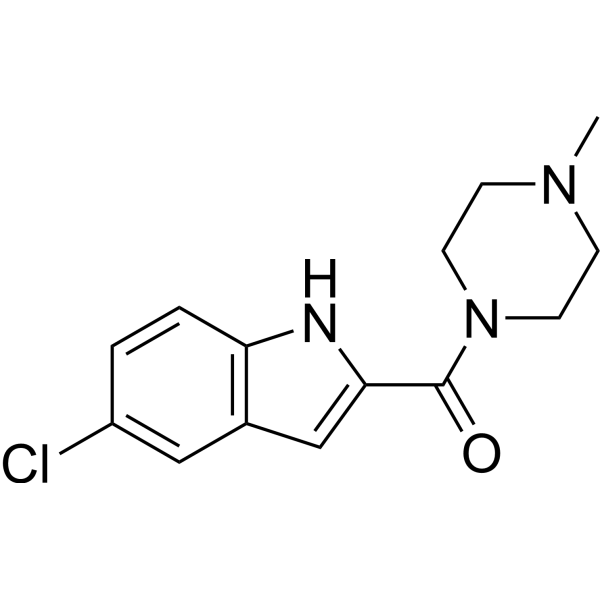
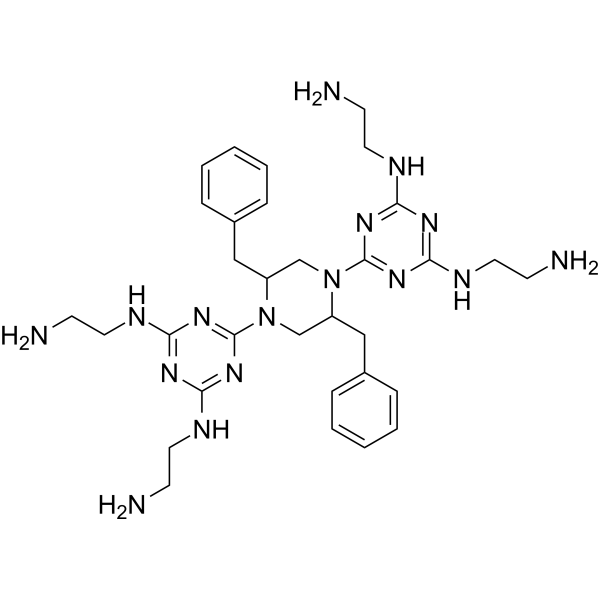
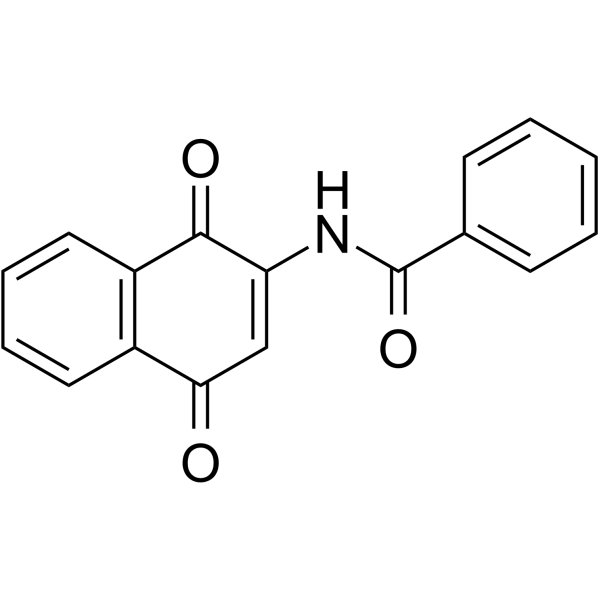
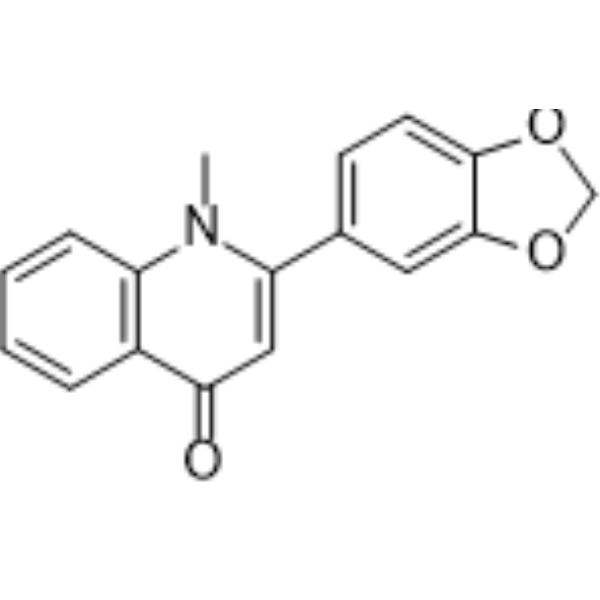
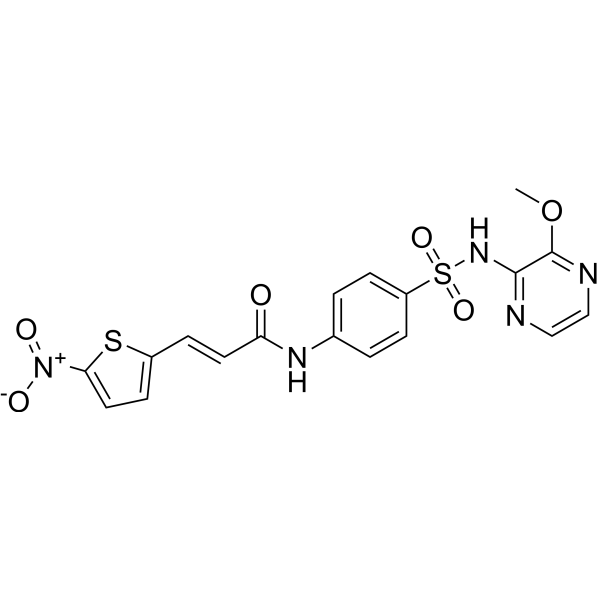
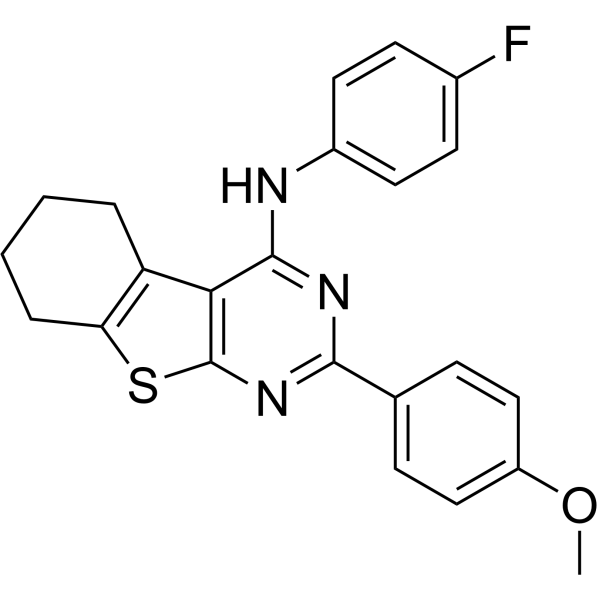
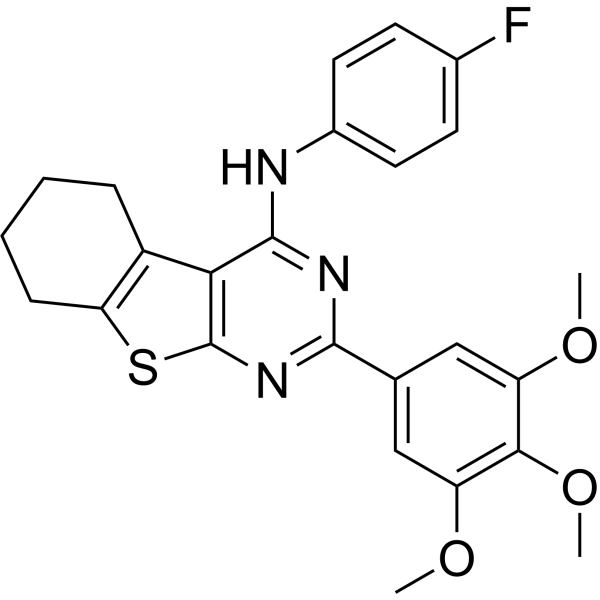
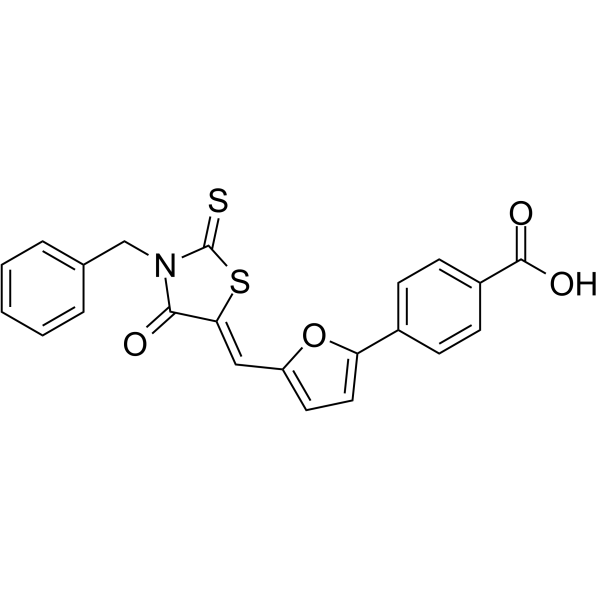
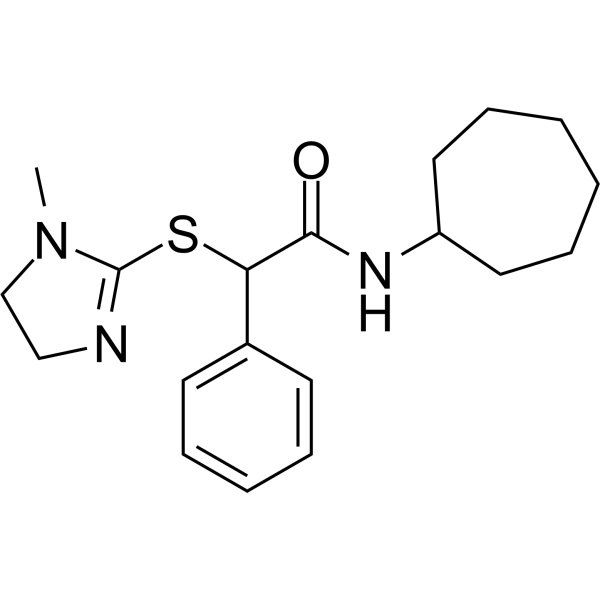
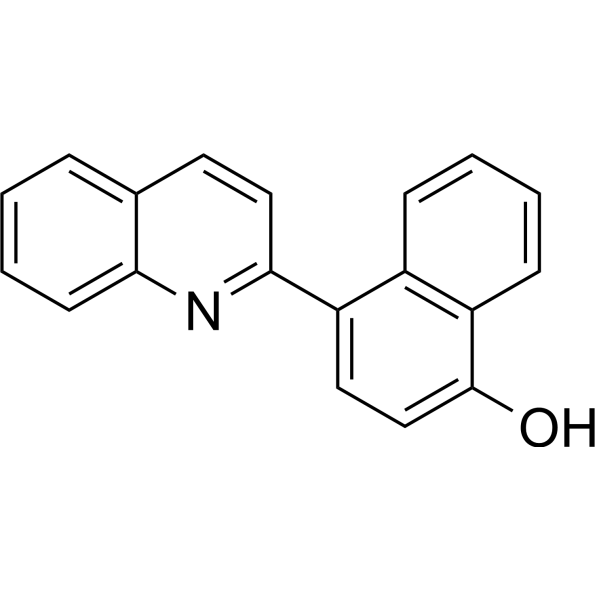
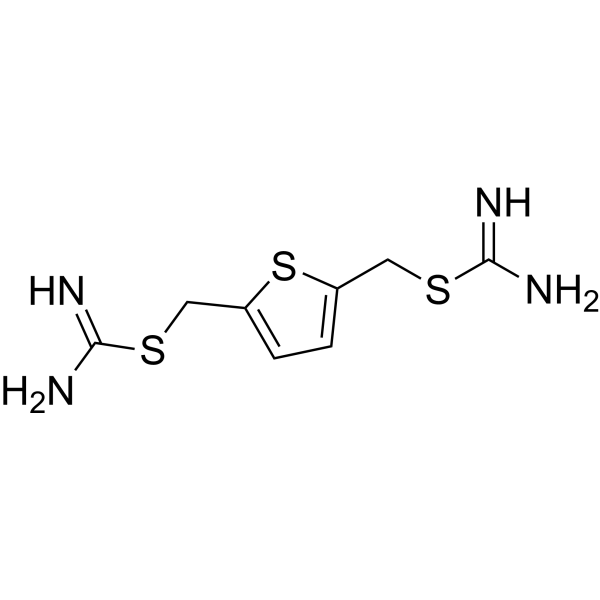
    ZINC00640089 is a specific Lipocalin-2 (LCN2) inhibitor. ZINC00640089 inhibits cell proliferation, cell viability and reduces AKT phosphorylation levels in SUM149 cells. ZINC00640089 has good potential for research in inflammatory breast cancer (IBC) .
    ZINC00640089
  • HY-W107464
    G6PDi-1
    5+ Cited Publications

    PDI Metabolic Disease Inflammation/Immunology
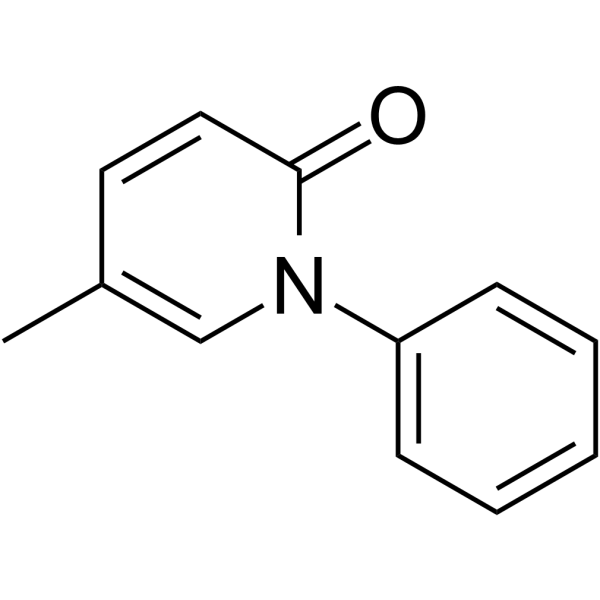
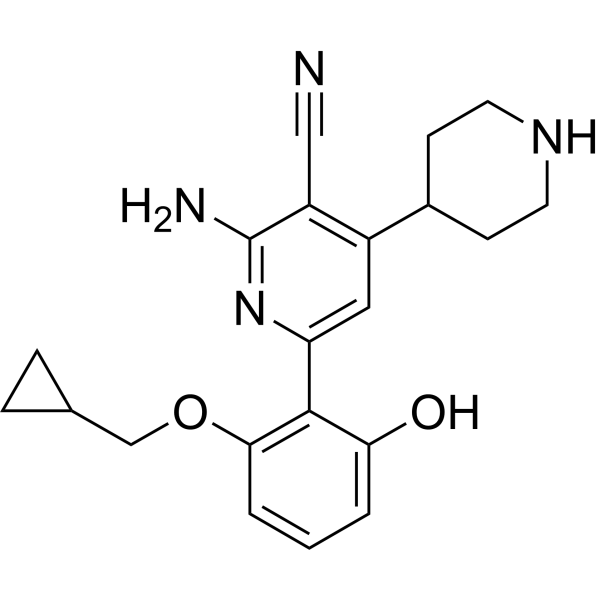
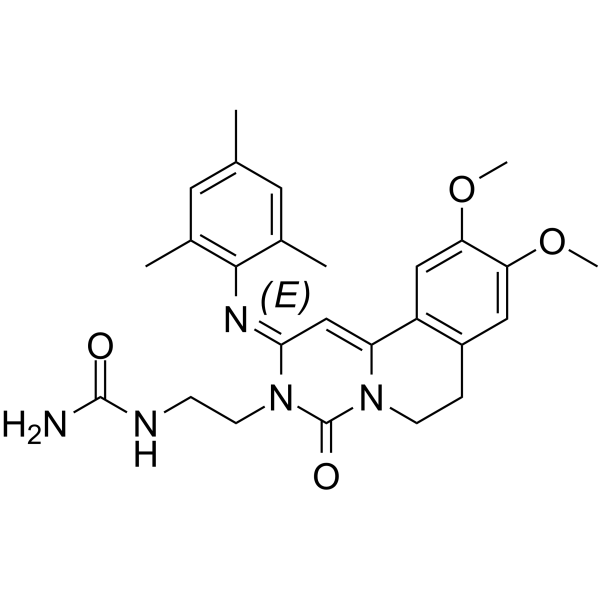
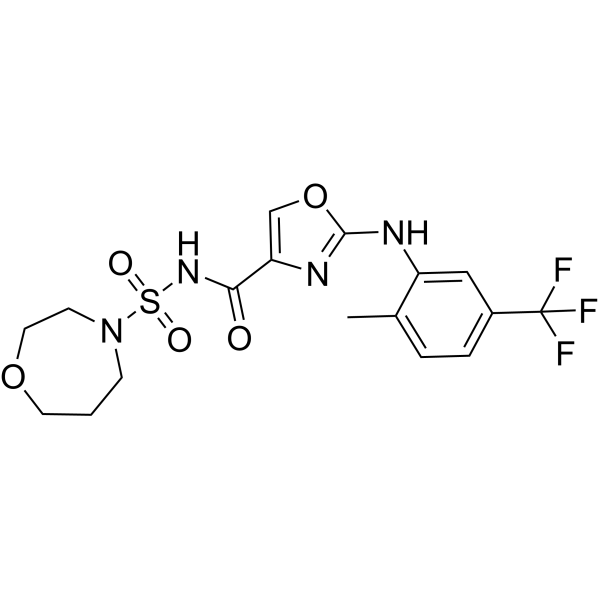
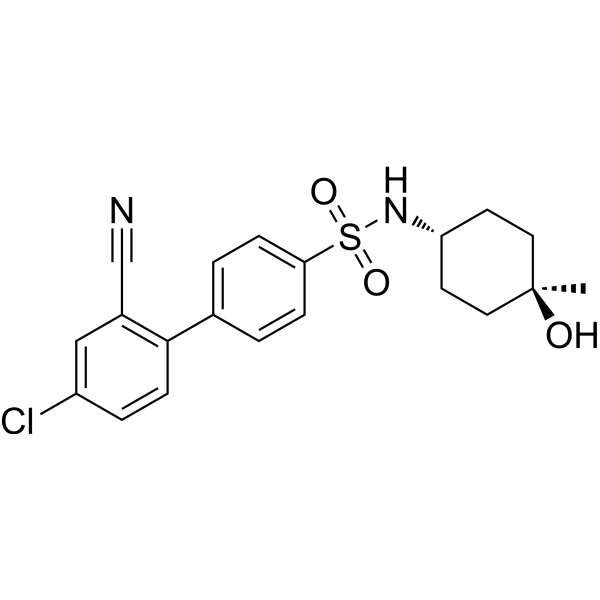
    G6PDi-1 is a reversible and non-competitive glucose-6-phosphate dehydrogenase (G6PD) inhibitor with an IC50 of 0.07 μM for human G6PD. G6PDi-1 depletes NADPH most strongly in lymphocytes. G6PDi-1 markedly decreases inflammatory cytokine production in T cells .
    G6PDi-1
  • HY-19344
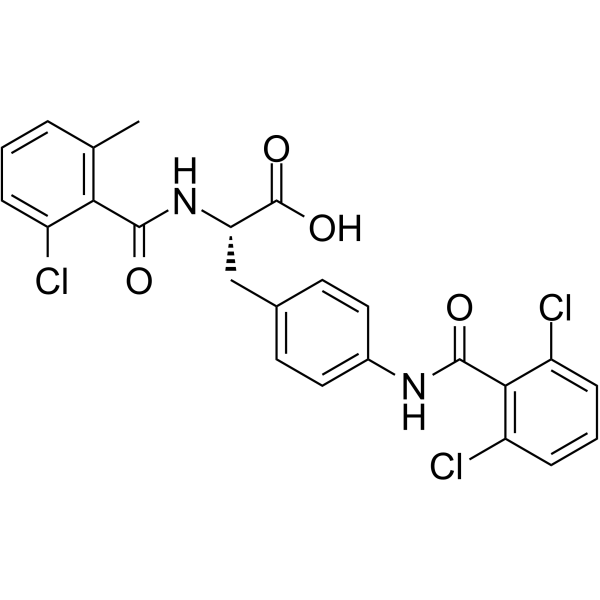
    Lifitegrast
    10+ Cited Publications

    SAR 1118; SHP-606

    Integrin Inflammation/Immunology
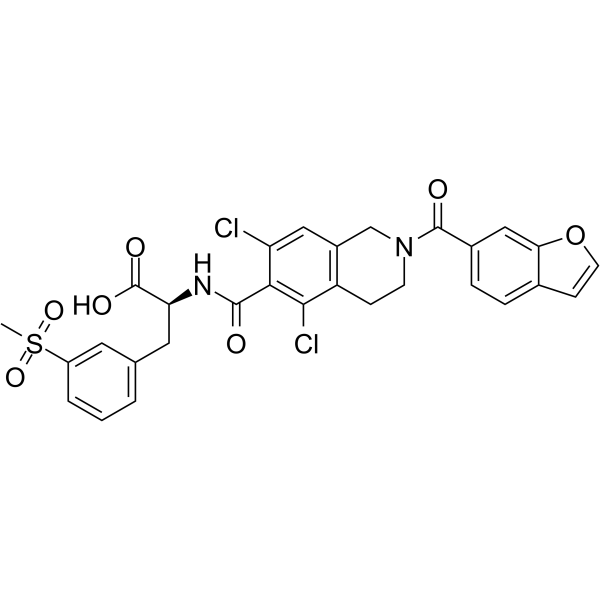
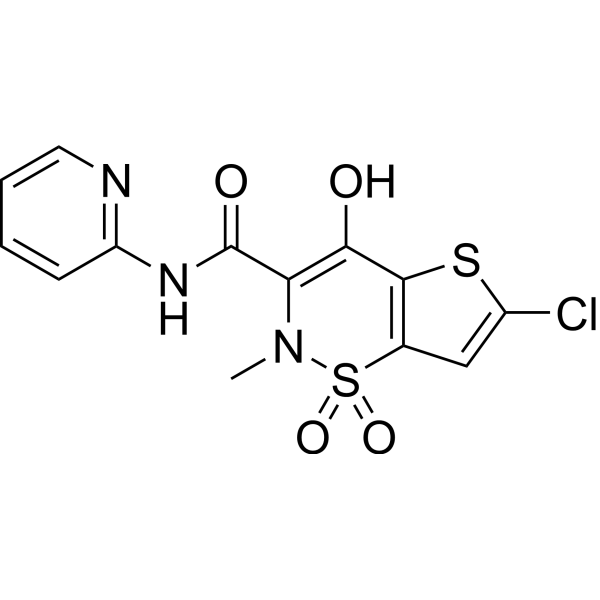
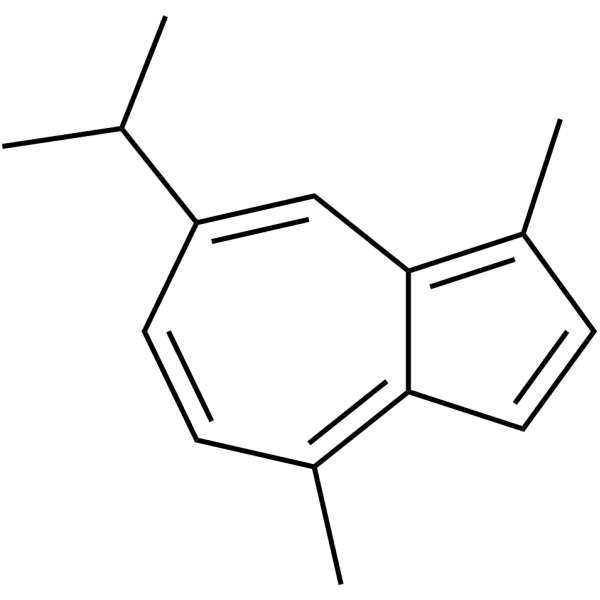
    Lifitegrast (SAR 1118) is a potent integrin antagonist. Lifitegrast blocks the binding of intercellular adhesion molecule 1 (ICAM-1) to lymphocyte function-associated antigen 1 (LFA-1), interrupting the T cell-mediated inflammatory cycle. Lifitegrast inhibits Jurkat T cell attachment to ICAM-1 with an IC50 of 2.98 nM. Lifitegrast can be used for researching dry eye disease .
    Lifitegrast
  • HY-P9997

    ANB030

    PD-1/PD-L1 Inflammation/Immunology
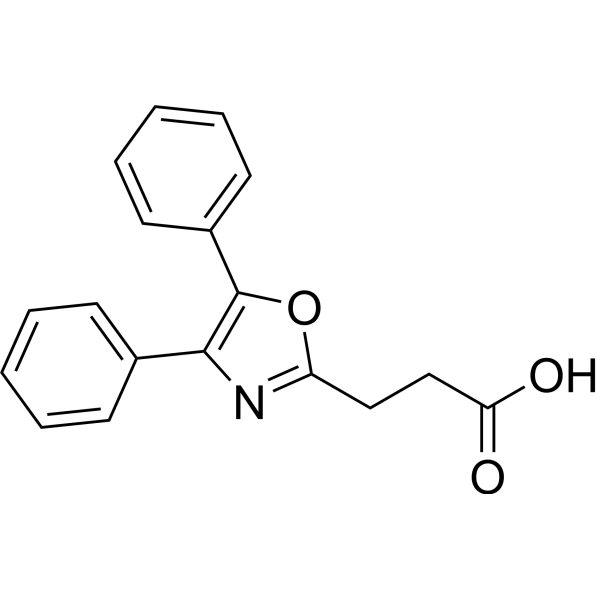
    Rosnilimab (ANB030) is a PD-1 agonist IgG1 monoclonal antibody. Rosnilimab can inhibit T cell proliferation, the secretion of inflammatory cytokines, and reduce CD4 and CD8 T cells with high PD-1 expression. Rosnilimab can be used in the research of inflammatory diseases such as colitis and rheumatoid arthritis .
    Rosnilimab
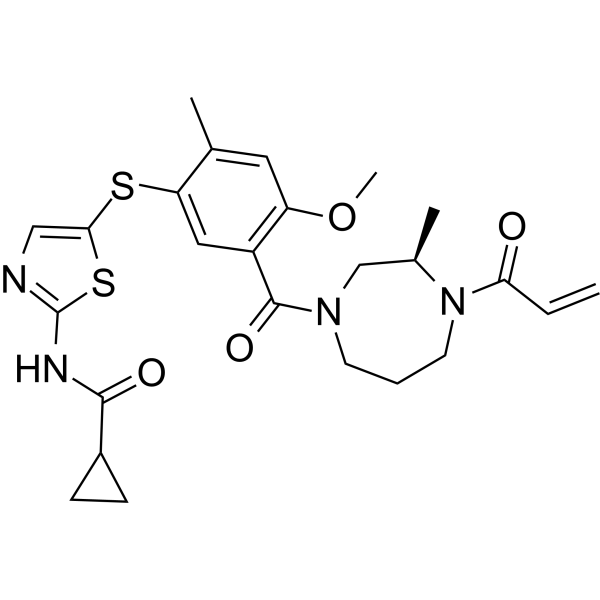
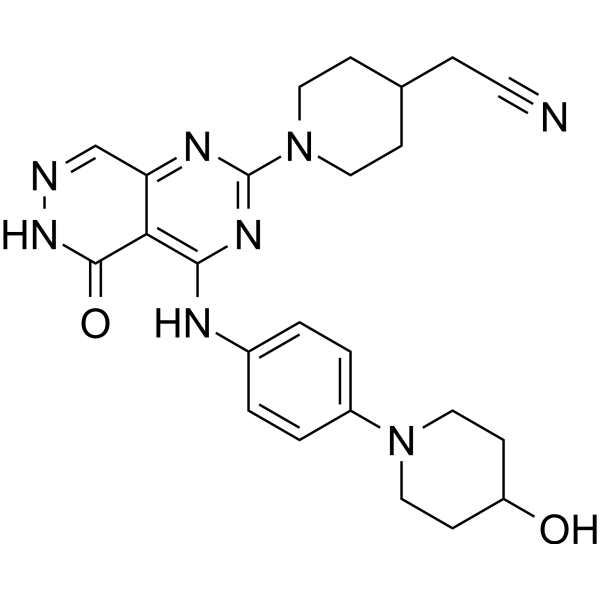
  • HY-159657

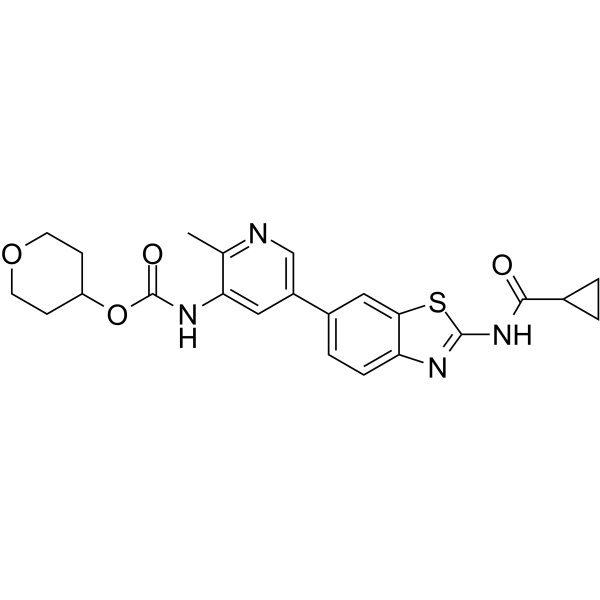
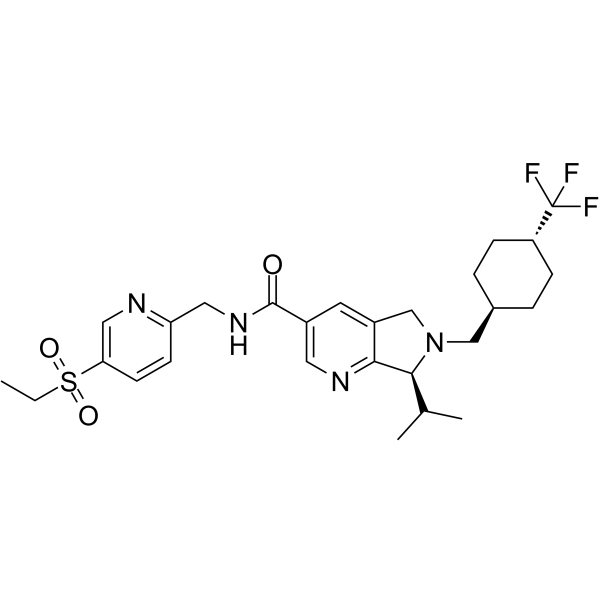
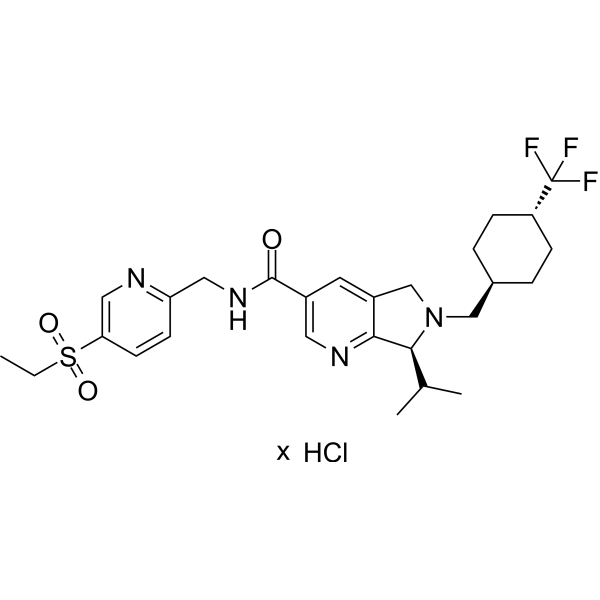
    Salt-inducible Kinase (SIK) Interleukin Related Inflammation/Immunology
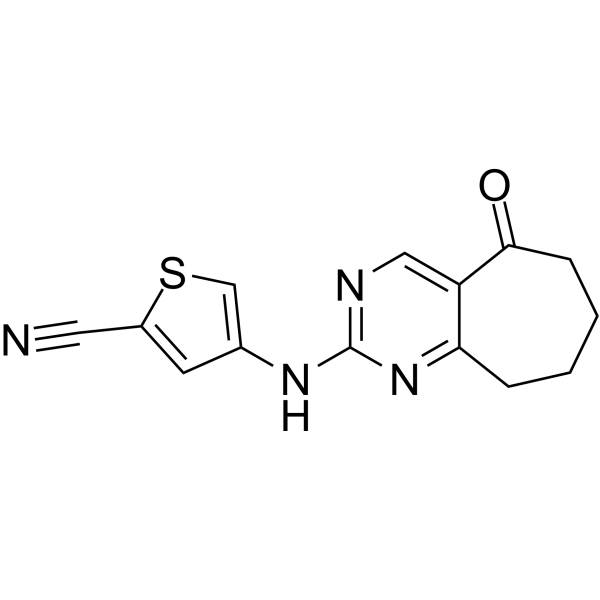
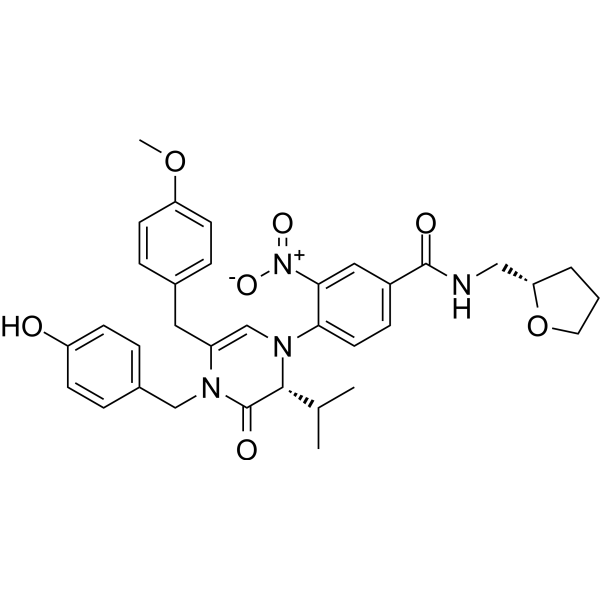
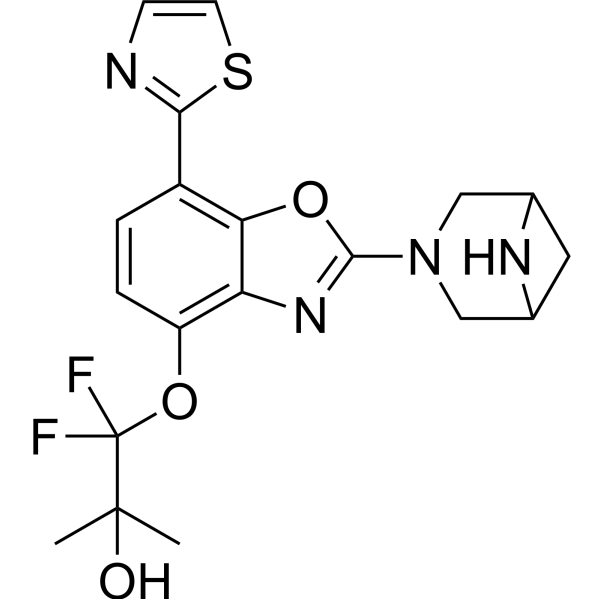
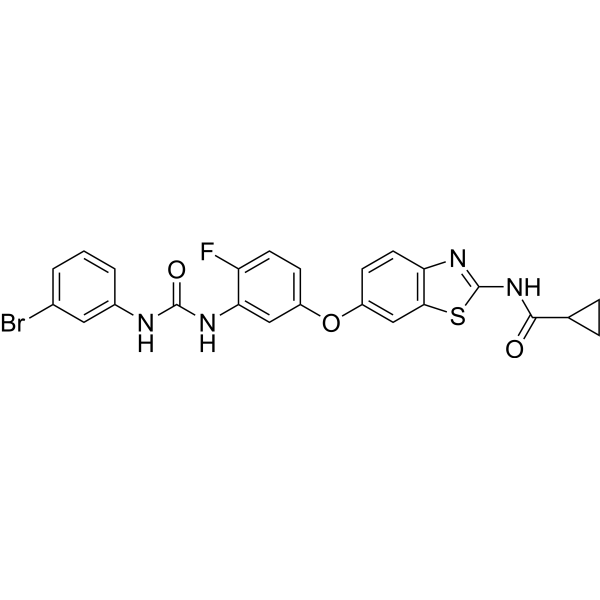
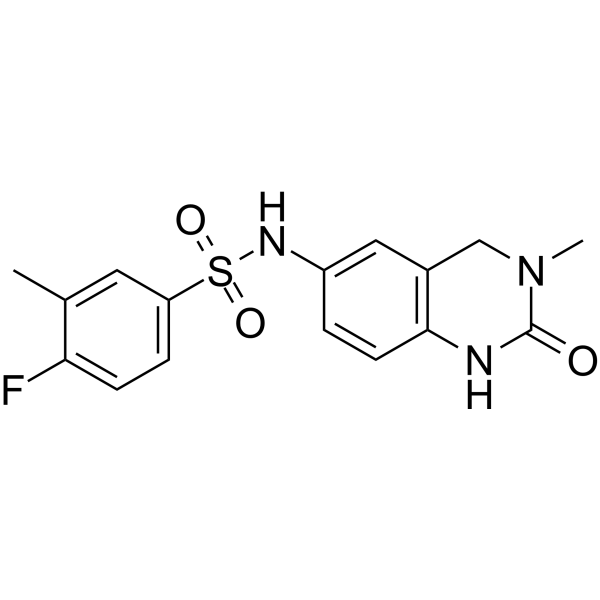
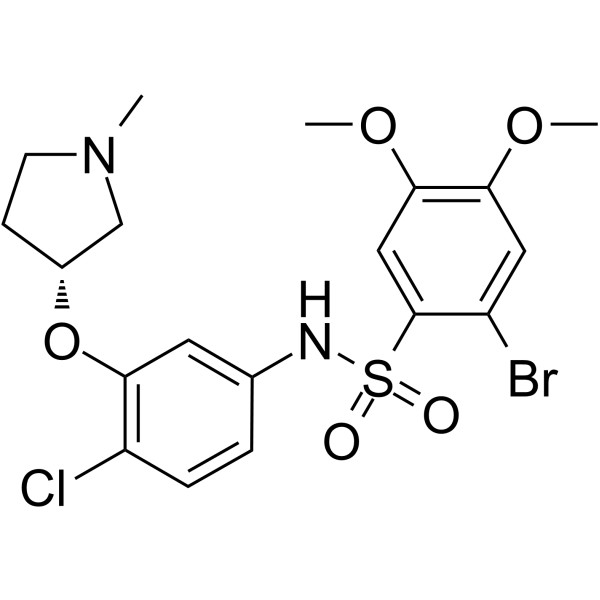
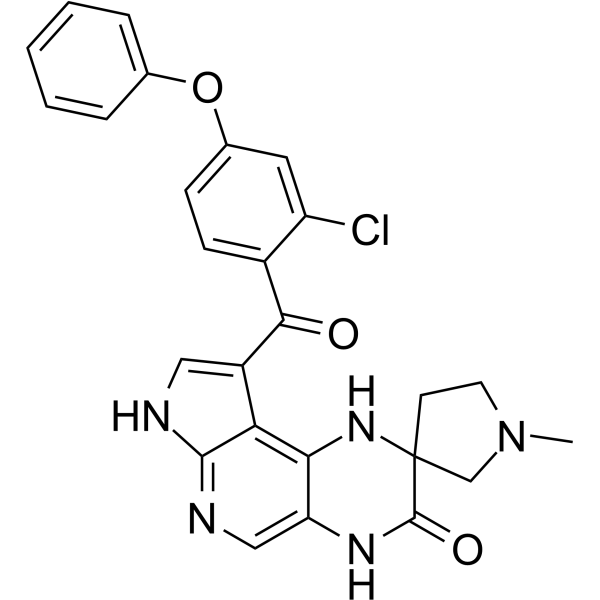
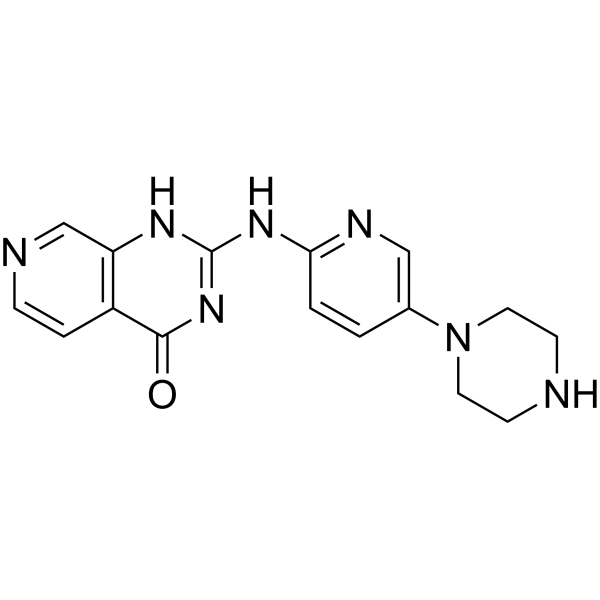
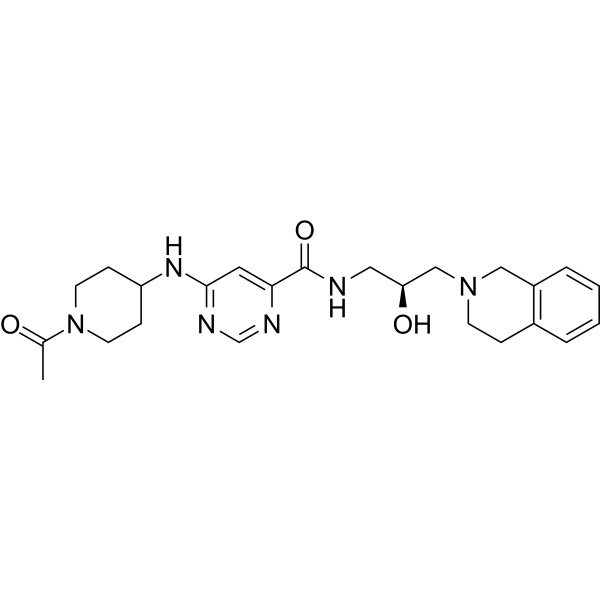
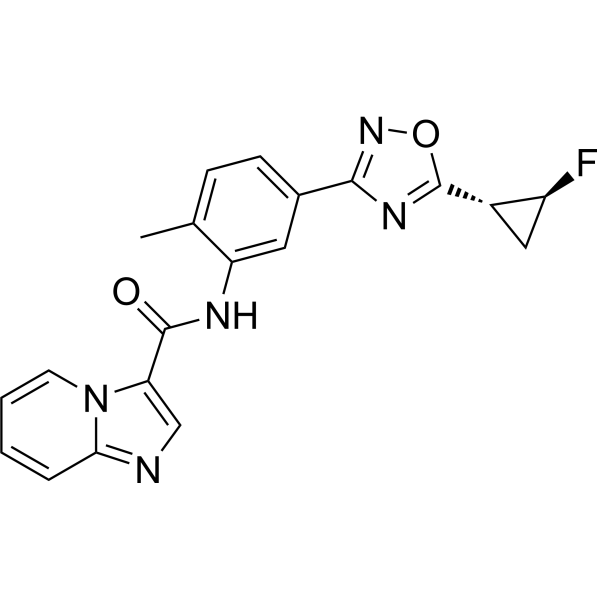
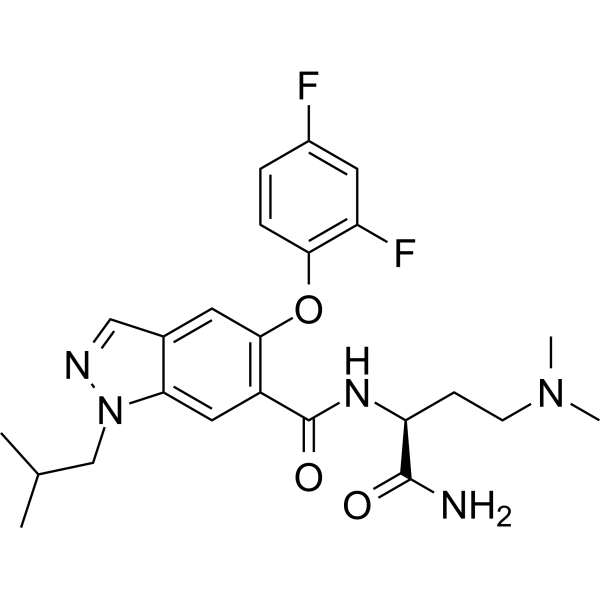
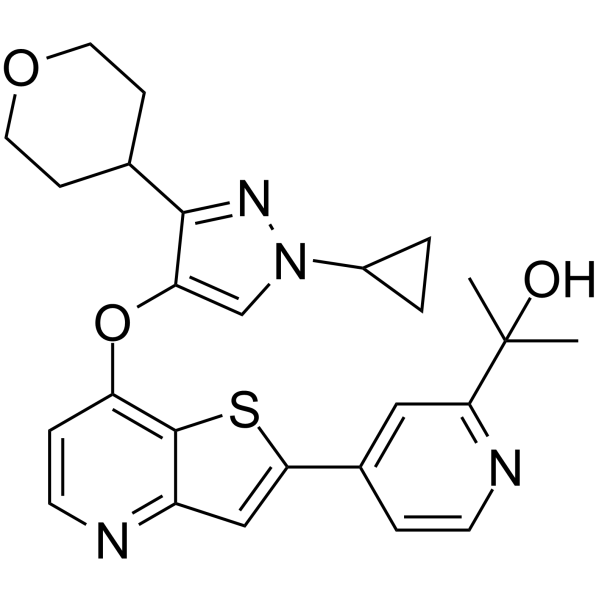
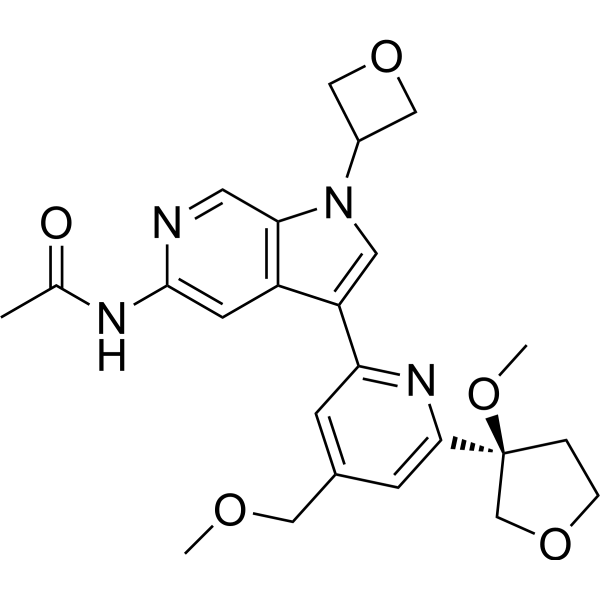
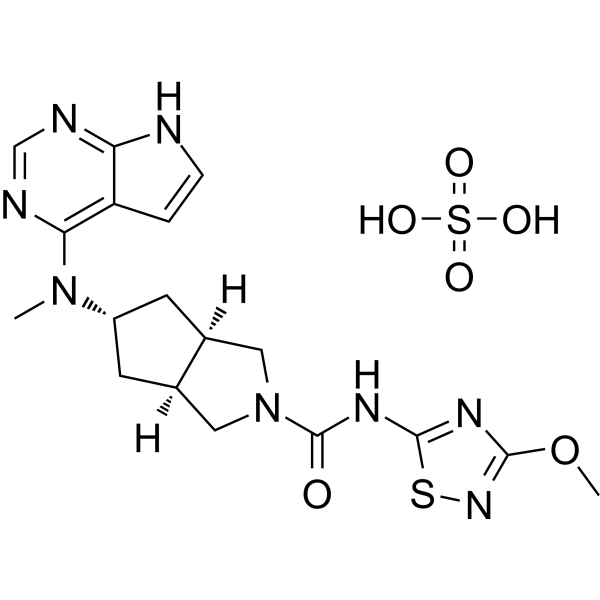
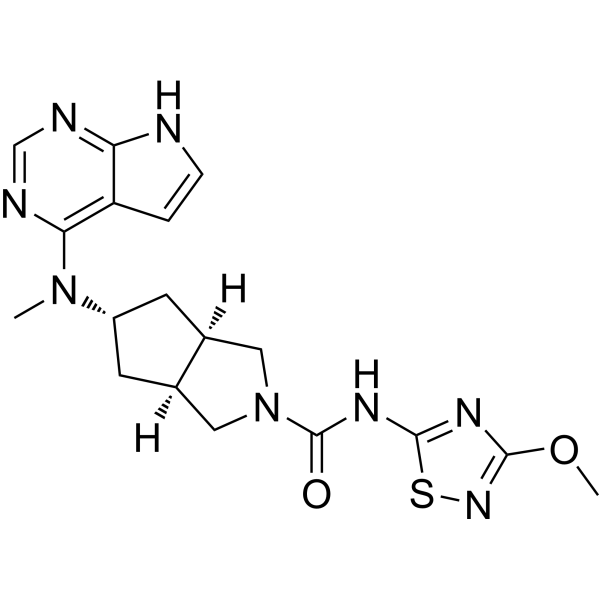
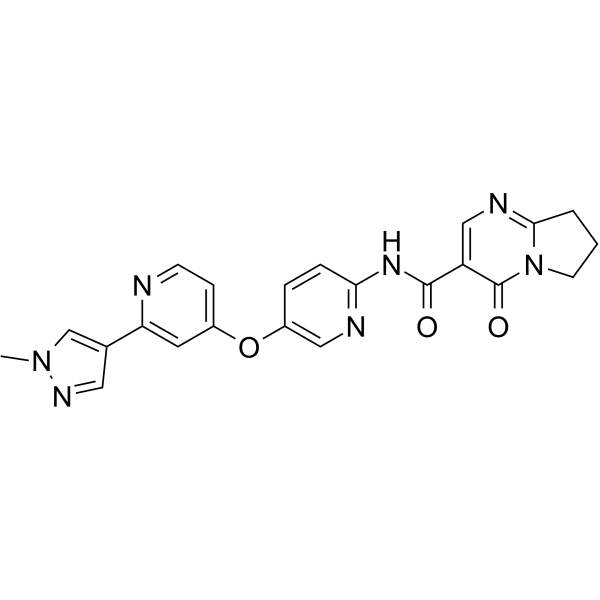
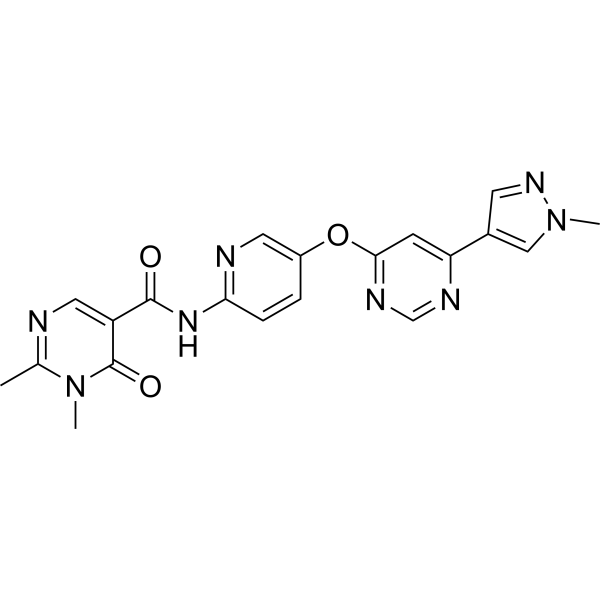
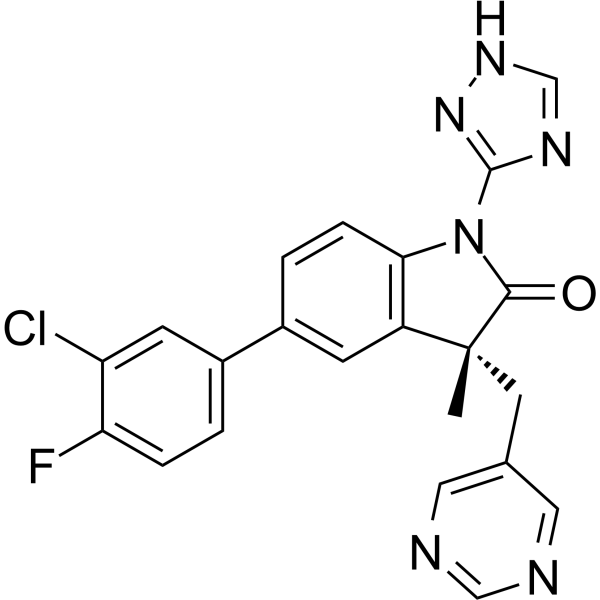
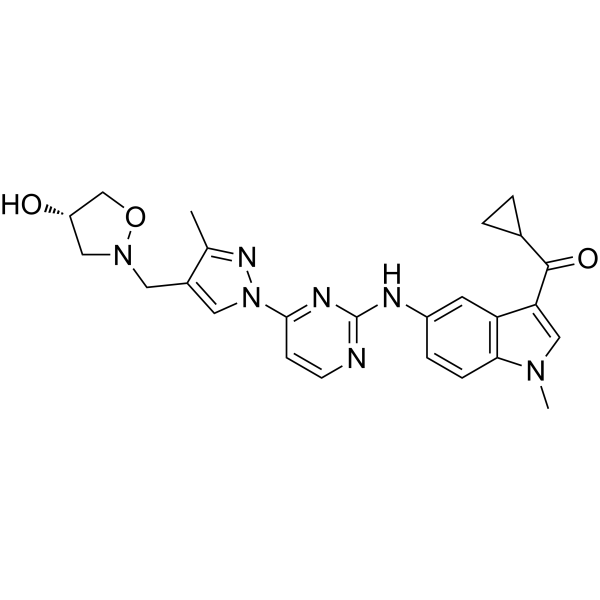
    PF-07899895 (Compound 34) is a SIK inhibitor, with IC50 values of 1.2 nM, 0.9 nM, and 1.8 nM against SIK1, SIK2, and SIK3, respectively. PF-07899895 modulates the anti-inflammatory cytokine IL-10 in immune cells. PF-07899895 is applicable to research related to inflammatory diseases .
    PF-07899895
  • HY-174990

    15-PGDH Metabolic Disease Inflammation/Immunology
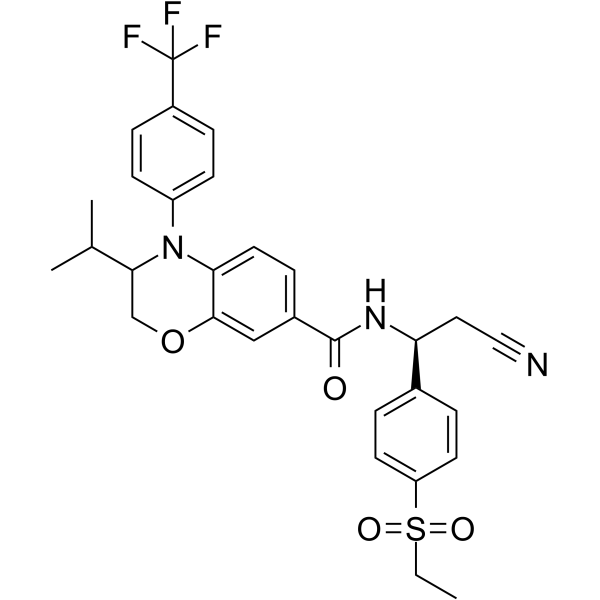
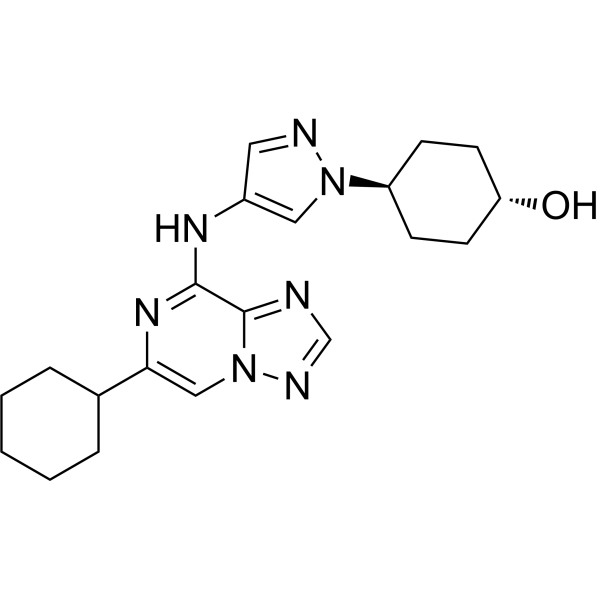
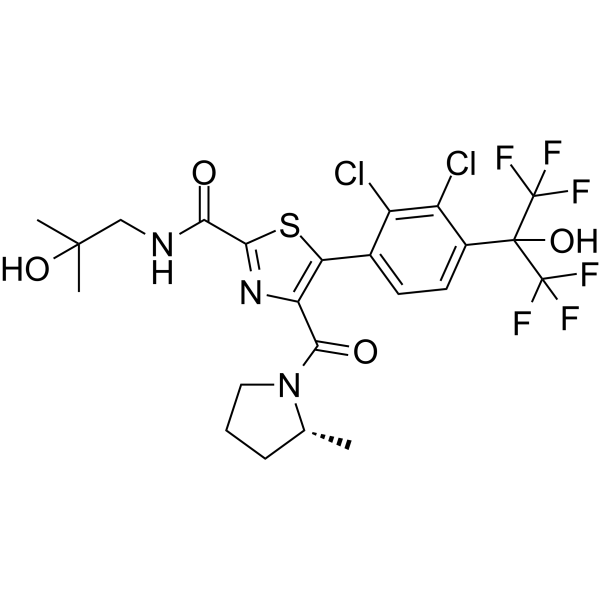
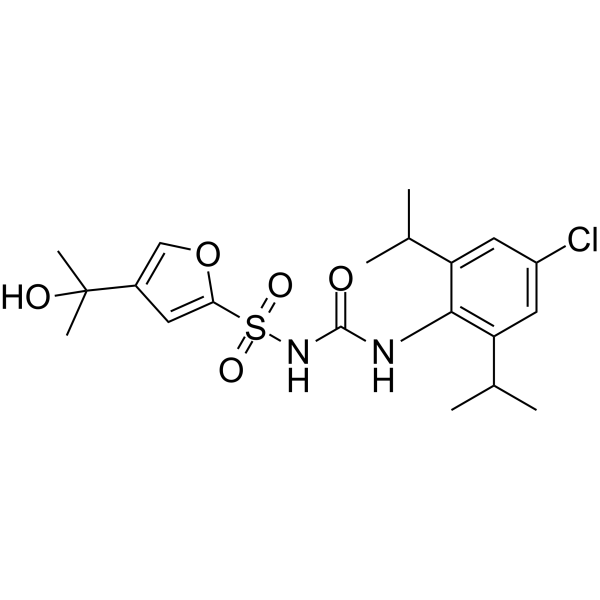
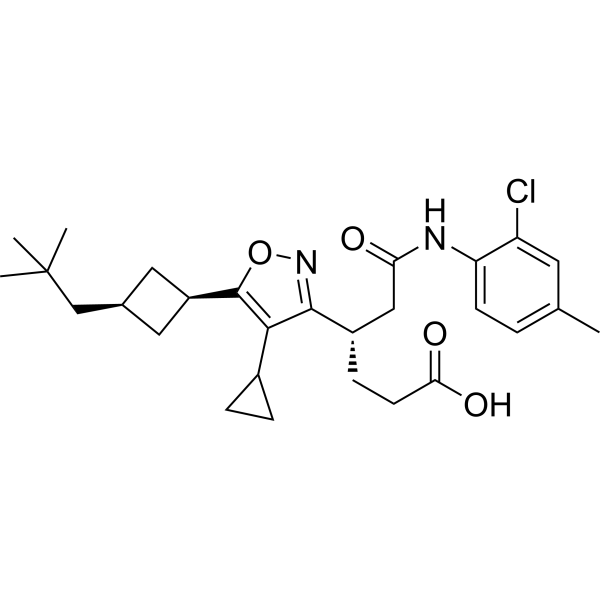
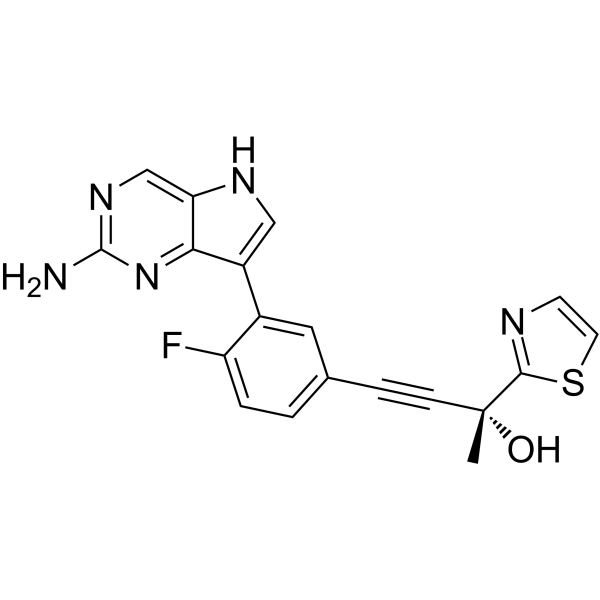
    HW201877 is a potent and orally active 15-prostaglandin dehydrogenase (15-PGDH) inhibitor with an IC50 of 3.6 nM. HW201877 demonstrates robust cellular efficacy in elevating PGE2 levels in A549 cells and exhibits remarkable efficacy in animal models of tissue injury and fibrosis. HW201877 can be used for the study of inflammatory bowel disease (IBD), idiopathic pulmonary fibrosis (IPF) and Crohn’s disease (CD) .
    HW201877
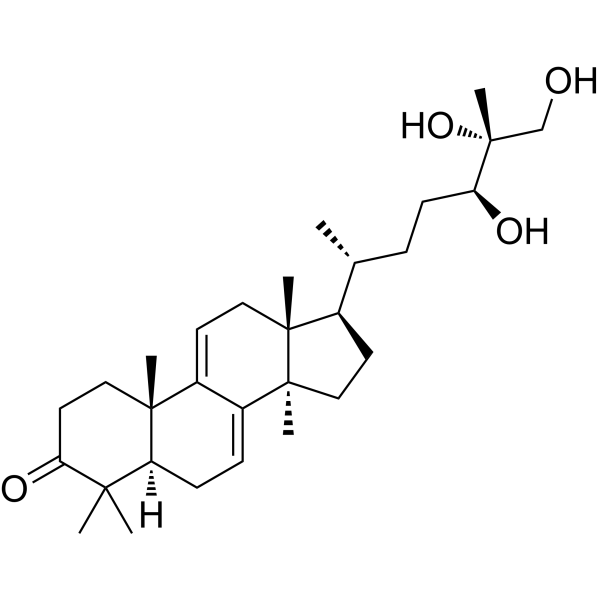
  • HY-N2513
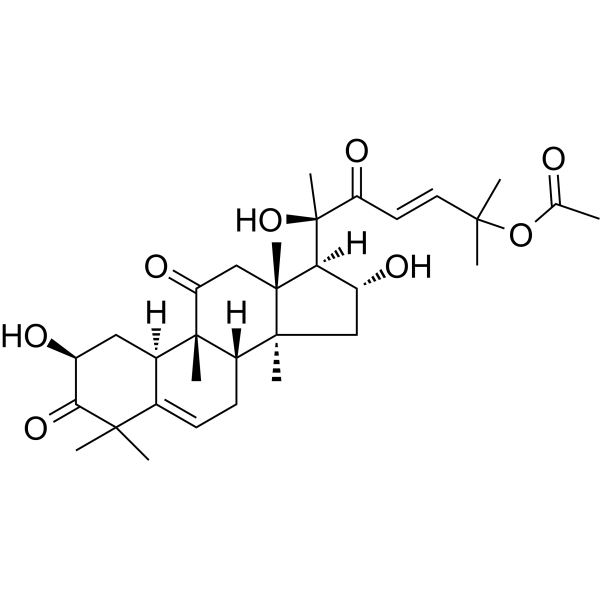
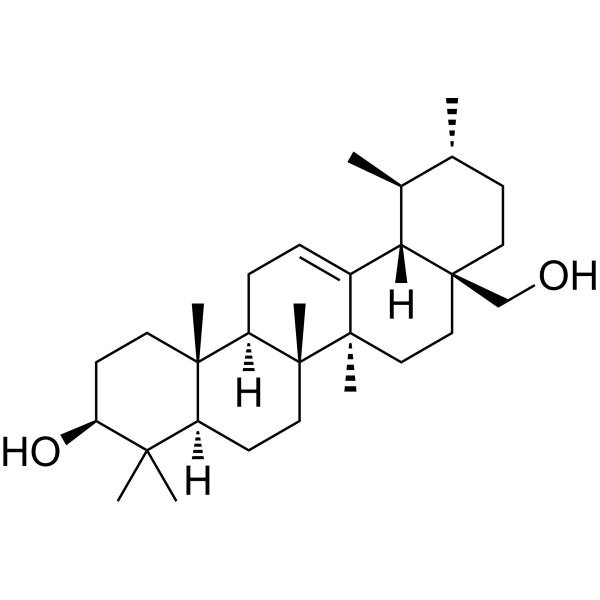
    β-Boswellic acid
    2 Publications Verification

    Lipoxygenase DNA/RNA Synthesis Cancer
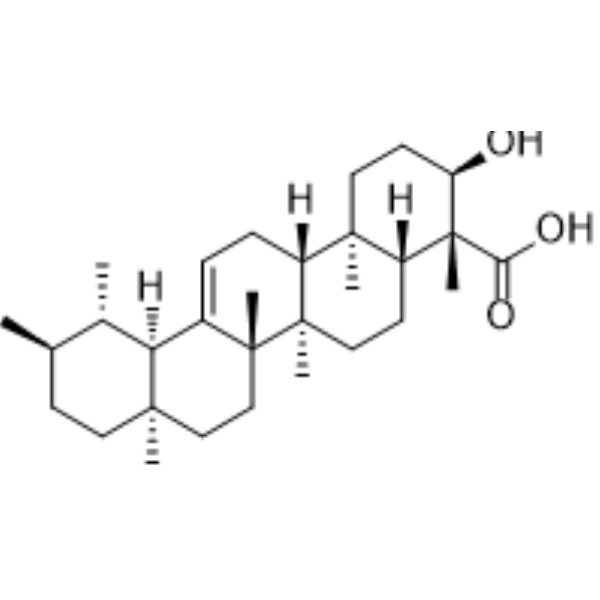
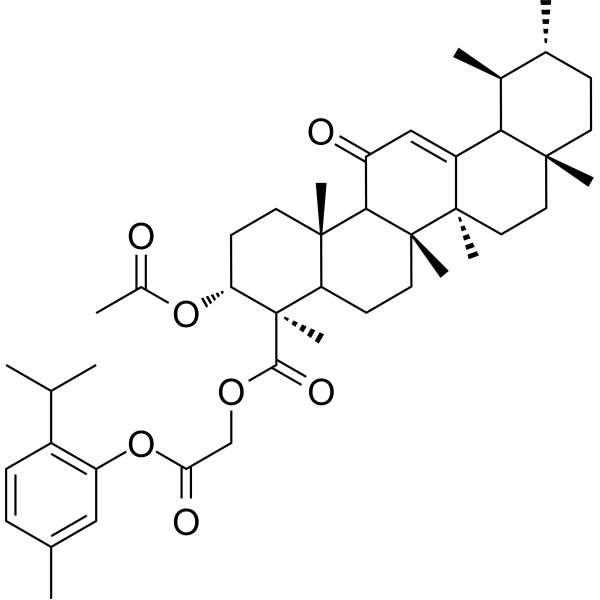
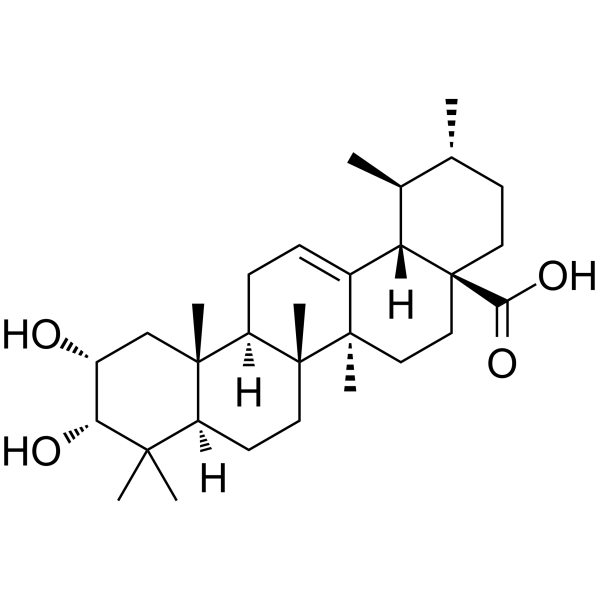
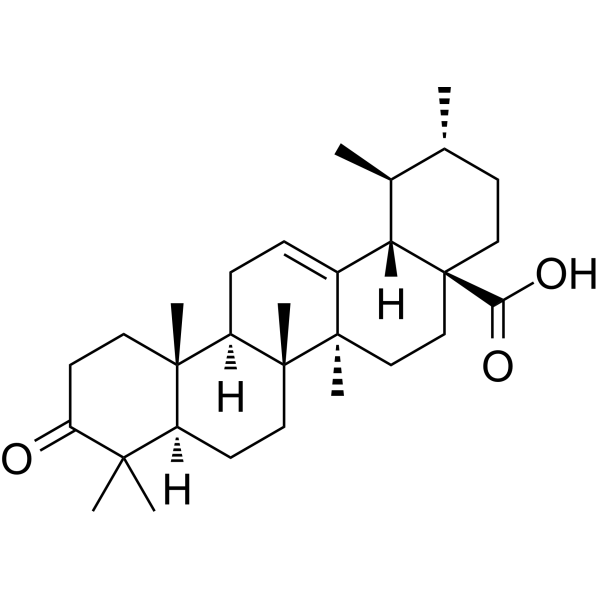
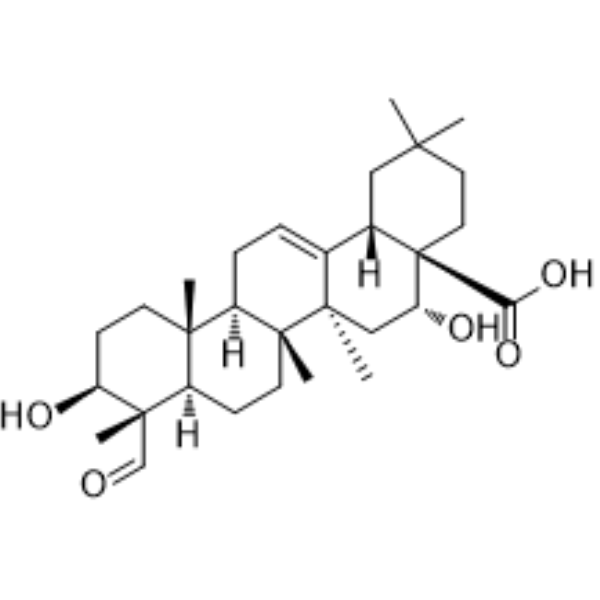
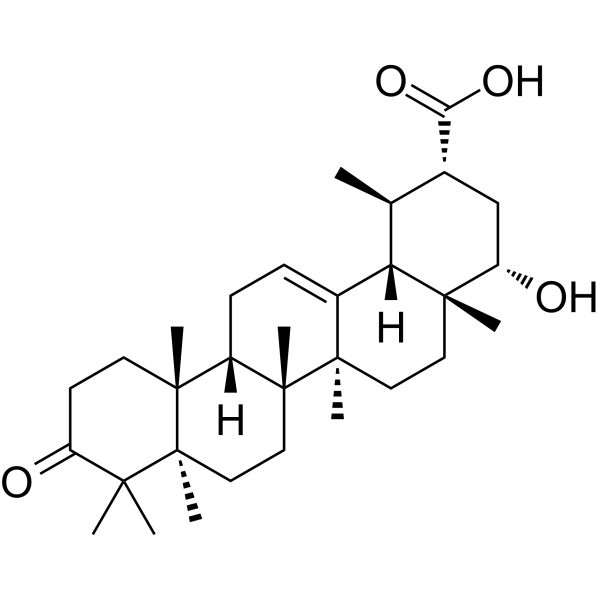
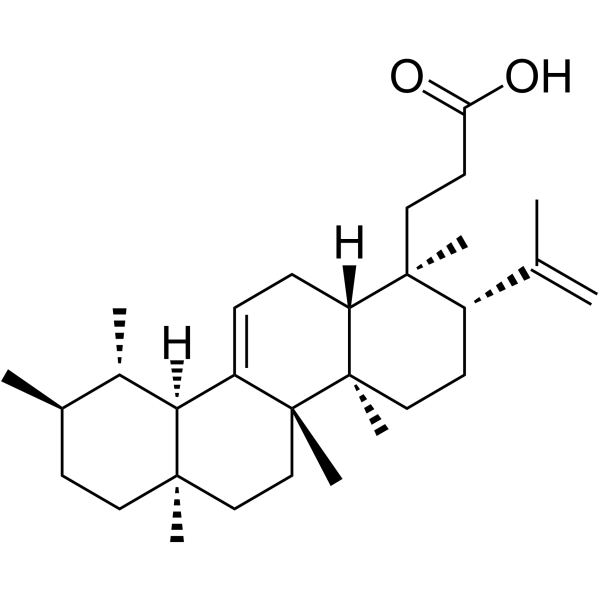
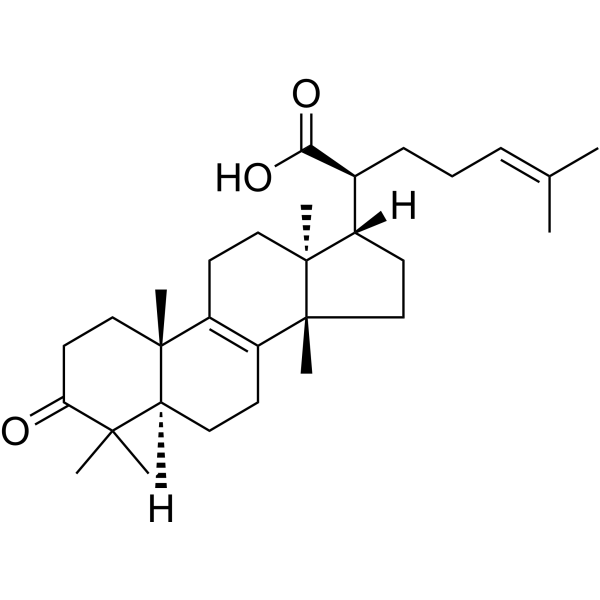
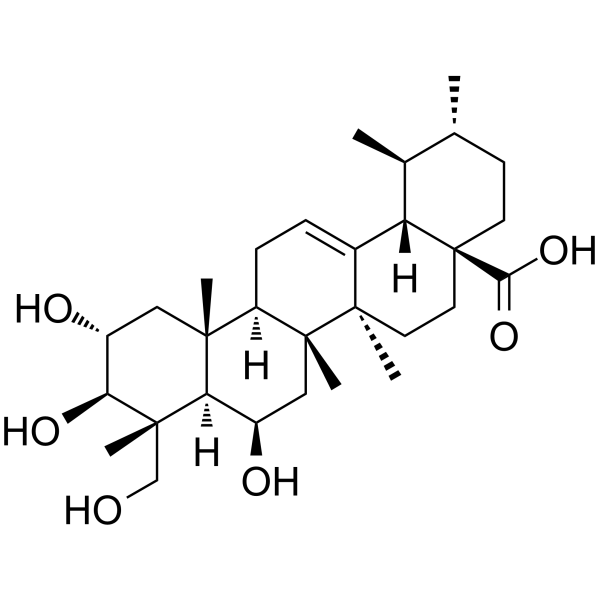
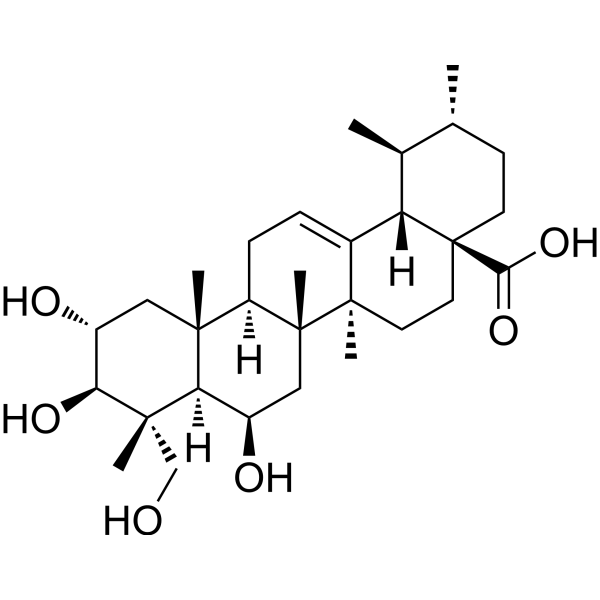
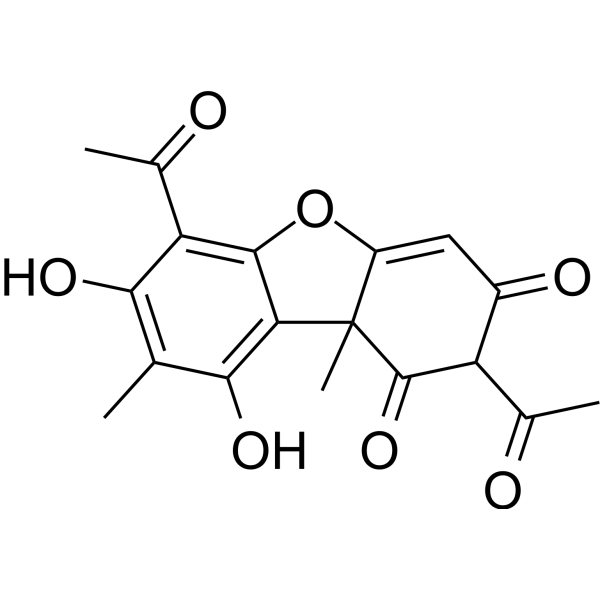
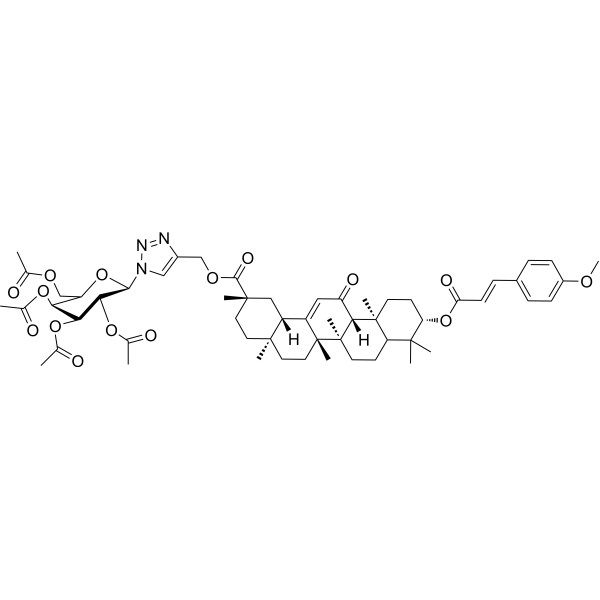
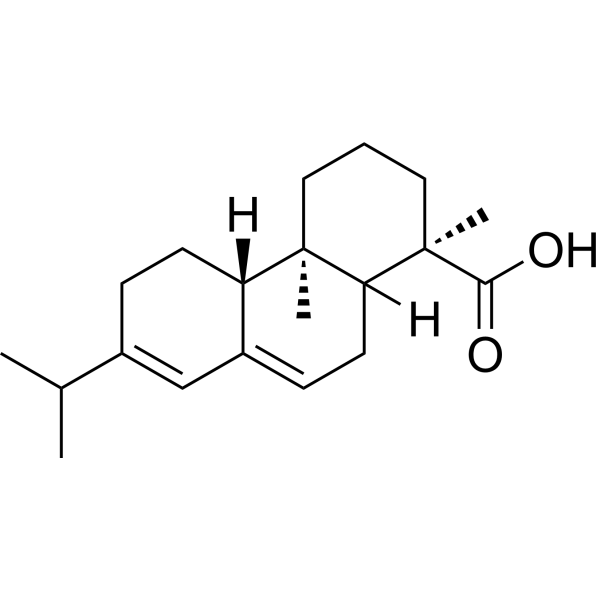
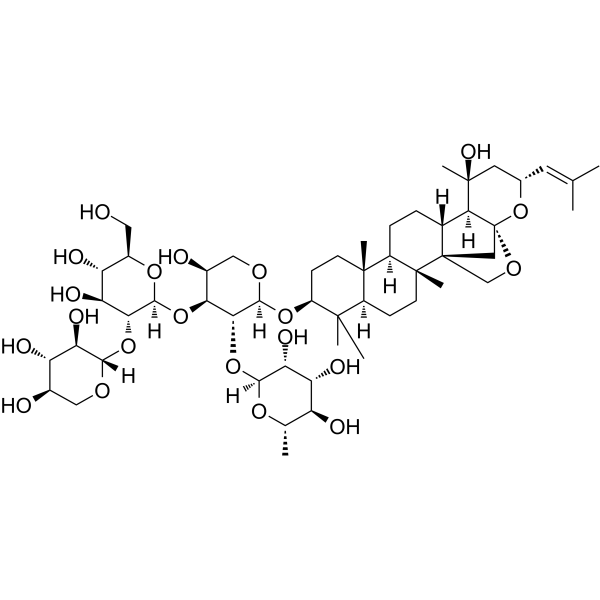
    β-Boswellic acid is isolated from the gum resin of Boswellia serrata with anticancer, antioxidant activity, anti-inflammatory activity and anti-arthritic pain.β-Boswellic acid is an orally active nonreducing-type inhibitor of the 5-lipoxygenase (5-LO) product formation either interacting directly with the 5-LO or blocking its translocation. β-Boswellic acid inhibits the synthesis of DNA, RNA and protein in human leukemia HL-60 cells with IC50 values ranging from 0.6 to 7.1 μM. β-Boswellic acid is promising for research of diabetes, inflammatory and arthritic diseases .
    β-Boswellic acid
  • HY-N0847
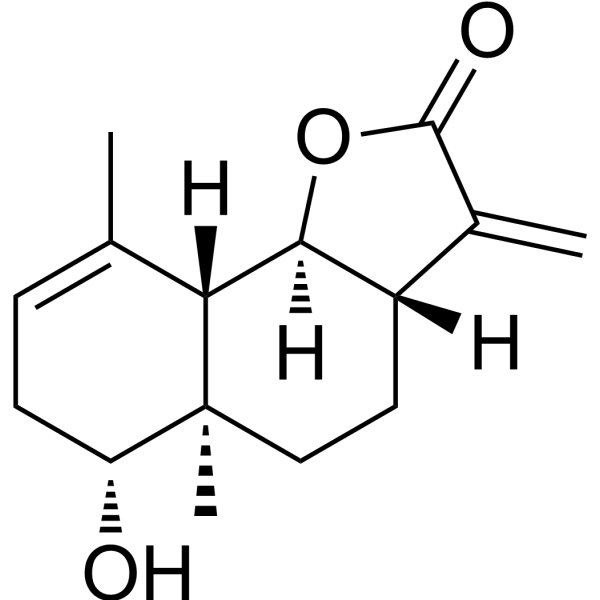
    Micheliolide
    5+ Cited Publications

    NF-κB PI3K Akt TGF-beta/Smad Inflammation/Immunology Cancer
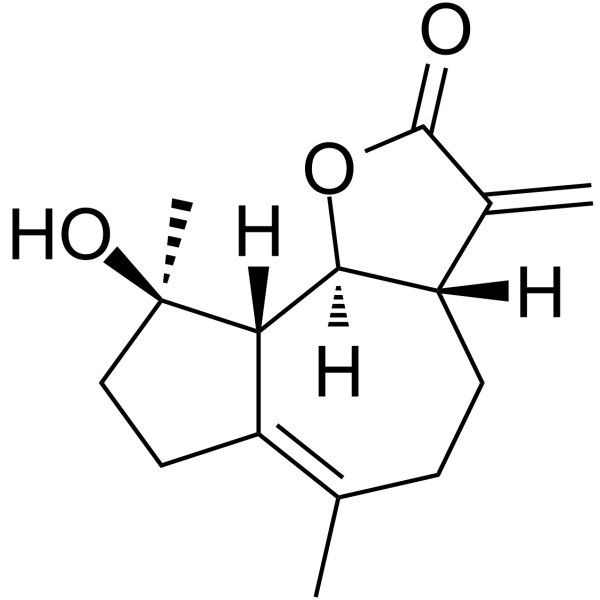
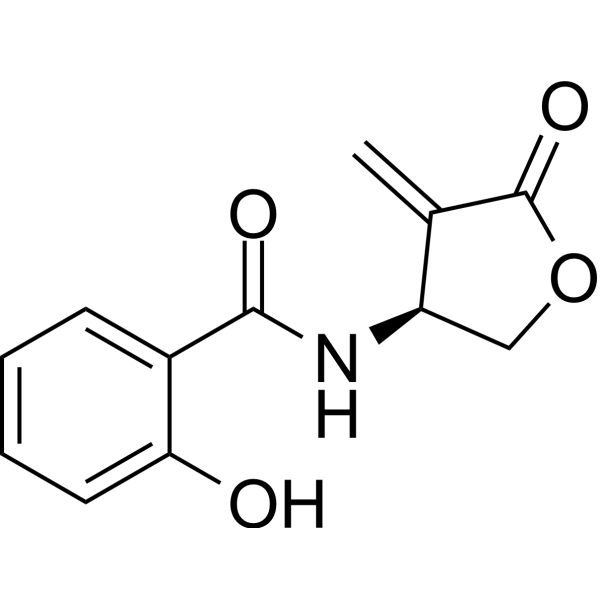
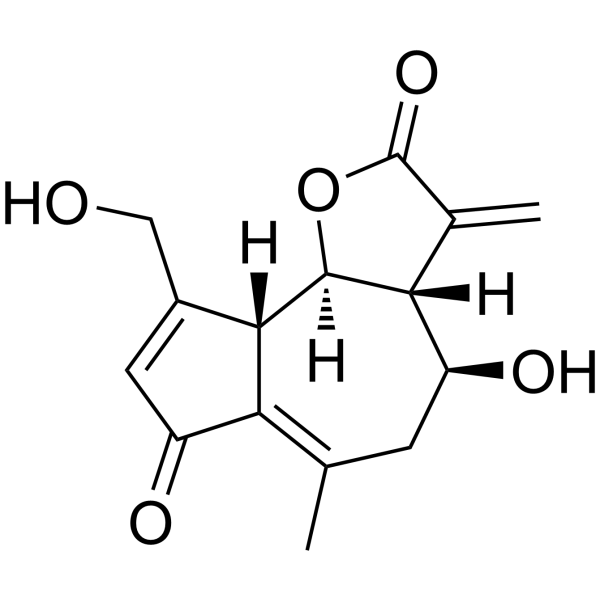
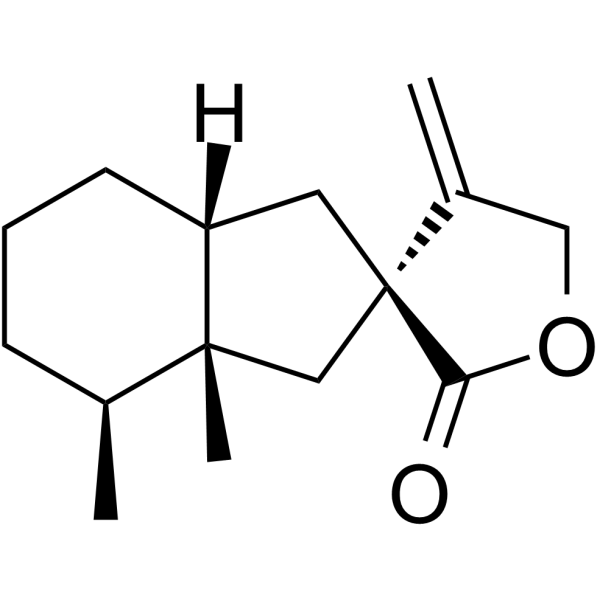
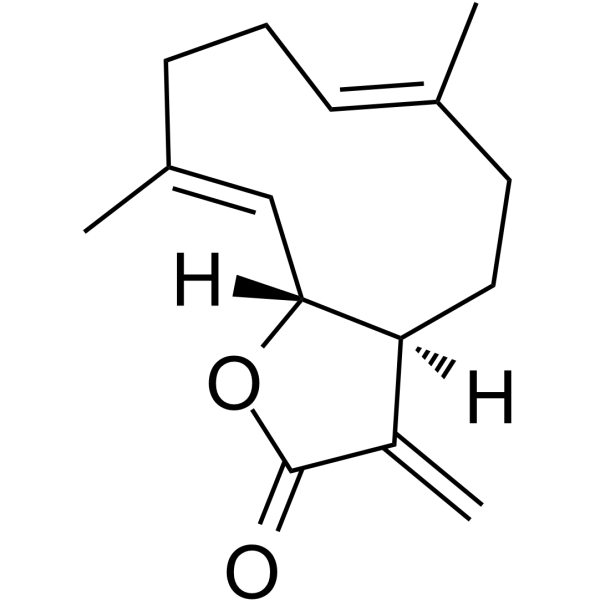
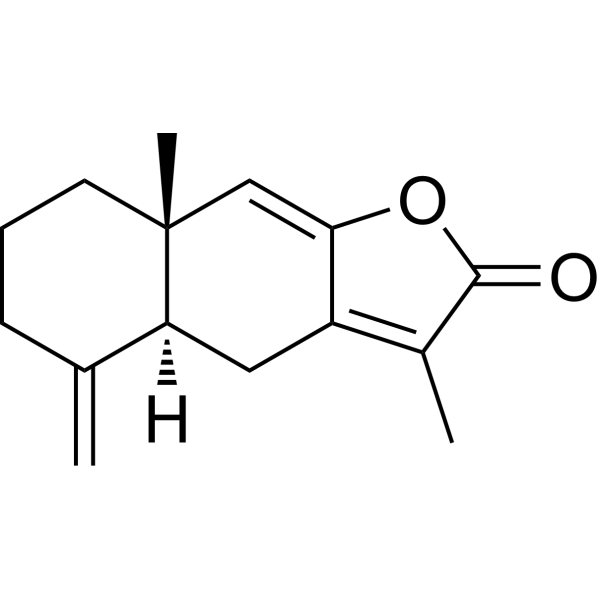
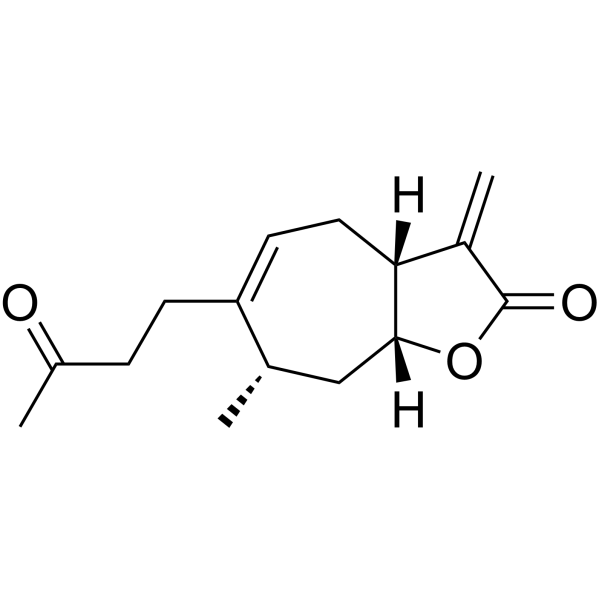
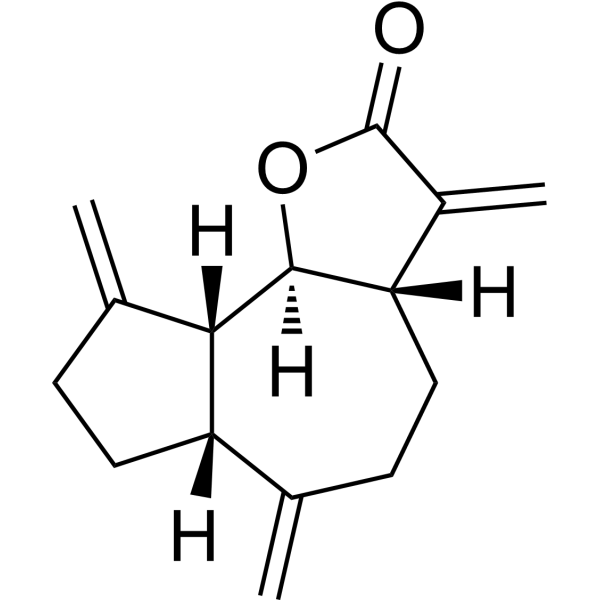
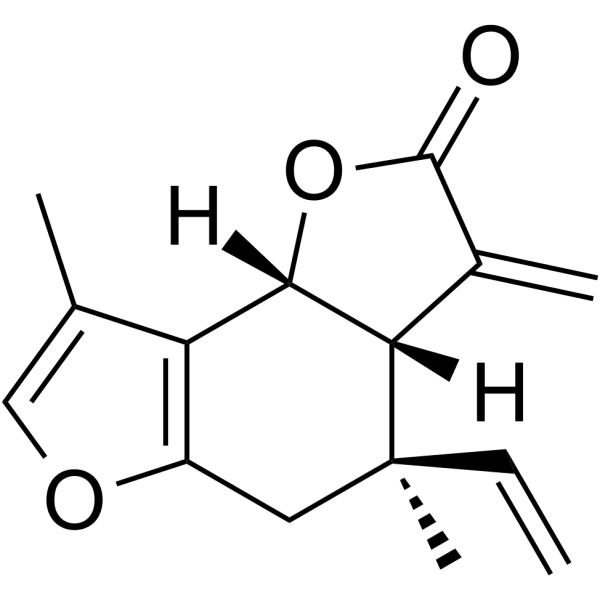
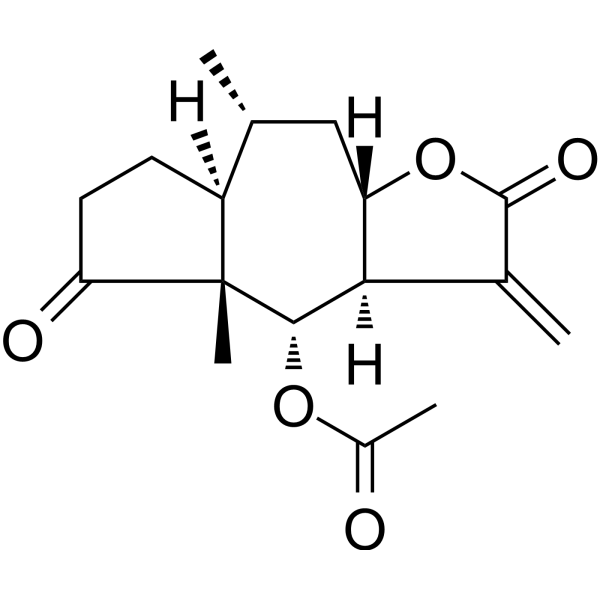
    Micheliolide is a sesquiterpene lactone with anti-cancer and anti-inflammatory effects, which is derived from Michelia compressa and Michelia champaca. Micheliolide can attenuate high glucose-stimulated NF-κB activation, IκBα degradation, and the expression of MCP-1, TGF-β1, and FN in mouse mesangial cells. Micheliolide inhibits LPS (HY-D1056)-induced activation of NF-κB and PI3K/Akt/p70S6K pathways to play an anti-inflammatory role. Micheliolide inhibits dextran sodium sulphate (DSS) (HY-116282)-induced inflammatory intestinal disease, colitis-associated cancer and rheumatic arthritis .
    Micheliolide
  • HY-B1153
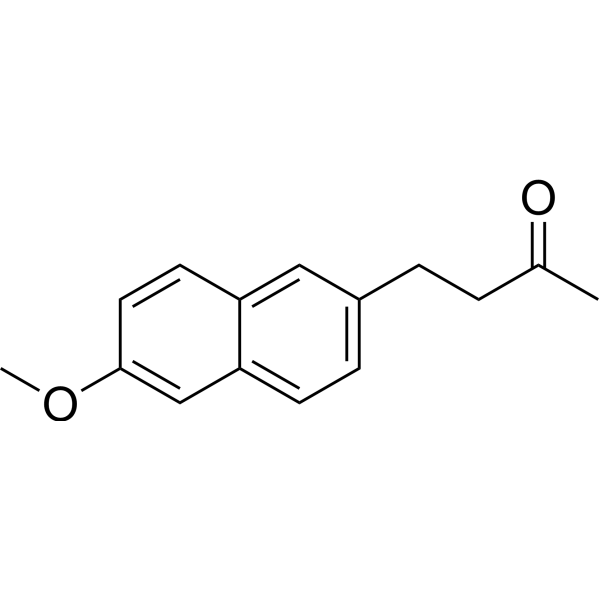
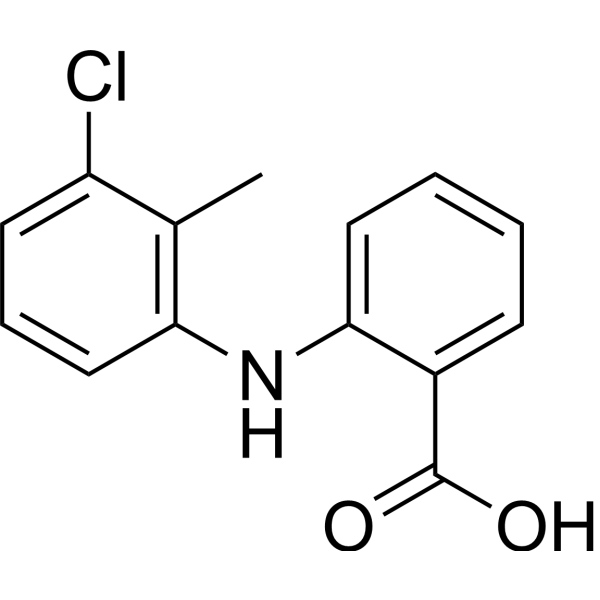
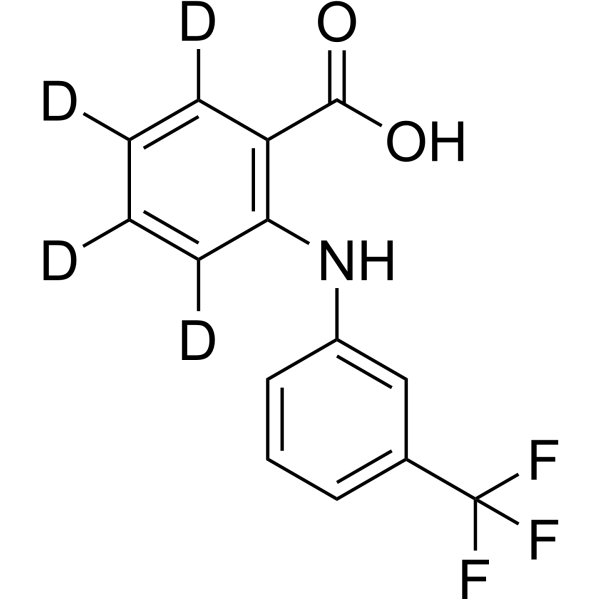
    Glafenine
    4 Publications Verification

    Glafenin

    COX CFTR Apoptosis Endoplasmic Reticulum Oxidoreductase 1 (ERO1) Metabolic Disease Inflammation/Immunology
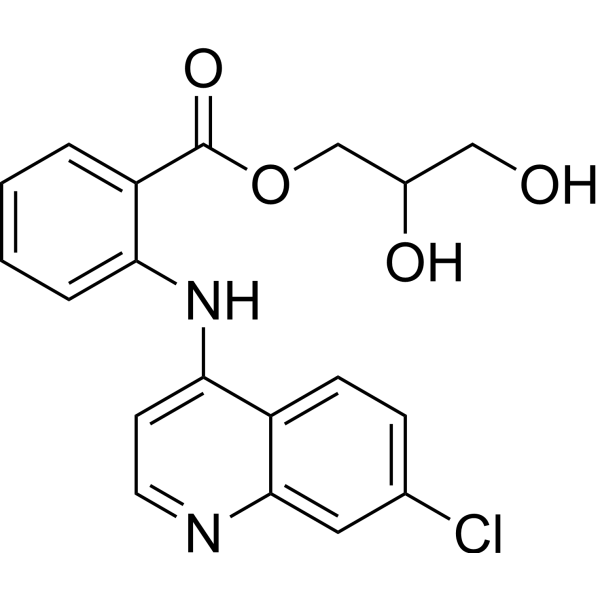
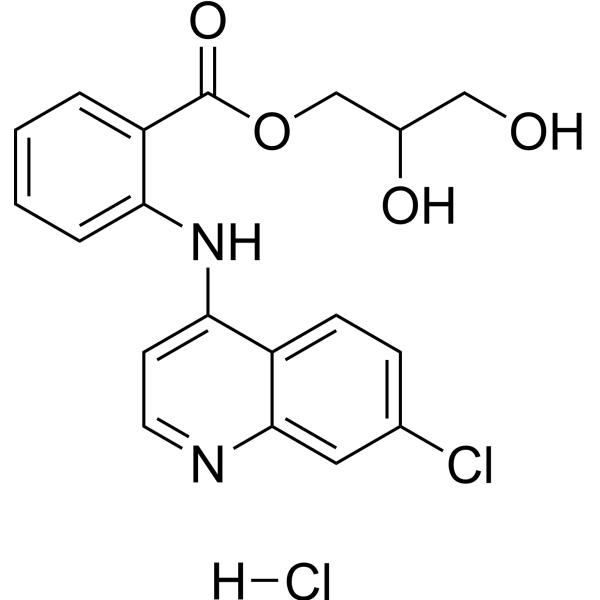
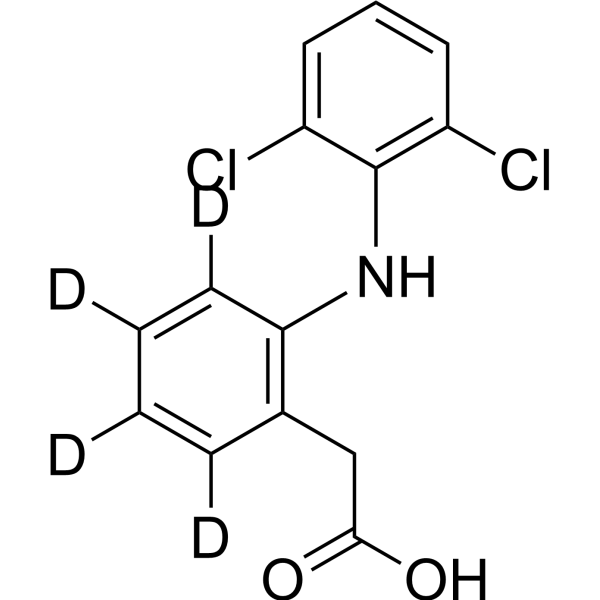
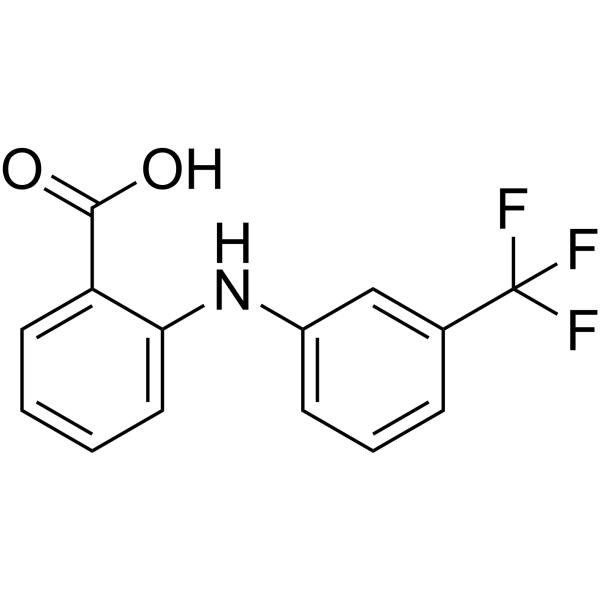
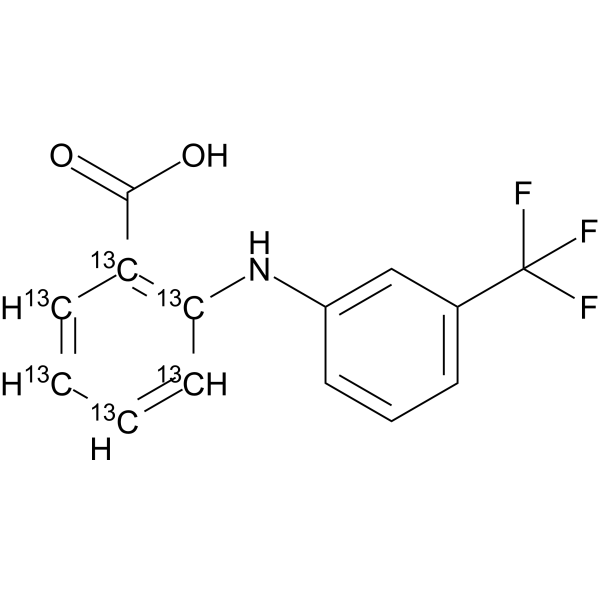
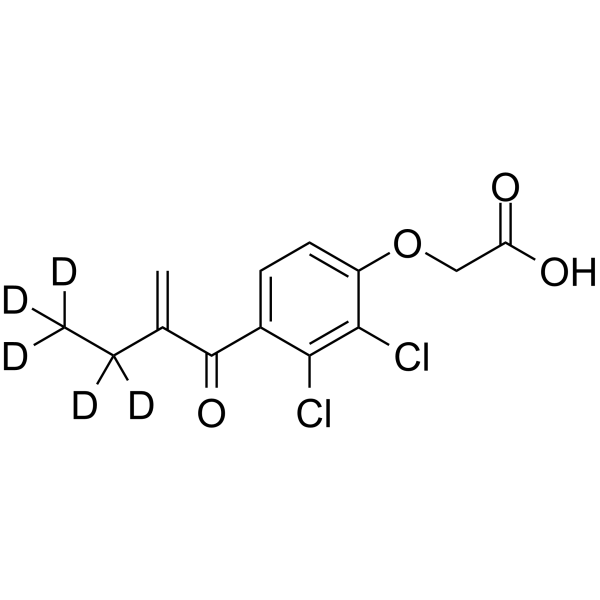
    Glafenine (Glafenin) is a non-selective, non-steroidal anti-inflammatory drug-based COX-1/COX-2 inhibitor. Glafenine exerts anti-inflammatory, anti-proliferative and anti-cell migration effects by inhibiting the arachidonic acid metabolic pathway and reducing prostaglandin synthesis. Glafenine can induce cell cycle arrest in vascular smooth muscle cells and endothelial cells and reduce the synthesis of the extracellular matrix protein Tenascin. Glafenine can be used in the research of inflammatory-related diseases, vascular restenosis and cystic fibrosis (CF) .
    Glafenine
  • HY-148364
    ZINC00784494
    2 Publications Verification

    Lipocalin Family Akt Cancer
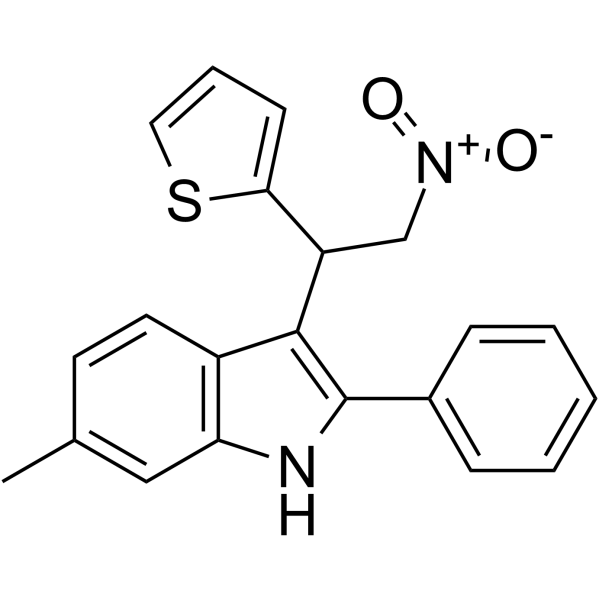
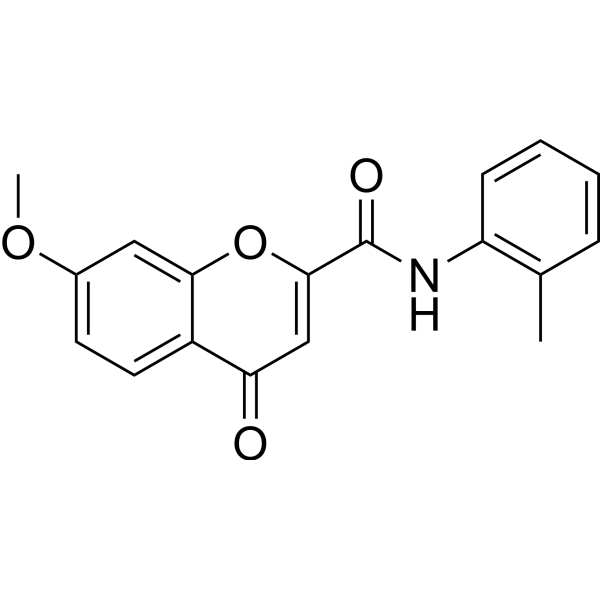
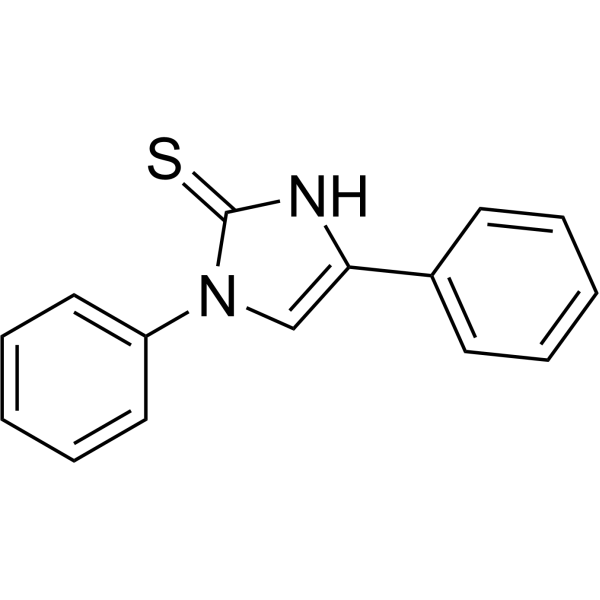
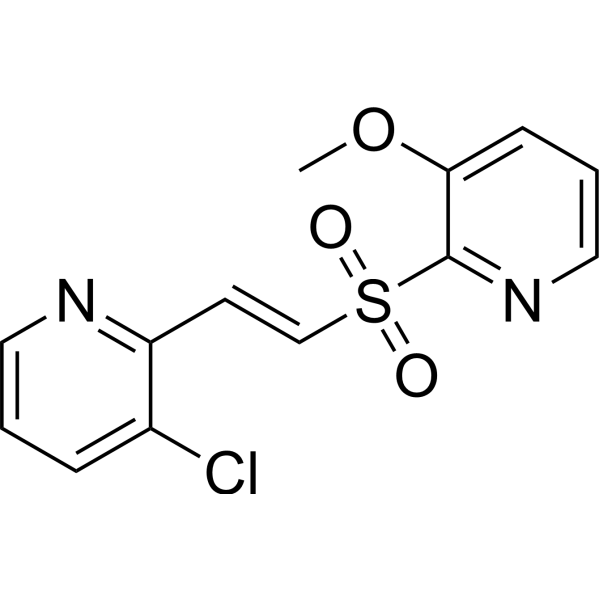
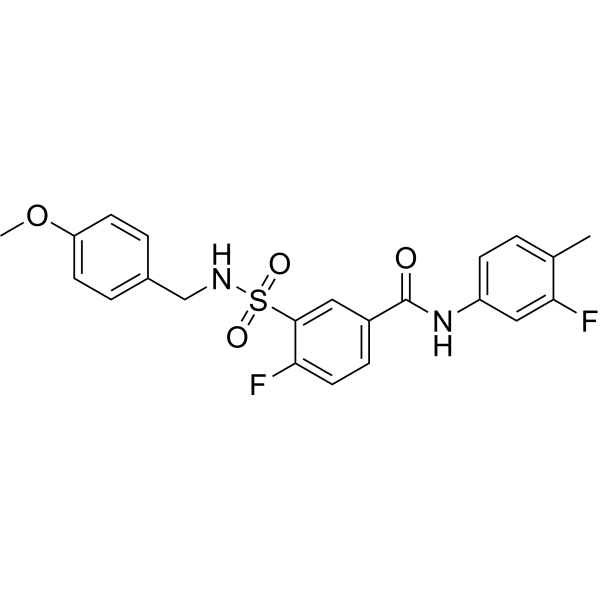
    ZINC00784494 is a specific Lipocalin-2 (LCN2) inhibitor. ZINC00784494 inhibits cell proliferation, cell viability and reduces AKT phosphorylation levels in SUM149 cells. ZINC00784494 has good potential for research in inflammatory breast cancer (IBC) .
    ZINC00784494
  • HY-19344A
    Lifitegrast sodium
    10+ Cited Publications

    SAR 1118 sodium; SHP-606 sodium

    Integrin Inflammation/Immunology
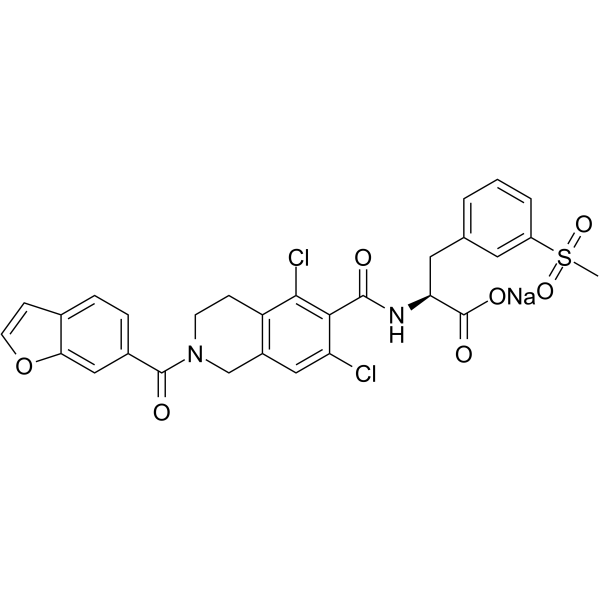
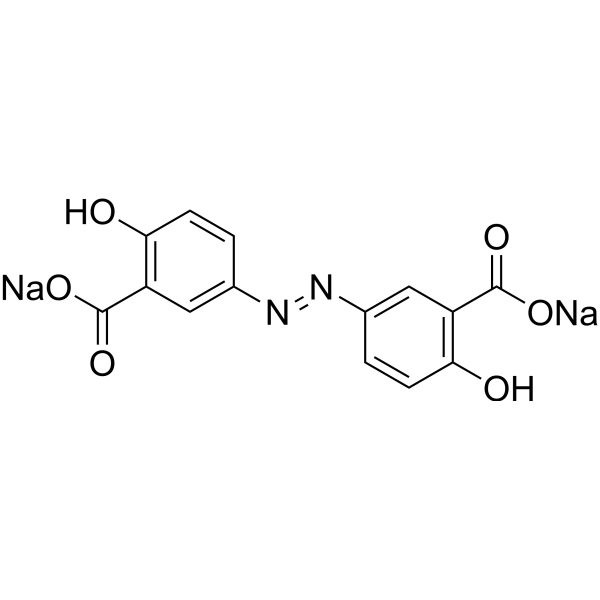
    Lifitegrast (SAR 1118) sodium is a potent integrin antagonist. Lifitegrast sodium blocks the binding of intercellular adhesion molecule 1 (ICAM-1) to lymphocyte function-associated antigen 1 (LFA-1), interrupting the T cell-mediated inflammatory cycle. Lifitegrast sodium inhibits Jurkat T cell attachment to ICAM-1 with an IC50 of 2.98 nM. Lifitegrast sodium can be used for researching dry eye disease .
    Lifitegrast sodium
  • HY-B0199A

    RS 61443 hydrochloride; TM-MMF hydrochloride

    Interleukin Related Inflammation/Immunology
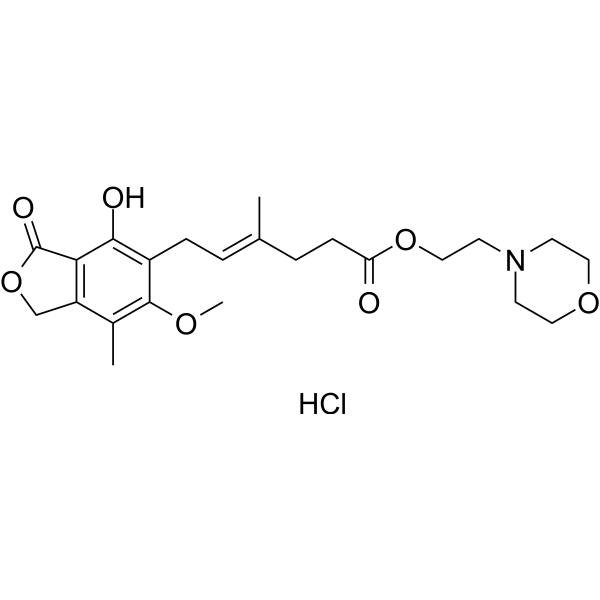
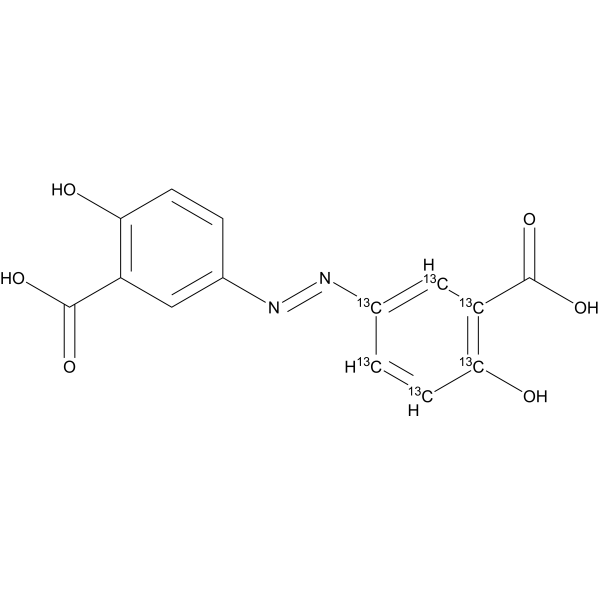
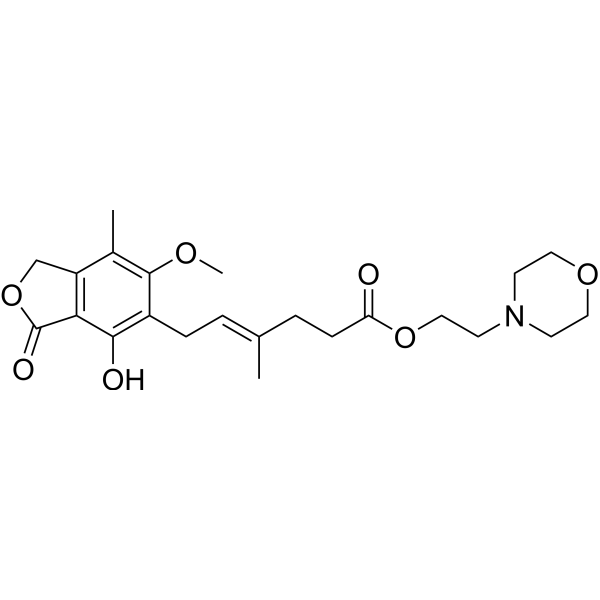
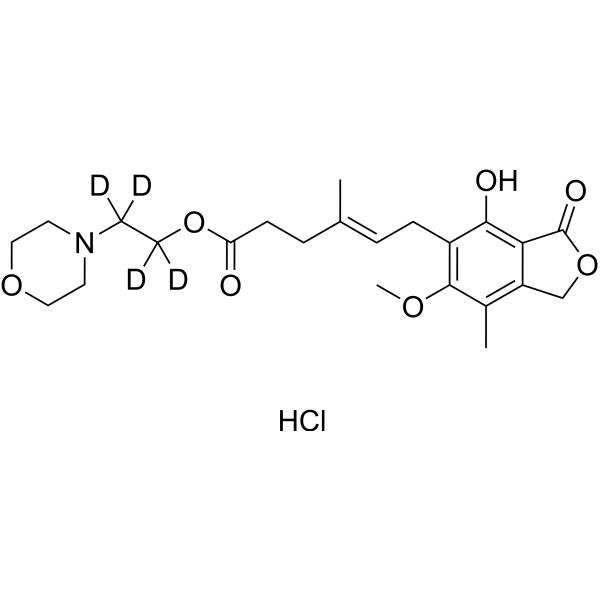
    Mycophenolate mofetil (RS 61443; TM-MMF) hydrochloride is an orally active antimetabolic immunosuppressant with antiproliferative and anti-inflammatory properties. Mycophenolate mofetil hydrochloride significantly inhibits the production of B, T lymphocytes and the proliferation of smooth muscle cells by selectively blocking the de novo purine synthesis pathway. Mycophenolate mofetil hydrochloride effectively reduces adventitial inflammation, medial necrosis and intimal thickening in rat aortic allografts, and decreases the number of lymphocytes expressing the IL-2 receptor, thereby delaying xenograft rejection. Mycophenolate mofetil hydrochloride shows certain toxicity in a hamster-to-rat limb xenotransplantation model when used in combination with FK506 (HY-13756). Mycophenolate mofetil hydrochloride is widely used in studies related to allograft arteriosclerosis (chronic rejection) .
    Mycophenolate mofetil hydrochloride
  • HY-126389B

    Endogenous Metabolite NF-κB Fungal Infection Inflammation/Immunology
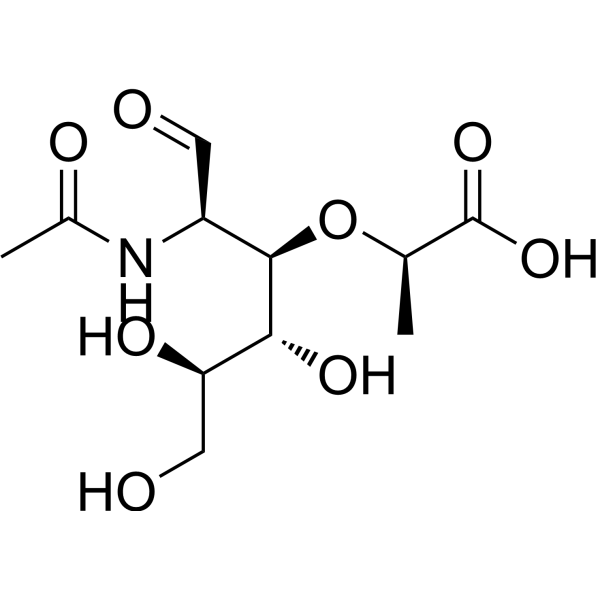
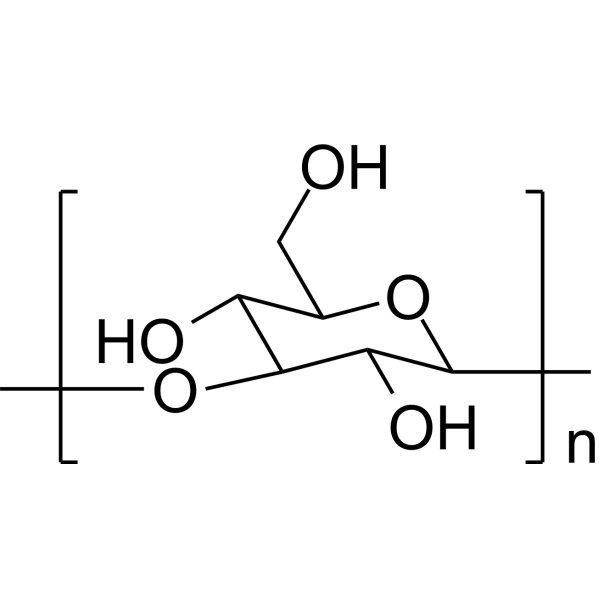
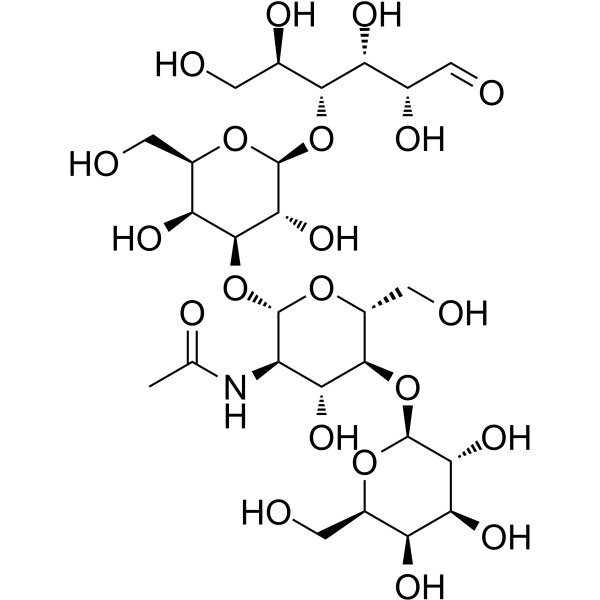
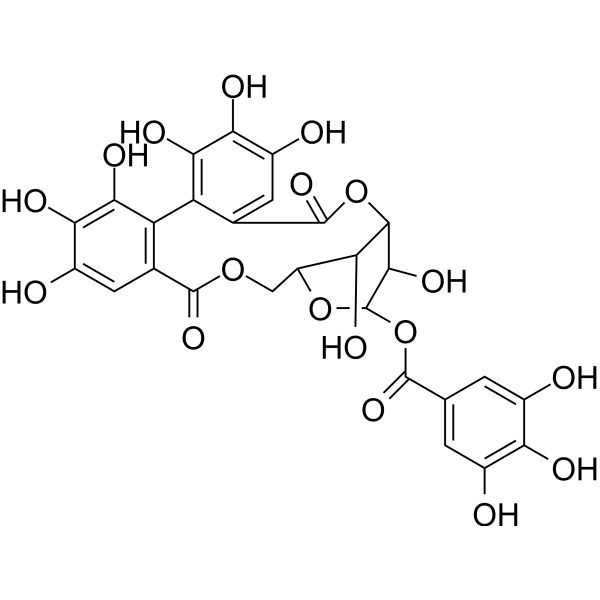
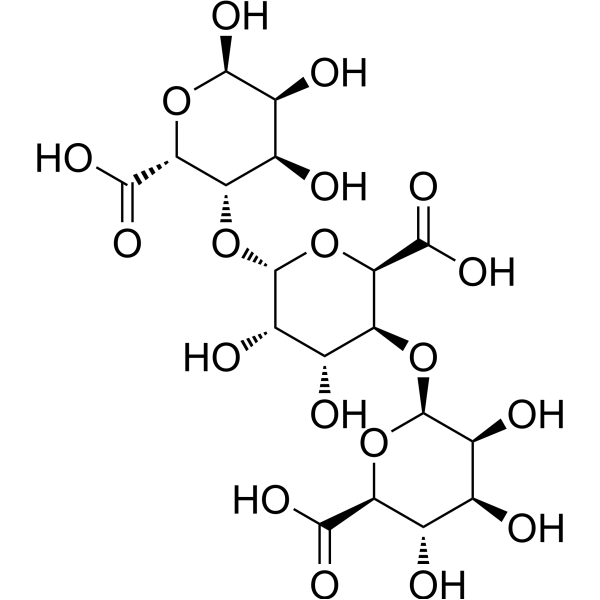
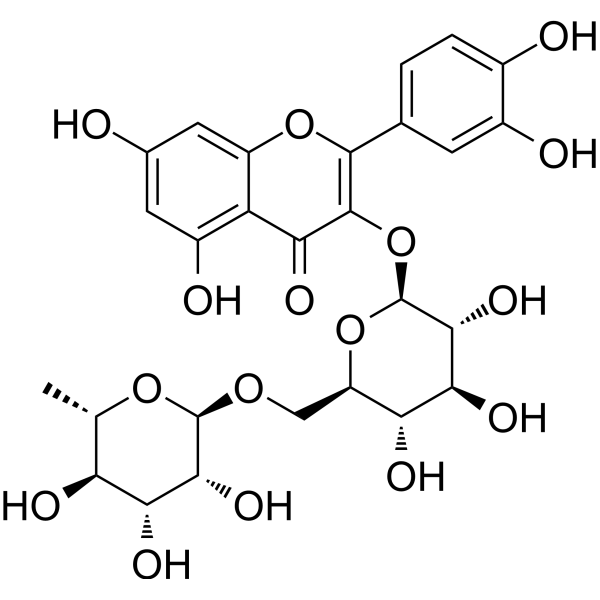
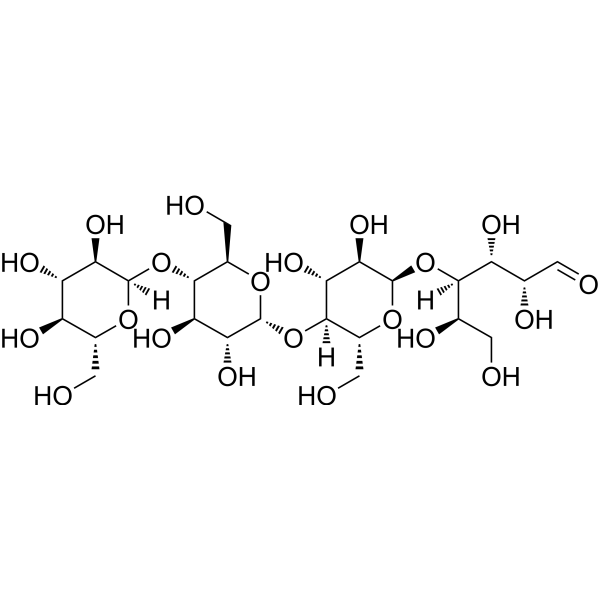
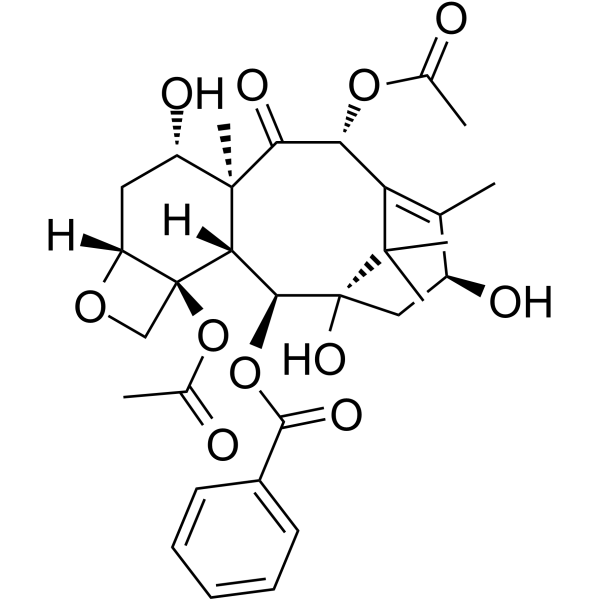
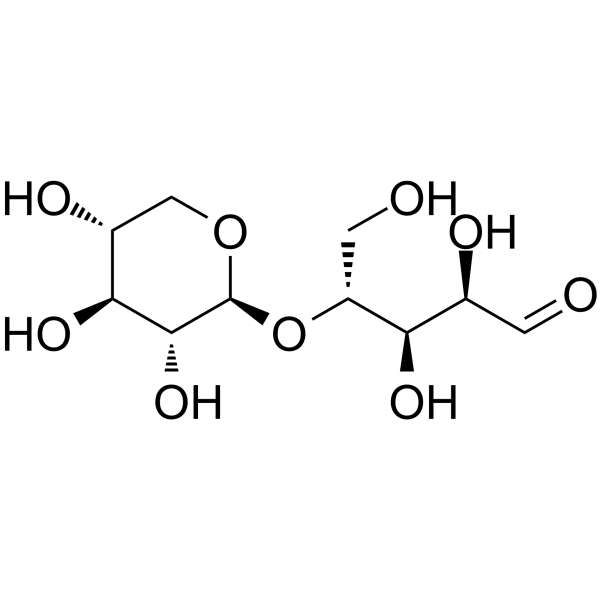
    Chitin, from shrimp shells (chitinase substrate) serves as a substrate for chitinase. Chitin, from shrimp shells (chitinase substrate) is a long-chain polymer of N-acetylglucosamine with β-(1-4) linkages. Chitin, from shrimp shells (chitinase substrate) is found in the exoskeleton of crabs. Chitin, from shrimp shells (chitinase substrate) inhibits the activation of NF-κB p65, alters the translocation of NF-κB p65 to the nucleus, and interacts with the cell wall of Candida species. Chitin, from shrimp shells (chitinase substrate) exerts antifungal and anti-inflammatory effects. Chitin, from shrimp shells (chitinase substrate) can be used in the research of gastric ulcer and candidiasis .
    Chitin, from shrimp shells (chitinase substrate)
  • HY-W923189

    Interleukin Related COX TNF Receptor NOD-like Receptor (NLR) NO Synthase PERK p38 MAPK Reactive Oxygen Species (ROS) Caspase Autophagy Herbicide Inflammation/Immunology Cancer
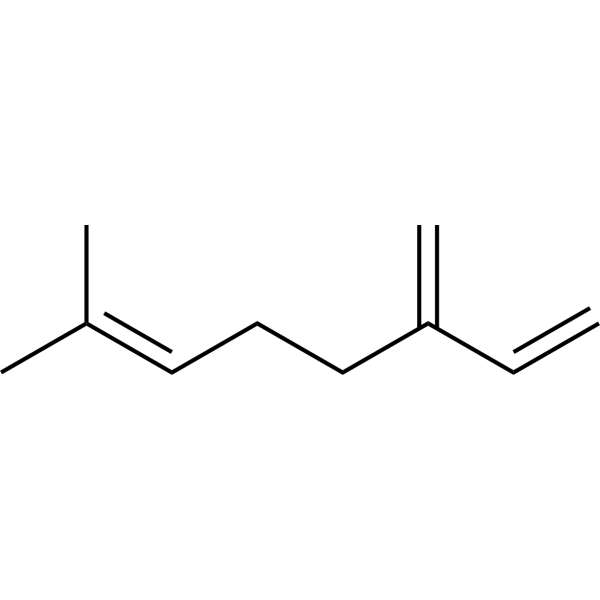
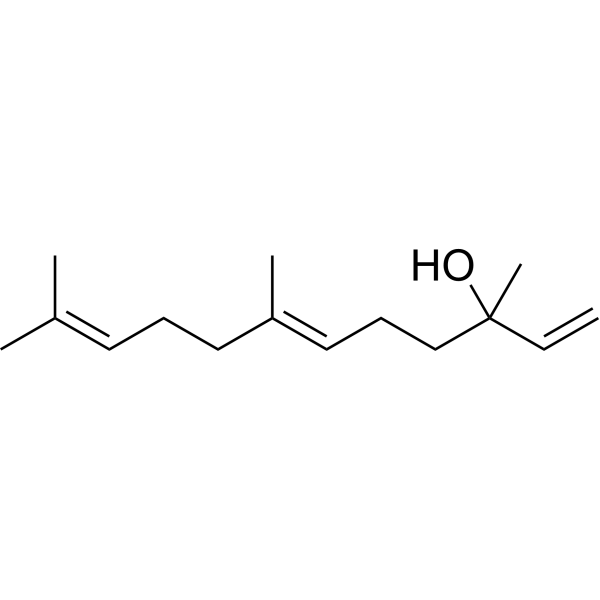
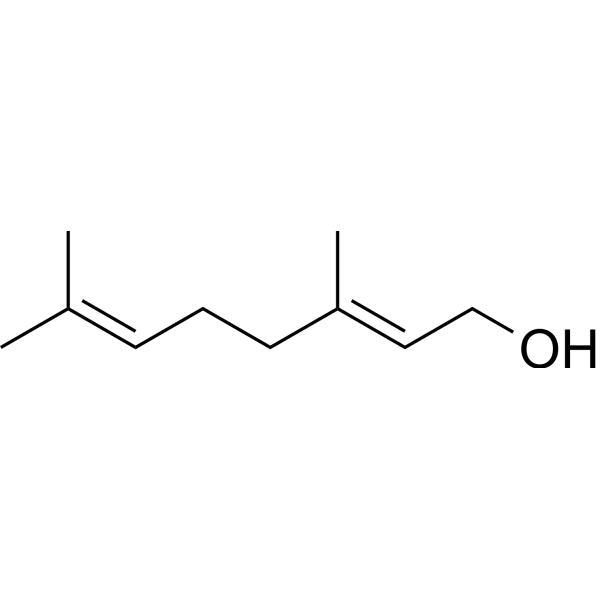
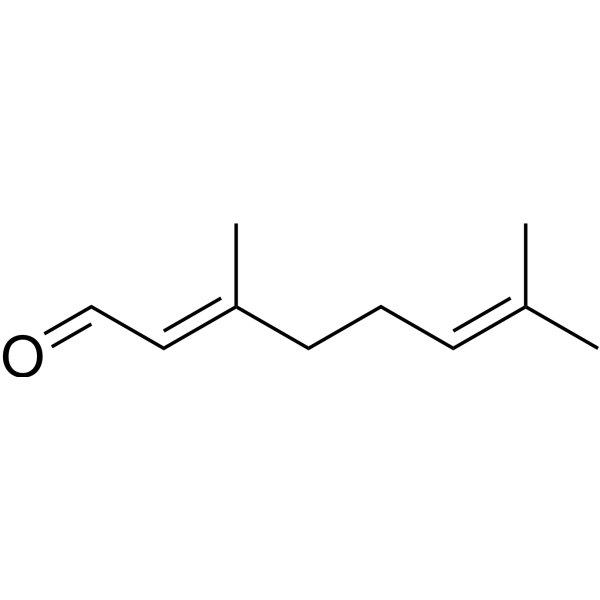
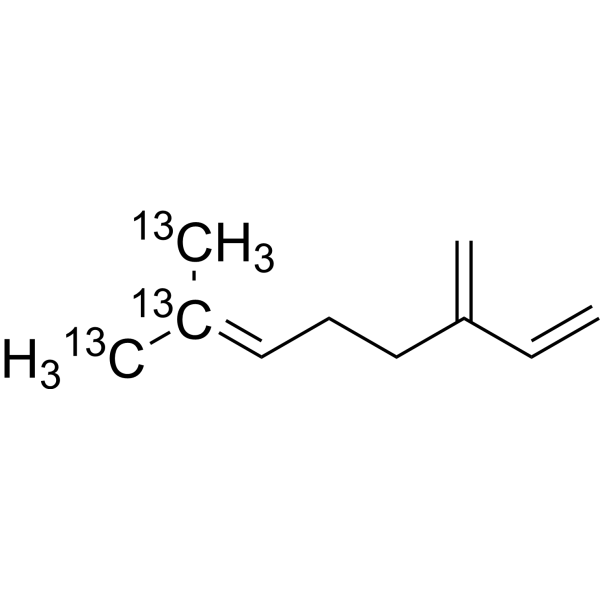
    Neral is a plant-derived anti-inflammatory, antioxidant and anticancer agent. Neral inhibits the phosphorylation of ERK1/2, p38 MAPK and IκB in macrophages induced by LPS (HY-D1056), suppresses the secretion of TNF-α and IL-6, as well as the expression of pro-IL-1β, iNOS and COX-2 in cells, and reduces the production of ROS in cells. Neral inhibits the activation of the NLRP3 inflammasome, and decreases the activation of caspase-1 and the secretion of IL-1β in mouse macrophages. Neral induces autophagy, and exhibits antiproliferative activity both in in vitro breast cancer cell models and mouse xenograft models. Neral regulates brassinosteroid, jasmonic acid and ethylene signaling pathways, and induces the expression of AP2/ERF-ERF and bHLH family genes in rice roots. Neral acts as a herbicide safener, alleviates the damage induced by Fenoxaprop-P-ethyl (HY-B2013), and promotes the elongation of rice roots. Neral can be used in research related to breast cancer, inflammatory and immune system diseases, and herbicide safeners .
    Neral
  • HY-128481

    STING Inflammation/Immunology Cancer
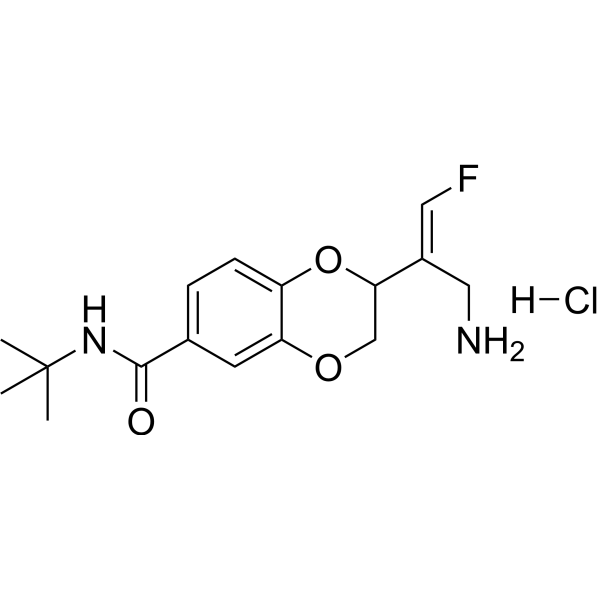
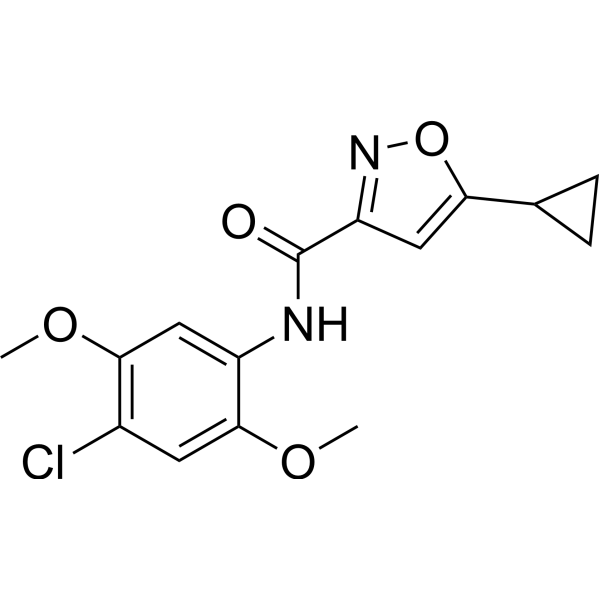
    SB24011 is a STING modulator and a TRIM29-STING protein-protein interaction inhibitor. SB24011 blocks TRIM29-induced K48-linked specific ubiquitination by binding to STING, thereby upregulating intracellular STING protein levels. SB24011 enhances inflammatory cytokine expression and STING-mediated immune responses, and exhibits abscopal antitumor activity that promotes tumor regression and activates T cell infiltration. When combined with STING agonists or anti-PD1 antibodies, SB24011 synergistically enhances antitumor responses. SB24011 is suitable for research related to colon cancer and melanoma .
    SB24011
  • HY-N0589
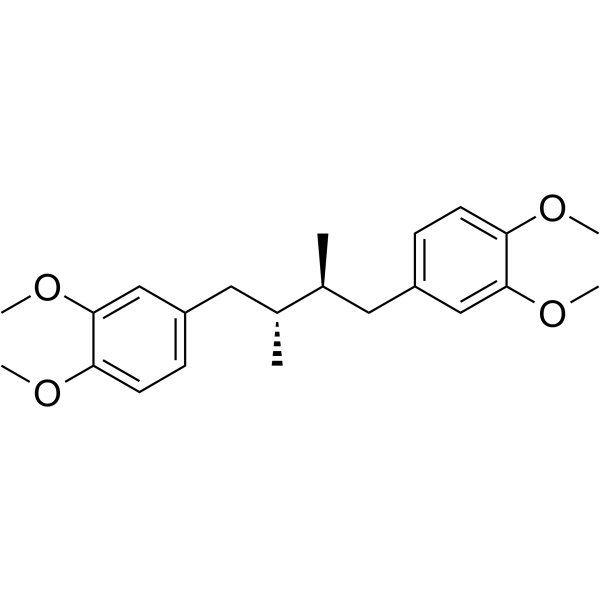
    Dehydrodiisoeugenol
    4 Publications Verification

    NF-κB COX Apoptosis Autophagy NO Synthase PERK JNK p38 MAPK CDK NOD-like Receptor (NLR) Infection Neurological Disease Metabolic Disease Inflammation/Immunology Cancer
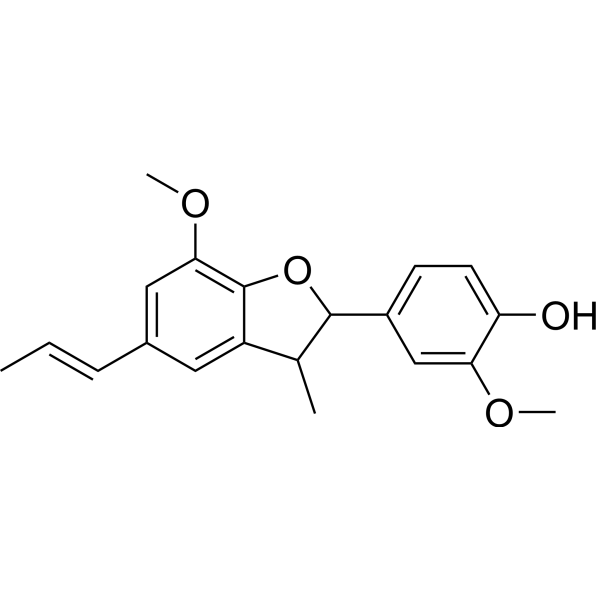
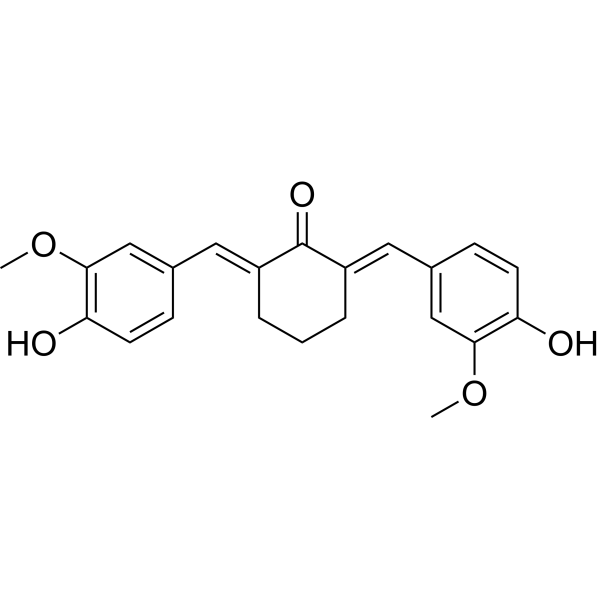
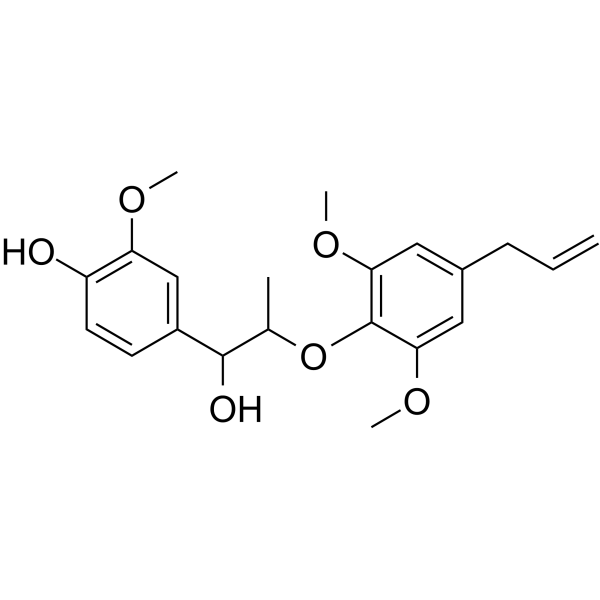
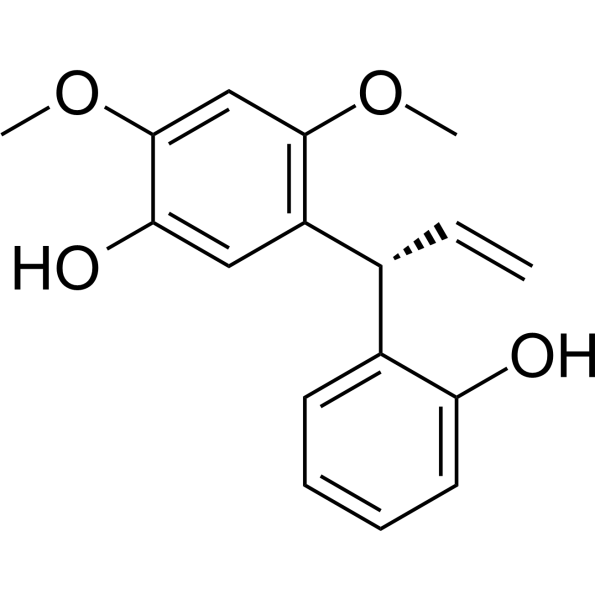
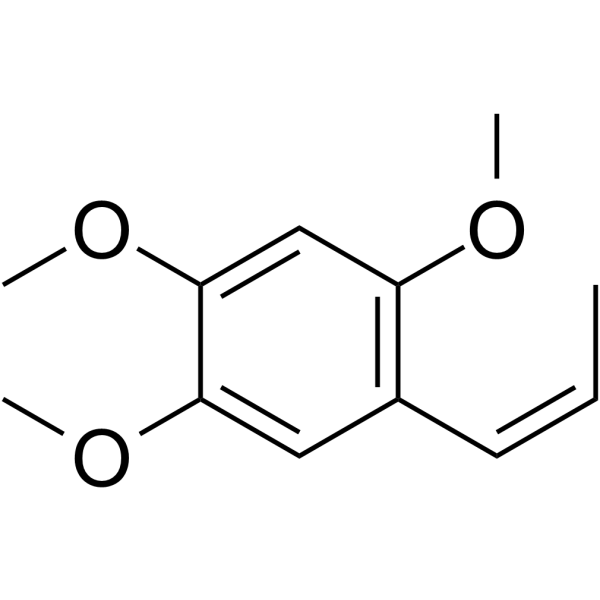
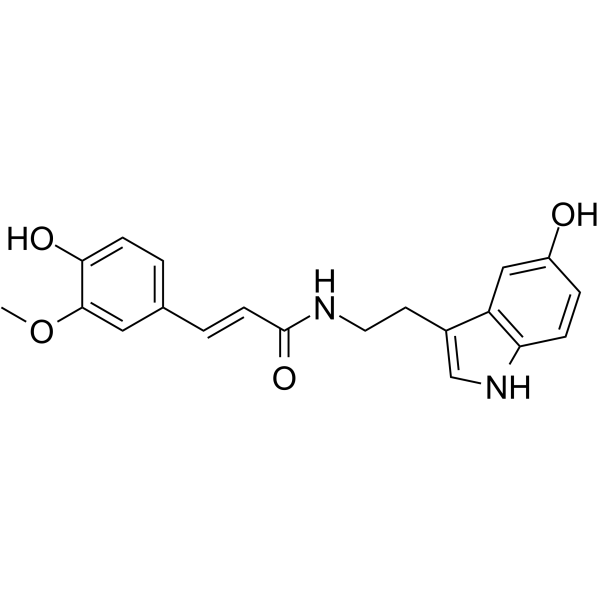
    Dehydrodiisoeugenol is an orally active anti-inflammatory and anti-tumor agent. Dehydrodiisoeugenol inhibits the proliferation of colorectal cancer cells, and induces apoptosis, autophagy, endoplasmic reticulum stress and cell cycle arrest. Dehydrodiisoeugenol also exerts anti-inflammatory effects by inhibiting the activation of NF-κB and the expression of COX-2. Dehydrodiisoeugenol can be used in the research related to colorectal cancer, inflammatory diseases and ulcerative colitis .
    Dehydrodiisoeugenol
  • HY-19772

    ESM-HDAC391; CHR-5154; HDAC-IN-3

    HDAC c-Fms Inflammation/Immunology
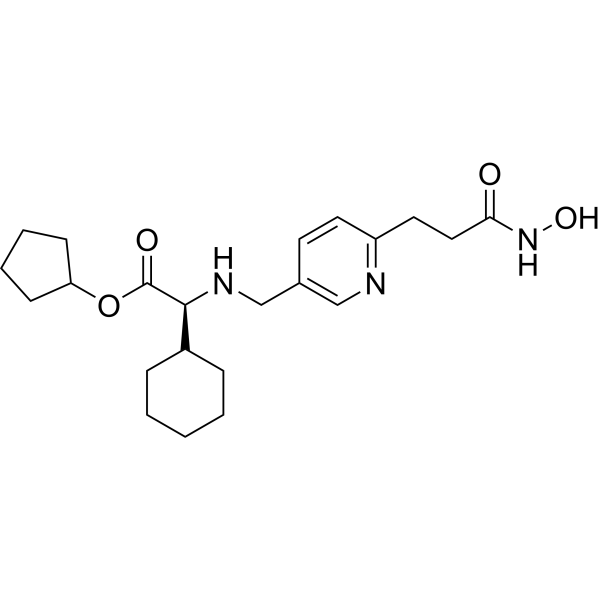
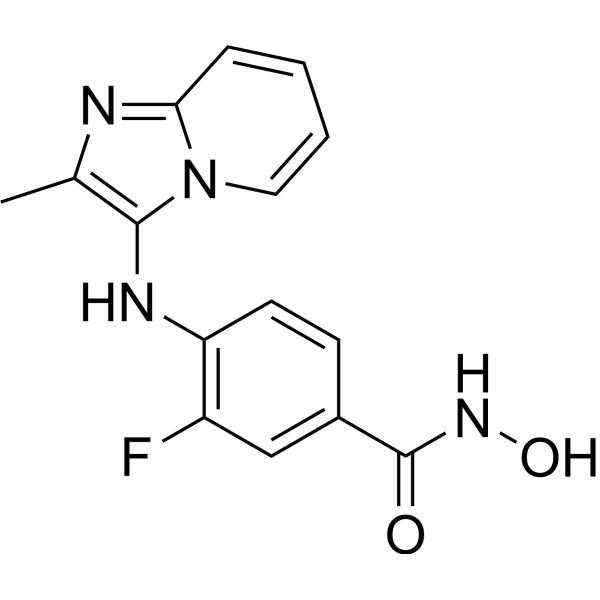
    GSK3117391 (ESM-HDAC391; CHR-5154; HDAC-IN-3) is an orally active HDAC inhibitor with a IC50 of 55 nM. Using esterase-sensitive motif technology, GSK3117391 is selectively converted into its active acid metabolite HDAC189 in cells expressing carboxylesterase-1. GSK3117391 induces sustained global protein acetylation in monocytes, inhibits the production of proinflammatory cytokines, depletes circulating monocytes, downregulates the expression of CSF1R, and inhibits monocyte adhesion and differentiation. GSK3117391 can be used in the research of chronic inflammatory diseases .
    GSK3117391
  • HY-122308

    NF-κB Apoptosis Interleukin Related COX Reactive Oxygen Species (ROS) Inflammation/Immunology
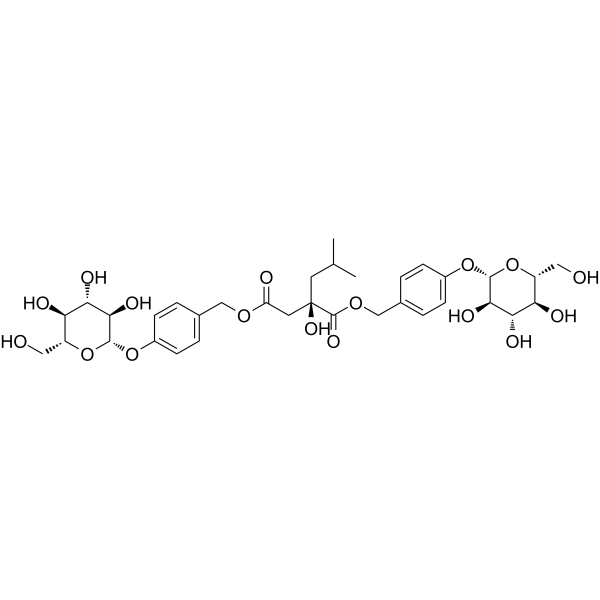
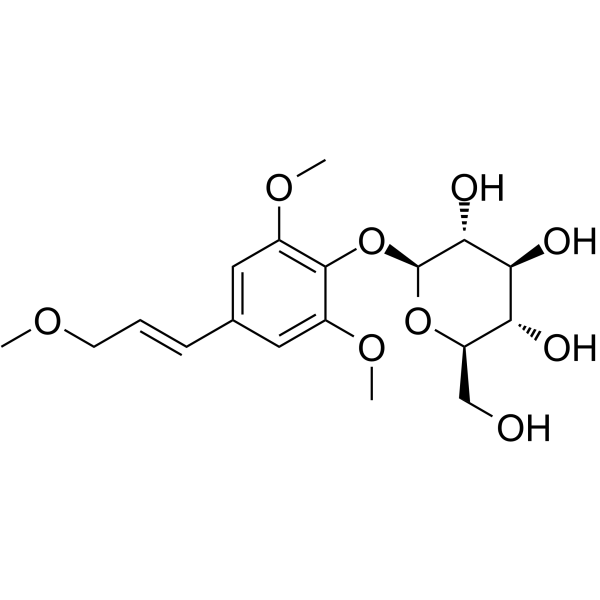
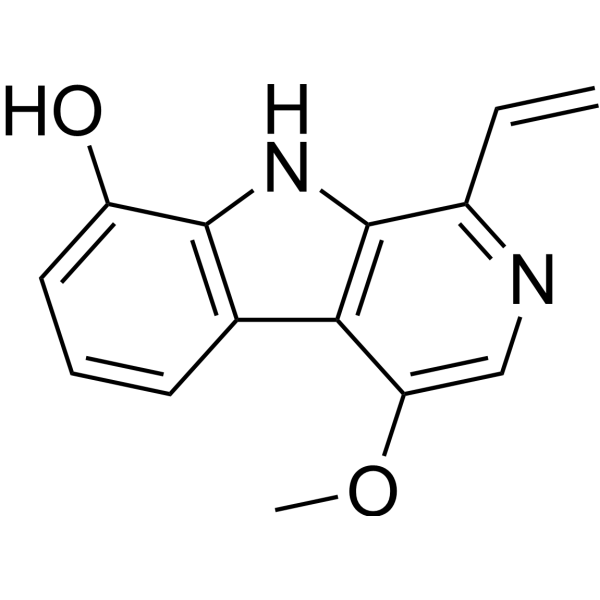
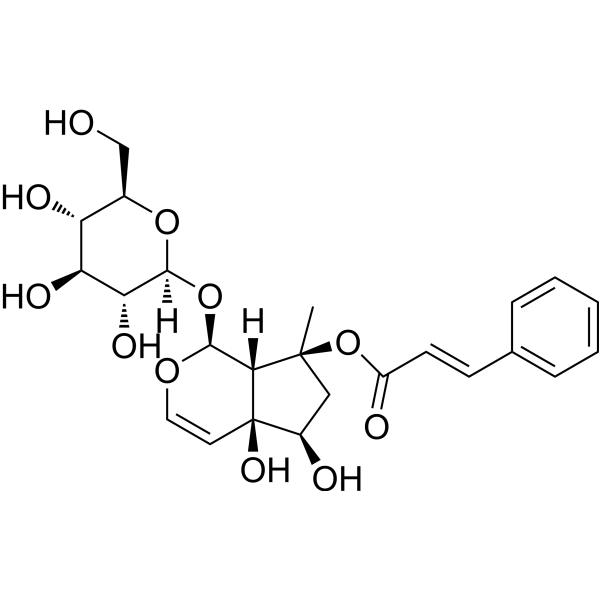
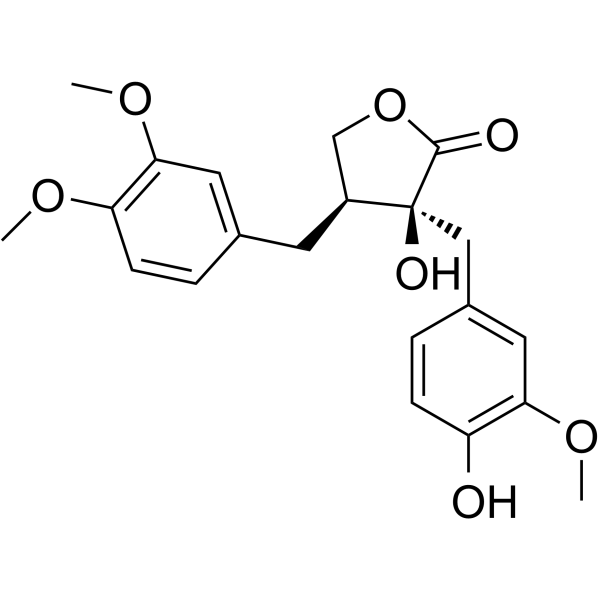
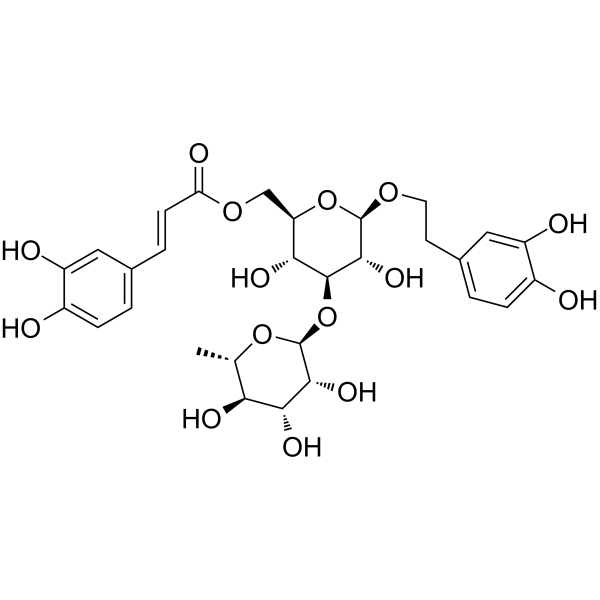
    Militarine is a plant growth inhibitor and anti-inflammatory agent. Militarine inhibits the elongation of radicles and hypocotyls in seedlings of lettuce, Italian ryegrass and timothy grass. Militarine alleviates PM2.5-induced inflammatory injury and inhibits cell migration in human alveolar epithelial A549 cells by inhibiting the NF-κB signaling pathway, reducing oxidative stress and the release of inflammatory factors. Militarine can be used in studies related to PM2.5-induced pulmonary diseases .
    Militarine
  • HY-162734

    GPR65 Inflammation/Immunology
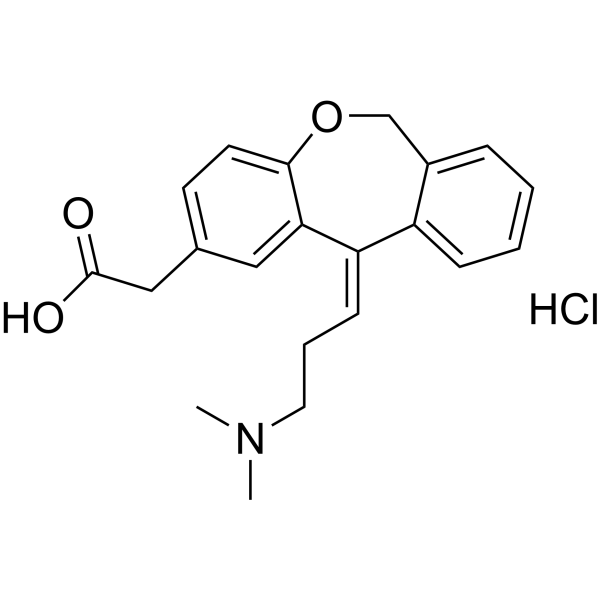
    BRD5075 is a selective GPR65 activator. BRD5075 enhances GPR65 activity under acidic conditions, promotes Gαs-dependent signaling pathways, including cAMP production and G protein recruitment. BRD5075 regulates the cytokine and chemokine expression network in dendritic cells, and inhibits the expression of pro-inflammatory cytokines and chemokines in a GPR65-dependent manner. BRD5075 is applicable to research related to inflammatory bowel disease .
    BRD5075
  • HY-15178

    GRC 3886

    Phosphodiesterase (PDE) Inflammation/Immunology
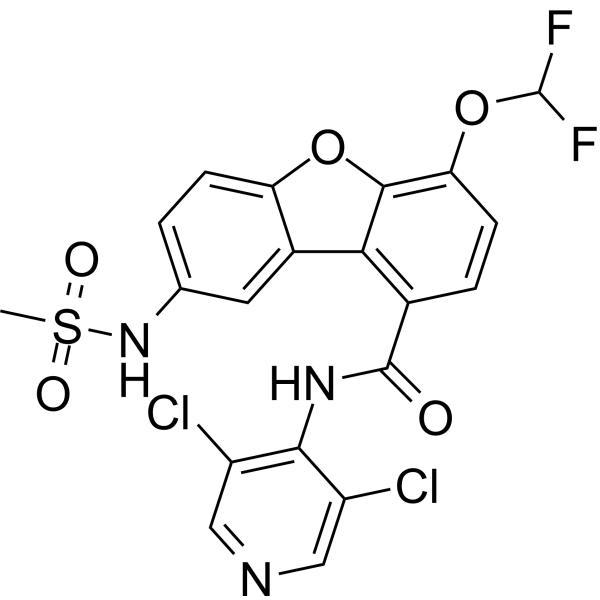
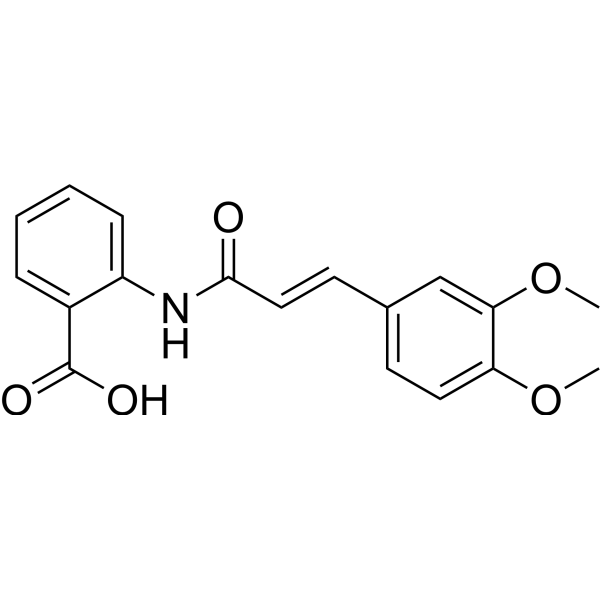
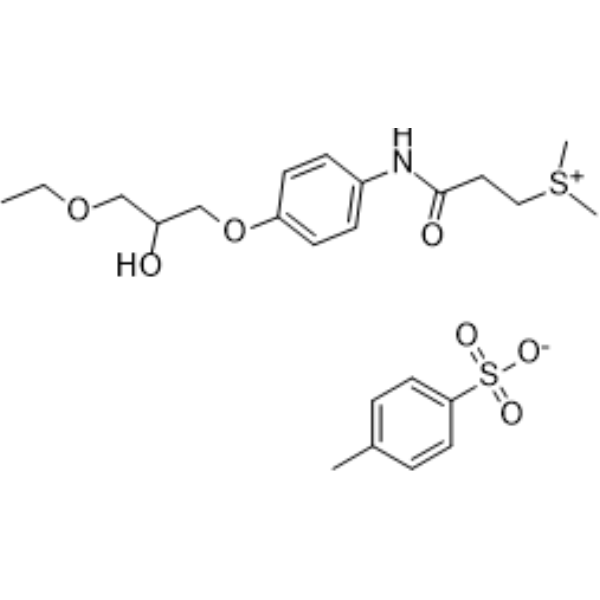
    Oglemilast (GRC 3886) is a potent and orally active phosphodiesterase-4 (PDE4) inhibitor with an IC50 of 0.5 nM for PDE4D3. Oglemilast inhibits pulmonary cell infiltration, including eosinophilia and neutrophilia in vitro and in vivo. Oglemilast has the potential for inflammatory airway diseases .
    Oglemilast
  • HY-P990016

    ARGX-112; LEO-138559; LP-0145

    Interleukin Related Inflammation/Immunology
    Temtokibart (ARGX-112) is a monoclonal antibody and also an IL-22RA1 inhibitor. Temtokibart inhibits the signal transduction of IL-22, IL-20 and IL-24. Temtokibart reduces the expression levels of inflammatory proteins, chemokines, immune cell migration and markers of activated immune pathways. Temtokibart improves the expression of genes related to immunity and epidermal barrier function. Temtokibart is applicable to research on moderate-to-severe atopic dermatitis .
    Temtokibart
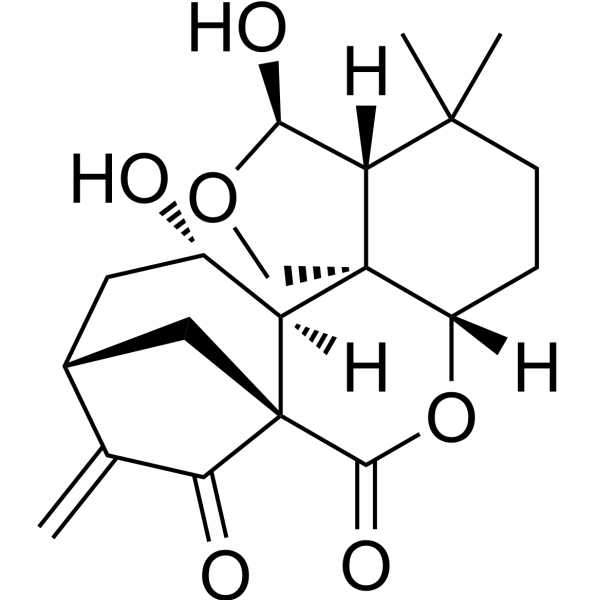
  • HY-N3181

    Apoptosis Wnt β-catenin c-Myc Survivin GSK-3 Ferroptosis Keap1-Nrf2 Heme Oxygenase (HO) NF-κB Interleukin Related Cardiovascular Disease Neurological Disease Metabolic Disease Inflammation/Immunology Cancer
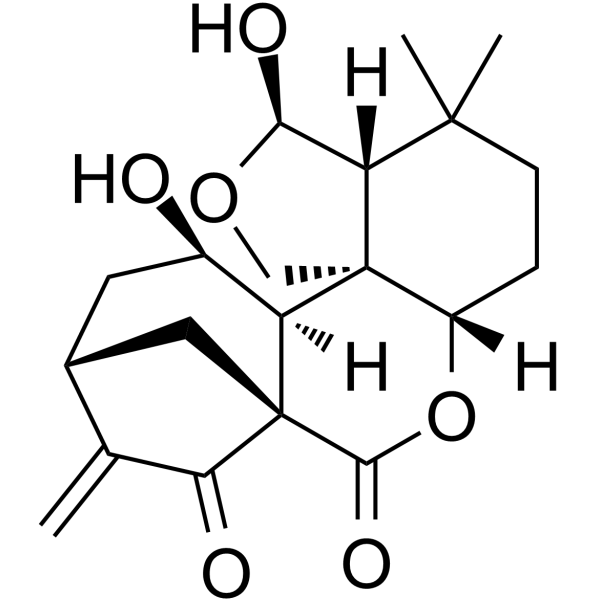
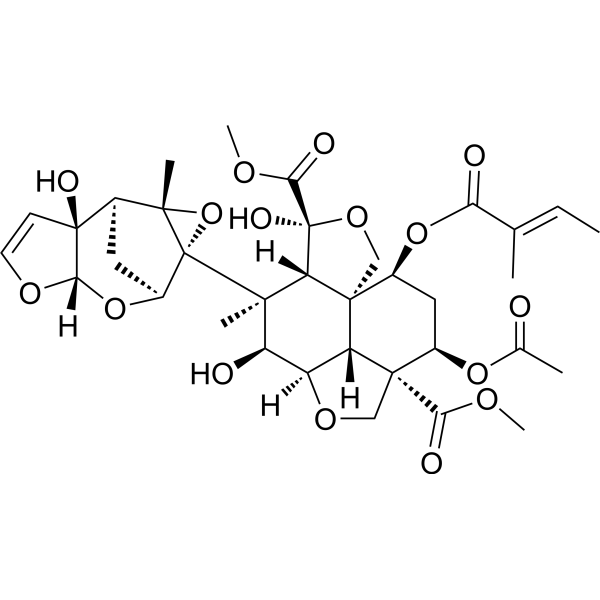
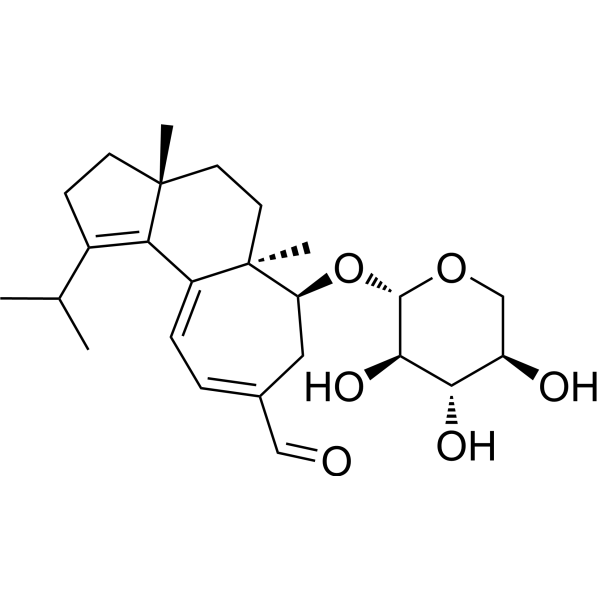
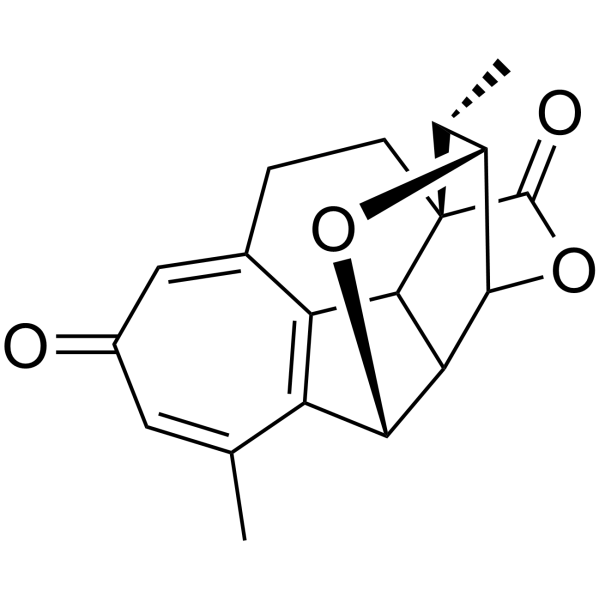
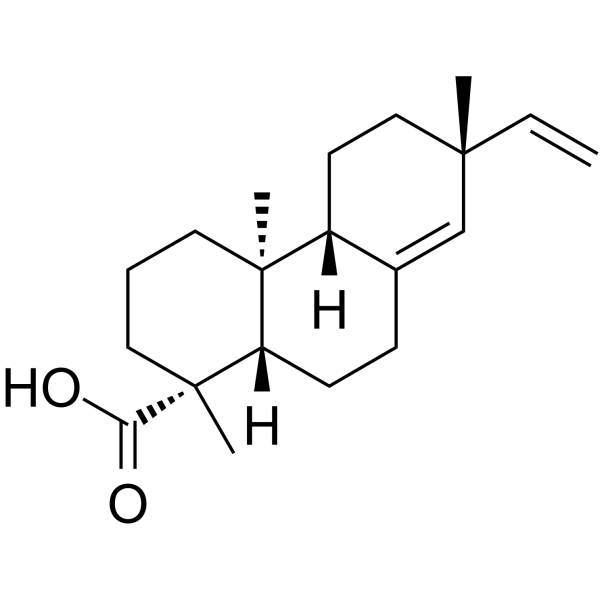
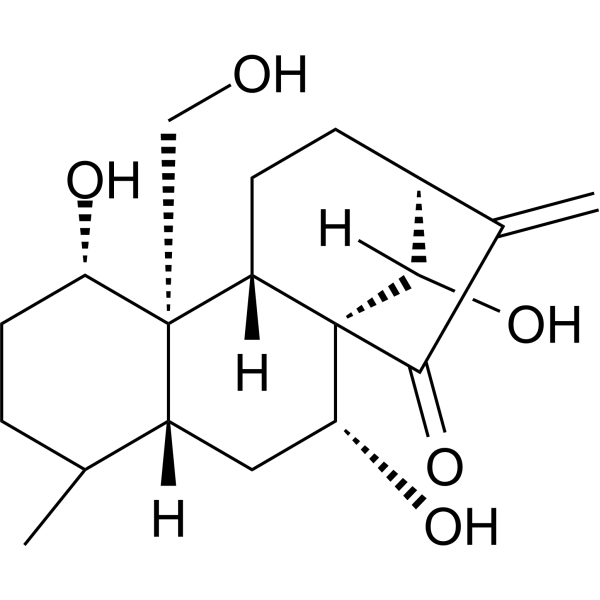
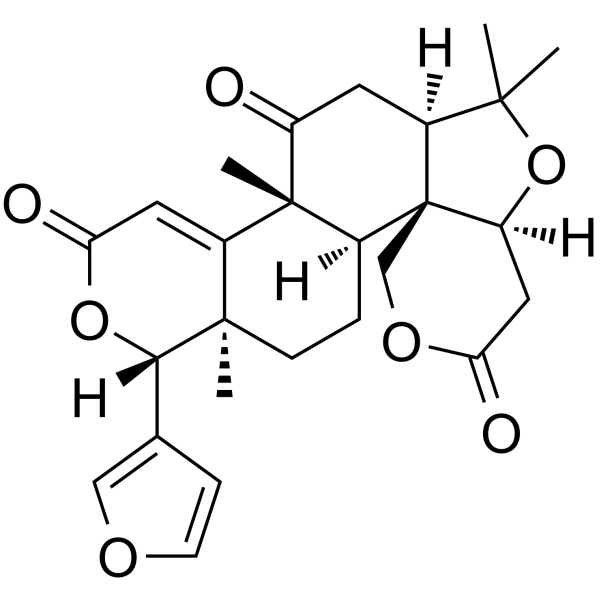
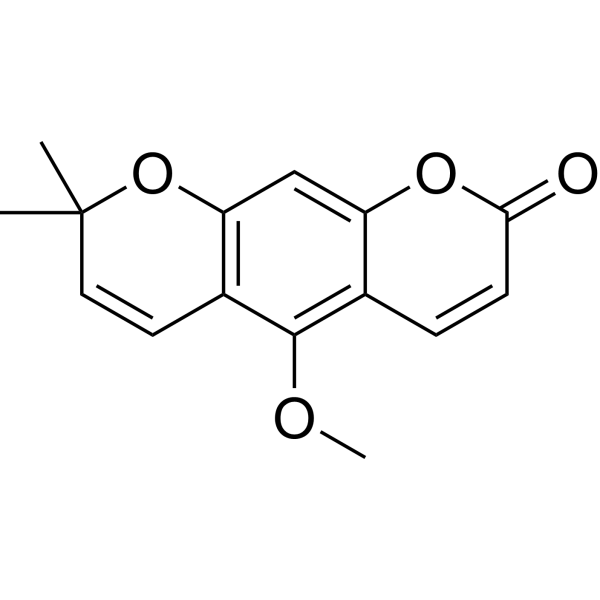
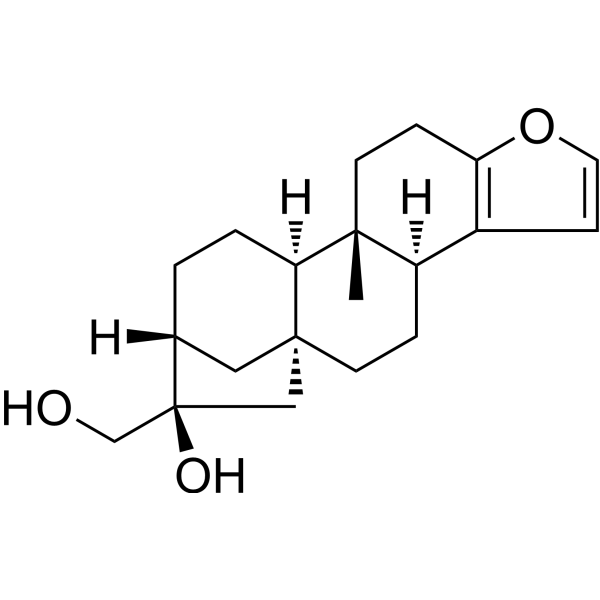
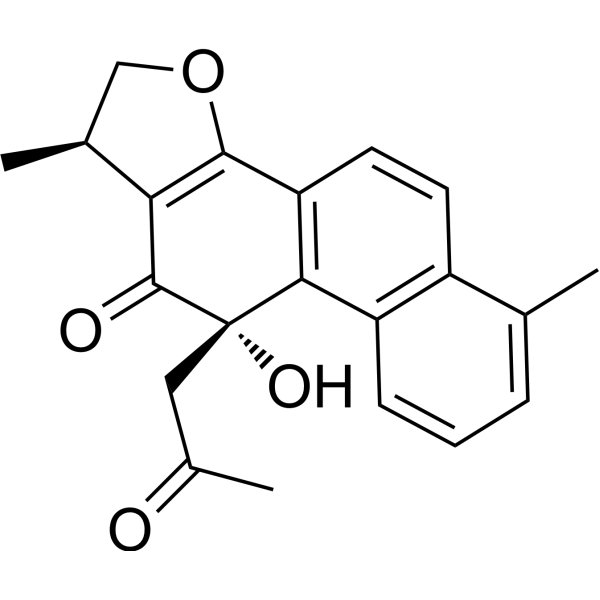
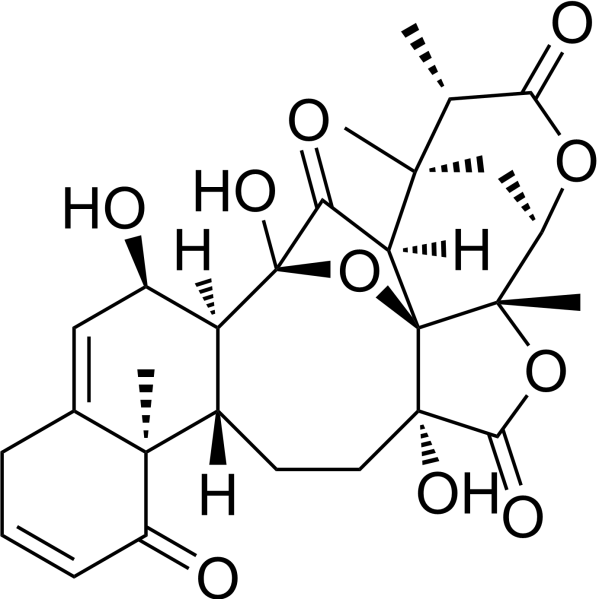
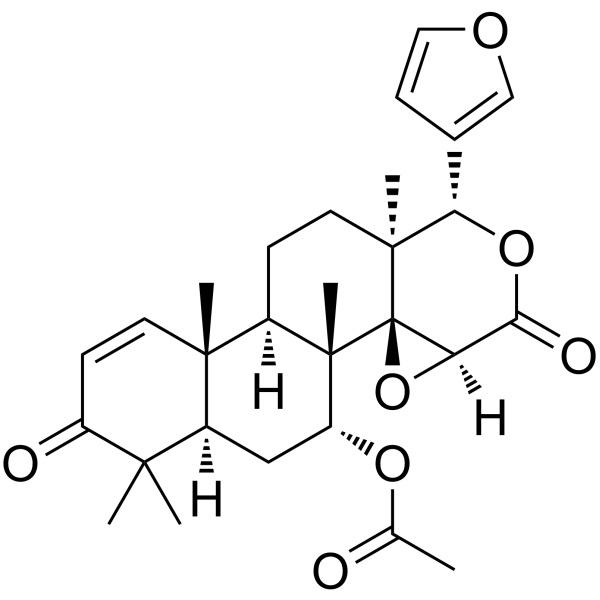
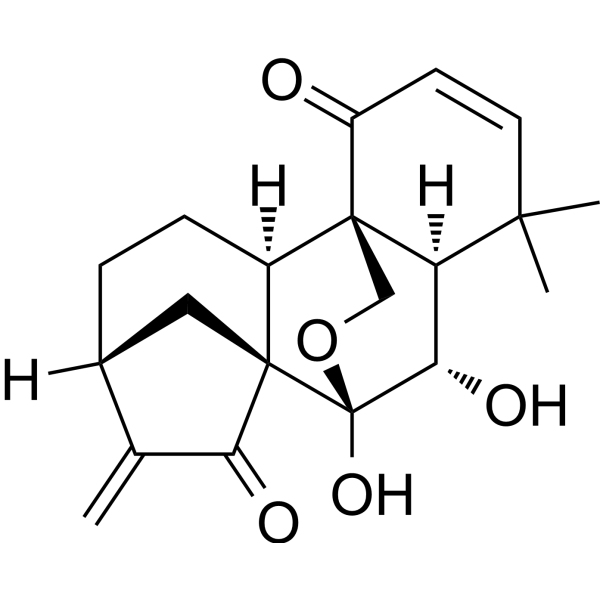
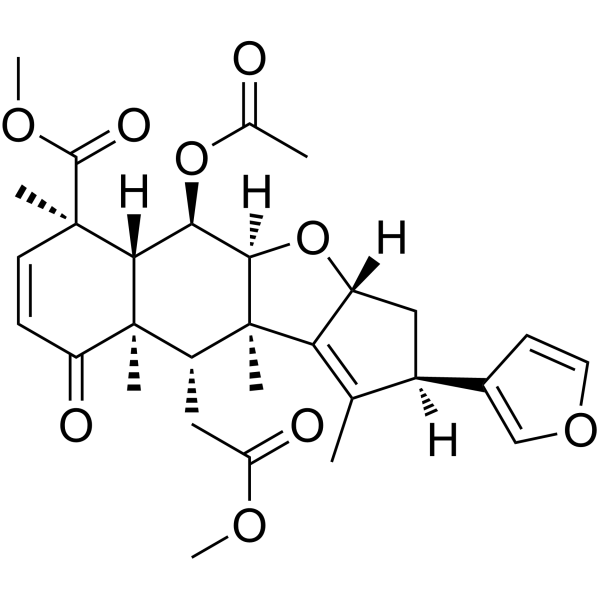
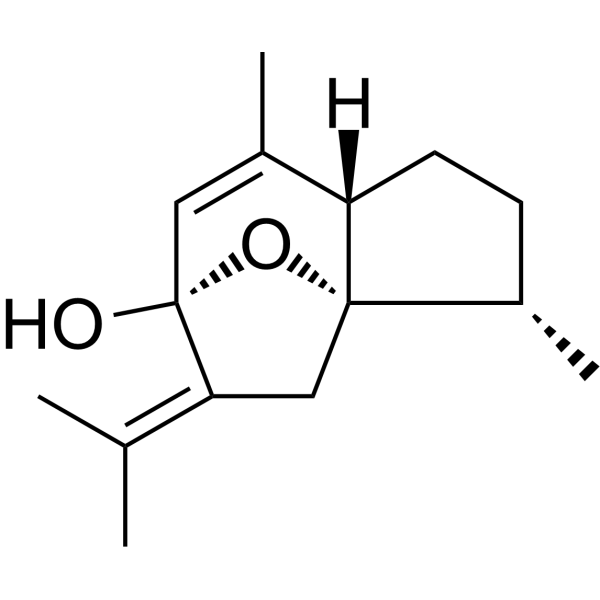
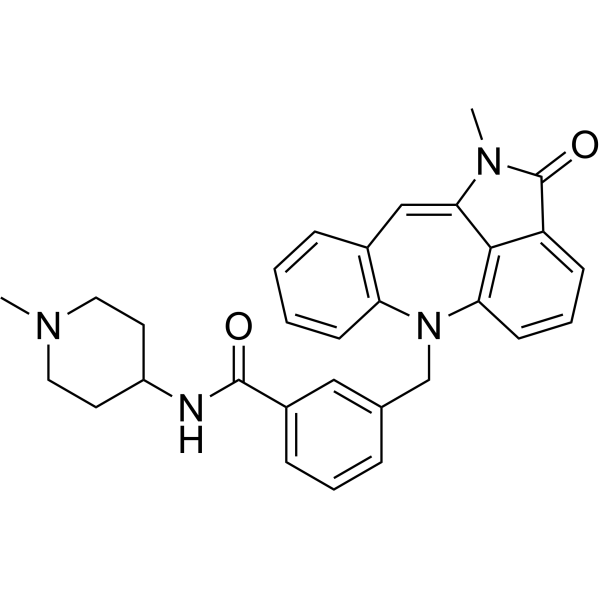
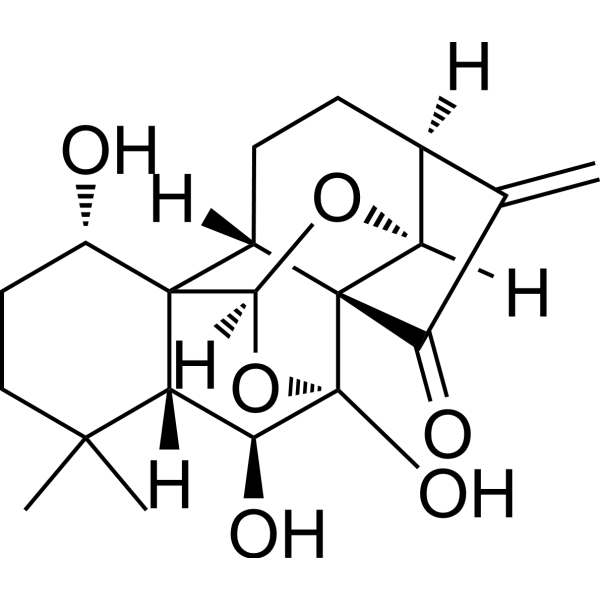
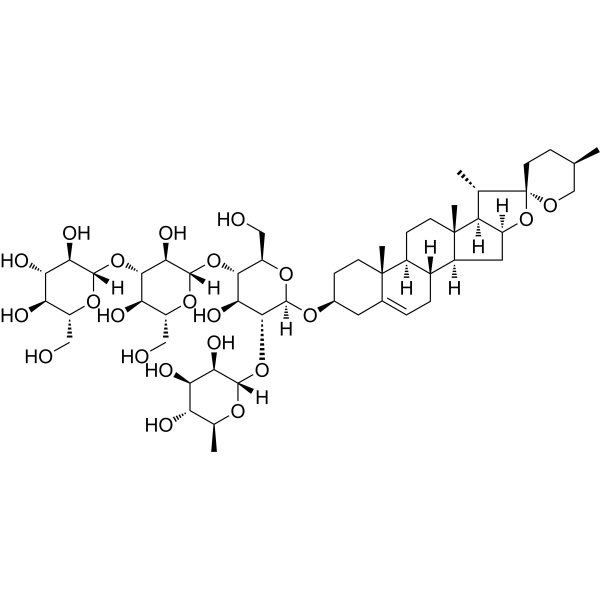
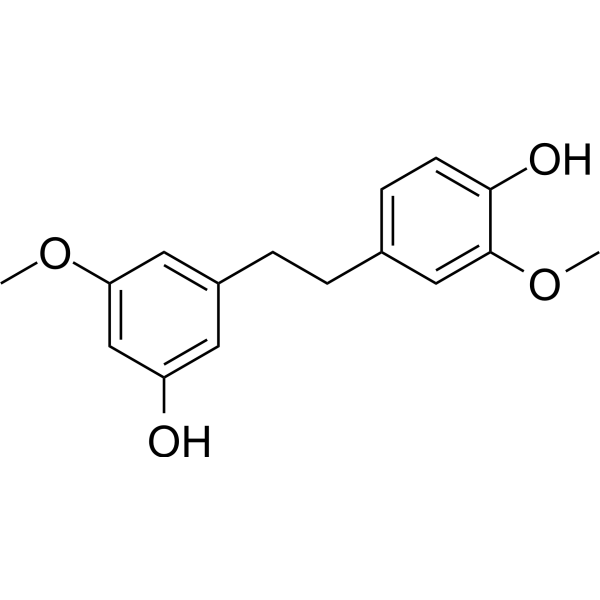
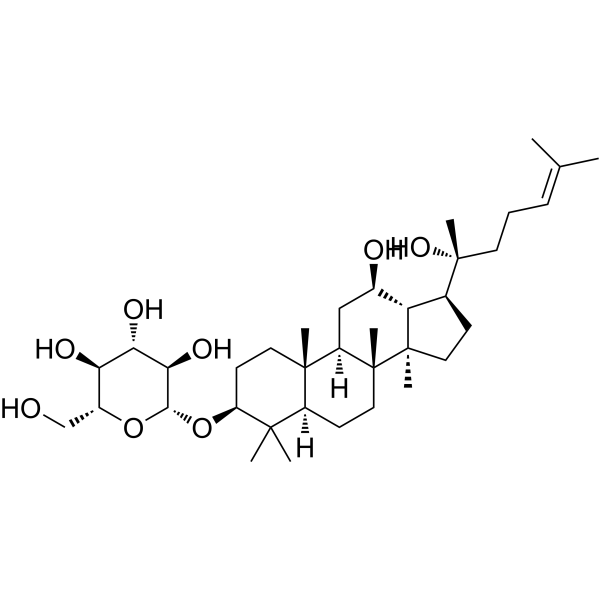
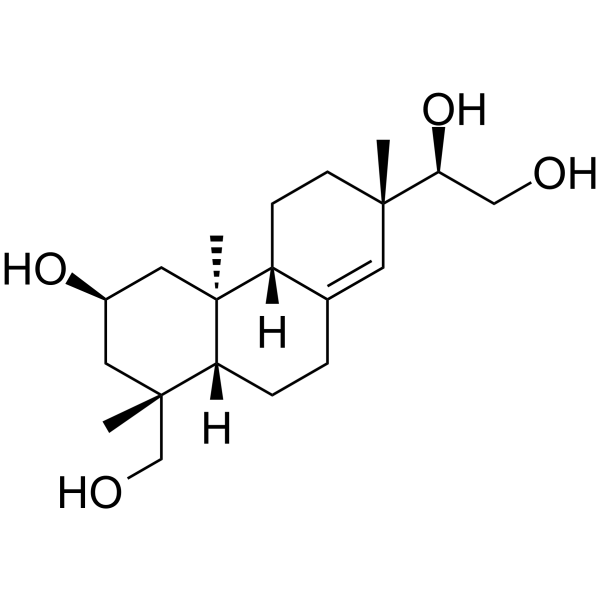
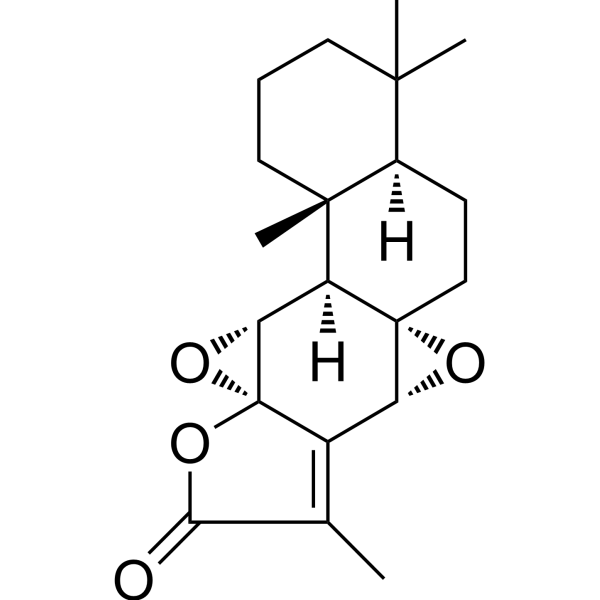
    Nodosin is an orally active diterpenoid compound that can be isolated from Isodon serra. Nodosin can inhibit the proliferation and induce cell cycle arrest and apoptosis of tumor cells. Nodosin can also inhibit oxidative stress, inflammatory responses, and ferroptosis. Nodosin has anti-inflammatory and anti-tumor activities .
    Nodosin
  • HY-N11011

    NF-κB STAT PERK JNK p38 MAPK PGE synthase Interleukin Related TNF Receptor COX Inflammation/Immunology Cancer
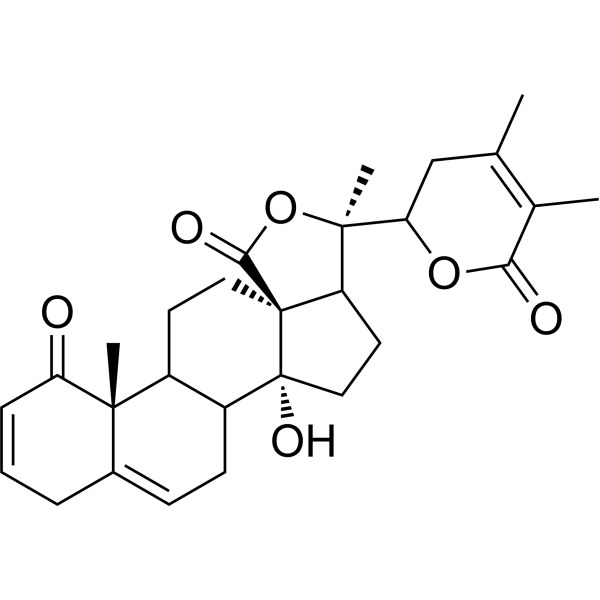
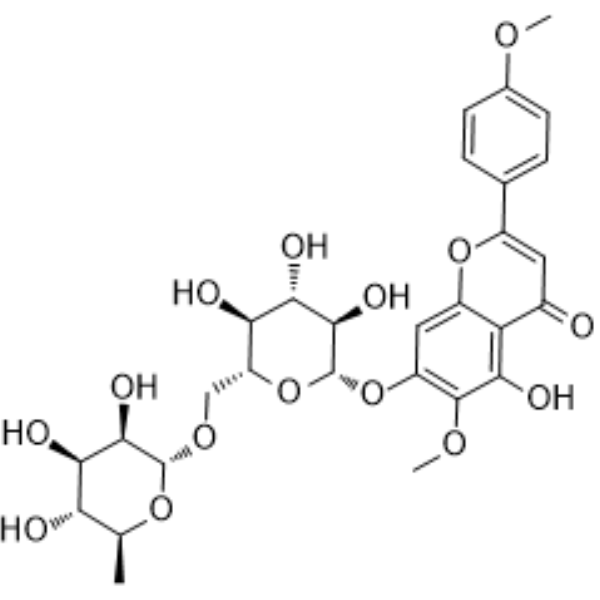
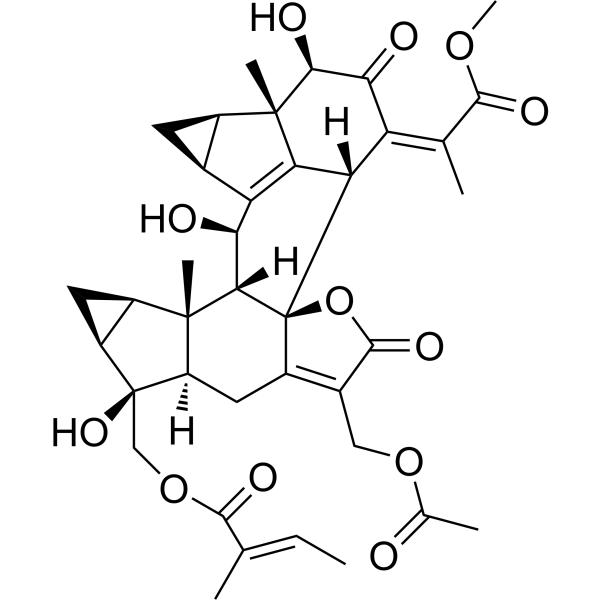
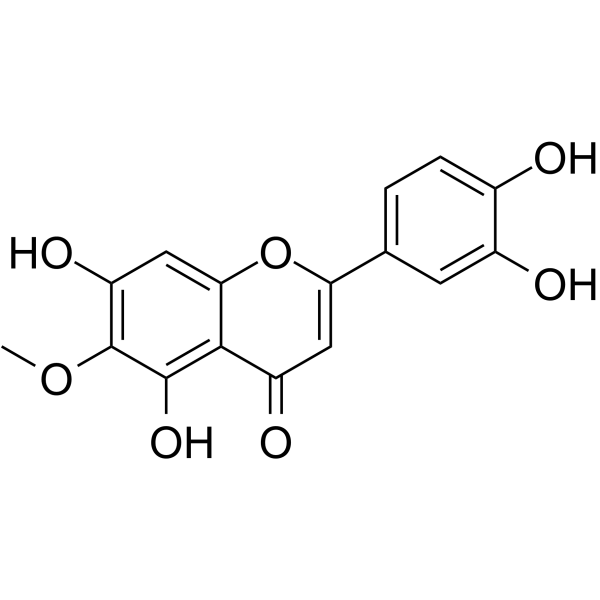
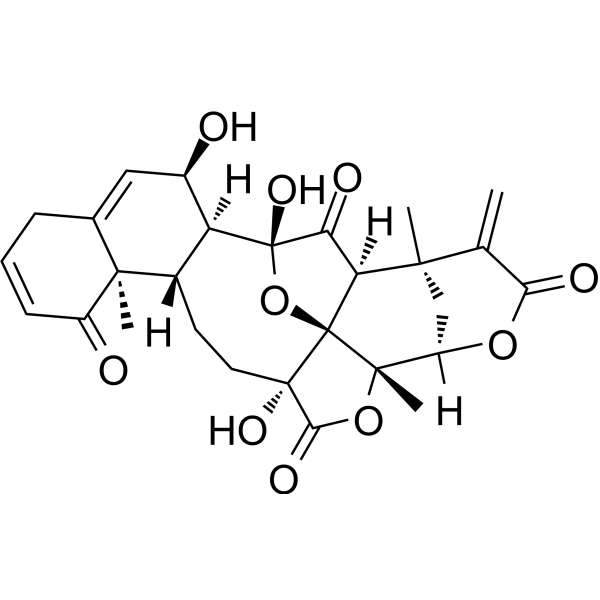
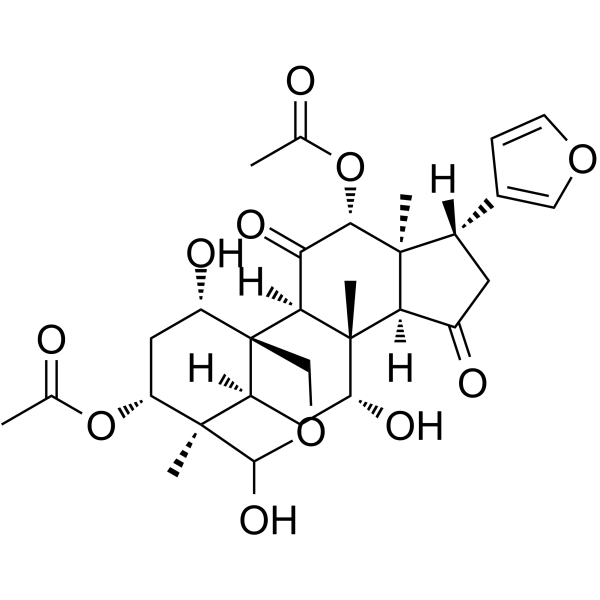
    Withaphysalin A is a withanolide compound with anti-inflammatory and antioxidant activities. Withaphysalin A inhibits LPS (HY-D1056)-induced nuclear translocation of NF-κB p65, as well as phosphorylation of STAT3, ERK, JNK and p38 MAPK. Withaphysalin A upregulates the expression of HO-1. Withaphysalin A inhibits LPS-induced production of NO, PGE2, IL-1β, IL-6 and TNF-α. Withaphysalin A downregulates LPS-induced expression of iNOS and COX-2. Withaphysalin A interacts with B-cell activating factor protein (BAFF) to exert inhibitory effects. Withaphysalin A exhibits ELOVL6 inhibitory activity. Withaphysalin A can be used in the research of inflammatory diseases, nephrotic syndrome and chronic myeloid leukemia .
    Withaphysalin A
  • HY-114504

    Epigenetic Reader Domain Inflammation/Immunology
    RVX-297 is a potent, orally active BET bromodomain inhibitor with selectivity for BD2. RVX-297 shows IC50s of 0.08, 0.05, and 0.02 μM for BRD2(BD2), BRD3(BD2), and BRD4(BD2), respectively. RVX-297 suppresses inflammatory gene expression in multiple immune cell types. RVX-297 is effective in acute inflammation and autoimmunity models .
    RVX-297
  • HY-P991278

    Interleukin Related Inflammation/Immunology
    ABM-125 is a IL-25 neutralizer and immune response modulator. ABM-125 neutralizes human and mouse IL-25 and blocks type 2 immune activation function. ABM-125 regulates virus-induced inflammatory cytokine expression and increases the expression level of antiviral interferons in rhinovirus-infected asthmatic bronchial epithelial cells. For the isotype control of ABM-125, refer to Human IgG1 kappa, Isotype Control (HY-P99001). ABM-125 is applicable to research related to virus-induced acute asthma exacerbations .
    ABM-125
  • HY-B1153A
    Glafenine hydrochloride
    4 Publications Verification

    Glafenin hydrochloride

    COX CFTR Apoptosis Endoplasmic Reticulum Oxidoreductase 1 (ERO1) Metabolic Disease Inflammation/Immunology
    Glafenine (Glafenin) hydrochloride is a non-selective, non-steroidal anti-inflammatory drug-based COX-1/COX-2 inhibitor. Glafenine hydrochloride exerts anti-inflammatory, anti-proliferative and anti-cell migration effects by inhibiting the arachidonic acid metabolic pathway and reducing prostaglandin synthesis. Glafenine hydrochloride can induce cell cycle arrest in vascular smooth muscle cells and endothelial cells and reduce the synthesis of the extracellular matrix protein Tenascin. Glafenine hydrochloride can be used in the research of inflammatory-related diseases, vascular restenosis and cystic fibrosis (CF) .
    Glafenine hydrochloride
  • HY-110151

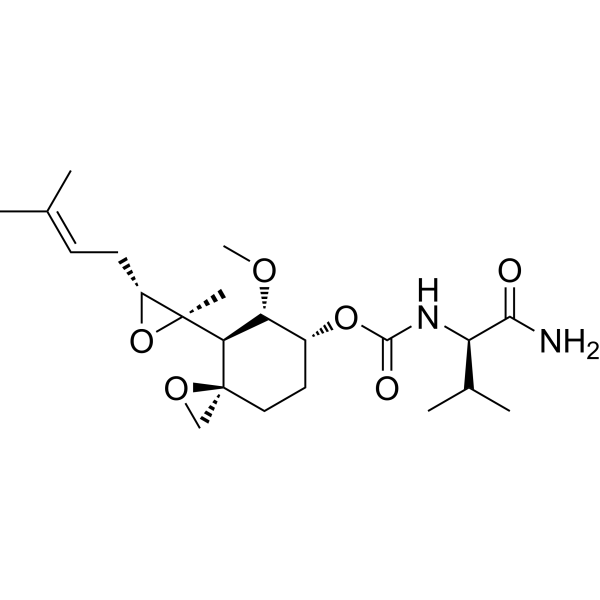
    NF-κB Interleukin Related Inflammation/Immunology Cancer
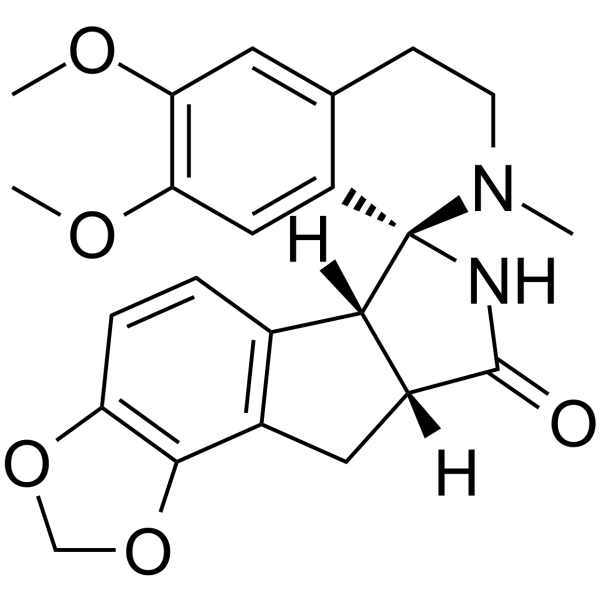
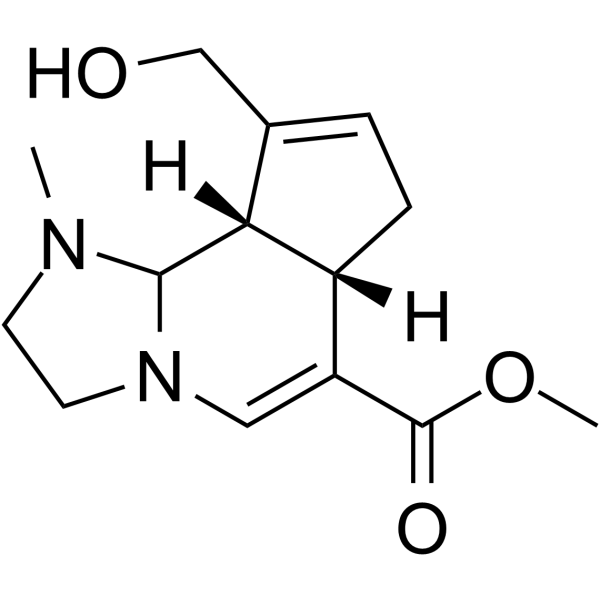
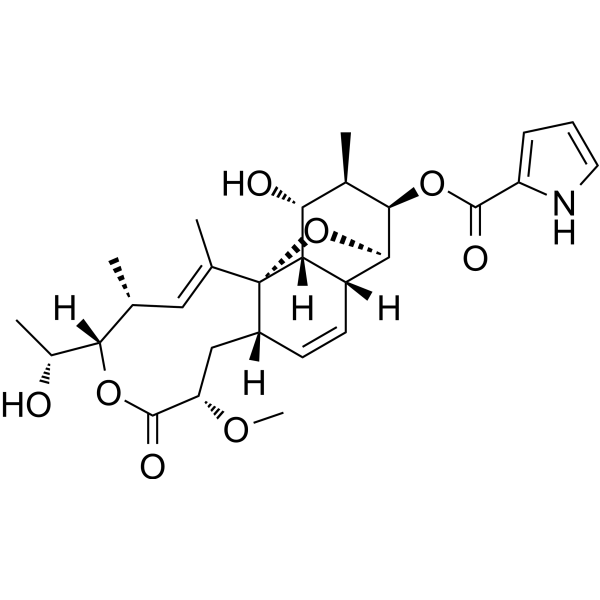
    Bengamide B is an alkaloid with anti-tumor and anti-inflammatory activities. Bengamide B reduces the phosphorylation level of IκBα, thereby blocking the activation of NF-κB. Bengamide B inhibits the proliferation of tumor cells. Bengamide B can be used in research related to inflammatory diseases and cancers .
    Bengamide B
  • HY-108047

    Phosphodiesterase (PDE) Metabolic Disease Inflammation/Immunology
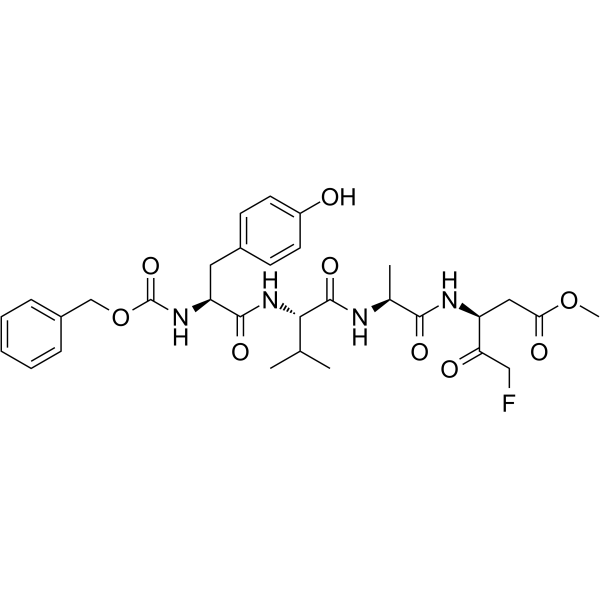
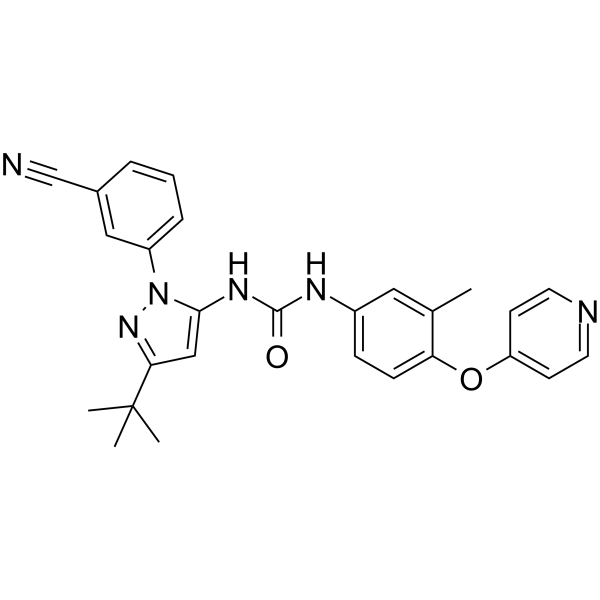
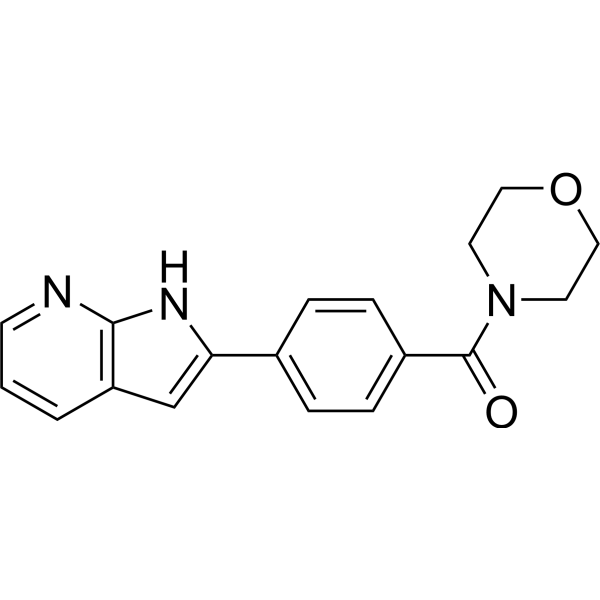
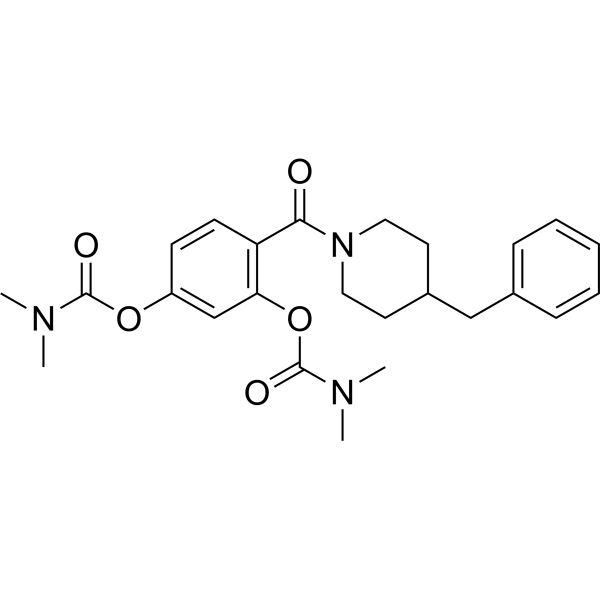
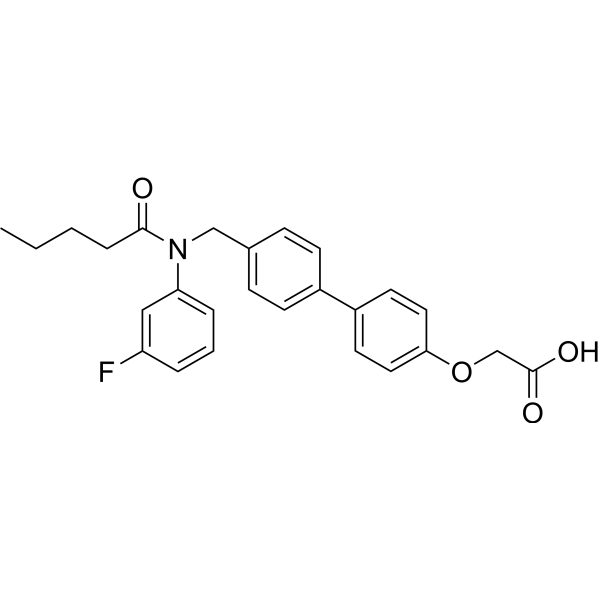
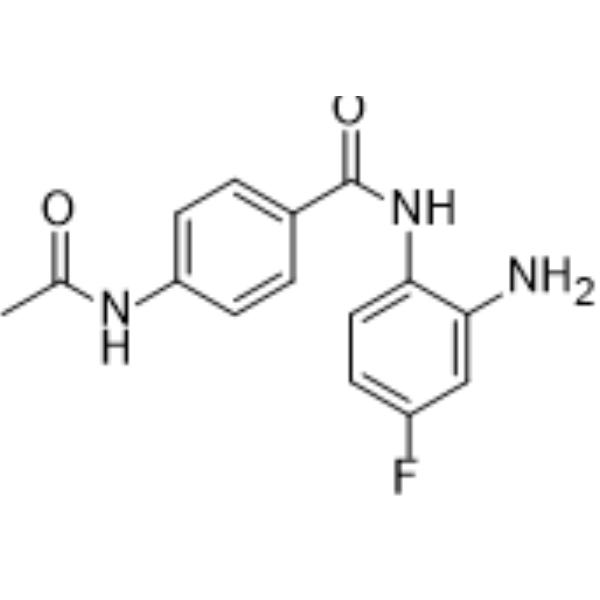
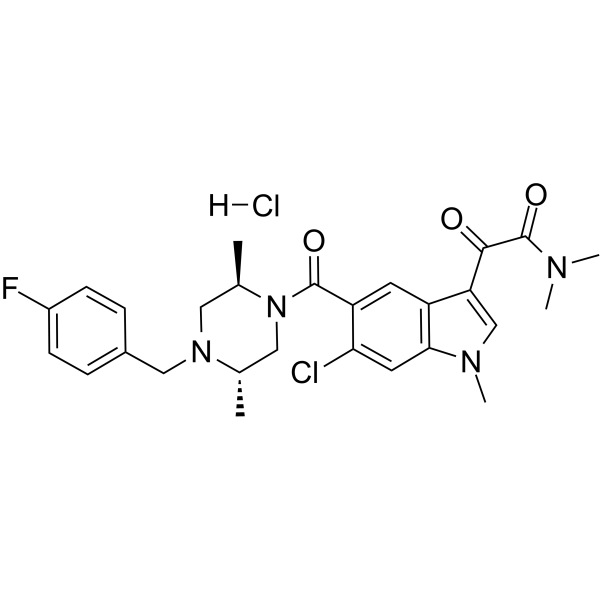
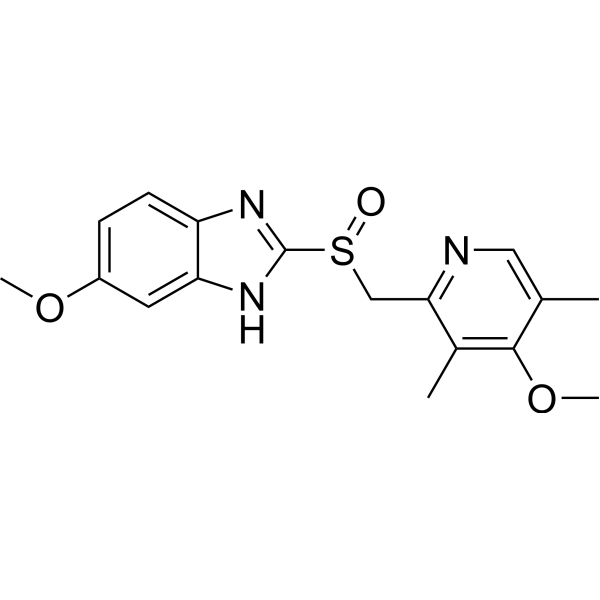
    MK-0873 is a selective phosphodiesterase-4 (PDE4) inhibitor. MK-0873 increases intracellular levels of cyclic adenosine phosphate (cAMP) by inhibiting the activity of the PDE4 enzyme and subsequently activates protein kinase A (PKA). Activated PKA inhibits the activity of inflammatory cells and leads to direct relaxation of airway smooth muscle. MK-0873 can be used in studies of chronic obstructive pulmonary disease (COPD) .
    MK-0873
  • HY-118140

    Cannabinoid Receptor Neurological Disease Inflammation/Immunology
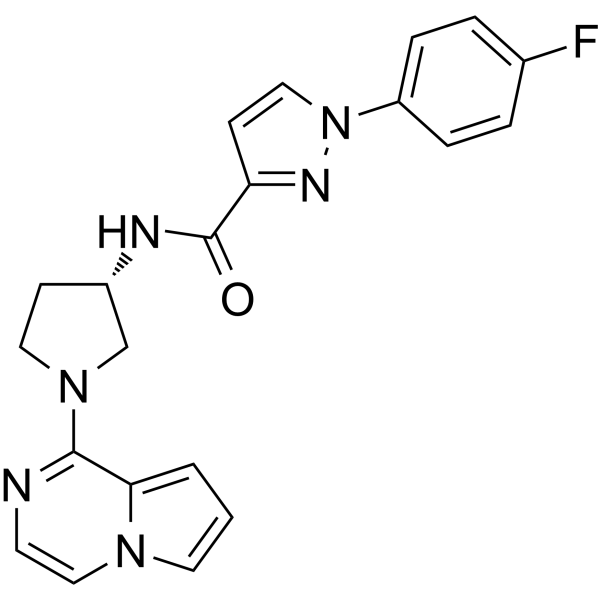
    ZCZ011 is a potent and brain-penetrant cannabinoid 1 (CB1) receptor positive allosteric modulator. ZCZ011 potentiates binding of CP55,940 to the CB1 receptor, enhances anandamide (AEA)-stimulated GTPγS binding in mouse brain membranes. ZCZ011 increases β-arrestin recruitment and ERK phosphorylation in hCB1 cells. ZCZ011 can be used for researching neuropathic and inflammatory pain .
    ZCZ011
  • HY-155830

    ME3183; PDE4-IN-14

    Phosphodiesterase (PDE) Interleukin Related Neurological Disease Metabolic Disease Inflammation/Immunology Cancer
    Morcamilast (ME3183) is a selective and orally active PDE4 inhibitor, with IC50s of 1.28 nM (PDE4A1A), 2.33 nM (PDE4B1), and 1.63 nM (PDE4D2) respectively. Morcamilast shows weak inhibition of PDEs other than PDE4s Morcamilast is an anti-inflammatory agent and inhibits LPS (HY-D1056)-induced release of TNF-α, IL-12/23p40, IL-23, and IL-17A in human PBMCs and T cells. Morcamilast has antipruritic effect and can be used in the study of psoriasis, atopic dermatitis, and other inflammatory diseases .
    Morcamilast
  • HY-B1153R

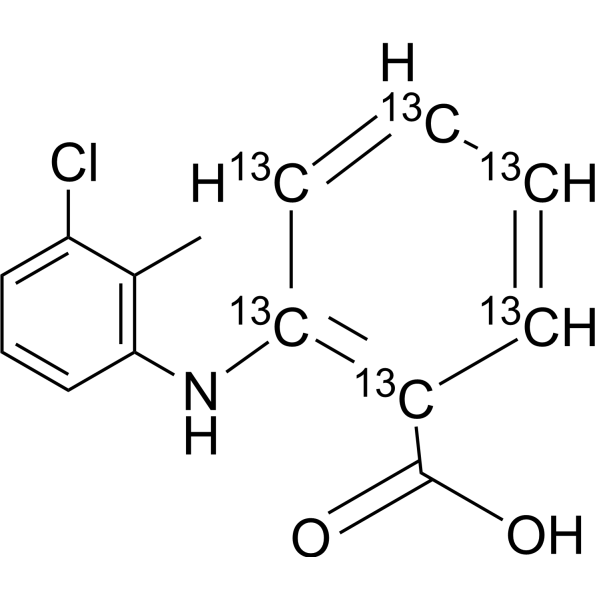
    Glafenin (Standard)

    COX CFTR Apoptosis Endoplasmic Reticulum Oxidoreductase 1 (ERO1) Reference Standards Metabolic Disease Inflammation/Immunology
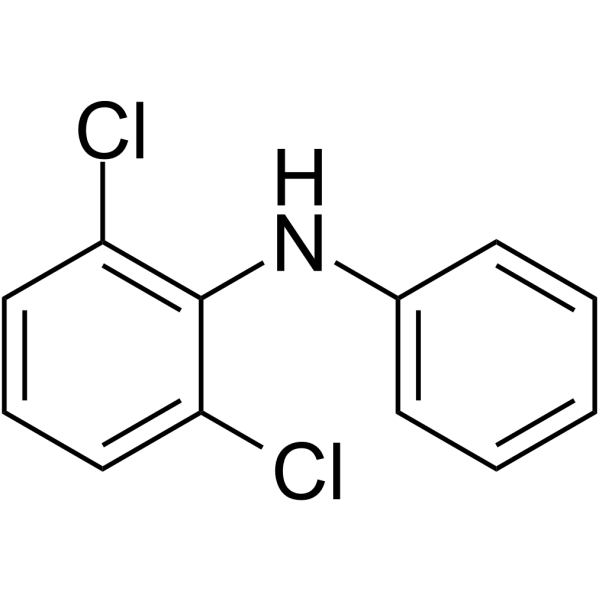
    Glafenine (Standard) is the analytical standard of Glafenine. This product is intended for research and analytical applications. Glafenine (Glafenin) is a non-selective, non-steroidal anti-inflammatory drug-based COX-1/COX-2 inhibitor. Glafenine exerts anti-inflammatory, anti-proliferative and anti-cell migration effects by inhibiting the arachidonic acid metabolic pathway and reducing prostaglandin synthesis. Glafenine can induce cell cycle arrest in vascular smooth muscle cells and endothelial cells and reduce the synthesis of the extracellular matrix protein Tenascin. Glafenine can be used in the research of inflammatory-related diseases, vascular restenosis and cystic fibrosis (CF) .
    Glafenine (Standard)
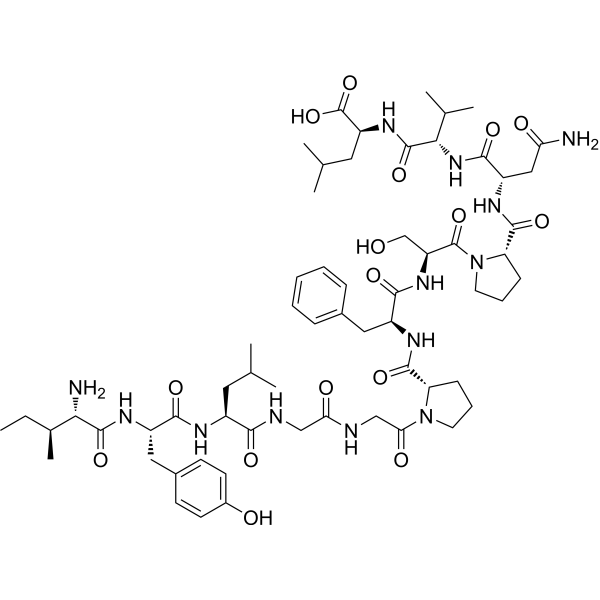
  • HY-P4984

    Biochemical Assay Reagents Inflammation/Immunology Cancer
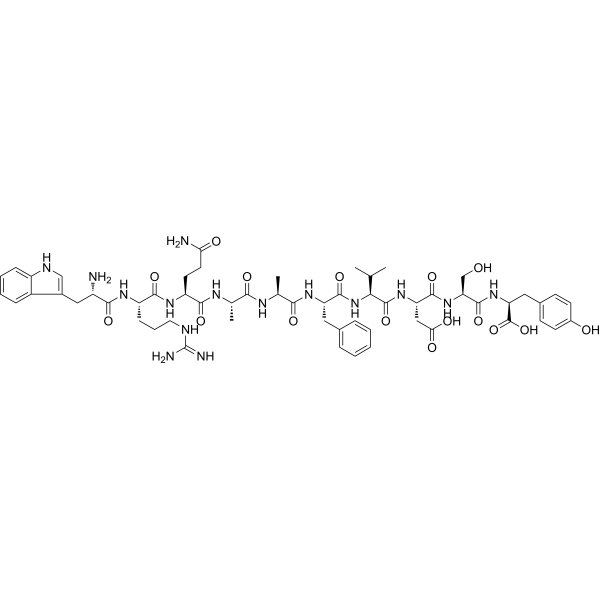
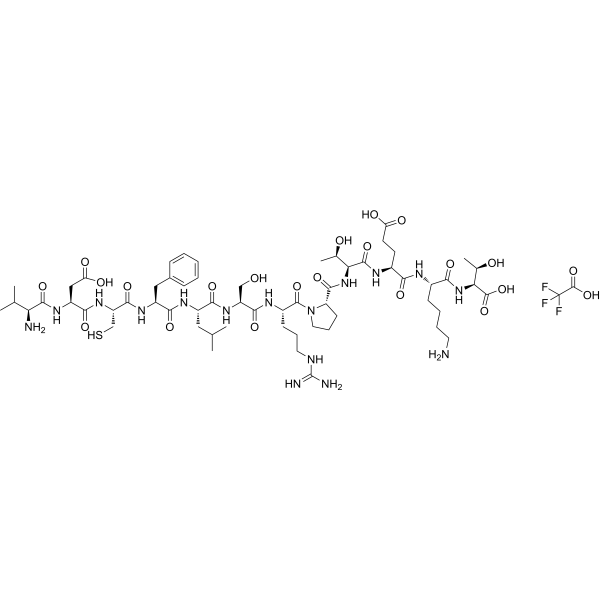
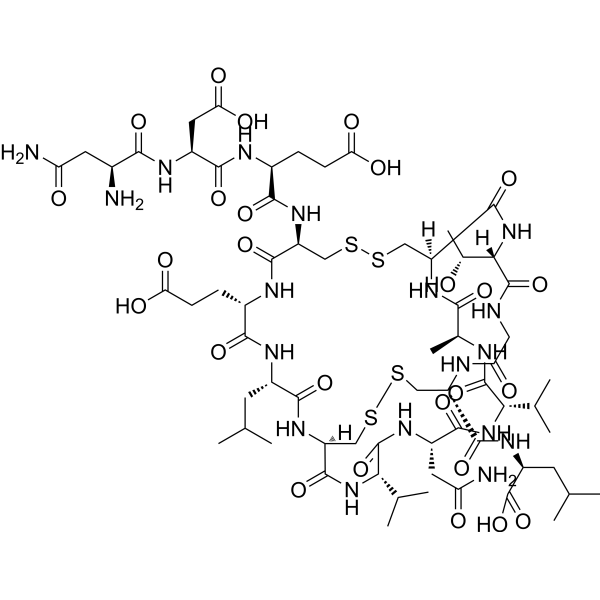
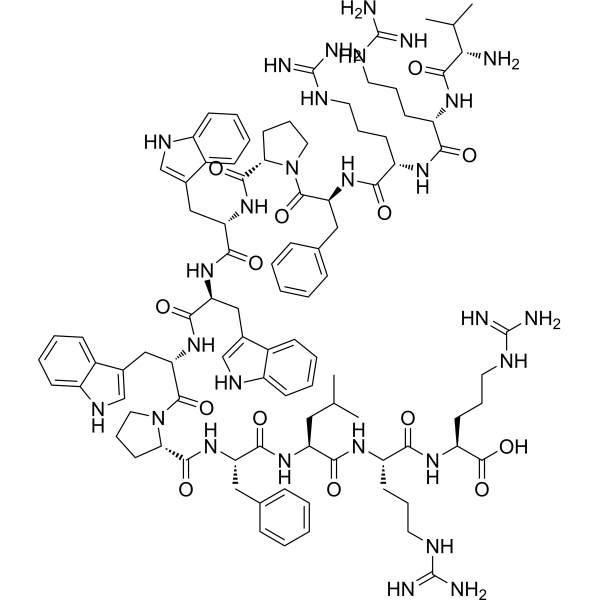
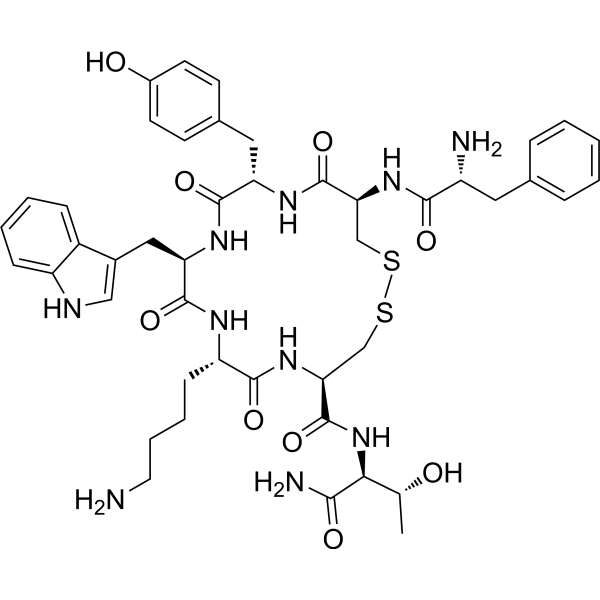
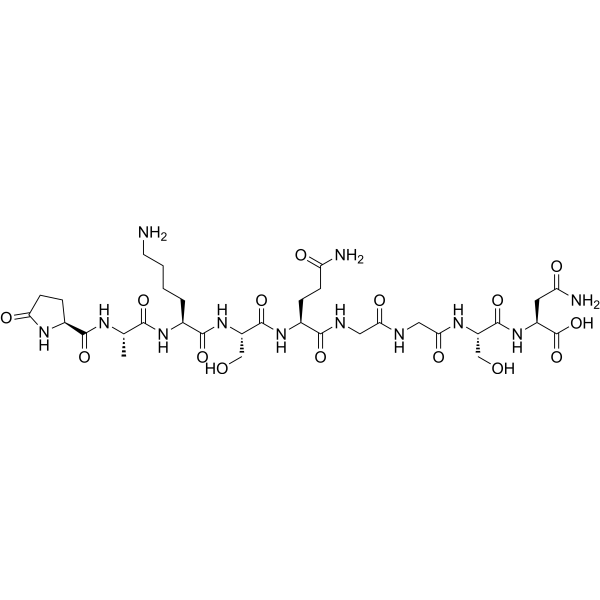
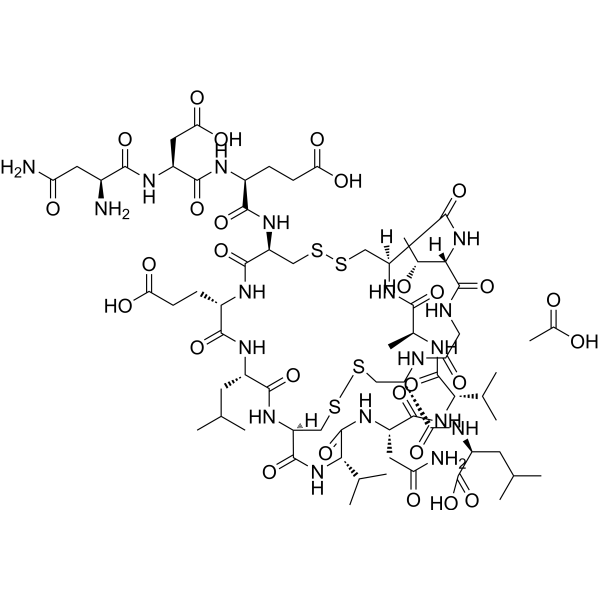
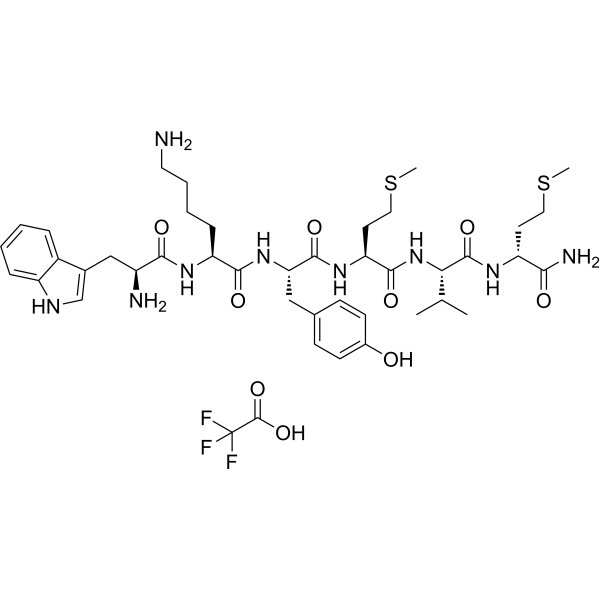
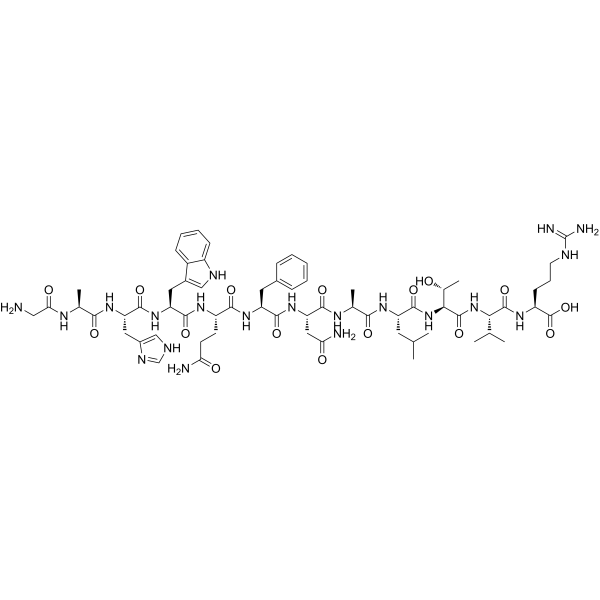
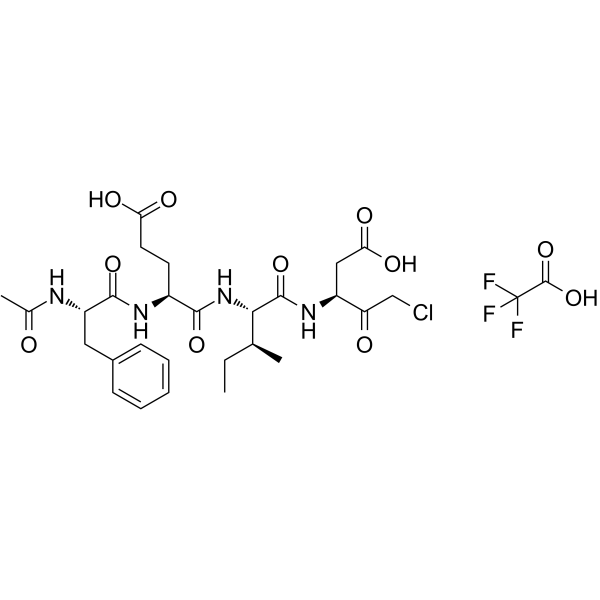
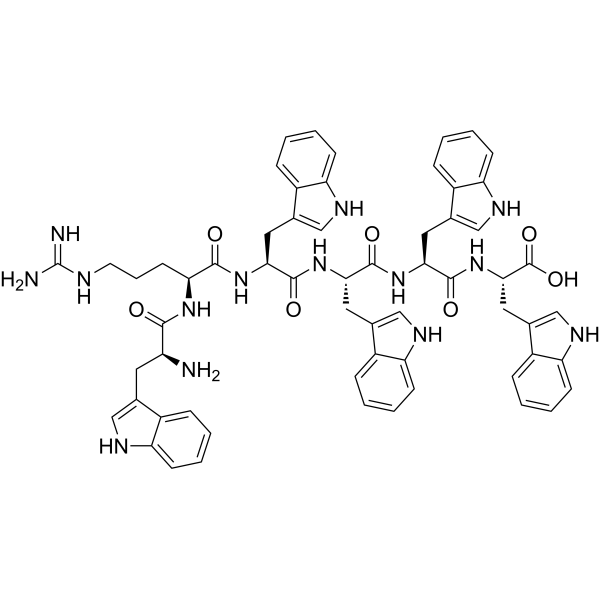
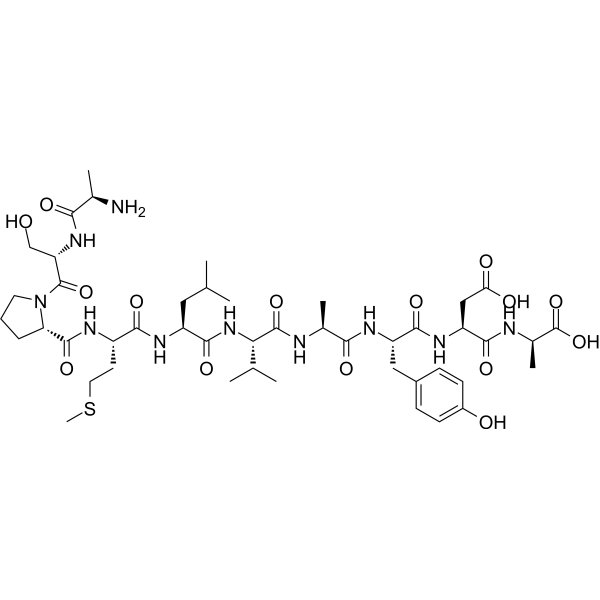
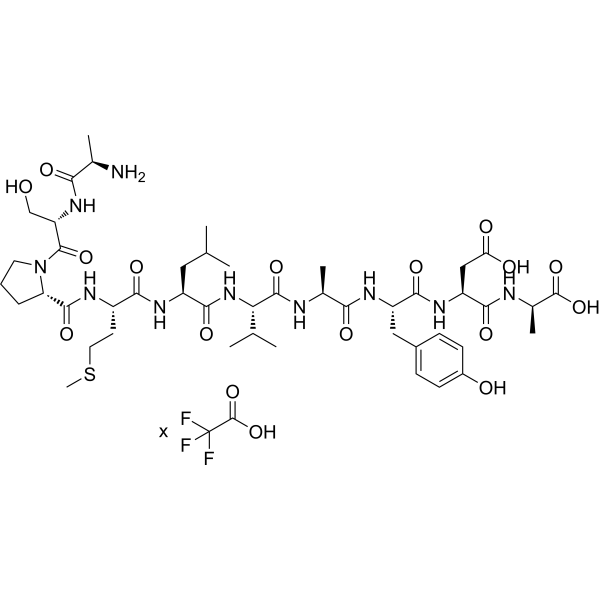
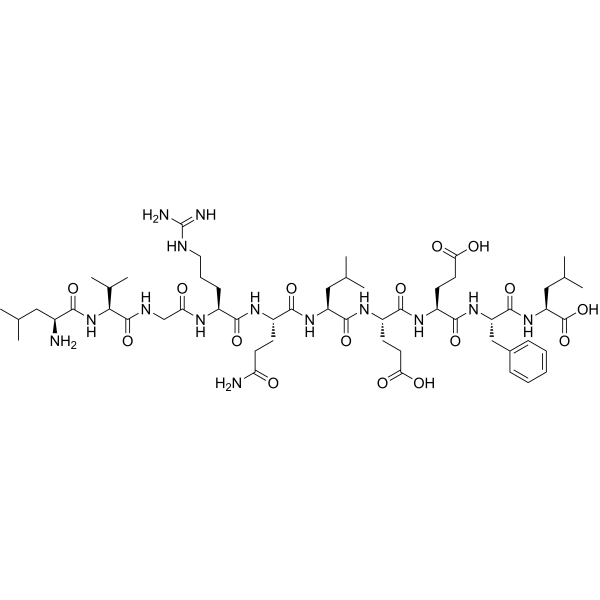
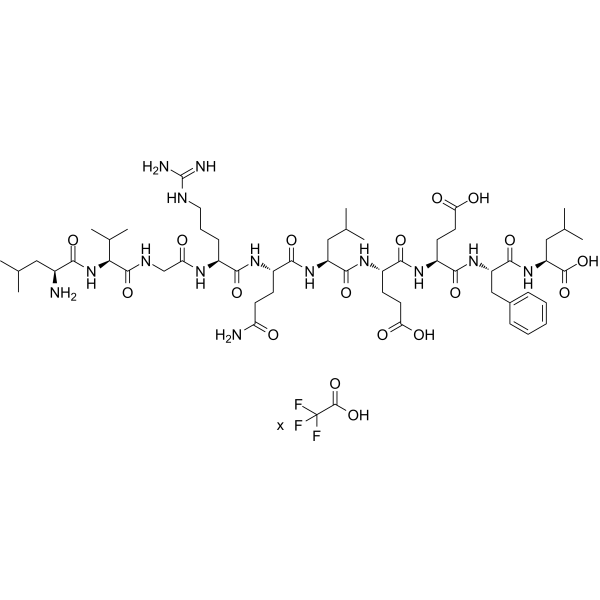
    Toxic Shock Syndrome Toxin-1 (TSST-1) (58-78) is a T cell proliferation activator. Toxic Shock Syndrome Toxin-1 (TSST-1) (58-78) promotes the in vitro proliferation of human peripheral blood mononuclear cells (PBMC) in a dose-dependent manner. Toxic Shock Syndrome Toxin-1 (TSST-1) (58-78) can be used in research on inflammatory and immunity, as well as cancer .
    Toxic Shock Syndrome Toxin-1 (TSST-1) (58-78)
  • HY-N14780

    (+)-Pochonin D

    HSP Interleukin Related Enterovirus Infection Inflammation/Immunology Cancer
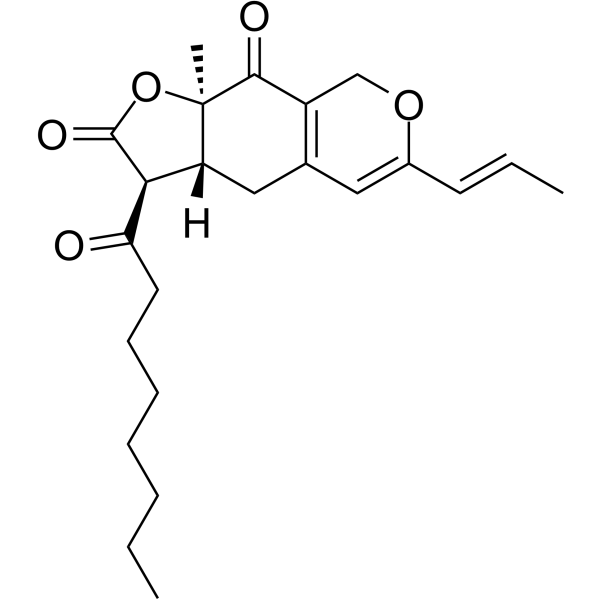
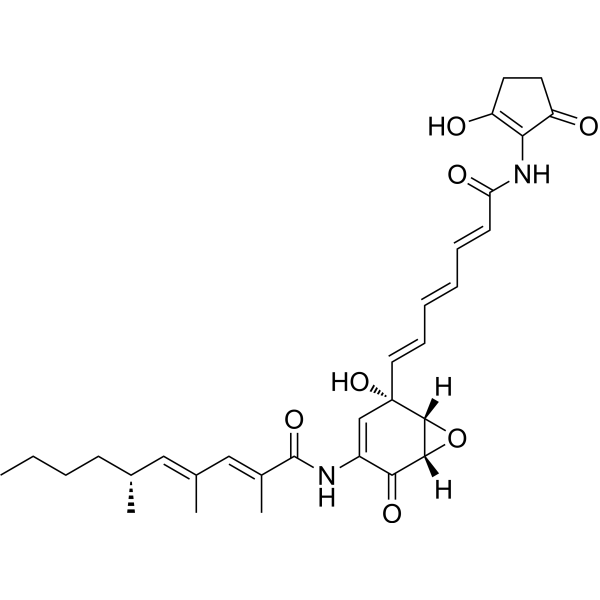
    Pochonin D ((+)-Pochonin D) is an inhibitor of heat shock protein 90 (Hsp90) with antiviral and anti-inflammatory activities. Pochonin D inhibits Hsp90, affects the homeostasis, folding and assembly processes of viral proteins, and reduces the replication capacity of viruses. Pochonin D reduces the infiltration of inflammatory cells, decreases the secretion of inflammatory cytokines such as TNF-α and IL-1β, and alleviates inflammatory responses. Pochonin D is a promising candidate for research on human rhinovirus (HRV) infection and cancer .
    Pochonin D
  • HY-127072

    Antibiotic Bacterial Infection Inflammation/Immunology Cancer
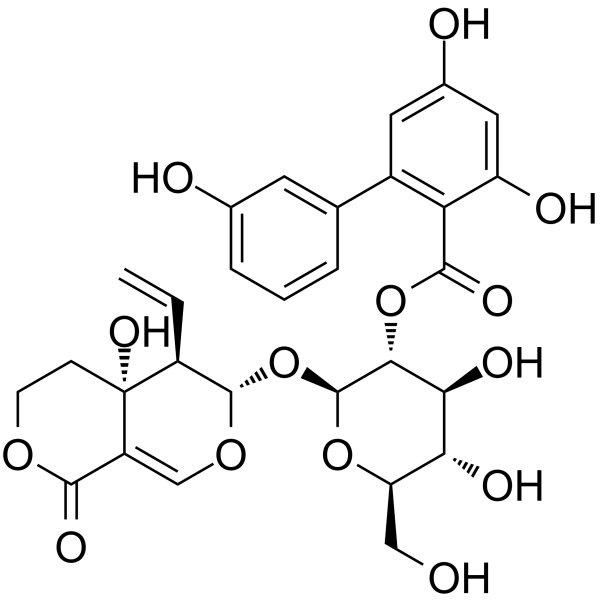
    Amicoumacin A is an orally active antibiotic. Amicoumacin A targets bacterial ribosomes and inhibits bacterial translation by stabilizing the interaction between mRNA and ribosomes. Amicoumacin A induces cancer cell death by targeting eukaryotic ribosomes. Amicoumacin A exhibits anti-inflammatory and anti-ulcer activities, inhibits carrageenan-induced paw edema, and prevents stress-induced gastric ulcers. Amicoumacin A inhibits the growth of Gram-positive bacteria, Salmonella spp., Shigella spp., Helicobacter pylori, and methicillin-resistant Staphylococcus aureus. Amicoumacin A can be used in the research of lung cancer, breast cancer, bacterial infections, inflammatory edema and gastric ulcers [2] .
    Amicoumacin A
  • HY-178049

    STING IFNAR Interleukin Related Neurological Disease Inflammation/Immunology
    UM-259 is a STING inhibitor, with an EC50 of 1.50 μM in THP1-Dual cells expressing wild-type STING. UM-259 blocks STING oligomerization and inhibits diABZI-induced phosphorylation of TBK1 and IRF3, thereby suppressing the transcription of IFNβ and IL6 and reducing IFNβ secretion. UM-259 can be used for the study of STING-dependent inflammatory and neurological diseases .
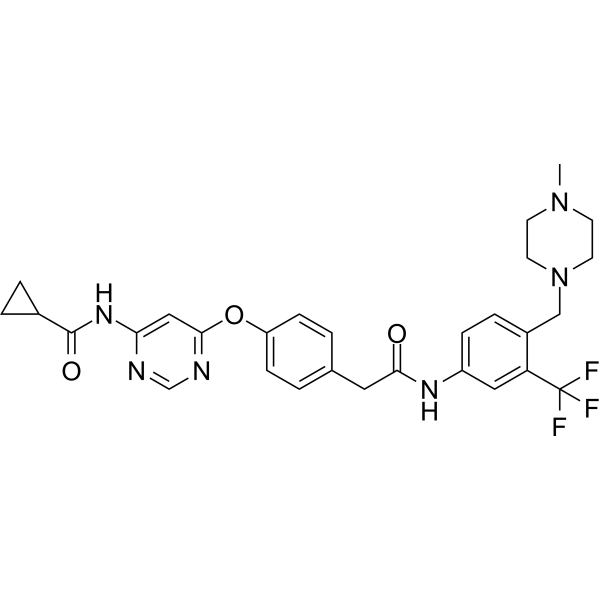
    UM-259
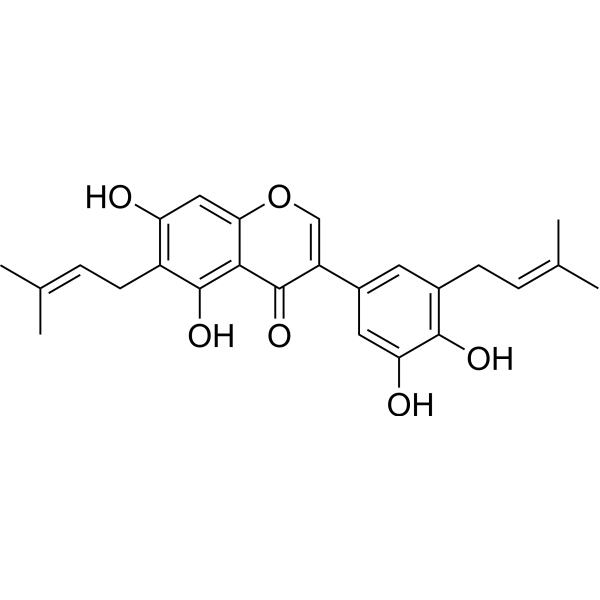
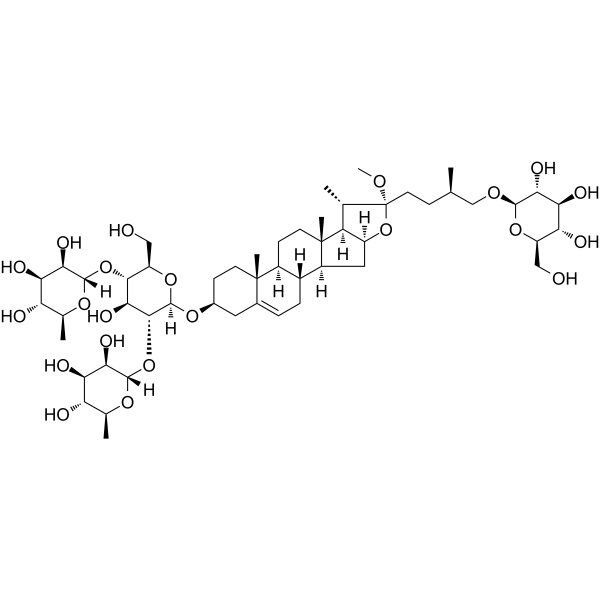
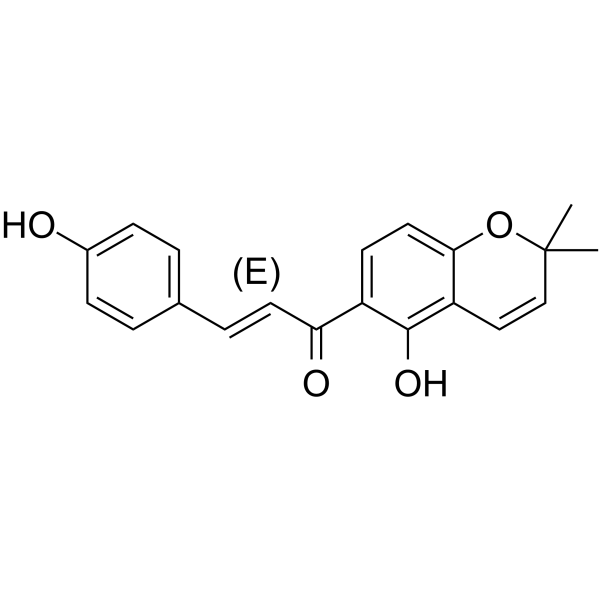
  • HY-N4006

    Apoptosis Autophagy Inflammation/Immunology Cancer
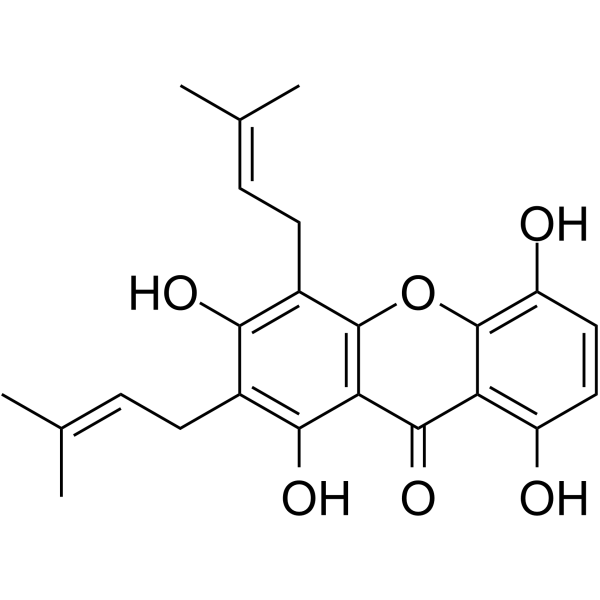
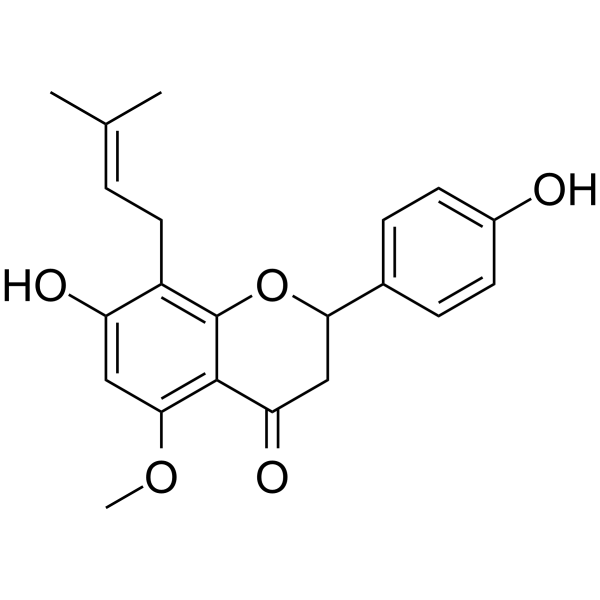
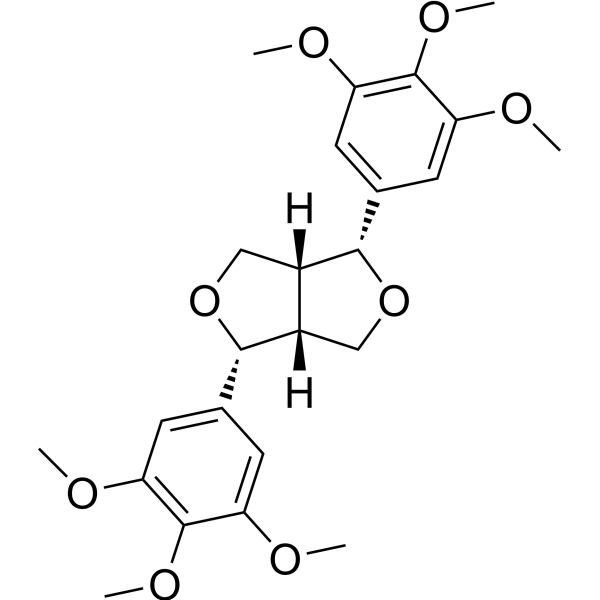
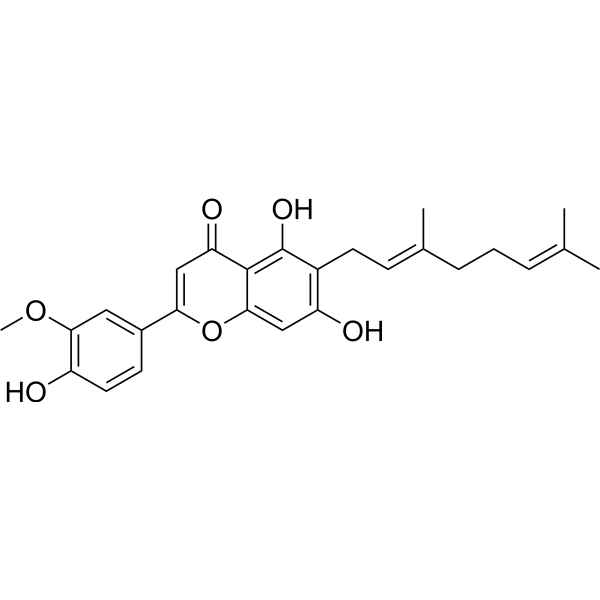
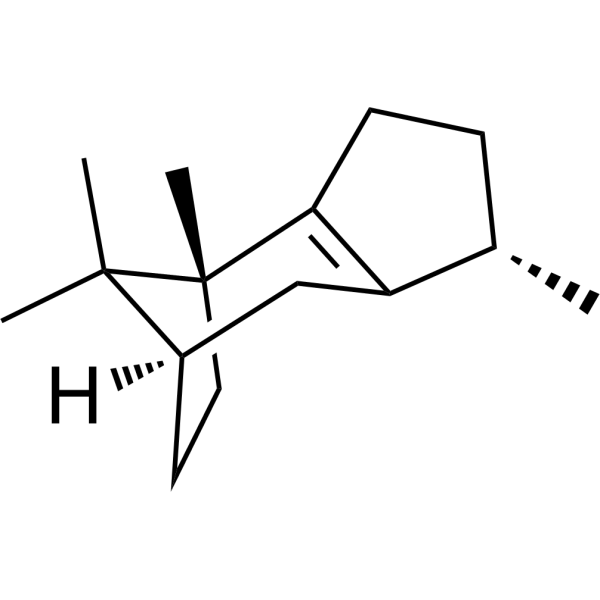
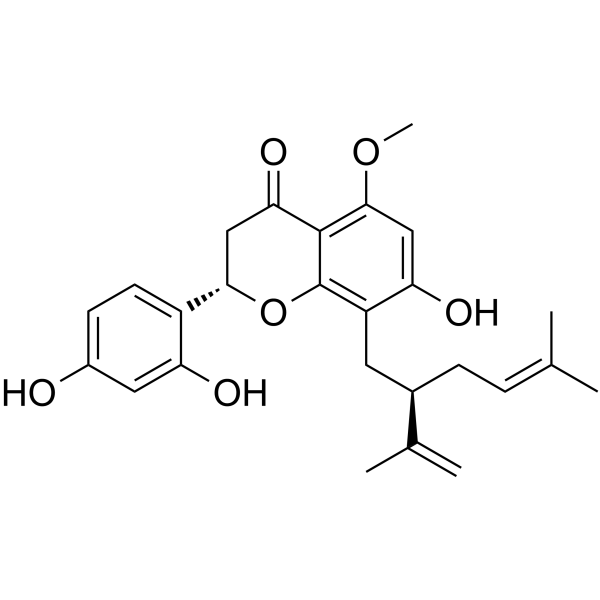
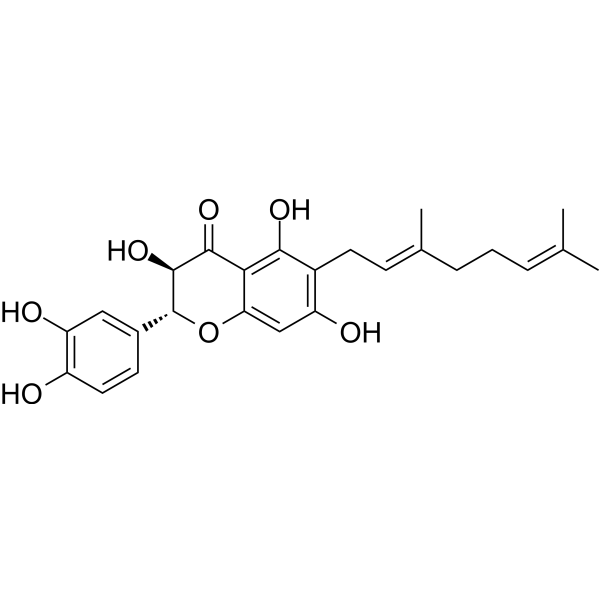
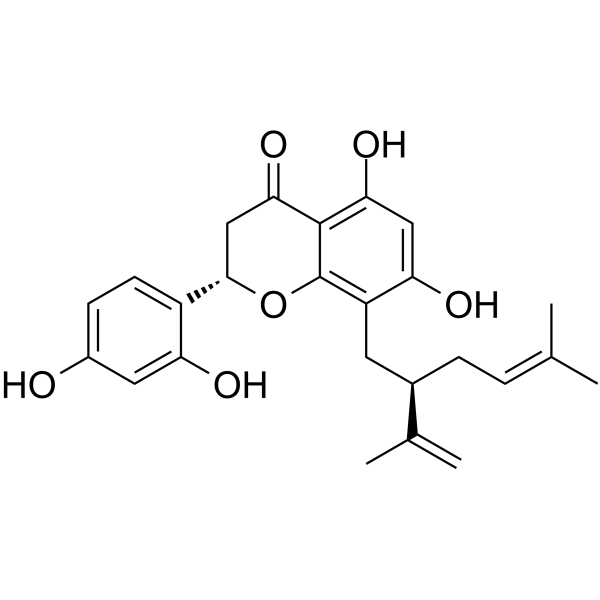
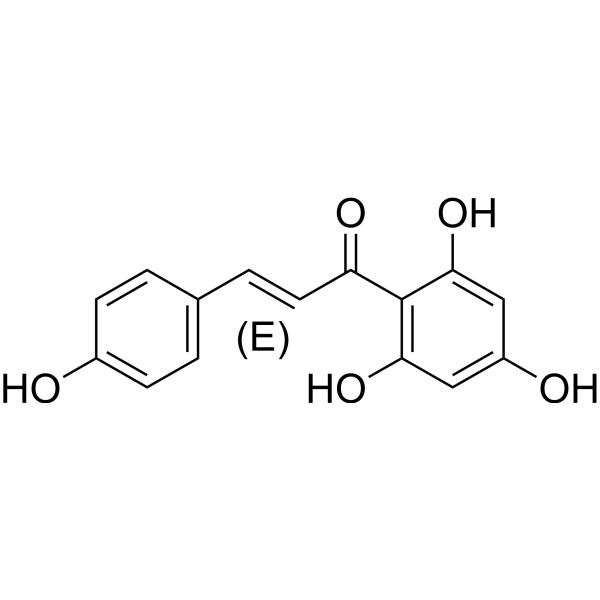
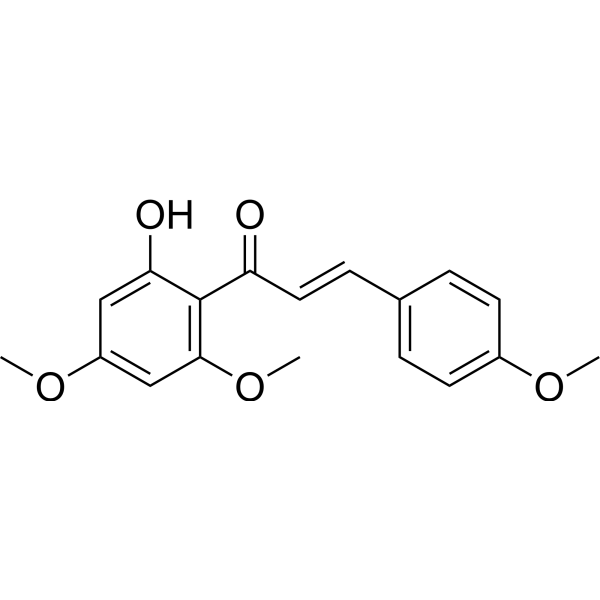
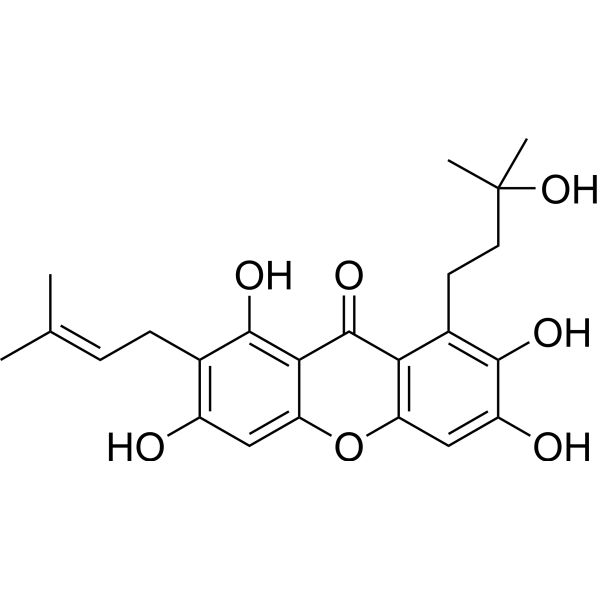
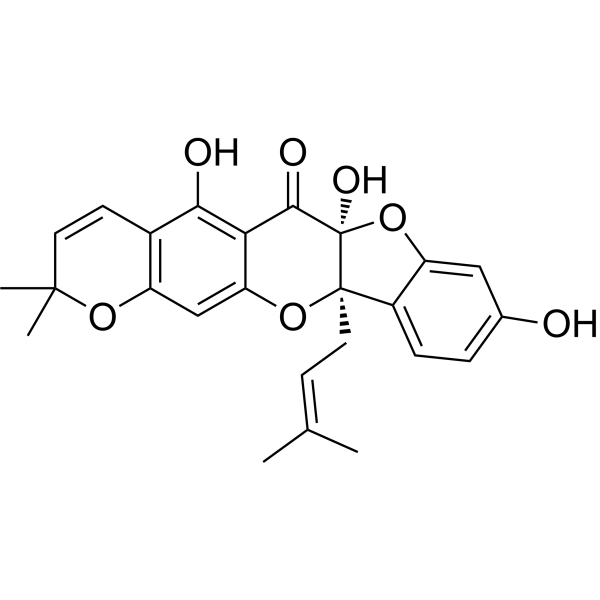
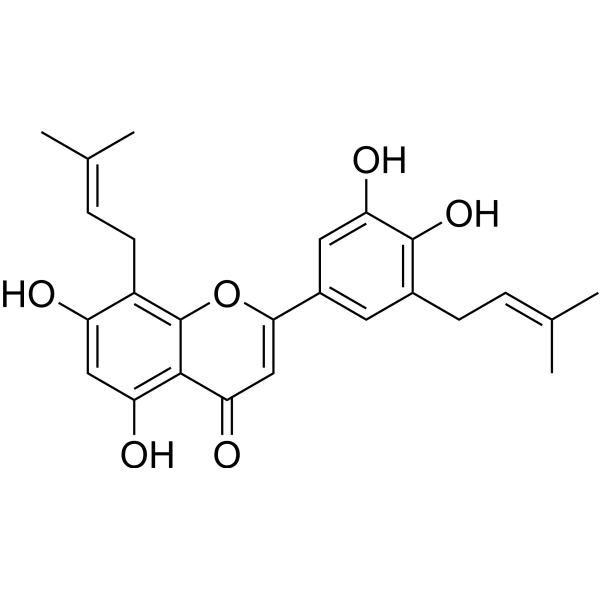
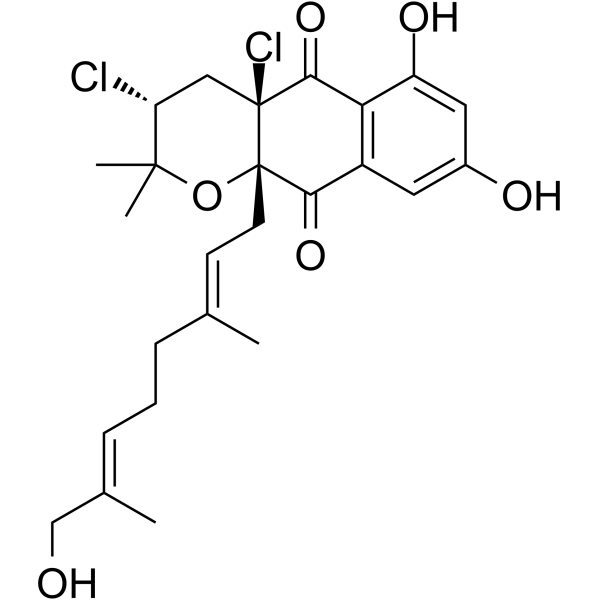
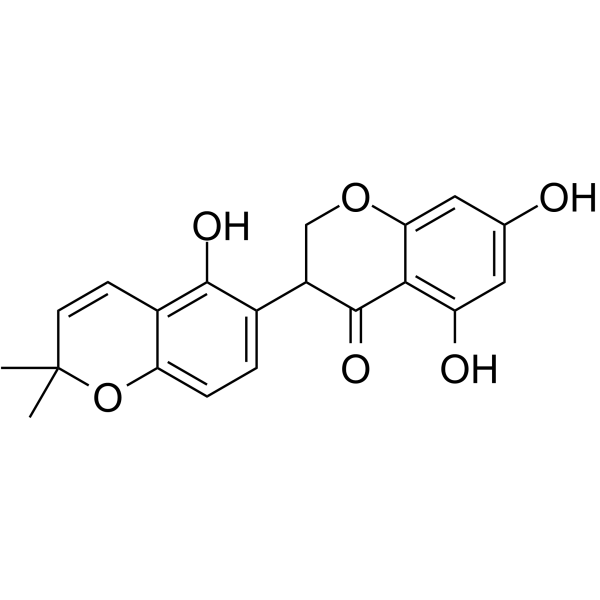
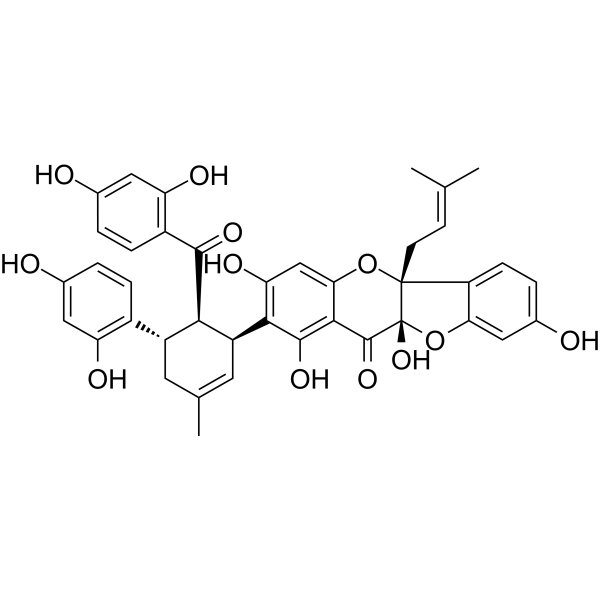
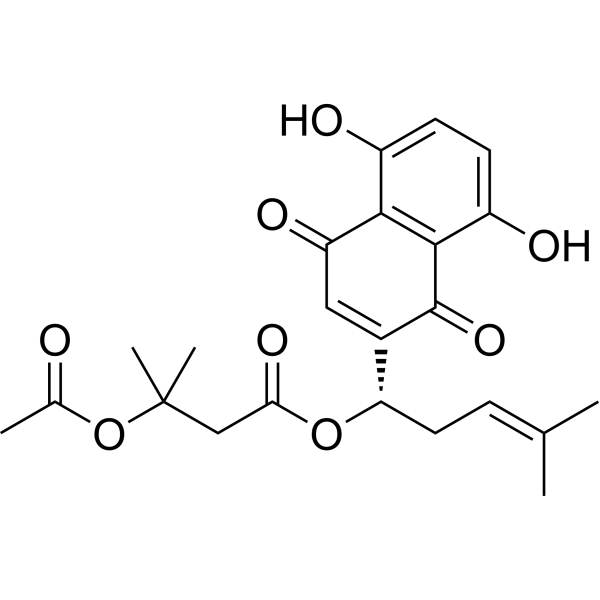
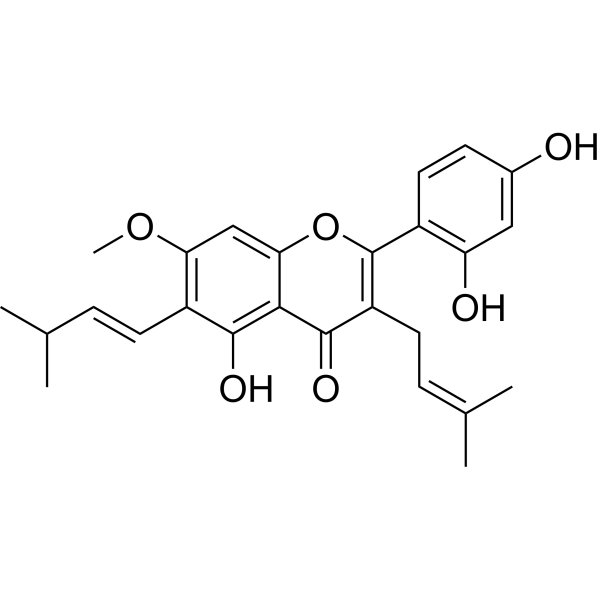
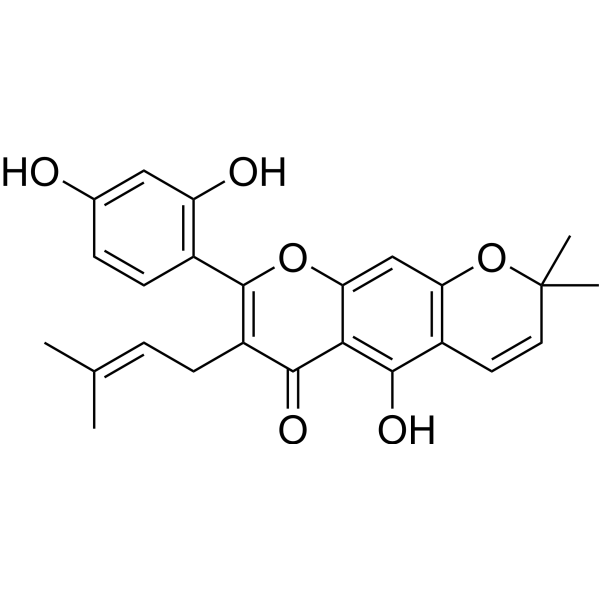
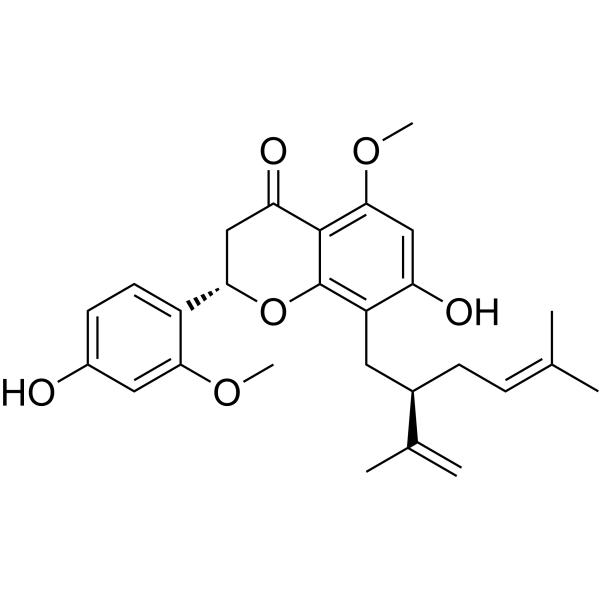
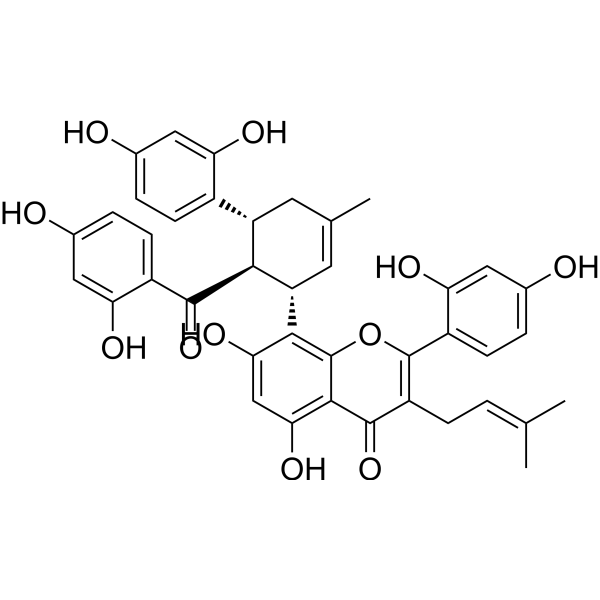
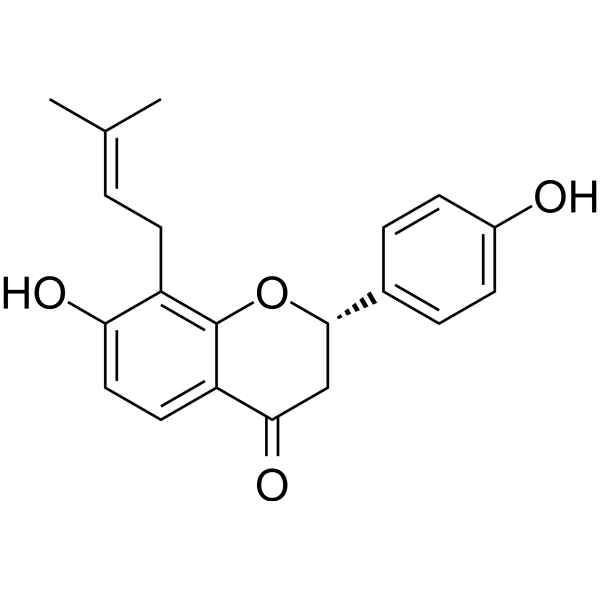
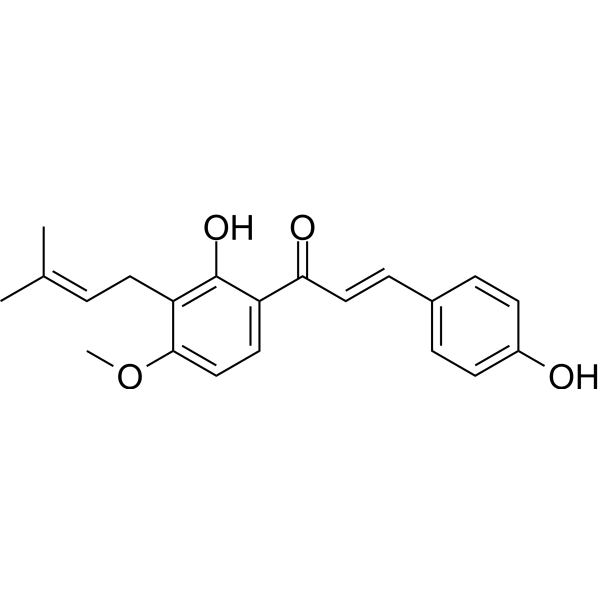
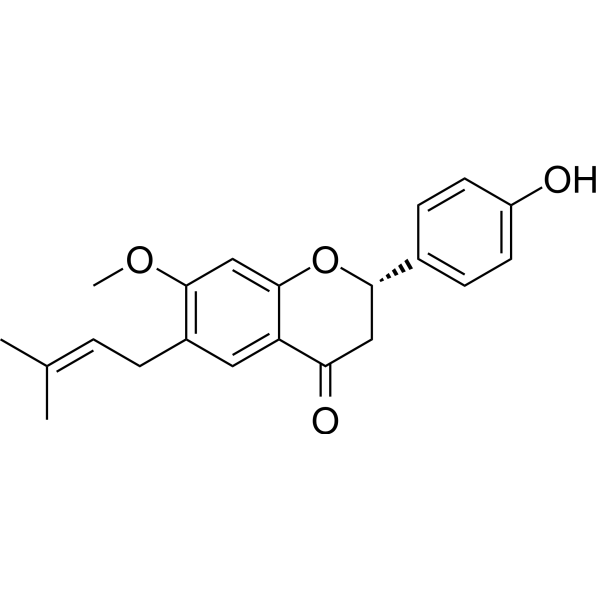
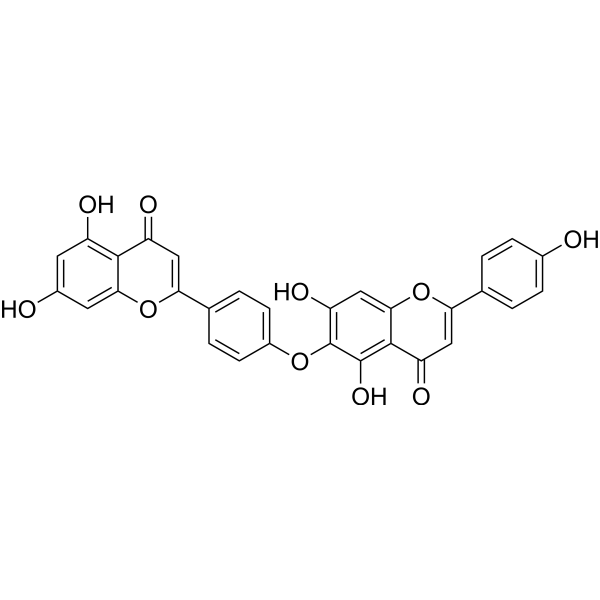
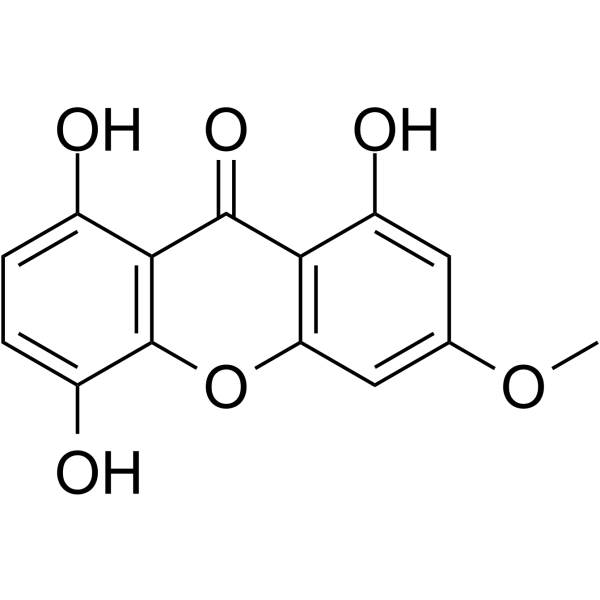
    Isoangustone A is an anticancer and anti-inflammatory agent. Isoangustone A induces cancer cells apoptosis and autophagic cell death .
    Isoangustone A
  • HY-N13239

    Apoptosis Inflammation/Immunology
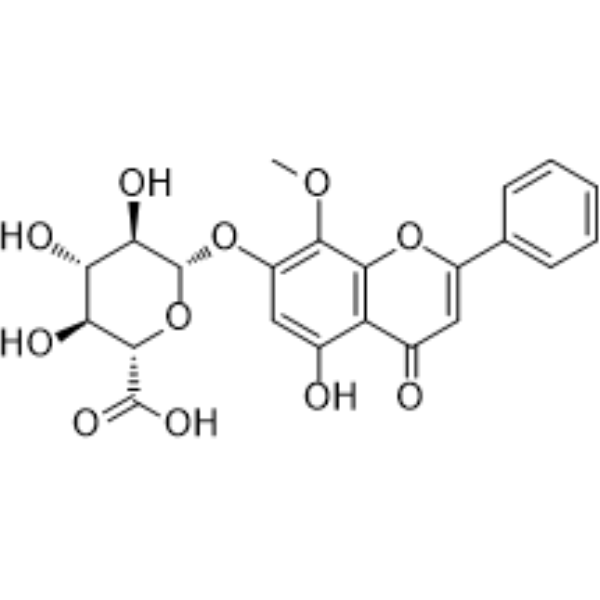
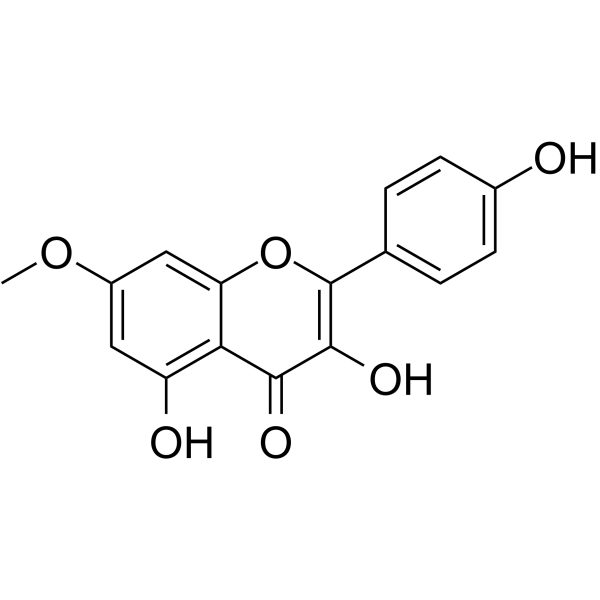
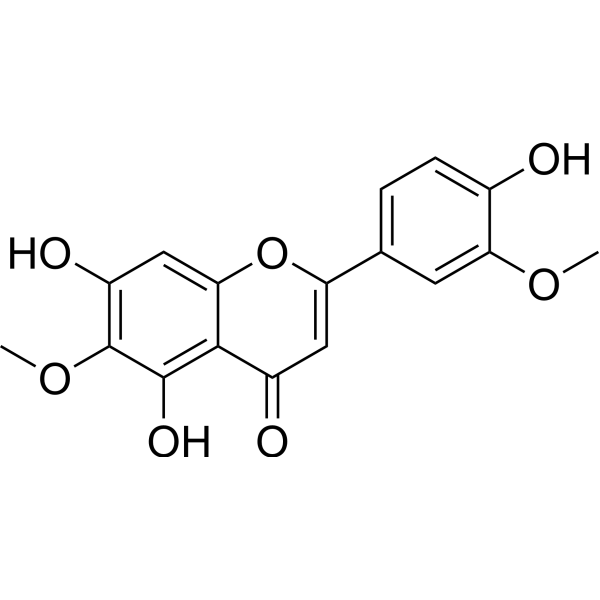
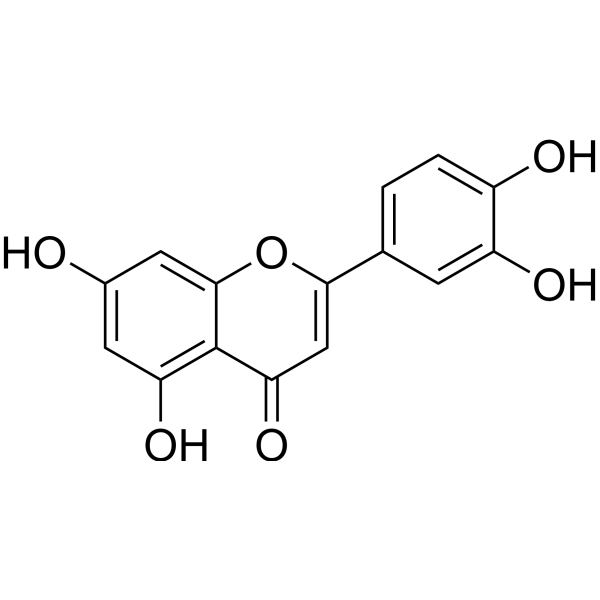
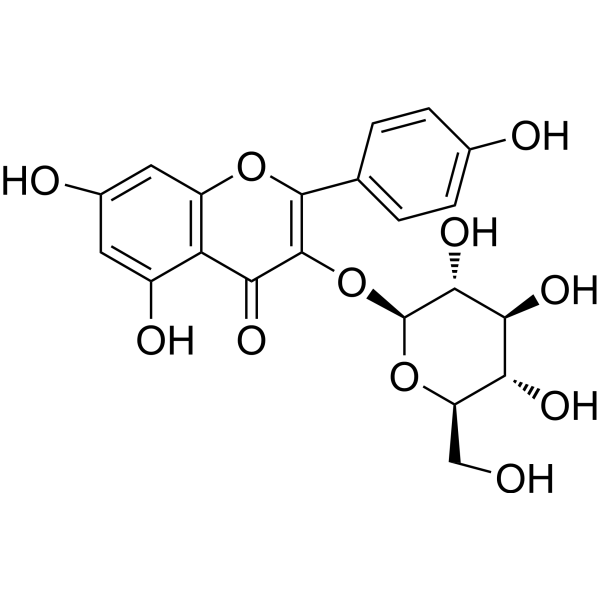
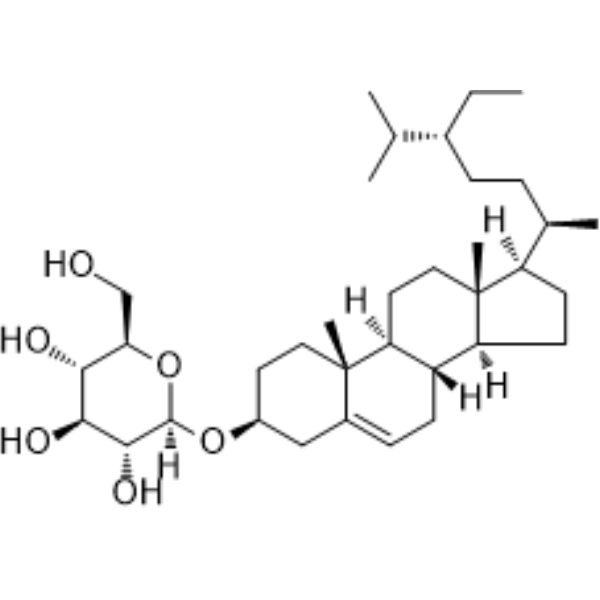
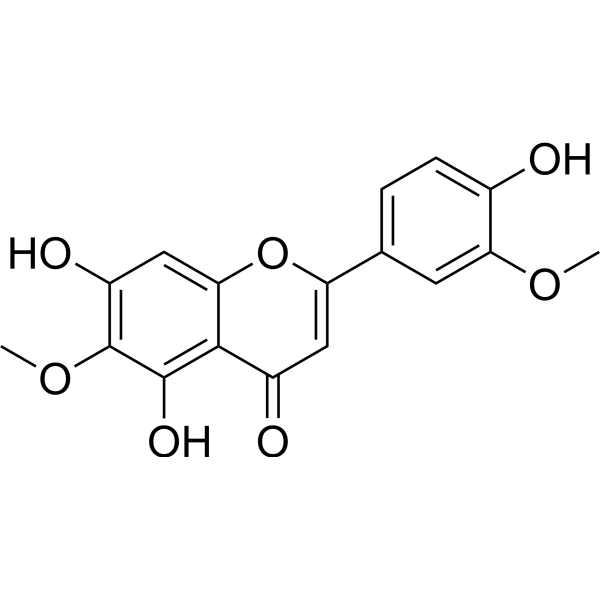
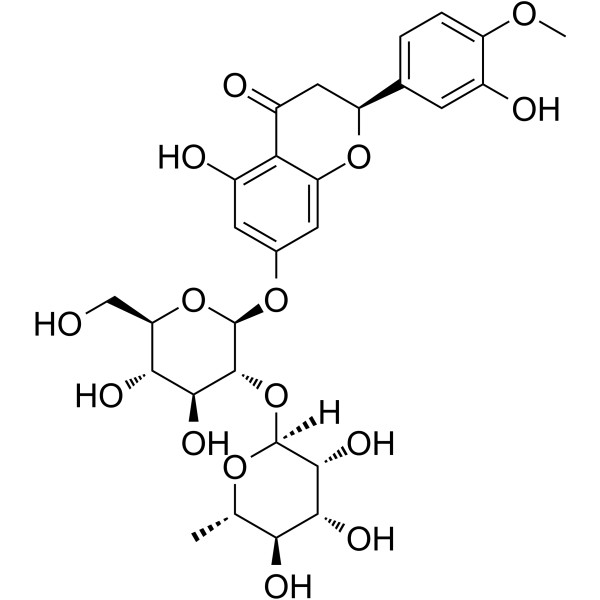
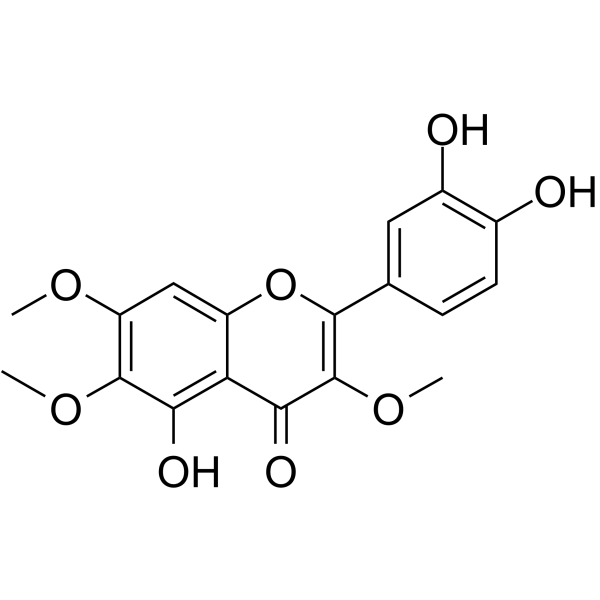
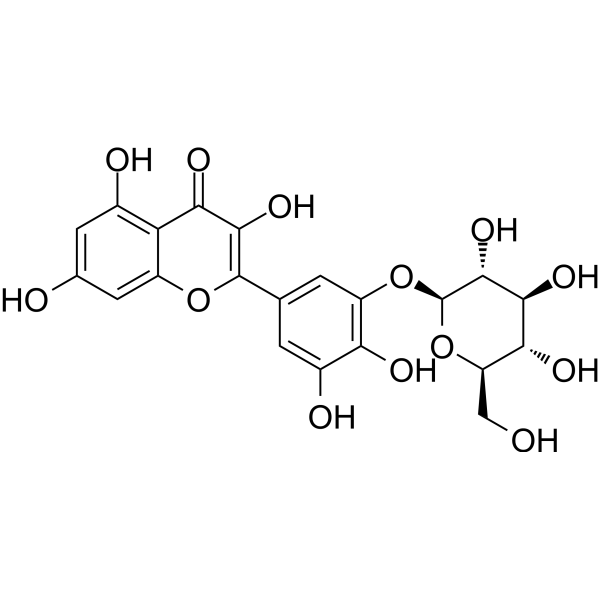
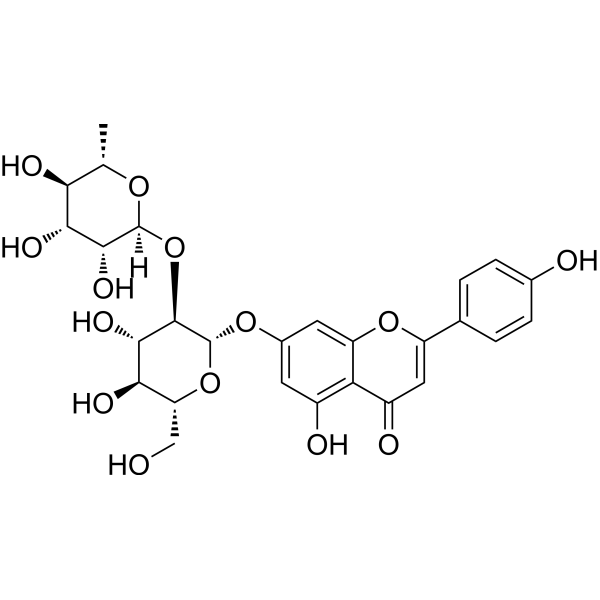
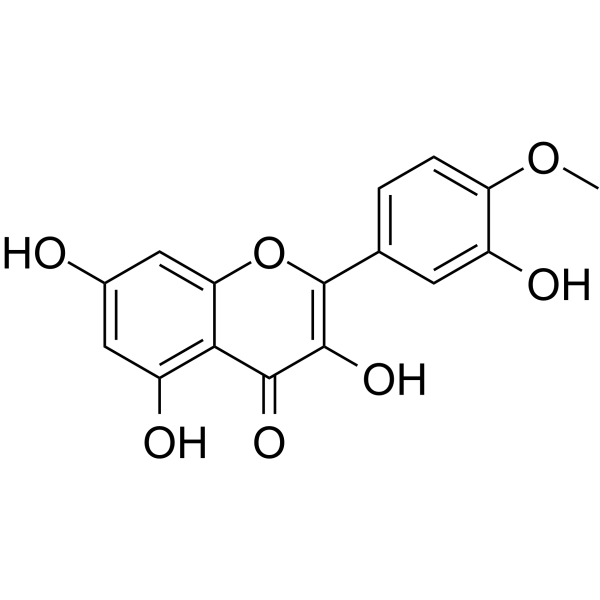
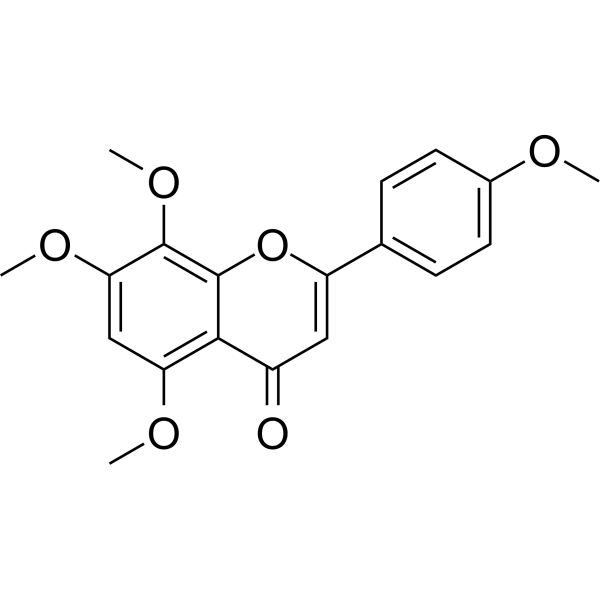
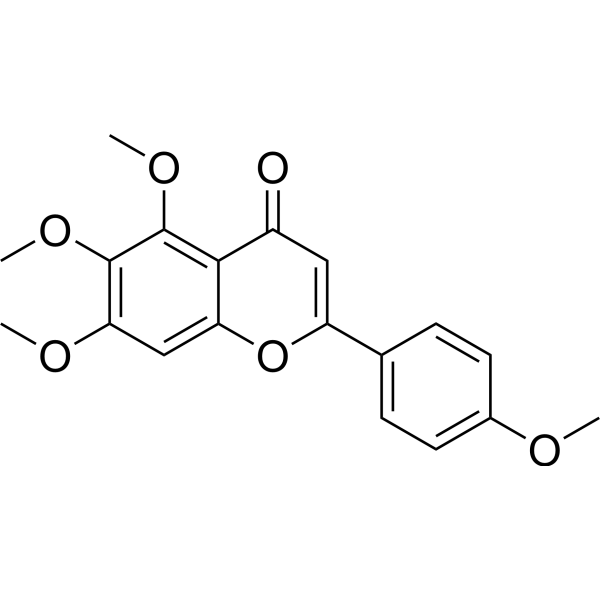
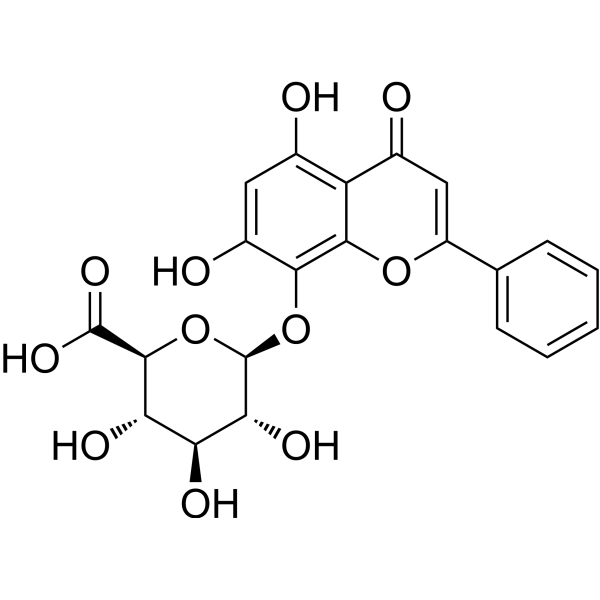
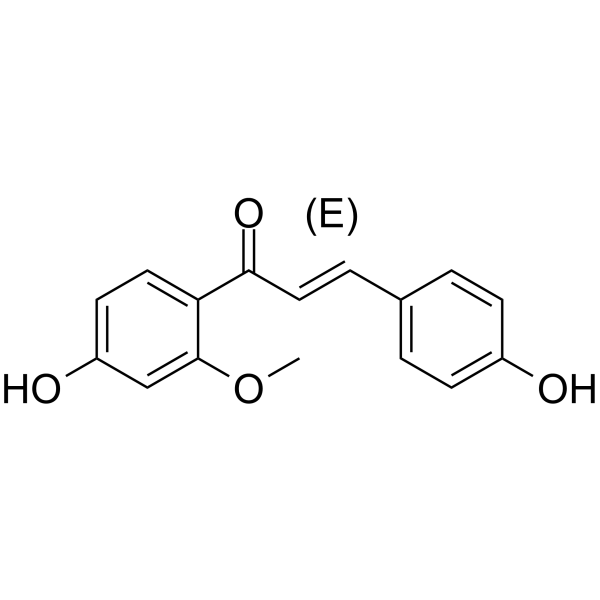
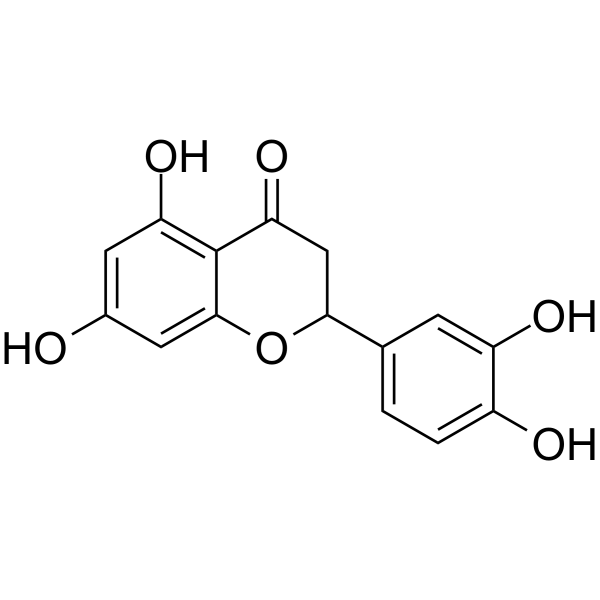
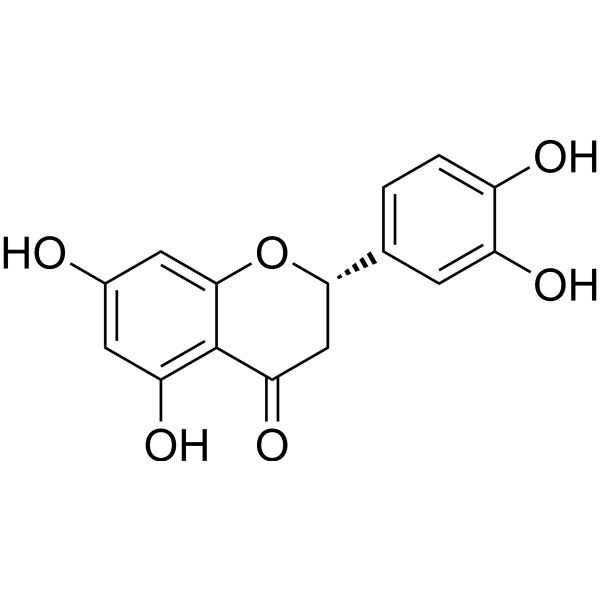
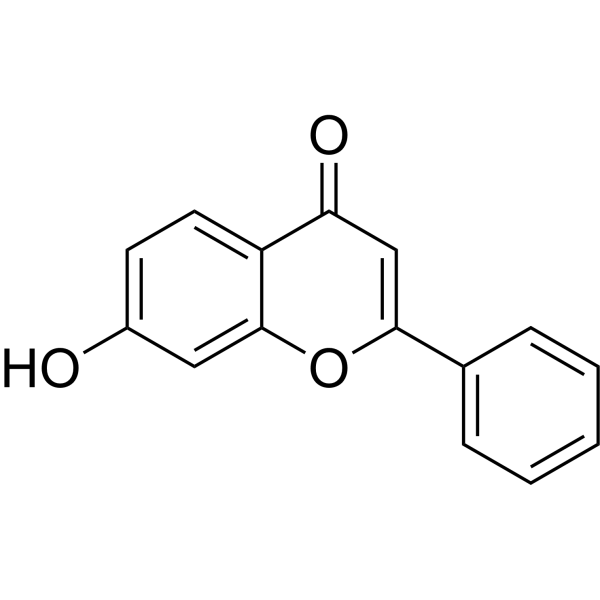
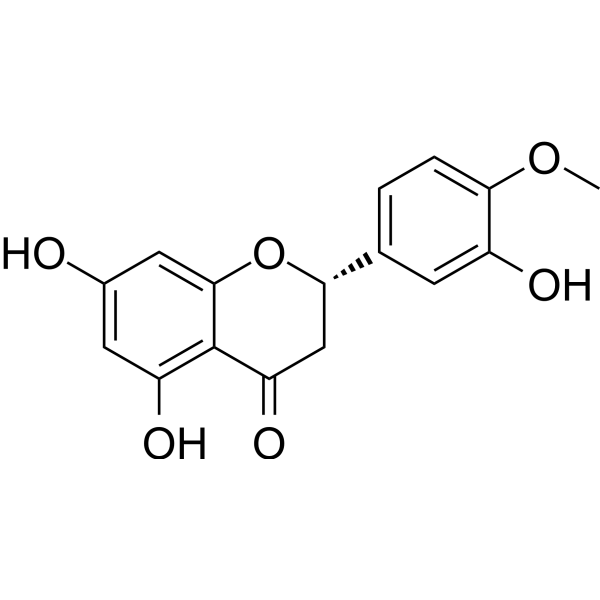
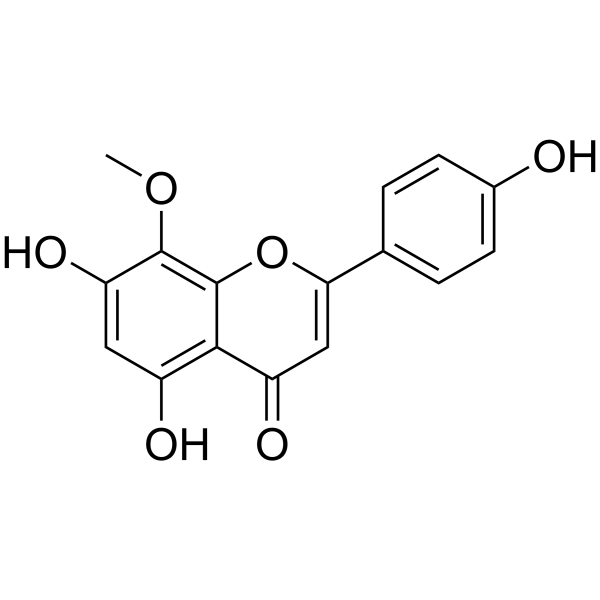
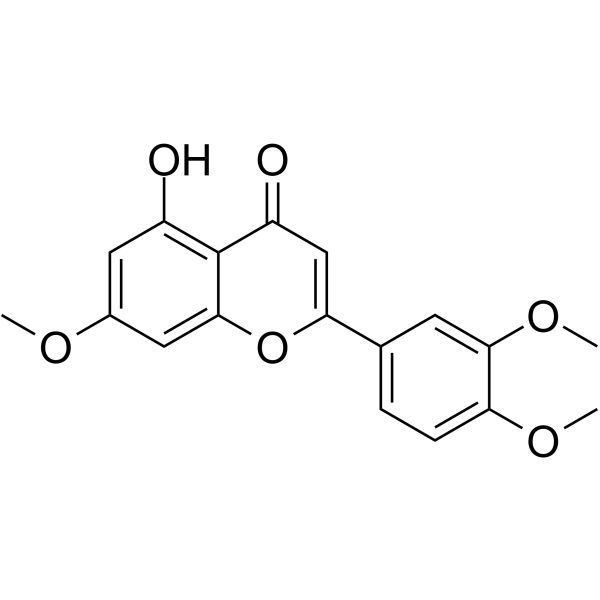
    Dandelion Extract is a dandelion extract, and its ingredients include: Flavone. Dandelion Extract can reduce LPS-induced inflammatory responses in RAW264.7 cells by regulating cell polarization and apoptosis. Dandelion Extract can also reduce CuSO4-induced inflammatory response in zebrafish larvae. .
    Dandelion Extract
  • HY-165027

    NO Synthase COX Others
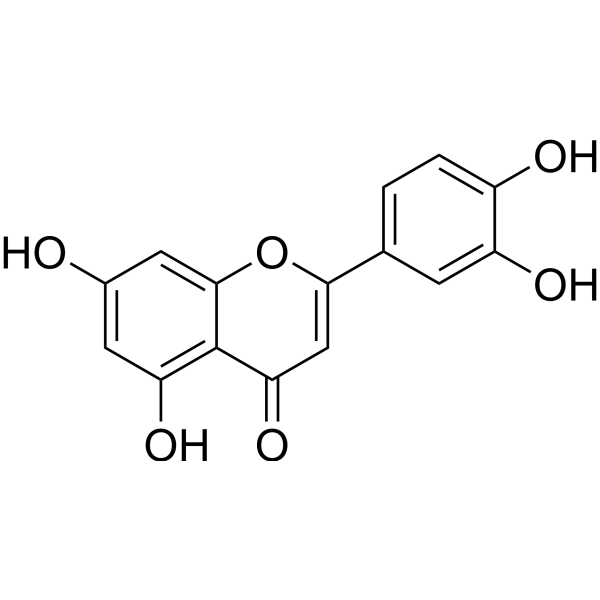
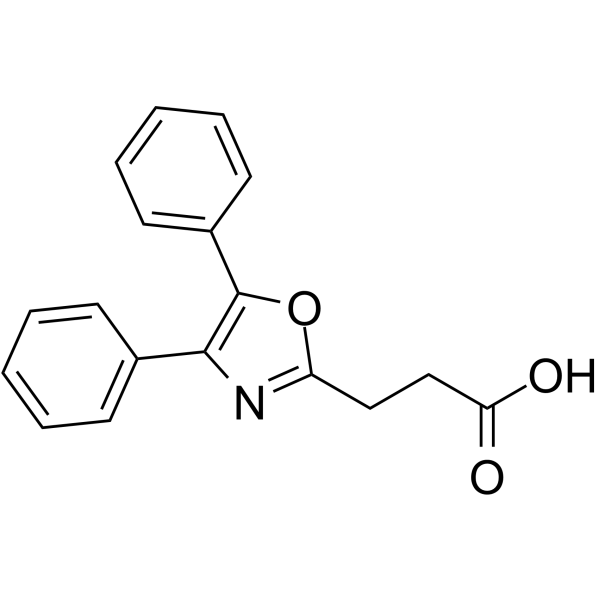
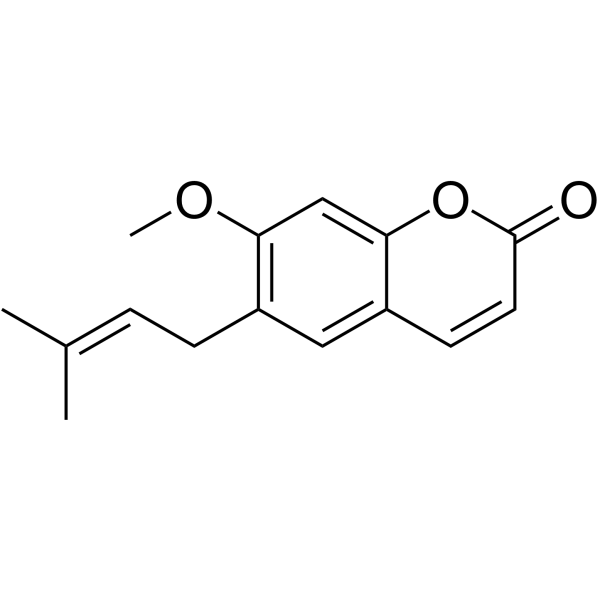
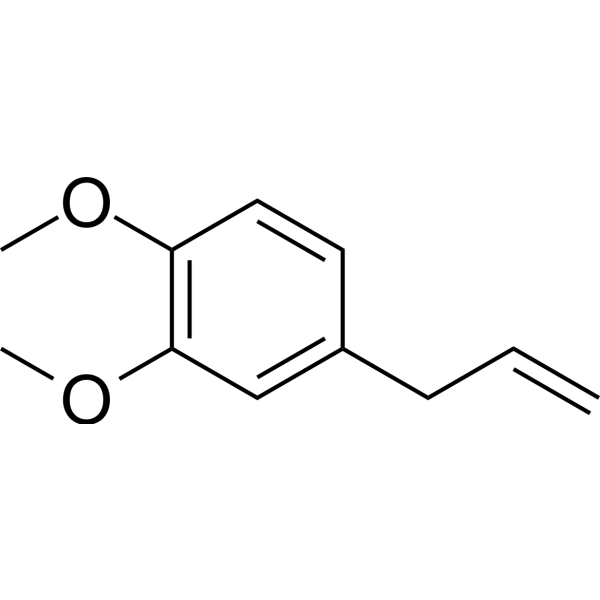
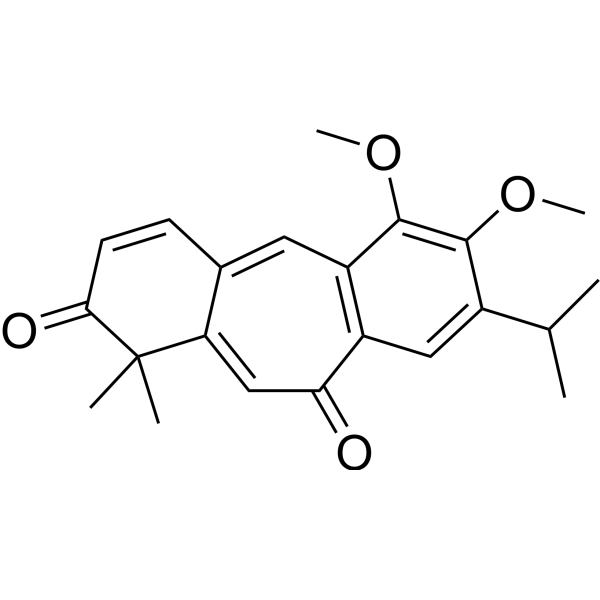
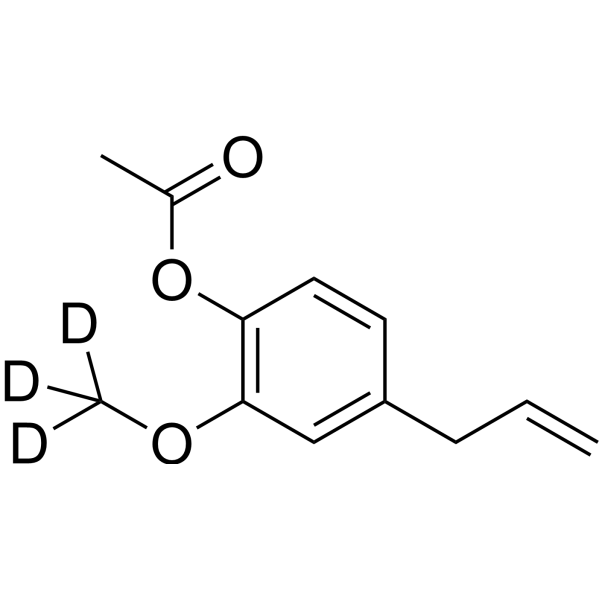
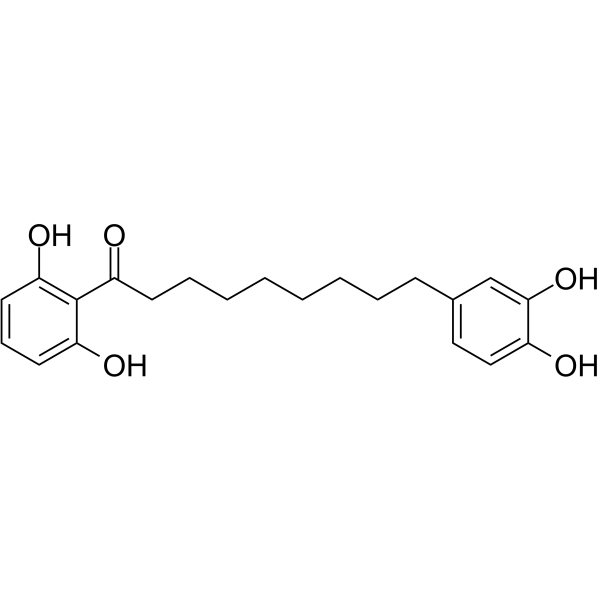
    DL-1′-Acetoxychavicol acetate is a compound with anti-inflammatory and anticancer preventive potential that inhibits the activities of NOX, iNOS, and COX-2 in inflammatory cells and exhibits preventive activity in multiple inflammation-related cancer models.
    DL-1′-Acetoxychavicol acetate
  • HY-111477

    (E/Z)-RPL-554

    Phosphodiesterase (PDE) Neurological Disease
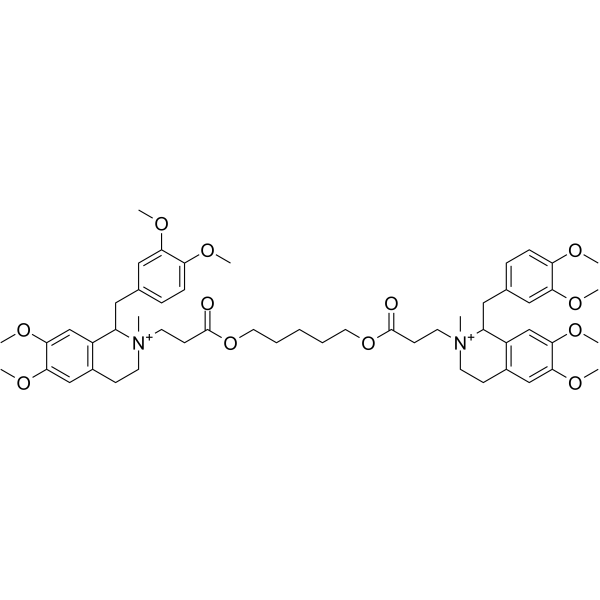
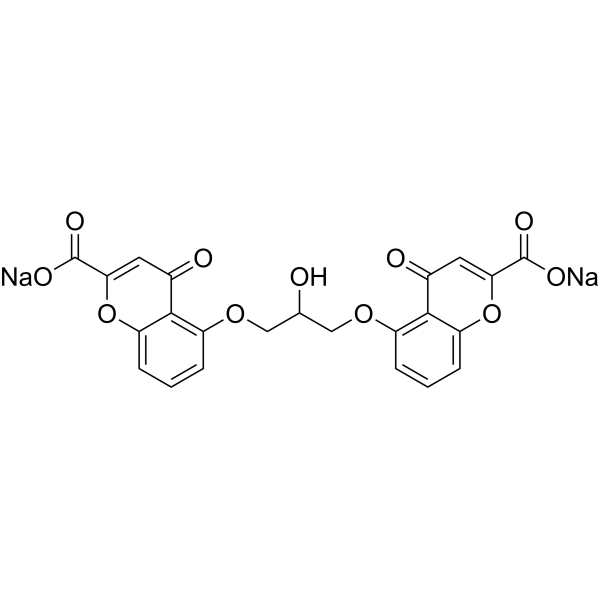
    (E/Z)-Ensifentrine is a dual inhibitor of PDE3/4. (E/Z)-Ensifentrine reduces the inflammatory cells into the airways. (E/Z)-Ensifentrine has bronchodilatory and anti-inflammatory activities in vitro and in vivo model .
    (E/Z)-Ensifentrine
  • HY-163749

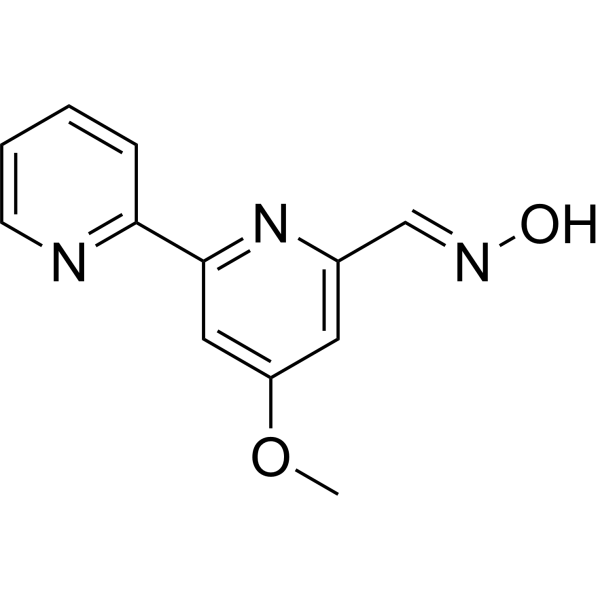
    STING Inflammation/Immunology
    STING-IN-8 (Compound 15b) emerges as a potent stimulator of interferon gene (STING) inhibitor with an IC50 value of 0.121 μM in human and an IC50 value of 0.033 μM in mouse. STING-IN-8 inhibits MSA-2 (HY-136927) or 2’, 3’ -cGAMP (HY-100564)-stimulated STING signaling and suppresses immune-inflammatory cytokine levels in both human and murine cells. STING-IN-8 is promising for research in the field of STING-associated inflammatory and autoimmune diseases .
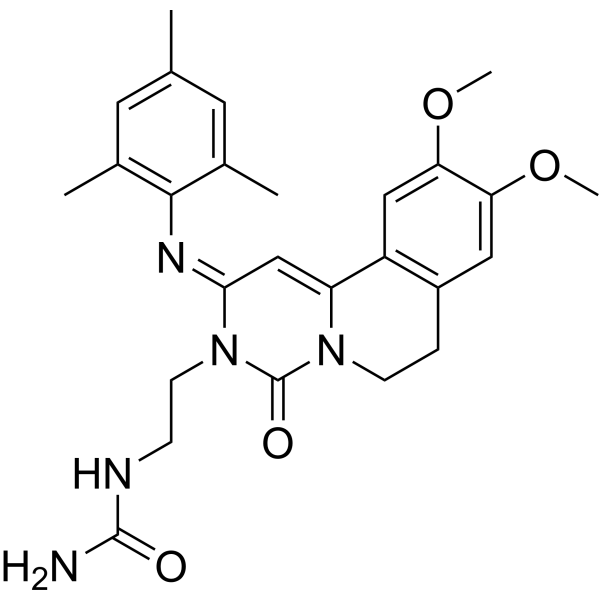
    STING-IN-8
  • HY-P10462

    Synthetic anti-inflammatory peptide 15

    HDAC NF-κB Inflammation/Immunology
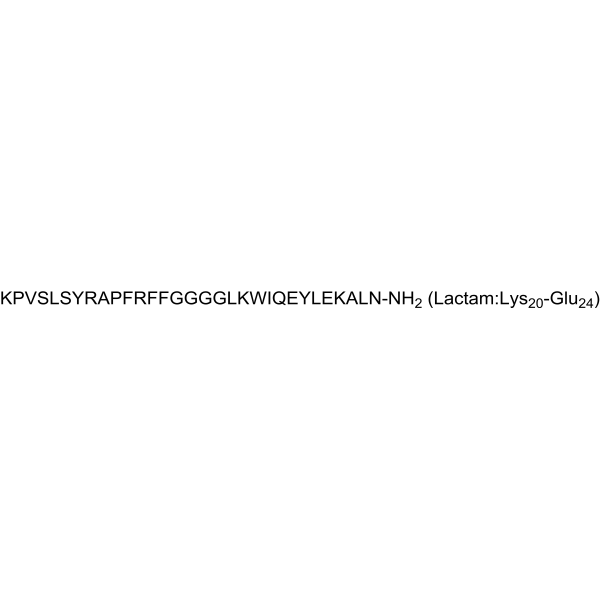
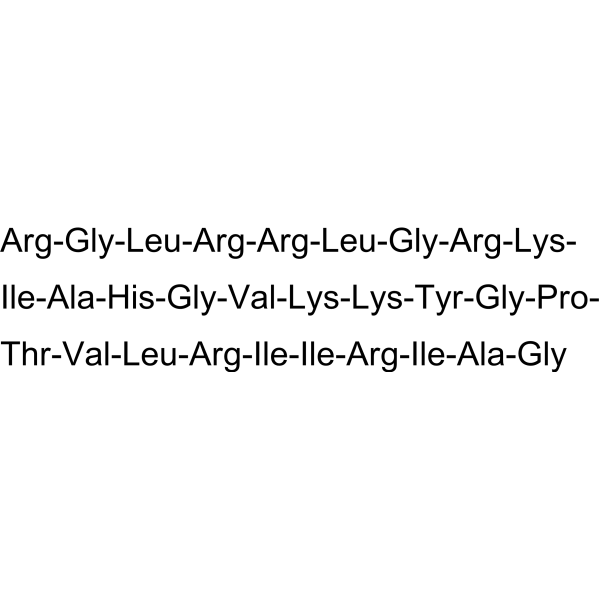
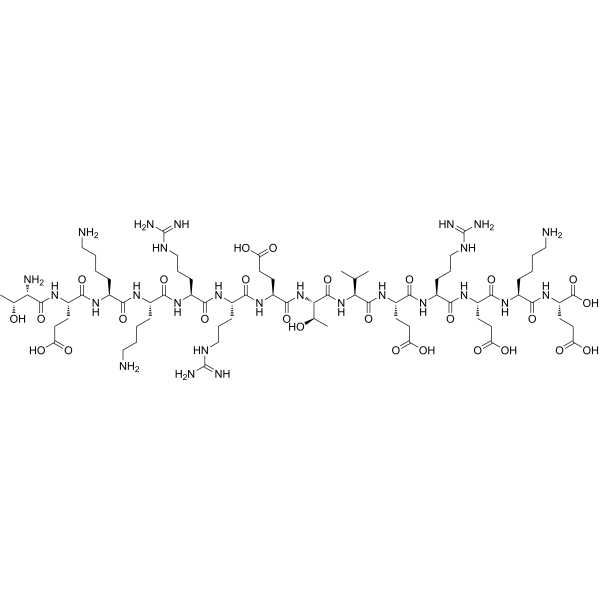
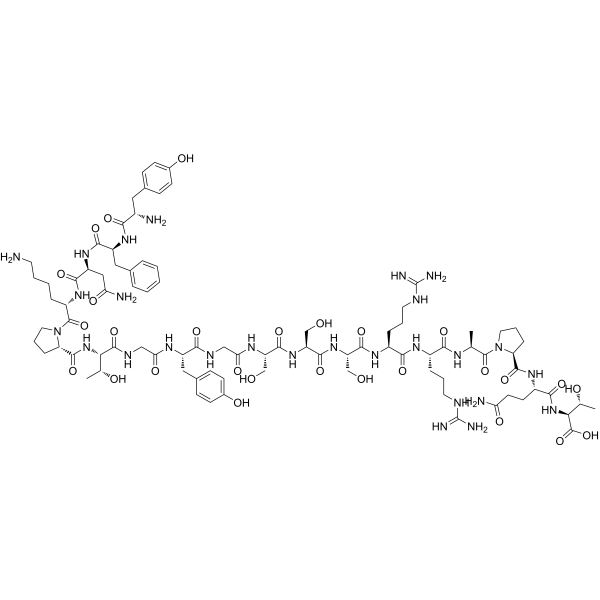
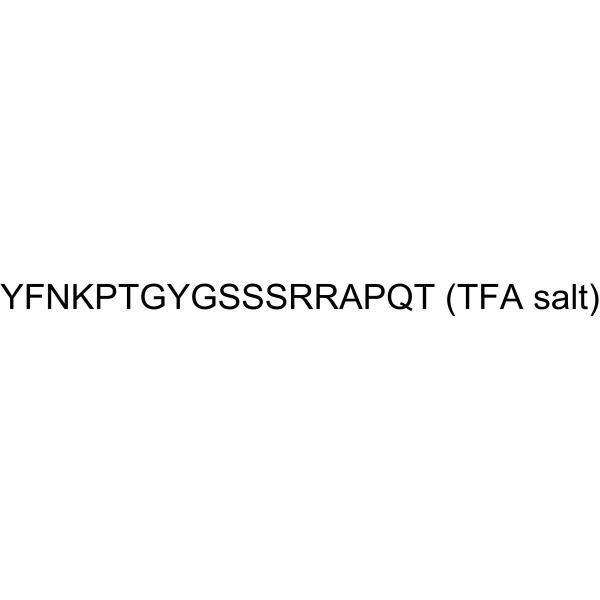
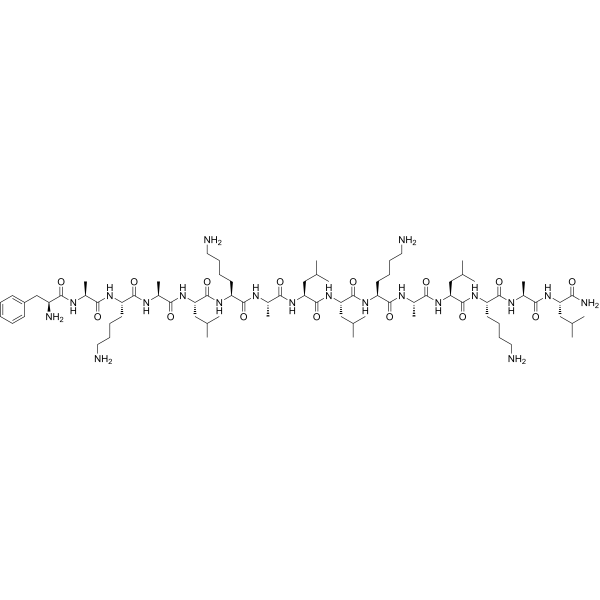
    SAP15 (Synthetic anti-inflammatory peptide 15) is a synthetic anti-inflammatory peptide consisting of 15 amino acids designed from human beta-defensin 3. SAP15 has the ability to penetrate cells and is able to induce downregulation of intracellular inflammation. SAP15 inhibits inflammation by inhibiting the phosphorylation of HDAC5 and thereby reducing the phosphorylation of NF-κB p65. SAP15 inhibits HDAC5 and NF-κB p65 phosphorylation in LPS (HY-D1056)-induced macrophages. SAP15 increases the expression of aggrecan and type II collagen and decreases the expression of osteocalcin in LPS-induced chondrocytes. SAP15 can be used in the study of inflammation regulation and anti-inflammatory therapy of biomaterials .
    SAP15
  • HY-175288

    Integrin JNK ERK Inflammation/Immunology Cancer
    αMβ2 integrin agonist-1 (Compound 8) is a highly selective αMβ2 integrin agonist with anti-inflammatory activity (EC50=1.4 nM). αMβ2 integrin agonist-1 activates integrin-mediated cell adhesion and JNK/ERK signaling. αMβ2 integrin agonist-1 induces tumor-associated macrophage repolarization and enhances antitumor T-cell immune responses. αMβ2 integrin agonist-1 is promising for research of cancers and chronic inflammatory diseases (e.g., pancreatic cancer, rheumatoid arthritis) .
    αMβ2 integrin agonist-1
  • HY-N8658

    Others Infection Inflammation/Immunology
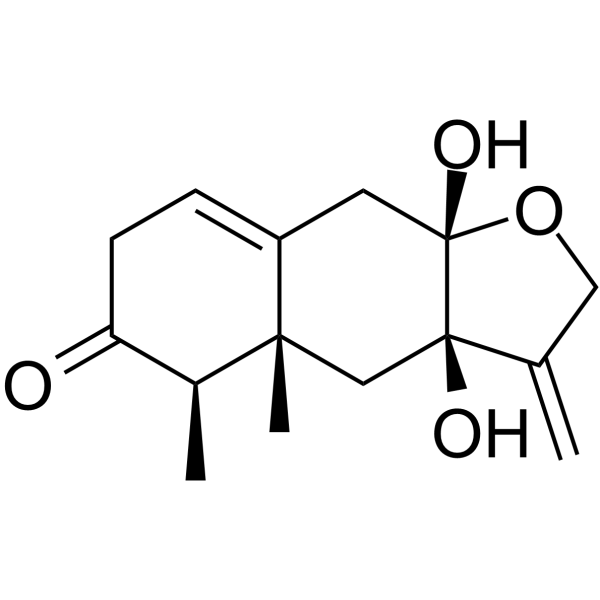
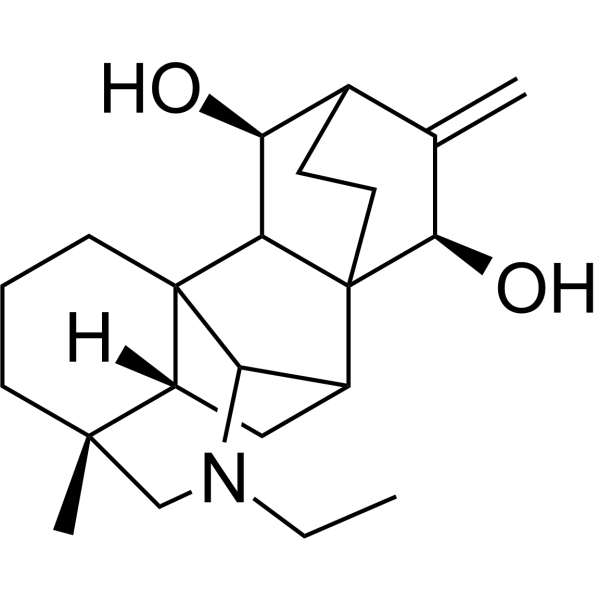
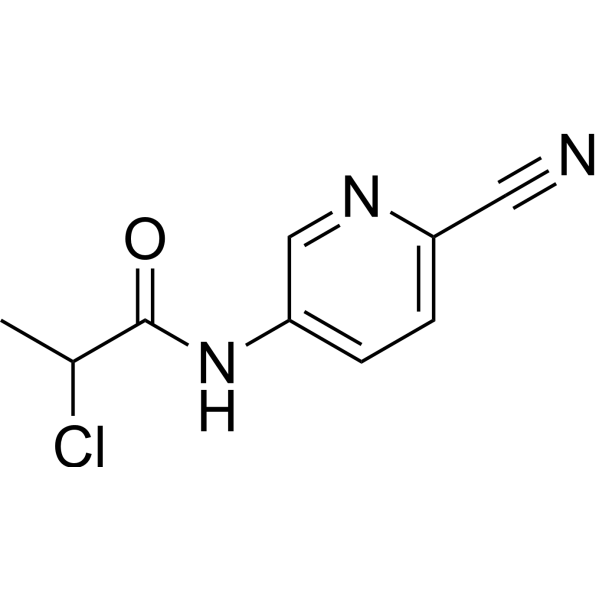
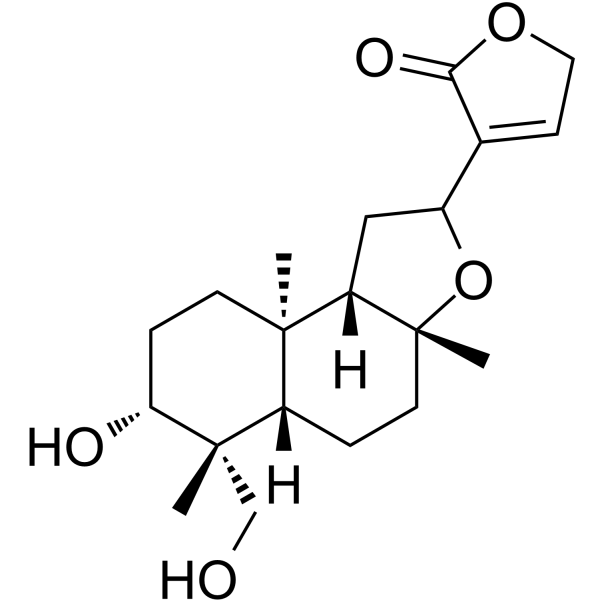
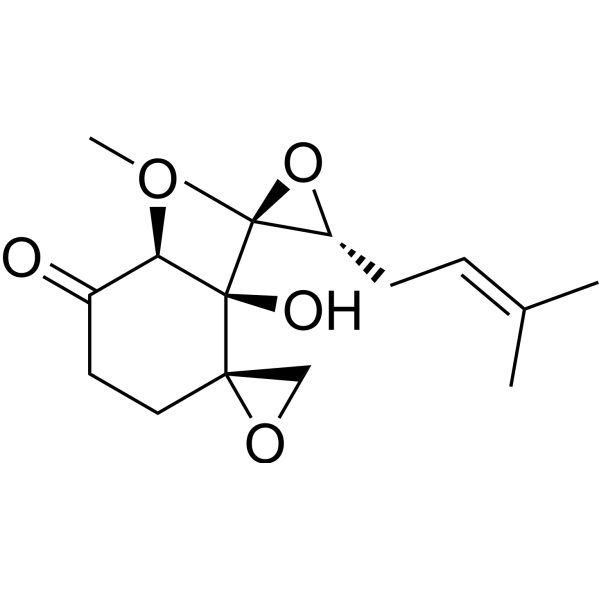
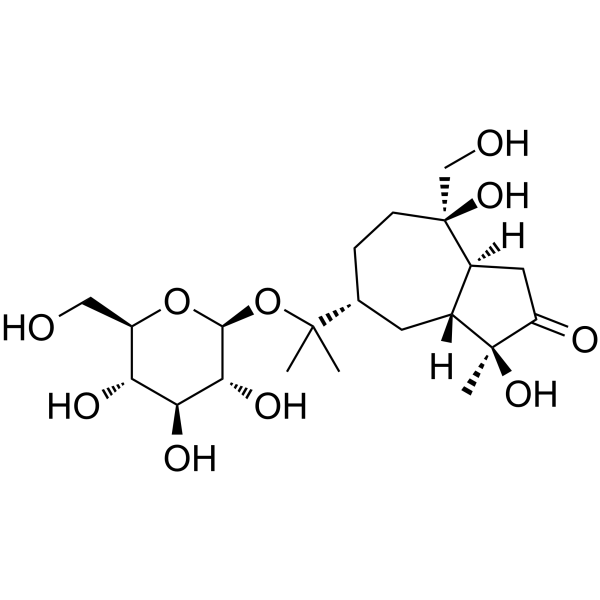
    Epinodosin is a diterpenoid. Epinodosin has moderate cytotoxicity against HL-60 cells with IC50 value of 10.4 μM. Epinodosin can be used for the research of inflammatory diseases .
    Epinodosin
  • HY-N16067

    Epigenetic Reader Domain Inflammation/Immunology
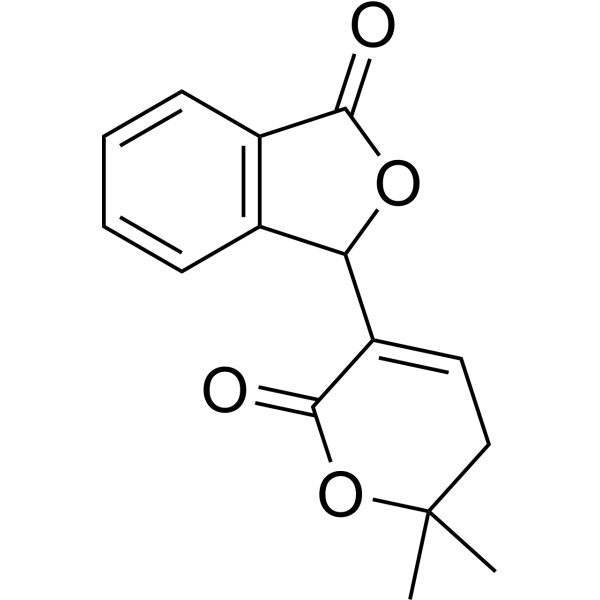
    Penipanoid C (Compound 9) is a BRD4 inhibitor. Penipanoid C can be isolated from marine sediment-derived fungus Penicillium paneum SD-44. Penipanoid C has anti-inflammatory activity and cytotoxic activity against the SMMC-7721 cells. Penipanoid C can be used for inflammatory diseases research .
    Penipanoid C
  • HY-19344R

    SAR 1118 (Standard); SHP-606 (Standard)

    Reference Standards Integrin Inflammation/Immunology
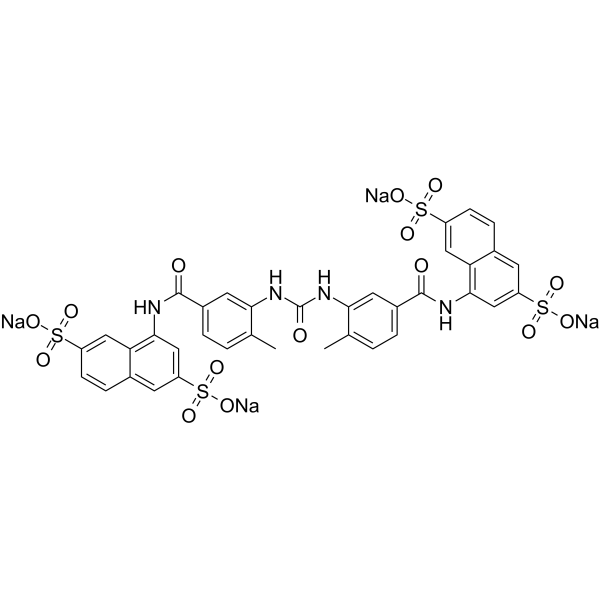
    Lifitegrast (Standard) is the analytical standard of Lifitegrast. This product is intended for research and analytical applications. Lifitegrast (SAR 1118) is a potent integrin antagonist. Lifitegrast blocks the binding of intercellular adhesion molecule 1 (ICAM-1) to lymphocyte function-associated antigen 1 (LFA-1), interrupting the T cell-mediated inflammatory cycle. Lifitegrast inhibits Jurkat T cell attachment to ICAM-1 with an IC50 of 2.98 nM. Lifitegrast can be used for researching dry eye disease .
    Lifitegrast (Standard)
  • HY-177091

    PIKfyve Interleukin Related MHC Inflammation/Immunology
    AS2795440 is a PIKfyve inhibitor. AS2795440 selectively inhibits proinflammatory cytokine such as IL-12p40 and IL-6 production and B cell activation without affecting Ca 2+ signaling. AS2795440 significantly reduces joint inflammation and bone loss in adjuvant-induced arthritis (AIA) mice model. AS2795440 can be used for inflammatory and autoimmune diseases like rheumatoid arthritis, psoriasis and inflammatory bowel disease research .
    AS2795440
  • HY-178047

    STING IFNAR Interleukin Related Neurological Disease Inflammation/Immunology
    UM-242 is a STING inhibitor, with an EC50 of 1.70 μM in THP1-Dual cells expressing wild-type STING. UM-242 blocks STING oligomerization and inhibits diABZI-induced phosphorylation of TBK1 and IRF3, thereby suppressing the transcription of IFNβ and IL6 and reducing IFNβ secretion. UM-242 can be used for the study of STING-dependent inflammatory and neurological diseases .
    UM-242
  • HY-175286

    Integrin ERK Inflammation/Immunology Cancer
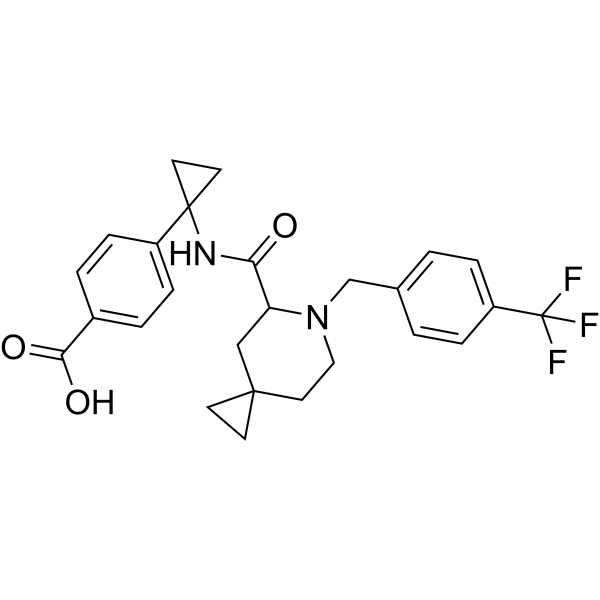
    α4β1 antagonist-1 (Compound 4) is a highly selective α4β1 integrin antagonist (IC50=15 nM). α4β1 antagonist-1 inhibits integrin-mediated cell adhesion and ERK1/2 signaling activation. α4β1 antagonist-1 also exhibits partial agonism toward αMβ2 integrin (EC50=23 nM). α4β1 antagonist-1 is promising for research of chronic inflammatory diseases (e.g., rheumatoid arthritis, multiple sclerosis) and cancers .
    α4β1 antagonist-1
  • HY-176535

    BBC0115

    Epigenetic Reader Domain Interleukin Related STAT Inflammation/Immunology
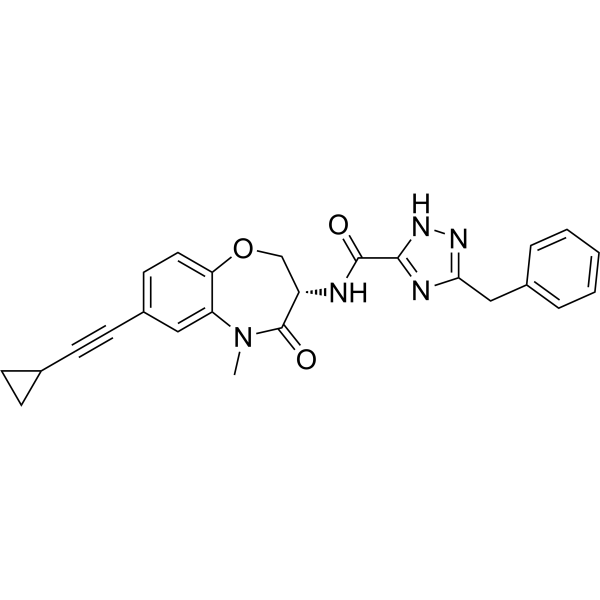
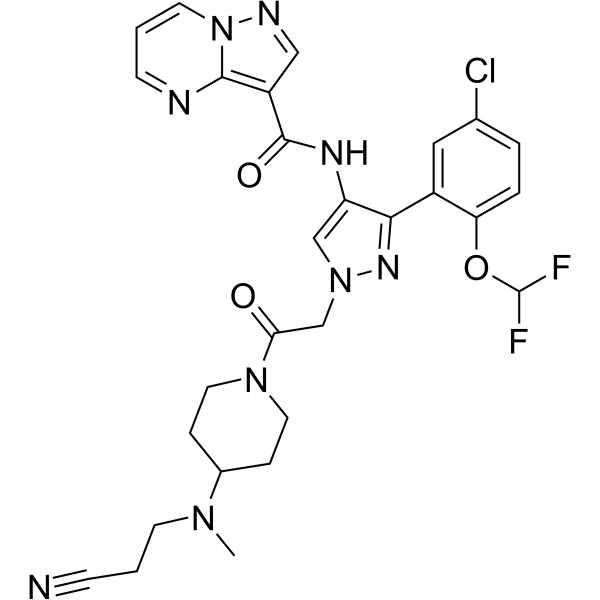
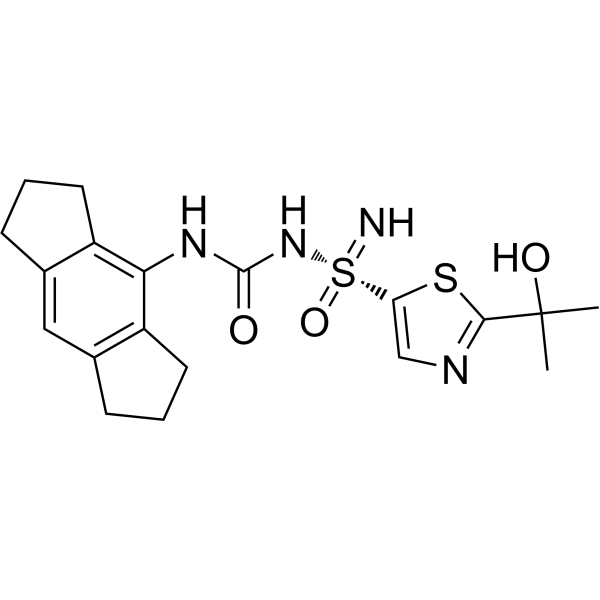
    KB-0118 (BBC0115) is an orally active BET bromodomain inhibitor. KB-0118 selective binds to BRD2 and BRD4 over BRD3, with Kd values of 36.7 μM for BRD2 BD1 and 47.4 μM for BRD4 BD1. KB-0118 inhibits pro-inflammatory cytokines, including TNF, IL-1β, and IL-23a and selectively suppresses Th17 cell differentiation. KB-0118 modulates Th17-driven inflammation occurs through epigenetic suppression of BRD4, confirmed by downregulation of STAT3 and BRD4 target genes. KB-0118 has immunomodulatory effects in inflammatory bowel disease (IBD) model.
    KB-0118
  • HY-174312

    NOD-like Receptor (NLR) Pyroptosis Caspase Interleukin Related Inflammation/Immunology
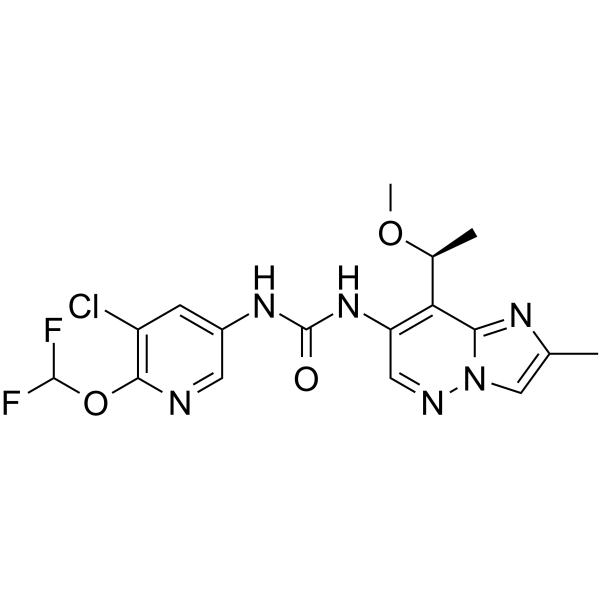
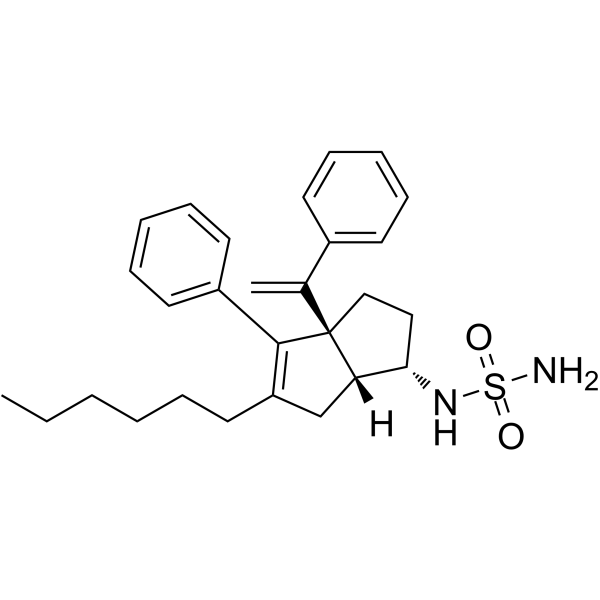
    NLRP3-IN-81 (N102) is a BBB-penetrable inhibitor against NLRP3 inflammasome-dependent pyroptosis with an EC50 of 0.029 μM against cell pyroptosis induced by Nigericin (HY-127019). NLRP3-IN-81 potently inhibits NLRP3-dependent activation of caspase-1 and the release of IL-1β. NLRP3-IN-81 disturbs the interaction of NLRP3 with the adaptor protein ASC and inhibits ASC oligomerization. NLRP3-IN-81 can be used for pyroptosis-related diseases research, such as inflammatory bowel diseases and type 2 diabetes .
    NLRP3-IN-81

Inquiry Online

Your information is safe with us. * Required Fields.

Salutation


Country or Region *

Applicant Name *


Organization Name *

Department *


Email Address *


Product Name *

Cat. No.


Requested quantity *

Phone Number *


Remarks

Inquiry Online

Inquiry Information

Product Name:
Cat. No.:
Quantity:
MCE Japan Authorized Agent: