31 Results for "

lecithin/1-propanol-based microemulsion organogels

" in MedChemExpress (MCE) Product Catalog:
Products (31)

31 Results for "lecithin/1-propanol-based microemulsion organogels" in MCE Product Catalog:

9
9 Publications Verification
Cat. No.: HY-B2235
CAS No.: 8002-43-5
Synonyms: Polyene phosphatidylcholine
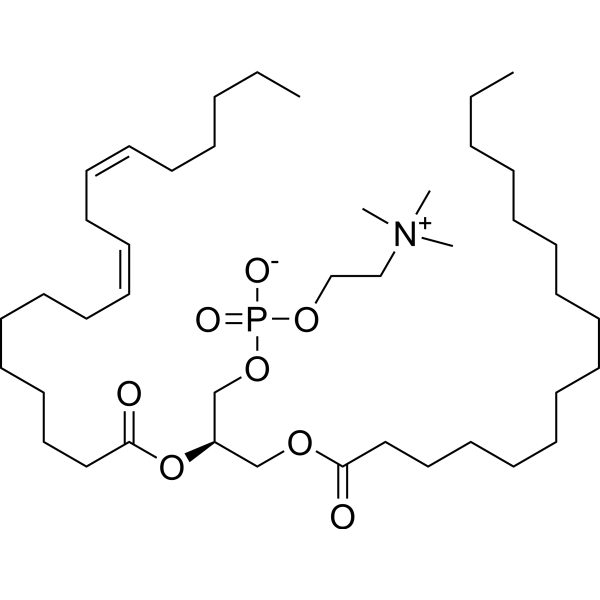
Lecithin is regarded as a safe, conventional phospholipid source. Phospholipids are reported to alter the fatty acid composition and microstructure of the membranes in animal cells.
loading...
    loading...
3
3 Cited Publications
Cat. No.: HY-W040258
CAS No.: 905-96-4
Synonyms: DiOC2(3)
Target:  

Fluorescent Dye

Research Areas:  

Others

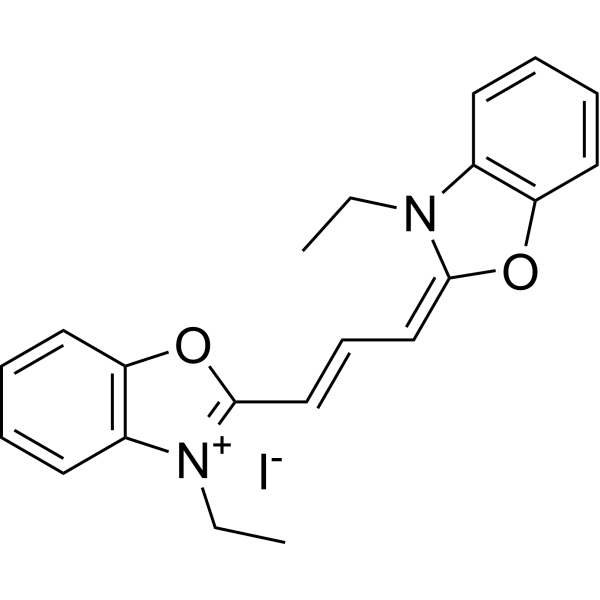
3,3'-Diethyloxacarbocyanine iodide (DiOC2 (3)) is a Fluorescent probe used for microviscosity detection, micelle and microemulsion probing, critical micelle concentration determination, photophysical property research, and bacterial membrane potential assessment. The excitation wavelength of 3,3'-Diethyloxacarbocyanine iodide is 355 nm [1] .
loading...
    loading...
1
1 Cited Publications
Cat. No.: HY-113202
CAS No.: 25597-09-5
Purity:  99.91%
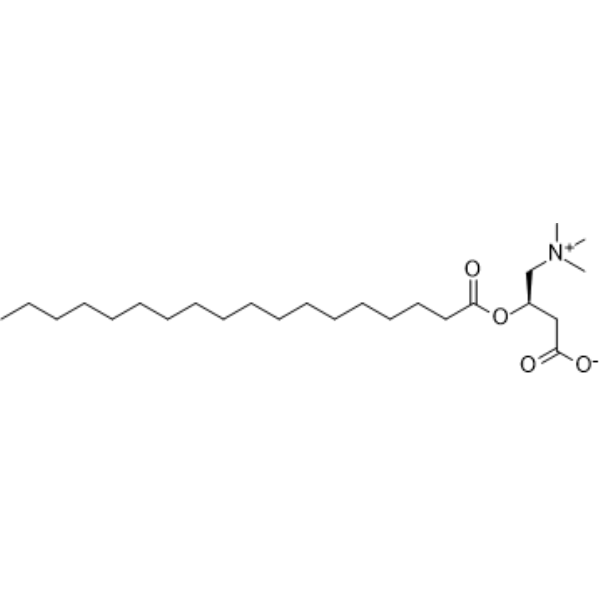
Stearoylcarnitine, a fatty ester lipid molecule, is an endogenous metabolite. Stearoylcarnitine can be used as PKC inhibitor. Stearoylcarnitine accumulates in β cells, leading to arrest of insulin synthesis and energy deficiency in type 2 diabetes mouse. Stearoylcarnitine inhibits lecithin cholesterol acyltransferase (LCAT) in rat and rabbits plasma. Stearoylcarnitine acts as a metabolomics biomarker for Parkinson’s disease. Stearoylcarnitine is a less potent inhibitor of GlyT2 [1] .
loading...
    loading...
1
1 Cited Publications
Cat. No.: HY-N5139
CAS No.: 93685-90-6
Synonyms: lecithins, egg yolk; Belovo PL 85
Lecithins, egg (Lecithins, egg yolk; Belovo PL 85) is an orally active natural phospholipid mixture extracted from egg yolks . Lecithins, egg inhibits the activities of acetylcholinesterase (AChE) and angiotensin-converting enzyme (ACE). Lecithins, egg exhibits antibacterial, antioxidant and anti-inflammatory activities, and helps delay cellular senescence. Lecithins, egg enhances nerve conduction, improves memory and cognitive function, and exerts positive effects on delaying neurodegenerative diseases. Lecithins, egg promotes lipid absorption and alleviates diarrhea. Lecithins, egg acts as a high-efficiency drug carrier for the preparation of targeted drug delivery systems such as liposomes [1] .
loading...
    loading...
Cat. No.: HY-B2235B
CAS No.: 8002-43-5
Synonyms: L-α-Phosphatidylcholine (egg yolk, Type XVI-E), 99%, lyophilized powder; 1,2-Diacyl-sn-glycero-3-phosphocholine (egg yolk, Type XVI-E), 99%; egg yolk lecithins, Type XVI-E, 99%
L-α-Lecithin (egg yolk, Type XVI-E), 99% (L-α-Phosphatidylcholine (egg yolk, Type XVI-E), 99%) is an active biomaterial. L-α-Lecithin (egg yolk, Type XVI-E), 99% forms liposomes with compounds (PF or BA). L-α-Lecithin (egg yolk, Type XVI-E), 99% increases membrane fluidity and affects microemulsion stability and fluorescence intensity stained with Nile red (HY-D0718). L-α-Lecithin (egg yolk, Type XVI-E), 99% It can be used for cell membrane structure research, biological membrane potential research, and liposome research [1] .
loading...
    loading...
Cat. No.: HY-B2235A
CAS No.: 8002-43-5
Synonyms: L-α-Phosphatidylcholine (egg yolk), 75%; 1,2-Diacyl-sn-glycero-3-phosphocholine (egg yolk), 75%; egg yolk lecithins, 75%
L-α-Lecithin (egg yolk), 75% is a kind of biological materials. L-α-Lecithin (egg yolk), 75% can be used for studying cell membrane structure, biofilm potential, liposome research, etc [1].
loading...
    loading...
Cat. No.: HY-154644
CAS No.: 8030-76-0
Research Areas:  

Cancer

Soya Lecithin is a phospholipid mixture that can be used as a drug delivery vehicle and is a pharmaceutical excipient. Soya Lecithin can form a lipid bilayer structure through self-assembly, and its binding properties are amphiphilic (hydrophilic head and hydrophobic tail), encapsulating hydrophobic drugs. Soya Lecithin forms stable nanoliposomes or microemulsions, improves the solubility and cellular uptake efficiency of poorly soluble drugs (such as Curcumin (HY-N0005)), and exerts activities such as enhancing drug delivery and regulating cell proliferation [1] .
loading...
    loading...
Cat. No.: HY-W127499
CAS No.: 51779-95-4
Synonyms: DEPC; L-Dierucoyl lecithin; Dierucoyllecithin
Target:  

Liposome

Research Areas:  

Others

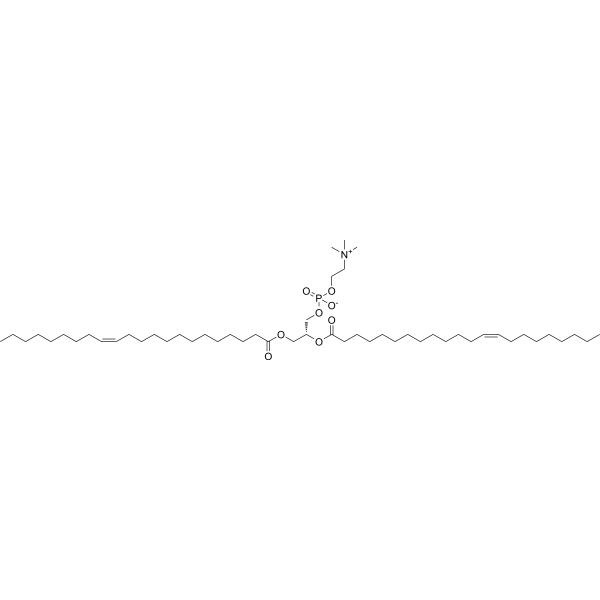
1,2-Dierucoyl-sn-glycero-3-phosphocholine (DEPC) is the composition of liposome membrane. 1,2-Dierucoyl-sn-glycero-3-phosphocholine is used for the preparation of liposomes and studying the properties of lipid bilayers. The GO (glucose oxidase) in the 1,2-Dierucoyl-sn-glycero-3-phosphocholine liposome shows the high activity [1] .
loading...
    loading...
Cat. No.: HY-W440823A
CAS No.: 474922-26-4
Synonyms: DSPE-PEG1000-NH2 ammonium
Target:  

Liposome

Research Areas:  

Cancer

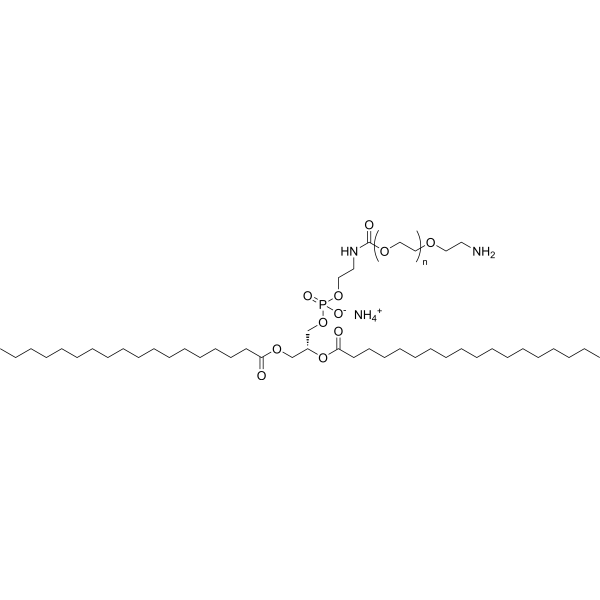
DSPE-PEG1000-Amine (DSPE-PEG1000-NH2) ammonium is a 1,2-distearoyl-sn-glycero-3-phosphoethanolamine-polyethylene glycol conjugate with a terminal amino group. DSPE-PEG1000-Amine ammonium can functionalize the surface of PLGA-lecithin-PEG core-shell nanoparticles to introduce positive surface charges. The amino group of DSPE-PEG1000-Amine ammonium can be converted into an aromatic aldehyde to react with the acetone-protected aromatic hydrazide on the surface of bovine carbonic anhydrase (BCA) molecules [1].
loading...
    loading...
Cat. No.: HY-B2235C
CAS No.: 8002-43-5
L-α-Lecithin (soybean) is an orally active phospholipid. L-α-Lecithin (soybean) increases the bioavailability of Lutein in plasma and eyes of Rattus norvegicus, enhances plasma Glutathione peroxidase activity, and regulates fatty acids in plasma and tissues [1].
loading...
    loading...
Cat. No.: HY-Y1242
CAS No.: 123-41-1
Research Areas:  

Others

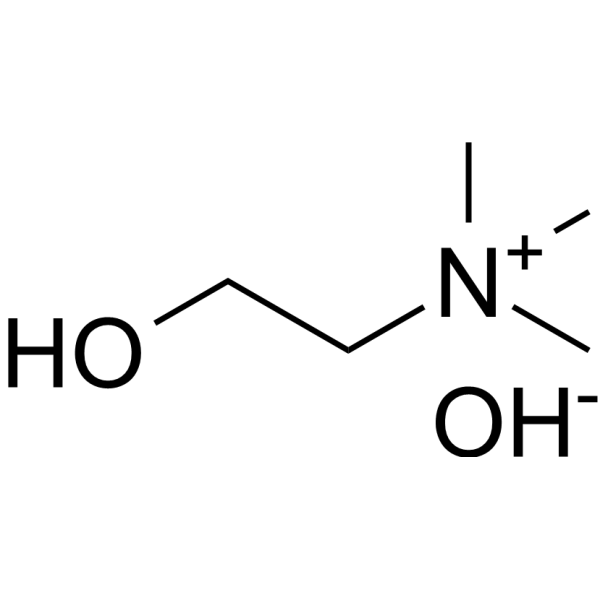
Choline hydroxide is a Choline hydrogen oxidized derivative and a strong organic base, can be used as the standard alkaline to adjust the pH of the medium. Choline is an orally active nutrient, serves as an important component of lecithin and sphingomyelin, promotes fat metabolism [1] .
loading...
    loading...
Cat. No.: HY-139415
CAS No.: 9043-30-5
Research Areas:  

Others

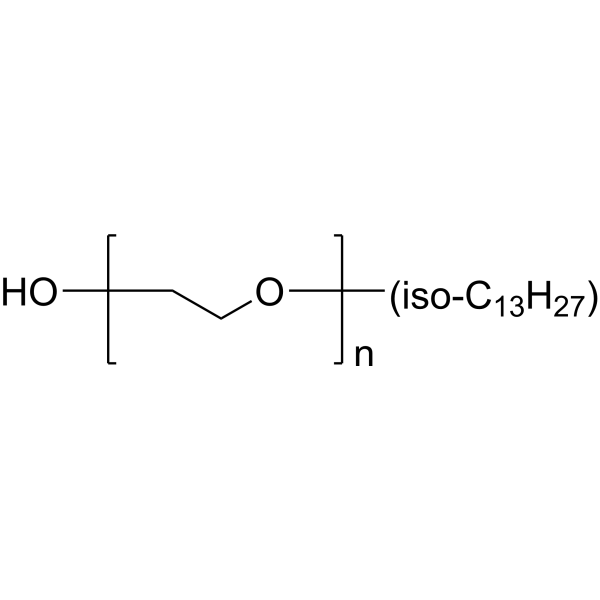
Polyethylene glycol monoisotridecyl ether is a nonionic surfactant belonging to the polyethylene glycol (PEG) family. Polyethylene glycol monoisotridecyl ether can be used to dissolve hydrophobic compounds, stabilize emulsions, and facilitate the delivery of lipophilic molecules [1].
loading...
    loading...
Cat. No.: HY-P4371
CAS No.: 177942-21-1
Research Areas:  

Inflammation/Immunology

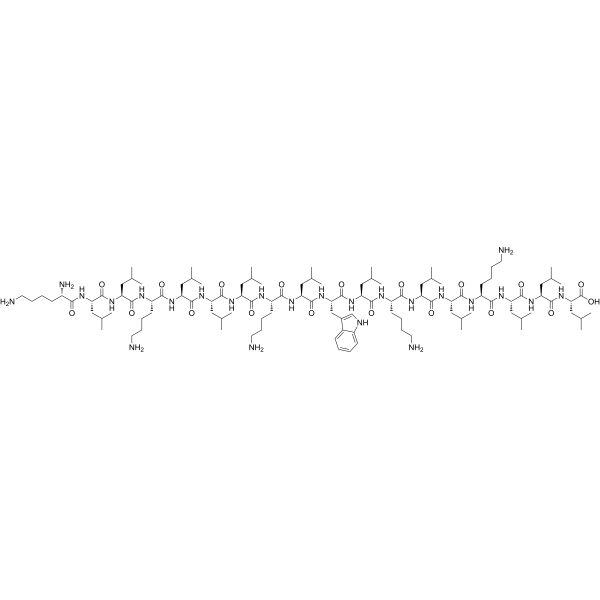
Hel 13-5 is a monomeric, lipophilic, basic amphipathic α-helical synthetic peptide composed of 18 amino acid residues. Hel 13-5 is designed as a substitute for proteins in artificial pulmonary surfactants, and it mimics the interaction between the N-terminal fragment of human pulmonary surfactant protein B and lipids. Hel 13-5 can bind to phospholipids for the development of pulmonary surfactant model systems. Hel 13-5 can be used in studies related to respiratory distress syndrome [1] .
loading...
    loading...
Cat. No.: HY-W002270
CAS No.: 3681-78-5
Synonyms: Propyl laurate
Target:  

Insecticide

Research Areas:  

Infection

Propyl dodecanoate (Propyl laurate) is a synthetic dodecanoic acid ester, exhibiting biting deterrent activity against Aedes aegypti mosquitoes. Propyl dodecanoate can be used for the research of mosquito-borne disease vectors (Aedes aegypti) [1] .
loading...
    loading...
Cat. No.: HY-W250172
CAS No.: 92046-34-9
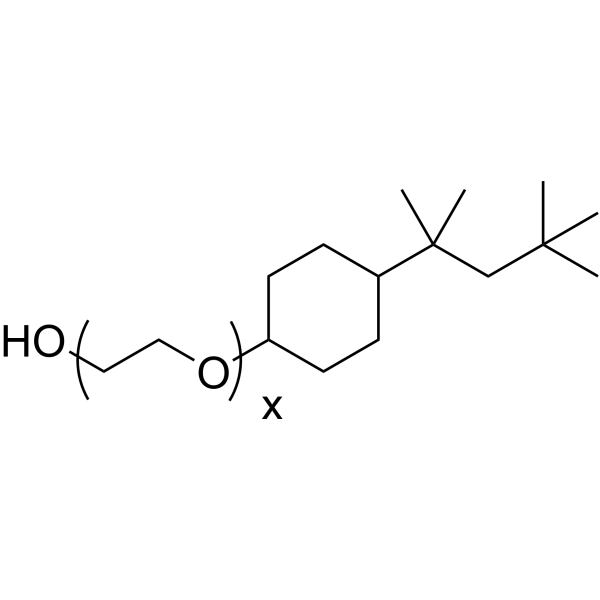
Polyethylene glycol tert-octylphenyl ether X-405 (70% in H2O) is a nonionic surfactant commonly used in a variety of industrial and research applications. Polyethylene glycol tert-octylphenyl ether X-405 (70% in H2O) belongs to the family of polyethylene glycol (PEG) ethers with a hydrophilic head and lipophilic tail and is suitable for use in emulsions, detergents and solubilizers. Polyethylene glycol tert-octylphenyl ether X-405 (70% in H2O) is particularly useful in the study of membrane proteins, where it is used to solubilize and stabilize proteins for structural analysis techniques. It is also used in a variety of other applications, including drug delivery systems, nanotechnology, and diagnostic analysis. Additionally, Polyethylene glycol tert-octylphenyl ether X-405 (70% in H2O) is used in the production of microemulsions, salves and lotions due to its emulsifying and solubilizing properties. However, it can be toxic if ingested or inhaled, so proper handling and safety precautions are required.
loading...
    loading...
Cat. No.: HY-121907
CAS No.: 56255-31-3
Target:  

Drug Intermediate

Research Areas:  

Others

N-Palmitoyl L-alanine is an organogelator. The granisetron organogel prepared based on N-Palmitoyl L-alanine has good biocompatibility and can effectively exert an antiemetic effect [1].
loading...
    loading...
Cat. No.: HY-Y1242A
CAS No.: 123-41-1
Research Areas:  

Others

Choline hydroxide (46% in water) is a Choline hydrogen oxidized derivative and a strong organic base, can be used as the standard alkaline to adjust the pH of the medium. Choline is an orally active nutrient, serves as an important component of lecithin and sphingomyelin, promotes fat metabolism [1] .
loading...
    loading...
Cat. No.: HY-141614
CAS No.: 61596-53-0
Synonyms: Phosphatidylcholine Diarachidoyl; 1,2-DAPC; L-α-Diarachidonoyl lecithin
Target:  

Liposome

Research Areas:  

Metabolic Disease

1,2-Diarachidoyl-sn-glycero-3-phosphocholine (1,2-DAPC) is a phospholipid containing the saturated long-chain (20:0) arachidic acid inserted at the sn-1 and sn-2 positions. It can be used in the generation of micelles, liposomes, and other types of artificial membranes.
loading...
    loading...
Cat. No.: HY-154644A
CAS No.: 8030-76-0
Soy lecithin-90 is a mixture containing 90% phospholipids. Soy lecithin-90 can be used as an emulsifier [1].
loading...
    loading...
Cat. No.: HY-154644B
CAS No.: 8030-76-0
Soy lecithin-80 is a mixture containing 80% phospholipids. Soy lecithin-80 can be used as an emulsifier [1].
loading...
    loading...

