Search Result
Results for "
microsomal stability
" in MedChemExpress (MCE) Product Catalog:
| Cat. No. |
Product Name |
Target |
Research Areas |
Chemical Structure |
-
- HY-150508
-
MK-0159
1 Publications Verification
|
CD38
|
Cardiovascular Disease
Metabolic Disease
Inflammation/Immunology
|
|
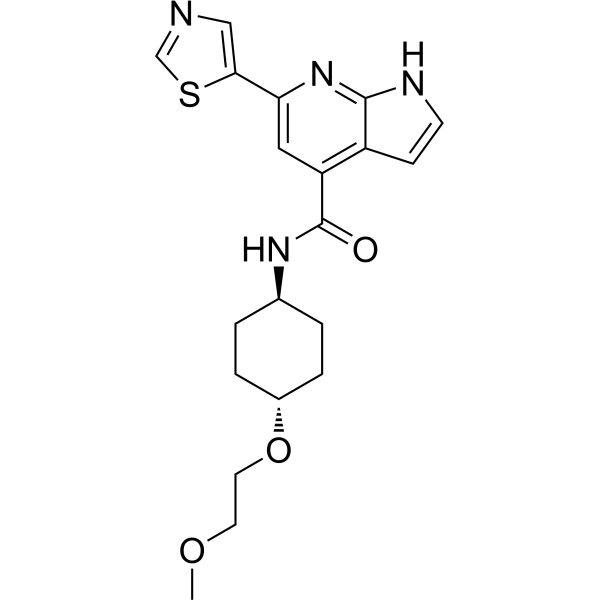
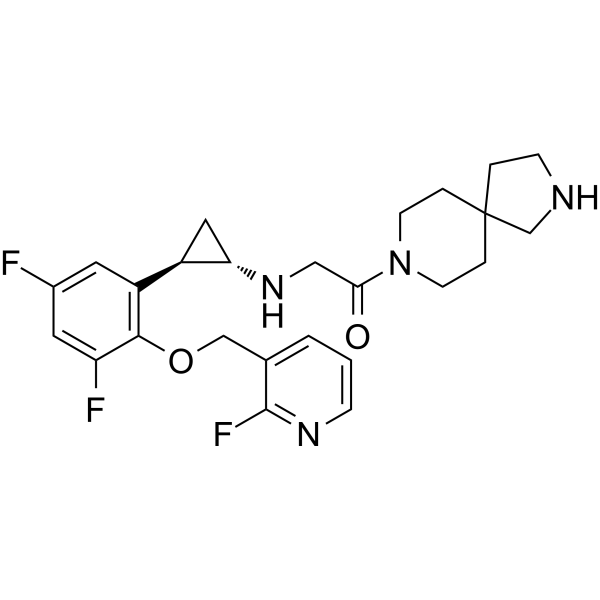
MK-0159 is an orally active, potent and selective CD38 inhibitor, with IC50 values of 22, 3, and 70 nM for human, mouse and rat CD38, respectively. MK-0159 also shows good microsomal stability for human and rodent liver microsomes. MK-0159 increases NAD + (nicotinamide adenine dinucleotide) and reduces ADPR (adenosine diphosphate ribose) in whole blood and heart .
|
-
-
- HY-136645
-
|
|
Prostaglandin Receptor
|
Cancer
|
|
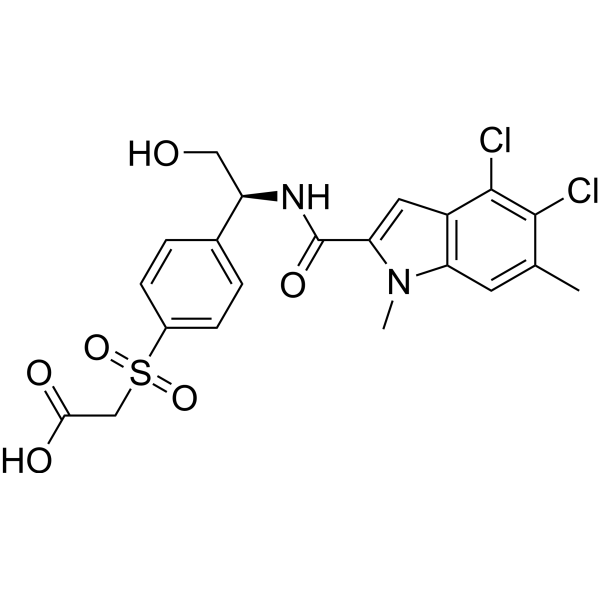
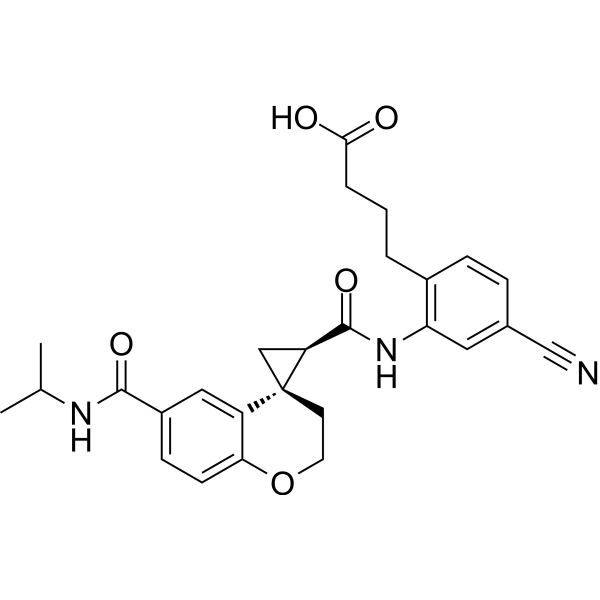
EP4 receptor antagonist 2 (Compound 8) is a tricyclic spiro-based EP4 receptor antagonist with microsomal stability .
|
-
-
- HY-126254
-
BI-4924
1 Publications Verification
|
Phosphoglycerate Dehydrogenase (PHGDH)
|
Cancer
|
|
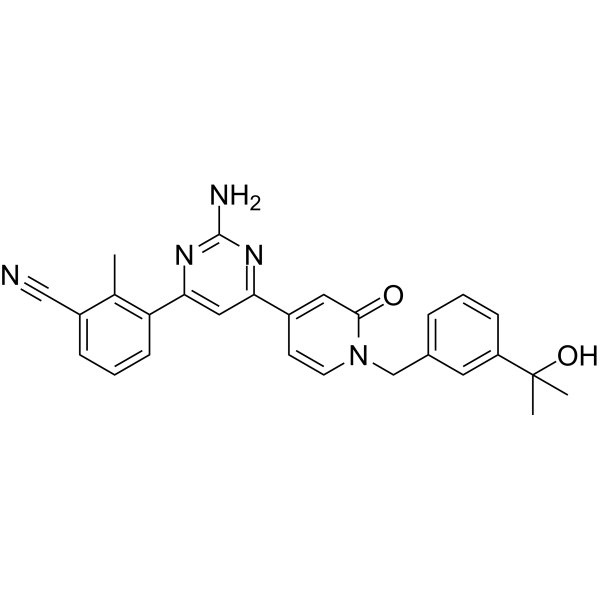
BI-4924 is a lipophilic, highly plasma protein bound selective phosphoglycerate dehydrogenase (PHGDH) inhibitor (IC50=3 nM) with excellent microsomal, as well as hepatocytic stability. Intracellular trapping of BI-4924 disrupts serine biosynthesis with an IC50 of 2200 nM at 72 h .
|
-
-
- HY-175207
-
|
|
Glycosidase
|
Cancer
|
|
CHI3L1-IN-3 is a CHI3L1 inhibitor. CHI3L1-IN-3 binds to CHI3L1 with Kds of 13.76 μM and 13.5 μM in MST and SPR assays, respectively. CHI3L1-IN-3 demonstrates extended plasma half-lives and microsomal stability, along with reduced intrinsic clearance. CHI3L1-IN-3 induces dose-dependent cytotoxicity, reduces spheroid mass and inhibits migration in a 3D multicellular glioblastoma (GBM) spheroid model. CHI3L1-IN-3 can be used for the study of GBM .
|
-
-
- HY-132174
-
|
|
Flavivirus
Dengue Virus
CHIKV
Dihydroorotate Dehydrogenase
|
Infection
|
|
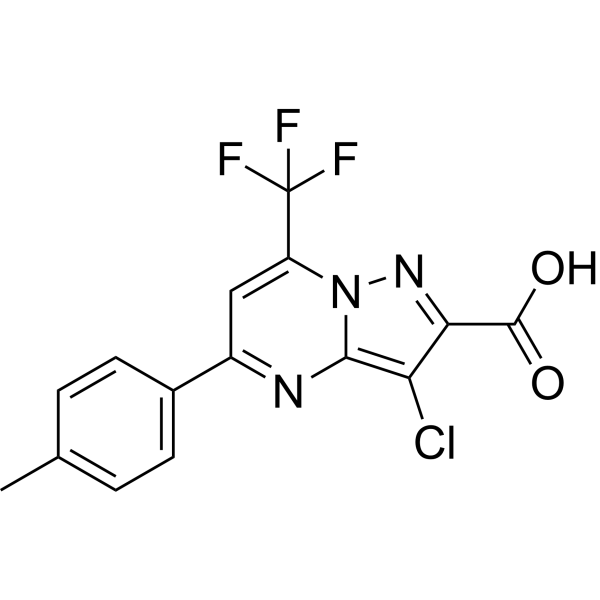
CHIKV-IN-2 is a potent inhibitor against Chikungunya virus (CHIKV), with excellent cellular antiviral activity (EC90=270 nM) and improved liver microsomal stability. CHIKV-IN-2 shows inhibitory activity against a cellular target Dihydroorotate Dehydrogenase (DHODH), which interacts with various viruses and regulate their replication via depleting intracellular pyrimidine pools .
|
-
-
- HY-121088
-
|
|
P-glycoprotein
|
Cardiovascular Disease
Others
|
|
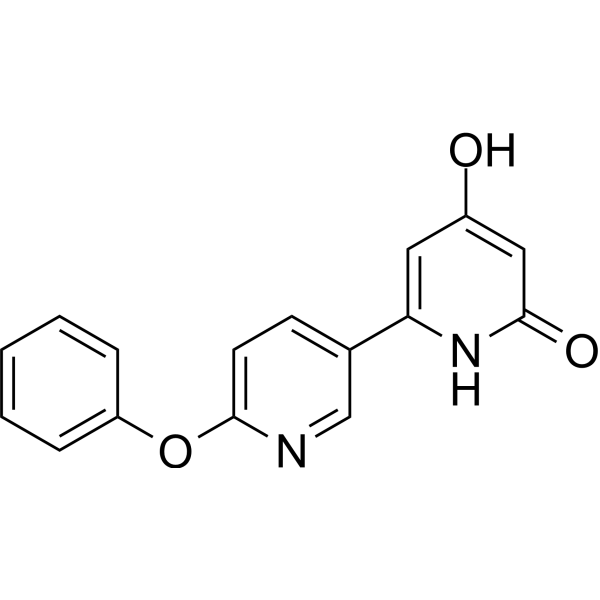
Ceefourin 2 is a potent and highly selective inhibitor of MRP4. Ceefourin 2 inhibits the transport of MRP4 substrates but is not selective for other ABC transporters. Ceefourin 2 shows lower cytotoxicity and higher microsomal and acid stability .
|
-
-
- HY-149916
-
|
|
Adenosine Receptor
|
Cancer
|
|
A2AR-antagonist-1 (compound 38) is an orally active adenosine A2A receptor (A2AR) antagonist (IC50=29 nM). A2AR-antagonist-1 exhibits anti-tumor activity and mouse liver microsomal metabolic stability (t1/2=86.1 min). A2AR-antagonist-1 is also a T cells activator, via inhibiting immunosuppressive molecules (LAG-3 and TIM-3) and enhancing effector molecules (GZMB, IFNG, and IL-2) .
|
-
-
- HY-146397
-
|
|
PROTACs
Androgen Receptor
|
Cancer
|
|
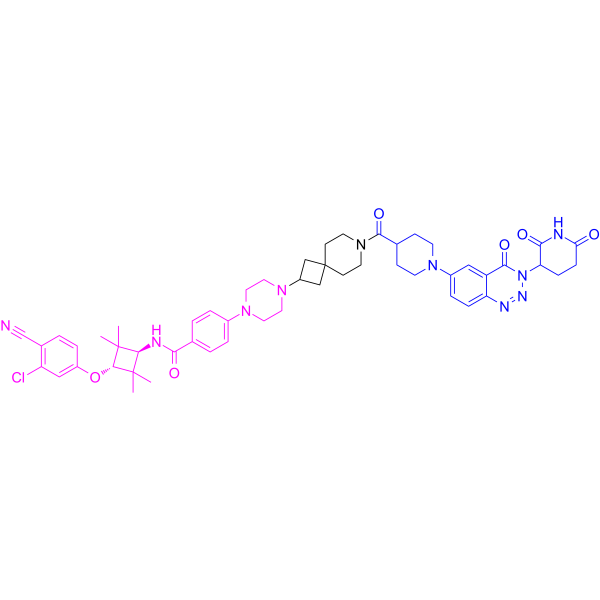
TD-802 (Compound 33c) is an androgen receptor (AR) PROTAC degrader with good microsomal stability. TD-802 has good antitumor efficacy in vivo and can be used for metastatic castration-resistant prostate cancer research .
|
-
-
- HY-163350
-
|
|
GPR84
|
Inflammation/Immunology
|
|
TUG-2208 (compound 42a) is a GPR84 agonist (pEC50=8.98) with low lipophilicity and good solubility, in vitro permeability and microsomal stability .
|
-
-
- HY-178794
-
|
|
PGE synthase
|
Inflammation/Immunology
|
|
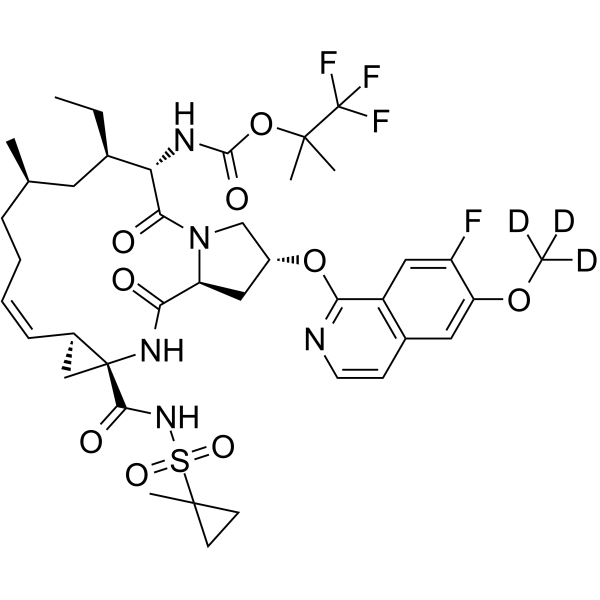
AGU661 is a Microsomal prostaglandin E2 synthase 1 (mPGES-1) inhibitor with an IC50 of 0.22 nM. AGU661 lowers PGE2 formation in human pro-inflammatory M1 macrophages and activated monocytes without affecting other lipid mediator pathways. AGU661 has unfavorable physicochemical properties with poor metabolic stability and strong plasma protein binding tendencies. AGU661 into PLGA-based NPs significantly enhances its bioactivity. AGU661 can be used for inflammatory disorders research .
|
-
-
- HY-175818
-
|
|
Apelin Receptor (APJ)
|
Cancer
|
|
APJ antagonist-1 is an apelin receptor (APJ) antagonist. APJ antagonist-1 shows strong β-arrestin inhibition with an IC50 of 3.1 μM. APJ antagonist-1 selectively inhibits APJ-overexpressing cancer cells and suppresses apelin-induced endothelial cell migration. APJ antagonist-1exhibits high metabolic stability. APJ antagonist-1 can used for the studies of ovarian cancer and tumor angiogenesis .
|
-
-
- HY-146380
-
|
|
Histone Demethylase
|
Cancer
|
|
S1427 is a tranylcypromine-derived LSD1 inhibitor with the IC50 of 390 nM and Ki of 80 nM. S1427 exhibits desirable hERG channel inhibition and microsomal stability profiles. Inhibition of LSD1 partially reduces the proliferation of cancer cells .
|
-
-
- HY-159174
-
|
|
Ephrin Receptor
Cyclin G-associated Kinase (GAK)
Dengue Virus
|
Infection
|
|
EPHA2/A4/GAK-IN-1 (compound 55) is a potent inhibitor of EPHA2/EPHA4 and GAK with KD values of 180.5 nM for EPHA2 and 19.2 nM for GAK, respectively. EPHA2/GAK-IN-1 shows an extrapolated half-life time of 4.6 h in a microsomal stability assay. EPHA2/GAK-IN-1 shows antiviral activity and prevents dengue virus infection of Huh7 liver cells .
|
-
-
- HY-160031
-
|
|
GLP Receptor
|
Cardiovascular Disease
|
|
GLP-1R agonist 19 (M3190) is a potent and selective GLP-1R agonist. GLP-1R agonist 19 has excellent plasma stability, liver microsomal stability, and low hERG toxicity .
|
-
-
- HY-177076
-
|
|
Bcl-2 Family
|
Cancer
|
|
Dalvotoclax (Example 8) is a selective inhibitor of BCL-2. Dalvotoclax has good liver microsomal stability. Dalvotoclax inhibits the activity of anti-apoptotic BCL-2 protein and anti-apoptotic BCL-XL protein. Dalvotoclax can be studied in research for B cell leukemia .
|
-
-
- HY-175817
-
|
|
Wee1
Apoptosis
|
Cancer
|
|
PKMYT1-IN-10 is a selective PKMYT1 inhibitor with an IC50 of 3 nM. PKMYT1-IN-10 inhibits colony formation, induces apoptosis, and induces S-phase cancer cell cycle arrest. PKMYT1-IN-10 exhibits liver microsomal stability, favorable plasma stability, minimal CYPs inhibition. PKMYT1-IN-10 can be used for the studies of ovarian cancer and breast cancer .
|
-
-
- HY-175984
-
|
|
LPL Receptor
|
Inflammation/Immunology
|
|
S1P1 agonist 7 is a potent, orally active, and β-arrestin-biased S1P1 agonist (EC50(G‑protein) = 12.7 nM and EC50(β‑arrestin) = 3.23 nM). S1P1 agonist 7 demonstrates potent immunomodulatory activity and a favorable safety profile. S1P1 agonist 7 exhibits excellent metabolic stability, minimal to moderate CYP inhibition, and S1P3-sparing selectivity. S1P1 agonist 7 shows pharmacokinetics, effectively reduces circulating lymphocytes, and significantly alleviates disease severity in experimental autoimmune encephalomyelitis (EAE) mouse models under both prophylactic and therapeutic regimens. S1P1 agonist 7 can be used for multiple sclerosis (MS) research .
|
-
-
- HY-168443
-
|
|
5-HT Receptor
Apoptosis
|
Cancer
|
|
HTR2A antagonist 1 (Compound 15f) is a HTR2A antagonist, with an IC50 of 42.79 nM. HTR2A antagonist 1 induces sub-G1 cell cycle arrest and apoptosis in colorectal cancer cells via the activation of p53/p21/caspase 3 signaling. HTR2A antagonist 1 has good liver microsomal stability. HTR2A antagonist 1 can be used for the research of colorectal cancer .
|
-
-
- HY-163004
-
|
|
Trk Receptor
|
Cancer
|
|
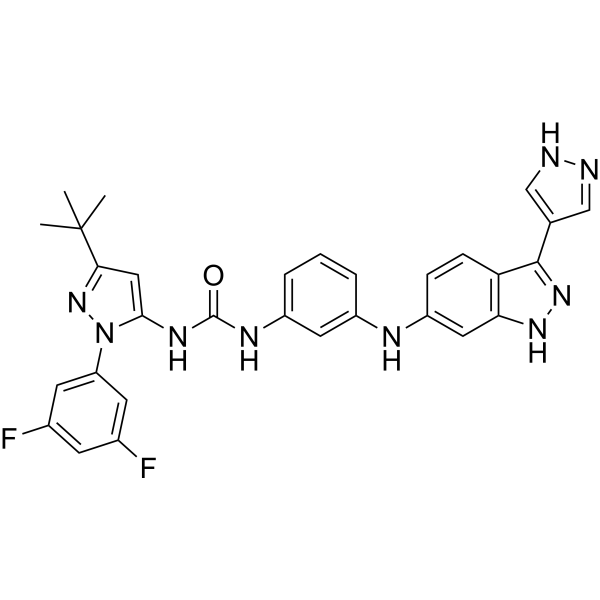
Type II TRK inhibitor 2 (compound 40l) is a selective type II TRK inhibitor with plasma stability and moderate hepatic microsomal stability. Type II TRK inhibitor 2 significantly inhibits Km-12, Ba/F3-TRKA G595R and Ba/F3-TRKA G667C cell proliferation (IC50: 4.1 nM, 41.5 nM, 1.4 nM). Type II TRK inhibitor 2 can be used to study NTRK fusion cancers .
|
-
-
- HY-155687
-
|
|
Phosphodiesterase (PDE)
|
Neurological Disease
|
|
PDE5-IN-10 (compound 4b) is a potent PDE5 inhibitor with an IC50 of 20 nM. PDE5-IN-10 improves in vitro microsomal stability (t1/2 = 44.6 min) as well as excellent efficacy in restoring long-term potentiation. PDE5-IN-10 can be used for Alzheimer’s disease (AD) research .
|
-
-
- HY-146018
-
|
|
HIV
|
Infection
|
|
HIV-1 inhibitor-23 (compound 12a) is a highly potent HIV-1 non-nucleoside reverse transcriptase inhibitor, with EC50s of 24.9 nM and 10.4 nM for HIV-1 WT and HIV-1 K103N, respectively. HIV-1 inhibitor-23 has low cytotoxicity (CC50 > 221 μM) and a favorable in vitro microsomal stability .
|
-
-
- HY-155354
-
|
|
Parasite
|
Infection
|
|
Antimalarial agent 33 (compound 5g) has antiplasmodial activity against erythrocytic and hepatic stages of Plasmodium with an EC50 of 1.1 μM for K1 P. falciparum strain. Antimalarial agent 33 demonstrats enhanced microsomal stability (T1/2=29 min). Antimalarial agent 33 has no significant cytotoxicity against primary hepatocytes .
|
-
-
- HY-143757
-
|
|
Influenza Virus
|
Infection
|
|
Cap-dependent endonuclease-IN-10 is a potent inhibitor of cap-dependent endonuclease (CEN). Not only can Cap-dependent endonuclease-IN-10 inhibit influenza virus well, but also has lower cytotoxicity, better in vivo pharmacokinetic and in vivo pharmacodynamic properties, and better hepatic microsomal stability. Cap-dependent endonuclease-IN-10 has the potential for the research of viral infections (including influenza A, influenza B and influenza C) (extracted from patent WO2021129799A1, compound 1-1) .
|
-
-
- HY-160647
-
|
|
CCR
|
Inflammation/Immunology
|
|
CCR8 antagonist 3 (compound 2) is a CCR8 antagonist with an IC50 value of 0.062 µM. CCR8 antagonist 3 shows human microsomal stability .
|
-
-
- HY-168118
-
|
|
Ferroptosis
|
Cancer
|
|
Ferroptosis-IN-14 (compund 36) exhibits the potent anti-ferroptosis activity with an EC50 value of 0.58 ± 0.02 μM and possessed excellent anti-ferroptosis activity, microsomal and plasma stability .
|
-
-
- HY-156188
-
|
|
Cholinesterase (ChE)
|
Others
|
|
AChE-IN-41 (Compound 2) is a compound of the Galantamine Memantine hybrid. AChE-IN-41 has the inhibition ability of cholinesterase. AChE-IN-41 shows higher plasma stability and comparable microsomal stability in vitro, while showing lower half-life and faster clearance in vivo .
|
-
-
- HY-D2095
-
|
|
Fluorescent Dye
|
Cancer
|
|
Medical fluorophore 33 is a novel quinoline-isoquinoline salt. Medical fluorophore 33 exhibits a strong fluorescent signal, good microsomal stability and high biocompatibility in vivo. Medical fluorophore 33 has antitumor activity in colorectal cancer mice .
|
-
-
- HY-155047
-
|
|
Bacterial
|
Infection
|
|
BDM91514 improves antibiotic potency through AcrB inhibition. BDM91514 prevents the growth of E. coliBW25113 (EC90: 8 μM) in the presence of 8 μg/mL Pyridomycin. BDM91514 has suitable plasma and microsomal stability .
|
-
-
- HY-162118
-
|
|
Vasopressin Receptor
|
Neurological Disease
|
|
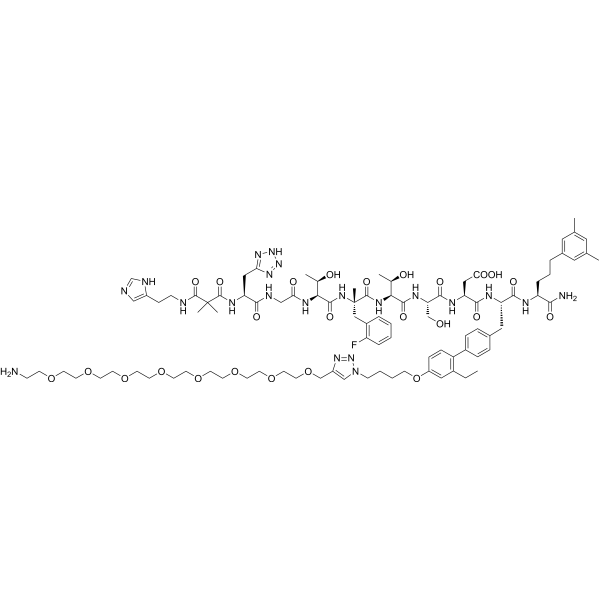
RGH-122 (compound 43) is an orally active, potent, selective, and hV1a receptor antagonist with Ki value of 0.3 nM and IC50 of 0.9 nM. RGH-122 showes microsomal stability with CLint value of 13/28/25 μL/min/mg .
|
-
-
- HY-147950
-
-
-
- HY-174334
-
|
|
RXFP Receptor
|
Cardiovascular Disease
|
|
RXFP1 receptor agonist-9 is a potent RXFP1 agonist with an EC50 of 2.5 μM and Ymax of 65%. RXFP1 receptor agonist-9 exhibits good microsomal stability, reasonable PK and pharmacological activity. RXFP1 receptor agonist-9 can be used to the study of heart failure .
|
-
-
- HY-147397
-
|
|
Pyruvate Kinase
|
Cancer
|
PKM2 activator 3 is a potent PKM2 activator with an AC50 value of 90 nM. PKM2 activator 3 has good Caco-2 permeability, a low efflux ratio and high microsomal stability. PKM2 activator 3 can be used for researching anticancer .
(AC50: the concentration which gives 50% activation of enzyme.)
|
-
-
- HY-152614
-
|
|
Parasite
|
Infection
|
|
Antimalarial agent 19 (compound 6e) is an antimalarial active agent. Antimalarial agent 19 has antimalarial activity for the blood stage of P. falciparum K1 and P. berghei with EC50 values of 0.3 µM, 15.3 µM, respectively. Antimalarial agent 19 has good aqueous solubility, intestinal permeability and microsomal stability compared to gamhepathiopine .
|
-
-
- HY-153970
-
|
|
URAT1
|
Inflammation/Immunology
|
|
URAT1 inhibitor 7 (compound 10f) is a potent URAT1 inhibitor, with an IC50 of 12 nM. URAT1 inhibitor 7 exhibits microsomal stability (HLM <13 µL/min/mg). URAT1 inhibitor 7 also inhibits CYP2C9, with an IC50 of 4.2 μM. URAT1 inhibitor 7 can be used for gout research .
|
-
-
- HY-163797
-
|
|
DNA/RNA Synthesis
|
Cancer
|
|
WRN inhibitor 10 (Compound P24) is an inhibitor for the Werner helicase WRN with an IC50 of 1.1 nM. WRN inhibitor 10 inhibits the proliferation of cancer cell SW48 with IC50 of 39 nM. WRN inhibitor 10 exhibits good liver microsomal stability and film permeability. WRN inhibitor 10 exhibits good pharmacokinetic characteristics in CD-1 mice .
|
-
-
- HY-172155
-
|
|
MEK
|
Cancer
|
|
MEK1-IN-1 (Compound M15) is a MEK1 inhibitor with an IC50 of 10.29 nM. MEK1-IN-1 can inhibit the proliferation and migration, induce apoptosis of tumor cells. MEK1-IN-1 has good liver microsomal stability. MEK1-IN-1 can be used for the research of solid tumors .
|
-
-
- HY-147758
-
|
|
Beta-secretase
Amyloid-β
|
Neurological Disease
|
|
BACE1/2-IN-1 (compound 34) is a potent BACE1 and BACE2 inhibitor, with an IC50 of 0.01 and 0.0053 μM, respectively. BACE1/2-IN-1 shows a combination of lower Pgp efflux ratio and improved passive permeability. BACE1/2-IN-1 displays reduced liver microsomal metabolic stability .
|
-
-
- HY-169429
-
|
|
Flavivirus
|
Infection
|
|
CHIKV-IN-5 (Compound 26) is a CHIKV inhibitor (EC90 = 0.45 μM). CHIKV-IN-5 inhibits CHIKV replication at a late stage in the virus life cycle by blocking structural protein translation. CHIKV-IN-5 has great in vitro mouse microsomal stability. CHIKV-IN-5 reduces footpad swelling and decreases virus dissemination to other tissues in mice infected with CHIKV .
|
-
-
- HY-155510
-
|
|
Bacterial
|
Infection
|
|
DprE1-IN-5 (Compound 10) is a DprE1 inhibitor. DprE1-IN-5 has anti-TB activity against Mtb H37Rv strain (MIC: 4 μM). DprE1-IN-5 also has antimycobacterial activity against drug-resistant strains. DprE1-IN-5 has high microsomal stability .
|
-
-
- HY-155511
-
|
|
Bacterial
|
Infection
|
|
DprE1-IN-6 (Compound 56) is a DprE1 inhibitor. DprE1-IN-6 has anti-TB activity against Mtb H37Rv strain (MIC: 1 μM). DprE1-IN-6 also has antimycobacterial activity against drug-resistant strains. DprE1-IN-6 has high microsomal stability and medium clearance .
|
-
-
- HY-155512
-
|
|
Bacterial
|
Infection
|
|
DprE1-IN-7 (Compound 64) is a DprE1 inhibitor. DprE1-IN-7 has anti-TB activity against Mtb H37Rv strain (MIC: 1 μM). DprE1-IN-7 also has antimycobacterial activity against drug-resistant strains. DprE1-IN-7 has high microsomal stability and medium clearance .
|
-
-
- HY-146057
-
|
|
Bacterial
|
Infection
|
|
Antituberculosis agent-2 (Compound 8d) is an antituberculosis agent against agent-sensitive and multidrug-resistant tuberculosis. Antituberculosis agent-2 shows anti-tuberculosis activity with MIC values of 0.454, 1.757 and 1.644 μg/mL against M. tuberculosis H37Rv, 13946 and 14862, respectively. Antituberculosis agent-2 displays favorable mouse and human microsomal stability, low cytotoxicity, and acceptable oral bioavailability .
|
-
-
- HY-159588
-
|
|
Bcl-2 Family
|
Cancer
|
|
Mcl-1 inhibitor 20 (compound 47) is a Mcl-1 inhibitor with anti-leukemic effects. Mcl-1 inhibitor 20 can bind to the BH3 binding groove of Mcl-1 (Ki=24 nM), occupy the P1 pocket in Mcl-1, and form interactions with Lys234 and Val249. Mcl-1 inhibitor 20 has good microsomal stability, pharmacokinetic characteristics and low cardiotoxicity .
|
-
-
- HY-163403
-
|
|
VEGFR
|
Cardiovascular Disease
Cancer
|
|
VEGFR-2-IN-43 (compound 16) is an orally active inhibitor of VEGFR2, with an IC50 of 39.91 μM. VEGFR-2-IN-43 can be used for wet age-related macular degeneration (w-AMD) disease research .
|
-
-
- HY-178959
-
|
|
FXR
|
Metabolic Disease
Inflammation/Immunology
|
|
FXR agonist 13 is a selective, orally active, potent FXR agonist (EC50 = 0.097 μM) and has favorable hepatic microsomal metabolic stability. FXR agonist 13 exhibits moderate affinity for FXR-LBD upon direct binding (KD = 14.74 μM). FXR agonist 13 displays good selectivity against related nuclear receptors, including LXRα/β, PPARα/γ/δ, PXR, and TGR5. FXR agonist 13 can be used for the study of metabolic-associated steatohepatitis (MASH) .
|
-
-
- HY-170887
-
|
|
Keap1-Nrf2
Monoamine Oxidase
|
Inflammation/Immunology
|
|
MAO-B-IN-39 (compound11) is a selective monoamine oxidase B (MAO-B) inhibitor. MAO-B-IN-39 inhibits MAO-Bwith an IC50 of 3.61 μM. MAO-B-IN-39 demonstrates a potent NRF2 induction capacity. MAO-B-IN-39 exhibits potent anti-inflammatory and neuroprotective activity in OS (oxidative stress)-related in vitro models. MAO-B-IN-39 demonstrates high liver microsomal stability and favorable pharmacokinetics in mice. MAO-B-IN-39 is potential for Parkinson’s disease (PD) research .
|
-
-
- HY-163799
-
|
|
Histone Methyltransferase
|
Cancer
|
|
PRMT5-MTA-IN-1 (Compound A9a) is an inhibitor for protein arginine methyltransferase PRMT5-MTA. PRMT5-MTA-IN-1 inhibits the proliferation of colorectal cancer cell HCT116 wildtype and MTAP del mutant, with an IC50 of 16 nM and 2.47 μM. PRMT5-MTA-IN-1 exhibits good liver microsomal stability and film permeability. PRMT5-MTA-IN-1 exhibits good pharmacokinetic characteristics in CD-1 mice .
|
-
-
- HY-163982
-
|
|
NF-κB
FOXO
|
Inflammation/Immunology
|
|
FOXJ1 agonist 1 (compound 16c) is an orally effective small molecule that can effectively enhance the expression of FOXJ1. Foxj1-IN-1 acts on the mammalian airway system composed of multiciliated cells (MCC) to prevent the development and onset of chronic obstructive pulmonary disease (COPD). Foxj1-IN-1 can induce the production of motile cilia in the respiratory system of zebrafish and mammals, and inhibit elastase-induced COPD mouse models. Foxj1-IN-1 has good liver microsomal stability, in vivo PK curve and AUC; it has no significant inhibition of CYP and hERG, and does not have significant cytotoxicity .
|
-
-
- HY-178025
-
|
|
SARS-CoV
|
Infection
|
|
TDI-014925 (Compound 58) is a SARS-CoV-2 methyltransferase nonstructural protein 14 (NSP14) inhibitor with an IC50 of 0.2 nM. TDI-014925 has an antiviral activity with significant microsomal stability and no CYP inhibitory activity. TDI-014925 can be used for COVID-19 research .
|
-
-
- HY-182042
-
|
|
Dengue Virus
|
Infection
|
|
DENV-IN-15 is a sulfonyl anthranilic acid derivative and a pan-serotype anti-dengue virus (DENV) inhibitor with broad-spectrum anti-RNA virus activity. The EC50 value of DENV-IN-15 against DENV-2 in Huh-7 cells is 0.7 μM. DENV-IN-15 selectively regulates the translation of mRNAs encoding translation-related proteins and containing a 5'-oligopyrimidine tract. DENV-IN-15 reduces the expression of specific ribosomal proteins, thereby inhibiting viral replication. DENV-IN-15 exhibits enhanced membrane permeability, human plasma stability and human liver microsomal metabolic stability. DENV-IN-15 is applicable to research related to dengue virus infection .
|
-
- HY-179639
-
|
|
Phosphodiesterase (PDE)
|
Inflammation/Immunology
|
|
PDE4-IN-30 is a selective PDE4 inhibitor with an IC50 of 2.7 nM for PED4D2, targeting PDE4 through halogen bonding and metal coordination. PDE4-IN-30 exhibits at least 67-fold selectivity for other PDE subfamilies. PDE4-IN-30 can be used for the research of idiopathic pulmonary fibrosis .
|
-
- HY-180403
-
|
|
Orphan Nuclear Receptor
|
Neurological Disease
|
|
TLX agonist 3 is a potent and selective tailless homolog (TLX, NR2E1) agonist with an EC50 of 0.25 μM and a Kd of 1.6 μM). TLX agonist 3 shows high selectivity over related nuclear receptors, and promotes TLX oligomerization with an EC50 of 5.0 μM. TLX agonist 3 can be used for the research of neurodegenerative diseases .
|
-
- HY-123882
-
|
|
Endogenous Metabolite
|
Others
|
|
IRAK4-IN-29 is an IRAK4 inhibitor with good selectivity and low nanomolar activity. IRAK4-IN-29 can effectively block the TLR-mediated signal transduction pathway. IRAK4-IN-29 showed significant inhibitory effects in LPS- and R848-induced cytokine experiments. IRAK4-IN-29 can inhibit LPS-induced TNFα in an in vivo model, showing a similar phenotype to IRAK4 gene-deficient mice. IRAK4-IN-29 has good medicinal chemical properties, such as microsomal stability and solubility, showing potential clinical application value .
|
-
- HY-182244
-
|
|
Serotonin Transporter
5-HT Receptor
|
Endocrinology
|
|
SERT/NET-IN-1 is a blood-brain barrier-permeable SERT and NET inhibitor, with an IC50 of 11.2 nM against human SERT and an IC50 of 32.0 nM against human NET. SERT/NET-IN-1 blocks 5-HT reuptake to enhance serotonergic signaling. SERT/NET-IN-1 also blocks norepinephrine reuptake to enhance central noradrenergic transmission and inhibits the ejaculatory reflex. SERT/NET-IN-1 prolongs ejaculatory latency, reduces ejaculation frequency and preserves sexual function. SERT/NET-IN-1 exhibits cross-species microsomal metabolic stability, shows acceptable oral brain exposure in rats, and has favorable safety profiles. SERT/NET-IN-1 can be used in studies related to premature ejaculation .
|
-
- HY-182355
-
|
|
Methylenetetrahydrofolate Dehydrogenase (MTHFD)
|
Cancer
|
|
MTHFD2-IN-7 is an orally active, selective MTHFD2 inhibitor with IC50 values of 0.038 μM and 7.44 μM against human hMTHFD1 and hMTHFD2, respectively. MTHFD2-IN-7 exerts its function by binding to the substrate-binding site of MTHFD2 and maintaining interactions with NAD+. Verified by TSA and DARTS assays, MTHFD2-IN-7 not only binds effectively to the target protein, but also possesses Caco-2 permeability and liver microsomal metabolic stability. MTHFD2-IN-7 exhibits favorable pharmacokinetic properties in mice. MTHFD2-IN-7 also significantly inhibits cancer cell proliferation and reduces tumor volume, and serves as a promising small-molecule tool for acute myeloid leukemia research .
|
-
- HY-182356
-
|
|
Methylenetetrahydrofolate Dehydrogenase (MTHFD)
|
Cancer
|
|
MTHFD1/2-IN-1 is an orally active dual MTHFD1/MTHFD2 inhibitor, with IC50 values of 0.26 μM and 0.031 μM against human MTHFD1 and MTHFD2, respectively. MTHFD1/2-IN-1 blocks one-carbon metabolism by inhibiting the dehydrogenase activity of MTHFD1 as well as the dehydrogenase and cyclohydrolase activities of MTHFD2, thereby disrupting nucleotide biosynthesis and redox homeostasis in cancer cells. MTHFD1/2-IN-1 exhibits favorable Caco-2 permeability and hepatic microsomal metabolic stability. MTHFD1/2-IN-1 shows significant anti-leukemic activity, which not only reduces the viability of various leukemia cells but also inhibits tumor growth of acute myeloid leukemia (AML) in mouse models .
|
-
- HY-123599
-
|
|
DNA/RNA Synthesis
|
Cancer
|
|
IACS-4619 (compound 4) is a highly selective 2-aminopyrimidine-based MTH1 (MutT homolog 1) inhibitor (IC50=0.2 nM). IACS-4619 inhibits MTH1 by blocking its hydrolysis of oxidized purine nucleotides such as 8-oxo-dGTP, thereby preventing MTH1 from inhibiting the incorporation of oxidized nucleotides into DNA. IACS-4619 significantly inhibits endogenous MTH1 activity in MTH1-overexpressing U2OS cells, but without antiproliferative or cytotoxic effects on various human cancer and normal cell lines. IACS-4619 can be used in oncology research related to the MTH1 target .
|
-
| Cat. No. |
Product Name |
Type |
-
- HY-D2095
-
|
|
Fluorescent Dye
|
|
Medical fluorophore 33 is a novel quinoline-isoquinoline salt. Medical fluorophore 33 exhibits a strong fluorescent signal, good microsomal stability and high biocompatibility in vivo. Medical fluorophore 33 has antitumor activity in colorectal cancer mice .
|
| Cat. No. |
Product Name |
|
Classification |
-
- HY-159174
-
|
|
|
Azide
|
|
EPHA2/A4/GAK-IN-1 (compound 55) is a potent inhibitor of EPHA2/EPHA4 and GAK with KD values of 180.5 nM for EPHA2 and 19.2 nM for GAK, respectively. EPHA2/GAK-IN-1 shows an extrapolated half-life time of 4.6 h in a microsomal stability assay. EPHA2/GAK-IN-1 shows antiviral activity and prevents dengue virus infection of Huh7 liver cells .
|
Your information is safe with us. * Required Fields.
Inquiry Information
- Product Name:
- Cat. No.:
- Quantity:
- MCE Japan Authorized Agent:

