1. Search Result
Search Result
Pathways Recommended: Neuronal Signaling
Results for "

neuronal nicotinic receptor

" in MedChemExpress (MCE) Product Catalog:

44

Inhibitors & Agonists

5

Peptides

5

Natural
Products

1

Recombinant Proteins

3

Isotope-Labeled Compounds

4

Antibodies

Targets Recommended:
Cat. No. Product Name Target Research Areas Chemical Structure
  • HY-15310
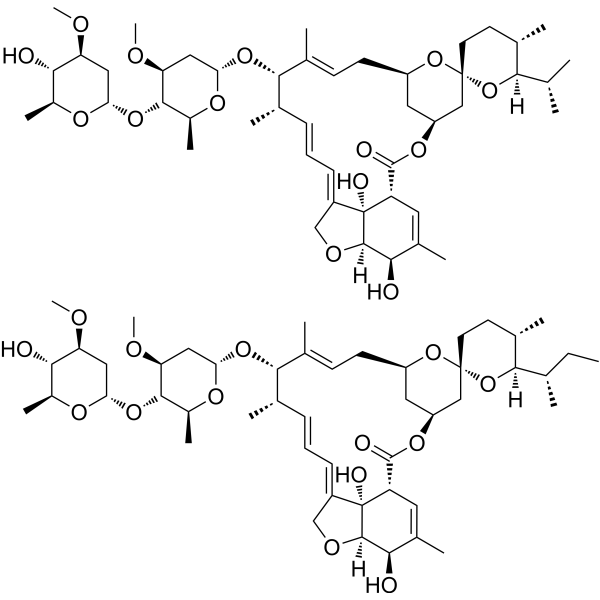
    Ivermectin
    45+ Cited Publications

    MK-933; CD-5024; K-237

    Environmental Pollutants Antibiotic Mitophagy Bacterial Parasite Autophagy Flavivirus HSV HIV SARS-CoV Dengue Virus Infection Cancer
    Ivermectin (MK-933) is a broad-spectrum anti-parasite agent. Ivermectin (MK-933) is a specific inhibitor of Impα/β1-mediated nuclear import and has potent antiviral activity towards both HIV-1 and dengue virus. It is a positive allosteric effector of P2X4 and the α7 neuronal nicotinic acetylcholine receptor (nAChRs). Ivermectin also inhibits bovine herpesvirus1 (BoHV-1) replication and inhibits BoHV-1 DNA polymerase nuclear import . Ivermectin is a candidate therapeutic against SARS-CoV-2/COVID-19 .
    Ivermectin
  • HY-B1240
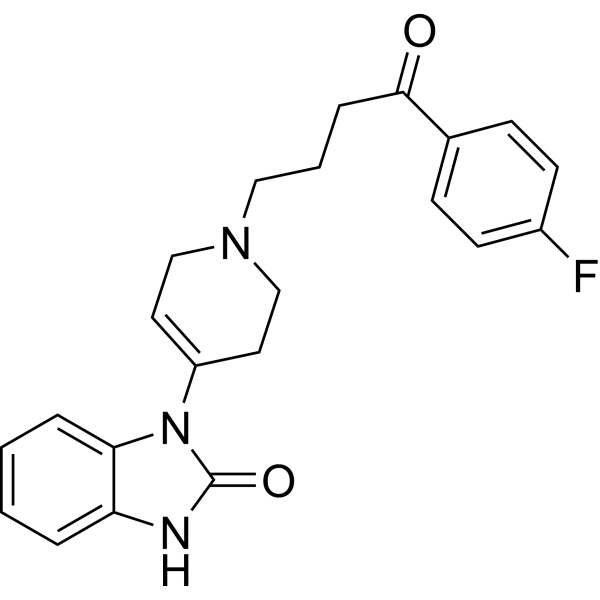
    Droperidol
    5 Publications Verification

    Dehydrobenzperidol

    Dopamine Receptor GABA Receptor nAChR Neurological Disease
    Droperidol (Dehydrobenzperidol) is a butyrophenone pamine-2 receptor antagonist that inhibits the activation of GABA(A) and neuronal nicotinic receptors (nAChR), with IC50 values of 12.6 nM and 5.8 μM. Droperidol has anesthetic and sedative properties .
    Droperidol
  • HY-P0102

    nAChR Neurological Disease Metabolic Disease
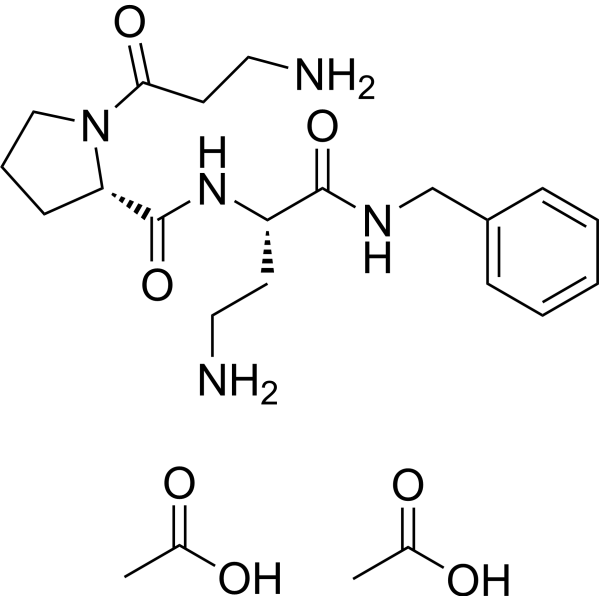
    Dipeptide diaminobutyroyl benzylamide diacetate, a Wagerlin-1-mimicking peptide, is a nAChR antagonist. Dipeptide diaminobutyroyl benzylamide diacetate mimics Waglerin-1 to block neuromuscular junction nicotinic acetylcholine receptors, partially inhibits neuronal signal transduction, and relaxes muscles. Dipeptide diaminobutyroyl benzylamide diacetate reduces appearance of facial wrinkles linked to repeated muscle movement.Dipeptide diaminobutyroyl benzylamide diacetate can be used for the research of mild-to-moderate fine and coarse periocular and perioral wrinkles and periorbital ageing .
    Dipeptide diaminobutyroyl benzylamide diacetate
  • HY-15430A
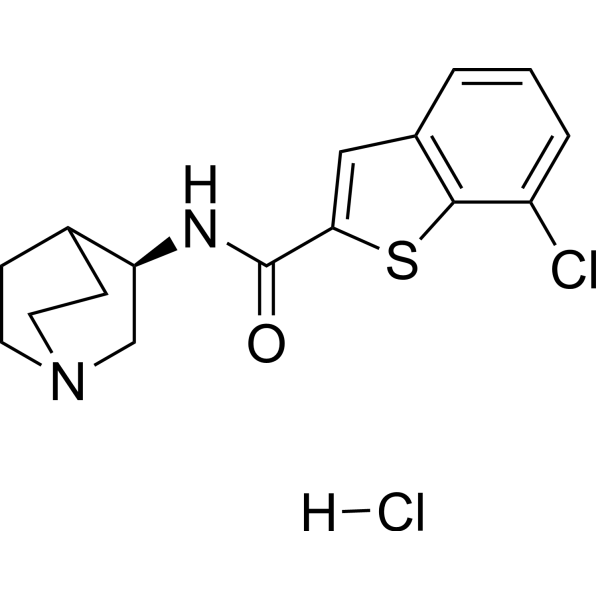
    Encenicline hydrochloride
    5 Publications Verification

    EVP-6124 hydrochloride

    nAChR Neurological Disease
    Encenicline hydrochloride (EVP-6124 hydrochloride) is a novel partial agonist of α7 neuronal nicotinic acetylcholine receptors (nAChRs).
    Encenicline hydrochloride
  • HY-P5623
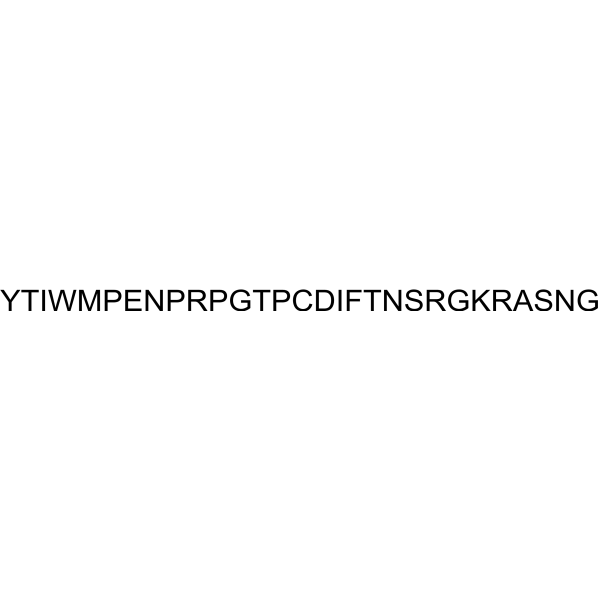
    RVG
    1 Publications Verification

    RVG29; RDP; Rabies Virus Glycoprotein-29

    nAChR Interleukin Related Neurological Disease Inflammation/Immunology
    RVG (RVG29) is a blood-brain barrier-permeable peptide derived from rabies virus glycoprotein, which binds to the α-7 subunit of neuronal nicotinic acetylcholine receptor (AchR). RVG efficiently delivers drugs to nerve cells and antigen-presenting cells in a targeted manner, and enhances the efficiency of antigen presentation and drug delivery .
    RVG
  • HY-107111

    mAChR Neurological Disease
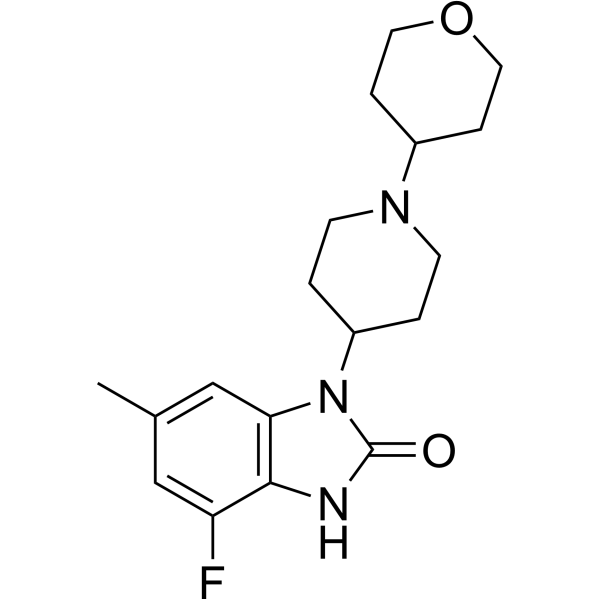
    GSK1034702 is an orally active and allosteric agonist of M1 mAChR (pEC50=8.1) that can cross the blood-brain barrier. GSK1034702 activates the Gq/11 protein-mediated signaling pathway, enhancing neuronal firing and long-term potentiation (LTP) in the CA1 region of the hippocampus. GSK1034702 can modulate hippocampal function, improve memory encoding in the nicotine withdrawal cognitive dysfunction model, and show pro-cognitive effects in rodents. GSK1034702 can be used for the study of the mechanisms of cognitive impairment diseases such as Alzheimer's disease, and has certain peripheral M receptor activation-related side effects (such as gastrointestinal reactions) .
    GSK1034702
  • HY-P4086

    RABV nAChR Neurological Disease Cancer
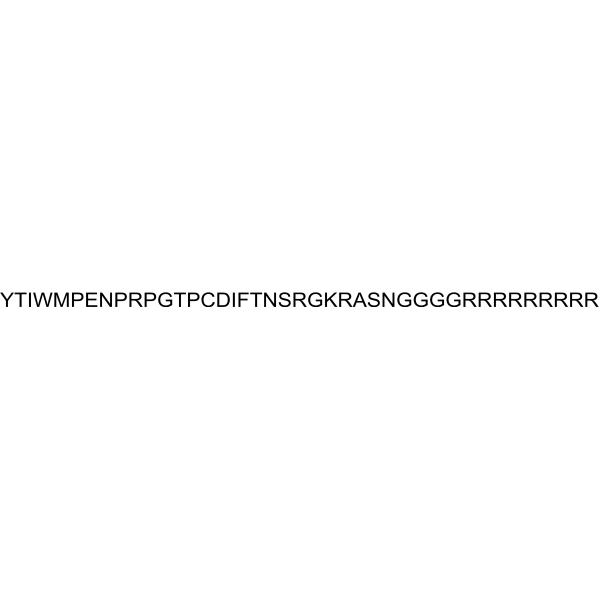
    Chimeric Rabies Virus Glycoprotein Fragment (RVG-9R) is a cell-penetrating peptide that is synthesized by adding nona-arginine motif to the carboxy terminus of RVG (rabies virus glycoprotein). Chimeric Rabies Virus Glycoprotein Fragment (RVG-9R) binds to
    nAChR
    on neuronal cells to mediate receptor-mediated endocytosis and targeted siRNA delivery. Chimeric Rabies Virus Glycoprotein Fragment (RVG-9R) protects complexed siRNA from degradation, enhances transcellular siRNA delivery in neuronal cells, and promotes efficient, pecific gene silencing. Chimeric Rabies Virus Glycoprotein Fragment (RVG-9R) can be used for the researches of neurological disease and cancer .
    Chimeric Rabies Virus Glycoprotein Fragment (RVG-9R)
  • HY-107675

    Deformylflustrabromine hydrochloride; dFBr hydrochloride

    nAChR Neurological Disease
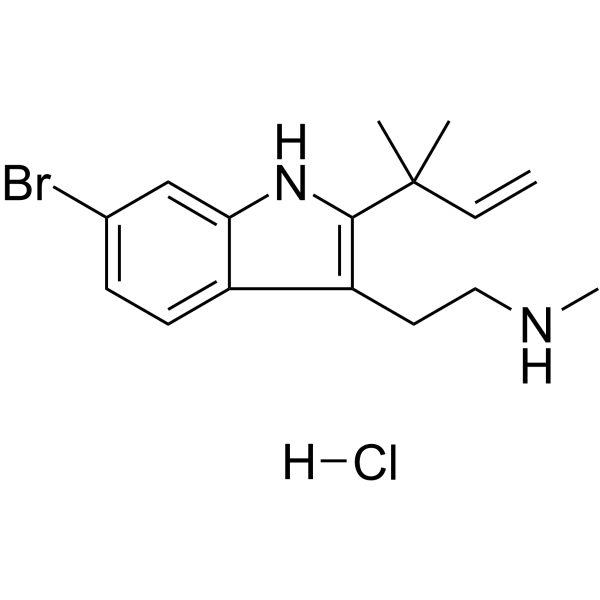
    Desformylflustrabromine hydrochloride is a selective agonist of α4β2 neuronal nicotinic acetylcholine receptor (nAChR) with a pEC50 of 6.48.
    Desformylflustrabromine hydrochloride
  • HY-136146

    nAChR Neurological Disease
    SUVN-911 is a potent, selective, brain penetrated and orally bioavailable neuronal nicotinic acetylcholine α4β2 receptor antagonist, with a Ki of 1.5 nM. SUVN-911 has antidepressant activity .
    SUVN-911
  • HY-13225B
    Rivanicline hemioxalate
    1 Publications Verification

    RJR-2403 hemioxalate; (E)-Metanicotine hemioxalate

    nAChR Neurological Disease
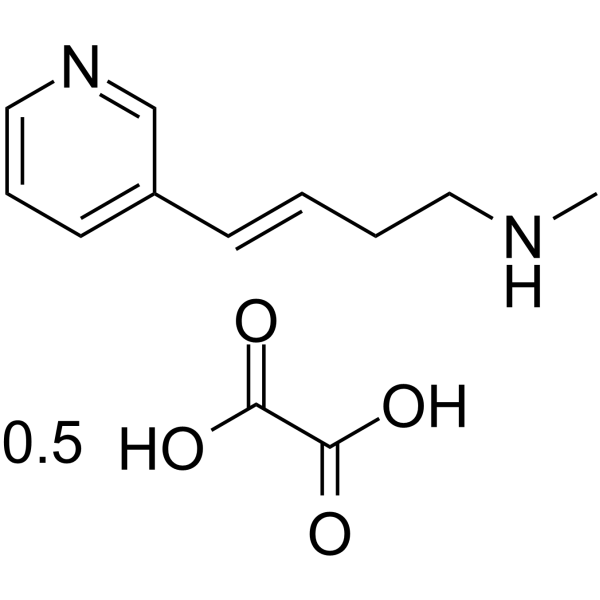
    Rivanicline (RJR-2403) hemioxalate is a neuronal nicotinic receptor agonist. Rivanicline hemioxalate is highly selective for the rat brain cortex nAChRs (Ki = 26 nM, EC50 of 732 nM) and α4β2 subtype (Ki = 26 nM, EC50 = 16 μM). Rivanicline hemioxalate can significantly restore the learning impairment and cognitive dysfunction. Rivanicline hemioxalate can be used for the study of neurodegenerative diseases (such as schizophrenia or Alzheimer's disease) .
    Rivanicline hemioxalate
  • HY-160959

    nAChR Neurological Disease
    AN317 is a selective agonist for α6β2-containing nicotinic acetylcholine receptor (nAChR) with Ki of 6.2 nM and 4.1 nM, for α6/α3β2β3 receptor and α4β2 receptor, respectively. AN317 induces dopamine release in the synaptosomes of the rat striatum, enhances dopaminergic neuronal activity in substantia nigra, and exhibits protective efficacy to rat neurons against dopamine neurotoxin MPP +. AN317 exhibits good pharmacokinetic characteristics in rats. AN317 penetrates the blood-brain barrier (BB) .
    AN317
  • HY-108038

    nAChR Neurological Disease
    ABT-107 is a selective α7 neuronal nicotinic receptor agonist. ABT-107 protects against nigrostriatal damage in rats with unilateral 6-hydroxydopamine lesions .
    ABT-107
  • HY-110131

    nAChR Neurological Disease
    A 85380 hydrochloride is a novel, high affinity neuronal nicotinic acetylcholine receptor (nAChR) agonist. A 85380 hydrochloride exhibits selectivity for the α4β2 nAChR subtypes. A 85380 hydrochloride has a broad-spectrum analgesic profile .
    A 85380 hydrochloride
  • HY-15430

    EVP-6124

    nAChR Neurological Disease
    Encenicline (EVP-6124) is a novel partial agonist of α7 neuronal nicotinic acetylcholine receptors (nAChRs).
    Encenicline
  • HY-P5623B
    RVG TFA
    1 Publications Verification

    RVG29 TFA; RDP TFA; Rabies Virus Glycoprotein-29 TFA

    Bacterial Infection
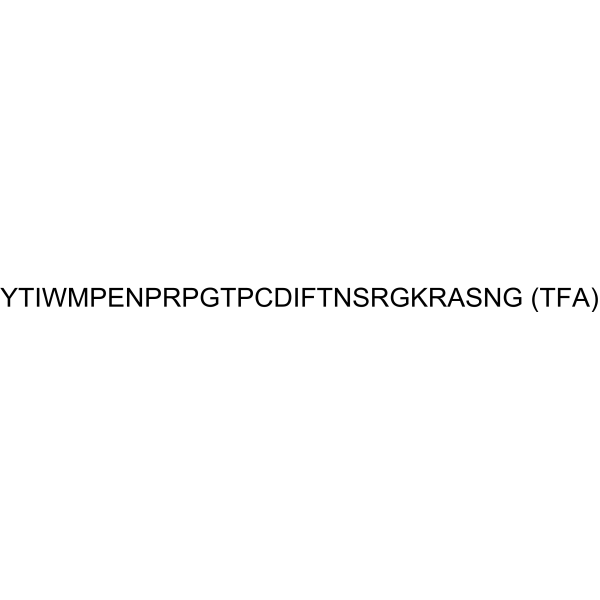
    RVG TFA is a peptide derived from Rabies Virus Glycoprotein that binds to the α-7 subunit of nicotinic acetylcholine receptors (AchR) of neuronal cells. RVG enhances delivery of Mycobacterium tuberculosis antigens to antigen-presenting cells .
    RVG TFA
  • HY-13047

    Dexmecamylamine hydrochloride; TC-5214 hydrochloride

    nAChR Neurological Disease
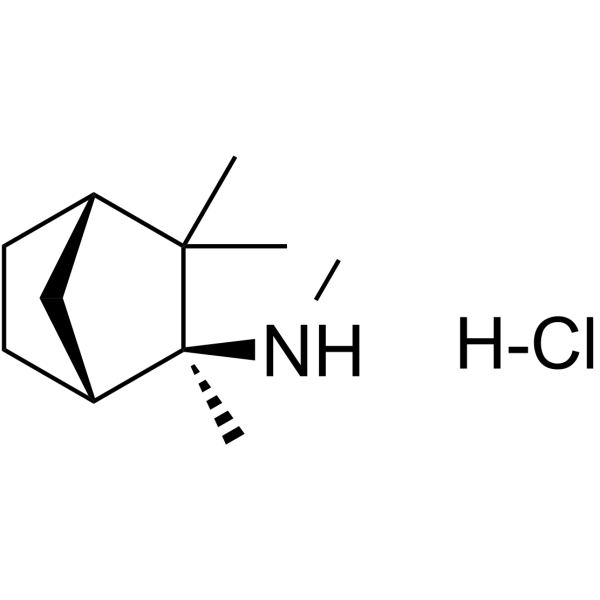
    S-(+)-Mecamylamine (hydrochloride) is a neuronal nicotinic receptor modulator with antidepressant activity.
    S-(+)-Mecamylamine hydrochloride
  • HY-139581

    SUVN-911 free base

    nAChR Neurological Disease
    Ropanicant (SUVN-911 free base) is a novel, potent, selective, and orally active neuronal nicotinic acetylcholine α4β2 receptor antagonist for the research of depression .
    Ropanicant
  • HY-107676

    nAChR Neurological Disease
    SIB-1553A is an orally bioavailable nicotinic acetylcholine receptors (nAChRs) agonist, with selectivity for β4 subunit-containing nAChRs. SIB-1553A is also a selective neuronal nAChR ligand. SIB-1553A is a cognitive enhancer, and has therapeutic potential for the symptomatic treatment of Alzheimer’s disease and other cognitive disorders .
    SIB-1553A
  • HY-13225A

    RJR-2403; (E)-Metanicotine

    nAChR Neurological Disease
    Rivanicline (RJR-2403) is a neuronal nicotinic receptor agonist. Rivanicline is highly selective for the rat brain cortex nAChRs (Ki = 26 nM, EC50 of 732 nM) and α4β2 subtype (Ki = 26 nM, EC50 = 16 μM). Rivanicline can significantly restore the learning impairment and cognitive dysfunction. Rivanicline can be used for the study of neurodegenerative diseases (such as schizophrenia or Alzheimer's disease) .
    Rivanicline
  • HY-P5833

    κ-Bgt

    nAChR Neurological Disease
    κ-Bungarotoxin (κ-Bgt) is a potent, selective, and slowly reversible antagonist of α3β2 neuronal nicotinic acetylcholine receptors with an IC50 of 2.30 nM .
    κ-Bungarotoxin
  • HY-14565

    ABT-089

    nAChR Neurological Disease
    Pozanicline (ABT-089) selectively activate neuronal nicotinic acetylcholine receptor (nAChR) subtypes, is a novel cholinergic agent that is a partial agonist at α4β2* nAChRs (Ki=16 nM) and shows high selectivity for α6β2* and α4α5β2 nAChR subtypes, the binding affinity (Ki, rat) for Pozanicline to [ 3H] cytisine sites is 16.7 nM. Pozanicline reverses nicotine withdrawal-induced cognitive deficits, may be an effective component of novel therapeutic strategies for nicotine addiction .
    Pozanicline
  • HY-13225E

    (E/Z)-RJR-2403; (E/Z)-Metanicotine

    nAChR Neurological Disease
    (E/Z)-Rivanicline ((E/Z)-RJR-2403, (E/Z)-Metanicotine) is the E/Z mixture of Rivanicline (HY-13225A). Rivanicline is a neuronal nicotinic receptor (neuronal nicotinic receptor) agonist that is highly selective for the α4β2 subtype, Ki is 26 nM, which is more than 1000 times more inhibitory than α7 receptor .
    (E/Z)-Rivanicline
  • HY-151129

    nAChR Neurological Disease
    nAChR-IN-1 (2,2,6,6-Tetramethylpiperidin-4-yl heptanoate) is a tetramethylpiperidine heptanoate, a selective nicotinic acetylcholine receptor (nAChR) inhibitor that inhibits nAChRs lacking α5, α6, or β3 subunits. nAChR-IN-1 has the effect of preventing nerve disorder, can be used for nicotinic acetylcholine receptor dysfunction or neurological disorders research .
    nAChR-IN-1
  • HY-13225

    RJR-2403 oxalate; (E)-Metanicotine oxalate

    nAChR Neurological Disease
    Rivanicline (RJR-2403) oxalate is a neuronal nicotinic receptor agonist. Rivanicline oxalate is highly selective for the rat brain cortex nAChRs (Ki = 26 nM, EC50 of 732 nM) and α4β2 subtype (Ki = 26 nM, EC50 = 16 μM). Rivanicline oxalate can significantly restore the learning impairment and cognitive dysfunction. Rivanicline oxalate can be used for the study of neurodegenerative diseases (such as schizophrenia or Alzheimer's disease) .
    Rivanicline oxalate
  • HY-14316C

    Ebanicline tosylate; ABT-594 tosylate

    nAChR Neurological Disease
    Tebanicline tosylate, an analogue of epibatidine, is a neuronal nicotinic acetylcholine receptor agonist. Tebanicline tosylate exhibits potent antinociceptive effects and has a high affinity for the α4β2 neuronal nicotinic acetylcholine receptor subunit in the central nervous system.
    Tebanicline tosylate
  • HY-14316

    Ebanicline; ABT-594

    nAChR Neurological Disease
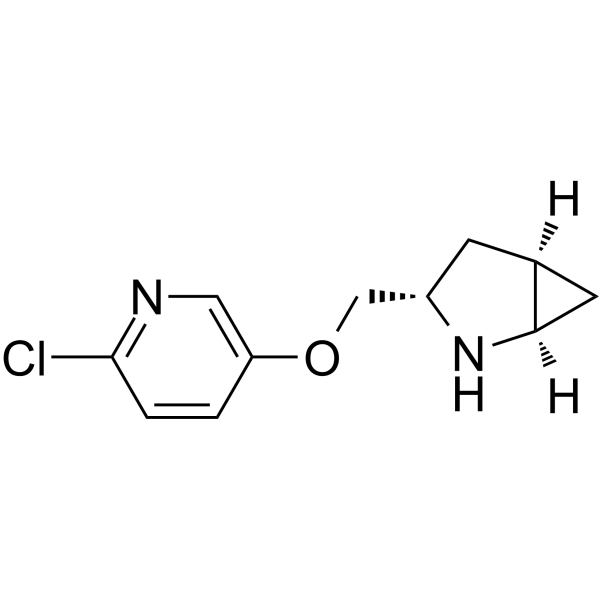
    Tebanicline, an analogue of epibatidine, is a neuronal nicotinic acetylcholine receptor agonist. Tebanicline exhibits potent antinociceptive effects and has a high affinity for the α4β2 neuronal nicotinic acetylcholine receptor subunit in the central nervous system.
    Tebanicline
  • HY-N9949

    Lupinidine

    nAChR Neurological Disease
    Sparteine (Lupinidine) is an alkaloid compound derived from leguminous plants and can act as a ganglionic blocker. Sparteine competitively inhibits the activity of the neuronal nicotinic acetylcholine receptor (nACh receptor) .
    Sparteine
  • HY-B0942S

    Isotope-Labeled Compounds nAChR Neurological Disease
    Benzethonium-d7 chloride is the deuterium labeled Benzethonium chloride. Benzethonium chloride inhibit human recombinant α7 and α4β2 neuronal nicotinic acetylcholine receptors in Xenopus oocytes.
    Benzethonium-d7 chloride
  • HY-W979493

    nAChR Others
    TC-2216 is a compound with antidepressant and anxiolytic activity that has shown activity in multiple animal models and may exert its effects by acting on α4β2 neuronal nicotinic receptors.
    TC-2216
  • HY-14312

    nAChR Neurological Disease
    A 85380 is a novel, high affinity neuronal nicotinic acetylcholine receptor (nAChR) agonist. A 85380 exhibits selectivity for the α4β2 nAChR subtypes. A 85380 has a broad-spectrum analgesic profile .
    A85380
  • HY-W745872

    RJR-2403-d3; (E)-Metanicotine-d3

    Isotope-Labeled Compounds Neurological Disease
    Rivanicline-d3 (RJR-2403-d3) is the deuterium labeled Rivanicline. Rivanicline (RJR-2403) is a neuronal nicotinic receptor agonist. .
    Rivanicline-d3
  • HY-116149

    nAChR Others
    A-424274 is a positive allosteric modulator of the α4β2 neuronal nicotinic acetylcholine receptor with activity to enhance the efficacy of analgesics. A-424274 selectively enhances the potency of a range of nicotinic acetylcholine receptor agonists at the α4β2 receptor and, in preclinical models, co-administration with an α4β2 PAM significantly enhances the analgesic efficacy of ABT-594 at clinically well-tolerated doses in humans.
    A-424274
  • HY-N1064

    nAChR Neurological Disease
    Xanthoplanine, isolated from theroot of Xylopia parviflora, fully inhibits the EC50 ACh responses of both alpha7 and alpha4beta2 nACh receptors with estimated IC50 values of 9 μM (alpha7) and 5 μM (alpha4beta2) .
    Xanthoplanine
  • HY-107669

    nAChR Neurological Disease
    nAChR-IN-1 (hydrochloride) is a tetramethylpiperidine heptanoate, a selective nicotinic acetylcholine receptor (nAChR) inhibitor that inhibits nAChRs lacking α5, α6, or β3 subunits. nAChR-IN-1 has the effect of preventing nerve disorder, can be used for nicotinic acetylcholine receptor dysfunction or neurological disorders research .
    nAChR-IN-1 hydrochloride
  • HY-13225H

    RJR-2403 hydrochloride; Metanicotine hydrochloride

    nAChR Neurological Disease
    Rivanicline (RJR-2403) hydrochloride is a neuronal nicotinic receptor agonist. Rivanicline hydrochloride is highly selective for the rat brain cortex nAChRs (Ki = 26 nM, EC50 of 732 nM) and α4β2 subtype (Ki = 26 nM, EC50 = 16 μM). Rivanicline hydrochloride can significantly restore the learning impairment and cognitive dysfunction. Rivanicline hydrochloride can be used for the study of neurodegenerative diseases (such as schizophrenia or Alzheimer's disease) .
    Rivanicline hydrochloride
  • HY-107676A

    nAChR Neurological Disease
    SIB-1553A free base is an orally bioavailable nicotinic acetylcholine receptors (nAChRs) agonist, with selectivity for β4 subunit-containing nAChRs. SIB-1553A free base is also a selective neuronal nAChR ligand. SIB-1553A free base is a cognitive enhancer, and has therapeutic potential for the symptomatic treatment of Alzheimer’s disease and other cognitive disorders .
    SIB-1553A free base
  • HY-N9484S

    Drug Metabolite Isotope-Labeled Compounds Others
    Menthofuran- 13C2 is 13C labeled Menthol (HY-N1369). Menthol is an analgesic and TRPM8 modulator. TRPM8 is a cold temperature sensing ion channel, and Menthol can regulate TRPM8 to exert analgesic and anti-irritation mechanisms. Menthol stimulates cold receptors and produces a cooling sensation by inhibiting Ca ++ currents in neuronal cell membranes. Menthol also improves oral nicotine rejection in mice .
    Menthofuran-13C2
  • HY-107111A

    Cholinesterase (ChE) mAChR Neurological Disease
    GSK1034702 hydrochloride is an orally active and allosteric agonist of M1 mAChR (pEC50=8.1) that can cross the blood-brain barrier. GSK1034702 hydrochloride activates the Gq/11 protein-mediated signaling pathway, enhancing neuronal firing and long-term potentiation (LTP) in the CA1 region of the hippocampus. GSK1034702 hydrochloride can modulate hippocampal function, improve memory encoding in the nicotine withdrawal cognitive dysfunction model, and show pro-cognitive effects in rodents. GSK1034702 hydrochloride can be used for the study of the mechanisms of cognitive impairment diseases such as Alzheimer's disease, and has certain peripheral M receptor activation-related side effects (such as gastrointestinal reactions) .
    GSK1034702 hydrochloride
  • HY-134045

    nAChR Neurological Disease Inflammation/Immunology
    (-)-Anatoxin A is an enantiomer of (±)-Anatoxin A (HY-N2326). (-)-Anatoxin A is a neuronal nicotinic acetylcholine receptor agonist. (-)-Anatoxin A can be used for pain and inflammation research .
    (-)-Anatoxin A
  • HY-107675R

    Deformylflustrabromine hydrochloride (Standard); dFBr hydrochloride (Standard)

    Reference Standards nAChR Neurological Disease
    Desformylflustrabromine hydrochloride (Standard) is the analytical standard of Desformylflustrabromine hydrochloride (HY-107675). This product is intended for research and analytical applications. Desformylflustrabromine hydrochloride is a selective agonist of α4β2 neuronal nicotinic acetylcholine receptor (nAChR) with a pEC50 of 6.48.
    Desformylflustrabromine hydrochloride (Standard)
  • HY-14314

    Endogenous Metabolite Neurological Disease
    ABT-418 is a selective neuronal nicotinic acetylcholine receptor ligand with activity in improving spatial memory. ABT-418 administered before training can significantly reduce the spatial discrimination deficit caused by ventricular damage. ABT-418 is considered to be a potential treatment for attention deficit disorder .
    ABT-418
  • HY-13225D

    RJR-2403 fumarate; (E)-Metanicotine fumarate

    nAChR Neurological Disease
    Rivanicline (RJR-2403) fumarate is a neuronal nicotinic receptor agonist. Rivanicline fumarate is highly selective for the rat brain cortex nAChRs (Ki = 26 nM, EC50 of 732 nM) and α4β2 subtype (Ki = 26 nM, EC50 = 16 μM). Rivanicline fumarate can significantly restore the learning impairment and cognitive dysfunction. Rivanicline fumarate can be used for the study of neurodegenerative diseases (such as schizophrenia or Alzheimer's disease) .
    Rivanicline fumarate
  • HY-59201

    nAChR 5-HT Receptor ERK Epigenetic Reader Domain Neurological Disease
    A-582941 is a selective, orally active, blood-brain barrier-permeable α7 nAChR agonist, with Ki values of 10.8 nM and 17 nM in rat brain and human frontal cortex, respectively. A-582941 exhibits agonistic activity at 5-HT3 receptors, with a Ki of 150 nM. A-582941 triggers phosphorylation of ERK1/2 and CREB, inhibits GSK-3β via Ser-9 phosphorylation, increases acetylcholine release, induces the expression of Arc and c-Fos, activates brain regions associated with working memory and attention, and reduces cell death caused by nerve growth factor (NGF) deprivation. A-582941 is applicable for the research of Alzheimer's disease and schizophrenia .
    A-582941
  • HY-107111R

    Reference Standards mAChR Neurological Disease
    GSK1034702 (Standard) is the analytical standard of GSK1034702 (HY-107111). This product is intended for research and analytical applications. GSK1034702 is an orally active and allosteric agonist of M1 mAChR (pEC50=8.1) that can cross the blood-brain barrier. GSK1034702 activates the Gq/11 protein-mediated signaling pathway, enhancing neuronal firing and long-term potentiation (LTP) in the CA1 region of the hippocampus. GSK1034702 can modulate hippocampal function, improve memory encoding in the nicotine withdrawal cognitive dysfunction model, and show pro-cognitive effects in rodents. GSK1034702 can be used for the study of the mechanisms of cognitive impairment diseases such as Alzheimer's disease, and has certain peripheral M receptor activation-related side effects (such as gastrointestinal reactions) .
    GSK1034702 (Standard)

Inquiry Online

Your information is safe with us. * Required Fields.

Salutation


Country or Region *

Applicant Name *


Organization Name *

Department *


Email Address *


Product Name *

Cat. No.


Requested quantity *

Phone Number *


Remarks

Inquiry Online

Inquiry Information

Product Name:
Cat. No.:
Quantity:
MCE Japan Authorized Agent:

