
1. Search Result
Search Result
Results for "

pharmacokinetic activity

" in MedChemExpress (MCE) Product Catalog:

159

Inhibitors & Agonists

5

Screening Libraries

1

Fluorescent Dyes

3

Peptides

3

Inhibitory Antibodies

2

Natural
Products

5

Isotope-Labeled Compounds

2

Click Chemistry

Cat. No. Product Name Target Research Areas Chemical Structure
  • HY-P99250
    Onartuzumab
    2 Publications Verification

    MetMAb

    c-Met/HGFR Neurological Disease Cancer
    Onartuzumab (MetMAb) is a unique, humanized and affinity-matured monovalent (one-armed) monoclonal antibody against the MET receptor. Onartuzumab potently inhibits HGF binding and receptor phosphorylation and signaling. Onartuzumab has antibody-like pharmacokinetics and antitumor activity .
    Onartuzumab
  • HY-114778
    Fluzoparib
    4 Publications Verification

    SHR3162; Fuzuloparib

    PARP Cancer
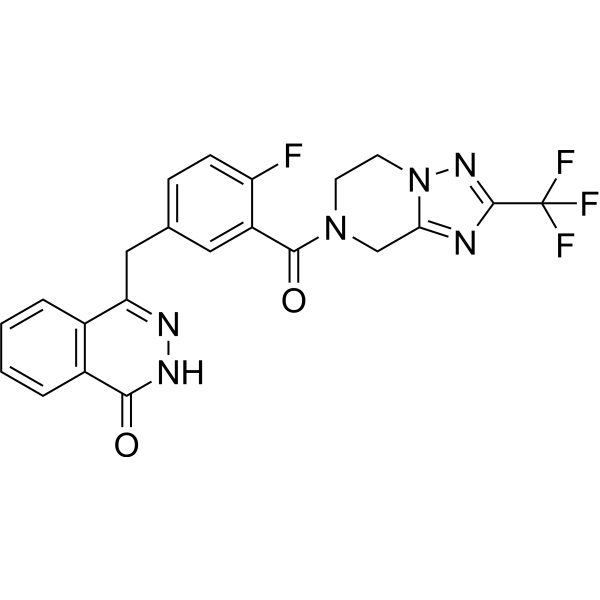
    Fluzoparib (SHR3162) is a potent and orally active PARP1 inhibitor (IC50=1.46±0.72 nM, a cell-free enzymatic assay) with superior antitumor activity. Fluzoparib selectively inhibits the proliferation of homologous recombination repair (HR)-deficient cells, and sensitizes both HR-deficient and HR-proficient cells to cytotoxic agents. Fluzoparib exhibits good pharmacokinetic properties in vivo and can be used for BRCA1/2-mutant relapsed ovarian cancer research .
    Fluzoparib
  • HY-124754

    BTRX-335140; CYM-53093

    Opioid Receptor Neurological Disease Metabolic Disease
    Navacaprant (BTRX-335140) is a selective and orally active κ opioid receptor (KOR) antagonist, has antagonist activity for κOR, μOR and δOR with IC50 values of 0.8 nM, 110 nM, and 6500 nM, respectively. Navacaprant endows with favorable in vitro ADMET and in vivo pharmacokinetic profiles and medication-like duration of action in rats. Navacaprant distributes well into the CNS and can be used for the research of neuropathy .
    Navacaprant
  • HY-109142
    Ziresovir
    5 Publications Verification

    AK0529; RO-0529

    RSV Infection
    Ziresovir (AK0529;RO-0529) is a potent, selective, and orally bioavailable respiratory syncytial virus (RSV) fusion (F) protein (RSV F) protein inhibitor. Ziresovir shows anti-RSV activity (EC50=3 nM) and highlights pharmacokinetics in animal species .
    Ziresovir
  • HY-15738
    GNF-5
    4 Publications Verification

    Bcr-Abl Cancer
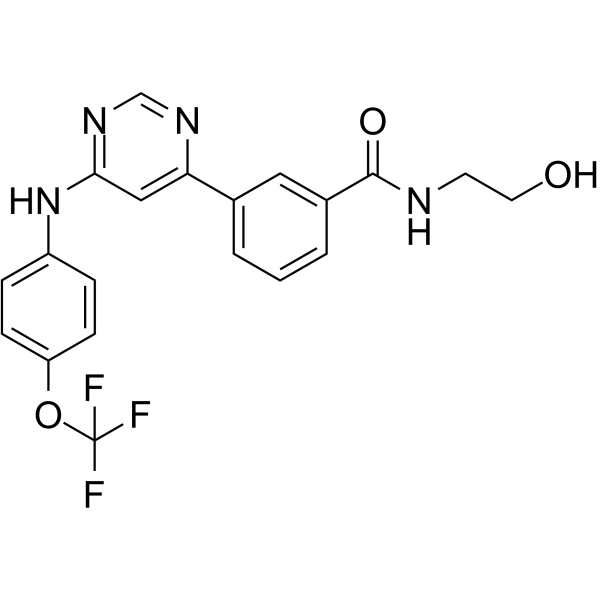
    GNF-5, the N-hydroxyethyl carboxamide analog of GNF-2, is an orally active Bcr-Abl inhibitor. GNF-5 has Bcr-Abl inhibition activity with an IC50 value of 0.22 µM. GNF-5 has good favorable pharmacokinetic properties. GNF-5 can be used for the research of kinds of cancer including chronic myelogenous leukemia (CML) and breast cancer .
    GNF-5
  • HY-139602
    (+)-JNJ-A07
    2 Publications Verification

    Flavivirus Dengue Virus Virus Protease Infection
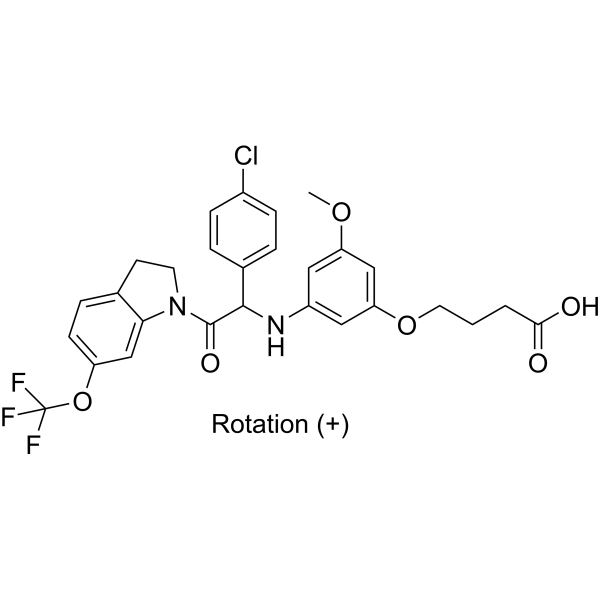
    (+)-JNJ-A07 is a highly potent, orally active pan-serotype dengue virus inhibitor targeting the NS3-NS4B interaction. (+)-JNJ-A07 exerts nanomolar to picomolar activity against a panel of 21 clinical isolates. (+)-JNJ-A07 has a favourable pharmacokinetic profile that results in outstanding efficacy against dengue virus infection in mouse infection models .
    (+)-JNJ-A07
  • HY-150654

    WDR5 Cancer
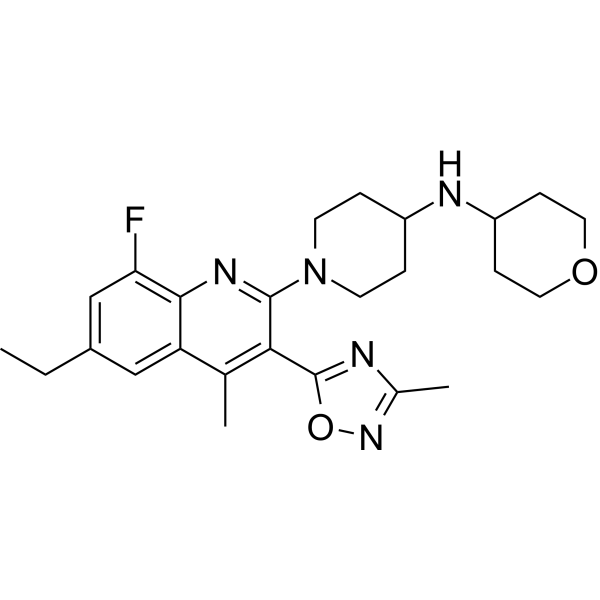
    WDR5-IN-5 is an orally active and selective inhibitor of WIN site of WD repeat domain 5 (WDR5). WDR5-IN-5 exhibits anti-proliferative activity towards cancer cells and good pharmacokinetics profile in mice. WDR5-IN-5 shows high affinity to WDR5 and the binding affinity Ki value <0.02 nM .
    WDR5-IN-5
  • HY-156117

    STING Cancer
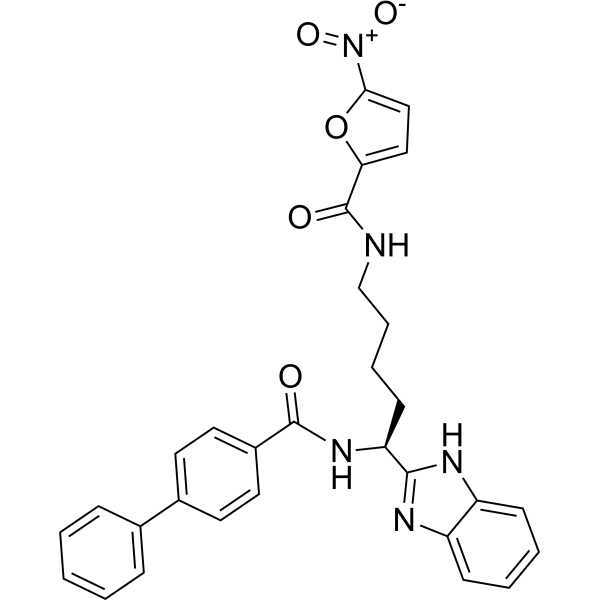
    LB244 is a homologue of BB-Cl-amidine, which is an orally effective STING inhibitor (EC50=0.8 μM) and can be used to inhibit STING-dependent inflammatory diseases. The pharmacokinetic properties of LB244 indicate limited oral activity in mice .
    LB244
  • HY-103671

    Glutaminase Inflammation/Immunology Cancer
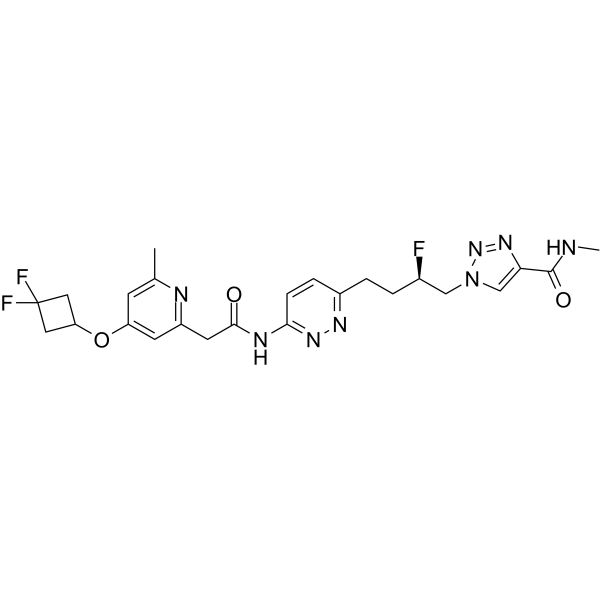
    IPN-60090 is an orally active and highly selective inhibitor of glutaminase 1 (GLS1; IC50=31 nM), with no activity observed against GLS-2. IPN-60090 exhibits excellent physicochemical and pharmacokinetic properties in vivo. IPN-60090 can be used for solid tumors research, such as lung and ovarian cancers .
    IPN60090
  • HY-149470

    Histone Acetyltransferase Cancer
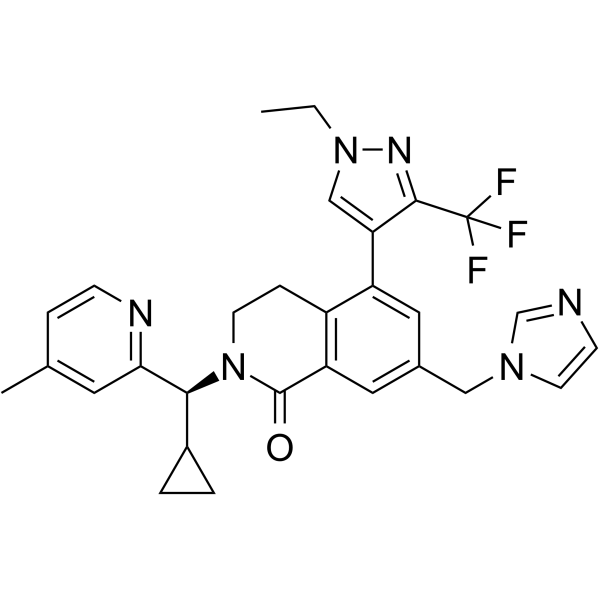
    MOZ-IN-3 (Compound 6j) is a KAT6A (MOZ) acetyltransferase inhibitor (IC50: 30 nM). MOZ-IN-3 has antitumor activity against four different myeloid leukemia cell lines (HL-60, U937, SKNO-1, K562). MOZ-IN-3 has favorable metabolic stability and pharmacokinetics .
    MOZ-IN-3
  • HY-103671A

    Glutaminase Inflammation/Immunology Cancer
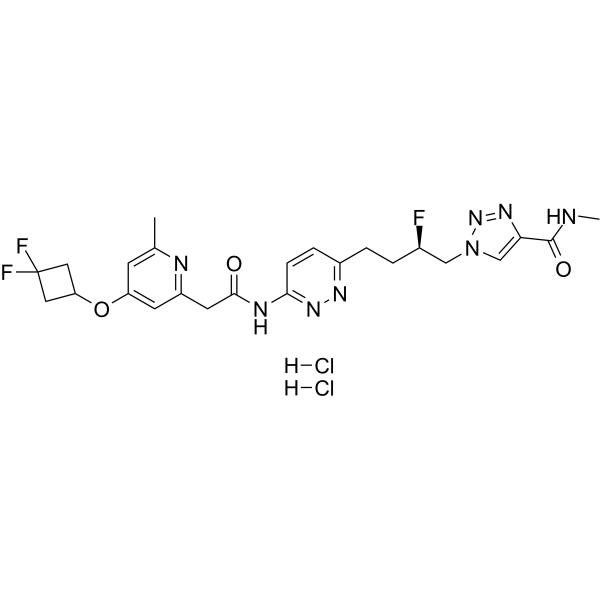
    IPN-60090 dihydrochloride is an orally active and highly selective inhibitor of glutaminase 1 (GLS1; IC50=31 nM), with no activity observed against GLS-2. IPN-60090 dihydrochloride exhibits excellent physicochemical and pharmacokinetic properties in vivo. IPN-60090 dihydrochloride can be used for solid tumors research, such as lung and ovarian cancers .
    IPN60090 dihydrochloride
  • HY-148706

    STAT Infection Cancer
    STAT3-IN-17 is a moderate STAT3 inhibitor (IC50=0.7 μM; HEK-Blue IL-6), with antiproliferative activity in HeLa cells. STAT3-IN-17 has good pharmacokinetic characteristics. STAT3-IN-17 also inhibits pyruvate-ferredoxin oxidoreductase (PFOR), and inhibits Helicobacter pylori .
    STAT3-IN-17
  • HY-126248

    PARP Wnt Cancer
    Tankyrase-IN-2 (compound 5k) is a potent, selective, and orally active tankyrase inhibitor (IC50s of 10, 7, and 710 nM for TNKS1, TNKS2 as well as PARP1, respectively). Tankyrase-IN-2 has favorable physicochemical profile and pharmacokinetic properties modulating Wnt pathway activity in a colorectal xenograft model .
    Tankyrase-IN-2
  • HY-167876

    PI3K Cancer
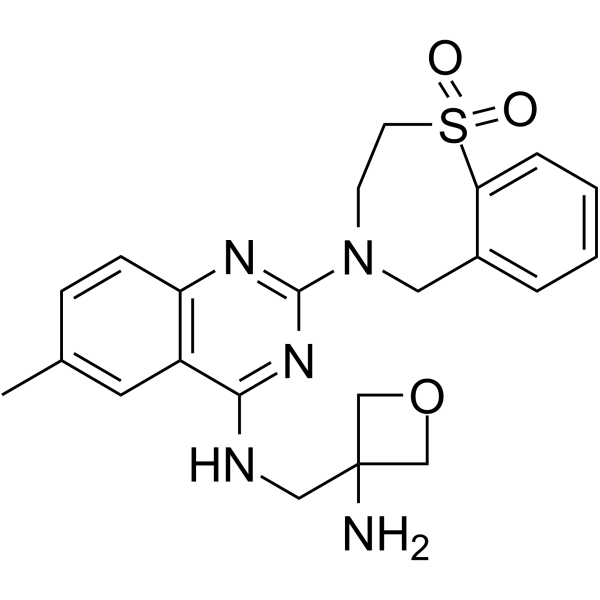
    PQR514 is a potent PI3K inhibitor with anticancer activity. PQR514 is able to inhibit cancer cell proliferation. PQR514 showed significant antitumor activity in the OVCAR-3 xenograft model, with the required concentration being approximately one-eighth that of PQR309. PQR514 has good pharmacokinetic properties and minimal brain penetration, making it an optimized candidate compound for inhibiting systemic tumors .
    PQR514
  • HY-168035

    Histone Methyltransferase Cancer
    W4275 (Compound 42) is a selective NSD2 inhibitor with oral activity, showing an IC50 value of 17 nM. W4275 exhibits antiproliferative activity with an IC50 of 230 nM against RS411 cells and significantly inhibits tumor growth in the RS411 tumor xenograft model. Pharmacokinetic analysis in mice demonstrates that W4275 has good oral bioavailability (F of 27.34%). W4275 holds promise for use in cancer research .
    W4275
  • HY-131903

    IRAK Inflammation/Immunology
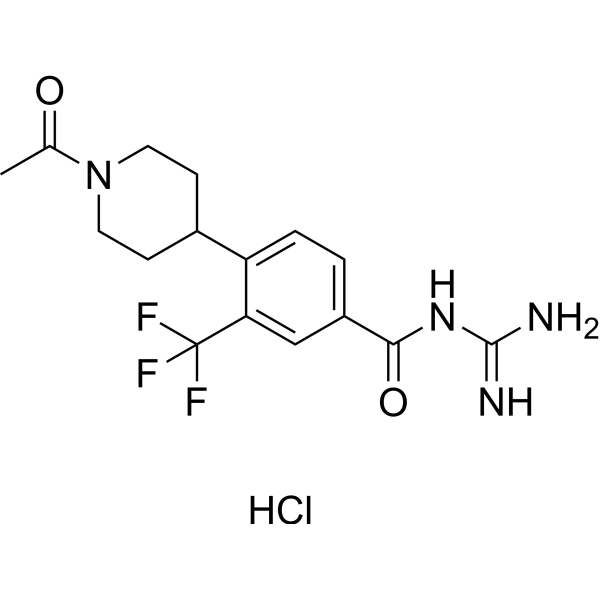
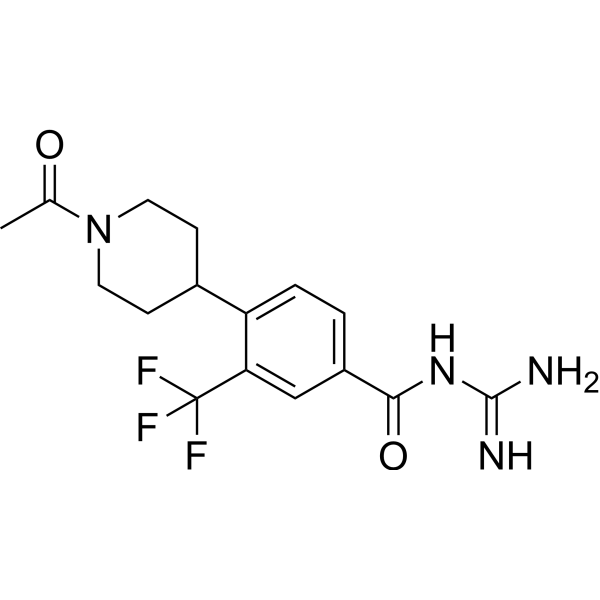
    HS271 is a highly potent, orally active and selective IRAK4 inhibitor, with an IC50 of 7.2 μM. HS271 exhibits superior enzymatic and cellular activities, as well as excellent pharmacokinetic properties .
    HS271
  • HY-172914

    ATP Citrate Lyase Cardiovascular Disease Metabolic Disease
    ACLY-IN-1 is an orally active ACLY inhibitor. ACLY-IN-1 exhibits potent ACLY inhibitory activity (IC50 = 8.3 nM) and high binding affinity (KD = 72.0 nM) to ACLY. ACLY-IN-1 demonstrates good pharmacokinetic profiles and a potent in vivo hypolipidemic effect .
    ACLY-IN-1
  • HY-18030A

    Anaplastic lymphoma kinase (ALK) Cancer
    CEP-28122 mesylate salt, a diaminopyrimidine derivative, is a potent, selective, and orally active ALK inhibitor with an IC50 value of 1.9 nM. CEP-28122 mesylate salt has antitumor activity in experimental models of ALK-positive human cancers. CEP-28122 mesylate salt has good pharmacodynamic and pharmacokinetic activity. CEP-28122 mesylate salt can be used for the study of ALK-positive anaplastic large-cell lymphoma (ALCL), non-small cell lung cancer (NSCLC), and neuroblastoma cells .
    CEP-28122 mesylate salt
  • HY-18030

    Anaplastic lymphoma kinase (ALK) Cancer
    CEP-28122, a diaminopyrimidine derivative, is a potent, selective, and orally active ALK inhibitor with an IC50 value of 1.9 nM. CEP-28122 has antitumor activity in experimental models of ALK-positive human cancers. CEP-28122 has good pharmacodynamic and pharmacokinetic activity. CEP-28122 can be used for the study of ALK-positive anaplastic large-cell lymphoma (ALCL), non-small cell lung cancer (NSCLC), and neuroblastoma cells .
    CEP-28122
  • HY-121495

    Parasite Infection
    BKI-1369 is a bumped kinase inhibitor (BKI). BKI-1369 increases human Ether-a-go-go-related gene (hERG)-inhibitory activity with an IC50 of 1.52 μM. BKI-1369 reduces the parasite burden and diseases severity in the gnotobiotic pig model. BKI-1369 has been well characterized for potency, stability, metabolism, toxicity, pharmacokinetics and is potent against C. parvum in infected mice and calves .
    BKI-1369
  • HY-167745

    Discoidin Domain Receptor Neurological Disease
    DDR1-IN-9 is a selective inhibitor of DDR1 with significant kinase activity suppression, exhibiting a Kd value of 4.7 nM and an IC50 value of 9.4 nM. DDR1-IN-9 demonstrates reduced potency against a diverse panel of 400 nonmutated kinases, indicating its specificity. Additionally, DDR1-IN-9 shows favorable pharmacokinetic properties and potential therapeutic effects in a model of pulmonary fibrosis.
    DDR1-IN-9
  • HY-114727

    Phosphodiesterase (PDE) Inflammation/Immunology
    PDE7-IN-4 is a phosphodiesterase 7 (PDE7) inhibitor with activity that increases intracellular cyclic adenosine monophosphate (cAMP) levels. PDE7-IN-4 shows potential inhibitory effects in neurotransmission and anti-inflammatory applications. PDE7-IN-4 exerts its biological activity by acting on the cAMP/cAMP response element binding protein (CREB) pathway. The development of PDE7-IN-4 aims to improve its pharmacokinetic characteristics to more effectively target neurodegenerative diseases and other inflammation-related diseases .
    PDE7-IN-4
  • HY-155993

    PARP Cancer
    YCH1899 is an orally active PARP inhibitor, with an IC50< 0.001 nM for PARP1/2. YCH1899 exhibits distinct antiproliferation activity against Olaparib (HY-10162)-resistant and Talazoparib (HY-16106)-resistant Capan-1 cells (Capan-1/OP and Capan-1/TP cells) , with IC50 values of 0.89 and 1.13 nM, respectively. YCH1899 has acceptable pharmacokinetic properties in rats .
    YCH1899
  • HY-146214

    CDK Cancer
    As a cdk4/6 inhibitor. Compounds 10B and 10C showed low nanomolar activity, ideal antiproliferative activity, excellent metabolic properties and acceptable pharmacokinetics on cdk4/6.
    CDK4/6-IN-13
  • HY-163721

    CDK Cancer
    CDK7-IN-29 (compound 20) is an inhibitor of CDK7 with an IC50 value of 1.4 nM. CDK7-IN-29 has oral activity and good pharmacokinetic (PK) properties .
    CDK7-IN-29
  • HY-133760

    MDM-2/p53 Cancer
    MI-888 is an orally active MDM2 inhibitor with a Ki of 0.44 nM. MI-888 can inhibit the MDM2-p53 interaction. MI-888 has favorable pharmacokinetic properties and anti-tumor activity .
    MI-888
  • HY-146662

    PGE synthase Inflammation/Immunology
    HPGDS inhibitor 3 is an orally active and highly potent peripherally restricted hematopoietic prostaglandin D synthase (H-PGDS) inhibitor with IC50 value of 9.4 nM and EC50 of 42 nM, respectively. HPGDS inhibitor 3 exhibits good selectivity, good pharmacokinetic parameters in mouse, rat, and dog, and no CNS toxicity. HPGDS inhibitor 3 has anti-inflammatory activity .
    HPGDS inhibitor 3
  • HY-178350

    CDK HDAC Apoptosis Histamine Receptor Cancer
    MFDCH016 is a potent HDAC1/6 (IC50 = 38/59 nM) and CDK4/6 (IC50 = 680/720 nM) inhibitor. MFDCH016 induces apoptosis and cell cycle arrest in G2/M and G0/G1 phases in MCF-7 cells. MFDCH016 can modulate the HDAC-p21-CDK signaling pathway, increasing the levels of acetylated H3 and p21. MFDCH016 can be used for the study of breast cancer .
    MFDCH016
  • HY-139743

    Aditoprim

    Antifolate Bacterial Infection
    Aditoprime (Aditoprim) is a selective bacterial dihydrofolate reductase (DHFR) inhibitor with IC50s of 47 and 520 nM for E.coli and L.casei DHFR, respectively. Aditoprime inhibits the transformation of dihydrofolic acid to tetrahydrofolic acid. Aditoprime has a broad-spectrum antibacterial activity and excellent pharmacokinetics .
    Aditoprime
  • HY-126973

    HCV Protease Infection
    BI-1230, a chemical probe, is potent and digit nanomolar inhibitor of HCV NS3 protease and of viral replication. BI-1230 is also highly selective against other serine/cysteine proteases. BI-1230 shows good Pharmacokinetic(PK) activity .
    BI-1230
  • HY-19869

    HIV Reverse Transcriptase Infection
    VRX-480773 is an efficient non-nucleoside reverse transcriptase inhibitor (NNRTI), used for HIV infection. VRX-480773 has high specificity for HIV-1, with an EC50 for wild-type HIV-1 being 0.14 nM. VRX-480773 does not inhibit HIV-2, HBV or HCV, and has no effect on human DNA polymerase α/β. VRX-480773 retains inhibitory activity against Efavirenz (HY-10572) resistant strains, with EC50s mostly < 1 nM. VRX-480773 can be used for research on AIDS .
    VRX-480773
  • HY-172426

    Anaplastic lymphoma kinase (ALK) Cancer
    Dirozalkib (Compound 4) is the inhibitor for ALK with an IC50 of 0.9 nM. Dirozalkib exhibits anti-proliferative activity in cancer cells NCI-H3122, Karpas-299 and NCI-H2228 with IC50s of 130.4, 0.71 and 15.11 nM, respectively. Dirozalkib exhibits good pharmacokinetics characteristics with an bioavailbility of 30%~50% .
    Dirozalkib
  • HY-111073

    Y101

    HBV Infection Inflammation/Immunology
    Bentysrepinine (Y101) is an orally active HBV inhibitor with anti-hepatitis B virus infection activity. Bentysrepinine exhibits favorable pharmacokinetic characteristics, with absolute bioavailability of 44.9%, 43.1%, and 19.2% in rats, dogs, and monkeys, respectively, and it does not accumulate in monkeys after 90 days of oral administration. Bentysrepinine is under research in the antiviral and hepatitis fields .
    Bentysrepinine
  • HY-135495

    Sodium Channel Histamine Receptor Inflammation/Immunology
    AM-0466 is a sodium channel inhibitor with nanomolar levels of NaV1.7 inhibitory activity. AM-0466 exhibits potent pharmacodynamic activity in a NaV1.7-dependent histamine-induced itch model. AM-0466 also showed significant analgesic effects in capsaicin-induced pain models. After optimizing its pharmacokinetic properties, AM-0466 was advanced into in vivo targeting and efficacy models for testing .
    AM-0466
  • HY-177123

    Complement System Inflammation/Immunology
    Refinicopan is a complement factor D inhibitor with an IC50 of 10 nM. Refinicopan inhibits hemolysis of rabbit red blood cells. Refinicopan can be used to study diseases mediated by complement factor D .
    Refinicopan
  • HY-162525

    HIV Protease Infection
    GS-9770 is an orally active inhibitor for HIV protease with Ki of 0.16 nM. GS-9770 exhibits antiviral activity aginst HIV-1 strains and HIV-2 strains with EC50 of 1.9-26 nM, and 26 nM. GS-9770 is metabolic stable in human liver microsomes. GS-9770 exhibits good pharmacokinetic characters in Sprague Dawley rats .
    GS-9770
  • HY-174819

    HBV Infection
    VNRX-9945 is a potent, broadly and orally active HBV CAM (capsid assembly modulator) with an EC50 of 2.6 nM. VNRX-9945 exhibits excellent and broad antiviral activity against multiple HBV genotypes in vitro, along with favorable pharmacokinetic profiles across multiple species. VNRX-9945 demonstrates robust antiviral efficacy in the adeno-associated virus mice models of HBV (AAV-HBV) infection .
    VNRX-9945
  • HY-144437

    TGF-β Receptor Cancer
    ALK5-IN-9 (Compound 8h) is a potent and orally active inhibitor of TGFβRI (ALK5). ALK5-IN-9 inhibits ALK5 autophosphorylation and NIH3T3 cell activity with IC50 values of 25 nM and 74.6 nM, respectively. ALK5-IN-9 also shows favorable pharmacokinetic profile and ameliorated hERG inhibition. ALK5-IN-9 has the potential for the research of cancer disease .
    ALK5-IN-9
  • HY-138216

    Bacterial Infection
    Despropylene gatifloxacin is a metabolism of AM-1155 (HY-10581). AM-1155 has potent antibacterial activity and favorable pharmacokinetics .
    Despropylene gatifloxacin
  • HY-121804

    Parasite Others
    SSJ-183 is a compound with antimalarial activity, with activity that modulates antimalarial effects and pharmacokinetic properties. SSJ-183 has shown some activity in antimalarial studies, and its pharmacokinetic properties are between those of other tested compounds, which is of certain significance for the study of new antimalarial combination therapies.
    SSJ-183
  • HY-120123

    Prostaglandin Receptor Inflammation/Immunology
    FR181157, an orally active PGI2 agonist activity with especially good pharmacokinetic properties .
    FR181157
  • HY-19367

    Drug Intermediate Cardiovascular Disease
    MD-39-AM exhibits antihypertensive, diuretic and saliuretic activities with good in vivo pharmacokinetic characters .
    MD-39-AM
  • HY-123214

    Antibiotic Bacterial Others
    Rifametane is a new 3-azamethyl-rifamycin with a pharmacokinetic profile superior to that of rifampin and activity with peak serum concentrations higher than that of rifampin in healthy volunteers.
    Rifametane
  • HY-162163

    Toll-like Receptor (TLR) Cancer
    TLR7 agonist 19 (Compound 14) is a Toll-like receptor 7 (TLR7) agonist with excellent pharmacokinetic properties and synergistic antitumor activity.
    TLR7 agonist 19
  • HY-161705

    Apoptosis Neurological Disease
    Anti-apoptotic agent 1 (Compound B4) exhibits neuroprotective activity and good pharmacokinetic properties. Anti-apoptotic agent 1 inhibits apoptosis, prevents stroke recurrence in photothrombotic rat model .
    Anti-apoptotic agent 1
  • HY-158242

    Bacterial Infection
    Antibacterial agent 212 (Compound 162) is an antibacterial agent with oral activity and good pharmacokinetic properties, having a MIC of 4 μg/mL against Pseudomonas aeruginosa T-2022-D2-048 .
    Antibacterial agent 212
  • HY-149774

    SARS-CoV Infection
    GC-78-HCl is an orally and nonpeptidic SARS-CoV-2 M pro inhibitor, with an IC50 of 0.19 μM for enzyme. GC-78-HCl has excellent antiviral activity and favorable pharmacokinetic properties .
    GC-78-HCl
  • HY-120080

    Integrin Others
    UR-2922 is a platelet GPIIb/IIIa antagonist with antiplatelet aggregation and cardiovascular disease inhibition activities. UR-2922 has high affinity for human platelet receptors and has good pharmacokinetic properties, and can be used to inhibit cardiovascular diseases.
    UR-2922
  • HY-161937

    Topoisomerase Bacterial Infection
    Antibacterial agent 236 (Compound 4l) is an orally active inhibitor for DNA gyrase and topoisomerase IV (IC50 is 3.2 and 300 nM in Staphylococcus aureus), and exhibits board-spectrum antibacterial activity. Antibacterial agent 236 exhibits good pharmacokinetic properties in mice .
    Antibacterial agent 236
  • HY-13550A

    NSC 196473 acetate; NSC 290813 acetate

    DNA/RNA Synthesis Cancer
    Ametantrone acetate (NSC 196473 acetate) is an antineoplastic drug with topoisomerase II inhibitory activity. Ametantrone acetate causes covalent cross-linking of DNA. The pharmacokinetic profile of Ametantrone acetate has been confirmed in clinical trials, and its elimination pathway in the body indicates the existence of a major metabolic pathway .
    Ametantrone acetate

Inquiry Online

Your information is safe with us. * Required Fields.

Salutation


Country or Region *

Applicant Name *


Organization Name *

Department *


Email Address *


Product Name *

Cat. No.


Requested quantity *

Phone Number *


Remarks

Inquiry Online

Inquiry Information

Product Name:
Cat. No.:
Quantity:
MCE Japan Authorized Agent:

